The S 4 S Series encompasses a range of robust diesel engines designed for diverse industrial and marine applications. These engines are recognized for their reliability, fuel efficiency, and compact design, making them suitable for powering generators, construction equipment, agricultural machinery, and various marine vessels. Their consistent performance and durability ensure operational continuity in demanding environments, establishing them as a trusted choice for professionals requiring dependable power solutions.
Comprehensive technical documentation is available for the S 4 S Series, including detailed service manuals, parts catalogs, and operator's guides. These resources provide essential information on routine maintenance, troubleshooting common issues, and performing...
The S 4 S Series encompasses a range of robust diesel engines designed for diverse industrial and marine applications. These engines are recognized for their reliability, fuel efficiency, and compact design, making them suitable for powering generators, construction equipment, agricultural machinery, and various marine vessels. Their consistent performance and durability ensure operational continuity in demanding environments, establishing them as a trusted choice for professionals requiring dependable power solutions.
Comprehensive technical documentation is available for the S 4 S Series, including detailed service manuals, parts catalogs, and operator's guides. These resources provide essential information on routine maintenance, troubleshooting common issues, and performing in-depth repairs. Technicians and owners can utilize these manuals to ensure optimal engine performance, extend service life, and maintain safety standards through accurate procedures and specifications.
This manual covers the Mitsubishi Montero, First Generation, produced from 1983 to 1991, chassis codes L040 Series. Known for its rugged construction, reliable powertrains, and excellent off-road capability for its era, the Montero established itself as a capable compact/mid-size SUV. It offered practical utility and competed with other prominent off-road vehicles of the time. Engine options included a 2.6L I4 and a 2.5L Turbo Diesel for select markets, paired with either a 5-speed manual or 4-speed automatic transmission and a part-time 4WD system.
This comprehensive repair manual provides all necessary instructions for servicing your vehicle from front to back. It contains the same technical information utilized by professional garages and workshops, enabling you to perform repairs and ensure your car operates at peak condition. With detailed illustrations, diagrams, and step-by-step explanations, this manual is designed to be understood even with basic mechanical knowledge, guiding you through safety and ease of servicing.
The 1987 Mitsubishi Pajero/Montero, part of the First Generation (L040 Series), represented a significant entry into the sport utility vehicle market. It was engineered for both rugged off-road capability and everyday practicality, appealing to a wide range of users. Known for its durable chassis, robust four-wheel-drive system, and comfortable interior for its class, the Pajero/Montero competed effectively against other major SUVs of the era by offering a refined yet highly capable package. This model year was part of an update that refined its styling and mechanical options, solidifying its reputation for reliability and off-road prowess.
This manual covers the Pick-Up from 1987 and the Montero from 1988. These vehicles are known for their robust engineering and reliability, offering capable performance for both daily driving and off-road adventures. The lineage of trucks and SUVs, particularly the Montero's heritage rooted in the Pajero, signifies a commitment to durability and off-road prowess. With various engine options including 4-cylinder and V6 configurations, and both manual and automatic transmission choices, these models provided versatile utility for a wide range of users.
This manual covers the 1989 Mitsubishi Pajero/Montero, a rugged and versatile Sport Utility Vehicle renowned for its off-road prowess and durability. Built with a robust body-on-frame construction, this model offered a compelling blend of capability and utility, making it a popular choice for adventurers and those seeking a dependable vehicle for diverse terrains. Whether equipped with the efficient 2.6L inline-four or the more powerful 3.0L V6 engine, the Pajero/Montero from this era is celebrated for its engineering quality and the driving experience it provides, solidifying Mitsubishi's reputation in the competitive SUV market.
This manual covers the Galant, Eighth Generation, produced between 1989 and 1993, identified by chassis codes E31A through E39A and E35W/E37W. This mid-size sedan and wagon competed with popular models like the Toyota Camry and Honda Accord, offering distinctive styling and comfortable rides. Notable strengths included available performance engines, such as the turbocharged 4G63 and V6 options, contributing to its appeal in the competitive automotive market of its era.
This comprehensive service repair manual covers the Mitsubishi 3000GT models produced between 1991 and 1996. Designed for both the do-it-yourselfer and experienced mechanics, this manual provides the same level of detail found in dealer-issued documentation. It is an essential resource for maintaining the proper working condition of your vehicle, offering step-by-step instructions derived from complete disassembly procedures, complemented by numerous photos and illustrations.
This manual covers the Mitsubishi SPACERUNNER, produced between 1991 and 1999. The SPACERUNNER is an automotive vehicle designed for reliable transportation and everyday use. Its engineering prioritizes durability and performance, offering a robust platform for various driving needs. This service and repair manual is intended to provide comprehensive information for maintaining and repairing this specific model.
This comprehensive repair manual provides all the necessary instructions for servicing your vehicle from front to back. It contains the same detailed technical information used by professional garages and workshops, enabling you to maintain your car in optimal condition. With step-by-step explanations, illustrations, and diagrams, even individuals with basic mechanical knowledge can safely and easily perform servicing tasks.
This manual covers the Colt Lancer, specifically the Fifth Generation models produced between 1992 and 1995, identified by chassis codes CB1A through CC8A. Known for its reputation as reliable and economical transportation, this generation of the Colt Lancer offered a range of inline-four cylinder engines, from the efficient 1.3L to the powerful 2.0L found in performance variants like the Lancer Evolution. Available in sedan, coupe, and wagon body styles, these vehicles provided a blend of practicality and a foundation for motorsport success, particularly through their rally heritage. This generation represented a significant step forward in design and engineering.
The 1993 Mitsubishi 3000GT represents a pinnacle of Japanese sports car engineering from its era, designed to compete with established performance marques. This model, part of the first generation, offered a blend of advanced technology and aggressive styling. Available with a 60-degree V6 engine, it featured options for both naturally aspirated (222 hp) and twin-turbocharged (300 hp) variants, delivering exhilarating performance. Key technological innovations included optional all-wheel drive (AWD), four-wheel steering (4WS), and electronically controlled suspension (ECS), all contributing to its dynamic capabilities and appeal as a high-performance coupe.
This Repair Service Manual covers the Mitsubishi SD5541C P1528UA/UAG Monitor, produced in 1993. Engineered for reliability and performance, this device represents a significant advancement in its category. Its design prioritizes robust functionality and ease of operation, making it a dependable choice for its intended applications. The meticulous construction and quality components ensure sustained operational efficiency and longevity.
This manual covers the Mitsubishi Galant, produced from 1994 to 1998. This generation, identified by codes E50/E60/E70/E80, represented a significant update for Mitsubishi's mid-size sedan offering. The Galant was known for its comfortable ride and distinctive styling, often equipped with capable 4-cylinder or V6 engines. This vehicle was designed to provide a blend of everyday practicality and enjoyable driving dynamics, making it a reliable choice for daily transportation and longer journeys.
The 1995 Mitsubishi 3000GT, also known as the GTO, stands as a testament to Japanese engineering prowess, representing the second generation of this iconic sports coupe. This model was a flagship offering, competing in a segment defined by advanced technology and exhilarating performance. It distinguished itself with groundbreaking features such as an electronically controlled all-wheel-drive system, active aerodynamics, and four-wheel steering, all powered by a potent 3.0L V6 engine, available in both naturally aspirated and twin-turbocharged configurations. The 3000GT was designed to deliver a sophisticated and dynamic driving experience, solidifying its reputation as a technologically advanced and desirable sports car of its era.
This manual covers the Colt Lancer models produced between 1996 and 2001, spanning chassis codes CK#, CJ#, and CD#. Known for its reliable engineering and versatile design, the Colt Lancer offered a range of inline 4-cylinder engines, including 4G9 series variants, with displacements from 1.3L to 2.0L. Available in various body styles such as sedan, hatchback, coupe, and wagon, this generation of the popular compact car was designed for everyday use, offering a balance of practicality and engaging driving dynamics.
This manual covers the L200, also known as the Triton in many global markets, specifically the Third Generation (K60/K70 Series) produced from 1997 to 2005. As a robust light commercial vehicle and pickup truck, the L200 was designed for versatility, serving a wide range of utility and personal transportation needs. This generation marked an advancement with more refined cabin features and styling, positioning it competitively against contemporaries like the Toyota Hilux and Nissan Navara. Known for its durable ladder-frame chassis and available 4-wheel drive systems, the L200 offered reliable performance across various terrains and applications.
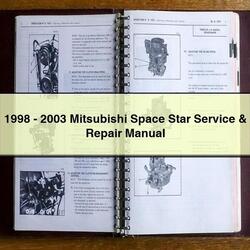
This manual covers the Mitsubishi Space Star, a compact MPV produced for the model years 1998 through 2003. Known for its practical interior layout, flexible seating arrangements, and compact exterior dimensions, the Space Star offered a versatile transportation solution for families and individuals. Its engineering focused on urban maneuverability and efficient engine options, making it a sensible choice in its segment. This first-generation DE Series vehicle is equipped with inline 4-cylinder engines ranging from 1.3L to 1.8L, paired with either a 5-speed manual or a 4-speed automatic transmission.
This service repair manual covers the Mitsubishi Pajero Sport vehicles produced between 1999 and 2002. The Pajero Sport is engineered for robust performance and reliability, offering a capable platform for various driving conditions. This manual is designed to provide comprehensive information for maintaining and repairing these vehicles, ensuring their continued optimal operation.
This comprehensive repair manual provides all necessary instructions for servicing your vehicle from front to back. It contains the same detailed technical information used by professional garages and workshops, enabling you to maintain your car in optimal condition. With illustrations, diagrams, and step-by-step explanations, this manual is designed to be understood even with basic mechanical knowledge, empowering you to perform safety and ease of servicing.
The Pajero Pinin, produced from 2000 to 2003, is a compact and agile SUV known for its impressive off-road capabilities relative to its size, a characteristic honed by an extensive heritage in rugged vehicle design. Developed in collaboration with Pininfarina, it blends practical utility with a distinctive style, offering a capable platform for both urban navigation and adventurous excursions. Available in both 3-door (H60) and 5-door (H70) chassis configurations, the Pajero Pinin was typically equipped with 1.8L or 2.0L gasoline engines and offered the choice between rear-wheel drive and advanced four-wheel drive systems like Easy Select or Super Select 4WD-i, enhancing its versatility. Its compact dimensions and durable construction made it a competitive option in the compact SUV market of its time.
This manual covers the Mitsubishi Eclipse and Eclipse Spyder, third generation, produced from 2000 to 2006. These vehicles, chassis codes D52A for the coupe and D53A for the convertible, were designed as compact sports coupes and convertibles, known for their distinctive, aggressive styling. They offered a balance of performance and affordability, with available potent V6 engines and optional All-Wheel Drive on GT models enhancing their sporty appeal. The Eclipse Spyder provided a stylish open-air driving experience, competing in a segment that valued both aesthetics and dynamic capability.
The Mitsubishi Galant, specifically the EA Series produced around the 2001 model year, is a mid-size sedan known for its professional-level repair information. This vehicle, a product of extensive automotive heritage, offered a compelling value proposition against competitors like the Toyota Camry and Honda Accord. It was engineered with a focus on reliability and performance, available with engine options such as a 2.4L 4-cylinder and a 3.0L V6, paired with either a 4-speed automatic or an optional 5-speed manual transmission. The Galant also featured a range of safety technologies for its era, including standard front airbags, available side airbags, and anti-lock braking systems, contributing to its generally favorable safety ratings.
This manual covers the Mitsubishi Pajero, specifically the Third Generation models, known for their robust off-road capability and durability, often found in the mid-size SUV segment. Built with a focus on reliable performance, the Pajero is recognized for its advanced Super Select II 4WD system and a strong chassis, making it a capable vehicle for diverse terrains and a popular choice for those seeking adventure and longevity. Its construction, while evolving in this generation to incorporate an integrated ladder frame within a monocoque unibody, maintains a reputation for toughness, appealing to owners who value a vehicle built to last.
This manual covers the Lancer Evolution VII, produced for the model years 2003, 2004, and 2005. Known for its rally-bred performance, this model features a potent 2.0L turbocharged 4G63 engine, a sophisticated All-Wheel Drive system with Active Center Differential (ACD) and Active Yaw Control (AYC), and a robust chassis designed for dynamic handling. The Lancer Evolution VII is a testament to engineering prowess, offering exceptional performance capabilities that have cemented its status as a celebrated sports sedan and a homologation special for motorsport.
The 2006 Mitsubishi Montero Pajero, part of the Third Generation (V70/V80 Series), is a full-size SUV renowned for its exceptional off-road capability and enduring durability. Building on extensive history in off-road vehicle development and motorsport success, this model offers a compelling blend of rugged construction with a unibody chassis featuring an integrated ladder frame for enhanced rigidity. Key features include the advanced Super Select 4WD-II system, robust powertrains, and a comfortable interior, making it a strong contender in its segment against vehicles like the Toyota 4Runner and Nissan Pathfinder. Its engineering prioritizes reliability and performance, particularly in challenging terrain, cementing its reputation as a capable and dependable adventure vehicle.
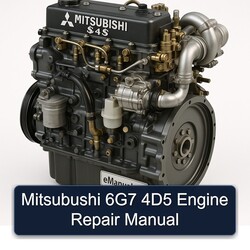
This manual covers the diesel internal combustion engine. Designed for service and repair, this manual offers good quality and very bright imagery to assist with all procedures. The engine family is known for its robust engineering and reliability, making it a dependable choice for various applications.
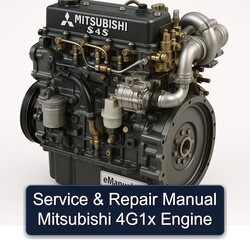
This manual covers the Mitsubishi 4G1x Series gasoline internal combustion engine. Designed for service and repair, this engine is a key component in various automotive applications. Its engineering emphasizes reliability and performance, making it a popular choice for a wide range of vehicles. Understanding its systems and maintenance requirements is crucial for optimal operation.
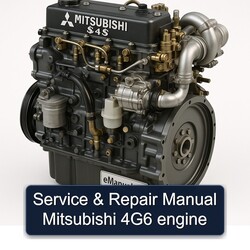
This service and repair manual covers the Mitsubishi 4G6 engine family, a line of internal combustion engines designed for automotive applications. The 4G6 series is recognized for its robust engineering and reliability, making it a trusted component in various vehicles. This manual provides comprehensive information to ensure the optimal performance and longevity of your 4G6 engine.
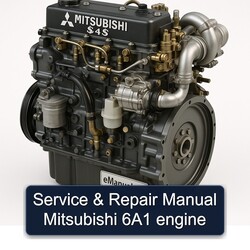
This manual covers the Mitsubishi 6A1 Internal Combustion Engine, designed for service and repair. It provides comprehensive guidance for maintaining this engine, ensuring its continued reliability and performance. The engineering quality inherent in the Mitsubishi 6A1 engine is supported by detailed procedures and specifications within this document, making it an essential resource for owners and technicians alike.
This English-language repair guide focuses on the Mitsubishi NiCad (Nickel-Cadmium) battery type, commonly found in devices such as cordless tools, electric toothbrushes, flashlights, laptops, and mobile phones. It details the Revitalization through Vaporization of Dendrites (RVD) technique, a method that can address common issues like dead batteries, failure to hold a charge, rapid power loss, and batteries that have been stored for extended periods or show no power at all. This guide offers a cost-effective solution, potentially saving hundreds of dollars on replacements by enabling users to revitalize existing batteries.
This manual provides comprehensive repair instructions for your vehicle, covering every aspect from front to back. It is the same resource utilized by professional garages and workshops, ensuring that all technical information is accurate and up-to-date. By following the detailed guidance within this manual, you can maintain your vehicle in optimal condition and potentially save on repair costs.
This repair manual covers the Mitsubishi C6479/6401 MONITOR, an electronic monitor designed for repair and maintenance. The manual provides comprehensive technical repair information, offering a complete resource for fixing or troubleshooting the device. It is intended to be a professional-grade reference, similar to the CDROM manuals utilized by technicians, ensuring that users have access to detailed specifications and guidance.
This document pertains to the Mitsubishi LT-5V Turntable, a device designed for maintenance, servicing, and repair. The LT-5V represents a commitment to robust engineering and reliable performance within its product category. Its design emphasizes user accessibility and operational efficiency, making it a valuable asset for various applications requiring precision and durability.
The Mitsubishi Scorpion Sapporo, a distinguished automobile from the early 1980s, exemplifies robust engineering and reliable performance. This 2-door coupe, powered by gasoline internal combustion engines ranging from 2.0L to 2.6L, was designed for road use and typically accommodates four occupants. Its rear-wheel-drive system, coupled with available manual or automatic transmissions, offered a dynamic driving experience characteristic of its era. The Scorpion Sapporo is recognized for its enduring quality and distinct styling, making it a notable vehicle for enthusiasts and collectors.