



Honda Accord

The Honda Accord is a mid-size sedan that has been in production since 1976. It is one of Honda's best-selling models, and has been praised for its reliability, fuel efficiency, and affordability. The Accord is available in a variety of trims, including the LX, Sport, EX, EX-L, and Touring. All trims come standard with a 2.0-liter four-cylinder engine that produces 192 horsepower and 189 lb-ft of torque. The Accord also offers a 2.0-liter turbocharged four-cylinder engine that produces 252 horsepower and 273 lb-ft of torque. The Accord is available with either a six-speed manual transmission or a continuously variable transmission...
$16.99
This manual covers the 1982 Honda XL400R and XL500R dual-sport motorcycles. These models represent Honda's robust engineering and commitment to versatile off-road capability blended with street legality. Known for their air-cooled, single-cylinder engines and durable construction, the XL series has a strong heritage in the dual-sport market, offering riders reliable performance for a variety of terrains. Their design emphasizes practicality and a straightforward approach to motorcycle mechanics, making them enduring choices for adventure and everyday use.
$16.99
This manual covers the Honda ATC200E BIG RED, produced for the 1982 and 1983 model years. Engineered for reliable performance, the ATC200E BIG RED is designed for a variety of recreational and utility applications. Its robust construction and user-friendly design reflect Honda's commitment to quality and durability, making it a trusted choice for off-road enthusiasts.
$16.99
This manual covers the 1983 Honda NB50M (Nifty 50), a popular scooter renowned for its reliability and efficiency in urban commuting. As part of Honda's extensive history in producing quality two-wheeled vehicles, the NB50M offers a straightforward yet capable platform for riders. Its design emphasizes ease of use and dependable performance, making it a practical choice for daily transportation and recreational use during its production era.
$16.99
This manual covers the Honda ATC200S, a three-wheeled all-terrain vehicle (ATV) produced between 1984 and 1986. Designed for recreational off-road riding, the ATC200S features an air-cooled, 192 cc four-stroke OHC engine, a 5-speed transmission with automatic clutch, and shaft drive. Its robust construction and reliable engineering make it suitable for various all-terrain conditions. The vehicle is equipped with drum brakes on all wheels, a leading-axle telescopic fork front suspension, and a swingarm with a single shock absorber in the rear.
$16.99
The Honda CBX750F, produced from 1984 to 1988, represents a significant model in Honda's sport-touring motorcycle lineage. Known for its sophisticated engineering, the CBX750F features a powerful 747cc DOHC inline-four engine and a reliable shaft drive system, contributing to its reputation for smooth performance and dependable operation. This model competed in a segment demanding a blend of sporty capability and long-distance comfort, often praised in period reviews for its balanced chassis and overall build quality, embodying Honda's commitment to engineering excellence.
$16.99
This manual covers the Honda Accord models produced from 1986 through 1989, including chassis codes AA, AC, AD, and AE. The Honda Accord of this era established itself as a benchmark in front-wheel-drive sedans and coupes, lauded for its reliability, fuel efficiency, and refined driving dynamics. It offered a compelling blend of performance, comfort, and practicality, appealing to a broad demographic. Key features include its front-wheel-drive platform, advanced suspension design, fuel-efficient four-cylinder engines, and an optional V6 engine, all contributing to its reputation for longevity and build quality. The Accord was frequently recognized by Car and Driver as one of the Ten Best Cars in America and consistently rated highly for reliability by publications like Consumer Reports.
$16.99
The 1988-1990 Honda NX250 represents a unique blend of dual-sport capability and urban-friendly design, characteristic of Honda's innovative approach to motorcycle engineering. Known for its reliability and quality construction, the NX250 offered riders a versatile machine capable of handling diverse riding conditions. This model was part of Honda's esteemed NX 'Transcity' series, distinguished by its distinctive semi-fairing and a design that catered to both practical commuting and light off-road adventures. Its robust 4-stroke, single-cylinder engine, coupled with a 6-speed transmission, provided a capable and engaging riding experience.
$16.99
The 1989 Honda NX250 is a versatile dual-sport motorcycle, blending street usability with off-road capabilities. This model features a 249cc liquid-cooled, four-stroke engine, Pro-Link rear suspension, and hydraulic disc brakes front and rear, offering a balanced performance for its era. Known for Honda's hallmark reliability and engineering quality, the NX250 competed in the lightweight dual-sport segment, providing an accessible option for adventure touring and general riding. Its design emphasized a balance of power, handling, and durability, making it a capable machine for varied terrain.

$16.99
The 1990 Honda Accord represents a significant advancement in the model's history, belonging to its fourth generation. Known for its refined engineering, reliability, and fuel efficiency, the Accord of this era was a benchmark in the mid-size sedan segment, earning accolades such as Car and Driver magazine's 10Best list. This generation featured a more aerodynamic design, increased interior space, and was powered by efficient F-series engines, including the 2.2-liter SOHC PGM-FI, offering a balance of performance and economy. Available in various trims like DX, LX, and EX, and as both sedan and coupe body styles, the Accord was manufactured in the USA and Japan, catering to markets including North America, Japan (JDM), and Europe (EDM).
$16.99
This manual covers the Honda Accord models produced between 1990 and 1993, encompassing chassis codes CB (Sedan/Coupe) and CC (Wagon). These vehicles are recognized for their robust engineering, reliability, and fuel efficiency, making them a dominant force in the mid-size segment. This generation of Accord, transitioning from the fourth to the fifth generation, offered advanced features for its time, including programmed fuel injection and available Anti-lock Braking System (ABS), competing strongly against other major manufacturers with its blend of driving dynamics and build quality.
$16.99
The Honda Concerto, produced from 1989 to 1994, represents the first generation of this compact family car. Designed with functionality and global appeal in mind, it was often positioned as a more premium offering compared to the Civic, particularly for European, Australian, and select Asian markets. Known for its reliability, fuel efficiency, and solid build quality, the Concerto typically featured an inline 4-cylinder SOHC engine, such as the 1.5L D15B, paired with either a 5-speed manual or a 4-speed automatic transmission. Its dimensions, approximately 4155 mm in length and 1690 mm in width, contributed to a practical interior and a trunk capacity of 300-350 liters. The Concerto's engineering reflects Honda's heritage of producing dependable vehicles, making it a sensible choice for everyday transportation.
$16.99
The Honda VRF750F, also known as the VFR750F, is a distinguished sport-touring motorcycle produced from 1990 to 1996. Renowned for its sophisticated 748cc V4 engine, often featuring gear-driven camshafts for precision and durability, this model offered a unique blend of performance and comfortable ergonomics. Its design, characterized by a full fairing for aerodynamic protection and comfortable seating, made it suitable for both spirited riding and long-distance touring. The VRF750F was celebrated in motorcycle publications for its exceptional build quality, handling, and its position as a premium sport-touring machine, often earning accolades as the ultimate sport-tourer.
$16.99
Welcome to the comprehensive online service and repair manual for the 1991 Honda Accord. This vehicle, a cornerstone of Honda's reputation for engineering excellence and reliability, offered a compelling blend of comfort, fuel efficiency, and performance in the mid-size sedan and coupe market. Known for its spacious interior, smooth ride, and robust build quality, the Accord, particularly with its 2.2-liter SOHC engine (F22A1, F22A4, F22A6), became a benchmark for its segment, often lauded for its outstanding value and dependability. This manual covers the fourth-generation Accord, celebrated for its aerodynamic design and enhanced driving dynamics.
$16.99
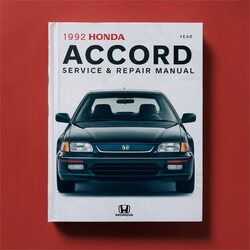
The 1992 Honda Accord represents the fourth generation of this esteemed mid-size sedan and coupe, a model renowned for its exceptional engineering, reliability, and value. Available with either a 2.2L F22A1 or a 2.3L F23A1 engine, the Accord offered a refined driving experience characterized by a comfortable ride, responsive handling, and fuel efficiency. Its commitment to quality is reflected in its consistent high ratings for reliability from organizations like Consumer Reports and frequent inclusion in Car and Driver's Ten Best lists. This generation, produced in both the USA and Japan, continues Honda's legacy of building durable and well-engineered vehicles for a wide range of drivers.
$16.99
The Kawasaki JS650 Personal Watercraft, manufactured for the 1992 and 1993 model years, represents a robust and reliable option for water enthusiasts. Engineered with a 2-stroke, 2-cylinder, water-cooled engine displacing 635 cc, it features dual Mikuni VM34SS carburetors and a CDI ignition system, delivering an estimated top speed of 45-50 mph. Its jet pump drive system ensures efficient propulsion, while the fuel tank capacity of 17 liters supports extended use. This model is designed for recreational enjoyment, offering a blend of performance and durability characteristic of Kawasaki engineering.
$16.99
The Kawasaki JS550, produced between 1992 and 1994, represents the first generation of this model. This watercraft is powered by a 2-stroke, 2-cylinder engine with a displacement of 531 cc, featuring dual Mikuni VM34SS carburetors and a CDI ignition system. Its water-cooled engine produces approximately 40 HP, driving an axial flow, single-stage impeller through a direct drive transmission. Designed for aquatic recreation, the JS550 is engineered for reliable performance on the water, offering an engaging experience for its riders.
$16.99
The Kawasaki JF650, produced between 1992 and 1996, represents the first generation of its platform, offering a robust 2-stroke, 635cc inline 3-cylinder engine with triple carburetors and CDI ignition. This model features a jet drive system and handlebar steering, designed for reliable performance. Its engineering emphasizes durability and a responsive riding experience, making it a capable watercraft for various recreational activities.
$16.99
This Service Repair Workshop Manual covers the Kawasaki JS750, a personal watercraft produced from 1992 to 1996, belonging to its First Generation. Engineered with a robust 749cc 2-stroke, 2-cylinder engine featuring reed valves and water cooling, the JS750 is designed for reliable performance on the water. Its specifications include dual Mikuni VM38SS carburetors and an axial flow, single-stage jet pump drive system, contributing to its agile handling and responsive power delivery. With a substantial fuel capacity of 22 liters, this model offers extended operational time for recreational use.
$16.99
This manual covers the Kawasaki JH1100 and JT1100 models produced between 1992 and 1998, representing the first generation of these watercraft. These models are powered by a water-cooled, 4-stroke, inline 3-cylinder engine with a displacement of 1099 cc, designed for reliable performance on the water. Featuring a 5-speed constant mesh transmission and direct drive to the jet pump, these Kawasaki craft were engineered for a dynamic and engaging experience, embodying the brand's commitment to quality and innovation in personal watercraft.
$16.99
This manual covers the Kawasaki JH750, a series of watercraft produced between 1992 and 1998. These models are characterized by their 4-stroke, inline 3-cylinder engines, featuring a displacement of approximately 749cc, liquid cooling, and a CDI ignition system. The direct drive transmission utilizes a proprietary jet propulsion system, engineered for reliable performance on the water. This series represents a robust offering in personal watercraft, designed for recreational use and built with Kawasaki's commitment to quality engineering.
$16.99
This service repair workshop manual covers Kawasaki JS650, JS750, and JH750 models manufactured between 1992 and 1998. These water-cooled, two-stroke personal watercraft are equipped with carbureted fuel systems and CDI ignition. Their direct drive jet pump transmission ensures efficient propulsion. Engineered for reliability, these models offer a robust platform for recreational use.
$16.99
This Service Repair Workshop Manual covers Kawasaki Personal Watercraft (PWC) models manufactured between 1992 and 1998. Kawasaki is renowned for its commitment to engineering excellence, delivering reliable and high-performance watercraft designed for recreational enjoyment. This manual provides comprehensive information to ensure your PWC operates at its peak performance and longevity.

$16.99
The Honda Accord, a distinguished mid-size sedan and coupe, represents the pinnacle of engineering and reliability for the 1993 model year. As the final iteration of the fourth generation, this vehicle is celebrated for its refined styling, comfortable ride, and fuel efficiency, solidifying Honda's reputation for excellence. Available in sedan (CD5) and coupe (CD7) chassis codes, it offers a spacious interior and a driving experience that has earned it accolades, including placement on Car and Driver's 10 Best list and consistently high ratings from Consumer Reports for dependability and owner satisfaction.

$16.99
The Honda Accord, produced from 1994 to 1997, represents the fifth generation of this esteemed mid-size vehicle. Known for its aerodynamic design and refined ride quality, the Accord offered a range of engine options, including the efficient 2.2L SOHC inline-4 and the performance-oriented 2.2L DOHC VTEC in the EX-VTEC Coupe. Available in sedan and coupe body styles, with chassis codes CE1 for the wagon and CD4/CD5/CD6/CD7/CD8 for the sedan, this generation continued Honda's legacy of engineering excellence and reliability, earning accolades such as Car and Driver's 10 Best list. Safety features included dual front airbags and available Anti-lock Braking System (ABS) on select trims.
$16.99
This manual covers the fifth-generation Honda Accord, produced from 1994 to 1997, encompassing all models, trims, and engine variants. Known for its reputation for reliability, fuel efficiency, and refined engineering, the Accord of this era consistently earned accolades from automotive publications. This generation, built on a global platform, offered sedan, coupe, and wagon body styles, with engine options including the 2.2L SOHC I4 and the 2.7L SOHC V6. The vehicle's design and engineering reflect Honda's commitment to quality, making it a popular choice for daily commuting and family use.
$16.99
This manual provides comprehensive service and repair information for the JT750, covering production years 1994 through 1998. As a well-established manufacturer, the company is known for its high-performance recreational watercraft, and the JT750 line from this era was recognized for its robust design and capabilities. This particular model was a key part of the personal watercraft offerings during the mid-to-late 1990s, designed for recreational use.

$16.99
The Honda Accord, model year 1995, chassis code CD, represents a significant iteration in Honda's esteemed sedan lineup. Known for its robust engineering and reputation for reliability, this generation of the Accord offers a blend of comfort and practicality, making it a suitable choice for daily commuting and family use. Its design emphasizes aerodynamic efficiency and increased interior space, building upon the brand's heritage of delivering fuel-efficient and dependable vehicles. With an inline 4-cylinder, naturally aspirated 2.2-liter engine (F22A1) producing approximately 125 horsepower, it provides capable performance for its class.
$16.99
This Service Repair Workshop Manual provides comprehensive information for the Kawasaki JH900 Personal Watercraft, covering model years 1995 through 1998. Engineered for performance and reliability, the JH900 is equipped with an 890 cc inline 3-cylinder, 2-stroke engine, delivering a dynamic watercraft experience. Its robust construction and thoughtful design ensure durability and enjoyable operation for a wide range of recreational activities on the water.
$16.99
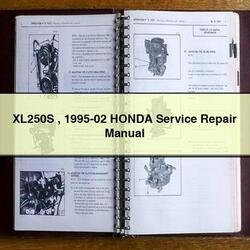
The Honda XL250S, produced from 1995 to 2002, represents a robust and versatile dual-sport motorcycle, built upon Honda's esteemed heritage of reliable and innovative two-wheeled engineering. Designed for riders who seek adventure on both paved roads and off-road trails, this model, identified by the platform code MD30, features a liquid-cooled, four-stroke, single-cylinder engine with a displacement of approximately 249 cc, delivering dependable performance. Its engineering quality is evident in its durable construction and thoughtful design, making it a capable companion for a wide range of riding conditions and a testament to Honda's commitment to creating enduring motorcycles.
$16.99
This manual covers the Kawasaki JH1100-A1 Personal Watercraft, produced in 1996. This model is powered by an Inline 3-Cylinder, 2-Stroke engine with a displacement of 1096 cc, featuring water cooling and carburetor fuel induction. Its robust engineering is designed for reliable performance on the water, offering an engaging experience for riders. The direct drive jet pump transmission ensures efficient power delivery.
$16.99
This manual covers the Kawasaki JH1100, produced between 1996 and 1998. This model features a powerful four-stroke, inline three-cylinder engine with a displacement of 1097cc, equipped with dual Mikuni BN44 carburetors for optimal fuel delivery. Its robust construction and reliable engineering make it suitable for various demanding applications. The vehicle's specifications include a length of 3.27 meters, a width of 1.17 meters, and a height of 1.06 meters, with a dry weight of 270 kg, underscoring its substantial yet manageable design.

$16.99
The CR-V, first introduced in 1997, is a compact crossover SUV renowned for its blend of practicality, reliability, and efficient performance. Built with a commitment to quality engineering, this model offered a car-like driving experience and a comfortable, versatile interior, making it a strong contender in its segment. Notable features included an available Real-Time 4WD system and a fuel-efficient 2.0-liter inline 4-cylinder engine, appealing to a broad range of consumers seeking a capable yet economical vehicle for daily use and light adventures. Its unibody construction and responsive handling set it apart from more traditional, truck-based SUVs of the era.
$16.99
This manual provides comprehensive service and repair information for the 1997 JH1100-A2. Engineered for performance and reliability, this personal watercraft represents a commitment to quality in the marine sector. The JH1100 series, introduced in the mid-to-late 1990s, offered a robust platform for recreational water activities, known for its powerful engine and responsive handling. This manual is designed to support owners and technicians in maintaining the optimal condition and longevity of this iconic model.
$16.99
This manual covers the 1997 personal watercraft. A respected name in powersports, has engineered this model for recreational use on the water, building on a legacy of performance and innovation. The JT1100 is designed for reliable operation and rider enjoyment, representing a key development in personal watercraft technology during its production era. Its robust construction and proven engine design make it a capable machine for various water conditions.
$16.99
This Service Repair Workshop Manual provides comprehensive information for the 1997 Kawasaki JT900, a personal watercraft designed for recreational use. Built with Kawasaki's renowned engineering quality, this model is recognized for its reliability and performance on the water. Its Inboard engine, coupled with a Direct Drive (Jet Pump) transmission, ensures an engaging and responsive riding experience. This manual is an essential resource for understanding and maintaining the specific operational features of your JT900.
$16.99
The sport motorcycle is a distinguished sport motorcycle, renowned for its racing heritage and performance-oriented engineering. Produced from 1997 onwards, this model embodies a commitment to delivering advanced technology and a thrilling riding experience. Key features include a potent liquid-cooled 2-stroke engine, sophisticated suspension systems, and powerful braking capabilities, all contributing to its reputation as a benchmark in the 150cc sportbike class. Its aggressive styling and dynamic handling make it a sought-after machine for enthusiasts who appreciate precision and power.
$16.99
This manual covers the Honda CR-V, specifically the 1st Generation models produced between 1997 and 2000, identified by chassis codes RD1, RD2, and RD3. Known for pioneering the compact crossover SUV segment, the CR-V blends car-like handling with practical utility. Honda's reputation for reliability and efficient engineering underpins this versatile vehicle, making it a popular choice for daily commuting and light adventuring.
$16.99
This manual provides comprehensive service and repair information for the 1998 Jet Ski STX. Built upon an extensive history in marine propulsion, the JH1100 series represents a significant development in sport-oriented personal watercraft. This model features a powerful inline 3-cylinder, 4-stroke engine with a displacement of 1099 cc, induction typically managed by dual carburetors, and a direct drive jet pump transmission. Its design emphasizes stability and control through integral handlebar steering and a lanyard kill switch system for safety.
$16.99
The Accord, a vehicle renowned for its engineering quality and reliability, has served as a benchmark in the mid-size sedan segment. This manual covers the sixth-generation Accord, produced from 1998 to 2002, which introduced significant styling and engineering updates, sharing a platform with the Acura TL and CL of the same era. The reputation for dependability is reflected in this model, which has been recognized for its consistent reliability. Available with a range of gasoline engines, including the 2.3L F23A and the 3.0L V6 J30A, and offered with both 5-speed manual and 4-speed automatic transmissions, the Accord provided a balance of performance and efficiency.
$16.99
Welcome to the comprehensive guide for the Honda Accord, encompassing model years 1998 through 2002. This sixth-generation Accord, available in Sedan, Coupe, and Wagon body styles, is renowned for its engineering quality, reliability, and a distinctive rounded, aerodynamic design. Powered by efficient 2.3L Inline-4 or robust 3.0L V6 engines, this generation offers a balanced blend of performance and comfort, further recognized by its consistent appearances on Car and Driver's 10Best list. With excellent safety ratings and a reputation for durability, the Accord is a highly capable vehicle for daily commuting, family transport, and long-distance travel.

$16.99
The CR-V, first generation (RD1-RD3), produced from 1997 to 2001, is a compact crossover SUV renowned for its reliability, fuel efficiency, and practical design. Built on the Honda RD platform, this versatile vehicle offers a choice of front-wheel drive or optional Real-Time Four-Wheel Drive, making it suitable for a variety of driving conditions. Powered by a 2.0-liter inline 4-cylinder engine (B20Z2) producing approximately 126 horsepower, the CR-V delivers a balanced performance for daily commuting and light adventures. Its unibody construction, a departure from traditional body-on-frame SUVs of its era, contributed to a more car-like driving experience and enhanced stability, positioning it as a strong competitor against models like the Toyota RAV4 and Ford Escape.
$16.99
This manual provides comprehensive information for the 1999 Jet Ski JH1100-A4, a performance-oriented personal watercraft renowned for its powerful 1099 cc, three-cylinder, four-stroke engine. Engineered for recreational riders, this model features a direct-drive jet pump system and a hull designed for stability and maneuverability. The heritage in marine engineering is evident in the reliability and performance of this Jet Ski, making it a capable machine for water enthusiasts.

$16.99
The 1999 Honda Accord represents a significant iteration of a model renowned for its reliability, fuel efficiency, and innovative engineering. Available in both Sedan (chassis code CG1) and Coupe (chassis code CH1) body styles, this fifth-generation Accord offers a refined driving experience. It was offered with a choice of two robust engines: a 2.3L F23A4 SOHC I-4 and a more powerful 3.0L J30A1 SOHC V6. The vehicle's design, a departure with its more aerodynamic and rounded exterior, contributed to increased interior space and a modern aesthetic. Consistently recognized for its quality, the 1999 Accord earned accolades such as inclusion on Car and Driver's 10 Best list and high reliability ratings from consumer organizations, solidifying its reputation as a dependable and well-engineered automobile for everyday use.
$16.99
The 2000 CR-V, part of the RD1/RD2 generation, is a compact crossover SUV known for its practicality, fuel efficiency, and reliable engineering. This model offered a comfortable ride and versatile interior, making it a popular choice for individuals and families. It competed with vehicles like the Toyota RAV4 and Subaru Forester, often lauded for its refinement and handling. The CR-V was manufactured in Japan and the United States.
$16.99
This Service Repair Workshop Manual covers the Kawasaki JH1100-A5 Personal Watercraft, manufactured in 2000. This model features a robust 4-stroke, DOHC, 3-cylinder engine with a displacement of 1099 cc, equipped with dual Mikuni carburetors for efficient fuel induction. Its construction utilizes Fiberglass Reinforced Plastic (FRP) for the hull, ensuring durability and performance on the water. The jet drive propulsion system, powered by an axial flow jet pump, delivers reliable maneuverability. Designed for recreational use, this personal watercraft embodies Kawasaki's commitment to engineering quality and rider satisfaction.
$16.99
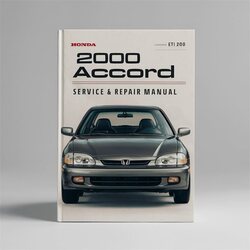
The Accord, part of the esteemed sixth generation introduced for the 1998 model year, represents a significant achievement in automotive engineering, renowned for its blend of reliability, comfort, and performance. Available as both a sedan (chassis code CG1) and a coupe (chassis code CG2), this model has earned accolades from publications like Car and Driver and high rankings from Consumer Reports for its consistent quality and owner satisfaction. With a legacy of dependable service and a reputation for engineering excellence, the Accord has long been a popular choice for discerning drivers seeking a well-built and enjoyable vehicle for daily use and longer journeys.
$16.99
This manual covers the Honda CR-V, specifically models from the 2001 production year, chassis codes RD1/RD2. As a second-generation model, this compact SUV is recognized for its refined design, the introduction of the K-series engines for enhanced performance and fuel efficiency, and a spacious interior offering versatile cargo configurations with its innovative Magic Seat. Built on a foundation of Honda's renowned reliability and engineering quality, the CR-V is positioned as a practical and dependable choice for families and individuals with active lifestyles. It was available in front-wheel drive and all-wheel drive (Real-Time 4WD) configurations, and has consistently received high marks for owner satisfaction and reliability.
$16.99
The JH1100-A6, produced in 2001, is a performance-oriented personal watercraft designed for exhilarating aquatic experiences. As part of an esteemed lineup, this model is recognized for its engineering quality and reliability. It features a powerful 1100cc inline 4-cylinder engine, a direct drive jet pump propulsion system, and a hull designed for stability and maneuverability, making it a capable choice for recreational use.

$16.99
The 2001 Honda Accord represents a pinnacle of automotive engineering, known for its exceptional reliability, fuel efficiency, and engaging driving dynamics. As part of Honda's renowned lineage, this model offers a sophisticated blend of performance and comfort, available in both two-door Coupe (chassis code CG1) and four-door Sedan (chassis code CG2) body styles. It features a choice of potent yet efficient engines, including a 2.3L Inline 4-Cylinder and a 3.0L V6, both equipped with Honda's VTEC technology. The Accord's robust construction, advanced safety features, and thoughtful design have solidified its reputation as a class-leading vehicle, making it a favored choice for both daily commuting and longer journeys.
$16.99
The 2002 Kawasaki JH1100-A7 is a personal watercraft engineered for performance and reliability. Featuring a 4-stroke, 1097 cc engine with fuel injection and a wet sump lubrication system, it delivers robust power for aquatic adventures. Its closed-loop cooling system ensures efficient operation, while the axial flow, single-stage jet drive, coupled with handlebar steering, provides precise maneuverability. Constructed from durable Fiberglass Reinforced Plastic (FRP), this watercraft is built to withstand demanding use.

$16.99
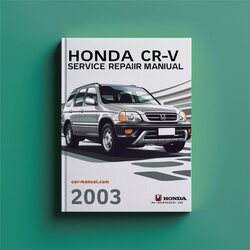
The Honda Accord, specifically the 2002 model year and the subsequent generation spanning 2003-2007 in North America, represents a culmination of Honda's reputation for reliability, quality engineering, and efficient performance. Available in sedan and coupe body styles, this generation offered a choice between a 2.4L 4-cylinder engine and a more powerful 3.0L V6, both paired with either a 5-speed manual or a 5-speed automatic transmission. Known for its comfortable ride, refined handling, and strong safety ratings, the Accord has historically been a benchmark in its class, frequently recognized by publications like Car and Driver and Consumer Reports for its overall excellence and dependability.
$16.99
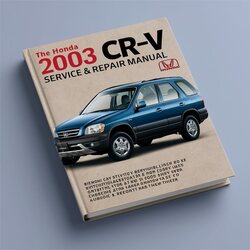
This manual provides comprehensive service and repair information for the second generation CR-V, produced between 2002 and 2003. Known for its reliability, engineering quality, and practical design, the CR-V of this era offers a blend of utility and comfort, making it a popular choice for various driving needs. This generation features a larger, more refined design, powered by an inline 4-cylinder, 2.4-liter engine delivering approximately 160 horsepower and 162 lb-ft of torque, paired with either a 5-speed manual or a 5-speed automatic transmission. Available in front-wheel drive or real-time four-wheel drive configurations, the CR-V is equipped with standard safety features including Anti-lock Braking System (ABS) and dual front airbags, with optional front side-impact airbags.
$16.99
The 2003 CR-V is a compact crossover SUV celebrated for its blend of practicality, fuel efficiency, and renowned reliability. As part of the second generation, it offered a more spacious and refined interior compared to its predecessor, making it an excellent choice for families and daily commuting. Key features include the available Real Time 4WD system, a comfortable ride, and impressive fuel economy for its class, solidifying its position as a leading contender against rivals like the Toyota RAV4 and Ford Escape. The commitment to engineering quality ensures a dependable ownership experience for this versatile vehicle.

$16.99
The 2003 Honda Accord, a cornerstone of the seventh generation, represents a significant evolution in the mid-size segment, offering a compelling blend of refinement, reliability, and engaging driving dynamics. Available in sedan and coupe body styles, this model competed strongly with its contemporaries, often lauded for its superior handling and robust build quality. It introduced an all-new platform, a redesigned exterior and interior, and offered powertrain options including a 2.4L K24 i-VTEC inline-4 engine and a 3.0L J30A4 V6 engine, alongside enhanced safety features and an optional navigation system. Its engineering excellence and commitment to quality have cemented its reputation.
$16.99
This manual covers the Honda VTX1300S and VTX1300R cruiser motorcycles manufactured between 2003 and 2004. These models are renowned for their classic cruiser styling, powered by a liquid-cooled, 1312cc V-twin engine, and are equipped with a fuel injection system for reliable performance. Honda's commitment to quality engineering is evident in the VTX line, offering a comfortable riding experience and robust build, making them a popular choice for enthusiasts.
$16.99
This manual covers the Honda VTX1300S and VTX1300R models, produced for the 2003 and 2004 model years. These motorcycles are characterized by their liquid-cooled, 4-stroke, 52-degree V-twin engines, displacing 1312 cc, and featuring a shaft drive for reliable power delivery. Known for their classic cruiser styling and comfortable riding positions, the VTX1300 series offered a robust and accessible option within the cruiser market, competing with other major manufacturers. The engineering quality and reliability associated with the Honda brand are hallmarks of these machines, making them a popular choice for riders seeking a dependable and stylish cruiser.
$16.99
The Honda Accord, produced from 2003 to 2007, represents the seventh generation of this acclaimed model. Known for its engineering quality, reliability, and strong value proposition, the Accord has consistently earned recognition, including multiple appearances on 10Best lists and high rankings for owner satisfaction. This generation featured a significant redesign, offering more aerodynamic styling, an enlarged interior, and enhanced safety features. Available with various engine variants, including 2.4L I4 and 3.0L V6 options, and a choice of manual or automatic transmissions, the Accord was designed to meet diverse driving needs, from daily commuting to family transport.

$16.99
The 2004 Honda Accord represents the 7th generation of this highly regarded mid-size sedan and coupe. Known for its exceptional engineering, reliability, and fuel efficiency, the Accord has consistently been a benchmark in its class, competing with vehicles like the Toyota Camry and Nissan Altima. This model is characterized by a spacious and comfortable interior, refined handling, and a strong reputation for quality construction and a high resale value, making it a practical and desirable choice for a wide range of drivers.
$16.99
The 2005 Honda Accord Hybrid represents a significant advancement in automotive technology, blending a powerful 3.0L V6 i-VTEC engine with an Integrated Motor Assist (IMA) hybrid system to deliver a combined 255 horsepower. This model, known for Honda's reputation for reliability and fuel efficiency, offers a comfortable driving experience with its spacious interior and advanced features for its time. Its engineering prioritizes both performance and environmental consciousness, making it a notable entry in the hybrid sedan market.
$16.99
The 2005 Honda Accord, a distinguished member of the 7th Generation (2003-2007), is a mid-size sedan and coupe celebrated for its blend of reliability, fuel efficiency, and refined driving dynamics. Building on a legacy of engineering excellence, this model offers compelling features, including available powerful 2.4L Inline-4 and 3.0L V6 engine options, enhanced interior amenities, and improved styling. The Accord consistently earns accolades, including recognition on '10Best' lists and high rankings for reliability from consumer organizations, solidifying its position as a top contender against rivals like the Toyota Camry and Nissan Altima.
$16.99
The 2006 Honda Accord, chassis code CM, represents a significant iteration in Honda's acclaimed mid-size sedan lineup. Building on Honda's heritage of engineering excellence and reliability, this model was offered with either a fuel-efficient 2.4L i-VTEC four-cylinder engine or a powerful 3.0L V6 VTEC engine, paired with either a 5-speed automatic or a 6-speed manual transmission. Available in trims ranging from DX to EX-L, and including a Hybrid variant, the Accord provided a blend of comfort, performance, and advanced safety features for its time, including a 5-star NHTSA frontal crash rating and available Vehicle Stability Assist. Its recognition on Car and Driver's 10Best list underscores its reputation for delivering exceptional value and driving dynamics.

$16.99
The Honda Accord, specifically the 2007 model year, represents the eighth generation of this esteemed vehicle, known globally for its blend of reliability, advanced engineering, and comfortable driving experience. This generation introduced a significant redesign, featuring a larger exterior, a more refined interior, and updated powertrain options, including the efficient 2.4L K24A i-VTEC 4-cylinder engine and the powerful 3.0L J30A V6 engine. The Accord has a strong heritage, frequently recognized for its quality and often appearing on prestigious lists like Car and Driver's 10Best Cars. Its design philosophy emphasized premium styling and improved driving dynamics, making it a compelling choice for daily commuting, family transport, and longer journeys.
$16.99
This manual covers the Honda CR-V, specifically the third generation models produced between 2007 and 2009. Known for reliability, fuel efficiency, and engineering innovation, the CR-V offers a practical and versatile driving experience. This generation, identifiable by chassis codes RE1/RE2/RE3/RE4, features a spacious interior, updated styling, and a focus on safety, consistently earning top ratings. Powered by a 2.4L i-VTEC engine, it was available with both Front-Wheel Drive and Real-Time 4WD, paired with either a 5-speed automatic or an optional 5-speed manual transmission.

$16.99
The 2008 Honda Accord is a mid-size sedan and coupe renowned for its exceptional reliability, fuel efficiency, and engaging driving dynamics, building on Honda's strong heritage of engineering excellence. This model year, representing the eighth generation, features a bolder design, improved aerodynamics, and enhanced interior comfort, making it a popular choice against competitors like the Toyota Camry and Nissan Altima. It offers a spacious interior, a comfortable ride, and a reputation for dependability, further solidified by consistent positive reviews and safety accolades. Available with either an efficient 2.4L i-VTEC 4-cylinder engine or a powerful 3.5L VTEC V6 engine with Variable Cylinder Management, and paired with a 5-speed automatic or 6-speed manual transmission, the Accord provides a compelling blend of performance and practicality.
$16.99
This manual covers the Eighth Generation Accord, produced for the 2008 and 2009 model years. Known for its sophisticated engineering and global reputation for reliability, the Accord has consistently been a benchmark in its segment. This generation offers a blend of comfort, performance, and advanced safety features, including standard Anti-lock Braking System (ABS), Electronic Brake-force Distribution (EBD), Brake Assist (BA), dual-stage front airbags, front side airbags, side curtain airbags, and an ACE body structure. The vehicle is powered by a choice of efficient engines, including the 2.4L K24Z3 I4 and the powerful 3.5L J35Z1 V6, paired with either manual or automatic transmissions. Its robust construction and thoughtful design make it a highly capable and dependable automobile for a wide range of driving needs.
$16.99
The Honda Accord, a benchmark mid-size sedan renowned for its reliability, fuel efficiency, and driving dynamics, represents a cornerstone of Honda's automotive legacy. This manual covers the eighth generation Accord models from 2008, 2009, and 2010, which featured a more spacious interior, enhanced handling, and advanced safety systems. The Accord's reputation for durability is a significant selling point, making it a popular choice for both daily commuting and longer journeys. This generation offered various engine options, including the efficient 2.4L i-VTEC Inline-4 and the powerful 3.5L V6, paired with either manual or automatic transmissions, providing a balance of performance and economy.
$16.99
The 2009 Accord represents the 8th generation of this esteemed mid-size sedan, renowned for its blend of reliability, comfort, and refined driving dynamics. Available with either a fuel-efficient 2.4L i-VTEC 4-cylinder engine producing 177 horsepower or a more powerful 3.5L VTEC V6 engine delivering 270 horsepower, the Accord offers robust performance for daily commuting and longer journeys. Its engineering excellence, a hallmark of the brand, is further evidenced by its consistent high ratings for reliability and owner satisfaction from publications like Consumer Reports. The 2009 model, built primarily in North America, continues this legacy with a focus on quality, safety, and advanced features for its time, including standard Vehicle Stability Assist and multiple airbags, contributing to its excellent safety ratings.
$16.99
The 2010 Honda Accord Crosstour represents a unique blend of utility and car-like driving dynamics, built upon the reliable foundation of the Honda Accord platform. This first-generation model, produced from 2010 to 2011, offers a versatile crossover experience with its spacious interior, available All-Wheel Drive, and a powerful 3.5L V6 SOHC i-VTEC engine. Known for signature engineering quality and commitment to reliability, the Accord Crosstour was designed to provide a comfortable ride and practical cargo capacity, making it a capable vehicle for both daily commutes and family adventures. Its design aimed to bridge the gap between sedans and SUVs, offering a distinct option in the automotive market.
$16.99
The Honda Accord, specifically the Eighth Generation models produced in 2010, represents a significant evolution in the mid-size sedan and coupe segment. Known for its strong resale value, reliable powertrain, and refined interior, the Accord offers a compelling blend of comfort and engaging driving dynamics. This generation features a more aggressive exterior styling and enhanced interior quality, building upon the brand's reputation for engineering excellence and value retention. Available with either a 2.4L i-VTEC four-cylinder engine or a more powerful 3.5L V6 with optional Variable Cylinder Management, the 2010 Accord provides a balanced and practical option for a wide range of drivers, often recognized for its safety, receiving top ratings in crash tests.
$16.99
This manual covers the 2011 CR-V, a compact crossover SUV recognized for its practicality, reliability, and fuel efficiency. As part of an esteemed automotive lineup, the CR-V, specifically the Fourth Generation (RE) model with chassis code RM, offers a refined interior, a comfortable ride, and excellent safety ratings, making it a competitive choice in its segment. Key features include its capable 2.4L DOHC i-VTEC engine, advanced safety systems, and user-friendly technology, all contributing to its reputation as a dependable family vehicle.

$16.99
The 2011 Honda Accord represents a culmination of Honda's engineering prowess, known for its exceptional reliability, fuel efficiency, and refined driving experience. This model, part of the eighth generation, offers a blend of comfort and performance suitable for daily commuting and longer journeys. With a reputation for quality construction and durable components, the Accord has consistently been a benchmark in its segment, providing owners with dependable transportation. Its design emphasizes aerodynamic efficiency and a spacious interior, making it a practical and appealing choice for a wide range of drivers.
$16.99
This manual covers the 2012 Accord, a mid-size vehicle renowned for its blend of refinement, reliability, and practicality. Available in both sedan and coupe body styles, the Accord offers a choice of efficient powertrains, including a 2.4-liter inline-four and a more powerful 3.5-liter V6. Its well-balanced chassis and comfortable interior make it a strong contender in its segment, building on an established reputation for quality engineering and long-term dependability. Key features include advanced safety systems, intuitive interior design, and a commitment to fuel efficiency, exemplified by the Variable Cylinder Management system on V6 models.
