



Commodore

The Holden Commodore Commodore, an Australian icon, embodies the perfect balance between power and practicality. Its muscular exterior exudes aggression, with sharp lines, a bold grille, and commanding stance. Inside, the Commodore Commodore's cabin offers a comfortable and spacious environment, featuring premium materials, advanced technology, and a driver-centric design. At its heart lies a range of potent engines, including the thunderous V8, delivering exhilarating performance and a symphony of sound that captivates the senses. The Commodore Commodore's advanced suspension provides exceptional handling and composed ride quality, ensuring a confident and enjoyable driving experience. Its generous cargo capacity and versatile seating...
$16.99
This manual covers the Holden Commodore VK generation, produced between 1984 and 1986. The VK Commodore represented a significant styling update for Holden's popular Australian-manufactured sedan and station wagon models, featuring revised aerodynamics and a more modern aesthetic. Known for its robust mechanics and comfortable ride, the Commodore VK was a staple for Australian families and fleet buyers, offering various trim levels from the standard SL to the premium Calais. Engine options included the 3.3L EST and 3.3L EFI variants, paired with manual or automatic transmissions.
$16.99
The Holden Commodore VK, produced from 1984 to 1986, represents a notable evolution in the Australian automotive landscape. This generation offered a range of body styles, including the Sedan and Station Wagon, across various trim levels such as SL, Berlina, and Calais. Powered by a robust 3.3-liter engine available in both Electronic Spark Timing (EST) and Electronic Fuel Injection (EFI) configurations, the VK Commodore was engineered for reliability and performance, embodying the brand's commitment to quality Australian manufacturing. Its design and technological advancements for the era made it a popular choice for families and individuals alike.
$16.99
This manual covers the VK series, produced from 1984 to 1986. It encompasses both the Sedan (4-door, 6-window) and Station Wagon body styles, across SL, Berlina, and Calais trim levels. The vehicle is equipped with a range of engine options including the 3.3L 6-Cylinder (both Electronic Fuel Injection and Carbureted variants) and the 5.0L V8-Cylinder, paired with either a 4-speed manual, 5-speed manual, or 3-speed automatic transmission. The VK Commodore is recognized for its significant Australian design and engineering, offering a blend of comfort and performance for its era.

$16.99
This manual covers the VK, produced between 1984 and 1986. This esteemed vehicle was available as a Sedan (4-door, 6-window) and a Station Wagon, with various trim levels including the SL, Berlina, and Calais. The VK represented a notable evolution in the lineup, offering refined styling and a range of inline 6-cylinder engine options, including 3.3-liter variants with Electronic Spark Timing (EST) or Electronic Fuel Injection (EFI). Its robust engineering and Australian heritage made it a popular choice for families and individuals alike, embodying a blend of practicality and performance for its era.
$16.99
The Holden Commodore VL, produced from 1986 to 1988, represents a significant chapter in Australian automotive history. This generation of the Commodore was distinguished by its substantial styling revisions and the introduction of Holden's first fuel-injected engines, notably the robust Nissan RB30 inline-six and the powerful 5.0L V8. Available in both Sedan and Station Wagon body styles, including the SL, Berlina, and Calais variants, the VL was engineered for reliability and performance, making it a popular choice in Australia and New Zealand. Its advanced features for the era, such as optional Anti-lock Braking System (ABS) and Electronic Fuel Injection (EFI), underscored its innovative approach to automotive design.
$16.99
The Holden Commodore VL, produced from 1986 to 1988, represented a significant evolution for Holden's large car offering. This generation introduced the highly regarded Nissan RB30 inline-six engine alongside the proven Holden V8, providing a range of performance options for sedan and station wagon body styles. Known for its refined styling and improved aerodynamics, the VL Commodore aimed to blend comfort with capability, appealing to a broad market seeking a robust Australian-made vehicle. Trim levels such as the SL, Berlina, and Calais offered varying degrees of luxury and features, making the VL a versatile platform.
$16.99
This manual covers the Holden Commodore VL, produced from 1986 to 1988. Available as a Sedan and Wagon, the VL Commodore represented a significant update for Holden's flagship model, introducing new powertrain options including Nissan's RB30 inline-six engine and a new 4.9L V8. It was designed as a practical and comfortable Australian family car, with rear-wheel drive, offering a range of engine and transmission configurations to suit various needs. The vehicle's engineering focused on providing a solid driving experience with features like power-assisted steering and front disc brakes.

$16.99
The Holden Commodore VL, produced from 1986 to 1988, represents a significant chapter in Australian automotive history. Available as a Sedan and Wagon, this model distinguished itself with European styling influences, the introduction of standard fuel injection across the range, and the integration of the reliable Nissan RB30 engine. These advancements offered improved performance and efficiency, making the VL a competitive offering in its segment and a popular choice for families and performance enthusiasts alike. Its robust engineering and distinctive design cemented its place as a memorable and capable vehicle.
$16.99
This manual covers the Holden Commodore VL Series, produced between 1986 and 1988. It is applicable to various sedan and wagon models including the SL, Berlina, and Calais. The vehicle is equipped with either a 3.0L 6-cylinder EFI engine or a 5.0L 8-cylinder V8 engine, representing a significant offering in its class with a focus on robust engineering and reliable performance.

$16.99
The Holden Commodore VL, produced from 1986 to 1988, represents a significant evolution in Holden's large family car lineage, notably featuring BMW-sourced straight-six engines in certain models and a distinctive styling update. This generation offered various body styles, including Sedan and Station Wagon, with specific variants such as the Commodore SL, Berlina, and Calais. Engineered for reliability and performance, the VL Commodore was a popular choice, known for its robust chassis and a range of powertrain options including a 3.0L 6-cylinder EFI engine and a 5.0L V8.
$16.99
The Holden Commodore, spanning the VN and VP generations from 1988 to 1993, represents a significant chapter in Australian automotive history. These models, available as sedans and station wagons, were engineered for comfort and reliability, offering a spacious interior and a smooth ride. Powered by a robust 3.8L V-6 OHV engine and available with either a 5-speed manual or a 4-speed automatic transmission, the Commodore was a popular choice for families and everyday drivers alike. Its design, based on the General Motors V-body platform, provided a modern aesthetic for its time, solidifying Holden's reputation for producing capable and enduring vehicles.
$16.99
This manual covers the Holden Commodore models produced between 1988 and 1993, specifically the VN and VP generations. These vehicles, manufactured in Australia, were known for their robust engineering and were offered in various body styles including Sedan and Station Wagon. Powered primarily by a 3.8L V6 engine, the Commodore provided a balance of performance and comfort, making it a popular choice for families and everyday use. Its design and features reflected the automotive standards of its era, with a focus on reliable operation and a comfortable ride, contributing to its significant market impact.
$16.99
The Holden Commodore VR, produced between 1993 and 1995, represented a significant evolution in Holden's flagship sedan and wagon lineup. This generation introduced a more aerodynamic and modern design, distinguishing itself from its predecessors. Available with a range of potent powertrains, including the refined Ecotec V6 and the powerful 5.0L V8, the VR Commodore offered a compelling blend of performance, comfort, and Australian engineering tailored for local conditions. It was designed to compete effectively in a competitive automotive market, providing a practical and enjoyable driving experience for families and performance enthusiasts alike.
$16.99
This comprehensive service and repair manual covers the Commodore and Lexcen VR/VS series, produced from 1993 to 1997. Built on the GM "V" Body platform, these vehicles represent a significant chapter in Australian automotive history, known for their robust engineering and broad appeal across various trim levels, including Executive, Berlina, Calais, Utility, Statesman, and Caprice. Offering a range of V6 and V8 engine options, including the Ecotec and Supercharged Ecotec V6, and 5.0L V8, these models were designed for everyday commuting and family use, with higher trims offering enhanced comfort and luxury.
$16.99
This manual covers the Commodore and Lexcen models produced between 1993 and 1997, encompassing the VR and VS series. These vehicles represent a significant chapter in Australian automotive history, known for their robust engineering, spacious interiors, and a range of V6 and V8 engine options. From the executive-appointed Berlina and Calais to the practical Utility and luxurious Statesman/Caprice variants, the Commodore platform offered versatility and performance, competing effectively in its market segment. The engineering quality and reliability of these models have made them enduring choices for drivers and enthusiasts alike.
$16.99
This comprehensive factory service repair manual covers the Holden Commodore and Lexcen VR & VS Series, produced between 1993 and 1997. These vehicles, representing a significant evolution in Holden's popular platform, were offered in Sedan, Station Wagon, and Utility body styles, and featured a range of V6 and V8 engine options. Known for their robust engineering and adaptability, the VR and VS series provided a strong foundation for daily driving and performance. This manual is an essential resource for understanding the intricate systems and components that define these vehicles.
$16.99
This manual covers the Commodore and Lexcen VR and VS series, produced between 1993 and 1997. These Australian-manufactured vehicles were renowned for their robust engineering and suitability for diverse road conditions, offering a range of variants including Executive, Berlina, Calais, Utility, Statesman, and Caprice. Powering these models were the efficient V6 ECOTEC and the potent Gen III V8 engines, paired with either a 5-speed manual or a 4-speed automatic transmission. The engineering quality focused on providing a reliable and comfortable driving experience, making them popular choices for families and fleet use.
$16.99
This manual provides comprehensive coverage for all VR and VS Series Holden Commodore and Lexcen models produced between 1993 and 1997. These Australian-manufactured vehicles were known for their robust engineering, comfortable interiors, and a range of V6 and V8 engine options, including the powerful supercharged 3.8L V6 and the 5.0L V8. The VR series, introduced in 1993, brought a more rounded and aerodynamic design, while the VS series, released in 1995, offered styling updates and further refinements. These models offered a compelling blend of performance, practicality, and value, making them a popular choice for families and enthusiasts alike.

$16.99
This manual covers the Commodore and Lexcen models from the VR and VS generations, produced between 1993 and 1997. These vehicles, manufactured in Australia, were popular for their blend of comfort, space, and performance, offering robust V6 and V8 engine options. Known for their solid engineering and Australian heritage, the Commodore and Lexcen provided a reliable and practical platform for daily driving and family transport, with higher-performance variants appealing to enthusiasts.
$16.99
This manual covers the Holden Commodore VS series, produced from 1995 to 1997. As a significant update to the VR Commodore, the VS generation offered revised styling and mechanical improvements, solidifying its place in the Australian full-size car segment. Built on Holden's V-body platform, this model was renowned for its ride and handling, competing directly with rivals like the Ford Falcon and Mitsubishi Magna. Available in sedan, station wagon, and ute body styles, the Commodore VS was a versatile vehicle, often equipped with popular V6 Ecotec engines and available with either automatic or manual transmissions. Its robust engineering and Australian manufacturing heritage contributed to its reputation for reliability and practicality.
$16.99
The Holden Commodore VT, produced from 1997 to 2000, represents a significant evolution in Holden's large family and executive car offerings for the Australian and New Zealand markets. This generation introduced modern, European-influenced styling and utilized GM's global V-body platform, sharing architecture with Opel models. Available as a sedan and station wagon, the VT Commodore offered a range of powerful engines, including the 3.8L V6 Ecotec in naturally aspirated and supercharged variants, and the potent 5.0L Gen III LS1 V8 from late 1999. Its engineering quality and improved handling made it a notable step forward from previous generations, establishing it as a strong competitor in the Australian automotive landscape.
$16.99
This comprehensive manual covers the VT, VX, VY, and VU Series, produced between 1997 and 2004. These vehicles represent a significant chapter in Australian automotive history, known for their robust engineering, comfortable interiors, and versatile performance, offered in sedan, wagon, and utility body styles. Whether equipped with the smooth V6 engines, including the potent supercharged variants, or the powerful Gen III V8, the Commodore provided a compelling blend of everyday usability and driving dynamics, making it a popular choice for families and enthusiasts alike.
$16.99
This comprehensive factory service repair manual covers the Holden Commodore models produced between 1997 and 2004, specifically the VT, VX, VY, and VU series, including sedan, station wagon, and utility (ute) body styles. These vehicles are known for their robust Australian engineering, offering a range of V6 (Ecotec, naturally aspirated and supercharged) and V8 (Gen III LS1 5.7L) engine options. The Commodore platform, with its rich automotive legacy, provided a versatile and powerful option for a wide range of drivers, from daily commuting to performance applications.
$16.99
This comprehensive service and repair manual covers the Commodore, including the VT, VX, VY, and VU series, produced between 1997 and 2004. These vehicles were offered in Sedan, Wagon, and Utility (Ute) body styles, and equipped with either the Ecotec V6 engine or the Gen III 5.7L V8 engine. Known for their robust engineering and Australian heritage, these Commodores provided a blend of performance, comfort, and practicality, making them a popular choice for families and tradespeople alike. This manual delves into the intricacies of these vehicles, offering detailed information to ensure their optimal performance and longevity.
$16.99
The Holden Commodore, spanning the VT, VX, VY, and VU series, represents a significant chapter in Australian automotive history, produced between 1997 and 2004. This range offered a variety of body styles, including sedan, wagon, and the utility (Ute) variant, catering to diverse needs. Renowned for its robust engineering and a range of capable V6 and V8 powertrains, including naturally aspirated and supercharged Ecotec V6 engines and the potent GM LS1 V8, the Commodore was a dominant force in its market segment. Its design and platform advancements, originating from a global GM architecture, provided a solid foundation for comfort, performance, and practicality, making it a popular choice for families and enthusiasts alike.
$16.99
The Holden Commodore VX, produced from 2000 to 2002, represents a significant iteration of Holden's popular large car platform, built upon GM's VS-II/VT-II architecture. This rear-wheel-drive vehicle was designed for the Australian market, offering a blend of performance, comfort, and refinement, and competed primarily with other Australian-made vehicles and imported executive sedans. Available in sedan, wagon, and ute body styles, the VX Commodore was equipped with either the ECOTEC 3.8L V6 engine or the powerful 5.7L Gen III LS1 V8, paired with manual or automatic transmissions. Its engineering emphasized updated styling and improved chassis dynamics, continuing Holden's legacy of producing robust and capable vehicles.
$16.99
The Holden Commodore VX, produced from 2000 to 2002, represents a significant evolution of Holden's popular Australian-made sedan, wagon, and ute range. Built upon the robust GM VT platform, this generation offered refined styling, improved interiors, and a choice of powerful and reliable engines, including the Ecotec V6 (naturally aspirated and supercharged) and the potent Gen III V8. Known for its comfortable ride, spacious cabin, and strong performance, the Commodore VX was engineered to meet the diverse needs of families and enthusiasts alike, solidifying its reputation as a versatile and capable vehicle.
$16.99
The Holden Commodore VX, produced from 2000 to 2002, represents a notable evolution in Holden's popular Australian-manufactured line. This generation offered a range of powertrain options, including the robust 3.8L V6 Ecotec and the powerful 5.7L V8, paired with either manual or automatic transmissions. Known for its comfortable ride, spacious interior, and strong performance, the VX Commodore was a versatile vehicle suitable for daily commuting, family transport, and performance driving, particularly in its SS variants. Its Australian heritage and local engineering provided a durable and adaptable platform that resonated with a wide customer base.
$16.99
The Holden Commodore, produced from 2006 to 2013, represents a significant evolution in Australian automotive engineering. This large family sedan and utility vehicle, built on the innovative VE platform, was the first Holden to utilize a global rear-wheel-drive architecture, offering a sophisticated and robust driving experience. Available in various body styles including sedan, ute, and sportwagon, and powered by potent V6 and V8 engine options, the Commodore was designed for diverse Australian and New Zealand market needs, balancing performance with practicality and comfort. Its engineering quality was recognized, with a focus on ride comfort and handling that positioned it as a strong competitor in its segment.
$16.99
The Holden Commodore VE, produced from 2006 to 2011, represents a significant milestone in Australian automotive engineering, built upon the robust GM Zeta platform. This generation offered a range of models including the Omega, Berlina, SV6, SV8, SS, and Calais, catering to diverse consumer needs. Notable for its sophisticated chassis dynamics, powerful engine options including V6 and V8 variants (3.6L V6, 6.0L V8, and 6.2L V8), and advanced safety features, the VE Commodore also served as the foundation for the North American Pontiac G8. Its design and engineering were praised for quality and performance, making it a highly regarded vehicle in its class.
$16.99
This manual covers the Commodore VE Series, produced between 2006 and 2011. This generation, built on the GM Zeta Platform (VE), represents a significant milestone as the first entirely designed and engineered in Australia. Available in various sub-models including the Omega, Berlina, SV6, SV8, SS, and Calais, as well as the Pontiac G8 and G6 variants for the North American market, the Commodore is renowned for its robust engineering, Australian heritage, and dynamic driving capabilities. It was manufactured in Elizabeth, South Australia, and offered in Sedan, Sportwagon, and Ute body styles.
$16.99
Welcome to the comprehensive service and repair workshop manual for the Holden Commodore, covering models produced between 2006 and 2013. This Australian-engineered vehicle, built on GM's global rear-wheel-drive Zeta platform, is renowned for its robust build quality, comfortable ride, and powerful V6 and V8 engine options. The VE Commodore, a significant evolution for the flagship Holden model, offered a range of variants including sedans and wagons, and was popular for its blend of performance and practicality, earning numerous accolades during its production.
$16.99
The Holden Commodore VE, produced from 2006 to 2013, represents a significant chapter in Australian automotive history. Built on the robust Zeta platform, this model line offered a diverse range of body styles, including sedan, ute, and wagon, catering to a broad spectrum of consumer needs. Renowned for its powerful V6 and V8 engine options, including the 3.6L Alloytec and the potent 6.0L/6.2L LS-Series V8s, the Commodore VE delivered strong performance. Its design emphasized improved interior space and quality, while advanced safety features like ABS, ESC, and multiple airbags contributed to its strong safety ratings. This generation underscored Holden's commitment to engineering and performance, making it a popular choice in its segment.
$16.99
The Holden Commodore VE, produced from 2006 to 2013, represents a significant chapter in Australian automotive history. Built on the robust GM Zeta platform, shared with international models, this large family sedan was renowned for its strong engineering, dynamic handling, and the availability of potent V6 and V8 engine options. Its durable construction and suitability for performance variants made it a popular choice for families and enthusiasts alike, offering a compelling blend of comfort, space, and driving engagement throughout its production run, including Series II and III updates.
$16.99
The Holden Commodore VE, produced between 2006 and 2013, represents a significant chapter in Australian automotive history. Built on the global GM Zeta platform, this rear-wheel-drive vehicle was engineered to offer a blend of performance, comfort, and advanced features. Known for its robust construction and dynamic handling, the VE Commodore was designed for a wide range of uses, from daily commuting to long-distance touring, and was available in various body styles including sedan and sportwagon. Its Australian design and manufacturing heritage underscored a commitment to quality and reliability, making it a popular choice for families and enthusiasts alike.
$16.99
The Holden Commodore VE, produced from 2006 to 2013, represents a significant chapter in Australian automotive history. Built on the robust GM Zeta platform, this model offered a range of engine options, including V6 Alloytec and powerful LS V8 variants, paired with various automatic and manual transmissions. Known for its strong engineering, spacious interior, and rear-wheel-drive dynamics, the VE Commodore was designed as a versatile vehicle suitable for family transport, executive cruising, and performance driving. Its commitment to safety was underscored by high ANCAP ratings and the inclusion of features like ABS, EBD, and Electronic Stability Control on many models, complemented by a robust body structure and multiple airbags.
$16.99
The Holden Commodore VE, produced from 2006 to 2013, represents a significant chapter in Australian automotive history. Built on GM's global Zeta platform, this generation introduced a more rigid chassis and enhanced driving dynamics, solidifying its reputation for engineering quality and reliability. Offering a range of powerful engine options, including V6 and V8 variants, the VE Commodore was designed for both everyday commuting and spirited driving, making it a versatile and enduring choice for Australian motorists. Its robust construction and focus on performance contributed to strong safety ratings, further cementing its appeal.
$16.99
The Holden Commodore VE, produced between 2006 and 2013, represents a significant chapter in Australian automotive history. Built on the robust GM Zeta platform, which also underpinned vehicles like the Pontiac G8 and Chevrolet SS, the VE Commodore was engineered to offer a compelling blend of performance, comfort, and practicality. Available in sedan, Ute, and Sportwagon body styles, it catered to a wide range of needs, from family transport to high-performance driving, with powertrain options including efficient V6 engines and potent V8 units. A manufacturer with a deep heritage in the Australian market, it delivered a vehicle known for its rear-wheel-drive dynamics, solid construction, and a strong emphasis on safety, evidenced by its consistent 5-star ANCAP safety ratings.
$16.99
This manual covers the Holden Commodore VE, produced in 2007. The VE Commodore represented a significant advancement for Holden, built on the global GM Zeta platform and manufactured in Adelaide, South Australia. It was offered in various body styles, including sedan, wagon, and utility, and typically featured powerful engine options such as the 3.6L V6 and 6.0L V8. Known for its robust engineering, a 5-star ANCAP safety rating, and a range of technologies including advanced braking and stability control systems, the VE Commodore was a benchmark in the Australian automotive market, receiving numerous accolades for its design and performance.
$16.99
This manual covers the VE series, produced from 2007 to 2009. The is an iconic Australian-designed and built large family car, known for its robust chassis and available V6 and V8 engine options. This generation of the Commodore, utilizing the global Zeta platform, offered significant improvements in chassis dynamics, safety, and contemporary styling, making it a strong competitor in its market segment. Available as a Sedan or Sportwagon, the VE was engineered for reliability and performance, catering to a wide range of driving needs.

$16.99
This manual covers the Commodore Sedan and Sportwagon, produced for the model years 2007, 2008, and 2009. The Commodore, a significant development for the Australian automotive manufacturer, was built on the global GM Zeta platform and designed entirely in Australia. It was known for its robust engineering, refined driving dynamics, and offered a range of powerful V6 and V8 engine options. This generation also served as the basis for international models sold under various General Motors brands, highlighting its global engineering quality and versatility.
$16.99
This manual covers the Holden Commodore, specifically the VE generation produced in 2008. The VE Commodore is a rear-wheel-drive vehicle known for its robust engineering, strong performance, and Australian manufacturing heritage. It was built on a new global platform and offered in various body styles including sedan and wagon, with multiple engine options that provided a balance of power and refinement. The model was well-regarded for its chassis dynamics and build quality, often considered a benchmark in its class, and was designed to cater to a wide range of driving needs, from daily commuting to performance driving.
$16.99
The Commodore VE Omega G8, produced between 2008 and 2011, represents a significant offering, built on the robust GM Zeta (VE) platform. This model is known for its Australian engineering, providing a blend of comfortable cruising and capable handling, making it a popular choice for families and everyday driving. Powered by the 3.6L V6 Alloytec engine, it delivers reliable performance suitable for a wide range of conditions. Its design emphasizes practicality and driver comfort, characteristic of the Commodore lineage.
$16.99
This manual covers the Omega G8, produced for the model years 2008 through 2011. The VE Commodore represents a significant advancement in Australian automotive engineering, known for its robust rear-wheel-drive platform and refined driving dynamics. This generation was designed entirely in Australia, offering a blend of performance, comfort, and safety that made it a popular choice for families and enthusiasts alike. With its strong legacy as Holden's flagship model, the Commodore VE continues to be a reliable and capable vehicle.
$16.99
Introducing the large family sedan, a model renowned for its Australian engineering, offering a spacious and comfortable interior, robust rear-wheel-drive platform, and a focus on driving dynamics. The VE generation represented a significant advancement, built on a new global platform and featuring a 3.6L Alloytec V6 engine known for its smooth power delivery. With a 5-star ANCAP safety rating, standard ABS, ESP, and traction control, the Commodore provides a secure and reliable driving experience, making it a strong contender in its segment.
$16.99
This manual covers the VE Omega G8, produced between 2008 and 2011. Built on the GM Zeta (VE) platform and manufactured in Australia, this vehicle was also sold in North America as the Pontiac G8. The VE Commodore was a significant evolution for Holden, representing a global design effort known for its robust engineering, comfortable ride, and capable handling, making it a popular choice in Australia and New Zealand, and a notable performer internationally.
$16.99
This manual provides comprehensive service and repair information for the Holden Commodore VE Omega G8 models manufactured between 2008 and 2011. Built on the robust GM Zeta platform, the VE Commodore is recognized for its Australian engineering and performance. This guide covers all engines and trims offered for these specific model years, offering detailed procedures to maintain and repair various vehicle systems.
$16.99
This manual covers the Holden Commodore VE and its North American counterpart, the Pontiac G8, produced between 2008 and 2011. Available in Omega and G8 trims, these vehicles offered a range of powerful engine options, including 3.6L V6, 6.0L V8, and 6.2L V8 (LS3) variants, paired with either 5-speed or 6-speed automatic transmissions, or a 6-speed manual transmission. Known for their robust engineering and dynamic handling, particularly the V8 models, these vehicles were designed for a comfortable and engaging driving experience, suitable for daily commuting and performance driving.
$16.99
The Holden Commodore VE, produced from 2008 to 2011, represents a significant milestone in Australian automotive engineering, built on the robust GM Zeta global platform. This generation, including the Omega and G8 variants, is recognized for its strong chassis dynamics, comfortable ride, and reliable performance, offering a blend of practicality and driving enjoyment suitable for everyday use and longer journeys. With its emphasis on engineering quality and safety, achieving a 5-star ANCAP rating, the VE Commodore stands as a testament to Holden's commitment to producing capable and well-regarded vehicles.
$16.99
The Holden Commodore VE Omega G8, produced between 2008 and 2011, represents a robust Australian-engineered vehicle known for its strong performance and reliability. This rear-wheel-drive sedan, built on the VE chassis, offered a range of powerful engine options, including the 3.6L V6 (LF1/LLT) and the potent 6.2L V8 (LS3), paired with either automatic (5-speed 5L40-E/5L50-E or 6-speed 6L50/6L80/6L90) or manual (Tremec TR-6060) transmissions. Its design prioritized both driver engagement and passenger comfort, making it a versatile choice for daily commuting and spirited driving alike.
$16.99
The Holden Commodore, a full-size sedan popular in the Australian market, represents a significant chapter in Holden's automotive legacy. This particular generation, the VE, produced from 2006 to 2013, is built on the robust GM Zeta global platform and is renowned for its rear-wheel-drive configuration, spacious interior, and strong performance variants. Offering a compelling value proposition, the Commodore competed effectively with rivals like the Ford Falcon and Toyota Aurion. Its engineering quality is underscored by a 5-star ANCAP safety rating and a suite of active and passive safety features, making it a capable and reliable choice for a wide range of drivers.
$16.99
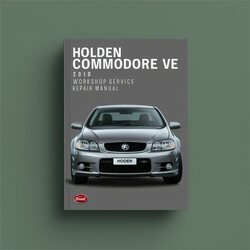
The Holden Commodore, specifically the 2010 VE Series II, represents a significant chapter in Australian automotive engineering, built upon the robust GM Zeta platform. This model, available as a Sedan, Sportwagon, and Ute, offered a range of potent engine options, from efficient V6 powerplants to powerful V8 variants, all designed for confident performance and a comfortable driving experience. Known for its blend of Australian design and global engineering, the Commodore consistently garnered praise for its ride quality, handling dynamics, and overall build integrity, making it a popular choice for families and performance enthusiasts alike.
$16.99
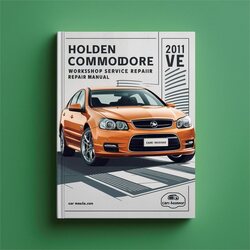
The Holden Commodore, specifically the VE Series II, represents a significant achievement in Australian automotive engineering. Produced from 2011, this model offers a robust platform available in sedan, wagon, and ute body styles, catering to a diverse range of needs. It is powered by a selection of potent V6 and V8 engines, ranging from the 3.0L V6 to the powerful 6.2L V8, delivering performance and reliability. Known for its strong chassis, advanced safety features including a 5-star ANCAP rating, and comfortable ride, the VE Commodore was designed for both everyday driving and demanding conditions, embodying a commitment to quality and driver engagement.
$16.99
The Holden Commodore, specifically the 2012 VE Series II, represents a significant chapter in Australian automotive history. As a large family sedan and performance sedan, it was known for its rear-wheel-drive platform, robust engineering, and a range of powerful engine options, from efficient V6 units to potent V8s. Manufactured in South Australia, the Commodore was an iconic Australian-made vehicle, offering a comfortable ride, solid build quality, and a 5-star ANCAP safety rating, making it a popular choice for families and performance enthusiasts alike in Australia and New Zealand.
$16.99
The Holden Commodore VF, produced from 2013 to 2017, represents a significant milestone in Australian automotive engineering. As a rear-wheel-drive sedan, it offered a compelling blend of performance, comfort, and advanced technology, competing strongly in the large car segment. Known for its robust build quality and dynamic driving characteristics, the VF Commodore was engineered for a wide range of conditions, making it a popular choice for families and enthusiasts alike. This generation, in particular, showcased a sophisticated chassis design and refined powertrains, including various V6 and V8 engine options, contributing to its reputation for reliability and driving pleasure.
$16.99
The Holden Commodore, specifically the 2013 VE Series II, represents the pinnacle of Australian automotive engineering, built upon the robust GM Zeta platform. This large family sedan, known for its spacious interior, comfortable ride, and available high-performance variants, offers a compelling blend of practicality and driving enjoyment. Its rear-wheel-drive configuration and sophisticated suspension systems contribute to its renowned handling characteristics, while its strong safety credentials, including a 5-star ANCAP rating, provide peace of mind for occupants. The Commodore's Australian design and manufacturing heritage are evident in its durable construction and tailored suitability for diverse driving conditions.

$16.99
Welcome to the comprehensive guide for your 2013 Holden Commodore VF. As the final iteration of the iconic Australian-made large sedan and wagon, the VF Commodore offered a refined blend of performance, comfort, and practicality, appealing to a wide range of drivers. This generation built upon the robust VE platform, introducing significant enhancements in styling, technology, and efficiency, including the adoption of electric power steering. With a variety of potent V6 and V8 engine options, the VF Commodore established itself as a benchmark in its class, delivering an engaging driving experience and a high level of engineering quality and reliability.
$16.99
The Holden Commodore VF Series I, produced from 2013 to 2015, represents a significant evolution of Holden's iconic Australian-made passenger car. Built on the sophisticated GM Zeta II platform, this generation offered enhanced aerodynamics, advanced technology, and refined driving dynamics. Available with potent V6 and V8 engine options, including the LS3 V8, the VF Commodore was engineered for performance and everyday usability. Its commitment to safety is underscored by a 5-star ANCAP rating and a comprehensive suite of active and passive safety features. The Commodore's legacy as a flagship vehicle is built on decades of development, making the VF Series I a notable entry in Holden's history.

$16.99
The 2014 Commodore VF represents a significant chapter in Australian automotive engineering, offering a blend of performance, comfort, and advanced technology. As the flagship passenger vehicle, the VF generation built upon its predecessors with substantial updates to its chassis, interior refinement, and available features, solidifying its reputation as a capable and desirable large sedan and wagon. Available in various trims such as Berlina, Calais, SV6, SS, and SS-V, the Commodore was engineered to provide an engaging driving experience, powered by a range of efficient V6 and potent V8 engines, and was known for its robust build quality and Australian-centric design.
$16.99
The Holden Commodore, specifically the 2015 VF generation, represents a significant chapter in Australian automotive history. Built upon an updated GM Zeta platform, this full-size sedan was renowned for its rear-wheel-drive dynamics, powerful engine options including the 3.6L V6 and potent LS V8 variants, and a spacious interior. Designed and manufactured in Australia, the VF Commodore offered a blend of performance, comfort, and robust engineering, making it a popular choice for enthusiasts and families alike. Its strong safety credentials, including a 5-star ANCAP rating, further underscored its appeal as a capable and well-rounded vehicle.
$16.99
The 2015 Holden Commodore VF represents the culmination of Australian automotive engineering, built upon the robust GM Zeta platform. This generation offered a sophisticated blend of performance, comfort, and advanced technology, positioning it as a leading choice in its segment. With a range of powerful V6 and V8 engine options, precise rear-wheel-drive dynamics, and a spacious, well-appointed interior, the VF Commodore was designed for both everyday driving and spirited performance, embodying Holden's proud heritage and commitment to quality.
$16.99
The Holden Commodore, specifically the 2016 VF Series II, represents a significant chapter in Australian automotive history. Building upon the established Commodore lineage, this generation offered a blend of performance, comfort, and advanced features, catering to a wide range of drivers. Available in Sedan, Sportwagon, and Ute body styles, and powered by robust V6 and V8 engine options, the VF Series II was engineered for reliability and dynamic driving. Its commitment to safety is underscored by a 5-Star ANCAP rating, featuring a comprehensive suite of active and passive safety systems.

$16.99
The 2016 Commodore, built on the global GM Epsilon II platform, represents a significant achievement in Australian automotive engineering. This model is renowned for its refined handling, potent powertrain options including V6 and V8 engines, and versatile body styles such as Sedan, Sportwagon, and Ute. Offering a blend of performance, comfort, and advanced technology, the VF Commodore was a flagship model, competing effectively in its segment and known for its robust construction and driving dynamics.

$16.99
The 2017 Commodore, representing the VF Series II generation built on the GM Zeta platform, stands as a testament to Australian automotive engineering. Renowned as an iconic large sedan, it offered a compelling blend of performance, comfort, and practicality, catering to a wide range of drivers from daily commuters to performance enthusiasts. With powertrain options including potent V6 and V8 engines, and a rear-wheel-drive bias, the Commodore provided an engaging driving experience. Its design emphasized a sophisticated yet robust character, making it a highly regarded choice in its segment, often praised for its balanced handling and value.

$16.99
The Holden Commodore VF, produced between 2013 and 2017, represents a significant chapter in Australian automotive history. As Holden's flagship large sedan, the VF Commodore offered a compelling blend of Australian engineering, robust performance with V6 and V8 engine options, and a comfortable, feature-rich interior. It was designed to cater to both family transport and enthusiastic driving, embodying a strong rear-wheel-drive heritage. The VF generation marked a substantial evolution, introducing refined styling, advanced technology, and enhanced safety features, solidifying its position as a benchmark in its class.
$16.99
The Holden Commodore VE, produced between 2008 and 2011, represents a significant chapter in Australian automotive history. Built on the robust GM Zeta platform, this large sedan offered a range of powerful engine options, including the 3.6L V6 Alloytec and the potent 6.0L and 6.2L Gen IV V8s, particularly in performance-oriented G8 trims. Known for its rear-wheel-drive dynamics, comfortable ride, and strong safety features, including a 5-star ANCAP rating, the Commodore VE was a popular choice in its segment, also finding a significant export market as the Pontiac G8. Its engineering quality and reliability made it a respected vehicle, earning accolades for performance and value.
$16.99
This manual covers the Commodore, specifically focusing on the 3.8L V6 Ecotec engine, spanning the VN and VP generations. The Ecotec V6, a significant development for the brand, is renowned for its robust torque and durability, making it a popular platform for performance enhancement. This engine, a 90-degree V6 with a 3.8-liter displacement, typically produced around 165-180 kW and 300-330 Nm in its stock configuration, offering substantial potential for improvement. The Commodore itself, manufactured in Australia, was a well-received model, known for its blend of comfort and performance, and the Ecotec engine solidified its position in the Australian automotive market.
$16.99
The Holden Commodore, a celebrated Australian automotive icon, has been a staple in the local market for decades, renowned for its robust engineering, spacious interiors, and rear-wheel-drive platform. This particular manual focuses on the 3.8L V6 engine variant, a workhorse known for its reliability and strong performance, often found in models from the VN generation through to the VZ. With its versatile application across sedan, station wagon, and utility body styles, the Commodore has consistently offered a blend of practicality and driving enjoyment, making it a favored choice for families and enthusiasts alike. The 3.8L V6, particularly the Buick-derived Series II and III iterations, has earned a reputation for durability when maintained correctly, solidifying the Commodore's legacy in the Australian automotive landscape.

$16.99
This manual covers the Holden Commodore, a popular Australian-manufactured vehicle known for its robust engineering and comfortable ride. Equipped with a 3.8L V6 engine, this model, prominent from the VT series (1997) through the VZ series (2006), offers a blend of performance and practicality, making it a capable choice for families and enthusiasts alike. The 3.8L V6, often designated as the L36, is a naturally aspirated, overhead valve engine that provided reliable power and torque, contributing to the Commodore's strong market reputation.
$16.99
The Holden Commodore WH series, produced from 1999 to 2002, represents a significant chapter in Australian automotive history as a flagship sedan. Built on the robust GM VT/VT II/VX Commodore Platform, this rear-wheel-drive vehicle was designed to excel in the large family and performance sedan market, competing directly with rivals like the Ford Falcon and Mitsubishi Magna. It offered a spacious interior, a comfortable ride, and a choice of powerful V6 and V8 engine options, including the 3.8L Ecotec V6 (naturally aspirated and supercharged) and the potent 5.7L Gen III LS1 V8. The Commodore WH was lauded by motoring journalists for its value, performance, and strong Australian engineering, making it a popular and capable choice for its intended purpose.
$16.99
This manual covers the Statesman and Caprice models produced between 1989 and 1993, specifically those equipped with the V8 engine and bearing the VN/VP chassis codes. These luxury sedans were designed to offer a premium driving experience, characterized by refined ride comfort, spacious interiors, and potent V8 performance, positioning them as the flagship offerings in the lineup. Engineered for Australian conditions, these vehicles represented a significant step forward in design and technology for their era, emphasizing a sophisticated aesthetic and a powerful, smooth powertrain.
$16.99
The Holden Commodore Utility VU Series represents a robust and versatile utility vehicle, engineered for performance and reliability. This model offers a range of powerful engine options, including the 3.8L V6 Ecotec and the 5.7L Gen III V8, paired with either a 4-speed automatic or a 5-speed manual transmission. Its rear-wheel-drive configuration, substantial dimensions, and durable construction make it well-suited for both work and leisure. The Commodore Utility is designed with practicality and driving pleasure in mind, embodying Holden's commitment to quality automotive engineering.
$16.99
The Holden Commodore Utility, VU Series, represents a robust and versatile vehicle designed for both work and leisure. This utility/ute model, available with powerful 3.8L V6 or 5.7L V8 naturally aspirated engines, and paired with either a 4-speed automatic or 5-speed manual transmission, offers a blend of performance and practicality. Engineered for reliability, the Commodore Utility is a testament to Holden's commitment to quality, providing drivers with a dependable and capable platform for a wide range of applications.

$16.99
This manual covers the Holden Commodore, a significant Australian-made vehicle that evolved through the VB, VC, VH, and VK series, produced from 1978 to 1984. Known for its robust engineering and popularity across various trims including the performance-oriented SS and HDT variants, as well as practical wagon configurations and specialized Police Options, the Commodore became an icon of Australian motoring. Its versatile platform, available with inline 6-cylinder and V8 engines, offered a blend of comfort, performance, and utility, making it a beloved choice for families, enthusiasts, and official services alike.
$16.99
The Holden VE Commodore, and its North American counterparts the Pontiac G8 and G6, represent a lineage of robust rear-wheel-drive vehicles built upon the versatile GM Zeta platform. Produced from 2006 through 2013 for the VE Commodore, and a shorter run for the Pontiac models, these vehicles were engineered for dynamic handling and performance, offering a range of V6 and powerful V8 engine options, including the 3.8L V6, 6.0L V8, and the potent 6.2L V8. The VE Commodore, in particular, was a significant development for Holden, embodying modern styling, refined interiors, and a focus on delivering a premium driving experience, often drawing comparisons to European performance sedans.

$16.99
The Holden Commodore VK, produced between 1984 and 1986, represents a significant chapter in Australian automotive history. Available in Sedan, Wagon, and the luxurious Calais variants, this model offered a range of powertrain options including the 3.3L Inline-6, 4.2L V8, and 5.0L V8 engines, alongside the efficient Isuzu Diesel. The VK Commodore was celebrated for its robust engineering, comfortable ride, and its role as the foundation for iconic motorsport efforts, notably the Peter Brock-driven racing Commodores. Its design and features positioned it as a versatile vehicle, suitable for families and performance enthusiasts alike, embodying a commitment to quality and innovation during its production years.
$16.99
Welcome to the comprehensive guide for the Holden Commodore VK Series, produced between 1984 and 1986. This iconic Australian large family car, a precursor to the VL platform, represented a significant step in Holden's rear-wheel-drive sedan technology with its updated styling, improved aerodynamics, and a range of powerful engine options including the 3.0L RB30E and the 5.0L V8. The VK Commodore was renowned for its robust build and strong performance, making it a popular choice in its segment, and this manual covers all variants such as the sedan, wagon, Berlina, Calais, and SS.

$16.99
This manual covers the Holden Commodore VK Series, produced from 1984 to 1986. As a full-size sedan and wagon, the VK Commodore was an iconic Australian vehicle, celebrated for its comfort, spacious interior, and rear-wheel-drive platform. Available with a range of powerful engines, including inline-six and V8 options, and featuring a robust chassis, it offered a compelling blend of performance and practicality, competing against key rivals in the Australian market. Notable variants, such as those prepared by HDT, further cemented its reputation for performance and desirability.
$16.99
The Holden Commodore VN, produced from 1988 to 1991, represented a significant step forward in Holden's flagship sedan line. Based on the Opel Omega platform, the VN introduced a more aerodynamic and European-influenced design, offering improved interior ergonomics and enhanced safety features for its era, including optional anti-lock brakes. It was available with a range of powertrains, including a 3.8L V6 and a 5.0L V8, both featuring multi-point fuel injection, and was offered with both manual and automatic transmissions. The VN was a popular choice, known for its comfortable ride and practicality, competing with other large sedans in the Australian market.
$16.99
The Holden Commodore VP, produced from 1991 to 1993, represents a significant chapter in Australian automotive history. As a development of the VN platform, the VP Commodore, including its CSI variant and the rebadged Toyota Lexcen CSi, offered a refined driving experience with a focus on comfort and practicality. These vehicles were engineered to compete effectively in the Australian market, providing a robust rear-wheel-drive platform that balanced performance with everyday usability. The VP series introduced subtle yet notable enhancements over its predecessor, solidifying its position as a popular choice for families and enthusiasts alike.
$16.99
This manual covers the VR series, produced between 1997 and 1998. As a mid-size family and performance sedan, the VR Commodore is recognized for its comfortable ride, spacious interior, and rear-wheel-drive platform, offering a choice of efficient V6 engines, including a supercharged option, and potent V8 powertrains. This Australian-manufactured vehicle was a strong contender in its market segment, known for its refinement and substantial road presence, making it a popular choice for families and enthusiasts alike.
$16.99
This manual covers the Holden Commodore VT Series I, an iconic Australian-manufactured large family sedan and executive car produced from 1997 to 2000. Built on the GM V-Platform, this vehicle represented a significant modernization for the Commodore line, featuring contemporary styling and a choice of powerful V6 and V8 engine options. Known for its performance, with V6 engines offering around 175-190 kW and V8s ranging from 180-245 kW, the VT Commodore was a sales success and a popular choice for Australian families and performance enthusiasts alike. It was available in both 4-door sedan and 5-door station wagon body styles, offering practicality alongside its dynamic capabilities.
$16.99
The Holden Commodore VT Series II, produced between 1999 and 2000, represents a significant iteration of Holden's iconic rear-wheel-drive sedan. Building on its predecessor, this generation introduced updated styling, improved ergonomics, and enhanced safety features, solidifying its position in the executive and family sedan market. Available with a range of powertrains including the 3.8L V6 EcoTec, a 3.8L Supercharged V6, and the potent 5.0L Gen III V8, the VT Series II offered a compelling blend of performance and comfort, designed to compete effectively with rivals like the Ford Falcon AU Series. Manufactured in Elizabeth, South Australia, this model continues Holden's legacy of producing robust Australian vehicles.
$16.99
The Holden Commodore VT Series II, produced from 1999 to 2000, represents a significant chapter in Australian automotive history. Built on the GM 'V' platform, this model offered a range of variants including the Berlina, Calais, SS, S, and Executive, catering to diverse driver needs. Known for its robust engineering and comfortable ride, the VT Series II was powered by either the efficient 3.8L V6 Ecotec engine or the potent 5.7L Gen III V8, making it a versatile and popular choice for families and performance enthusiasts alike. Its design, a refinement of the original VT, provided a blend of classic Australian motoring appeal with modern features.
$16.99
This manual covers the Commodore, Statesman, Monaro, and HSV variants from the VT/VX and WH/V2 generations, produced between 1999 and 2002. These vehicles, built on Australia's WK Platform, offered a range of powerful V6 and V8 engines, including Ecotec and LS1 variants, along with both manual and automatic transmissions. Known for their Australian engineering, these models provided robust performance and comfort, with specific attention given to the higher-performance HSV editions, as well as specialized Police and Taxi supplements.
$16.99
The Holden Commodore, produced across the VT, VX, VU, and VY generations, represents a significant chapter in Australian automotive engineering. Available in Sedan and Utility body styles, these vehicles were renowned for their robust build quality and powerful performance, especially the HSV Series II Gen III Supercharged variants. Designed for a wide range of uses from daily commuting to demanding tasks, the Commodore consistently offered a blend of comfort, practicality, and driving dynamics, solidifying its status as an iconic Australian vehicle.
$16.99
This manual covers the Holden Commodore, including VT, VX, VU Ute, and VY Series II models, produced between 1997 and 2004. Renowned for its Australian engineering and robust performance, particularly the HSV variants featuring the supercharged Gen III V8 engine, the Commodore offered a compelling blend of power and practicality in sedan, wagon, and ute body styles. These vehicles were designed for the Australian and New Zealand markets and are recognized for their strong road-holding capabilities and performance-oriented drivetrains.
$16.99
This manual covers Commodore VT, VX, VU, and VY models, including Series II variants, produced between 1997 and 2004. These Australian-engineered vehicles, built on the V Platform, are renowned for their robust performance, particularly those equipped with the Gen III V6 Supercharged engine. This range offers a variety of body styles, including Sedan, Utility (Ute), and Wagon, catering to diverse needs. The Series II variants represent the pinnacle of performance, featuring enhanced powertrains and handling characteristics, making them highly sought after by driving enthusiasts.
$16.99
This manual covers the Commodore, produced across the VT, VX, VU (Ute), and VY Series II platforms. Known for its robust Australian engineering and widespread appeal, the Commodore offered a range of body styles including Sedan, Wagon, and Ute. It was a popular choice for families and performance enthusiasts alike, with many variants featuring powerful V6 and V8 engines, including the notable L67 Supercharged 3.8L V6. The brand has a significant heritage in Australia, and this V-Platform generation represented a substantial evolution in design and capability, with notable derivatives from performance tuners enhancing its performance and exclusivity.
$16.99
This manual covers the Commodore models from the VT, VX, VU, and VY generations, produced between 1997 and 2004. These vehicles, built on the GM V-Body platform, were renowned for their Australian-designed chassis, offering a blend of comfort, performance, and practicality suitable for everyday use and longer journeys. Available with a range of V6 and V8 engines, including the ECOTEC 3.8L and the powerful Gen III LS1 5.7L V8, the Commodore provided robust Australian engineering with features like multi-point fuel injection and advanced cooling systems for its era. The platform's versatility extended to sedan, wagon, and utility (Ute) variants, making it a popular choice across diverse consumer needs.
$16.99
The Holden Commodore VU Series II, produced from approximately 2002 to 2004, represents a significant iteration of Holden's robust rear-wheel-drive platform. Engineered for the Australian and New Zealand markets, this generation offered a compelling combination of performance, practicality, and comfort, available in sedan, wagon, and utility body styles. It was renowned for its strong chassis, powerful V6 and V8 engine options including the 3.8L Ecotec V6 and the 5.7L Gen III V8, and its suitability for local driving conditions, solidifying Holden's reputation in the large vehicle segment.
$16.99
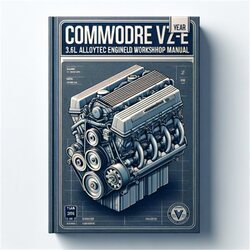
The Holden Commodore VU Series II represents a significant chapter in Australian automotive history, primarily recognized for its robust utility vehicle (ute) offerings. Built upon the proven VT/VX Commodore platform, this rear-wheel-drive vehicle was engineered for the demanding Australian market, offering a blend of performance and practicality. Available in various configurations, including single and dual cab utes, it was powered by a range of capable engines, from the efficient 3.8L V6, including a supercharged variant, to the potent 5.7L V8 LS1. These powertrains, coupled with reliable automatic and manual transmissions, provided a solid foundation for work and leisure. The VU Series II, introduced in late 2002, continued the legacy of Holden's iconic nameplate, known for its strong engineering and adaptability.
$16.99
This workshop manual covers the Holden Commodore, specifically the VZ-VE generations built on the GM Zeta platform. Renowned for its robust engineering and Australian heritage, the Commodore offered a blend of performance and practicality, making it a popular choice for a wide range of drivers. This manual focuses on detailed engine rebuild procedures for the Alloytec V6 engine, known for its aluminum construction, DOHC 24-valve configuration, and multi-point fuel injection system, providing approximately 190-200 kW of power and 330-340 Nm of torque.

$16.99
The Holden Commodore WH series, produced from 1999 to 2004, represents a significant iteration of Holden's enduring large family car, available in both sedan and station wagon body styles. Built on a refined GM platform derived from the VT/VS models, this generation offered a choice of robust powertrains, including the Ecotec 3.8L V6 and the potent 5.7L LS1 V8. Known for its rear-wheel-drive configuration, spacious interior, and comfortable ride, the WH Commodore was designed to provide a compelling blend of performance and practicality, making it a popular choice in its segment against competitors like the Ford Falcon and Toyota Avalon. Its Australian heritage and focus on local driving conditions contributed to its appeal.
