



Ford Ranger

The Ford Ranger, a formidable force in the mid-size pickup truck segment, stands out with its exceptional capabilities and versatility. Built upon a robust platform, the Ranger boasts a potent powertrain, advanced safety features, and an array of configurations tailored to meet diverse needs. Its robust construction endows it with exceptional towing and hauling capacities, making it an indispensable tool for demanding tasks.
In addition to its rugged capabilities, the Ranger prioritizes comfort and convenience. Its spacious cabin provides ample room for occupants, while its ergonomic design and advanced infotainment system ensure a pleasant driving experience. Its versatile bed offers ample...
$16.99
This manual covers the Ford Ranger, specifically the First Generation North American Model produced from 1979 to 1986. The Ranger established Ford's presence in the compact pickup truck market, building on a legacy of utility vehicles. It offered a range of engine options, including gasoline and diesel variants, and was available in various body styles. This manual provides comprehensive service and repair information, empowering owners with the knowledge to maintain and understand their vehicle.
$16.99
The 1990 Ford Ranger is a compact pickup truck renowned for its ruggedness, reliability, and value. This model, available in various configurations, offers robust performance with engine options including the efficient 2.3L I4 and the more powerful 2.9L V6, both featuring electronic fuel injection for improved drivability and emissions. Known for its utility and capability, the Ranger has a strong heritage in the pickup market, making it a dependable choice for work and everyday use.
$16.99
The 1991 Ford Ranger is a robust and versatile compact pickup truck, renowned for its durability and value. This model, part of the second generation of Ford Rangers, received a significant refresh for the 1991 model year, enhancing its styling and ergonomics. Available with a range of engines, including the 2.3L OHC I4, 2.9L OHV V6, and the more powerful 4.0L OHV V6, the Ranger offered both 2WD and 4WD configurations with manual or automatic transmissions. Its compact size, combined with a towing capacity of up to 6,000 lbs and a payload capacity of up to 1,500 lbs, made it a capable vehicle for both work and everyday use, competing directly with other popular trucks of its era.
$16.99
The 1992 Ford Ranger is a compact pickup truck known for its robust engineering and versatility, designed to serve as a capable workhorse and a reliable personal vehicle. Built on Ford's established compact pickup platform, this model offered a range of powertrain options, including efficient 4-cylinder and powerful V6 engines, coupled with either rear-wheel drive or optional four-wheel drive. Its independent front suspension contributed to a comfortable ride, while its practical design and various cab and bed configurations made it a popular choice in its segment. The Ranger's reputation for durability and Ford's extensive dealer network further solidified its appeal.
$16.99
The Ford Ranger, produced during its second generation from 1993 to 1997, stands as a testament to Ford's legacy in the compact pickup truck market. Renowned for its ruggedness, reliability, and versatility, this model offered a range of engine options, including the 2.3L I4 and 3.0L and 4.0L V6 configurations, catering to diverse needs from daily commuting to demanding work tasks. Its body-on-frame construction and available four-wheel-drive systems underscored its capability, making it a popular choice for those seeking a dependable and capable utility vehicle.
$16.99
The 1993 Ford Ranger is a compact pickup truck renowned for its durability, versatility, and value, competing effectively within its market segment. Built upon Ford's long-standing truck heritage, this second-generation Ranger offered a range of configurations, including various cab styles and bed lengths, along with rear-wheel or four-wheel drive options. It was available with robust engine choices, such as the 2.3L I4 and V6 options, and featured dependable transmissions. The Ranger's engineering focused on providing a capable and reliable platform for both work and personal use, solidifying its position as a leading compact pickup.
$16.99
The Ford Ranger, a distinguished compact pickup truck, has served the North American market with reliable performance and utility since its introduction. Known for its robust engineering and versatility, the 1993 Ranger offered a range of engine options, including the efficient 2.3L I4 and powerful 3.0L and 4.0L V6 configurations, paired with either manual or automatic transmissions. Its durable construction, including the notable Twin-I-Beam front suspension on RWD models, and a respectable towing capacity made it a popular choice for both work and personal use across various trim levels such as XL, XLT, Sport, STX, and Splash.
$16.99
This manual covers the Ford Ranger, a compact pickup truck produced from 1993 to 1997. This second-generation Ranger offered a choice of two robust OHV V6 engines: the reliable 3.0L Vulcan and the more powerful 4.0L Cologne. Known for its durable construction and versatile capabilities, the Ranger served a wide range of needs, from daily commuting to work and light hauling. Ford's long-standing legacy in truck manufacturing is evident in the Ranger's solid engineering and dependable performance, making it a popular choice for those seeking a capable and long-lasting vehicle.
$16.99
This manual covers the Mazda B-Series and Ford Ranger compact pickup trucks manufactured between 1993 and 1997. These vehicles, built on a shared global platform, are recognized for their robust engineering and versatility, serving effectively in both work and personal capacities. The Ford Ranger, a long-standing leader in the compact truck market, and the Mazda B-Series, known for its global appeal and reliability, offer dependable performance with a range of engine options including a 2.3L inline-four and a 3.0L V6. Their shared platform provides a cost-effective and efficient design, contributing to their enduring popularity and capability.
$16.99
This document provides comprehensive parts catalog information for the Ranger, covering model years 1993 through 1997. The Ranger, a globally recognized compact pickup truck, is renowned for its ruggedness, versatility, and durability, competing effectively in its segment with models like the Tacoma and Hardbody. This generation of the Ranger offered various configurations, including Regular Cab and SuperCab body styles, short and long bed options, and a choice of reliable engines such as the 2.3L I4, 3.0L V6 (Vulcan), and 4.0L V6 (Cologne), paired with either a 5-speed manual or 4-speed automatic transmission. The vehicle's functional interior and available 4WD further cemented its reputation as a capable workhorse and dependable daily driver.
$16.99
The Ford Ranger, specifically the Second Generation produced from 1993 to 1997, represents a robust and reliable compact pickup truck built upon Ford's extensive heritage in the truck market. This generation saw significant updates, including updated styling, the introduction of powerful V6 engine options, and enhancements to interiors and safety features, solidifying its reputation for capability and value. The Ranger was designed to meet a variety of needs, from daily commuting to demanding work tasks, offering versatility across different body styles and bed lengths. Its engineering quality and enduring reliability have made it a popular choice for do-it-yourself enthusiasts and seasoned mechanics alike, seeking a dependable vehicle for various applications.
$16.99
This manual covers the Ford Ranger, a compact pickup truck produced from 1993 to 1997, representing the Second Generation North American Model. Known for its ruggedness, reliability, and versatility, the Ranger served as a capable work truck, personal vehicle, and off-road platform. It offered various engine options, including the 2.3L I4 (Vulcan), 3.0L V6 (Vulcan), and 4.0L V6 (Cologne), paired with either a 5-speed manual or a 4-speed automatic transmission, and available in Rear-Wheel Drive (RWD) or Four-Wheel Drive (4WD). The Ranger continued Ford's legacy of producing durable trucks, with this generation featuring a significant redesign for improved aerodynamics and a modern appearance.
$16.99
This manual provides comprehensive service and repair information for the Ford Ranger, covering model years 1993 through 1997. It is designed for all models, engines, trims, and transmission types, offering the same detailed content used by professional technicians. The Ford Ranger is recognized for its robust engineering and reliability, making it a capable vehicle for a variety of applications.
$16.99
This manual covers the Ford Ranger, a compact pickup truck produced for the North American market from 1993 to 1997. Known for its durability, reliability, and affordability, the Ranger was a popular choice for both work and personal use. This second generation, introduced for the 1993 model year and refreshed in 1995, offered a range of engine options including a 2.3L Inline-4, a 3.0L Vulcan V6, and a 4.0L Cologne V6, paired with either rear-wheel drive or four-wheel drive. Its robust engineering and simple mechanicals contributed to its reputation as a capable and dependable vehicle.
$16.99
The Ford Ranger, specifically the Second Generation (ES/EU Series) produced from 1993 to 1997, is a compact pickup truck renowned for its robust construction, reliable powertrains, and versatile capability. Available in various configurations including Regular Cab and SuperCab, with short and long bed options, the Ranger offered a range of engines, including the 2.3L I4 and the 3.0L and 4.0L V6 options, providing substantial towing and hauling capacity for its class. Its strong Ford truck heritage, coupled with features like available 4WD and a solid frame, made it a competitive choice against rivals like the Toyota Tacoma and Nissan Hardbody, appealing to those seeking a durable and functional workhorse or adventure vehicle.
$16.99
The Ford Ranger, produced from 1993 to 1997, represents a significant chapter in the compact pickup truck market. Known for its rugged construction, versatility, and a range of powertrain options including 2.3L I4, 3.0L V6, and 4.0L V6 engines, the Ranger was a popular choice for both work and personal use. It competed effectively with other trucks of its era, offering durable build quality and a reputation for reliability. This generation featured available rear-wheel drive and four-wheel drive configurations, various cab styles, and bed lengths, making it adaptable to a wide array of needs.
$16.99
This manual covers the Ford Ranger, a compact pickup truck produced from 1993 to 1997, built on the UN-94 platform. Known for its robust engineering and versatility, the Ranger offered a range of gasoline and diesel engine options, including the 2.3L I4, 3.0L V6, and 4.0L V6, paired with either manual or automatic transmissions. Its design focused on durability and utility, making it a popular choice for both work and personal use, competing with models like the Chevrolet S-10 and Toyota Tacoma of the era. The second generation Ranger, introduced in 1993, featured updated styling and powertrain options, reflecting Ford's long-standing reputation for reliable trucks.
$16.99
This manual covers the Ford Ranger, a versatile pickup truck known for its robust engineering and reliability, spanning production from 1993 to 2005. Building on Ford's strong truck heritage, the Ranger was developed on a globally shared platform with the Mazda B-Series, offering a range of body styles including Regular Cab and SuperCab, with Flareside and Styleside bed options. Available in rear-wheel drive and four-wheel drive configurations, it was powered by various engines, including the 2.3L I4 and the potent 4.0L V6, making it a capable choice for both work and personal use. Its popularity in the compact and mid-size pickup segment was cemented by its ruggedness and utility, often competing with models from Toyota, Chevrolet, and Nissan.
$16.99
This manual covers the Ford Ranger, a highly regarded compact pickup truck celebrated for its durability, versatility, and value. Produced across multiple generations, this guide focuses on models from 1993 to 2005, a period that includes significant updates and the introduction of new powertrain options. The Ford Ranger was a strong competitor in its segment, known for its robust engineering and capability, making it a popular choice for both work and personal use. This comprehensive resource is designed to support the longevity and optimal performance of your Ranger.
$16.99
This manual covers the 1994 Ford Ranger, a compact pickup truck known for its utility, affordability, and reliability. As part of the second generation (1993-1997), this model received styling updates and offered robust chassis engineering. The Ranger was a popular choice in its segment, competing with other compact trucks, and was available with various engine options, including 2.3L, 3.0L, and 4.0L V6 configurations, paired with either manual or automatic transmissions and rear-wheel or four-wheel drive. Its design emphasized practicality, making it a versatile vehicle for work and personal use.
$16.99
This manual covers the 1994 Ford Ranger, a versatile compact pickup truck belonging to the second generation (1993-1997). Known for its robust engineering and reliability, the Ranger offered a range of powerful engine options, including the 2.3L I4 and the 3.0L and 4.0L V6 variants, catering to diverse performance needs. Its platform, the UN90, provided a solid foundation for both work and everyday use, with available two-wheel and four-wheel drive configurations, manual and automatic transmissions, and various wheelbase and bed length options. The 1994 Ranger represented a refinement of Ford's compact truck offering, emphasizing capability and driver comfort.
$16.99
The 1995 Ford Ranger is a compact pickup truck renowned for its robust engineering, reliability, and adaptability, serving a wide range of needs from daily commuting to light-duty work. This model, part of the second generation, offers a choice of capable engines, including the 2.3L I4 and the V6 options (3.0L Vulcan and 4.0L Cologne), paired with either a 5-speed manual or a 4-speed automatic transmission. Its design prioritizes practicality and durability, making it a trusted vehicle for various applications.
$16.99
The 1995 Ford Ranger is a compact pickup truck renowned for its durability, versatility, and value, making it a popular choice for both work and personal use in North America. Building on Ford's extensive truck manufacturing legacy, this model offers a range of engine options, including the 2.3L I4 and the 3.0L and 4.0L V6, paired with either manual or automatic transmissions and rear-wheel or four-wheel drive configurations. Its robust engineering and practical design, characteristic of the second generation Ranger, ensured its competitive standing against contemporaries like the Toyota Tacoma and Nissan Hardbody.
$16.99
The 1996 Ford Ranger is a compact pickup truck known for its ruggedness, reliability, and capability. This model belongs to the second generation of the Ranger, which featured updated styling and mechanical enhancements. Available with a variety of engine options, including the 2.3L inline-4 and the 3.0L or 4.0L V6, the Ranger offered adaptable performance for diverse needs. Its design, influenced by Ford's 'Edge' language, presented a smoother, more aerodynamic profile. The Ranger was a strong contender in its segment, competing with models like the Toyota Tacoma and Nissan Hardbody, and was assembled in various U.S. plants.
$16.99
The Ford Ranger, a stalwart in the compact pickup truck segment, has earned a reputation for its durability and versatility. Produced in 1996, this model is known for its robust chassis and reliable drivetrain options, particularly the potent 4.0L V6 engine. The Ranger was designed to meet the diverse needs of its owners, whether for work, off-road adventures, or daily commuting, offering various cab styles and bed lengths to suit different requirements. Its engineering quality and straightforward design have made it a popular choice, contributing to its enduring market success and a legacy of dependability.
$16.99
The Ford Ranger, produced from 1996 to 2006, represents the third generation of Ford's highly capable compact pickup truck. Available in Regular Cab, SuperCab, and SuperCrew configurations, and offered in both Rear-Wheel Drive (RWD) and Four-Wheel Drive (4WD), the Ranger was engineered for versatility and reliability. It came equipped with a range of engine options, including the 2.5L I4, 3.0L V6, and the more powerful 4.0L V6, all featuring electronic fuel injection. Known for its robust construction and enduring utility, the Ranger served as a dependable workhorse for a variety of applications, from daily commuting to demanding tasks, solidifying its place as a popular choice in its segment against competitors like the Toyota Tacoma and Chevrolet S-10.
$16.99
The Ford Ranger, specifically the Second Generation (PJ/PK) compact pickup truck produced from 1996 through 2006, is renowned for its robust engineering, versatility, and enduring reliability. This model offered a range of gasoline and diesel powertrains, including the capable 2.5L Duratec I4 and the popular 4.0L Cologne V6 engines, paired with both rear-wheel drive and four-wheel drive configurations. Known for its durable chassis and strong aftermarket support, the Ranger appealed to a broad audience, from commercial users to those seeking a dependable vehicle for recreational activities. Its market segment as a compact/mid-size pickup truck was well-served by its blend of utility and manageable size.
$16.99
This comprehensive service and repair workshop manual covers the Ford Ranger, produced between 1996 and 2006. Designed for a wide range of applications, the Ford Ranger is recognized for its robust engineering and reliable performance, making it a trusted choice for various tasks. This manual provides in-depth information to ensure owners and technicians can maintain and optimize the vehicle's capabilities.
$16.99
This manual provides comprehensive technical information for the Ford Ranger, a compact pickup truck produced between the 1996 and 2006 model years. Known for its robust build and versatility, the Ranger has a long-standing reputation for reliability and capability, serving a wide range of needs from daily commuting to demanding work tasks. This generation, particularly the second generation in North America, saw significant styling and powertrain updates, offering various engine options including the 2.3L I4, 2.5L I4, 3.0L V6, and 4.0L V6 (both OHV and SOHC variants), alongside manual and automatic transmission choices and 2WD/4WD configurations.
$16.99
This manual covers the Ford Ranger, a versatile compact pickup truck produced from 1996 to 2006. Known for its robust engineering and reliability, the Ranger has been a staple in the North American market, offering a range of engine options from efficient four-cylinders to powerful V6 configurations. It was available in various body styles, including Regular Cab and SuperCab, with multiple wheelbase and bed length options to suit diverse needs, from daily commuting to demanding work and recreational activities. The Ford Ranger's enduring popularity is a testament to its practical design, capable performance, and Ford's extensive heritage in truck manufacturing.
$16.99
The 1997 Ford Ranger is a capable and reliable compact pickup truck, representing the culmination of the second generation's design and engineering. Known for its robust chassis, versatile utility, and a range of powertrain options including the 2.3L I4 and 4.0L V6 engines, the Ranger served as a dependable workhorse and everyday vehicle. Its solid build quality and practical features made it a strong competitor in its segment, offering a blend of performance and affordability that appealed to a wide range of owners.
$16.99
The 1997 Ford Ranger is a compact pickup truck renowned for its versatility and durability, serving a wide range of needs from light commercial use to personal transportation and off-road adventures. Built on the UN97 platform, this model is part of the second generation of the Ranger, which received a significant facelift for 1997, featuring updated styling cues. Available in North America with various cab configurations, bed lengths, and drivetrain options including 2WD and 4WD, the Ranger offered a choice of three engines: a 2.5L inline-4, a 3.0L V6, and a 4.0L V6, all paired with either a 5-speed manual or a 4-speed automatic transmission. Its rugged construction and Ford's extensive truck-building legacy contribute to its reputation for reliability.
$16.99
The 1997 Ford Ranger, a compact pickup truck, is renowned for its durability, capability, and versatile configurations, including two-wheel and four-wheel drive options, various cab styles, and bed lengths. Building on Ford's extensive truck legacy, this second-generation Ranger was designed with improved aerodynamics and a more refined interior compared to its predecessors. It offered a range of engine choices, from the efficient 2.3L I4 to the more powerful 3.0L and 4.0L V6 options, making it a competitive and popular choice in its segment, capable of handling both work and everyday driving needs across North America.
$16.99
The Ford Ranger, produced in 1997, is a robust and versatile compact pickup truck designed for a wide range of applications, from demanding work environments to recreational activities and everyday driving. Known for its durable construction and capable performance, the Ranger offers a reliable platform with various configurations, including rear-wheel drive and four-wheel drive options, and is available with different bed lengths. Its engineering quality and solid reputation for reliability have made it a competitive choice in its segment, appealing to those who value utility and longevity in a vehicle.
$16.99
The Ford Ranger, a durable and versatile compact pickup truck, was a prominent fixture in the North American automotive market, particularly during its second generation which saw significant refinements leading up to the 1997 model year. Known for its workhorse capabilities and affordability, the Ranger offered a range of engine options, including the 2.3L I4 and the robust 3.0L and 4.0L V6 OHV powerplants, paired with either manual or automatic transmissions and available in rear-wheel or 4x4 configurations. Its engineering quality and reliability made it a popular choice for both work and personal use, competing effectively against rivals like the Chevrolet S-10 and Toyota Tacoma.
$16.99
The Ford Ranger, produced in 1998, is a compact pickup truck renowned for its durability and versatility. Built on the UN174 platform, this model offers robust chassis engineering and reliable powertrain options, including the 2.3L Duratec I4, 3.0L Vulcan V6, and 4.0L Cologne V6 engines. Available in various cab styles and bed lengths, the Ranger was designed to meet both work and recreational needs, competing effectively against other trucks in its segment. Its engineering quality and proven performance have made it a popular choice for those seeking a capable and dependable vehicle.
$16.99
This manual covers the 1998 Ford Ranger EV, a significant early offering in the electric pickup truck segment. As a second-generation model, it represented Ford's commitment to exploring alternative powertrains, primarily targeting fleet applications and early adopters. The Ranger EV is distinguished by its all-electric powertrain, featuring an AC induction motor and a robust battery system designed for utility and efficiency. Its engineering quality and reliability were hallmarks of Ford's truck heritage, adapted for the unique demands of electric propulsion during a formative period for EV technology.
$16.99
The Ford Ranger, a compact pickup truck produced for the 1998 model year, is recognized for its robust engineering, reliability, and versatility. Available in various configurations including two-wheel drive and four-wheel drive, with different cab and bed lengths, the Ranger was designed to meet a wide range of consumer needs. It offered a choice between a 2.5L 4-cylinder engine or a more powerful 3.0L V6, both featuring electronic fuel injection. This model represented a significant refresh of the second-generation Ranger, building on Ford's extensive legacy in the pickup truck market and competing effectively against other popular trucks of its era.
$16.99
The 1998 Ford Ranger is a compact pickup truck that entered its third generation, building on Ford's extensive truck heritage. Known for its ruggedness, utility, and affordability, this model was designed to serve a diverse range of needs, from commercial use to personal recreation. The Ranger offered various configurations, including different cab styles and bed lengths, and was powered by a selection of capable engines, including 2.5L I4, 3.0L V6, and 4.0L V6 options. Its competitive positioning against rivals like the Toyota Tacoma and Chevrolet S-10, combined with its practical design and Ford's reputation for durability, made it a strong contender in its segment.
$16.99
This manual covers the Ford Ranger, Third Generation (PN-121), produced for the model years 1998, 1999, and 2000. The Ford Ranger is a compact pickup truck known for its durability, capability, and robust construction, making it a versatile choice for both work and recreational use. This generation offered a range of engine options, including the 2.5L I4, 3.0L V6, and 4.0L V6 (available in OHV and SOHC configurations), paired with either Rear-Wheel Drive or Four-Wheel Drive. Available body styles include Regular Cab and SuperCab, with both Styleside and Flareside bed options, providing flexibility to meet diverse customer needs.
$16.99
This manual covers the Ford Ranger EV, a compact pickup truck produced from 1998 to 2002. As an early Battery Electric Vehicle (BEV), the Ranger EV represented Ford's pioneering efforts in electric propulsion for utility vehicles. Its unique selling proposition was its zero tailpipe emissions and the potential for lower running costs, making it an attractive option for fleet operators and environmentally conscious consumers of its era. The vehicle featured an AC induction motor and a single-speed automatic transmission, offering a distinct driving experience compared to its internal combustion engine counterparts.
$16.99
The Ford Ranger, a robust compact pickup truck, was produced for the US and Canadian markets during its third generation from 1998 to 2002. Known for its durable chassis and versatile utility, the Ranger offered various configurations including Regular Cab and SuperCab, with both rear-wheel drive and four-wheel drive options. It was powered by a range of engines, including the 2.5L I4, 3.0L V6, and the more powerful 4.0L V6, all designed to provide a balance of performance and efficiency for work and everyday use. The Ranger's engineering quality and reliability made it a strong contender in its segment, often praised for its capability and longevity.
$16.99
This comprehensive manual is designed for owners and automotive service professionals alike, providing the same detailed specifications and procedures used by authorized dealerships. It covers a range of engine options, including 2.3, 2.5, 4.0, and 2.8 diesel, offering in-depth guidance for maintaining and repairing your vehicle. Whether you are a hands-on owner or simply wish to be better informed about your car's upkeep, this manual serves as an invaluable resource.
$16.99
This manual covers the Ford Ranger, a robust and versatile compact pickup truck produced from 1998 to 2004. Built on a durable body-on-frame platform, the Ranger is known for its workhorse capability and reliability, serving as a dependable option in the competitive pickup truck market. It offers various configurations, including rear-wheel drive and four-wheel drive, with multiple engine and cab options to suit diverse needs. The Ford Ranger's engineering prioritizes functionality and longevity, making it a practical choice for both work and everyday use.
$16.99
This manual covers the Ford Ranger Courier Drifter, produced between 1998 and 2006, identified by platform codes PD, PE, and PG. This generation, also known as the PJ/PK Ranger Generation in Thailand, is a versatile compact pickup truck designed for both commercial and recreational use. It is recognized for its robust construction, durability, and adaptable nature, offered in various body styles and drivetrain configurations to suit diverse operational needs. The vehicle's engineering prioritizes reliability and capability, making it a dependable choice in its segment, often competing with models like the Mitsubishi Triton and Toyota Hilux.
$16.99
The Ford Ranger Courier / Drifter, produced between 1998 and 2006, represents a robust and versatile compact to mid-size pickup truck. Built on the J97T platform, a derivative of the Mazda BT-50, this vehicle was engineered for utility and lifestyle applications, available in Single Cab, Extra Cab, and Dual Cab configurations. It offered both Rear-Wheel Drive (RWD) and Part-Time Four-Wheel Drive (4WD) options, powered by a choice of reliable engines including the WL-T 2.5L Turbo Diesel, G6 2.6L Petrol, and FE-E 2.0L Petrol. Known for its durability and value, the Ranger Courier/Drifter has been a significant player in its market segment, competing with other established pickup trucks.
$16.99
This manual covers the Ford Courier and Ranger models, produced between 1998 and 2006, built on the robust Ford P-Platform. These vehicles, known for their body-on-frame construction, were designed as capable light commercial vehicles and compact pickup trucks, serving tradespeople, fleet operators, and rural users. With a legacy rooted in Ford's history of producing dependable utility vehicles, these models offered a blend of durability and practicality, often competing with vehicles like the Toyota Hilux and Mitsubishi Triton. Engine options included naturally aspirated and turbocharged diesel units, as well as petrol engines, paired with either rear-wheel drive or four-wheel drive systems.
$16.99
This workshop service repair manual covers the Ford Courier and Ranger models, including those with model codes PD, PE, and PG, produced between 1998 and 2006. These vehicles are known for their robust engineering, reliability, and versatility, serving as capable compact pickup trucks for a wide range of applications, from daily commuting to heavy-duty work. The Ford Ranger, in particular, benefits from Ford's extensive legacy in the truck market, offering a durable platform with various engine and body style options to suit diverse needs.
$16.99
This manual covers the Courier and Ranger models produced between 1998 and 2006, identified by platform codes PD, PE, and PG. These versatile pickup trucks were engineered with robust body-on-frame construction, offering reliable performance for both work and recreational use. Available in various cab configurations including Single Cab, Extra Cab, and Dual Cab, and with drivetrain options of 2WD (2X4) and 4WD (4X4), these vehicles provided a range of utility and capability. The range of available engines, including petrol options like the 2.6L G6, 2.0L F8, and 2.2L F2, alongside the durable 2.5L WL diesel and its turbocharged counterpart, ensured varied power and efficiency choices to meet diverse customer needs.
$16.99
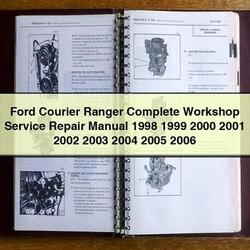
This manual provides comprehensive service and repair information for Courier and Ranger models produced between 1998 and 2006. These vehicles, often built on shared platforms with Mazda, represent robust offering in the compact pickup truck segment. The range of engines covered includes various 4-cylinder gasoline and diesel options, as well as V6 gasoline engines, catering to diverse performance needs. With a history rooted in utility and reliability, these trucks have served a wide array of purposes, from commercial work to personal transportation.
$16.99
This comprehensive workshop service repair manual covers the Ford Courier and Ranger models produced from 1998 through 2006. These compact pickup trucks are recognized for their reliability, capability for their size, and versatility for both work and recreational use. Ford has a long-standing legacy in the truck market, and these models, representing the third generation of the Ranger, were manufactured primarily in the United States and Thailand. They were designed to meet the needs of a diverse audience, including DIY mechanics, small business owners, and fleet managers, offering a dependable platform with a relatively low cost of ownership.

$16.99
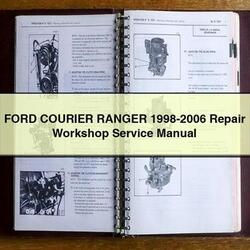
This manual covers the Ford Courier and Ranger models produced between 1998 and 2006. The Ford Courier, particularly in markets like Australia, is based on the Mazda B-Series platform, serving as a compact pickup truck and light commercial vehicle. These vehicles are known for their durability, versatility, and practicality, making them suitable for commercial users and tradespeople. They share engineering with the Mazda B-Series, a platform recognized for its robust construction and affordability.
$16.99
This manual covers the Ford Courier and Ranger pickup trucks produced between 1998 and 2006. These vehicles were engineered for utility and durability, offering robust chassis designs and reliable engine options including the 2.6L G6 gasoline, and 2.5L WL and WL-T diesel engines. Known for their capable performance in light to moderate hauling and towing, these trucks provided a practical and valuable solution for a wide range of applications, from work to personal use. Their relatively straightforward mechanicals contributed to their reputation for dependable service and ease of maintenance.
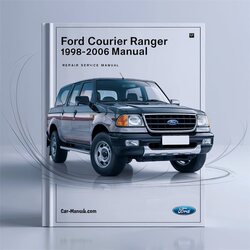
$16.99
This manual covers the Courier and Ranger models from the 1998 to 2006 production years, representing the second generation which shared platforms with the Mazda BT-50. These robust utility vehicles were available with various engine options, including the 2.6L G6 Series gasoline engine and the 2.5L WL/WL-T diesel engines, known for their durability and fuel efficiency. Designed for both work and recreational use, these trucks offered various body styles and wheelbases to suit different needs. The extensive truck heritage underpins the engineering of these models, which were popular in markets across North America, Australia, and beyond.
$16.99
This factory service repair manual provides comprehensive information for the Courier/Ranger, first generation (PJ/PK chassis codes ER for Ranger, PJ for Courier), covering production years from 1998 through 2006. Engineered for global markets, including Australia and Asia-Pacific, these vehicles are known for their robust utility and versatility, serving as capable compact pickup trucks. This generation, developed in collaboration with Mazda, offers a range of body styles from single to double cabs and is equipped with reliable powertrain options, including gasoline and turbo diesel engines, along with rear-wheel and four-wheel-drive configurations.
$16.99
This workshop service repair manual covers the Ford Courier and Ranger models produced between 1998 and 2006, encompassing generations known as PJ/PK in Australia, MA/MB in South Africa, and UN/UF in Brazil. These light commercial vehicles, sharing a common platform with the Mazda BT-50, were popular compact pickup trucks, available in various body styles including single, freestyle, and double cabs. They offered robust performance with engine options such as the 2.5L 4-cylinder turbo-diesel (WL-T) and the 2.6L 4-cylinder petrol (G6E), often equipped with rear-wheel drive or part-time four-wheel drive. Known for their ruggedness and payload capacity, these vehicles have a strong reputation for reliability, making them a favored choice in their segment.
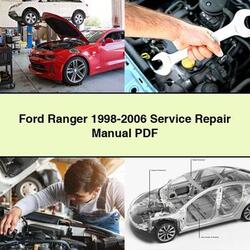
$16.99
This manual covers the Ford Ranger, a compact pickup truck produced for the model years 1998 through 2006. Built on the UN175 platform, shared with other vehicles, the Ranger is known for its durability and capability, continuing Ford's strong legacy in the truck market. It was available in various configurations, including Regular Cab and SuperCab body styles, with short and long bed options, and offered engine choices such as the 2.5L I4, 3.0L V6, and a 4.0L V6, providing power outputs ranging from approximately 118 hp to 207 hp. This robust vehicle was manufactured primarily in St. Paul, Minnesota, and competed with other popular trucks of its era.
$16.99
This manual covers the Ranger, Second Generation (PJ/PK), produced from 1998 to 2006. As a compact pickup truck, the Ranger has a legacy of capability and affordability, often competing with models like the Toyota Tacoma and Nissan Frontier. It was available in various configurations, including Regular Cab and SuperCab body styles with different bed lengths, and offered both Rear-Wheel Drive and Four-Wheel Drive options. The Ranger was engineered for reliability and versatility, making it a popular choice for both work and personal use.
$16.99
This manual covers the Ford Ranger, a compact to mid-size pickup truck produced for the Second Generation (1998-2012), specifically for the years 1998 through 2006. Known for its capability and value within the pickup truck market, the Ranger has a long-standing legacy with Ford. This generation offered various configurations, including Regular Cab and SuperCab body styles, 4x2 and 4x4 drivelines, and a range of gasoline engines, likely including 4-cylinder and V6 options. The vehicle's design and engineering have made it a popular choice for both work and personal use.
$16.99
This manual covers the Ford Ranger, Second Generation (PJ/PG/PH), produced from 1998 to 2006. Built on the Ford R generation platform, which is based on the Mazda B-Series, this compact pickup truck is renowned as a versatile, reliable, and capable workhorse with a strong reputation for durability. Available globally in North America, Australia, and Europe, the Ranger offered various engine options, including 2.5L I4, 3.0L V6 (Vulcan), and 4.0L V6 (Cologne) engines, paired with either 5-speed manual or 4-speed automatic transmissions. Drivetrain options included rear-wheel drive and four-wheel drive. Body styles ranged from Regular Cab to SuperCab, with short and long bed configurations, making it a popular choice for both work and personal use.
$16.99
This manual covers the Ford Ranger, a versatile compact and mid-size pickup truck produced primarily for the North American market. This second generation, encompassing models from 1998 through 2006, including the facelifted versions, offers a range of configurations such as Regular Cab, SuperCab, and SuperCrew, with various engine options including 2.5L I4, 3.0L V6, and 4.0L V6 variants, paired with both manual and automatic transmissions. Built on a legacy of durable pickup trucks, the Ranger is known for its capability and reliability, making it a popular choice for both work and personal use.
$16.99
This manual covers the Ford Ranger, specifically the second generation models produced between 1998 and 2006, including the facelifted versions. Known for its robust engineering and reliability, the Ranger has been a popular choice in the compact and mid-size pickup truck segments, recognized for its capability and value. This guide encompasses all styles and trim levels, from Base to FX4, providing comprehensive information for a wide range of configurations, including Regular Cab and SuperCab body styles with various wheelbase options.

$16.99
The Ford Ranger, produced for the model years 1998 through 2006, represents a robust and versatile light truck designed for a wide range of applications, from daily commuting to demanding work tasks. Known for its durable construction and dependable performance, the Ranger has established a reputation for reliability and capability. Its engineering emphasizes practicality and efficiency, making it a favored choice for owners who require a capable and long-lasting vehicle.
$16.99
This workshop service repair manual covers the Ford Ranger, Second Generation (UN/UL), for the production years 1998 through 2006. Known for its robust engineering and reliability, the Ford Ranger has been a significant model in Ford's long-standing pickup truck heritage. This generation offered various configurations, including Regular Cab and SuperCab body styles, with both short and long bed options, and was available in rear-wheel drive (RWD) and 4-wheel drive (4WD) systems. Common engine options for this period included the 2.5L Duratec I4, 3.0L Vulcan V6, and 4.0L Cologne V6, paired with either manual or automatic transmissions. The Ranger was designed for a wide range of uses, from daily commuting to demanding work and recreational activities.
$16.99
The Ford Ranger, specifically the Second Generation (UN/UNII) models produced from 1998 through 2006, represents a robust and versatile compact pickup truck. Known for its ruggedness, reliability, and capable off-road performance, particularly in 4x4 configurations, the Ranger has a strong legacy in the truck market. This generation offered various engine options, including the 2.5L Duratec I4, 3.0L Vulcan V6, and the more powerful 4.0L Cologne V6, paired with either manual or automatic transmissions and available in Regular Cab and SuperCab body styles with short and long bed options. Its practical design and towing capacity made it a popular choice for both work and recreational use, competing effectively within its segment.
$16.99
The Ford Ranger PJ/PK, produced from 1998 to 2009, is a robust and practical compact pickup truck known for its ruggedness, durability, and off-road capability. Available with a range of diesel and petrol engines, including the 2.5L and 3.0L Duratorq TDCi diesels and the 2.5L DuraTec petrol, this generation offered various body styles such as Regular Cab, Extended Cab, and Crew Cab, catering to tradespeople, fleet operators, and adventure enthusiasts alike. Its engineering emphasizes reliability and utility, making it a dependable workhorse and a popular choice in its segment, often cross-shopped with larger trucks due to its substantial build.
$16.99
The Ford Ranger, particularly the third generation produced for the North American market between 1998 and 2009, is a compact pickup truck renowned for its durability and versatility. Built upon a robust platform, this model offered a range of powertrain options, including the 2.3L Duratec I4 and various V6 engines, paired with either manual or automatic transmissions and rear-wheel or four-wheel drive configurations. Its design and engineering prioritized reliability, making it a popular choice for work trucks, small businesses, recreational users, and off-road enthusiasts. The Ranger's legacy is built on Ford's extensive experience in the truck market, providing a capable and dependable vehicle for diverse needs.
$16.99
This manual covers the Ford Ranger compact pickup truck produced from 1998 to 2010, specifically focusing on the latter part of its third generation which includes significant updates and facelifts. The Ford Ranger has a strong legacy, known for its versatility, durability, and value, making it a popular choice for a wide range of applications, from daily driving to demanding work tasks. With various engine options, including capable V6 powertrains, and available in different cab and bed configurations, the Ranger offered adaptability to suit diverse needs.
$16.99
This manual covers the Ford Ranger, a compact pickup truck produced from 1998 to 2010, specifically detailing the second generation facelift (PJ/PK) models. Known for its durability, versatility, and value, the Ranger has been a popular choice globally, particularly for its robust ladder frame chassis and capable off-road performance in 4WD configurations. Available in Regular Cab, Super Cab, and Crew Cab body styles, and equipped with reliable inline-4 or V6 gasoline engines, and diesel options in certain markets, this vehicle is engineered for a wide range of demanding tasks.
$16.99
The Ford Ranger, produced between 1998 and 2011, is a compact pickup truck renowned for its utility and durability. Throughout its production run, the Ranger offered a variety of engine options, including the 2.3L Duratec I4, 3.0L Vulcan V6, 4.0L SOHC V6, and 2.5L Lima I4, delivering a power range from approximately 112 hp to 207 hp. Available in Rear-Wheel Drive and Four-Wheel Drive configurations, with Regular Cab, Extended Cab, and Crew Cab body styles, and short or long bed lengths, the Ranger was engineered to meet diverse needs, from daily commuting to demanding work tasks. Its robust construction and legacy in truck manufacturing contribute to its reputation for reliability and value in the segment.
$16.99
The 1999 Ford Ranger is a compact pickup truck renowned for its ruggedness, affordability, and versatile capability, making it a popular choice for contractors, tradespeople, recreational users, and fleet operators. Building on Ford's extensive truck legacy, this iteration of the Ranger represents a refined version of its second-generation platform, known for its robust engineering and reliability. Available with a range of engine options, including the 2.5L I4 and the 3.0L or 4.0L V6, and offering both Rear-Wheel Drive and 4-Wheel Drive configurations, the 1999 Ranger was designed to meet diverse operational demands, from daily commuting to demanding work tasks.
$16.99
This manual provides comprehensive information for the 1999 Ford Ranger Drifter. Designed for a wide range of applications, the Ranger Drifter is recognized for its robust engineering and dependable performance. This guide covers all models and details repairs from A to Z, ensuring that owners and technicians have access to specific information tailored to this vehicle.
$16.99
The 1999 Ford Ranger EV represents an innovative step in electric vehicle technology, offering the practical utility of a pickup truck with the environmental benefits of zero tailpipe emissions. As an early entrant in the electric vehicle market, this model was primarily targeted towards fleet sales and users seeking sustainable transportation solutions. Its design combines the robust chassis of the popular Ford Ranger with a battery-electric powertrain, featuring an AC synchronous electric motor delivering approximately 90 horsepower and 150 lb-ft of torque, coupled with a single-speed direct drive transmission. The vehicle utilizes a Nickel-Metal Hydride traction battery pack with a capacity of around 50 kWh, capable of Level 2 charging.
$16.99
The Ford Ranger, a stalwart in the pickup truck market from 1999 onward, is renowned for its blend of durability, utility, and value. Known for its robust engineering and reliable performance, the Ranger has consistently met the demands of both work and everyday use. This manual covers various configurations, including those equipped with the 2.5L SPI I4, 3.0L Vulcan V6, and 4.0L Cologne V6 engines, along with both manual and automatic transmissions and rear-wheel or four-wheel drive systems. Its reputation for ruggedness has made it a popular choice for a wide range of applications.
$16.99
The 1999 Ford Ranger represents the third generation of a highly popular and versatile compact pickup truck, known for its durability, value, and strong performance. This model offered a range of reliable powertrain options, including 2.5L I4 and 3.0L/4.0L V6 engines, paired with either manual or automatic transmissions, and available in 2WD or 4WD configurations. With various cab and bed lengths, the Ranger catered to a wide spectrum of needs, from daily commuting to demanding work tasks. Its reputation for toughness and longevity, coupled with a comfortable ride for its class and significant aftermarket support, cemented its position as a competitive choice in the pickup truck market.
$16.99
This manual covers the 1999 Ford Ranger, a versatile and reliable compact pickup truck known for its robust engineering and adaptability for various tasks, from daily commuting to light-duty hauling and off-road adventures. Built upon Ford's extensive truck heritage, the Ranger offers a range of engine options, including the 2.5L I4, 3.0L V6, and 4.0L V6, paired with either a 5-speed manual or a 4-speed automatic transmission, available in both rear-wheel and four-wheel drive configurations. Its durable construction, practical design, and straightforward mechanics have made it a popular choice for owners seeking dependable performance and longevity.
$16.99
The Ford Ranger, specifically the 2000 Drifter model, represents a robust and reliable compact pickup truck known for its capability in both work and recreational applications. Built on the second-generation Ford Ranger platform, which shared its underpinnings with the Mazda B-Series, this vehicle offers a blend of ruggedness and practicality. It was designed to meet the demands of various tasks, from daily commuting to hauling and towing, with available engine options including the 2.5L 4-cylinder, 3.0L V6, and the more powerful 4.0L SOHC V6, paired with either manual or automatic transmissions. Its enduring appeal lies in its straightforward engineering and consistent performance, making it a popular choice in its segment.
$16.99
This manual covers the 2000 Ford Ranger EV, a pioneering electric variant of Ford's popular compact pickup truck. As one of the few electric trucks available in its era, the Ranger EV offered zero-emission transportation and unique operating cost advantages. Built upon the reliable Ford Ranger platform, this model was designed for early adopters of electric vehicle technology and fleet operators seeking sustainable solutions. Its all-electric powertrain, featuring an AC induction motor and a high-voltage battery pack, represented a significant step in Ford's electrification efforts, distinguishing it within the automotive landscape of its time.
$16.99
The Ford Ranger, produced for the 2000 model year, is a compact pickup truck renowned for its durability and versatility. Building on Ford's extensive truck heritage, this model offered a range of capable gasoline engines, including 2.5L, 3.0L, and 4.0L V6 options, paired with either a 5-speed manual or a 4-speed automatic transmission. Available in various cab configurations and bed lengths, the Ranger was designed to meet diverse needs, from daily commuting to light-duty hauling and off-road adventures. Its robust construction and reliable performance made it a popular choice in a competitive segment, often favored for its straightforward engineering and solid build quality.
$16.99
The Ford Ranger, a compact pickup truck produced in 2000, represents a robust and versatile option within its segment. Building on Ford's extensive truck heritage, this model offered a range of configurations, including various cab styles and bed lengths, to suit diverse needs. It was engineered for reliability and capability, competing effectively with other trucks of its era and appealing to a broad customer base, from commercial users to those seeking a dependable vehicle for recreational activities.
$16.99
The 2000 Ford Ranger is a robust and versatile compact pickup truck that has established a strong reputation for durability and affordability in the North American market. Known for its body-on-frame construction and availability with either a 2.5L SOHC I4 or a 4.0L SOHC V6 engine, the Ranger offers reliable performance for a variety of tasks. Its design prioritizes utility and straightforward operation, making it a popular choice for both work and personal use. The model's engineering reflects Ford's long heritage in truck manufacturing, focusing on a balance of capability and value.
$16.99
This manual covers the Ford Ranger pickup truck, specifically the third generation produced for the North American market from 2000 to 2004. The Ranger has a strong reputation for its ruggedness, reliability, and versatility, making it a popular choice for a wide range of applications, from daily commuting to demanding work and recreational activities. This generation, particularly after its 2001 facelift, offered various engine options, including efficient four-cylinder and powerful V6 configurations, alongside robust manual and automatic transmissions, and available four-wheel drive, all contributing to its enduring appeal.
$16.99
This comprehensive service manual covers the Ford Ranger models manufactured between 2000 and 2004. Designed for a wide range of applications, the Ford Ranger is renowned for its robust engineering and dependable performance. This manual details the specific features and capabilities that have made the Ranger a trusted choice for both work and everyday use, emphasizing the quality and reliability inherent in its design.
$16.99
The Ford Ranger EV, produced in 2001, represents a significant early step in electric vehicle technology, built upon the reliable chassis of the popular Ranger compact pickup truck. Available in Extended Cab and Regular Cab configurations, this electric variant offered a glimpse into the future of sustainable transportation with its AC synchronous electric motor, producing an estimated 90-100 horsepower and 200-250 lb-ft of torque. Its powertrain featured a substantial battery pack, likely Nickel-Metal Hydride, with a capacity of approximately 40-50 kWh, operating at a voltage system of 300-370 VDC, and capable of both Level 1 and Level 2 charging. This model, while produced in limited numbers primarily for fleet or niche markets, showcased Ford's commitment to exploring electric mobility during a crucial developmental period.
$16.99
The Ford Ranger, a compact pickup truck from the third generation (UN105), was produced in 2001 and is renowned for its ruggedness, reliability, and versatile capability. Offering a range of powertrain options including 2.5L I4, 3.0L V6, and 4.0L V6 engines, the Ranger was a popular choice for both work and recreational use, competing effectively in its segment. Its robust construction and practical design made it a dependable workhorse, capable of handling various tasks and terrains, solidifying Ford's long-standing legacy in truck manufacturing.
$16.99
This workshop service and repair manual provides comprehensive guidance for the 2001 Ford Ranger, a compact pickup truck known for its durability and capability. Building on Ford's extensive truck heritage, the 2001 Ranger, part of the UN4 platform, offered a reliable option in a competitive market, competing with models like the Toyota Tacoma and Nissan Frontier. Available with either a 2.5L I4 engine producing 119 hp or a 4.0L V6 engine generating 160 hp, and featuring both manual and automatic transmission options, the Ranger was designed for a variety of tasks, from daily commuting to hauling and towing capacities of up to 5,850 lbs. Its robust engineering and practical design made it a popular choice for DIY mechanics and professional technicians alike.
$16.99
The 2001 Ford Ranger EV represents a significant milestone in early electric vehicle development, offering a practical compact pickup truck platform powered by a battery-electric powertrain. Built on the robust third-generation Ranger chassis, this model was designed for consumers and fleet operators seeking an environmentally friendly alternative with lower operating costs and zero tailpipe emissions. While a niche offering compared to its internal combustion engine counterparts, the Ranger EV showcased Ford's commitment to exploring electric propulsion, featuring an AC induction motor and a Nickel-Metal Hydride battery pack. Its design prioritized utility, often configured as a Regular Cab with a Long Bed, making it a functional choice for various tasks.
$16.99
The 2001 Ford Ranger is a robust and versatile compact pickup truck, built upon the PN-347 platform shared with the Mazda B-Series. Known for its durability, especially with the V6 engine options, and a strong balance of capability and affordability, the Ranger has been a popular choice for tradespeople, small business owners, and recreational users. This model year, part of the second generation, received minor styling updates, including revised front and rear lighting, and was available in various cab and bed configurations, offering a practical solution for a wide range of needs.
$16.99
The Ford Ranger, produced between 2001 and 2008, represents a generation of durable and versatile pickup trucks. Known for its ruggedness and capability, this model continues Ford's long-standing legacy in the truck market. Available in various configurations including Regular Cab and SuperCab body styles with short and long bed options, the Ranger offered a range of engine choices, from the 2.3L Duratec Inline-4 to the 4.0L SOHC V6 and the 3.0L Vulcan V6. These powertrains delivered horsepower ranging from approximately 140 to over 200, coupled with torque figures between 150 and 250+ lb-ft, supporting both work and recreational use. The Ranger's engineering emphasizes reliability and practicality, making it a trusted choice for a variety of tasks.
$16.99
This manual covers the Ford Ranger, produced from 2001 to 2008, representing the second generation facelift of this globally popular compact pickup truck. Known for its ruggedness, utility, and value, the Ranger has a long history within Ford's truck lineup. This workshop manual provides comprehensive coverage for all engine types, including the 2.3L I4, 3.0L V6 Vulcan, and 4.0L V6 SOHC/OHV, as well as all model variants and body styles. It details everything needed to repair, maintain, rebuild, refurbish, or restore the vehicle, offering hundreds of illustrations and diagrams for clarity.
$16.99
This comprehensive service and repair manual is designed for the Ford Ranger, covering production model years from 2001 through 2008. It encompasses all models and engines within this range, providing extensive details to assist owners and technicians. The Ford Ranger is recognized for its robust engineering and reliability, making it a capable vehicle for a variety of tasks.
$16.99
The 1982 Yamaha BR250 Bravo is a robust and reliable snowmobile designed for recreational trail riding and general utility. Built with Yamaha's renowned engineering quality, this model offers dependable performance and ease of use, making it a practical choice for enthusiasts. Its design emphasizes durability and straightforward operation, reflecting a commitment to providing a quality snowmobiling experience that has historically earned the Bravo series a reputation for longevity and user satisfaction.
$16.99
The Ford Ranger, produced for the model years 2001 through 2008, represents a robust and versatile pickup truck engineered for a wide range of applications. Known for its durable construction and reliable performance, the Ranger has consistently delivered on its promise of utility and capability, making it a favored choice for both work and personal use. Its design emphasizes practicality and straightforward operation, ensuring it can tackle demanding tasks while providing a comfortable driving experience.
$16.99
The Ford Ranger, produced from 2001 to 2008, is a well-regarded compact pickup truck known for its ruggedness, versatility, and capability, particularly in off-road scenarios. Building on Ford's extensive truck heritage, this generation of the Ranger offered a range of engine options, including 2.3L inline-4 and 3.0L and 4.0L V6 configurations, paired with either manual or automatic transmissions and rear-wheel or four-wheel drive. Available in Regular Cab and SuperCab body styles with various bed lengths, the Ranger was designed to meet diverse utility needs, boasting towing capacities up to approximately 6,000 lbs and featuring standard Anti-lock Braking System (ABS) and front airbags for safety.
$16.99
The Ford Ranger, produced for model years 2001 through 2008, represents a capable and durable compact pickup truck. This generation, which also saw platform sharing with the Mazda BT-50, was engineered for a broad range of uses, from daily commuting to demanding work and recreational activities. Known for its reliability, off-road prowess, and strong value proposition, the Ranger offered various engine options, including the 2.3L Duratec I4 and the powerful 4.0L Cologne V6, alongside manual and automatic transmission choices, and available four-wheel drive. Its robust construction and practical design made it a popular choice for consumers seeking a versatile and dependable light-duty truck.
$16.99
The Ford Ranger, produced for the North American market from 2001 to 2008, is a robust and versatile compact pickup truck celebrated for its durability and utility. This generation, representing a significant update to the Ranger's design, offered a range of capable gasoline engines, including the 2.3L Duratec inline-four and the powerful 4.0L SOHC V6, paired with either 2WD or 4WD drivetrains. Available in various cab configurations such as Regular Cab, SuperCab, and the four-door SuperCrew, the Ranger was engineered to meet diverse needs, from daily commuting to demanding work and recreational activities. Its strong engineering and reliable performance cemented its status as a popular choice in the competitive pickup truck segment.

$16.99
This manual covers the Ford Ranger, produced for the model years 2001 through 2008. The Ford Ranger is a robust and versatile compact pickup truck known for its durability and capability. Throughout its third generation (platform code UN/CD3), the Ranger offered various configurations, including different cab styles and bed lengths, catering to a wide range of needs from daily commuting to demanding work tasks. Ford's long-standing legacy in truck manufacturing ensures a foundation of reliability and practical engineering in this model.
$16.99
The 2002 Ford Ranger is a robust and versatile compact pickup truck, representing the initial phase of its third generation. Known for its reliability and practical design, the Ranger offered a range of engine options, including the 2.3L Duratec I4, 3.0L Vulcan V6, and 4.0L Cologne V6, paired with either manual or automatic transmissions and available in rear-wheel or four-wheel drive configurations. Its body-on-frame construction and various cab and bed configurations made it a popular choice for both work and personal use in North America.
$16.99
This manual covers the 2002 Ford Ranger EV, a compact electric pickup truck representing an early foray into zero-emission vehicle technology. Built on the Ford Ranger platform, this model was designed for quiet operation and potentially lower operating costs, primarily targeting fleet applications. As one of Ford's pioneering electric vehicles, the Ranger EV showcased advancements in battery and electric motor technology for its time, offering a unique alternative in the automotive landscape.
$16.99
The 2002 Ford Ranger is a durable and versatile compact pickup truck, built upon the UN49 platform. Known for its reliability and utility, it represents Ford's long-standing legacy in truck manufacturing. This generation of the Ranger offers a range of engine options, including the 2.5L I4, the 2.3L I4 Duratec, and a 2.5L V6, paired with either a 5-speed manual or a 4-speed automatic transmission. With various wheelbase and bed length configurations, the Ranger is designed to meet diverse needs, from daily commuting to demanding work tasks. Its engineering prioritizes capability and longevity, making it a dependable choice in its segment.
$16.99
This manual covers the Ford Ranger, a compact pickup truck produced for the 2002 model year. Built on the PN-321 platform, this iteration of the Ranger offers a blend of capability and practicality, suitable for a variety of tasks from daily commuting to light-duty hauling and towing. Known for its robust construction and Ford's extensive heritage in truck manufacturing, the Ranger provides reliable performance with engine options including the 2.3L Duratec I4, 3.0L Vulcan V6, and the more powerful 4.0L Cologne V6, paired with either a 5-speed manual or 4-speed automatic transmission. Its durable design and available 4WD make it a versatile choice for diverse driving conditions.
$16.99
This manual covers the 2003 Ford Ranger, a compact pickup truck renowned for its ruggedness, reliability, and versatility. Built upon Ford's extensive truck legacy, the 2003 Ranger offers a range of engine options, including the 2.3L Duratec I4, 3.0L Vulcan V6, and the powerful 4.0L SOHC V6, paired with either a 5-speed manual or a 4-speed automatic transmission. Known for its capability as both a work truck and a recreational vehicle, the Ranger has consistently been a strong contender in its segment, often recognized for its value and practicality.
$16.99
The 2003 Ford Ranger is a robust and versatile compact pickup truck, known for its durability and utility. Building on Ford's extensive truck heritage, this model offers a range of configurations, including different cab styles, bed lengths, and powerful engine options such as the 2.3L Duratec, 3.0L Vulcan V6, and the commanding 4.0L SOHC V6. Its straightforward mechanical design, solid rear axle, and available four-wheel-drive system made it a popular choice for both work and recreation, competing effectively in its segment with its reputation for reliability and value.
$16.99
This manual covers the Ford Ranger, a compact pickup truck produced for the 2003 model year. Built on the Ford Ranger (Trek) / Mazda B-Series platform, this third-generation vehicle is known for its robust build, reliable engines, and versatile platform, offering good towing capacity and off-road capability. The Ranger was a strong competitor in its segment, offering various engine options including the 2.3L Duratec I4, 3.0L Vulcan V6, and the more powerful 4.0L SOHC V6, along with 2WD and 4WD drivetrains. Its design emphasized practicality and durability, making it a popular choice for DIY mechanics, independent repair shops, and fleet maintenance.

$16.99
The Ford Ranger, produced for the 2003 through 2006 model years, is a robust and versatile pickup truck known for its reliability and capability. Available with a 2.3L I4 engine or the more powerful 4.0L V6 (both OHV and SOHC variants), the Ranger offered various configurations to suit diverse needs, from daily commuting to demanding work tasks. Its engineering quality is evident in its solid construction and proven drivetrain options, including manual and automatic transmissions, with 4WD available on select models. The Ranger's legacy is built on extensive experience in the truck market, making it a dependable choice for owners.
$16.99
This manual covers the Ranger, produced for the model years 2003 through 2006. The Ranger has a long-standing reputation as a durable and versatile compact pickup truck, a legacy continued by this third-generation iteration. Known for its robust engineering and reliability, the Ranger offered various engine options, including 2.3L, 3.0L, and 4.0L variants, paired with manual or automatic transmissions and rear-wheel or four-wheel drive configurations. Its design catered to a wide range of needs, from daily commuting to demanding work tasks, making it a popular choice for owners and commercial users alike.
$16.99
The Ford Ranger, specifically the Third Generation (Trekka) models produced from 2003 to 2006, is a compact pickup truck known for its durability, affordability, and practical capability. Designed for work truck users and recreational owners, this generation offered a balance of utility and value, positioning it as a strong competitor in its segment. Available with either a 2.3L Duratec Inline-4 or a 4.0L SOHC V6 engine, and offering Rear-Wheel Drive or Four-Wheel Drive configurations, the Ranger was built to handle a variety of tasks. Its robust engineering and Ford's long-standing truck legacy contribute to its reputation for reliability.
$16.99
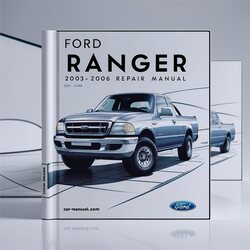
The Ford Ranger, a capable and durable mid-size pickup truck, has served a wide range of needs since its introduction. This manual covers the third-generation (UN) Ford Ranger models produced between 2003 and 2006. Known for its robust engineering and versatility, the Ranger offered various engine options, including the 2.3L Duratec I4, 3.0L Vulcan V6, and 4.0L Cologne V6, along with manual and automatic transmission choices. Its design prioritizes utility and reliability, making it a popular choice for both work and personal use, with features that have earned it a solid reputation in its class.
$16.99
The Ford Ranger, a compact pickup truck renowned for its durability and utility, covers production years 2003 through 2006. As part of the third generation (platform code UN), this model continues a long-standing legacy in the truck segment, offering robust performance and practical capabilities for a variety of uses. Available with multiple engine options, including the 2.3L Duratec I4, 3.0L Vulcan V6, and the more powerful 4.0L SOHC V6, the Ranger is equipped with either manual or automatic transmissions and is offered in both 2WD and 4WD configurations, making it a versatile choice for both work and recreation.
$16.99
The Ford Ranger, a robust compact pickup truck, has been a reliable choice for various tasks since its introduction. For the 2004 model year, the Ranger, built on the UN171 platform, offered a range of capable engine options, including the 2.3L Duratec, 3.0L Vulcan, and 4.0L Cologne V6 engines, paired with either manual or automatic transmissions and 2WD or 4WD drivetrains. Known for its durability and versatility, the Ranger has a strong legacy in the truck market, appealing to those seeking a dependable workhorse or an adventurous companion.
$16.99
The Ford Ranger, specifically the 2004 model (chassis code UN177), is a compact pickup truck renowned for its durability, off-road capability, and rugged utility. As part of the second generation of the Ranger produced in North America, this vehicle builds upon Ford's extensive heritage in the truck market. It offers a highly customizable platform and was a consistent top-seller during its production run, competing with models like the Toyota Tacoma and Nissan Frontier. Available with various engine options, including the 2.3L DOHC Inline-4, 3.0L OHV V6, and the more powerful 4.0L SOHC V6, the Ranger was offered in both Rear-Wheel Drive and Four-Wheel Drive configurations, with wheelbase options accommodating Regular Cab and SuperCab configurations, and bed lengths of 6.0 ft or 7.0 ft.
$16.99
The Ford Ranger, a versatile compact pickup truck produced for the 2004 model year, is renowned for its reliability, affordability, and capability in both work and recreational applications. Building on Ford's extensive truck heritage, this generation of the Ranger offers a range of engine options, including the 2.3L Duratec I-4, the 3.0L Vulcan V6, and the more powerful 4.0L Cologne V6, paired with either a 5-speed manual or a 4-speed automatic transmission. Available in various configurations with standard or long wheelbases and bed lengths, the Ranger is well-suited for diverse tasks and terrains, often praised for its off-road prowess, especially when equipped with the FX4 package.
$16.99
The Ford Ranger, a compact pickup truck produced for the 2005 model year, is recognized for its robust chassis, versatile capabilities, and reliable powertrains, particularly the 4.0L SOHC V6 engine. This generation of the Ranger received significant updates, enhancing its appeal in a competitive market. Known for its ruggedness and manageable size, it served a wide range of users from daily commuting to light-duty work and off-road excursions. The 2005 Ranger offered various configurations, including different cab styles and bed lengths, catering to diverse needs.
$16.99
The 2005 Ford Ranger is a robust and versatile compact pickup truck, part of the third generation of this well-established model. Known for its durability and capability, the Ranger has a strong heritage within Ford's truck lineup. It was offered with different engine options, including a 2.3L Duratec I4 and a 4.0L Cologne V6, and was available in both Rear-Wheel Drive (RWD) and Four-Wheel Drive (4WD) configurations. The Ranger was designed to serve a wide range of needs, from daily commuting and light-duty work to recreational activities, embodying Ford's commitment to building reliable and practical vehicles.
$16.99
The Ford Ranger, produced for the 2005 model year, represents a significant entry in the compact pickup truck market, building on Ford's extensive legacy of durable and capable vehicles. Available with a choice of three robust engines—the 2.3L DOHC I4, the 3.0L OHV V6, and the powerful 4.0L SOHC V6—and various transmission options including manual and automatic configurations, the Ranger was engineered for versatility and utility. Its design, part of the third generation, offered practical features and a solid platform suitable for both work and everyday transportation across North America.
$16.99
The Ford Ranger, produced from 2005 to 2010, represents a robust and reliable compact pickup truck known for its enduring capability and versatility. This fourth-generation model, identified by chassis codes UN/FN, offers a range of engine options including the 2.3L Duratec I4, 3.0L Vulcan V6, and the more powerful 4.0L Cologne V6, paired with either manual or automatic transmissions. Its design prioritizes durability and functionality, making it a dependable choice for both work and everyday use, building upon Ford's extensive legacy in truck manufacturing.
$16.99
The Ford Ranger, produced from 2006 onwards, is a capable and versatile mid-size pickup truck renowned for its robust construction and adaptability for both work and recreational use. This generation of Ranger, often featuring the Duratorq-TDCi diesel engines, including 2.5L and 3.0L variants, offers a balance of performance and efficiency. Known for its strong torque output and common rail direct injection technology, these engines provide reliable power. The Ranger's global presence and Ford's extensive truck manufacturing heritage underscore its established reputation in the competitive pickup market.
$16.99
The Ford Ranger 2006, part of the PJ generation, is a robust mid-size pickup truck designed for the Australian market. Built in South Africa, this model is recognized for its utilitarian design, reliable powertrains, and strong off-road capability, making it a capable vehicle for both work and adventure. Available with a range of engines including a 2.5L Turbo Diesel, a 2.6L Petrol, and a 3.0L V6 Petrol, the Ranger offers versatility in its performance. Its sturdy chassis and practical features have positioned it as a strong contender against rivals like the Toyota Hilux and Mitsubishi Triton.
$16.99
The Ford Ranger, specifically the PJ/PK generation for Australian Models, represents a robust and capable mid-size pickup truck known for its versatile platform and strong performance, particularly with its diesel engine options. Building on Ford's extensive heritage in utility vehicles, this 2006 model offers a reliable and durable solution for a wide range of applications, from daily work to off-road adventures. Its design emphasizes a robust chassis and good towing capacity, making it a competitive choice against rivals like the Toyota Hilux and Mitsubishi Triton.
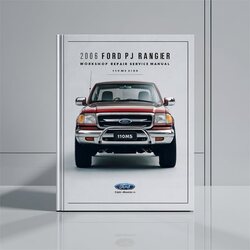
$16.99
This manual provides comprehensive information for the 2006 Ford PJ Ranger, a versatile pickup truck known for its robust engineering and reliability. Building on a long heritage in the light truck segment, the PJ Ranger was designed to meet the demands of various applications, from daily commuting to heavy-duty work. This particular generation offers a range of body styles and engine options, all detailed within this guide to ensure optimal performance and longevity.
$16.99
This manual provides comprehensive guidance for the 2006 Ford Ranger, a capable compact pickup truck known for its durability and utility. As part of the second generation, this model offers a robust platform with various engine and drivetrain options designed for both work and everyday use. The Ford Ranger has a long-standing reputation for reliability and value within its segment, making it a popular choice for a wide range of applications, from personal transportation to commercial hauling.
$16.99
The 2006 Ford Ranger is a capable and durable compact pickup truck designed for North American drivers seeking a versatile vehicle for work and recreation. Known for its robust construction and Ford's long-standing truck heritage, the Ranger offers a range of powertrain options, including efficient 4-cylinder and powerful V6 engines, paired with either manual or automatic transmissions. Available in various cab and bed configurations, and with rear-wheel or four-wheel drive, this model provides the flexibility to meet diverse needs, from daily commuting to hauling and towing. Its engineering emphasizes reliability and practicality, making it a strong contender in its class.
$16.99
The 2006 Ford Ranger is a compact pickup truck known for its reliability, ruggedness, and capable performance, making it a versatile choice for work, personal transportation, and off-road enthusiasts. Built on the Ford Ranger (Fourth Generation) platform, this model offers a range of engine options, including the 2.3L Duratec I4, 3.0L Vulcan V6, and the powerful 4.0L Cologne V6, paired with either manual or automatic transmissions. Its straightforward mechanical design, combined with Ford's extensive truck-building legacy, contributes to its reputation for durability and ease of maintenance, positioning it as a strong competitor in its segment.
$16.99
The Ford Ranger, a robust compact pickup truck, has a distinguished legacy built on durability and capability. Introduced in 2006 as part of the second generation's second facelift, this model, based on the global P-Series platform, is renowned for its proven engineering and suitability for a wide range of applications, from demanding work tasks to recreational adventures. Available with either a 2.3L Duratec inline-4 engine or a more powerful 4.0L Cologne V6, and offered in both rear-wheel drive and four-wheel drive configurations, the Ranger provides versatile performance and a towing capacity of up to 6,000 lbs. Its well-regarded platform, combined with a strong heritage, positions it as a reliable and practical choice for tradespeople, outdoor enthusiasts, and fleet operators alike.
$16.99
The Ford Ranger, produced for the 2006 model year on the UN175 platform, is a compact pickup truck recognized for its enduring legacy and balanced capabilities. Building on Ford's extensive truck heritage, the Ranger offers a blend of utility and affordability, making it a versatile choice for various tasks. Available with either a 2.3L Duratec I4 engine or a 3.0L Vulcan V6, it provides dependable performance for everyday use and moderate hauling or towing needs, with a maximum towing capacity of up to 6,250 lbs. Its robust construction and practical design have cemented its place as a reliable workhorse in the North American market and beyond.
$16.99
This repair manual covers the Mazda BT-50 models produced between 2006 and 2009, as well as Ford Ranger vehicles equipped with the 2.5L W-series diesel engine. It is specifically designed for diesel models, encompassing both 2WD and 4WD configurations. This manual details the engineering and technical aspects of these vehicles, aiming to provide comprehensive information for their upkeep and operation.
$16.99
This manual covers the Mazda BT-50 and its closely related counterpart, the Ford Ranger, specifically for models produced between 2006 and 2009 for the BT-50, and 2006 to 2010 for the Ranger. These robust pickup trucks are equipped with either a 2.5L or 3.0L W-Series diesel engine and are available in both 2WD and 4WD configurations. Known for their shared platform and engineering heritage, these vehicles offer a blend of utility and durability, making them suitable for a wide range of demanding applications.
$16.99
This manual provides comprehensive service and repair information for the Ranger, PJ Series, covering model years 2006 through 2009. As a capable light commercial vehicle and pickup truck, the Ranger has a long-standing heritage of durability and utility. This generation, the PJ Ranger, represents a significant update, offering various body styles including Single Cab and Dual Cab configurations, and available in Rear-Wheel Drive (RWD) and Four-Wheel Drive (4WD) options. Engine choices typically include robust diesel engines such as the 2.5L and 3.0L, and potentially petrol variants. The vehicle's engineering emphasizes reliability and performance, making it a popular choice for a wide range of applications.
$16.99
The Ford Ranger, specifically the P375 generation produced from 2006 to 2009, is a capable compact pickup truck known for its durable chassis and good towing capacity for its class. Available in various cab and bed configurations, with rear-wheel or four-wheel drive options, it offered both a 2.3L Duratec I4 engine and a more powerful 4.0L SOHC V6 engine. While the platform design was aging by this generation, the Ranger was recognized for its value and mechanical simplicity, making it a practical choice for work and everyday use, though it could be susceptible to rust in certain climates.
$16.99
The Ford Ranger, produced between 2006 and 2009, is a robust and versatile compact pickup truck known for its ruggedness and capability. This third-generation model, identified by the PN-V60 chassis code, was designed for a wide range of applications, from demanding work environments to recreational activities and light-duty commercial use. Available in various configurations including Regular Cab and SuperCab body styles with short and long bed options, and powered by efficient 2.3L Duratec I4, 3.0L Vulcan V6, or the more powerful 4.0L SOHC V6 engines, the Ranger offers a balance of performance and utility. Its engineering quality and reliability have made it a competitive choice in its segment, building on Ford's strong legacy in the pickup truck market.
$16.99
This workshop service repair manual covers the Ford Ranger, generation PJ, produced between 2006 and 2010. This robust pickup truck is renowned for its capability and reliability, featuring powerful turbo-diesel engine options such as the WL-C 2.5L, WE-C 3.0L, and WL-3 2.5L. The Ranger is designed for a variety of demanding tasks, making it a popular choice for both work and adventure. Its engineering quality and versatile nature have cemented its place in the competitive mid-size pickup truck market.
$16.99
This manual covers the Ford Ranger, specifically the PJ and PK generations, produced between 2006 and 2010. As a compact to mid-size pickup truck, the Ranger is recognized for its robust chassis, capable powertrains, and strong towing and payload capacities, making it a versatile choice for both work and recreational activities. Its global platform engineering, shared with the Mazda BT-50, contributed to its widespread availability and adaptability across various markets. Ford's extensive legacy in truck manufacturing underpins the Ranger's reputation for durability and off-road prowess.
$16.99
This manual covers the Ford Ranger, specifically the PJ/PK generation produced from 2006 to 2010. The Ford Ranger is a highly regarded compact pickup truck, renowned for its durability, capability, and practicality, making it a popular choice for tradespeople, recreational users, and fleet operators. This generation, built on a global platform shared with Mazda, offered various body styles including Regular Cab, SuperCab, and SuperCrew, with both 2WD and 4WD drivetrain options. It was available with a range of engine choices, including the 2.3L Duratec I4, 3.0L Vulcan V6, and 4.0L Cologne V6, providing versatile performance for a variety of tasks.
$16.99
This manual covers the Ford Ranger PJ generation, produced from 2006 to 2010. The Ranger is a rugged and reliable compact to mid-size pickup truck, known for its utility and capability in both off-road and light commercial applications. It was designed with a focus on durability and practicality, competing with other popular utility vehicles of its era. This generation offered various body styles, including single cab, freestyle cab, and double cab configurations, and was available with rear-wheel drive or selectable four-wheel drive. Engine options included the WL-C 2.5L DOHC TD, WE-C 3.0L DOHC TD, and WL-3 2.5L SOHC TD turbo-diesel engines, paired with either a 5-speed manual or a 5-speed automatic transmission.

$16.99
This manual covers the Ford Ranger, specifically the PJ generation, produced between 2006 and 2010. As a robust mid-size pickup truck, the Ranger is known for its durable chassis, reliable powertrains, and strong towing and payload capabilities, making it a popular choice for both work and adventure. Its heritage is built on Ford's extensive experience in the truck market, offering a blend of utility and performance that has historically earned it accolades for toughness and value.
$16.99
The Ford Ranger PJ generation, produced between 2006 and 2010, is a robust mid-size pickup truck known for its rugged chassis, capable off-road performance, and reliable powertrains. Built on the P375 platform, this generation offered versatile utility with various body styles including Single Cab, Space Cab, and Double Cab configurations. Available with efficient inline-4 cylinder diesel engines, such as the 2.5L WL-T, and a 2.6L petrol option, the Ranger was designed to meet diverse needs across North America, South America, Australia, and Southeast Asia. Its strengths lie in its durable construction and strong aftermarket support, making it a popular choice for both work and adventure.
$16.99
The Ford Ranger PJ and PK series, produced between 2006 and 2011, represents a capable and durable compact pickup truck. Known for its robust construction and versatility, this generation of Ranger was designed to handle demanding tasks, whether for work or recreation. Available in various cab configurations and offering reliable four-wheel-drive systems, it was equipped with potent diesel engines, including the 2.5L WL-C and WE-C 3.0L variants, noted for their torque and efficiency. The Ranger's strong chassis, towing capacity, and straightforward mechanicals made it a popular choice, competing effectively with other established utility vehicles in its class.
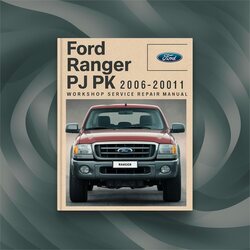
$16.99
This manual covers the Ranger PJ Series, produced from 2006 to 2011, with engine sections also applicable to the PK Series due to shared powertrains. The Ranger is renowned for its robust construction and utility, serving as a capable pickup truck for a variety of tasks. This generation, built on a platform often shared with the Mazda BT-50, offered reliable diesel engine options, including the WL-C (2.5L DOHC TD), WE-C (3.0L DOHC TD), and WL-3 (2.5L SOHC TD). It was equipped with either a 5-speed automatic (5R55S) or a 5-speed manual transmission (R15M-D, S15M-D, S15MX-D), designed for durability and performance in diverse conditions.

$16.99
This comprehensive workshop service repair manual covers the Ford Ranger pickup truck, chassis codes PJ and PK, for the model years 2006 through 2011. Known for its robust ladder-frame chassis and available four-wheel-drive system, the Ford Ranger is a versatile mid-size pickup truck designed for tradespeople and adventurers alike. It offers a range of durable petrol and common rail turbo-diesel engines, coupled with either manual or automatic transmissions, providing strong performance for towing and load-carrying. The vehicle's design prioritizes reliability and capability, making it a dependable choice for demanding work and recreational use.
$16.99
This manual covers the Ford Ranger PJ and PK models produced between 2006 and 2011. These vehicles are known for their robust engineering and reliability, designed to meet the demands of both work and recreational use. The Ranger has established itself as a capable and dependable option in its class, offering a blend of performance and durability.
$16.99
This service and repair manual covers the 2006-2011 Ford Ranger, encompassing all models and repairs from A to Z. Engineered for reliability and performance, the Ford Ranger has established itself as a capable and durable vehicle, suitable for a wide range of applications. This manual provides detailed, model-specific information, ensuring that all procedures and specifications are directly relevant to your vehicle, not generic advice.
$16.99
This manual covers the Ford Ranger, a mid-size pickup truck produced from 2006 to 2011, often sharing platforms with the Mazda BT-50. It is engineered for ruggedness and utility, featuring robust diesel engines including the 2.0L Duratorq TDCi (Y) and 3.0L Duratorq TDCi (WL-3, WEC, WL-C). This generation of the Ranger represents a significant update, building on Ford's long-standing heritage in producing capable trucks.
$16.99
This manual covers the Ford Ranger, a robust and versatile compact ute produced for the Australian market. Available in PJ (pre-facelift) and PK (facelift) chassis configurations, the 2007 Ranger is engineered for durability and capable performance, suitable for commercial, recreational, and personal use. It offers a range of engine options, including the 2.5L and 3.0L Duratorq TDCi diesel engines, the 2.3L Duratec petrol engine, and the powerful 4.0L Cologne V6. Known for its strong construction and off-road prowess, the Ranger competes effectively in its segment, providing a reliable platform for a variety of demanding tasks.
$16.99
This manual covers the 2007 Ford Ranger, a compact pickup truck renowned for its durability, ruggedness, and utility, making it a popular choice for both work and off-road applications. The Ranger is built on a body-on-frame construction, contributing to its robust nature and offering versatility through various cab and bed configurations. It provides a choice of three engine options: the 2.3L Duratec I4, the 4.0L Cologne V6, and the 3.0L Vulcan V6, paired with either a 5-speed manual or a 4-speed automatic transmission, and available in Rear-Wheel Drive (RWD) or Four-Wheel Drive (4WD).
$16.99
This manual covers the Ford Ranger, a compact pickup truck produced for the 2007 model year. Known for its ruggedness and off-road capability, particularly in 4WD configurations, the Ranger has been a staple in the utility vehicle market, competing with models like the Toyota Tacoma and Nissan Frontier. This generation, built on the Ford T6 (PN-415) platform, offers a choice between the efficient Duratec 2.3L I4 engine and the more powerful Cologne V6 4.0L, paired with either a 5-speed manual or a 4-speed automatic transmission. Its design emphasizes utility and durability, making it a popular choice for both work and recreational use.

$16.99
This manual covers the Ranger, a compact pickup truck produced for the 2007 model year. As part of the third generation (PJ/PK, P375 platform), this vehicle was engineered for worksites, recreational use, and light commercial applications, offering a range of body styles including Regular Cab, SuperCab, and SuperCrew, along with 2WD and 4WD drivetrain options. It was available with various engine choices, including the 2.3L DOHC I4, 3.0L OHV V6, and the more powerful 4.0L SOHC V6, paired with either a 5-speed manual or 5-speed automatic transmission. The company's long-standing reputation for building robust trucks underpins the Ranger's design, aiming to provide reliability and capability.
$16.99
The Ford Ranger, a robust compact pickup truck, has a distinguished history dating back to its 1983 introduction. The 2007 model, part of the third generation, offers a blend of capability and practicality, available with a choice of three distinct engines: a 2.3L Duratec I4, a 3.0L Vulcan V6, and a more powerful 4.0L Cologne V6. This generation, built on a platform originating from the Mazda B-Series, provided a solid foundation for work and recreation. Known for its durability and versatility, the Ranger has consistently competed in a segment with vehicles like the Toyota Tacoma and Nissan Frontier, solidifying its reputation as a reliable and capable choice for a wide range of users.
$16.99
The Ford Ranger, produced for the 2007 model year, is a compact pickup truck renowned for its robust engineering and versatility. As part of the third generation, this vehicle offers a compelling blend of utility and durability, making it a strong contender against competitors like the Toyota Tacoma and Nissan Frontier. Available with a range of engine options, including the 2.3L Duratec, 3.0L Vulcan V6, and 4.0L Cologne V6, the Ranger is designed to meet diverse needs, from daily commuting to demanding work tasks and off-road adventures. Its solid construction, coupled with a legacy of Ford truck reliability, positions the Ranger as a practical and dependable choice for owners.
$16.99
This manual covers the Ford Ranger, a light-duty pickup truck produced for the 2007 and 2008 model years. Known for its compact size, maneuverability, and robust capability, the Ranger has been a consistent performer in its segment, often praised for its durability and value. This fourth-generation (UN chassis) model offers a range of powertrain options, including the 2.3L Duratec I4, 3.0L Vulcan V6, and 4.0L Cologne V6 engines, paired with either manual or automatic transmissions and rear-wheel or four-wheel drive configurations. Its utility makes it a popular choice for both work and recreational activities.
$16.99
This manual covers the Ford Ranger, a compact pickup truck produced for the 2007 and 2008 model years, belonging to the Third Generation (2006-2012) UN/UG chassis series. Known for its robust chassis, reliable powertrains, and practical utility, the Ranger offered both 2.3L Duratec I4 and 4.0L Cologne V6 engine options in North America, paired with manual or automatic transmissions and rear-wheel or four-wheel drive configurations. Its strengths lie in its off-road capability, especially in 4WD variants, and its enduring reputation for durability and value within its segment, making it a capable vehicle for both work and recreation.
$16.99
The Ford Ranger, produced for the US and Canadian markets from 2007 to 2011, is a compact pickup truck celebrated for its robust engineering, reliability, and value. Building on Ford's extensive truck heritage, this generation of the Ranger offered a compelling blend of utility and maneuverability, making it a versatile choice for both work and leisure activities. It was available with a range of engine options, including the 2.3L Duratec I4 and the 3.0L Vulcan V6 and 4.0L SOHC V6, paired with either manual or automatic transmissions and optional 4WD systems. Its design emphasized durability and practicality, with various cab and bed configurations to suit diverse needs.
$16.99
This manual covers the Ford Ranger, specifically the PK and PJ chassis codes, produced in 2008. As a compact to mid-size pickup truck, the Ranger has a strong heritage of ruggedness and capability, often competing with models like the Toyota Hilux and Mitsubishi Triton. This generation of the Ranger, part of the second global iteration, offers a range of powertrain options including 2.5L Duratorq TDCi diesel engines and various petrol engines such as 2.3L and 3.0L variants, with horsepower typically ranging from 106 to 170 hp. Available in rear-wheel drive and four-wheel drive configurations, the Ranger is designed for a variety of uses, from daily driving to demanding work environments.
$16.99
The Ford Ranger, model UN156, is a compact pickup truck produced for the 2008 model year. Known for its durability, reliability, and affordability, the Ranger has been a popular choice for work, recreation, and as an entry-level truck, competing with models like the Toyota Tacoma and Chevrolet Colorado. It offers capable performance for its size, with available engine options including the 2.3L Duratec I4 and the 4.0L SOHC V6, and is designed for a wide range of uses. Ford's long-standing truck legacy underpins the Ranger's reputation for building robust and dependable vehicles.
$16.99
The 2008 Ford Ranger is a compact pickup truck built on the P355 platform, representing a robust and practical option in its segment. Known for its body-on-frame construction and available rear-wheel or four-wheel drive, the Ranger offered a blend of utility and durability, making it a favored choice for work and everyday tasks. It provided a straightforward driving experience with a focus on functionality, featuring durable interior materials and reliable powertrains, including the efficient 2.3L Duratec I4 and the more powerful 4.0L Cologne V6 engine options. This generation of the Ranger was produced primarily at the Twin Cities Assembly Plant in St. Paul, Minnesota, and was a significant part of Ford's long-standing heritage in the pickup truck market.

$16.99
The 2008 Ford Ranger is a compact pickup truck renowned for its durability, reliability, and capability. Built on the PN-342 platform, this model offers a versatile solution for work, recreation, and everyday use. Available in various configurations, including different cab styles and bed lengths, the Ranger is equipped with either a 2.3L inline-4 or an optional 4.0L V6 engine, both featuring electronic fuel injection. Its robust engineering and Ford's long-standing truck legacy ensure it can handle demanding tasks while providing a solid driving experience, making it a competitive choice against rivals like the Toyota Tacoma and Nissan Frontier.
$16.99
The 2008 Ford Ranger is a compact pickup truck renowned for its rugged chassis, dependable engine options, and versatile capability, serving a wide range of work and recreational needs. Building on an extensive heritage in truck manufacturing, this iteration of the Ranger competed effectively in its segment, offering configurations such as Regular Cab and SuperCab, and available rear-wheel or four-wheel drive. Key features include robust suspension systems, proven powertrains like the 2.3L Duratec I4 and the more powerful 4.0L Cologne V6, and a reputation for durability and utility, making it a practical choice for various tasks.
$16.99
The Ford Ranger, produced for the 2009 model year under platform codes PK and PJ, is a compact pickup truck renowned for its rugged build, reliable engines, and practical utility, making it a popular choice in markets like Australia and New Zealand. This generation of the Ranger, co-developed with Mazda, offers strong towing capacity for its class and represents Ford's established heritage in light commercial vehicles. Its engineering emphasizes durability and affordability, positioning it as a capable workhorse and a dependable option for various demanding applications.
$16.99
The Ford Ranger, produced for the 2009 model year, is a compact pickup truck renowned for its durability and versatility. Built on the Ford Ranger (DT2) platform, this vehicle has a strong legacy of ruggedness, making it a popular choice for work, fleet use, recreational activities, and DIY enthusiasts. It offers a compelling value proposition within its segment, competing with other notable compact trucks. The Ranger is available in various configurations, including different cab styles and bed lengths, and is equipped with either a 2.3L Duratec I4 engine or a more powerful 4.0L Cologne V6 engine, both featuring electronic fuel injection.
$16.99
This manual covers the Ford Ranger, a robust compact pickup truck produced for the 2009 model year. Known for its utilitarian design, reliable powertrains, and strong towing and payload capacities, the Ranger has established a legacy of capability in its segment. This particular variant, part of the PX generation introduced to the Australian market, represents a blend of durability and practicality, making it a suitable choice for work truck users, off-road enthusiasts, and light commercial applications. Its engineering quality and proven performance have made it a competitive option against rivals like the Toyota Hilux and Nissan Navara.
$16.99
The 2009 Ford Ranger is a capable compact pickup truck, built upon the Ford RWD P7 platform. Known for its durability and utility, the Ranger offers a range of engine options, including the 2.3L Duratec I4, 3.0L Vulcan V6, and 4.0L SOHC V6, providing versatile performance for various tasks. This generation of the Ranger, belonging to the third generation (2006-2012), benefits from Ford's extensive truck-building legacy, ensuring reliability and a solid foundation for work and everyday use. Its design emphasizes practicality, making it a popular choice for DIY enthusiasts and those seeking a dependable workhorse.
$16.99
This manual provides comprehensive guidance for the Ford Ranger, a compact pickup truck produced for the 2009, 2010, and 2011 model years. Known for its robust build, towing capability, and off-road prowess, the Ranger has been a strong contender in its segment, often recognized for its value proposition. This generation of the Ford Ranger is built upon Ford's extensive truck manufacturing heritage.
$16.99
The Ford Ranger, produced for the 2009-2011 model years, is a rugged and versatile compact pickup truck renowned for its dependable performance and off-road capabilities. As part of Ford's extensive truck legacy, this second-generation Ranger (UN150 chassis code in North America) offers a practical design suited for both work and recreational activities. Available with a range of engine options, including the 2.3L Duratec I4, 3.0L Vulcan V6, and the more powerful 4.0L SOHC V6, it provides robust towing and payload capacities, making it a strong competitor in its segment. Its unique selling points include its rugged capability, excellent off-road potential, and strong aftermarket support, solidifying its reputation as a durable and reliable vehicle.
$16.99
This comprehensive service manual covers the Ford Ranger models produced between 2009 and 2011. Engineered for durability and performance, the Ford Ranger has long been a trusted name in utility vehicles, offering robust capabilities for a variety of tasks. This manual delves into the intricacies of these specific model years, providing detailed information to ensure optimal operation and longevity.
$16.99
The Ford Ranger, produced for the 2009 through 2012 model years, represents a robust and versatile compact pickup truck. This generation, based on the global T6 platform with North American specific variants, offers a legacy of durability and capability. Available in Extended Cab and Crew Cab configurations with multiple wheelbase and bed length options, the Ranger is equipped with either a 2.3L Duratec I4 engine or a more powerful 4.0L SOHC V6. Known for its reliability and practical design, the Ranger has historically been recognized for its value and dependability, making it a popular choice for both work and everyday use.
![2010 Ford Ranger [ Informative DIY ] Service Repair Workshop Manual PDF](https://image.emanual.com/images/p/852/361852-ford-ranger-2010-workshop-repair-and-service-manual-complete-and-informative-for-diy-repair.250x250.jpg)
$16.99
The 2010 Ford Ranger is a versatile pickup truck with a history of reliability and utility, known for its capability in various applications. As part of Ford's long-standing truck legacy, this model offers a robust platform designed for both work and personal use. The Ranger has been a popular choice in its market segment, recognized for its dependable performance and practical design, making it a favored option for those seeking a capable and durable vehicle.
$16.99
This manual covers the Ford Ranger PJ/PK models from 2010. The Ford Ranger is a compact pickup truck known for its robust chassis, capable off-road performance, and workhorse utility, continuing Ford's long-standing reputation for building durable and capable trucks. The PK generation is an update to the PJ Ranger, featuring revised styling and mechanical enhancements. This vehicle is designed for a variety of uses, from commercial work to recreational adventures, offering a reliable platform for diverse needs.
$16.99
The Ford Ranger, specifically the 2010 model year, represents a capable and durable compact pickup truck designed for a wide range of applications, from daily commuting to demanding work tasks. Built on a global platform shared with the Mazda BT-50, this third-generation Ranger (UN156 chassis code) offered a blend of robust engineering and practical utility. Available with either a 2.3L Duratec inline-4 or a more powerful 4.0L Cologne V6 engine, and mated to either a 5-speed manual or 5-speed automatic transmission, the Ranger provided versatile powertrain options. Its strong Ford truck heritage and consistent recognition for value and capability made it a competitive choice in its segment against rivals like the Toyota Tacoma and Nissan Frontier.
$16.99
This manual covers the 2010 Ford Ranger, a capable compact pickup truck known for its versatility and robust construction. Built upon Ford's extensive truck heritage, the 2010 Ranger offers a reliable platform for both work and everyday use, competing effectively within its segment. Available with either a 2.3L Duratec DOHC I4 or a 4.0L SOHC V6 engine, and paired with a 5-speed manual or automatic transmission, this model is designed for durability and performance. Its various cab and bed configurations provide options to suit diverse needs, from hauling cargo to comfortable passenger transport.
$16.99
The Ford Ranger, produced in 2010, is a compact pickup truck built on the Px platform, sharing its foundation with the Mazda BT-50. Known for its robust engineering and reliability, the Ranger has a long-standing legacy in the pickup segment, competing with models like the Toyota Tacoma and Nissan Frontier. This generation, part of the third series, received significant styling updates and offered various engine options, including likely variants of the 2.5L and 3.0L Duratec, and the 4.0L SOHC V6, each with specific power and torque outputs detailed within. It was available with different cab styles, bed lengths, and drivetrain configurations, including 4x4 systems, making it a versatile choice for both work and personal use.
$16.99
The 2010 Ford Ranger is a robust and versatile compact pickup truck, known for its durability and workhorse capabilities. Available with either a 2.3L Duratec or a more powerful 4.0L SOHC V6 engine, it offers configurations for various needs, including 2WD and 4WD options with different cab and bed lengths. This generation of the Ranger, produced in North America, builds upon Ford's long legacy of reliable trucks, making it a popular choice for both work and personal use. Its body-on-frame construction and strong towing and payload capacities underscore its practical utility.
$16.99
The Ford Ranger is a compact pickup truck, with the 2010 model representing the North American third generation of this capable and versatile vehicle. Known for its utility and Ford's long-standing heritage in truck manufacturing, the Ranger was designed for a wide range of tasks, from daily commuting to light-duty hauling and towing. Available with either a 2.3L Duratec inline-four or a more powerful 4.0L SOHC V6 engine, and offered in rear-wheel drive or four-wheel drive configurations, it provided options to suit various owner needs. This model, produced in St. Paul, Minnesota, was a popular choice for DIY enthusiasts and those seeking a reliable workhorse.
$16.99
This workshop repair service manual provides comprehensive information for all 2011 Ford Ranger models and engines. The Ford Ranger has a long-standing heritage of building durable and capable trucks, and the 2011 model continues this tradition with its utility and ruggedness. This manual is designed to cover all aspects of the vehicle, ensuring that owners and technicians have access to the detailed technical data required for proper maintenance and repair.
$16.99
The Ford Ranger, specifically the 2011 model year of the Px4 generation, represents a robust and capable mid-size pickup truck designed for both commercial and individual use. Known for its durability, significant payload capacity, and commendable off-road prowess, the Ranger has a strong lineage within Ford's renowned truck offerings. This generation, produced globally, aimed to deliver reliable powertrains, including Duratorq TDCi diesel and Cyclone petrol engines, paired with either manual or automatic transmissions and available 4x2 or 4x4 configurations. Its design prioritizes utility and a solid driving experience, making it a competitive choice in its segment.
$16.99
The Ford Ranger, produced for the 2011 model year, is a compact pickup truck renowned for its ruggedness and reliability. Built on a robust chassis, this vehicle is engineered to perform in demanding conditions, making it a popular choice for both commercial and personal use. Its versatility is evident in the various configurations offered, including different cab styles and bed lengths, catering to a wide range of needs. The Ranger is equipped with dependable powertrain options, featuring efficient diesel and capable petrol engines, paired with either manual or automatic transmissions, all contributing to its reputation as a durable and capable workhorse.
$16.99
The Ford Ranger, produced for the 2011 model year, represents a capable and versatile option within the compact pickup truck segment. Known for its robust construction and reliable performance, the Ranger has a long-standing legacy of utility and dependability, making it a popular choice for both work and personal use. This particular model offers a solid platform designed to meet the demands of various driving conditions and tasks, embodying a commitment to durable and functional vehicle engineering.
$16.99
This manual provides comprehensive factory service information for the 2011 Ford Ranger, a robust pickup truck with a long-standing reputation for reliability and utility. Known for its capability and value, the Ranger has been a consistent performer in its segment, built upon Ford's extensive truck manufacturing heritage. The 2011 model, part of the third North American generation, typically offered a range of engine options including the 2.3L Duratec I4 and the 4.0L Cologne V6, paired with either manual or automatic transmissions. Its design prioritized durability and practicality, making it suitable for a variety of tasks from daily commuting to demanding work applications.
$16.99
The 2011 Ford Ranger is a compact pickup truck renowned for its robust chassis, proven powertrain options, and impressive towing and payload capacity within its class. Building on Ford's extensive truck manufacturing heritage, this model offers practical utility and reliable performance, making it a capable choice for a variety of tasks. Available in various configurations, including 2WD and 4WD, with different cab styles and bed lengths, the 2011 Ranger was designed to meet diverse needs, from daily commuting to demanding work environments. Its engineering quality and straightforward design contribute to its reputation for durability and straightforward maintenance.
$16.99
The 2011 Ford Ranger is a compact pickup truck renowned for its durability, capability, and versatility, serving effectively as both a workhorse and a recreational vehicle. Built on the global T6 platform, this model continues Ford's long-standing legacy of producing reliable trucks. It offers a choice between the efficient 2.3L Duratec I4 engine and the more powerful 4.0L SOHC V6, paired with either a 5-speed manual or a 5-speed automatic transmission. Key selling points include its affordability and robust construction, making it a competitive option in its segment.
$16.99
This manual covers the Ford Ranger, a compact pickup truck produced for the 2011 and 2012 model years. Known for its durability and utility, the Ranger has a long-standing legacy in the pickup truck market, offering a blend of capability and affordability. This generation of the Ranger was manufactured in the United States and featured a range of engine options, including the 2.3L I4 Duratec, 4.0L SOHC V6, and 3.0L OHV V6, paired with either a 5-speed manual or automatic transmission. Its robust construction and practical design made it a popular choice for various applications, from daily commuting to work and recreational use, competing with vehicles like the Toyota Tacoma and Nissan Frontier.
$16.99
This manual covers the Ranger, specifically the Third Generation (2006-2012) models for the 2011 and 2012 model years, designated with the UP code for the North American market. The Ranger is a compact pickup truck renowned for its rugged reliability and versatility, suitable for both work and recreational activities. It offers various cab configurations, rear-wheel drive (RWD) and four-wheel drive (4WD) options, and a choice of capable gasoline engines, including the 2.3L Duratec I4 and the 4.0L SOHC V6, as well as a 2.5L Duratorq diesel for international markets. The company's long truck-building heritage is evident in the Ranger's durable construction and strong towing capacity, making it a competitive choice in its segment.
$16.99
The Ford Ranger PX, produced from 2011 to 2013, is a robust mid-size pickup truck designed for a variety of demanding uses. Available in Single Cab, Extra Cab, and Double Cab configurations, it offers impressive towing capacity of up to 3500 kg and a payload of approximately 900-1200 kg, making it suitable for commercial users, fleet operators, and tradespeople. The Ranger is powered by a choice of efficient engines, including the 2.5L Duratec naturally aspirated petrol, and the powerful 2.2L and 3.2L Duratorq TDCi turbo-diesel engines, known for their torque and durability. Its engineering emphasizes robustness, off-road capability, and a comfortable ride, often earning it a 5-star ANCAP safety rating, positioning it as a strong competitor in its segment.
$16.99
The Ford Ranger PX series, produced from 2011 to 2013, is a capable and versatile light commercial vehicle known for its durability and utility. Building on Ford's extensive truck heritage, this generation of Ranger was developed with a focus on robust engineering, offering a range of powertrain options including the 2.5L Duratec, 2.2L Duratorq TDCi, and 3.2L Duratorq TDCi diesel engines, paired with either manual or automatic transmissions. Its design emphasizes a strong chassis, capable suspension, and a comfortable yet functional interior, making it suitable for both work and recreational purposes.
$16.99
The Ford Ranger PX Series, produced from 2011 to 2013, is a capable mid-size pickup truck renowned for its robust body-on-frame construction and strong performance, particularly from its Duratorq diesel engines. Designed for both commercial utility and adventurous use, it offers impressive payload capacity and towing capabilities, making it a versatile choice for a wide range of applications. Its global platform development ensured it met diverse market demands, positioning it as a strong competitor in its segment.
$16.99
This manual covers the Ford Ranger PX Series, a robust mid-size pickup truck produced for the 2011, 2012, and 2013 model years. Known for its strong towing and payload capacities, capable diesel engines, and off-road prowess, the Ranger is a versatile vehicle suited for commercial use, tradespeople, and recreational activities. Its engineering emphasizes durability and reliability, making it a competitive option in its segment.
$16.99
The Ford Ranger PX, produced from 2011 to 2013, is a robust mid-size pickup truck renowned for its capability and versatility. Developed by Ford Australia, this generation became a significant global player, available in single cab, extended cab, and double cab body styles. It offered a choice of reliable powertrains, including 2.5L Duratec petrol and 2.2L and 3.2L Duratorq TDCi diesel engines, paired with 5-speed manual, 6-speed manual, or 6-speed automatic transmissions. The Ranger PX is equipped with essential safety features such as ABS, EBD, and likely ESC, along with front and side airbags, depending on the trim and market. Its strong towing capacity, up to 3,500 kg for braked trailers, and durable construction make it suitable for both work and recreational use, embodying Ford's extensive legacy in the light commercial vehicle sector.
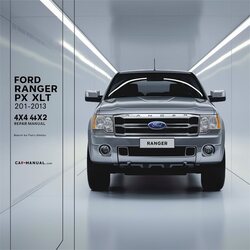
$16.99
The Ford Ranger PX, produced for the model years 2011, 2012, and 2013, represents a robust and capable pickup truck designed for a wide range of applications, from daily work to off-road adventures. Available in both 4x2 and 4x4 configurations, and offered in XL and XLT trim levels, this generation of the Ranger benefits from an extensive heritage in building durable and reliable trucks. It features a choice of powerful engines, including 2.5L Duratec petrol and 2.2L and 3.2L Duratorq diesel options, paired with either a 5-speed or 6-speed manual transmission, or a 6-speed automatic transmission, all contributing to its strong performance and versatility.

$16.99
The Ford Ranger PX series is a highly capable and versatile mid-size pickup truck, recognized for its robust construction and strong performance. Introduced to compete in a demanding segment, the Ranger offered a compelling blend of workhorse utility and refined on-road manners. It was lauded for its segment-leading payload and towing capacities, comfortable ride quality, and advanced safety features, making it a popular choice for both commercial use and recreational activities. Key features include durable build quality, potent diesel engine options, and an effective four-wheel-drive system on applicable models, contributing to its reputation for reliability and capability.
$16.99
The Ford Ranger PX (Second Generation) is a robust and capable mid-size pickup truck, produced from 2011 to 2013. Known for its durability, strong towing and payload capacity, and practical utility, it serves well in both work-oriented and recreational segments. Available in 2x4 (RWD) and 4x4 (4WD) configurations, with XL and XLT trim levels, this generation offered significant advancements in design and technology, making it a competitive choice against rivals like the Toyota Hilux and Mitsubishi Triton. Its engineering quality and reliability have made it a popular vehicle in markets across Australia, Southeast Asia, South Africa, and South America.
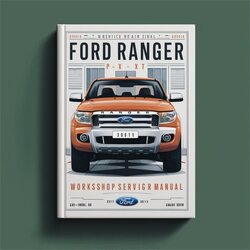
$16.99
This manual covers the Ranger PX generation, produced between 2011 and 2013. Available in XL and XLT trim levels, and offered in both 4x4 and 4x2 configurations, this mid-size pickup truck is known for its robust engineering and versatility. The PX Ranger was developed with a focus on capability and comfort, competing with other popular models in its segment. It is equipped with a range of engine options, including 2.5L Duratec Petrol and 2.2L and 3.2L Duratorq Diesel engines, paired with either manual or automatic transmissions.
$16.99
This manual covers the Ford Ranger PX generation, specifically for the model years 2011, 2012, and 2013. Designed for a wide range of applications, from daily commuting to demanding work environments, the Ranger is known for its robust engineering and reliable performance. This comprehensive guide details models equipped with XL and XLT trim levels and supports both 4x2 and 4x4 drivetrain configurations, reflecting Ford's commitment to providing capable and versatile vehicles.
$16.99
This manual covers the Ford Ranger, a robust mid-size pickup truck produced for the 2011, 2012, and 2013 model years. Built on the versatile T6 platform, the Ranger is engineered for a wide range of applications, from commercial use and fleet management to individual ownership requiring dependable performance and utility. Known for its ruggedness, towing capability, and off-road prowess, this generation of the Ford Ranger offers a compelling blend of strength and functionality, positioning it as a strong contender in its segment against competitors like the Toyota Hilux and Nissan Navara.
$16.99
This manual covers the Ford Ranger, a compact pickup truck produced for the 2011, 2012, and 2013 model years. Known for its durable, reliable, and capable nature, the Ranger has built a strong reputation as a workhorse and a versatile utility vehicle. Its design caters to both work truck buyers and off-road enthusiasts, offering a practical and affordable option. The Ranger is powered by a 2.5-liter, 164-horsepower Inline-4 cylinder engine, available with either a 5-speed manual or a 5-speed automatic transmission, and features a solid chassis designed for demanding use.
$16.99
The 2012 Ford Ranger is a robust and versatile compact pickup truck built on the global T6 platform. Known for its strong engineering, reliability, and capability, this model offers a range of configurations including various cab styles, bed lengths, and trim levels such as XL, XLT, Sport, Limited, and FX4 Off-Road. The Ranger is designed for a wide array of uses, from daily commuting to demanding work and off-road adventures, competing with other leading utility vehicles in its segment. It is equipped with powerful engine options, including the 2.5L Duratec gasoline engine and the 3.2L Duratorq diesel, paired with either a 5-speed manual or a 6-speed automatic transmission, and available in both 2WD and 4WD drivetrains.

$16.99
This manual covers the Ford Ranger T6, a mid-size pickup truck produced from 2012. Known for its ruggedness, capability, and versatility, the Ranger T6 is engineered for demanding use, offering robust chassis construction, powerful diesel engines, and strong towing and payload capacities. It competes in a segment with vehicles like the Toyota Hilux and Nissan Navara, and its strengths lie in its durability and off-road prowess, particularly in its 4x4 configurations. The T6 platform represented a significant global evolution for the Ranger nameplate, building on Ford's extensive heritage in pickup truck manufacturing.
$16.99
This comprehensive service and repair workshop manual covers the Ford Ranger T6, produced for the 2012 model year. Designed for a wide range of applications, the Ranger T6 is recognized for its robust engineering and reliable performance, making it a capable choice for both work and adventure. This manual provides detailed information to ensure the longevity and optimal functioning of your vehicle.

$16.99
The 2012 Ford Ranger T6 represents a robust and capable pickup truck, built upon a global platform known for its durability and versatility. This generation of the Ranger was engineered to meet diverse needs, from commercial applications to everyday personal use, reflecting Ford's extensive heritage in the truck market. Its design emphasizes strength and reliability, making it a popular choice for those requiring a dependable workhorse or an adventurous companion.
$16.99
The Ford Ranger, specifically the T6 platform models produced between 2012 and 2017, is a robust and versatile pickup truck designed for a wide range of applications, from demanding work environments to adventurous lifestyle use. Known for its durability, impressive towing capacity, and strong off-road capabilities, the Ranger offers practical utility and reliable performance. Available in various body styles including Single Cab, Extended Cab, and Double Cab, with both short and long bed options, it caters to diverse needs. Powertrain options typically include efficient gasoline engines and torque-rich diesel engines, paired with either manual or automatic transmissions and available four-wheel-drive systems, all contributing to its reputation as a capable and dependable vehicle.
$16.99
The 2013 Ford Ranger is a mid-size pickup truck renowned for its durability, capability, and versatility, making it a popular choice for tradespeople and adventure enthusiasts alike. Building on Ford's extensive legacy in the truck market, this generation, based on the global T6 platform, was designed for robust performance across a wide range of applications. It offers a refined driving experience, strong towing capacity, and a variety of configurations, including different cab styles and bed lengths, to suit diverse needs.
$16.99
The Ford Ranger, a robust mid-size pickup truck produced for the North American market in 2014, is engineered for durability and capability. Building on Ford's extensive truck heritage, this generation of the Ranger is known for its body-on-frame construction, prioritizing load-carrying capacity and towing prowess. Available with efficient four-cylinder and powerful V6 gasoline engines, it serves a wide range of needs, from work and utility to recreational activities, competing effectively in its segment with its strong chassis and reliable performance.
$16.99
The 2015 Ford Ranger, part of the Third Generation (T6/PX) Pre-Facelift, is a robust and capable compact pickup truck built on the T6 platform. Renowned for its durable chassis, proven engine options, and excellent off-road prowess, the Ranger is engineered to meet the demands of tradespeople, recreational users, and fleet operators alike. Its design prioritizes utility, offering good towing capacity and a focus on reliability, reflecting Ford's long-standing legacy in the pickup truck market. This model represents a significant step in the Ranger's global evolution, providing a blend of ruggedness and modern functionality.
