



Fiat 500

The Fiat 500 category encompasses a range of compact, stylish, and agile vehicles designed primarily for urban environments and personal transportation. These models are characterized by their distinctive retro-inspired design, efficient engines, and maneuverability, making them ideal for navigating city streets and parking in tight spaces. Their popularity stems from a combination of aesthetic appeal, practicality for everyday use, and a focus on fuel economy, positioning them as a favored choice for individuals and small families seeking a charming and economical mode of transport.
Documentation for the Fiat 500 category includes comprehensive owner's manuals detailing operation, features, and basic maintenance. Technical...
$16.99
The Fiat 500, also known by its chassis code Nuova 500, represents a significant piece of automotive history, first introduced in 1957. This iconic Italian city car, designed by Fiat, is celebrated for its compact dimensions, economical operation, and distinctive styling, embodying the spirit of its era. Its engineering prioritizes simplicity and practicality, making it an enduring symbol of post-war mobility and a highly collectible classic. The vehicle's rear-wheel-drive layout, air-cooled two-cylinder engine, and manual transmission contribute to its unique driving experience and mechanical character, appealing to enthusiasts and collectors worldwide.
$16.99
This manual covers the Fiat 500, a compact and iconic city car produced in 1957. Renowned for its innovative rear-engined design and economical operation, the Fiat 500 became a symbol of post-war Italian mobility. Its engineering prioritizes simplicity and reliability, making it a beloved vehicle for urban commuting and a testament to efficient automotive design.

$16.99
This manual covers the Fiat 500, encompassing models with 479cc, 499cc, and 594cc engines produced between 1956 and 1973. It is designed for individuals interested in the technical intricacies of this vehicle. The manual provides comprehensive information derived directly from the manufacturer, detailing various equipment and offering insights into the engineering and maintenance of the Fiat 500.
$16.99
This manual covers the Fiat 500, the original 'Nuova' generation produced from 1957 to 1973. Known for its distinctive design, compact dimensions, and affordable practicality, the Fiat 500 became an iconic symbol of Italian urban mobility. Its engineering quality and reliability, coupled with its charming character, have made it a beloved classic worldwide. This comprehensive workshop manual is essential for maintaining and repairing these historically significant microcars, addressing chassis codes 110F through 250.
$16.99
This manual provides comprehensive guidance for the Fiat 500, specifically the Original Fiat 500 (Nuova 500) produced between 1957 and 1973. Covering all variants including the Berlina, Sport, D, F, L, R, and Giardiniera (Station Wagon), this resource details the engineering quality and reliability that made the Fiat 500 an iconic vehicle. Known for its charming design and practical approach to personal transportation, the Fiat 500 has become a beloved classic, and this manual serves as an essential companion for its upkeep and preservation.
$16.99
This manual covers the Fiat 500, an iconic Italian city car produced from 1957 to 1973. Known for its affordability and practicality, the Fiat 500 became a symbol of post-war Italian economic recovery and personal mobility. This classic service and repair manual details various chassis codes including the Nuova 500, 500 D, 500 F, 500 L, 500 R, and Giardiniera. It provides authentic, dealership-level service information for all models and repairs, A-Z.
$16.99
This workshop service and repair manual provides comprehensive information for the Fiat 500, specifically covering the Original / Nuova 500 generation produced between 1957 and 1973. This iconic Italian city car, known for its compact size, air-cooled two-cylinder engines ranging from 479cc to 594cc, and charming design, offers a unique driving experience. The manual encompasses all styles and engine variants, making it an essential resource for maintaining this classic vehicle, which has become a symbol of post-war mobility and Fiat's legacy in producing economical and popular small cars.
$16.99
This manual covers the Fiat 500, a series of iconic Italian city cars produced from 1957 to 1973, including chassis codes 110F, 110AF, 120AF, 120F, 130AF, 130F, 210F, and 230F. Known for its compact size, rear-engine configuration, and distinctive styling, the Fiat 500 became a symbol of post-war mobility and Italian design. The vehicle features an air-cooled, OHV, Inline-2 Cylinder engine, with displacements ranging from 479 cc to 594 cc, paired with a 4-speed manual synchromesh transmission and a dry single-plate clutch. Its simple yet robust engineering, coupled with its cultural significance, makes it a beloved classic for enthusiasts and collectors worldwide.
$16.99
This manual provides comprehensive coverage for the FIAT 500, produced between 1957 and 1973, encompassing models equipped with 479cc, 499cc, and 594cc engines. The FIAT 500, a celebrated icon of Italian design and engineering, was conceived as an economical and practical city car. Its enduring appeal lies in its distinctive styling, compact dimensions, and simple, robust mechanicals, making it a beloved classic automobile. This guide is an essential resource for owners and enthusiasts dedicated to the preservation and maintenance of these historically significant vehicles, covering the full spectrum of their mechanical and electrical systems.
$16.99
The Fiat 500, also known by its model code Nuova 500, is an iconic microcar that defined an era of affordable and stylish personal transportation. Produced from 1957 to 1975, this distinctive rear-engine, rear-wheel-drive vehicle is celebrated for its compact size, mechanical simplicity, and undeniable Italian charm. Designed by Dante Giacosa, it served as a practical and economical successor to earlier Fiat models, becoming a symbol of post-war mobility and a beloved classic. Its unique design and accessible engineering have made it a sought-after vehicle for restorers, enthusiasts, and DIY mechanics worldwide.
$16.99
This manual covers the Fiat 500, also known as the Nuova 500, produced from 1957 through 1973. This iconic microcar, celebrated for its charming Italian design and role in post-war personal mobility, features a distinctive air-cooled, rear-mounted inline-twin cylinder engine with displacements ranging from 479 cc to 650 cc across its various models. Its compact dimensions and lightweight construction made it an accessible and maneuverable vehicle, particularly suited for urban environments. The Fiat 500's engineering quality and reliability, coupled with its status as a cultural icon, have cemented its place in automotive history.
$16.99
The Fiat 500, produced from 1957 to 1973, represents an iconic era of Italian automotive design and engineering. Known for its compact dimensions, charming aesthetic, and economical operation, this rear-engined vehicle has become a beloved classic. Throughout its production, various iterations like the Nuova 500, 500 D, 500 F, 500 L, and 500 R were introduced, each offering subtle improvements and variations in comfort and performance. With its air-cooled twin-cylinder engine, the Fiat 500 embodied simplicity and practicality, making it an accessible and popular choice for urban mobility and a testament to efficient small car design.
$16.99
This manual covers the Fiat 500, also known as the Nuova 500, produced between 1957 and 1973. This iconic Italian vehicle, with its distinctive compact design and rear-engine layout, was engineered for affordability and practicality, becoming a symbol of post-war mobility. Covering chassis codes 110 through 230F and various engine codes, this guide details the air-cooled, two-cylinder engines ranging from 479cc to 594cc, and the robust 4-speed manual transmission. The Fiat 500 is celebrated for its charming aesthetics and simple yet effective engineering, making it a beloved classic worldwide.
$16.99
This workshop service manual covers the Fiat 500, also known as the Nuova 500, produced from 1957 through 1973. This iconic city car, developed under the internal project code "Progetto 100," is celebrated for its rear-engine, air-cooled design, compact dimensions, distinctive styling, and exceptional fuel efficiency. As a symbol of Italian automotive design and affordability, the Fiat 500 democratized car ownership and remains a beloved classic. Its engineering quality and reliability have contributed to its enduring appeal, making it a significant cultural icon.
$16.99
This workshop repair and service manual covers the Fiat 500, specifically the Nuova 500 generation produced between 1957 and 1973. This iconic Italian automobile is celebrated for its compact size, economical operation, and distinctive design, making it a beloved classic. The Fiat 500 is characterized by its rear-mounted, air-cooled, two-cylinder engine, available in various displacements from 479cc to 699cc, and typically producing between 13 to 30 horsepower. Its engineering quality and reliability, for its era, contributed to its widespread popularity as a practical and stylish mode of transportation.
$16.99
This manual covers the Fiat 500, also known as the Nuova 500, produced between 1957 and 1973. This iconic Italian microcar is celebrated for its charming design, compact size, and economical operation, making it a beloved city car and a popular choice for restoration and classic car events. The Fiat 500 was engineered with simplicity and affordability in mind, featuring a rear-mounted, air-cooled inline-twin engine ranging from 479 cc to 700 cc, paired with a 4-speed manual transmission. Throughout its production, various models were introduced, including the 500 D, 500 F, 500 L, 500 R, and the longer Giardiniera estate version, each offering subtle improvements and variations.
$16.99
The Fiat 500, specifically the Nuova 500 (Type 110) produced between 1957 and 1973, stands as an iconic Italian city car. Renowned for its charming aesthetics and compact design, it symbolized post-war Italian economic growth and accessible personal mobility. This rear-engined, air-cooled vehicle, available in various models including the D, F, L, and R, offered a simple yet effective solution for urban transportation. Its engineering focused on affordability and ease of operation, making it a beloved and widely recognized automobile.
$16.99
This service and repair manual provides comprehensive guidance for FIAT 500 models produced between 1957 and 1973. Known for its iconic Italian design and status as a post-war automotive accessibility symbol, the FIAT 500, often called "Il Cinquecento," is a beloved microcar with a significant cult following. This manual covers various body styles, including the Berlina, Sport, Lusso, and Giardiniera estate, across its major variants such as the Nuova, D, F, L, and R. It details the rear-mounted, air-cooled, 2-cylinder engines ranging from 479cc to 698cc, as well as the four-speed manual transmission and robust monocoque construction.
$16.99
This manual covers the Fiat 500, specifically the Nuova 500 generation, produced from 1957 through 1973. Known for its iconic Italian design and role as a compact, economical city car, the Fiat 500 has become a symbol of automotive culture. Its engineering quality and reliability, for its era, made it a practical and accessible mode of transportation, with over 3.8 million units produced across various models including the 500 D, F, L, R, and performance-oriented Abarth versions. The vehicle features an air-cooled, two-cylinder engine, typically with displacements ranging from 479cc to 594cc, and a manual synchromesh gearbox.
$16.99
This manual provides comprehensive technical information for the FIAT 500, covering chassis codes 110F and 120F, which encompass the Nuova 500, 500 D, 500 F, 500 L, and 500 R models produced between 1957 and 1973. The Fiat 500 is celebrated as a design icon, known for its charming aesthetics, compact size, and simple yet robust engineering, featuring an air-cooled, two-cylinder inline petrol engine with displacements ranging from 479 cc to 652 cc. This iconic vehicle, a symbol of post-war Italian mobility, offered a basic yet functional transportation solution, evolving through various iterations to meet market demands.
$16.99
This workshop repair service manual provides comprehensive guidance for the Fiat 500 Nuova 500 (Type 110F), produced between 1957 and 1973. Celebrated as an iconic city car, the Fiat 500 is renowned for its compact dimensions, distinctive design, and economical engineering. This rear-engine, rear-wheel-drive vehicle, available in various body styles including sedan and station wagon, offers a charming and accessible driving experience. Its simple yet robust construction makes it a beloved classic, appreciated for its unique character and cultural significance.
$16.99
The Fiat 500, also known internally as the Nuova 500, is an iconic Italian automobile produced from 1957 to 1973. This compact, rear-engined vehicle, typically featuring an air-cooled, two-cylinder engine with displacements ranging from approximately 479cc to 594cc, became a symbol of affordable and charming urban motoring. Known for its distinctive design and simplicity, the Fiat 500 was offered in various key variants including the Series I, II, and III, as well as specialized versions like the Giardiniera estate. Its engineering prioritizes efficient design and reliability, making it a beloved classic car.
$16.99
This manual covers the FIAT 500, specifically the First Generation (Nuova 500) produced from 1957 to 1973. This iconic Italian microcar, designed by Dante Giacosa, is celebrated for its compact size, charming aesthetic, and role in post-war European mobility. The FIAT 500 is characterized by its rear-mounted, air-cooled, inline-two cylinder engine, which varied in displacement from 479 cc to 594 cc across its production run, offering horsepower ranging from approximately 13 to 22 hp. Throughout its lifespan, the 500 evolved through several key iterations, including the Nuova 500, 500 D, 500 Giardiniera, 500 F, 500 L, and 500 R, all of which are addressed within this comprehensive guide.
$16.99
This manual covers the Fiat 500, specifically the Original "Nuova" 500 generation produced from 1957 to 1973. Known for its compact, fuel-efficient, rear-engined, air-cooled design and iconic Italian aesthetic, this microcar provided affordable urban transportation and has since become a beloved classic. This vehicle, with chassis codes like 110F and engine variants ranging from 479cc to 499cc, represents a significant piece of automotive history, celebrated for its unique charm and enduring appeal among enthusiasts and collectors.
$16.99
This manual covers the FIAT 500, specifically the First Generation (Nuova 500) produced from 1957 to 1973. Known as an iconic Italian microcar, the FIAT 500 symbolized post-war mobility and economic growth with its compact, rear-engined, air-cooled design. This charming vehicle, with chassis codes ranging from 110F to 230, offered simple and robust engineering, making it a popular choice in European markets and beyond. Its historical significance and enduring appeal as a design icon are widely recognized.
$16.99
This manual provides comprehensive technical information for the Fiat 500, specifically covering models produced between 1957 and 1973, including the 500, 500D, 500F, 500L, 500R, and Giardiniera variants. The Fiat 500, internally designated as the Nuova 500, is an iconic Italian vehicle celebrated for its compact design, fuel efficiency, and charming aesthetic, making it a symbol of post-war mobility. Engineered for simplicity and affordability, this rear-engined, air-cooled vehicle offered a unique driving experience and has since become a beloved classic.
$16.99
This manual covers the Fiat 500, produced from 1957 to 1973. The Fiat 500 is renowned for its iconic Italian design, compact dimensions, and economical operation, making it a beloved city car and a symbol of post-war mobility. Its simple yet effective engineering, featuring an air-cooled, two-cylinder engine and rear-wheel drive, contributed to its reliability and ease of maintenance. This workshop service manual is designed for enthusiasts, DIY mechanics, and classic car restorers working on these celebrated vehicles.
$16.99
This manual covers the Fiat 500, also known as the Nuova 500, produced in 1958. This iconic city car, originating from Turin, Italy, is celebrated for its distinctive design, compact dimensions, and role in affordable urban transportation. Its rear-engine, rear-wheel-drive layout and small size made it exceptionally maneuverable in city environments. The Fiat 500 is a significant model in automotive history, representing a precursor to modern compact vehicles and embodying Italian design flair.
$16.99
This manual provides comprehensive repair and maintenance information for the 1958 Fiat 500, also known by its chassis code, Nuova 500 (Type 110). This iconic Italian vehicle, manufactured in Turin, Italy, is celebrated for its innovative rear-engine, rear-wheel-drive configuration and efficient air-cooled, two-cylinder engine. With its compact dimensions and practical design, the Fiat 500 became a symbol of post-war mobility and continues to be cherished for its unique engineering and historical significance.
$16.99
This manual covers the Original "Nuova" 500, produced between 1958 and 1973. Known for its iconic Italian design and compact, efficient nature, the 500 became a symbol of post-war mobility. This workshop service repair manual details various models including the Berlina, Giardiniera, Sport, D, F, L, and R variants, equipped with 479cc, 499cc, and 594cc air-cooled, two-cylinder engines. The engineering quality and reliability of these vehicles have cemented their status as highly collectible classic cars.
$16.99
This digital workshop repair manual covers the iconic FIAT 500, produced between 1958 and 1973. Known for its compact size, distinctive styling, and economical operation, the FIAT 500 established itself as a beloved city car and a symbol of post-war Italian mobility. This manual specifically addresses models equipped with the 479cc, 499cc, and 594cc air-cooled, two-cylinder engines, offering detailed information on their engineering and performance characteristics. The FIAT 500's rear-engine, rear-wheel-drive layout and simple, functional design made it an accessible and popular choice, cementing its place in automotive history.
$16.99
This manual covers the Fiat 500 (Nuova 500), a celebrated microcar produced from 1958 to 1973. Renowned for its iconic Italian design, compact size, and affordability, the Nuova 500 offered a unique blend of practical urban mobility and charming aesthetics. Its rear-mounted, air-cooled two-cylinder engine, available in displacements ranging from 479cc to 594cc, powered a rear-wheel-drive platform that made it a distinctive and enjoyable vehicle. The Fiat 500's legacy extends beyond its engineering, symbolizing post-war Italian economic recovery and becoming a beloved cultural artifact.
$16.99
This manual covers the Fiat 500, specifically the Original (Nuova 500) generation produced from 1958 to 1973. This iconic Italian microcar is renowned for its distinctive design, affordability, and role in post-war transportation. Engineered for simplicity and efficient city driving, the Fiat 500 became a symbol of Italian mobility and is celebrated for its charming aesthetics and enduring collectibility. Its rear-engine, rear-wheel-drive layout and compact dimensions made it a practical and accessible vehicle for a generation.
$16.99
This manual covers the Fiat 500, a celebrated city car from 1959, renowned for its compact design and efficient operation. Introduced as an affordable and practical mode of transport, the Fiat 500 has become a cultural icon, appreciated for its unique engineering and distinctive styling. This vehicle, a testament to post-war automotive innovation, offers a charming driving experience and remains a beloved classic for enthusiasts.
$16.99
This manual covers the Fiat 500, specifically the First Generation (Nuova 500) model produced in 1959. Known for its compact size and iconic design, the Fiat 500 was engineered to provide affordable and reliable transportation. This particular iteration, the Nuova 500, represents an early and significant stage in the model's evolution, embodying the spirit of post-war Italian automotive innovation. Its air-cooled, two-cylinder engine, typically around 479 cc and producing approximately 13-15 horsepower, made it an economical choice for urban mobility. The vehicle's simple yet effective engineering, combined with its charming aesthetic, cemented its status as a beloved classic.
$16.99
This manual covers the Fiat 500, specifically the Nuova 500 (Type 110) model produced starting in 1957, with this documentation focusing on the foundational aspects relevant to the 1960 production year. As an iconic Italian microcar, the Fiat 500 is celebrated for its simplicity, affordability, and distinctive city maneuverability. Its rear-mounted, air-cooled 479 cc two-cylinder engine, producing 13 hp, and its compact dimensions of 2970 mm length and 1320 mm width, make it a unique entry in automotive history, often compared to contemporaries like the early Volkswagen Beetle and BMC Mini. The vehicle's design philosophy emphasizes practicality and a charming aesthetic, contributing to its enduring appeal among enthusiasts and collectors.
$16.99
This manual provides comprehensive guidance for the Fiat 500, produced in 1960. Designed to assist both professional technicians and do-it-yourself mechanics with a basic understanding of electrical and mechanical concepts, it covers essential maintenance and repair procedures. The Fiat 500 is known for its engineering quality and reliability, making it a popular choice for various applications.
$16.99
This manual covers the Original Fiat 500, also known as the Nuova 500, produced from 1957 to 1975. Representing a significant chapter in Italian automotive history and post-war mobility, this iconic vehicle is celebrated for its compact design, affordability, and distinctive character. The Fiat 500, with its various internal chassis codes like Type 110, 120, and 130, was powered by efficient air-cooled engines ranging from 479cc to 594cc, delivering approximately 15 to 22 horsepower. Its engineering quality, while simple, contributed to its reliability and widespread appeal, making it a beloved vehicle for enthusiasts and everyday users alike.
$16.99
The FIAT 500, an iconic Italian microcar produced from 1957 to 1975, revolutionized urban mobility with its compact dimensions, remarkable fuel efficiency, and distinctive rear-engine, rear-wheel-drive layout. The first generation, particularly models produced between 1960 and 1973, are celebrated for their charming design, affordability, and simple yet robust engineering, making them a symbol of post-war Italian automotive innovation. This beloved city car, known for its ease of parking and maneuverability, has earned a place in automotive history as a highly collectible classic, appreciated for its unique styling and historical significance.
$16.99
This comprehensive workshop repair manual covers the FIAT 500, a celebrated Italian microcar produced from 1960 to 1973, encompassing chassis codes Nuova 500, 500 D, 500 F, 500 L, and 500 R. Renowned for its compact, economical, and rear-engined air-cooled design, the FIAT 500 is an iconic symbol of post-war Italian mobility, characterized by its simple mechanics and distinctive styling. This manual serves as an essential resource for owners and enthusiasts seeking to maintain, repair, or restore these classic vehicles, providing in-depth technical information and guidance.
$16.99
This manual provides comprehensive service, repair, and maintenance information for the FIAT 500 Original (Nuova 500) models produced between 1960 and 1973, specifically covering chassis codes such as 110F and 120F. Known for its economical design and charming aesthetic, the FIAT 500 is an iconic microcar that offered stylish personal transportation. This documentation is essential for enthusiasts, classic car owners, mechanics, and restoration specialists seeking to maintain and restore these celebrated vehicles.
$16.99
This manual covers the Fiat 500, specifically the Original Series, including the Nuova 500, 500 D, 500 F, 500 L, and 500 R variants produced between 1960 and 1973. Known for its iconic Italian design, compact size, and economical operation, the Fiat 500 became a beloved symbol of post-war mobility. Engineered with a rear-mounted, air-cooled, two-cylinder engine, these vehicles offered a unique driving experience and have remained popular among classic car enthusiasts for their charming aesthetics and accessible mechanics. The various models produced during this period, powered by engine families 110 and 120, represent a significant chapter in automotive history.
$16.99
This manual covers the Fiat 500, also known as the Nuova 500, specifically the First Generation models produced between 1960 and 1973. Renowned for its compact size, charming Italian design, and rear-engine, air-cooled configuration, the Fiat 500 has achieved iconic status. Its simplicity, affordability, and character made it a popular choice for urban dwellers and automotive enthusiasts alike. This vehicle represents a significant piece of automotive history, celebrated for its efficiency and unique styling.
$16.99
This manual covers the Fiat 500, a celebrated compact city car produced between 1960 and 1973, encompassing models such as the Nuova 500, 500D, 500F, 500L, and 500R. Renowned for its iconic Italian design, exceptional maneuverability, and affordability, the Fiat 500 became a symbol of post-war mobility. Its engineering quality and reliability, coupled with a vast aftermarket support system, have cemented its status as an automotive icon. This guide is intended for owners, restoration enthusiasts, and automotive professionals seeking to maintain and repair these distinctive vehicles.
$16.99
This manual provides comprehensive coverage for the FIAT 500, an iconic Italian city car produced between 1960 and 1973, encompassing the Original 'Nuova' 500 generation. Renowned for its charming design and efficient engineering, the FIAT 500 became a symbol of post-war mobility and economic recovery in Italy. This workshop service and repair manual details all essential procedures for maintaining and restoring these beloved vehicles, catering to owners and mechanics alike who appreciate the simplicity and historical significance of this classic automobile.
$16.99
This manual provides comprehensive guidance for the 500, specifically covering models produced between 1960 and 1973, including various iterations such as the Giardiniera, Sport, D, F, L, and R. As an iconic Italian vehicle, the 500 is celebrated for its charming design, compact size, and economical operation, making it a beloved classic. This manual is tailored to assist owners and technicians in understanding and maintaining the unique engineering of this historically significant automobile.
$16.99
This manual covers the iconic FIAT 500, a beloved microcar produced between 1960 and 1973. Renowned for its timeless Italian design and efficient, rear-engined, rear-wheel-drive configuration, the FIAT 500 served as affordable urban transport and became a symbol of post-war Italian mobility. This manual encompasses various chassis codes, including Nuova 500, 500 D, 500 F, 500 L, 500 R, and Abarth variants, detailing their unique engineering and features. The FIAT 500 is celebrated for its compact dimensions, surprisingly practical interior, and the availability of unique models like the Giardiniera estate.
$16.99
This manual provides comprehensive guidance for the FIAT 500, specifically covering models produced between 1960 and 1973. Known for its iconic design and role in post-war European mobility, the FIAT 500 is celebrated for its compact size, fuel efficiency, and charming character. This manual encompasses all engine variants produced during this period, featuring the characteristic air-cooled two-cylinder engines, and covers a range of body styles including the Berlina, Giardiniera, Sport, and Trasformabile. It is an essential resource for enthusiasts and owners dedicated to preserving the legacy of this beloved Italian microcar.
$16.99
This manual covers the Fiat 500, specifically the Nuova 500 (110F) first generation, produced in 1961. This iconic Italian vehicle is renowned for its compact size, distinctive design, and role in post-war urban mobility. Engineered for affordability and practicality, the Fiat 500 became a symbol of Italian motoring culture. Its rear-mounted, air-cooled 479 cc engine, producing 13 horsepower, coupled with a 4-speed manual transmission, offered efficient city transportation. The vehicle's lightweight construction and charming aesthetic have cemented its status as a beloved classic.
$16.99
This manual covers the 1961 Fiat 500, chassis code 110F, with its 479 cc air-cooled, 2-cylinder engine. Known for its iconic design and status as an early iteration of the revolutionary 'Nuova 500' series, this compact Italian automobile is celebrated for its affordability, engineering quality, and significant cultural impact. Produced in Turin, Italy, the 1961 Fiat 500 embodies Fiat's legacy of creating practical and innovative city cars, making it a beloved classic for enthusiasts and collectors.
$16.99
This manual covers the Fiat 500, specifically the 1961 model, also known by its chassis code Nuova 500 (Type 110). This iconic Italian vehicle, produced by Fiat, a manufacturer with a rich heritage dating back to 1899, revolutionized post-war European mobility. The 1961 Fiat 500 is celebrated for its compact design, rear-engine air-cooled configuration, and distinctive styling, making it a benchmark in microcar engineering and a symbol of Italian automotive history. Its simple yet effective engineering, coupled with its charming aesthetic, has cemented its status as a highly sought-after collector's item.

$16.99
This manual covers the Fiat 500, an iconic Italian microcar produced from 1961 to 1973. Available in various body styles including a 2-door sedan, convertible, and the Giardiniera estate, the Fiat 500 is celebrated for its distinctive design by Dante Giacosa and its reputation for fuel efficiency and ease of operation. Its simple, robust engineering made it a practical and affordable choice for urban transportation, contributing to its enduring appeal as a cultural icon and a beloved classic automobile.
$16.99
The Fiat 500, specifically the 1962 Nuova 500 (chassis code 110F), represents an iconic piece of Italian automotive history. Produced by Fiat, a manufacturer renowned for its practical and stylish compact cars, this model embodies post-war mobility and charm. Its distinctive design, coupled with a compact, air-cooled, rear-mounted two-cylinder engine, made it a symbol of efficiency and accessibility. The Fiat 500 was engineered for reliability and ease of use, making it a beloved vehicle for enthusiasts and everyday drivers alike, solidifying its status as a recognizable and cherished automobile.
$16.99
This manual covers all 1962 Fiat 500 variants, a compact and iconic Italian city car designed by Dante Giacosa. Introduced as an affordable and practical vehicle for post-war Italy, the 1962 model represents an early iteration of the Nuova 500, powered by a 479cc air-cooled two-cylinder engine producing approximately 13-15 horsepower. Known for its distinctive design and significant market impact, the Fiat 500 has achieved iconic status. This manual provides comprehensive information for owners and technicians working on this classic automobile.
$16.99
This manual covers the Fiat 500, specifically referencing models from 1962, often identified as the Nuova 500 or 500 D. This iconic Italian city car is celebrated for its compact dimensions, economical operation, and charming design, making it a popular choice for urban dwellers and enthusiasts alike. Its simple, functional engineering prioritizes maximizing interior space within a minimal footprint, a testament to its design philosophy. The Fiat 500's enduring appeal lies in its unique character and historical significance as a symbol of accessible personal transportation.
$16.99
The Fiat 500, specifically the 1963 model with chassis code 110 and engine code family 110F, is an iconic Italian city car celebrated for its compact design and post-war economic significance. This rear-engine, rear-wheel-drive vehicle, powered by an air-cooled 479 cc engine producing approximately 17 hp, prioritized affordability, maneuverability, and efficient urban transport. Its unique selling points included a minimal footprint with surprisingly spacious interior for its size, making it a beloved symbol of personal mobility. The Fiat 500 competed effectively with other economical city cars of its era, offering a charming and practical solution for everyday transportation.
$16.99
This manual covers the Fiat 500, specifically the Original Nuova 500 generation produced from 1957 to 1975, with this particular document focusing on the 1963 model (chassis code 110F, engine code 110.000). Renowned as an icon of Italian post-war mobility, the Fiat 500 is celebrated for its compact dimensions, fuel efficiency, and distinctive design. This air-cooled, two-cylinder vehicle, powered by a 479 cc engine producing approximately 17 hp, offers a unique driving experience rooted in simplicity and engineering heritage. Its compact exterior, measuring 2970 mm in length and 1300 mm in width, makes it exceptionally maneuverable.
$16.99
This manual covers the Fiat 500, produced in 1963, with chassis codes 110F, 110FA, 110F-A, and 110F-B. The Fiat 500 is an iconic city car, celebrated for its charming design and practicality. This particular model features a 479 cc air-cooled, 2-cylinder engine, a 4-speed manual synchromesh transmission, and hydraulic drum brakes. Its compact dimensions and lightweight construction made it an ideal and affordable mode of transportation, particularly in urban environments. Fiat's legacy includes producing many successful small vehicles, with the 500 being a prime example of Italian automotive engineering and design.
$16.99
This manual covers the Fiat 500, specifically the Nuova 500 model from 1964, identified by chassis codes 110F / 110F.000 and engine code 110.000. This iconic Italian vehicle, produced by Fiat, is celebrated for its charming design and affordability. The 1964 model represents an evolution of the design that first launched in 1957, embodying Fiat's heritage of producing popular small cars. Its compact dimensions, with a length of 2970 mm and width of 1320 mm, make it ideal for urban environments. The vehicle features an air-cooled, inline 2-cylinder engine with a displacement of 479 cc, producing approximately 17 horsepower. Its engineering, while simple, reflects the era's focus on practicality and accessibility, making it a beloved classic.
$16.99
The Fiat 500, produced in 1964, is an iconic Italian automotive design, representing a significant era of personal mobility. This compact vehicle, with chassis codes including 110.000, 110F.000, and variations for the Nuova 500, 500 D, and 500 F, features a distinctive air-cooled, twin-cylinder engine of approximately 499.5 cc, producing around 13-17 horsepower. Its engineering prioritizes simplicity and efficiency, making it a beloved classic for city driving and enthusiasts alike. The 1964 model, a part of the 'Nuova 500' generation, embodies the post-war spirit of innovation and accessible transportation.
$16.99
This manual covers the Fiat 500, a celebrated city car produced from 1957 to 1975. The 1964 model, chassis code 110F, features a distinctive design by Dante Giacosa, a rear-mounted, air-cooled, two-cylinder engine, and a compact, monocoque body. Known for its affordability and charm, the Fiat 500 became a symbol of post-war European mobility, competing with vehicles like the Volkswagen Beetle and Mini Cooper. Its engineering prioritizes simplicity and efficiency, making it a beloved classic for enthusiasts and everyday use.
$16.99
This manual covers the Fiat 500, specifically the 1965 model year, a compact city car renowned as a post-war European mobility solution. Known for its simplicity, affordability, practicality, and iconic Italian style, the Fiat 500 embodies a design philosophy focused on economical transportation for individuals and small families. This rear-engined, air-cooled vehicle, with chassis code 110F, is a testament to compact automotive engineering, offering a unique driving experience and a significant place in automotive history.
$16.99
This manual covers the Fiat 500, a classic Italian city car produced from 1957 to 1975. Renowned for its compact, fuel-efficient, and characterful rear-engined, air-cooled design, the Fiat 500 established itself as an iconic and affordable mode of transportation, competing with vehicles like the Mini Cooper and Volkswagen Beetle. Its charming aesthetic and economical operation made it a popular choice for urban commuters and those seeking accessible motoring.
$16.99
This manual covers the 1965 Fiat 500, an iconic Italian microcar celebrated for its distinctive design, compact size, and economical operation. Produced from 1957 to 1975, the Fiat 500 became a symbol of post-war mobility and is highly regarded by collectors. This particular model, likely the 500 F variant, features a rear-mounted, air-cooled 499.5 cc two-cylinder engine producing approximately 17-18 horsepower, paired with a 4-speed manual transaxle. Its engineering prioritizes simplicity and efficiency, making it a beloved classic.
$16.99
This manual covers the Fiat 500, chassis code Type 110 F, produced in 1966. As an iconic vehicle from Fabbrica Italiana Automobili Torino (FIAT), the 500 represents a significant piece of automotive history, known for its compact design, exceptional fuel economy, and maneuverability. This rear-wheel-drive model features an air-cooled, two-cylinder, four-stroke OHV engine with a displacement of 479 cc or 499.5 cc, producing approximately 17-18 horsepower. Its engineering quality and reliability have made it a beloved classic, with variants including the standard Berlina, the updated Berlina 'N', and the Giardiniera estate version.
$16.99
This manual covers the Fiat 500, specifically the 1966 model year, identified by chassis code 110F and engine code family 100. The Fiat 500 is an iconic Italian city car, celebrated for its compact dimensions, economical operation, and distinctive styling. Developed as an affordable and practical mode of transportation, it became a symbol of post-war Italian mobility and design. This particular model features a rear-mounted, air-cooled, two-cylinder engine with a displacement of approximately 499.5 cc, paired with a synchronized manual transaxle. Its simple yet effective engineering, coupled with its enduring popularity, makes it a significant vehicle in automotive history.
$16.99
This manual covers the Fiat 500, specifically models from 1966, including the Nuova 500 D and Nuova 500 F variants with chassis codes 110F and 110FA. The Fiat 500 is an iconic Italian automobile, recognized for its compact size, distinctive design, and role in providing affordable mobility. This particular model features an air-cooled, two-cylinder engine with displacements of 499.5 cc or 594 cc, a manual transmission, and a lightweight, integral body construction. Its engineering reflects the post-war era, prioritizing simplicity and efficiency, making it a beloved classic and a symbol of Italian automotive history.

$16.99
Welcome to the comprehensive guide for your 1967 Fiat 500, chassis code 110F. This iconic Italian automobile, produced by Fiat, represents a significant chapter in automotive history, celebrated for its compact design, charming aesthetics, and post-war economic impact. The Fiat 500, affectionately known as the 'Cinquecento', is powered by a rear-mounted, air-cooled, two-cylinder engine, delivering approximately 18-22 horsepower. Its simple yet effective engineering, including a manual transmission and hydraulic drum brakes, makes it a beloved classic for enthusiasts and collectors alike. This vehicle's enduring appeal lies in its unique blend of practicality, style, and a driving experience that harks back to a simpler era of motoring.
$16.99
This manual covers the Fiat 500, produced in 1967. It is a comprehensive resource designed for owners and technicians alike, detailing all aspects of repair, maintenance, and restoration for this classic vehicle. The Fiat 500 is renowned for its compact design and enduring appeal, representing a significant piece of automotive history.
$16.99
This manual covers the 1967 Fiat 500, a compact and iconic Italian automobile renowned for its charming design and efficient engineering. Produced by Fiat, this rear-engined, air-cooled vehicle, often referred to as the 'Nuova 500', represents a significant chapter in post-war automotive history. Its compact dimensions, lightweight construction, and simple yet effective mechanicals made it an accessible and popular mode of transportation. The 1967 model, built on a chassis code of 110F or 110FA, embodies the evolution of this beloved model, offering a blend of practicality and distinctive style that continues to captivate enthusiasts.

$16.99
This manual covers the Fiat 500, specifically the Nuova 500 generation produced from 1957 to 1975, with a focus on the 1968 model year, often designated as the 500 F or L, chassis code Type 110F. Known for its compact size, distinctive Italian styling, and affordable mobility, the Fiat 500 established itself as a cultural icon and a symbol of post-war European motoring. Its nimble handling and surprisingly practical interior for its dimensions made it a popular city car, competing with vehicles like the Volkswagen Beetle and Mini Cooper. The engineering quality and reliability of this model have contributed to its enduring appeal among enthusiasts.
$16.99
This manual covers the 1968 Fiat 500, an iconic Italian microcar celebrated for its compact design and economical operation. Developed by Fiat and designed by Dante Giacosa, this rear-engined, rear-wheel-drive vehicle exemplifies simplicity and affordability, making it a popular choice for urban commuting and a symbol of post-war Italian ingenuity. The 1968 model, often referred to as the 'Fino' series, features a 499.5 cc air-cooled inline-two cylinder engine producing approximately 18 horsepower, paired with a 4-speed manual transmission. Its distinctive styling and small footprint have cemented its status as a beloved classic.
$16.99
This manual covers the Fiat 500, a celebrated Italian city car produced from 1957 to 1975, with the 1968 model representing a refined iteration of this iconic vehicle. Known for its charming, compact design and revolutionary impact on post-war personal mobility, the Fiat 500 is a rear-engined, rear-wheel-drive vehicle that offered affordable transportation. Its simple, robust engineering, characterized by an air-cooled two-cylinder engine and distinctive styling, made it a popular choice, competing with other small European cars of its era. The 1968 models, typically the 'F' or 'L' variants, offered improvements in comfort and practicality, solidifying its status as a beloved and historically significant automobile.

$16.99
The Fiat 500, chassis code 110F, produced in 1969, represents an iconic piece of Italian automotive history. This rear-engined, air-cooled city car, powered by a 499.5 cc inline-2 engine producing 18 PS, embodies compact, economical design. Its distinctive Italian styling and compact dimensions of 2970 mm length and 1320 mm width have made it a beloved vehicle for enthusiasts and a symbol of post-war mobility. Known for its simplicity and charming aesthetic, the Fiat 500 has a rich heritage, designed by Dante Giacosa to offer affordable transportation and has since become a highly regarded classic car.
$16.99
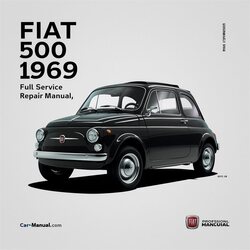
The Fiat 500, produced in 1969, is an iconic Italian automobile celebrated for its charming design and compact size, symbolizing post-war economic growth and personal mobility. This rear-engined, air-cooled vehicle, a successor to the earlier 'Topolino', offered a unique and accessible form of transportation. Its engineering, while basic by modern standards, prioritized reliability and simplicity, making it a beloved classic. The 1969 model year likely represents refinements such as the Fiat 500 F or L variants, building upon the original 1957 introduction.
$16.99
This manual pertains to the Fiat 500, specifically models from 1969, including chassis codes 110F and 110F/001, also known as the Nuova 500 N, D, and F variants. Renowned for its simplicity, efficiency, and iconic Italian design, this rear-engine, rear-wheel-drive microcar was engineered for economical urban transportation and became a beloved symbol of its era. The Fiat 500 is celebrated for its compact size, distinctive styling, and the robust engineering that has allowed many examples to endure for decades, making it a popular choice for enthusiasts and restorers alike.

$16.99
This manual covers the Fiat 500, specifically the Nuova 500 (Series F/L/R) produced in 1970. The Fiat 500 is an iconic Italian city car, renowned for its compact size, distinctive design, and charming character. Developed as a successor to earlier models, the 1970 iterations offered refined styling and improved comfort, solidifying its status as a beloved classic. Its engineering prioritizes simplicity and efficiency, making it a unique and accessible vehicle for enthusiasts and collectors.
$16.99
This manual covers the Fiat 500, specifically the 1970 model, chassis code 110F, belonging to the Nuova 500 D/F/L series. The Fiat 500 is an iconic Italian city car celebrated for its compact dimensions, economical operation, and distinctive styling. Introduced as a mature iteration of the beloved Nuova 500 series, this model competed with other small European city cars of its era. Key features include its rear-engine, rear-wheel-drive layout, air-cooled engine, and simple, robust construction. The 1970 Fiat 500 is a testament to Fiat's heritage, founded in 1899, and its reputation for producing popular and innovative small vehicles.
$16.99
This service and repair manual provides comprehensive technical information for the FIAT 500, covering its production years and intended usage. It is designed for individuals interested in the detailed engineering and specifications of this particular vehicle. The manual aims to offer a thorough understanding of the FIAT 500's components and systems, highlighting its unique characteristics.
$16.99
This manual covers the Fiat 500, specifically models produced around 1970, including variants such as the Nuova 500 D, 500 F, and 500 L, identified by chassis code 110.000. This iconic Italian subcompact city car is celebrated for its compact size, affordability, rear-engine layout, and distinctive design. Its engineering quality and reliability have made it a beloved vehicle, known for its fuel efficiency and status as a cultural icon. The Fiat 500's unique selling points include its small footprint, making it ideal for urban environments, and its simple, robust mechanicals.

$16.99
This manual covers the 1971 Fiat 500, also known by its internal model code Type 110 F. This iconic Italian city car, a symbol of post-war automotive ingenuity, is celebrated for its compact design and practicality. Engineered by Fiat, this rear-wheel-drive vehicle features a distinctive air-cooled, four-stroke, overhead-valve inline-twin engine with a displacement of 499.5 cc, producing approximately 18-22 horsepower. Its monocoque body construction and simple yet effective mechanicals have made it a beloved classic, highly sought after by collectors and enthusiasts worldwide.
$16.99
The 1971 Fiat 500 is an iconic Italian automobile, a compact and charming vehicle celebrated for its distinctive design and enduring appeal. As a key iteration of the 'Nuova' generation, which debuted in 1957, this model represents a significant chapter in automotive history, manufactured primarily in Italy. Known for its air-cooled, two-cylinder engine and nimble handling, the Fiat 500 was designed for urban mobility and affordability, making it a beloved personal transport for millions. Its compact dimensions, including a length of approximately 2970 mm and a width of 1370 mm, underscore its efficient packaging. This model, with chassis codes ranging from 110.000 to 110.040, is a testament to Fiat's engineering prowess in creating accessible and enjoyable vehicles.
$16.99
This manual provides comprehensive guidance for the Fiat 500, produced in 1971. It is designed to assist owners and technicians in understanding and maintaining this classic vehicle. The Fiat 500 is recognized for its compact design and efficient engineering, making it a popular choice for urban driving and enthusiasts alike. This guide covers essential information to ensure the continued performance and longevity of your Fiat 500.

$16.99
This manual covers the Fiat 500, specifically the 1972 model year, also known by its chassis code 110F (Nuova 500). As an iconic Italian microcar from the post-war era, the Fiat 500 is celebrated for its distinctive design and role in providing affordable mobility. This particular model features an air-cooled, naturally aspirated, inline-twin cylinder engine with a displacement of 499.5 cc, producing approximately 18-21 PS. Its compact dimensions, with a length of 2970 mm and a width of 1370 mm, make it a nimble city car. The vehicle utilizes a 4-speed manual synchromesh transmission and hydraulic drum brakes on all wheels.
$16.99
This manual covers the Fiat 500, specifically the Nuova 500 (Second Generation) model produced around 1972, chassis code 110.000 series. This iconic Italian microcar is celebrated for its compact, lightweight, and fuel-efficient rear-engined design, making it a beloved choice for urban commuting and a significant cultural symbol. Its enduring appeal lies in its unique styling and status as a collectible classic, often sought after for restoration projects. The Fiat 500 represents a significant piece of automotive history, embodying post-war Italian ingenuity and design.
$16.99
The Fiat 500, a city car renowned for its iconic Italian design and compact maneuverability, was first introduced in 1957 and continued production through 1975. The 1972 model represents a later iteration of this beloved vehicle, characterized by its affordable practicality and nimble urban performance, making it a distinctive presence on the road. Its engineering prioritizes simplicity and ease of use, embodying a design philosophy focused on accessible personal mobility.
$16.99
The Fiat X1/9, also known as the Bertone X1/9, is a compact sports car produced from 1972 through 1989. This mid-engine, rear-wheel-drive vehicle is celebrated for its exceptional handling, optimal weight distribution, and distinctive wedge-shaped styling, complemented by a removable targa top. Engineered with a focus on driver engagement and performance, the X1/9 offers a unique blend of Italian design and accessible mid-engine sports car dynamics, making it a sought-after model for enthusiasts. Its compact dimensions and lightweight construction further contribute to its agile and responsive driving experience.

$16.99
This manual covers the 1973 Fiat 500, a celebrated compact city car from the second generation of this iconic Italian marque. Produced between 1972 and 1975, the Fiat 500 is renowned for its distinctive styling, efficient rear-engine, rear-wheel-drive layout, and its role as affordable personal transport. This model, with chassis codes 110F and 120F for D, F, L, and R variants, embodies simplicity and charm, making it a highly collectible classic. Its engineering quality and reliability, hallmarks of Fiat's heritage, have ensured its enduring appeal among automotive enthusiasts worldwide.
$16.99
This manual covers the Fiat 500, specifically models from 1973, with chassis codes 110F, 110F/1, 110F/2, and 110F/3. Known for its iconic status and role in revolutionizing urban mobility, the Fiat 500 is celebrated for its Italian design and affordability. This particular iteration represents a mature design, featuring an air-cooled, 499.5 cc two-cylinder engine, a 4-speed manual transaxle, and hydraulically operated drum brakes. Its compact dimensions and monocoque body construction are hallmarks of its engineering.
$16.99
This manual covers the 1973 Fiat 500, an iconic Italian city car celebrated for its compact design, economical operation, and charming character. As a rear-engine, rear-wheel-drive vehicle, the Fiat 500 (Nuova 500, Type 110F/110AF) embodies simplicity and efficiency, making it a beloved model for urban commuting and a symbol of post-war automotive accessibility. Its design philosophy prioritizes lightweight construction and straightforward mechanics, contributing to its enduring appeal among enthusiasts and collectors.
$16.99
The Seicento, produced from 1998 to 2004 under the 187 Series chassis codes, is a compact city car renowned for its affordability, maneuverability, and low running costs, making it an ideal choice for urban commuters and new drivers. As a successor to the Cinquecento, this model embodies Italian automotive heritage with a focus on practical design and efficient performance, featuring a 1.1-liter inline 4-cylinder engine that delivers approximately 55-60 PS. Its compact dimensions, with a length of around 3480 mm and a width of 1575 mm, contribute to its ease of use in congested city environments.

$16.99
The Fiat Seicento, produced from 1998 to 2010, is a subcompact city car renowned for its practical design, affordability, and agility in urban environments. Evolving from the Fiat Cinquecento, this model, chassis code 170, was primarily manufactured in Poland and offered with either a 0.9L (engine code 170A.000) or a 1.1L (engine code 187A1.000) FIRE engine. Its compact dimensions, with a length of approximately 3,420 mm and width of 1,580 mm, make it an ideal choice for navigating congested city streets and for drivers seeking an economical and easy-to-manage vehicle. The Seicento's design philosophy emphasizes cost-effectiveness and efficient transportation, building upon Fiat's long heritage of producing popular small cars.
$16.99
This manual covers the Fiat 500, second generation (Type 312), produced from 2007 onwards. The Fiat 500 is a compact city car renowned for its iconic retro styling, directly inspired by the original 1957 model. It features a front-engine, front-wheel-drive layout, typically powered by a 1.2L inline 4-cylinder engine producing approximately 69 horsepower, paired with either a 5-speed manual or an optional Dualogic automated manual transmission. Its compact dimensions, efficient operation, and emphasis on personalization made it a popular choice for urban driving and fashion-conscious consumers, competing with vehicles like the Mini Cooper and Volkswagen Beetle. The vehicle achieved a 5-star Euro NCAP safety rating and was awarded European Car of the Year in 2008.
![2007-2010 Fiat 500 [ Informative DIY ] Service Repair Workshop Manual PDF](https://image.emanual.com/images/c/419165.250x250.jpg)
$16.99
This workshop repair and service manual provides comprehensive guidance for the Fiat 500 (Type 312) models produced between 2007 and 2010. Known for its stylish retro design and economical operation, this generation of the Fiat 500 is powered by a range of efficient engines, including the 1.2L 8V Fire, 1.3L Multijet diesel, 1.4L 16V Fire, and the performance-oriented 1.4L 16V Turbo Fire. These vehicles, manufactured in Poland, offer a compact yet capable driving experience, suitable for urban environments and everyday use, and were recognized with the 'European Car of the Year' award in 2008.

$16.99
This workshop repair service manual covers the Fiat New 500 (Type 312) for the model years 2007, 2008, 2009, and 2010. The Fiat New 500 is a compact city car known for its iconic retro-modern styling, inspired by the original Fiat 500. It offers a blend of European design flair, urban maneuverability, and efficient engine options, including the 1.2 8V FIRE, 1.3 Multijet diesel, and the 1.4 16V Turbo petrol engines. This vehicle is celebrated for its safety, achieving a 5-star Euro NCAP rating on certain configurations, and its compact dimensions make it ideal for city driving.
$16.99
The Fiat 500, produced between 2007 and 2010, revived the iconic Cinquecento nameplate, establishing itself as a stylish and popular choice in the urban compact car segment. Designed with distinctive retro styling inspired by the original 1957 model, it offered a unique blend of retro-modern aesthetics and a highly customizable interior and exterior. This compact hatchback was engineered for nimble handling, making it ideal for city driving, and was initially offered with efficient small petrol engines, including the 1.2L FIRE, and later the innovative TwinAir turbocharged variant, alongside a 1.3L Multijet diesel option. Its appeal was further enhanced by strong safety ratings, achieving a 5-star Euro NCAP rating, and a focus on personalization, positioning it as a fashionable alternative to competitors like the MINI Hatch and Volkswagen Beetle.
$16.99
The Fiat 500, produced from 2007 to 2011, is a compact city car celebrated for its distinctive retro-modern styling and urban maneuverability. This generation, specifically the Type 312 chassis, offers a choice of efficient petrol engines, including the 1.2L 8V Fire and 1.4L 16V Fire, alongside a 1.3L Multijet diesel option, all paired with manual or automated manual transmissions. Its design pays homage to the iconic original Fiat 500, positioning it as a stylish and individualistic choice in the competitive small car segment, earning it accolades such as European Car of the Year 2008.
$16.99
This manual covers the Fiat 500, First Generation (Type 312), produced from 2007 to 2013. The Fiat 500 is a city car celebrated for its iconic retro-inspired design, compact dimensions ideal for urban maneuverability, and extensive personalization options. It offers a range of fuel-efficient engines, including the 1.2L Fire, 1.4L Fire, the distinctive 0.9L TwinAir, and the 1.3L Multijet diesel, all contributing to its appeal as a stylish and economical choice in the supermini segment. Its design philosophy emphasizes a blend of classic aesthetics and modern practicality, making it a distinctive presence on the road and a popular choice for city driving.
$16.99
The FIAT 500, produced between 2007 and 2013, is a compact city car renowned for its distinctive retro-inspired styling and extensive personalization options. This model appeals to a demographic valuing design, individuality, and urban maneuverability, competing with vehicles like the MINI Cooper and Volkswagen Beetle. With a heritage rooted in the iconic original FIAT 500, this modern iteration offers a stylish and economical driving experience, available with various engine options including 1.2L and 1.4L gasoline engines, and diesel variants. Its compact dimensions, typically around 3,550 mm in length, make it ideal for city driving, while its safety features, including multiple airbags and ABS, contributed to a strong Euro NCAP rating for many configurations.
$16.99
The Fiat 500, first generation (Project 312), produced from 2007 to 2013, is a stylish, retro-inspired city car celebrated for its compact dimensions, fuel efficiency, and distinctive Italian design. This subcompact vehicle, a modern revival of the iconic 1957 Fiat 500, offers a unique blend of vintage aesthetics and contemporary engineering, making it a popular choice for urban dwellers and style-conscious drivers. Its design philosophy emphasizes personalization and urban mobility, positioning it as a standout in its segment. The Fiat 500 has garnered numerous accolades, including European Car of the Year in 2008, and is recognized for its fuel efficiency and award-winning design.
$16.99
The FIAT 500, specifically the Second Generation (Type 312) produced from 2007 to 2013, is a compact city car celebrated for its iconic retro styling, inspired by the beloved original. Engineered for stylish urban mobility, this subcompact hatchback offers a blend of fuel efficiency and maneuverability, making it a popular choice in a competitive segment. Its unique selling points include its distinctive design, compact dimensions, and a surprisingly spacious interior for its class, all contributing to its global success and ability to revitalize the Fiat brand.
$16.99
The Fiat 500, including its 500C Convertible, Abarth 500 performance variant, and 500E Electric model, represents a distinctive offering in the subcompact automotive market. Produced from 2007 to 2016, these vehicles are celebrated for their iconic retro styling, compact dimensions ideal for urban environments, and customizable interiors. The Abarth models deliver enhanced performance, while the 500E showcases early electric vehicle technology. These cars compete in a segment that values style and efficiency, drawing upon Fiat's heritage of producing charming and practical small automobiles.
$16.99
This manual covers the Fiat 500, 500C, Abarth 500, Abarth 500C, and the early 500e models produced between 2007 and 2016. Known for its iconic retro design, compact dimensions, and Italian flair, the Fiat 500 has been a popular choice for urban driving and stylish personal transport. The Abarth variants offer enhanced performance with sportier tuning and features, while the 500e represents Fiat's commitment to electric mobility. This comprehensive guide details the engineering and capabilities of these distinct yet related vehicles, designed for discerning owners who appreciate unique styling and agile performance.
$16.99
The Fiat 500, introduced for the 2008 model year, is a compact city car renowned for its distinctive retro styling, drawing inspiration from its iconic predecessor. This model offers a blend of nostalgic charm and modern functionality, making it an ideal choice for urban environments. Its compact dimensions, efficient 1.2L FIRE engine producing approximately 69 horsepower, and nimble handling contribute to its appeal as a stylish and maneuverable vehicle. The Fiat 500 has garnered significant recognition, including "Car of the Year 2008" from various publications, underscoring its positive market reception and design impact.
$16.99
This manual covers the Fiat 500, a city car renowned for its distinctive retro-inspired styling and agile handling. First introduced in 2007 and with the 2008 model year being a significant release, the Fiat 500 offers efficient powertrains and a highly customizable experience, making it a popular choice for urban commuters and style-conscious buyers. Its unique selling points include its Italian design heritage, compact dimensions perfect for city driving, and a range of engine options including 1.2L FIRE, 1.4L FIRE, and 1.3L Multijet diesel variants.
$16.99
The Fiat 500, produced for the 2009 through 2012 model years, is a subcompact city car celebrated for its iconic retro-inspired design and nimble urban maneuverability. Building on the legacy of its predecessor, this generation of the Fiat 500 offers a unique blend of Italian styling, fuel efficiency, and personalization options, making it a distinctive choice for urban commuters and style-conscious buyers. Available with a range of efficient engines, including the 1.2L Fire EVO, the 0.9L TwinAir Turbo, and the 1.4L Fire MultiAir, the Fiat 500 provides a responsive and engaging driving experience within its compact dimensions.
$16.99
The Fiat 500, a stylish and compact city car, first arrived in 2009, embodying a retro-inspired design that pays homage to its iconic Italian heritage. Known for its distinctive aesthetic, maneuverability, and urban-friendly dimensions, the Fiat 500 offers a unique blend of European flair and practical city driving. This model, powered by an efficient inline 4-cylinder engine and available with either a 5-speed manual or an automated manual transmission, was designed to stand out in the subcompact segment, competing with models like the Mini Cooper and Honda Fit. Its compact exterior, measuring approximately 3550 mm in length, belies a thoughtfully designed interior and a surprising cargo capacity for its class.
$16.99
This workshop service repair manual covers the Fiat 500, chassis code Type 312, produced from 2007 onwards, with a specific focus on the 2009 model year. Built on a platform shared with the Ford Ka, this city car is renowned for its retro-inspired design, compact dimensions, and customizable options, making it a stylish choice for urban environments. The Fiat 500 has received accolades such as Car of the Year 2008 from What Car? Magazine, underscoring its appeal and engineering quality. This manual details various trim levels including Pop, Lounge, and Sport, and provides comprehensive information for its global market, with a focus on European specifications.
$16.99
The 2010 Fiat 500 is a stylish and fuel-efficient city car, a modern revival of an iconic Italian design. This subcompact vehicle, chassis code 312, offers distinctive retro styling and a focus on urban maneuverability, making it a unique choice in its segment. Known for its compact dimensions and customizable options, the Fiat 500 was designed to appeal to drivers seeking a blend of personality and practicality. Its engineering quality and reliability are supported by a heritage that stretches back to the beloved original Fiat 500.
$16.99
The Fiat 500, model Type 312, represents a modern reinterpretation of an iconic Italian design, first introduced globally in 2007 and appearing in North America for the 2012 model year. This subcompact, retro-styled hatchback is engineered for urban agility and style, featuring a compact footprint and nimble handling that makes it ideal for city dwellers and those seeking an efficient, characterful small car. Its design philosophy emphasizes personalization and a unique driving experience, drawing inspiration from its predecessor, the original Fiat 500. The 2010 model, equipped with a naturally aspirated 1.4L Inline-4 cylinder engine, offers power outputs typically around 75 to 100 horsepower, paired with either a 5-speed manual or an optional Dualogic automated manual transmission, all contributing to its distinctive charm and practicality.
$16.99
The Fiat 500, a modern reinterpretation of an iconic Italian design, was first introduced in 2010. This subcompact city car, built on the Mini platform (ZFA312), is celebrated for its retro-inspired styling, compact dimensions, and fuel efficiency, making it a popular choice for urban dwellers and style-conscious drivers. Known for its distinctive character and customizable options, the Fiat 500 has garnered numerous awards for its design and concept, positioning itself as a unique offering in the small hatchback segment.
$16.99
The Fiat 500, specifically the 2011 model year for the North American market, is a subcompact hatchback celebrated for its retro-inspired design and compact dimensions, making it an ideal urban car. This vehicle, built on the ZFA312 platform and assembled in Tychy, Poland, offers a unique blend of style and practicality, appealing to urban dwellers and fashion-conscious buyers. It is powered by a 1.4L MultiAir engine, with a performance-oriented 1.4L Turbocharged MultiAir engine available for Abarth models, and can be equipped with either a 6-speed manual or a 6-speed Dual Dry Clutch Transmission (DDCT). The Fiat 500 received positive safety ratings, including a 4-star overall rating from NHTSA, and is recognized for its efficient powertrain, with the 1.4L MultiAir engine notably featured on Ward's 10 Best Engines list.
$16.99
The Fiat 500, produced starting in 2011, is a city car renowned for its distinctive retro-modern Italian design and compact, agile urban mobility. Built on the Project FF platform (Type 312), this subcompact vehicle offers a unique blend of iconic styling and practical city driving, making it a standout in its segment. It features fuel-efficient engines, including the 1.4L FIRE with Multi-Air technology, and is available with a 5-speed manual or a 6-speed Dualogic automated manual transmission. Its compact dimensions, with a length of approximately 3,571 mm and a width of 1,627 mm, contribute to its maneuverability in urban environments.
$16.99
This manual covers the Fiat 500, First Generation (Type 312), for the 2011-2012 model years. The Fiat 500 is a subcompact city car renowned for its iconic retro-modern styling and distinctive Italian design, offering a high degree of personalization and a nimble urban driving experience. Engineered for maneuverability and fuel efficiency, it appeals to urban dwellers and style-conscious buyers seeking an economical yet characterful vehicle. Its compact dimensions, with a length of approximately 139.6 inches and a wheelbase of 90.6 inches, make it exceptionally well-suited for navigating city streets and tight parking spaces.
$16.99
The Fiat 500, first introduced to the North American market for the 2012 model year, is a city car celebrated for its iconic Italian design, compact dimensions, and fuel efficiency. This first-generation model, designated Type 312, draws inspiration from the classic Fiat 500, offering a modern interpretation of its retro-styled predecessor. Known for its distinctive appearance, customizable options, and agile handling, the Fiat 500 is engineered for urban environments and drivers seeking a stylish, economical, and enjoyable driving experience. Its unique selling points include a blend of nostalgic charm and contemporary features, making it a standout in its segment.
$16.99
This manual covers the Fiat 500, a stylish and iconic city car produced for the 2012 model year. Known for its retro-inspired design and compact dimensions, the Fiat 500 offers a unique blend of Italian flair and urban practicality, making it a popular choice for city dwellers and style-conscious buyers. Its heritage traces back to the beloved original Fiat 500, and the modern iteration, manufactured in Toluca, Mexico for the North American market, continues this legacy. The vehicle typically features a 1.4L inline 4-cylinder engine, available with either a 5-speed manual or a 6-speed automatic transmission, and comes equipped with standard safety features like ABS, traction control, and electronic stability control.

$16.99
The Fiat 500, a compact city car, embodies a distinctive retro-inspired design, continuing the lineage of Fiat's iconic small vehicles. Introduced for the 2012 model year, this A-segment vehicle offers a blend of Italian charm and urban maneuverability, positioning itself against competitors like the Mini Cooper and Volkswagen Beetle. Its engineering focuses on efficient gasoline powertrains, including the 1.4L MultiAir engine, and a choice between manual and automated manual transmissions. The Fiat 500 is recognized for its stylish appearance and customization options, making it a popular choice for drivers seeking a unique and practical city driving experience.
$16.99
This manual covers the Fiat 500, a subcompact city car produced for the model years 2012, 2013, 2014, and 2015. Built on the Mini (Type 312) platform, the Fiat 500 is recognized for its retro-inspired design, compact dimensions, and agile handling, making it ideal for urban dwellers and style-conscious commuters. Its engineering emphasizes fuel efficiency and a comfortable ride for its class, positioning it as a distinctive choice among competitors like the Mini Cooper and Volkswagen Beetle. The vehicle offers a 2+2 seating configuration and a customizable interior and exterior, reflecting its focus on individuality and urban practicality.
$16.99
The Fiat 500, produced between 2012 and 2015, is a stylish subcompact city car renowned for its retro-inspired design and compact footprint. Built on the Mini platform (Type 312), this vehicle offers a blend of maneuverability and fuel efficiency, making it ideal for urban commuting and style-conscious individuals. An Italian automotive manufacturer with a rich heritage in producing iconic small cars, engineered the 500 with a focus on distinctive styling and a responsive driving experience. Available with various engine options, including gasoline and diesel, and transmission choices such as manual and automated manual, the Fiat 500 has garnered numerous design accolades and was recognized as the European Car of the Year in 2008, highlighting its significant market appeal.
$16.99
The 2013 Fiat 500 is a stylish, compact hatchback designed for urban environments, blending iconic retro styling with fuel efficiency and maneuverability. Built on the Mini platform, it offers a unique European flair and engaging driving dynamics for its class. This model is recognized for its distinctive design, compact dimensions, and customizable options, making it a popular choice in the city car segment.

$16.99
This manual covers the Fiat 500, a subcompact hatchback produced for the 2013 model year. Known for its distinctive Italian styling and compact dimensions, the Fiat 500 is designed for urban commuters and style-conscious buyers, offering a retro-modern aesthetic with a focus on fuel efficiency and nimble handling. Built on the Mini platform with a chassis code of 312, this vehicle features a 1.4-liter MultiAir engine producing 101 horsepower and 98 lb-ft of torque, paired with either a 5-speed manual or an optional 6-speed Dualogic automatic transmission. The 2013 Fiat 500 received positive safety ratings, including an IIHS Top Safety Pick designation, and offers standard traction control, electronic stability control, and anti-lock brakes.
$16.99
The Fiat 500, a subcompact city car with a distinctive retro-inspired design, was introduced in 2013. Built on the Mini (Type 312) platform, this hatchback is celebrated for its nimble handling, making it ideal for urban environments and tight spaces. Its iconic silhouette and customizable options appeal to style-conscious buyers seeking an economical and maneuverable vehicle. The 2013 model year continued to offer efficient performance, often featuring naturally aspirated or turbocharged inline-4 cylinder engines, with options for manual or dual-clutch automatic transmissions, solidifying its global presence.
$16.99
The Fiat 500, model code 312, is a subcompact, city car renowned for its iconic retro styling and compact dimensions. Introduced in 2007 and paying homage to its 1957 predecessor, this vehicle offers excellent maneuverability, making it ideal for urban environments. It is powered by a 1.4L inline 4-cylinder engine, available in naturally aspirated or turbocharged variants, paired with either a 5-speed manual or a 6-speed Dualogic automated manual transmission. The 2014 Fiat 500 is equipped with a comprehensive suite of safety features, including seven standard airbags, ABS, EBD, and ESC, contributing to its respectable safety ratings. Its distinctive design, customization options, and fuel efficiency have made it a popular choice for young drivers and urban dwellers seeking a stylish and practical vehicle.
$16.99
The 2014 Fiat 500 is a subcompact city car celebrated for its retro-inspired styling and compact dimensions, making it an ideal choice for urban dwellers and younger drivers. Building on Fiat's rich Italian heritage, this model revives the iconic design of its predecessor, offering a stylish and economical package. Its engineering prioritizes maneuverability and efficiency, complemented by a range of customizable options. The 1.4L MultiAir inline 4-cylinder engine, producing approximately 101 horsepower, is paired with either a 5-speed manual or an optional 6-speed automated manual transmission, ensuring a nimble driving experience. Standard safety features include ABS, traction control, stability control, and a comprehensive airbag system, contributing to its strong safety ratings.
$16.99
The Fiat 500, a subcompact city car, is renowned for its iconic Italian design, compact dimensions, and fuel efficiency, making it an ideal choice for urban environments. Introduced to the market with a distinctive retro aesthetic, the 2015 model year represents a significant iteration of this popular vehicle. Its engineering prioritizes maneuverability and style, offering a charming and practical solution for city driving. The Fiat 500's heritage, stretching back to its original 1957 namesake, is evident in its timeless appeal and commitment to compact car innovation.
$16.99
This manual covers the Fiat 500, a celebrated Italian automobile produced from 1957 to 1973. Known for its compact size, efficient air-cooled engine, and charming design, the Fiat 500 became an icon of post-war European mobility. This guide encompasses various models including the Nuova 500, 500 D, 500 F, 500 L, 500 R, and the Giardiniera estate. The vehicle's engineering emphasizes simplicity and reliability, making it a beloved classic for enthusiasts and everyday use alike.
$16.99
This manual covers the iconic Fiat 500, including the Nuova 500, 500D, 500F, 500L, and 500R models produced between 1957 and 1973. Known for its distinctive Italian design and economical operation, the Fiat 500 was a popular city car that became a symbol of post-war mobility. Its engineering, while simple by modern standards, offered reliability and a charming driving experience, making it a beloved classic. This guide is an essential resource for owners and enthusiasts seeking to maintain and preserve these historically significant vehicles.
$16.99
This workshop service repair manual covers the Fiat 455 C, a robust agricultural tractor produced during the 1960s and 1970s. Renowned for its reliability and functional design, the Fiat 455 C embodies the enduring quality of Italian engineering in the agricultural sector. This manual is an indispensable resource for maintaining and repairing these classic machines, ensuring their continued operation and preserving their legacy.
$16.99
This document provides comprehensive guidance for the vehicle, manufactured between 1958 and 1973. Renowned for its iconic design and compact size, the vehicle has been a beloved vehicle for decades, suitable for general road use. This particular model features internal combustion engines with displacements of 479cc, 499cc, and 594cc, running on gasoline (petrol) and typically equipped with a manual, rear-wheel drive transmission. Its enduring appeal lies in its engineering simplicity and historical significance.
$16.99
This manual covers the Original Fiat 500, also known as the Nuova 500, produced from 1958 to 1973. This iconic Italian city car, designed as an economical and accessible mode of transport, featured a distinctive rear-mounted, air-cooled two-cylinder engine. Its compact dimensions, including a length of approximately 2,970 mm and width of 1,300 mm, made it exceptionally maneuverable. The Fiat 500 is celebrated for its charming design and has achieved cultural significance as a symbol of Italian post-war ingenuity.
$16.99
This manual covers the Fiat 500DT Trattori, a robust tractor designed for agricultural and industrial applications. Fiat, a manufacturer with a long-standing heritage in automotive and industrial vehicles, has engineered the 500DT Trattori for reliability and performance in demanding environments. This workshop service repair manual provides comprehensive information to ensure the optimal functioning and longevity of your tractor.
$16.99
This factory service repair manual covers the Fiat 570, 580, 580DT, 670, 680, and 680DT tractor models. These robust agricultural machines, with a heritage rooted in Italian engineering, were likely produced during the late 1970s and 1980s. Designed for demanding agricultural tasks, they represent a lineage of reliable and functional tractors built for efficiency and durability. The manual is intended for both do-it-yourself owners and experienced mechanics, offering comprehensive information to keep these Fiat tractors in optimal working condition.
$16.99
This manual provides comprehensive technical information for the FIAT 500, specifically covering the Original Fiat 500 'Nuova 500' from its first generation, produced between 1957 and 1975. This iconic Italian vehicle, celebrated for its compact design and affordability, offered essential personal transportation during a period of significant economic growth. This guide is particularly relevant for owners undertaking restoration projects or maintaining these cherished classic automobiles, covering numerous chassis codes and variants, including standard models, 'D', 'L', 'F', 'R', 'G', and early 850cc versions.
$16.99
This manual covers the [Vehicle Make] [Vehicle Model], produced between [Start Year] and [End Year]. Designed for [Intended Usage], this vehicle exemplifies exceptional engineering and unwavering reliability. Its unique features, such as [Notable Feature 1] and [Notable Feature 2], set it apart in its class, offering a superior driving experience and robust performance.
$16.99
This workshop service repair manual provides comprehensive guidance for the Fiat 500 DT, a vehicle known for its compact design and diesel engine capabilities. Fiat has a long-standing legacy in automotive manufacturing, and the 500 model has a significant history, with the 'DT' designation indicating a specific diesel variant. This manual is designed to offer the most reliable information and accurate data, mirroring authorized dealer service department resources, and aims to help owners get the best value from their Fiat 500 DT by enabling them to perform informed and professional-level repairs.
$16.99
This manual covers a range of Fiat, FSO, and Polski Fiat models, including the 125p, 131p, 132p, 600, 126p, Panda, Regata, Ritmo, Uno, and X1/9. These vehicles, produced over several decades, represent a significant era of automotive development, with Fiat's innovative designs and manufacturing expertise being key. The FSO and Polski Fiat variants, in particular, played a crucial role in providing accessible transportation in Eastern Europe, often featuring adaptations and long production runs. Known for their robust engineering and reliability for their time, these cars offered practical solutions for personal and family use, with engine options ranging from small, air-cooled units to more powerful inline-four and twin-cam designs.
$16.99
The Fiat Kobelco ADT30 Articulated Dump Truck is a robust machine engineered for demanding heavy-duty applications in construction, mining, and quarrying. It features a sophisticated articulation and oscillation joint for superior maneuverability and stability across challenging terrains, coupled with an optimized dump body design for efficient material handling. Built with a focus on operator comfort and visibility, the ADT30 exemplifies the combined engineering expertise of Fiat and Kobelco, delivering reliability and performance in its competitive mid-size segment.
$16.99
This document pertains to a car, an audio recording representing driving sound effects. The recording captures the interior environment of a modern car, with specific attention to various driving dynamics. These include operation at constant speed, slowing at junctions, and the presence of bumps on road conditions, alongside external traffic such as passing cars. Steering input is noted as slight movement, contributing to the overall realism of the audio experience. The sound effect is presented in WAV format, with a 16-bit depth and a 48kHz sample rate, configured for stereo playback.
$16.99
The Fiat 500, a modern interpretation of an iconic Italian classic, offers a distinctive blend of style, compact maneuverability, and urban practicality. This generation of the Fiat 500, built on the Mini platform and often featuring Firefly engines such as the MultiAir turbocharged variants, is designed for city driving, characterized by its compact dimensions, fuel efficiency, and customizable options. Its retro-inspired aesthetic, a key selling point, sets it apart in the competitive small hatchback segment, making it a popular choice for those seeking a chic and agile vehicle.
$16.99
This manual provides comprehensive guidance for the latest FIAT 500, a stylish and compact city car celebrated for its retro-inspired design and urban maneuverability. Building on FIAT's rich heritage of producing iconic small vehicles, the modern 500 offers a unique blend of distinctive aesthetics and contemporary technology. Its compact dimensions, typically around 3,571 mm in length and 1,627 mm in width, make it exceptionally well-suited for navigating busy city streets. The vehicle is powered by efficient, small-displacement engines, often paired with manual or automated manual transmissions, prioritizing fuel economy and ease of use for daily commuting. The FIAT 500 is designed to appeal to fashion-conscious individuals and urban dwellers seeking a practical yet expressive mode of transportation.
$16.99
This manual covers the Fiat 500 Nuova, a compact and iconic city car renowned for its charming design and practicality. Featuring the 1.2 8V engine, this vehicle represents a continuation of Fiat's legacy in producing accessible and efficient automobiles. The Fiat 500 Nuova, originally launched in 1957, has evolved, and this guide pertains to iterations equipped with the 1.2 8V FIRE engine, known for its reliable performance in urban environments. Its compact dimensions, approximately 3550 mm in length and 1627 mm in width, make it exceptionally maneuverable, while its engineering quality ensures dependable operation for daily use.
$16.99
The FIAT 500 NUOVA, powered by the 1.3 Multijet Diesel engine, represents a modern interpretation of an iconic compact city car. Launched from 2007 onwards, this A-segment vehicle is celebrated for its retro-inspired styling, compact dimensions, and exceptional urban maneuverability. Its design philosophy emphasizes fuel efficiency and a distinctive aesthetic, making it a popular choice for city dwellers and younger drivers seeking a stylish yet economical mode of transport. The 1.3 Multijet engine, a 1248 cc inline 4-cylinder turbocharged diesel, typically produces around 75 PS and offers robust torque, contributing to its efficient performance.

$16.99
This manual provides comprehensive technical information for the Nuova, specifically detailing the 1.4 16V variant. Known for its iconic design and agile handling, the 500 has a rich heritage as a beloved city car. This particular model, powered by a 1.4-liter inline 4-cylinder engine, offers a blend of fuel efficiency and engaging performance, making it a popular choice for urban driving and enthusiasts alike. The vehicle's compact dimensions and distinctive styling have cemented its status as a stylish and practical automobile.
$16.99
This service repair manual covers the FIAT 500 NUOVA, a subcompact city car renowned for its iconic retro-inspired design and customizable options. Launched as a modern interpretation of the original 1957 model, this generation of the FIAT 500, introduced in 2007, embodies distinctive styling and compact dimensions, making it a popular choice for urban dwellers and those seeking individuality. Equipped with a 1.4 TB turbocharged multi-point fuel injection engine, it offers a blend of performance and efficiency, typically producing between 135-160 horsepower. Its engineering prioritizes reliability and a unique market position against competitors like the Mini Cooper and Volkswagen Beetle, making it a stylish and practical vehicle.
$16.99
The Fiat 500 Nuova, produced from 1957 to 1975, is an iconic Italian city car celebrated for its compact design and significant role in post-war mobility. This model, a symbol of Italian economic recovery, features a rear-mounted, air-cooled engine ranging from 479cc to 700cc, typically producing between 13 and 30 horsepower. Its engineering quality is evident in its simple yet effective mechanical systems, including a 4-speed manual transaxle and hydraulic drum brakes. The Fiat 500 Nuova is highly collectible, recognized for its unique styling and cultural impact.
$16.99
The Fiat 500 Nuova, an iconic Italian automobile produced from 1957 to 1975, represents a significant chapter in post-war personal mobility. Renowned for its compact dimensions, distinctive styling, and economical operation, this rear-engined, air-cooled vehicle became a symbol of accessible transportation. With its charming design and over 3.8 million units produced, the Fiat 500 Nuova captured the hearts of many, offering a practical and endearing driving experience that cemented its status as a cultural icon.
$16.99
This workshop service repair manual covers the Fiat Nuova 500, model code 312, from its first generation launched in 2007. Known for its retro-inspired design, compact dimensions, and fuel efficiency, the Nuova 500 is an A-segment city car that draws inspiration from its iconic predecessor. It offers a range of engine variants, including petrol, diesel, and electric options, with horsepower ranging from 60 to 105 hp. The vehicle is designed for urban driving and appeals to style-conscious buyers.
$16.99
The Fiat 500, a compact city car celebrated for its retro-inspired design and distinctive style, offers an engaging driving experience tailored for urban environments. Building on Fiat's rich heritage of producing iconic small vehicles, the modern Fiat 500 revives this legacy with a focus on maneuverability, fuel efficiency, and a unique aesthetic. This model has garnered numerous accolades for its design and practicality, appealing to those who seek a stylish and economical mode of transportation. Its engineering prioritizes reliability and ease of use, making it a popular choice for city dwellers.
$16.99
The Fiat Trattori 480, 480DT, 500 Special, 500 Special DT, 540 Special, 540 Special DT, 640, and 640DT models represent robust and reliable agricultural machinery produced from the late 1960s through the 1980s. These tractors, powered by Fiat 800 Series Diesel Engines, are characterized by their strong low-end torque, manual synchromesh transmissions, and the availability of both two-wheel drive and four-wheel drive configurations. Designed for demanding agricultural applications, they feature a straightforward yet effective mechanical and hydraulic system, including a power take-off (PTO) and a three-point hitch system. Their engineering prioritizes durability and serviceability, making them enduring workhorses in their intended environments.
$16.99
The Fiat Trattori 580 is a robust agricultural tractor known for its durable construction, powerful engine for its class, and versatile hydraulic system. Produced primarily in the 1970s and early 1980s, this model competed effectively in its segment with other major manufacturers, offering reliability and efficiency for a wide range of farming tasks. Its engineering quality and sturdy build made it a dependable workhorse on farms, representing a significant advancement in Fiat's agricultural machinery lineage.
