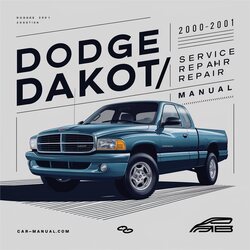
The Dakota category encompasses a range of mid-size pickup trucks manufactured by Dodge. These vehicles are designed for a versatile balance of utility and personal transportation, commonly used for light-duty hauling, towing, and everyday driving. Key characteristics include their robust build, capable powertrains, and a variety of configurations to suit different needs, making them a popular choice for both work and leisure.
Documentation for Dakota models typically includes comprehensive owner's manuals detailing operation and basic maintenance, as well as detailed service and repair manuals for technicians. These resources provide essential information on diagnostic procedures, component specifications, and step-by-step repair instructions, ensuring...
The Dakota category encompasses a range of mid-size pickup trucks manufactured by Dodge. These vehicles are designed for a versatile balance of utility and personal transportation, commonly used for light-duty hauling, towing, and everyday driving. Key characteristics include their robust build, capable powertrains, and a variety of configurations to suit different needs, making them a popular choice for both work and leisure.
Documentation for Dakota models typically includes comprehensive owner's manuals detailing operation and basic maintenance, as well as detailed service and repair manuals for technicians. These resources provide essential information on diagnostic procedures, component specifications, and step-by-step repair instructions, ensuring proper upkeep and efficient troubleshooting for owners and mechanics alike.
This manual covers the Dodge Dakota, a compact pickup truck introduced for the 1987 model year. The Dakota was designed to fill a niche in the market, offering a balance of utility and maneuverability. It was available with a range of engine options, including the 2.2L inline-4 and the 3.0L V6, paired with either a manual or automatic transmission. Known for its robust construction and practical design, the Dodge Dakota has a heritage of providing reliable service for various tasks.
The Dodge Dakota, produced from 1987 to 1995, established itself as a capable and versatile pickup truck, bridging the gap between compact and full-size offerings. Known for its robust engineering and the availability of powerful V6 engines, the Dakota provided a compelling option for those seeking utility and performance. This first-generation model offered various configurations, including regular and extended cabs with different bed lengths, and was available in rear-wheel drive and four-wheel drive. Its market position was strengthened by its blend of car-like comfort and truck functionality, making it a popular choice for both work and personal use.
The 1988 Dodge Dakota represents a significant entry in the compact pickup truck market, offering a blend of utility and a more refined driving experience compared to its contemporaries. Built on the YJ/AN platform and part of the first generation (1987-1996), this model was notable for its unibody construction, a departure from traditional body-on-frame designs, contributing to a car-like ride and handling. Available with a 2.2L 4-cylinder engine producing approximately 96 hp or a 3.0L V6 engine generating around 143 hp, the Dakota was designed for a variety of tasks, from daily commuting to light hauling and towing up to 4,500 lbs. Its innovative approach earned it recognition for its design and ride comfort.
The Dodge Dakota, a compact pickup truck, was produced for the North American market across several model years, including 1989 through 1996. Known for offering larger engine options, such as the 2.5L I4, 3.9L V6, and later the 5.2L V8 Magnum, the Dakota provided a compelling blend of capability and maneuverability. This generation of Dakota was available in both Standard Cab and Extended Cab (Club Cab) body styles, catering to a variety of utility and personal use needs. Its robust engineering and a lineage of powerful Dodge trucks positioned it as a strong contender in its segment.
This manual covers the Dodge Dakota, a versatile pickup truck produced from 1989 to 1996, representing the second generation of this model. Known for its robust construction and the availability of powerful Magnum V6 and V8 engines, the Dakota was designed for a range of tasks, from daily commuting to hauling and light towing. Its engineering quality and reliability have made it a popular choice for both work and personal use.
This manual covers the 1991 Dodge Dakota, a compact pickup truck that marked Dodge's entry into this segment. Known for its unibody construction, offering a more refined and car-like ride compared to traditional body-on-frame trucks, the Dakota was available in Regular Cab and Club Cab configurations with various wheelbase options. It offered a choice between the 2.5L inline-4 and the more powerful 3.9L Magnum V6 engines, both featuring electronic fuel injection. The Dakota was manufactured in Warren, Michigan, and received acclaim for its smooth ride and capable V6 performance, positioning it as a competitive option in the mid-size truck market of its era.
This manual covers the Dodge Dakota models produced between 1991 and 1996. The Dakota, part of Dodge's robust truck lineage, is known for its versatile capabilities and was offered with a range of engine options including the 2.5L I4, 3.9L V6, and the powerful 5.2L V8 Magnum engines. This generation, code-named AN, saw significant updates and offered various configurations to suit different needs, from work to personal use.
This manual provides comprehensive guidance for the Dodge Dakota 1992. Designed for both professional technicians and do-it-yourself mechanics with basic mechanical and electrical knowledge, it covers essential information for maintaining and repairing this vehicle. The Dodge Dakota is engineered for reliability and performance, and this manual ensures you have the detailed procedures necessary to keep it in optimal condition.
The 1993 Dodge Dakota represents a significant entry in the compact pickup truck segment, known for its robust chassis and the availability of powerful Magnum V6 and V8 engines. This second-generation model, built on the YJ platform, offered a blend of utility and performance, making it a capable option for both work and personal use. Its design emphasized durability and a strong road presence, distinguishing it from competitors like the Ford Ranger and Chevrolet S-10. The Dakota's engineering quality and reliability were hallmarks of Dodge's truck lineage, providing owners with a dependable vehicle that could handle demanding tasks.
The 1994 Dodge Dakota represents the second generation of this mid-size pickup, designed to offer a blend of capability and comfort. Built with Dodge's truck legacy in mind, the Dakota aimed to bridge the gap between compact and full-size trucks. It was available in Regular Cab and Club Cab configurations, with short and long bed options, and offered a range of Magnum engines including the 2.5L I4, 3.9L V6, and the powerful 5.2L V8. These powertrains, coupled with manual and automatic transmission choices, provided versatile performance for various tasks. The 1994 Dakota featured front disc brakes, rear drum brakes, and an optional rear-wheel Anti-lock Braking System (ABS), along with a standard driver-side airbag for safety.
This manual covers the Dakota for the 1994, 1995, and 1996 model years. Engineered for versatility, the Dakota offers robust performance and utility, making it a reliable choice for a wide range of applications. Its design emphasizes durability and practicality, providing owners with a dependable vehicle capable of handling both daily commutes and more demanding tasks.
The 1995 Dodge Dakota is a compact pickup truck engineered for versatility and capability, catering to consumers seeking a dependable light-duty vehicle for both work and personal use. Building on Dodge's robust truck legacy, this model year introduced the second generation, featuring a significant redesign focused on improved styling, enhanced interior comfort, and increased engine power. It offered a range of powertrain options, including 2.5L 4-cylinder, 3.9L V6, and powerful 5.2L V8 engines, all paired with either manual or automatic transmissions. Its body-on-frame construction provided durability and towing capacity, with available Regular Cab and Club Cab configurations to suit various needs.
The 1995 Dodge Dakota represents a robust and versatile compact pickup truck, a key player in its segment known for its competitive offerings. This generation of the Dakota, part of the first design cycle, distinguished itself by being among the first compact trucks to offer a V8 engine option, a significant advantage over rivals like the Ford Ranger and Chevrolet S-10. Available in Regular Cab and Club Cab configurations with both short and long bed options, it provided flexibility for various needs. Powertrain choices ranged from efficient 4-cylinder and V6 engines to the powerful 5.2L Magnum V8, all utilizing multi-port fuel injection. The truck featured both manual and automatic transmission options, including overdrive capabilities and electronic control for automatics, enhancing both performance and fuel economy.
The 1996 Dodge Dakota is a compact to mid-size pickup truck, representing the second generation of this popular model. Available in Regular Cab and Club Cab configurations, it offered both Rear-Wheel Drive (RWD) and Four-Wheel Drive (4WD) options, catering to a variety of needs. Known for its updated styling and a more car-like ride compared to earlier truck designs, the Dakota provided a compelling choice in its segment, competing with established models from other manufacturers. This generation focused on enhancing driver comfort and overall refinement while maintaining the utility expected from a pickup truck.
This manual covers the second generation Dakota, produced for the 1997, 1998, 1999, and 2000 model years. The Dakota distinguished itself in the compact pickup truck segment by offering a powerful V8 engine option, a comfortable ride for its class, and distinctive styling. It was engineered to provide capability and utility, competing with established models like the Ford Ranger and Chevrolet S-10.
This workshop repair service manual provides comprehensive guidance for the Dodge Dakota, Second Generation, covering production years 1997 through 2004. Engineered for reliability and versatility, the Dakota offered a range of powerful engine options, including 2.5L, 3.9L, 4.7L, 5.2L, and 5.9L V8 gasoline engines, as well as a 2.5L Diesel. Known for its robust build and capable performance, the Dakota served effectively as a work truck and a versatile personal vehicle, with various cab configurations and towing capacities up to 6,500 lbs. Its design emphasized practicality and durability, making it a popular choice in the mid-size pickup truck segment.
This manual covers the Dodge Dakota, produced between 1997 and 2004. The Dodge Dakota is a capable pickup truck known for its robust engineering and versatility, offering various engine options including 2.5L, 3.9L, 5.2L, and 5.9L Magnum V8 configurations. Its design prioritizes durability and performance, making it suitable for both work and everyday use. The second generation of the Dakota, which this manual details, introduced significant styling updates and powerful engine choices, reinforcing Dodge's reputation for building reliable and powerful trucks.
The 2000 Dodge Dakota, part of the Second Generation (AN/DN) produced from 1997 to 2004, is a compact to mid-size pickup truck recognized for its robust V8 engine options, offering a competitive edge in power. Available in various cab styles and configurations, including rear-wheel and four-wheel drive, it provided strong payload and towing capabilities for its class. Notable features included its more aerodynamic design compared to its predecessor and the introduction of the powerful 4.7L Magnum V8 engine, distinguishing it among competitors. This generation was assembled at the Warren Truck Assembly Plant in Michigan.
This manual covers the Dodge Dakota, Second Generation (AN) models produced from 1997 through 2000. The Dodge Dakota is a compact pickup truck known for its robust engineering and versatility, offering a range of engine options including the 2.5L Magnum 4-cylinder, 3.9L Magnum V6, and the powerful 5.2L Magnum V8. With available Rear-Wheel Drive (RWD) and Four-Wheel Drive (4WD) configurations, and body styles such as Regular Cab and Club Cab with short or long bed options, the Dakota was designed to meet diverse needs, from daily commuting to hauling and towing. Its legacy is built on Dodge's reputation for producing capable trucks, and this generation featured a significant redesign with more aggressive styling.
The 2000 Dodge Dakota represents a robust and capable compact pickup truck. As part of the second generation of the Dakota, this model built upon its predecessor with a larger chassis, improved styling, and the introduction of the powerful 4.7L Magnum V8 engine, complementing the standard 2.5L Magnum I4. Known for its utility and a comfortable ride for its class, the Dakota was a popular choice for both work and personal use. The 2000 model year offered various configurations, including Regular Cab and Club Cab body styles, and short or long bed options, catering to a wide range of consumer needs.
The 2000 Dodge Dakota represents a significant entry in the compact pickup truck segment, known for its robust engineering and versatility. As part of the Second Generation (AN) series, this model offered a blend of capability and everyday usability, making it a popular choice for both work and personal use. Its design emphasized durability and a strong on-road presence, reflecting Dodge's legacy in truck manufacturing. This manual provides comprehensive coverage across all models and engines offered for this year, ensuring owners and technicians have access to precise information for maintaining this capable vehicle.
This manual covers the 2000 Dodge Dakota, a second-generation (AN) model known for its robust engineering and versatile performance. The Dakota offered a range of engine options, including the 2.5L Magnum L4 and the more powerful 4.7L Magnum V8, coupled with either a 5-speed manual or a 4-speed automatic transmission. Available in Regular Cab and Club Cab configurations with various bed lengths, this truck was designed for both work and personal use, boasting a maximum towing capacity of up to 7,000 lbs. Its design emphasized a balance of capability and comfort, making it a competitive offering in the compact/mid-size truck segment of its era.
The Dodge Dakota 2000 represents a robust and capable option within the compact pickup truck segment, continuing Dodge's established truck lineage. This second-generation model, introduced in 1997, offers a blend of utility and comfort, suitable for a variety of tasks from daily commuting to light-duty hauling and towing. It was manufactured at the Warren Truck Assembly Plant in Warren, Michigan, and offered with a range of powerful V6 and V8 engine options, including the 2.5L V6, 3.9L V6, and the potent 4.7L V8. Notable features include available Anti-lock Braking System (ABS) and standard driver and passenger front airbags, contributing to its safety for the era.
The 2000 Dodge Dakota, chassis code AN, represents a capable mid-size pickup truck built upon Dodge's established legacy of durable vehicles. Available with a 2.5L I4 engine producing 122 hp and 176 lb-ft of torque, or a more powerful 3.9L V6 engine generating 175 hp and 230 lb-ft of torque, the Dakota offered versatile performance for both work and everyday use. Its second-generation design, updated for this model year, featured a bolder aesthetic and a choice of regular or extended cabs with either a 6.3-foot or 8.0-foot bed. With standard rear-wheel drive and available part-time 4WD, the Dakota was engineered for reliability and utility, making it a solid choice in its segment.
The 2000 Dodge Dakota is a versatile compact to mid-size pickup truck, known for its robust styling and a range of powertrain options, including the 2.5L Inline-4, 3.9L V6, and the introduction of the 4.7L V8 engine. It offered various cab configurations and bed lengths, along with rear-wheel and four-wheel-drive options, making it a competitive choice in its segment. The Dakota was engineered to provide a balance of utility and performance, catering to owners who required a capable vehicle for work and personal use.
The 2000 Dodge Dakota is a mid-size pickup truck recognized for offering V8 engine options, a distinctive feature within its competitive segment. Built on a robust platform, this generation of the Dakota, which began in 1997, provided a blend of capability and comfort, further enhanced by available configurations like the Quad Cab and powerful Magnum V8 engines. Its engineering quality and reliability made it a notable choice for truck buyers seeking a balance of utility and performance, with available engines including the 2.5L AMC I4, 3.9L Magnum V6, and the potent 4.7L Magnum V8.
The 2000 Dakota represents the second generation of this capable mid-size pickup truck, known for its robust engineering and versatility. Available in regular and club cab configurations, with rear-wheel or four-wheel drive options, the Dakota offered a choice of efficient four-cylinder or powerful V6 and V8 engines, making it a strong competitor in its segment. Its design emphasized durability and utility, providing a reliable platform for both work and personal use, reflecting a long heritage in truck manufacturing.
The 2000 Dakota represents a capable compact to mid-size pickup truck, part of the second generation (NS) known for its muscular design and available powerful V8 engines. Offering a range of powertrain options including 2.5L, 3.9L V6, and the potent 4.7L V8, the Dakota was engineered to provide a balance of utility and performance, competing with models like the Ford Ranger and Chevrolet S-10. Its versatility extended to various body styles and bed lengths, making it a popular choice for both work and personal use. The heritage in truck manufacturing is evident in the Dakota's robust build and the availability of features like four-wheel Anti-lock Braking System (ABS).
This manual covers the Dodge Dakota, a compact to mid-size pickup truck produced for the 2000 model year, belonging to the Second Generation (AN) and built on the AN Platform. Known for its robust construction and the availability of powerful V8 Magnum engines, the Dakota offered a compelling combination of utility and performance, earning it MotorTrend's Truck of the Year award in 1998. Its competitive set included vehicles like the Ford Ranger and Chevrolet S-10, and it was a popular choice for its blend of affordability and capability.
The Dodge Dakota, specifically the 2000 model year, represents a capable and versatile compact to mid-size pickup truck from the Second Generation (AN) platform, produced between 1997 and 2004. Known for its robust engineering and a range of engine options, including inline-four and V6 and V8 configurations, the Dakota offered a compelling blend of utility and comfort. It was available in various cab styles and drive configurations, catering to diverse needs from work to recreation. This generation of the Dakota competed effectively in its segment, recognized for its distinctive styling and the availability of powerful engine choices that provided strong performance for its class.
This manual covers the Dodge Dakota, a compact pickup truck produced for the 2000 model year. As part of the second generation (AN) platform, the Dakota is recognized for its robust utility, capable performance, and comfortable ride, often featuring powerful V6 and V8 engine options. Its value proposition lies in offering a strong blend of capability and passenger comfort, distinguishing it within its competitive segment.
The 2000 Dodge Dakota is a robust compact/mid-size pickup truck, part of the second generation (AN) known for its distinctive cab-forward styling, comfortable ride, and capable powertrains. Offering a range of engine options, including the 2.5L I4, 3.9L Magnum V6, and the powerful 4.7L Magnum V8, the Dakota was designed to be a versatile vehicle, competitive against models like the Ford Ranger and Toyota Tacoma. Its unique features, such as optional V8 engines and a comfortable interior for its class, contributed to its appeal in the pickup truck market.
The 2000 Dodge Dakota represents the second generation (AN) of this capable mid-size pickup truck, produced from 1997 to 2004. Known for its balance of maneuverability and utility, the Dakota offered a range of powerful engine options, including the 2.5L Magnum L4, 3.9L Magnum V6, and the robust 4.7L Magnum V8. This generation featured a more aerodynamic design and an enhanced interior, along with available 4WD and a choice of bed lengths. Dodge's truck legacy is evident in the Dakota's construction, making it a popular choice for DIY enthusiasts and professional mechanics alike.
This manual covers the Dodge Dakota, Second Generation (AN), for the model years 2000, 2001, 2003, and 2005. The Dakota is a compact to mid-size pickup truck known for its rugged construction, available V8 engines, and competitive towing capacity within its class. Designed for consumers seeking a versatile vehicle for both work and recreation, it competed against models like the Ford Ranger and Toyota Tacoma. The Dakota offered Regular Cab and Club Cab (Extended Cab) body styles, providing flexibility for different user needs.
The Dodge Dakota, a capable compact to mid-size pickup truck, served a diverse range of needs from 2000 to 2005. Known for its strong engine options, including the 2.5L Magnum L4, 3.9L Magnum V6, and the powerful 4.7L Magnum V8, the Dakota offered a compelling blend of utility and performance. It was designed to compete with other popular trucks in its segment, offering both Rear-Wheel Drive and Four-Wheel Drive configurations, with Regular Cab and Club Cab body styles available. The Dakota's engineering focused on providing durability and reliability, making it a popular choice for DIY enthusiasts, independent repair shops, and fleet maintenance.
Welcome to the comprehensive service and repair manual for the Dodge Dakota, Second Generation (AN) models produced for the 2000, 2001, 2003, and 2005 model years. This highly capable pickup truck, known for its comfortable ride and a range of engine options including the 2.5L I4, 3.9L V6, and the potent 4.7L V8, offered a compelling blend of utility and refinement. The Dakota was positioned as a strong competitor in its segment, often lauded for its available V8 power and a more car-like driving experience compared to some rivals. This manual covers all Regular Cab and Club Cab configurations, across all bed lengths, providing detailed information to ensure your Dakota performs at its best.
This manual covers the Dodge Dakota, a versatile pickup truck produced between 2000 and 2005. Known for its robust build and capability, the Dakota offered a range of engine options, including V6 and V8 configurations, and was available in various cab and bed configurations to suit diverse needs, from daily commuting to hauling and towing. Its design balanced compact maneuverability with the utility expected of a pickup, making it a competitive choice within its segment.
The 2001 Dodge Dakota, built on the Chrysler AD platform, is a robust mid-size pickup truck available in Regular Cab and Club Cab configurations. It offered a choice of three powerful Magnum engines: a 2.5L I4, a 3.9L V6, and the new-for-2001 4.7L V8, paired with either a 4-speed automatic or a 5-speed manual transmission. This generation of Dakota was manufactured in the United States and known for its capable towing and payload capacities, making it a versatile option for both work and personal use. The vehicle featured a comfortable interior and a reliable drivetrain, designed to meet the demands of everyday driving and more challenging tasks.
This manual covers the 2001 Dodge Dakota, a mid-size pickup truck known for its robust build and versatile capabilities. Falling within the second generation of the Dakota, this model offers a range of engine options, including the 2.5L Magnum I4, 3.9L Magnum V6, and the powerful 4.7L Magnum V8, delivering horsepower from 120 hp to 230 hp. Available in Regular Cab and Club Cab configurations with standard or long bed options, the 2001 Dakota was manufactured at the Warren Truck Assembly Plant. Its design emphasizes durability, a hallmark of Dodge's truck legacy, making it a reliable choice for both work and personal use.
The 2001 Dodge Dakota is a versatile compact to mid-size pickup truck, recognized for its robust engineering and a compelling blend of car-like comfort with practical truck utility. Building on a legacy in truck manufacturing, this model offered a range of powerful engine options, including the 2.5L 4-cylinder, the 3.9L V6 Magnum, and the notable 4.7L V8 Magnum, providing ample power for towing and hauling. The Dakota's appeal lay in its manageable size, making it a more accessible alternative to full-size trucks while still delivering capable performance and a distinctive styling that set it apart in its market segment.
This manual covers the 2001 Dodge Dakota, a compact pickup truck produced as part of the second generation (AN) from 1997 to 2004. Known for its distinctive styling and the segment-first availability of V8 engine options, the Dakota was manufactured in Belvidere, Illinois. It offered various engine choices, including the 2.5L Magnum L4, 3.9L Magnum V6, and the powerful 4.7L Magnum V8, paired with either a 5-speed manual or a 4-speed automatic transmission. Body styles included Regular Cab and Club Cab configurations, with different wheelbase options to suit various needs.
The 2001 Dodge Dakota represents a capable compact to mid-size pickup truck, building on Dodge's extensive legacy in truck manufacturing. As part of the second generation (AN) platform, this model offered a range of engine options, including the 2.5L Magnum I4, 3.9L Magnum V6, and the more powerful 4.7L Magnum V8, all featuring Sequential Multi-Port Fuel Injection. The Dakota was available in Regular Cab and Club Cab configurations with short or long bed options, catering to various utility needs. Known for its robust build and competitive powertrains, it competed directly with vehicles like the Ford Ranger and Chevrolet S-10.
The 2001 Dodge Dakota is a compact pickup truck known for its robust engineering and versatile performance, suitable for both work and personal use. This generation, identified by the AN code, offers a range of powertrain options including the 3.9L Magnum V6 and the more powerful 4.7L Magnum V8 engines, paired with either manual or automatic transmissions and available in rear-wheel or four-wheel drive configurations. The Dakota's design emphasizes durability and capability, with available features like anti-lock braking systems and dual front airbags contributing to its safety. Its history reflects Dodge's long-standing commitment to producing reliable trucks, with the Dakota carving out its niche as a capable and well-regarded option in its class.
Welcome to the essential guide for your 2001 Dodge Dakota. This robust mid-size pickup truck, part of the second generation, is recognized for its versatile capabilities and available powerful engine options, including the 2.5L I4, 3.9L V6, and the potent 4.7L V8. Designed to handle both work and everyday driving, the Dakota offers a balance of performance and utility, with body styles like the Regular Cab and Club Cab, and available standard and long bed configurations. Its engineering emphasizes reliability and a strong towing capacity, making it a dependable choice for a variety of tasks.
The 2001 Dodge Dakota is a mid-size pickup truck celebrated for its distinctive styling and robust performance, particularly its optional 4.7L Magnum V8 engine, which offered a competitive advantage in its segment. Available in regular cab and club cab configurations with 2WD or 4WD drivetrains, the Dakota provided versatility for various tasks and driving conditions. Its engineering emphasized durability and a comfortable ride, making it a popular choice for both work and everyday use, bridging the gap between compact and full-size trucks.
This manual covers the Dodge Dakota, a compact to mid-size pickup truck produced for the 2001 model year. As part of the Second Generation (AN) platform, the Dakota was known for its robust build, a distinctive available V8 engine option, and the choice between rear-wheel-drive and four-wheel-drive configurations, offering a comfortable ride for its class. It competed with established models like the Ford Ranger and Chevrolet S-10/GMC Sonoma.
The 2001 Dodge Dakota represents the second generation of this capable mid-size pickup truck, produced between 1997 and 2004. Known for its robust construction and a range of powertrain options, including the 2.5L Magnum I4, 3.9L Magnum V6, and the powerful 4.7L Magnum V8, the Dakota offered versatility for both work and personal use. It featured a choice of 2WD or 4WD drivetrains and was available with different cab configurations and bed lengths, providing a flexible platform designed for hauling and towing with capacities up to 7,150 lbs. The second generation brought updated styling and engineering, reflecting a long legacy of producing durable trucks.
Welcome to the comprehensive guide for the 2001 Dodge Dakota, a capable mid-size pickup truck known for its robust engineering and versatility. Built on the NS platform and manufactured in Warren, Michigan, the 2001 Dakota offered powerful engine options, including the 3.7L Magnum V6 and the optional 4.7L Magnum V8, paired with either a 5-speed manual or a 4-speed automatic transmission. This model year continued the second generation's legacy, providing a solid foundation for work and recreation, with notable safety features such as standard front airbags and available Anti-lock Braking System.
This workshop repair service manual provides comprehensive information for the 2002 Dodge Dakota, part of the second generation (AN chassis). Engineered by Chrysler, the Dakota is a versatile mid-size pickup truck known for its robust build and available V6 and V8 Magnum engines, offering a balance of capability and practicality for various needs, from daily commuting to hauling and towing. The vehicle was offered in Regular Cab, Club Cab, and Quad Cab body styles with short and long bed options, and featured a 4-star NHTSA frontal crash rating, highlighting its focus on occupant safety alongside performance.
The 2003 Dodge Dakota represents a capable and versatile mid-size pickup truck, known for its robust construction and available powerful V8 engine options, including the 4.7L V8. This generation of the Dakota, produced from 1997 to 2004, offered a blend of utility and comfort, making it suitable for a variety of tasks from daily commuting to hauling and towing. With its rear-wheel or four-wheel drive configurations and a choice of manual or automatic transmissions, the Dakota provided flexibility to meet diverse driver needs, solidifying Dodge's reputation for producing dependable trucks.
The 2003 Dodge Dakota is a mid-size pickup truck known for its blend of utility and comfort. As part of the second generation, this model offered a unique front independent suspension for enhanced ride quality, setting it apart from competitors like the Ford Ranger and Chevrolet S-10. Available in various cab configurations and bed lengths, the Dakota provided versatility for both work and personal use, with engine options ranging from an economical 2.4L four-cylinder to powerful V6 and V8 variants. Its robust engineering and Dodge's heritage in truck manufacturing contributed to its reputation for reliability.
The 2003 Dodge Dakota is a compact pickup truck renowned for its robust engineering and versatile performance. Available with a range of powerful Magnum engines, including the 2.5L L4, 3.7L V6, and the potent 4.7L V8, the Dakota offered impressive towing and hauling capabilities for its class. Its second-generation design, produced in Newark, Delaware, featured a durable chassis and offered both regular and club cab configurations with various bed lengths. With standard Anti-lock Braking System (ABS) and front airbags, the Dakota prioritized safety, earning a 'Good' rating in NHTSA side-impact tests for the driver and front passenger in 2002. This model represents Dodge's commitment to providing capable and reliable trucks for a variety of demanding tasks.
The Dodge Dakota 2003, part of the Second Generation (AN) produced from 1997-2004, is a mid-size pickup truck recognized for its comfortable ride, versatile configurations, and available V8 engines, including the 2.5L Magnum L4, 3.9L Magnum V6, and the more powerful 4.7L Magnum V8. This model offered regular and club cab configurations with standard or long bed options, competing effectively in the market. Known for its robust engineering and reliability, the Dakota provided a blend of utility and passenger comfort, making it a popular choice for a variety of tasks.
The 2003 Dakota is a versatile pickup truck, positioned as a compact to mid-size option renowned for its robust V8 engine availability, comfortable ride, and strong towing capacity within its class. Built on the AN generation platform, which spanned from 2000 to 2004, this model offered a balance of capability and manageability, competing with vehicles like the Ford Ranger and Toyota Tacoma. The brand has a long-standing reputation for producing durable trucks, and the Dakota reflects this heritage, providing a reliable platform for both work and everyday use, with available engine options ranging from the 2.5L Magnum L4 to the powerful 4.7L Magnum V8.
The 2003 Dodge Dakota represents a capable and versatile mid-size pickup truck, part of the second generation known for its robust engineering and distinctive styling. Offering a range of powertrain options, including the 3.7L Magnum V6 and the more powerful 4.7L Magnum V8, the Dakota was designed to meet the diverse needs of truck buyers, from daily commuting to hauling and towing duties, with towing capacities up to 6,650 lbs. Its legacy is built on a long tradition of producing durable and dependable trucks, with the 2003 model manufactured in Belvidere, Illinois, USA, and featuring standard front airbags and available anti-lock brakes for enhanced safety.
The 2003 Dodge Dakota is a robust compact pickup truck known for its strong build and capable performance, distinguishing itself in its segment with the availability of a powerful V8 engine option. This generation of the Dakota, part of the AN platform produced from 1997 to 2004, offered a comfortable interior and was designed for light to moderate towing and hauling tasks. With a choice between a 3.7L V6 and a 4.7L V8 Magnum engine, paired with either a 5-speed manual or a 4-speed automatic transmission, the Dakota provided versatility for various user needs. Its solid engineering and reliable performance made it a competitive choice against rivals like the Ford Ranger and Toyota Tacoma.
The 2003 Dodge Dakota is a mid-size pickup truck that distinguished itself in its market segment with potent V8 engine options, a comfortable interior, and distinctive styling. Built for a blend of work and everyday use, the Dakota offered capabilities for light hauling and towing, supported by its robust engineering. Available with rear-wheel drive or four-wheel drive, and featuring a suspension system comprising independent torsion bars at the front and a solid axle with leaf springs at the rear, it provided a balanced driving experience. Engine choices included the 2.5L AMC 150 I4, the 3.7L Magnum V6, and the powerful 4.7L Magnum V8, paired with either a 5-speed manual or 4-speed automatic transmission.
This manual provides comprehensive information for the 2004 Dodge Dakota. Designed for a range of applications, the Dakota is recognized for its robust engineering and reliable performance. This guide details the vehicle's features, controls, and essential maintenance schedules, empowering owners to understand and manage their vehicle effectively.
This manual covers the Dodge Dakota pickup truck, specifically models from the 2004 model year, part of the Second Generation (AN) produced from 1997 to 2004. The Dakota is a compact to mid-size pickup truck known for its robust construction, offering powerful V6 and V8 engine options, available four-wheel drive, and distinctive Dodge styling. It was designed to provide a balance of capability for personal and light commercial use, competing in a segment with vehicles like the Ford Ranger and Toyota Tacoma. Key features highlighted include its utility for cargo hauling and towing, comfortable interior appointments, and a design philosophy emphasizing durability.
Welcome to the owner's manual for the 2005 Dakota, a versatile mid-size pickup truck renowned for its robust engineering and capability. This generation of the Dakota, refreshed for 2005, offers a compelling blend of power and utility, available in various cab styles and bed lengths to suit diverse needs. Whether for demanding work tasks or recreational pursuits, the Dakota is designed to deliver reliable performance, supported by a range of engine options including a 2.4L four-cylinder, a 3.7L V6, and a powerful 4.7L V8. Its solid construction and thoughtful features position it as a strong contender in its segment, providing a practical and durable solution for truck enthusiasts.
The Dodge Dakota, specifically the 2005 model year representing the second year of its third generation (ND), is a mid-size pickup truck known for offering robust V8 engine options in a segment often dominated by V6 powertrains. Introduced for the 2004 model year, this generation of the Dakota built upon Dodge's heritage of producing capable trucks, bridging the gap between smaller and larger pickup offerings. It was available with either a 3.7L V6 Magnum engine or a more powerful 4.7L V8 Magnum engine, both paired with either a 5-speed manual or a 4-speed automatic transmission. The vehicle offered various configurations, including different wheelbases, and featured standard safety equipment such as Anti-lock Braking System (ABS) and front driver and passenger airbags, with optional front side-impact airbags.
This manual covers the 2005 Dodge Dakota, a mid-size pickup truck known for its robust engineering and versatile performance, offered in both 2WD and 4WD configurations. Available in ST, SLT, Sport, and Laramie trims, and with Extended Cab or Quad Cab options, the Dakota provided a range of choices to suit various needs, from daily commuting to demanding work tasks. The third generation, introduced for this model year, featured a distinctive exterior design and a comfortable interior, building upon Dodge's long-standing legacy of producing capable trucks. With powerful engine options, including the 3.7L Magnum V6 and the 4.7L Magnum V8, and towing capacities up to approximately 6,650 lbs, the 2005 Dakota was engineered for reliability and utility.
This manual covers the 2005 Dodge Dakota, a versatile pickup truck known for its robust engineering and reliable performance. As part of the third generation (AN chassis), the 2005 Dakota offered various configurations, including Regular Cab and Club Cab body styles, with both short and long bed options. It was available with powerful engine choices, such as the 3.7L Magnum V6 and the 4.7L Magnum V8, and came in 2WD and 4WD drivetrains. The Dakota was designed to meet a range of needs, from daily commuting to hauling and towing, with capacities up to 6,500 lbs.
The 2005 Dodge Dakota stands as a distinctive entry in the mid-size pickup truck segment, recognized for its potent V8 engine options that often surpassed those of its competitors. This generation, part of the third iteration of the Dakota, introduced a significant redesign, featuring more aggressive styling and an enhanced interior. Available in various cab configurations and with both short and long bed options, the Dakota offered versatility for a range of tasks, from daily commuting to light-duty hauling. Its engineering emphasized a balance between a comfortable, car-like ride and the robust capability expected of a pickup truck, making it a unique offering in its class.
This manual covers the 2005 Dodge Dakota, a mid-size pickup truck known for its robust styling and available V8 engine options, distinguishing it within its competitive segment. Built on a platform shared with the full-size Dodge Ram, the second-generation Dakota, particularly with the significant updates for 2005, including the introduction of the 3.7L Magnum V6 and an improved 4.7L Magnum V8, offered a compelling blend of utility and power. The vehicle was manufactured at the Warren Truck Assembly Plant in Michigan and was designed to serve a broad range of needs, from daily hauling to light-duty work.
The 2005 Dakota is a capable mid-size pickup truck, part of the second generation (AN) of this robust vehicle. Known for its strong truck heritage, the Dakota offers a blend of utility and comfort, making it a versatile choice for various tasks. It features a durable chassis, available V6 and V8 engine options, and a comfortable interior designed for both work and daily driving. This model year represents a significant update to the second generation, enhancing its appeal in a competitive market segment alongside rivals like the Ford Ranger and Toyota Tacoma.
The Dodge Dakota is a mid-size pickup truck that entered its third generation in 2005, offering a blend of capability and a refined ride, notably featuring a coil-spring rear suspension. This generation, produced from 2005 to 2011, was built on a platform shared with the Dodge Ram, providing a more substantial presence and aggressive styling than its predecessors. It was available with powerful V6 and V8 engine options, in both Rear-Wheel Drive (RWD) and Four-Wheel Drive (4WD) configurations, with Regular Cab and Extended Cab (Quad Cab) options to suit various needs. Its unique suspension design set it apart from many competitors of its time, contributing to its appeal in the pickup truck market.
This manual provides comprehensive guidance for the Dodge Dakota 2005. Designed for both professional technicians and do-it-yourself mechanics with basic mechanical and electrical knowledge, it covers all essential aspects of maintaining and repairing this vehicle. The Dodge Dakota 2005 is engineered for reliability, and this manual ensures owners can effectively manage its upkeep.
The 2005 Dodge Dakota is a mid-size pickup truck that offered a compelling blend of capability and comfort, positioning itself as a strong contender in its segment. Known for its more refined, car-like ride compared to some rivals, the Dakota stood out with its available powerful engine options, including the potent 4.7L Magnum V8 and the segment-exclusive 5.7L HEMI V8. This combination of robust V8 performance, available rear-wheel and four-wheel drive configurations, and a range of cab and bed options made it a versatile choice for various needs, from daily commuting to utility and light towing. Its engineering emphasized reliability and a user-friendly driving experience, making it a notable entry in Dodge's truck lineage.
The 2005 Dodge Dakota represents a significant entry in the pickup truck market, offering a robust blend of capability and comfort. As part of the third generation, this model was recognized for its bold styling and the availability of powerful V8 engine options, including the 4.7L Magnum V8, which set it apart in its class. The Dakota was engineered to provide a versatile platform suitable for both work and everyday driving, with features like available four-wheel drive and a choice of bed lengths enhancing its utility. Its production at the Warren Truck Assembly Plant in Michigan underscores its American manufacturing heritage.
The 2005 Dodge Dakota represents the third generation of this mid-size pickup truck, known for its blend of passenger car comfort and truck utility. Available in various configurations including Regular Cab, Club Cab, and Quad Cab, with both short and long bed options, the Dakota offered versatile functionality. It was powered by a standard 3.7L Magnum V6 or an optional, class-leading 4.7L Magnum V8 engine, providing robust performance for its segment. Notable features included available four-wheel drive, a comfortable ride, and an interior designed for practicality, making it a competitive choice in the pickup truck market.
The 2005 Dodge Dakota represents the second generation (AN) of this capable pickup truck, manufactured in Newark, Delaware. Known for its robust construction and versatile performance, the Dakota offered a range of powertrains, including the 2.7L Magnum I4, 3.7L Magnum V6, and the powerful 4.7L Magnum V8 engines, paired with either manual or automatic transmissions and available in Rear-Wheel Drive (RWD) or Four-Wheel Drive (4WD). It was offered in Regular Cab and Extended Cab (Quad Cab) configurations with short and long bed options, competing in the compact to mid-size pickup truck segment. The Dakota was engineered to provide a balance of utility and comfort, making it a popular choice for both work and personal use.
This manual covers the Dodge Dakota, produced for the 2005-2008 model years, representing the third generation of this versatile truck. Known for its robust construction and capability, the Dakota offered a range of engine options, including the 3.7L Magnum V6 and the 4.7L Magnum V8, paired with manual or automatic transmissions and rear-wheel or four-wheel drive configurations. Its design, based on the Dodge Ram platform, provided a strong foundation for both work and recreational use. The vehicle's engineering emphasized reliability and performance, making it a capable option in the mid-size truck segment.
The Dodge Dakota, produced from 2005 to 2012, is a mid-size pickup truck recognized for its blend of truck utility and a more car-like ride. This generation, built on the Program PY platform, offered a range of configurations including 2WD and 4WD, with various cab and bed lengths. Powertrain options included the 3.7L Magnum V6 and the robust 4.7L Magnum V8, with a Flex Fuel variant also available. The Dakota was designed to compete in a segment that valued capability for light-duty hauling and towing, alongside a more comfortable driving experience than traditional, heavier-duty trucks.
The 2006 Dodge Dakota is a mid-size pickup truck known for its distinctive styling and the availability of a potent V8 engine, a rarity in its class at the time. This generation of the Dakota offered a comfortable ride for a truck and was designed for individuals and businesses requiring a versatile vehicle for both personal use and light commercial applications. Its engineering quality is reflected in its robust construction and the unique selling point of offering both a 3.7L Magnum V6 and a powerful 4.7L Magnum V8 powertrain, providing robust performance and towing capabilities.
The 2006 Dodge Dakota represents a robust and versatile compact to mid-size pickup truck, designed for individuals and businesses requiring a capable vehicle for both work and personal use. This second-generation model, part of the AN platform, offers a choice between Regular Cab and Club Cab body styles, accommodating various passenger and cargo needs. It is engineered with a range of powerful engine options, including V6 and V8 configurations such as the 3.7L Magnum V6, 4.7L Magnum V8, and the potent 5.7L HEMI V8, providing significant towing and hauling capabilities. Available in both Rear-Wheel Drive (RWD) and Four-Wheel Drive (4WD), the Dakota was a strong competitor in its segment, often praised for its available V8 power and truck-like feel.
The 2006 Dodge Dakota is a robust mid-size pickup truck, part of the third generation of this model line, known for its blend of capability and a more refined ride compared to some competitors. This generation, built on a modified 'D' platform, offered a range of configurations including Regular Cab, Club Cab, and Quad Cab, with both two-wheel drive and four-wheel drive options. A key differentiator for the 2006 Dakota was its available 4.7L Magnum V8 engine, providing significant power, alongside the standard 3.7L Magnum V6. Its design emphasized versatility, making it a popular choice for individuals and small businesses needing a dependable truck for various tasks.
This manual pertains to the 2007 Dakota, a mid-size pickup truck known for its robust V6 and V8 engine options, offering a more substantial feel than smaller trucks. The 2007 model, part of the third generation, featured a redesigned exterior and was engineered to provide a balance of utility and capability. Key selling points included available four-wheel drive and a choice between a 3.7L V6 or a more powerful 4.7L V8 engine, making it a versatile choice for various tasks.
The 2007 Dodge Dakota is a mid-size pickup truck, representing the facelifted second generation of this capable vehicle. Known for its robust engineering and a history of utilitarian design, the Dakota offers a blend of power and practicality. Available with either a 3.7L Magnum V6 or a 4.7L Magnum V8 engine, it provides strong performance for hauling and towing. Its design emphasizes durability, making it a reliable choice for various tasks, from daily commuting to more demanding work.
The 2007 Dodge Dakota is a mid-size pickup truck designed for versatility, catering to individuals and businesses requiring a capable light-duty vehicle for both work and personal use. Building on a legacy of producing robust trucks, the third-generation Dakota (2005-2011) offers a comfortable ride for its class, notable power with an available 5.7L HEMI V8 engine, and solid towing and payload capacities. This model stands out in its segment with the unique selling point of offering the potent HEMI V8, providing a distinctive blend of performance and utility for its North American market.
This manual pertains to the 2008 Dodge Dakota, a versatile mid-size pickup truck known for its robust engineering and available powerful V8 engine options, including the HEMI. Designed for consumers seeking a capable vehicle for both work and personal use, the 2008 Dakota offered a comfortable ride for its class, diverse cabin configurations, and a choice of bed lengths. Its third generation, produced from 2002 to 2009, saw key updates for the 2008 model year, including the introduction of the potent 5.7L HEMI V8, revised styling, and interior refinements, enhancing its appeal against competitors like the Ford Ranger and Toyota Tacoma.
The 2008 Dodge Dakota Club Cab is a versatile mid-size pickup truck engineered for a balance of utility and everyday drivability. As part of the third generation, it showcases distinctive styling and offers robust powertrain options, including a 3.7L V6 and a more powerful 4.7L V8 engine, paired with either rear-wheel or four-wheel drive. The Club Cab configuration provides practical access to rear seating through its rear-hinged doors, making it suitable for both work and family needs. Known for its competitive positioning within the pickup segment, the Dakota aims to deliver a capable and comfortable experience, supported by a history of truck manufacturing.
The 2008 Dodge Dakota is a mid-size pickup truck known for its robust engineering and versatility. As part of its third generation, this model distinguished itself in a competitive segment by offering a powerful V8 engine option, a feature uncommon among its rivals. The Quad Cab configuration provides enhanced passenger space and accessibility to the rear seats, making it a practical choice for both work and family needs. Its strong towing capacity and substantial payload capabilities further solidify its reputation for utility and performance.
This manual covers the 2008 Dodge Dakota, a mid-size pickup truck renowned for its versatile design, powerful engine options, and capability as both a work vehicle and a daily driver. Built on the third-generation (DS) platform, the Dakota offers robust performance, with available 3.7L V6 and 4.7L V8 Magnum engines, and is equipped with a range of safety features including ABS and traction control. Its engineering quality and reliability have made it a competitive choice in its segment, often recognized for its towing and hauling capacities.
The 2008 Dakota is a mid-size pickup truck known for its robust design and powerful engine options, including available V6 and V8 configurations. As part of the fourth generation of the Dakota, produced from 2005 to 2011, this model offered a distinctive American styling and a balance of utility and comfort. It was manufactured at the Warren Truck Assembly Plant in Warren, Michigan, and competed in a segment that included models like the Ford Ranger and Toyota Tacoma. The Dakota distinguished itself with its towing capacity, often reaching up to 7,000 lbs for properly equipped V8 models, and offered both rear-wheel drive and four-wheel drive options.
The 2009 Dodge Dakota is a mid-size pickup truck known for its robust engineering and versatile capabilities, offering a compelling alternative in a competitive segment that included the Toyota Tacoma and Ford Ranger. Available in regular cab and crew cab configurations with short and long bed options, the Dakota provided seating for two to five occupants. It was powered by a choice of V6 and V8 engines, including the 3.7L Magnum V6 (210 hp), the 4.7L Magnum V8 (230 hp), and an optional 5.7L HEMI V8 (345 hp), all paired with either a 4-speed or 5-speed automatic transmission, or a 6-speed manual on select models. Its towing capacity reached up to 6,350 lbs, supported by a part-time or optional full-time 4WD system, making it a capable choice for work and recreation.
The 2009 Dodge Dakota Club Cab is a mid-size pickup truck designed to offer a blend of utility and passenger comfort, fitting into a market segment alongside competitors like the Toyota Tacoma and Nissan Frontier. Built on the Chrysler SB-X platform, this generation of the Dakota, produced from 2005 to 2011, distinguished itself with a Club Cab configuration providing two full doors and a rear bench seat, suitable for a variety of consumers. It was available with robust engine options, including a 3.7L Magnum V6 and a more powerful 4.7L Magnum V8, paired with either rear-wheel or four-wheel drive, emphasizing its capability and strong performance for its class.
Welcome to the owner's manual for the 2009 Dodge Dakota, a versatile mid-size pickup truck known for its blend of capability and comfort. This third-generation Dakota, manufactured in the USA, offers a range of configurations including regular, extended, and crew cab styles with short and long bed options. It was equipped with either a 3.7L V6 or an optional 4.7L V8 Magnum engine, paired with a 5-speed manual or automatic transmission and available in rear-wheel or four-wheel drive. Designed for consumers seeking a capable vehicle for both work and personal use, the Dakota competed in a segment alongside other popular pickup trucks, offering robust towing and payload capacities.
Welcome to the owner's manual for the 2009 Dakota Quad Cab, a versatile mid-size pickup truck renowned for its robust engineering and practical design. Built on a legacy of durable trucks, this generation of the Dakota offers a comfortable Quad Cab configuration, providing ample interior space for passengers. Available with powerful V6 and V8 engine options, it delivers impressive towing and hauling capabilities suitable for both work and recreational activities. The Dakota's solid construction and thoughtful features ensure a reliable and enjoyable driving experience.
The 2009 Dodge Dakota is a capable mid-size pickup truck, designed for a variety of tasks from daily commuting to hauling and towing. Built during the third generation of the Dakota's production, this model offers a blend of utility and comfort, available with either a 3.7L Magnum V6 engine producing approximately 210 hp and 235 lb-ft of torque, or a more powerful 4.7L Magnum V8 engine generating around 302 hp and 330 lb-ft of torque. Both engines utilize Multi-point Fuel Injection and are paired with either a 5-speed manual or a 5-speed automatic transmission. The Dakota's robust construction and available features make it a competitive option in its segment, known for its solid performance and durability.
The Dodge Dakota, a mid-size pickup truck produced for the 2010 model year, is built on the Chrysler SB-X platform. Known for its practicality and utility, the Dakota offers a balance of performance and comfort, featuring available powerful V8 engine options and robust towing capabilities. This generation, the third, saw minor styling updates and the standardization of Electronic Stability Control, enhancing its safety and appeal. The Dakota was manufactured at the Mack Assembly Plant in St. Louis, Missouri.
The 2011 Dakota is a mid-size pickup truck known for its powerful V8 engine options and a comfortable ride, distinguishing it from competitors like the Toyota Tacoma and Ford Ranger. As the final model year for the Dakota in North America, this vehicle represents the third generation, offering a blend of robust capability and a more refined interior. With available engine choices ranging from a 3.7L V6 to the potent 5.7L HEMI V8, the Dakota provided strong performance and towing capacity, making it a versatile choice for work and personal use.
The 2011 Dodge Ram Dakota Bighorn is a mid-size pickup truck known for its robust chassis, strong towing and hauling capabilities for its class, and the availability of powerful V8 engine options, including the 5.7L HEMI. This generation of the Dakota, built on the ND platform, offers a blend of utility and comfort, making it a versatile choice for both work and everyday use. Its durable powertrain options and strong performance, especially with the HEMI V8, have established it as a capable competitor in the pickup truck market.
This manual covers the Dodge Dakota, a mid-size pickup truck produced from 2005 to 2011. The 2011 model, chassis code DS, is recognized for its robust capability, powerful engine options including the 3.7L V6 and 4.7L V8, and a comfortable cabin, positioning it as a strong contender against competitors like the Toyota Tacoma and Ford Ranger. The Dakota offers a compelling value proposition by blending mid-size maneuverability with near full-size truck utility, featuring standard electronic stability control and anti-lock brakes, with available side-curtain airbags for enhanced safety.
This manual covers the Dodge Ram Dakota Bighorn, produced for the 2011 and 2012 model years. As a mid-size pickup truck, the Dakota Bighorn is recognized for its ruggedness, available V8 engine option, and towing capacity. The Bighorn trim specifically denotes a well-equipped package, often featuring upgraded interior and exterior elements. This vehicle, built on the Fourth Generation Dodge Dakota platform, was manufactured at the Warren Truck Assembly Plant in Michigan and represents the final iteration of the Dakota line before its discontinuation.
This manual covers the Dodge Dakota, a compact pickup truck produced for the 2003-2004 model years. As part of the Second Generation (AN) platform, the Dakota offered a range of engine options, including the 2.5L Magnum I4, 3.7L Magnum V6, and the powerful 4.7L Magnum V8, all featuring multi-port fuel injection. Available in Regular Cab and Club Cab body styles with standard and long wheelbase options, this vehicle was designed for versatility, suitable for both work and personal use. Its engineering emphasized reliability and offered competitive performance for its segment, with available features like Anti-lock Braking System (ABS) and front airbags contributing to its safety.
The Dodge Dakota is a versatile pickup truck that has served consumers seeking a capable and reliable vehicle for both work and personal use. Available for the 2000, 2001, 2003, and 2005 model years, this second-generation (AN platform) Dakota offered a range of configurations, including Regular and Club Cab body styles, short and long bed options, and rear-wheel or four-wheel drive. It was powered by a variety of robust Magnum engines, from efficient V6s to powerful V8s, including a notable R/T variant. Recognized for its performance and value, the Dakota earned accolades such as an 'Editor's Choice Award' from Popular Mechanics and was frequently named a 'Best Buy' by consumer publications, highlighting its strong market position against competitors like the Ford Ranger and Chevrolet S-10.
This manual covers the PA-28-201T Turbo Dakota aircraft, manufactured in 2009. This aircraft is designed for a range of aviation activities, combining robust engineering with reliable performance. Its features are tailored to provide an efficient and dependable flying experience, reflecting a commitment to quality and operational excellence in general aviation.
This compilation provides comprehensive resources for the Dakota, encompassing engine overhaul procedures and general maintenance guidelines. Designed for a range of applications, the Dakota is recognized for its robust engineering and dependable performance. This collection aims to support owners and technicians in understanding and preserving the vehicle's operational integrity.
This manual covers the Piper Dakota PA28-236, a versatile aircraft designed for a range of aviation needs. Known for its robust construction and reliable performance, the Dakota PA28-236 has been a trusted choice for pilots seeking a capable and enduring platform. Its engineering reflects a commitment to quality and operational efficiency, making it suitable for various flight missions and pilot experience levels.
The Dodge Dakota, specifically the Third Generation (DR/HB) produced for the 2002 and 2003 model years, stands as a capable and versatile pickup truck. Known for its robust exterior design and the availability of potent V6 and V8 engine options, including the 3.7L Magnum V6 and the 4.7L Magnum V8, the Dakota offered strong performance for its class. It was available in various configurations, including Regular Cab, Club Cab, and Quad Cab body styles, with both rear-wheel drive and four-wheel drive options. Its independent front suspension and solid rear axle with leaf springs contributed to its payload and towing capabilities, making it a competitive choice against rivals like the Ford Ranger and Toyota Tacoma.
The 2003 Dodge Dakota stands as a capable mid-size pickup truck, part of the second generation (AN) known for its blend of power and practicality. This model offered a range of engine options, including the 3.7L Magnum V6, the robust 4.7L Magnum V8, and in some configurations, the potent 5.7L Hemi V8 or the rare 5.9L Cummins Turbo Diesel. Its body-on-frame construction, available in regular and extended cab configurations with various bed lengths, provided a solid foundation for work and recreation. The Dakota often appealed to those seeking more substantial capability than smaller compact trucks, with a focus on strong powertrain offerings and a comfortable ride, distinguishing it within its competitive segment.
This workshop service repair manual covers the Dodge Dakota, Second Generation (AN), for the model years 2000 and 2001. The Dodge Dakota distinguished itself in the compact pickup truck segment by offering larger, more powerful V8 engine options, including the 4.7L Magnum, providing a capability often associated with full-size trucks. Its distinctive styling and the availability of the Quad Cab configuration further enhanced its appeal. The Dakota was produced at the Warren Truck Assembly Plant in Warren, Michigan, and was designed to compete with rivals like the Ford Ranger and Chevrolet S-10.