The Leganza category encompasses a specific model of passenger car manufactured by Daewoo. These vehicles are designed for personal transportation, offering a balance of comfort, performance, and practicality for everyday use. Leganza models are characterized by their sedan body style, typically featuring a front-engine, front-wheel-drive layout. Their common applications include commuting, family travel, and general road use, representing a segment of the automotive market focused on accessible and reliable transportation solutions.
Documentation for the Leganza category includes comprehensive owner's manuals, detailing operation, features, and basic maintenance. Technical service manuals provide in-depth information for mechanics and technicians, covering diagnostic procedures, repair instructions,...
The Leganza category encompasses a specific model of passenger car manufactured by Daewoo. These vehicles are designed for personal transportation, offering a balance of comfort, performance, and practicality for everyday use. Leganza models are characterized by their sedan body style, typically featuring a front-engine, front-wheel-drive layout. Their common applications include commuting, family travel, and general road use, representing a segment of the automotive market focused on accessible and reliable transportation solutions.
Documentation for the Leganza category includes comprehensive owner's manuals, detailing operation, features, and basic maintenance. Technical service manuals provide in-depth information for mechanics and technicians, covering diagnostic procedures, repair instructions, and detailed specifications for engine, transmission, suspension, and electrical systems. Troubleshooting guides and wiring diagrams are also essential resources, enabling efficient identification and resolution of common issues, thereby ensuring the continued optimal performance and longevity of these vehicles.
The Daewoo Leganza, produced between 1996 and 2002, is a mid-size sedan that aimed to offer a European-inspired design and a comfortable, spacious interior at an accessible price point. Its exterior styling, influenced by Italdesign Giugiaro, presented a modern aesthetic for its era. The Leganza was powered by either a 2.0-liter inline 4-cylinder engine or an optional 2.5-liter V6 engine, paired with either a 5-speed manual or a 4-speed automatic transaxle. Positioned as a value-oriented option, it competed with established models from Japanese and American manufacturers, striving to provide a compelling package of features and a pleasant driving experience for its target market.
The Daewoo Leganza, produced from 1996 to 2002, is a mid-size sedan recognized for its stylish design penned by Italdesign Giugiaro, offering a European aesthetic and a comfortable, spacious interior. Positioned as a competitively priced option in its segment, it aimed to provide a blend of comfort and features often found in more expensive vehicles. While praised for its distinctive looks and value, it faced challenges related to brand perception and long-term reliability compared to established competitors. The Leganza, identified by its V100 chassis code, was engineered with a focus on providing a smooth ride and a well-appointed cabin, making it a notable entry in the automotive market during its production years.
The Leganza, produced in 1997, is a mid-size sedan designed by Giorgetto Giugiaro, offering a distinctive European aesthetic and a spacious interior. Daewoo aimed to provide a compelling value proposition by leveraging global engineering resources to create a stylish and refined vehicle that competed with established models from European manufacturers. Its design, coupled with a comfortable cabin and generous trunk capacity, positioned it as an attractive option in its segment, blending practical utility with European styling cues.
The 1997 Daewoo Leganza, internal chassis code BL2, is a mid-size sedan that aimed to offer European styling and a comfortable driving experience at an accessible price point. Designed by automotive stylist Giugiaro, this model sought to compete with established brands by providing an attractive aesthetic and a solid feature set. Powered by a 2.0-liter inline 4-cylinder engine, the Leganza was available with either a 5-speed manual or a 4-speed automatic transmission. Its dimensions, including a wheelbase of 2700 mm, contribute to a stable ride, while features like available Anti-lock Braking System (ABS) and standard front airbags offered a degree of modern safety for its era.
The Leganza, produced from 1997 to 2002, is a compact to mid-size sedan known for its distinctive styling by Giorgetto Giugiaro. This vehicle was an entry into a competitive market, aiming to offer a feature-rich package at an attractive price point, often competing with established models from Japanese and American manufacturers. It typically featured GM-derived Ecotec engines, providing a balance of performance and efficiency, and was available with either a 5-speed manual or a 4-speed automatic transmission. The Leganza was designed with a focus on European aesthetics, setting it apart from some of its contemporaries.
The 1997 Daewoo Leganza, chassis code V100, is a mid-size sedan that entered the market with a distinctive, flowing European-inspired styling. Designed to compete with established rivals such as the Honda Accord and Toyota Camry, the Leganza aimed to offer a compelling value proposition, often featuring a well-equipped interior and a notable focus on aesthetics. It was powered by a 1998 cc inline-4 engine, producing approximately 130 horsepower, and was available with either a 5-speed manual or a 4-speed automatic transmission. This model represented Daewoo's effort to establish a strong presence in competitive global automotive segments through a blend of attractive design and accessible pricing.
The 1997 Daewoo Leganza, a mid-size sedan, represents the First Generation (V100) of Daewoo's flagship model. Styled by Giorgetto Giugiaro, it features aerodynamic lines and European design cues, aiming to compete with established models like the Toyota Camry and Honda Accord. The Leganza was designed to offer a comfortable and stylish experience for families and individuals, often at a competitive price point. It came equipped with standard features such as air conditioning, power steering, power windows, power door locks, and airbags, with optional upgrades like leather upholstery and a sunroof enhancing its appeal.
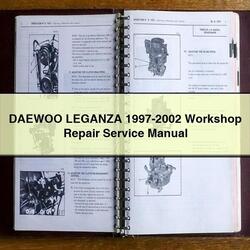
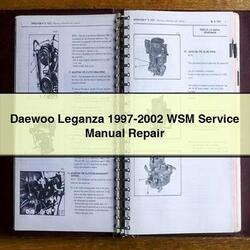
This workshop repair service manual provides comprehensive technical information for the 1997 Daewoo Leganza, the first generation (V100) model. Designed to offer factory-level data, it covers all Leganza models, engines, trim levels, and transmission types. The Daewoo Leganza was introduced in 1997 as the successor to the Daewoo Espero, aiming to compete in the mid-size sedan segment with European styling and features. This manual is an invaluable resource for maintaining and repairing your vehicle, ensuring its optimal performance and longevity.
The Daewoo Leganza, produced in 1997, was an executive sedan designed to offer a premium experience at a competitive price. Featuring distinctive Italian-influenced styling by Ion De Vries, this model aimed to compete with established players in the market by providing a blend of comfort, features, and upscale appearance. Under the hood, the Leganza typically featured a 2.0-liter Ecotec L81 inline 4-cylinder engine, with an optional supercharged variant offering increased performance. It was available with either a 5-speed manual or a 4-speed automatic transmission, catering to different driver preferences. The vehicle's dimensions placed it firmly in the compact executive segment, offering substantial interior space and a trunk volume of approximately 485 liters.
The Daewoo Leganza, produced from 1997 to 1999, represents the first generation of this mid-size sedan, codenamed U100. Designed by Italdesign Giugiaro, it offered a distinctive European styling and a spacious interior, aiming to compete with established marques by providing a strong value proposition. Key features included a comfortable ride and a range of available options, making it a notable entry in its market segment. The Leganza was typically powered by a 2.0L DOHC inline-4 engine, delivering an estimated 130-135 horsepower and 135-140 lb-ft of torque, paired with either an automatic or optional manual transaxle.
This manual covers the Daewoo Leganza, a 4-door sedan produced from 1997 to 2000. The Leganza, chassis code V100, was designed by Giorgetto Giugiaro and represented a significant offering from Daewoo Motor Company. It typically featured a 2.0L engine, producing approximately 130-135 horsepower and 180-185 Nm of torque, paired with either a 5-speed manual or a 4-speed automatic transmission. The vehicle was equipped with standard front airbags and often featured optional Anti-lock Braking System (ABS).
The Daewoo Leganza, produced from 1997 to 2002, is a mid-size sedan known for its European-influenced styling, spacious interior, and comfortable ride, offering a robust feature set at an affordable price point. Designed to compete with established models like the Toyota Camry and Honda Accord, the Leganza aimed to provide budget-conscious buyers with reliable transportation. It features a 2.0-liter DOHC engine producing 130 horsepower, paired with either a 4-speed automatic or a 5-speed manual transmission. Notable safety features include standard front airbags and available ABS, contributing to its 4-star NHTSA front crash test rating for the driver and passenger in 1998.
The Leganza, produced from 1997 to 2002, represents the flagship sedan offering, distinguished by its elegant design penned by Giugiaro. This model was engineered to compete in its segment, often featuring a range of inline-4 engines, likely including 2.0L and 2.5L displacements, paired with either a 5-speed manual or a 4-speed automatic transmission. Known for its spacious interior and comfortable ride, the Leganza aimed to provide a more upscale experience within the lineup, with safety features such as airbags and potentially ABS and stability control systems indicating a focus on occupant protection.
The Leganza, produced from 1997 to 2002 under the V100 chassis code, was a mid-size sedan designed by Giugiaro, offering a distinctive European styling flair. Positioned to compete with established models like the Ford Mondeo and Toyota Camry, the Leganza aimed to provide a balance of appealing design, comfort, and features at a competitive price point. Primarily powered by a 2.0L DOHC inline-4 engine producing around 130-135 horsepower, it was available with either a 5-speed manual or a 4-speed automatic transmission. While offering a unique value proposition, its brand perception and long-term reliability were key considerations for consumers of the era.
The Daewoo Leganza, produced from 1997 to 2002, is a mid-size sedan recognized for its distinctive styling, designed by Italdesign Giugiaro. This front-engine, front-wheel-drive vehicle offered a comfortable ride and a spacious interior, competing in a segment alongside established manufacturers. Available with a range of inline-4 engines, including 1.6L (V16), 1.8L (V18), and a 2.0L Ecotec (X20SED) producing approximately 131 horsepower, the Leganza aimed to provide value and European-inspired aesthetics. It featured both manual and automatic transmission options, and its design emphasized a balance between form and function for everyday driving.
The Daewoo Leganza, produced from 1997 to 2002, is a mid-size sedan known for its elegant styling, a design penned by the renowned Italian firm Pininfarina. Built on a platform co-developed with General Motors and sharing components with the Opel Vectra B, the Leganza offered a European-inspired aesthetic and was positioned as an affordable alternative in a competitive market. Available with a choice of inline-four and V6 engines, including a 2.0L DOHC and a 2.5L DOHC V6, it provided a range of performance options. The vehicle's design, characterized by a sleek, aerodynamic profile, was a significant selling point, distinguishing it from many contemporaries.
The Daewoo Leganza, produced between 1997 and 2002 across its first and second generations, was Daewoo's flagship executive sedan. Styled by the renowned Giorgetto Giugiaro of Italdesign, it featured elegant and flowing lines. Under the hood, the Leganza was powered by a naturally aspirated, inline 4-cylinder engine with a displacement of 2198cc, delivering approximately 135 PS and 196 Nm of torque. It offered both a 5-speed manual and a 4-speed automatic transmission. Safety features included standard front airbags for the driver and passenger, and available Anti-lock Braking System (ABS) and Traction Control System (TCS) on higher trims.
The Daewoo Leganza, produced from 1997 to 2002, is a mid-size sedan that represented Daewoo's flagship offering, designed to compete with established models from European and Japanese manufacturers. Its exterior styling, influenced by Giorgetto Giugiaro, combined with a spacious and comfortable interior, aimed to provide a compelling package. Available across two generations (V100 and V200 facelift), the Leganza was offered with a range of General Motors Ecotec derived engines, including 1.6L, 2.0L, and 2.2L variants, paired with either a 5-speed manual or a 4-speed automatic transmission. The vehicle's engineering focused on delivering a blend of contemporary features and practicality for its segment.
The Daewoo Leganza, produced from 1997 to 2002, is a mid-size sedan that offered a compelling blend of spaciousness, a comfortable ride, and distinctive styling, particularly for its era. Developed on a GM platform and influenced by Italian design house Pininfarina, the Leganza aimed to provide a premium feel and extensive features at an accessible price point, positioning it as a strong value proposition against established European and Japanese competitors. Available with 2.0L or 2.2L Ecotec-derived engines, it catered to consumers seeking an executive car experience, serving both domestic South Korean and export markets.
The Daewoo Leganza, produced from 1997 to 2002, is a mid-size sedan designed to offer European styling influenced by Giorgetto Giugiaro, alongside comfort and space at a competitive price. Available with either a 2.0L or a 2.5L inline engine, it was equipped with either a 5-speed manual or a 4-speed automatic transmission. Notable features include a distinct European aesthetic, a spacious interior accommodating five passengers, and a trunk volume of approximately 450 liters. While competing with established models like the Ford Mondeo and Toyota Camry, the Leganza aimed to provide a unique value proposition in the market.
The Daewoo Leganza, produced from 1997 to 2002, is a mid-size sedan recognized for its distinctive European-inspired styling, a result of input from Lotus Engineering on its chassis tuning. It offered a balance of comfort and value, competing with established models in its segment. The Leganza was available with either a 2.0-liter or a 2.2-liter inline-4 gasoline engine, both featuring multi-point fuel injection and typically paired with a 5-speed manual or 4-speed automatic transmission. Key features included standard driver and front passenger airbags, Anti-lock Braking System (ABS) on many models, and a comfortable interior designed for everyday use.
The Leganza (V100) is a mid-size sedan produced from 1997 to 2002, notable for its European styling influenced by Giorgetto Giugiaro. Offered with either a 2.0-liter or a more powerful 2.2-liter inline 4-cylinder engine, it aimed to provide a blend of attractive design and competitive pricing in a global market. This generation of vehicles was known for its developing quality and value proposition, often competing with established models from Opel, Ford, Volkswagen, Toyota, and Honda. The Leganza featured a front-wheel-drive platform and was available with a 5-speed manual or a 4-speed automatic transmission, offering a comfortable ride and practical interior for its class.
The Leganza, produced from 1997 to 2002, is a mid-size sedan recognized for its distinctive styling influenced by the Italian design house Italdesign Giugiaro. This model offered buyers a value-oriented option with a spacious interior and a comfortable ride, competing with established marques in its segment. Available with a range of engines, including 2.0L inline-4 and a 2.5L inline-6, the Leganza (V100 chassis code) provided a balance of performance and practicality for its target audience. Its engineering emphasized reliability and a European aesthetic, making it a notable entry in the automotive market during its production years.
The Daewoo Leganza, produced between 1997 and 2002, is a mid-size sedan recognized for its distinctive styling, penned by Giorgetto Giugiaro. This model offered a range of reliable four-cylinder and V6 engines, aiming to provide a well-equipped vehicle with good value in its segment, competing against established models from Ford, Opel, Volkswagen, Honda, and Toyota. The Leganza platform code is V100.
This manual covers the Daewoo Leganza, produced from 1997 to 2002. The Leganza is a mid-size sedan designed to offer European-inspired styling and a comfortable ride, positioned as an affordable alternative in its segment. It competed with established models like the Toyota Camry and Honda Accord, aiming to differentiate itself with a distinctive design and a focus on passenger comfort and interior space. Available with either a 2.0L (X20SED) or 2.2L (T22SED) inline 4-cylinder DOHC engine, the Leganza offered a smooth driving experience, typically paired with a 4-speed automatic or 5-speed manual transmission.
The Daewoo Leganza, produced from 1997 to 2002 under the KLAV chassis codes, is a mid-size sedan recognized for its styling influenced by Italdesign's Giorgetto Giugiaro. It offered a spacious and comfortable interior for its class, aiming to provide value-oriented transportation. Positioned to compete with established international brands, the Leganza featured a 2.0L DOHC inline 4-cylinder engine, with an optional 2.5L V6 available in select markets. Its value proposition centered on offering competitive features and size at a more accessible price point, making it an appealing choice for budget-conscious consumers seeking dependable transportation.
The Daewoo Leganza is a mid-size sedan produced from 1997 to 2002, designed by Giorgetto Giugiaro and recognized for its distinctive styling and European flair. Positioned as an affordable alternative to established competitors, it offered a high level of standard equipment and a sophisticated design. The Leganza was available with either a 2.0L Inline 4-cylinder engine (LD9) producing approximately 130-135 hp, or a 2.2L Inline 4-cylinder engine (L81) generating around 145-150 hp. It featured front-wheel drive and was offered with a 5-speed manual or a 4-speed automatic transmission. Safety features included standard driver and front passenger airbags and three-point seatbelts with pretensioners, with optional Anti-lock Braking System (ABS) and Traction Control System (TCS) available on some models.
The Leganza, produced between 1997 and 2002, is a sedan known for its distinctive styling and engineering, drawing on a platform shared with the Opel Omega B. This model, built on the V100 platform, was designed to offer a comfortable and reliable driving experience, incorporating features that aimed to provide value and efficiency. As a successor to the Prince, the Leganza represented a step forward in the brand's vehicle development, with a focus on providing a solid and capable vehicle for everyday use.
The Daewoo Leganza, a mid-size sedan produced from 1997 to 2002, offered a distinctive European-inspired design by Giorgetto Giugiaro. Positioned to compete in its segment, it aimed to provide a balance of comfort, style, and value, featuring well-equipped packages for its price. The Leganza was available with inline-4 and V6 gasoline engines, ranging from approximately 115 to 170 horsepower, and was offered with either a 5-speed manual or a 4-speed automatic transmission. Its primary purpose was to attract buyers seeking a feature-rich and comfortable vehicle at a competitive cost, competing with established models from manufacturers like Ford, Opel, Toyota, Honda, and Nissan.
The Leganza, a mid-size sedan produced from 1997 to 2002, offered a blend of comfort and practicality. As the flagship model, it aimed to compete with established players in its segment, featuring a transversely mounted inline-4 cylinder engine, likely from the E-TEC family, with displacements around 1.8L, 2.0L, or 2.2L, producing approximately 115-130 horsepower. The Leganza was known for its spacious interior, typically seating five occupants, and its exterior design, a 4-door sedan with a wheelbase of around 2700 mm. Safety features often included driver and front passenger airbags, with Anti-lock Braking System (ABS) available. This model represented efforts to establish a strong presence in the global automotive market through competitive pricing and solid engineering, often developed with input from General Motors.
The Daewoo Leganza, produced from 1997 to 2002, is a mid-size sedan recognized for its distinctive Italian-influenced styling by Giorgetto Giugiaro. Designed to offer a spacious and comfortable interior, it aimed to provide a compelling blend of features, roominess, and unique aesthetics at a competitive price point, positioning itself against established rivals in the market. Available with 1.8L or 2.0L DOHC 16-valve engines and either a 5-speed manual or a 4-speed automatic transmission, the Leganza (chassis code V100) was engineered to be a comfortable and practical choice for families and everyday drivers.
Welcome to the comprehensive service manual for the Leganza, covering model years 1997 through 2002. The Leganza, a mid-size sedan designed by Italdesign Giugiaro, was the flagship offering, aiming to compete with established marques through its distinctive styling and a range of inline-4 E-TEC II engines, including the 2.0L X20SED and the less common 2.2L X22SED. This vehicle was built with a focus on providing a comfortable driving experience and a notable aesthetic, positioning itself against competitors such as the Ford Mondeo and Toyota Camry during its production run.
The Daewoo Leganza, produced from 1997 to 2002, was a mid-size sedan designed with European styling cues, notably by Giugiaro of Italdesign. Positioned to offer a spacious interior and comfortable ride at a competitive price, it aimed to appeal to budget-conscious buyers seeking a larger vehicle. While its distinctive exterior and value proposition were notable strengths, it competed in a segment with established manufacturers. The Leganza was available with a 2.0-liter or 2.2-liter DOHC inline 4-cylinder engine, paired with either a 5-speed manual or a 4-speed automatic transmission.
The Daewoo Leganza, produced from 1997 to 2002, is a mid-size sedan notable for its European styling influenced by Italdesign Giugiaro. Positioned as a value-oriented alternative to established competitors like the Toyota Camry and Honda Accord, the Leganza offered a spacious interior and a distinctive design. It was equipped with GM-derived Ecotec engines, including 2.0L and 2.2L variants, paired primarily with a 4-speed automatic transmission, though a 5-speed manual was also available. The vehicle featured a comprehensive package of standard equipment for its time, including front airbags and available ABS, aiming to provide a comfortable and stylish driving experience at an accessible price point.
The Leganza, produced from 1997 to 2002, is a mid-size sedan known for its value-oriented approach and a design lineage tracing back to the Oldsmobile Aurora. Built primarily in South Korea, this vehicle typically features Ecotec engines, likely 2.0L and 2.2L DOHC variants, offering a horsepower range of approximately 130-150 HP. It was offered with either a 4-speed automatic or a 5-speed manual transmission. Safety features such as airbags and available Anti-lock Braking System (ABS) were part of its offerings. The Leganza represents a segment of automotive history focused on providing accessible transportation with a comfortable ride.
The Daewoo Leganza, produced from 1997 to 2002, is a mid-size sedan recognized for its distinctive European styling, influenced by Italdesign Giugiaro. Positioned as a value-conscious alternative to established competitors like the Toyota Camry and Honda Accord, the Leganza offered competitive features and interior space at a more accessible price point. It was engineered to provide reliable transportation for everyday use, featuring a 2.0L DOHC 16-valve inline 4-cylinder engine, designated internally as the V100 model code. This model aimed to deliver a comfortable driving experience and practical utility for a wide range of consumers.
The Leganza, produced from 1997 to 2002, is a mid-size sedan designed with European styling influences, notably by Giorgetto Giugiaro. It aimed to offer a blend of comfort, performance, and value, competing with established Japanese and European models. The Leganza is equipped with a 2.0L DOHC inline-4 engine, producing approximately 130-135 PS, and was available with either a standard 5-speed manual or an optional 4-speed automatic transmission. Key features include a focus on a comfortable ride and a stylish exterior, targeting families and individuals seeking an attractive and well-appointed sedan at a competitive price point.
The Daewoo Leganza, produced from 1997 to 2003, is a mid-size sedan that offered European styling influenced by Italdesign Giugiaro, aiming for a premium aesthetic. Based on the V100 platform, which originated from the Opel Vectra A, the Leganza was designed to compete with established European and Japanese marques. It featured well-equipped interiors, often including air conditioning and power windows, with higher trims offering leather upholstery. Available with Ecotec engines, including 2.0L and 2.2L DOHC variants, and paired with either a 5-speed manual or a 4-speed automatic transmission, the Leganza provided a comfortable and stylish option for families seeking value. Its engineering emphasized reliability and a distinctive design, making it a notable entry in its market segment.
The 1998 Leganza, a mid-size sedan, offers a compelling blend of European styling and a comfortable ride, aiming to provide value to owners. Developed from the Arcadia platform, itself an evolution of the Piazza, this model features a 2.0-liter, 130-horsepower inline 4-cylinder engine with multi-point fuel injection. Standard safety equipment includes anti-lock brakes and front airbags, with optional traction control available. The Leganza was designed to compete in a segment populated by established manufacturers, positioning itself as an affordable alternative with distinctive design.
The 1998 Daewoo Leganza is a mid-size sedan, identified by the V100 chassis code and bearing the VIN code K96. This model, produced from 1997 to 2002, was Daewoo's flagship offering, featuring styling influenced by the Italian design house Pininfarina. It aimed to provide a blend of European aesthetics and comfort for families and individuals. The Leganza was equipped with various engine options, including a 1998 cc inline 4-cylinder DOHC engine producing 130 PS, and an optional 2198 cc engine. Transmission choices included a 5-speed manual or a 4-speed automatic.
The 1998 Daewoo Leganza is a four-door sedan designed by Giorgetto Giugiaro, representing Daewoo's entry into the mid-size sedan market. This model, produced from 1997 to 2002, was Daewoo's flagship offering, known for its distinctive styling and intended to provide a competitive option in its segment. The vehicle was primarily manufactured in South Korea and featured GM-derived engine technology, with available engine options historically including inline-four and V6 configurations. The Leganza aimed to blend aesthetic appeal with practical functionality for everyday use.
The Leganza, produced from 1997 to 2002, is a four-door sedan that offered a blend of Korean manufacturing with Italian design influence from Italdesign Giugiaro. Based on the Espero platform, the 1998 model year marked its initial introduction. It was equipped with likely DOHC 16-valve 2.0L or 20-valve 2.5L inline-4 engines, offering approximately 130-136 horsepower and 175-185 Nm of torque. Standard safety features included dual front airbags and pre-tensioner seatbelts for front occupants, with Anti-lock Braking System (ABS) available. This vehicle represented the company's push into international markets, aiming to provide a competitive option in the sedan segment.
The Leganza, a mid-size sedan from the First Generation (KL1), was produced in 1998 as part of an effort to compete in the global market. Designed by Giorgetto Giugiaro, it featured distinctive styling for its era and was positioned as a value-oriented alternative to established European and Japanese sedans. Powered by a 2.0-liter DOHC inline 4-cylinder engine, often based on GM's Ecotec L8, it offered approximately 130-135 horsepower and was available with either a 5-speed manual or a 4-speed automatic transmission. The Leganza aimed to provide a balance of comfort and features, though market perception indicated mixed reviews regarding its reliability and build quality compared to its contemporaries.
The Daewoo Leganza, produced from 1997 to 2002, is a mid-size sedan that offered a compelling value proposition in a competitive market. It featured a sleek, European-influenced design, a spacious and comfortable interior, and was powered by reliable GM-sourced inline-four and V6 engines. The Leganza aimed to attract budget-conscious consumers seeking a distinctive styling and a comfortable ride, positioning itself as an attractive alternative to established Japanese and American manufacturers. Its unique selling points often included competitive pricing and a focus on interior space and comfort, making it a practical choice for everyday transportation.
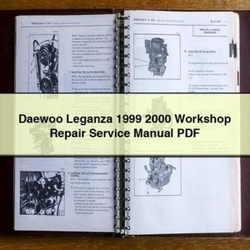
This workshop repair and service manual provides comprehensive coverage for all 1999 Daewoo Leganza models, encompassing various engines, trim levels, and transmission types. The Daewoo Leganza, a mid-size sedan designed by Giugiaro, was produced from 1997 to 2002 and offered with DOHC 2.0L or 2.5L engines, coupled with either a 5-speed manual or a 4-speed automatic transmission. Known for its distinctive styling and the availability of features like cruise control and ABS, the Leganza aimed to provide a comfortable and reliable driving experience. This manual delves into the vehicle's engineering, offering detailed insights into its systems, including engine service, transmission repair, brakes, suspension, steering, and the electrical and fuel injection systems.
The Daewoo Leganza, a mid-size sedan produced from 1997 to 2002, represents a blend of European styling, influenced by Giorgetto Giugiaro's Italdesign, with practical functionality. Introduced in 1999, this model (chassis code V100) was engineered to offer consumers a comfortable and well-equipped vehicle, positioning it against established competitors like the Honda Accord and Toyota Camry. Powered by a 2.0-liter, 4-cylinder DOHC engine producing an estimated 130-135 horsepower, the Leganza was available with either a 5-speed manual or a 4-speed automatic transmission. Its design emphasized European flair, aiming to attract buyers seeking a distinctive yet value-oriented option in the competitive sedan market.
The 1999 Daewoo Leganza is a mid-size sedan that competed in a segment with established Japanese and American automakers. Styled by Italdesign Giugiaro, it featured a distinctive European aesthetic and was often equipped with amenities such as leather upholstery and climate control, aiming for a premium feel. Available with naturally aspirated inline-4 and V6 engines, the Leganza offered a competitive price point and was primarily sold in Asia, Europe, and North America, sometimes under different badging. Its design was a key selling point, distinguishing it from many contemporaries.
This manual covers the Leganza, a sedan produced from 1997 to 2002, with this particular edition focusing on the 1999 model year. Designed by Italdesign, the Leganza was the flagship sedan, featuring a stylish exterior and a range of engine options, likely including 2.0L and 2.2L inline-4 engines. The vehicle was equipped with modern amenities for its time, such as available Anti-lock Braking System (ABS) and front airbags, and offered both manual and automatic transmission choices. This workshop service manual provides comprehensive technical information to ensure the continued performance and reliability of your Leganza.
The 1999 Daewoo Leganza is a mid-size sedan that offered a blend of European styling, influenced by designer Giugiaro, and value. Introduced as a successor to the Daewoo Espero, the Leganza aimed to compete with established models from global manufacturers. It featured a 2.0-liter, 16-valve DOHC engine with Multi-Point Fuel Injection, producing approximately 130-135 horsepower and 135-140 lb-ft of torque. Available with either a 5-speed manual or a 4-speed automatic transmission, the Leganza provided a comfortable ride and a sophisticated profile for its time, with features like standard driver and passenger airbags and optional ABS.
The Leganza, a 1999 model year 4-door sedan, stands out with its distinctive styling penned by Italian design house Italdesign Giugiaro. This flagship sedan, produced from 1997 to 2002, was engineered with a focus on providing a comfortable and reliable driving experience, likely featuring inline-four engines ranging from 2.0L to 2.5L with multi-point fuel injection. Its design and engineering aimed to offer a compelling value proposition, combining European styling with practical automotive engineering.
The Leganza, produced from 1999 to 2000, represents the first generation (V100) of its flagship sedan. Designed by Italdesign Giugiaro, this vehicle aimed for a premium market presence and was the last major new model before its acquisition by General Motors. Powered by a 2.0L DOHC I4 engine (X20SED) producing approximately 131 horsepower and 130 lb-ft of torque, it offered a choice between a 5-speed manual or a 4-speed automatic transaxle. Notable features include standard front airbags on most models and available Anti-lock Braking System (ABS) on higher trims, alongside essential passive safety features like seatbelt pretensioners and a reinforced passenger compartment.
The Leganza, produced for the 1999 and 2000 model years under the V100 chassis code, is a mid-size sedan distinguished by its elegant styling, conceived by the renowned Italian design house Pininfarina. This vehicle aimed to offer a compelling blend of comfort, European-inspired aesthetics, and value, competing with established models in its segment. It typically featured a spacious interior designed for driver and passenger comfort and was powered by a 2.0-liter inline 4-cylinder DOHC engine, producing approximately 130-135 horsepower and 184-188 Nm of torque, paired with either a 5-speed manual or a 4-speed automatic transmission.
The Leganza, a four-door sedan from the first generation (1997-2002), was designed by Giorgetto Giugiaro and aimed at the mid-size market. Built upon the Espero platform, which itself had roots in the Lotus Carlton chassis, the Leganza was a flagship model for Daewoo Motors. This model is known for its distinctive styling and was primarily manufactured in South Korea.
The Daewoo Leganza, produced from 1997 to 2002, is a mid-size sedan characterized by its European styling, influenced by Giugiaro of Italdesign. This front-wheel-drive model, built on a platform shared with other vehicles of the era, offered a value proposition as an affordable sedan. It is equipped with a 2.0L inline 4-cylinder engine (X20SE) producing 131 horsepower and is commonly paired with a 4-speed automatic transmission, the GM 4T40-E. The Leganza aimed to compete with established models from manufacturers like Ford, Opel, Nissan, Toyota, and Honda, providing a distinct design aesthetic within its market segment.
The 2000 Daewoo Leganza, built on the V100 chassis, represents a mid-size sedan developed with significant design input from Italdesign Giugiaro. This model year falls within the Leganza's production run from 1997 to 2002, positioning it as a notable entry in its segment. Known for its value proposition in keeping vehicles operational and saving on repair costs, the Leganza offers a blend of engineering and practicality for the discerning owner.
The Leganza, produced from 1997 to 2002, is a mid-size sedan recognized for its European-influenced styling and comfortable ride, offering a value proposition against competitors like the Toyota Camry and Honda Accord. This model, chassis code V100, typically features a 1998 cc inline 4-cylinder engine with 130 horsepower, paired with either a 4-speed automatic or a 5-speed manual transmission. Designed for families and budget-conscious buyers, the Leganza emphasizes practicality and a stylish appearance, with a focus on providing a pleasant driving experience.
The Daewoo Leganza, produced from 1997 to 2002, is a mid-size sedan known for its Italian-designed exterior, aiming for European elegance and sportiness. It offered a spacious and comfortable interior, positioning itself as a value-oriented alternative to established competitors like the Toyota Camry and Honda Accord. The Leganza was equipped with a 1.998 cc inline 4-cylinder engine, producing approximately 130 PS, and was available with either a 5-speed manual or a 4-speed automatic transmission. Notable features included available Anti-lock Braking System (ABS) and traction control, along with standard driver and front passenger airbags, contributing to its safety.
The Daewoo Leganza, produced from 1997 to 2002, is a mid-size sedan recognized for its distinctive European styling, penned by designers Tom Tjaarda and Giorgetto Giugiaro. Positioned to offer a compelling blend of features, space, and comfort at a competitive price, it aimed to rival established models from manufacturers like Opel, Honda, and Toyota. Powered by an inline-4 cylinder, 16-valve Ecotec X20SED engine (LE5) displacing 1998 cc, it delivered approximately 131 horsepower and 185 Nm of torque, paired with either a 5-speed manual or a 4-speed automatic transmission. The Leganza's chassis and platform were derived from the Opel Vectra, contributing to its driving dynamics and overall engineering quality.
The Daewoo Leganza, a 4-door sedan produced from 1997 to 2002, was designed by Italdesign Giugiaro and aimed to offer European styling and comfort at an accessible price. Powered by a 2.0L DOHC engine, it competed with established mid-size sedans of its era. The Leganza featured a comfortable ride and a comprehensive feature set for its class, including available ABS and traction control on higher trims. Its European design and accessible pricing were key selling points, though it faced challenges in reliability and build quality compared to segment leaders.
The Daewoo Leganza, produced from 1997 to 2002, is a mid-size sedan distinguished by its European styling and a focus on ride comfort. Designed to compete in a crowded market, it offered a spacious interior and a refined driving experience, featuring independent rear suspension and a 2.0L DOHC engine. This model represented Daewoo's ambition to present a compelling alternative with a blend of European aesthetics and practical family car attributes, aiming to provide significant value to its owners.
The Daewoo Leganza, produced from 1997 to 2002, is a 4-door sedan that aimed to blend European styling with practical mid-size sedan functionality. Designed by Italdesign Giugiaro, it features sleek lines and a well-appointed interior for its class, often including premium touches like leather upholstery and wood trim accents. Available with either a 2.0L or 2.2L DOHC I4 engine, and paired with a 4-speed automatic or 5-speed manual transmission, the Leganza offered a comfortable driving experience and was positioned to compete with established models from global manufacturers. Its engineering focused on providing a refined ride and a distinctive aesthetic, setting it apart in its market segment.
The Daewoo Leganza, produced from 1997 to 2002, is a mid-size family sedan recognized for its stylish Italian design by Giorgetto Giugiaro. This model, featuring a 2.0L (EP20) inline-4 DOHC engine, aimed to establish Daewoo in a competitive segment against established manufacturers. The Leganza offered a spacious interior and a comfortable ride, with a focus on elevating the brand's image. Notable features included optional Anti-lock Braking System (ABS), front airbags, and available cruise control, all contributing to its positioning as a well-equipped contender in its class.
The Daewoo Leganza, produced from 1997 to 2002, is a mid-size sedan known for its distinctive Giugiaro styling and comfortable interior. Aimed at international markets, it offered a European-influenced design with a spacious cabin and a good level of standard equipment for its price point. The 2000 model year Leganza was available with a 2.0-liter engine, offered in both SOHC and DOHC configurations, and featured a wheelbase of approximately 2700 mm. Safety features included front airbags, seat belts with pre-tensioners, and optional Anti-lock Braking System (ABS) and Traction Control System (TCS).
This manual covers the 2000 Daewoo Leganza, a mid-size sedan known for its distinctive Italdesign Giugiaro styling and value proposition. Introduced as a successor to the Prince, the Leganza offered a comfortable interior and was positioned as an affordable alternative in its segment, competing with established models from other manufacturers. The 2000 model year represents a mid-cycle point for this generation, featuring a 2.0-liter engine available in both SOHC and DOHC configurations, paired with either a 5-speed manual or automatic transmission options.
The Daewoo Leganza, produced from 1997 to 2002, is a sedan recognized for its stylish design, a product of collaboration with Italdesign Giugiaro. This model is equipped with a 2.0L Inline-4 DOHC engine, delivering an estimated 130-135 horsepower and 185 Nm of torque, and was available with either a 5-speed manual or a 4-speed automatic transmission. The Leganza offers a comfortable ride with its independent front and rear suspension systems and features like driver and front passenger airbags and an Anti-lock Braking System on select models. Its dimensions, including a wheelbase of 2700 mm, contribute to its stable road presence, making it a practical choice for daily transportation.
The Daewoo Leganza, a mid-size sedan produced from 1997 to 2002, represents a blend of European-influenced design, styled by Italdesign Giugiaro, and a competitive value proposition. The 2000 model year, featuring minor styling updates and enhancements, offered a spacious interior and a European-inspired aesthetic, aiming to compete with established models like the Honda Accord and Toyota Camry. Powered by a 2.0-liter, 130 PS inline 4-cylinder engine with Multi-point Fuel Injection, and available with either a 5-speed manual or a 4-speed automatic transmission, the Leganza provided comfortable transportation for owners and independent repair shops alike. Its engineering focused on delivering a stylish and well-equipped package at an accessible price point.
This workshop repair service manual provides comprehensive coverage for the Leganza 2000, a mid-size executive sedan produced from 1997 to 2002. Known for its distinctive Giugiaro design, the Leganza represented the flagship offering during its production years. This manual, written by the manufacturers, offers factory-level information designed to assist owners and technicians in maintaining and repairing all models, engines, and trim levels of the Leganza.
The Daewoo Leganza, produced from 1997 to 2002, represents the First Generation (V100) of this mid-size sedan. Designed by Italdesign, it aimed to offer a distinctive European aesthetic and a compelling value proposition in a competitive market. Available with 2.0L and 2.2L E-TEC II inline 4-cylinder engines, the Leganza featured a front-wheel-drive platform and was offered with either a 4-speed automatic or a 5-speed manual transmission. Its engineering sought to blend contemporary styling with practical features, positioning it as an alternative to established models from manufacturers like Ford, Opel, Nissan, Toyota, and Honda.
The 2000 Daewoo Leganza, a mid-size sedan designed by Giorgetto Giugiaro, offers distinctive Italian styling and a spacious interior, targeting value-conscious consumers. This first-generation (V100) model, produced from 1997 to 2002, competed with established sedans by providing a well-equipped package. Powered by a 2.0-liter inline 4-cylinder engine, it was available with either a 5-speed manual or a 4-speed automatic transmission. Key features included standard front airbags and available Anti-lock Braking System (ABS), reflecting a focus on occupant safety.
This manual covers the Leganza, First Generation (KL1) models produced between 1997 and 2002. The Leganza was designed with input from Italdesign Giugiaro and offered a blend of comfort and practicality, often powered by a 2.0L DOHC inline 4-cylinder engine. It featured a 5-speed manual or optional 4-speed automatic transmission and was equipped with standard safety features such as driver and passenger airbags, with ABS available on higher trims. The vehicle's dimensions are approximately 4850 mm in length, 1775 mm in width, and 1420 mm in height, with a curb weight ranging from 1400-1500 kg.
The Daewoo Leganza, produced from 1997 to 2002, is a mid-size sedan recognized for its distinctive styling, penned by Giugiaro. This model offered a value-oriented proposition in its segment, competing with established players by providing a blend of features and an affordable price point. Available with a 2.0L or 2.2L DOHC engine, paired with either a 5-speed manual or a 4-speed automatic transmission, the Leganza aimed to deliver comfortable transportation for families and individuals. Its engineering focused on providing a competent driving experience, though perceptions of its overall reliability and refinement varied among consumers and critics during its production run.
The Leganza, produced from 1997 to 2002, is a mid-size sedan designed with European styling influences from Italdesign Giugiaro. Available with either a 2.0L (LD1) or 2.2L (L42) DOHC inline-4 engine, it offered a spacious cabin and comfortable seating, aiming to provide a compelling blend of features, comfort, and value against competitors like the Toyota Camry and Honda Accord. This model, chassis code V100, represented an effort to establish a presence in a competitive market segment, appealing to families and individuals seeking a well-equipped and stylish sedan.
The Leganza, produced from 1997 to 2002, is a mid-size sedan notable for its Italian-designed Pininfarina exterior styling, offering a European-influenced aesthetic. This model aimed to provide a compelling value proposition, often featuring more amenities than its competitors at a competitive price point. Powered typically by a 4-cylinder engine, the 2001 Leganza was designed for the family car segment, competing with established models from Japanese and American manufacturers. Its engineering focused on delivering a comfortable ride and a distinct visual presence within its market class.
This manual provides comprehensive coverage for the 2001 Daewoo Leganza sedan. The Leganza is a mid-size sedan known for its comfortable ride and practical design, offering a solid option for everyday transportation. This workshop repair service manual is designed to assist owners and technicians in understanding and maintaining this vehicle, ensuring its longevity and optimal performance.
The Leganza, produced in 2001 under the V100 chassis code, is a mid-size sedan recognized for its elegant styling, a design penned by Italdesign Giugiaro. Powered by a 2.0 L E-TEC engine, an inline-4 cylinder DOHC configuration, it delivered approximately 131 horsepower, paired with either a 5-speed manual or a 4-speed automatic transmission. This model offered features typical of its era, including front airbags, ABS, and available traction control, aiming to provide a comfortable and stylish driving experience. While generally considered average in reliability compared to competitors of its time, proper maintenance is key to its longevity.
The Daewoo Leganza, a mid-size sedan produced from 1997 to 2002, offers a blend of European styling, originating from Italdesign Giugiaro, and practical automotive engineering. Powered by a 2.0L inline 4-cylinder DOHC engine producing approximately 130 PS and 184 Nm of torque, it was available with either a 5-speed manual or an electronically controlled 4-speed automatic transmission. This model competed in a segment alongside vehicles like the Ford Mondeo and Volkswagen Passat, aiming to provide a comfortable and stylish driving experience. Key features included standard power windows and cruise control on many trims, with optional remote keyless entry and Anti-lock Braking System (ABS).
The Daewoo Leganza, produced from 1997 to 2002, is a mid-size sedan known for its European-inspired styling by Giugiaro and a focus on value. The 2001 model year represents a refinement of this platform, featuring a 2.0-liter inline 4-cylinder DOHC engine producing approximately 130-135 horsepower and 136-140 lb-ft of torque, paired with either a 5-speed manual or a 4-speed automatic transmission. Its dimensions, including a wheelbase of approximately 2700 mm, contribute to a comfortable ride, and it competed with established models like the Ford Mondeo and Opel Vectra. Key features included available ABS, traction control, and standard driver and front passenger airbags, positioning it as a well-equipped option in its segment.
The 2002 Daewoo Leganza is a mid-size sedan known for its European-inspired styling, comfortable ride, and spacious interior, offering a compelling value proposition in its market segment. Developed with significant input from Italdesign Giugiaro, this model succeeded the Daewoo Espero and competed with established names like the Toyota Camry and Honda Accord. The Leganza was powered by a 2.0-liter E-TEC II inline 4-cylinder engine, producing approximately 130-135 horsepower, and was available with either a 5-speed manual or a 4-speed automatic transmission. Its distinctive design and comfortable features made it a notable entry in the automotive landscape during its production years of 1997-2002.
The Daewoo Leganza, a mid-size sedan produced globally between 1997 and 2002, offered a compelling blend of value and comfort in the mainstream family car market. Styled by Italdesign Giugiaro, it featured a distinctive European flair and a spacious interior, aiming to compete with established models like the Ford Mondeo and Toyota Camry. Powered by a 2.0-liter inline-4 cylinder engine producing approximately 130-135 horsepower, the Leganza was available with either a 5-speed manual or a 4-speed automatic transmission. Its engineering quality and reliability were generally considered competitive for its time, with notable features including available ABS, EBD, and dual front airbags.
The Daewoo Leganza, a mid-size sedan produced between 1997 and 2002, was designed with European styling influences, emphasizing flowing lines and a refined appearance. Aimed at value-conscious buyers, it offered a spacious interior and a competitive feature set at a price point generally lower than its main rivals like the Toyota Camry and Honda Accord. The 2002 model year Leganza typically featured a 2.0-liter inline 4-cylinder engine with 130 PS, paired with a 4-speed automatic transmission, providing a comfortable driving experience for everyday use.
The Daewoo Leganza, a 4-door sedan produced from 1997 to 2002, was designed by Italdesign Giugiaro as Daewoo's entry into the mid-size sedan market. This model, representing the first generation (V100), offered a range of powertrain options, likely including 2.0L and 2.2L DOHC 4-cylinder engines, and potentially a 2.5L V6 engine, paired with either a 5-speed manual or a 4-speed automatic transmission. Standard features for its time often included Anti-lock Braking System (ABS), driver and front passenger airbags, and power features such as windows, door locks, and mirrors. The Leganza aimed to provide a value-oriented alternative in its segment, featuring a design that reflected contemporary automotive styling.
The Daewoo Leganza, a mid-size sedan produced from 1997 to 2002, offered a distinctive, European-influenced design characterized by flowing lines and a focus on aerodynamics. Styled by Giorgetto Giugiaro, it aimed to provide cost-conscious buyers with a comfortable and reasonably equipped vehicle, often competing with models from Korean and some Japanese manufacturers. Its spacious cabin, comfortable seating, and good ergonomics contributed to its value proposition as a balance of features, comfort, and performance at a competitive price point. The 2002 model year featured a 2.0-liter inline 4-cylinder DOHC engine producing approximately 130 horsepower, paired with either a 5-speed manual or an optional 4-speed automatic transmission.
The Daewoo Leganza, produced around 2002, is a mid-size sedan recognized for its European-inspired styling, designed by Giorgetto Giugiaro. This model offered a compelling value proposition, aiming to compete with established players like the Honda Accord and Toyota Camry. Powered by a 2.0-liter DOHC inline 4-cylinder engine producing approximately 130 PS, it provided a comfortable and competent driving experience for its segment. The Leganza was equipped with standard features such as front airbags and ABS, with optional traction control and side airbags enhancing its safety profile.
The Daewoo Leganza, a mid-size sedan produced from 1997 to 2002, offered a distinctive European-inspired design influenced by Giugiaro Design. This flagship model from Daewoo Motors competed with established sedans such as the Honda Accord and Toyota Camry, aiming to provide value and accessibility. The Leganza was typically equipped with 2.0L or 2.5L inline-4 engines, available in SOHC and DOHC configurations, and offered both five-speed manual and automatic transmissions, including ZF 4 HP 14 and AISIN 50-40LE models. Its 4-door sedan body style and a wheelbase of approximately 2700 mm contributed to its comfortable ride, while available features like Antilock Brake System (ABS) and Tracking Control System (TCS) enhanced its safety.
The Leganza, produced between 1997 and 2002, is a mid-size sedan recognized for its Italian design by Italdesign Giugiaro, serving as a flagship model for Daewoo. This vehicle represents a blend of style and engineering, offering a distinctive presence in its market segment. Its development and brief production under SsangYong highlight its unique position in automotive history.
The Daewoo Leganza, produced from 1997 onwards, is a mid-size sedan characterized by its European-inspired styling and a spacious, comfort-oriented interior. Developed with significant input from Italdesign Giugiaro, it offered a distinctive aesthetic for its segment, aiming to compete with established models like the Ford Mondeo and Toyota Camry. Available with 2.0L or 2.2L DOHC engines, it provided a balance of performance and efficiency suitable for family and executive use. The Leganza's engineering emphasized a comfortable ride and a distinctive presence, making it a notable offering in the automotive market of its time.
The Daewoo Leganza, produced from 1997 to 2002, is a mid-size sedan recognized for its distinctive styling, designed by Italdesign Giugiaro, and its spacious, comfortable interior. Positioned as a value-oriented alternative in a competitive segment, it aimed to offer European design influences and a competitive price point against rivals like the Toyota Camry and Honda Accord. The Leganza features a 2.0-liter E-TEC II inline 4-cylinder DOHC engine, typically producing around 130-135 horsepower, and was available with either a 5-speed manual or a 4-speed automatic transmission. Its engineering focused on providing a solid, reliable driving experience with notable features for its era.
The Daewoo Leganza, produced across two generations from 1997 to 2008, is a mid-size sedan recognized for its design by Giorgetto Giugiaro. Available with 1.8L, 2.0L, and 2.2L DOHC 16-valve inline-4 engines, it offered a balance of performance and efficiency, typically featuring front-wheel drive and a choice between a 5-speed manual or a 4-speed automatic transmission. This model was designed to provide a value-oriented option in its segment, equipped with standard safety features of its era, including front airbags and available ABS.
The Daewoo Leganza, produced from 1997 to 2002, is a mid-size sedan distinguished by its stylish design, influenced by Pininfarina. Available with either a 2.0L or 2.5L DOHC inline-4 engine, it offered consumers a European-inspired aesthetic at an accessible price point, competing with models like the Chevrolet Malibu and Toyota Camry. The Leganza aimed to provide a blend of comfort and distinctive styling for its target audience.
This workshop repair manual covers the Daewoo Leganza (V100), a mid-size sedan produced from 1997 to 2002. The Leganza was designed with European influences, aiming to offer a balance of comfort, performance, and value, often competing with models like the Ford Mondeo and Toyota Camry. It featured a spacious interior and a 2.0-liter DOHC engine producing approximately 130-135 horsepower, with options for 1.8L and 2.2L engines. The vehicle offered a 5-speed manual or a 4-speed automatic transmission and was equipped with features such as Anti-lock Braking System (ABS) and front airbags, reflecting the technology of its era.
This manual covers the Leganza, a mid-size sedan known for its design basis developed with GM and Italdesign Giugiaro. Produced approximately between 1997 and 2002, the Leganza offered a blend of European styling with Korean manufacturing. The vehicle is equipped with various engine options, likely including displacements of 2.0L, 2.2L, and 2.5L, typically paired with either automatic or manual transmissions. Key features often include an Anti-lock Braking System (ABS) and a comprehensive electrical system with detailed wiring diagrams for diagnostics.
The Daewoo Leganza, produced from 1997 to 2002, is a four-door sedan that offered a distinctive European styling influence, designed by Italdesign. Positioned as a mid-size sedan, it aimed to provide a strong value proposition with a comprehensive feature set, often competing with established models from Japanese and European manufacturers. Available with 1.8-liter and 2.0-liter DOHC engines, and paired with either a 5-speed manual or a 4-speed automatic transmission, the Leganza was engineered to be a practical and stylish choice for its market segment. Its chassis code is V100, and it was a key model in Daewoo's international market strategy.
The Daewoo Leganza, produced from 1997 to 2002, is a compact executive sedan recognized for its stylish Italian design by Giorgetto Giugiaro and a spacious interior, offering a compelling value proposition. Available in various trim levels such as GL and CDX, it competed with established models like the Toyota Camry and Honda Accord. Under its hood, the Leganza featured GM's Family II Ecotec engines, including a 2.0L and a later 2.2L variant, paired with either a 5-speed manual or a 4-speed automatic transmission, all driving the front wheels. Its robust chassis, comfortable ride, and competitive pricing were key selling points, aiming to provide European-inspired aesthetics and features at an accessible price point across global markets.
The Leganza, a mid-size sedan produced from 1997 to 2002, offers an affordable and spacious driving experience with a focus on comfort and utility. Designed with distinctive styling by Pininfarina, the Leganza (chassis code V100) features a 2.0L DOHC inline 4-cylinder engine, the Ecotec X20SED, delivering approximately 133 horsepower. It was available with either a 5-speed manual or a 4-speed automatic transmission. Notable comfort and convenience features include power windows, central locking, and climate control systems, with cruise control available on higher trims. This model represents a commitment to providing practical and stylish transportation.
This manual covers the Daewoo Leganza, a mid-size sedan produced from 1997 to 2002. Designed with European styling influences, the Leganza offered a comfortable ride and aimed to compete with established sedans of its era. It was powered by Ecotec L850 engines, primarily a 2.0L variant producing around 130-135 horsepower, and was available with either a 5-speed manual or a 4-speed automatic transmission. The vehicle's engineering reflects its heritage, with design input from Italdesign Giugiaro, contributing to its distinctive aesthetic.
The Leganza, produced from 1997 to 2002, is a mid-size sedan recognized for its stylish design penned by the renowned Italian firm Pininfarina. Built in South Korea, the Leganza was offered with GM Ecotec engines, typically a 2.0L producing around 131 horsepower or a 2.2L with approximately 147 horsepower, both featuring multi-point fuel injection. It was commonly equipped with a 4-speed automatic transmission, though a 5-speed manual was also available. The vehicle's engineering aimed for reliability, incorporating features like front ventilated disc brakes and optional ABS, with driver and front passenger airbags as standard on most models. Its dimensions, including a wheelbase of approximately 2700 mm, contributed to a comfortable ride and stable handling.
This comprehensive service repair manual covers the Daewoo Leganza, a mid-size sedan produced from 1997 to 2002. The Leganza, designed by Giugiaro, aimed to blend European comfort and styling with Korean manufacturing, competing in a segment alongside vehicles like the Toyota Camry and Honda Accord. It was known for its spacious interior and comfortable ride, often offered with inline-4 and V6 gasoline engines. This manual is designed to provide in-depth information for owners and professionals looking to maintain and repair this vehicle.