



Citroen C4

**Citroen C4 & C4: A Revolutionary Take on Compact Vehicles**
The Citroen C4 and C4 offer a unique and innovative approach to the compact car segment. Their bold and futuristic design sets them apart from the crowd, featuring sleek lines, a panoramic glass roof, and signature V-shaped LED lighting. Beneath the stylish exterior lies a highly advanced technological package, including a 10-inch HD touchscreen, wireless smartphone mirroring, and a suite of driver-assist systems. The C4 and C4 elevate the compact car experience with their exceptional comfort and refinement, boasting advanced suspension systems that provide a plush ride quality and reduced road...
$16.99
The Citroën C4, introduced in 2004, is a compact car known for its distinctive design and comfortable ride, embodying Citroën's philosophy of innovative automotive engineering. This particular model features a 1.4i 16V engine (engine code ET3J4), delivering approximately 88-90 horsepower and 133-135 Nm of torque, paired with a 5-speed manual transmission. The C4 achieved a 5-star Euro NCAP safety rating, highlighting its commitment to occupant protection with features like multiple airbags, ABS, and potentially ESP. Its platform is shared with the Peugeot 307, and it was primarily manufactured in Europe.
$16.99
The Citroën C4, produced from 2004 to 2010, is a family hatchback known for its distinctive styling and comfortable ride. This particular model, equipped with the 1.4i 16V engine (engine code KFU), offers a balance of fuel efficiency and practicality, making it a suitable choice for everyday use. The C4's design emphasizes passenger comfort and safety, evidenced by its 5-star Euro NCAP rating. Its engineering reflects Citroën's heritage of innovation, aiming to provide a unique driving experience within the competitive C-segment market.
$16.99
The Citroën C4, first generation, produced from 2004 to 2010, is a compact car known for its distinctive styling and emphasis on ride comfort. This particular model, equipped with the 1.4i 16V (TU3JP) engine, offers a balance of fuel efficiency and performance suitable for everyday driving. The C4 distinguished itself in its market segment with innovative interior features and a compliant suspension system, aiming to provide a comfortable and refined driving experience. Its robust engineering and focus on passenger safety, evidenced by its 5-star Euro NCAP rating, make it a reliable choice for a variety of uses.
$16.99
The Citroën C4 1.4i 16V, produced in 2004, represents a compact family car known for its distinctive styling and emphasis on passenger well-being, embodying Citroën's "créative technologie." Built on the robust PSA PF2 platform, this model offers a comfortable ride and a high level of safety, evidenced by its 5-star Euro NCAP rating. Its naturally aspirated 1360 cc inline 4-cylinder petrol engine, featuring DOHC valvetrain, delivers approximately 88-90 PS, paired with a 5-speed manual transmission. The C4 stands out in its segment, competing with vehicles like the Volkswagen Golf and Ford Focus, by combining innovative design with practical functionality and a strong focus on occupant safety and comfort.
$16.99
The Citroën C4, produced from 2004 to 2010, is a compact family car renowned for its distinctive French styling, comfortable ride, and innovative features. This model aimed to stand out in its segment with a unique dashboard layout, a fixed-hub steering wheel, and an emphasis on occupant comfort. The 1.6 16V HDi diesel engine, known for its fuel efficiency and torque, was a significant offering, providing a refined driving experience suitable for daily commuting and longer journeys. The C4 also prioritized safety, achieving a 5-star Euro NCAP rating for adult occupant protection.
$16.99
The Citroën C4, introduced in 2004, is a compact family car designed to compete in the C-segment. Known for its distinctive styling and comfortable ride, the C4 offers a blend of practicality and innovative features, reflecting Citroën's heritage of automotive engineering. This model, powered by the 1.6 16V HDi engine, provides efficient performance suitable for everyday driving and longer journeys. Its robust construction and focus on safety, evidenced by its 5-star Euro NCAP rating, make it a reliable choice for various users.
$16.99
The Citroën C4, first introduced in 2004, is a compact family car known for its distinctive design and comfortable ride. This particular model, featuring the 1.6 16V HDi diesel engine, offers a balance of performance and fuel efficiency, making it suitable for both daily commuting and longer journeys. Built with Citroën's commitment to innovative engineering, the C4 (B58 chassis code) was designed to offer a high level of safety, achieving a 5-star Euro NCAP rating, and incorporated various technological features for its time, including advanced driver assistance systems on higher trims.
$16.99
This manual pertains to the C4, specifically models equipped with the 1.6 16V HDi engine, from the 2004 model year. The first generation of the C4, often referred to as Phase 1, was introduced in 2004 as a compact family car, noted for its distinctive styling, comfortable ride, and a spacious interior. The 1.6 16V HDi engine offered a compelling blend of performance and fuel efficiency, making it a popular choice among its contemporaries. This vehicle achieved a 5-star Euro NCAP rating for adult occupant protection, highlighting its commitment to safety.
$16.99
This manual covers the Citroën C4 1.6i 16V, a compact family car first released in 2004. Known for its distinctive, futuristic design, including innovative features like a fixed-hub steering wheel, the C4 offered a comfortable ride and a strong emphasis on safety, earning a 5-star Euro NCAP rating. Competing in the C-segment against vehicles like the Volkswagen Golf and Ford Focus, the C4 aimed to blend practicality with Citroën's signature flair and technological advancements, making it a unique offering in its class.
$16.99
This manual covers the Citroën C4, a compact family car introduced in 2004. As the successor to the Xsara, the first-generation C4 (Type B58) featured a distinctive, futuristic design and a focus on occupant comfort and safety, aiming to compete with established models like the Volkswagen Golf and Ford Focus. Powered by a 1.6i 16V (TU5JP4/NFU) engine, this vehicle offered a blend of performance and fuel efficiency, with a comfortable ride and innovative features that defined Citroën's engineering philosophy. Its robust construction and high safety ratings, including a 5-star Euro NCAP score, underscore its quality and reliability.
$16.99
The Citroën C4, produced from 2004 to 2010, represents a distinctive entry in the compact family car segment. This first-generation model, particularly the 1.6i 16V variant with its TU5JP4 engine, was engineered to offer a blend of French design flair, comfort, and practicality. It competed by providing a unique aesthetic, a comfortable ride quality, and a spacious interior, differentiating itself through innovative features and a focus on passenger well-being. The C4's commitment to safety was recognized with a 5-star Euro NCAP rating, underscoring its robust construction and comprehensive passive and active safety systems for its era.
$16.99
The Citroën C4, introduced in 2004, is a compact family car renowned for its distinctive aerodynamic styling and emphasis on driver comfort. This first-generation model, based on the PSA Platform 2, offered a blend of innovative interior design and practical functionality, positioning it as a strong competitor in the C-segment against vehicles like the Volkswagen Golf and Ford Focus. Powered by a naturally aspirated 1.6i 16V engine, producing approximately 109 PS, the C4 was designed for individuals and families seeking a stylish and reliable European hatchback. Its commitment to safety was underscored by a 5-star Euro NCAP rating, a notable achievement for its era, featuring standard ABS and optional ESP, along with multiple airbags and ISOFIX anchors.
$16.99
This manual covers the Citroën C4, first generation, produced from 2004. This compact family hatchback, built on the PSA PF2 platform, was known for its avant-garde styling and emphasis on comfort and practicality, competing with vehicles like the Volkswagen Golf and Ford Focus. The 2004 model, specifically featuring the 1.6L TU5JP4 engine producing 110 PS, offered a blend of efficient performance for daily commuting and family use. Its design included notable features such as a fixed-hub steering wheel, a characteristic of early models. The C4 achieved a 5-star Euro NCAP safety rating, underscoring its robust construction and comprehensive safety features, including multiple airbags and advanced braking systems.
$16.99
This manual covers the Citroën C4 2.0 16V HDi, produced from the 2004 model year. The C4 was designed as a stylish and comfortable family hatchback, distinguished by its avant-garde styling and innovative features, including the distinctive fixed-hub steering wheel. The 2.0 16V HDi engine provides a strong balance of performance and economy, making this model a capable option for everyday driving. The Citroën C4 achieved a 5-star Euro NCAP safety rating, reflecting its commitment to occupant protection.
$16.99
This manual covers the Citroën C4, specifically the first generation (Phase 1) models produced in 2004, featuring the 2.0 16V HDi engine and chassis codes LMP8/LA8. The Citroën C4, a compact family car, was launched as a successor to the Xsara and is recognized for its distinctive styling, innovative features like the fixed-hub steering wheel, and a comfortable ride, earning a 5-star safety rating from Euro NCAP. This vehicle represents Citroën's legacy of innovative automotive design and engineering, aiming to provide a compelling alternative within the competitive C-segment market.
$16.99
The Citroën C4, first introduced in 2004, is a C-segment compact family car known for its comfortable ride, distinctive styling, and practical interior. This model, particularly the 2.0 16V HDi variant, embodies Citroën's philosophy of blending comfort with innovation. Designed to replace the Xsara and compete with rivals like the Volkswagen Golf and Ford Focus, the C4 offered a blend of advanced technology and a focus on occupant safety, achieving a 5-star Euro NCAP rating. Its engineering quality and reliability have made it a popular choice for families and individuals seeking a dependable and well-appointed vehicle.

$16.99
This manual covers the Citroën C4, produced in 2004, featuring the 2.0 16V HDi engine. Known for its innovative design, including a fixed-hub steering wheel and aerodynamic styling, the C4 offered a 5-star Euro NCAP safety rating. This French-manufactured vehicle, available in hatchback and coupe body styles, was engineered for reliability and comfort, making it a distinctive choice in its class.
$16.99
The Citroën C4, produced from 2004, represents a significant offering in its class, combining innovative design with a focus on driver comfort and safety. This generation of the C4, built on the PSA Group's Platform 3, features a naturally aspirated 2.0-liter inline-4 engine with DOHC and 16 valves, delivering an estimated 134-141 horsepower and 140-148 lb-ft of torque. Available in hatchback and coupé body styles, it offers a distinctive interior, notably its central digital instrument cluster and fixed-hub steering wheel. Its engineering prioritizes reliability and a comfortable driving experience, making it suitable for both daily commuting and longer journeys.
$16.99
The Citroën C4, specifically the 2004 model equipped with the 2.0i 16V engine (engine code EW10J4), represents a distinctive entry in the compact hatchback segment. Known for its innovative styling, comfortable and spacious interior, and a strong emphasis on ride quality, the C4 was engineered to offer a compelling blend of practicality and unique design. This generation of the C4, which replaced the Xsara, competed with established models from other manufacturers, aiming to capture buyers seeking a stylish and well-equipped family vehicle. Its robust construction, highlighted by a 5-star Euro NCAP safety rating for adult occupant protection, underscores Citroën's commitment to engineering quality and reliability.
$16.99
This manual covers the C4 2.0i 16V, a compact family car first introduced in late 2004. Known for its distinctive styling and comfortable ride, the C4 is built on the PSA EW platform, sharing components with other vehicles in its class. This model, available in both 3-door and 5-door hatchback configurations, offers a blend of practicality and innovative design, reflecting a legacy of comfort-focused engineering. With a 5-star Euro NCAP safety rating from 2004 and features like standard ABS and optional ESP, the C4 was positioned as a competitive option against rivals such as the Volkswagen Golf and Ford Focus.
$16.99
This manual covers the Citroen C4, specifically the 2004 model year equipped with the 2.0i 16V engine. The Citroen C4 is a compact family car recognized for its distinctive, aerodynamic exterior design and a spacious interior prioritizing passenger comfort and practicality. As a successor to the Xsara, it represented a significant evolution in Citroën's design language, competing with models like the Ford Focus and Volkswagen Golf. The vehicle's engineering emphasizes a comfortable ride and incorporates early driver assistance technologies for its segment, contributing to its 5-star Euro NCAP safety rating.

$16.99
This workshop service repair manual provides comprehensive information for the C4, specifically detailing the 2.0i 16V (EW10J4 engine) model produced in 2004. The C4, a compact car introduced in 2004 as a successor to the Xsara, is known for its innovative design, emphasis on comfort, and strong safety credentials, achieving a 5-star Euro NCAP rating. This generation of the C4 was engineered with a focus on aerodynamics and driver comfort, competing in the C-segment against vehicles like the Volkswagen Golf and Ford Focus. The 2.0i 16V engine, a naturally aspirated inline-4 with a displacement of 1997 cc, delivers approximately 138 PS and 190 Nm of torque, paired with either a 5-speed manual or an optional 4-speed automatic transmission.

$16.99
The Citroën C4, produced from 2004, represents a distinctive entry in the compact family car segment, built on the robust PSA PF2 platform. Known for its avant-garde design, including a fixed-hub steering wheel and central digital display, the C4 aimed to blend innovative styling with comfort and ride quality, hallmarks of Citroën's engineering heritage. It offered a range of petrol and HDi diesel engines, providing varied performance from approximately 68 hp to 138 hp, coupled with either manual or automatic transmissions. Safety was a key consideration, with the first-generation model achieving a 5-star Euro NCAP rating for adult occupant protection, supported by features like ABS, EBD, and multiple airbags.
$16.99
The Citroën C4 I, produced from 2004 to 2010, is a compact family car known for its distinctive styling and innovative features, including a fixed-center steering wheel. This first-generation model offered a comfortable ride and a focus on safety, achieving a 5-star Euro NCAP rating. It competed in a segment with vehicles like the Volkswagen Golf and Ford Focus, differentiating itself with its avant-garde interior and strong emphasis on occupant protection. Available in hatchback and coupé body styles, the C4 I was offered with a range of efficient petrol and diesel engines, including the popular 1.6 HDi and 1.6i 16V variants, paired with manual or automatic transmissions.
$16.99
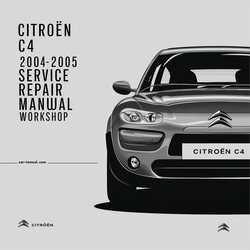
The Citroën C4, first generation (Type AH/AM), produced from 2004 to 2010, is a compact family car known for its distinctive styling and emphasis on comfort and innovative features, building on Citroën's heritage in automotive engineering. Available as a hatchback or coupe, it offered a range of petrol and HDi diesel engines, from the 1.4L petrol to the 1.6L HDi diesel, with power outputs ranging from approximately 70 hp to 138 hp. Notable for its advanced suspension systems, aerodynamic design, and a 5-star Euro NCAP safety rating, the C4 was positioned as a comfortable and well-equipped alternative in its segment, competing with vehicles like the Volkswagen Golf and Ford Focus.
$16.99
The Citroën C4, first generation (Project T, chassis codes L3/R3), represents a significant step in compact car design, built on the PSA PF2 platform. Produced from 2004 to 2010, this model is known for its distinctive styling, comfortable ride, and an innovative interior, including features like a fixed-hub steering wheel and stratified airflow for enhanced cabin comfort. Offering a range of petrol engines from 1.1L to 2.0L and diesel engines from 1.4L to 2.0L, the C4 was engineered with a strong focus on safety, achieving a 5-star Euro NCAP rating. Its engineering quality and unique selling points position it as a noteworthy vehicle in its segment, building upon Citroën's heritage of automotive innovation.
$16.99
This manual covers the C4, first generation, produced from 2004 to 2010, specifically detailing models from 2004 and 2005. The C4 is a compact family car, known for its modern, aerodynamic styling and focus on passenger comfort and innovative features, often competing with models like the Volkswagen Golf and Ford Focus. It offered a range of engine options, from 1.4L petrol to 1.6L diesel, and came in various body styles including hatchback and saloon. The vehicle achieved a 5-star Euro NCAP safety rating, reflecting its advanced safety systems for its era.
$16.99
The Citroën C4, produced from 2004 to 2005 as part of its first generation, is a compact family car distinguished by its avant-garde design and a comfortable, spacious interior. It offered a range of gasoline and diesel engine variants, from the economical 1.4L to the more powerful 2.0L options, paired with either manual or automatic transmissions. Notable for its striking aesthetic, innovative features such as a fixed-hub steering wheel on some models, and a strong emphasis on driver comfort and ergonomics, the C4 aimed to provide a unique and refined driving experience within its segment, competing with established models like the Volkswagen Golf and Ford Focus. Its engineering quality and safety were underscored by a 5-star Euro NCAP rating.
$16.99
This manual covers the Citroen C4, a first-generation compact family car produced between 2004 and 2010. As the successor to the Citroen Xsara, the C4 was designed with a focus on distinctive styling, comfort, and innovative features, including a striking aerodynamic profile and a unique fixed-hub steering wheel. It was available in hatchback and estate body styles, offering a range of petrol and diesel engines from 1.4L to 2.0L, with power outputs varying from 70 hp to 180 hp. The vehicle achieved a 5-star Euro NCAP safety rating, highlighting its commitment to occupant protection.
$16.99
The Citroën C4, first generation, produced from 2004 to 2010, is a compact family car known for its distinctive design and comfortable ride, featuring innovative elements such as a fixed-hub steering wheel. Built on the PSA PF2 platform, this model offered a range of petrol and diesel engines and was available in various body styles including hatchback, saloon, and coupé. It competed in a segment with strong rivals, aiming to provide a practical yet aesthetically unique vehicle for families and individuals prioritizing comfort and safety, evidenced by its 5-star Euro NCAP rating.
$16.99
This technical service repair manual provides comprehensive information for the Citroën C4, First Generation (Type SA/UF/UK), covering European models produced between 2004 and 2007. The C4 is a compact family car known for its distinctive aerodynamic styling, including a unique fixed-hub steering wheel, and a focus on passenger comfort and a supple ride. It was engineered to be a stylish and comfortable alternative in its segment, competing with models like the Volkswagen Golf and Ford Focus. The vehicle achieved a 5-star Euro NCAP rating for adult occupant protection, highlighting its commitment to safety.
$16.99
This manual covers the Citroën C4, first generation (Type B58), produced between 2004 and 2009. Built on the PSA PF2 platform, the C4 is a compact family car known for its innovative design, including a fixed-hub steering wheel, and a strong emphasis on comfort and advanced styling. It achieved a 5-star Euro NCAP safety rating, featuring multiple airbags and advanced braking systems like ABS with EBD and EBA. The C4 was offered as a 5-door or 3-door hatchback, powered by either a 1.6L petrol engine (likely TU5/EC5 variants) or a 1.6L HDi turbodiesel engine, and was available with 5-speed manual or 4-speed automatic transmissions.
$16.99
The Citroën C4, produced between 2004 and 2010, is a compact family car known for its distinctive styling, comfort-focused engineering, and innovative features. This first-generation model, particularly the variants equipped with the 1.6L petrol engine, offered a unique blend of avant-garde design and a supple ride quality, characteristic of Citroën's heritage. It aimed to provide a stylish and comfortable alternative in a competitive segment, achieving a 5-star Euro NCAP safety rating and featuring advanced systems for its time, including a focus on occupant protection and a well-appointed interior.
$16.99
The Citroën C4, produced from 2004 to 2010, represents the first generation of this compact family car, known for its distinctive design, focus on passenger comfort, and innovative interior features such as a fixed-hub steering wheel and digital instrument cluster. This model, sharing its platform with the Peugeot 307, was engineered with an emphasis on safety, achieving a 5-star Euro NCAP rating, and offered a range of powertrains, including the 2.0 i (EW10J4 / EW10A) engine. Its aerodynamic styling and comfortable, spacious cabin positioned it as a strong contender in its segment, aiming to provide a unique blend of practicality and advanced design.
$16.99
The Citroën C4, produced from 2004 to 2010, represents the first generation of this compact family car, built on the PSA PF2 platform. Known for its innovative design, including a distinctive interior with a central digital instrument cluster, and praised for its comfortable ride quality, the C4 offered a range of petrol and diesel engines, from the economical 1.4L HDi to the more potent 1.6L THP. Available as a 5-door hatchback and a 3-door coupé, it achieved a 5-star Euro NCAP safety rating, featuring advanced active and passive safety systems. This generation aimed to provide a stylish and modern alternative in its segment, replacing the older Xsara.
$16.99
This manual covers the Citroën C4, produced from 2005, featuring the 1.4i 16V engine (engine code prefix KFU). Designed as a compact family car, the C4 is known for its distinctive styling, emphasis on comfort, and innovative interior elements, positioning it as a practical and stylish competitor in its segment. Its engineering quality and reliability are underscored by a 5-star Euro NCAP safety rating, reflecting a commitment to occupant protection.
$16.99
The Citroën C4, introduced in 2005, is a compact family hatchback built on the PF2 platform. It is powered by a 1.4i 16V naturally aspirated petrol engine, typically producing around 90-100 PS. The C4 is recognized for its distinctive styling, comfortable ride, and a spacious interior for its class, offering advanced safety features and achieving a 5-star Euro NCAP rating. It competed in the European market against models such as the Ford Focus and Volkswagen Golf, offering a blend of practicality and unique design characteristics that defined Citroën's approach to automotive engineering.
$16.99
The Citroën C4, model year 2005, is a compact family car that exemplifies French automotive design and engineering. Featuring a 1.4i 16V engine (TU3AF/KFU) with a displacement of 1360 cc, this vehicle offers a balance of efficiency and performance, suitable for daily commuting and family use. Its design, originating from the first generation launched in 2004, emphasizes aerodynamics and a comfortable ride, distinguishing it within its competitive segment. The C4 achieved a commendable 5-star Euro NCAP safety rating, underscoring its commitment to occupant protection through features like multiple airbags and advanced braking systems.
$16.99
The Citroën C4 1.4i 16V, produced in 2005, is a compact family car that entered a competitive segment, distinguishing itself with a focus on stylish design and passenger comfort. As part of Citroën's lineup, it aimed to provide a modern and distinctive alternative, featuring unique aerodynamic styling and an interior often noted for its innovative layout. This model, representing the first generation of the C4, was engineered with a commitment to reliability and safety, evidenced by its five-star Euro NCAP rating. The 1.4i 16V engine variant offered a balance of fuel efficiency and performance suitable for everyday driving needs, contributing to its appeal as a practical yet stylish choice.
$16.99
This manual covers the Citroën C4, a compact family car produced from 2004 to 2010, specifically detailing the 1.6 16V HDi engine variant (engine code DV6TED4). Known for its distinctive styling, comfortable ride, and practical interior, the C4 competed in a segment with vehicles like the Volkswagen Golf and Ford Focus. A notable innovation is its fixed-center steering wheel, designed for consistent airbag deployment and ergonomic control access. The vehicle offers a 5-star Euro NCAP safety rating, with standard features including ABS, EBD, ESP, ASR, and EBA, along with multiple airbags and ISOFIX child seat anchors.
$16.99
The Citroën C4, first introduced in 2004 and with this specific variant from 2005, represents a significant entry in the compact family car segment. Known for its avant-garde design and comfort-oriented ride, the C4 aimed to blend practicality with distinctive styling, competing with established models like the Volkswagen Golf and Ford Focus. This particular 2005 model features the 1.6 16V HDi engine (engine code 9HX), a turbocharged diesel unit known for its efficiency and torque, making it a suitable choice for families and individuals seeking an economical yet capable vehicle. Its engineering quality and reliability are underscored by a strong safety profile, achieving a 5-star Euro NCAP rating with appropriate optional equipment.
$16.99
This manual covers the Citroën C4, produced from 2004 onwards, specifically detailing models equipped with the 1.6 16V HDi engine (engine code 9HY). The Citroën C4 is known for its distinctive design, comfortable ride, and advanced features for its era, earning a 5-star Euro NCAP safety rating. This first-generation model offered innovative styling, often including a fixed-hub steering wheel and digital instrument cluster, and was primarily manufactured in France. It represents Citroën's commitment to combining innovative engineering with driver comfort and safety.
$16.99
This manual covers the Citroën C4, produced in 2005. The C4 is a compact family car, a distinctive and comfortable alternative in its segment, known for its innovative design and driving comfort. It features aerodynamic styling, a spacious interior, and a comfortable ride, with unique selling points including a fixed-hub steering wheel, a large windscreen, and innovative interior design elements. The vehicle is built on the PSA PF2 platform and offers a 1.6 16V HDi engine (engine code 9HZ), an inline-4 turbocharged diesel with a displacement of 1560 cc, producing 110 PS and 240 Nm of torque. It was designed as a successor to the Citroën Xsara, building on its strengths while introducing a more modern and distinctive aesthetic.
$16.99
The Citroën C4, produced from 2005 onwards, is a compact family car known for its distinctive styling and emphasis on comfort. This generation of the C4, often compared to competitors like the Volkswagen Golf and Ford Focus, features innovative design elements and a robust engineering foundation. Powered by the efficient 1.6 16V HDi engine from the DV6 engine family, it utilizes common rail direct injection technology for enhanced performance and torque, typically offering around 90-110 PS and 215-240 Nm of torque. The vehicle is available in hatchback body styles and achieved a 5-star Euro NCAP safety rating, incorporating features such as ABS, multiple airbags, and pre-tensioning seatbelts.
$16.99
The Citroën C4, model code L, is a compact family car first introduced in 2004. This 2005 model year features the 1.6i 16V (EC5) engine, a naturally aspirated 1587 cc inline 4-cylinder petrol engine producing 110 PS and 147 Nm of torque. Known for its distinctive styling and comfort-oriented ride, the C4 competed in a segment with vehicles like the Ford Focus and Volkswagen Golf. Its design philosophy emphasizes innovation and practicality, offering a 5-star Euro NCAP safety rating, which included standard front, side, and curtain airbags on most trims, along with ABS, EBD, and EBA. The C4 was available as a 5-door or a stylish 3-door hatchback.
$16.99
The Citroën C4, introduced in 2005, is a family hatchback built on the PSA PF2 platform, known for its distinctive styling, comfortable ride, and innovative features. This model represents the early production phase of the first generation C4, which replaced the Xsara. It competed in a segment with rivals like the Ford Focus and Volkswagen Golf, offering a blend of French design flair and practicality. The 1.6i 16V engine variant, a naturally aspirated inline 4-cylinder, provided a balance of fuel efficiency and adequate performance for everyday driving, typically producing around 108 hp. The C4 achieved a commendable 5-star Euro NCAP safety rating in 2005, underscoring its structural integrity and comprehensive safety equipment, including multiple airbags and advanced braking systems.
$16.99
The Citroën C4, introduced in 2005, is a compact family car celebrated for its distinctive styling, emphasis on comfort, and practical design, positioning it as a strong contender in the European market against rivals like the Volkswagen Golf and Ford Focus. This model, powered by a 1.6i 16V engine, offers a blend of refined engineering and a comfortable driving experience, underscored by its achievement of a 5-star Euro NCAP safety rating. Its design philosophy prioritizes a pleasant journey, making it a notable entry in the history of innovative and avant-garde automotive solutions.
$16.99
The Citroën C4, first introduced in 2004, is a compact family car (C-segment) known for its distinctive and modern styling, with a strong emphasis on comfort and practicality. This first-generation model, particularly the 2005 iteration featuring the 1.6i 16V (TU5JP4) engine, offered a blend of innovative design elements, such as its often-cited fixed-hub steering wheel, and a comfortable ride, positioning it as a notable competitor against vehicles like the Volkswagen Golf and Ford Focus. Built upon Citroën's legacy of engineering innovation and comfort-focused design, the C4 aimed to provide a refined and stylish driving experience for everyday use.
$16.99
This manual covers all 2005 Citroën C4 1.6L models, including both coupe and hatchback variants. The Citroën C4, launched as the successor to the Xsara, is a compact family car known for its distinctive, avant-garde styling and focus on driver comfort. Built on the PSA PF2 platform, this generation of the C4 was recognized with a Euro NCAP 5-star safety rating and was a runner-up for European Car of the Year in 2005. Its unique design philosophy is evident in features such as the two-part dashboard with a central digital instrument cluster, appealing to design-conscious buyers seeking a practical yet stylish European hatchback.
$16.99
The Citroën C4, first introduced in 2004, is a compact family car renowned for its distinctive styling and comfortable ride. This particular manual covers the 2005 model year, equipped with the 2.0 16V HDi engine, a turbocharged direct injection diesel unit offering a balance of performance and fuel efficiency. Known for its innovative features, such as a fixed-center steering wheel on some trims, the C4 competed in the C-segment against popular models like the Volkswagen Golf and Ford Focus. Its robust engineering and a 5-star Euro NCAP safety rating underscore its quality and reliability, making it a practical choice for everyday use and family transport.
$16.99
The Citroën C4, introduced in 2005, is a compact family car celebrated for its distinctive, modern styling and a focus on interior spaciousness. This first-generation model, a successor to the Xsara, was designed to offer a blend of practicality and sophisticated aesthetics, positioning itself as a competitive option within the C-segment. Powered by a robust 2.0L 16V HDi Diesel engine (engine code DW10ATED4 / RHR), it provided a compelling balance of performance and fuel efficiency, making it a popular choice, particularly in European markets. The C4's engineering emphasized comfort and ride quality, characteristic of Citroën's innovative approach to automotive design, and it typically featured advanced safety systems for its era, contributing to its positive market reception.
$16.99
This manual covers the Citroën C4, a compact family car produced starting in 2005, featuring the 2.0 16V HDi engine. Known for its distinctive styling and emphasis on comfort, the C4 offers a blend of innovative features and practical design, positioning it competitively against rivals like the Volkswagen Golf and Ford Focus. The 2.0 HDi engine, part of the DW10 engine family, is an inline 4-cylinder diesel displacing 1997 cc, equipped with a Variable Geometry Turbocharger and Common Rail Direct Injection, typically producing 136 hp and 320 Nm of torque, and meeting Euro 4 emission standards, often including a Diesel Particulate Filter (DPF).

$16.99
The Citroen C4, particularly the 2005 model equipped with the 2.0 16V HDi engine (engine code DW10BTED4), represents a significant offering in the compact family car segment. Building on Citroën's heritage of innovative engineering and comfort-focused design, the C4 provided a distinctive alternative to its competitors. The 2.0 16V HDi engine delivered a robust blend of performance and fuel efficiency, making it well-suited for both daily commuting and longer journeys. Its engineering quality, coupled with a strong safety profile, including a 5-star Euro NCAP rating, underscored its appeal as a reliable and secure vehicle.
$16.99
The Citroen C4, produced from 2005, is a compact family car recognized for its distinctive aerodynamic styling, spacious interior, and a strong emphasis on driver comfort. This model competed in a segment known for practicality and efficiency, offering a blend of innovative features and a comfortable ride, making it a notable entry in the European automotive market. The 2.0 i (EW10) engine variant provides a capable powertrain, contributing to the vehicle's overall appeal for everyday use and longer journeys. Its commitment to safety is underscored by a 5-star Euro NCAP rating, reflecting robust occupant protection.
$16.99
This manual covers the 2005 Citroën C4, a compact family car known for its innovative design and comfortable ride. Powered by the 2.0i 16V (EW10J4) engine with engine code RFK, this vehicle offers a blend of performance and efficiency, making it suitable for daily commuting and longer journeys. The C4, a successor to the Xsara, represented Citroën's commitment to offering stylish and technologically advanced vehicles in the competitive European C-segment, earning a 5-star Euro NCAP safety rating. Its engineering quality and reliability are supported by a legacy of Citroën's automotive innovation.
$16.99
The Citroën C4, produced in 2005, is a compact car renowned for its distinctive, avant-garde styling and a comfortable, spacious interior. As a key model in Citroën's lineup, it competed effectively in the small family car segment against rivals like the Volkswagen Golf and Ford Focus. This generation of the C4, available as a 5-door hatchback, was designed to appeal to buyers seeking a stylish, European-designed vehicle with a focus on driver ergonomics and practicality. It featured innovative elements for its class and achieved a 5-star Euro NCAP safety rating, underscoring its commitment to occupant protection.
$16.99
This manual covers the Citroën C4, a compact family car produced starting in 2005. Known for its distinctive design and innovation, the C4 represents a significant evolution in Citroën's lineup, succeeding the Xsara. This particular model is equipped with the 2.0i 16V RFN engine, an inline 4-cylinder unit featuring DOHC and 16 valves, delivering approximately 136-143 PS. The vehicle is recognized for its strong safety credentials, achieving a 5-star Euro NCAP rating, and offers features such as ABS as standard, with ESP and multiple airbags available depending on trim level. Its heritage is rooted in Citroën's reputation for comfort and forward-thinking engineering.
$16.99
The Citroën C4, produced from 2005, is a compact family car known for its distinctive aerodynamic styling and emphasis on passenger comfort. This model offered advanced design features for its era, competing in a segment with vehicles like the Volkswagen Golf and Ford Focus. The C4 was engineered with a focus on providing a modern driving experience, incorporating innovative cabin features and a strong safety profile, evidenced by its 5-star Euro NCAP rating. Powered by engines such as the 2.0i 16V (RFN), it was available in hatchback and coupe body styles, catering to a global market with a particular focus on European preferences.
$16.99
This manual covers the Citroën C4, specifically the Phase 1 models produced from 2005 onwards, equipped with the 2.0i (EW10J4) engine. The C4, a compact family car, is recognized for its unique, futuristic styling and emphasis on comfort and innovative features, such as its distinctive fixed-hub steering wheel. As a successor to the Xsara, it represented a significant evolution in Citroën's design and engineering philosophy, competing in the C-segment against established models like the Volkswagen Golf and Ford Focus. The vehicle achieved a 5-star Euro NCAP safety rating in 2005, highlighting its commitment to occupant protection through features like front, side, and curtain airbags.

$16.99
The Citroën C4, introduced in 2004, represents a significant evolution in Citroën's automotive engineering, built upon the PSA PF2 platform. This model year, 2005, falls within the first generation of the C4, a vehicle known for its distinctive styling and focus on passenger comfort and safety, evidenced by its 5-star Euro NCAP rating. Powered by a 2.0i engine, likely from the EW series, the C4 was offered in both 5-door hatchback and 3-door coupe body styles, catering to a range of driver needs. Its design emphasized innovative features and a commitment to providing a high-quality driving experience, reflecting Citroën's heritage of automotive advancement.
$16.99
This manual covers the Citroën C4, a compact family car introduced in 2004, specifically detailing the 2005 model year equipped with the 2.0i (EW10J4) engine. The first generation C4 (Type 1; LC, LD) distinguished itself with unique styling, a comfortable ride, and advanced safety features for its era, aiming to provide a blend of innovative design and practicality. It competed in a segment populated by established models, offering a compelling alternative through its distinctive aesthetic and focus on occupant comfort.
$16.99
This manual covers the Citroën C4, specifically the first generation (Phase I) model from 2005 equipped with the 2.0i EW10J4 engine. As a compact family car, the C4 distinguished itself with avant-garde styling, a focus on occupant comfort, and a spacious interior, positioning it competitively against models like the Ford Focus and Volkswagen Golf. Citroën's heritage of innovation is evident in the C4's design philosophy, aiming for a modern and distinctive presence in its segment. The vehicle's engineering quality is underscored by its strong safety performance, achieving a 5-star Euro NCAP rating for adult occupant protection.
$16.99
The Citroën C4, produced from 2004 to 2010, represents a significant entry in the compact family car segment, known for its distinctive styling and focus on occupant comfort. Built on the PF2 platform and identified by chassis code B7, this vehicle offers a range of body styles including hatchback and coupe variants. Citroën's legacy of innovative engineering is evident in the C4, which achieved a commendable 5-star Euro NCAP rating for adult occupant protection, highlighting its commitment to safety. The model is designed for everyday use, providing a blend of practicality and advanced features for its era.
$16.99
This manual covers the Citroën C4 I, produced from 2004 to 2010, including the 2005 model year. The C4 is a compact family car, a successor to the Xsara, known for its innovative design, comfortable ride, and advanced features for its class. It competed with vehicles like the Volkswagen Golf and Ford Focus. Notable design elements include a distinctive coupe-like profile and an innovative fixed-hub steering wheel on some early models. The C4 achieved a 5-star Euro NCAP safety rating and offered a range of petrol and diesel engines, including 1.6L and 2.0L HDi diesel engines and 1.4L, 1.6L VTi, and 2.0L petrol engines.
$16.99
This manual covers the Citroen C4, specifically the First Generation (Phase 1) models produced around 2006, featuring the 1.6L NFU (EC5) engine. The Citroen C4 is a compact family car known for its distinctive design language, including a unique 'poly-elliptical' body shape and an innovative fixed-hub steering wheel. It was positioned as a stylish and technologically advanced option in its segment, offering a comfortable ride and a spacious interior with features like a central digital instrument cluster. The C4 achieved a 5-star safety rating from Euro NCAP, highlighting its strong occupant protection.
$16.99
The Citroën C4, produced from 2006, represents a significant entry in the compact family car segment, building on Citroën's heritage of innovative design and comfort. This model, based on the PSA PF2 platform, features distinctive styling and an emphasis on ride quality, setting it apart from competitors like the Volkswagen Golf and Ford Focus. Equipped with the 2.0 i (EW10J4) engine, it offers a blend of performance and efficiency suitable for general consumers and fleet operators alike. Its engineering quality is underscored by a focus on aerodynamic efficiency and unique interior features, contributing to its appeal in the European market.
$16.99
The Citroen C4 Picasso, introduced in 2006, is a versatile and family-oriented compact MPV built on the PSA PF2 platform. It distinguished itself with a unique 'Splitscreen' dashboard display, optional panoramic glass roof, flexible seating, and a modern exterior design, competing with established models like the Renault Scénic and Volkswagen Touran. Citroën's heritage of innovation and comfort is evident in this model, which aimed to provide spaciousness and practicality for everyday use and family journeys.
$16.99
This manual covers the Citroën C4, first generation (C4 I), for the 2006 model year. Built on the PSA PF2 platform, the C4 is a compact car known for its distinctive, aerodynamic styling and innovative features, including a fixed-hub steering wheel on early designs. It was designed to offer consumers a stylish, comfortable, and well-equipped vehicle within the competitive C-segment, aiming to stand out against rivals like the Volkswagen Golf and Ford Focus. The C4 I was available in hatchback and sedan body styles, emphasizing occupant comfort and safety, evidenced by its 5-star Euro NCAP rating.
$16.99
The C4 Picasso, first generation (UD), produced from 2006 to 2013, is a versatile compact MPV built on the PSA EW/DW platform. Known for its distinctive 'mono-volume' design, panoramic windshield, and flexible seating configurations, it offers ample interior space and comfort, making it an ideal choice for families. The C4 Picasso embodies a commitment to innovative design and a refined ride quality, competing in a segment that prioritizes practicality and passenger comfort. Engine options range from 1.8L and 2.0L petrol engines to 1.6L and 2.0L HDi diesel variants, delivering power outputs from 90 to 150 horsepower.
$16.99
The Citroën C4, produced from 2007, is a compact family car built on the PSA PF2 platform. This model, featuring a 1.6L naturally aspirated petrol engine (NFU variant of the TU5JP4), offers a distinctive, avant-garde design with an emphasis on comfort and practicality, setting it apart from competitors like the Volkswagen Golf and Ford Focus. Its interior is notable for innovative elements such as a central digital instrument cluster and a sculpted dashboard. The C4 is engineered for comfort-oriented ride quality and stable handling, reflecting Citroën's legacy of producing innovative and comfortable vehicles.
$16.99
This manual covers the 2007 C4, equipped with the 2.0 i (EW10J4) engine. As a product of rich heritage of innovative engineering, the C4 is recognized for its distinctive design, earning the 'Most Beautiful Car of the Year' award in 2004. This generation of the C4, which succeeded the Xsara, was designed with a focus on comfort, safety, and modern technology, featuring a 5-star Euro NCAP rating for adult occupant protection. Its engineering quality and reliability are supported by a range of features, including advanced safety systems like ABS, EBD, EBA, and optional ESP, along with a unique fixed steering wheel hub.
$16.99
The Citroen C4 Picasso, introduced in 2007 as part of its first generation (2006-2013), is a compact Multi-Purpose Vehicle recognized for its practical design and spacious interior. This model, with chassis code UH, offers a versatile platform that caters to families and those requiring adaptable cargo space. Its engineering emphasizes a balance of comfort and functionality, a hallmark of Citroën's innovative approach to vehicle development. The C4 Picasso is equipped with a range of engine options, including gasoline and diesel variants with fuel injection systems, and transmission choices such as manual, automated manual, and automatic transmissions, all designed to provide efficient performance for everyday use and longer journeys.
$16.99
The Citroen C4 I, produced from 2004 to 2010, is a compact car recognized for its distinctive and modern design, having received positive recognition and a 5-star Euro NCAP safety rating. Built on the PSA PF2 platform, this generation of the C4 replaced the Xsara and introduced innovative features such as a fixed-hub steering wheel and a digital instrument cluster, aiming for a stylish and contemporary driving experience. Known for its history of innovative engineering, the C4 I was presented as a significant step in its evolution of compact vehicle design.
$16.99
The Citroen C4, produced in 2008, is a compact family car recognized for its distinctive French design, aerodynamic styling, and a strong emphasis on ride comfort. Built on the PSA PF2 platform, this 5-door hatchback variant offers a practical and stylish option within its segment, competing with established models through its innovative interior features and renowned suspension tuning. The 1.6L naturally aspirated inline-4 petrol engine, typically producing around 109-110 PS, provides efficient performance for everyday use. With a 5-star Euro NCAP safety rating, the C4 prioritizes occupant protection, featuring a robust chassis design and multiple airbags.
$16.99
The 2008 Citroen C4 2.0 i is a compact family car, a C-segment vehicle known for its distinctive styling, comfort-oriented suspension, and innovative design, hallmarks of the Citroen brand. This model, part of the first generation, offers a blend of practicality and advanced engineering, aiming to provide a superior driving experience within its class. With a focus on safety, achieving a 5-star Euro NCAP rating, and featuring a robust 2.0-liter naturally aspirated petrol engine with multi-point fuel injection, the C4 2.0 i is engineered for reliability and performance, making it a strong contender against rivals like the Volkswagen Golf and Ford Focus.
$16.99
The Citroën C4 Picasso, model code UD, represents the first generation (Phase I) of this compact MPV, first introduced in 2006 and manufactured in Vigo, Spain. Known for its modern, spacious, and innovative design, the C4 Picasso offers a practical and comfortable family-oriented alternative to traditional hatchbacks and estates. Notable features include a panoramic windshield, modular seating arrangements, and advanced technology such as an optional air purifier and parking assistance. It was powered by a range of petrol and diesel engines, including 1.8L petrol variants from the Prince engine family and 1.6L or 2.0L HDi diesel engines, paired with either manual or automated manual transmissions. The vehicle achieved a 5-star Euro NCAP safety rating, equipped with comprehensive active and passive safety systems.
$16.99
The Citroën C4, specifically the C4 I generation (Phase I/II facelifted) produced from 2008, represents a distinctive entry in the compact family car segment. Known for its avant-garde styling and emphasis on comfort and innovative features, it competed with popular models like the Volkswagen Golf and Ford Focus. This vehicle, available in hatchback body styles, offers a range of inline 4-cylinder engines, including 1.4L, 1.6L, and 2.0L options, with power outputs typically ranging from approximately 75 HP to 138 HP. Its engineering quality is underscored by a 5-star Euro NCAP safety rating, highlighting robust occupant protection.
$16.99
The 2009 Citroën C4 1.6L is a compact hatchback renowned for its distinctive styling, comfortable ride, and innovative features, positioning it as a strong contender in its segment. This model, part of the first generation, offers a blend of fuel efficiency and performance suitable for everyday driving, complemented by a focus on occupant comfort and interior ergonomics. Its engineering quality and reliability are hallmarks of the Citroën brand, known for its long history of automotive innovation.
$16.99
The Citroën C4, specifically the 2009 model year featuring the 2.0 i (EW10A/J4R) engine and representing the Second Generation (Phase II) update, is a testament to French automotive engineering. Known for its distinctive styling and emphasis on occupant comfort, this model offers a blend of practicality and engaging driving dynamics, making it suitable for daily commuting and longer journeys. Its design philosophy prioritizes a refined ride quality and a well-appointed interior, reflecting Citroën's heritage of innovation in vehicle comfort and safety, as evidenced by its 5-star Euro NCAP safety rating.
$16.99
The Citroën C4 Picasso, first generation, produced from 2006 to 2013, is a versatile compact MPV known for its spacious and flexible interior, distinctive styling, and comfortable ride. This model, with chassis code UD, offers a practical solution for families and individuals requiring ample passenger and cargo space, embodying Citroën's legacy of innovative design and engineering. It features a range of efficient petrol and diesel engines, coupled with various transmission options including manual, automatic, and automated manual transmissions, all contributing to its appeal as a well-rounded vehicle.
$16.99
The 2009 Citroen C4 I is a compact family car known for its distinctive design and comfortable ride, continuing Citroen's legacy of automotive innovation. This model, introduced as a successor to the Xsara, aimed to provide a blend of style, practicality, and advanced features in a competitive segment. With a range of petrol and diesel engines, including popular variants like the 1.6L VTi and 1.6L HDi, the C4 I offered efficient performance and a 5-star Euro NCAP safety rating, underscoring its commitment to occupant protection through features such as multiple airbags and advanced braking systems.
$16.99
The Citroen C4, produced in 2010, is a compact family car built on the PSA PF2 Platform. It is powered by a 1.6L naturally aspirated inline-4 cylinder petrol engine, known for its efficiency and recognized for its class in the International Engine of the Year awards. This model is characterized by its futuristic and aerodynamic styling, a comfortable and spacious interior, and advanced safety features for its segment, offering a practical yet stylish option for families and individuals. Its design philosophy emphasizes comfort and innovative features, making it a distinctive choice in the competitive C-segment market.
$16.99
This manual covers the Citroen C4, produced from 2010 to 2018. This second-generation model, identified by the chassis code B7, features a distinctive design philosophy emphasizing passenger comfort and a refined driving experience. Powered by a 2.0 i naturally aspirated inline-4 petrol engine (EW10A / RFN) with a displacement of 1997 cc, it offers 143 PS and 200 Nm of torque. The C4 is a compact family car positioned against competitors like the Ford Focus and Volkswagen Golf, known for its innovative features and quality interior.
$16.99
The Citroen C4, specifically the second generation produced from 2010 onwards, is a compact family car designed to offer a distinctive blend of comfort, innovative features, and stylish aesthetics. Built on the PF2 platform, this model aimed to provide a refined driving experience, setting itself apart from competitors like the Volkswagen Golf and Ford Focus with its unique interior and exterior design elements and a notably comfortable ride quality. Available in various body styles, including hatchback and coupe, and equipped with a range of efficient petrol and diesel engines, the C4 II was engineered to be a practical yet appealing choice for daily commuting and family use, emphasizing a premium feel within its segment.
$16.99
This manual covers the 2010 C4 Picasso, a compact MPV built on the PSA PF2 platform. Known for its practicality, comfort, and distinctive design, the C4 Picasso embodies a commitment to innovative automotive engineering. This first-generation model, produced from 2006 to 2013, offered a range of petrol and diesel engines, coupled with manual and automatic transmissions, and achieved a 5-star Euro NCAP safety rating. Its modular interior and focus on family needs made it a standout in its segment, reflecting a heritage of creating user-friendly and technologically advanced vehicles.
$16.99
The Citroen C4, specifically the C4 I (First Generation) model from 2010, represents a compact family car known for its unique and avant-garde design, comfortable ride, and practical interior. Sharing its platform with the Peugeot 307 and 308, this vehicle was developed with a focus on innovation, a philosophy deeply ingrained in Citroen's automotive heritage. It offered a range of gasoline and diesel engines, from the efficient 1.4L VTi to the more powerful 1.6L THP turbocharged variants, and the economical 1.6L HDi diesel. The C4 achieved a 5-star Euro NCAP safety rating, featuring standard Anti-lock Braking System (ABS) and often equipped with Electronic Stability Program (ESP) and multiple airbags, underscoring its commitment to occupant safety.
2010-2015 Citroen C4 II (B7) 5 Door Hatchback 1.6l Vti 16V Engine Service Repair Workshop Manual PDF
$16.99
This comprehensive workshop service repair manual covers the Citroën C4 II (B7) 5 Door Hatchback, specifically focusing on models produced between 2010 and 2015, and featuring the 1.6L VTi 16v (EC5/EP6C) engine. The Citroën C4 is a compact family car, known for its comfort-oriented design, distinctive styling, and practical interior space. This generation, the C4 II, continued Citroën's tradition of automotive innovation, offering a refined driving experience and a strong emphasis on occupant safety, as evidenced by its 5-star Euro NCAP rating. With its robust engineering and focus on passenger well-being, the C4 aims to provide a reliable and comfortable experience for everyday use.
$16.99
The Citroën C4, specifically the Second Generation (B7) produced from 2010 to 2018, represents Citroën's commitment to comfort, distinctive design, and innovative technology within the competitive C-segment. This compact family car is engineered with a focus on a fluidic and modern aesthetic, offering a spacious and comfortable interior with quality materials and a unique dashboard layout. The C4 is equipped with a range of PSA EP (petrol) and DV/DW (diesel) engines, offering power outputs from approximately 82 PS to 165 PS, coupled with various transmission options including manual, automated manual, and automatic gearboxes. Its design philosophy emphasizes aerodynamic efficiency, and it integrates modern driver assistance and connectivity features, making it a compelling choice for everyday use and family transport.
$16.99
The Citroën C4, produced in 2011, is a compact family car designed to offer a blend of comfort, practicality, and distinctive French styling. This second-generation model (Type B7) built upon its predecessor's strengths, featuring an updated platform and enhanced technology. The 1.4 VTi engine variant, a naturally aspirated inline-four cylinder petrol engine with 1360 cc displacement, provides an economy-focused option within its competitive segment, which included vehicles like the Volkswagen Golf and Ford Focus. Known for its comfortable ride, unique interior design, and a strong emphasis on passenger comfort, the C4 aimed to provide a refined driving experience for everyday use.
$16.99
The Citroen C4 Picasso, produced from 2011, is a versatile compact MPV renowned for its distinctive French styling, practical interior, and focus on family comfort. Engineered with a commitment to innovation and driver well-being, this model offers a flexible and spacious cabin, making it an ideal choice for families and individuals prioritizing both functionality and a pleasant driving experience. Its design philosophy emphasizes modularity and a user-friendly layout, contributing to its appeal in a competitive segment.
$16.99
The Citroën C4, specifically the second generation (B7 chassis code) produced from 2010 onwards, is a compact family car renowned for its distinctive avant-garde styling and emphasis on occupant comfort. This C-segment hatchback and saloon model offers practical transportation, competing with established rivals through its unique design philosophy and technological features. Available with a range of PSA EP/DV series petrol and diesel engines, including the award-winning 1.6 THP co-developed with BMW and efficient HDi diesel variants, the C4 II provides a balance of performance and economy. Its commitment to safety is underscored by a 5-star Euro NCAP rating, reflecting excellent adult occupant protection and safety assist systems, making it a reliable choice for families and individuals.
$16.99
The 2012 Citroen C4 1.4 VTi represents a continuation of Citroën's legacy of innovative and comfortable automotive engineering. This model, powered by a naturally aspirated 1397 cc inline-4 petrol engine, offers a blend of practicality and modern features suitable for everyday driving. Its design emphasizes occupant safety, as evidenced by its 5-star Euro NCAP rating for adult occupant protection, and incorporates technologies like ABS, EBD, and potentially ESP. With a focus on refined ride quality and distinctive styling, the C4 aims to provide a reliable and enjoyable ownership experience.
$16.99
The Citroën C4 Aircross, produced from 2012 to 2017, is a compact crossover SUV that blends distinctive Citroën styling and comfort with the practicality of an elevated driving position. Developed in partnership with Mitsubishi Motors and sharing its platform with the Mitsubishi ASX, this model offers a compelling combination of European design and robust mechanical underpinnings. Available with front-wheel drive or all-wheel drive, and powered by 1.6L or 1.8L gasoline engines, the C4 Aircross provides a comfortable ride and a 5-star Euro NCAP safety rating, making it a versatile choice for various needs.
$16.99
The Citroën C4 Picasso, first generation (Phase II), produced in 2012, is a compact MPV renowned for its distinctive French styling, innovative interior modularity, and a comfortable ride, often described as a 'Magic Carpet' experience. This vehicle was engineered to provide families with practicality, flexible seating arrangements, and ample storage solutions, making it a strong contender against rivals like the Renault Scénic and Volkswagen Touran. Its design emphasizes modern, aerodynamic lines and incorporates features such as sliding and folding rear seats and an optional panoramic sunroof, contributing to its unique selling proposition in the market.
$16.99
The Citroën C4, specifically the second generation (chassis code B7) produced from 2012 onwards, is a compact family car designed with a focus on comfort, innovative styling, and a distinctive French character. As a key player in the C-segment, it competed with established models like the Volkswagen Golf and Ford Focus, offering a spacious interior and a comfortable ride quality often attributed to its advanced suspension designs. The C4 hatchback (5-door) variants are known for their unique selling points, blending practicality with a commitment to driver and passenger well-being.
$16.99
The Citroen C4 Aircross, produced between 2012 and 2017, is a compact crossover SUV that blends stylish European design with practical utility. Built on the PSA GS platform, shared with the Mitsubishi ASX, it offers a compelling package for those seeking a versatile vehicle. Notable features include efficient engine options, available All-Wheel Drive, and a comfortable, well-appointed interior suited for both daily commuting and longer journeys. Its engineering quality and reliability are enhanced by its shared mechanicals with a proven platform, making it a solid choice in its segment.
$16.99
The Citroen C4, produced from 2013, represents the second generation of this compact family car, known for its distinctive styling and comfortable interior. Equipped with the 1.4 VTi engine (EP3 engine code), this model offers a balance of efficiency and refinement, making it a practical choice within its segment. Its design emphasizes aerodynamic lines and a spacious cabin, reflecting Citroen's commitment to driver comfort and innovative features. The C4 has been recognized for its competitive fuel efficiency and Euro 5 compliance, positioning it as a capable contender against other vehicles in its class.
$16.99
The Citroën C4 Aircross, produced from 2012 to 2017, is a compact SUV built on the Mitsubishi GS platform. This model is distinguished by its sharply styled exterior, reflecting Citroën's design language, and offers a choice between efficient gasoline and diesel powertrains. It was available in both Front-Wheel Drive (FWD) and an intelligent All-Wheel Drive (AWC) system, providing versatility for various driving conditions. The C4 Aircross shares its mechanical underpinnings with its Mitsubishi ASX and Peugeot 4008 counterparts, ensuring a foundation of reliability and proven engineering.
$16.99
The Citroën C4 Picasso, introduced in 2013 as the second generation (model code 3A/3E), is a versatile compact MPV renowned for its innovative design and practical family-oriented features. Building on Citroën's legacy of distinctive automotive engineering, this model offers a comfortable and safe driving experience, evidenced by its 5-star Euro NCAP safety rating. It typically features a range of efficient petrol and diesel engines, paired with manual or automatic transmissions, making it suitable for both daily commuting and longer journeys. The vehicle's thoughtful interior design and advanced technology, including available parking assistance and connectivity options, contribute to its appeal as a reliable and modern family vehicle.
$16.99
This manual covers the Citroën C4 II (B7) produced in 2013. The C4 is a compact family car known for its distinctive styling, comfortable ride, and innovative features, positioning it as a stylish and practical European hatchback. It competes in the C-segment against vehicles like the Volkswagen Golf and Ford Focus. The C4 II generation, developed on the PSA PF2 platform, shares components with the Peugeot 308 II and features aerodynamic lines, a modern interior, and typically includes advanced safety systems and efficient powertrain options.
$16.99
The Citroën C4, model year 2014, is a compact family car designed with a focus on distinctive styling and a comfortable ride, aligning with Citroën's heritage of innovative automotive engineering. Powered by a naturally aspirated 1.4 VTi petrol engine (EP3, 5FW) with a displacement of 1397 cc, this vehicle offers a balanced performance suitable for everyday use and longer journeys. Built on the PSA PF2 platform, the C4 provides a 5-star Euro NCAP safety rating, reflecting high standards in adult and child occupant protection. Its design philosophy emphasizes a unique user experience, making it a competitive choice within its segment.
$16.99
The Citroen C4 Aircross, produced in 2014, is a compact crossover SUV that blends distinctive French styling with the engineering reliability of its shared platform with Mitsubishi. Positioned as a practical and stylish choice, it competes with other vehicles in its segment by offering a comfortable ride, a spacious interior for its class, and the option of All-Wheel Drive. This model benefits from Citroën's heritage of innovative design and Mitsubishi's robust engineering, making it a well-rounded option for various driving needs.
$16.99
The Citroën C4 II, produced in 2014, is a compact family car built on the PSA PF2 platform. Known for Citroën's characteristic avant-garde styling and an emphasis on comfort, it offers a blend of innovative features and engineering quality. This model typically features a range of petrol and diesel engines, including Prince and HDi variants, with power outputs generally ranging from 80 to 170 hp for petrol and 90 to 180 hp for diesel. The C4 II is recognized for its comfortable ride, spacious interior, and a strong safety profile, often achieving a 5-star Euro NCAP rating, equipped with standard safety features like ABS, EBD, and ESP, along with multiple airbags.
$16.99
The Citroën C4, produced from 2010 to 2018, is a compact family car known for its distinctive modern styling, comfortable ride, and practical interior. This particular model features the 1.4 VTi engine, a naturally aspirated 1397 cc inline-4 petrol engine co-developed with BMW as part of the EP6 engine family. Built on the PSA PF2 platform, the C4 is recognized for its emphasis on passenger comfort and a unique French aesthetic, often praised for its spaciousness and quality of materials. It achieved a 5-star Euro NCAP safety rating, equipped with standard ABS, EBD, ESP, and typically six airbags, making it a well-rounded vehicle for everyday use and family transport.
$16.99
The 2015 Citroen C4 Aircross is a versatile crossover vehicle that blends distinctive French design with robust engineering. Built on a shared platform with Mitsubishi, it offers a compelling combination of comfort, practicality, and capable performance suitable for both urban driving and light off-road excursions. Its design emphasizes a modern aesthetic, while its engineering prioritizes reliability and driver confidence, reflecting Citroen's heritage of innovative automotive solutions.
$16.99
The Citroën C4, generation II (Type B7), produced in 2015, is a compact family car that embodies Citroën's commitment to comfort, distinctive design, and technological innovation. Built on the PSA PF2 platform, this C-segment vehicle offers a spacious interior and a smooth ride, a hallmark of the brand's focus on driver and passenger well-being. With a range of efficient petrol and diesel engines, including naturally aspirated and turbocharged variants, the C4 provides a balance of performance and economy, making it a competitive choice in its class. Its aerodynamic styling, unique lighting signatures, and emphasis on comfort set it apart, reflecting Citroën's long heritage of creating innovative and user-friendly vehicles.
$16.99
The Citroën C4, a 2016 model year hatchback, is equipped with a 1.4 VTi naturally aspirated inline 4-cylinder engine, featuring DOHC and multi-point fuel injection. This model offers a 5-speed manual transmission as standard, with an optional 4-speed automatic transmission. Known for its robust engineering and a 5-star Euro NCAP safety rating, the C4 is designed for reliable everyday use, incorporating features such as ABS, ESP, and multiple airbags. Its dimensions include a length of approximately 4304 mm and a wheelbase of 2608 mm, contributing to its comfortable ride and practical interior space.
$16.99
The Citroën C4 Aircross, produced from 2012 to 2017, is a compact crossover SUV that blends French design with the practicality of an elevated hatchback. Developed in partnership with Mitsubishi, it shares its platform with the Mitsubishi ASX and offers a choice of efficient diesel and capable petrol engines, including 1.6 HDi, 1.8 HDi, 1.6 VTi, and 2.0 i-VTEC variants. Available with both two-wheel drive and four-wheel drive options, the C4 Aircross emphasizes urban maneuverability and a comfortable ride, distinguishing itself with Citroën's signature comfort-oriented approach. Its design incorporates distinctive French styling cues, making it a practical and stylish choice for everyday use and light adventures.
$16.99
This manual covers the Citroën C4 II, a compact family car produced for the 2016 model year. Built on the PF2 platform, this model is available in hatchback (3-door and 5-door) and coupe body styles, reflecting Citroën's emphasis on distinctive French styling, comfortable ride quality, and practical, spacious interiors. It offers a range of efficient petrol and diesel powertrains, including the 1.2L PureTech turbocharged engine and the 1.6L BlueHDi diesel, paired with manual or automatic transmissions. The C4 II is designed for families and professionals seeking a stylish and comfortable daily driver, and it achieved a 5-star Euro NCAP safety rating.

$16.99
The 2017 Citroën C4 Aircross is a compact crossover SUV that blends distinctive Citroën design with the practicality and versatility expected of its segment. Built on the robust Mitsubishi GS platform, it offers a comfortable and engaging driving experience, suitable for both urban environments and longer journeys. Available with front-wheel drive or an electronic all-wheel-drive system, and powered by efficient gasoline or diesel engines, the C4 Aircross provides a balanced combination of performance and fuel economy. Its stylish exterior and well-appointed interior make it a competitive choice in the crowded compact SUV market, appealing to those seeking a blend of form and function.
$16.99
This manual covers the 2017 Citroën C4, a compact family car known for its comfort-oriented design, distinctive styling, and efficient engines, including award-winning PureTech petrol and BlueHDi diesel variants. Built on the PSA PF2 platform, the second-generation C4 (B7 chassis code) was available as a 5-door hatchback and, in certain markets, a 4-door sedan (C4L). It offers a practical interior, a 5-star Euro NCAP safety rating, and a range of technologies such as touchscreen infotainment systems and driver assistance features. The C4 competes in the C-segment against rivals like the Volkswagen Golf and Ford Focus, emphasizing ride comfort and a unique brand philosophy.
$16.99
The 2018 Citroën C4 is a compact family car renowned for its distinctive French styling, emphasis on comfort, and practical design. Built on the robust PSA PF2 platform, this model offers a compelling blend of efficiency and performance, often featuring award-winning PureTech petrol engines and efficient BlueHDi diesel options. With a strong safety record, including a 5-star Euro NCAP rating, and advanced features such as the Citroën Connect infotainment system, the C4 is engineered to provide a refined and reliable driving experience for daily commuting and family journeys.
$16.99
The Grand C4 Picasso, a compact MPV produced from 2006 with a significant redesign in 2013, is recognized for its distinctive styling, practical interior, and family-oriented features. Building on a legacy of innovative design, this model offers a spacious and modular cabin, often seating up to seven occupants, and incorporates features such as a panoramic windscreen. Its engineering prioritizes comfort and versatility, making it a compelling choice for families and those requiring flexible cargo solutions, competing with other vehicles in its segment through a blend of distinctive aesthetics and user-centric design.
$16.99
This manual provides comprehensive technical information for the C4 Picasso, a compact MPV produced from 2006 to 2013 and potentially into the early second generation (2013-2018). Known for its family-oriented design, spacious interior, and innovative features like a panoramic windscreen, the C4 Picasso offered a practical and comfortable driving experience. Its sophisticated electrical systems, common in modern vehicles, are a key focus of this documentation. The manual covers various trim levels and chassis codes (UD, UA, UF), offering detailed insights into the vehicle’s electrical architecture, including engine management, lighting, infotainment, HVAC, and safety systems, among others.
