The 2 Series encompasses a range of compact luxury vehicles designed for spirited driving and everyday versatility. These models are characterized by their sporty handling, dynamic performance, and premium interior appointments, offering a compelling blend of agility and comfort. Primarily used for personal transportation, commuting, and recreational driving, the 2 Series models cater to drivers seeking an engaging and refined automotive experience within a more accessible package. Their compact dimensions make them well-suited for urban environments while maintaining the capability for longer journeys.
Documentation for the 2 Series typically includes comprehensive owner's manuals detailing vehicle operation, features, and basic maintenance. Detailed...
The 2 Series encompasses a range of compact luxury vehicles designed for spirited driving and everyday versatility. These models are characterized by their sporty handling, dynamic performance, and premium interior appointments, offering a compelling blend of agility and comfort. Primarily used for personal transportation, commuting, and recreational driving, the 2 Series models cater to drivers seeking an engaging and refined automotive experience within a more accessible package. Their compact dimensions make them well-suited for urban environments while maintaining the capability for longer journeys.
Documentation for the 2 Series typically includes comprehensive owner's manuals detailing vehicle operation, features, and basic maintenance. Detailed service and repair manuals are available for technicians, covering in-depth diagnostic procedures, component replacement, and electrical system schematics. These resources are crucial for ensuring the longevity and optimal performance of the vehicle, providing essential information for routine upkeep, troubleshooting complex issues, and performing specialized repairs to maintain the integrity of the engineering.
This manual covers the BMW X1 E84 series, produced for the 2012 model year. It is designed to provide comprehensive information for all models within this generation. The BMW X1 is engineered for versatility, offering a blend of compact SUV practicality with BMW's renowned driving dynamics, making it suitable for a wide range of everyday driving needs and light adventures. Its focus on quality construction and reliable performance ensures a dependable ownership experience.
This manual provides comprehensive service and repair information for the BMW X3 F25, covering all models and repairs from A to Z. Engineered for reliability and performance, the BMW X3 is designed for a versatile driving experience, suitable for both daily commuting and adventurous journeys. This guide details the specific engineering and quality that define the X3, ensuring owners can maintain its exceptional standards.
The BMW X3 F25, produced from 2010 to 2017, is a compact luxury SUV known for its blend of sporty driving dynamics, practicality, and advanced technology. This generation of the X3, including the 2012 model year, offers renowned BMW handling, often enhanced by the xDrive all-wheel-drive system for superior traction and stability. Its design prioritizes versatility, combining the utility expected of an SUV with the premium comfort and features characteristic of the BMW brand, positioning it as a strong contender against rivals like the Audi Q5 and Mercedes-Benz GLK-Class.
The BMW X3, specifically the F25 generation produced from 2010 to 2017, represents BMW's successful entry into the compact luxury SUV segment, often referred to as a Sports Activity Vehicle (SAV). Known for embodying BMW's signature driving dynamics, premium interior appointments, and advanced technology, the X3 offers a compelling blend of performance and practicality. Its engineering excellence, highlighted by features like the xDrive all-wheel-drive system and efficient turbocharged engines such as the 3.0L N55 inline-six and the 2.0L N20 inline-four, positions it as a strong competitor against other luxury marques. The X3 is designed to deliver a refined and engaging driving experience for a variety of uses, from daily commuting to family adventures.
The BMW X5, model code E70, represents the second generation of BMW's highly successful Sports Activity Vehicle, produced from 2006 to 2013. This luxury mid-size SUV is renowned for its blend of dynamic handling, premium interior appointments, and advanced technology, embodying BMW's signature driving pleasure within a versatile and practical package. Featuring a range of powerful inline-6 and V8 gasoline engines, along with efficient diesel options, and equipped with the intelligent xDrive all-wheel-drive system, the E70 X5 delivers robust performance and confident capability. Its sophisticated design, luxurious materials, and innovative features like the iDrive infotainment system underscore its positioning as a leader in its segment, offering a compelling combination of sportiness and everyday usability.
The BMW X5, model E70 LCI, represents a distinguished 2012 luxury mid-size SUV. Renowned for its German engineering, the X5 offers a compelling blend of performance, comfort, and advanced technology, making it a versatile choice for families and driving enthusiasts alike. Its robust construction, sophisticated xDrive all-wheel-drive system, and powerful engine options, including the 3.0L Inline-6 and 4.4L V8 TwinPower Turbo variants, underscore BMW's commitment to delivering a premium driving experience. The vehicle's design prioritizes both driver engagement and passenger well-being, with a spacious interior and a suite of safety and convenience features.
This manual covers the BMW Z4 E89, produced from 2009 to 2016. The 2012 model represents a continuation of BMW's legacy in crafting engaging roadsters, offering a blend of performance, luxury, and sophisticated design. Known for its retractable hardtop, powerful inline-6 engines, and dynamic handling, the Z4 E89 is engineered for driving enthusiasts. It builds upon BMW's rich history of roadster development, providing a premium driving experience that combines sporty agility with everyday comfort.
The BMW Z4 (E89) represents a significant chapter in BMW's storied legacy of producing engaging roadsters. Introduced for the 2012 model year, this generation is distinguished by its retractable hardtop, offering the versatility of open-air driving with the security and refinement of a coupe. Available with potent inline-six engines, including the naturally aspirated 3.0-liter in the sDrive30i and the turbocharged 3.0-liter in the sDrive35i, the Z4 delivers exhilarating performance and a dynamic driving experience. Its design, a blend of sporty proportions and elegant lines, reflects BMW's commitment to engineering excellence and driving pleasure, making it a sought-after vehicle for enthusiasts.
This manual covers the BMW G650GS Sertao (model code R13) motorcycles produced for the 2012 and 2013 model years. As a lightweight dual-sport adventure motorcycle, the G650GS Sertao is built upon the reliable single-cylinder engine platform, offering enhanced off-road capability through increased suspension travel, spoked wheels, and aggressive tires. It is designed for riders seeking a versatile and accessible machine for commuting, touring, and light off-road exploration, building on BMW Motorrad's legacy of durable and capable motorcycles. The Sertao designation specifically highlights its improved off-road prowess compared to standard GS models.
This manual covers the BMW K1600GTL and K1600GT models from the 2012-2013 production years. These luxury touring motorcycles are renowned for their transverse inline six-cylinder 1649cc engine, delivering 160 hp and 129 lb-ft of torque. Key features include advanced electronics like ABS and traction control, comfort-focused ergonomics with integrated luggage, and a robust chassis. The K1600 platform, introduced as BMW's flagship touring offering, marked a significant engineering achievement with its unique engine configuration, setting a high standard in its class for long-distance riding.
This manual covers the 1 Series, specifically the E8x platform, which includes the E81 (3-door hatchback), E82 (Coupe), E87 (5-door hatchback), and E88 (Convertible) chassis codes. Produced from 2004 to 2013, with this particular manual focusing on the 2013 model year, the 1 Series represents the brand's foray into the premium compact segment, offering agile handling and rear-wheel-drive dynamics. Throughout its production, the E8x generation received updates and facelifts, enhancing its styling, technology, and performance, which typically ranged from approximately 95 hp to 218 hp across its various engine families, including petrol and diesel options. Known for its sporty driving experience and premium build quality, the 1 Series is engineered to provide a balance of performance and compact practicality.
The 1 Series, specifically the F20 (5-door) and F21 (3-door) hatchback models from the 2013 model year, represents a segment of compact premium offerings. Known for its agile handling and driver-focused design, the 1 Series embodies a commitment to performance and quality. These vehicles are engineered to provide an engaging driving experience, characteristic of the 'Ultimate Driving Machine' philosophy, with a focus on efficient powertrains and a well-appointed interior, making them suitable for both daily commuting and spirited driving.
This manual provides comprehensive information for the 2013 BMW 3 Series, covering all E90 Sedan, E91 Wagon/Touring, E92 Coupe, and E93 Convertible body styles and their respective engine variants. Building on BMW's legacy of engineering excellence and the 3 Series' reputation as a benchmark for driving dynamics, this guide details the intricate systems that define this generation. It offers factory-level insights into the powertrain, chassis, body, and electrical systems, ensuring a deep understanding of the vehicle's sophisticated design and performance capabilities.
This manual covers the BMW 3 Series, specifically the 2013 model year, encompassing the F30 Sedan, F31 Touring, F34 Gran Turismo, and F35 Long Wheelbase Sedan chassis codes. Known for its dynamic driving experience and premium features, the 3 Series has consistently been a benchmark in the compact executive segment, often recognized with awards such as Car and Driver's 10Best and Wards 10 Best Engines for its powertrain technology. This generation of the 3 Series offers a range of turbocharged inline-four and inline-six engines, paired with either a 6-speed manual or an 8-speed automatic transmission, and available in rear-wheel drive or the xDrive all-wheel-drive system.
This manual covers the BMW 3 Series 328i, model year 2013, built on the F30 chassis. This compact executive sedan is powered by a 2.0L TwinPower Turbo Inline-4 engine paired with an 8-speed Steptronic automatic transmission and rear-wheel drive. Known for its sophisticated engineering and adherence to the 'Ultimate Driving Machine' ethos, the 328i offers a blend of performance, comfort, and advanced technology, making it a strong contender in its segment. Its design emphasizes driver engagement and efficient power delivery, reflecting BMW's commitment to premium automotive experiences.
The 2013 BMW 335i, part of the F30 generation, represents a premium compact executive sedan engineered for performance and driver engagement. This model features a potent 3.0L Twin-Scroll Turbocharged Inline-6 engine (N55B30) delivering 300 horsepower and 300 lb-ft of torque, paired with either an 8-speed automatic or a 6-speed manual transmission. Its design emphasizes sporty styling, luxurious interiors, and advanced technology, reflecting BMW's philosophy of the "Ultimate Driving Machine." Notable selling points include engaging driving dynamics, a RWD bias, and a comprehensive suite of driver assistance and infotainment features.
The 2013 BMW 335is represents a pinnacle of performance within the 3 Series lineage, a luxury sport sedan and coupe renowned for its driver-focused engineering and dynamic capabilities. This model, often based on the E92/E93 chassis, distinguishes itself with a potent powertrain, typically featuring a twin-turbocharged inline-6 engine producing 320 horsepower and 330 lb-ft of torque, paired with either a 6-speed manual or a 7-speed M Double Clutch Transmission. The 'is' designation signifies enhanced performance, including upgraded cooling, brakes, and a more engaging driving experience, positioning it as a compelling option for enthusiasts seeking a blend of luxury and sport.
The BMW 4-Series, specifically the F32 Coupe, F33 Convertible, and F36 Gran Coupe models from the 2013 model year, represents a significant evolution in BMW's pursuit of sporty, driver-centric luxury vehicles. Building on BMW's rich heritage of performance and engineering, the 4-Series was designed to offer a distinctively dynamic driving experience, characterized by its sleek, aerodynamic styling and potent engine options, including turbocharged inline-four and inline-six configurations. This model line aimed to appeal to discerning drivers seeking a blend of exhilarating performance, refined comfort, and advanced technology, competing effectively in the premium segment with its sophisticated chassis, optional xDrive all-wheel drive, and luxurious interior appointments.
The BMW 5 Series, specifically the F10 Sedan and F11 Touring variants from the 2013 model year, represents a pinnacle of executive mid-size luxury, renowned for its dynamic driving capabilities and advanced engineering. This generation of the 5 Series blends sportiness with comfort, building on BMW's legacy of performance and sophisticated design. It offers a range of powerful gasoline and diesel engines, paired with advanced transmissions and drivetrain options, including rear-wheel drive and xDrive all-wheel drive. The vehicle is equipped with a suite of modern technologies, from the iDrive infotainment system to comprehensive driver assistance features, all contributing to its reputation for quality and innovation within its competitive segment.
The BMW 528i, produced in 2013 under the F10 chassis code, represents a mid-size executive sedan renowned for its blend of performance, luxury, and advanced technology. Powered by a 2.0-liter, 240 hp Inline 4-cylinder TwinPower Turbocharged Gasoline engine, this model exemplifies BMW's commitment to delivering a dynamic driving experience. Its engineering quality and reliability are hallmarks of the brand, offering a sophisticated option for discerning drivers. Key features include an 8-speed Steptronic automatic transmission, available xDrive all-wheel drive, and a suite of modern driver assistance and infotainment systems, all contributing to its esteemed market position.
The 2013 BMW 535i, chassis code F10, is an executive sedan renowned for its blend of performance, luxury, and engineering excellence. Powered by a 3.0-liter twin-scroll turbocharged inline-6 engine (N55B30) producing 315 horsepower and 330 lb-ft of torque, it delivers a dynamic driving experience characteristic of BMW's 'Ultimate Driving Machine' philosophy. This model features a high-quality interior with advanced technology, including the iDrive infotainment system, and offers a range of driver assistance options. Its sophisticated suspension and braking systems, coupled with a robust chassis, contribute to its reputation for reliability and engaging handling, making it a strong competitor in its segment.
The BMW 6 Series, encompassing the F12 Convertible, F13 Coupe, and F06 Gran Coupe chassis codes, represents a pinnacle of luxury grand touring for the 2013 model year. Engineered with BMW's renowned focus on performance and sophisticated design, this vehicle offers an elegant driving experience powered by potent engine options ranging from 315 to 445 horsepower. Its dynamic capabilities are complemented by advanced technology and a driver-centric cockpit, making it a compelling choice for discerning drivers seeking a blend of comfort, style, and exhilarating performance.
The BMW 7 Series, specifically the F01 (Standard Wheelbase), F02 (Long Wheelbase), and F03 (High Security) chassis codes from the 2013 model year, represents the pinnacle of full-size luxury sedan engineering. Renowned for its exceptional interior craftsmanship, advanced comfort features, and sophisticated design, the 7 Series offers a driving experience defined by its 'Ultimate Driving Machine' ethos. This generation combines powerful engine options, including potent V8 and V12 variants, with cutting-edge chassis dynamics and driver assistance systems, all managed through the intuitive iDrive infotainment interface. Its competitive set includes other prestigious luxury sedans, but the 7 Series distinguishes itself through a unique blend of performance, technology, and refined luxury appointments.
The 2013 BMW 740i (F01/F02) is the flagship luxury sedan from BMW, renowned for its sophisticated engineering, powerful performance, and opulent interior. Powered by a 3.0L Twin-Scroll Turbocharged Inline-6 engine (N55B30A) producing 315 horsepower and 330 lb-ft of torque, it offers a dynamic driving experience complemented by an 8-speed automatic transmission. This model combines executive comfort with cutting-edge technology, including the advanced iDrive infotainment system and optional driver assistance features, making it a distinguished choice in the luxury sedan market.
The 2013 BMW 7 Series, specifically the 740Li model with chassis code F02, represents the pinnacle of BMW's luxury sedan offerings for its era. This vehicle is engineered for discerning drivers and passengers who value refined performance, advanced technology, and exceptional comfort. Powered by a 3.0-liter inline-6 twin-scroll turbocharged engine (N55B30) producing 315 horsepower and 330 lb-ft of torque, it delivers a potent yet smooth driving experience. The long-wheelbase 'Li' designation ensures ample rear-seat legroom, enhancing passenger comfort for extended journeys. Known for its sophisticated iDrive infotainment system, comprehensive safety features like Dynamic Stability Control and multiple airbags, and a commitment to driving dynamics, the 7 Series is a flagship model designed to compete at the highest level of the full-size luxury sedan market.
The BMW F700GS (K70) model year 2013 represents a versatile adventure touring motorcycle, engineered for riders seeking a capable machine for long-distance journeys, daily commuting, and light off-road excursions. Building on BMW Motorrad's legacy of quality and reliability, the F700GS combines comfortable ergonomics with robust construction and advanced technology. Its parallel-twin engine delivers a balanced performance, making it a well-regarded option within its segment, known for rider-focused design and a blend of comfort and capability.
This manual covers the BMW M6, specifically the F12 (Convertible) and F13 (Coupe) chassis generations produced in 2013. The M6 represents BMW's pinnacle of performance luxury, combining a potent 4.4L Twin-Turbocharged V8 engine with exclusive M division tuning and sophisticated chassis technology. It is engineered for exhilarating driving dynamics, offering exceptional power and handling for enthusiasts.
This comprehensive workshop service repair manual covers the 2013 BMW X1 E84. Designed for versatility and performance, the X1 E84 model embodies BMW's commitment to engineering excellence, offering a blend of driving dynamics and practical utility. Its robust construction and advanced features ensure a reliable and enjoyable ownership experience for a wide range of driving needs.
This comprehensive service and repair manual is designed for the X3 F25, covering all models and repairs from A-Z. Engineered for exceptional quality and reliability, this vehicle offers a dynamic driving experience and advanced features suitable for a wide range of needs. This manual provides the exact same detailed information utilized by dealership technicians, ensuring you have access to the most accurate and complete repair data for your X3 F25.
This comprehensive workshop service repair manual covers the 2013 BMW X3 F25. Designed for all models, engines, trim levels, and transmission types, this manual provides detailed instructions for every service and repair procedure. It aims to empower owners and technicians to perform maintenance and repairs efficiently, saving time and resources.
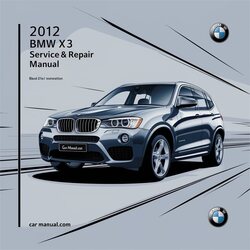
The 2013 BMW X3 (chassis code F25) is a compact luxury SUV, also known as a Sports Activity Vehicle (SAV), designed to blend BMW's signature driving dynamics and premium interior with the versatility of an SUV. Offering a combination of advanced technology and performance, this model is equipped with either a 2.0L turbocharged inline-4 or a 3.0L turbocharged inline-6 engine, both paired with an 8-speed Steptronic automatic transmission and the standard xDrive all-wheel-drive system. Known for its sophisticated engineering and driver-focused experience, the X3 competes in a segment with vehicles like the Audi Q5 and Mercedes-Benz GLK-Class.
The 2013 BMW X5 E70 represents the pinnacle of the Sports Activity Vehicle segment, blending robust performance with luxurious comfort. Engineered with BMW's signature driving dynamics and advanced xDrive all-wheel-drive system, this model offers a premium driving experience. Its sophisticated design, powerful engine options ranging from the 3.0L inline-six to the 4.4L V8, and a wealth of advanced technology make it a standout in its class. The X5 E70 is built for versatility, capable of handling daily commutes and longer journeys with equal aplomb, reflecting BMW's commitment to engineering excellence and reliability.
The 2013 X5, chassis code F15, represents the third generation of BMW's pioneering Sports Activity Vehicle (SAV). Engineered to deliver a dynamic driving experience, premium interior appointments, and practical versatility, this mid-size luxury SUV was built on the platform of the 5 Series, offering car-like handling. Available with a range of powerful engines, including the 3.0L Twin-Scroll Turbo Inline-6 (N55B30), the 4.4L Twin-Turbo V8 (N63B44TU), and a 3.0L Turbocharged Inline-6 Diesel (M57D30T1), the X5 was designed for affluent families and individuals seeking a blend of performance and utility. Its design philosophy emphasized advanced technology and a comfortable, luxurious cabin, positioning it as a strong competitor in the luxury SUV market.
The 2013 BMW X6 M, model code E71, represents a high-performance luxury Sports Activity Vehicle (SAV) engineered by BMW's M division. This model combines the practicality of an SUV with the dynamic capabilities and bespoke tuning characteristic of M performance vehicles. It is powered by a 4.4L Twin-Turbocharged V8 engine producing 555 horsepower and 501 lb-ft of torque, paired with a 7-speed M Double Clutch Transmission featuring Drivelogic. Known for its exceptional performance and handling for its class, the X6 M was designed to offer a unique blend of SUV utility and supercar driving dynamics, positioning it against other high-performance luxury SUVs.
The BMW X3, specifically the F25 generation produced between 2011 and 2015, represents BMW's interpretation of a compact luxury SUV, also known as a Sports Activity Vehicle. This model is recognized for blending BMW's signature driving dynamics with the practicality and versatility of an SUV. Key features include premium interior appointments, advanced technology, and robust performance, often powered by inline-four or inline-six turbocharged engines. The X3 is engineered for a balance of on-road comfort and capable handling, making it a competitive choice in its segment, often compared against rivals from Audi, Mercedes-Benz, and Lexus.
This manual covers the 1 Series, specifically the F20 (5-door hatchback) and F21 (3-door hatchback) chassis codes for the 2014 model year. Known for its dynamic driving experience and premium compact segment positioning, the 1 Series embodies engineering prowess. This generation, built on a front-wheel-drive biased platform, offers a blend of performance and everyday usability, making it a popular choice for discerning drivers. The manual delves into the intricacies of various engine options, likely including 4-cylinder and 6-cylinder petrol and diesel variants, alongside detailed information on both manual and automatic transmission systems.
This manual covers the BMW 2 Series, specifically the F22 Coupe and F23 Convertible models from the 2014 model year. The BMW 2 Series is positioned as a premium compact sport coupe and convertible, renowned for its exceptional driving dynamics, balanced chassis, and powerful TwinPower Turbo engines, including the 2.0L inline-four in the 228i and the 3.0L inline-six in the M235i. This vehicle offers a blend of performance and luxury, making it a compelling choice for driving enthusiasts.
The BMW 3-Series, specifically the 2014 model year encompassing F30 (Sedan), F31 (Touring/Wagon), F34 (Gran Turismo), and F35 (Long Wheelbase Sedan) chassis codes, represents the pinnacle of premium compact executive car engineering. Renowned as 'The Ultimate Driving Machine,' this generation continues BMW's legacy of delivering exceptional driving dynamics, characterized by a balanced chassis, precise steering, and powerful yet efficient TwinPower Turbo engine options. Whether equipped with a turbocharged four-cylinder or inline-six gasoline engine, or an efficient diesel variant, the 3-Series offers a compelling blend of performance and luxury, complemented by advanced technology and premium interior appointments. Its robust construction and thoughtful design ensure reliability and a superior ownership experience for discerning drivers.
The BMW 4-Series, encompassing chassis codes F32 (Coupe), F33 (Convertible), and F36 (Gran Coupe), represents BMW's commitment to delivering a premium driving experience in the compact executive sports segment. Produced from 2014, this model line is renowned for its exceptional driving dynamics, characterized by a balanced chassis and precise steering, coupled with a range of powerful and efficient turbocharged engines. Its design philosophy emphasizes sporty proportions and an elegant aesthetic, building upon BMW's established legacy of engineering excellence and reliability. The 4-Series offers a compelling blend of performance and luxury, making it a standout choice for discerning drivers.
This manual covers the BMW 5-Series, specifically the F10 Sedan and F11 Touring/Wagon models produced for the 2014 model year. Known for its executive luxury, sporty driving dynamics, and advanced technology, the 5-Series has a long-standing reputation for engineering excellence and reliability. This generation offers a range of powerful and efficient gasoline and diesel engines, paired with sophisticated transmissions and chassis systems, reflecting BMW's commitment to performance and driver engagement. Its competitive positioning within the executive sedan segment is marked by a blend of comfort, advanced features, and a premium driving experience.
The BMW 6 Series, specifically the 2014 model year encompassing the F12 Convertible, F13 Coupe, and F06 Gran Coupe chassis codes, represents a pinnacle of luxury grand touring. Building on BMW's legacy of performance engineering, this generation offers a sophisticated blend of dynamic driving capabilities, opulent interiors, and advanced technology. With powerful engine options ranging from the 3.0L TwinPower Turbo inline-six to potent V8 variants, and available with an 8-speed Steptronic automatic or a 6-speed manual transmission, the 6 Series is engineered for both exhilarating performance and comfortable long-distance journeys. Its sporty styling and premium appointments position it as a strong competitor in the luxury segment, delivering a driving experience synonymous with the BMW brand.
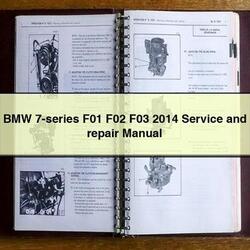
The 2014 BMW 7 Series, encompassing models F01 (Standard Wheelbase), F02 (Long Wheelbase), and F03 (High Security / Guard), represents the pinnacle of BMW's luxury sedan engineering. This generation is renowned for its sophisticated blend of performance, comfort, and advanced technology, offering a range of powerful gasoline and diesel engines, including V8 and V12 options. Key features include advanced driver assistance systems, the intuitive iDrive infotainment interface, and optional xDrive all-wheel drive, all contributing to its position as a leader in the ultra-luxury segment. The 7 Series is engineered for discerning drivers who demand exceptional driving dynamics, luxurious appointments, and cutting-edge innovation.
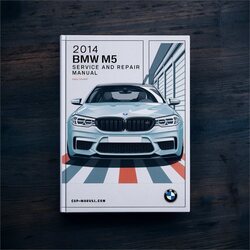
This manual covers the M5, model year 2014, part of the F10 generation produced from 2011 to 2016. The M5 is engineered to deliver exceptional performance, blending the luxury and comfort of a premium executive sedan with the raw power and handling characteristics of a sports car. It features a formidable 4.4L Twin-Turbocharged V8 engine, producing approximately 560 horsepower and 502 lb-ft of torque, paired with a 7-speed M-Double Clutch Transmission (M-DCT). Known for its sophisticated engineering, dynamic driving modes, and advanced technology, the M5 is designed for enthusiasts seeking a high-performance driving experience without compromising on practicality.
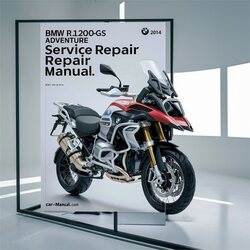
The 2014 BMW R1200GS Adventure, model code K51, is a formidable adventure touring motorcycle powered by a robust 1170 cc Water-Cooled Boxer Engine. This model represents a significant evolution in BMW's legendary GS lineage, building upon decades of off-road and long-distance touring expertise. Key advancements for 2014 include the introduction of liquid cooling for enhanced performance and efficiency, improved ergonomics for rider comfort on extended journeys, and an upgraded electronics suite featuring multiple rider modes (Rain, Road, Dynamic, Enduro) and switchable Automatic Stability Control (ASC). With its 125 hp engine, 30-liter fuel tank, and sophisticated suspension systems like the Telelever front and Paralever rear, the R1200GS Adventure is engineered for exceptional versatility, capable of tackling diverse terrains and conditions, from paved highways to challenging off-road trails.
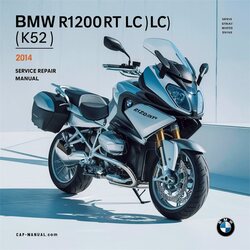
The BMW R1200RT LC (K52) is a luxury sport-touring motorcycle, produced from 2014 onwards. This model is renowned for its liquid-cooled boxer engine, delivering 125 hp and 125 Nm of torque, and advanced electronic features such as standard ASC traction control and Integral ABS. Its comfortable ergonomics, integrated luggage, and optional Electronic Suspension Adjustment (ESA) make it ideal for long-distance touring. With a 25-liter fuel tank and a focus on rider comfort and performance, the R1200RT LC is a sophisticated machine engineered for discerning riders.
The BMW S1000R, model code K47, is a dynamic naked sportbike that debuted in 2013 as part of its first generation. Building on BMW's renowned heritage in high-performance motorcycles, this model offers a potent inline 4-cylinder, liquid-cooled engine delivering 160 hp and 112 Nm of torque, emphasizing a high power-to-weight ratio and agile handling. Designed for performance enthusiasts, it draws inspiration from the S1000RR superbike platform, balancing exhilarating performance with everyday usability. The S1000R is recognized for its advanced technology, including standard ABS and Dynamic Traction Control (DTC) with lean angle sensing, and has received consistent accolades for its performance, handling, and technological integration within the competitive naked sportbike segment.
The 2014 BMW Z4 is a sophisticated two-seater roadster celebrated for its engaging driving dynamics, luxurious interior, and timeless design. Building on BMW's rich heritage of producing iconic sports cars, this model offers a compelling blend of performance and open-top motoring pleasure. It features potent engine options, including a TwinPower Turbo inline-4 and a TwinPower Turbo inline-6, delivering exhilarating acceleration and responsive handling. The Z4's balanced chassis, rear-wheel-drive architecture, and precise steering are engineered to provide a truly connected driving experience, making it a desirable choice for driving enthusiasts.
The 2014 BMW X3 (F25) is a premium compact SUV renowned for its exceptional driving dynamics, sophisticated interior, and a range of potent yet efficient engine options. Building on BMW's heritage of performance luxury vehicles, this model offers sporty handling, responsive steering, and the capability of its intelligent xDrive all-wheel-drive system. It represents a strong contender in its segment, known for its advanced technology, robust build quality, and a comfortable, versatile cabin suitable for both daily commuting and longer journeys.
This manual provides comprehensive service and repair information for the BMW X3 F25, covering all models produced in 2014. Engineered for reliability and performance, the BMW X3 is a versatile vehicle designed for a range of driving needs. This guide details the specific procedures and technical data required to maintain, diagnose, and repair your X3, ensuring it operates at peak efficiency.
The BMW X5, chassis code F15, represents the third generation of BMW's pioneering Sport Activity Vehicle (SAV), produced from 2013 to 2018. This luxury vehicle is engineered to blend robust SUV capability with BMW's signature dynamic driving characteristics, appealing to discerning buyers who prioritize performance and advanced technology. Known for its sporty yet luxurious aesthetic, the X5 offers a range of powerful engine options, including inline-six and V8 gasoline, as well as inline-six diesel variants, all paired with an 8-speed Steptronic automatic transmission and the standard xDrive all-wheel-drive system. Its design emphasizes driver engagement and sophisticated powertrain technology, solidifying its position as a leader in the competitive mid-size luxury SUV segment.
The BMW X5, model code F15, represents the pinnacle of luxury mid-size SUV engineering from the 2014 model year. Renowned for its signature driving dynamics, premium interior, and advanced technology, the X5 offers a versatile all-wheel-drive system and powerful engine options, including the 3.0L Twin-Scroll Turbocharged Inline-6, the 4.4L Twin-Turbocharged V8, and the 3.0L Turbocharged Inline-6 Diesel. This Sports Activity Vehicle (SAV) is designed for affluent individuals and families seeking a blend of performance, luxury, and capability, competing with other premium SUVs in its class. Its robust construction, comprehensive safety features, and sophisticated iDrive infotainment system underscore BMW's commitment to quality and innovation.
The BMW X5, encompassing model years 2014 through 2018, represents a sophisticated blend of luxury, performance, and utility. Engineered for discerning drivers, this Sports Activity Vehicle (SAV) offers a commanding presence and dynamic driving experience, characteristic of BMW's commitment to automotive excellence. Its design prioritizes both passenger comfort and cargo versatility, making it an ideal choice for a wide range of applications, from daily commuting to adventurous excursions. The X5 is built upon a foundation of robust engineering and advanced technology, ensuring a reliable and engaging ownership experience.
The BMW 1 Series, specifically the 2015 models encompassing the F20 (5-door hatchback) and F21 (3-door hatchback) chassis codes, represents a commitment to the brand's renowned driving dynamics and engineering. These vehicles are designed to offer a premium compact car experience, blending agile handling with efficient performance, making them suitable for urban environments and spirited driving alike. The F20/F21 generation introduced advanced technology and powertrain options, reflecting continuous innovation in automotive design and manufacturing.
The BMW 2 Series, specifically the F22 Coupe and F23 Convertible chassis codes, represents BMW's commitment to delivering a compact executive sports car for the 2015 model year. Building on BMW's rich heritage of performance-oriented vehicles, this generation offers a blend of classic proportions, sporty aesthetics, and engaging driving dynamics, appealing to performance-minded drivers. Available with a range of potent TwinPower Turbo engines, from the 2.0L inline-4 in the 228i to the 3.0L inline-6 in the M235i, and options for rear-wheel or xDrive all-wheel drive, the 2 Series provides exhilarating performance in a refined package. Its engineering quality and reliability are hallmarks of the BMW brand, making it a desirable choice in its segment.
The BMW 3 Series, specifically the F30 generation, represents a pinnacle of engineering in the premium compact executive segment. Produced for the 2015 model year, this iteration of the iconic model, encompassing Sedan (F30), Touring (F31), and Gran Turismo (F34) body styles, continues BMW's legacy of delivering a superior driving experience. Renowned for its sporty handling, balanced chassis, and potent turbocharged engine options, including the acclaimed inline-4 and inline-6 configurations, the 3 Series offers a compelling blend of performance and luxury. Its sophisticated design, driver-focused interior, and advanced technology, such as the iDrive infotainment system and comprehensive driver assistance features, solidify its position as a benchmark in its class, appealing to discerning drivers and enthusiasts alike.
This manual covers the 2015 BMW 4-Series, encompassing the F32 Coupe, F33 Convertible, and F36 Gran Coupé variants. As the second generation of the 4-Series, this model continues BMW's legacy of producing sporty, driver-focused luxury vehicles. It offers a range of powerful turbocharged inline-four and inline-six engines, paired with either an 8-speed Steptronic automatic or a 6-speed manual transmission, and available xDrive all-wheel drive. The 4-Series is renowned for its athletic handling, upscale interior appointments, and stylish design, appealing to buyers seeking a blend of performance and premium comfort.
The 2015 BMW 5 Series, identified by chassis codes F10 for the Sedan and F11 for the Touring/Wagon, represents the sixth generation of this executive vehicle. Available with a range of powerful petrol and diesel engines, including turbocharged inline-four and inline-six configurations, as well as a V8 option, the 5 Series offers performance from 184 HP to 450 HP. It is engineered for a balance of driving dynamics and comfort, featuring standard rear-wheel drive or optional xDrive all-wheel drive, and typically paired with an 8-speed Steptronic automatic transmission. The vehicle's robust construction and advanced engineering contribute to its reputation for reliability and a premium driving experience, making it suitable for both daily commuting and long-distance travel.
The 2015 BMW 6 Series represents the pinnacle of luxury grand touring, available in Convertible (F12), Coupe (F13), and Gran Coupe (F06) body styles. This second-generation model seamlessly blends sporty performance with sophisticated comfort and cutting-edge technology, offering a refined driving experience. Powered by potent inline-six and V8 engines, including the 315 hp 3.0L turbocharged inline-six in the 640i and the 445 hp 4.4L twin-turbocharged V8 in the 650i, the 6 Series provides exhilarating acceleration and dynamic handling. Its elegant design, advanced driver assistance systems, and luxurious interior appointments position it as a distinguished choice in the competitive luxury GT market.
This manual covers the BMW 7-series, specifically for the 2015 model year, encompassing chassis codes F01, F02, and F03. The 7-series is engineered for a sophisticated driving experience, featuring a powerful 4.4-liter V8 twin-turbocharged gasoline engine (N63B44O0) that produces approximately 445 horsepower and 480 lb-ft of torque in 750i/Li models, coupled with an 8-speed automatic Steptronic transmission offering paddle shifters and multiple driving modes. Its robust construction, advanced direct injection fuel system, and comprehensive safety features like Dynamic Stability Control and multiple airbags underscore its commitment to performance and passenger protection.
This comprehensive workshop service repair manual is designed for the 2015 BMW X3 F25. It provides detailed guidance for all models, engines, trim levels, and transmission types, empowering owners to perform their own maintenance and repairs. The manual is engineered to simplify every service and repair job, offering easy-to-follow, step-by-step instructions accompanied by clear pictures, ensuring that any task can be completed with confidence and efficiency.
This manual provides comprehensive service and repair information for the BMW X3 F25, covering all models and repairs from A to Z. Engineered for reliability and performance, the BMW X3 is designed for a versatile driving experience, whether for daily commuting or more adventurous journeys. This guide ensures you have access to the same detailed instructions, diagrams, illustrations, and wiring schematics utilized by dealership technicians, enabling you to maintain, diagnose, and repair your vehicle with confidence and precision.
The 2015 BMW X5, chassis code F15, represents the third generation of BMW's highly regarded Sports Activity Vehicle. This luxury mid-size SUV is renowned for its premium interior, advanced technology, and dynamic driving characteristics, embodying BMW's "Ultimate Driving Machine" ethos. Available with a range of powerful engines, including inline-six and V8 gasoline options, as well as an efficient diesel variant, the X5 offers a compelling blend of performance and utility. Its sophisticated xDrive all-wheel-drive system, coupled with features like Adaptive M Suspension and Integral Active Steering, ensures confident handling in various conditions. The F15 generation builds on a legacy of engineering excellence, offering a spacious and comfortable cabin, iconic BMW design, and a comprehensive suite of driver assistance systems.
The BMW X5, specifically the third generation (F15) produced from 2013 to 2018, represents BMW's commitment to luxury, performance, and versatility in the mid-size SUV segment. Known for its sporty driving dynamics, advanced technology, and premium interior, the X5 offers a compelling blend of comfort and capability. This Sports Activity Vehicle (SAV) is engineered with a focus on delivering a refined driving experience, featuring powerful engine options, precise handling, and the intelligent xDrive all-wheel-drive system. Its design evolves BMW's signature aesthetic with distinctive lighting and aerodynamic lines, creating a commanding presence on the road.
This manual covers the 2016 BMW 1 Series, specifically the F20 (5-door hatchback) and F21 (3-door hatchback) chassis codes. The 1 Series is BMW's compact executive car, known for delivering the brand's signature 'Ultimate Driving Machine' experience with a focus on performance, handling, and driver engagement. This generation, updated with a facelift for the 2016 model year, offers a range of efficient petrol and diesel engines, including 3-cylinder, 4-cylinder, and 6-cylinder options, paired with either manual or automatic transmissions. Its engineering quality, reliability, and premium appeal make it a distinguished choice in its segment.
This manual covers the BMW 2 Series, specifically the F22 Coupe and F23 Convertible models from the 2014-2021 first generation, with a focus on the 2016 model year. Renowned for its sporty aesthetics, driver-focused cockpit, and balanced chassis, the 2 Series offers a premium compact experience. It features advanced powertrain options, including turbocharged inline-4 and inline-6 engines, paired with rear-wheel drive or optional xDrive all-wheel drive, delivering BMW's signature driving dynamics. The vehicle is equipped with advanced technology integration, such as the iDrive infotainment system and optional driver-assistance features, positioning it as a compelling choice for enthusiast drivers seeking performance and luxury in a compact package.
This manual covers the BMW 3-series, specifically the 2016 model year F30 (Sedan), F31 (Touring/Wagon), F34 (Gran Turismo), and F35 (Long Wheelbase Sedan) chassis codes. Renowned for its engaging driving experience, balanced chassis, and responsive steering, the 3-series is a premium compact executive car. It offers a wide range of efficient yet powerful turbocharged gasoline and diesel engines, coupled with sophisticated engineering and high-quality interior materials. The 2016 model year often features the mid-cycle 'Life Cycle Impulse' (LCI) update, bringing refreshed styling and technology.
This manual covers the 2016 BMW 4-Series, encompassing the Coupe (F32), Convertible (F33), and Gran Coupe (F36) body styles. The 4-Series is a premium compact executive vehicle renowned for its sporty handling, sophisticated styling, and advanced technology, embodying BMW's "Ultimate Driving Machine" ethos. Key features include a rear-wheel-drive bias with optional xDrive all-wheel drive, powerful yet efficient TwinPower Turbo engines, and a driver-focused interior. This generation represents a refinement of BMW's engineering excellence, offering a compelling blend of performance and luxury within its segment.
The BMW 5-Series, specifically the F10 sedan and F11 Touring/Wagon variants from the 2016 model year, represents the pinnacle of executive luxury mid-size vehicles. Building on BMW's legacy of sporty driving dynamics and sophisticated engineering, this generation of the 5-Series offers a compelling blend of performance, comfort, and advanced technology. Key strengths include its driver-centric design, innovative platform construction utilizing lightweight materials, and a range of efficient yet powerful engine options, from turbocharged four-cylinder to inline-six configurations. These vehicles were designed to compete at the highest level within their segment, offering a premium experience for discerning drivers.
The 2016 BMW 6 Series represents the pinnacle of luxury grand touring, available as a stylish Coupe (F13), a sophisticated Convertible (F12), or a sleek Gran Coupe (F06). This fourth-generation model, produced from 2011 to 2018 with a facelift for 2016, embodies BMW's commitment to elegant design, potent performance, and refined driving dynamics. It offers a choice of powerful engines, including the 3.0L Twin-Turbo Inline-6 (N55) powering the 640i and the robust 4.4L Twin-Turbo V8 (N63TU) in the 650i, both paired with an 8-speed Steptronic automatic transmission. Known for its luxurious interiors, advanced technology, and a suite of driver assistance systems, the 6 Series is engineered for discerning drivers seeking both comfort and exhilarating performance.
This comprehensive workshop service repair manual covers the 2016 BMW X3 F25. Engineered for reliability and performance, this vehicle is designed to meet a wide range of driving needs. The manual provides detailed information to assist owners and technicians in understanding and maintaining this specific model.
The BMW X3, specifically the F25 generation, represents a premium compact luxury SUV renowned for its blend of performance, comfort, and practicality. Introduced as a significant iteration of the X3 line, this 2016 model offers a dynamic driving experience characteristic of the BMW brand, known for its engineering prowess and driving dynamics. It competes in a segment that values sophisticated design, advanced technology, and versatile utility, making it a popular choice for families and individuals seeking a capable and refined vehicle for both daily commuting and longer journeys.
This manual covers the X4, generation F26, produced for the 2016 model year. The X4 embodies a commitment to performance and luxury, offering a distinctive Sports Activity Coupe (SAC) design that blends SUV versatility with coupe-like aesthetics. Known for its engaging driving dynamics, premium interior, and advanced technology, the F26 X4 was designed for discerning drivers seeking a blend of sportiness and practicality. This vehicle represents an innovative approach to segment creation, building upon the success of its larger X6 counterpart.
The BMW X5, model code F15, represents a 2016 model year luxury mid-size SUV (Sports Activity Vehicle) renowned for its sporty driving dynamics, powerful engine options, and high-quality interior. Building on BMW's legacy of performance, this generation offers a blend of comfort, advanced technology, and robust build quality, making it a compelling choice in its segment. With a range of turbocharged gasoline and diesel engines, coupled with the intelligent xDrive all-wheel-drive system, the X5 delivers a refined and capable driving experience suitable for both daily commutes and longer journeys.
The BMW X5, model year 2016, chassis code F15, represents the third generation of BMW's acclaimed Sports Activity Vehicle. This luxury mid-size SUV is engineered for affluent individuals and families who demand a premium blend of performance, sophisticated design, advanced technology, and practical utility. Known for its renowned driving dynamics, luxurious interior appointments, and a range of powerful yet efficient engine options, the X5 offers a compelling package that competes at the highest level within its segment. Its robust construction and thoughtful engineering contribute to its reputation for quality and reliability, making it a distinguished choice for those seeking both everyday practicality and an engaging driving experience.
The 2017 BMW 1 Series, part of the F20 generation produced from 2011 to 2019, represents BMW's commitment to premium compact motoring. Known for its engaging driving dynamics, sophisticated design, and advanced technology, the 1 Series offers a compelling blend of performance and practicality, aligning with BMW's heritage of engineering excellence. This model is positioned as a premium compact hatchback and sedan, competing with established luxury brands and offering a refined driving experience for discerning owners.
The 2017 BMW 2 Series, available as the F22 coupe and F23 convertible, represents BMW's commitment to delivering a compact premium sports vehicle that balances exhilarating performance with everyday practicality. Built on the robust BMW F2x platform, this generation is renowned for its exceptional driving dynamics, precise steering, and a chassis engineered for optimal handling, embodying BMW's core philosophy of driving pleasure. It offers a range of potent turbocharged four-cylinder and six-cylinder engines, including the 228i and the sportier M235i/M240i variants, providing a compelling blend of power and efficiency. The model's sleek, sporty design further enhances its appeal, positioning it as a desirable choice for driving enthusiasts seeking a refined and engaging automotive experience.
This comprehensive service and repair manual is designed for the BMW X3 F25, covering all models produced in 2017. Engineered with renowned precision, the X3 offers a dynamic driving experience, blending sporty performance with everyday practicality. This manual provides access to the same in-depth information utilized by dealership technicians, ensuring accurate and efficient maintenance and repair of your vehicle.
This comprehensive workshop service repair manual covers the 2017 BMW X3 F25, encompassing all models, engines, trim levels, and transmission types. Designed to empower owners and professionals alike, this manual provides detailed, step-by-step instructions and illustrations for every conceivable service and repair procedure. Its extensive coverage ensures that all aspects of vehicle maintenance and restoration are accessible, offering a valuable resource for anyone seeking to understand and maintain the engineering quality and reliability of their BMW X3.
The 2017 BMW X5, identified by chassis code F15, represents a pinnacle in the luxury mid-size SUV segment, often termed Sports Activity Vehicle by BMW. This model embodies the brand's philosophy of the 'Ultimate Driving Machine,' offering a compelling blend of performance, sophisticated design, and advanced technology. Known for its spacious interior, premium materials, and the capability of the standard xDrive all-wheel-drive system, the X5 is engineered for both dynamic driving and everyday utility. With multiple engine variants available, including powerful inline-six and V8 gasoline options, alongside efficient diesel choices, it caters to a discerning clientele seeking a vehicle that excels in luxury, comfort, and driving dynamics, competing directly with other premium offerings in its class.
The BMW X5, specifically the F15 generation produced from 2014 to 2018, represents a significant entry in the luxury mid-size SUV segment. Known for its iconic design, premium interior materials, and advanced technology, the X5 combines the practicality of an SUV with BMW's renowned sporting dynamics. It offers a range of powerful and efficient gasoline and diesel engines, paired with the xDrive all-wheel-drive system on most models, ensuring capable performance in various conditions. This model is engineered for drivers who demand a blend of luxury, comfort, and engaging driving dynamics, making it a compelling choice in its competitive class.
The 2017 BMW X6 (F16) represents a Luxury Sports Activity Coupe, blending the practicality of an SUV with the dynamic styling and performance characteristic of BMW's renowned engineering. This generation of the X6 offers a distinctive coupe-like roofline, a muscular stance, and an upscale interior, positioning it as a unique offering in its segment. It is equipped with powerful engine options, including the 3.0L Twin-turbo I6 in the xDrive35i and the 4.4L Twin-turbo V8 in the xDrive50i, both paired with an 8-speed Steptronic automatic transmission and BMW's xDrive all-wheel-drive system. Known for its driving dynamics and advanced technology, the X6 is designed for those who seek a blend of luxury, performance, and versatility.
This manual covers the BMW 2 Series, specifically the F22 Coupe and F23 Convertible models from the 2018 model year. The BMW 2 Series is recognized for its renowned driving dynamics, offering a rear-wheel-drive bias, precise steering, and agile handling, embodying BMW's legacy of sporty and engaging performance. Its design features sleek coupe and convertible styling with a driver-focused interior crafted from premium materials. Available with potent engine options, including turbocharged inline-four and inline-six configurations, the 2 Series delivers exhilarating performance for enthusiasts and everyday driving.
The BMW X5 F15, produced from 2014 to 2018, is a luxury mid-size SUV renowned for its exceptional driving dynamics, premium interior quality, and advanced technological features. As BMW's first SUV, often referred to as a Sports Activity Vehicle, the X5 has consistently set benchmarks in its segment, offering potent engine options, including turbocharged inline-six and V8 petrol engines, as well as efficient diesel variants, all paired with the sophisticated xDrive all-wheel-drive system. Its design emphasizes a blend of sporty performance and practical utility, making it a versatile choice for families and driving enthusiasts alike, and it is manufactured primarily in Spartanburg, South Carolina.
This collection features the authentic sound library of a legendary performance vehicle renowned for its engineering prowess and driving dynamics. A staple in the high-performance automotive segment, it embodies a rich motorsport heritage, consistently delivering exhilarating driving experiences. Its iconic inline-six or V8 engines, often twin-turbocharged, produce a distinctive, aggressive, and high-revving sound character, making it a sought-after auditory experience for enthusiasts and professionals alike. This asset library captures the essence of the vehicle's powerful engine acoustics, including startup, idle, acceleration, deceleration, and exhaust notes, across various operational conditions and gear shifts.
The BMW C1 and C1 200 represent a unique segment of the maxi-scooter market, produced between 2000 and 2003. These scooters distinguish themselves with an integrated safety cage, offering car-like protection through features such as a roll-over structure and a four-point seatbelt. This innovative design, coupled with a large windscreen for rider comfort, aimed to provide urban commuters with enhanced safety and convenience. The C1 platform, manufactured in Italy, showcases BMW's engineering prowess in creating a distinctive and forward-thinking personal mobility solution.
This manual covers the BMW D12 Marine Diesel Engine, designed for robust marine propulsion. Engineered for reliability and performance, this diesel engine is a testament to BMW's commitment to quality in marine applications. Its advanced design ensures efficient operation and durability in demanding maritime environments, making it a premier choice for boat owners and operators seeking dependable power.
This workshop service repair manual provides comprehensive information for the BMW D35 / D50 Marine Diesel Engine. Designed for reliability and performance in marine applications, these engines represent advanced engineering. While specific production years are not detailed, the manual covers all models and engine variants, ensuring broad applicability for owners and operators seeking to understand and maintain their equipment.
This workshop repair service manual covers BMW D35 D50 Marine Engines for all models. These marine engines are engineered for reliability and performance, embodying BMW's commitment to quality. This comprehensive guide is designed to assist users in understanding and maintaining their marine propulsion systems.
This document pertains to the BMW D35 D50 Marine Engines, a line of marine diesel engines known for their robust engineering and reliability. These engines are designed for demanding marine applications, offering dependable performance and efficiency. Their construction emphasizes durability and ease of service, making them a preferred choice for various maritime operations.
This manual covers the BMW D35 D50 Marine Engines. These diesel marine engines are engineered for reliability and performance, embodying BMW's commitment to quality in marine applications. While specific production years are not detailed, this factory service repair manual is designed to provide comprehensive information for all styles of these engines.
This workshop repair manual covers the BMW D7 Marine Diesel engine, designed for marine applications. While specific production years are not detailed, this manual applies to multiple model years, ensuring comprehensive support for owners and technicians. The BMW D7 is recognized for its robust engineering and reliability, making it a dependable choice for various maritime needs. This manual provides in-depth information to help maintain and understand the intricacies of this marine diesel engine.
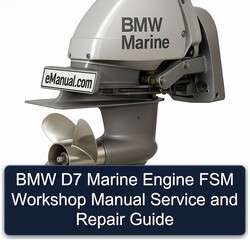
This manual covers the BMW D7 Marine Engine, a four-stroke diesel engine featuring direct injection, an open-circuit cooling system driven by the crankshaft, and a neoprene impeller. Standard features include an electric starter system and a flywheel alternator. The engine is designed with automatic bleeding for its injection system.
The BMW E30 M3, produced from 1986 to 1991, represents a significant chapter in automotive history, born from BMW Motorsport GmbH's need for homologation for Group A touring car racing. This first-generation M3 is distinguished by its unique chassis modifications, including a wider track, revised suspension geometry, and flared fenders, setting it apart from standard E30 models. Powered by the S14 engine, a naturally aspirated 2.3-liter inline-4, it delivered impressive performance for its era, with outputs ranging from 192 to 200 horsepower depending on market specifications. Its robust construction, independent suspension, and standard Anti-lock Braking System (ABS) contributed to its renowned handling and stability, making it a celebrated driver's car and a highly sought-after collectible.
This manual covers the BMW E32, a generation of the BMW 7 Series produced from 1986 to 1994. Known for its engineering quality and reliability, the E32 represented a significant advancement in automotive technology for its time, offering a blend of luxury and performance. This comprehensive guide is designed to assist owners and technicians in understanding and maintaining these vehicles.
The BMW 5 Series E34, produced from 1988 to 1996, represents a significant chapter in BMW's history, embodying the brand's commitment to engineering excellence and driver-focused performance. Known for its sophisticated chassis, powerful inline-six and V8 engines, and superior build quality, the E34 offered a compelling blend of luxury and sportiness. It competed effectively in the executive sedan market, frequently recognized by publications like Car and Driver for its refinement and dynamic capabilities. This generation introduced advancements in safety and technology, setting a high standard for its segment.
The BMW 3 Series, platform code E46, represents a distinguished era of performance and engineering from 1998 to 2006, available across Sedan, Coupe, Convertible, Sports Wagon (Touring), and high-performance M3 variants. Renowned for embodying BMW's philosophy of 'The Ultimate Driving Machine,' the E46 is celebrated for its refined driving dynamics, responsive handling, and robust inline-6 and inline-4 engine options, including the acclaimed M54 and the potent S54 found in the M3. This generation of the 3 Series consistently earned accolades, frequently appearing on Car and Driver's 10Best lists, with its engines also receiving recognition. Its design and engineering focused on delivering a premium and engaging driving experience, making it a benchmark in its class during its production.
The Electronic Parts List-Part 2 is a comprehensive resource designed for a wide array of vehicle series. This extensive electronic parts catalog provides detailed breakdowns of components across various systems, including powertrain, chassis, electrical, and body and interior. It meticulously covers engine variants, transmission types, and specific systems like climate control, lighting, and driver assistance. The catalog is an invaluable tool for understanding the intricate engineering of vehicles, reflecting a commitment to precision and performance, and is essential for anyone involved in the maintenance or repair of these automobiles.
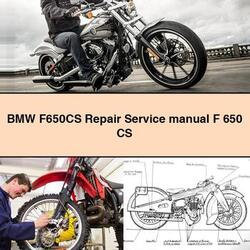
The BMW F 650 CS, also known as the Scarver, is a versatile motorcycle produced from 2001 to 2007. This model, built on the E169 chassis code, features a single-cylinder, four-stroke Rotax 654 engine with a displacement of 652 cc, delivering 50 horsepower and 63 Nm of torque. Designed as a lightweight dual-sport and urban commuter, the F 650 CS emphasizes practicality, user-friendliness, and accessibility, making it suitable for daily commuting and light touring. Its unique styling, integrated luggage rack, and shaft drive (on most models) contribute to its distinctive appeal within its segment.
This manual covers the Test Vehicle, a versatile automobile designed for a wide range of driving needs. Engineered for exceptional reliability and performance, the Test Vehicle represents a commitment to quality and innovation. Its advanced design and robust construction ensure a dependable and enjoyable ownership experience, whether for daily commuting or more demanding journeys.
The BMW F650CS, produced between 2001 and 2005, is a versatile motorcycle designed for urban commuting and capable of light touring. Known for its Rotax-designed single-cylinder engine, it delivers reliable torque and responsive performance, making it an excellent choice for both new riders and experienced commuters seeking a practical and stylish machine. Its unique styling, coupled with renowned engineering quality and an optional Anti-lock Braking System (ABS), sets it apart in its segment. The F650CS emphasizes comfort and ease of use, embodying a commitment to creating well-built, dependable vehicles.
The BMW F650CS is a versatile single-cylinder motorcycle produced from 2001 to 2005. Designed for urban commuting, light touring, and riders seeking a stylish and practical machine, it features distinctive 'Street-X' styling, an integrated storage compartment, and a fuel-injected 652cc engine. This model, with its optional ABS and comfortable ergonomics, aimed to appeal to a broad range of riders, blending BMW's engineering heritage with a modern, accessible design.
The F650CS, produced between 2001 and 2005, is a versatile motorcycle designed for urban commuting and light adventure riding. This model, built with renowned engineering quality, features a liquid-cooled, four-stroke, parallel-twin engine with a displacement of 652 cc, delivering approximately 50 horsepower. Its unique selling points include a belt drive system, a comfortable riding position, and distinctive styling, making it a practical and user-friendly option for a wide range of riders. The F650CS exemplifies a legacy of producing reliable and innovative motorcycles.
The BMW F650CS, produced from 2001 to 2005, is a versatile motorcycle recognized for its distinctive 'scarver' styling and urban-oriented design. This model, chassis code E205, offers a blend of practicality and sporty aesthetics, making it suitable for commuting, light touring, and general riding. Its engineering quality and reliability are hallmarks of the BMW brand, with a focus on rider accessibility and a unique aesthetic that set it apart in its segment, competing with other lightweight, versatile motorcycles.
The F650CS, produced from 2002 to 2005, represents a unique offering in the motorcycle market, blending urban practicality with a distinct sporty aesthetic. Designed with a focus on rider accessibility and modern styling, this model stands out for its comfortable riding position and capable single-cylinder engine. Renowned for its engineering excellence, a machine was delivered that, while often assembled by Aprilia using Rotax engines, embodied the brand's commitment to quality and rider-focused design. Its development aimed to provide a stylish and user-friendly street motorcycle, making it a well-regarded choice for both commuting and general riding.
The F650GS, produced from approximately 1999 to 2008, is a versatile single-cylinder, four-stroke adventure touring motorcycle renowned for its reliability and capability. Powered by a 4-stroke engine family with a 652 cc displacement, this model offers a balanced blend of performance suitable for both daily commuting and extended journeys, including light off-road exploration. Its design emphasizes a robust build, practical features, and the characteristic engineering quality associated with its manufacturer. The F650GS is recognized for its adaptability, making it a popular choice for riders seeking a dependable machine for diverse riding conditions.
The F650GS, identified by chassis code prefix E169 and engine code family Rotax 804, represents a versatile single-cylinder, four-stroke motorcycle renowned for its reliability and suitability for adventure touring and everyday use. Typically produced between 1993 and 2007, this model offers a smooth and torquey power delivery, with an engine displacement of approximately 652 cc producing around 48-50 HP. Its robust engineering, shared engine technology with Rotax, and praised market reception highlight its status as a capable and enduring machine, designed for a wide range of riding conditions.
The F650GS represents a versatile and enduring model within the F Series lineup, renowned for its blend of adventure touring capability and user-friendly design. Originally introduced in the late 1990s, this single-cylinder, liquid-cooled motorcycle has been a popular choice for riders seeking a capable machine for both daily commuting and longer journeys. Its engineering, a collaboration often involving Rotax engines and production by partners, has consistently delivered reliability and a distinctive riding experience, making it a favored option for DIY enthusiasts and independent workshops.
The BMW G450 X is a specialized enduro motorcycle that entered the competitive off-road market around 2008-2009. Developed by BMW Motorrad, it distinguished itself with innovative chassis design, including a centrally mounted rear shock absorber and an oil tank integrated within the frame, contributing to a compact and agile profile. Powered by a 449.6 cc single-cylinder, four-stroke engine with electronic fuel injection, the G450 X was engineered for performance and agility in demanding off-road conditions. Its production was limited, concluding around 2010-2011, marking a brief but significant chapter in BMW's history of producing high-performance motorcycles.
The BMW G65 Xchallenge is a versatile motorcycle, part of BMW Motorrad's renowned GS lineage, known for its capability in adventure touring and off-road excursions. Building on BMW's legacy of engineering excellence and reliability, the G65 Xchallenge offers a robust platform designed for both long-distance travel and challenging terrain. Its anticipated features include a capable single-cylinder engine, a durable chassis, and a focus on rider comfort and control, making it a compelling choice for riders seeking adventure.
The BMW G650 Xcountry, a first-generation dual-sport motorcycle produced from approximately 2007 to 2011, is engineered for versatile performance both on and off paved roads. Featuring a robust single-cylinder, four-stroke, DOHC engine with a displacement of 652 cc, it delivers approximately 53 hp and 60 Nm of torque, making it suitable for a variety of riding conditions. Known for its capable off-road and on-road versatility, the G650 Xcountry boasts a steel tube frame, a 5-speed sequential gearbox, and a hydraulic wet multi-plate clutch, all contributing to its reliable and engaging riding experience. The model was primarily manufactured in Berlin, Germany, by a company with a long heritage in producing technically advanced motorcycles.
The BMW G650 Xcountry is a dual-sport motorcycle produced from approximately 2006 to 2009. This model is recognized for its lightweight design and versatility, offering capable performance both on and off paved roads. Built upon BMW Motorrad's heritage of engineering excellence, the G650 Xcountry features a 652 cc single-cylinder, liquid-cooled engine with electronic fuel injection, delivering approximately 47.5 HP. Its robust aluminum bridge frame, 5-speed gearbox, and optional ABS system contribute to its reliable and enjoyable riding experience, making it a distinctive choice in the lightweight dual-sport segment.
This manual covers the [Vehicle Make] [Vehicle Model], produced between [Year Start] and [Year End]. Designed for [Intended Usage, e.g., daily commuting, off-road adventures, performance driving], this vehicle is recognized for its [Notable Feature 1, e.g., fuel efficiency, robust construction, advanced safety systems]. Its engineering prioritizes [Engineering Quality, e.g., durability, driver comfort, cutting-edge technology], ensuring a reliable and enjoyable ownership experience. The [Vehicle Model] stands out with its [Unique Selling Point, e.g., distinctive design, class-leading performance, innovative features], making it a compelling choice in its segment.
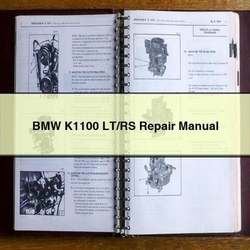
This manual covers the BMW K 1100 LT and RS models, produced approximately between 1989 and 1999. These high-performance sport-touring motorcycles are distinguished by their powerful 1093cc inline-four engines, known for smooth operation and robust torque. The LT variant offers extensive fairing, comfortable seating, and integrated luggage for long-distance touring, while the RS model provides a sportier, more aerodynamic profile. Both models benefit from BMW's reputation for engineering excellence and quality, with features like optional Integral ABS enhancing safety and rider confidence. These motorcycles represent a significant evolution from the K 100 series, offering refined performance and comfort.
The K 1200 LT, produced from 1999 to 2009, is a luxury touring motorcycle renowned for its comfortable long-distance capabilities and premium features. Engineered by Bayerische Motoren Werke AG, this motorcycle offers a refined riding experience, competing with other high-end touring models through its robust performance and integrated technology. It features a liquid-cooled, 1171 cc inline 4-cylinder engine, a 6-speed manual transmission with shaft drive, and a comprehensive electrical system supporting various accessories. The K 1200 LT was designed for riders who prioritize comfort, extensive features, and a superior touring experience, embodying BMW's commitment to quality and innovation in the motorcycle market.
The K 1200 LT (model code K589) represents the first generation of this luxury sport touring motorcycle, produced from 1999 to 2009. Engineered by a manufacturer with a long heritage in motorcycle production, the K 1200 LT is renowned for its exceptional touring comfort, robust performance, and advanced features. It is powered by a four-stroke, air/oil-cooled, flat-twin boxer engine with a displacement of 1171 cc, delivering 100 hp and 82 lb-ft of torque. Notable features include an integrated fairing for superior wind protection, comfortable seating for rider and passenger, extensive luggage capacity, and rider aids such as ABS and heated grips and seats. This model was designed for long-distance touring riders who value comfort, features, and characteristic engineering quality.
The BMW K 1200 LT, produced from 1998 to 2009, is a luxury grand tourer motorcycle renowned for its exceptional comfort, stability, and extensive features designed for long-distance riding. This model, chassis code K589, embodies BMW's commitment to engineering quality and reliability, offering riders a premium touring experience. Notable features include a powerful inline-four cylinder engine, shaft drive, comprehensive fairing for superior weather protection, integrated luggage systems, and optional amenities such as ABS and cruise control, positioning it as a top contender in the luxury touring segment.
The K 1200 RS is a distinguished sport-touring motorcycle renowned for its powerful inline 4-cylinder Boxer engine, delivering approximately 130 horsepower and 114 Nm of torque. This model, produced from the late 1990s through the early 2000s, features a robust aluminum composite bridge frame, shaft drive, and a hydraulically operated dry single-plate clutch, ensuring a blend of performance and reliability. Its design prioritizes long-distance comfort without compromising on the dynamic riding experience characteristic of engineering. Key specifications include a 1171 cc displacement, a 24-liter fuel tank capacity, and advanced features such as an optional Integral ABS system and a comprehensive digital and analog instrument cluster.
The BMW K 1200 LT is a premium touring motorcycle renowned for its long-distance comfort and performance, produced from 1997 to 2009. This model features a powerful 1171 cc inline-four cylinder engine, shaft drive, and an integrated fairing designed for rider protection and aerodynamics. Key highlights include ample luggage capacity, advanced rider aids for its era such as Integral ABS II, and comfortable ergonomics suited for two-up touring. Building on BMW Motorrad's heritage of engineering excellence, the K 1200 LT offered significant upgrades over its predecessor, solidifying its position as a leading choice in the large displacement touring motorcycle market.
The BMW K1100 LT and RS motorcycles, produced between 1991 and 1997, represent a significant evolution in BMW Motorrad's K-series lineup. These models are powered by a longitudinally installed, liquid-cooled, 1093cc inline-four engine featuring Double Overhead Camshafts (DOHC) and Electronic Fuel Injection (EFI), delivering robust performance with 100 hp. Known for their strong engineering, comfortable touring capabilities, and reliable shaft drive, the K1100 series built upon the foundation of earlier K-bikes, offering enhanced performance and rider comfort. The LT variant, in particular, was designed for long-distance journeys, while the RS model offered a sportier profile.
The K1100 LT and K1100 RS represent a pinnacle of German engineering in the sport-touring motorcycle segment from the early to mid-1990s. These models, evolving from the K100 series, feature a longitudinally mounted, liquid-cooled 1070cc inline four-cylinder engine producing approximately 90-100 horsepower and significant torque, delivered through a 5-speed transmission and shaft drive. Known for their smooth power delivery, robust construction, and advanced features for their era, such as ABS II, the K1100 series offered exceptional comfort for touring, particularly the LT variant with its integrated audio system, and capable performance for sport riding. The heritage of durability and engineering excellence is evident in these well-regarded machines.
The K1100 LT / RS, produced from 1990 to 1999, represents a pinnacle of sport touring and luxury touring motorcycle engineering. Powered by a liquid-cooled, 1093cc inline four-cylinder engine, these models are renowned for their smooth power delivery, offering approximately 100 horsepower and 74 lb-ft of torque. Key features include a robust steel monocoque frame, a 5-speed shaft drive transmission, and extensive fairings designed for rider protection and comfort, particularly on the LT variant. Optional ABS systems and cruise control on the LT models further enhanced their appeal for long-distance travel. Building on a heritage of engineering excellence and durability, the K1100 series was a significant evolution from its predecessors, offering a high-performance, comfortable, and reliable riding experience.
The BMW K1100, available in LT and RS variants, represents a significant offering in the sport touring motorcycle segment, produced approximately from 1989 to 1999. This model is powered by a robust 1093 cc inline four-cylinder, four-stroke engine, delivering approximately 100 hp and known for its smooth operation and shaft drive. BMW's heritage of engineering excellence is evident in the K1100's design, which prioritizes both performance for spirited riding and comfort for long-distance touring. Its advanced features for the era, including the optional Integral ABS and sophisticated Bosch Motronic fuel injection, underscore its position as a capable and reliable machine.
This comprehensive Workshop Service Repair Manual provides all the necessary technical information for performing all repairs correctly. It is designed to simplify all service and repair procedures through detailed instructions, easy-to-read exploded views, and clear diagrams. The manual ensures accurate identification, disassembly, re-assembly, adjustments, and overall correct repairs.
This workshop repair manual provides comprehensive guidance for the K1100LT and K1100RS models, powered by a 1100cc inline-four engine. These motorcycles, produced primarily in the 1990s, are renowned for their engineering quality and reliability, forming part of the esteemed K-series lineage. The manual covers both the touring-oriented K1100LT and the sport-touring K1100RS variants, offering detailed information on their longitudinal engine installation, double overhead camshafts, and liquid-cooled systems.
The K1100LT and K1100RS represent a pinnacle of German engineering, offering exceptional performance and comfort for both long-distance touring and sport touring. Produced from approximately 1991 to 1999, these motorcycles are characterized by their powerful 1093cc inline four-cylinder engines, smooth shaft drive, and advanced aerodynamic fairings, particularly on the LT model which features integrated luggage systems. Renowned for their engineering quality and reliability, the K1100 series was a significant evolution from its predecessors, providing a refined riding experience and establishing a strong reputation in the luxury sport touring segment, often compared favorably to competitors like the Honda Gold Wing.
The K1100LT and K1100RS represent a significant chapter in motorcycle engineering, produced approximately between 1992 and 1999. These models, built upon the innovative K-Series platform, feature a smooth, liquid-cooled, four-stroke, inline four-cylinder engine displacing 1093 cc, delivering approximately 100 horsepower. The K1100LT variant was designed for extensive touring comfort with integrated fairings and ergonomic seating, while the K1100RS offered a sport-touring focus. Both models are distinguished by their shaft drive, robust build quality, and advanced features for their time, including optional ABS and comfortable riding positions, making them highly regarded in the luxury sport-touring segment.
The K1100LT and K1100RS represent sophisticated touring and sport-touring motorcycles, respectively, powered by a robust 1093cc inline-four "Flying Brick" engine. Introduced in the early 1990s, these models built upon a reputation for engineering excellence and durability, offering a refined riding experience characterized by smooth power delivery and comfortable ergonomics, particularly in the LT variant with its extensive fairings and luggage. The RS model provided a sportier profile, catering to riders seeking a blend of performance and long-distance capability. These motorcycles competed in a segment known for advanced technology and build quality, with the K1100 series distinguishing itself through its unique transverse engine layout and reliable shaft drive.
The BMW K1100LT and K1100RS, produced from 1991 to 1999 and 1991 to 1996 respectively, represent a significant evolution in BMW Motorrad's K-series lineup. These motorcycles, powered by a 1093cc inline-four cylinder engine producing approximately 100 HP and 100 Nm of torque, are characterized by their robust engineering and reliability, hallmarks of the BMW brand. The K1100LT offered enhanced touring comfort with integrated luggage and amenities, while the K1100RS provided a sportier touring experience. Both models feature advanced systems for their time, including Bosch Motronic fuel injection and optional ABS, and are recognized for their quality build and performance.
The K1100LT and K1100RS represent sophisticated touring and sport-touring motorcycles, respectively, produced by the company. Building upon the legacy of the K100 series, these models feature a liquid-cooled, inline-four cylinder engine with a displacement of 1097 cc, delivering approximately 100 horsepower and 75 lb-ft of torque. Known for their shaft drive, comfortable ergonomics particularly on the LT variant, and advanced (for their era) features such as optional Integral ABS and fuel injection, these motorcycles were designed for long-distance comfort and performance. The K1100LT, introduced in 1992, focused on luxury touring, while the K1100RS, launched in 1993, offered a sportier profile. Both models exemplify the company's commitment to engineering excellence and durable motorcycle design.
This manual covers the K1100LT and RS models, produced from approximately 1989 to 1999. These motorcycles represented a commitment to advanced engineering and performance in the touring and sport-touring segments, competing with other premium offerings through their robust inline-four engines and renowned build quality. The K1100 series is recognized for its reliability and comfortable ride, making it a popular choice for long-distance travel and demanding road conditions.
The K1100LT, produced approximately from 1989 to 1996, represents a pinnacle of luxury touring motorcycles. This model, a significant evolution from the K100 series, features a 1093 cc liquid-cooled, four-cylinder boxer engine with DOHC and four valves per cylinder, delivering approximately 100 horsepower and 74.5 lb-ft of torque. Designed for comfort and long-distance riding, as indicated by its 'Luxus Touren' designation, the K1100LT is equipped with a large touring windscreen, a shaft drive, and often featured integral anti-lock braking system. Its robust engineering and focus on rider comfort made it a distinguished choice for touring enthusiasts.
This manual covers a range of BMW motorcycles, including the K1100LT, K1100RS, R850R, R850GS, R1100R, R1100RS, R1100RT, and R1100GS, typically produced between 1993 and 2001. These models represent BMW's commitment to engineering quality and rider experience, from the smooth power delivery of the inline-four K-series to the iconic, robust boxer-twin R-series. The K1100LT and R1100RT models, in particular, were designed for long-distance touring, offering comfort and amenities, while the RS and GS variants catered to sport-touring and adventure riding respectively. The R850 models provided a more accessible entry into the BMW experience.
This manual covers the BMW K1100RT, R1100RS, R850GS, R1100GS, R850R, and R1100R models, produced between the early 1990s and early 2000s. These motorcycles represent BMW's commitment to engineering excellence, offering a blend of performance, comfort, and reliability for sport-touring and adventure riding. Known for their robust inline-four (K-series) and boxer twin (R-series) engines, advanced suspension systems like the Telelever, and sophisticated Bosch Motronic fuel injection, these models were designed for discerning riders. The K1100RT provided exceptional touring comfort, while the R-series variants offered versatility across different riding styles, from sport-touring to off-road capability.
The BMW K1200 LT, produced from 1997 to 2009, represents a pinnacle of luxury grand touring motorcycle engineering. As part of BMW's esteemed K-series lineage, this model is renowned for its comfort, extensive touring capabilities, and advanced technology for its era. Powered by a potent 1171 cc liquid-cooled, four-stroke, flat-four boxer engine delivering approximately 100 hp, the K1200 LT offers a smooth, powerful ride with features like electronic cruise control and an integrated audio system, making it an ideal choice for long-distance travel and a strong competitor in its segment.
The BMW K1200LT is a luxury touring motorcycle, produced from 1997 to 2008, renowned for its exceptional comfort, spacious rider and passenger accommodations, and extensive touring amenities. Featuring a powerful 1171cc opposed-twin engine, it delivers smooth power delivery and a low center of gravity, making it ideal for long-distance journeys. Key features include integrated fairings for superior wind protection, ample luggage capacity with a top case and saddlebags, an adjustable windshield, and an integrated audio system. The K1200LT was designed for riders prioritizing comfort and amenities on extended tours, often compared to other premium touring models for its blend of performance and rider-focused features.
This manual provides comprehensive service and repair information for the K1200 LT and K1200 RS models from 1999. These premium touring motorcycles are renowned for their German engineering, comfort, and advanced technology, making them ideal for long-distance travel and riders seeking a luxurious experience. The K-series, with its distinctive liquid-cooled, horizontally-opposed four-cylinder engines, offers robust performance and reliability. This guide is designed to assist owners and technicians in maintaining these sophisticated machines, ensuring their optimal performance and longevity.
The BMW K1200LT is a luxury touring motorcycle renowned for its advanced engineering and comfortable ride, designed for long-distance travel. As part of BMW Motorrad's esteemed K-series, it features a longitudinally installed, liquid-cooled, four-stroke inline-four engine with double overhead camshafts and electronic fuel injection, delivering robust performance for touring. Its robust construction and focus on rider comfort and stability make it a distinguished choice for enthusiasts of the open road.
The K1200LT, also known as the K 1200 LT, represents a pinnacle of luxury touring motorcycle engineering. Building on a legacy of innovation and quality, this model was designed to offer unparalleled comfort and performance for long-distance journeys. Key features include a powerful inline four-cylinder engine, shaft drive for smooth operation, and a suite of comfort amenities such as heated grips and seats, and electronic cruise control. Its robust chassis and advanced braking systems, including Integral ABS, ensure stability and safety, making it a distinguished choice for discerning riders.
This manual covers the BMW K1200LT, a touring motorcycle produced in 1999. Engineered for long-distance travel, the K1200LT features a powerful 1171 cc four-stroke, horizontally opposed four-cylinder engine with DOHC and electronic fuel injection. Its design prioritizes rider comfort and stability, incorporating advanced suspension systems like the Telelever front and Paralever rear, integral ABS, and an electrically adjustable windscreen. The motorcycle also includes electronic cruise control, making it a sophisticated choice for extended journeys.
The BMW K1200LT, produced from 1999 to 2009, is a distinguished luxury sport-touring motorcycle renowned for its powerful inline-four engine, advanced rider aids including integral ABS and optional Automatic Stability Control, and integrated luggage systems. Designed for long-distance comfort and performance, this model offers a premium riding experience with features like an electrically adjustable windshield, heated seats and grips, and electronic cruise control. Its robust engineering and extensive capabilities have earned it acclaim as a leading motorcycle in its class, celebrated for its touring prowess and overall build quality.
The BMW K1200LT is a premium luxury touring motorcycle renowned for its exceptional comfort, advanced engineering, and long-distance capabilities. Produced from approximately 1997 to 2008, this model represents a dedication to providing a refined and powerful riding experience. It features a robust inline-four engine, a comfortable riding position, and a host of amenities designed for extended journeys, setting it apart in the luxury touring segment. The K1200LT is celebrated for its smooth power delivery, stable handling, and the quality construction characteristic of heritage.
The K1200LT, produced from 1999 to 2009, represents a flagship luxury sport touring motorcycle. This model, chassis code K589, was engineered for exceptional long-distance comfort and performance, competing with other premium touring machines of its era. It features a powerful and refined 1171 cc inline four-cylinder engine, delivering approximately 100 hp and 117 Nm of torque, coupled with a smooth 5-speed manual transmission and shaft drive. Key technological advancements often included Integral ABS, cruise control, heated grips and seat, and an integrated audio system, all contributing to a premium riding experience. Its design emphasizes rider protection through generous fairings and ample luggage capacity, making it ideal for extended journeys.
This manual covers the BMW K1200LT, also known as the "Luxury Tourer," a motorcycle produced approximately between 1999 and 2009. As a luxury grand tourer, the K1200LT was designed for long-distance riding, emphasizing exceptional comfort, extensive luggage capacity, and a powerful inline four-cylinder engine. Its engineering quality and reliability are hallmarks of BMW Motorrad, making it a distinguished choice for riders prioritizing premium build and advanced features for extended journeys.
The BMW K1200LT is a premium touring motorcycle, produced from 1999 to 2009, representing the pinnacle of BMW's K-series development for long-distance travel. Powered by a robust 1171cc inline four-cylinder engine producing approximately 110 horsepower and 115 Nm of torque, it features electronic fuel injection for efficient power delivery. Known for its engineering excellence and reliability, the K1200LT offers advanced features such as optional Integral ABS, electronic cruise control, and an integrated audio system, making it a comfortable and capable machine for extensive journeys. Its design evolved from earlier K-series models, focusing on rider comfort and luggage capacity, embodying BMW's heritage in creating high-quality touring motorcycles.
The BMW K1200RS, model code K589, is a distinguished sport touring motorcycle produced from 1997 to 2004. Engineered by Bayerische Motoren Werke AG, this model is renowned for its robust inline four-cylinder engine, shaft drive, and advanced Integral ABS II braking system, offering a compelling blend of performance and comfort for touring riders and sportbike enthusiasts. Its design emphasizes stability, long-distance capability, and the innovative engineering characteristic of BMW Motorrad, positioning it as a capable machine against competitors like the Honda ST1100/ST1300 and Yamaha FJR1300.
The BMW K1200RS, produced between 1997 and 2005, represents a pinnacle of sport-touring motorcycle engineering. This model, identified by its K589 engine family code, combines a powerful 1171cc inline-four engine with BMW's advanced Duolever front and Paralever rear suspension systems. Its design prioritizes both performance for spirited riding and comfort for long-distance journeys, further enhanced by features such as an electrically adjustable windscreen and integral ABS. Known for its robust construction and refined handling, the K1200RS has earned a reputation for reliability and capability within the sport-touring segment.
The BMW K1200RS is a distinguished sport touring motorcycle, produced from 1997 to 2005, representing a significant evolution in BMW's K-series lineup. Engineered for both performance and long-distance comfort, this model is characterized by its powerful four-stroke, flat-four cylinder engine, delivering approximately 130-137 horsepower, and its robust shaft drive system. Its design emphasizes a blend of aerodynamic fairings, a comfortable riding position, and advanced features for its time, including optional Integral ABS and a sophisticated fuel injection system. The K1200RS was positioned to compete with other premium sport touring motorcycles, offering a compelling combination of German engineering, reliability, and touring capability for discerning riders.
The K1200S is a high-performance sport touring motorcycle produced between 2004 and 2008. This model is renowned for its innovative Duolever front suspension, offering exceptional steering precision and ride comfort, coupled with a powerful 1171 cc inline 4-cylinder engine delivering 163 hp. Designed for long-distance touring and spirited riding, the K1200S combines sport capabilities with touring practicality, distinguishing itself in a competitive market segment against models like the Honda VFR and Yamaha FJR1300. Its engineering excellence and focus on rider experience have earned it industry acclaim for its unique blend of performance and comfort.
This manual covers the E24 chassis, encompassing the M6, 633CSi, and 635CSi models produced between 1976 and 1989. Renowned as a luxury grand tourer, the E24 is celebrated for its iconic 'shark nose' styling, powerful inline-six engines (M88/3, S38B35, M30B32, M30B34), sophisticated suspension, and driver-focused interior. These coupes represent a commitment to engineering excellence and performance heritage, offering a blend of comfort and dynamic driving capabilities that placed them among the era's elite GT cars, competing with models from Porsche and Mercedes-Benz.
This workshop service repair manual provides comprehensive information for the BMW Marine B130 marine engine. Engineered for reliability and performance, the B130 represents a commitment to quality in marine propulsion. This manual is designed to support owners and technicians in understanding and maintaining this robust piece of equipment, ensuring its optimal operation for its intended service, maintenance, and troubleshooting applications.
This service repair workshop manual provides comprehensive information for the BMW Marine B130 B 130 marine engine. Designed for optimal performance and reliability, this gasoline-powered engine delivers 130 horsepower with a 130 cubic inch displacement. Its engineering reflects BMW Marine's commitment to quality, ensuring robust operation for various marine applications. This manual serves as an essential resource for understanding and maintaining the intricacies of this powerful marine engine.
This manual covers the BMW Marine B130, a marine engine designed for optimal performance and reliability. Engineered with precision, this service repair manual provides comprehensive information for maintaining and servicing your marine engine. It is intended for both do-it-yourself enthusiasts and experienced mechanics seeking to ensure the longevity and efficiency of their BMW marine propulsion system.
This workshop service repair manual provides comprehensive information for the BMW D12 Marine Diesel Engine. Designed for marine propulsion, this internal combustion engine utilizes diesel fuel and represents a commitment to engineering quality and reliability. This manual covers all models, engine types, trim, and transmission configurations, ensuring you have the necessary details for optimal performance and longevity of your marine diesel engine.
This workshop service repair manual covers the BMW D12 Marine engine, a single-cylinder, four-stroke Diesel engine featuring direct injection. Its engineering is designed for reliability in marine applications, with a single-circuit cooling system driven directly from the crankshaft and a neoprene impeller pump. The electrical system includes an AC generator integrated into the flywheel and a standard electric starter. This manual provides comprehensive details for maintaining and repairing this robust marine power unit.
This Service Repair Manual covers the BMW D7 Marine Engine, a diesel-powered unit designed for marine propulsion. Engineered for reliability and performance, this water-cooled engine is built to meet the demanding requirements of marine applications. Its robust construction and advanced diesel technology ensure efficient operation and longevity, making it a dependable choice for boat owners and operators.
This workshop service repair manual provides comprehensive information for the BMW D35 D50 marine engine. Engineered for reliability and performance, these diesel engines are designed for marine applications. While specific production years are not detailed, the manual covers all aspects necessary for maintaining and repairing these robust power units, ensuring their continued operational excellence.
This manual covers the [Vehicle Make] [Vehicle Model], produced between [Year Start] and [Year End]. This vehicle is engineered for [Intended Usage, e.g., exceptional performance and versatility, reliable daily commuting, rugged off-road adventures]. It is recognized for its [Notable Features, e.g., advanced safety systems, fuel-efficient design, powerful engine]. The [Vehicle Model] embodies a commitment to quality, offering a blend of durability and innovation designed to meet the demands of modern drivers.
This comprehensive workshop service repair manual covers all BMW Marine Stern Drive models and engines. Designed to empower owners and technicians alike, this manual provides detailed instructions for every service and repair procedure, ensuring your marine stern drive operates at peak performance. Its thorough coverage and clear, step-by-step guidance, complemented by illustrative pictures, make even complex maintenance tasks manageable, ultimately saving you time and resources.
This manual covers the F800 Series, encompassing models such as the F800S, F800ST, F650GS (twin-cylinder), F800GS, and F800R. These motorcycles are renowned for their versatile parallel-twin engine platform, offering a blend of performance and reliability suitable for diverse riding applications, from sport touring to adventure. Built with characteristic engineering quality, the F800 range provides a robust and engaging riding experience.
This manual covers F-Models K7x series, including the F650GS, F800GS, F800R, F800S, and F800ST. These motorcycles are known for their robust engineering, reliability, and versatility, catering to a range of riding needs from urban commuting to adventure touring. The commitment to quality is evident in the sophisticated parallel-twin engine platform that powered these models, offering a balance of performance and efficiency. The K7x series represents a significant evolution for in the middleweight motorcycle segment, emphasizing rider-centric design and advanced technology for its time.
This manual covers the BMW N55 Engine, a sophisticated automotive engine designed for repair and maintenance. It provides comprehensive guidance for ensuring the optimal performance and longevity of this engine. The N55 engine is recognized for its advanced engineering and reliability, making it a key component in many BMW vehicles.
This manual pertains to BMW vehicles equipped with the N55 engine, a robust inline-six, twin-scroll turbocharged 3.0-liter powerplant known for its performance and efficiency. Introduced around 2009, this engine has powered a wide array of BMW models, including various iterations of the 3 Series, 4 Series, 5 Series, 6 Series, 7 Series, and X models. Renowned for its sophisticated engineering, including Valvetronic variable valve lift and high-pressure direct injection, the N55 engine embodies BMW's commitment to driver-focused performance and technological innovation. Its typical horsepower ranges from 300 to 326 hp, with torque output generally between 300 and 332 lb-ft, making it a versatile engine for both sporty driving and everyday use.
This manual covers the BMW N55 Engine, an inline 6-cylinder powerhouse featuring advanced technologies such as a twin-scroll turbocharger, direct injection, and Valvetronic. Engineered for exceptional performance and reliability, the N55 engine is designed to deliver a dynamic driving experience. This engine service manual provides comprehensive information for its repair and maintenance, ensuring owners and technicians can keep this sophisticated piece of automotive engineering operating at its peak.
The R69S, also known as the R69, is a distinguished motorcycle produced in Berlin, Germany, with the R69S model manufactured from 1960 to 1969. This air-cooled, horizontally opposed twin-cylinder boxer engine motorcycle, displacing 594 cc, is celebrated for its smooth power delivery, robust engineering, and the 'S' designation signifying enhanced performance and features such as dual carburetors and a larger fuel tank. It represents a significant era in motorcycle heritage, known for its touring capabilities and exceptional build quality, making it a sought-after classic for enthusiasts.
The BMW R 1100 S, produced from 1998 to 2005, is a sport-touring motorcycle renowned for its Boxer Twin engine, Telelever front suspension, and Paralever rear shaft drive. This German-engineered machine offers a blend of performance and comfort, making it suitable for both spirited riding and long-distance journeys. Its distinctive features, including an aerodynamic fairing and a sporty riding posture, set it apart in its class, competing with other sport-touring models of its era. BMW's heritage of quality and innovation is evident in the R 1100 S's robust construction and reliable Boxer engine.
The BMW R 1100 S is a sport-touring motorcycle produced from 1996 to 2005, renowned for its powerful 1085 cc boxer-twin engine and sophisticated Telelever front and Paralever rear suspension systems. This model embodies BMW's heritage of engineering excellence, offering a blend of performance, comfort for long-distance riding, and robust build quality, making it a capable machine for both spirited riding and touring. Its design features a shaft drive, optional ABS, and a distinctive sport-touring aesthetic, positioning it as a strong contender against competitors like the Honda VFR and Ducati ST series.
The BMW R 1150 RT is a versatile motorcycle known for its robust engineering and comfortable touring capabilities. Featuring a 1130 cc air/oil-cooled, four-stroke boxer twin engine, it delivers approximately 90 horsepower and 71 lb-ft of torque, driven by a 5-speed manual transmission and shaft drive. Its design prioritizes rider comfort and long-distance performance, incorporating features such as an Integral ABS braking system with linked front and rear brakes, a substantial 22-liter fuel tank, and comprehensive instrumentation. This model represents a commitment to reliability and a refined riding experience, making it suitable for both daily commuting and extended journeys.
The BMW R 1150 RT, produced from 2001 to 2004, stands as a premium sport touring motorcycle renowned for its robust build quality, comfortable ergonomics, and strong torque delivery. This model, part of the 1150 Series with chassis code R22, features a 1130 cc air/oil-cooled, flat-twin boxer engine, shaft drive, and a 6-speed transmission, making it ideal for long-distance touring and commuting. Its design emphasizes rider comfort and performance, building upon a heritage in creating innovative and reliable touring machines.
The BMW R 850 C, produced for the 2002 and 2003 model years, is a specialist touring motorcycle renowned for its comfortable ergonomics and long-distance capabilities. Building on BMW Motorrad's heritage of quality engineering, this model features a distinctive boxer engine configuration, shaft drive, and advanced electrical systems for its time. It was designed to compete in the touring segment, offering a refined riding experience for extended journeys.
This manual covers the BMW R100 R, a distinguished model from BMW Motorrad, known for its engineering excellence and rider-focused design. As part of the iconic R series, the R100 R features a robust air-cooled, four-stroke, flat-twin boxer engine with approximately 980 cc displacement, delivering reliable performance for both daily commuting and touring. Production of R100 models spanned the 1970s and 1980s, with the R100 R variant specifically emerging from the mid-1980s onwards, offering a blend of sportiness and touring capability. Its steel tube frame, shaft drive, and 5-speed manual gearbox are hallmarks of its enduring design.
The BMW R 1100 S is a distinguished sport-touring motorcycle, produced from 1998 to 2005. Engineered in Germany, this model exemplifies BMW's commitment to quality and performance, featuring a robust 1085 cc air-cooled boxer twin engine that delivers approximately 90 horsepower. Its design bridges the gap between sportbikes and touring machines, offering a sporty yet comfortable riding experience. Notable features include the Bosch Motronic fuel injection system, optional Integral ABS, and a steel trellis frame, all contributing to its capable handling and reliable performance. The R 1100 S was positioned to compete with other sport-touring motorcycles of its era, offering a unique blend of German engineering and rider-centric design.
This manual covers the R-Series motorcycles, including the R1100RT, R1100RS, R1100GS, R850GS, R1100R, and R850R. These models, produced primarily from the mid-1990s to the early 2000s, are powered by a four-stroke, air/oil-cooled, boxer-twin engine with displacements of 1085 cc for the R1100 variants and 848 cc for the R850 variants. They feature Bosch Motronic Electronic Fuel Injection and are known for their reputation for engineering innovation and rider comfort. The R-Series represented advancements in boxer-twin technology, with some models incorporating Telelever front suspension and robust touring capabilities, making them a significant part of motorcycle heritage.
This manual covers the R1100GS and R1100R models, produced between 1994 and 2001. These motorcycles are characterized by their air/oil-cooled, four-stroke boxer-twin engines, with the R1100GS offering approximately 80 hp and the R1100R delivering around 90 hp, both featuring a 5-speed manual transmission and shaft drive. Notable engineering advancements include the Telelever front suspension and Paralever rear suspension systems, contributing to their renowned ride comfort and stability, making them suitable for adventure touring and sporty road riding respectively. The models are built with a trellis frame and cast aluminum subframe, emphasizing a commitment to quality and performance in their motorcycle line.
This manual covers the R1100GS and R1100R models, produced from the mid-1990s to the early 2000s. These versatile motorcycles are powered by a 1085 cc flat-twin boxer engine, offering distinct performance characteristics for their respective segments: the R1100GS as an adventure touring machine with longer suspension travel, and the R1100R as a road-oriented sport-tourer. Both models are known for their robust engineering, reliability, and distinctive quality, featuring advanced systems for their time such as fuel injection and optional ABS.
This workshop service and repair manual covers the R1100GS and R1100R models, produced from 1994 to 2001. These motorcycles are renowned for their robust construction and the iconic boxer-twin engine, offering a low center of gravity and distinctive torque delivery. The R1100GS is an adventure touring motorcycle with long-travel suspension and a design suited for versatile, long-distance travel, including light off-road capability. The R1100R presents a more road-oriented experience, embodying a classic naked motorcycle aesthetic with powerful performance. Both models benefit from extensive engineering heritage, emphasizing reliability and advanced technology for their respective segments.
This manual covers the BMW R1100GS and R1150GS, iconic adventure-touring motorcycles renowned for their robust Boxer twin engines, versatile performance, and enduring reliability. Building on BMW's rich heritage in motorcycle manufacturing, these models, produced from the mid-1990s through the early 2000s, offered riders the capability for both long-distance touring and exploring off the beaten path. Key features include advanced for their time fuel injection systems, Telelever front suspension, and Paralever rear suspension, contributing to their distinctive ride quality and stability. The air-cooled, DOHC engines, with displacements of approximately 1085cc for the R1100GS and 1130cc for the R1150GS, provided ample power and torque for a wide range of riding conditions.
The BMW R1100RS is a sport touring motorcycle introduced in 1993 and produced until 2000, manufactured in Berlin, Germany. This model is distinguished by its air-cooled, four-stroke, flat-twin boxer engine, displacing 1085 cc and producing approximately 90 horsepower. Key technological features include BMW's innovative Telelever front suspension and Paralever rear suspension systems, a shaft drive, and Bosch Motronic electronic fuel injection. The R1100RS competed in the sport-touring segment against models from Honda, Kawasaki, and Yamaha, earning acclaim for its comfortable ride, smooth power delivery, and touring prowess.
The BMW R1100RS, produced from 1992 to 2001, is a premium sport-touring motorcycle renowned for its blend of performance and long-distance comfort. Featuring a robust 1085 cc air/oil-cooled boxer engine, shaft drive, and advanced Telelever and Paralever suspension systems, this model offered exceptional handling and stability. Key innovations included Electronic Fuel Injection (EFI) and an optional Integral ABS braking system, positioning it as a technologically advanced machine in its class. Its integrated fairing and ergonomic design further enhanced rider protection and comfort for extended journeys, reflecting BMW Motorrad's heritage of engineering excellence and reliability.
This manual covers the BMW R1100RT and R1100RS models, renowned for their robust engineering and touring capabilities. The R1100RT, a fully-faired touring motorcycle, and the R1100RS, a sport-touring variant, both feature BMW's innovative flat-twin Boxer engine, advanced Telelever front and Paralever rear suspension systems, and the Integral ABS II braking system. These motorcycles, produced typically between 1993-2001 for the RT and 1992-2001 for the RS, represent a significant advancement in BMW's motorcycle legacy, offering a blend of performance, comfort, and reliability for both long-distance journeys and spirited riding.
This workshop service repair manual covers a range of BMW Boxer twin-cylinder motorcycles, including the R1100RT, R1100RS, R850GS, R1100GS, R850R, and R1100R models. These motorcycles, produced from the mid-1990s to the early 2000s, represent a significant evolution in BMW's motorcycle engineering, offering robust performance and advanced features for their time, such as the optional Integral ABS and sophisticated fuel injection systems. Known for their reliability and distinctive boxer engine layout, these bikes were designed for a variety of uses, from sport touring to dual-sport adventures.
This manual covers a range of BMW Boxer Twin-cylinder motorcycles, including the R1100RT, R1100RS, R850GS, R850R, R1100GS, and R1100R, primarily produced from the mid-1990s to the early 2000s. These models represent a significant evolution in BMW's motorcycle engineering, featuring air/oil-cooled Boxer engines with either 2 or 4 valves per cylinder, electronic fuel injection, and advanced chassis designs like the Telelever front suspension. Known for their robust construction, touring comfort, and innovative technology such as the Integral ABS system, these motorcycles have a strong legacy in the sport-touring and adventure segments.
This workshop service repair manual provides comprehensive coverage for the BMW R1100RT and R1100RS models, produced approximately from 1994 to 2000. These sport touring motorcycles are powered by a 1085 cc air/oil-cooled boxer-twin engine featuring electronic fuel injection and are known for their German engineering, rider comfort, and innovative suspension systems, including the Telelever front and Monolever rear. The R1100RT emphasizes rider protection and long-distance comfort with its aerodynamic fairing, while the R1100RS offers a sportier touring experience. Both models represent a significant evolution in BMW's motorcycle lineup, building on a heritage of robust design and reliable performance.
This manual covers the BMW R1100RT and R1100RS models, produced from 1994-2001 and 1992-2001 respectively. These motorcycles are renowned for their robust engineering, touring comfort, and the distinctive character of their air/oil-cooled, four-stroke, boxer twin-cylinder engines. Featuring a 1085 cc displacement, Bosch Motronic fuel injection, and shaft drive, these bikes offered a blend of performance and reliability, making them popular choices for long-distance travel and spirited riding. The R1100RT models provided enhanced wind protection and touring amenities, while the R1100RS offered a sportier profile.
The R1100S, produced from 1998 to 2005, is a distinguished sport touring motorcycle renowned for its unique Boxer twin engine and advanced Telelever front and Paralever rear suspension systems. This model represents a commitment to blending performance with comfort, offering a capable machine for both spirited riding and long-distance journeys. Its distinctive engineering, including shaft drive and a robust Boxer configuration, provides a reliable and engaging riding experience, setting it apart from its contemporaries in the sport touring segment.
The BMW R1100S, produced from 1998 to 2005, is a sport-touring motorcycle distinguished by its horizontally-opposed boxer twin-cylinder engine and innovative Telelever front suspension system. This model represents a blend of BMW's renowned engineering quality and a more performance-oriented design, offering a unique riding experience with its shaft drive final drive. The R1100S was positioned to compete with other sport-touring machines of its era, aiming to provide both sporty handling and long-distance comfort. Its robust construction and thoughtful design contribute to its reputation for reliability when properly maintained.
The R1100S, produced from 1996 to 2001, is a sport-touring motorcycle known for its distinctive four-stroke Boxer Twin engine, air/oil cooling, and German engineering. Featuring a 1085 cc displacement, it delivers approximately 90 horsepower and 72 lb-ft of torque, managed by a 5-speed manual gearbox and shaft drive. The R1100S is characterized by its trellis frame, Telelever front suspension, and Paralever rear suspension, offering a blend of performance and touring comfort. Optional Integral ABS further enhances its safety profile, making it a capable machine for both spirited riding and extended journeys.
The BMW R1100S, produced from 1996 to 2004, is a sport-touring motorcycle renowned for its unique Boxer Twin engine, shaft drive, and sophisticated Telelever front suspension. This model offers a compelling blend of performance and practicality, making it a capable machine for both spirited riding and extended journeys. Its accessible Boxer configuration is a notable advantage for maintenance, and its engineering reflects BMW's commitment to quality and reliability. The R1100S stands out with its distinctive styling and a driving experience that has earned it a dedicated following among riders seeking a versatile and engaging motorcycle.
This Digital Service and Repair Manual provides comprehensive information for the R1100S, a sport-touring motorcycle produced from 1998 to 2005. Renowned for its engineering excellence and the distinctive Boxer twin-cylinder engine, the R1100S offered a blend of performance and comfort, bridging the gap between touring and sport riding. Its design features include the innovative Telelever front and Monolever rear suspension systems, dual disc front brakes with optional ABS, and a shaft drive, all contributing to its capable handling and reliable performance. This manual is an essential resource for understanding and maintaining this iconic model.
The BMW R1100S, produced from 1999 to 2005, represents a significant offering in the sport touring and roadster segment. This motorcycle is characterized by its robust horizontally opposed boxer-twin engine, delivering 90 horsepower and 71.3 lb-ft of torque, coupled with a smooth six-speed manual transmission and reliable shaft drive. Notable innovations include BMW's signature Telelever front suspension and Paralever rear suspension, designed to enhance handling and stability, particularly under braking. With a fuel tank capacity of 25 liters, it is well-suited for both spirited riding and longer journeys, embodying BMW Motorrad's commitment to engineering excellence and rider-focused design.
The BMW R1100S is a sport-touring motorcycle produced from 1996 to 2004, known for its blend of performance and touring capability, underpinned by BMW's engineering reputation. This model features a 1085 cc air-cooled, four-stroke Boxer-twin engine, delivering approximately 98 horsepower and 100 Nm of torque, managed by a Bosch Motronic MA 2.2 fuel injection system. Its design emphasizes a combination of dynamic handling and long-distance comfort, making it a versatile choice for riders seeking both spirited riding and extended journeys. The R1100S is equipped with a 6-speed gearbox and shaft drive utilizing BMW's Paralever system, contributing to its smooth operation and reliable power delivery.
The R1150 R ABS is a distinguished roadster motorcycle that embodies a heritage of engineering excellence and rider-focused design. Produced between 1999 and 2006, this model features a robust 1130cc air/oil-cooled flat-twin Boxer engine, delivering 90 horsepower and 98 Nm of torque, paired with a 6-speed manual transmission. Notable for its classic styling, the R1150 R ABS offers a blend of sporty handling and comfortable ergonomics, making it suitable for both spirited riding and longer journeys. Its advanced features, including the optional Integral ABS system, contribute to its reputation for reliability and rider confidence.
This manual provides comprehensive information for the R 1150 RT ABS, a luxury sport touring motorcycle produced approximately between 1999 and 2004. Known for its torquey boxer-twin engine, Telelever front suspension, and integrated ABS, the R 1150 RT was designed for long-distance touring, prioritizing rider comfort and renowned engineering quality. Its distinctive selling points include a shaft drive, excellent wind protection, and a smooth, powerful ride, making it a capable machine for extended journeys.
The R1150 RT ABS is a premium touring motorcycle renowned for its engineering quality and comfort, designed for long-distance journeys and sport-touring enthusiasts. Featuring an iconic 1130cc oil/air-cooled flat-twin (Boxer) engine, it delivers 95 horsepower and 74 ft-lb of torque. This model is distinguished by its advanced Telelever front and Paralever rear suspension systems, providing a smooth and stable ride, and is equipped with integrated ABS for enhanced safety. Its ergonomic design, comprehensive wind protection, and ample luggage capacity further underscore its suitability for extended travel, building upon a heritage of German engineering excellence.
The BMW R1150 RT is a luxury sport-touring motorcycle, produced approximately between 2001 and 2006. It is renowned for its characteristic boxer-twin engine, shaft drive for low maintenance, and integrated ABS system, offering a comfortable and capable platform for long-distance riding and commuting. The R1150 RT builds upon BMW Motorrad's legacy of engineering excellence, featuring robust build quality, comfortable ergonomics, and sophisticated touring amenities that set it apart in its segment.
The BMW R1150 RT, a distinguished member of the Second Generation R11xx Series, represents BMW Motorrad's commitment to engineering excellence and rider comfort. Produced between 2001 and 2004, this premium sport-touring motorcycle is powered by a characterful 1130cc air/oil-cooled boxer-twin engine, delivering 95 hp and 102 Nm of torque. Its design emphasizes stability and long-distance capability, featuring a sophisticated Telelever front suspension, a smooth shaft drive, and an optional Integral ABS braking system. The R1150 RT's robust build quality, comfortable ergonomics, and integrated fairing make it an ideal platform for extensive travel, embodying BMW's heritage of innovation and durability.
The BMW R1150GS, produced from 2000 to 2004, is a second-generation adventure touring motorcycle renowned for its robust engineering and all-terrain capability. Built on the R21 platform, this model is celebrated for its opposed-twin Boxer engine, providing a low center of gravity and excellent balance, complemented by a low-maintenance shaft drive. Key features include the innovative Telelever front suspension for superior ride and handling, and a versatile design suitable for long-distance touring, commuting, and off-road exploration. Its lineage as a successor to the R1100GS and part of the pioneering 'GS' family underscores its significance in the adventure touring segment.
The BMW R1150GS All Models, produced from 1999 to 2005, is a versatile adventure touring motorcycle renowned for its robust engineering and capability across diverse terrains. Building on a legacy of reliable boxer-engined machines, the R1150GS offers a powerful 1130 cc horizontally opposed twin-cylinder engine, delivering approximately 85 hp and 72 lb-ft of torque. Its design emphasizes durability and long-distance comfort, making it a capable companion for both on-road touring and off-road exploration, a characteristic that positioned it as a benchmark in the adventure touring segment against competitors like the Triumph Tiger and Honda Africa Twin.
This manual covers the BMW R 1150 GS, a premium adventure touring motorcycle produced from 1999 to 2003. Renowned for its robust build, the R 1150 GS features a 1130 cc boxer-twin engine, Telelever front suspension, and Paralever rear suspension, designed for both long-distance touring and off-road capability. Its distinctive technologies, including the Integral ABS II system and shaft drive, underscore its engineering quality and reliability, making it a capable machine for diverse riding conditions.
The BMW R1150GS, produced from 1999 to 2003, is an adventure touring motorcycle renowned for its robust engineering and go-anywhere capability. Building on the legacy of the GS line, this model features a powerful 1130 cc air/oil-cooled Boxer engine, delivering approximately 85 horsepower and 72 lb-ft of torque. Its design emphasizes long-distance comfort and versatility, incorporating BMW's distinctive Telelever front and Paralever rear suspension systems for enhanced stability and handling across varied terrains. The R1150GS is celebrated for its reliability and is a popular choice for enthusiasts undertaking self-maintenance and extensive travel.
The BMW R1150GS, produced approximately from 2000 to 2005, stands as a distinguished Adventure Touring motorcycle renowned for its robust construction and versatile performance. This model is celebrated for its powerful 1130 cc boxer-twin engine, capable of producing 85 horsepower, and its comfortable ergonomics designed for long-distance travel. Its engineering quality is evident in its durable steel tube frame, advanced Telelever front and Paralever rear suspension systems, and the option of BMW Motorrad Integral ABS. The R1150GS was a significant player in its segment, offering a compelling blend of on-road comfort and off-road capability, making it a popular choice for riders seeking adventure on any terrain.