The 2 Series encompasses a range of compact luxury vehicles designed for spirited driving and everyday versatility. These models are characterized by their sporty handling, dynamic performance, and premium interior appointments, offering a compelling blend of agility and comfort. Primarily used for personal transportation, commuting, and recreational driving, the 2 Series models cater to drivers seeking an engaging and refined automotive experience within a more accessible package. Their compact dimensions make them well-suited for urban environments while maintaining the capability for longer journeys.
Documentation for the 2 Series typically includes comprehensive owner's manuals detailing vehicle operation, features, and basic maintenance. Detailed...
The 2 Series encompasses a range of compact luxury vehicles designed for spirited driving and everyday versatility. These models are characterized by their sporty handling, dynamic performance, and premium interior appointments, offering a compelling blend of agility and comfort. Primarily used for personal transportation, commuting, and recreational driving, the 2 Series models cater to drivers seeking an engaging and refined automotive experience within a more accessible package. Their compact dimensions make them well-suited for urban environments while maintaining the capability for longer journeys.
Documentation for the 2 Series typically includes comprehensive owner's manuals detailing vehicle operation, features, and basic maintenance. Detailed service and repair manuals are available for technicians, covering in-depth diagnostic procedures, component replacement, and electrical system schematics. These resources are crucial for ensuring the longevity and optimal performance of the vehicle, providing essential information for routine upkeep, troubleshooting complex issues, and performing specialized repairs to maintain the integrity of the engineering.
This manual covers the BMW R26 and R27 motorcycles produced between 1956 and 1966. These models represent a significant era in BMW's motorcycle manufacturing, with the R26 featuring a single-cylinder engine and the R27 pioneering BMW's shaft-driven single-cylinder design with a rubber-mounted engine for enhanced rider comfort. Both models are known for their robust engineering and reliability, characteristic of Bayerische Motoren Werke AG's commitment to quality. This guide provides in-depth information for owners and technicians alike, detailing the intricacies of these classic machines.
This manual covers the BMW R26 and R27 motorcycles, produced between 1956 and 1966. The R26, manufactured from 1955 to 1960, was an evolution of earlier single-cylinder BMWs, featuring an updated frame and improved engine performance. Its successor, the R27, produced from 1960 to 1966, introduced a more modern design with a larger fuel tank and integrated gearbox, marking the end of BMW's single-cylinder shaft-drive models. Both motorcycles are recognized for their enduring quality and reliability, representing a significant part of BMW Motorrad's heritage.
This workshop service repair manual covers the BMW R26 and R27 motorcycles produced between 1956 and 1966. The BMW R26, a successor to the R25 series, features a boxer-twin engine and enclosed driveshaft, offering improved suspension and styling. The R27 marked a significant development for BMW, being their first large-scale production single-cylinder motorcycle with overhead valves and shaft drive, providing a refined riding experience. Both models are recognized for their engineering quality and reliability, representing important contributions to BMW's post-war motorcycle market expansion.
This manual provides comprehensive service and repair information for the BMW R26 and R27 motorcycles, produced from 1955 to 1960. These iconic models, powered by air-cooled, horizontally opposed twin-cylinder engines (154 for R26, 165 for R27), represent BMW's commitment to engineering excellence and reliability. The R26, a successor to the R25/3, offered an updated engine and chassis, while the R27 provided increased horsepower, making both popular choices for riders seeking quality and performance.
This manual covers the BMW R26 and R27 motorcycles, produced in 1959. These models represent BMW's commitment to engineering excellence and reliable transportation, featuring air-cooled, four-stroke boxer-twin engines. The R26, with 15 hp, and the R27, with 18 hp, both with 247 cc displacement, offer robust performance for their era. Their design emphasizes durability and accessibility, building upon BMW's rich heritage in motorcycle manufacturing.
This manual covers the R50, R60, and R69S motorcycle models produced between 1960 and 1969. These iconic machines represent a significant era for motorcycle production, known for their robust, horizontally opposed twin-cylinder "boxer" engines and reliable shaft drive. The R50 served as the base model, the R60 offered increased displacement and power, while the R69S stood as the high-performance flagship, all contributing to a heritage of engineering quality and rider comfort. These motorcycles are celebrated for their durability and are favored by owners, restorers, and enthusiasts of classic motorcycles.
This manual covers the BMW R26/R27, iconic motorcycles produced in 1961. Known for their robust twin-cylinder boxer engines and reliable shaft drive, these models were designed for urban commuting and general use, embodying BMW's commitment to engineering quality and durability. The R26 features a 247 cc engine producing approximately 15-18 HP, while the R27 offers a slightly larger 298 cc displacement and 18-20 HP. Both models utilize a 4-speed manual transmission and a duplex cradle frame, providing a stable and enjoyable riding experience.
This workshop repair service manual covers the BMW R26 and R27 motorcycles, produced between 1955 and 1966 in Berlin-Spandau, Germany. These models are renowned for their engineering quality and reliability, featuring air-cooled flat-twin engines with displacements of 247 cc for the R26 and 298 cc for the R27. The R26, a successor to the R25/3, offered improved performance, while the R27, its successor, featured a larger engine. Both models utilize a 4-speed manual transmission, single dry plate clutch, and shaft drive, embodying BMW's heritage in motorcycle manufacturing.
This manual covers the BMW R26 and R27 motorcycles, produced between 1955 and 1966. These air-cooled, four-stroke boxer-twin motorcycles represent a significant era in BMW's motorcycle heritage, succeeding the R25/3 and featuring advancements such as the Earles front fork and a closed driveshaft. The R26, with its 247 cc engine producing 15 hp, and the R27, featuring a slightly larger 274 cc engine delivering 18 hp, are celebrated for their robust engineering, reliability, and classic German design. Their shaft drive system and 4-speed manual gearbox contribute to their enduring appeal among enthusiasts.
The BMW 2002, produced from 1967 to 1976, is a celebrated model that solidified BMW's reputation for building sporty and reliable sedans. As the first generation E10 chassis, it offered a compelling blend of compact size, lightweight construction, and potent performance, making it a standout in its class. With its driver-focused interior, robust build quality, and excellent handling, the 2002 appealed to enthusiasts and provided an engaging driving experience that set it apart from its contemporaries. This model successfully bridged the gap between economy cars and larger luxury vehicles, becoming an automotive icon.
This workshop repair manual covers the BMW D7 Marine Engine, produced between 1977 and 1987. Engineered for reliability and performance, the D7 engine is a robust unit designed for demanding marine applications. This manual provides comprehensive information to ensure the longevity and optimal operation of your vessel's propulsion system, reflecting the quality and precision associated with BMW engineering.
This manual covers the BMW M6 (E24) chassis, produced from 1978. The E24 6 Series represented BMW's flagship luxury coupe, with the M6 variant offering a significant performance upgrade. Renowned for driver-focused engineering and a blend of luxury grand touring and sports car capabilities, the M6 is a sought-after collector's item. Its inline 6-cylinder engine, available in displacements such as 3453 cc and 3535 cc, delivered impressive horsepower and torque for its era, paired with a standard Getrag 5-speed manual transmission. The vehicle features a unitized body construction, four-wheel disc brakes, and advanced (for its time) electronic systems.
This manual covers the BMW R80, R90, and R100 motorcycle models from 1978, featuring air-cooled, two-cylinder, four-stroke boxer engines with displacements of 797cc, 897cc, and 980cc respectively. These iconic motorcycles, known for their robust engineering and enduring reliability, offer a range of performance, from the balanced R80 to the spirited R90 and the more powerful R100. The 1978 models represent a key evolution in BMW's celebrated R-series line, providing a solid foundation for riders and enthusiasts.
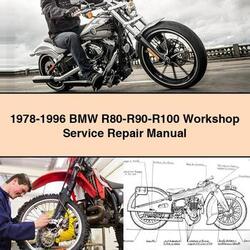
This manual covers the BMW R100 Series motorcycles, often referred to as the 'Airhead' models, produced between 1978 and 1996. This range includes iconic models such as the R100/7, R100S, R100CS, R100RS, R100RT, R100GS, and R100R, including the R100GS Paris-Dakar variant. These motorcycles are renowned for their air-cooled, horizontally opposed twin-cylinder Boxer engines and durable shaft drive systems, making them highly capable for luxury touring, sport touring, and dual-sport adventure riding. BMW's legacy of engineering excellence is evident in the robust construction and reliable performance of the R100 line, which has earned a reputation for longevity and a distinctive riding experience.
The BMW R100, produced between 1978 and 1996, is a distinguished motorcycle renowned for its robust engineering and enduring reliability. As a classic touring and sport-touring machine, it features an air-cooled, four-stroke, horizontally opposed boxer-twin engine with a displacement of approximately 980 cc, delivering around 65-70 horsepower. Its design emphasizes rider engagement and long-distance capability, with variants like the RS (Sport Touring), RT (Touring), and GS (Dual Sport) catering to diverse riding preferences. The R100 series is celebrated for its shaft drive, durable steel tube frame, and a reputation for excellent build quality, making it a highly regarded model in BMW's storied motorcycle history.
This manual covers the BMW R Series motorcycles, including models such as the R80, R90, and R100, with engine codes ranging from R80/7 to R100R. Produced from the 1970s through the 1990s, these iconic air-cooled boxer twin motorcycles are renowned for their robust engineering, shaft drive reliability, and versatile performance, suitable for touring and everyday riding. The R Series is celebrated for its distinctive design and enduring quality, making it a staple for enthusiasts and a testament to BMW Motorrad's heritage.
This manual covers the iconic BMW R Series Airhead Boxer Twin Motorcycles, including the R80, R90, and R100 models produced between 1978 and 1996. These air-cooled, horizontally opposed twin-cylinder motorcycles are renowned for their robust engineering, reliability, and distinctive character, making them a favorite among enthusiasts for touring and general riding. The Type 247 engine family, with displacements ranging from approximately 797cc to 1000cc, provides dependable performance and a unique riding experience.
This manual covers the BMW R80, R90, and R100 Series motorcycles produced between 1978 and 1996. These iconic air-cooled, four-stroke boxer-twin motorcycles are celebrated for their robust engineering, reliability, and distinctive styling, embodying BMW's legacy in producing capable touring and everyday riding machines. The R80, R90, and R100 models, manufactured in Berlin-Spandau, Germany, offer a blend of performance and durability, making them enduring classics.
The BMW R80GS is a legendary adventure touring motorcycle, produced from 1978 to 1996. This iconic dual-sport machine is celebrated for its robust engineering, featuring a 797.5 cc air-cooled boxer-twin engine and a reliable shaft drive system. Its durable construction and capable performance on both paved roads and off-road terrain made it a distinguished competitor in its class, offering riders a unique blend of touring comfort and go-anywhere versatility. The R80GS is widely recognized for its enduring reliability and strong rider following, a testament to BMW's heritage in building high-quality motorcycles.
The BMW R90/6, produced from 1973 to 1976, represents a significant achievement in the premium large-displacement touring and sport-touring motorcycle segment. Known for its robust build quality, reliable performance, and the distinctive engineering of its air-cooled, horizontally opposed twin-cylinder boxer engine, the R90/6 offered a blend of comfort and capability. Its shaft drive system and substantial 897 cc displacement contributed to its reputation as a capable touring machine, competing with other prominent motorcycles of its era. The model is celebrated for its durability and engineering excellence, a hallmark of BMW's storied motorcycle heritage.
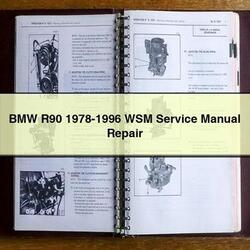
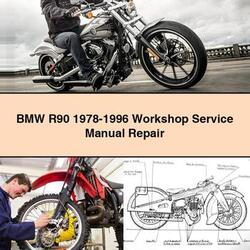
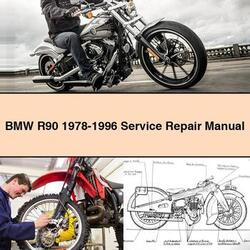
This manual covers the BMW R90 motorcycle, produced across various models and variants from 1978 to 1996. Renowned for its robust engineering and the distinctive boxer-twin engine, the R90 series represents a significant chapter in BMW's esteemed motorcycle heritage. These motorcycles are celebrated for their durability and performance, making them a favored choice for both touring and spirited riding. This comprehensive guide provides in-depth information to ensure optimal operation and longevity of your R90.
The BMW R90/6, a classic sport touring motorcycle produced from 1973 to 1976, is renowned for its robust engineering and comfortable ride. Featuring an air-cooled, opposed-twin boxer engine with approximately 900 cc displacement and shaft drive, this model offered a balance of performance and touring capability. Its durable construction and well-regarded reputation have made it a sought-after machine for enthusiasts and collectors alike. This manual covers models relevant to the 1978-1996 period, acknowledging the continued relevance of its components and maintenance needs.
This workshop repair service manual covers the 1979 BMW R80, R90, and R100 series motorcycles, featuring the iconic air-cooled boxer twin engine. These models are renowned for their robust engineering, reliability, and distinctive touring and sport-touring capabilities, exemplified by variants like the R100RS and R100RT. With a focus on the horizontally opposed twin-cylinder, four-stroke engine and a 5-speed manual transmission with shaft drive, these BMWs represent a significant era in motorcycle design, offering a blend of performance and durability for riders.
This manual covers the BMW R80, R90, and R100 series motorcycles, also known as the 'Airhead' models, specifically for the 1979 production year. These iconic motorcycles are celebrated for their robust engineering, reliability, and touring capabilities, powered by air-cooled, four-stroke boxer-twin engines. The R80 features a 797.5 cc engine producing approximately 50 hp, the R90 offers 897.8 cc with around 65 hp, and the R100 boasts 999.2 cc, also delivering approximately 65 hp. These vehicles are designed for both everyday riding and long-distance travel, embodying BMW's legacy of quality and innovation in motorcycle design.
This manual covers the 1979 BMW R80, R90, and R100 series motorcycles, including chassis codes R80/7, R90/6, R100/7, R100S, R100RS, and R100RT. These iconic Airhead boxer-twin motorcycles are renowned for their durability, touring capability, and reliable engineering. Built upon BMW Motorrad's legacy, these models represent a significant era of motorcycle development, offering a robust mechanical platform designed for the rider. Their enduring classic status is a testament to their quality and the rider-machine interface they provide.
This manual covers the BMW R90 motorcycle, produced in 1979. The R90 is renowned for its robust engineering and reliable performance, making it a favored choice for riders seeking a classic motorcycle experience. Its design emphasizes a balance of power and handling, suitable for both daily commuting and longer journeys. This model represents a significant era in BMW's motorcycle heritage, known for its distinctive boxer engine and enduring build quality.
This manual covers the BMW R90, specifically referencing the 1979 model year, a significant machine in BMW's history known for its robust, air-cooled, horizontally opposed twin-cylinder boxer engine and shaft drive. Building on BMW's reputation for technical advancement and reliability, the R90 series, including the R90/6, offered a blend of performance and comfort, often considered a classic sport-touring motorcycle. This model features a 897 cc engine, dual disc front brakes, and a drum rear brake, embodying the engineering quality characteristic of BMW motorcycles from its era.
The 1979 BMW R90 is a classic motorcycle renowned for its robust engineering, comfortable touring capabilities, and distinctive boxer-twin engine with shaft drive. Produced by BMW, a brand with a rich heritage in motorcycle manufacturing, the R90/6 represents an evolution of their large boxer-twin models, offering a premium experience for its era. This iconic machine, manufactured in Berlin, Germany, competed with other high-end European motorcycles and was celebrated for its reliability and performance, solidifying BMW's reputation for quality.
This manual covers the BMW R100 motorcycle, produced in 1980. Known for its air-cooled, four-stroke, horizontally opposed twin-cylinder boxer engine with approximately 980cc displacement, the R100 represents an evolution of BMW's renowned engineering. This motorcycle is characterized by its robust build quality, reliability, and the distinctive power delivery of its boxer engine, making it suitable for touring and general riding. It features a 5-speed transmission, shaft drive, and a steel tubular frame, embodying BMW Motorrad's heritage of precision and durability.
This manual covers the BMW R100 motorcycle, produced in 1980. The R100 is part of BMW Motorrad's esteemed R series, known for its air-cooled, horizontally opposed twin-cylinder Boxer engine, shaft drive, and robust engineering. These motorcycles are celebrated for their durability, comfortable touring capabilities, and timeless design, making them a reliable choice for both daily commuting and long-distance journeys. The R100 series, including variants such as the R100/7, R100RT, R100RS, and R100S, represents a refinement of BMW's classic motorcycle platform, offering a blend of performance and enduring quality.
This manual covers the BMW R80, R90, and R100 series motorcycles, specifically focusing on the 1980 model year. These iconic machines are renowned for their air-cooled, four-stroke boxer-twin engines, shaft drive, and robust construction, embodying BMW Motorrad's legacy of engineering quality and reliability. Whether for touring, commuting, or general riding, these motorcycles offer a distinctive riding experience and have earned a reputation for durability and longevity. The R80 models typically feature a 797.5 cc engine, the R90 models an 897.2 cc engine, and the R100 models a 980.7 cc engine, each offering varying levels of performance and capability.
This manual covers the BMW R80GS and R100R motorcycles, produced between 1980 and 1987. These models represent the first generation of BMW's iconic Airhead Boxer Twins, with the R80GS serving as a dual-sport variant and the R100R as a roadster. Known for their robust engineering and durability, these air-cooled, four-stroke boxer-twin engines, ranging from 797.5 cc to 979.5 cc, delivered reliable performance for both adventure touring and everyday riding. The R80GS, with its emphasis on Gelände/Straße (Terrain/Street) capability, and the R100R, offering a refined road experience, both exemplify BMW Motorrad's legacy of quality and innovation.
This manual covers the BMW M3, chassis code E30, produced from 1986-1991. Renowned for its motorsport heritage and engineering prowess, the E30 M3 was developed as a homologation special for racing, embodying a lightweight, agile, and track-focused design philosophy. Powered by the naturally aspirated S14 engine, a 2.3-liter DOHC 4-cylinder unit featuring Bosch L-Jetronic fuel injection and individual throttle bodies, this iconic vehicle is a testament to BMW's commitment to performance and driving dynamics. Its robust construction, rear-wheel-drive system with a limited-slip differential, and responsive suspension make it a highly sought-after classic for enthusiasts and collectors alike.
The BMW R100, produced in 1981, represents a significant chapter in the legacy of BMW motorcycles, known for its robust engineering and enduring reliability. This model, encompassing all variants such as the R100RS, R100RT, R100GS, R100CS, and R100TIC, features an air-cooled, four-stroke, boxer twin-cylinder engine with a displacement of 979 cc. Its design prioritizes touring capability and rider comfort, embodying BMW's commitment to quality and performance. The R100 series is an evolution of BMW's successful airhead boxer twins, offering a refined riding experience and a classic aesthetic that continues to be appreciated by enthusiasts.
This manual covers the BMW R80, R90, and R100 series motorcycles produced in 1981. These iconic air-cooled, horizontally opposed twin-cylinder motorcycles are renowned for their robust engineering, reliability, and suitability for long-distance touring. Built upon BMW Motorrad's rich heritage, these models represent a refined evolution of the boxer engine platform, offering substantial displacement ranging from approximately 797 cc to 1000 cc, with horsepower typically between 50-70 HP and torque around 50-65 lb-ft. They feature a 5-speed manual transmission with shaft drive and a single dry plate clutch, and braking systems that may include front disc and rear drum brakes. The R-series is celebrated for its durability and has garnered significant owner accolades for its touring and adventure riding capabilities.
The BMW R80, produced in 1981, is a testament to BMW Motorrad's legacy of engineering reliable, shaft-driven motorcycles. This model, part of the esteemed 'boxer' series, offers a balance of performance and touring comfort, powered by an air-cooled, four-stroke boxer twin cylinder engine displacing approximately 797.5 cc. Known for its robust build quality and timeless design, the R80 has garnered high owner satisfaction due to its longevity and repairability, making it a classic motorcycle respected for its enduring capabilities.
The BMW M3 (E30), produced between 1986 and 1991, is a legendary sports sedan renowned for its motorsport heritage and exceptional driving dynamics. Developed as a homologation special for racing, it features a potent S14 inline-4 engine, producing approximately 195 to 238 horsepower. This iconic model, available in coupe, sedan, and convertible styles, represents a significant evolution in BMW's compact executive car line, offering a blend of performance and refined engineering that continues to captivate enthusiasts. Its robust construction and performance-oriented design made it a dominant force in touring car racing and a highly sought-after vehicle for spirited driving.
The BMW M3 (E30), produced from 1986 to 1991, stands as a legendary homologation special born from BMW Motorsport's racing endeavors. This iconic 2-door coupe, powered by the high-revving S14 2.3L DOHC inline-4 engine, was engineered for motorsport dominance, featuring a unique chassis, distinctive wider fenders, and aerodynamic enhancements. Its exceptional driving dynamics, precise handling, and a successful racing pedigree have cemented its status as a highly sought-after driver's car and a significant piece of automotive history.
The BMW M3, specifically the E30 chassis code produced between 1981 and 1992, stands as an iconic homologation special celebrated for its motorsport pedigree and exceptional driving dynamics. Developed by BMW Motorsport GmbH, this performance compact sedan and coupe was engineered for racing, featuring distinct design elements like flared wheel arches, an integrated front air dam, and a rear spoiler to enhance its aerodynamic profile. Powered by a naturally aspirated 2.3-liter S14 inline-4 engine, the M3 delivered robust performance, making it a formidable competitor against models like the Ford Sierra RS Cosworth and Audi Quattro. Its engineering quality and focus on driver engagement have cemented its status as a highly sought-after modern classic.
This manual covers the BMW K75 and K100 Sport Touring motorcycles, produced in 1982. These models are characterized by their robust engineering and reliable performance, featuring liquid-cooled, four-stroke engines with DOHC valvetrain. The K75 is equipped with a 740cc inline-3 cylinder engine producing approximately 75 hp, while the K100 features a 987cc inline-4 cylinder engine delivering around 100 hp. Both models utilize Bosch K-Jetronic fuel injection and a 5-speed manual transmission with shaft drive, offering a refined riding experience for touring and general use.
This manual covers the BMW K75 and K100 models from 1982, part of the first generation of BMW's innovative K-Series motorcycles. These bikes, featuring longitudinally mounted inline three-cylinder (K75, 740cc) and four-cylinder (K100, 987cc) liquid-cooled engines, represented a significant advancement in motorcycle technology with their fuel injection and DOHC valve trains. Renowned for their smooth power delivery, engineering quality, and suitability for sport-touring, the K-Series established BMW Motorrad's reputation for performance and reliability. This manual provides comprehensive coverage for these historically significant machines.
The BMW M6, chassis code E24, represents a significant chapter in performance automotive history, blending luxurious grand touring comfort with potent motorsport-derived engineering. Produced for the 1982 model year, this vehicle offered a compelling alternative to other high-performance coupes of its era, characterized by its powerful inline-six engine and sophisticated chassis. BMW's renowned engineering quality and commitment to driver engagement are evident in the M6's design, making it a sought-after classic for enthusiasts.
This manual covers the BMW R80, R90, and R100 Series motorcycles, primarily focusing on the 1982 model year. These iconic Boxer twins are celebrated for their robust engineering, reliability, and distinctive character, offering a blend of touring comfort and capable performance. The R-series lineage, dating back to the original R32, represents a mature development of BMW's air-cooled, four-stroke Boxer twin-cylinder engine configuration, known for its strong low-to-mid-range torque. Models likely include variations such as the R80/7, R90/6, R100/7, R100S, R100RT, R100RS, and R100GS, each offering specific attributes for different riding preferences.
The BMW R90, produced around the early to mid-1970s, stands as a testament to BMW's enduring legacy in crafting robust and reliable motorcycles. Known for its distinctive air-cooled, horizontally opposed twin-cylinder boxer engine and shaft drive system, the R90 series offered a compelling blend of touring comfort and sporting capability. Its engineering quality, characterized by durable construction and a focus on rider experience, cemented its reputation as a dependable machine that appealed to riders seeking both performance and longevity. The R90's design emphasized mechanical integrity and a classic aesthetic, making it a sought-after model for enthusiasts.
This manual covers the BMW 3 Series (E30) models produced between 1982 and 1983, including the 318i, 320i, 325i, 325e, and M3 variants. The E30 chassis established BMW's reputation for compact sports sedans and coupes, embodying the brand's philosophy of "The Ultimate Driving Machine" with its focus on sporty handling and driver-centric design. Early E30 models featured robust M10 4-cylinder and M20 inline-6 engines, paired with either manual or automatic transmissions, and were built with monocoque unibody construction. These vehicles represent a significant era in BMW's history, known for their engineering quality and driving dynamics.
This manual covers the BMW K75 motorcycle, a model renowned for its smooth inline three-cylinder engine and reliable shaft drive. Produced from 1982 through 1992, the K75 series, including variants like the Standard, C, and RT, offered a blend of touring comfort and sporty performance, characteristic of BMW's engineering prowess. Its liquid-cooled engine, typically around 740cc, delivered approximately 75 horsepower, making it a capable machine for both daily commuting and longer journeys. The K75 established BMW's reputation for quality and innovation in the modern motorcycle era, lauded for its smooth operation and enduring reliability.
This workshop service repair manual provides comprehensive guidance for the BMW K75 series motorcycles, produced between 1982 and 1992. As part of BMW's pioneering first-generation K-Series, the K75 is distinguished by its transverse-mounted, liquid-cooled inline three-cylinder engine, delivering approximately 75 horsepower and 70 Nm of torque. Known for its smooth operation, reliable shaft drive, and integral frame design, the K75 was engineered for both performance and rider comfort, making it a notable model in the sport-touring segment. Variants such as the K75C, K75S, and K75RT offered different configurations to suit various riding preferences.
The BMW K75, produced from 1985 to 1995, represents a significant chapter in BMW Motorrad's history, offering a unique 75-degree inline-three-cylinder engine configuration. This model, available in variants such as the K75C, K75S, and K75RT, was engineered as a mid-range sport-touring motorcycle, balancing performance with rider comfort. Its longitudinally mounted engine and shaft drive provided a smooth, low-maintenance riding experience, distinguishing it from competitors of its era. The K75 is lauded for its sophisticated engineering, reliable performance, and the characteristic quality associated with BMW motorcycles.
This manual provides comprehensive electrical troubleshooting guidance for a wide range of BMW vehicles produced between 1982 and 2001. It covers numerous iconic models, including the E30 (3 Series), E32 (7 Series), E34 (5 Series), E36 (3 Series), E38 (7 Series), E39 (5 Series), E46 (3 Series), Z3, and early E53 (X5) variants, along with their respective M performance editions. BMW's engineering during this era is characterized by a significant evolution in onboard electronics, from early digital systems to increasingly complex integrated networks. This manual reflects that advancement, offering detailed insights into the sophisticated electrical architecture that defines these vehicles, built upon BMW's reputation for performance and innovation.
This manual covers the BMW R Series motorcycles, specifically the R80, R90, and R100 models from 1983. These iconic air-cooled, horizontally opposed twin-cylinder boxer engines, known for their durability and suitability for long-distance touring, feature shaft drive and a 5-speed gearbox. Key variants include the R80/7, R90/6, R100/7, R100RS, R100RT, R100S, and R100CS, each offering a unique blend of performance and touring capability. The engineering quality and reliability of these machines have earned them a strong reputation and a dedicated following among enthusiasts.
This manual covers the BMW R80, R90, and R100 series motorcycles produced in 1983. These iconic Boxer twin-cylinder motorcycles are renowned for their engineering quality, reliability, and robust design, representing BMW's long-standing heritage in motorcycle manufacturing. The R80, R90, and R100 models offer refined touring and sport-touring capabilities, built with precision at BMW's Berlin factory. They feature air-cooled, four-stroke Boxer engines with displacements ranging from approximately 797.5 cc for the R80 to 979.5 cc for the R100, typically paired with dual Bing carburetors and a 5-speed transmission. Their robust chassis, shaft drive, and effective braking systems, including disc brakes, contribute to their enduring appeal among enthusiasts.
This manual covers the BMW R90, a classic air-cooled boxer twin motorcycle produced around 1983. Renowned for its robust build quality and the distinctive character of its horizontally opposed engine, the R90 series represented a significant step in BMW's motorcycle lineage, offering both the R90/6 and the sportier R90S variants. These machines were engineered for touring capability and reliable performance, establishing a strong reputation against competitors of their time through their advanced engineering and enduring design.
This manual covers the BMW R90, a distinguished motorcycle from the 1983 model year. Renowned for its robust engineering and the reliability characteristic of BMW Motorrad, the R90 series, including variants like the R90/6 and the sportier R90S, represented a significant advancement in large-displacement motorcycle design. These air-cooled, horizontally opposed twin-cylinder Boxer engines, with a displacement of 897 cc, offered a balance of performance and comfort, making them ideal for touring and everyday riding. The R90's legacy is built on its smooth power delivery, convenient shaft drive, and stable steel tube frame, establishing it as a benchmark in its class.
The BMW K100 and K75 series motorcycles, produced between 1983 and 1987, represent a significant chapter in BMW Motorrad's history. These models introduced a revolutionary horizontally-opposed inline four-cylinder (K100) and three-cylinder (K75) engine configuration, earning them the nickname 'Flying Brick.' Known for their smooth power delivery, shaft drive, and advanced features like fuel injection and optional ABS, they were designed as comfortable and capable touring and sport-touring machines. BMW's commitment to engineering excellence and reliability is evident in these bikes, which competed effectively against other premium motorcycles of the era.
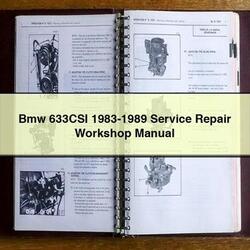
The BMW 6 Series E24, produced from 1976 to 1989, represents the pinnacle of BMW's luxury grand touring coupe offerings during its era. Available in models such as the 633CSi, 635CSi, and the high-performance M6, this vehicle is renowned for its elegant, pillarless coupe design, powerful inline-six M30 engines, and rear-wheel-drive dynamics. The E24 was engineered to provide both exhilarating driver engagement and refined long-distance comfort, setting it apart from contemporaries like the Mercedes-Benz SEC Coupe and Porsche 928. Its sophisticated styling and robust engineering contribute to its lasting appeal and status as a classic automotive icon.
The BMW 6 Series (E24), produced from 1983 to 1989, is a luxury grand tourer renowned for its sporty coupe design and sophisticated engineering. Available in 633CSi, 635CSi, and high-performance M6 variants, this model epitomizes the premium performance segment of its era. It features a distinctive Bertone-penned body, rear-wheel drive, and powerful inline-six engines, including the M30 and S38 series, offering an engaging driving experience. The 6 Series was celebrated for its luxurious appointments, driver-focused cockpit, and competitive stance against other premium European GTs.
The 6 Series, specifically the first generation E24 models produced from 1983 to 1989, represents a pinnacle of German engineering in the luxury grand tourer segment. Available in variants such as the 633CSi, 635CSi, and the high-performance M6, these coupes are celebrated for their iconic Bertone-designed styling, potent inline-six engines, and rear-wheel-drive dynamics. Engineered with a focus on driver engagement and luxurious comfort, the E24 competed with the best from Europe, offering a compelling blend of performance and refinement that has cemented its status as a desirable classic.
This Service Repair Manual covers the BMW 6 Series (E24) models, including the 633CSi, 635CSi, and M6, produced from 1983 to 1989. As a luxury grand tourer, the E24 is renowned for its elegant design, powerful inline-six engines, and sophisticated engineering, offering a blend of performance and comfort. This generation of the 6 Series built upon BMW's heritage of creating sporting coupes, characterized by a driver-focused cockpit and premium interior appointments, making it a distinguished vehicle in its class.
The BMW 633CSi, part of the E24 generation produced from 1983 to 1989, is a luxury grand tourer renowned for its iconic 'shark nose' styling, powerful inline-six engine, and engaging rear-wheel-drive dynamics. This model blended sophisticated design with performance, competing with other premium European coupes of its time. Its engineering quality and refined driving experience cemented BMW's reputation in the luxury segment, offering a blend of comfort and sporty capability for discerning drivers.
The BMW 635CSi, part of the E24 generation, represents a pinnacle of luxury grand touring coupes from the 1983 to 1989 model years. Renowned for its distinctive 'shark nose' styling, powerful M30B34 inline-six engine, and rear-wheel-drive dynamics, this vehicle offers a compelling blend of performance and comfort. Its engineering quality and build materials reflect BMW's commitment to creating sophisticated and engaging driving machines, positioning it as a desirable choice for discerning enthusiasts seeking classic European automotive excellence.
The BMW M6, specifically the E24 generation produced from 1983 to 1989, stands as a testament to BMW's engineering prowess in the luxury performance coupe segment. Developed by BMW M GmbH, this iconic vehicle was engineered for exhilarating performance and exceptional handling, competing with other high-end sports cars of its era. Its design philosophy emphasized a powerful, naturally aspirated inline-six engine, delivering approximately 256 horsepower, coupled with a driver-focused interior and distinctive coupe styling. The M6 represented a pinnacle of automotive luxury and performance, reflecting the brand's heritage in motorsport and its commitment to creating engaging driving machines.
This manual covers the BMW M6, model generation E24, produced from 1983 to 1989. The M6 represents a significant chapter in BMW's performance heritage, offering a potent combination of luxury grand touring and track-inspired engineering. Powered by a robust inline-six engine, available in M88/3 and S38B35 variants, this vehicle was designed for enthusiasts seeking exceptional performance and refined handling. Its competitive positioning against other high-performance coupes of its era highlights its status as a desirable and capable automobile, characterized by BMW's renowned build quality and driver-centric design.
The BMW K 100 series, produced from 1983 to 1992, represents a significant engineering achievement in the sport touring motorcycle segment. Featuring a transverse-mounted, liquid-cooled inline-four engine with Bosch Motronic fuel injection and a shaft drive via the innovative Monolever system, these motorcycles offered advanced technology and long-distance comfort for their era. Available in variants such as the K 100 RS, K 100 RT, and K 100 LT, the K 100 series was designed for performance and reliability, competing with leading models from other manufacturers and solidifying BMW's reputation for quality and innovation.
This manual covers the BMW K100 Series motorcycles, including the RS, RT, and LT models, produced between 1983 and 1992. The K100 marked a significant evolution for BMW Motorrad, introducing their first inline four-cylinder engine, known for its smooth power delivery and advanced engineering. These motorcycles were designed for performance and touring, with the RS offering sportier ergonomics, the RT providing enhanced comfort for longer journeys, and the LT representing the pinnacle of luxury touring. Built in Berlin-Spandau, Germany, the K100 series established BMW's reputation for quality, durability, and technological innovation in the motorcycle market.
This manual provides comprehensive service and repair information for the 1984 BMW M3, chassis code E30, powered by the S14 2.3L inline-4 engine. As a homologation special born from motorsport, the E30 M3 is renowned for its exceptional engineering, driving dynamics, and iconic status. This vehicle represents a significant achievement in performance automotive design, offering a pure and engaging driving experience that continues to be celebrated by enthusiasts and collectors alike. Its robust construction and performance-oriented components underscore its legacy as a legendary driver's car.
The BMW R100, produced in 1984, represents a significant model within BMW Motorrad's esteemed heritage of reliable and high-quality motorcycles. Known for its distinctive air-cooled, horizontally opposed boxer twin engine, the R100 offers a robust and engaging riding experience, making it a popular choice for touring and general motorcycling. Its engineering emphasizes durability and performance, characteristic of BMW's commitment to producing well-crafted vehicles. This particular model is part of the long-running 'Airhead' lineage, evolving from earlier R series designs with advancements in engine performance and features.
The BMW R100, produced in 1984, represents a significant offering in the large-displacement motorcycle market. Known for its iconic air-cooled boxer-twin engine and robust shaft drive, this model series, including variants like the R100RT, R100RS, R100S, R100CS, and R100GS, was engineered for touring and long-distance travel. Building on BMW Motorrad's heritage of reliability and engineering excellence, the R100 series provided a blend of comfortable ergonomics and capable performance, often featuring fairings and luggage systems to enhance its touring prowess.
This manual covers the BMW R80, R90, and R100 series motorcycles from the 1984 model year. These air-cooled, horizontally opposed twin-cylinder motorcycles are renowned for their robust engineering, reliability, and enduring design, reflecting BMW Motorrad's long-standing heritage of producing high-quality, durable machines. The R-series platform, a refinement of decades of boxer engine development, offers a blend of performance and comfort suitable for touring and everyday riding, with a reputation for longevity when properly maintained.
This manual covers the 1984 BMW R80, R90, and R100 series motorcycles, built on the robust 247 (Airhead) platform. These iconic machines are celebrated for their enduring engineering, reliability, and the distinctive horizontally-opposed boxer engine configuration. Known for their touring capabilities and classic appeal, the R80, R90, and R100 models represent a significant chapter in BMW Motorrad's heritage, offering a blend of performance and rider comfort that has cemented their status among enthusiasts.
The BMW K75 and K100 series, introduced in 1985, marked a significant advancement in motorcycle engineering with their innovative transverse, liquid-cooled inline-three and inline-four engines, respectively. These models were designed to offer a blend of performance, reliability, and touring comfort, competing with contemporary superbikes while upholding BMW's reputation for quality. The K-series, featuring shaft drive and robust construction, represented a forward-thinking approach to motorcycle design, aiming for longevity and rider satisfaction. This manual covers these pioneering machines, providing essential information for their upkeep and operation.
This manual covers the BMW K75 and K100 motorcycles produced in 1985. These models represent BMW Motorrad's significant technological advancements, featuring transverse-mounted, liquid-cooled inline engines. The K75, with its 740 cc three-cylinder engine, and the K100, with its 987 cc four-cylinder engine, both offer robust engineering and smooth power delivery, making them well-suited for touring and commuting. Renowned for their durability and rider comfort, these motorcycles are a testament to BMW's heritage in motorcycle manufacturing.
This manual covers the 1985 BMW R100 motorcycle, a distinguished model known for its air-cooled, four-stroke, two-cylinder boxer engine. With a displacement of 980 cc and a robust engineering heritage, the R100 series, including variants like the R100RT, R100RS, R100S, and R100CS, embodies BMW's commitment to reliability and rider comfort. These motorcycles are celebrated for their durable construction and capable performance, making them suitable for both daily commuting and long-distance touring. The R100's design emphasizes mechanical integrity and predictable handling, reflecting BMW's long-standing reputation in motorcycle manufacturing.
This manual covers the BMW R80, R90, and R100 series motorcycles from 1985, including engine family codes such as R80/7, R90/6, R100RS, R100RT, R100S, and early R100GS models. These air-cooled, four-stroke boxer-twin motorcycles, known for their robust engineering and durability, feature a 5-speed transmission and shaft drive. The R80 models typically produce around 50 hp, while the R90 and R100 variants offer approximately 65-70 hp, making them versatile for touring and general riding. This manual provides comprehensive technical information for these classic machines, reflecting BMW Motorrad's heritage of quality and performance.
The BMW R90, a model from 1985, represents a significant offering built upon BMW's long-standing reputation for engineering quality and durability in motorcycles. Known for its sporty character and robust air-cooled Boxer Twin engine, the R90 series was a notable part of BMW's lineup. This motorcycle, with its approximate 900 cc displacement and a 5-speed manual transmission, embodies the brand's commitment to reliable and capable two-wheeled transportation. Its design and performance characteristics reflect a heritage of innovation and rider-focused engineering, making it a respected machine among enthusiasts.
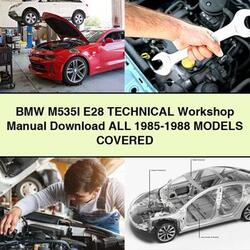
The BMW M535i E28, produced from 1985 to 1988, represents a significant chapter in BMW's performance sedan heritage. As a sport-tuned variant of the E28 generation, it offered a compelling blend of executive comfort and dynamic capability, bridging the gap between standard 5 Series models and the legendary M5. Featuring a robust 3.4-liter inline-six engine, sport-tuned suspension, and optional limited-slip differential, the M535i was engineered for an engaging driving experience, embodying BMW's commitment to performance and engineering excellence that cemented its reputation as "The Ultimate Driving Machine."
The BMW M535i, part of the E28 generation produced from 1981 to 1988, was engineered as a high-performance executive sedan, bridging the gap between standard luxury models and dedicated M cars. This model, specifically the 1985-1988 variants, is distinguished by its sport-tuned suspension, aerodynamic body kit, and the potent M30B34 3.4-liter inline-six engine, delivering approximately 215 horsepower. Its design and engineering emphasized driver engagement and performance, competing with other premium sports sedans of its era. The M535i is recognized for its robust build quality and the driving pleasure it offers, embodying BMW's commitment to performance and engineering excellence.
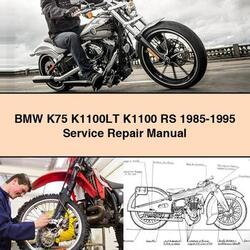
This manual covers the sport touring and standard motorcycles produced between 1985 and 1995. These models represent an innovative approach to multi-cylinder, liquid-cooled motorcycles, featuring robust tubular steel frames, shaft drive, and advanced (for their time) electronic fuel injection and ABS systems. The K75, with its three-cylinder engine, offered a versatile riding experience, while the K1100LT and K1100 RS provided enhanced performance and touring capabilities.
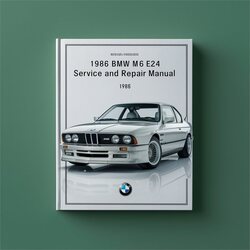
The BMW M6, model code E24, produced in 1986, stands as a distinguished Luxury Grand Tourer and Sports Coupe. This iconic vehicle, renowned for its powerful S38B35 inline-6 engine producing approximately 260 hp and 330 Nm of torque, offered exceptional performance for its era, competing with luxury GTs from Porsche, Ferrari, and Mercedes-Benz. BMW's heritage of performance and engineering is evident in the M6's dynamic capabilities and luxurious appointments, making it a sought-after model for enthusiasts.
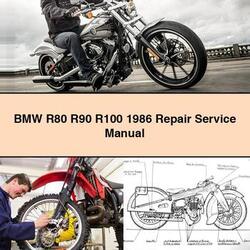
This manual covers the BMW R80, R90, and R100 motorcycle models from 1986. These air-cooled, four-stroke, horizontally opposed twin-cylinder 'Boxer' motorcycles are renowned for their engineering, durability, and capability as touring machines. With displacements ranging from approximately 797.5 cc for the R80 to around 980.7 cc for the R100 variants, these bikes offer strong low-to-mid range torque and are equipped with reliable shaft drive systems. The R80, R90, and R100 series represent the iconic 'Airhead' era of BMW motorcycles, known for their robust construction and consistent performance, making them enduring choices for both commuting and long-distance travel.
This manual covers the BMW 3 Series, specifically the E30 chassis, produced between 1986 and 1988. The E30 generation is celebrated for its robust engineering, engaging driving dynamics, and enduring design, solidifying the 3 Series as a benchmark in its class. This period represents a significant evolution for the model, incorporating updates that maintained its reputation for performance and reliability. The vehicle's electrical systems, powered by engines such as the M10 and M20 variants, are complex and integral to its operation, featuring technologies like Bosch L-Jetronic or Motronic fuel injection and optional ABS.
This manual covers the BMW E30 M3, a celebrated performance sedan produced from 1986 to 1992. Developed for motorsport homologation, this first-generation M3 is renowned for its distinctive box flares, enhanced aerodynamics, and a high-revving S14 engine paired exclusively with a manual transmission. Its engineering quality and motorsport heritage have cemented its status as a highly desirable and capable driver's car, offering a pure driving experience that continues to appeal to enthusiasts and collectors alike.
The BMW M3 (E30), produced from 1986 to 1991 in the EU and 1987 to 1991 in North America, represents the first generation of this iconic performance vehicle. Developed as a homologation special for motorsport, it is renowned for its unique widebody styling, M-tuned suspension, and a high-revving S14 engine. This model stands as a benchmark performance car of its era, celebrated for its engineering quality and driving dynamics, and is considered a modern classic.
The BMW M3 (E30), produced from 1986 to 1992, stands as a legendary performance sports coupe and sedan, born from a need for motorsport homologation for Group A touring car racing. This iconic vehicle is renowned for its exceptional chassis balance, precise steering, and a high-revving, naturally aspirated S14 inline-4 engine. Its distinctive aerodynamic enhancements, including a front air dam and rear spoiler, further underscore its motorsport heritage. With a production run of 17,184 units, the E30 M3 is celebrated for its driving dynamics and has achieved significant critical acclaim and numerous motorsport victories, making it a highly sought-after classic.
The BMW M3 (E30) represents a significant chapter in performance automotive history, produced between 1986 and 1992. This iconic model is powered by a naturally aspirated 2.3-liter inline 4-cylinder S14 engine, delivering 192 horsepower and 170 lb-ft of torque, paired with a standard 5-speed manual transmission and a limited-slip differential. Its engineering quality is evident in its balanced chassis, featuring ventilated front disc brakes and solid rear discs with standard ABS, and its compact dimensions, measuring 4340 mm in length and 1680 mm in width. The M3 was designed for spirited driving and motorsport homologation, offering a pure, engaging driving experience.
Welcome to the essential guide for the M3, produced between 1986 and 1992, chassis code E30. This iconic model is renowned for its exceptional engineering, delivering a thrilling driving experience that has cemented its place in automotive history. Featuring a powerful 2.3 L naturally aspirated inline 4-cylinder S14 engine producing 192-215 hp, coupled with a 5-speed manual transmission and a hydraulic clutch, the E30 M3 was built for performance enthusiasts. Its balanced chassis, precise handling, and focus on driver engagement made it a standout in its era, offering a pure connection between driver and machine.
The BMW M3 (E30) is a legendary compact executive sports sedan and coupe produced from 1986 to 1992. Developed by BMW M GmbH as a homologation special for motorsport, it features a distinctive body kit, wider track, and advanced engine technology for its era. Known for its exceptional handling, driver engagement, and motorsport heritage, the E30 M3 competed with prestigious models like the Porsche 944 and Mercedes-Benz 190E 2.3-16. Its unique selling points include its racing pedigree, performance-oriented design, and the highly regarded S14 inline-four engine.
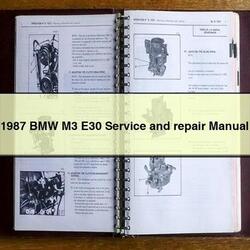
This manual covers the 1987 BMW M3, a performance-oriented coupe developed for motorsport homologation. Renowned for its exceptional handling, balanced chassis, and high-revving S14 engine, the E30 M3 stands as a significant model in BMW's history. Its unique bodywork, including flared wheel arches and a distinct M3 body kit, along with a wider track and revised suspension geometry, set it apart from standard E30 models. This vehicle is celebrated for its driver engagement and has achieved legendary status among automotive enthusiasts and in motorsport.
The BMW E30 M3, a 1987 model year icon, represents a pinnacle of automotive engineering derived from motorsport homologation. Celebrated for its exceptional driving dynamics, balanced chassis, and the potent S14B23 engine, this vehicle was developed to compete and win in Group A touring car racing. Its unique bodywork, including flared fenders and a distinctive rear spoiler, not only enhances its aggressive stance but also contributes to its aerodynamic efficiency. The E30 M3 is a highly sought-after machine, cherished by enthusiasts for its raw performance and direct connection to BMW's rich racing heritage.
This manual covers the 1987 BMW K75 and K100 models, part of the innovative K-Series platform known for its transversely mounted inline engines. These motorcycles, produced in Germany, represent a significant engineering achievement from Bayerische Motoren Werke AG, offering a blend of performance and reliability. The K75, with its inline 3-cylinder engine producing approximately 75 hp, and the K100, featuring an inline 4-cylinder engine delivering around 90 hp, both utilize a 5-speed manual gearbox and shaft drive. Their robust construction, coupled with advanced features for their time such as Bosch LE-Jetronic fuel injection and optional ABS on some variants, made them distinctive in the motorcycle market.
This manual covers the BMW K75 and K100 motorcycle models from 1987. These motorcycles are known for their inline-three and inline-four cylinder, four-stroke engines, respectively, featuring transverse-mounted, liquid-cooled, fuel-injected configurations with DOHC and four valves per cylinder. The K75 offers approximately 75 hp and 75 Nm of torque, while the K100 delivers around 100 hp and 95 Nm of torque, both utilizing a 5-speed manual gearbox and shaft drive. BMW's legacy of engineering excellence and the K-series' reputation for smooth power delivery and touring capability are hallmarks of these vehicles.
This manual provides comprehensive service and repair information for the 1987 BMW K75 and K100 motorcycles. These models, representing BMW's innovative K series, feature liquid-cooled, transverse-mounted inline engines with shaft drive, known for their performance and reliability. The K75, with its approximately 740 cc engine, and the K100, featuring a nearly 987 cc engine, were designed with advanced engineering for their era, offering a robust riding experience. This documentation is tailored for owners and technicians to ensure the optimal maintenance and longevity of these iconic machines.
The BMW M6 (E24), produced from 1983 to 1989, represents a pinnacle of German engineering, blending potent performance with luxurious grand touring capabilities. Powered by the formidable S38B35 inline-6 engine, this iconic coupe offered exhilarating driving dynamics, competing with the elite sports cars of its era. Its sophisticated design and driver-centric focus cemented its status as a modern classic, embodying BMW's heritage of building exceptional performance vehicles.
The 1987 BMW L6, chassis code E24, represents a pinnacle of German engineering, embodying the brand's legacy as a builder of premium Grand Tourer coupes. This model, part of the first 6 Series generation, is distinguished by its hand-built craftsmanship, a powerful 3.5-liter naturally aspirated inline-six engine (S38B35) producing 256 horsepower, and a sophisticated suspension system. It competed in the luxury performance segment with European counterparts, offering a luxurious interior and motorsport-derived styling. The L6 was designed for discerning drivers seeking a blend of performance and comfort for extended journeys.
The 1987 BMW M3 E30 represents a pinnacle of motorsport-derived road car engineering, a homologation special born from BMW's racing ambitions. Renowned for its exceptional handling, balanced chassis, and the potent S14B23 engine, this iconic model established BMW's reputation for delivering driver-focused performance. Its distinctive aerodynamic body kit, including flared wheel arches, and motorsport-inspired interior underscore its racing pedigree. The E30 M3 competed against formidable rivals, solidifying its place as a legendary performance sedan and a highly sought-after collector's item.
The 1987 BMW M3 (E30) represents a pinnacle of performance engineering, born from BMW's rich motorsport heritage. Developed by BMW M Division for homologation in touring car racing, this iconic model is celebrated for its exceptional handling, distinctive aerodynamic enhancements, and the potent S14 naturally aspirated inline-4 engine. With its robust chassis and a focus on driver engagement, the E30 M3 has earned its status as a highly desirable modern classic, revered by enthusiasts and collectors alike for its racing pedigree and unparalleled driving dynamics.
This manual covers the BMW R Series motorcycles, specifically models such as the R80, R90, and R100, primarily focusing on the 1987 model year and surrounding periods. These iconic motorcycles are celebrated for their robust engineering, featuring air-cooled flat-twin boxer engines and shaft final drive, making them reliable choices for touring and general use. Their classic styling and enduring performance have cemented their place in motorcycle history, offering a unique riding experience characterized by smooth power delivery and distinctive handling.
This manual covers the 1987 BMW R Series motorcycles, including the R80, R90/6, R90S, R100/7, R100S, R100CS, R100RS, R100RT, and R100GS models. These premium airhead motorcycles are renowned for their robust engineering, durability, and torque, making them highly regarded for touring and everyday riding. The air-cooled, four-stroke boxer-twin engines, with displacements ranging from 797.5 cc to 979.9 cc, deliver reliable performance, complemented by a 5-speed transmission and shaft drive. This series represents a significant and enduring era in BMW Motorrad's history, celebrated for its mechanical integrity and rider comfort.
The BMW R80, produced in 1987, is a classic motorcycle renowned for its air-cooled, four-stroke, boxer twin-cylinder engine, typically displacing 798 cc. This model is a testament to BMW Motorrad's legacy of engineering quality and reliability, offering a robust platform for touring, everyday riding, and restoration projects. Its iconic boxer engine, paired with a 5-speed gearbox and shaft drive, provides a distinctive riding experience and enduring performance, making it a beloved machine among enthusiasts.
The BMW R80 Series, produced in 1987, represents a significant offering in the touring and general-purpose motorcycle market. Known for its torque-rich, air-cooled, horizontally opposed twin-cylinder boxer engine and reliable shaft drive, the R80 models embody BMW Motorrad's legacy of robust engineering and enduring build quality. These motorcycles are characterized by comfortable ergonomics and touring capability, making them a versatile choice for a variety of riding conditions. The R80 Series is celebrated for its distinctive character, durability, and the overall longevity that has earned it consistently high owner satisfaction and industry acclaim.
The BMW R90, produced around 1987, is a distinguished motorcycle belonging to the iconic 'Airhead' series, renowned for its air-cooled, horizontally opposed twin-cylinder boxer engine. This model, often identified with the R90/6 designation and its 898cc displacement, offers approximately 60 horsepower and is characterized by its robust engineering, durability, and sophisticated shaft drive system. It was a premier touring motorcycle of its era, lauded for its smooth power delivery, comfortable ride, and excellent build quality, making it a sought-after machine for enthusiasts of classic BMW motorcycles.
This manual covers the motorcycle, a model renowned for its German engineering, robust construction, and reliable performance. As part of a distinguished lineage, the R90 represents a significant chapter in motorcycle history, known for its boxer-twin engine and shaft drive. This particular manual pertains to the 1987 model year, offering comprehensive details for owners and technicians alike. The R90 is celebrated for its blend of touring comfort and sporty capability, making it a versatile machine for various riding environments.
The BMW R 100 R, produced from 1987 to 1996, is a distinguished roadster/naked bike renowned for its robust engineering and classic appeal. This motorcycle features BMW's signature air-cooled boxer twin engine, delivering approximately 60-65 horsepower, coupled with a reliable shaft drive and advanced Monolever rear suspension. Its durable construction and understated design reflect BMW's commitment to quality and longevity, making it a sought-after machine for both touring and spirited riding. The R 100 R embodies a blend of traditional motorcycle design with practical, user-friendly technology characteristic of its era.
The BMW R 100 R, produced from 1987 to 1996, is a distinguished sport touring and roadster motorcycle known for its signature air-cooled, four-stroke, flat-twin boxer engine and reliable shaft drive. This model represents a refinement of BMW's long-standing R-series heritage, offering a versatile platform for both experienced riders and everyday use. Its engineering emphasizes robust build quality, rider comfort, and timeless design, making it a respected machine within the motorcycle community.
This manual covers the BMW M3, chassis code E30, from the 1988 model year. Developed by BMW Motorsport GmbH, this iconic vehicle represents a significant chapter in performance automotive history, built for homologation in Group A Touring Car racing. Its motorsport-derived S14 engine, a naturally aspirated 2.3-liter inline-4 producing 192 hp, paired with a Getrag 265 5-speed manual transmission, delivers a driving experience celebrated for its precision and engagement. The E30 M3 is distinguished by its unique chassis, flared fenders, and a robust engineering quality that has cemented its status as a highly sought-after performance automobile.
This manual covers the BMW K75 and K100 motorcycles, produced in 1988. These models represent BMW's innovative approach to motorcycle engineering, featuring longitudinal inline engines that were liquid-cooled and equipped with a 16-valve DOHC design. The K100 typically features a 987 cc inline 4-cylinder engine, while the K75 is powered by a 740 cc inline 3-cylinder engine, both offering robust performance with around 90-100 hp and 75 hp respectively. Known for their reliability and advanced features for the era, such as optional ABS on some K100 variants and shaft drive, these motorcycles are celebrated for their engineering quality and touring capabilities, building on BMW Motorrad's legacy.
The 1988 BMW M3 (E30) represents the pinnacle of BMW's compact performance sedan and coupe offerings during its production run from 1986 to 1991. Developed directly from BMW Motorsport's racing expertise, this model is celebrated for its exceptional handling, potent naturally aspirated S14B23 inline 4-cylinder engine, and a legacy deeply rooted in motorsport success. Its engineering quality and reliability, combined with its distinctive performance focus, positioned it as a formidable competitor against vehicles such as the Porsche 944 and Mercedes-Benz 190E 2.3-16. The M3 was built to homologate BMW's E30 chassis for Group A touring car racing, making it a highly sought-after vehicle for both its driving dynamics and its historical significance.
The BMW R100, produced in 1988 and encompassing variants such as the R100RT, R100RS, R100GS, and R100R, represents a significant chapter in BMW Motorrad's legacy. These motorcycles are celebrated for their air-cooled, flat-twin boxer engines, known for their durability and reliable performance, making them suitable for touring and general riding. The R100 series builds upon BMW's established reputation for quality engineering and rider comfort, offering a robust platform that has garnered a loyal following.
The BMW R100 series, specifically the 1988 models including the R100RS, R100RT, R100GS, and R100R, represents a pinnacle of BMW Motorrad's engineering for its era. These air-cooled, horizontally opposed twin-cylinder motorcycles, displacing 980 cc, were renowned for their robust construction, shaft drive, and versatility, catering to both sport-touring and adventure riding. With an emphasis on reliability and rider comfort, the R100 models offered a unique blend of performance and touring capability, setting them apart from competitors with their distinctive boxer engine configuration and advanced suspension systems like the Monolever and Paralever.
This manual covers the BMW R80, R90, and R100 Series motorcycles from 1988. These air-cooled Boxer Twin motorcycles are celebrated for their robust engineering, reliability, and versatility, offering comfortable touring capabilities and dependable performance. The R80, R90/6, R90S, and various R100 models, including the R100RT and R100GS, represent a significant era in BMW Motorrad's history, known for their distinctive design and enduring appeal to riders worldwide.
This manual covers the BMW R Series motorcycles, including the R80, R90, and R100 models produced around the 1988 model year. These iconic air-cooled boxer twin-cylinder motorcycles are renowned for their robust engineering, shaft drive, and exceptional durability, making them ideal for long-distance touring. The R Series is celebrated for its distinctive design, reliable performance, and the engineering quality that has defined BMW Motorrad's legacy. Models such as the R80RT, R100RS, and R100GS represent various iterations of this platform, each offering a unique blend of comfort and capability.
This manual provides comprehensive service and repair information for the BMW R90, a model renowned for its engineering quality and reliability. As part of BMW's storied motorcycle lineage, the R90, though its primary production run concluded in the mid-1970s, remains a significant machine. This guide is tailored for owners and technicians seeking detailed technical knowledge to maintain and restore this iconic air-cooled, Boxer Twin motorcycle, which features an 897 cc engine, shaft drive, and a 5-speed transmission.
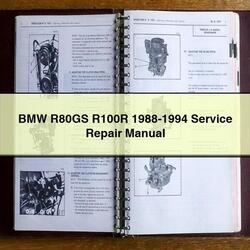
This manual provides comprehensive service and repair information for the BMW R80GS and BMW R100R models produced between 1988 and 1994. These iconic German motorcycles, known for their robust engineering and enduring reliability, offer distinct riding experiences. The R80GS, a capable dual-sport machine, excels in both on-road touring and off-road excursions, while the R100R is a refined roadster designed for comfortable and spirited riding. Both models are powered by air-cooled flat-twin boxer engines and feature a 5-speed manual gearbox with shaft drive, embodying BMW's commitment to quality and performance.
This manual covers the R80GS and R100R models produced between 1988 and 1994. These iconic motorcycles are known for their robust engineering, air-cooled Boxer Twin engines, and exceptional durability, making them highly regarded for adventure touring and off-road capability. Building on a rich heritage of reliable Boxer Twin motorcycles, the R80GS and R100R are celebrated for their blend of on-road comfort and off-road prowess, featuring shaft drive for low maintenance and a steel tube frame designed for stability.
This manual covers the BMW R80GS and R100R models produced between 1988 and 1994. These motorcycles are renowned for their robust engineering, reliability, and the distinctive character of their air-cooled, horizontally opposed twin-cylinder 'Boxer' engines. The R80GS, a pioneering dual-sport machine, and the road-oriented R100R, both offer strong low-end and mid-range torque, making them versatile for various riding conditions. BMW's legacy in motorcycle manufacturing, particularly with its Boxer engine and shaft drive systems, is evident in the enduring appeal and capability of these models, which were manufactured in Berlin, Germany.
This manual covers the R80GS and R100R models, produced between 1988 and 1994. These iconic motorcycles, known for their robust boxer-twin engines and versatile performance, are celebrated for their engineering quality and enduring reliability. The R80GS, a descendant of the pioneering 'Gelände/Straße' (Off-road/Street) series, offers enhanced off-road capability and adventure touring features, while the R100R is a road-focused variant distinguished by its distinctive Monolever single-sided swingarm. Both models exemplify the heritage of producing durable and capable machines for discerning riders.
This workshop service repair manual covers the BMW R80GS and R100R models produced between 1988 and 1994. These iconic motorcycles, featuring air-cooled, four-stroke boxer-twin engines and shaft drive, represent a significant part of BMW Motorrad's heritage. The R80GS, a dual-sport machine, and the R100R, a more road-focused variant, are celebrated for their robust engineering and reliable performance. This manual provides comprehensive information for owners and technicians to maintain and repair these classic BMWs.
This manual covers the BMW 5 Series (E34) models produced between 1988 and 1996. Known for embodying BMW's philosophy of "The Ultimate Driving Machine," the E34 generation, designed by Claus Luthe, succeeded the E28 with a more aerodynamic profile and updated chassis. It offered a range of powerful inline-six and V8 engines, including the M20, M30, M50, M60, and the high-performance S38 found in the M5 variant, with horsepower ranging from 127 to 310 hp. Available as a 4-door sedan or a 5-door Touring, the E34 was a frequent recipient of Car and Driver's 10Best awards, praised for its performance, luxury, and engineering quality.
The BMW E30, a pivotal model in the brand's history, is celebrated for its exceptional driving dynamics, robust engineering, and enduring appeal. Produced from 1982 to 1991, the 1989 model year represents a refined stage of this iconic chassis, available in various body styles including Sedan, Coupe, Convertible, and Touring. Popular engine options included the potent M20 inline-six, found in models like the 325i, and the efficient M40 inline-four, featured in the 318i. Known for its balanced handling, reliable performance, and classic design, the E30 cemented BMW's reputation for building driver-focused vehicles.
This manual covers the BMW K75 and K100 motorcycles produced in 1989. These models are characterized by their longitudinally mounted, liquid-cooled inline engines, with the K75 featuring a 740cc inline three-cylinder and the K100 offering a 987cc inline four-cylinder. Known for their robust engineering and reliability, the K-series represented a significant advancement in BMW's motorcycle technology, offering a smooth and powerful riding experience suitable for touring and general use. The distinctive "flying brick" engine configuration and shaft drive are hallmarks of this generation.
This manual covers the BMW K75 and K100 series motorcycles produced in 1989. These models are distinguished by their liquid-cooled, DOHC engines, featuring a 740cc inline 3-cylinder for the K75 and a 987cc inline 4-cylinder for the K100, both utilizing Bosch LE-Jetronic fuel injection. Engineered with a steel perimeter frame and shaft drive, these motorcycles offer a 5-speed manual transmission and disc brakes, with optional ABS available on K100 models. Their robust design and performance capabilities make them suitable for touring and general riding.
This manual covers the BMW R100 motorcycle, produced in 1989. This model is part of the Monolever R series and features an air-cooled, four-stroke, boxer-twin engine with a displacement of 980 cc, paired with a 5-speed manual gearbox and shaft drive. Notable engineering aspects include its telescopic front fork and Monolever rear swingarm with a single shock absorber, contributing to its renowned handling and reliability. The R100 is designed for versatile use, offering a blend of performance and touring capability.
This manual covers the R80, R90, and R100 series motorcycles from 1989. These iconic airhead boxer twin motorcycles are renowned for their robust engineering, touring capability, and enduring reliability, making them a favored choice for riders and enthusiasts alike. The R-series evolution represents a significant chapter in motorcycle history, celebrated for their distinctive design and dependable performance.
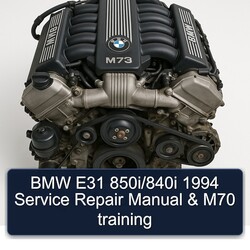
This manual covers the BMW 850i (E31), a luxury grand tourer produced from 1989 to 1999, with this documentation specifically addressing models from 1989 to 1994. Renowned for its sleek aerodynamic design, powerful V12 M70 engine, and advanced engineering for its era, the 850i was BMW's flagship coupe. It offered exceptional driving dynamics and a luxurious interior, positioning it as a competitor to other high-end GTs. The vehicle's technical sophistication and performance capabilities made it a statement of automotive excellence.
The 1990 BMW E32 represents a pinnacle of executive sedan engineering, offering a sophisticated driving experience and advanced technology for its era. Building on BMW's legacy of performance and luxury, the E32 was designed with a focus on driver engagement and passenger comfort, featuring powerful inline-six and V8 engine options, including the M30B30, M30B35, and the notable M60B40 V8. Its robust construction, aerodynamic styling, and introduction of innovations like advanced electronic engine management (DME) cemented its reputation as a benchmark in its class. The E32 was primarily manufactured in Dingolfing, Germany, and was well-received for its blend of luxury, performance, and engineering prowess.
This manual covers the BMW R Series motorcycles, including the R80, R90, and R100 models, with a focus on the 1990 production year and similar surrounding years. These air-cooled, four-stroke boxer-twin motorcycles are renowned for their robust engineering, shaft drive, and enduring reliability, making them capable machines for touring and general use. The R Series represents a significant development in BMW Motorrad's legacy, offering a range of displacements and configurations designed for performance and longevity.
This manual covers the BMW R80 motorcycle, produced in 1990. Known for its air-cooled, four-stroke, horizontally opposed boxer twin engine, the R80 offers approximately 50 horsepower and a 5-speed manual transmission with shaft drive. Its engineering heritage is rooted in BMW Motorrad's long-standing reputation for reliability and distinctive design, making it a capable touring and everyday motorcycle. The R80 features a dual disc front brake and a single disc rear brake, and its robust construction has earned it high owner satisfaction for durability and riding character.
The 1991 BMW M3, a homologation special derived from motorsport, represents a pinnacle of compact executive sports car engineering. Built upon the robust E30 platform, this model is distinguished by its aggressive, flared bodywork, unique aerodynamic enhancements, and a high-revving S14 engine, all designed to meet racing regulations. As a successor to a lineage of successful touring cars, the E30 M3 offers a pure driving experience, characterized by precise handling, exceptional driver feedback, and a potent naturally aspirated inline-4 engine, making it a highly sought-after vehicle for enthusiasts and collectors alike.
This manual covers the 1991 BMW M3, chassis code E30, available in Convertible and Coupe body styles. Powered by the 2.3L S14 engine and paired with a Getrag 265 5-speed manual transmission, this homologation special is renowned for its motorsport-derived performance, exceptional handling, and iconic design featuring distinctive fender flares. The E30 M3 was engineered for racing and offers an engaging driving experience, making it a highly sought-after vehicle among enthusiasts and collectors. Its robust engineering and unique driving dynamics have cemented its legacy as a significant model in BMW's performance history.
This manual covers the 1991 BMW K75 and K100 motorcycle models, renowned for their robust engineering and smooth power delivery. The K-Series, with its transversely mounted inline 3-cylinder (K75) and 4-cylinder (K100) liquid-cooled engines, represented a significant advancement in BMW Motorrad's lineup, offering a blend of refinement and touring capability. These motorcycles are recognized for their reliability and are a testament to BMW's legacy in producing high-quality machines.
This manual covers the BMW K75 and K100 models from 1991. These motorcycles are renowned for their inline, liquid-cooled engines, shaft drive, and sport-touring design, offering smooth operation and robust build quality. The K-series represented BMW's innovative approach to multi-cylinder motorcycles, featuring transverse-mounted engines and advanced engineering for their time. This manual is designed for owners with basic mechanical skills and independent service professionals, providing comprehensive information to maintain and repair these vehicles effectively.
This manual covers the BMW K75 and K100 models from 1991, featuring transverse-mounted K-Series engines, specifically the Inline-3 (740 cc) and Inline-4 (987 cc) configurations. These motorcycles are equipped with SOHC valvetrain, 2 valves per cylinder, Bosch L-Jetronic fuel injection, electronic ignition, and liquid-cooled systems. They utilize a 5-speed manual transmission with shaft drive and are built on a steel trellis frame. The K75 has a dry weight of approximately 183 kg, while the K100 weighs around 195 kg. Both models feature disc brakes front and rear, with optional ABS II available on some K100 variants, and are fitted with halogen headlamps.
This manual covers the BMW R Series motorcycles, specifically the R80, R90, and R100 models from approximately 1991. These iconic air-cooled boxer twins, manufactured in Berlin, Germany, are renowned for their robust engineering, reliability, and distinctive riding experience. The R Series represents a mature development of BMW's enduring motorcycle platform, offering a blend of performance and durability that has cemented their legacy. Their timeless appeal and mechanical purity make them a favorite among enthusiasts.
This manual covers the BMW R80, R90, and R100 series motorcycles produced in 1991, including various chassis codes such as R80/7, R80G/S, R80ST, R90/6, R90S, R100/7, R100S, R100RS, R100RT, R100CS, R100GS, R100R, and Monolever variants. These air-cooled, horizontally opposed twin-cylinder boxer engines are celebrated for their robust engineering, durability, and unique character. The R80 models typically feature a 797.5 cc engine, the R90 models an 897.7 cc engine, and the R100 models range from 979.7 cc to 1047.7 cc, offering a spectrum of performance and touring capabilities. Known for their enduring build quality and mechanical robustness, these motorcycles represent a significant part of BMW Motorrad's heritage.
This manual provides comprehensive service, repair, and maintenance information for the BMW R80, R90, and R100 series motorcycles, specifically covering the 1991 model year. These iconic air-cooled boxer twin motorcycles are celebrated for their engineering quality, reliability, and enduring classic styling, making them a beloved choice for riders and collectors. The R80, R90, and R100 series represent a mature and refined iteration of BMW's renowned boxer engine platform, known for its robust construction and shaft-driven drivetrain.
The 1991 BMW R80 represents a hallmark of enduring motorcycle engineering, embodying the brand's commitment to robust construction and reliable performance. This model, part of BMW's esteemed R series, features the iconic air-cooled, four-stroke Boxer-twin engine, known for its distinctive character and smooth power delivery. Designed for both touring and everyday use, the R80 offers stable handling and a comfortable riding experience, hallmarks of BMW's rider-centric approach. Its traditional build quality and user-friendly maintenance make it a favored choice for riders who appreciate mechanical integrity and longevity, a testament to its positioning against other contemporary offerings in the 750-1000cc segment.
This manual covers the BMW R90 motorcycle, produced in 1991. The R90 is renowned for its robust engineering and reliable performance, making it a favored choice for both daily commuting and longer journeys. Its design emphasizes a balance of power and handling, reflecting BMW's commitment to quality and rider satisfaction.
This manual provides comprehensive information for the BMW R90, a motorcycle renowned for its precision engineering and performance. The R90, produced during the mid-1970s, features a robust air-cooled, horizontally opposed twin-cylinder boxer engine, typically displacing 900cc and delivering approximately 60-65 horsepower. Its design, including a 5-speed manual gearbox and shaft drive, established BMW as a leader in the sportbike market, with models like the R90S earning critical acclaim for their handling and build quality. This manual, referencing a 1991 model year designation, is intended to support the maintenance and repair of these classic machines.
The BMW R90, a distinguished model from 1991, represents a pinnacle of German engineering, embodying the brand's heritage of producing reliable and high-performance motorcycles. Featuring the iconic air-cooled boxer twin engine, shaft drive, and comfortable ergonomics, the R90 series, including variants like the R90/6 and the sportier R90S, offered a premium riding experience. Its robust construction and durable design made it a respected competitor in its class, celebrated for its longevity and engineering quality. This motorcycle was crafted for discerning riders who valued both performance and enduring build.
The BMW 850i (E31) is a luxury grand tourer produced from 1989 to 1999, with the 1991-1992 model years specifically covered. This flagship coupe, powered by a naturally aspirated V12 engine (M70 B50), was designed as a departure from BMW's traditional sporty sedans, emphasizing elegant, timeless styling and driver comfort for affluent individuals. It competed with luxury grand tourers like the Mercedes-Benz SL-Class and Jaguar XJ-S, offering a powerful yet smooth driving experience ideal for long-distance travel. The 850i represented BMW's engineering prowess, showcasing advanced technology and a focus on a refined, luxurious interior.
The BMW M3, specifically the E30 chassis, represents a pinnacle of automotive engineering from its production years of 1986-1991. This legendary homologation special, developed from BMW's successful motorsport endeavors, is celebrated for its exceptional driving dynamics, characterized by a balanced chassis, precise steering, and a responsive naturally aspirated inline-4 S14B23 engine. Its unique body kit, wider track, and motorsport heritage set it apart, making it a coveted driver's car that competed against notable models such as the Porsche 944 and Mercedes-Benz 190E 2.3-16 Cosworth.
The K1100LT, produced in 1992, represents a pinnacle of touring motorcycle engineering. Renowned for its robust four-cylinder, 1093 cc Boxer engine, this model offers a blend of performance and comfort, making it ideal for long-distance journeys. Key features include its advanced fuel injection system, shaft drive, and the integral Anti-lock Braking System (ABS), a significant safety innovation for its time. The K1100LT builds upon an established heritage of producing reliable and well-crafted motorcycles, known for their sophisticated design and enduring quality.
The BMW K75 and K100 series, produced around 1992, represent a significant chapter in BMW Motorrad's history, known for their innovative transverse inline engine layout and shaft drive. These motorcycles, available in three-cylinder (K75) and four-cylinder (K100) configurations, offered a blend of performance, smoothness, and reliability, making them ideal for sport touring. Their robust construction and engineering excellence, characteristic of BMW, contributed to their enduring appeal among riders.
The BMW M3, specifically the E36 generation produced from 1992 onwards, represents a pinnacle of performance engineering. As a homologation special developed for motorsport, it features a high-revving inline-six engine, renowned for its power delivery and responsiveness, coupled with superior handling characteristics and a driver-focused cockpit. This model, a direct competitor to vehicles like the Porsche 911 and Nissan 300ZX of its era, embodies BMW M's rich heritage in creating exceptional driving machines. Its distinctive attributes, including a powerful engine and a chassis honed for dynamic performance, make it a highly sought-after vehicle for enthusiasts and collectors alike, offering a unique blend of road-going comfort and track-ready capability.
This manual covers the BMW R100 motorcycle, specifically models manufactured in 1992. The R100 series, known for its robust engineering and reliability, features an air-cooled, boxer twin-cylinder engine, typically around 980cc, delivering approximately 60-65 horsepower. These motorcycles are recognized for their enduring quality and are well-suited for touring and general riding. The 1992 models represent a mature iteration of BMW's long-standing boxer engine platform, which has been a cornerstone of the brand's motorcycle heritage.
This manual covers the BMW R100 motorcycle, produced in 1992 and part of a lineage known for its durable engineering and touring capabilities. The R100 series, including variants such as the R100GS, R100RT, R100RS, and R100R, features an air-cooled, four-stroke, boxer-twin engine with a displacement of 980 cc. Renowned for its reliability and robust design, the R100 is a classic motorcycle platform appreciated by owners and enthusiasts alike for its longevity and straightforward mechanics.
This workshop repair service manual covers the BMW R80, R90, and R100 models from 1992. These motorcycles are renowned for their robust air-cooled boxer twin engines, shaft drive, and enduring build quality, making them iconic in the classic motorcycle segment. Known for their reliability and touring capabilities, these models, including variants like the R80G/S and R100GS, have cemented BMW's legacy in motorcycle engineering. This manual provides comprehensive technical information for maintaining and repairing these celebrated machines.
This workshop service repair manual covers the BMW 840Ci (E31) models produced between 1992 and 1996, specifically those equipped with the 4.0L V8 (M60B40) engine. As BMW's flagship luxury grand tourer of its era, the 840Ci was celebrated for its sophisticated engineering, powerful V8 performance, and distinctive styling, positioning it as a competitor to other high-end coupes like the Porsche 928 and Mercedes-Benz SL-Class. This manual provides comprehensive technical information designed to assist owners and technicians in maintaining and repairing this iconic vehicle, highlighting its blend of performance and luxury.
This manual covers the BMW 850CSi (E31), a first-generation luxury grand tourer produced from 1992 to 1996. As BMW's flagship coupe, the 850CSi was engineered for performance and luxury, featuring a powerful V12 engine and advanced technology for its era. Its aerodynamic design and sophisticated chassis set it apart as a high-performance enthusiast vehicle, competing in the premium sports coupe market. This comprehensive guide details its V12 engines (M70B50 and S70B56), 6-speed manual and 4-speed automatic transmissions, and intricate chassis and electrical systems.
The BMW M3, specifically the E36 generation produced from 1992 to 1998, stands as a benchmark in performance luxury vehicles. Renowned for its potent inline-six engines, including the S50B30/S50B32 in Europe and the S50B30US in North America, this model offered a compelling blend of exhilarating performance and refined handling. Its engineering excellence, evident in its sport-tuned suspension, precise steering, and robust braking systems, positioned it as a formidable competitor against other premium sports cars of its era. The E36 M3 was celebrated for its driver engagement and balanced chassis, making it a desirable vehicle for both spirited driving and everyday use.
This workshop service repair manual covers the BMW M3 Convertible E36, produced between 1992 and 1998. Renowned for its driving dynamics, powerful inline-six engines, and motorsport heritage, this performance compact executive convertible offers a blend of sportiness and open-air enjoyment. The E36 platform, a development from the standard 3 Series, features M-tuned suspension, potent S50 engines (S50B30/S50B32 in Euro-spec and S50B30US in US-spec), and a convertible design with an electrically operated soft-top and automatic roll bars. This manual provides comprehensive information for global markets, including specific details for US-spec models.
This manual covers the BMW M3 Convertible (E36) produced between 1992 and 1998. As a performance grand tourer convertible, the E36 M3 is celebrated for its sophisticated engineering, derived from BMW's M division heritage, offering a potent blend of driving dynamics and open-air exhilaration. This model, often recognized on Car and Driver's '10Best' list, features a naturally aspirated inline-six engine, available in 3.0-liter (North America) or 3.2-liter (Europe) configurations, paired with a standard 5-speed manual transmission and a limited-slip differential. Its design emphasizes performance, making it a sought-after vehicle for enthusiasts.
The BMW M3 (E36) represents a significant chapter in the lineage of high-performance driving machines, produced between 1992 and 1998. Building upon the robust E36 platform, this model was engineered with a distinct focus on delivering exceptional handling, braking, and acceleration, embodying the motorsport heritage of BMW's M division. It offered a compelling blend of track-inspired performance and everyday usability, characterized by its powerful inline-6 engines, advanced suspension systems, and characteristic BMW build quality. The E36 M3 was celebrated for its driver engagement and was a frequent award recipient, solidifying its status as a benchmark in the sports coupe and convertible segments of its era.
The BMW M3 E36, produced between 1992 and 1998, represents a significant chapter in performance automotive engineering. This model, available with 3.0L (S50B30) and 3.2L (S50B32) inline-six engines, was celebrated for its exceptional handling dynamics, precise steering, and a driver-focused cockpit that delivered an engaging experience. It competed in a segment demanding both luxury and track-bred capability, solidifying BMW's reputation for creating highly capable and reliable sport sedans and coupes. Its balanced chassis and responsive powertrain made it a benchmark for its class, earning accolades such as inclusion on Car and Driver's '10Best' list.
The BMW M3 (E36) represents a significant chapter in the history of high-performance automobiles, produced from 1992 through 1998. Renowned for its exceptional engineering and driver-centric design, the E36 M3 offered a potent blend of track-ready capability and everyday usability. It was celebrated for its iconic inline-six engines, sophisticated suspension tuning, and balanced chassis, earning accolades such as Car and Driver's '10Best' list multiple times. This generation of the M3 continued BMW's legacy of producing sporting luxury vehicles, building upon the foundation of its predecessor with enhanced performance and refinement.
The BMW M3 (E36) represents a significant era in performance compact executive cars, produced between 1992 and 1998. Available in Coupe, Convertible, and Sedan body styles, the E36 M3 is celebrated for its exceptional chassis dynamics, powerful naturally aspirated inline-six engines (S50B30, S50B32, and S52B32), and a driver-focused interior. It distinguished itself through unique M-tuned performance enhancements, including a sport-tuned suspension and upgraded braking systems, offering a compelling blend of luxury, sportiness, and everyday usability that competed with other high-performance vehicles of its time.
The BMW M3 (E36) represents a significant chapter in performance automotive engineering, produced from 1992 through 1998. This model, built on the renowned E36 3 Series platform, is celebrated for its exceptional driving dynamics, powerful engines derived from BMW's motorsport heritage, and legendary build quality. Offering a compelling blend of everyday usability and track-ready performance, the M3 was positioned as a premium sports sedan and coupe, earning accolades such as Car and Driver's Ten Best list. Its engineering focused on driver engagement, featuring advanced suspension, braking, and drivetrain components that contributed to its outstanding reputation.
The BMW K 1100 LT, produced between 1992 and 1999, is a luxury sport-touring motorcycle renowned for its engineering quality and comfort. Featuring a longitudinally mounted, 1093 cc inline-four engine with a 5-speed manual transmission and shaft drive, this model offers a smooth and powerful riding experience. Its design prioritizes long-distance touring, evident in its large fairing, adjustable windscreen, and integrated luggage system. The K 1100 LT is celebrated for its reliability and the sophisticated BMW ABS II system, making it a capable and comfortable choice for touring riders.
The BMW 5 Series E34, produced for the 1993 model year, represents a pinnacle of executive luxury sedan engineering from its era. Known for its sophisticated design, robust inline-six and V8 engine options, and a driving experience that balanced performance with comfort, the E34 was a direct competitor to other premium marques. Its engineering emphasized a driver-focused platform, featuring advanced suspension systems and a rear-wheel-drive layout, contributing to its reputation for exceptional handling and build quality. This generation of the 5 Series was a frequent recipient of critical acclaim, including multiple inclusions on Car and Driver's '10Best' list, underscoring its status as a benchmark in its segment.
The BMW 3 Series (E36) represents a significant chapter in the marque's history, produced from 1990 to 2000, with the 1993 model year marking an early iteration of this generation. Known for its sophisticated engineering and engaging driving dynamics, the E36 established itself as a benchmark in the compact executive segment. It offered a range of inline-four and inline-six engines, including the M43 and M50 families, delivering performance and efficiency. The vehicle's design, characterized by crisp lines and BMW's signature kidney grille, contributed to its timeless appeal. Available in sedan, coupe, convertible, and wagon body styles, the E36 was engineered for both spirited driving and everyday practicality, embodying BMW's commitment to sport sedan excellence.
The K1100 series, encompassing the K1100LT and K1100RS variants from 1993, represents a significant chapter in motorcycle engineering. These models feature a longitudinally mounted, liquid-cooled, inline four-cylinder engine displacing 1093 cc, known for its smooth power delivery and robust performance, producing approximately 100-101 hp. The K1100LT is characterized by its full fairing and touring amenities, designed for long-distance comfort, while the K1100RS offers a sportier profile. Both models showcase advanced technology for their time, including Bosch Motronic fuel injection, a 5-speed manual gearbox, shaft drive, and the availability of ABS II, reflecting a commitment to quality, reliability, and rider safety.
The K1100LT, produced between 1989 and 1995, represents a significant model in touring motorcycle lineage. As part of the K-series family, often recognized for its inline-four engines and shaft drive, the K1100LT model specifically offered a Luxus Touring package, characterized by a full fairing, integrated luggage, and an emphasis on rider comfort. This motorcycle is renowned for its robust engineering, reliable shaft drive, and capable touring performance, building upon the heritage of earlier K100 models. Its 1093 cc inline-four engine, managed by Bosch Motronic fuel injection, delivers approximately 100 horsepower, making it well-suited for long-distance travel.
This manual covers the K1100LT and K1100RS models, produced from 1993 onwards. These premium sport-touring motorcycles are distinguished by their liquid-cooled, four-cylinder boxer engines, shaft drive, and aerodynamic fairings, with the LT variant featuring integrated luggage for enhanced touring capability. Known for their engineering excellence and comfort, particularly for long-distance riders, these machines represent a significant part of heritage.
The K1100LT and K1100RS, produced in 1993, represent a significant evolution in the K-series motorcycles. These models feature a robust inline-four cylinder, liquid-cooled engine with a displacement of 1093 cc, delivering approximately 100 hp and 101 Nm of torque. The LT variant is distinguished by its touring-oriented design with a larger fairing for enhanced wind protection, while the RS offers a sportier, more faired profile. Both models utilize a 5-speed manual transmission with a dry single-plate clutch and shaft drive, embodying a commitment to engineering quality and reliability.
The 1993 BMW M5, chassis code E34, represents a pinnacle of performance engineering from its era. Powered by a potent 3.6-liter inline-6 engine (S38B36), this sports sedan was designed for discerning drivers seeking a blend of exhilarating performance and everyday usability. Notable features include its robust Getrag 5-speed manual transmission, sophisticated suspension system, and powerful braking capabilities, all contributing to its renowned handling and driving dynamics. Built with BMW's characteristic commitment to quality and reliability, the E34 M5 continues to be celebrated for its motorsport-derived engineering and its status as a legendary sports sedan.
The BMW R100, produced in 1993, represents a significant model in BMW Motorrad's esteemed lineage of air-cooled, four-stroke boxer-twin motorcycles. Building upon decades of engineering excellence, the R100 series is renowned for its robust construction, reliability, and distinctive character, making it a favored choice for touring and everyday riding. Its horizontally opposed twin-cylinder engine, with a displacement of approximately 980 cc and typically producing around 65-70 horsepower, delivers a unique blend of power and smooth operation, further enhanced by dual Bing carburetors. The motorcycle's design emphasizes durability and a classic aesthetic, embodying BMW's commitment to producing high-quality, long-lasting machines.
This workshop repair service manual covers all BMW R1100RT and R1100RS models for the 1993 model year. BMW, a renowned manufacturer of high-quality automobiles and motorcycles, engineered the R1100 series as a significant advancement, featuring a four-valve boxer engine and modern chassis designs. These motorcycles are recognized for their robust engineering, performance, and, in the case of the R1100RT, comfortable touring capabilities. This manual provides comprehensive and accurate technical information essential for maintaining and repairing these vehicles.
This manual covers the BMW R80, R90, and R100 Series motorcycles produced in 1993. These air-cooled, horizontally opposed twin-cylinder motorcycles are renowned for their durability, touring capability, and classic design. The R80, R90, and R100 variants, featuring displacements ranging from approximately 800cc to 1000cc, offer robust performance with characteristic low-end torque, typically producing between 50-60 horsepower. Their engineering emphasizes reliability, with a 5-speed constant mesh gearbox and shaft drive contributing to their enduring appeal for both professional technicians and dedicated enthusiasts.
This manual covers the BMW R80 motorcycle, produced in 1993. Known for its air-cooled flat-twin boxer engine and shaft drive, the R80 offers a blend of performance and touring capability, building on BMW's long heritage of engineering excellence and reliability. This model features a 5-speed manual gearbox, a single dry plate clutch, and hydraulic disc brakes, reflecting a classic motorcycle design focused on durability and rider comfort.
The BMW M3 (E36) represents a pinnacle of performance engineering from the 1993 model year, a vehicle celebrated for its driver-focused design and exceptional handling. This iconic sports coupe, produced by BMW M GmbH, competed with other premium performance vehicles of its time, offering a potent blend of track-bred capabilities and everyday usability. Its engineering quality is underscored by the robust S50B30 naturally aspirated inline-six engine, known for its smooth power delivery and high-revving character, coupled with a well-balanced chassis and precise steering that defined its driving experience.
The BMW K1100 is a distinguished motorcycle produced from 1993 to 1999, representing a pinnacle of engineering and performance for its era. Featuring an inline 4-cylinder, liquid-cooled engine with a displacement of 1093 cc, DOHC valvetrain, and advanced Bosch Motronic electronic fuel injection, this model was designed for both touring and sport riding. Its robust construction, coupled with a 5-speed manual transmission and shaft drive, ensures reliable and exhilarating performance for discerning riders.
The BMW K1100 series, encompassing the K1100LT (Touring) and K1100RS (Sport Touring) variants, represents a significant chapter in BMW Motorrad's history. Produced from 1993 to 1999, these motorcycles are powered by a 1093 cc, 16-valve DOHC inline-four engine, longitudinally mounted and delivering 100 hp. Known for BMW's signature build quality, innovative engineering, and commitment to touring comfort, the K1100 series offered a refined riding experience, competing with other luxury touring machines of its era. Its robust construction, shaft drive, and optional ABS system underscored its focus on performance and rider confidence.
This manual covers the K1100, K1100LT, and K1100RS models produced between 1993 and 1999. These motorcycles represent a commitment to engineering excellence, offering a premium sport touring experience. Known for their robust inline-four engines, shaft drive, and advanced (for the era) electronic systems like fuel injection and ABS, these bikes are designed for comfort and performance on long journeys. The K1100 range, evolving from the earlier K100 series, provides a smooth and reliable ride, making them a popular choice for riders seeking a capable touring machine.
The K1100LT and K1100RS, produced from 1993 to 1999, represent a significant chapter in engineering excellence for sport touring and luxury touring motorcycles. These models, powered by a 1093cc inline-four engine, are characterized by their transverse-mounted, liquid-cooled configuration and reliable shaft drive. The LT variant offered a comprehensive touring package with full fairings and integrated luggage, while the RS focused on a sportier, partially faired design. Both models embody a commitment to quality, comfort, and performance, making them highly regarded for long-distance travel and everyday riding.
The K1100, encompassing the K1100LT and K1100RS variants, represents a pinnacle of sport-touring motorcycle engineering from the model years 1993 through 1999. These motorcycles are characterized by their powerful inline-four cylinder, 1092 cc engine, featuring transverse mounting and shaft final drive, which contributes to their smooth operation and reliable performance. Notable features include an aerodynamic fairing on the LT model for enhanced rider comfort during long journeys, and a robust steel trellis frame providing excellent rigidity. The K1100 series is recognized for its quality construction, advanced technology for its era, and its capability as a comfortable and competent long-distance touring machine, often lauded for its performance and reliability.
This manual covers the BMW K1100 LT and K1100 RS models produced from 1993 to 1999. These motorcycles represent BMW's commitment to engineering excellence and rider comfort, offering a premium experience for touring and sport touring enthusiasts. The K1100 Series is characterized by its transverse-mounted, inline four-cylinder engine, shaft drive, and advanced features for its era, including available ABS. The LT variant emphasizes long-distance comfort with extensive fairings and luggage capabilities, while the RS offers a sportier riding posture. Both models deliver a blend of performance, reliability, and the distinctive quality associated with the BMW Motorrad brand.
This manual covers the BMW K1100, a motorcycle produced between 1993 and 1999. It represents the second generation of BMW's K-Series, evolving from the K100. The K1100 was available in LT (touring) and RS (sport-touring) variants, known for their inline-four liquid-cooled engines, shaft drive, and advanced (for the time) fuel injection systems. These models were engineered for reliable performance and comfort, suitable for long-distance touring and spirited riding, embodying BMW Motorrad's commitment to quality and innovation.
This manual covers the K1100LT and K1100RS motorcycles, produced between 1993 and 1999. These models represent a commitment to engineering excellence, featuring a liquid-cooled, four-stroke, flat-four cylinder engine with a displacement of 1093 cc. Known for their robust construction and advanced technology for their era, including the innovative Bosch Motronic fuel injection and optional ABS, these motorcycles were designed for both sport-touring and long-distance comfort. The K1100LT variant offered enhanced touring amenities, while the K1100RS provided a sportier profile, both built with renowned reliability and quality.
This manual covers motorcycle models produced between 1993 and 1999. These models represent renowned engineering quality, offering a blend of performance and comfort. The LT, or "Langstrecke" (Long Distance Tourer), is designed for extended journeys, while the RS, or "Rennsport" (Sport Racing), provides a sportier riding experience. Both variants feature a four-stroke, liquid-cooled, inline four-cylinder engine with a displacement of 1093 cc, DOHC valve train, and electronic fuel injection, delivering approximately 100 horsepower. The motorcycles are equipped with a 5-speed manual transmission and shaft drive, along with advanced features like ABS II for enhanced safety.
The K1100LT, produced from 1991 to 1999, represents a pinnacle of luxury touring motorcycle engineering. This model is renowned for its powerful 1093cc inline-four liquid-cooled engine, delivering approximately 90 horsepower and 71.5 lb-ft of torque, coupled with a smooth 5-speed manual transmission and shaft drive. Its design prioritizes rider comfort and aerodynamic efficiency, featuring a full fairing for superior weather protection and integrated luggage systems, making it an ideal machine for long-distance travel. Building on a heritage of quality and innovation, the K1100LT offers a refined riding experience, further enhanced by optional features like the Integral ABS system.
The BMW K1100RS, affectionately known as the "Flying Brick," is a premium sport touring motorcycle produced from 1993 to 1999. This model is distinguished by its unique transverse-mounted inline-four cylinder engine and shaft drive, embodying BMW Motorrad's legacy of engineering excellence and rider comfort. Designed for experienced riders, it offers a powerful and capable machine ideal for long-distance touring and spirited riding, featuring advanced technologies for its era such as the Integral ABS II braking system and adjustable suspension. Its robust construction and meticulous German engineering contribute to its reputation for durability and reliability.
This workshop service manual provides comprehensive information for the BMW R1150GS, a large-displacement adventure touring motorcycle produced between 1993 and 1999. Known as "The GS (Gelände/Straße - Terrain/Street)," this iconic machine is celebrated for its versatility, durability, and comfort, excelling on both paved roads and off-road trails. Key features include a robust air/oil-cooled flat-twin boxer engine with dual spark plugs, unique BMW Telelever front and Paralever rear suspension systems for superior handling, and shaft drive for reduced maintenance. Its engineering quality and reliability have made it a benchmark in its segment, competing with other major adventure bikes of its era.
The BMW R 1150 GS, produced from 1994 to 2003, defined the adventure touring segment with its exceptional versatility, durability, and comfort for long-distance travel and off-road exploration. Available in Standard and Adventure variants, this dual-sport motorcycle is powered by a torque-rich 1130cc Boxer Twin engine and features advanced engineering such as the Telelever front suspension and Paralever rear drive. Notable features include optional ABS II, robust build quality, excellent wind protection, and substantial fuel capacity, making it a benchmark for performance and rider comfort in its class.
The BMW R1150GS, produced from 1999 to 2003, stands as a significant model in the adventure touring motorcycle segment. Known for its robust 1130cc twin-cylinder boxer engine, Telelever front suspension, and Paralever rear drive, the R1150GS offers a unique blend of on-road comfort and off-road capability. This motorcycle was engineered for long-distance travel and diverse terrain, appealing to riders who demand versatility and reliability. Its durable construction and thoughtful design, originating from BMW's extensive motorcycle manufacturing heritage, made it a capable companion for both daily commuting and extensive expeditions.
The BMW R1150GS, specifically the R21 model from the First Generation (Post Oilhead Series), represents a robust and capable large-displacement adventure touring motorcycle produced in Germany. Building upon the legacy of its predecessors, the R1150GS is celebrated for its enduring engineering quality and reliability, offering a unique blend of performance suitable for both on-road and off-road exploration. Key features include its distinctive air/oil-cooled boxer-twin engine, advanced Telelever front and Paralever rear suspension systems, and a versatile design that made it a dominant force in its segment, often compared to contemporaries like the Honda Africa Twin and Yamaha XTZ750 Super Tenere.
This manual covers the BMW R1100RT, R1100RS, R850GS, R1100GS, R850R, and R1100R models produced between 1993 and 2000. These motorcycles are powered by the R1100 Series Boxer Twin engine, known for its robust engineering and reliable performance, adapted for diverse riding experiences from touring to adventure. BMW Motorrad's legacy of quality and technological advancement is evident in these models, which feature innovations such as the four-valve per cylinder boxer engine, Telelever front suspension, and the advanced ABS II system.
The BMW R1100RT and R1100RS, produced from 1993 to 2000 under the R259 platform code, represent a significant advancement in BMW's motorcycle engineering. The R1100RT is a premium sport-touring motorcycle, characterized by its full fairing, adjustable windscreen, integrated luggage, and comfortable ergonomics designed for long-distance travel. The R1100RS offers a sportier riding posture and styling. Both models are powered by a 1085 cc, air-cooled, two-cylinder boxer engine with Bosch Motronic fuel injection, delivering approximately 90 horsepower and 71.5 lb-ft of torque. They feature a 6-speed manual gearbox, shaft drive, and innovative suspension systems, including the Telelever front and Monolever rear. These motorcycles are recognized for their robust build quality and touring prowess.
This manual covers the BMW R1100RT and R1100RS models, produced from 1993 to 2000. These motorcycles are renowned for their boxer-twin engines, advanced Telelever front suspension, and Paralever rear swingarm, offering a blend of comfort and performance suitable for both long-distance touring and spirited riding. The R1100RT was designed with touring comfort in mind, while the R1100RS provided a sportier option. Both models feature a 1085cc flat-twin engine and were notable for incorporating integral ABS braking systems, reflecting BMW's commitment to engineering quality and rider safety during their production years.
This manual covers the BMW R850GS and R1100GS models produced between 1993 and 2000. These adventure touring motorcycles are renowned for their distinctive boxer-twin engines, innovative Telelever front suspension, and Paralever rear drive system. The R1100GS, a successor to earlier models, introduced significant technological advancements, while the R850GS offered a more accessible variant. Both models were manufactured in Berlin, Germany, and have earned a reputation for durability and touring capability within the adventure segment.
This manual covers the BMW R850R and R1100R models produced between 1993 and 2000. These motorcycles are known for their air-cooled, four-stroke boxer-twin engines, offering a distinctive riding experience and a heritage rooted in BMW's long history of motorcycle engineering. The R850R, with its 848 cc displacement, and the R1100R, featuring a 1085 cc engine, both provide a blend of performance and reliability, making them suitable for touring and general riding. Their robust construction and thoughtful design, including optional ABS and a steel trellis frame, underscore BMW's commitment to quality and rider safety.
This manual covers the BMW R1100RS and R1100RT models produced from 1993 through 2001. These motorcycles represent BMW's commitment to engineering excellence, offering a blend of performance, comfort, and reliability. The R1100RS was designed as a capable sport-tourer, while the R1100RT served as a premier touring machine, both benefiting from BMW's extensive experience with boxer engines and innovative chassis designs like the Telelever front and Paralever rear suspension systems. These models were key players in the sport-touring and touring segments, competing with other premium offerings from major manufacturers.
The BMW R1100RS is a distinguished sport-touring motorcycle produced between 1993 and 2001. Engineered with BMW Motorrad's legacy of quality and innovation, this model features the distinctive Boxer-twin engine, known for its low center of gravity and smooth power delivery. A key technological advancement is the innovative Telelever front suspension, which significantly enhances ride quality and handling precision. The R1100RS was designed to offer a blend of performance suitable for spirited riding and comfort for long-distance touring, competing effectively in the premium sport-touring segment of its era.
The BMW R1100RS, produced from 1993 to 2001, is a distinguished sport-touring motorcycle renowned for its blend of performance, comfort, and robust engineering. Featuring a 1085 cc horizontally opposed twin-cylinder Boxer engine with SOHC and four valves per cylinder, it delivers 90 hp and 109 Nm of torque, providing smooth power delivery ideal for long-distance journeys. Its design philosophy combines the inherent balance of the Boxer engine with aerodynamic efficiency and rider comfort, further enhanced by features such as shaft drive, integrated ABS on many models, and adjustable ergonomics. This model solidified BMW Motorrad's reputation in the sport-touring segment, offering a reliable and refined riding experience.
The BMW R1100RS, produced from 1993 to 2001, represents a significant achievement in sport-touring motorcycle design. It is renowned for its innovative Telelever front suspension and Monolever rear suspension, providing a stable and comfortable ride. Powered by a 1085cc boxer-twin engine, the R1100RS offered a blend of performance and touring capability, making it a popular choice for riders seeking long-distance comfort without compromising on handling. Its engineering quality and reliability are hallmarks of BMW Motorrad's heritage.
This comprehensive workshop service repair manual covers the R1100RT and R1100RS models produced from 1993 to 2001. These motorcycles, powered by a 1085 cc air-cooled boxer-twin engine, are renowned for their engineering quality and performance in the touring and sport-touring segments. The R1100RT features a full fairing for enhanced touring comfort, while the R1100RS offers a half fairing for sportier ergonomics. Both models benefit from a commitment to reliability and advanced features such as the optional Integral ABS system.
The BMW R1150GS, produced from 1993 to 2003, is an iconic adventure touring motorcycle renowned for its versatility, durability, and capability across diverse terrains. Building upon BMW's established 'Enduro' heritage, this model was engineered for long-distance travel, off-road excursions, and everyday usability. Its air/oil-cooled, 1130 cc boxer twin engine, producing approximately 85 horsepower and 71 lb-ft of torque, is coupled with a 5-speed manual transmission and shaft drive via the Paralever system. Notable features include optional Integral ABS, robust suspension systems like the Telelever front and Paralever rear, and a design philosophy focused on rider comfort and machine reliability.
The 1994 BMW 850Ci (chassis code E31) stands as a testament to German engineering and luxury grand touring. Positioned as the flagship model of its era, it competed with elite European coupes, offering a sophisticated blend of performance and comfort. Key features include its distinctive aerodynamic styling, the powerful and smooth V12 M70B50 engine, advanced electronic systems for its time, and a luxurious interior. Manufactured in Dingolfing, Germany, the 850Ci was designed for refined long-distance travel, embodying BMW's heritage of driver-focused luxury.
This manual covers the 8 Series E31 models, specifically the 850i and 840i, produced in 1994. As a luxury grand tourer, the E31 is renowned for its sophisticated engineering, powerful V8 and V12 engine options (M60, M70, M73), and distinctive Karmann-designed coupe styling featuring pop-up headlights. Conceived to rival established luxury GTs, the 8 Series emphasizes comfort, performance, and advanced technology for its era, including sophisticated chassis and electronic systems. Its relatively low production volume contributes to its status as a desirable and iconic model.
The 1994 BMW 8 Series, model code E31, is a luxurious grand tourer renowned for its distinctive styling, powerful V8 engines, and advanced engineering for its era. Competing in the premium GT segment, it offered a unique blend of performance and comfort, setting it apart with features like pop-up headlights, frameless door glass, and a sophisticated chassis. This model, produced in Dingolfing, Germany, represents BMW's commitment to driver engagement and high-quality automotive craftsmanship, featuring options such as the M60B40 V8 engine paired with either a manual or automatic transmission.
The BMW K1100LT and K1100RS motorcycles, produced in 1994, represent a significant evolution in BMW Motorrad's K-Series lineage. Building upon the foundation of the K100, these models feature a transversely mounted 1093cc inline-four engine, liquid cooling, and shaft drive, delivering approximately 100 horsepower. Known for their engineering excellence and reliability, the K1100 series offers a blend of performance and comfort, with the LT variant emphasizing touring capabilities and the RS focusing on sport-touring. This era of BMW motorcycles is recognized for its robust build quality and innovative design, making them enduring choices for riders seeking a capable and comfortable machine.
The K1100LT and K1100RS motorcycles, produced in 1994, represent the second generation of innovative K-Series. These models, built upon the legacy of the K100, are distinguished by their liquid-cooled, four-stroke, inline four-cylinder engines, displacing 1093 cc and delivering approximately 100-109 horsepower. The K1100LT was designed for touring comfort with extensive fairings, while the K1100RS offered a sportier profile. Both models feature shaft drive, advanced braking systems for their era, and are recognized for hallmark engineering quality and robust reliability, making them capable machines for both long-distance travel and spirited riding.