



BMW 1 Series

The 1 Series represents a line of compact luxury vehicles known for their sporty handling and premium features. These cars are designed for urban driving and spirited performance, offering a balance of agility and comfort. They typically feature rear-wheel or all-wheel drive configurations, advanced infotainment systems, and a range of efficient yet powerful engine options. The 1 Series is a popular choice for individuals seeking a dynamic and refined driving experience in a smaller package.
Documentation for the 1 Series includes comprehensive owner's manuals detailing vehicle operation, maintenance schedules, and safety features. Repair manuals provide in-depth technical information for servicing and...
$16.99
The BMW HP2 Megamoto, produced between 2007 and 2013, represents a unique fusion of high-performance supermoto dynamics and BMW's robust boxer-twin engineering. Built on the HP2 platform, this model is distinguished by its powerful 1170 cc air/oil-cooled engine, delivering 113 hp and 115 Nm of torque, coupled with a low-maintenance shaft drive. Its aggressive styling, long-travel adjustable suspension, powerful Brembo brakes with switchable ABS, and lightweight chassis derived from the HP2 Enduro make it a formidable machine for spirited riding. The HP2 Megamoto was positioned to offer an exhilarating and engaging experience, standing out from its chain-driven competitors with its distinctive character and engineering quality.
$16.99
The BMW HP2 Megamoto, produced between 2007 and 2013 under model code K25, is a high-performance sport-touring motorcycle renowned for its potent 1170cc boxer-twin engine and advanced adjustable suspension. Derived from the R1200GS platform, it adapts off-road capability for agile street performance, rivaling other large-displacement supermotos. Key features include a powerful 110 hp engine, sophisticated Marzocchi front forks and Paralever rear suspension, and robust Brembo braking systems. Its design philosophy emphasizes thrilling performance and a unique supermoto aesthetic, making it a highly regarded machine for riders seeking an exhilarating experience.
$16.99
This manual covers the BMW M3 models produced between 2007 and 2013, encompassing the E90 sedan, E92 coupe, and E93 convertible chassis codes. Renowned for its high-revving 4.0L naturally aspirated V8 engine, delivering 414 horsepower, and its exceptional handling dynamics tuned by BMW M, this vehicle represents a pinnacle of performance engineering in the luxury sports segment. Its versatility across sedan, coupe, and convertible body styles, coupled with advanced features like M-tuned suspension and available M-DCT transmission, made it a highly acclaimed competitor against other performance vehicles of its era.
$16.99
The 2008 BMW 128i, identified by chassis code E82, represents BMW's foray into the compact premium performance coupe market. This model, powered by the naturally aspirated 3.0-liter inline-six N52B30 engine, was engineered to deliver BMW's signature driving dynamics and a driver-focused experience. Its key features include a balanced rear-wheel-drive platform, high-quality interior appointments, and a compact, sporty design. The 128i competed in a segment that valued performance and luxury in a smaller package, offering a distinct alternative to larger or front-wheel-drive competitors.
$16.99
This manual covers the BMW 135i (E82 Coupe) produced in 2008, featuring the powerful N54B30A 3.0L twin-turbocharged inline-6 engine. Known for its exceptional driving dynamics and performance-oriented design, the 135i offers a compact sport coupe experience, embodying BMW's commitment to engineering excellence and driver engagement. Its robust construction and advanced powertrain deliver exhilarating performance, making it a standout in its segment.
$16.99
The 2008 F650GS is a versatile dual-sport motorcycle designed for riders who appreciate capability across various terrains, from urban commuting to light off-road exploration. Known for renowned engineering quality and reliability, this model offers a balanced blend of performance and practicality. Its robust construction and thoughtful design make it a dependable companion for daily use and longer journeys, embodying the spirit of adventure inherent in the heritage.

$16.99
The F650GS, a model from 2008, represents a commitment to versatile and reliable motorcycles, offering a blend of performance and practicality for various riding environments. Known for its robust engineering and rider-focused design, the F650GS has earned a reputation for durability and a rewarding riding experience. This manual covers all engine, transmission, and chassis variants, ensuring comprehensive support for your specific F650GS.
$16.99
The BMW F800ST, a sport touring motorcycle produced in 2008, embodies BMW's legacy of engineering excellence and reliability. This model features a liquid-cooled, parallel-twin four-stroke engine with electronic fuel injection, delivering approximately 85 horsepower and 61 lb-ft of torque. Its design emphasizes a balance of performance and comfort, with an integrated fairing for wind protection, comfortable ergonomics for long-distance riding, and shaft drive for low maintenance. The F800ST competes in the mid-weight sport touring segment, offering a compelling blend of modern styling, advanced technology such as standard ABS, and the quality expected from BMW Motorrad.
$16.99
The 2008 BMW G 650 Xchallenge is a lightweight dual-sport motorcycle engineered for adventurous riding and off-road capability. Featuring a robust aluminum alloy twin-spar frame and significant suspension travel, this model is designed to tackle challenging terrain with agility and performance. Its heart is a reliable, Rotax-engineered 652 cc single-cylinder engine with electronic fuel injection, delivering approximately 53 horsepower and 44 lb-ft of torque. Notable features include optional ABS that can be disengaged for off-road use, a halogen headlight, and LED taillight. This model represents a commitment to producing capable, performance-oriented machines for riders seeking both on-road versatility and off-road exploration.
$16.99
The 2008 HP2 Megamoto represents a unique fusion of supermoto agility and potent performance, engineered for the discerning rider. Building on a rich heritage of innovation and quality, this model features a powerful 1170cc air-cooled boxer engine, delivering robust torque and exhilarating acceleration. Its premium suspension, including fully adjustable front forks and a rear shock, combined with high-performance radial brakes and switchable ABS, ensures exceptional handling and control. The aggressive, minimalist styling underscores its performance-focused design, making the HP2 Megamoto a distinctive choice for those seeking an engaging and dynamic riding experience.
$16.99
The 2008 K 1200 R represents a pinnacle of engineering prowess in the naked sportbike segment. This model, produced in Germany, combines a powerful 1171 cc inline four-cylinder engine, delivering 125 hp, with advanced chassis technology including Duolever front and Paralever rear suspension. Its design philosophy emphasizes a blend of exhilarating performance and sophisticated rider engagement, making it a distinguished choice for discerning riders. The K 1200 R is engineered for dynamic riding, featuring a shaft drive for smooth power delivery and optional Integral ABS for enhanced safety.
$16.99
The BMW M5 (E60) is a high-performance luxury sedan produced from 2005 to 2010. Renowned for its powerful 5.0-liter V10 engine, M-specific tuning, and advanced technology, this model represents a pinnacle of automotive engineering. Its unique selling points include the naturally aspirated S85 engine, capable of producing 500 horsepower and reaching an 8,250 RPM redline, coupled with a sophisticated 7-speed M-Double Clutch Transmission. Designed for enthusiasts and those seeking exhilarating driving dynamics, the M5 combines the practicality of a sedan with the performance capabilities typically found in sports cars, making it a standout in its segment.
$16.99
The 2008 BMW R1200GS Adventure (K25) is a highly capable adventure touring motorcycle engineered for riders who demand versatility and reliability across diverse riding conditions. Building on BMW Motorrad's legacy of robust boxer-twin engines, this model features a horizontally opposed twin-cylinder, 1170 cc engine delivering approximately 105 hp and 115 Nm of torque. Its design emphasizes long-distance comfort and off-road prowess, incorporating advanced suspension systems like the Telelever front and Paralever rear, a shaft drive for low maintenance, and a substantial 33-liter fuel tank. Known for its blend of performance, durability, and rider-focused features, the R1200GS Adventure has established itself as a benchmark in the adventure touring segment, offering a premium experience for both on-road touring and challenging off-road exploration.
$16.99
This manual covers the 2008 BMW X6 M (E71), a high-performance Sports Activity Coupe (SAC) that merges SUV versatility with coupe-like styling. Engineered by BMW M GmbH, this variant features a potent 4.4L Twin-Turbocharged V8 engine producing 555 horsepower and 501 lb-ft of torque, paired with an xDrive All-Wheel Drive system and an Active Differential. Its distinctive design, aluminum engine block, and advanced suspension and braking systems underscore its performance-oriented nature, making it a unique offering in the luxury performance segment.
$16.99
The BMW K1300GT, produced between 2008 and 2009, is a sophisticated sport touring motorcycle built on the K44 chassis. This model features a powerful 1293 cc inline 4-cylinder engine, delivering 160 horsepower and 101 lb-ft of torque, coupled with a 6-speed manual transmission and shaft drive. Engineered for long-distance comfort and performance, it incorporates advanced safety features such as BMW Motorrad Integral ABS and Automatic Stability Control (ASC), along with a Xenon headlight and LED rear light. Its robust construction and thoughtful design make it an exceptional choice for discerning riders.
$16.99
The BMW HP2 Sport, produced between 2008 and 2013, is a specialized, high-performance motorcycle renowned for its exceptional performance, advanced boxer engine, and lightweight, race-inspired design. Building on BMW Motorrad's heritage of engineering excellence, this model offers a unique character and track-ready handling, positioning it against premium European sportbikes. Its powerful 1170 cc air-cooled, four-stroke, flat-twin engine delivers 110 hp and 115 Nm of torque, complemented by a 6-speed manual gearbox and shaft drive.
$16.99
This manual covers the BMW M3, encompassing the E90 sedan, E92 coupe, and E93 convertible chassis codes, produced between 2007 and 2013. This generation is renowned for its high-revving, naturally aspirated S65B40 V8 engine, a significant engineering feat that earned multiple accolades. The M3 represents the pinnacle of BMW's performance offerings, combining track-inspired dynamics with everyday usability. Its design emphasizes driver engagement, featuring advanced chassis and powertrain technologies that deliver exhilarating performance.
$16.99
The BMW Z4, specifically the second generation (E89) produced from 2009, represents a pinnacle of German engineering, blending exhilarating performance with sophisticated design. This model is renowned for its dynamic driving characteristics, a testament to BMW's 'Ultimate Driving Machine' philosophy. Featuring a retractable hardtop as standard, the Z4 offers the versatility of open-air motoring without compromising on security or refinement. Its sleek lines and luxurious interior cater to those who appreciate both spirited driving and premium comfort, making it a distinguished choice for enthusiasts and discerning drivers alike.
$16.99
This manual covers the BMW Motorrad K1200 R Sport, produced between 2009 and 2011. Known for its engineering excellence and innovative technology, the K1200 R Sport is a performance-oriented motorcycle that builds upon BMW Motorrad's rich heritage. It features a powerful 1171cc inline-four engine, a sophisticated chassis, and advanced safety systems like BMW Motorrad Integral ABS. This model represents a significant development in BMW's K-series lineup, offering a blend of sportiness and touring capability.

$16.99
The BMW Z4 (E89) represents a continuation of BMW's legacy in crafting engaging roadsters, offering a blend of sporty performance and premium comfort. Produced for the 2009, 2010, and 2011 model years, this generation is distinguished by its standard retractable hardtop, providing the versatility of a coupe and the open-air experience of a convertible. The Z4 is engineered with a focus on driving dynamics, featuring a range of powerful inline-six engines, including naturally aspirated and turbocharged variants, paired with manual or automatic transmissions. Its sophisticated chassis, responsive steering, and driver-centric interior make it a compelling choice for enthusiasts seeking a refined driving experience.
$16.99
This factory service repair manual provides comprehensive information for the BMW F800 R motorcycle, covering model years 2009 through 2013. The F800 R is known for its sporty naked bike design, powered by a liquid-cooled, parallel-twin cylinder, four-stroke engine with a displacement of 798 cc. This model embodies BMW Motorrad's heritage of engineering excellence, offering a balance of performance and versatility. Key features include an electronic fuel injection system, a 6-speed sequential gearbox, and optional Anti-lock Braking System (ABS) for enhanced safety. Its robust construction and reliable parallel-twin engine make it a capable machine for both daily commuting and spirited riding.
$16.99
This manual covers the 2009 to 2013 BMW S1000RR (K46). Engineered for performance and precision, this motorcycle is designed for riders seeking an exceptional experience on both the road and the track. Its advanced technology and robust construction ensure reliability and a dynamic riding capability, making it a premier choice for enthusiasts.
$16.99
The BMW Z4 E89, produced from 2009 to 2015, represents a premium two-seater sports roadster known for its engaging driving dynamics and high-quality interior. Building on BMW's legacy of iconic sports cars, this generation distinguishes itself with a sophisticated retractable hardtop, offering the versatility of a coupe and a convertible. Available with a range of powerful inline-4 and inline-6 turbocharged engines, including the acclaimed N54 and N55 variants, the Z4 delivers exhilarating performance. Its design emphasizes BMW's signature driving pleasure, making it a compelling choice in its segment, competing with established luxury roadsters through its blend of performance, advanced technology, and distinctive styling.

$16.99
The BMW 650i, produced between 2004 and 2010, represents the second generation (E63 Coupe, E64 Convertible) of BMW's luxury grand tourer. Renowned for its blend of performance and luxury, this model typically features a powerful V8 engine, delivering a refined driving experience suitable for both daily commuting and long-distance travel. Its design emphasizes elegant styling and advanced engineering, positioning it as a competitor to other premium vehicles in its class. The vehicle's heritage is rooted in BMW's commitment to driving dynamics and sophisticated automotive technology.
$16.99
This manual covers the 2010 BMW M5 (E60), a high-performance luxury sedan celebrated for its advanced engineering and driver engagement. Powered by a naturally aspirated 5.0L V10 engine (S85B50) producing 500 horsepower, this rear-wheel-drive model offers a unique blend of exhilarating performance and sophisticated handling. The E60 M5 generation, produced from 2005 to 2010, is recognized for its technological advancements, including individual throttle bodies and a 7-speed M-DCT Double Clutch Transmission. Its design emphasizes a balance of comfort and sporty dynamics, positioning it as a formidable competitor in the luxury performance segment.
$16.99
The BMW M6, produced between 2005 and 2010, represents a pinnacle of high-performance luxury grand touring, designed to compete with elite sports cars. This model, available in E63 coupe and E64 convertible variants, is distinguished by its potent S85B50 naturally aspirated V10 engine, delivering 500 horsepower and 383 lb-ft of torque, paired with the SMG III automated manual transmission. Its engineering prioritizes exceptional acceleration, handling, and braking, embodying the performance ethos of the BMW M division. The M6 is renowned for its exhilarating driving experience and sophisticated design, making it a sought-after vehicle for performance enthusiasts.
$16.99
The BMW X6, model year 2010, chassis code E71, is a Luxury Sports Activity Coupe (SAC) renowned for its distinctive coupe-like roofline, muscular stance, and aggressive front fascia. It offers a compelling blend of SUV utility and coupe styling, targeting discerning buyers who prioritize performance and luxury. Engineered with BMW's commitment to driving dynamics, the X6 features powerful engine options, standard xDrive all-wheel drive, and a premium interior with advanced technology, embodying the brand's ethos of 'The Ultimate Driving Machine.' The N55B30 3.0L Twin-Scroll Turbocharged Inline-6 engine, producing 300 hp and 300 lb-ft of torque, and the optional N63B44 4.4L Twin-Turbocharged V8 engine, delivering 360 hp and 450 lb-ft of torque, provide exhilarating performance, complemented by either a 6-speed or an 8-speed Steptronic automatic transmission.
$16.99
The BMW Z4 E89, produced starting in 2010, represents a continuation of BMW's esteemed roadster lineage. This generation is distinguished by its sophisticated retractable hardtop, offering the versatility of a coupe and the open-air freedom of a convertible. Engineered for performance and driving pleasure, the Z4 E89 typically features potent inline-six engines known for their smooth power delivery and refined operation, often recognized for their technological excellence. Its design emphasizes sporty dynamics, making it a compelling choice for enthusiasts seeking a premium driving experience, whether for spirited weekend drives or comfortable touring.
$16.99
This manual provides comprehensive technical information for BMW F650GS, F800GS, F800S, and F800ST motorcycles produced for the 2010 and 2011 model years. These models, built on the K7x platform, feature a parallel-twin engine architecture (798cc for F800 models, and a similar 800cc engine for the F650GS) known for its engineering quality and reliability. The range offers diverse riding experiences, from the dual-sport capabilities of the F650GS and F800GS to the sport touring and sport variants of the F800ST and F800S, respectively, all built around an aluminum composite bridge frame.
$16.99
This manual covers the BMW S1000RR, specifically the USA Specification models produced between 2010 and 2012. The S1000RR, identified by chassis code K46, represents BMW Motorrad's significant entry into the high-performance superbike segment. It is renowned for its potent 999 cc inline-four engine, advanced electronic rider aids such as ABS and Dynamic Traction Control (DTC), and sharp, aggressive styling. This generation of the S1000RR established a strong reputation for its track-focused performance and technological innovation, competing directly with other leading superbikes of its era.
$16.99
The K1600GT, produced from 2010 to 2013, is a luxury grand tourer motorcycle designed for long-distance touring riders. It stands out with its first-in-class 1600cc inline six-cylinder engine, delivering 160 horsepower and 129 lb-ft of torque. Notable technological advancements include Electronic Suspension Adjustment (ESA II), Xenon headlights, an integrated audio system, and standard heated grips and seats, all contributing to a refined and comfortable riding experience. This model was engineered with a focus on performance, comfort, and advanced technology, setting new benchmarks in its segment.
$16.99
The BMW R 1200 RT, produced between 2010 and 2013, is a luxury sport-touring motorcycle renowned for its exceptional engineering, comfort, and integrated technology. Building on BMW's rich heritage, this model offers a compelling blend of performance and long-distance capability, distinguishing itself from competitors through its refined boxer-twin engine, advanced chassis, and rider-focused features. Its design prioritizes rider and passenger comfort for extended journeys while maintaining agile handling, making it a top choice for discerning touring enthusiasts.
$16.99
The BMW S1000RR, produced from 2010 to 2013, represents BMW Motorrad's formidable entry into the high-performance sportbike segment. This flagship model is engineered for enthusiasts and track day participants, offering an exceptional power-to-weight ratio and a sophisticated suite of advanced electronic rider aids, including switchable ABS and Dynamic Traction Control (DTC). Its 999 cc inline four-cylinder engine delivers approximately 178 horsepower, complemented by an aluminum composite trellis frame for optimal rigidity and handling. Known for its cutting-edge technology and track-focused capabilities, the S1000RR is designed to provide exhilarating performance and a premium riding experience.
$16.99
The 2011 BMW 1 Series M (E82) represents a pinnacle of compact performance, a limited-production model celebrated for its exceptional driving dynamics and raw, engaging experience. Building upon the agile chassis of the 1 Series coupe, this variant was infused with BMW M's motorsport expertise, featuring a potent 3.0L twin-turbocharged inline-6 engine producing 335 horsepower and 332 lb-ft of torque. Its unique selling points include an M-tuned suspension, distinctive M styling, and a manual transmission exclusively, making it a sought-after machine for driving purists. This model competed in a segment of high-performance sports cars, often lauded for its power-to-weight ratio and analog feel.
$16.99
The 2011 BMW Z4 (E89) is a premium compact sports roadster celebrated for its sophisticated design and engaging driving dynamics. Building on BMW's rich heritage of producing iconic open-top vehicles, this generation features a retractable hardtop, offering the versatility of both a coupe and a convertible. It is powered by a range of potent inline-six engines, including the 3.0L N55 twin-scroll turbocharged engine producing 300 hp and 300 lb-ft of torque, and earlier models featured the 3.0L N54 twin-turbocharged engine with similar output. The Z4's balanced chassis, rear-wheel-drive configuration, and lightweight construction contribute to its renowned handling and performance, positioning it as a compelling choice against competitors like the Porsche Boxster and Audi TT Roadster.
$16.99
The BMW X1, specifically the E84 generation produced around the 2011 model year, represents BMW's entry into the compact luxury SUV segment. Designed for premium buyers seeking the brand's signature driving dynamics and build quality, this Sports Activity Vehicle (SAV) offers a blend of practicality and engaging performance. It features a rear-biased xDrive all-wheel-drive system, a balanced chassis, and a refined interior, embodying BMW's reputation for engineering excellence. The X1's robust construction and premium materials ensure a high level of reliability and a sophisticated ownership experience, positioning it competitively within its class.
$16.99
The BMW K 1600 GTL, produced between 2011 and 2013, is a luxury touring motorcycle renowned for its engineering excellence and robust performance. Featuring a powerful inline 6-cylinder, four-stroke engine displacing 1649 cc and delivering approximately 160 hp, this model offers an exceptional riding experience for long-distance journeys. Its advanced features, including an aluminum composite bridge frame and Integral ABS, underscore its commitment to safety and rider comfort. The K 1600 GTL represents a pinnacle of touring motorcycle design, blending power, sophistication, and reliability for discerning riders.
$16.99
This manual covers the BMW 135i, available as a coupe (E82) and convertible (E88) for the 2012 model year. The 135i is a compact executive performance vehicle, celebrated for its potent N55 Twin-scroll Turbocharged 3.0L Inline-6 engine, rear-wheel-drive dynamics, and sport-tuned suspension. It embodies BMW's commitment to driving pleasure, offering a compelling blend of power, agile handling, and premium appointments, making it a standout choice for driving enthusiasts.
$16.99
The 2012 M6 represents the pinnacle of automotive engineering, blending exhilarating performance with sophisticated luxury. Available as the F13 Coupe and F12 Convertible, this model is powered by a formidable 4.4L Twin-Turbocharged V8 engine, delivering approximately 560 horsepower and 502 lb-ft of torque. Its dynamic capabilities are further enhanced by advanced M-specific chassis tuning, M-DCT dual-clutch transmission with Drivelogic, and a suite of active safety systems. Crafted by the brand's dedicated motorsport division, the M6 embodies a heritage of performance and precision, designed for discerning drivers who demand exceptional power and refined handling.

$16.99
The 2012 BMW X6, designated by the E71 generation, is a Sports Activity Coupe (SAC) that uniquely blends the commanding presence of an SUV with the dynamic profile of a coupé. Known for its bold, sloping roofline, powerful engine options including the 3.0L Twin-Turbocharged Inline-6 (xDrive35i) and the 4.4L Twin-Turbocharged V8 (xDrive50i), and the intelligent xDrive all-wheel-drive system, the X6 offers a premium driving experience. Its luxurious interior appointments and performance-oriented engineering align with BMW's 'Ultimate Driving Machine' philosophy, positioning it as a distinctive choice in the luxury SUV-Coupé market.
$16.99
This manual covers the 2012 BMW X6 M (E71), a high-performance Sports Activity Vehicle that uniquely blends SUV practicality with sports car dynamics. Engineered by BMW M GmbH, this model is powered by a 4.4L Twin-Turbocharged V8 engine producing 555 horsepower and 501 lb-ft of torque, paired with a 6-speed M Sport automatic transmission and the xDrive all-wheel-drive system. The X6 M is recognized for its potent performance, advanced chassis systems including Dynamic Stability Control and Electronic Damper Control, and a luxurious interior featuring the iDrive infotainment system. Its design and engineering reflect BMW's commitment to delivering exceptional driving experiences, making it a distinctive choice for performance enthusiasts.

$16.99
The 2013 BMW 135i represents a pinnacle of compact performance, embodying BMW's dedication to 'Sheer Driving Pleasure'. This model, available in hatchback and convertible body styles (chassis code F20 for hatchback), features a potent 3.0-liter twin-scroll turbocharged inline-six engine (N55B30) producing 320 horsepower and 330 lb-ft of torque. Its rear-wheel-drive platform, combined with a focus on sporty handling, precise steering, and a balanced chassis, positions it as a compelling choice for enthusiast drivers seeking a blend of luxury and dynamic capability. The 135i competes in the premium compact segment, offering a driving experience that sets it apart from its rivals.
$16.99
The BMW F800GT, model code K71, is a sport-touring motorcycle introduced for the 2013 model year. Building on the F-series parallel-twin platform, it evolved from the F800ST to emphasize touring comfort while retaining sporty handling. It features a 798 cc liquid-cooled, parallel-twin four-stroke engine producing 90 hp and 63 lb-ft of torque, paired with a 6-speed sequential gearbox and chain drive. Notable features include comfortable ergonomics, a fuel-efficient engine, and rider-friendly technology such as standard BMW Motorrad ABS and optional ASC. The F800GT is designed for owners and enthusiasts seeking a versatile machine capable of both spirited riding and extended journeys, embodying BMW Motorrad's reputation for quality and engineering.
$16.99
The 2013 BMW HP4, chassis code K42, represents a pinnacle of high-performance sportbike engineering, designed as a track-focused homologation special. Building on the foundation of the S1000RR, the HP4 distinguishes itself with a lightweight construction, a potent 999 cc liquid-cooled inline four-cylinder engine producing approximately 178 hp, and an advanced electronics package. Key unique selling points include Dynamic Damping Control (DDC) for electronically adjustable suspension, Dynamic Traction Control (DTC) with lean angle sensing, and multiple rider modes. This motorcycle is engineered for discerning riders seeking cutting-edge technology and race-derived performance.

$16.99
The BMW HP4, produced in 2013, is a high-performance sportbike renowned for its lightweight construction, advanced electronics, and increased power output derived from the S1000RR. This homologation special, designated by the chassis code K42, features a 999 cc inline 4-cylinder engine producing 193 hp and 112 Nm of torque, coupled with a 6-speed gearbox and a hydraulically operated wet clutch. Notable technological advancements include the Dynamic Damping Control (DDC) suspension, Race ABS, and Automatic Stability Control (ASC), all contributing to its exceptional track capability and rider engagement. The HP4 is engineered for track day enthusiasts and serious sportbike riders seeking the ultimate expression of performance and innovation.
$16.99
The BMW M5 (F10 chassis) represents a pinnacle of German engineering, produced from 2011 to 2016. This high-performance sedan is powered by a formidable 4.4L twin-turbocharged V8 engine, delivering 560 horsepower and 502 lb-ft of torque, paired with a 7-speed M Double Clutch Transmission (M-DCT). Renowned for its blend of luxury, advanced technology, and exhilarating driving dynamics, the F10 M5 continues a legacy of creating exceptional sports sedans. Its design emphasizes aerodynamic efficiency and aggressive styling, while the interior boasts premium materials and sophisticated driver-centric features like the iDrive infotainment system and optional Head-Up Display.
$16.99
The BMW Z4 E89, produced from 2009 to 2016, represents a pinnacle of German engineering, offering a dynamic driving experience combined with premium comfort. This generation, including the 2013 model year, features a retractable hardtop, providing the versatility of a coupe and a convertible. The Z4 is powered by a range of potent inline-six and turbocharged four-cylinder engines, delivering exhilarating performance and responsive handling characteristic of BMW's sporty heritage. Its sophisticated chassis, advanced suspension, and driver-centric design make it an ideal vehicle for both spirited driving and refined cruising.
$16.99
The BMW R nineT K21, introduced in 2014, is a distinctive motorcycle that blends classic heritage styling with modern engineering. As a roadster, it embodies a commitment to purism and customization, offering a unique platform for riders seeking both performance and personal expression. At its heart lies a powerful 1170 cc air-cooled flat-twin boxer engine, renowned for its robust torque delivery and engaging character, producing 110 horsepower and 86 lb-ft of torque. This motorcycle features a steel tube frame, a 6-speed gearbox, and shaft drive, all contributing to its reliable and enjoyable riding experience. Its design philosophy emphasizes clean lines and modularity, making it a popular choice for personalization.
$16.99
This manual covers the BMW R1200GS Adventure LC (K51) model, produced in 2014. As a premium adventure touring motorcycle, it is renowned for its robust engineering, reliability, and versatility, suitable for both long-distance travel and off-road exploration. The R1200GS Adventure LC builds upon BMW Motorrad's extensive heritage in motorcycle production and the successful GS lineage, offering a powerful 1170 cc boxer engine, advanced chassis design, and a range of technological features designed to enhance the riding experience.
$16.99
This workshop service repair manual covers the 2014 BMW X1 E84. Designed for versatility and performance, the BMW X1 E84 offers a dynamic driving experience suitable for both urban commuting and adventurous journeys. Its engineering emphasizes BMW's commitment to quality, reliability, and innovative design, providing owners with a vehicle that is both enjoyable to drive and dependable for everyday use.
$16.99
The BMW Z4 E89, produced in 2014, represents a sophisticated sports roadster known for its premium quality, dynamic performance, and elegant design. As a successor to previous Z series models, this generation features a retractable hardtop, offering the versatility of both open-air driving and coupe-like security. Engineered with BMW's renowned commitment to driving pleasure, the Z4 E89 typically offers potent engine options, precise handling, and a driver-focused cockpit, making it a desirable vehicle for enthusiasts seeking a blend of performance and luxury.

$16.99
The X4, specifically the first generation model (F26) produced between 2014 and 2018, is a Sports Activity Coupe that blends the versatility of an SUV with the dynamic styling of a coupe. It is characterized by its distinctive coupe-like sloping roofline, sporty driving dynamics, and a premium interior, positioning it against competitors like the Porsche Macan, Audi Q5, and Mercedes-Benz GLC Coupe. Engineered with renowned performance tuning, the X4 offers a range of TwinPower Turbo engines, from efficient four-cylinders to powerful inline-sixes, all paired with the standard xDrive all-wheel drive system and an 8-speed Steptronic automatic transmission, emphasizing sporty acceleration and responsiveness.
$16.99
This comprehensive workshop service repair manual covers the 2015 BMW X1 E84. Designed for versatility and performance, the X1 is engineered to provide a dynamic driving experience suitable for both urban commuting and light off-road adventures. Its robust construction and advanced engineering reflect BMW's commitment to quality and reliability, offering owners a dependable vehicle for a wide range of needs.
$16.99
The BMW X1 E84, produced in 2015, represents a sophisticated blend of performance and versatility. Engineered with BMW's renowned commitment to driving dynamics and premium quality, this model offers an engaging driving experience suitable for both daily commutes and adventurous excursions. Its design prioritizes driver engagement and passenger comfort, embodying the brand's dedication to creating vehicles that are both reliable and exhilarating to operate.
$16.99
The X4 F26, produced in 2015, represents a unique blend of Sports Activity Coupe styling and SUV versatility, embodying a renowned philosophy. Built with exceptional engineering quality and a focus on performance and handling, this model offers a premium driving experience. Its design, characterized by a coupe-like silhouette atop an SUV platform, sets it apart in its segment. This manual covers all repairs for the X4 F26, ensuring owners and technicians have access to comprehensive, factory-level information.
$16.99
The 2016 M6, available as the F13 Coupe and F12 Convertible, is a high-performance luxury grand tourer renowned for its potent 4.4L V8 twin-turbocharged S63TÜ engine, producing up to 575 horsepower. This model is celebrated for its M-tuned chassis, advanced adaptive suspension, and luxurious appointments, offering a compelling blend of comfort and exhilarating driving dynamics. Built upon a heritage of creating motorsport-inspired road cars, the M6 represents a significant evolution in performance engineering, competing with other luxury performance vehicles in its segment.
$16.99
This manual covers the 2016 X6 (F16), a premium luxury Sports Activity Coupe renowned for blending SUV utility with coupe sportiness. As a successor to the first generation, the F16 X6 offers a distinctive coupe-like sloping roofline, an elevated driving position, and powerful engine options, including the xDrive35i with a 3.0L Inline-6 Turbocharged engine producing approximately 300 hp, and the xDrive50i with a 4.4L V8 Twin-Turbocharged engine delivering around 445 hp. Both models feature the intelligent xDrive all-wheel-drive system and an 8-speed Steptronic automatic transmission. The heritage of producing the 'Ultimate Driving Machine' is evident in the X6's refined engineering, advanced technology, and dynamic performance, making it a unique offering in its segment.
$16.99
The BMW F650GS, particularly the single-cylinder variants produced from the mid-1990s through the mid-2000s, represents a significant entry in the adventure touring motorcycle segment. Known for its robust engineering, reliability, and versatile performance, the F650GS offers a blend of on-road comfort and off-road capability, making it a popular choice for a wide range of riding conditions. Its practical design, accessible ergonomics, and the durable Rotax-derived engine contribute to its reputation as a dependable and enjoyable motorcycle, appealing to both experienced riders and those new to adventure touring.
$16.99
This manual pertains to vehicles, specifically detailing service and repair procedures for diagnostic systems and electronic components, likely associated with infotainment and media playback systems from the late 1990s through the 2000s. The designation CDX M2086 indicates a specialized focus, providing in-depth technical information crucial for maintaining the complex electronic architecture characteristic of vehicles from that era. The engineering quality and reliability inherent in design are supported by this comprehensive documentation, which aids in the precise diagnosis and repair of these sophisticated systems.
$16.99
This comprehensive workshop service repair manual covers the BMW D190 Marine Engine. Designed for ease of use, it provides detailed, step-by-step instructions and illustrations to guide you through all aspects of servicing and repair. This manual empowers owners and technicians to perform maintenance and repairs efficiently, saving time and resources.
$16.99
This Service Repair Workshop Manual provides comprehensive guidance for the BMW D35 and D50 Marine Engines. These inline diesel engines, with displacements of 3.5 and 5.0 liters respectively, are engineered for reliable performance in marine applications. While specific model years are not detailed, this manual covers variants of the D35 and D50, offering insights into their direct injection fuel systems and various marine gearbox configurations. The manual is designed to assist owners and professionals in understanding and maintaining these robust engines.
$16.99
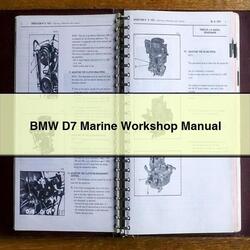
This manual pertains to the BMW D7 Marine Engine, a robust marine diesel engine designed for reliable operation. Engineered for demanding marine environments, the D7 embodies BMW's commitment to quality and performance. Its advanced design ensures efficiency and durability, making it a preferred choice for a wide range of maritime applications where dependable power is essential.

$16.99
This workshop manual provides comprehensive information for the BMW D7 Marine Engine. Engineered for reliability and performance, this four-stroke diesel engine features direct injection with automatic bleeding, an open-circuit cooling system utilizing a neoprene impeller pump driven directly from the crankshaft, and a flywheel alternator. Its robust construction and advanced systems are designed to meet the demanding requirements of marine applications.
$16.99
This workshop service repair manual covers the BMW D7 Marine Engine, a marine diesel engine designed for reliable operation. While specific production years are not detailed, this manual provides comprehensive information for owners and technicians. The engine is engineered for performance and durability, making it a suitable choice for various marine applications.
$16.99
This document pertains to the BMW D7 Marine Engine, a robust piece of engineering designed for demanding marine applications. Known for its reliability and performance, the D7 embodies BMW's commitment to quality in marine propulsion. Its design focuses on delivering efficient power and dependable operation, making it a preferred choice for various maritime activities.
$16.99
This manual covers the BMW M3, specifically the first generation E30 chassis, produced from 1986 to 1991. Conceived by BMW Motorsport to homologate the car for racing, the E30 M3 is renowned for its exceptional driving dynamics, motorsport pedigree, and engineering quality. It features a naturally aspirated inline-4 S14 engine, available in 2.3-liter and 2.5-liter displacements, paired with a Getrag 265 5-speed manual transmission and a standard limited-slip differential. The E30 M3 is celebrated for its success in touring car championships and its status as a highly collectible modern classic.
$16.99
This manual covers the BMW M3, specifically the first generation E30 chassis, produced with the S14 engine. Renowned for its performance-oriented design and engineering, the E30 M3 is a celebrated sports sedan, featuring a naturally aspirated 2.3-liter inline-4 engine producing approximately 218 horsepower and 230 Nm of torque. Its compact dimensions and lightweight construction, with a curb weight around 1200 kg, contribute to its agile handling and driving dynamics, making it a sought-after vehicle for enthusiasts.
$16.99
The BMW 5 Series, chassis code E34, represents a significant chapter in the brand's history, produced from 1988 to 1996. This executive sedan and its Touring wagon variant were engineered to embody BMW's commitment to performance, luxury, and advanced technology, competing with esteemed marques like Mercedes-Benz and Audi. The E34 offered a range of sophisticated engines, including inline-six and V8 options, paired with both manual and automatic transmissions, and featured innovations such as traction control and optional self-leveling suspension. Its elegant design and driver-focused interior cemented its reputation as a benchmark in its class, praised for its handling and build quality.
$16.99
The BMW 3 Series E36, produced from 1991 to 1999 in the US market and until 2000 in Europe, represents a significant evolution in BMW's esteemed lineage of driver-focused luxury vehicles. Available in a variety of body styles including the 2-door Coupe (E36/2), 4-door Sedan (E36/4), 2-door Convertible (E36/3), 5-door Touring/Wagon (E36/5), and 3-door Compact (E36/5 Compact), the E36 was engineered to uphold the 'Ultimate Driving Machine' ethos. It offered a compelling blend of exceptional chassis dynamics, refined inline-six engines, and premium interior appointments, positioning it as a benchmark in its competitive segment against rivals like the Mercedes-Benz C-Class and Audi A4. This generation further solidified BMW's reputation for performance, handling, and build quality.
$16.99
This manual covers the BMW 5 Series, model code E39, produced from 1995 to 2003. Known for its sophisticated engineering and dynamic driving experience, the E39 offered a range of powerful inline-six and V8 engines, including the M52, M54, M62, and S62 variants. Available as a 4-door Sedan or 5-door Wagon, this generation of the 5 Series was recognized for its luxury appointments, advanced technology for its time, and consistent inclusion on Car and Driver's '10Best' list. The vehicle featured standard Anti-lock Braking System (ABS) and Dynamic Stability Control (DSC) on most models, along with front airbags and optional side airbags, contributing to its strong safety profile.
$16.99
The BMW E46, produced between 1998 and 2006, represents a distinguished era for the 3 Series, embodying BMW's renowned engineering prowess and commitment to driving dynamics. This generation, available in sedan, coupe, convertible, and touring body styles, offered a range of inline-four and inline-six engines, from the efficient 316i to the high-performance M3. The E46 is celebrated for its balanced chassis, precise steering, and robust build quality, making it a popular choice for enthusiasts and daily drivers alike, consistently praised for its driving experience and overall reliability during its production lifespan.
$16.99
The BMW 3 Series, specifically the E46 generation produced from 1997 to 2006, represents a pinnacle of German engineering, renowned for its exceptional driving dynamics and premium appeal. This model line, a successor to the E36, continued BMW's legacy of delivering a sporty yet comfortable driving experience, making it a favorite among enthusiasts and a strong contender in the luxury compact executive car segment. The E46 was available in various body styles, including Sedan, Coupe, Convertible, and Touring (Wagon), and featured a range of inline-four and inline-six gasoline and diesel engines, offering performance from 118 hp up to 338 hp in the M3 CSL variant. Its robust construction, advanced safety features like ABS and DSC, and a generally high owner satisfaction rating underscore its quality and reliability.
$16.99
The BMW 5 Series, chassis code E60, represents a significant chapter in BMW's legacy of producing sporting luxury sedans. Produced from 2003 to 2010, this generation offered both Sedan (E60) and Touring/Wagon (E61) body styles. Renowned for its advanced engineering, the 5 Series featured a range of powerful engines, including award-winning naturally aspirated and turbocharged gasoline options, as well as efficient diesel variants. Its sophisticated chassis, advanced braking systems like ABS and DSC, and comprehensive airbag systems contributed to its strong safety ratings, including 5-star frontal impact assessments. The model also introduced early iterations of BMW's iDrive infotainment system, offering a connected and dynamic driving experience.
$16.99
The F650 CS, produced from 2001 to 2005, represents a distinctive entry in the mid-displacement motorcycle segment. This model, internally known by the chassis code R13CS, is recognized for its unique styling, the hallmark engineering quality associated with the brand, and a practical focus for urban and light touring use. It competed with other single-cylinder motorcycles, offering riders a blend of versatility and the brand's renowned build standards.
$16.99
The BMW F650 CS, also known by its nickname "Scarver" and model code BMW R13, represents a unique offering in the motorcycle market, produced between 2001 and 2005. Designed with a philosophy of urban friendliness and accessibility, it blends BMW's renowned engineering and reliability with a distinctive style, often referred to as a 'gentleman's express'. This model features a liquid-cooled, parallel-twin cylinder engine with a displacement of 652 cc, delivering approximately 50 hp and 46 lb-ft of torque, managed by a 5-speed manual gearbox and a hydraulically operated wet multi-plate clutch. Its robust construction includes an aluminum bridge frame and a powerful braking system, with optional ABS available, contributing to its overall safety and stability.
$16.99
The BMW F650 CS, produced typically from 2000 to 2005, represents a distinct offering in the motorcycle market. This model, often featuring a Rotax-derived single-cylinder, four-stroke engine with approximately 652 cc displacement and fuel injection, was designed with urban agility and a stylish aesthetic in mind. Its unique belt drive system, coupled with a 5-speed manual transmission and a wet multi-plate clutch, contributes to its distinctive character. Known for BMW's engineering quality and reliability, the F650 CS aimed to provide a practical yet engaging riding experience.
$16.99
The BMW F650 Series represents a line of versatile dual-sport and adventure motorcycles, produced from the mid-1990s through the late 2000s. Known for their cost-effective ownership, user-friendly nature, and capability across diverse conditions, these bikes have been a popular choice for both new and experienced riders. The F650 models, often featuring single-cylinder engines around 650cc, offer a blend of reliability and practicality, making them well-suited for commuting, touring, and light off-road excursions. Their design emphasizes accessibility and ease of maintenance, contributing to their enduring appeal in the adventure touring segment.
$16.99
The F650CS, also known by its internal code E169 platform and model designation F 650 CS, is a motorcycle produced from 2001 to 2005. This model, sharing components with the Aprilia Pegaso and Suzuki Freewind, features a Rotax-designed 652 cc single-cylinder engine with electronic fuel injection, liquid cooling, and a 5-speed manual transmission. Known for its agile handling and versatile urban-focused design, the F650CS was praised for its build quality and engineering. It was equipped with a telescopic upside-down front fork, a monoshock rear suspension, front and rear disc brakes, and optional ABS. The motorcycle's construction includes an aluminum alloy frame for rigidity and light weight, contributing to its overall performance and maneuverability.
$16.99
This manual provides comprehensive information for the F650CS, also known as the Scarver, a versatile motorcycle produced from 2000 to 2005. This first-generation model, identified by chassis code E169, features a single-cylinder, four-stroke, liquid-cooled engine with a displacement of 652 cc, producing approximately 50 horsepower. Known for its blend of practicality, comfortable ergonomics, and reputation for engineering quality, the F650CS was designed for commuting, light touring, and general riding. Its robust construction and user-friendly design made it an accessible option for a wide range of riders, offering a cost-effective alternative to traditional dealership service.
$16.99
The BMW F650CS, also known as the Scout, is a versatile motorcycle manufactured from 2001 to 2005. This model, built in Berlin, Germany, features a liquid-cooled, single-cylinder four-stroke engine with a displacement of 652 cc, a fuel injection system, and a 5-speed manual transmission. Known for its reliable engineering and commuter-friendly design, the F650CS offers a blend of practicality and performance, suitable for both daily urban use and light touring. Its robust construction and thoughtful design contribute to its reputation for durability.

$16.99
The BMW F650CS, also known as the CS Scarver, is a motorcycle produced between 2001 and 2006. This model, built on the E206 chassis with a Rotax 48x engine, was designed with urban commuting and practical everyday use in mind, differentiating itself with a modern aesthetic and integrated features. Known for its user-friendly nature and BMW's reputation for engineering quality and reliability, the F650CS offered a blend of sport and utility, making it a distinctive choice in its class. Its innovative design was recognized for its practical approach to urban motorcycling.
$16.99
This digital service repair manual covers the BMW F650CS, a single-cylinder motorcycle produced from 2001 to 2005. Known for its unique styling and practical integrated under-seat storage compartment, the F650CS offers an upright riding position and a steel trellis frame for rider comfort and control. It is powered by a 652 cc, four-stroke single-cylinder engine with electronic fuel injection, producing approximately 50 horsepower and 46 lb-ft of torque, paired with a 5-speed manual transmission and a chain final drive. The F650CS was designed with a focus on urban commuting and stylish versatility, making it an accessible entry point into BMW ownership.

$16.99
This manual provides comprehensive service and repair information for the F650CS, also known as the Scarver, manufactured between 2001 and 2005. The F650CS, built in Italy by Aprilia for BMW Motorrad, exemplifies this with its unique 'City Strada' concept, blending urban maneuverability with light touring capabilities. This model features a distinctive modern aesthetic, a single-cylinder, four-stroke engine, and a user-friendly 5-speed manual gearbox, making it a versatile machine for various riding conditions. Its robust construction and reliable performance are hallmarks of the brand, offering a blend of practicality and dynamic riding experience.
$16.99
The BMW F650CS, also known by its nickname "Scarab," is a motorcycle that redefined the lightweight naked sportbike and urban commuter segment. Introduced in 2001 and produced until 2005, this model emphasized accessible performance, modern styling, and practicality, making it a distinctive choice for riders. Its parallel-twin engine, chassis code E169, offered a balanced blend of power and manageability, competing with established models from other manufacturers. The F650CS is celebrated for its unique design and BMW's reputation for engineering quality, providing a user-friendly and stylish riding experience for daily commutes and spirited rides alike.

$16.99
The BMW F650CS, produced between 2001 and 2005, is a versatile single-cylinder, four-stroke motorcycle designed for urban commuting and light sport-touring. Featuring a 652 cc engine, it delivers approximately 50 horsepower and 60 Nm of torque, supported by electronic fuel injection for efficient performance. Known for its practical design and ease of use, the F650CS offers a unique blend of BMW engineering quality and everyday usability, making it a reliable choice for a wide range of riders. Its robust construction and thoughtful features, such as the optional ABS system and halogen headlight, underscore its appeal as a capable and dependable machine.
$16.99
The F650CS, also known as the Scarver, is a distinctive motorcycle produced from 2001 to 2005. This model, part of the F650 series, was designed to offer a more accessible and versatile riding experience, blending urban practicality with renowned engineering quality. Manufactured in Italy by Aprilia for BMW, the F650CS (chassis code E169) features a 652 cc single-cylinder, liquid-cooled engine with fuel injection, producing approximately 50 horsepower and 46 lb-ft of torque. Its unique styling, coupled with features like a belt drive and optional ABS on some variants, positioned it as an innovative offering in the motorcycle market.
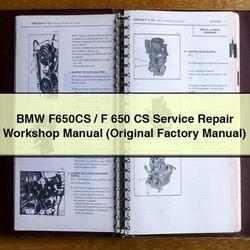
$16.99
The BMW F650CS, also known as the F 650 CS, is a motorcycle produced from 2001 to 2005, designed as a versatile urban commuter with a distinctive sporty aesthetic. It features a single-cylinder, four-stroke engine with a displacement of 652 cc, delivering torquey power ideal for city riding, complemented by a fuel-efficient electronic fuel injection system. A key selling point is its unique belt drive final drive, which offers reduced maintenance compared to traditional chain drives. Praised for its agile handling and user-friendly nature, the F650CS competed in a segment focused on practical, stylish, and reliable transportation for riders navigating urban environments.
$16.99
The BMW F650CS, produced between 2001 and 2005, is a distinctive single-cylinder motorcycle known for its urban-focused design and practical features. This model, also designated as the F 650 CS and built on the R13 chassis, was engineered with a 652cc liquid-cooled engine, delivering approximately 48 horsepower. Its unique 'Streetfighter' styling, coupled with a lightweight chassis and optional integrated luggage, positioned it as a stylish and capable machine for daily commuting and light touring. The F650CS offered a comfortable riding position and agile handling, setting it apart in its segment with a reputation for quality and engineering.
$16.99
The F650GS is a versatile dual-sport motorcycle renowned for its blend of on-road comfort and off-road capability, making it an ideal choice for adventure touring and everyday commuting. Known for its approachable ergonomics and hallmark engineering quality, the F650GS has evolved through various iterations, including popular single-cylinder Rotax-powered models and later parallel-twin variants. Its robust construction, reliable performance, and often available ABS system contribute to its reputation as a dependable and enjoyable machine for a wide range of riders.
$16.99
The BMW F650GS, a versatile dual-sport motorcycle, represents a significant entry into the adventure touring segment, particularly for riders seeking a balance of on-road comfort and off-road capability. Produced during the single-cylinder era, likely from 1993 to 2007, this model (chassis code E169) was celebrated for its accessible design, reliability, and the robust, water-cooled, single-cylinder Rotax engine. Its manageable size, upright riding position, and the availability of features like ABS contributed to its popularity as a dependable machine for commuting, touring, and light trail riding, solidifying BMW Motorrad's reputation in the middleweight adventure market.
$16.99
This digital workshop repair manual provides comprehensive information for the BMW F650GS single-cylinder motorcycle, produced between 1993 and 2007. Known for its robust engineering and versatility, the F650GS is a capable machine designed for adventure touring and everyday riding. Its single-cylinder Rotax-designed engine, with a displacement of 652 cc, delivers approximately 48 horsepower and 60 Nm of torque, coupled with a reliable 5-speed manual transmission and chain drive. The motorcycle features a liquid-cooled engine, electronic fuel injection, and an optional ABS system, contributing to its reputation for durability and rider-friendly performance.
$16.99
The BMW F650GS is a capable dual-sport motorcycle renowned for its versatility, suitable for both on-road touring and light off-road adventures. Produced roughly from the late 1990s through the mid-2000s, this model typically features a reliable single-cylinder, four-stroke engine, often built by Rotax, with a displacement of around 652cc. Its robust engineering and commitment to quality ensure dependability for riders tackling varied terrains. The F650GS has earned a reputation for being a user-friendly and well-built machine, making it a popular choice for long-distance travel and adventure touring, often competing with other mid-displacement adventure motorcycles.
$16.99
The BMW F650GS represents a versatile mid-weight adventure touring motorcycle, popular for its blend of on-road comfort and off-road capability. This manual covers models produced from 2008 to 2012, specifically the twin-cylinder F650GS (chassis code R13) and its single-cylinder successor, the G650GS (chassis code R130). These motorcycles are known for their user-friendly ergonomics, robust build quality, and accessible performance, offering a refined riding experience and strong value. The F650GS platform is recognized for its engineering quality and reliability, making it a competitive choice within its segment.
$16.99
The F650GS is a versatile dual-sport and adventure touring motorcycle, celebrated for its reliability, fuel efficiency, and comfortable ergonomics, making it suitable for a wide range of riding conditions from daily commutes to extended journeys. Known for its user-friendly nature and capable performance on various surfaces, the F650GS embodies a commitment to engineering quality and rider accessibility within the mid-size adventure segment. Its design prioritizes a balance of on-road comfort and off-road capability, appealing to riders seeking a dependable and adaptable machine.
$16.99
This manual covers the BMW G450 X, a versatile motorcycle designed for off-road adventure and performance. Engineered with a robust single-cylinder, 4-stroke, liquid-cooled engine featuring DOHC and electronic fuel injection, the G450 X delivers approximately 30 horsepower. Its construction emphasizes reliability and a responsive riding experience, making it suitable for demanding terrains and recreational use. The motorcycle is equipped with a 5-speed manual transmission, chain drive, and hydraulic disc brakes for effective stopping power.
$16.99
The BMW G650Xchallenge is a robust dual-sport motorcycle, produced typically between 2006 and 2009, renowned for its lightweight chassis, potent Rotax-designed single-cylinder engine, and exceptional off-road capabilities. This model represents a commitment to precision engineering, offering a blend of agile handling and reliable performance that appeals to riders seeking adventure on varied terrains. Its unique selling points include premium build quality and a design that balances off-road prowess with everyday usability, making it a distinguished choice in the lightweight dual-sport segment.
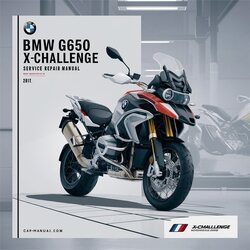
$16.99
The BMW G650 Xchallenge, produced from 2006 to 2009, is a versatile dual-sport motorcycle engineered for adventure riding with a distinct focus on off-road capability. Featuring a potent single-cylinder, liquid-cooled engine with a displacement of 652 cc, it delivers approximately 53 horsepower and 60 Nm of torque. Its design emphasizes a lightweight chassis, long-travel suspension providing 270 mm of travel at both the front and rear, and optional ABS for enhanced safety. Known for its premium build quality and the engineering prowess associated with its manufacturer, the G650 Xchallenge offered a compelling package for riders seeking agility and performance across diverse terrains, competing with other single-cylinder dual-sport offerings of its era.
$16.99
This manual provides comprehensive guidance for the R 1150 RT, a distinguished touring motorcycle produced from approximately 2001 to 2006. Known for its comfortable ergonomics and robust engineering, the R 1150 RT is equipped with a 1130 cc boxer-twin engine and features the advanced Integral ABS system, enhancing safety and control. This model represents a significant evolution in the long-standing tradition of producing reliable and capable touring machines, making it a popular choice for long-distance journeys and everyday riding. Its design emphasizes rider comfort and practicality, embodying a heritage of quality and performance.
$16.99
This manual covers the 6HP26 automatic transmission, a sophisticated component engineered for a wide range of luxury and performance vehicles. This six-speed automatic transmission is known for its smooth operation and efficient power delivery, making it a preferred choice for manufacturers such as BMW, Jaguar, Land Rover, Rolls-Royce, Maserati, Kia, and Hyundai. Its robust design and advanced technology have been incorporated into numerous models, including various BMW 5, 6, 7, and X5 series, Jaguar S-Type, XK, XKR, XF, and XJ models, Range Rover and Range Rover Sport, Rolls-Royce Phantom, Maserati Quattroporte, Kia Mohave, and Hyundai Genesis. The transmission's adaptability across different vehicle platforms underscores its engineering quality and widespread application in premium automotive segments.

$16.99
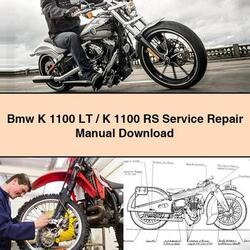
This manual covers the K 1100 LT and K 1100 RS motorcycles, produced in the early to mid-1990s. These models are characterized by their distinctive flat-four boxer engines, shaft drive, and a focus on sport touring capabilities. The K 1100 LT, in particular, offers enhanced comfort for long-distance riding with its integrated fairing, while both variants benefit from German engineering known for quality and reliability. Key features include a liquid-cooled, 16-valve DOHC engine with electronic fuel injection and optional ABS, providing a blend of performance and safety.
$16.99
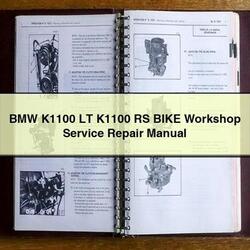
This manual covers the K 1100 LT and K 1100 RS motorcycles, produced approximately from 1990 to 1999. These models are part of a renowned K-series, often referred to as the 'Flying Brick' family, celebrated for their robust engineering, touring capability, and inline-four engine performance. The K 1100 LT, with approximately 95 hp, and the K 1100 RS, with approximately 100 hp, both feature a liquid-cooled, four-stroke, 1093 cc inline-four engine, a 5-speed manual gearbox, and shaft drive. Notable technological features include the fuel injection system and the optional ABS II for enhanced braking safety. These motorcycles are recognized for their quality and performance, offering a reliable riding experience for various purposes, from daily commuting to long-distance touring.

$16.99
The BMW K 1200 LT represents the pinnacle of luxury touring motorcycles, produced by BMW Motorrad from 1997 to 2009. Building on the K-series lineage, this model is engineered for exceptional comfort and performance on long-distance journeys. It features a potent 1171 cc flat-four boxer engine, renowned for its smooth power delivery and reliability. Key highlights include comfort-oriented ergonomics, an integrated audio system, adjustable windshield, ample luggage capacity, and advanced braking systems like BMW's Integral ABS. Its robust aluminum composite space frame and meticulous German engineering ensure a high level of build quality and rider confidence, making it a distinguished choice for discerning touring enthusiasts.
$16.99
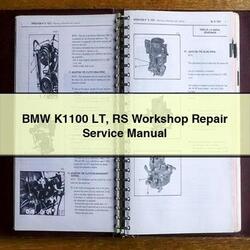
The K1100 LT and K1100 RS models, produced from 1992 to 1999, represent a significant chapter in motorcycle history. These motorcycles are powered by a liquid-cooled, inline-four engine, displacing 1093 cc, and featuring double overhead camshafts. The K1100 LT is recognized for its fully-faired touring capabilities, complete with integrated luggage and comfort-oriented features, while the K1100 RS offers a sport-touring experience with a more aggressive stance. Both models were engineered with a renowned commitment to quality, reliability, and refined performance, utilizing advanced technologies for their era, such as the Bosch Motronic fuel injection system and optional Integral ABS.
$16.99
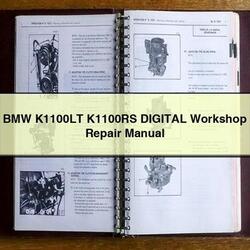
The BMW K1100 LT and RS motorcycles, produced between 1992 and 1999, represent a significant era in BMW's sport-touring and touring segments. These machines are distinguished by their transverse inline-four, liquid-cooled engines, featuring a 1093 cc displacement and Bosch Motronic fuel injection, delivering approximately 100-110 horsepower. The K1100 series is renowned for its shaft drive, robust engineering, and the comfort-focused LT variant, which includes a full fairing and luggage, making it ideal for long-distance travel, while the RS model offers a sportier profile.
$16.99
This digital workshop repair manual covers the K1100LT and K1100RS models, produced between 1991 and 1998. These motorcycles are renowned for their robust inline four-cylinder engines, offering a smooth and powerful riding experience, whether for long-distance touring with the K1100LT or sport-touring with the K1100RS. Featuring advanced technology for their time, including Bosch Motronic fuel injection and optional Integral ABS, these bikes represent a significant evolution in the K-series heritage. Their engineering quality and reliability are hallmarks of the brand, making them enduring choices for riders.

$16.99
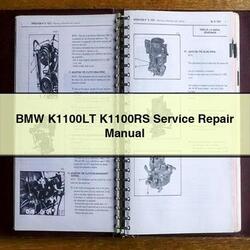
The K1100LT and K1100RS represent a significant evolution in sport touring and touring motorcycle offerings, produced approximately between 1991 and 1996. These models are characterized by their robust four-stroke, four-cylinder boxer engines, displacing 1093 cc and producing around 100 horsepower, coupled with a smooth 5-speed transmission and the innovative Paralever shaft drive system. Known for their exceptional touring comfort, reliable engineering, and strong build quality, the K1100 series built upon the legacy of the K100 series with key enhancements such as increased displacement, improved aerodynamics, and refined suspension, solidifying the reputation for producing capable and dependable motorcycles.
$16.99
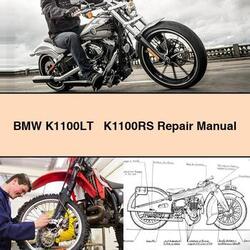
The K1100LT and K1100RS represent the pinnacle of the second-generation K-Series motorcycles, produced from 1990 to 1999. These models were engineered as premium sport-touring and touring machines, distinguished by their robust liquid-cooled, four-valve inline-four engines, reliable shaft drive, and advanced fuel injection systems. The K1100LT offered exceptional comfort and touring amenities, including extensive fairings and luggage, while the K1100RS provided a sportier profile. Both models emphasized a commitment to engineering quality, performance, and long-distance capability, competing effectively in a segment that valued sophisticated technology and enduring reliability.
$16.99
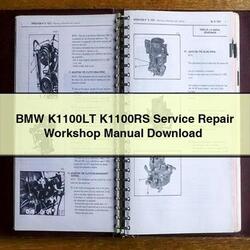
The BMW K1100LT and K1100RS models, produced between 1992 and 1999, represent a significant era in BMW's motorcycle engineering. These machines, powered by a robust 1093cc four-stroke, liquid-cooled flat-four boxer engine, offer a compelling blend of performance and touring capability. The K1100LT, in particular, is renowned for its exceptional comfort and integrated luggage, making it a premier choice for long-distance travel. Both variants showcase BMW's commitment to reliability, with features like shaft drive contributing to a smooth and dependable riding experience, solidifying their reputation in the sport-touring segment.
$16.99
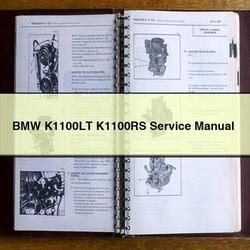
The K1100LT and K1100RS models represent a significant chapter in engineering heritage, building upon the innovative K-series platform. These motorcycles, produced from the late 1980s through the 1990s, are characterized by their transverse-mounted, liquid-cooled, DOHC inline-four engines displacing 1093cc, delivering robust performance and smooth power delivery. Known for their exceptional build quality and rider comfort, particularly the touring-oriented K1100LT with its extensive fairing and luggage options, and the sportier K1100RS, these machines offer a refined riding experience. Their advanced features, including the optional ABS II system and Bosch Motronic fuel injection, underscore a commitment to technological advancement and rider safety in the pursuit of automotive excellence.
$16.99
This manual covers the K1100LT and K1100RS motorcycles, produced approximately from 1992 to 1999. These models represent advanced touring and sport-touring offerings of their era, characterized by their distinctive inline-four engine configuration, robust build quality, and shaft drive. The K1100 series evolved from the K100, enhancing performance and chassis dynamics. The LT variant was designed for maximum touring comfort, while the RS variant offered a sportier riding profile. These motorcycles were known for their German engineering and reliability, competing in the premium motorcycle market with their unique technological features, including the optional ABS II system.
$16.99
This manual pertains to the premium sport-touring motorcycles produced from the early to mid-1990s. These machines are distinguished by their liquid-cooled, 16-valve, inline-four cylinder engines, shaft drive, and robust construction. The LT offered superior touring comfort, while the RS provided sportier ergonomics, with both models often featuring optional ABS II for enhanced safety. Their advanced engineering and reliability established the brand's strong presence in the sport-touring market, succeeding the earlier K100 series.
$16.99
The K1100LT is a Luxury Sport Touring Motorcycle produced from 1992 to 1999. Renowned for its smooth 1093 cc, 16-valve, DOHC inline-four engine producing approximately 100 horsepower, it offers a comfortable and stable riding experience. Key features include an extensive fairing for superior wind protection, comfortable touring ergonomics, and an advanced Integral ABS system. This model is part of the K-series lineage, building upon the engineering and touring prowess established by its predecessors, and was designed to compete with other premium touring motorcycles of its era.
$16.99
This manual provides comprehensive service and repair information for a range of motorcycles, including the K1100RT, R1100RS, R850GS, R1100GS, R850R, and R1100R. These models, built upon a heritage of engineering excellence and shaft drive reliability, represent advancements such as the Telelever front suspension and Paralever rear suspension on the R-series, and the smooth, powerful inline-four engines in the K-series. They competed in the premium touring and sport-touring segments, offering a refined riding experience with features like the Bosch Motronic electronic fuel injection system and optional ABS.
$16.99
This manual provides comprehensive technical information for motorcycles, specifically covering the K1100RT, R1100RS, R850GS, R1100GS, and R1100R models. These motorcycles, primarily produced during the 1990s, represent a legacy of engineering prowess, offering a range of capabilities from touring comfort to adventure-ready performance. The K-series, with its inline four-cylinder engines, and the R-series, featuring the iconic boxer twin-cylinder configuration and innovative Telelever front suspension, are renowned for their robust build quality and enduring reliability, making them a favored choice for discerning riders and long-distance travel.
$16.99
This manual covers a range of motorcycle models, including the K1100LT, K1100RS, R850R, R1100R, R1100RS, and R1100GS, primarily from their introduction through the late 1990s. These motorcycles represent a commitment to engineering excellence, offering sophisticated touring, sport touring, roadster, and adventure touring capabilities. Known for their robust construction, shaft drive, advanced suspension systems like the Telelever, and reliable inline-four (K-series) and boxer twin (R-series) engines, these models competed in the premium motorcycle market. They were designed for discerning riders seeking comfort, performance, and durability for both long-distance journeys and spirited riding.
$16.99
This manual covers the BMW K1100LT, R1100RS, R1100GS, R850GS, R1100R, and R850R models, produced approximately between 1992 and 2006. These motorcycles are renowned for their engineering quality and reliability, with the K1100LT offering a smooth, transverse inline-four engine for touring, and the R-series models featuring the iconic boxer-twin engine with advancements like four-valve heads and the Paralever suspension system. The R850 variants provide a more accessible entry into the boxer platform. BMW's legacy in motorcycle production is evident in the robust chassis construction and the focus on rider comfort and performance across these diverse models.
$16.99
This manual covers the K1200 LT, a distinguished touring motorcycle produced from 1997 to 2009. Renowned for its engineering excellence and rider comfort, the K1200 LT features a powerful inline 4-cylinder engine, electronic fuel injection, and a 5-speed manual transmission, delivering approximately 98 HP. This model is equipped with advanced features for its time, including ABS, optional ASC, electronic cruise control, and comfort amenities like heated grips and seats, making it ideal for long-distance travel. The heritage of durability is evident in the K-series development, building upon earlier models to offer a refined touring experience.
$16.99
This manual covers the BMW K1200 series of motorcycles, including variants such as the K1200GT, K1200LT, K1200RS, and their associated sport and touring models. These motorcycles are renowned for their advanced engineering, inline 4-cylinder liquid-cooled engines, and shaft drive systems, offering a blend of performance and comfort suitable for touring and sport riding. The K1200 series, introduced with the K1200RS in 1997 and evolving through models like the K1200LT and the later redesigned S, R, and GT variants, represents BMW's commitment to innovation and quality in motorcycle design, often featuring technologies like Integral ABS and cruise control.
$16.99
The BMW K1200LT is a premium luxury touring motorcycle, produced from 1999 to 2007. Renowned for its exceptional comfort and extensive amenities, it was engineered to provide an unparalleled long-distance riding experience for both rider and passenger. This German-manufactured machine competed directly with other top-tier touring bikes, offering features such as an electrically adjustable windscreen, integrated audio systems, and standard cruise control. Its robust inline-four engine, producing approximately 100 horsepower, combined with a smooth shaft drive and advanced Integral ABS II braking system, contributed to its reputation for refined performance and reliability.
$16.99
The K1200LT, produced from 1999 to 2009, stands as a distinguished luxury touring motorcycle, engineered for exceptional long-distance comfort and rider amenities. Building on an innovative K-series platform, this model features a smooth and powerful liquid-cooled, four-stroke, DOHC inline-four engine with a displacement of 1171 cc, delivering approximately 98-100 hp and substantial torque for effortless cruising. Its design emphasizes rider and passenger comfort with features like comprehensive fairings for superior wind protection, integrated luggage, available heated grips and seats, and a standard cruise control system. The K1200LT also incorporates a maintenance-friendly enclosed shaft drive and offers advanced technology such as optional ABS, reflecting a commitment to performance and rider experience in the premium touring segment.
$16.99
The K1200LT is a distinguished Luxury Sport Touring motorcycle, produced from approximately 1999 to 2009. Engineered in Germany, this flagship model was designed for unparalleled long-distance comfort and performance, rivaling other premium touring machines. It features a potent 1171cc liquid-cooled inline-four engine, shaft drive with innovative Paralever rear suspension, and the Telelever front suspension system. Notable amenities include a comprehensive fairing for superior weather protection, integrated luggage, and available features like heated grips, heated seats, and cruise control, all contributing to its reputation for quality and rider-focused design.
$16.99
The BMW K1200LT, produced from 1999 to 2009, is a full-fairing grand tourer motorcycle renowned for its exceptional engineering quality, comfort, and premium features. Designed for long-distance touring, this model, internally coded K589, offers a luxurious and stable riding experience, building upon BMW's reputation for innovation and reliability. Its robust construction and thoughtful design ensure a superior journey for riders and passengers alike, making it a benchmark in its segment.
$16.99
This manual provides comprehensive service and repair information for the BMW K1200LT, a luxury sport-touring motorcycle renowned for its comfort and long-distance capabilities. Produced by BMW, a manufacturer celebrated for its engineering prowess, the K1200LT was introduced in the late 1990s and evolved through the 2000s, featuring an inline 4-cylinder, liquid-cooled engine with electronic fuel injection. Key technological highlights include integral ABS and often Automatic Stability Control, alongside integrated audio systems and cruise control, making it a benchmark in its segment. This digital manual is designed to empower owners with basic mechanical skills and independent service professionals with dealer-level knowledge.

$16.99
The BMW K1200LT, produced primarily from 1999 to 2009, is a luxury sport touring motorcycle renowned for its comfort, amenities, and long-distance capability. As part of BMW's distinguished K-Series, it features a liquid-cooled, four-stroke, flat-four cylinder engine with a displacement of 1171 cc, delivering approximately 98 horsepower. This German-engineered machine is designed for touring riders, offering a substantial fairing, comfortable seating, ample luggage capacity, and often includes features like integrated audio systems and electronic cruise control. Its robust construction and focus on rider and passenger comfort have earned it accolades for touring excellence throughout its production run.
$16.99
The BMW K1200LT represents a pinnacle of luxury touring motorcycles, produced from approximately 1999 to 2009. This model is renowned for its smooth inline-four engine, comfortable ergonomics, and advanced features designed for long-distance travel. Building on BMW Motorrad's heritage of engineering excellence, the K1200LT offers a refined riding experience, combining performance with the practicality and amenities expected of a premium touring machine. Its robust construction and thoughtful design have made it a favorite among discerning riders.

$16.99
The BMW K1200LT, produced from 1999 to 2009, stands as a premier Luxury Tourer motorcycle, engineered for riders who demand exceptional comfort and performance on extended journeys. Building on BMW Motorrad's legacy of quality and innovation, this model features a robust inline 4-cylinder engine, a sophisticated chassis with advanced suspension, and extensive touring amenities such as a large fairing, integrated luggage, and optional rider comfort features like heated grips and seats. Its design prioritizes stability, rider fatigue reduction, and a premium experience, positioning it as a strong competitor in the grand touring segment.
$16.99
The BMW K 1200 LT represents a pinnacle of German engineering in the touring motorcycle segment, produced from the late 1990s through the mid-2000s. Building on BMW's rich heritage of innovation and reliability, this model offers a fully-equipped, luxurious experience designed for long-distance travel. Its robust four-stroke, boxer-twin engine, typically displacing 1171cc or 1150cc, delivers approximately 98-100 hp, ensuring ample power for any journey. Key features include a full aerodynamic fairing for superior wind protection, integrated stereo systems, and standard electronic cruise control, all contributing to exceptional rider comfort and convenience.
$16.99
The K1200RS, produced approximately from 1997 to 2004, stands as a distinguished sport-touring motorcycle, engineered for discerning riders who demand both performance and long-distance comfort. This machine, chassis code K589, is characterized by its longitudinally mounted inline four-cylinder engine, delivering robust power output, and a sophisticated shaft drive system. Its design prioritizes rider ergonomics, featuring adjustable components and aerodynamic fairings for enhanced comfort during extended journeys. The legacy of engineering excellence is evident in the K1200RS's advanced technology for its era, including integral ABS and electronic fuel injection, solidifying its position as a premium offering in the high-performance sport-touring segment.
$16.99
This manual covers the BMW K1200RS, a sport-touring motorcycle produced from 1997 to 2004. Known for its powerful inline-four engine, comfortable ergonomics, and advanced technology for its time, the K1200RS was designed for long-distance riding and spirited performance. As a successor to the K1100RS, it offered enhanced power and refinement, competing with other high-performance sport-touring machines of its era. The vehicle features a liquid-cooled, 1171 cc engine, a 6-speed manual transmission with shaft drive, and advanced suspension systems like the Telelever front and Paralever rear, contributing to its reputation for engineering quality and reliability.
$16.99
This manual covers the motorcycle, a distinguished sport-touring machine renowned for its engineering prowess and enduring performance. Produced typically between the late 1990s and mid-2000s, it embodies a commitment to innovation, featuring a powerful inline four-cylinder boxer engine and advanced chassis technology like the Telelever front and Paralever rear suspension systems. Its design prioritizes both rider comfort for long-distance journeys and dynamic handling, making it a capable and reliable companion for enthusiasts seeking a premium riding experience.
$16.99
The BMW K1200RS, produced from 1997 to 2004, is a flagship sport-touring motorcycle renowned for its blend of performance, comfort, and long-distance capability. This model, featuring a DOHC inline 4-cylinder engine with 1171 cc displacement, is characterized by its advanced engineering, including shaft drive, Telelever front suspension, Paralever rear suspension, and an integrated ABS system. Its design philosophy continued BMW's tradition of utilizing longitudinally mounted inline-four engines, offering a robust and reliable platform for both spirited riding and extended touring.
$16.99
The BMW K1200RS, produced from 1997 to 2004, is a flagship sport-touring motorcycle renowned for its powerful 1171 cc liquid-cooled, four-stroke boxer four-cylinder engine. This model, designated with chassis code K589, offers a robust performance package, featuring DOHC with four valves per cylinder, producing approximately 110 hp and 82 lb-ft of torque. Its engineering excellence is evident in its advanced technology for the era, including Bosch Motronic MA 2.4 fuel injection and an optional Integral ABS system. Designed for long-distance comfort and dynamic riding, the K1200RS has been lauded by the motorcycle press and owners alike for its German engineering and reliable touring capabilities, positioning it as a strong contender against rivals like the Honda VFR and Yamaha FJR.
$16.99
This training manual provides comprehensive information on the M-70, an internal combustion engine designed for automotive applications. This V12 engine represents advanced engineering, focusing on performance and reliability for discerning users.
$16.99
This document is the Factory Service Repair Manual for the BMW Marine B130 marine engine. Designed for maintenance and repair, this manual provides comprehensive information to ensure the optimal performance and longevity of your marine engine. The B130, a product of BMW, is engineered for reliability and efficiency, making it a trusted choice for marine applications.
$16.99
This Service Repair Workshop Manual covers the BMW B130 Marine Engine. Engineered for reliability and performance, this inboard gasoline engine, with a displacement of 130 cubic inches, is designed for demanding marine applications. Its robust construction and advanced engineering ensure consistent operation and longevity, making it a trusted choice for boat owners and operators seeking dependable power.
$16.99
This workshop service repair manual provides comprehensive information for the BMW B130 marine engine. Designed for marine propulsion, this gasoline-powered, 4-stroke, inline engine offers 130 horsepower from its 130 cubic inch displacement. The B130 is engineered for reliability and performance in demanding marine environments, ensuring efficient and dependable operation for a wide range of watercraft.
$16.99
This manual covers the BMW Marine Engine, specifically the D35 and D50 Diesel models. While production years are not specified, these engines are engineered for robust performance and reliability in marine applications. The D35 variant typically features a displacement of approximately 3.5 liters, while the D50 offers around 5.0 liters. Detailed specifications regarding power output, cooling systems, and drive types will be found within the manual, providing essential information for understanding the unique capabilities of these BMW marine powerplants.
$16.99
This workshop service repair manual provides comprehensive information for the BMW D7 Marine Engine. Designed for marine propulsion, this internal combustion engine utilizes diesel fuel and is engineered for reliability in the demanding marine environment. Its robust construction and advanced engineering ensure consistent performance and durability, making it a trusted choice for marine applications.
$16.99
The F650 CS, also known as the Scarver, is an urban and street-focused motorcycle produced from 2001 to 2005. This model represents an innovative approach to blending motorcycle agility with scooter-like practicality, featuring a distinctive design and engineering that emphasizes renowned quality. With its single-cylinder, 652 cc engine, the F650 CS delivers approximately 47 horsepower and is designed for commuters and urban riders seeking a stylish and functional riding experience. Its unique selling points include its characteristic styling and the reliable engineering that underpins its performance and durability.
$16.99
This manual covers the BMW Motorrad R 1200 GS and R 1200 GS Adventure models, chassis codes K25, K25 11, K25 02, and K25 12. Renowned as a premium adventure touring motorcycle, the R 1200 GS series is celebrated for its versatility, capable of both long-distance on-road touring and off-road exploration. Building on BMW Motorrad's extensive heritage in motorcycle engineering, these models feature advanced boxer-twin engines, sophisticated suspension systems like the Telelever front and Paralever rear, and integrated electronic rider assistance technologies. Their robust construction and engineering quality have earned them consistent accolades, making them a benchmark in their segment.
$16.99
This manual provides comprehensive service and repair information for the BMW N55 Engine, an internal combustion engine renowned for its engineering quality and performance. Designed for service and repair, the N55 engine represents a significant advancement in automotive technology. This guide is essential for understanding and maintaining the intricate systems that contribute to its reliability and efficiency.
$16.99
This comprehensive automotive engine service manual covers the BMW N55 Engine, a high-performance internal combustion engine designed for demanding automotive applications. Renowned for its engineering precision and reliability, the N55 engine represents a significant advancement in BMW's powertrain technology. This manual is tailored for those seeking to understand, maintain, and repair this sophisticated piece of machinery, ensuring optimal performance and longevity.
$16.99
This manual provides comprehensive service and repair information for the motorcycle, produced between 1973 and 1977. As a key model in the Series, the is recognized for its air-cooled, four-stroke, boxer-twin engine, delivering approximately 38-40 horsepower. Its robust engineering, characterized by a 5-speed gearbox and shaft drive, offers a blend of reliability and performance for touring and general use. The model features a single disc brake at the front and a drum or disc brake at the rear, along with essential lighting for visibility.
$16.99
The BMW R 1150 R, produced from 2001 to 2005, is a robust roadster renowned for its distinctive boxer-twin engine and shaft drive. This motorcycle offers a blend of comfortable ergonomics suitable for touring and a sporty chassis for engaging rides. Its engineering emphasizes reliability and strong torque delivery, further enhanced by features such as the optional Integral ABS II braking system and a modular frame concept. The R 1150 R's unique character and practical design have made it a favored choice for riders seeking a versatile and enduring machine.
$16.99
This manual covers the R 1150 R, a sport-touring and roadster motorcycle produced from 2001 to 2005. Known for its air/oil-cooled, 1130 cc boxer-twin engine producing 85 hp and 72 lb-ft of torque, the R 1150 R features a 5-speed manual transmission, hydraulic clutch, and shaft drive via a single-sided swingarm. Its robust construction includes a trepazoidal steel tube frame, Telelever front suspension, and Paralever rear suspension. The motorcycle is equipped with a first-generation Integral ABS system, offering a combined braking function for enhanced safety. Highly regarded for its comfortable ergonomics, build quality, and versatile performance, the R 1150 R is a reliable machine celebrated for its strong torque and shaft drive convenience.
$16.99
The BMW R 1150 RT, produced approximately from 1999 to 2005, stands as a testament to BMW's legacy in crafting exceptional touring motorcycles. Designed for extensive travel, this model features a powerful air/oil-cooled boxer-twin engine, shaft drive for smooth power delivery and low maintenance, and a comfortable riding posture. Its engineering emphasizes reliability and comfort, further enhanced by an optional ABS Integral braking system that significantly improved safety. As a flagship touring machine, the R 1150 RT was built to offer a superior long-distance riding experience, competing with other premium touring motorcycles of its era through its robust construction and advanced features.
$16.99
The BMW R 1150 RT is a luxury sport-touring motorcycle renowned for its horizontally-opposed twin-cylinder boxer engine, shaft drive, and integrated fairing and luggage system, designed for long-distance comfort and performance. Produced from approximately 1999 to 2004, it evolved from the R 1100 RT, featuring an increased 1130cc displacement, enhanced power and torque, and the integration of Fuel Stratified Injection (FSI) technology. This model is characterized by its stable handling, a testament to BMW Motorrad's legacy in crafting reliable and capable touring machines, making it a favored choice for discerning riders undertaking extensive journeys.
$16.99
The BMW R 1150 R, produced between 1999 and 2006, is a distinguished sport-touring and naked motorcycle renowned for its characteristic 1130 cc Boxer Twin engine. This horizontally opposed, air-cooled powerplant, featuring two valves per cylinder and electronic fuel injection, delivers approximately 85-90 horsepower and robust torque, ensuring smooth and capable performance. Its design emphasizes BMW's commitment to engineering quality and reliability, highlighted by the low-maintenance shaft drive and the stable chassis, often equipped with the advanced Integral ABS system. The R 1150 R embodies a blend of classic Boxer character with modern features, making it a versatile machine for both long-distance touring and everyday riding.

$16.99
This repair manual provides comprehensive information for the BMW R 850 C and R 1200 C motorcycles. These horizontally opposed twin-cylinder boxer motorcycles are known for their engineering quality and reliability, offering a distinctive riding experience. The R 850 C and R 1200 C feature a horizontally opposed twin-cylinder boxer engine, shaft drive, and a 5-speed manual transmission.
$16.99
This manual covers the BMW R 850 C and R 1200 C cruiser motorcycles, produced from approximately 1997 to 2006. These motorcycles represent BMW's foray into the cruiser segment, blending classic styling with the marque's renowned boxer-twin engine and engineering. Key features include a low seat height, pulled-back handlebars, and a distinctive aesthetic, offering a relaxed riding experience. The R 850 C, with its 848 cc engine, and the R 1200 C, powered by a 1170 cc boxer-twin, both utilize a 5-speed manual transmission and shaft drive, delivering a unique character and comfortable ride aimed at riders seeking a blend of style and performance.

$16.99
This manual covers the BMW R1100S motorcycle, produced from 1996 to 2004. Known for its four-stroke, horizontally opposed twin-cylinder Boxer engine with a displacement of 1085 cc, the R1100S was engineered in Germany and manufactured in Berlin. It features a 6-speed manual gearbox, shaft drive, and was praised for its handling and performance, making it a benchmark sport-touring motorcycle of its era. Notable technical aspects include its Bosch Motronic MA 2.4 fuel injection system and optional Integral ABS.
$16.99
This workshop service repair manual covers the R1100GS and R1100R models, continuing the legacy of robust boxer platform renowned for durability and touring capability. These motorcycles, typically produced from the mid-1990s onward, feature a horizontally opposed Boxer Twin engine with fuel injection and electronic ignition, known for their strong engineering and reliable performance. The R1100GS and R1100R are celebrated for their robust build and are suitable for a variety of riding conditions, offering a distinctive riding experience.
$16.99
The R1100RS (Rennsport) is a distinguished sport-touring motorcycle, produced between 1992 and 2000, celebrated for its advanced engineering and comfort suitable for long-distance journeys. It features a robust air/oil-cooled, four-stroke, flat-twin boxer engine displacing 1085 cc, delivering 90 horsepower and 100 Nm of torque, managed by a fuel injection system. Key innovations include the Telelever front suspension and Paralever rear suspension, which provide exceptional ride quality and handling. Many models also boast integral ABS, a significant safety advancement for its era, underscoring a commitment to rider well-being and technological prowess.
$16.99
This manual covers the R1100RT and R1100RS motorcycles, produced approximately from the mid-1990s to 2000. These models are celebrated for their robust engineering and the distinctive air/oil-cooled, four-stroke Boxer twin-cylinder engines, offering around 90 hp and 98 Nm of torque. The R1100RT is recognized for its sport-touring capabilities and comfort, while the R1100RS emphasizes sporty handling. Key features include the Bosch Motronic Electronic Fuel Injection, shaft drive, and the option of an Integral ABS braking system. The manufacturer's reputation for quality and reliability underpins these well-regarded machines in their segment.
$16.99
This digital service repair manual provides comprehensive coverage for BMW R1100RT, R1100RS, R850GS, R1100GS, and R1100R models produced between 1993 and 2000. These motorcycles, powered by air-cooled, four-stroke, boxer-twin engines, represent a significant chapter in BMW Motorrad's heritage, known for their engineering quality and reliability. This manual serves as an essential diagnostic and repair tool, offering detailed technical information, step-by-step instructions, and OEM specifications to assist owners and technicians in maintaining these iconic machines.

$16.99
This manual covers the BMW R1100RT, R1100RS, R850GS, R1100GS, R850R, and R1100R models, representing the air/oil-cooled Boxer engine era. These Sport Touring and Standard motorcycles, produced from the mid-1990s to the early 2000s, are known for their robust engineering, rider comfort, and reliable performance, particularly in touring and adventure applications. Featuring a 2-valve Boxer twin engine with displacements of 1085 cc for the R1100 series and 848 cc for the R850 series, these bikes offer a blend of power and durability. Notable features include electronic fuel injection, shaft drive, and optional Integral ABS II, reflecting BMW's commitment to innovation and quality in motorcycle design.
$16.99
The BMW R1100RT and R1100RS are premium sport touring motorcycles renowned for their engineering excellence, comfort, and long-distance touring capabilities. Produced between 1994 and 2001, these models feature a distinctive air/oil-cooled, four-stroke, flat-twin boxer engine displacing 1085 cc, delivering approximately 90 horsepower. Key distinguishing features include innovative Telelever front suspension and Paralever rear suspension systems, contributing to superior ride quality and handling. The R1100RT variant further enhances touring comfort with an integrated luggage system and an electrically adjustable windscreen. These motorcycles have earned a strong reputation for reliability and performance, making them a favored choice for discerning riders.
$16.99
The BMW R1100S, produced from approximately 1998 to 2005, represents BMW Motorrad's foray into the sport-touring segment, blending performance with long-distance capability. This model is characterized by its robust air/oil-cooled, 1085 cc boxer-twin engine, distinctive Paralever rear suspension, and sporty ergonomics, offering a unique riding experience. It competed with other sport-touring motorcycles of its era, lauded for its handling and stability. BMW's heritage in engineering quality and rider comfort is evident in the R1100S's design, making it a capable machine for both spirited riding and extended journeys.
$16.99
The R1100S motorcycle, produced from 1998 to 2005, represents a significant entry in the sport-touring and naked sportbike segments. Renowned for its distinctive boxer-twin engine, shaft drive, and sophisticated Paralever and Telelever suspension systems, the R1100S offers a unique blend of German engineering, robust construction, and versatile performance suitable for both spirited riding and extended touring. Its 1085 cc, air/oil-cooled boxer engine delivers approximately 95-100 horsepower, providing ample torque for dynamic acceleration and comfortable cruising. The model's innovative design and focus on rider comfort and control have earned it a respected place among enthusiasts seeking a capable and characterful machine.
$16.99
The BMW R1100S, produced from 1998 to 2006, is a sport-touring motorcycle renowned for its distinctive boxer-twin engine, advanced Telelever front suspension, and shaft drive. This model offers a compelling blend of performance and comfort, characterized by its torquey 1085 cc engine, sporty handling for its class, and robust build quality. Its unique engineering, including the innovative suspension systems and the characteristic boxer layout, positions it as a capable machine for both spirited riding and longer journeys.
$16.99
The BMW R1100S, produced in 1999, is a sport-touring motorcycle renowned for its distinctive blend of agile handling and long-distance comfort. Powered by BMW's robust air/oil-cooled, four-stroke, flat-twin boxer engine displacing 1085 cc, it delivers approximately 90-98 horsepower, offering spirited performance. This model is part of the R1100 series, a significant evolution in BMW's motorcycle lineage, characterized by engineering excellence and a focus on rider ergonomics. The R1100S is designed for enthusiast riders who appreciate its unique character and reliable performance, comparable to other sport-touring offerings of its era.
$16.99
The BMW R1100S, produced from 1999 to 2005, is a Sport Touring Motorcycle renowned for its robust engineering and distinctive character. Powered by a 1085cc Boxer Twin engine, it offers a balanced blend of performance and comfort suitable for extended journeys. Its design emphasizes reliability and a unique riding experience, characteristic of BMW's commitment to quality in their motorcycle line. This model represents a significant offering in the sport-touring segment, known for its capable handling and the characteristic feel of its horizontally opposed twin-cylinder engine.
$16.99
The BMW R1100S, produced from 1996 to 2004, is a distinguished sport-touring motorcycle renowned for its unique character and engineering. It features a characterful four-stroke, air-cooled, two-valve boxer twin engine with a displacement of 1085 cc, delivering 90 hp and 70 lb-ft of torque. Key innovations include BMW's Telelever front suspension for exceptional handling stability and a low-maintenance shaft drive via the Paralever system. The motorcycle also incorporates BMW Integral ABS for enhanced safety. Designed for riders seeking a capable and comfortable machine for extended journeys without compromising sporty handling, the R1100S stands as a testament to BMW's commitment to quality and rider-focused design.

$16.99
The BMW R1100S, produced from 1998 to 2005, is a distinguished sport-touring motorcycle renowned for its robust engineering and the unique character of its air/oil-cooled Boxer Twin engine. This model, manufactured in Berlin, Germany, embodies BMW Motorrad's heritage of durability and performance, featuring a shaft drive system, Paralever rear suspension, and optional Telelever front suspension. Its potent capabilities and sport-touring focus positioned it competitively against other performance motorcycles of its era, offering a blend of agility and long-distance comfort.
$16.99
The BMW R 1100 S is a distinguished sport-touring motorcycle introduced in 1998, produced until 2001. Known for its unique blend of agile handling and long-distance comfort, it features BMW's characteristic air/oil-cooled, four-stroke, two-cylinder boxer engine, displacing 1085 cc. This model is recognized for its shaft drive, robust engineering, and the distinctive character of its boxer-twin powertrain, offering approximately 90 horsepower. The R 1100 S was designed to provide a balanced riding experience, competing in the sport-touring segment with its focus on performance and practicality for extended journeys.

$16.99
This manual covers the R1100S, a sport-touring motorcycle produced from 1997 to 2005. Known for its comfortable long-distance riding capabilities and sporty handling, the R1100S features a 1085 cc flat-twin boxer engine with fuel injection, producing approximately 90 horsepower. Its engineering quality is evident in its robust trellis frame, shaft drive, and optional Integral ABS system. This first-generation model, manufactured in Berlin, Germany, offers a blend of performance and touring practicality.
$16.99
The BMW R1150 Series motorcycles, produced approximately from 1999 to 2006, represent a significant chapter in BMW Motorrad's heritage. These premium touring and sport-touring machines are characterized by their robust build quality, reliable boxer-twin engines, and advanced engineering features such as shaft drive and the innovative Telelever front and Paralever rear suspension systems. Available in various models including the R1150GS, R1150RT, R1150R, and R1150RS, these motorcycles were designed to offer exceptional touring capabilities and a comfortable riding experience, competing effectively in a segment that demanded both performance and durability. Their strong market reputation is built on a foundation of engineering excellence and a commitment to rider functionality.

$16.99
The BMW R1150GS, produced between 1999 and 2005, is a highly regarded adventure touring motorcycle celebrated for its robust construction, exceptional versatility, and enduring capability for long-distance travel. Available in Standard and Adventure variants, this model features a torquey 1130cc air/oil-cooled boxer-twin engine, renowned for its reliability and smooth power delivery, complemented by the innovative Telelever front and Paralever rear suspension systems. Its shaft drive ensures low maintenance, making it a preferred choice for riders who demand performance and durability across diverse terrains, from paved highways to challenging off-road paths.
$16.99
This workshop service repair manual provides comprehensive information for the BMW R 1150 GS, an adventure touring motorcycle produced from 1999 to 2004. Renowned for its robust build, versatility, and long-distance touring capabilities, the R 1150 GS combines on-road comfort with off-road potential, a testament to heritage in producing technologically advanced and durable machines. Its 1130 cc boxer-twin engine, shaft drive, and advanced suspension systems, including the Telelever front and Paralever rear, offer a unique riding experience. This model is a benchmark in its segment, known for its durability and extensive aftermarket support, making it a popular choice for enthusiasts and long-haul adventurers.
$16.99
The BMW R1150GS, produced from 1999 to 2005, is a large-displacement adventure touring motorcycle renowned for its versatility and robust construction. Designed to excel in both long-distance touring and off-road exploration, this model features a powerful 1130 cc air-cooled boxer engine, a 5-speed gearbox, and advanced suspension systems like the Telelever front and Paralever rear. Its engineering quality and reliability have made it a benchmark in its segment, often compared to competitors such as the Honda Africa Twin and Triumph Tiger. The R1150GS is built for riders seeking a capable machine for diverse riding conditions and extensive travel.
$16.99
The BMW R1150R is a motorcycle produced from 2001 to 2004, known for its robust Boxer Twin engine and shaft drive system. This model, a successor to the R1100R and predecessor to the R1200R, features a four-stroke, air-cooled/oil-cooled boxer-twin engine with a displacement of 1130 cc, delivering 95 hp and 98 Nm of torque. Notable engineering highlights include BMW's Telelever front suspension and Paralever rear suspension, designed for stability and rider comfort, along with an optional Integral ABS II braking system. Its sport touring and roadster segment positioning, combined with its German engineering and manufacturing, underscore its reputation for reliability and performance, making it a capable machine for both commuting and longer journeys.
$16.99
The BMW R1150R, produced between 1999 and 2004, is a distinguished roadster and sport-touring motorcycle renowned for its torquey boxer-twin engine, advanced telelever front and paralever rear suspension systems, and integrated ABS. This model embodies BMW's commitment to durable build quality and reliable performance, making it a capable machine for both daily commuting and long-distance journeys. Its distinctive engineering, including the horizontally opposed twin-cylinder engine and robust chassis, contributes to its enduring appeal and reputation for a comfortable, stable ride.
$16.99
The BMW R1150RT is a premium sport touring motorcycle, representing the second generation of BMW's R Series boxer-twin platform. Produced with its predecessor and successor, it is known for its robust engineering, comfort-focused design, and long-distance touring capabilities. Key features include a powerful air/oil-cooled boxer-twin engine, BMW's distinctive Telelever front suspension and Paralever rear drive system, and an optional Integral ABS II braking system. Designed for riders who demand performance and comfort on extended journeys, the R1150RT offers features such as an adjustable electric windshield and integrated luggage, solidifying its reputation in the sport touring segment.
$16.99
The BMW R1150RT is a luxury sport-touring motorcycle renowned for its exceptional long-distance comfort, robust engineering, and reliable performance. Produced approximately from 1999 to 2006, this model features BMW's signature horizontally opposed twin-cylinder Boxer engine, shaft drive, and advanced Telelever front and Paralever rear suspension systems. Its design prioritizes rider and passenger comfort with excellent wind protection and ergonomic seating, making it an ideal choice for discerning touring enthusiasts. The R1150RT is celebrated for its durability and the smooth power delivery characteristic of the brand's heritage.
$16.99
Welcome to the comprehensive workshop service repair manual for the BMW R1150RT ABS. This iconic motorcycle, produced between 2001 and 2004, represents BMW's commitment to engineering excellence and rider comfort, building upon the legacy of its predecessors. The R1150RT is renowned for its robust air/oil-cooled, 1130 cc flat-twin boxer engine, delivering 85 hp and 98 Nm of torque, coupled with a smooth 6-speed manual transmission and shaft drive. Featuring Integral ABS as standard, it offers a stable and secure riding experience, making it an ideal choice for long-distance touring and daily commuting. Its tubular steel frame, sophisticated suspension, and thoughtful ergonomics underscore its design for reliability and performance.
$16.99
The BMW R1150RT, produced approximately from 1999 to 2004, is a luxury sport touring motorcycle renowned for its comfort, performance, and robust engineering. Featuring a four-stroke, air and oil-cooled flat-twin Boxer engine with 1130 cc displacement, it delivers approximately 95 hp and 97 lb-ft of torque, ensuring capable performance for long-distance journeys. Its sophisticated design includes a Paralever single-sided swingarm with shaft drive and, on some models, Telelever front suspension, contributing to its stable and comfortable ride. The R1150RT is a testament to heritage, offering a refined touring experience that has made it a favored choice among discerning motorcyclists.
$16.99
The BMW R 1150 RT is a distinguished luxury sport-touring motorcycle, renowned for its exceptional comfort, robust engineering, and long-distance capabilities. Powered by a 1130 cc air/oil-cooled boxer twin engine, it delivers approximately 95 horsepower and 99 lb-ft of torque, ensuring strong performance for both relaxed cruising and spirited riding. Key features that set the R 1150 RT apart include innovative front suspension and rear suspension for superior ride quality, a standard braking system for enhanced safety, and shaft drive for low-maintenance reliability. Its design prioritizes rider and passenger comfort, offering excellent weather protection through its fairing and windscreen, making it an ideal choice for extended journeys.
$16.99
This workshop service repair manual provides comprehensive coverage for the R1150RT, a luxury touring motorcycle renowned for its comfort, long-distance capability, and reliable boxer engine. Produced from the early 2000s, the R1150RT is characterized by its shaft drive, robust steel tube frame, and significant rider protection offered by a large, adjustable fairing and windscreen. Its engineering quality and unique selling points, including its proven boxer engine reliability and exceptional weather protection, make it a favored choice for touring motorcyclists and long-distance riders seeking a dependable and capable machine.
$16.99
This comprehensive manual covers the motorcycle, providing in-depth information for all models and repairs. Engineered for reliability and performance, the is designed for touring and general motorcycling. This workshop manual is an essential resource for understanding and maintaining this esteemed machine, ensuring its optimal condition and longevity.
$16.99
This manual covers the BMW R12 and R17 motorcycles produced in 1938. These models represent significant advancements in BMW's motorcycle engineering, with the R12 featuring a pressed steel frame and the R17 offering a more powerful overhead valve engine and telescopic front fork. Both models are powered by a 745 cc boxer-twin engine, with the R12 producing approximately 18-20 horsepower and the R17 around 30 horsepower, driven by a 4-speed manual transmission and shaft drive. These motorcycles were manufactured in Munich, Germany, and are recognized for their robust construction and performance for their era, contributing to BMW's esteemed heritage in vehicle manufacturing.
$16.99
This manual provides comprehensive service and repair information for the BMW R1200 C Independent. Designed for both novice and experienced mechanics, it details every aspect of the vehicle, from complete disassembly to specific component overhauls. The R1200 C Independent is engineered for reliable performance, and adherence to the maintenance schedule outlined within this guide is crucial for ensuring its optimal operating condition throughout its lifespan.
$16.99
This manual covers the BMW R1200 C Montauk, a premium cruiser motorcycle produced from 1997 to 2006. Known for its distinctive classic styling, powered by a 1170cc boxer-twin engine, and featuring shaft drive, the R1200 C Montauk offered a unique blend of traditional cruiser aesthetics with BMW's renowned engineering. It competed in the large-displacement cruiser market, distinguishing itself through its boxer engine configuration and advanced build quality. Key features include its robust construction, comfortable ergonomics, and the option of integrated braking systems.
$16.99
This workshop service repair manual covers the BMW R1200GS, R1200RT, and R1200ST models, which represent a significant evolution of BMW's renowned boxer-twin platform. Produced from approximately 2004 onwards, these premium adventure touring and sport touring motorcycles are known for their engineering quality and versatility, with the R1200GS in particular frequently earning accolades as a top adventure bike. This manual is designed for owners and technicians seeking comprehensive information on all R1200 Boxer Engine and chassis variants, encompassing their powerful 1170 cc engines, robust transmissions, and advanced suspension systems.
$16.99
The BMW R 1200 GS is a highly acclaimed adventure touring motorcycle, renowned for its exceptional versatility, robust engineering, and enduring reliability. This model, part of BMW Motorrad's legendary GS lineage, is designed to excel on both paved roads and challenging off-road terrain. Its iconic boxer twin engine, available in air-cooled or liquid-cooled configurations, delivers potent performance suitable for long-distance journeys and spirited riding. With a focus on rider comfort, advanced technology, and rugged capability, the R 1200 GS has consistently set the benchmark in the adventure touring segment, earning numerous accolades and a dedicated global following.
$16.99
The BMW R1200S is a performance sport-touring motorcycle, produced approximately from 2006 to 2010. It is distinguished by its Boxer-twin engine, shaft drive, and characteristic BMW build quality and rider ergonomics. This model competed with other European and Japanese sport-touring machines, offering a unique character and sporty handling. The R1200S is powered by a four-stroke Boxer-twin engine with approximately 1170 cc displacement, DOHC, and four valves per cylinder, producing around 110-120 HP and 85-90 lb-ft of torque. It features electronic fuel injection, a 6-speed manual gearbox, and hydraulically operated single dry clutch, with a wheelbase of about 1480 mm and a dry weight around 221 kg.
$16.99
This manual covers the R50, R60, and R69S motorcycles, produced from 1955 to 1969. These models represent a significant era in post-war motorcycle development, known for their robust, air-cooled, horizontally opposed boxer-twin engines and shaft drive. The R50 served as an entry-level option, the R60 offered enhanced power and touring capabilities, while the R69S stood as the premium, high-performance model, celebrated for its smooth operation and enduring reliability. Built to exacting German engineering standards, these motorcycles are revered for their durability and classic design, making them highly sought after by enthusiasts.
$16.99
This manual covers the BMW R51, R61, R66, and R71 models, produced between 1938 and 1941. These motorcycles represent a significant era in BMW's engineering legacy, known for their robust construction, reliable flat-twin boxer engines, and shaft drive systems. The R71, in particular, saw notable military application. These machines were designed for durability and performance, competing effectively with other European manufacturers of the time and solidifying BMW's reputation for quality.
$16.99
This manual provides comprehensive service and repair information for the BMW R51/2, R51/3, R67/2, R67/3, and R68 motorcycles, spanning their production periods from the late 1940s through the mid-1950s. These classic BMW boxer-twin models are celebrated for their engineering quality, durability, and the distinct longitudinal mounting of their engines, which enhances accessibility for maintenance. The R68, in particular, offered a sportier performance profile compared to the more touring-focused R67 variants. This documentation is essential for owners and enthusiasts dedicated to the restoration, maintenance, and performance tuning of these iconic German machines, offering a singular source of detailed technical data.
$16.99
This manual covers the BMW R60/6 motorcycle, produced between 1973 and 1976. This model is characterized by its horizontally opposed twin-cylinder boxer engine, a hallmark of BMW's engineering prowess, delivering reliable performance for both everyday riding and longer journeys. The R60/6 represents a significant evolution in BMW's motorcycle design, incorporating advancements in handling and braking systems while retaining the robust build quality for which the brand is renowned. Its enduring appeal lies in its classic styling, dependable powertrain, and the engaging riding experience it offers to enthusiasts and riders alike.
$16.99
This manual provides comprehensive service and repair information for the BMW R80GS, R100GS, and R100R motorcycles. These iconic models, produced between 1987 and 1996, are celebrated for their robust Boxer twin-cylinder engines and enduring engineering. The R80GS and R100GS represent the pioneering spirit of the 'Gelande/Strasse' concept, offering a blend of off-road prowess and touring comfort, notably featuring the innovative Paralever rear suspension. The R100R offers a more road-focused interpretation, appreciated for its classic styling and smooth performance. Each motorcycle embodies a legacy of quality and reliability, making them enduring choices for riders.
$16.99
This manual covers the R80GS and R100R, iconic motorcycles produced from the early 1980s to the mid-1990s. These air-cooled, four-stroke boxer twins, manufactured in Berlin, Germany, are renowned for their durability and pioneering role in the adventure touring segment. The R80GS, introduced in 1980, established the template for dual-purpose motorcycles, while the R100R variants offered enhanced performance with their larger displacement engines. Both models feature a robust steel tube frame, shaft drive, and a 5-speed manual gearbox, embodying a heritage of engineering quality and reliability.

$16.99
This manual provides comprehensive service and repair information for the R80GS and R100R models, covering all variants produced between 1980-1987 for the R80GS and 1991-1995 for the R100R. These iconic motorcycles are celebrated for their robust engineering, reliability, and versatility, with the R80GS known for its dual-sport capabilities and the R100R for its comfortable road performance. Both models feature air-cooled boxer twin engines and shaft drive, embodying a commitment to durable and dependable machinery.
$16.99
This manual covers the BMW R80GS and R100R motorcycles, models renowned for their robust R2V Boxer Twin engines and enduring engineering. Produced likely between the late 1980s and mid-1990s, these bikes represent a significant chapter in BMW's motorcycle heritage, with the R80GS being an early adventure touring icon and the R100R a refined road-focused variant. Their horizontally opposed twin-cylinder, four-stroke engines, paired with a 5-speed manual transmission and shaft drive, offer a distinctive riding experience. These motorcycles are celebrated for their durability and capability, making them highly regarded by enthusiasts and riders seeking versatile performance.
$16.99
This workshop service manual provides comprehensive guidance for the BMW R80GS and BMW R100R models. The R80GS, introduced in 1987 and produced until 1995, is a highly regarded dual-sport motorcycle known for its durability and off-road capability, featuring a 797.5 cc air-cooled boxer twin-cylinder engine. The R100R, part of the 'Modern Classic' range from 1991 to 1995, is a naked roadster powered by a 980 cc version of the same engine. Both models are characterized by their robust engineering, shaft drive, and reliable performance, embodying BMW Motorrad's legacy in boxer-twin motorcycle design.
$16.99
This manual covers the R80GS and R100R motorcycles, renowned for their robust engineering and enduring reliability. The R80GS, produced approximately from 1980 to 1987, is a capable dual-sport machine designed for both on-road and off-road adventures, featuring a 797.5 cc boxer twin engine. The R100R, manufactured roughly between 1991 and 1996, is a roadster variant, offering a larger 980 cc boxer twin engine and a focus on comfortable touring and spirited riding. Both models are characterized by their distinctive air-cooled, horizontally opposed twin-cylinder engines, shaft drive, and sturdy chassis, reflecting a commitment to quality and performance in their motorcycle offerings.
$16.99
This manual covers the BMW R80GS and R100R motorcycles, part of the renowned Airhead Boxer Series. Produced between 1987 and 1995, these models embody BMW's legacy of engineering excellence and reliability, offering robust performance for both adventure touring and general riding. The R80GS, a descendant of the pioneering Geländestraße models, is celebrated for its versatility, while the R100R offers refined touring capabilities. Both are powered by air-cooled, flat-twin boxer engines, featuring pushrod-operated overhead valves and shaft drive, known for their durability and distinctive character.
$16.99
This manual provides comprehensive guidance for the R80GS and R100R motorcycles, iconic models produced from 1987 to 1995. These air-cooled, four-stroke boxer-twin motorcycles are celebrated for their robust engineering, reliability, and versatility, with the R80GS pioneering the dual-sport segment and the R100R offering a road-focused experience. Their legacy is built on a long history of producing durable and capable machines, making them highly regarded for both adventure touring and everyday riding.
$16.99
This official factory service repair manual covers the BMW R80GS and R100R models, renowned for their ruggedness, reliability, and foundational role in BMW's adventure motorcycle legacy. These air-cooled, twin-cylinder Boxer motorcycles, typically produced from the late 1980s to the mid-1990s, offer robust performance and off-road capability. The manual provides comprehensive documentation for these classic machines, reflecting BMW's extensive history in motorcycle engineering.
$16.99
The BMW R80GS and R100R motorcycles, produced from 1987 to 1995 respectively, represent a significant chapter in BMW Motorrad's heritage. These air-cooled, flat-twin boxer-engined motorcycles are renowned for their robust engineering, reliability, and versatility, making them suitable for both everyday commuting and adventurous touring. Featuring advanced chassis and suspension designs, including the Monolever for the R80GS and the Paralever for the R100R, these models offer a stable and engaging riding experience. Their durable construction and iconic design have cemented their status among motorcycle enthusiasts.
$16.99
This manual covers the BMW R850 C motorcycle, produced approximately between 1996 and 2006. The R850 C is a mid-size touring motorcycle known for the distinctive character of its air/oil-cooled, 848 cc Boxer Twin engine and reliable shaft drive. It offers comfortable ergonomics suitable for touring duties and is recognized for BMW's characteristic engineering quality and build. This model often featured optional ABS and appealed to riders seeking a more accessible BMW Boxer experience.
