



BMW 1 Series

The 1 Series represents a line of compact luxury vehicles known for their sporty handling and premium features. These cars are designed for urban driving and spirited performance, offering a balance of agility and comfort. They typically feature rear-wheel or all-wheel drive configurations, advanced infotainment systems, and a range of efficient yet powerful engine options. The 1 Series is a popular choice for individuals seeking a dynamic and refined driving experience in a smaller package.
Documentation for the 1 Series includes comprehensive owner's manuals detailing vehicle operation, maintenance schedules, and safety features. Repair manuals provide in-depth technical information for servicing and...
$16.99
This manual covers the BMW R26 and R27 motorcycles, produced in 1956. These models are characterized by their air-cooled, four-stroke, boxer twin-cylinder engines, with the R26 producing approximately 15 hp and the R27 approximately 18 hp. Known for robust engineering and reliability, these motorcycles were manufactured in Munich, Germany, and represent a significant part of BMW's heritage in the motorcycle market. The R26 was produced from 1955-1960, and the R27 from 1956-1960.
$16.99
This workshop service and repair manual covers the BMW R26 and R27 Motorrad models, produced between 1955 and 1966. These single-cylinder motorcycles represent a significant period in BMW's history, known for their robust engineering and reliability. The R26, a successor to the R25/3, featured an updated chassis with Earles-type front forks, while the R27 introduced an innovative overhead camshaft engine. Both models offered dependable performance and were highly regarded for their build quality, making them enduring classics for enthusiasts and riders.
$16.99
This workshop repair service manual provides comprehensive information for the 1958 BMW R26 / R27 motorcycles. These models represent a significant part of BMW's post-war motorcycle revival, known for their air-cooled Boxer Twin engines and reliable engineering. The R26 and R27 are celebrated by enthusiasts for their historical significance and represent a key period in the development of BMW's iconic motorcycle line.
$16.99
The BMW R26 and R27 motorcycles, produced between 1955 and 1966, represent a significant chapter in BMW's heritage of engineering excellence, particularly in their single-cylinder Boxer engine and shaft drive configurations. These models were designed for reliable performance, making them popular for commuting and touring. The R26, with its 247 cc engine, and the R27, featuring a slightly larger 283 cc engine, both offered smooth operation and robust construction characteristic of BMW's commitment to quality. Their accessible design and dependable nature have cemented their status as desirable machines for enthusiasts and collectors of vintage motorcycles.
$16.99
This manual covers the BMW R50, R50S, R60, and R69S motorcycles produced between 1960 and 1969. These iconic machines, powered by air-cooled, flat-twin boxer engines, are renowned for their robust engineering, reliability, and enduring design. The R50, with its 494cc engine producing approximately 26 horsepower, offered a dependable riding experience, while the R50S and R60 provided slightly more power. The R69S, a high-performance variant, featured a tuned 594cc engine delivering around 42 horsepower, making it a popular choice for enthusiasts seeking spirited performance. All models feature a 4-speed manual gearbox and shaft drive, hallmarks of BMW's commitment to quality and durability in this era of motorcycle manufacturing.
$16.99
This manual covers the R50, R60, and R69S models produced between 1960 and 1969. These motorcycles, part of the renowned R Series, are celebrated for their robust engineering, reliability, and distinctive air-cooled, horizontally opposed twin-cylinder (Boxer) engines. The R69S, in particular, stood out as the top-of-the-line model, offering enhanced power and performance for its era. Known for their durability and touring capabilities, these vintage motorcycles are highly regarded and sought after by enthusiasts.
$16.99
This workshop repair service manual provides comprehensive information for the BMW R26 and R27 models, produced in 1962. These motorcycles are known for their horizontally opposed twin-cylinder boxer engines, offering reliable performance for transport and touring. With a rich heritage dating back to BMW's beginnings in aircraft engines, these bikes represent a significant part of motorcycle history, renowned for their engineering quality, durability, and classic styling.
$16.99
This manual provides comprehensive service, repair, and workshop information for the BMW R26 and R27 motorcycles, produced in 1964. These iconic boxer twin-cylinder motorcycles are celebrated for their engineering quality and reliability, with the R26 offering a refined ride and the R27 a more powerful experience. Both models feature a shaft drive system, a 4-speed manual gearbox, and are designed for riders who appreciate classic German engineering. This guide is intended for owners, independent mechanics, and enthusiasts seeking to maintain and restore these vintage machines.
$16.99
This workshop repair service manual covers the BMW R26 and R27 models from 1966. These motorcycles are powered by air-cooled flat-twin boxer engines, with the R26 producing approximately 18 hp and the R27 offering 22 hp. Both models feature a 4-speed manual gearbox with a single dry plate clutch and shaft drive. Known for their reliability and robust engineering, these BMWs represent a significant phase in the brand's single-cylinder motorcycle history.
$16.99
The BMW 1600 and 2002 series, produced between 1967 and 1976, represent a significant chapter in automotive history, embodying BMW's commitment to engineering excellence and driver-focused performance. These models, identified by chassis codes E6 for the 1600 and E10 for the 2002, established the foundation for the modern sport sedan. Featuring robust M10 engine variants, rear-wheel drive, and a balanced suspension system, they offered a compelling blend of practicality and spirited driving dynamics. Their compact dimensions, reliable construction, and iconic design have cemented their status as beloved classics among enthusiasts worldwide.
$16.99
The BMW 2002 New Class, produced from 1968 to 1976, represents a significant chapter in automotive history, establishing BMW's reputation for driver-focused vehicles. Built on the robust E10 chassis, these models, including the 1502, 1602, 1802, 2002, 2002A, 2002 Ti, and 2002tii, are celebrated for their exceptional handling, responsive steering, and the iconic M10 inline-four engine family, which offered displacements from 1.6L to 2.0L. These cars masterfully bridged the gap between compact economy cars and larger luxury sedans, offering a pure, engaging driving experience that defined the brand's ethos. Their engineering quality and reliability have cemented their status as automotive icons, sought after for their blend of performance and practical design.
$16.99
The BMW 5-series, specifically the E12 generation introduced in 1972, represents BMW's pioneering effort in the mid-size executive sedan segment, building upon the brand's legacy of engineering excellence and sporty driving dynamics. Designed with a distinctive, clean, and elegant aesthetic by Paul Bracq, this model established the foundation for the enduring 5-series lineage. The E12 was offered with a range of inline-six engines, typically displacing between 2.0L and 2.8L, providing horsepower figures from approximately 130 hp to 180 hp, and was available with either a four-speed manual or a three-speed automatic transmission. Its construction featured a reinforced safety cage and was equipped with front disc and rear drum brakes, reflecting the safety standards of its production period, which spanned from 1972 to 1981.
$16.99
The BMW 5-series, specifically the E12 chassis introduced in 1973, represents BMW's foundational entry into the executive sedan market. This premium vehicle was engineered with a strong emphasis on driver engagement, performance, and refined comfort, setting a benchmark for its segment. Featuring the renowned BMW M30 straight-six engines, available in variants like the 520i, 525, and 528i, the E12 offered a compelling blend of power and handling, competing directly with established luxury brands. Its distinctive styling by Paul Bracq and focus on advanced engineering for its era contributed to its reputation as a driver's car with exceptional build quality.
$16.99
The BMW 5-series, generation code E12, introduced in 1974, represents a significant milestone in the evolution of the sporting executive sedan. Styled by Paul Bracq, this model established the enduring lineage of the 5-series, celebrated for its precise engineering and dynamic driving characteristics. Powered by the robust BMW M30 inline-six engine, available in displacements ranging from 2.0L to 3.0L, the E12 offered a compelling blend of performance and comfort, with horsepower figures typically between 115 and 180 HP. Its classic design, featuring BMW's signature kidney grille and elegant proportions, cemented its status as a benchmark for its era, prioritizing driver engagement and build quality.
$16.99
The BMW 3-series, specifically the E21 generation produced from 1975 to 1983, represents a pivotal model in automotive history, establishing the lineage of what would become BMW's most iconic vehicle. This compact executive car, available in 2-door and 4-door sedan body styles, embodied BMW's philosophy of "The Ultimate Driving Machine," offering a blend of sporty handling, driver engagement, and robust engineering. Powered by the M10 inline-4 engine family, with displacements ranging from 1.8L to 2.3L, it delivered approximately 90-125 horsepower, coupled with either a 4-speed manual or an optional 3-speed automatic transmission. Its design, featuring the signature Hofmeister kink and a driver-oriented dashboard, underscored its performance-focused intent.
$16.99
This manual covers the 5-series, generation code E12, produced in 1975. The E12 marked an entry into the mid-size executive sedan segment, building upon a reputation for engineering excellence and driving performance. Known for its robust build quality and dynamic handling, the 1975 5-series, often equipped with powerful inline-six M30 engines ranging from 2.5 to 3.0 liters, represented a significant step in automotive design and technology for its era. This model is recognized for its contribution to a legacy as a manufacturer of premium, driver-focused vehicles.
$16.99
The BMW 3-Series, specifically the E21 chassis code produced between 1975 and 1983, marked BMW's significant entry into the compact executive sedan market. This generation of the 3-Series was engineered to offer a compelling blend of sporty performance and everyday practicality, a philosophy that would define its lineage. Known for its driver-focused cockpit and advanced McPherson strut front suspension, the E21 established a benchmark for handling and driver engagement within its segment, competing with notable vehicles of its era. Its design and engineering laid the groundwork for the enduring success and reputation of the BMW 3-Series as a leader in compact sports sedans.

$16.99
This manual covers the 3 Series, specifically the E21 generation, produced from 1975 to 1983. This iconic model, encompassing the 320 and 323 designations, established the brand's reputation for building sporty and driver-focused sedans, characterized by its aerodynamic design and the signature Hofmeister kink. Built upon the robust M10 inline-four cylinder engine family, with variants typically ranging from 1.8L to 2.3L, the E21 offered a compelling blend of performance and engineering quality, making it a significant sales success and a cornerstone for future 3 Series generations.
$16.99
The BMW 3 Series, chassis code E21, represents the inaugural generation of BMW's highly successful compact executive sports sedan, produced from 1975 to 1983. This model, featuring iconic design elements and a driver-focused cockpit, set a benchmark for handling and performance in its class. Available with 1.8-liter inline-4 M10 engines and variants such as the 320i and 320iA, the E21 offered a compelling blend of sportiness and everyday usability, building upon BMW's established reputation for engineering excellence and reliability. Its introduction marked a significant evolution for the brand, solidifying the 3 Series lineage that continues to define sporty driving.
$16.99
The BMW 3 Series (E21), produced from 1975 to 1983, represents the second generation of BMW's iconic compact executive car. Available in variants such as the 320i and 323i, this model built upon the sporty heritage of its predecessor, the 02 Series, and established the benchmark for the 3 Series lineage. Known for its driver-focused engineering, refined styling, and the introduction of BMW's signature single-piece kidney grille, the E21 offered a blend of performance and everyday usability. Its robust construction, engaging handling, and quality interior appointments made it a highly regarded vehicle in its class, contributing significantly to BMW's reputation for building exceptional driving machines.
$16.99
The BMW 3 Series (E21), produced from 1975 to 1983, established the compact executive sports sedan segment and is celebrated for its 'Ultimate Driving Machine' ethos. This generation, encompassing models like the 320 and 320i, featured a rear-wheel-drive layout and was powered by inline 4-cylinder engines, with the 320i utilizing Bosch L-Jetronic fuel injection for enhanced performance. Known for its engaging driving dynamics and foundational role in BMW's history, the E21 continues to be appreciated for its engineering quality and reliability.
$16.99
This manual covers the BMW 320i, specifically the E21 chassis, produced between 1975 and 1984. As BMW's first dedicated compact executive sedan, the E21 represents a significant chapter in the brand's history, known for its driver-centric engineering and sporty handling. Featuring a robust inline 4-cylinder engine, available in 1.8L or 2.0L displacements with either carburetor or fuel injection, and offering both manual and automatic transmission options, the 320i embodies the performance and quality BMW is renowned for. Its 2-door sedan body style, along with its balanced dimensions and curb weight, contributed to its agile driving experience.
$16.99
This manual covers the BMW 3 Series, specifically the 320i model from the E21 generation, produced between 1975 and 1983. The E21 marked BMW's entry into the compact executive sports sedan segment, succeeding the popular 2002 and setting the standard for all future 3 Series vehicles. Known for its sporty driving dynamics and build quality, the 320i features an inline-4 cylinder SOHC engine, typically producing around 100-115 horsepower, and was available with a 4-speed manual or an optional 3-speed automatic transmission. This model is recognized for its refined driving experience and driver engagement, characteristic of BMW's heritage.
$16.99
The BMW 320 / 320i, produced from 1975 to 1983 under the E21 chassis code, represents BMW's entry into the compact executive and sports sedan market. Known for its rear-wheel drive, sporting dynamics, refined engineering, and German build quality, this model offered a practical yet luxurious interior and was a direct competitor to vehicles like the Mercedes-Benz W123 and Audi 80/Fox. Powered by the M10 1.8-liter engine, featuring either Bosch L-Jetronic fuel injection or carburetors depending on the variant, the 320 / 320i delivered a driving experience focused on mechanical feedback and driver engagement, establishing a benchmark for its segment.
$16.99
This manual covers the BMW 323i, specifically the E21 generation, produced from 1975 through 1984. As the first iteration of the iconic 3 Series, the E21 established itself as a compact executive sports sedan, celebrated for its driver-focused design, balanced chassis, and sporty handling, often compared favorably to competitors like the Mercedes-Benz W123 and Audi 80. The 323i model, typically equipped with the M20B23 inline-six engine, offered a blend of performance and practical luxury, embodying BMW's engineering prowess. This guide is essential for enthusiasts and owners dedicated to preserving the value and performance of these classic vehicles.
$16.99
This workshop repair and service manual covers the BMW 323 and 323i models from the E21 chassis generation, produced between 1975 and 1984. The BMW 3 Series (E21) was a significant model for the brand, establishing its reputation as a premium compact executive car and sport sedan. Renowned for its driving dynamics, precise steering, and balanced chassis, the E21 offered an engaging experience. The 323i variant, in particular, featured a robust M20 inline-six engine, providing strong performance. This generation also introduced key design elements that would influence future BMW models, including a driver-oriented interior and a more aerodynamic profile, all built with BMW's characteristic quality and durability.
$16.99
The BMW 323 / 323i, designated by the E21 chassis code, represents a significant era in compact executive sedan engineering, produced from 1975 through 1984. This model was celebrated for its rear-wheel drive platform, balanced chassis, and a refined inline 6-cylinder, 2.3-liter M20 engine, delivering approximately 143 horsepower. Known for its driver-focused interior, premium build quality, and sporty handling, the 323i competed effectively in its segment, embodying BMW's commitment to performance and driving pleasure. Its design introduced signature BMW styling cues, cementing its place as a desirable modern classic.

$16.99
The BMW 323i, part of the E21 chassis generation, represents a significant chapter in BMW's history, produced from 1975 through 1983. This compact executive sedan is renowned for its sporty handling, sophisticated engineering, and robust build quality, characteristics that solidified BMW's reputation in the premium compact segment. Key features include a near 50/50 weight distribution and a driver-focused interior, contributing to its exceptional driving dynamics. The 323i model, specifically, was distinguished by its 2.3-liter inline-six engine, offering a notable performance upgrade for its era.
$16.99
The BMW 323i (E21) represents a significant chapter in the brand's history as the inaugural generation of the 3 Series, produced from 1975 to 1983. This compact executive sports sedan is celebrated for its agile handling, responsive steering, and balanced chassis, embodying BMW's commitment to driving dynamics. Powered by the robust M20B23 inline-six engine, it delivers smooth performance and a distinctive sound, making it a favorite among enthusiasts. Its design and engineering established a benchmark for its class, offering a premium driving experience that set it apart from competitors like the Mercedes-Benz W123 and Audi 80/90.
$16.99
This manual covers the BMW 323i (E21 chassis) produced from 1975 through 1984. The 323i is recognized for its sporty handling, refined ride, and the performance of its inline-six M20B23 engine, embodying BMW's legacy of engineering excellence and driving dynamics. As a compact executive sedan and coupe, it competed with other premium European offerings of its era, appealing to enthusiasts and those who appreciated quality German engineering. Its design and mechanical sophistication established the benchmark for the 3 Series lineage, making it a sought-after vehicle for classic car owners and restoration specialists.
$16.99
This manual covers the 1976 BMW 3-series, chassis code E21, a model that defined BMW's reputation for sporty compact sedans. Renowned for its balanced chassis, rear-wheel drive, and driver-oriented cockpit, the E21 established the benchmark for its class, competing with vehicles like the Mercedes-Benz W123 Coupe. Powered by the BMW M10 inline-four cylinder engine, commonly featuring 1.8L or 2.0L variants, this generation offered a premium driving experience characterized by responsive handling and superior engineering. The 2-door sedan body style, coupled with a focus on driving dynamics, cemented the E21's legacy as a cornerstone of BMW's "ultimate driving machine" ethos.
$16.99
The 5-series, specifically the E12 chassis, represents a significant chapter in the brand's history, first introduced in 1972 and produced through 1981. The 1976 model year exemplifies the brand's commitment to engineering excellence, offering a blend of performance, driver engagement, and refined luxury in its executive sedan segment. With its robust inline six-cylinder engines, such as the M30B25 and M30B28 variants, and a focus on dynamic handling, the E12 established the brand's reputation for building cars that are both enjoyable to drive and built to last. Its design and engineering laid the groundwork for future generations of the 5-series, embodying a philosophy of sporty character and quality craftsmanship.
$16.99
The BMW 3 Series, specifically the E21 generation produced from 1975 to 1983, represents a pivotal model in the evolution of the compact executive sedan. This 1977 model embodies BMW's commitment to sporty handling, refined engineering, and premium build quality, solidifying its reputation for a driver-focused experience. Known for its clean design and dynamic performance, the 3 Series was a pioneering vehicle that established BMW as a leader in its segment, competing with established marques and offering a compelling blend of luxury and sportiness.
$16.99
Welcome to the definitive factory service and repair manual for the 1977 BMW 5-series, generation E12. This manual is designed to provide comprehensive, technician-grade information for all models and repairs, covering every aspect of your vehicle from A-Z. The BMW 5-series, a benchmark in the executive sedan segment, is celebrated for its engineering excellence and driving dynamics, and this manual ensures you have the factory-authorized data needed to maintain its performance and reliability.
$16.99
This manual covers the BMW 7 Series, specifically the first-generation E23 models produced for the 1977 model year. As a full-size luxury sedan, the E23 represented BMW's flagship offering, blending performance, comfort, and advanced engineering. It was designed to compete with other premium vehicles of its era, emphasizing BMW's philosophy of "Sheer Driving Pleasure" through robust construction and refined driving dynamics. The E23 established key design elements for BMW, featuring a wedge-shaped profile and the signature Hofmeister kink, and is now recognized as a desirable modern classic.
$16.99
The BMW M6, chassis code E24, represents a pinnacle of German engineering from the late 1970s and 1980s, embodying the brand's legacy of performance and luxury. Introduced as a high-performance grand tourer, the E24 M6 is celebrated for its distinctive 'shark nose' styling, powerful inline-six engines such as the M88/3, and exceptional driving dynamics, positioning it as a direct competitor to other premium sports coupes of its era. This model is a testament to BMW's commitment to driver-focused automobiles, combining sophisticated design with exhilarating performance, making it a sought-after classic for automotive enthusiasts.
$16.99
This workshop repair and service manual covers the BMW 7-Series (E23) models produced between 1977 and 1987, including variants such as the 728, 728i, 730, 732i, 733i, 735i, 745i, and L7. The E23 represented BMW's flagship full-size luxury sedan, competing directly with luxury marques of its era. It was renowned for its advanced engineering, powerful inline-six engines, sophisticated ride and handling, and driver-focused cockpit, embodying BMW's commitment to quality and performance. This generation of the 7 Series set a benchmark for luxury sedans with its robust build and technological innovations.
$16.99
The BMW 315 and 316, part of the first generation E21 3 Series produced from 1977 to 1983, represent a significant chapter in BMW's history, solidifying the brand's reputation for sporty driving dynamics and refined engineering. These vehicles, primarily featuring 2-door sedan body styles and powered by 1.6L or 1.8L inline-four cylinder M10 engines, offered a blend of performance and practicality for their era. Key design elements like the Hofmeister kink and integrated bumpers contributed to a modern aesthetic. The E21 laid the groundwork for all subsequent 3 Series generations, emphasizing a robust chassis, responsive steering, and a focus on driver engagement, making them enduring classics for enthusiasts.
$16.99
This manual covers the BMW 318 and 318i models from the E21 chassis generation, produced between 1977 and 1992. These vehicles, equipped with the M10 1.8L inline-4 engine, were known for their sporty handling and quality engineering, establishing BMW's reputation in the compact executive car segment. Designed for everyday driving and spirited performance, the E21 offered a blend of comfort and driver engagement, making it a significant model in BMW's history.
$16.99
The BMW 3 Series E21, produced from 1975 to 1983, represents a significant chapter in the brand's history, embodying the spirit of "The Ultimate Driving Machine." This generation of the compact executive sedan, available with a range of M10 4-cylinder and M20 6-cylinder engines, was celebrated for its sporty handling, robust engineering, and driver-focused design. The E21 set a benchmark for its class, offering a blend of performance and practicality that appealed to enthusiasts and everyday drivers alike. Its clean styling and emphasis on driving dynamics cemented BMW's reputation for building high-quality, engaging vehicles.
$16.99
This manual covers the 5 Series, chassis code E12, produced in 1978. This generation of the 5 Series, a 4-door sedan, established BMW's reputation for sporty driving dynamics and quality engineering. Featuring inline-4 and inline-6 engines ranging from approximately 1.8L to 3.5L, and a choice of manual or automatic transmissions, the E12 offered a blend of performance and comfort for its era. Notable design elements include Paul Bracq's styling, characterized by the distinctive kidney grille and Hofmeister kink, contributing to its enduring appeal.
$16.99
The BMW 7 Series, specifically the E23 generation, represents a significant chapter in the marque's history as its inaugural flagship luxury sedan. Produced from 1977 to 1986, the 1978 model year marks an early example of this vehicle, which aimed to blend BMW's renowned driving dynamics with unparalleled comfort and advanced technology for its era. Characterized by its sophisticated inline-6 engines and a design philosophy centered on being \"The Ultimate Driving Machine\" applied to a large luxury sedan, the E23 set benchmarks against competitors like the Mercedes-Benz S-Class. Its engineering quality and reliability were hallmarks of BMW's commitment to excellence, offering features that were innovative for their time, including early electronic fuel injection and ignition systems.

$16.99
The BMW R80, R90, and R100 Series motorcycles, produced in 1978 and throughout the subsequent era, represent a significant evolution in BMW Motorrad's renowned Boxer engine design. These air-cooled, opposed twin-cylinder motorcycles, featuring shaft drive and typically a 5-speed manual transmission, were built with a legacy of robust engineering and reliability. Engine displacements range from 797.5 cc for the R80 to 979.7 cc for the R100 variants, with power outputs generally between 50 and 70 horsepower depending on the specific model. Known for their enduring build quality and distinctive character, these models have cultivated a strong following among classic motorcycle enthusiasts.
$16.99
This manual covers the BMW R Series motorcycles, specifically models such as the R80, R90, and R100, from the 1978 production year. These air-cooled, boxer-twin motorcycles are celebrated for their enduring build quality, reliability, and suitability for long-distance touring, representing a significant lineage in BMW's motorcycle manufacturing history. The R-series evolved through the 1970s and 1980s, with the 1978 models showcasing refinements in engine and chassis design, offering variants for various riding needs, from sport to touring.

$16.99
This manual covers the 1978 BMW R Series motorcycles, specifically the R80, R90, and R100 models, including chassis codes R80/7, R90/6, R100/7, and R100S. These iconic motorcycles are powered by air-cooled, four-stroke boxer twin-cylinder engines, with displacements ranging from 797.5 cc for the R80 to 979.7 cc for the R100. Known for their robust engineering and reliable shaft drive, these BMWs offer a distinctive riding experience, blending classic styling with enduring performance. The R Series has a rich heritage, representing an evolution of BMW's celebrated boxer-twin design, making them highly regarded by enthusiasts for their durability and character.
$16.99
The BMW R90, produced between 1973 and 1976, represents a significant era for BMW Motorrad, a brand with a heritage dating back to 1916. This model, particularly the R90/6, was engineered as a premium sport-touring motorcycle, celebrated for its robust build quality, reliable air-cooled boxer twin engine, and comfortable ergonomics. Key features include a shaft drive, smooth power delivery from its 897.2 cc engine, and stable handling, which contributed to BMW's strong reputation for engineering excellence and long-distance touring capabilities.
$16.99
This manual covers the BMW R90, a motorcycle produced in 1978, often identified as the R90/6. Renowned for its air-cooled, four-stroke boxer twin engine and shaft drive, the R90 is celebrated for its engineering quality, reliability, and comfort, making it a significant model in BMW Motorrad's history. This machine, built in Berlin, Germany, represents a peak in motorcycle touring capability for its era, building upon the legacy of earlier BMW boxer twins.
$16.99
This manual covers the BMW R90, a distinguished motorcycle produced around 1978, known for its air-cooled, four-stroke, boxer-twin engine displacing approximately 900cc. Building on BMW's legacy of engineering quality and reliability, the R90 offers robust performance and comfortable touring capabilities, characteristic of the brand's successful 'New Generation' boxer twin lineup. Its design emphasizes durability and a refined riding experience, making it a highly regarded classic motorcycle.

$16.99
The BMW R100R, produced between 1978 and 1996, represents a distinguished era of German engineering in the classic motorcycle segment. Powered by an air-cooled Boxer Twin engine displacing 979 cc, this model is renowned for its robust build quality, reliability, and enduring design. As a descendant of the successful /7 series, the R100R embodies a refinement of BMW's iconic boxer platform, offering a compelling blend of performance suitable for touring and spirited riding. Its timeless aesthetic and mechanical prowess have cemented its status as a sought-after machine among enthusiasts and collectors alike, reflecting BMW's long-standing legacy in motorcycle manufacturing.
$16.99
The BMW R80 motorcycle, produced between 1978 and 1996, represents a significant entry in the classic airhead boxer-engined motorcycle segment. Known for its reliability, touring capability, and distinctive riding experience, the R80 features an air-cooled, horizontally opposed twin-cylinder engine and a shaft drive system. Its design philosophy emphasizes longevity and simplicity, making it a favored choice for long-distance riding. This model encompasses various iterations, including the R80/7, R80RT, R80GS, and R80ST, each offering a unique blend of performance and utility.
$16.99
This manual covers the BMW R Series motorcycles, including the R80, R90, and R100 models produced across the 1970s, 1980s, and 1990s. These iconic air-cooled boxer twin motorcycles are renowned for their robust engineering, shaft drive reliability, and touring capabilities. From the versatile R80 models to the more powerful R100 variants, including the sport-touring RS and RT, and the dual-sport GS, these machines represent a significant era in motorcycle design and performance. Their enduring appeal lies in their durability and the distinctive character of their horizontally opposed engines.
$16.99
This manual covers the BMW R Series motorcycles, including the R80, R90, and R100 models produced between 1978 and 1996. These iconic air-cooled boxer-twin motorcycles are celebrated for their durability, touring capabilities, and distinctive engineering. Known for their reliable shaft drive and robust construction, the R Series represents a significant era in BMW's motorcycle heritage, making them popular for both daily use and extensive restoration projects.
$16.99
This manual covers the BMW R Series motorcycles, specifically the R80, R90, and R100 models, produced from 1978 through 1996. These iconic machines, powered by the renowned air-cooled, horizontally opposed twin-cylinder boxer engine (M 'Airhead' family), are celebrated for their robust engineering, reliability, and enduring design. Known for their shaft drive, comfortable ride, and capability for both touring and everyday use, these BMWs represent a significant era in motorcycle manufacturing, characterized by a focus on durability and rider-focused functionality.
$16.99
This manual covers the BMW R Series motorcycles, specifically the R80, R90, and R100 models produced from 1978 through 1996. These iconic motorcycles are powered by BMW's renowned Airhead Boxer engine, a horizontally opposed twin-cylinder design celebrated for its durability, smooth operation, and touring capability. With a heritage rooted in German engineering excellence, these models offer a blend of robust construction and timeless design, making them a favorite among riders and collectors alike. Their air-cooled configuration and shaft drive system contribute to their mechanical simplicity and reliability, hallmarks of the BMW brand.
$16.99
This workshop repair service manual provides comprehensive guidance for BMW R Series motorcycles, specifically the R80, R90, and R100 models produced between 1978 and 1996. These air-cooled, boxer-twin motorcycles are renowned for their engineering quality, durability, and timeless design, making them a significant lineage in BMW's motorcycle history. This manual covers all models, engines, and trim types within the specified year range, offering professional-level detail for owners and technicians alike.
$16.99
This manual covers the BMW R Series motorcycles, including the R80, R90, and R100 models produced between 1978 and 1996. These iconic air-cooled, horizontally opposed twin-cylinder boxer engines, known for their engineering excellence and reliability, offered displacements ranging from approximately 798cc to over 1000cc. Throughout their production, these models evolved to provide increased power and torque, typically featuring dual carburetors and a 5-speed manual transmission with shaft drive. The R Series is celebrated for its durability, comfort for long-distance touring, and timeless design, making them enduring classics.
$16.99
This manual covers the R80GS and R100R motorcycles, iconic models produced between 1978 and 1996. The R80GS pioneered the dual-sport segment, offering robust performance for both on-road and off-road adventures, while the R100R provided a refined classic motorcycle experience. Both models are characterized by their air-cooled, horizontally opposed twin-cylinder "Boxer" engines and are descendants of a celebrated legacy of building reliable and enduring motorcycles. The R100R notably features the advanced Paralever rear suspension system, enhancing its handling and stability.
$16.99
The BMW R90 series, including the R90/6 and the sportier R90S, represents a significant era in high-performance motorcycle touring. Produced between 1973 and 1976, these machines are renowned for their robust 900cc air-cooled boxer twin engines, shaft drive, and exceptional build quality. The R90/6 offered a comfortable, capable platform for long-distance travel, while the R90S provided enhanced performance and distinctive styling. Both models are celebrated for their engineering, reliability, and the enduring appeal of BMW's classic motorcycle design, making them highly sought after by enthusiasts.
$16.99
The BMW R90 motorcycle, produced between 1978 and 1996, represents a significant era in BMW's legacy of engineering robust and reliable two-wheeled vehicles. Known for its distinctive horizontally opposed twin-cylinder "Boxer" engine, the R90 offered a compelling blend of performance and durability, making it a favored choice for both touring and everyday riding. Its design emphasized comfort, with a smooth power delivery characteristic of its shaft-driven drivetrain and a sturdy chassis that provided stability. This model is celebrated for its enduring quality and the distinctive character that has cemented its place in motorcycle history.
$16.99
This manual covers the BMW 3-series (E21) models from 1979. The E21 represents a significant evolution in BMW's compact sports sedan lineage, building upon the legacy of its predecessors with a more modern design and refined engineering. Known for its driver-focused cockpit, balanced chassis, and signature BMW aesthetics, the E21 established itself as a benchmark for sporty handling and performance in its segment. This particular generation offered a range of inline-4 and inline-6 engines, paired with either manual or automatic transmissions, catering to enthusiasts seeking a premium driving experience. The vehicle's construction emphasizes a unibody design with era-appropriate safety features, including three-point front seat belts and energy-absorbing components.
$16.99
This manual covers the 1979 BMW 5-series, model code E12, a pioneering executive sports sedan renowned for its exceptional driving dynamics and robust engineering. As the first generation of the celebrated 5-series line, the E12 established BMW's reputation for blending performance with luxury, offering a range of inline-4 and inline-6 petrol engines and available with manual or automatic transmissions. Its monocoque construction, advanced suspension, and powerful braking systems, including four-wheel disc brakes on most variants, underscored its commitment to driver engagement and safety for its era. This vehicle represents a significant chapter in automotive history, embodying the sporty, driver-focused philosophy that continues to define BMW.
$16.99
The 1979 BMW 7 Series, chassis code E23, represents the inaugural generation of BMW's flagship luxury sedan. Building on BMW's legacy of sporty dynamics and advanced engineering, the E23 was designed to offer a superior driving experience combined with opulent comfort. It featured the robust BMW M30 Straight-6 engine family, with common variants including the M30B28 (2.8L), M30B30 (3.0L), M30B32 (3.2L), and M30B33 (3.3L), typically paired with Bosch L-Jetronic or Motronic fuel injection. This generation established BMW as a significant competitor in the luxury car segment, noted for its sophisticated ride, powerful performance, and premium amenities.
$16.99
This manual covers the BMW R100 series motorcycles, including the R100/7, R100S, R100RS, R100RT, and R100CS, produced in 1979. These iconic air-cooled boxer-twin motorcycles are renowned for their robust engineering, reliability, and comfortable touring capabilities. Built upon BMW Motorrad's rich heritage, the R100 models feature a 980cc boxer-twin engine, shaft drive, and a durable steel tube frame, making them a staple in the large-displacement motorcycle market of their era and a highly sought-after classic today.
$16.99
The 1979 BMW R100 is a distinguished Sport Touring / Roadster motorcycle, powered by a robust air-cooled, four-stroke, boxer-twin engine with a displacement of 980 cc. Building on BMW Motorrad's heritage of producing reliable and technically advanced machines, the R100 series, including this 1979 model, offers a blend of performance and touring capability. Known for its stable handling and characteristic boxer engine layout, the R100 is a testament to BMW's engineering quality, providing a dependable riding experience for various purposes.
$16.99
This manual covers the BMW R80, R90, and R100 motorcycle models from 1979. These iconic air-cooled boxer twins are celebrated for their robust engineering, reliability, and distinctive riding experience, embodying BMW's rich heritage in motorcycle manufacturing. The R80, R90, and R100 series represent a significant evolution in the 'Airhead' lineage, offering displacements ranging from approximately 800cc to 1000cc, with engine codes such as 247 and 248. These motorcycles are equipped with dual Bing carburetors, a 5-speed manual gearbox, and shaft drive, making them capable machines for both touring and everyday use.
$16.99
The BMW 3-series E21, produced from 1975 to 1983, represents the inaugural generation of the iconic compact executive sports sedan. Specifically, this manual covers the 1980 model year, a testament to BMW's enduring reputation for driver-focused vehicles and engineering excellence. The E21 established a benchmark in its class, lauded for its sporty character and exceptional handling. This 2-door sedan, with a curb weight ranging from approximately 2,500 to 2,800 lbs, features a robust M10 4-cylinder or M20 6-cylinder engine, available with either 4-speed or 5-speed manual transmissions, or an optional 3-speed automatic. Its design reflects the safety standards of its era, incorporating features like four-wheel disc brakes on most models, independent suspension, and a safety-designed steering column.
$16.99
The 1980 BMW 5-series, codenamed E12, represents a significant chapter in the brand's history, embodying the executive sedan segment with a blend of performance, luxury, and engineering excellence. Powered by robust BMW M30 straight-6 gasoline engines, commonly 2.5L or 2.8L variants, these vehicles were designed for discerning drivers. Known for their precise handling, comfortable ride, and durable construction, the E12 laid the foundation for BMW's enduring reputation. This generation featured advanced technologies for its time, including fuel injection systems like Bosch L-Jetronic or K-Jetronic, and a focus on driver engagement, making it a celebrated model in automotive history.
$16.99
The BMW 7 Series, specifically the E23 model produced in 1980, represents a significant entry in the executive sedan segment, embodying BMW's commitment to luxury, performance, and advanced engineering. As the first generation of the 7 Series line, the E23 was designed to offer a superior driving experience, combining sophisticated comfort with dynamic handling. This model typically featured the robust M30 inline-six engine, with variants like the 732i and 735i available, showcasing the brand's dedication to powerful and reliable powertrains. The E23 chassis, with its substantial wheelbase, provided a spacious and refined interior, making it a distinguished choice for discerning drivers.
$16.99
This manual covers the BMW R100 motorcycle, produced in 1980. As a classic airhead boxer motorcycle, the R100 is renowned for its robust engineering, shaft drive, air-cooled boxer engine, and timeless design. It is celebrated for its durability and longevity with proper maintenance, offering a unique blend of performance and classic appeal. This model represents BMW Motorrad's heritage of producing reliable and capable touring motorcycles.
$16.99
This manual covers the R80, R90, and R100 motorcycle models from 1980. These motorcycles are powered by air-cooled, four-stroke, horizontally opposed twin-cylinder boxer engines, with displacements ranging from 797.5 cc for the R80 to 979.7 cc for the R100. Known for their reliability, longevity, and touring capability, these models represent the evolution of the esteemed boxer series. They feature a 5-speed constant mesh gearbox integrated with the engine and shaft drive, and typically utilize Bing or Dell'Orto carburetors. The engineering quality of these machines is a testament to the long heritage in producing durable and capable motorcycles.
$16.99
This manual covers the BMW R80, a distinguished motorcycle produced in 1980, known for its robust engineering and touring capabilities. As part of BMW's esteemed 'Airhead' series, the R80 is celebrated for its durability, comfort on long rides, and the distinctive character of its air-cooled, horizontally opposed twin-cylinder boxer engine. The R80/7 chassis code signifies a model that exemplifies BMW Motorrad's legacy of building reliable machines, offering a blend of performance and enduring quality that has earned high owner satisfaction and a strong reputation within the motorcycle community.
$16.99
The BMW 3-Series, specifically the E30 chassis, produced from 1982 to 1994, represents a pivotal era for the marque, embodying its renowned 'Ultimate Driving Machine' philosophy. Known for its balanced chassis, rear-wheel-drive dynamics, and engaging driving experience, the E30 was a direct competitor to vehicles like the Mercedes-Benz 190E. Its iconic design, exemplary German engineering, and robust build quality contributed to its enduring appeal and longevity. Available in various body styles including 2-door and 4-door sedans, convertibles, and limited touring models, the E30 offered a range of engines from efficient 4-cylinder M10 units to the more powerful 6-cylinder M20 engines, culminating in the high-performance, motorsport-homologated E30 M3 featuring the S14 engine.
$16.99
The BMW 3 Series, specifically the E21 generation produced in 1981, represents a significant chapter in automotive history, embodying BMW's commitment to performance and driving dynamics. This model, available in 2-door and 4-door sedan body styles, continued the brand's reputation for engineering excellence and reliability, offering a sporty yet practical driving experience. With engine options ranging from 4-cylinder M10 to 6-cylinder M20 families, and fuel delivery systems including carburetion and Bosch K-Jetronic fuel injection, the 3 Series provided a compelling blend of power and efficiency for its era. Its design and handling capabilities cemented its status as a benchmark in its class, appealing to enthusiasts and everyday drivers alike.
$16.99
Welcome to the comprehensive service and repair manual for the 1981 BMW 5-series, specifically the first-generation E12 chassis. This premium executive sedan, produced from 1972 to 1981, represented BMW's dedication to driving dynamics, luxury, and robust engineering, featuring rear-wheel drive, independent suspension, and sophisticated inline-six engines. Known for its driver-oriented interior and solid build quality, the E12 competed with other premium offerings of its era and established BMW's strong presence in the mid-size executive segment. Its key features include advanced (for the time) engine technology such as Bosch fuel injection, a choice of manual or automatic transmissions, and effective four-wheel disc braking systems, all contributing to its reputation for performance and reliability.
$16.99
This manual covers the BMW 5-series, chassis code E28, produced around the 1981 model year. The E28 represented a significant evolution in BMW's executive sedan lineup, building upon the legacy of its predecessor with enhanced aerodynamics, refined chassis dynamics, and a focus on driver engagement. Known for its sophisticated inline-six engines, balanced handling, and premium appointments, the E28 competed in the luxury sedan market, offering a compelling blend of performance and comfort. This generation continued BMW's design philosophy of clean lines and a driver-centric cockpit, solidifying its reputation as a premier sports sedan.

$16.99
The BMW 5 Series, specifically the 518 and 518i models from 1981 (chassis code E28), represents a significant entry in the executive sedan market. Known for its German engineering, driver-focused design, and robust build quality, this generation of the 5 Series offered understated luxury and reliable performance. The 518 models, powered by the M10 engine family, provided efficient and smooth operation, with the 'i' variant featuring Bosch L-Jetronic fuel injection for enhanced responsiveness. These vehicles were designed to compete with other premium sedans of the era, emphasizing a balance of comfort, handling, and practicality for everyday use.
$16.99
The BMW 518, produced in 1981, represents a significant offering in the executive sedan segment, known for its blend of performance and refined engineering. This model exemplifies BMW's commitment to driver-centric design and robust construction, making it a capable vehicle for both daily commuting and longer journeys. Its enduring appeal stems from a reputation for reliability and a driving experience that prioritizes engagement and comfort.
$16.99
The BMW 518i, chassis code E28, represents the second generation of BMW's executive sedan, produced from 1981 to 1988. This model, an entry-level offering in the E28 range, embodies BMW's commitment to engineering excellence and the "Ultimate Driving Machine" philosophy. It features a driver-focused interior with high-quality materials and renowned BMW handling, powered by a smooth, refined 1.8-liter inline-four engine. Designed for affluent individuals and business professionals, the 518i offered a balance of performance, comfort, and the distinctive sport sedan characteristics that defined BMW in its era, competing with other luxury sedans of the early 1980s.
$16.99
This manual covers the BMW 518i, model E28, produced from 1981 to 1987. As an executive sedan, the 518i represented a significant evolution of BMW's mid-size offering, building upon its predecessor with improved aerodynamics and chassis dynamics. It embodies BMW's philosophy of driving dynamics, build quality, and performance engineering, competing with vehicles like the Mercedes-Benz W123 and Audi 100. The 518i features an inline 4-cylinder, 1.8-liter M10 engine, typically paired with a 4-speed manual or optional 3-speed automatic transmission, and utilizes a Bosch L-Jetronic fuel injection system.
$16.99
The BMW 518i, part of the E28 generation produced from 1981 to 1988, represents a distinguished executive sedan renowned for its robust engineering and dynamic driving characteristics. This model, powered by the M10B18 1.8L inline-4 engine, offered a blend of performance and luxury, positioning it as a strong contender against competitors like the Mercedes-Benz W123 and Audi 100. Its strengths lie in its superior handling, comfortable and well-appointed interior, and the overall quality associated with the BMW brand.
$16.99
This manual covers the BMW 525i (E28 chassis) produced from 1981 to 1988. As an executive sedan, the 525i was recognized for its renowned handling and exceptional German engineering, embodying BMW's commitment to driving pleasure. This model offered a balance of performance and efficiency, competing with vehicles like the Mercedes-Benz W123 and Audi 5000. Its build quality contributes to its longevity, making it a sought-after vehicle for enthusiasts and classic car owners.
$16.99
This manual covers the BMW 525i (E28 chassis) produced in 1981. As an executive luxury sedan, the 525i was renowned for its driver-focused design, engineering excellence, and robust build quality, offering a balanced blend of performance and comfort. Its inline-6, 2.5-liter M30B25 engine, equipped with Bosch L-Jetronic fuel injection, provided approximately 148 horsepower and 159 lb-ft of torque, paired with either a 4-speed manual or an optional automatic transmission. The E28 generation, which ran from 1981 to 1988, represented an evolution in BMW's 5 Series lineup, emphasizing advanced engineering and a refined driving experience that set it apart from contemporaries like the Mercedes-Benz W123 and Audi 5000.
$16.99
The 1981 BMW 525i, chassis code E28, represents a pinnacle of luxury executive sedan engineering from its era. Renowned for its balanced chassis, precise steering, and comfortable ride, this model embodies BMW's "Ultimate Driving Machine" philosophy. Powered by the smooth and potent M30B25 2.5L inline-six engine, it delivered exceptional performance and durability, characteristic of BMW's commitment to build quality. This vehicle was designed for professionals and enthusiasts who appreciated refined driving dynamics and enduring craftsmanship, setting a benchmark against competitors like Mercedes-Benz and Audi.
$16.99
The BMW 525i, produced for the 1981 model year as part of the E28 generation, represents a mid-size luxury and sport sedan renowned for its driver-centric experience, balanced chassis, and quality construction. This vehicle embodies BMW's legacy of sporty sedans and superior engineering, offering a blend of understated elegance and functional design. Its robust inline 6-cylinder engine, typically around 2.5 liters and featuring Bosch L-Jetronic fuel injection, provided refined performance characteristic of German automotive craftsmanship. The E28 generation, succeeding the E12, was a significant advancement, emphasizing refinement and safety within the context of 1980s automotive standards.
$16.99
This manual covers the BMW 528i (E28 chassis), produced from 1981 to 1988. As a premium executive sedan, the 528i is renowned for its sophisticated engineering, driver-focused interior, and robust inline-six engine. Notable features include its rear-wheel-drive platform, advanced independent suspension for its time, and a powerful M30B28 engine delivering approximately 170 horsepower. The E28 generation represented a significant evolution in BMW's design language, offering a blend of luxury, performance, and reliability that set it apart from contemporaries like the Mercedes-Benz W123 and Audi 5000. This vehicle is particularly suited for enthusiasts and owners who value classic automotive engineering and a rewarding driving experience.
$16.99
The 1981 BMW 528i, part of the E28 generation, stands as a testament to BMW's commitment to engineering excellence and driving pleasure. This executive sedan, powered by the robust M30B28 2.8-liter inline-six engine, offered a refined driving experience characterized by its sophisticated suspension, driver-focused interior, and strong performance. With a production history spanning from 1981 to 1987 for the 528i model, it represented a significant evolution in BMW's 5 Series lineup, known for its high build quality and engaging dynamics, making it a desirable vehicle for both daily driving and spirited journeys.
$16.99
The BMW 528i, chassis code E28, represents a significant chapter in BMW's history, produced between 1981 and 1988. This executive sedan was engineered to deliver a blend of performance, luxury, and robust build quality, embodying BMW's "The Ultimate Driving Machine" philosophy. It competed in a premium segment, offering a sophisticated driving experience characterized by its powerful M30B28 inline-six engine, refined handling, and comfortable, well-appointed interior. The E28 generation was lauded for its evolutionary design and engineering advancements, setting a high standard for mid-size luxury sedans of its era.
$16.99
The 1981 BMW 528i, designated by the E28 chassis code and powered by the M30B28 engine, represents a pinnacle of late 1970s and early 1980s performance luxury. As a luxury mid-size sedan, it was renowned for its strong inline-six engine, sporty handling, and exceptional build quality, embodying BMW's commitment to driver-focused engineering. Designed for durability and longevity, the 528i offered a compelling balance of performance and refinement, making it a highly regarded model in its era and a sought-after classic today.
$16.99
The BMW 7 Series, generation E23, represents a significant chapter in the history of luxury sedans, produced from 1977 to 1986. This model embodies BMW's commitment to engineering excellence, offering a blend of performance and refinement that defined its era. With its focus on the driver, advanced (for its time) technology, and robust construction, the E23 7 Series was designed to deliver a superior driving experience, upholding the brand's reputation as "The Ultimate Driving Machine." Its spacious interior, comfortable ride, and powerful inline-six engines, typically ranging from 3.2L to 4.0L and producing between 197 to 252 horsepower, made it a benchmark in the luxury segment.
$16.99
This manual provides comprehensive service, repair, diagnosis, and maintenance information for the 1981 BMW M6 E24. As a specialist manual for a high-performance, iconic European sports coupe, it details the engineering quality and reliability synonymous with BMW's legacy of building driver-focused grand tourers. The M6, known for its powerful M88/3 inline-6 engine, elegant design, and exceptional driving dynamics, is a highly sought-after classic. This manual covers all models and repairs A-Z, offering factory-equivalent detail used by dealership technicians.
$16.99
This manual covers the BMW R80, R90, and R100 series motorcycles produced in 1981. These iconic air-cooled boxer twins are renowned for their durability, reliability, and engineering quality, making them suitable for both everyday use and long-distance touring. The R80, R90, and R100 models, including variants such as the R80/7, R80G/S, R90/6, R90S, R100/7, R100S, R100RT, and R100RS, represent a significant era in BMW Motorrad's history, characterized by robust construction and practical design.
$16.99
The 1981 BMW R90 represents a significant model in BMW's esteemed motorcycle lineage, known for its robust engineering and enduring performance. This air-cooled, horizontally opposed twin-cylinder motorcycle, powered by an 897.1 cc engine, offers a blend of touring comfort and sporty capability. With its characteristic boxer engine, shaft drive, and a 5-speed manual gearbox, the R90 embodies the quality and reliability that BMW has been celebrated for since its inception. Its design and construction reflect a commitment to durability and rider satisfaction, making it a sought-after machine for enthusiasts and collectors alike.
$16.99
The BMW 518, part of the E28 chassis generation produced from 1981 to 1987, represents an entry-level option within BMW's esteemed executive sedan lineup. This model, powered by the reliable M10B18 1.8-liter inline-4 engine featuring Bosch L-Jetronic fuel injection, was designed to offer BMW's characteristic sporty handling and build quality at a more accessible price point, competing with vehicles like the Mercedes-Benz W123 and Audi 100. Its robust engineering and focus on driver engagement defined its market position, making it a popular choice for those seeking a blend of luxury and performance from its era.
$16.99
This manual covers the 5-Series (E28) 518 model, produced from 1981 to 1985. Known for its blend of sporty handling and executive comfort, this generation embodied a philosophy of refined driving. The E28, with its clean design language and robust M10 engine, offered a refined driving experience for its era, making it a popular choice for enthusiasts and those seeking a reliable, engaging sedan.
$16.99
This manual covers the BMW 5-Series, specifically the E28 chassis, model variant 518, produced between 1981 and 1985. Known for its German engineering, driver-focused ergonomics, and robust build quality, the E28 generation of the 5-Series is recognized for its sporty handling and overall reliability. As a mid-size luxury sedan, it competed with established European marques and established BMW's reputation for performance and quality during its era.

$16.99
The BMW 5-Series (E28) was a distinguished executive sedan produced from 1981 to 1985, with the 518 variant representing its entry-level offering. Renowned for its sophisticated engineering, reliable performance, and driver-centric design, the E28 embodied BMW's commitment to creating premium automobiles. This model competed effectively in the luxury mid-size sedan segment, offering a blend of comfort and dynamic driving characteristics that set it apart from its contemporaries.
$16.99
The BMW 5-Series E28, specifically the 518 model produced between 1981 and 1985, represents a mid-size luxury sedan that embodied BMW's philosophy of "Sheer Driving Pleasure." Known for its robust engineering and performance-oriented luxury, this generation of the 5-Series, designed by Claus Luthe, offered improved aerodynamics and technology over its predecessor, the E12. With its distinctive angular design and a focus on driving dynamics, the E28 competed with established luxury sedans of its era such as the Mercedes-Benz W123 and Audi 100. The 518 variant, typically powered by a 1.8-liter inline 4-cylinder M10B18 engine, provided a balance of efficiency and spirited performance, making it a respected choice in the automotive market.
$16.99
This manual covers the BMW 5 Series, specifically the 518 and 518i models (chassis code E28), produced between 1981 and 1988. These entry-level sedans, powered by the M10B18 engine, represented BMW's commitment to providing a blend of luxury, performance, and reliability. Known for their sporty handling and robust engineering, the E28 generation was a significant evolution in BMW's mid-size offering, and these models provided a more accessible entry point into the brand's esteemed driving experience.
$16.99
The BMW 518, part of the E28 chassis generation produced from 1981 to 1985, represents an executive sedan renowned for its engineering quality and driving pleasure. This model, typically featuring the 1.8-liter M10 inline-four engine, offered a balance of performance and luxury characteristic of BMW's brand philosophy. Its design and construction reflect the era's focus on robust build quality and a sporty, yet refined, driving experience, positioning it as a competitive offering against contemporaries like the Mercedes-Benz W123.
$16.99
The BMW 518, part of the E28 generation of the 5 Series, represents a classic executive sedan renowned for its engineering prowess, robust build quality, and timeless design. Produced between 1981 and 1985, this rear-wheel-drive vehicle is characterized by its balanced handling and understated elegance, making it a desirable choice for those who appreciate driving dynamics and enduring craftsmanship. Its inline-4 cylinder engine, typically a 1.8-liter unit, provides efficient performance, while the overall construction emphasizes durability and reliability, hallmarks of the BMW brand.

$16.99
The BMW 518, chassis code E28, represents a significant offering from BMW's second generation of the 5 Series, produced between 1981 and 1985. Known for its inline 4-cylinder, 1.8-liter M10 engine, this model embodies BMW's enduring reputation for sporty sedans and engineering excellence. Designed for discerning owners and independent repair shops seeking detailed workshop information, the 518 typically featured a naturally aspirated engine delivering approximately 90-105 horsepower, coupled with either manual or automatic transmission options. Its robust construction and focus on driving dynamics, hallmarks of BMW's brand identity, made it a respected vehicle in its class.

$16.99
The BMW 518, chassis code E28, represents a significant chapter in the company's history of producing executive sedans that blend luxury, performance, and refined engineering. Produced between 1981 and 1985, this model builds upon BMW's heritage, offering a balance of driver engagement and comfort. Powered by efficient M10 4-cylinder engines, with displacement options around 1.8 liters, and later incorporating more powerful M20 inline-six engines in other E28 variants, the 518 was designed for discerning drivers who appreciated its sophisticated styling and robust build. Its engineering excellence positioned it competitively against other luxury marques of the era, cementing BMW's reputation for quality and dynamic driving.

$16.99
This manual covers the 5 Series, model code E28, produced between 1981 and 1985, specifically the 518 variant. Known for its robust engineering and driver-focused cockpit, the E28 generation is celebrated for excellent handling and build quality, solidifying its reputation as a manufacturer of performance-oriented luxury sedans. This vehicle represents a significant era in automotive design, offering a blend of comfort and dynamic capability that appealed to enthusiasts and discerning drivers. Its design philosophy emphasizes a connection between the driver and the road, making it a sought-after model for those who appreciate classic German engineering.
$16.99
This manual covers the BMW 518, E28 generation, produced between 1981 and 1985. The 518 was the entry-level model in the E28 lineup, offering an accessible and fuel-efficient experience into BMW ownership. Known for its driver-focused engineering and robust build quality, characteristic of BMWs of that era, the E28 represented a significant evolution in executive sedan design. The M10B18 engine, an inline 4-cylinder naturally aspirated unit displacing 1.8 liters, powered this model, typically producing between 90-102 horsepower and 100-110 lb-ft of torque, delivered through a 4-speed manual or optional 3-speed automatic transmission.
$16.99
This manual covers the BMW 5 Series, specifically the E28 chassis, with a focus on the 518 model. Produced between 1981 and 1985, this executive sedan is recognized for its solid engineering and driver-focused experience, characteristic of BMW's reputation. The 518 variant, equipped with the M10 Series inline 4-cylinder engine (M10B18) displacing 1.8 liters, offered a balance of efficiency and performance for its era. This model represents a significant part of BMW's history in establishing its mid-size luxury segment, known for its timeless design and mechanical robustness, appealing to those who appreciate classic automotive engineering.
$16.99
This manual covers the BMW 518 (E28) models produced between 1981 and 1985. The 518 was BMW's entry-level executive sedan, known for its balanced chassis, rear-wheel drive, and the reliable M10 engine. It competed in a segment that valued a blend of luxury, performance, and build quality. Key features include a robust chassis, a refined interior for its era, and a focus on driving dynamics, all contributing to BMW's established reputation for engineering excellence.
$16.99
This manual covers the BMW 5 Series E28, produced from 1981 to 1985. Known for embodying BMW's philosophy of "The Ultimate Driving Machine," the E28 offered a blend of performance, engineering quality, and driver engagement. Available with M30 inline-six engines, including the 2.8L M30B28 in the 528i and the 3.4L M30B34 in the 535i, it provided a refined driving experience. The E28 featured a robust cast iron engine block and aluminum cylinder heads, with a timing chain for durability. Its design, characterized by the iconic Hofmeister kink and kidney grille, established a strong visual identity. This model served as a successor to the E12 and was later succeeded by the E34, with over 600,000 units produced globally.
$16.99
The BMW 5 Series, specifically the 518 model with the E28 chassis code, represents a significant entry in the executive sedan market, produced from 1981 to 1988. This model is renowned for embodying BMW's core philosophy of exceptional driving dynamics, characterized by its balanced chassis, rear-wheel-drive layout, and precise steering. Building upon the legacy of its predecessor, the E12, the E28 featured evolutionary styling and a commitment to robust build quality and durability, making it a respected competitor against other luxury vehicles of its era. The 518 variant, equipped with a 1.8-liter inline-4 engine, offered a blend of efficiency and performance suitable for its intended role as a refined and sporty executive car.
$16.99
This manual covers the BMW 518, part of the E28 generation, produced between 1981 and 1987. As an executive luxury sedan, the E28 platform is recognized for its robust engineering, driver-focused dynamics, and quality materials, embodying BMW's philosophy of "Sheer Driving Pleasure." The 518 model, often serving as an accessible entry point into the 5 Series range, features an M10 inline 4-cylinder engine, typically around 1.8 liters, known for its reliability and efficient performance. Its distinctive styling and solid construction made it a notable competitor in its segment.
$16.99
This manual covers the BMW 5 Series, specifically the 518 model (chassis code E28), produced between 1981 and 1985. As a mid-size executive sedan, the E28 embodied BMW's renowned German engineering, emphasizing driver engagement, robust build quality, and long-term durability. Its design reflected the functional aesthetics of the early 1980s, offering a refined and performance-oriented European driving experience that competed with luxury marques of the era. The 518 variant, typically equipped with a 1.8-liter M10 inline-four engine, provided a balance of efficiency and spirited performance, making it a popular choice for consumers seeking a reliable and well-engineered automobile.
$16.99
The BMW 518, model code E28, represents a significant entry in the executive sedan segment from 1981 to 1985. This model, powered by an inline 4-cylinder M10 series engine, offered a blend of BMW's renowned driving dynamics and practical luxury, positioning it as an accessible yet quality-driven option within the E28 lineup. Its engineering focused on reliability and a driver-centric experience, characteristic of BMW's automotive philosophy, making it a popular choice for those seeking a refined and engaging driving experience.
$16.99
The BMW 518, part of the E28 generation produced from 1981 to 1985, represents a segment of BMW's esteemed executive sedan lineage. Known for its balanced engineering, refined handling, and solid construction, the 518 offered an accessible entry into BMW's renowned driving experience, often featuring the efficient M10 engine. This model was a contemporary to other luxury sedans of its era, recognized for its commitment to driver engagement and the brand's established philosophy of "Ultimate Driving Machine."
$16.99
The BMW 5 Series, specifically the 518 model with the E28 chassis code, represents a significant entry in the premium mid-size executive sedan market. Produced between 1981 and 1985, this vehicle was engineered with a focus on driver-centric design, robust performance, and exceptional build quality, embodying BMW's commitment to creating "The Ultimate Driving Machine." Its design philosophy emphasized advanced engineering for its era, offering a compelling balance of luxury and dynamic capability that positioned it competitively against other notable marques. The 518 model, available with various engine configurations, was built to deliver a refined driving experience, making it a sought-after vehicle for those who appreciated its blend of comfort and sporty handling.
$16.99
The BMW 518, part of the E28 chassis generation produced between 1981 and 1988, represents BMW's commitment to engineering excellence and driver-focused luxury. As a sophisticated executive sedan, it embodies the brand's signature blend of performance and refinement, designed for professionals and driving enthusiasts alike. Its robust construction, inline 6-cylinder M30 engine with Bosch fuel injection, and rear-wheel-drive platform contribute to its renowned handling and reliability. The E28 chassis, an evolution from its predecessor, brought significant upgrades in aerodynamics, suspension, and interior appointments, solidifying its position as a benchmark in the sport sedan category.
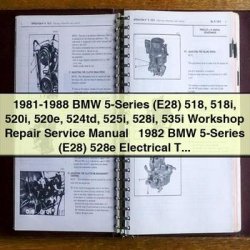
$16.99
The 5-Series (E28), produced from 1981 to 1988, represents a significant era in executive sedan engineering, embodying a commitment to performance and sophisticated design. Available in various models including the 518, 520i, 524td, and the powerful 535i, this generation offered a blend of driving dynamics and understated luxury. Its driver-focused cockpit, balanced chassis, and precise steering contributed to its reputation as a premier driving machine. The E28's engineering quality and reliability, hallmarks of the brand, made it a strong competitor in its segment, appealing to those who valued both comfort and an engaging driving experience.
$16.99
The BMW 5-Series, chassis code E28, produced from 1981 to 1988, represents a significant era in executive sedan engineering. This generation offered a range of engine variants, including the 518, 518i, 520i, 520e, 524td, 525i, 528i, and 535i, catering to diverse performance and efficiency needs. Building upon its predecessor, the E28 introduced enhanced aerodynamics, more sophisticated fuel injection systems, and a refined interior, solidifying BMW's reputation for sporty handling and luxurious comfort. It was praised for its driving dynamics, build quality, and performance, with the M5 model achieving legendary status.
$16.99
The BMW 5-Series, chassis code E28, specifically the 525i model produced between 1981 and 1988, represents BMW's commitment to engineering excellence in the luxury executive sedan segment. This generation, powered by the robust M30B25 inline 6-cylinder engine, embodies BMW's signature blend of performance, luxury, and driver engagement. Known for its sophisticated design and capable handling, the E28 was a strong competitor in its class, offering a premium driving experience that appealed to discerning owners. Its legacy is built on the foundation of BMW's reputation for creating reliable and well-engineered vehicles.
$16.99
This manual covers the BMW 5-Series, specifically the E28 model 525i produced between 1981 and 1988. Known for its robust engineering and refined driving experience, the 525i features a 2.5-liter inline 6-cylinder engine with Bosch L-Jetronic fuel injection, delivering approximately 150 horsepower. This sedan, available with a 4-speed manual or 3-speed automatic transmission, exemplifies BMW's commitment to performance and reliability, making it a sought-after vehicle for enthusiasts and everyday use.

$16.99
This manual covers the BMW 5-Series, chassis code E28, specifically the 525i model, produced between 1981 and 1988. The E28 generation represents BMW's mid-size executive sedan offering from the 1980s, renowned for its sporty handling, luxury appointments, and driver-focused interior. It embodies BMW's philosophy of building the 'Ultimate Driving Machine,' featuring a balanced weight distribution, sophisticated independent suspension, and robust inline-six engines like the M30B25. This model is characterized by its iconic design, including the distinctive 'Hofmeister kink' on the C-pillar, and was a strong competitor in its segment.
$16.99
This manual covers the 5-Series, specifically the E28 chassis, with the 528i variant, produced between 1981 and 1988. Hailing from Germany, this executive sedan is renowned for its refined inline-six engines, balanced chassis, and characteristic build quality, embodying the ethos of driving enjoyment. The E28 is recognized for its classic design, driver engagement, and robust engineering, making it a sought-after vehicle for automotive enthusiasts. Its M30B32 inline-6 engine, displacing 3.2 liters, offered a compelling blend of performance and smoothness for its era, complemented by either a 5-speed manual or a 4-speed automatic transmission.

$16.99
This manual covers the BMW 5-Series (E28) 528i, produced between 1981 and 1988. Known for its sophisticated engineering and commitment to 'Sheer Driving Pleasure,' the E28 platform represented a significant evolution in BMW's executive sedan lineup. The 528i variant, powered by a 2.8-liter inline-six engine, offered a compelling blend of performance, comfort, and driver engagement, distinguishing itself from competitors through its superior driving dynamics and refined powertrain. This model is recognized for its robust build quality and the enduring appeal of its classic design.
$16.99
This manual covers the BMW 5-Series, specifically the E28 chassis, produced between 1981 and 1988, with a focus on the 528i model. Renowned for its understated elegance, driver-focused ergonomics, and robust engineering, the E28 generation of the 5-Series is celebrated for its superior handling, exceptional build quality, and reliable inline-six engines. It represented BMW's commitment to the 'Ultimate Driving Machine' ethos, offering a blend of luxury and performance that positioned it as a leading executive sedan against competitors like Mercedes-Benz and Audi.
$16.99
This manual covers the BMW 525i, chassis code E28, produced between 1981 and 1988. Known for BMW's reputation for engineering excellence, performance, and driver engagement, the E28 generation offered updated styling and improved aerodynamics over its predecessor. The 525i, powered by an inline 6-cylinder M30B25 engine, was available with manual or automatic transmissions and featured four-wheel disc brakes, with Anti-lock Braking System (ABS) as an available option. This model is recognized for its robust chassis construction and general reliability when properly maintained, making it a beloved classic among enthusiasts.

$16.99
This manual covers the BMW 525i, specifically the Second Generation E28 model produced from 1981 to 1988. Known for embodying BMW's philosophy of being 'The Ultimate Driving Machine,' this executive sedan is characterized by its exceptional driving dynamics, robust build quality, and a focus on performance and driver engagement. The E28's modern classic design, coupled with its luxury sport sedan market positioning, made it a notable competitor against marques like Mercedes-Benz and Audi during its era. Its engineering excellence and reputation for longevity are key selling points, reflecting BMW's heritage in creating durable and engaging vehicles.
$16.99
The BMW 525i, chassis code E28, represents a significant era for the marque, produced between 1981 and 1988. This executive sedan embodies BMW's philosophy of 'The Ultimate Driving Machine,' offering a blend of refined comfort and engaging performance. Its iconic Bertone-influenced styling, characterized by classic BMW lines and aerodynamic enhancements, set it apart in the luxury sedan segment. Powered by a robust inline 6-cylinder M30 engine, typically displacing 2.5 liters and featuring Bosch fuel injection, the 525i was known for its smooth power delivery and engineering precision, making it a favored choice for discerning drivers.
$16.99
The BMW 525i (E28) represents a significant chapter in the brand's history, produced from 1981 through 1988. This luxury sport sedan is characterized by its robust M30 inline-six engine, rear-wheel-drive platform, and classic BMW design. Known for its exceptional driving dynamics, refined handling, and comfortable interior, the 525i was engineered to offer a compelling blend of performance and everyday usability, appealing to drivers who valued both spirited driving and premium comfort. Its engineering quality and reliability have cemented its status as a desirable vehicle for enthusiasts and collectors alike.
$16.99
This comprehensive workshop repair service manual covers the BMW 525i (E28) models produced between 1981 and 1988. The E28 5 Series, a distinguished executive mid-size sedan, embodied BMW's commitment to delivering 'The Ultimate Driving Machine.' The 525i variant, powered by the robust 2.5-liter M30 inline-six engine, offered a compelling balance of performance and refinement, making it a notable competitor in its segment against vehicles like the Mercedes-Benz W123/W124 E-Class and Audi 100/200. Known for its sophisticated engineering, agile handling, and driver-focused interior, the E28 has earned a reputation for quality and durability.
$16.99
This manual covers the 525, chassis code E28, produced from 1981 to 1988. The E28 generation represented dedication to luxury, performance, and superior engineering within the executive sedan market of its time. Known for its balanced chassis, potent M30 inline-six gasoline engines, and driver-focused interior, the 525 exemplified the "Sheer Driving Pleasure" philosophy, offering robust build quality and refined driving dynamics that set it apart from competitors like the Mercedes-Benz W123/W124 and Audi 100/200.
$16.99
The BMW 5 Series, specifically the E28 generation produced from 1981 to 1988, represents a pinnacle of executive sedan engineering, renowned for its balanced chassis, responsive steering, and robust inline-six engines. Models such as the 525i and 528i offer a compelling blend of performance and luxury, embodying BMW's commitment to driving dynamics and understated sportiness. These vehicles were designed to compete with established luxury marques, delivering an engaging driving experience that prioritized driver connection and refined handling. The E28 generation is celebrated for its elegant design, functional interior, and the characteristic sporty character that defined BMW vehicles of the era, making it a sought-after model for enthusiasts.
$16.99
The BMW 525i, chassis code E28, represents a classic German luxury sedan produced between 1981 and 1988. This model is renowned for its robust M30 inline-six engine, delivering approximately 150-170 horsepower, and its celebrated driving dynamics. Built on a rear-wheel-drive platform, the E28 525i offers a sophisticated design for its era, emphasizing engineering excellence and a driver-focused experience, positioning it as a strong contender against competitors like the Mercedes-Benz E-Class and Audi 100.

$16.99
The 525i, chassis code E28, produced from 1981 to 1988, represents a distinguished era of executive sedan engineering. This model, powered by a 2.5-liter inline-six engine, exemplified a commitment to a harmonious blend of performance, luxury, and refined driving dynamics. Known for its excellent handling, robust build quality, and driver-focused interior, the E28 525i was a benchmark in its class, competing with other prominent European luxury sedans. Its classic design and engineering prowess continue to appeal to enthusiasts seeking a premium automotive experience from the 1980s.
$16.99
The BMW 525i, chassis code E28, produced between 1981 and 1988, represents a significant chapter in the evolution of the executive sedan. Renowned for its exceptional build quality, sophisticated suspension, and precise steering, this model embodied BMW's philosophy. Powered by the smooth and robust M30 inline-six engine, typically displacing 2.5 liters, the 525i offered a refined blend of performance and luxury, appealing to affluent buyers seeking a durable and dynamically capable vehicle. Its design, which saw a notable facelift in 1985, featured improved aerodynamics and a timeless aesthetic, making it a benchmark among its contemporaries.
$16.99
The BMW 525i, chassis code E28, represents the second generation of BMW's acclaimed 5 Series executive sedan, produced from 1981 to 1988. This model is celebrated for its sophisticated engineering, robust build quality, and driver-centric design, offering a compelling blend of luxury and performance. Known for its comfortable ride and advanced inline-six engines, such as the M30B25, the 525i was a direct competitor to other premium sedans of its era. Its distinctive attributes include a driver-focused interior, excellent chassis dynamics, and a reputation for reliability when properly maintained, earning it frequent recognition on Car and Driver's '10Best' lists.
$16.99
The BMW 525i, specifically the E28 chassis code, represents a significant era in executive sedan engineering, produced from 1981 to 1988. This model is recognized for its robust construction, refined driving dynamics, and the powerful M30B25 2.5-liter inline-six engine, reflecting a commitment to performance and driver engagement. Known for its balanced handling and comfortable ride, the 525i was a strong contender in its market segment, offering a blend of luxury and sportiness that has cemented its place in automotive history. Its design philosophy emphasized a driver-centric experience, making it a sought-after vehicle for enthusiasts and those appreciating quality craftsmanship.
$16.99
This manual covers the BMW 525i, Second Generation E28, produced from 1981 to 1988. Known for its engineering excellence and driver-focused dynamics, the E28 5 Series is celebrated for its sharp styling and robust build quality. It represented a significant evolution in BMW's executive sedan lineup, offering a blend of performance, comfort, and reliability that earned it frequent appearances on prestigious automotive lists. This vehicle is designed for those who appreciate a premium driving experience and enduring German engineering.

$16.99
This manual covers the 525i E28, a distinguished executive sedan produced from 1981 to 1988. Renowned for its driver-focused engineering and balanced chassis, the E28 represents a significant era in the pursuit of the ultimate driving machine. It embodies the commitment to quality, offering robust performance primarily through its inline 6-cylinder M30B25 engine, known for its smooth power delivery and reliability. This generation of the 5 Series sedan was designed to excel in both spirited driving and comfortable long-distance travel, making it a highly regarded vehicle for enthusiasts and everyday use alike.
$16.99
The BMW 525i, specifically the E28 generation produced from 1981 to 1988, represents a pinnacle of executive and luxury sports sedan engineering. Renowned for its balanced chassis, rear-wheel-drive dynamics, and driver-focused design, the E28 embodies BMW's commitment to delivering the 'Ultimate Driving Machine.' This model, powered by the robust M30 inline-six engine, offers exemplary German build quality and interior comfort, making it a durable and engaging vehicle for both daily commuting and spirited driving. Its competitive positioning against other luxury marques of the era highlights its sophisticated design and performance capabilities.
$16.99
This workshop service repair manual covers the BMW 525i, generation E28, produced between 1981 and 1988. Known for its renowned driving dynamics, sophisticated engineering, and the smoothness of its inline-six M20B25 engine, the 525i was a benchmark in the executive sedan segment. This model emphasized BMW's commitment to performance and build quality, offering a compelling blend of luxury and sportiness that set it apart from competitors of its time.
$16.99
This manual covers the BMW 528 and 528i models from the E28 chassis generation, produced between 1981 and 1988. These executive sedans are celebrated for their robust engineering, superior driving dynamics, and comfortable ride, embodying BMW's commitment to the 'Ultimate Driving Machine' philosophy. Featuring a 2.8-liter inline 6-cylinder M30 engine, these vehicles offered a blend of performance and luxury, making them a benchmark in their class during their production run.
$16.99
The BMW 528i, part of the E28 chassis generation, represents the executive mid-size sedan segment from 1981 to 1988. Renowned for its balanced handling, responsive steering, and refined inline-six engines, this model embodies BMW's commitment to the 'Ultimate Driving Machine' ethos. Its exceptional German engineering and build quality, coupled with a driver-focused interior, positioned it as a strong competitor against luxury marques of its era. The 528i was designed for discerning drivers who valued performance, luxury, and enduring reliability, making it a significant success that solidified BMW's presence in the global automotive market.
$16.99
This manual covers the BMW 5 Series, specifically the 528 and 528i models (chassis code E28), produced between 1981 and 1988. These executive luxury sedans were renowned for their performance-oriented driving dynamics, robust engineering, and sophisticated design, embodying BMW's philosophy of creating "The Ultimate Driving Machine." The E28 generation marked a significant evolution from its predecessor, offering refined chassis dynamics and advanced engine technology for its time, making it a benchmark in the luxury sedan segment and a frequent recipient of accolades such as Car and Driver's '10Best' lists.
$16.99
This manual covers the 528 and 528i models, code-named E28, produced between 1981 and 1988. These executive sedans are celebrated for their refined engineering, emphasizing driving dynamics and driver engagement, hallmarks of commitment to performance. Powered by the robust M30B28 inline 6-cylinder engine, these vehicles offered a blend of luxury and sportiness, competing with contemporary offerings from other premium manufacturers. The E28 chassis represented a significant advancement in mid-size luxury sedan lineage, known for its solid build quality and driver-focused cockpit.

$16.99
This workshop service manual covers the BMW 5 Series, specifically the 528 and 528i models from 1981 to 1988, chassis code E28. These executive/luxury sedans were celebrated for their driving dynamics, build quality, and understated luxury, embodying BMW's philosophy. Designed for automotive enthusiasts, DIY mechanics, and professional repair shops, this manual provides comprehensive information to maintain and repair these vehicles, preserving their performance and longevity.
$16.99
The BMW 528, chassis code E28, represents a significant era in the brand's history, produced between 1981 and 1988. This model embodies BMW's renowned engineering prowess, offering a blend of performance and luxury that appealed to discerning drivers. Powered by the robust M30B28 inline 6-cylinder engine, this sedan was designed for both spirited driving and comfortable daily use. Its sophisticated styling and driver-focused interior, coupled with a reputation for reliability and build quality, cemented the E28's status as a benchmark in its class and a favorite among automotive enthusiasts.
$16.99
The BMW 528i, part of the E28 generation produced from 1981 to 1988, represents a pinnacle of mid-size luxury sedan engineering. Renowned for its sporty handling, driver-focused design, and premium build quality, the E28 platform offered a balanced weight distribution and the smooth, powerful performance characteristic of BMW's legendary inline-six engines. This model was positioned to compete with other premium European sedans, emphasizing its 'Ultimate Driving Machine' ethos through its robust chassis and dynamic capabilities, making it a highly regarded vehicle in its segment and a celebrated icon in automotive history.
$16.99
This manual covers the BMW 5 Series, chassis code E28, produced from 1981 to 1988, including the 528i, 535i, and M535i models. Renowned for embodying BMW's philosophy of "The Ultimate Driving Machine," the E28 series blended engineering excellence, performance, and refinement. These vehicles were designed with advanced technology for their era, offering a sophisticated driving experience and solid build quality, establishing BMW's reputation in the executive sedan market.
$16.99
The BMW 528i E28, produced from 1981 to 1988, represents a significant era in BMW's legacy of luxury sports sedans. Known for its robust engineering, refined handling, and the powerful M30B28 inline-six engine, this model offered a compelling blend of performance and comfort. The E28 generation built upon its predecessor's foundation, introducing improved aerodynamics and a more contemporary design, cementing BMW's reputation for building driver-focused vehicles. Its durable construction and the characteristic BMW driving dynamics made it a popular choice for those seeking a premium sedan with enduring appeal.

$16.99
The BMW 528i, chassis code E28, represents a significant era for BMW, produced from 1981 to 1988. This executive sedan is renowned for its robust M30 inline-6 engine, delivering approximately 184-190 horsepower, and its sophisticated engineering that embodies BMW's commitment to driving performance and luxury. Designed to offer a blend of comfort for daily use and spirited driving dynamics, the E28 528i was a popular choice among discerning drivers and cemented BMW's reputation as a manufacturer of high-quality, driver-focused vehicles. Its build quality and classic styling continue to make it a sought-after model for enthusiasts and collectors.
$16.99
The BMW 528i, chassis code E28, produced from 1981 to 1988, represents a significant era in the evolution of the luxury executive sedan. Renowned for its driver-centric experience, balanced rear-wheel-drive dynamics, and exceptional build quality, the E28 embodied BMW's commitment to performance and engineering. This model offered a refined driving experience, characteristic of German automotive craftsmanship, and was a strong competitor in its segment, appealing to buyers who valued both comfort and spirited driving. Its robust inline-six engine and durable construction contributed to its reputation for reliability.
$16.99
This manual covers the BMW 528i (E28) models produced between 1981 and 1988. The 528i is characterized by its robust inline-6 M30B28 engine, delivering approximately 181 horsepower and 169 lb-ft of torque, paired with a rear-wheel-drive system. Notable features include Bosch L-Jetronic fuel injection, a choice of 4-speed manual or 3-speed automatic transmissions, and a sophisticated chassis design with monocoque construction and an integrated safety cage. Its engineering quality and reliability are hallmarks of the BMW brand, making it a respected luxury executive sedan of its era.
$16.99
The BMW 528i, produced from 1981 to 1988 under the E28 chassis code, represents a significant era for BMW's executive sedan offerings. Known for embodying the brand's philosophy of 'The Ultimate Driving Machine,' this model combines robust engineering with a focus on driver engagement. Its inline-6, 2.8-liter engine, typically featuring Bosch electronic fuel injection, delivers a balance of performance and refinement, characteristic of BMW's commitment to quality and reliability. The E28 528i is recognized for its clean design language, driver-centric interior, and excellent handling dynamics, making it a highly regarded modern classic.

$16.99
The BMW 528i E28, produced from 1981 to 1988, represents a distinguished era of executive sedans, embodying BMW's commitment to engineering excellence and the "Ultimate Driving Machine" philosophy. Powered by the robust M30B28 2.8-liter inline-6 engine, this rear-wheel-drive vehicle offers a blend of performance and refinement, making it a sought-after model for enthusiasts. Known for its sophisticated design and engaging driving dynamics, the E28 generation provided a premium automotive experience, building upon the heritage of its predecessors and setting a standard for its class.
$16.99
This manual covers the 528i, specifically the E28 generation produced from 1981 to 1988. The 528i, equipped with the M30B28 inline-6 engine, represents a significant era in history, known for its refined driving dynamics, robust engineering, and the premium sedan experience it offered. This model is recognized for its balance of performance and comfort, embodying a commitment to sporty luxury during its production years.

$16.99
The BMW 528i, chassis code E28, represents the second generation of BMW's executive sedan, produced between 1981 and 1988. Building upon the legacy of its predecessor, the E28 is celebrated for its sharp, aerodynamic styling, refined engineering, and the enduring BMW philosophy of providing 'The Ultimate Driving Machine.' Powered primarily by the robust inline 6-cylinder M30 engine, the 528i offered a compelling blend of performance and comfort, making it a distinguished choice for discerning drivers. Its reputation for build quality and driving dynamics was widely recognized by automotive press during its production years, solidifying its status as a benchmark in its class.
$16.99
This technical workshop manual provides comprehensive information for the BMW 528i E28, covering production years 1981 through 1988. The BMW 528i E28, powered by the M30B28 inline 6-cylinder engine, is renowned for its sophisticated engineering, driver-focused dynamics, and the robust build quality characteristic of BMW's legacy. This executive sedan, a significant advancement in its generation, offers a blend of performance and luxury, making it a desirable vehicle for enthusiasts and daily use alike. Its design emphasizes structural integrity and a refined driving experience, reflecting BMW's commitment to automotive excellence.
$16.99
This manual covers the 528i, a distinguished executive sedan produced between 1981 and 1988 under the E28 generation code. Renowned for embodying a philosophy of superior driving, the 528i is characterized by its robust engineering, responsive inline 6-cylinder M30 engine, and a focus on driver engagement. This model represented a significant advancement in the mid-size offering, known for its balanced handling, refined interior, and durable construction, making it a desirable vehicle for both daily driving and spirited journeys.
$16.99
The BMW 528i (E28), produced from 1981 to 1988, stands as a distinguished executive sedan renowned for its exceptional engineering, smooth inline-six engine, and the embodiment of BMW's 'Ultimate Driving Machine' philosophy. This model competed effectively in its segment, offering a sophisticated blend of performance and luxury. Its robust build quality and advanced chassis dynamics for the era contributed to its strong reputation. The 528i featured a 2.8-liter M30 engine, delivering approximately 180-184 horsepower, paired with either a 5-speed manual or a 4-speed automatic transmission. Key technological features for its time included optional ABS, power windows, and cruise control, all contributing to its status as a benchmark in its class.
$16.99
The BMW 528i, specifically the E28 generation produced from 1981 to 1988, represents a pinnacle of executive luxury sedan engineering. Renowned for its exceptional build quality and the characteristic BMW driving dynamics, this model offered affluent buyers a blend of performance, refinement, and German craftsmanship. Powered by a smooth and potent 3.4-liter inline-six engine, the 528i delivered ample torque and a sophisticated driving experience, solidifying BMW's reputation as the maker of the 'Ultimate Driving Machine.' Its design, a precursor to later styles, was both aerodynamically efficient and aesthetically pleasing, making it a strong competitor in its segment.
$16.99
The BMW 528i, part of the E28 generation, represents a significant chapter in the marque's history as a mid-size luxury sports sedan. Produced from 1981 through 1988, this model was renowned for its exceptional driver-focused dynamics, robust M30 engine, and sophisticated engineering. It offered a compelling blend of performance and comfort, competing effectively in its segment. The 528i's key features included a powerful inline-6 engine, advanced suspension systems for its time, and solid build quality, all contributing to BMW's reputation for creating the ultimate driving machine.
$16.99
The BMW 528i, model code E28, produced between 1981 and 1988, is a distinguished executive sedan celebrated for its blend of performance, luxury, and engineering prowess. Powered by the robust M30B28 inline-6 engine, known for its smooth delivery and substantial torque, this model offered a compelling driving experience. The E28 was lauded for its superior handling, driver-focused interior, and solid build quality, setting a benchmark for sport sedans of its era and solidifying BMW's reputation for creating vehicles that prioritize driving pleasure and refined dynamics.
$16.99
This workshop service manual provides comprehensive information for the BMW 528i, produced between 1981 and 1988, chassis code E28. As a cornerstone of BMW's executive sedan lineup, the 528i embodied the brand's "Ultimate Driving Machine" ethos, characterized by its robust inline-six engines, superior handling, and a reputation for quality build. This generation, designed by Paul Bracq, featured distinctive angular styling and offered a blend of performance and luxury, positioning it as a strong competitor in its segment.
$16.99
The BMW 528i, specifically the E28 generation produced between 1981 and 1988, represents a pinnacle of executive and luxury sports sedan engineering. Known for its robust M30 inline-6 engine, renowned for durability and longevity, and a chassis engineered for superior handling and driver engagement, the 528i embodies BMW's commitment to the 'Ultimate Driving Machine' philosophy. Its high-quality materials and meticulous German engineering contribute to a premium feel and lasting value, making it a distinguished choice in its market segment.
$16.99
This manual provides comprehensive repair and service information for the BMW 5 Series (E28) models 518i and 525i, produced between 1981 and 1988. The E28, the second generation of BMW's esteemed 5 Series, is recognized for its robust engineering, driver-focused performance, and distinctive styling, solidifying BMW's reputation in the luxury sedan market. This guide is designed to assist owners and technicians in maintaining the integrity and performance of these classic vehicles, covering essential aspects from routine maintenance to complex overhauls.
$16.99
The BMW 5 Series, specifically the E28 generation produced from 1981 to 1988, stands as a testament to German engineering, blending executive comfort with engaging driving dynamics. This mid-size luxury sedan was renowned for its driver-focused cockpit, refined inline-six engines, and a rear-wheel-drive platform that delivered exceptional handling. Distinguished by its clean, influential styling and a commitment to a philosophy of superior driving, the E28 offered a sophisticated and performance-oriented alternative in the competitive executive car market of its era, making it a cherished model among enthusiasts and discerning drivers alike.
$16.99
This manual covers the BMW 3 Series (E30) and 5 Series (E28) models produced between 1981 and 1991. These vehicles, including variants such as the 316, 318i, 320i, 325i, 518i, 525i, 528i, and 535i, are renowned for their exceptional engineering, driver-focused performance, and enduring build quality. The E30 3 Series is celebrated for its agile handling and sporting appeal, while the E28 5 Series offers a blend of luxury and performance, epitomized by models like the M535i and the iconic M5. Both generations represent a significant era in BMW's history, known for their balanced chassis, responsive engines, and driver engagement.
$16.99
The BMW 518i, produced between 1981 and 1991, represents a segment of BMW's executive sedan line known for its balanced performance and quality engineering. Initially based on the E28 chassis and later evolving into the E34 platform, this model offered an efficient entry point into the 5 Series, typically featuring an approximately 1.8-liter inline-4 cylinder engine. These vehicles were designed for discerning drivers, blending a comfortable ride with the brand's characteristic driving engagement. Notable features of the era included advanced fuel injection systems like Bosch L-Jetronic, and optional amenities such as cruise control and Anti-lock Braking System (ABS) on later models. BMW's commitment to robust construction and driver-focused design made the 518i a reliable choice for daily commuting and longer journeys.
$16.99
This manual covers the BMW 5 Series, specifically the 518i model with the E28 chassis code, produced between 1981 and 1991. The 518i, powered by the M10B18 1.8-liter inline-4 engine, represents BMW's commitment to delivering a premium executive sedan experience. Known for its timeless design, driver-focused ergonomics, and robust engineering, the E28 generation offered a blend of luxury, performance, and reliability, positioning it as a strong contender in its segment. This model emphasizes classic BMW driving dynamics and a durable powertrain, making it a desirable vehicle for enthusiasts and those seeking quality craftsmanship.
$16.99
This manual covers the BMW 5 Series, specifically the 518i model from the E28 generation, produced between 1981 and 1991. The E28 represented BMW's commitment to sporty executive sedans, offering a blend of robust engineering, refined interiors, and engaging driving dynamics that defined the brand. The 518i, as an entry-level variant, provided a more accessible yet still characteristic BMW driving experience, competing effectively in its segment through its focus on build quality and driver-centric design.
$16.99
The BMW 518i, part of the E28 generation, was produced from 1981 through 1991. This entry-level luxury sedan is renowned for its balanced chassis, classic BMW driving dynamics, and a fuel-injected inline-4 engine, typically the M10B18. Designed with a focus on driver engagement and comfort, the 518i offered a blend of performance and practicality, competing in the executive sedan market against models like the Mercedes-Benz W124 E-Class. Its robust engineering and timeless design have contributed to its enduring appeal among enthusiasts.
$16.99
This manual covers the BMW 5 Series, specifically the 518i model with the E28 chassis code, produced between 1981 and 1991. The E28 generation represented a significant evolution in BMW's mid-size executive sedan offerings, building upon a reputation for renowned driving dynamics, robust engineering, and refined interiors. The 518i, equipped with a 1.8-liter inline-4 cylinder engine featuring Bosch fuel injection, was designed as a capable and durable vehicle, competing in the mid-size luxury segment against established European manufacturers. Its strengths included a high-quality build, comfortable and driver-focused cabin, and the characteristic BMW performance and handling that defined the brand.
$16.99
The BMW 5 Series, specifically the 525i models produced between 1981 and 1991, represents a significant era in executive sedan engineering. These vehicles, built on the E28 and later E34 chassis, are renowned for their exceptional driving dynamics, a hallmark of BMW's commitment to the 'Ultimate Driving Machine' philosophy. Characterized by solid construction and high-quality materials, the 525i offered a sophisticated blend of performance and luxury, competing effectively with other premium marques of the period. Its rear-wheel-drive platform and balanced chassis provided an engaging driving experience, making it a desirable choice for enthusiasts and discerning owners.
$16.99
This manual covers the 525i, model code E34, produced between 1981 and 1991. Known for embodying a driving philosophy, the 525i of this era is recognized for its sophisticated engineering, robust build quality, and engaging driving dynamics. Powered by the M20B25 inline 6-cylinder engine, this model offered a blend of performance and luxury, making it a distinguished choice for discerning drivers. Its design and capabilities have earned it a notable place in automotive history, praised for its balance and reliability.
$16.99
This manual covers the BMW 525i, specifically models from the E28 chassis generation produced between 1981 and 1991. Renowned for its sporty handling, robust engineering, and driver-focused cockpit, the BMW 525i represents a significant entry in the executive luxury sedan market. Its distinguishing factors include classic rear-wheel drive dynamics, the inherent smoothness of its inline-six M30B25 engine, and the iconic BMW design language. This vehicle was engineered with a commitment to performance and quality, positioning it as a desirable option for automotive enthusiasts and those seeking a refined driving experience.
$16.99
The BMW 525i, part of the Second Generation (E28) series produced from 1981 to 1991, represents BMW's commitment to engineering excellence in the executive sedan segment. Known for its iconic styling, robust build quality, and the renowned smoothness of its M30 2.5L inline-six engine, the E28 525i offered a compelling blend of performance and luxury. Its reputation as an 'Ultimate Driving Machine' was solidified by its balanced chassis, responsive steering, and the reliable rear-wheel-drive platform, making it a benchmark among its contemporaries.
$16.99
This workshop service repair manual covers the BMW 525i, chassis code E28, for the model years 1981 through 1991. Known for its sporty driving dynamics, refined engineering, and robust build quality, the E28 5 Series established BMW's reputation in the executive sedan segment. The 525i, powered by the durable M30B25 inline-six engine, offered a balance of performance and comfort, making it a distinguished choice against competitors of its time. This manual provides comprehensive guidance for maintaining and repairing this iconic vehicle.
$16.99
The BMW 525i, model code E28, represents the second generation of BMW's executive sedan, produced from 1981 through 1991. This model embodies BMW's renowned 'Ultimate Driving Machine' ethos, characterized by sporty handling, driver engagement, and robust engineering. Designed for discerning drivers who value performance and build quality, the 525i was a strong competitor in the luxury mid-size sedan market. It featured a 2.5-liter inline 6-cylinder M30 engine, delivering approximately 150-170 horsepower, and was available with either a Getrag 5-speed manual or a ZF 4-speed automatic transmission. Its durable construction and sophisticated design made it a benchmark for its class.
$16.99
The 1981-1993 BMW 3-Series, chassis code E30, represents a pinnacle of compact executive car engineering, renowned for its sporty driving dynamics, driver-focused ergonomics, and iconic design. Available in Coupe, Convertible, Sedan, and Touring (Wagon) body styles, this generation offered a range of inline 4-cylinder and 6-cylinder engines, from the efficient M10 and M40 to the potent M20 and the legendary S14 found in the M3. Its balanced handling, rear-wheel-drive platform, and responsive steering cemented its reputation as a premium, engaging vehicle that competed effectively with contemporaries like the Mercedes-Benz 190E. The E30 is celebrated for its build quality and remains a highly sought-after modern classic.
$16.99
This manual covers the BMW 3-Series, chassis code E30, produced from 1981 to 1993. The E30 generation is renowned for its exceptional driving dynamics, robust engineering, and significant role in solidifying BMW's reputation for performance and driver engagement. It encompasses various body styles including sedan, convertible, and the iconic M3 variant, powered by a range of engines from 1.6L to 2.7L. The E30 is celebrated for its build quality and has become a highly regarded classic and collector's vehicle.
$16.99
The BMW 3 Series, specifically the E30 generation produced from 1982 to 1994 in North America, represents a significant era for the brand, solidifying its reputation for exceptional driving dynamics and robust engineering. Renowned for its balanced chassis, responsive steering, and rear-wheel-drive platform, the E30 offered a pure driving experience. Available in various body styles including sedans, coupes, and convertibles, and powered by efficient 4-cylinder (M10) and potent 6-cylinder (M20) engines, the 3 Series catered to a wide range of enthusiasts seeking performance and practicality. Its build quality and driver-focused design made it a benchmark in its class, earning accolades from automotive journalists and maintaining strong desirability among car enthusiasts.
$16.99
The BMW 3 Series E30, produced from 1981 to 1994, represents a significant era in automotive engineering, renowned for its balanced chassis, engaging driving dynamics, and robust build quality. Available as a Sedan, Coupe, Convertible, and Touring (Wagon), this generation offered a versatile platform catering to a wide range of enthusiasts. With a selection of engines including the M10 and M20 series, and options like the Limited Slip Differential, the E30 is celebrated for its enduring appeal and sporty character, making it a sought-after vehicle for both daily driving and spirited performance.
$16.99
This manual covers the BMW 5-Series E28 models produced between 1981 and 1998, including variants such as the 518, 518i, 520i, 520e, 524td, 525i, 528i, and 535i. The E28 represented BMW's commitment to the executive sedan segment, blending luxury, performance, and driver-centric ergonomics, continuing the brand's reputation for engineering quality and the 'Ultimate Driving Machine' ethos. Known for its sporty handling and robust construction, the 5-Series E28 competed with other premium sedans of its era and remains a sought-after vehicle for enthusiasts.
$16.99
This manual covers all 3 Series (E21) models from 1982. The 3 Series, particularly the E21 generation, established the compact executive sports sedan segment, building on a heritage of engineering quality and sporty driving dynamics. Designed by Paul Bracq, the E21 is recognized for its clean lines and driver-focused interior, offering a premium feel and engaging driving experience. This generation, produced from 1975 to 1983, primarily featured 2-door sedan body styles and was equipped with efficient 4-cylinder M10 or 6-cylinder M20 engines, delivering power outputs that varied by specific engine variant. Its robust construction and focus on handling, with features like independent suspension and four-wheel disc brakes, contributed to its critical acclaim and sales success.
$16.99
This manual covers the 1982 BMW 528e (E28), a mid-size luxury sedan from the early 1980s. The E28 generation represented BMW's commitment to its 'ultimate driving machine' philosophy, offering a blend of refined handling, driver engagement, and sophisticated engineering. The 528e model, powered by an efficient inline 6-cylinder 'eta' engine, was designed for professionals and driving enthusiasts seeking a premium and reliable vehicle. This particular generation continued BMW's legacy of producing well-built automobiles, with the E28 solidifying its reputation in the luxury sedan market.
$16.99
The BMW 5-series (E28) represents the 1982 model year iteration of BMW's executive sedan, renowned for its robust engineering, sophisticated handling, and driver-focused experience. This generation, produced from 1981 to 1988, is characterized by its sharp styling, powerful inline-six engines, and a commitment to performance that solidified BMW's reputation in the luxury sports sedan segment. The E28 offered a compelling blend of comfort and dynamic capability, making it a benchmark against competitors of its time and a highly regarded vehicle for enthusiasts.

$16.99
This Factory Service Repair Manual provides comprehensive information for the BMW 5 Series, specifically the 518 and 518i models with the E28 chassis, produced in 1982. As an executive sedan, the E28 was lauded for its balanced performance, sophisticated engineering, and driver-centric ergonomics, building on BMW's legacy of producing sporty and luxurious vehicles. The 518 and 518i variants offered BMW's hallmark driving experience, with the 518 featuring a 1.8-liter M10 engine with a carburetor, and the 518i equipped with the same engine but utilizing Bosch L-Jetronic fuel injection for enhanced efficiency and power. These models are recognized for their build quality and driving dynamics, making them a significant entry in the mid-size luxury car segment of their era.
$16.99
This manual covers the BMW 518, chassis code E28, produced in 1982. As an executive sedan, the 518 was the entry-level model in the E28 range, offering BMW's renowned driving dynamics and build quality at a more accessible price point. It represented a modernization over its predecessor with improved safety and refinement, competing with vehicles like the Mercedes-Benz W123 and Audi 100. The 518 is powered by a 1.8-liter inline-4 cylinder engine, typically featuring a carburetor or early fuel injection, and was available with manual transmissions.
$16.99
The BMW 518i, chassis code E28, produced in 1982, represents a significant entry in the executive sedan segment. Building on BMW's established reputation for driving dynamics and engineering excellence from the 1980s, this model offers a refined driving experience characterized by responsive steering and a focus on driver control. Powered by the reliable M10B18 inline-four engine, it was positioned as an accessible option within the 5 Series lineup, providing BMW's hallmark quality and performance. Its design, a modern interpretation of BMW's classic styling cues, contributed to its appeal in a competitive market that included other luxury European brands.
$16.99
The BMW 518i, part of the E28 chassis generation produced from 1981 to 1987, represents BMW's commitment to build quality, driving dynamics, and understated luxury in the executive sedan segment. This model, featuring an inline-4 cylinder, SOHC M10B18 engine with 1.8 liters of displacement, was positioned as an efficient entry-level option within the E28 range, offering the brand's characteristic driving engagement. Its design emphasizes a reinforced safety cell construction and was built to meet the safety regulations of its era, making it a robust and reliable vehicle for its intended purpose.
$16.99
This manual covers the BMW 518i, model year 1982, part of the E28 generation. Known for its engineering quality and reliability, the 518i was designed for comfortable and efficient transportation. This sedan offered a balance of performance and practicality, making it a notable vehicle of its era.
$16.99
This manual covers the BMW 5 Series, specifically the 525 and 525i models from 1982, chassis code E28. Known for its engineering excellence, driving dynamics, and build quality, this executive sedan was designed with a focus on driver engagement and robust mechanicals. Competitors at the time included the Mercedes-Benz W123 and Audi 100. The 5 Series of this era, a second-generation model, replaced the E12 and was praised for its sophisticated suspension and balanced handling, embodying BMW's reputation as a maker of sporty and reliable vehicles.
$16.99
This manual covers the BMW 525i (E28) from 1982, a premium sports sedan renowned for its blend of performance, luxury, and engineering quality. As a key model in the E28 generation, the 525i exemplifies BMW's commitment to driver engagement with its robust M30 inline-six engine, refined handling, and high-quality interior. This vehicle, produced primarily in Germany, represented a significant step in the evolution of the BMW sedan, offering a balanced package that competed effectively in the executive car market.
$16.99
The 1982 BMW 525i, part of the E28 generation, represented BMW's commitment to producing a driver-focused luxury sedan. Known for its robust engineering, smooth inline-six engine, and sophisticated handling for its era, the 525i was positioned as a premium vehicle offering a blend of performance and comfort. This model, built with BMW's characteristic attention to quality and durability, appealed to discerning drivers who valued driving dynamics and a refined experience. Its design and engineering laid the groundwork for BMW's enduring reputation as a manufacturer of the 'Ultimate Driving Machine.'
$16.99
This manual provides comprehensive information for the 1982 BMW 525i, chassis code E28, equipped with the M30B25 engine. As a luxury executive sedan, the 525i represented BMW's commitment to refined engineering, offering a blend of performance, comfort, and sophisticated styling. Known for its rear-wheel-drive dynamics, robust inline-six engine, and excellent build quality, the E28 generation was a significant evolution in BMW's mid-size offering, solidifying its reputation for delivering a superior driving experience.
$16.99
The BMW 5 Series, specifically the 1982 528i (E28) model, represents a significant entry into the executive sedan market, blending performance, luxury, and robust engineering. Building on BMW's heritage, this model is characterized by its sophisticated handling, powerful inline-six M30B28 engine, and a driver-focused interior. It offered advanced features for its time, including Bosch L-Jetronic fuel injection and a choice of manual or automatic transmissions, positioning it as a premium offering against its contemporaries. The E28 generation is recognized for its solid build quality and enduring reputation, serving as a foundation for performance variants like the M5.
$16.99
This manual covers the BMW 528e, a luxury executive sedan produced in 1982. As part of the E28 generation, the 528e is distinguished by its BMW M20 'Eta' engine, a 2.7-liter inline-six designed for enhanced fuel economy. This model features a Bosch Motronic fuel injection system and was available with either a 4-speed manual or a 3-speed automatic transmission. Known for its engineering quality and reliability, the 528e offered a balance of performance and efficiency, making it a notable vehicle in BMW's lineup.
$16.99
The BMW 528i, chassis code E28, represents a distinguished era of German automotive engineering, produced from the 1982 model year. This executive sedan, powered by the robust M30B28 2.8-liter inline-six engine, was designed to offer a refined driving experience, blending sophisticated styling with performance credentials. Known for its driver-focused cockpit, balanced handling, and solid build quality, the 528i established BMW's reputation in the mid-size luxury segment, competing with established European marques. Its understated elegance and commitment to the 'Ultimate Driving Machine' ethos made it a sought-after vehicle for professionals.
$16.99
The BMW 528i, produced between 1981 and 1988 under the E28 chassis code, represents a pinnacle of German engineering in the executive luxury sedan segment. Known for its sporty handling, robust build quality, and the refined M30B28 inline-six engine, this model embodies BMW's philosophy of "Sheer Driving Pleasure." The 528i offered a compelling blend of performance, comfort, and driver engagement, setting a benchmark against competitors like Mercedes-Benz and Audi during its production run. Its design emphasized aerodynamics and interior ergonomics, making it a sophisticated and capable vehicle for its era.
$16.99
The 1982 BMW 528i, part of the E28 generation, represents a premium sports sedan renowned for its balanced chassis, responsive steering, and the robust M30 engine. This model offered a blend of performance and luxury, competing with established European marques and featuring amenities such as leather upholstery and air conditioning. Its engineering quality and driver-focused design cemented BMW's reputation for building high-performance vehicles.
$16.99
This manual pertains to the 1982 BMW 733i, model code E23, a luxury sedan known for its sophisticated engineering and performance. As BMW's inaugural entry into the full-size luxury segment, the E23 established a benchmark for driving dynamics and comfort, embodying the brand's commitment to creating vehicles that are both powerful and refined. The 733i, powered by a 3.2-liter inline-six engine and available with manual or automatic transmission, offered a premium driving experience that set it apart from contemporaries like the Mercedes-Benz S-Class and Jaguar XJ. Its design, characterized by clean lines and a commanding presence, reflects a timeless automotive aesthetic.
$16.99
The BMW 7-Series E23, produced from 1977 to 1986, represents the first generation of BMW's dedicated large luxury sedan. The 1982 model year embodies the brand's commitment to advanced engineering, sophisticated design, and refined ride quality, often competing in the premium luxury sedan market against rivals like the Mercedes-Benz S-Class. Notable for its powerful inline-six engines, featuring Bosch L-Jetronic or Motronic fuel injection, and available with either a manual or automatic transmission, the E23 was engineered to deliver a superior driving experience, living up to BMW's reputation for building "The Ultimate Driving Machine." Its advanced features for the era, including four-wheel independent suspension, disc brakes, power steering, and available ABS, underscored its position as a technologically capable and luxurious vehicle.
