



BMW 02 Series

The BMW 02 Series is a range of compact coupes and convertibles produced by BMW from 1966 to 1977. The 02 Series was based on the BMW 1600, and it was the first BMW to feature a four-cylinder engine. The 02 Series was a success for BMW, and it helped to establish the company as a leader in the compact car market.
The 02 Series was available in a variety of models, including the 1600, 1602, 2002, and 2002tii. The 1600 was the base model, and it was powered by a 1.6-liter engine. The 1602 was a more powerful version of...

$16.99
This Service Workshop Repair Manual provides comprehensive technical information for the BMW F 650 CS, a motorcycle produced between 2001 and 2005. Known for its distinctive design and practical versatility, the F 650 CS features a single-cylinder, four-stroke engine with electronic fuel injection, liquid cooling, and a 5-speed manual gearbox. Its engineering quality is reflected in its reliable performance and rider-focused features, including a belt drive system and optional ABS. This manual is designed to assist owners and technicians in understanding and maintaining this unique BMW model.
$16.99
The BMW F 650 CS, also known as the Scarver, is a naked sport/commuter motorcycle produced between 2001 and 2005. This model, part of the E169 generation, was designed with a focus on urban versatility and distinctive styling, featuring a covered fairing and an integrated storage compartment. It is powered by a 652 cc single-cylinder engine with Electronic Fuel Injection (EFI), delivering approximately 48 hp and 63 Nm of torque, and utilizes a low-maintenance belt drive system. Key features include its aluminum alloy frame, optional ABS, and a comfortable riding position, making it a practical choice for daily commuting and recreational riding.
$16.99
The BMW K1100LT and K1100RS represent a significant era in BMW Motorrad's engineering heritage, offering a blend of touring comfort and sporty performance. Produced for model years encompassing 1999-2002 and beyond, these motorcycles are powered by a liquid-cooled, four-stroke, inline four-cylinder engine displacing approximately 1093 cc, delivering robust power and torque. Known for their characteristic shaft drive and advanced engineering for their time, including features like ABS II on many models, the K1100 series embodies BMW's commitment to quality, reliability, and rider experience, making them popular choices for long-distance travel and spirited riding.
$16.99
This manual covers the BMW F650 motorcycle, produced in 1998. This liquid-cooled, single-cylinder motorcycle features a 652 cc engine with fuel injection and a 5-speed manual transmission. Known for its robust engineering and reliability, the F650 is designed for versatile use. Notable features include a dual front disc and single rear disc braking system, telescopic front forks, and Monolever rear suspension. Optional ABS was available on some models, and it is equipped with halogen headlights and LED lighting for visibility.
$16.99
This manual covers the BMW F650 CS, a motorcycle produced between 2001 and 2005. Known for its versatile design and often featuring a Rotax-engineered engine, the F650 CS is part of BMW's F-series lineage. This factory service repair manual, written in Spanish, provides comprehensive coverage for technicians, mechanics, and enthusiasts looking to maintain and repair this model. Its detailed content reflects BMW's engineering legacy and the specific technical data relevant to the F650 CS.
$16.99
This manual covers the F650 Funduro, a dual-sport motorcycle recognized for its versatility and robust engineering. Produced primarily from 1993 to 2000 and often referred to as the F650GS (E169 chassis code), this model represents an entry into mass-produced single-cylinder motorcycles. It is designed for both on-road commuting and off-road exploration, offering an upright riding position and a steel tubular frame for durability. The F650 Funduro features a 652 cc, four-stroke, single-cylinder engine producing approximately 48 horsepower and 42 lb-ft of torque, paired with a 5-speed transmission and a wet multi-plate clutch. Its design prioritizes accessibility and reliability, making it a popular choice for a wide range of riders.
$16.99
The BMW F650CS, also known as the Scarver, represents a unique blend of urban practicality and renowned engineering quality, produced between 2002 and 2005. This model is characterized by its distinctive crossover styling, a robust single-cylinder engine derived from Rotax, and features designed for everyday usability. With its aluminum alloy frame, comfortable riding position, and versatile performance, the F650CS was engineered to excel in urban environments and light touring, offering an accessible yet capable riding experience that reflects a commitment to reliability and rider satisfaction.

$16.99
The BMW F650CS, also known as the F 650 CS or by its chassis code E169, is a versatile motorcycle produced approximately between 2001 and 2005. Designed as a lightweight adventure and urban commuter, it features a reliable single-cylinder Rotax 654E engine with a displacement of 652 cc, liquid cooling, and Bosch Motronic electronic fuel injection. Its key attributes include a low seat height of approximately 780 mm, comfortable ergonomics, and a practical design that makes it suitable for city riding, touring, and light off-road excursions. The F650CS is recognized for its accessible nature and BMW's characteristic engineering quality, offering a blend of practicality and performance for a wide range of riders.
$16.99
The BMW F650CS, also known as the City Scarver, is a distinctive urban and commuter motorcycle produced by BMW Motorrad between 2001 and 2005. This model, built on the E169 platform and manufactured in Italy, is powered by a reliable 654cc Rotax single-cylinder engine, known for its smooth operation and practical performance. Its design philosophy emphasizes agility, style, and ease of use, making it an ideal choice for city riding and light touring. Unique selling points include its distinctive aesthetic, integrated storage solutions, and the renowned build quality associated with BMW, offering a blend of practicality and engaging riding dynamics.
$16.99
The BMW F650GS, produced generally from 2000 through 2008, represents a versatile mid-weight adventure touring motorcycle, often praised for its reliability and accessibility. Building upon the heritage of the F650 Funduro, this model is known for its robust, Rotax-derived parallel-twin engine, offering a balance of on-road comfort and off-road capability. Its lower seat height and manageable weight make it an approachable option within its segment, often competing with models like the Suzuki V-Strom 650 and Kawasaki KLR650. The F650GS is characterized by its adaptable design, making it suitable for a wide range of riding conditions and rider experience levels.
$16.99
The F650GS, designated by chassis code E169, is a mid-weight adventure touring motorcycle renowned for its versatility, reliability, and comfort. Produced primarily between 1993 and 2007, this model offers a capable platform for both on-road touring and light off-road excursions. It features an inline 2-cylinder, four-stroke, liquid-cooled engine with electronic fuel injection, delivering approximately 48 horsepower and 63 Nm of torque. Its robust steel trellis frame, dual disc front brakes, and optional ABS system contribute to its solid engineering and safety. The F650GS is a popular choice for riders seeking a balanced machine that excels in a variety of conditions, embodying a heritage of quality and performance.
$16.99
This manual covers the F650GS (Single Cylinder), chassis code E169, a versatile dual-sport/adventure touring motorcycle produced from approximately 1993 to 2007. Known for its accessible seat height and a robust, Rotax-built single-cylinder engine, the F650GS is celebrated for its reliability and adaptability for both on-road commuting and light off-road exploration. This model, with its 652 cc liquid-cooled engine featuring electronic fuel injection, offers a balance of performance and efficiency, making it a popular choice in its segment, often compared to models from Honda, Suzuki, Kawasaki, and Yamaha.
$16.99
The F650GS (E169) represents a significant entry in the lightweight adventure touring motorcycle segment, renowned for its user-friendly nature, versatility, and robust single-cylinder engine. Introduced in 1993 and produced through the early 2000s, this model offers riders an accessible platform for both daily commuting and extended touring, with capabilities extending to light off-road excursions. Its design emphasizes comfortable ergonomics, good fuel economy, and a reliable riding experience, making it a popular choice for riders seeking a capable yet unintimidating adventure motorcycle. The reputation for engineering quality and durability is evident in the F650GS, which has earned high owner satisfaction and frequent praise for its value and all-around performance.
$16.99
The BMW F65CS represents a pinnacle of automotive engineering, embodying the brand's renowned commitment to driving dynamics and performance. This model, often characterized by its sporty design and enhanced capabilities, is built for enthusiasts who appreciate precision, power, and a luxurious driving experience. With a heritage rooted in performance-oriented vehicles, the F65CS likely features advanced engine technology, sophisticated chassis dynamics, and a driver-focused interior, making it a compelling choice for those seeking exhilarating performance in a refined package.
$16.99
This comprehensive service and repair manual covers the motorcycle, a model known for its performance-oriented design in the enduro and dual-sport categories. Building on a heritage, the was developed with innovative engineering for competitive riding. This manual provides detailed information for all model years of the, offering insights into its engine performance, drivetrain, suspension, and braking systems.
$16.99
This manual covers the [Vehicle Make] [Vehicle Model], produced between [Start Year] and [End Year]. This vehicle is engineered for [Intended Usage] and is recognized for its [Notable Feature 1] and [Notable Feature 2]. The [Vehicle Model] embodies a commitment to robust engineering and dependable performance, making it a distinguished choice in its class. Its design prioritizes [Key Engineering Aspect] and [Key Performance Aspect], ensuring a superior driving experience and lasting value for its owners.
$16.99
This Technical Manual provides comprehensive information for BMW vehicles and other specialized devices. Designed as a Digital Technical Manual, it serves as a vital resource for understanding and maintaining these sophisticated machines. The manual is engineered to offer detailed insights, ensuring that users have access to the precise data required for optimal performance and longevity of their BMW products. Its content reflects the renowned engineering quality and reliability associated with the BMW brand.
$16.99
The BMW K 1100 LT and K 1100 RS, produced between 1989 and 1996, represent a significant evolution in BMW Motorrad's K series. These motorcycles are characterized by their robust four-stroke, horizontally-opposed four-cylinder Boxer engines, displacing 1093 cc and featuring DOHC with four valves per cylinder, delivering approximately 100 horsepower. The K 1100 LT, with its extended fairing and touring focus, and the sportier K 1100 RS, both exemplify BMW's commitment to engineering excellence, offering reliable performance and advanced features for their time, including optional ABS II on many models.

$16.99
The K 1200 LT, produced between 1999 and 2009, stands as a premium, full-dress touring motorcycle, engineered with a distinctive German approach to long-distance comfort and performance. This model is characterized by its powerful inline-four cylinder engine, shaft drive for reduced maintenance, and an integrated fairing designed for optimal rider protection. Key features include comfortable seating for both rider and passenger, substantial luggage capacity, and advanced systems like ABS and optional cruise control, positioning it as a capable moto-tourer.
$16.99
The BMW K 1200 RS is a distinguished sport-touring motorcycle, produced generally between 1997 and 2004. Renowned for BMW's commitment to sophisticated engineering, the K 1200 RS features a liquid-cooled, four-stroke inline four-cylinder engine with electronic fuel injection and a shaft drive. Its design emphasizes rider comfort and performance for long-distance journeys, incorporating advanced features such as an aluminum alloy frame, integral ABS braking system, and often Telelever front suspension and Paralever rear suspension. This model represents BMW's established reputation for quality, durability, and performance in the premium motorcycle market.
$16.99
The K1100 LT and K1100 RS represent a significant chapter in motorcycle engineering, produced from approximately 1992 to 1998. These motorcycles are powered by a 1093 cc, liquid-cooled, inline four-cylinder engine, delivering around 100 horsepower and 70 lb-ft of torque, featuring Bosch Motronic fuel injection. Known for their robust construction and long-distance touring capabilities, particularly the LT model with its integrated storage, these bikes are equipped with a 5-speed transmission, shaft drive, and advanced ABS II braking systems. Their design and engineering reflect a commitment to quality, reliability, and performance in the motorcycle segment.

$16.99
The BMW K1100LT and K1100RS models represent a significant era in BMW's motorcycle engineering, produced approximately from 1991 to 1999. These motorcycles evolved from the distinctive 'flying brick' design, featuring a powerful 1093 cc inline four-cylinder, liquid-cooled engine with a 16-valve configuration and Bosch Motronic fuel injection. The K1100LT was specifically crafted for long-distance touring, characterized by its full fairing and comfortable ergonomics, while the K1100RS offered a sportier profile with a half-fairing and a more assertive riding posture. Both models are known for their smooth power delivery, shaft drive reliability, and robust construction, making them enduring choices for discerning riders.
$16.99
This manual covers the K1100LT and K1100RS models, produced from approximately 1990 to 1999. These motorcycles represent a commitment to advanced engineering and rider comfort, featuring a longitudinal inline four-cylinder engine with electronic fuel injection and shaft drive. The K1100LT was designed for long-distance touring, offering a comfortable riding position and ample amenities, while the K1100RS provided a sportier profile for enthusiasts who enjoyed spirited riding. Both models were known for their robust construction, reliability, and integrated safety features, such as the optional Integral ABS.
$16.99
This manual covers the K1100LT and K1100RS motorcycles, often referred to by their "K-Series Flying Brick" nickname. Produced between 1991 and 1999 for the LT and 1992 to 1996 for the RS, these bikes are celebrated for their liquid-cooled, four-stroke, inline-four cylinder engines, displacing 1093cc. The LT model is equipped with a full fairing for enhanced rider comfort and wind protection, making it ideal for long-distance touring, while the RS variant offers a sport-touring configuration. Both models showcase a legacy of engineering excellence, reliability, and robust construction, featuring advanced technologies for their time, including optional ABS II systems and sophisticated Bosch Motronic fuel injection.
$16.99
The K1100LT and K1100RS represent a significant chapter in motorcycle history, offering premium touring and sport-touring experiences during their production run, primarily from 1991 to 1999. These models are distinguished by their robust 1031cc inline-four cylinder engines, shaft drive, and advanced (for the era) ABS II braking system. The K1100LT, designed for long-distance comfort, featured extensive fairings and integrated luggage, while the K1100RS provided a more performance-oriented, yet still comfortable, riding posture. Both models showcased a commitment to engineering quality, durability, and rider-focused design, setting them apart in a competitive market with their unique blend of performance and touring capability.
$16.99
This manual covers the K1100LT and K1100RS motorcycles, produced from approximately 1991 to 1999. These models represent a commitment to engineering excellence, offering a powerful four-stroke, liquid-cooled, flat-four cylinder engine with Bosch Motronic electronic fuel injection. The K1100LT is designed for ultimate touring comfort with a full fairing and amenities for long-distance travel, while the K1100RS offers a sportier profile for performance-oriented riders. Both models are renowned for their reliability and sophisticated design, building upon a rich heritage in motorcycle innovation.
$16.99
The BMW K1100LT and K1100RS, produced from approximately 1991 to 1999, represent a significant evolution in BMW's K-series motorcycle line. Building upon the foundation of the K100, these models featured a robust four-stroke, liquid-cooled, inline four-cylinder engine with a displacement of 1035 cc, delivering around 100 horsepower. The K1100LT offered a full-fairinged touring experience with enhanced comfort, while the K1100RS provided a sport-touring profile. Both models were known for their smooth power delivery, shaft drive, and advanced (for their time) features such as ABS II. Their engineering quality and reliability have cemented their status as capable and enduring sport-touring machines.
$16.99
This manual covers the K1100LT and K1100RS models, produced between 1991 and 1996. These motorcycles represent a commitment to engineering excellence in the luxury sport-touring and touring segments. The K1100LT, designed for extensive travel, features full fairings for superior wind protection and rider comfort, often including premium amenities. The K1100RS offers a sport-touring focus with more aggressive ergonomics and a streamlined profile. Both models are powered by a longitudinally mounted, liquid-cooled, 1093 cc inline-four engine with fuel injection and shaft drive, delivering approximately 100 horsepower and 104 Nm of torque. Key features include optional ABS for enhanced safety and a robust trellis frame for stability.

$16.99
The BMW K1100LT and K1100RS, produced from 1991 to 1996, represent BMW Motorrad's commitment to engineering excellence and rider comfort. These motorcycles, powered by a liquid-cooled, 1093cc inline-four engine, offered approximately 100 horsepower and were distinguished by their robust shaft drive, advanced ABS II braking system, and durable construction. The K1100LT variant was designed for long-distance touring with a focus on comfort and weather protection, while the K1100RS provided a sportier yet still capable riding experience. These models competed in the premium sport-touring segment, building upon BMW's heritage of innovative technology and reliable performance.
$16.99
The BMW K1100LT and K1100RS models, produced between 1991 and 1999, represent a significant evolution in BMW's K-series motorcycle line. These bikes, powered by a 1093cc inline four-cylinder engine, were designed for both touring comfort (LT) and sporty riding (RS). They are recognized for their robust engineering, liquid-cooled engines featuring Bosch Motronic fuel injection and dual spark plugs per cylinder, and the reliable monolever shaft drive system. The K1100 series built upon the foundation of its predecessors, offering improved performance, refined aerodynamics, and advanced braking systems, including optional ABS, showcasing BMW Motorrad's commitment to quality and innovation.
$16.99
The BMW K1100LT and K1100RS motorcycles represent a significant chapter in BMW's touring and sport-touring heritage. Produced from 1992 to 1999, these models are characterized by their robust inline four-cylinder, liquid-cooled engines, displacing 1093 cc and delivering approximately 100-103 horsepower. The K1100LT, designed for luxury touring, often featured integrated audio systems and a more relaxed riding posture, while the K1100RS offered a sportier profile for more dynamic riding. Both models showcase BMW's commitment to engineering quality, featuring advanced technologies for their time such as Bosch Motronic electronic fuel injection and optional ABS. These motorcycles were engineered for reliability and long-distance comfort, competing in the premium sport touring segment.
$16.99
The BMW K1100RS, often affectionately known as the "Flying Brick," is a sport-touring motorcycle renowned for its robust engineering and comfortable touring capabilities. Produced between 1992 and 1996, this German-manufactured machine features a transverse inline-four cylinder, liquid-cooled engine with a displacement of 1037 cc, delivering approximately 100 horsepower and a torque of 95 Nm. Its design emphasizes aerodynamic efficiency with a full fairing and integrated windscreen, complemented by a shaft drive for low-maintenance operation. The K1100RS, chassis code K589, offers a blend of performance and long-distance comfort, making it a capable choice for extended journeys and spirited riding, and was positioned to compete with models like the Honda CBR1000F and Yamaha FJ1200.
$16.99
This manual covers the BMW K1100RS, a motorcycle renowned for its engineering quality and reliability. Featuring a four-stroke, inline four-cylinder engine with a displacement of 1093 cc, the K1100RS delivers approximately 100 hp and 101 Nm of torque, managed by a Bosch Motronic fuel injection system. Its robust design includes a trellis frame, telescopic front fork with anti-dive control, and a monolever rear swingarm, all contributing to its performance and handling characteristics.
$16.99
This manual covers the BMW K1100LT, R1100RS, R850GS, R1100GS, R850R, and R1100R models, primarily focusing on their first generation from the early to mid-1990s. These motorcycles represent BMW's commitment to engineering excellence, offering riders a blend of performance, comfort, and long-distance capability. The K-series, exemplified by the K1100LT, featured innovative inline-four engine technology, while the R-series, with its iconic Boxer twin, established BMW's reputation in the sport-touring and adventure segments. These machines were designed for riders seeking reliability and a premium experience, competing effectively in their respective markets through robust construction and rider-focused features.
$16.99
The BMW K1200RS, model designation K589, is a distinguished sport-touring motorcycle produced from 1996 to 2004. Renowned for its longitudinal inline-four cylinder engine, shaft drive, and distinctive aerodynamic fairing, this model embodies BMW Motorrad's legacy of engineering excellence, durability, and rider comfort. Designed for long-distance touring and performance-oriented riders, the K1200RS offers a blend of speed and comfort, making it a capable machine for extended journeys. Its robust construction and thoughtful design, including features like adjustable windshields and integrated bodywork, contribute to its reputation as a reliable and sophisticated motorcycle.
$16.99
The BMW K1200LT, produced from 1999 to 2009, is a luxury touring motorcycle renowned for its advanced engineering and comfort. Designed for long-distance travel, it features a powerful 1171cc inline-four cylinder engine, a sophisticated Duolever front and Monolever rear suspension system, and the Integral ABS II braking system. Key amenities include spacious accommodations for rider and passenger, integrated luggage, an electric windscreen, heated grips, and heated seats, all contributing to its reputation as a premier touring machine.
$16.99
The K1200LT, produced from 1999 to 2009, stands as a testament to German engineering excellence in the luxury touring motorcycle segment. Designed for discerning riders who prioritize comfort, performance, and advanced features on long-distance journeys, this model is characterized by its robust four-cylinder, liquid-cooled engine, producing approximately 100 horsepower and 84 lb-ft of torque. Notable touring appointments include a large, electrically adjustable windscreen, integrated fairings for rider protection, comfortable seating for two, and extensive luggage capacity via integrated saddlebags and a top case. Its inherent reliability and focus on rider comfort solidified its position as a premium choice against competitors like the Honda Gold Wing and Harley-Davidson Electra Glide.
$16.99
The K1200LT, produced from 1997 to 2009, is a luxury sport touring motorcycle renowned for its exceptional comfort and performance on long-distance journeys. Building on the established K-series platform, this German-engineered machine features a 1171 cc liquid-cooled, four-cylinder in-line engine delivering approximately 100 horsepower and 115 Nm of torque. Its design prioritizes rider amenities, including ergonomic seating, extensive fairing protection, integrated audio systems, and cruise control, making it a strong competitor in the premium touring segment against models like the Honda Gold Wing and Harley-Davidson Electra Glide. The K1200LT offers a 5-speed manual transmission with an optional reverse gear and shaft drive, contributing to its smooth and reliable touring experience.

$16.99
This manual provides comprehensive service and repair information for the motorcycle, produced between 1999 and 2004, model designation K589. Engineered by a division with a long history of producing high-quality, technologically advanced touring motorcycles, the K1200LT represents a pinnacle of the K-series line. It is renowned for its comfort, power, and features tailored for long-distance travel, building upon the legacy of its predecessors. Key technological features include Integral ABS, electronic fuel injection, and cruise control, all contributing to its reputation as a capable touring machine.
$16.99
This comprehensive manual covers the K1200LT, a distinguished touring motorcycle renowned for its blend of comfort, performance, and advanced engineering. Building on a legacy of producing high-quality, technologically advanced machines, the K1200LT was designed to excel in long-distance travel, offering a premium riding experience. Its robust construction and sophisticated systems reflect a commitment to durability and rider satisfaction, making it a premier choice for discerning touring enthusiasts.

$16.99
The BMW K1200LT, produced from 1999 to 2009, represents a pinnacle of luxury touring motorcycle engineering. Designed for discerning riders who prioritize comfort and capability on long journeys, this model features a sophisticated inline four-cylinder engine, renowned for its smooth power delivery and shaft drive reliability. Key attributes include an integrated aerodynamic fairing providing exceptional wind protection, spacious luggage capacity, and ergonomic seating for both rider and passenger. The K1200LT was engineered to offer a premium riding experience, competing with other high-end touring machines through its advanced features and meticulous construction, embodying a heritage of quality and innovation.
$16.99
The K1200LT, also known as the K 589, is a luxury touring motorcycle produced from 1997 to 2005. This model is powered by a 1171cc inline four-cylinder Boxer engine, delivering approximately 100 hp and 82 lb-ft of torque. It features a 5-speed manual transmission, shaft drive, and a hydraulically operated dry clutch. Key technological advancements include an electronically adjustable windscreen, standard cruise control, and an optional integrated audio system. Safety is enhanced by Integral ABS II, linked front and rear braking, and a robust aluminum bridge frame, making it a comfortable and capable machine for long-distance touring.
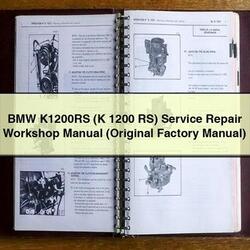
$16.99
The BMW K1200RS, produced from 1997 to 2004, is a distinguished sport-touring motorcycle renowned for its blend of performance, comfort, and advanced engineering. This model, identified by chassis code K589, features a water-cooled, four-stroke, inline four-cylinder engine displacing 1171 cc, delivering approximately 130 hp. Its design philosophy emphasizes a fusion of sportbike agility with long-distance touring capability, incorporating technological advancements such as BMW's Telelever front suspension, Paralever rear drive, and the sophisticated ABS II braking system. The K1200RS competed effectively in the sport-touring segment, offering a high level of comfort and handling that set a benchmark for its era.
$16.99
The BMW K1200RS, produced from 1997 to 2004, is a premium sport touring motorcycle renowned for its smooth power delivery and advanced technology for its era. Building on the legacy of BMW's K-series, this model offers comfort for long distances, making it a capable machine for extended journeys. Its liquid-cooled, four-stroke, inline four-cylinder engine, displacing 1171 cc, provides approximately 110 horsepower and 85 lb-ft of torque. The motorcycle features a shaft drive, a hydraulically operated wet multi-plate clutch, and a 5-speed manual transmission, all housed within an aluminum composite frame for enhanced rigidity.
$16.99
The BMW K1200RS, produced from 1997 to 2005, is a distinguished sport-touring motorcycle renowned for its blend of performance, comfort, and advanced engineering. Featuring a transverse-mounted, inline four-cylinder engine displacing 1171 cc, it delivers 127 horsepower and 117 Nm of torque, driven by a shaft drive system. Its aluminum integral frame and sophisticated Integral ABS system contribute to its stable and responsive handling. Designed for enthusiast riders, the K1200RS offers a premium experience for both long-distance touring and spirited riding, building upon the heritage of its predecessors.
$16.99
The BMW K1200RS, produced from approximately 1997 to 2005, is a distinguished sport-touring motorcycle renowned for its powerful inline-four engine, advanced Telelever front suspension, and robust build quality. This model, featuring a 1171 cc liquid-cooled engine with electronic fuel injection and a 6-speed transmission, offers a comfortable yet exhilarating riding experience, making it a strong contender in its segment. Its unique selling points include exceptional engineering, a comfortable riding position for long distances, and a reliable shaft drive system, all contributing to its reputation as a capable and enduring machine.
$16.99
This comprehensive service and repair manual covers the BMW K1300R, K1300S, and K1300GT motorcycles, produced approximately between 2009 and 2015. These models are renowned for their potent 1293cc inline-four engines, advanced electronics, and shaft drive, offering a blend of performance and comfort. The K1300R and K1300S are positioned as high-performance sportbikes, while the K1300GT provides a refined sport-touring experience. Built with characteristic engineering quality, these motorcycles represent a significant evolution in their K-series platform, known for their reliability and innovative features such as optional Electronic Suspension Adjustment (ESA) and Automatic Stability Control (ASC).
$16.99
This manual covers the BMW K75 and K100 LT models, including all 2-valve variants. These motorcycles, part of BMW Motorrad's innovative K-series introduced in 1983, are recognized for their smooth inline engines, shaft drive, and robust engineering, making them reliable companions for touring and everyday riding. The K-series represented a significant technological advancement for BMW, featuring longitudinal engine mounting and a steel backbone frame that contributed to their stable handling and distinctive ride quality.
$16.99
This service repair workshop manual provides comprehensive information for the BMW Marine B190 / B220 Gasoline Engine, designed for marine propulsion. These gasoline engines are engineered for reliability and performance, ensuring a dependable experience on the water. This manual is an essential resource for understanding and maintaining the quality and unique capabilities of your BMW Marine engine.
$16.99
This manual provides comprehensive information for the BMW D7 marine engine. Engineered for reliability and optimal performance, the D7 diesel engine is designed for demanding marine applications. This guide details its robust construction and the engineering quality that defines BMW's commitment to excellence in marine propulsion.
$16.99
This document provides comprehensive service information for the BMW Marine D7 engine. Engineered for reliability and performance, the Marine D7 represents a commitment to quality in marine propulsion. This manual is designed to support the operation and longevity of your BMW marine engine, ensuring it meets the demanding requirements of maritime use.
$16.99
This manual covers the BMW Marine D7 marine engine, a robust and reliable piece of engineering designed for demanding marine applications. The D7 is built to the highest standards, ensuring performance and durability on the water. Its advanced design and quality construction make it a preferred choice for those who depend on their marine propulsion systems.
$16.99
This workshop service repair manual provides comprehensive information for the marine engine. Engineered for reliability and performance, this diesel engine delivers 130 HP and is designed for demanding marine applications. Its robust construction and advanced engineering ensure consistent operation and longevity, making it a trusted choice for marine power.
$16.99
This manual covers the BMW Motorrad R1200GS, R1200GS USA, R1200RT, R1200RT (USA), R1200ST, and R1200ST (USA) models produced between 2004 and 2009. These motorcycles, powered by the robust Boxer Twin engine, are renowned for their engineering quality, reliability, and versatility, offering exceptional performance for both adventure touring and long-distance travel. The R1200 series represents a significant evolution in BMW's motorcycle lineage, known for its advanced technology, including optional ABS and ASC, and its characteristic shaft drive system.
$16.99
This workshop service repair manual provides comprehensive guidance for the N55 Engine, a high-performance automotive engine designed for optimal power and efficiency. Engineered with precision, the N55 represents a commitment to advanced technology and driving dynamics, making it a cornerstone for enthusiasts and drivers alike. This manual covers all models, engine variants, trim levels, and transmission types, ensuring thorough support for every N55 application.
$16.99
This technical training manual covers the N55 engine, an advanced internal combustion engine designed for automotive propulsion. Renowned for its sophisticated engineering, the N55 features an inline 6-cylinder configuration with Twin-Scroll Turbocharging, Valvetronic III, and Double VANOS technology, delivering exceptional performance and efficiency. Its robust construction, including a precisely engineered engine housing, block, crankshaft, pistons, connecting rods, and cylinder head, ensures reliability and longevity for demanding automotive applications.
$16.99
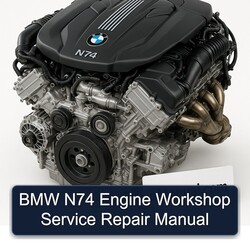
This workshop service repair manual provides comprehensive guidance for the BMW N74 Engine, an internal combustion engine designed for automotive applications. The N74 engine is known for its engineering quality and reliability, offering robust performance for demanding use. This manual covers essential aspects of its operation and maintenance, ensuring that owners and technicians can effectively manage and preserve the engine's capabilities.
$16.99
This manual covers the R90, R90S, and R90/6 models, produced from 1973 to 1976. These German-manufactured motorcycles are recognized as large-displacement luxury sport touring bikes, known for their robust engineering, shaft drive, distinctive boxer engine configuration, and touring capabilities. The R90S, in particular, offered sportier styling with dual front disc brakes and specialized carburetors. These models were engineered to provide enhanced performance and comfort, positioning them as premium options against competitors of their era.
$16.99
This manual covers the BMW R 1150 R ABS, a standard motorcycle produced between 1999 and 2006. Known for its air-cooled, four-stroke Boxer twin-cylinder engine and shaft drive, the R 1150 R offers a blend of comfort and performance suitable for touring and everyday riding. Its engineering quality and reliability are hallmarks of the BMW Motorrad legacy, tracing back to the iconic R series. Notable features include the Telelever front and Monolever rear suspension systems, and an integral ABS braking system, all contributing to its distinctive character and capable handling.

$16.99
This workshop service repair manual provides comprehensive information for the motorcycle, a touring model renowned for its comfortable ride and advanced engineering for its production years. Built upon a robust boxer twin-cylinder engine platform, this motorcycle offers a displacement of 1130 cc, producing approximately 95 hp and 70 lb-ft of torque. Key features include the innovative Integral ABS system, a 6-speed gearbox, and a sophisticated Telelever front and Paralever rear suspension system, all designed to enhance rider control and comfort during long-distance journeys. The R 1150 RT represents a significant step in touring motorcycle evolution, offering a blend of performance, reliability, and rider-focused technology.
$16.99
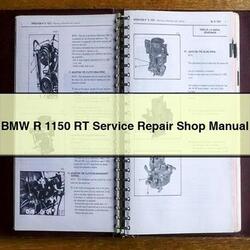
The BMW R 1150 RT is a distinguished touring motorcycle, produced from 2001 to 2004, building upon the legacy of its predecessor. Powered by an air-cooled, four-stroke, two-cylinder boxer engine with a displacement of 1130 cc, it delivers 95 horsepower and 70 lb-ft of torque, offering a robust and reliable performance for long-distance journeys. Key features include a 6-speed manual gearbox, shaft drive, and the advanced Integral ABS II braking system, enhancing safety and control. Its engineering quality is recognized for durability and comfort, making it a highly regarded sport-touring machine known for its exceptional ride characteristics.
$16.99
This manual covers the BMW R 1150 RT, a luxury sport touring motorcycle produced between 2001 and 2004. Known for its robust air/oil-cooled, 1130 cc boxer-twin engine and advanced Telelever front suspension, the R 1150 RT offers exceptional comfort and handling for long-distance journeys. Its engineering emphasizes reliability and practicality, featuring shaft drive for low maintenance and a comprehensive suite of touring amenities such as substantial wind protection and integrated luggage options. This model represents BMW's commitment to producing high-quality, versatile motorcycles designed for extensive travel.
$16.99
This manual provides comprehensive technical information for the R 1200 series motorcycles, covering models within the K2x chassis code. These iconic machines, known for their air/oil-cooled boxer twin engines and shaft drive, have evolved significantly from their predecessors, offering a blend of performance, refinement, and versatility across various styles, including Enduro, Sport Touring, and Roadster configurations. Typically producing around 100-110 horsepower and 75-85 lb-ft of torque from their 1170cc engines, the R 1200 series embodies a long-standing legacy of engineering excellence and innovation.
$16.99
This manual covers the motorcycles, produced from the mid-1990s to the mid-2000s. These models represent a distinctive approach to the cruiser segment, integrating renowned boxer-twin engine technology with classic styling elements. The models are known for their robust engineering, reliable performance, and unique design, offering a blend of German precision and cruiser comfort. They feature air-cooled, four-stroke boxer-twin engines with displacements of 848 cc for one model and 1170 cc for the other, both equipped with electronic fuel injection.
$16.99
The R100R, produced from 1991 to 1995, is a testament to classic motorcycle engineering, featuring a robust 979 cc horizontally-opposed twin-cylinder boxer engine. This model, part of the esteemed R100R Series, offers a distinctive blend of sport touring and roadster capabilities, characterized by its reliable shaft drive and signature build quality. Known for its enduring performance and rider-focused design, the R100R represents a celebrated lineage within motorcycle history, appealing to enthusiasts who appreciate its traditional riding experience and mechanical integrity.
$16.99
This manual covers the BMW R1100GS and R1100R models, featuring the 1085cc Boxer Twin Engine. Produced approximately between 1993 and 2006 for the GS and 1994 to 2001 for the R, these motorcycles represent a significant evolution in BMW's R series, incorporating advanced technologies such as electronic fuel injection and optional ABS. The R1100GS is distinguished by its Telelever front suspension, designed for versatile adventure touring, while the R1100R offers a more road-focused naked sportbike experience. Both models are known for their robust engineering and reliable performance, making them popular choices for long-distance travel and spirited riding.

$16.99
This manual covers the R1100RT, R1100RS, R1100GS, and R1100R models, representing the first generation of the R259 platform. These motorcycles are powered by a four-stroke, horizontally-opposed twin-cylinder boxer engine, air/oil cooled, with a displacement of 1085cc. Known for heritage of engineering excellence and durability, this series introduced innovations such as the Telelever front suspension and the Integral ABS system. The R1100 series, produced primarily from 1994 to 2000, offers a blend of performance, comfort, and capability, with specific models catering to touring, sporty riding, and adventure touring.

$16.99
This digital service repair manual covers a range of BMW Boxer-engined motorcycles, including the R1100RT, R1100RS, R1100GS, R1100R, R850GS, and R850R. These models, introduced from the mid-1990s onwards, are recognized for their robust engineering, comfort, and versatility, making them popular choices for touring and general riding. Built with characteristic attention to quality and durability, these motorcycles feature advanced technologies for their era, such as the Bosch Motronic fuel injection system and the sophisticated Telelever front and Paralever rear suspension systems. The Boxer twin-cylinder engine, known for its air/oil-cooling and dual spark plug configuration, provides reliable performance across various riding conditions.
$16.99
This manual provides comprehensive technical information for BMW R1100RT, R1100RS, R850GS, R1100GS, and R850R motorcycles, primarily produced in the mid-to-late 1990s and early 2000s. These models are known for their robust boxer-twin engine platform, representing a significant advancement in BMW's motorcycle engineering. They offer a blend of touring comfort, sporty performance, and off-road capability, reflecting BMW's long-standing reputation for quality, reliability, and innovation in motorcycle manufacturing.

$16.99
This manual covers a range of BMW R-series motorcycles, including the R1100RT, R1100RS, R850GS, R1100GS, R850R, and R1100R, all featuring the distinctive air/oil-cooled Boxer Twin engine. These models, produced from the mid-1990s to the early 2000s, represent a significant evolution in BMW's renowned motorcycle engineering, offering a blend of performance and reliability for touring, sport touring, and dual-purpose riding. BMW's heritage in motorcycle manufacturing is evident in the quality and innovation of these Boxer Twin machines, which are known for their robust construction and advanced features for their time, such as the optional BMW Motorrad ABS.
$16.99
This manual provides comprehensive technical information for a range of Boxer Twin motorcycles, including the R1100RT, R1100RS, R850GS, R1100GS, R850R, and R1100R models produced from approximately 1993 to 2000. These versatile machines, powered by 848cc or 1085cc air/oil-cooled boxer twin engines, are renowned for their engineering quality, touring comfort, and off-road capability, as exemplified by the R1100RT's integrated fairing and the R1100GS's adventure-ready design. The legacy of innovation is evident in these models, which feature technologies such as Bosch Motronic Electronic Fuel Injection and optional ABS systems, ensuring a blend of performance and rider safety.

$16.99
This manual covers the BMW R1100RT, R1100RS, R850GS, R1100GS, R850R, and R1100R models, produced from the mid-1990s to the early 2000s. These motorcycles are powered by a four-stroke, air/oil-cooled Boxer twin-cylinder engine, with displacements of 848 cc for the R850 variants and 1085 cc for the R1100 variants. Known for their robust engineering and touring capabilities, these models often feature advanced technologies for their time, including electronic fuel injection, dual spark ignition, and the innovative BMW Integral ABS system. The Telelever front suspension and Paralever rear suspension contribute to their stable and comfortable ride.
$16.99
This manual covers a range of Boxer Twin motorcycles, including the R1100RT, R1100RS, R850GS, R1100GS, R850R, and R1100R models produced from the mid-1990s to the early 2000s. These models are characterized by their air/oil-cooled, horizontally opposed twin-cylinder boxer engines, shaft drive with the innovative Paralever system, and the advanced Integral ABS II braking system. Known for their robust engineering, touring capabilities, and characteristic boxer engine torque, these motorcycles represent a significant evolution in heritage, offering comfort and reliability for riders.
$16.99
This manual covers the BMW R1100RT, R1100RS, R850GS, R1100GS, R850R, and R1100R models, primarily produced from the mid-1990s through the early 2000s. These motorcycles are renowned for their boxer-twin engines, shaft drive, and advanced engineering, offering a blend of touring comfort and sporty performance. The R1100 series represented a significant evolution for BMW's motorcycles, incorporating features like fuel injection and four-valve cylinder heads, making them a sophisticated choice for riders.
$16.99
This manual covers the R1100RT, R1100RS, R850GS, R1100GS, R850R, and R1100R models, which are part of the esteemed R1100 and R850 Series Boxer-Twin Motorcycles. These German-manufactured motorcycles, produced from the mid-1990s to the early 2000s, represent a significant evolution in motorcycle engineering, featuring air/oil-cooled, four-stroke boxer-twin engines with displacements of approximately 850cc and 1100cc. Known for their robust build quality and touring capabilities, especially the RT and RS variants with their integrated fairings, these bikes offer a blend of performance and comfort, powered by Bosch Motronic Electronic Fuel Injection and driven by a reliable shaft drive system.
$16.99
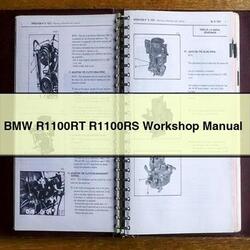
This workshop service repair manual covers the BMW R1100RT and R1100RS sport-touring motorcycles produced between 1993 and 2001. These models represent a significant evolution in BMW's boxer engine technology, featuring a four-valve per cylinder design and the innovative Telelever front suspension. Renowned for their comfort, touring capability, and robust engineering, the R1100RT and R1100RS are highly regarded for their durability when properly maintained. This manual provides comprehensive coverage for all mechanical and electrical repairs, offering detailed instructions, diagnostic flowcharts, and troubleshooting guidance to ensure optimal performance and longevity.
$16.99
This manual pertains to the R1100RT and R1100RS, first-generation models produced approximately between 1993 and 2001. These luxury sport-touring motorcycles are distinguished by their air-cooled, boxer-twin engines, sophisticated Telelever front and Paralever rear suspension systems, and integrated touring amenities. The brand is renowned for its engineering prowess, durability, and rider comfort, characteristics embodied by the R1100 series, which represented a significant technological leap with its 4-valve per cylinder boxer engine and modern chassis designs.
$16.99
This workshop repair service manual covers the BMW R 1100 S, a sport-touring motorcycle produced between 1998 and 2005. Known for its distinctive boxer-twin engine and blend of aerodynamic design with comfortable ergonomics, the R 1100 S offers a compelling combination of sporting performance and long-distance capability. Manufactured in Berlin, Germany, BMW Motorrad is recognized for its engineering quality and the reliability of its boxer-twin platform. This model, powered by a 1085 cc air/oil-cooled, DOHC flat-twin engine, features a 5-speed manual transmission with shaft drive and a hydraulically actuated clutch.
$16.99
The R1100S, produced from approximately 1998 to 2005, represents a significant evolution in sport-touring motorcycle lineage. Building upon a heritage of engineering excellence and reliability, the R1100S offered a more agile and performance-oriented riding experience compared to its touring-focused predecessors. Its boxer-twin, four-stroke engine, with a displacement of 1085 cc, delivered approximately 90 horsepower, coupled with a 5-speed manual transmission and shaft drive for a smooth and dependable ride. Notable features included the Bosch Motronic Electronic Fuel Injection system and optional ABS II, enhancing both performance and safety. The R1100S was designed for riders seeking a versatile machine capable of spirited riding and extended journeys, embodying a commitment to quality and innovation.

$16.99
The BMW R1100S, produced from 1996 to 2005, is a distinguished sport-touring motorcycle that embodies BMW's legacy of engineering excellence. This model is celebrated for its unique blend of agile handling, characteristic boxer-twin engine performance, and long-distance comfort, setting it apart from competitors. Key features include the innovative Telelever front suspension on some variants, the robust Paralever rear suspension, and the reliable shaft drive system, all contributing to its refined riding experience. With its powerful 1085 cc engine delivering approximately 90 horsepower, the R1100S offers a compelling combination of performance and practicality for both spirited riding and extended journeys.
$16.99
The BMW R1100S is a sport-touring motorcycle that expertly blends performance with the capability for long-distance riding. Produced from 1998 to 2005, this model is powered by a robust 1085 cc boxer-twin engine, delivering approximately 90 horsepower and 72 lb-ft of torque. Its engineering is characterized by a shaft drive, optional Integral ABS, and a chassis designed for agile handling. Manufactured in Berlin, Germany, the R1100S represents a commitment to quality and innovation in the sport-touring segment, offering a distinctive riding experience that appealed to enthusiasts seeking both spirited performance and touring comfort.
$16.99
The BMW R1100S, produced from 1996 to 2006, is a sport-touring motorcycle renowned for its robust engineering and reliable performance. Featuring a 1085 cc air/oil-cooled boxer twin engine, this model offers approximately 90 hp and 70 lb-ft of torque, delivered through a 5-speed manual transmission and shaft drive. Its design emphasizes a balance of sportiness and long-distance comfort, a hallmark of BMW Motorrad's heritage. With a substantial fuel capacity of 25 liters, it is well-suited for extended journeys. The R1100S was manufactured in Berlin, Germany, and is recognized for its distinctive styling and capable handling, making it a favored choice for discerning riders.
$16.99
The BMW R1100S, produced from 1996 to 2004, is a sport-touring motorcycle renowned for its blend of performance and long-distance capability. Featuring a 1085 cc air/oil-cooled boxer-twin engine, shaft drive, and advanced Telelever front and Paralever rear suspension systems, it offers a unique riding experience. This model, built in Berlin, Germany, is recognized for its sporty handling and touring comfort, making it a distinctive option within its segment, competing with models like the Honda VFR and Kawasaki Concours. Its engineering quality and reliability are hallmarks of BMW Motorrad's heritage.
$16.99
The BMW R1100S, produced from 1996 to 2005, represents a significant offering in the sport-touring motorcycle segment. Engineered with BMW's renowned Boxer Twin engine, this model combines a four-stroke, air/oil-cooled 1085 cc powerplant with a robust shaft drive system, delivering 90 hp and 74 lb-ft of torque. Its design philosophy emphasizes a balance of performance and long-distance comfort, making it a capable machine for both spirited riding and extended journeys. The R1100S is noted for its handling characteristics, durability, and the unique character of its engine configuration, solidifying its reputation as a versatile and reliable motorcycle.
$16.99
The R1100S, produced from 1996 to 2005, is a sport-touring motorcycle renowned for its blend of performance, comfort, and signature engineering quality. This first-generation model, chassis code 259S, features an air/oil-cooled 1085 cc flat-twin Boxer engine producing 90 hp and 74 lb-ft of torque, paired with a smooth-shifting 6-speed gearbox and shaft drive. Notable innovations include the Telelever front suspension system, offering superior handling and reduced dive, and the optional Integral ABS for enhanced braking safety. Designed for riders seeking a versatile machine capable of spirited riding and long-distance touring, the R1100S stands out for its agile dynamics and robust construction, reflecting a century-long legacy of motorcycle innovation.
$16.99
The BMW R 1100 S, produced from 1996 to 2004, is a premium sport-touring motorcycle celebrated for its unique blend of performance, comfort, and BMW's renowned engineering. It features a characteristically smooth and torquey 1085 cc Boxer-twin engine, delivering approximately 90 HP and 95 Nm of torque, coupled with a 5-speed manual transmission and shaft drive for low maintenance. Key innovations include the innovative Telelever front suspension and the single-sided swingarm, contributing to its distinctive handling and rider comfort. Aerodynamic fairings further enhance its touring capabilities, making it a capable machine for both spirited riding and long-distance journeys.
$16.99
This manual covers the BMW R 1150 R ABS, a naked sportbike produced between 1999 and 2006. Known for its robust engineering and reliable shaft drive, this model features an air/oil-cooled, 1130 cc flat-twin boxer engine producing 85 hp and 72 lb-ft of torque. Its design prioritizes versatility, suitable for both sporty commuting and touring. Key features include a steel tube trellis frame, a 6-speed transmission, and an optional Integral ABS system, a significant safety advancement for its era. The R 1150 R builds upon the legacy of BMW's boxer-twin motorcycles, offering a blend of performance, comfort, and enduring build quality.

$16.99
The BMW R1150 R / ABS is a sport-touring roadster motorcycle, produced approximately between 1999 and 2006. It is characterized by its torquey, 1130 cc air/oil-cooled boxer-twin engine, shaft drive for low maintenance, and robust build quality, reflecting BMW's heritage of engineering excellence. This model offers a distinctive ride, combining touring comfort with a sporty demeanor, and features an advanced (for its time) Integral ABS system for enhanced safety. Designed for riders seeking a reliable, characterful, and capable machine, the R1150 R stands out with its unique selling points of a low-maintenance drivetrain and strong German engineering.
$16.99
The BMW R1150GS, produced from 1999 to 2004, is a large-displacement adventure touring motorcycle renowned for its robust engineering and versatility. This model features a distinctive air- and oil-cooled, horizontally opposed twin-cylinder boxer engine with electronic fuel injection, producing approximately 85 horsepower and 98 Nm of torque. Its drivetrain utilizes a shaft drive connected to a single-sided swingarm, complemented by advanced suspension systems including BMW's Telelever front and Paralever rear. Known for its torque, comfort during long rides, and adaptability across various terrains, the R1150GS has earned widespread praise and is often considered a benchmark in the adventure touring segment.
$16.99
The BMW R1150GS, produced from 1999 to 2005, is a premium adventure touring motorcycle renowned for its rugged build and versatile performance across diverse terrains. Featuring a 1130 cc horizontally-opposed twin-cylinder Boxer engine delivering approximately 95 horsepower, it offers a robust platform for long-distance touring and off-road exploration. Its engineering quality is evident in its shaft drive, single-sided swingarm, and advanced suspension systems, including the Telelever front and Paralever rear. This model is designed for riders seeking a capable and reliable machine for varied riding conditions, building upon the legacy of its predecessor, the R1100GS.
$16.99
Welcome to the comprehensive guide for your Test Vehicle. Engineered for exceptional performance and reliability, this vehicle represents a commitment to quality and driver satisfaction. Its design prioritizes both comfort and capability, making it suitable for a wide range of driving experiences. We are confident that the Test Vehicle will meet and exceed your expectations for a dependable and enjoyable automobile.
$16.99
The BMW R1150GS, produced from 2000 to 2003, is a distinguished adventure touring motorcycle renowned for its robust engineering and exceptional versatility. Building on the legacy of its predecessors, this second-generation R11x0 Boxer model features a powerful 1130 cc air/oil-cooled boxer-twin engine, delivering 85 hp and 71 lb-ft of torque, coupled with a reliable shaft drive and the innovative Telelever front suspension. Its design prioritizes long-distance comfort and off-road capability, making it a benchmark in its class and a favored choice for riders undertaking extensive touring and exploration.
$16.99
This manual covers the BMW R1150R ABS, a naked sportbike or roadster produced between 1999 and 2004. Renowned for its robust build quality and rider comfort, the R1150R features a 1130 cc air/oil-cooled Boxer engine, shaft drive for low maintenance, and BMW's advanced Telelever front and Paralever rear suspension systems. Its integral ABS, a significant safety feature for its era, further enhances its appeal. The R1150R is recognized for its strong performance, versatility, and reliability, making it a capable machine for both daily commuting and long-distance touring.
$16.99
The BMW R1150R, produced between 2000 and 2004, represents a significant evolution in BMW Motorrad's renowned boxer-twin motorcycle lineage. This model is celebrated for its robust build quality, comfortable riding position, and flexible 1130 cc engine, delivering approximately 95 hp and 98 Nm of torque. Its engineering excellence is evident in its air/oil-cooled, four-stroke flat-twin engine, Bosch Motronic fuel injection, and shaft drive system, all housed within a sturdy tubular steel frame. The R1150R was designed for both touring and everyday riding, earning accolades for its practicality and reliable performance, reflecting BMW's long-standing heritage in motorcycle innovation.
$16.99
The BMW R1150R, produced between 1999 and 2004, is a distinguished sport-touring and roadster motorcycle known for its robust engineering and reliability, hallmarks of BMW Motorrad's heritage. Featuring a 1130 cc Boxer twin engine, Telelever front suspension, and shaft drive with the Paralever system, this model offers a unique blend of performance and comfort. Its air/oil-cooled DOHC engine delivers 95 hp and 75.2 lb-ft of torque, managed by a Bosch Motronic MA 2.4 fuel injection system. The optional Integral ABS II braking system further enhances its safety profile. This motorcycle is designed for riders who appreciate a capable machine for both spirited riding and longer journeys, reflecting BMW's commitment to quality and rider-centric design.
$16.99
The BMW R1150RT, produced between 1999 and 2005, is a distinguished touring motorcycle celebrated for its engineering quality and rider comfort. Featuring a robust 1130 cc four-stroke boxer engine with electronic fuel injection and oil/air cooling, it delivers approximately 95 horsepower and 72 lb-ft of torque. This model is equipped with a 6-speed manual gearbox, shaft drive, and an advanced Integral ABS system, enhancing both performance and safety. Its design prioritizes long-distance touring, with substantial dimensions and a focus on rider ergonomics, making it a reliable choice for extended journeys.

$16.99
The R1150RT ABS is a distinguished luxury touring motorcycle, part of the Second Generation R-Series Boxer family, produced from 2001 to 2005 in Berlin, Germany. Engineered for long-distance comfort and versatility, this model features a robust 1130 cc air/oil-cooled boxer-twin engine, shaft drive, and a 6-speed manual transmission. Notable advancements over its predecessor include increased displacement, enhanced power output, and an improved ABS system. Its design prioritizes rider comfort with a relaxed seating position, extensive fairing for weather protection, and an adjustable windscreen, making it a capable companion for extended journeys.
$16.99
The BMW R1150RT, a distinguished member of the Second Generation R1150 Series, represents engineering excellence in the sport-touring motorcycle segment. Produced generally between 2001 and 2005, this model is celebrated for its comfort, handling prowess, and the inherent reliability of its Boxer-twin, air/oil-cooled engine, which typically displaces 1130 cc and delivers approximately 95 horsepower. Featuring a shaft drive and a 6-speed transmission, the R1150RT is equipped with advanced systems such as integral ABS, contributing to its reputation for safe and enjoyable long-distance travel. Its full-faired design enhances aerodynamics, making it a capable machine for both daily commuting and extended touring expeditions.
$16.99
The R 1150 RT (ABS) is a distinguished sport-touring motorcycle, produced from 1995 to 2005, building upon the legacy of its predecessor, the R 1100 RT. This German-engineered machine is renowned for its reliable four-stroke, horizontally opposed twin-cylinder Boxer engine, displacing 1130 cc and producing approximately 95 horsepower. Key features that define its touring prowess and engineering excellence include the innovative Telelever front suspension, the robust shaft drive system, and the integrated Anti-lock Braking System (ABS). Designed for long-distance riders and commuters, the R 1150 RT offers comfortable ergonomics and a premium riding experience, setting it apart from competitors such as the Honda ST1100 and Yamaha FJR1300 during its production era.
$16.99
This manual covers the BMW R1150RT, a versatile touring motorcycle produced from 1999 to 2004. Known for its horizontally opposed twin-cylinder boxer engine, the R1150RT offers a comfortable and capable riding experience, making it a highly regarded choice for long-distance journeys. Its robust engineering and reliable performance have contributed to high owner satisfaction, solidifying its reputation as a premier touring machine.
$16.99
The R1150RT, part of the R1150 Series, represents a continuation of heritage in engineering robust and touring-oriented motorcycles. Produced approximately between 1999 and 2005, this model, along with related models such as the R 1100 S EVO and R 1150 R, offers a distinctive riding experience powered by a Boxer Twin engine, displacing 1130 cc and delivering an estimated 95 horsepower and 97 Nm of torque. Key features include its shaft drive via the Paralever rear suspension system, a 6-speed manual transmission, and often integrated rider aids like the Motorrad Integral ABS. The R1150RT was recognized for its rider comfort and stability, making it a capable long-distance touring machine that was generally well-received for its performance and the unique characteristics of its engine.
$16.99
This manual covers the R1150RT, a distinguished sport touring and grand touring motorcycle renowned for its robust engineering and long-distance capabilities. Built with a heritage of quality, the R1150RT features a 1130 cc boxer twin engine, shaft drive, integrated fairing for rider protection, and a host of comfort features like optional ABS, heated grips, and cruise control. Its design prioritizes rider comfort and luggage capacity, making it an ideal choice for extended journeys and daily commuting alike, competing with premier touring models from other manufacturers.
$16.99
The BMW R 1200 C Independent, produced from 1997 to 2004, is a premium cruiser motorcycle renowned for its distinctive styling and the robust engineering characteristic of BMW Motorrad. Featuring an air/oil-cooled, four-stroke boxer twin engine with a displacement of 1170 cc, this model offers a comfortable riding position and capable performance suitable for touring and general cruising. Its design, stemming from BMW's rich heritage in boxer-engined motorcycles, adapts the platform for the cruiser segment, providing riders with a blend of comfort, style, and the reliability associated with BMW's German manufacturing.
$16.99
This manual covers the BMW R1200C and R850C motorcycles, produced between 1997 and 2003 for the R1200C and 1997 to 2002 for the R850C. These models represent BMW Motorrad's foray into the cruiser/tourer segment, distinguished by their air/oil-cooled, flat twin (boxer) engines, shaft drive, and comfortable ergonomics designed for long-distance riding. The R1200C, with its 1170cc engine, and the R850C, featuring an 848cc variant, offer a unique blend of BMW's engineering prowess and a relaxed riding posture, competing with other cruisers of their time by emphasizing handling and touring capability. Their design highlights include a low center of gravity due to the boxer configuration and distinctive styling that set them apart in the market.
$16.99
This manual covers the BMW R1200C and R850C motorcycles, iconic models produced between 1997 and 2006 for the R1200C and approximately 1997 to 2004 for the R850C. These shaft-drive cruisers are powered by air-cooled, two-cylinder boxer engines, with the R1200C featuring a 1170 cc displacement and the R850C a 848 cc displacement. Known for their distinctive styling and comfortable ride, these motorcycles represent BMW Motorrad's entry into the cruiser market, building upon the brand's legacy of engineering excellence.
$16.99
This manual covers the R1200C and R850C, cruiser motorcycles produced from approximately 1997 to 2006. These models are distinguished by their unique cruiser styling, featuring the signature Boxer engine. The R1200C, with its 1170 cc engine, and the R850C, with its 850 cc engine, were designed to offer a distinctive riding experience within the cruiser segment, competing with other large-displacement motorcycles. Known for their torque, relaxed riding position, and engineering pedigree, these bikes represent a unique approach to the cruiser market, often celebrated for their custom-bike aesthetic.
$16.99
The BMW R1200GS, specifically the K50 generation produced from 2013 to 2018, stands as a premier adventure touring motorcycle. Renowned for its robust engineering and exceptional reliability, this model embodies the ultimate all-rounder, designed for both extensive on-road touring and capable off-road exploration. Its liquid-cooled, 1170cc boxer-twin engine, coupled with advanced suspension systems like the Telelever front and Paralever rear, and optional Electronic Suspension Adjustment (ESA), provides a dynamic and adaptable riding experience. The R1200GS is celebrated for its versatility, offering multiple riding modes, integral ABS, and stability control, making it a benchmark in its segment.
$16.99
The BMW R1200GS, RT, and ST models represent a distinguished lineage of versatile motorcycles, produced from approximately 2004 to 2013. These machines are powered by a robust 1170cc Boxer twin-cylinder engine, delivering impressive performance with horsepower typically ranging from 98 to 110 hp. Known for their enduring engineering quality and reliability, these bikes are celebrated for their capability across diverse riding conditions, from long-distance touring to adventurous exploration. Key features include advanced suspension systems like the Telelever front and Paralever rear, sophisticated electronic fuel injection, and often optional rider aids such as ABS and traction control, underscoring BMW's commitment to innovation and rider experience.

$16.99
This manual covers the motorcycle, a renowned adventure touring machine known for its robust engineering and versatility. Building on a rich heritage of boxer-engine motorcycles, the has evolved through numerous iterations since the early 2000s, consistently setting benchmarks in its class. It features a powerful Boxer Twin-Cylinder engine, typically around 1170 cc, delivering impressive horsepower and torque, coupled with advanced systems like fuel injection and optional electronic aids such as ABS, ASC, and ESA. Its design prioritizes long-distance comfort, off-road capability, and on-road performance, making it a favored choice for a wide range of riding conditions and enthusiast preferences.
$16.99
This service repair workshop manual covers the R1200GS, a celebrated adventure touring motorcycle renowned for its versatility, engineering quality, and robust performance. Building upon esteemed GS heritage, the R1200GS has consistently evolved to offer enhanced capabilities for both on-road and off-road exploration. Its design emphasizes reliability and rider comfort, making it a benchmark in its segment. The manual is tailored for R1200GS owners and independent repair shops seeking detailed factory-level information to maintain and repair this iconic machine.
$16.99
This manual covers the BMW R27 and R26 motorcycles, produced across all model years. These iconic machines, known for their robust engineering and distinctive boxer-twin engines, represent a significant part of BMW's motorcycle heritage. The R26, introduced in 1955, and its successor, the R27, introduced in 1956, share a common chassis and drivetrain, offering a blend of reliable performance and classic design that has made them highly collectible and cherished by enthusiasts for restoration and vintage riding.
$16.99
This manual covers the vintage motorcycle models, produced primarily from the 1950s and 1960s. These iconic machines represent a significant era in motorcycle engineering, renowned for their robust air-cooled boxer twin engines and reliable shaft drive systems. The series offered dependable touring capabilities, while the variants provided enhanced performance for enthusiasts. Their enduring design and engineering quality have made them highly sought-after collector's items, celebrated for their unique character and riding experience.
$16.99
This manual covers the R50, R60, and R69S motorcycles, produced between 1955 and 1969. These iconic models, powered by air-cooled, horizontally opposed twin-cylinder engines with shaft drive, are renowned for their reliability, rider comfort, and robust engineering. The R50 features a 494 cc engine producing approximately 26 hp, the R60 offers a 594 cc engine with around 30 hp, and the R69S boasts a 594 cc engine tuned for approximately 42 hp. These motorcycles, manufactured in Berlin, Germany, represent a significant era in the company's history and are highly sought after by enthusiasts for their durability and classic design.

$16.99
This manual covers the BMW R51, R61, R66, and R71 motorcycle models, produced around 1938 and the preceding/following years. These horizontally opposed twin-cylinder, air-cooled boxer motorcycles, featuring overhead valve engines, represent a significant era of BMW's pre-war engineering. The R51, R61, R66, and R71 were known for their robust construction and performance, with displacements ranging from 494 cc for the R51 to 745 cc for the R71. The R71, in particular, was adapted for military use. These models utilize a 4-speed manual gearbox, a single dry plate clutch, and drum brakes for stopping power, all supported by a steel tube frame.
$16.99
This workshop repair service manual covers the BMW R51, R61, R66, and R71 motorcycles, produced from the late 1930s to the early 1940s. These models represent a significant era in BMW's motorcycle engineering, characterized by their robust flat-twin boxer engines, shaft drive systems, and durable steel tube frames. Renowned for their reliability and performance, these motorcycles were built to exacting standards in Berlin-Spandau, Germany, with the R71 model notably serving military purposes. Their historical significance and enduring design have made them sought-after collector's items.
$16.99
The BMW R69 S is an iconic motorcycle produced from 1960 to 1969, renowned for its robust engineering and performance. Featuring an air-cooled, four-stroke, horizontally opposed twin-cylinder boxer engine with a displacement of 594 cc, it delivered 35 horsepower, making it a powerful machine for its era. Its design, including a double-loop steel frame and shaft drive, contributed to its reputation for reliability and enduring quality. The R69 S represents a significant chapter in BMW Motorrad's history, embodying the brand's commitment to technical excellence and rider satisfaction.
$16.99
This manual covers the BMW R80GS and R100R motorcycles, iconic models known for their robust engineering and pioneering role in the adventure touring segment. The R80GS, a descendant of the original R80G/S, is celebrated for its dual-sport capability, while the R100R offered a classic aesthetic with an uprated boxer engine. Both models, manufactured in Berlin, Germany, exemplify BMW Motorrad's heritage of producing durable and reliable machines, with the R80GS originating from the early 1980s and the R100R produced between 1991 and 1995. These air-cooled, four-stroke boxer-twin motorcycles are distinguished by their reliable shaft drive, strong performance, and enduring appeal to riders and collectors alike.

$16.99
This manual covers the R80GS and R100GS Paralever models, produced from 1987 onwards. These motorcycles are renowned for their robust air-cooled, four-stroke boxer engines, with displacements of 798 cc for the R80GS and 980 cc for the R100GS, delivering approximately 50 HP and 65 HP respectively. They represent a pivotal point in motorcycling heritage, establishing the adventure touring segment with their Geländestraße (Terrain/Street) capabilities and the innovative Paralever single-sided swingarm rear suspension. These German-engineered machines are celebrated for their durability, versatility, and pioneering spirit in off-road and long-distance riding.
$16.99
This service repair manual covers the BMW R 850 C, a motorcycle produced primarily between the late 1990s and early 2000s. Known for its German engineering and the signature air-cooled, four-stroke, flat-twin Boxer engine, the R 850 C offers a comfortable riding experience, often favored for touring. Its robust construction and reliable performance are hallmarks of the BMW Motorrad legacy, with this model representing a cruiser or custom variant within the long-standing R series. The vehicle features electronic fuel injection, a 5-speed manual transmission with shaft drive, and disc brakes, with optional Integral ABS available for enhanced safety.
$16.99
The BMW R850 RT is a premium touring motorcycle renowned for its comfort, aerodynamic protection, and rider-focused ergonomics, designed for long-distance travel. Featuring BMW's characteristic horizontally-opposed twin-cylinder (Boxer) engine and shaft drive, it offers a smooth and reliable riding experience. The R850 RT embodies BMW's commitment to engineering quality and distinctive design, making it a capable and versatile machine for touring enthusiasts.
$16.99
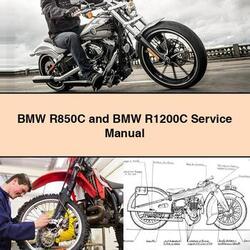
This workshop service repair manual covers the BMW R850C and BMW R1200C cruiser motorcycles, known for their distinctive boxer twin engine, shaft drive, and German engineering. Produced from the late 1990s into the early 2000s, these models offered a unique blend of classic cruiser styling with BMW's renowned reliability and performance. The R850C, with its 848 cc engine producing approximately 70 hp, and the R1200C, featuring a 1170 cc engine delivering around 100 hp, both utilize electronic fuel injection and a 5-speed manual gearbox. Optional ABS was available, enhancing their safety features.
$16.99
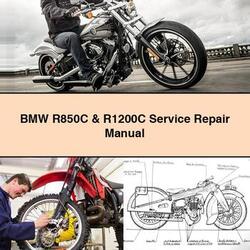
This manual provides comprehensive service and repair information for the R850C and R1200C Cruiser Series motorcycles. These iconic models, produced primarily from the late 1990s to the mid-2000s, are celebrated for their distinctive cruiser styling combined with renowned boxer-twin engine and shaft drive technology. They offer a unique riding experience, blending classic aesthetics with German engineering quality and reliability. This guide is an essential resource for owners and technicians looking to maintain these distinctive machines, covering a wide array of systems from the engine and drivetrain to the electrical components and chassis.
$16.99
This manual covers the BMW R850C and R1200C models, cruiser motorcycles produced from the late 1990s into the early 2000s. These bikes are characterized by their air-cooled, four-stroke boxer twin-cylinder engines, with displacements of 850 cc and approximately 1170 cc respectively. Both models feature electronic fuel injection, digital ignition systems, and a 5-speed manual gearbox with shaft drive and a single-sided swingarm. The R1200C, in particular, offered optional Integral ABS and was recognized for its distinctive styling and comfortable cruiser attributes.

$16.99
This workshop service repair manual provides comprehensive guidance for the cruiser motorcycles. These models, produced from 1997 to 2006 for the R850C and 1997 to 2004 for the R1200C, are powered by renowned flat-twin Boxer engines, with displacements of 848 cc for the R850C and 1170 cc for the R1200C. Known for their distinctive styling and engineering quality, these motorcycles offer a unique riding experience. This manual covers a wide range of systems, including the engine, transmission, electrical system, brakes, suspension, and fuel system, ensuring owners and technicians have the information needed to maintain these iconic machines.
$16.99
This manual covers the BMW R850C and R1200C cruiser motorcycles, produced between 1997 and 2004. These models are distinguished by their iconic Flat Twin (Boxer) engines, available in 848cc and 1170cc variants respectively, and feature shaft drive for reliable power delivery. BMW Motorrad's heritage of engineering excellence is evident in the robust chassis design and the unique European interpretation of cruiser styling. These motorcycles were designed for riders seeking a blend of classic aesthetics and modern engineering, offering a distinctive riding experience.
$16.99
The BMW R 850 C and R 1200 C, produced from the mid-1990s through the early 2000s, represent BMW's distinctive approach to the cruiser motorcycle segment. These models feature BMW's renowned air-cooled, four-stroke Boxer twin-cylinder engine, known for its smooth power delivery and reliable performance. The R 850 C and R 1200 C are characterized by their unique styling, shaft drive, and the characteristic engineering quality associated with the BMW Motorrad division, offering a comfortable and engaging riding experience for cruising and touring.
$16.99
This workshop service repair manual covers the BMW R850GS and R850R models produced from the mid-to-late 1990s through the early 2000s. These motorcycles are renowned for their robust engineering, reliable air-cooled, four-stroke flat-twin boxer engines, and distinctive shaft drive. The R850GS variant offers adventure touring capabilities with longer suspension travel and a more upright stance, while the R850R provides a classic roadster experience. Both models benefit from BMW Motorrad's heritage of quality and innovation, delivering a comfortable and versatile ride for various purposes.
$16.99
This manual covers the BMW R850R and R1100R, iconic motorcycles from the Air-Cooled Boxer Twin (Early Generation) series, produced from the mid-1990s to the early 2000s. These models are celebrated for their robust engineering, comfortable riding position, and versatile performance, making them ideal for sport touring and everyday riding. Key features include shaft drive, reliable boxer engines with Bosch Motronic fuel injection, and optional advanced ABS systems. Their durable construction and timeless design have earned them high owner satisfaction and a strong reputation within the motorcycle community.
$16.99
This Factory Service Manual provides comprehensive technical information for BMW Motorrad F-Series motorcycles, including the F650GS, F800GS, F800R, F800S, and F800ST. These motorcycles, known for their versatile performance and engineering quality, feature parallel-twin engines, advanced chassis designs, and sophisticated electronic systems. The F-series, originating around 2006-2007, represents BMW Motorrad's commitment to innovation, offering a range of bikes suitable for various riding styles, from adventure touring to sporty road riding. This manual is designed to be the same resource utilized by official BMW Motorrad dealerships, ensuring that users have access to the most accurate and detailed service information.
$16.99
This comprehensive workshop service repair manual covers the X6 E71, produced from 2009 to 2015. The E71 X6 pioneered the Luxury Sports Activity Coupe segment, blending the elevated driving position and practicality of an SUV with the sportier profile and performance characteristic of the "Ultimate Driving Machine" philosophy. This model is recognized for its distinctive sloping roofline, aggressive styling, and the availability of potent TwinPower Turbo engines, including inline-six and V8 configurations, all equipped with the xDrive All-Wheel Drive system.
$16.99
The BMW Z8, produced between 2000 and 2003, is an ultra-luxury, limited-production roadster that serves as a modern interpretation of the iconic BMW 507. This vehicle, identified by its E52 chassis code, features a naturally aspirated 4.9-liter V8 engine producing 380 horsepower, paired with a 6-speed manual transmission. Its design is characterized by retro-inspired styling, a hand-stitched leather interior, and aluminum body construction. The Z8 was positioned to compete with other high-end roadsters, offering a blend of classic aesthetics and potent performance, making it a highly sought-after collector's item.
$16.99
The 2002 Ti, produced between 1968 and 1977, represents a significant milestone in automotive history, widely credited with popularizing the compact sports sedan segment. This model, powered by a 1.9-liter inline-4 M10 engine tuned for performance with twin Solex carburetors, offered a blend of agile handling, responsive steering, and spirited acceleration, making it a benchmark for its era. Its engineering quality and reliability, hallmarks of heritage, contributed to its enduring appeal among automotive enthusiasts and its critical acclaim for performance and driver engagement.
$16.99
This collection provides high-fidelity WAV audio recordings of a renowned high-performance compact executive car. Known for its exceptional engineering quality and thrilling driving dynamics, it has a rich heritage dating back to its 1986 E30 debut. Across its multiple generations, it has consistently been celebrated for its powerful inline-6 M TwinPower Turbocharged engines, responsive handling, and track-ready performance, earning accolades from automotive publications. This audio library captures the distinctive acoustics of the vehicle, including engine startup, acceleration, exhaust notes, and transmission shifts, offering authentic sounds for various media production needs.
