



Alfa Romeo 33

The Alfa Romeo 33 category encompasses a specific line of compact Italian automobiles produced by Alfa Romeo. These vehicles are known for their sporty handling, distinctive styling, and spirited performance, characteristic of the Alfa Romeo brand. Primarily designed for personal transportation and light recreational use, the 33 models offered a blend of practicality and driving enjoyment, making them popular among enthusiasts seeking a unique driving experience. Their compact size and agile nature made them well-suited for urban environments and winding country roads alike.
Documentation for the Alfa Romeo 33 category typically includes comprehensive service and repair manuals detailing all aspects of...
$16.99
The Alfa Romeo 33, produced from 1983 to 1994, is a compact family car distinguished by its signature boxer engines and classic Italian design. Building upon the Alfasud's foundation, the 1983 model, chassis code 907A, offered a unique driving experience characterized by its flat-four engine layout and front-wheel-drive configuration. This vehicle competed in a segment with popular models like the Volkswagen Golf and Ford Escort, yet stood out with its sporty heritage and distinctive engineering. Alfa Romeo's long-standing reputation for performance-oriented automobiles is evident in the 33's handling and mechanical character, making it a notable entry in its class.
$16.99
The Alfa Romeo 33, produced from 1983 to 1994, is a testament to Italian automotive engineering, renowned for its sporty handling and distinctive design, a legacy inherited from its predecessor, the Alfasud. This model, particularly the 1983 iteration, features the signature flat-four boxer engine, available in 1.3L, 1.5L, and 1.7L displacements, coupled with a front-wheel-drive layout. Available in both 3-door and 5-door hatchback body styles, the Alfa Romeo 33 offered an engaging driving experience, blending practicality with the brand's inherent sporting pedigree.
$16.99
The Alfa Romeo 33, Series 1, introduced in 1983, is a classic Italian compact hatchback celebrated for its distinctive Bertone styling and the iconic Alfa Romeo Boxer engine. This model, known for its engaging handling and sporty feel, appealed to enthusiasts seeking an alternative to mainstream offerings. The 33 offered a practical yet driver-focused experience, embodying heritage of performance and distinctive Italian design, making it a unique proposition in its market segment.
$16.99
This manual covers the 1983 Alfa Romeo 33, Series 1 (907A). The Alfa Romeo 33 was a compact, front-wheel-drive hatchback designed for the European market, known for its distinctive Italian styling and engaging driving dynamics, largely attributed to its signature flat-four boxer engines and well-engineered suspension. It competed with other popular vehicles of its era, offering a blend of practicality and sporty performance. The Series 1 designation, with chassis code 907A, refers to the initial production run of this model, which succeeded the Alfasud and was manufactured in Italy.
$16.99
The Alfa Romeo 33, Series 1 (907), produced from 1983, is a distinctive vehicle known for its sporty handling and unique boxer engine configuration. This Italian-engineered automobile, available in 3-door and 5-door hatchback body styles, offers a driving experience that reflects Alfa Romeo's heritage of performance and engaging dynamics. Its design, influenced by Giorgetto Giugiaro, combined with its horizontally opposed liquid-cooled engine and front-wheel-drive layout, set it apart in its class. The 33 was built to provide an enjoyable and reliable driving experience, embodying the brand's commitment to distinctive engineering and Italian styling.
$16.99
The Alfa Romeo 33, produced from 1983 to 1990, represents a practical yet spirited compact car, embodying Alfa Romeo's heritage of distinctive Italian styling and engaging driving dynamics. Built with a focus on offering a sporty driving experience within an affordable package, this front-wheel-drive vehicle, internally coded as 907, featured innovative boxer engines and a surprisingly spacious interior for its class. It competed with established European compacts and appealed to drivers seeking a blend of everyday usability and the unique character associated with the Alfa Romeo brand, making it a notable entry in the automotive landscape of its era.

$16.99
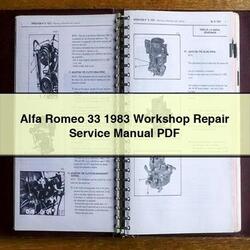
The 1983 Alfa Romeo 33, chassis code 907A and project code AR146, represents a distinctive offering in the automotive landscape, embodying Alfa Romeo's legacy of sporty handling and Italian design. This front-wheel-drive vehicle, available in 3-door and 5-door hatchback body styles, features a range of flat-four (Boxer) engines, including 1.3L and 1.5L displacements, typically paired with a 5-speed manual transmission. Known for its engaging driving dynamics, the 33 evolved from the Alfasud platform, presenting updated styling and a unique character that has earned it a reputation among enthusiasts.
$16.99
The Alfa Romeo 33, produced from 1983, represents a significant entry in the compact family car segment, known for its distinctive Italian styling and engaging driving dynamics. Building on the legacy of the Alfasud, this front-wheel-drive vehicle featured innovative boxer engines and was offered in hatchback and sedan body styles, competing with established models like the Volkswagen Golf and Ford Escort. Its design philosophy emphasized a balance of practicality and the spirited performance characteristic of the Alfa Romeo brand, making it a unique proposition for enthusiasts and families alike.
$16.99
This manual covers the Alfa Romeo 33 Sport Wagon, produced in 1983 as part of the Series 1 (Type 905). This model, with its chassis code 905A, embodies Alfa Romeo's heritage of sporty driving dynamics and distinctive Italian styling, adapted for practicality in the compact family car segment. Notable features include its boxer engine, front-wheel-drive layout, and engaging handling characteristics, positioning it as a unique offering against competitors like the Volkswagen Golf and Ford Escort of the era. The Sport Wagon variant specifically combined these attributes with increased utility.
$16.99
The Alfa Romeo 33 Sport Wagon, produced in 1983, represents a practical yet engaging compact estate car that embodies distinctive Italian styling and a passion for driving dynamics. This model, identified by its Type 907 designation for early Series 2 variants, offered a unique proposition in its market segment, competing with established European hatchbacks and wagons. Its key features included characteristic Alfa Romeo handling, a characterful boxer engine, and a versatile wagon body style, appealing to those who sought flair and performance alongside utility. The brand's heritage, rooted in motorsport and elegant design, further enhanced its appeal to a dedicated enthusiast base.
$16.99
The Alfa Romeo 33 Sport Wagon, produced in 1983, represents a distinctive offering in the compact estate segment, blending Alfa Romeo's renowned sporting heritage with practical utility. Built on the Type 907 platform and featuring robust Flat-4 Boxer engines (AR301 variants), this model is appreciated for its engaging driving dynamics and unique Italian styling. Designed for everyday use with an emphasis on driver enjoyment, the 33 Sport Wagon provided a versatile solution for families and enthusiasts alike, embodying the brand's commitment to performance and distinctive engineering.

$16.99
This workshop service repair manual provides comprehensive guidance for the 1983-1985 Alfa Romeo 33, Typ 907. Known for its distinctive Italian styling and engaging driving dynamics, the Alfa Romeo 33, particularly the first generation, inherited the renowned boxer engine technology from its predecessor, the Alfasud. This manual is designed to assist Alfa Romeo 33 owners, independent mechanics, and automotive enthusiasts in understanding and maintaining this classic vehicle, empowering them with professional-grade repair and maintenance information.
$16.99
The Alfa Romeo 33, produced between 1983 and 1986, is a compact hatchback celebrated for its distinctive Italian styling, engaging driving dynamics, and the unique character of its boxer engine. Building upon the legacy of its predecessor, the Alfasud, the 33 offered a practical yet sporty package that appealed to enthusiasts. Its engineering quality is evident in its lightweight construction and responsive handling, further enhanced by various engine displacements and front-wheel-drive configuration. The 33 was positioned to compete in a competitive market, setting itself apart with its characteristic Alfa Romeo driving experience and a design that remained appealing throughout its production run.
$16.99
This manual covers the Alfa Romeo 33, Series 1, produced from 1983 to 1986, chassis code Type 907A. Known for its distinctive Italian styling and sporty handling, the 33 was positioned as a compact family car with a performance-oriented character, featuring a Flat-4 boxer engine and front-wheel drive. It offered a practical hatchback and estate body style, embodying Alfa Romeo's heritage of engaging driving dynamics. This comprehensive workshop repair manual is designed for global markets, with a primary focus on European specifications.
$16.99
This manual covers the Alfa Romeo 33, First Generation (Series 1), model codes Typ 907, produced for the years 1983 through 1986. The Alfa Romeo 33 is a compact family hatchback celebrated for its distinctive boxer engine sound and engaging driving dynamics, embodying the brand's heritage of sporting and stylish Italian design. It offered a practical body style with a front-wheel-drive layout and a range of gasoline boxer engines, including 1.3L, 1.5L, and 1.7L variants, making it a unique offering in its competitive segment against vehicles like the Volkswagen Golf and Ford Escort.
$16.99
The Alfa Romeo 33, produced from 1983 to 1986 and built on the 907 Series chassis, represents a significant chapter in the brand's history. This compact family car, a successor to the acclaimed Alfasud, distinguished itself in a competitive market against rivals like the Volkswagen Golf and Ford Escort through its iconic Giorgetto Giugiaro-inspired design and the unique character of its boxer engines. Alfa Romeo's commitment to driver engagement is evident in the 33's sporty heritage and responsive handling, making it a distinctive choice for enthusiasts.
$16.99
This manual covers the Alfa Romeo 33, Series 1 (Type 907), produced between 1983 and 1986. Known for its distinctive Italian design by Marcello Gandini and the unique character of its Alfa Romeo Boxer engines, this compact family car was celebrated for its agile handling and sporty driving dynamics. It competed with other popular European hatchbacks of its era, offering a compelling blend of performance and style. The engineering quality and reliability of the Alfa Romeo 33 contributed to its appeal among driving enthusiasts.
$16.99
This manual covers the Alfa Romeo 33 and 33 Sport Wagon, first generation (Type 907), produced from 1983 to 1989. Known for its distinctive Italian design and engaging driving dynamics, the Alfa Romeo 33 continued the lineage of the Alfasud, featuring front-wheel drive and the characteristic flat-four boxer engine. This model range offered practical hatchback and sport wagon body styles, powered by various boxer engines known for their unique character. The Alfa Romeo 33 was a significant model for the brand during this period, praised for its handling and engine performance, and this manual aims to provide comprehensive support for its maintenance and repair.
$16.99
This manual covers the Alfa Romeo 33, specifically the First Generation models produced between 1983 and 1989, identified by chassis code Type 907. Known for its distinctive flat-four boxer engine and front-wheel drive layout, the Alfa Romeo 33 offered a compelling blend of sporty handling and practical hatchback or wagon body styles. This vehicle represents an evolution of Alfa Romeo's engineering prowess, carrying forward the legacy of driver-focused automobiles with unique Italian design and character.

$16.99
This manual covers the Alfa Romeo 33, First Generation (Type 907), produced from 1983 to 1989. Known for its distinctive Italian design and sporty aesthetics, the 33 was a popular compact family car that offered a more engaging driving experience compared to its contemporaries like the Volkswagen Golf and Ford Escort. Engineered with Alfa Romeo's characteristic focus on driving dynamics, this model featured a range of Boxer engines and was primarily equipped with manual transmissions, embodying the brand's heritage of performance and passion.

$16.99
This manual covers the Alfa Romeo 33, First Generation (Series 1), produced from 1983 to 1989. The Alfa Romeo 33 was designed to compete in the compact car segment, offering a blend of sporty handling and distinctive Italian styling. It inherited the engineering DNA of its predecessor, the Alfasud, featuring Alfa Romeo's renowned Boxer engines known for their low center of gravity and engaging performance. Available in 3-door and 5-door hatchback configurations, the 33 was a key model in Alfa Romeo's lineup during the 1980s.
$16.99
This manual covers the Alfa Romeo 33, Series 1 (907 Series), produced from 1983 to 1989. Known for its distinctive Italian design and the characterful Alfa Romeo Boxer engines, this compact hatchback offered engaging driving dynamics and a practical body style. It competed in a segment with popular European compact cars, distinguishing itself with its unique engine layout and sporty appeal, making it a favored choice for enthusiasts and those appreciating classic Italian automotive engineering.
$16.99
The Alfa Romeo 33, produced from 1983 to 1989, represents the first generation (Type 907) of this distinctive Italian automobile. Known for its innovative flat-four boxer engines, available in displacements from 1.2L to 1.7L and typically producing between 75 hp and 105 hp, the 33 offered a unique driving experience. This front-wheel-drive vehicle was offered in both 3-door and 5-door hatchback body styles, with a 5-speed manual transmission being standard. Alfa Romeo’s legacy of sporty engineering and distinctive design is evident in the 33, which succeeded the Alfasud, carrying forward its core mechanical layout.
$16.99
This manual covers the Alfa Romeo 33, Series 1 (Type 907), produced from 1983 to 1989. The Alfa Romeo 33 is a compact hatchback known for its sporty handling and distinctive Italian styling, featuring a lightweight Boxer engine and front-wheel drive. It competed in the European compact car market, offering a blend of practicality and engaging driving dynamics characteristic of the Alfa Romeo brand. This generation of the 33 represents an evolution of the Alfasud, incorporating updated design and engineering.
$16.99
This manual provides comprehensive guidance for the Alfa Romeo 33, produced between 1983 and 1989, including all styles and variants of the Type 907 project. Known for its distinctive Italian styling, sporty handling, and engaging driving dynamics, the Alfa Romeo 33 offered a range of boxer engines, from 1.3L to 1.7L, and was available in both front-wheel drive and all-wheel drive configurations. This manual covers both Series 1 and Series 2 models, detailing their mechanical and aesthetic updates. It is designed for owners, enthusiasts, and professional mechanics seeking to maintain and repair this classic vehicle.

$16.99
This manual covers the Alfa Romeo 33, First Generation (Series 1), produced from 1983 to 1989. As a compact family car, the Alfa Romeo 33 was known for its sporty handling, distinctive Italian design by Bertone, and unique boxer engine layout. It competed in a segment with models like the Volkswagen Golf and Ford Escort, appealing to drivers seeking an engaging and stylish vehicle. The Series 1 models, manufactured in Pomigliano d'Arco, Italy, are characterized by their early 1980s styling and front-wheel-drive configuration, offering a spirited driving experience that is a hallmark of the Alfa Romeo brand.
$16.99
The Alfa Romeo 33, produced from 1983 to 1989 and identified by chassis code Type 907, is a vehicle known for its sporty handling and distinctive Italian styling, continuing the brand's heritage. This model, a successor to the Alfasud, was manufactured in Italy and typically featured front-wheel drive with flat-four (Boxer) engines ranging from 1.3L to 1.7L, producing between 75-105 horsepower. Available in hatchback and occasionally sedan body styles, the 33 offered a driving experience focused on mechanical engagement, with features such as disc brakes and power-assisted steering on some variants.

$16.99
This manual covers the Alfa Romeo 33, produced from 1983 to 1989, encompassing Series 1 and Series 2 (pre-facelift) models with Type 907 chassis codes. Known for its sporty heritage, distinctive Italian design, and engaging driving dynamics, the Alfa Romeo 33 inherited its platform and boxer engine technology from the Alfasud. This front-wheel-drive vehicle, available in 3-door and 5-door hatchback body styles, featured naturally aspirated, liquid-cooled boxer engines with displacements commonly ranging from 1.3L to 1.7L, and offered both manual and automatic transaxle options.

$16.99
This workshop service manual covers the Alfa Romeo 33, First Generation (Series 1 & Series 2), produced from 1983 to 1989. As a compact family car known for its sporty handling and distinctive Italian design, the Alfa Romeo 33 succeeded the Alfasud and competed with contemporary models like the Volkswagen Golf and Ford Escort. It is noted for its signature boxer engines, offering a unique character and sound, and was manufactured in Italy. The 907 series chassis underpins these vehicles, which were available in 3-door and 5-door hatchback body styles.
$16.99
The Alfa Romeo 33, produced between 1983 and 1989, is a versatile compact car known for its distinctive flat-four boxer engines, available in 1.3, 1.5, and 1.7-liter displacements, producing approximately 68 to 105 horsepower. This model offered both front-wheel drive and optional permanent all-wheel drive, catering to a range of driving needs. Available in 3-door and 5-door hatchback body styles, as well as an estate variant known as the 33 Giardinetta, the 33 combined practical utility with Alfa Romeo's characteristic engineering and driving dynamics.

$16.99
This manual covers the Alfa Romeo 33, First Generation (Type 907), produced from 1983 to 1989. The Alfa Romeo 33 was designed as a compact family car, embodying the brand's signature sporty handling and distinctive Italian styling. It was powered by horizontally opposed boxer engines and featured an advanced chassis for its time, offering a compelling blend of practicality and driving enjoyment. This generation competed in a segment with other European compacts, distinguishing itself with its unique engine configuration and dynamic performance characteristics.
$16.99
This manual covers the Alfa Romeo 33 Sport Wagon, also known as the 33 Giardinetta, produced between 1983 and 1989. This compact station wagon, designated by the Type 907 chassis code, is celebrated for its distinctive Italian styling, practical wagon body, and the engaging driving dynamics characteristic of Alfa Romeo. It was engineered with a focus on providing a blend of everyday usability and the brand's renowned sporty appeal, positioning it as a unique offering against competitors like the Volkswagen Golf Variant and Ford Escort Station Wagon. The vehicle features front-wheel drive and is equipped with a range of inline-4 boxer gasoline engines, including 1.3L, 1.5L, and 1.7L displacements, with both carbureted and fuel-injected variants.
$16.99
The Alfa Romeo 33 Sport Wagon, produced from 1983 to 1989, represents a unique blend of Italian design flair and practical station wagon utility. Based on the 33 hatchback, this model is distinguished by its characteristic boxer engines and sporty driving dynamics, making it a compelling choice for families and enthusiasts alike. Its design philosophy emphasizes a practical yet engaging experience, setting it apart from competitors like the Volkswagen Golf Variant and Ford Escort Estate of the era. The Series 1 and Series 2 generations, designated Typ 905 and Typ 907 respectively, offer a distinctive automotive statement, embodying Alfa Romeo's rich heritage in performance car manufacturing.
$16.99
The Alfa Romeo 33, produced from 1983 to 1997, is a compact executive car that embodies Italian design flair and a sporting heritage. Available as a sedan and a sport wagon, the Type 907 model is distinguished by its unique Pininfarina styling and the characteristic sound of its flat-four boxer engines, which were derived from the Alfasud. This model competed in a segment with vehicles like the Volkswagen Golf and Ford Escort, offering a compelling blend of engaging driving dynamics and practicality, further enhanced by its front-wheel-drive layout and a range of petrol and diesel engine options.

$16.99
This manual covers the Alfa Romeo 33 Sport Wagon, produced between 1983 and 1989. Known for its distinctive Italian design and engaging driving dynamics, the 33 Sport Wagon represents a significant chapter in Alfa Romeo's heritage. This particular model is characterized by its practical wagon body style, likely featuring a boxer engine configuration, a hallmark of the brand during this era. It offers a blend of sporty performance and everyday utility, making it a unique offering in its segment.
$16.99
This manual covers the Alfa Romeo 33 Sport Wagon, specifically the Type 907 chassis, produced for the model years 1983 through 1989. As an evolution of the Alfasud platform, the 33 is renowned for its engaging handling, distinctive Alfa Romeo boxer engine, and unique Italian design. This versatile station wagon, a practical choice for everyday use and family transport, embodies the sporting heritage of Alfa Romeo, offering a compelling blend of performance and utility for its era.
$16.99
This manual covers the Alfa Romeo 33 Sport Wagon, produced from 1983 through 1989. As a compact station wagon, it offered a blend of practicality and the sporty handling characteristic of Alfa Romeo, featuring distinctive Italian design and boxer engine configurations. Known for its engaging driving dynamics, the 33 Sport Wagon was a unique offering in its segment, competing with models like the Volkswagen Golf Variant and Ford Escort Estate. Its engineering quality and reliability are supported by a legacy of performance-oriented vehicles from Alfa Romeo.
$16.99
This manual covers the Alfa Romeo 33 Sport Wagon, specifically the first generation (Type 907) produced between 1983 and 1989. As a compact station wagon, it offered a practical extension of the popular Alfa 33 hatchback, blending Italian styling and engaging driving dynamics with increased utility. Known for its distinctive Alfa Romeo Boxer engine, front-wheel-drive layout, and sporty handling, the 33 Sport Wagon was positioned against competitors like the Volkswagen Golf Variant and Ford Escort Estate. This model represents Alfa Romeo's commitment to providing a unique and enjoyable driving experience within the family car segment.
$16.99
This manual covers the Alfa Romeo 33 Sport Wagon, First Generation, produced from 1983 to 1989. Known for its distinctive Italian styling, unique boxer engine layout, and engaging driving dynamics, the 33 Sport Wagon offered a sporty and practical compact station wagon experience, competing with models from Volkswagen, Ford, Fiat, and Peugeot. Its engineering quality and reliability, while a point of discussion for vehicles of its era, are supported by a driver-focused design and a heritage of performance.
$16.99
This manual covers the Alfa Romeo 33 Sport Wagon, first generation (Type 907), produced between 1983 and 1989. Known for its distinctive Italian styling and engaging driving experience, this compact station wagon is built upon Alfa Romeo's heritage of sporty handling and engineering. Key features include a front-wheel-drive platform and a unique horizontally-opposed boxer engine configuration, offering a practical and versatile package for everyday use and leisure.
$16.99
The Alfa Romeo 33 Sport Wagon, produced from 1983 to 1989, represents a unique blend of Italian design and practical versatility. As a compact family car with a distinctly sporty character, it appealed to those who appreciated distinctive styling and engaging driving dynamics. Key features that set the 33 apart included its characteristic boxer engine layout, offering a unique sound and feel, and its agile handling. This generation, identified by chassis code 907A, built upon Alfa Romeo's heritage of driver-focused engineering, providing a compelling alternative in the competitive European compact market.
$16.99
This manual covers the Alfa Romeo 33 Sport Wagon, Series 1 (907), produced from 1983 to 1989. Renowned for its sporty character and distinctive Italian design, the Alfa Romeo brand offers engaging driving dynamics. The 33 Sport Wagon, a unique compact family car offering, was manufactured in Italy and succeeded the Alfa Romeo Alfasud. This generation features a flat-4 boxer engine with displacements ranging from 1.3L to 1.7L, typically producing between 70-110 HP, and is primarily front-wheel drive with a 5-speed manual transmission.
$16.99
The Alfa Romeo 33, produced from 1983 to 1989, represents a distinctive entry in the compact hatchback segment. Characterized by its stylish Italian design, courtesy of Pininfarina, and the unique, engaging performance of its boxer engine, the 33 offered a compelling alternative to its European contemporaries. This generation, known as Series 1 (Type 907), was engineered to provide sporty handling and a driver-focused experience, embodying Alfa Romeo's heritage of creating passionate and well-crafted automobiles. Available in various body styles including 3-door and 5-door hatchbacks, and an estate variant, it catered to a range of practical needs while retaining its sporting appeal.
$16.99
The Alfa Romeo 33, produced from 1983 to 1995, is a sporty and practical compact car known for its distinctive Italian styling and unique engineering, particularly its flat-four Boxer engines. Succeeding the Alfasud, the 33 offered a front-wheel-drive chassis derived from the Fiat Ritmo and was available in 3-door and 5-door hatchback, as well as estate body styles. Throughout its production, spanning Series 1 (Type 105.33), Series 2 (Type 105.33), and Series 3 (Type 907), the 33 was engineered to provide engaging driving dynamics and a touch of renowned sporting heritage, positioning it as an appealing alternative to competitors like the Volkswagen Golf and Ford Escort for enthusiasts seeking performance and character.
$16.99
The Alfa Romeo 33, chassis code 907A, represents a significant model from Alfa Romeo's history, produced starting in 1983. This compact family car was distinguished by its signature boxer engine, a design that contributed to its engaging handling and sporty character, setting it apart from competitors like the Volkswagen Golf and Ford Escort. The 1984 model year continued this tradition, offering a practical hatchback body style combined with Italian design flair and a focus on driver enjoyment. Its engineering quality and unique features, particularly its flat-four engine and refined suspension, cemented its place in the compact car segment.
$16.99
This manual covers the Alfa Romeo 33, produced from 1983 to 1994. The 1984 model year, featuring a front-wheel-drive layout and a distinctive Italian design, embodies Alfa Romeo's legacy of producing sporty, driver-focused vehicles. Known for its engaging handling and responsive boxer engines, available in 1.3L and 1.5L displacements, the Alfa 33 offered a practical yet spirited driving experience, available in both 3-door and 5-door hatchback body styles. Its engineering quality and unique styling contributed to its appeal among enthusiasts.
$16.99
The Alfa Romeo 33, produced from 1983 to 1994 and identified by chassis code Type 907, is a compact family car celebrated for its distinctive Bertone styling and engaging driving dynamics. Featuring innovative engineering such as its boxer engines and a rear transaxle in early iterations, the 33 offered a unique blend of practicality and spirited performance, positioning itself as an appealing alternative in the European hatchback market. Its design, characterized by a notable front-end styling, and its reputation for sharp handling underscore Alfa Romeo's commitment to a passionate driving experience, making it a memorable entry in the brand's history.
$16.99
The Alfa Romeo 33, Series 905, produced in 1984, is a distinctive Italian automobile known for its sporty handling and the unique character of its flat-four boxer engines. Designed by Pininfarina, this hatchback model, available in both 3-door and 5-door configurations, offered a range of engine displacements from 1.2L to 1.7L, producing approximately 65 to 105 PS. Building upon the legacy of the Alfasud, the 1984 Alfa Romeo 33 embodies the brand's heritage of creating stylish and engaging vehicles.
$16.99
This manual covers the Alfa Romeo 33, chassis code Type 907, produced in 1984. Known for its distinctive flat-four (Boxer) engine, available in 1.3L and 1.5L displacements, this front-wheel-drive vehicle offered both 3-door and 5-door hatchback body styles. With a focus on engineering quality and reliability, the Alfa Romeo 33 was designed for versatile use, blending practicality with the brand's characteristic driving dynamics. Its compact dimensions, with a length of approximately 4045 mm and a width of 1610 mm, made it well-suited for urban environments while retaining capability for longer journeys.
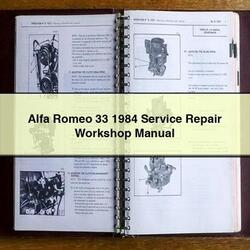
$16.99
The Alfa Romeo 33, produced from 1983 to 1994, is a distinctive compact hatchback celebrated for its Italian styling and engaging driving dynamics. Introduced as the successor to the Alfasud, the Type 907 model, particularly the 1984 variants, featured Alfa Romeo's renowned boxer engines, offering a unique mechanical character. With its front-wheel-drive layout and practical hatchback body, the 33 was positioned against competitors like the Volkswagen Golf and Ford Escort, emphasizing a sporty appeal and agile handling that appealed to driving enthusiasts. Its design, attributed to Ermanno Cressoni, presented a sharper, more contemporary aesthetic than its predecessor, solidifying Alfa Romeo's reputation for creating driver-focused vehicles with a strong visual identity.
$16.99
This manual covers the Alfa Romeo 33 Sport Wagon, produced in 1984. This compact station wagon, part of the 907 Series, is recognized for its practical design, Italian styling, and distinctive boxer engine configuration. Intended for families and individuals seeking versatility, it competed with models like the Volkswagen Golf Variant and Ford Escort Estate. The 1984 33 Sport Wagon features a front-wheel-drive layout and is powered by a naturally aspirated boxer four-cylinder engine, typically around 1.3 or 1.5 liters, paired with a 5-speed manual transaxle. Its engineering reflects Alfa Romeo's legacy of performance and unique automotive design.
$16.99
The Alfa Romeo 33 Sport Wagon, produced in 1984, represents a classic example of Italian automotive engineering, built upon the Type 907 chassis. Known for its distinctive styling and practical wagon body, this vehicle embodies Alfa Romeo's heritage of producing engaging and stylish automobiles. It was designed to offer a blend of everyday utility and the characteristic driving dynamics that the brand is celebrated for, making it a unique offering in its segment during its production years.
$16.99
This manual covers the Alfa Romeo 33 Sport Wagon, Series 905, produced in 1984. As a 5-door station wagon, this model embodies Alfa Romeo's heritage of sporty driving dynamics combined with practicality. It is equipped with a flat-four (Boxer) petrol engine, available in 1.3L and 1.5L displacements, typically producing between 75-90 HP. The vehicle features a 5-speed manual transmission and a hydraulically operated clutch, with a braking system comprising front discs and rear drums. Designed with monocoque construction, the 33 Sport Wagon offered a unique Italian styling characteristic of its era.
$16.99
This manual covers the Alfa Romeo 33, a compact Italian automobile produced from 1983 to 1995, with this guide specifically focusing on the Series 1 models manufactured up to 1989. Known for its distinctive Boxer engine, front-wheel-drive layout, and styling influenced by Pininfarina, the 33 offered a unique driving experience. This vehicle, assembled in Italy, was available in 3-door and 5-door hatchback configurations, featuring either 1.3L or 1.5L naturally aspirated engines, often equipped with twin carburetors or fuel injection. Its engineering quality and reliability reflect Alfa Romeo's heritage in performance and design.
$16.99
The 1985 Alfa Romeo 33, a 905 Series model, represents a significant chapter in the brand's heritage, succeeding the Alfasud. This vehicle is known for its sporty character, distinctive styling, and the unique engineering of its boxer (flat-four) petrol engines, available in 1.3L and 1.5L displacements. Offering both 3-door and 5-door hatchback body styles, the 33 was primarily equipped with a 5-speed manual transaxle driving the front wheels. While praised in contemporary reviews for its driving dynamics, it also faced criticisms regarding build quality and susceptibility to rust, a characteristic inherited from its predecessor.
$16.99
The Alfa Romeo 33, produced in 1985, is a compact family car renowned for its distinctive Italian styling and engaging driving dynamics, largely attributed to its boxer engines and front-wheel-drive layout. This model, part of the 907 Series, offered a practical yet sporty alternative in its segment, competing with established European hatchbacks. Available in various body styles including 3-door and 5-door hatchbacks and a station wagon, the 33 featured a range of boxer engines from 1.3L to 1.7L, delivering between 75 and 115 horsepower. Its engineering quality and unique selling points, such as the characteristic boxer engine configuration and sporty handling, cemented its place as a memorable vehicle in Alfa Romeo's history.
$16.99
This manual covers the Alfa Romeo 33, model year 1985, internal code 907. As a compact family car and hatchback, the Alfa Romeo 33 is known for its sporty driving dynamics and distinctive Italian styling, featuring unique boxer engines, capable handling, and a design philosophy that evolved from the Alfasud. Produced in Italy, this Series 3 model represents an update with revised styling and interior.
$16.99
The Alfa Romeo 33, produced starting in 1983, is a compact car known for its distinctive boxer engines and engaging driving dynamics, embodying Alfa Romeo's legacy of passionate engineering. This 1985 model, part of the first generation, was available in 3-door and 5-door hatchback body styles and offered front-wheel drive or all-wheel drive configurations. It featured a liquid-cooled, flat-four naturally aspirated engine with displacements ranging from 1.3L to 1.7L, paired with a 5-speed manual transaxle. Notable for its era, it featured front disc brakes and a robust chassis, representing a blend of practicality and sporting character.
$16.99
The Alfa Romeo 33, produced from 1983 to 1994 and specifically the 1985 model year (Type 905 Series), represents a continuation of Alfa Romeo's tradition of driver-focused vehicles, featuring a distinctive flat-four boxer engine and available in 3-door and 5-door hatchback body styles. Renowned for its sporting heritage and elegant Italian design, the 33 offered a sporty feel and agile handling, carrying forward the legacy of its predecessor, the Alfasud. This era of Alfa Romeo vehicles is characterized by a commitment to engaging driving dynamics, with the 1985 33 typically equipped with a 5-speed manual transaxle and front-wheel drive, powered by 1.3L or 1.5L boxer engines.
$16.99
The Alfa Romeo 33 Sport Wagon, produced in 1985 under the chassis code 907 Series (Type 33), represents a practical yet engaging compact station wagon. This front-wheel-drive vehicle is distinguished by its longitudinally mounted boxer engines, offering a unique blend of practicality and Alfa Romeo's signature sporty character and handling. Designed to compete with other compact wagons of its era, it provided a versatile option for families and enthusiasts alike, embodying the brand's legacy of performance-oriented engineering.
$16.99
The Alfa Romeo 33 Sport Wagon, produced in 1985 under the Type 907 chassis code, represents a practical yet engaging offering from the Italian marque. Building on the legacy of the Alfasud, this compact family car variant of the 33 is distinguished by its distinctive Italian styling and the brand's signature sporty driving dynamics, largely attributed to its low center of gravity provided by the boxer engine layout. This model aimed to blend everyday utility with an enjoyable driving experience, positioning itself against competitors like the Volkswagen Golf Wagon and Fiat Regata Weekend.
$16.99
This manual covers the Alfa Romeo 33 Sport Wagon, a compact Italian wagon produced in 1985. Known for its distinctive boxer engine and engaging driving dynamics, the 33 offered a blend of practicality and Italian flair, competing with other European compacts of its era. As an evolution of the Alfasud platform, it continued Alfa Romeo's tradition of producing vehicles with a strong sporting heritage and unique design. The 907 Series chassis code designates the wagon variants of this model.
$16.99
The Alfa Romeo 33, produced from 1983 to 1995, is a notable example of Italian automotive engineering, known for its sporty design and engaging driving dynamics. This front-wheel-drive vehicle, available in 3-door, 5-door hatchback, and estate body styles, features a range of naturally aspirated flat-four Boxer engines with displacements of 1350, 1596, and 1712cc, delivering approximately 75-105 PS. Its design philosophy continued the legacy of the Alfasud, emphasizing agile handling, a characteristic widely praised. The 1986 model, chassis code 907, represents a specific iteration of this well-regarded compact car.
$16.99
This manual provides comprehensive factory service information for the 1986 Alfa Romeo 33, Series 2 (Type 907). As an iconic Italian marque, Alfa Romeo is renowned for its sporty vehicles and rich heritage. The 33, a successor to the Alfasud, represents a significant evolution in the brand's compact car offerings, featuring a distinctive flat-four boxer engine and a focus on engaging driving dynamics. This particular model year benefits from the Series 2 updates, enhancing its appeal to dedicated owners and enthusiasts seeking authentic data for maintenance and repair.
$16.99
The Alfa Romeo 33, produced from 1983 to 1990, represents a significant chapter in the brand's history, offering a compact family car with a distinct sporting heritage and engaging driving dynamics. This model, identified by chassis code Type 907 and featuring engine code prefixes like AR 301, is characterized by its distinctive Bertone styling, sharp lines, and a sporty profile. A hallmark of its engineering is the front-wheel-drive layout powered by horizontally-opposed boxer engines, a signature Alfa Romeo characteristic, available in displacements ranging from 1.3L to 1.7L. The 1986 model year specifically reflects updates to this well-regarded generation, known for its unique Italian flair and competitive stance against contemporary vehicles.
$16.99
This workshop service manual provides comprehensive guidance for the Alfa Romeo 33, Series 1 (Type 907), produced from 1983 to 1997. Known for its distinctive Italian styling and Alfa Romeo's signature flat-four boxer engines, the 33 offered sporty handling and a unique driving experience within the compact family car segment. This manual is an essential resource for owners and technicians looking to maintain and repair this classic Italian automobile, covering its various engine displacements, transmission options, and body styles.
$16.99
This manual covers the Alfa Romeo 33, Series 2 (907A), produced in 1986. Known for its distinctive boxer engine and Italian sporting heritage, the Alfa Romeo 33 offered a nimble driving experience and unique styling. This particular model, a successor to the Alfasud, features a front-wheel-drive layout and was available in both 3-door and 5-door hatchback body styles. The 1986 Series 2 update brought revised styling and mechanical refinements, building upon the model's reputation for engaging performance and characteristic Alfa Romeo engineering.
$16.99
The Alfa Romeo 33, produced from 1983 to 1995, represents a blend of Italian design flair and practical compact car functionality. This 1986 model year variant, a Series 2 update, is known for its distinctive styling, engaging handling, and the characteristic Alfa Romeo boxer engines, commonly 1.3L, 1.5L, and 1.7L. Offering a sporty alternative in its segment, the 33 featured front-wheel drive and was available in 3-door and 5-door hatchback body styles. Its engineering quality and unique driving dynamics have cultivated a dedicated following among enthusiasts who appreciate its spirited performance and iconic Italian heritage.
$16.99
The Alfa Romeo 33 Sport Wagon, produced in 1986 under the 905 Series chassis code, represents a practical yet stylish compact estate car. Designed with distinctive Italian flair, it offered a versatile option for families and individuals seeking engaging driving dynamics. The vehicle is characterized by its signature flat-four boxer engine, contributing to a low center of gravity and a unique auditory experience. Its engineering quality and reliability, while reflecting the era's standards, were underpinned by Alfa Romeo's rich heritage in performance and design, making it a notable entry in its competitive segment.
$16.99
The Alfa Romeo 33 Sport Wagon, produced in 1986 and identified by chassis code Type 907, represents a practical yet stylish offering from a brand renowned for its sporty heritage and distinctive Italian design. This model continues Alfa Romeo's tradition of engaging driving dynamics, often featuring unique boxer engines. The 33 Sport Wagon variant combines the brand's characteristic appeal with the added utility of a station wagon body style, making it a versatile choice for owners who appreciate both performance and everyday functionality.
$16.99
The Alfa Romeo 33 Sport Wagon, produced in 1986, represents a practical yet engaging compact estate car. Characterized by its distinctive Italian styling and unique boxer engine, this model offered a blend of versatility and driving enjoyment, competing with other European compact estates of its era. Known for its sporty handling and functional wagon practicality, the 33 Sport Wagon was designed for families and individuals seeking a car with a touch of flair and engaging performance, powered by a range of flat-four boxer engines.
$16.99
This manual covers the Alfa Romeo 33, Series 2 (905), produced in 1987. The Alfa Romeo 33 is a compact Italian hatchback known for its distinctive boxer engines, front-wheel drive, and agile handling, offering a blend of practicality and sporting heritage. This model competed with other European hatchbacks of its era, often distinguished by its unique engineering and Alfa Romeo's renowned driving pleasure.
$16.99
This manual covers the Alfa Romeo 33, Type 907, produced in 1987. Known for its sporty character and distinctive styling, the Alfa Romeo 33 is powered by naturally aspirated, flat-four boxer engines, primarily 1.3L and 1.5L variants, with front-wheel drive or four-wheel drive options. This model represents a facelifted series with revised aesthetics and potential technological enhancements. Alfa Romeo's heritage of engaging driving dynamics and innovative engineering is evident in the 33's design.

$16.99
The Alfa Romeo 33, produced in 1987, is a compact family car renowned for its distinctive Italian styling and engaging driving dynamics, characteristic of the Alfa Romeo brand. This model, chassis code 907A, competed with other European compacts, often setting itself apart with its unique flat-four boxer engine layout and spirited performance. Its design, influenced by Pininfarina, contributed to its sporty appeal, making it a notable entry in its segment.
$16.99
The Alfa Romeo 33, chassis code 907, is a compact hatchback produced in Italy, representing a practical yet stylish offering from Alfa Romeo. Introduced in 1983 as a successor to the Alfasud, the 1987 model year continues the brand's legacy of producing vehicles with engaging driving dynamics, often attributed to its signature Boxer engine configurations and adept chassis tuning. Distinguishing features include its characteristic Alfa Romeo styling and the iconic 'Scudetto' grille. This model competed in the premium hatchback segment against established European manufacturers, offering a blend of performance and Italian design.
$16.99
The Alfa Romeo 33, Series 2 (907), produced in 1987, is a compact family car renowned for its distinctive Italian styling and engaging driving dynamics, powered by transversely mounted Boxer engines. This model offered a choice of 3-door and 5-door hatchback body styles, building on the legacy of its predecessor, the Alfasud. Its unique selling points included the characteristic character of its Boxer engines, available in displacements ranging from 1.3L to 1.7L, and a responsive front-wheel-drive chassis that contributed to its sporty, driver-focused appeal.
$16.99
This manual covers the Alfa Romeo 33, Series 2 (907A), produced from 1983 to 1997, with specific focus on the 1987 model year. Known for its sporty character and distinctive Italian design, the Alfa Romeo 33 offered a range of Boxer engines, from 1.3L to 1.7L, and was available in 3-door hatchback, 5-door hatchback, and Estate body styles. It featured front-wheel drive as standard, with an optional all-wheel-drive system on Q4 variants. The vehicle's engineering emphasized handling and performance, reflecting Alfa Romeo's heritage.
$16.99
The Alfa Romeo 33 Sport Wagon, produced in 1987, is a distinctive compact estate vehicle known for its Italian styling and engaging driving experience, powered by a naturally aspirated boxer engine. This model, often recognized by its Type 907 chassis code, competed in the European market against other popular estate cars of its era. Its unique selling points include the characteristic Alfa Romeo design language and the spirited performance offered by its boxer engine configuration, which typically displaced between 1.3L and 1.7L and produced around 70-95 horsepower.
$16.99
The Alfa Romeo 33 Sport Wagon, produced in 1987, represents a distinctive entry into the compact family estate car segment. This European market model, built on the Type 907 chassis, is characterized by its front-wheel-drive layout and signature Alfa Romeo flat-four Boxer engines, offering approximately 75 to 105 horsepower. Known for its engaging handling and sporty driving dynamics, the 33 Sport Wagon provided increased practicality and cargo space, with volumes ranging from 380 to 1150 liters, making it a versatile choice for families. Its design blends Italian flair with unique engineering, reflecting Alfa Romeo's legacy of creating driver-focused vehicles.
$16.99
The Alfa Romeo 33 Sport Wagon, produced in 1987 under the 907 Series designation, represents a distinctive offering in the automotive market, known for its sporty handling and Italian design heritage. This front-wheel-drive vehicle typically features a Boxer 4-cylinder engine with displacement options of 1.5L or 1.7L, delivering approximately 75-105 horsepower and 110-140 Nm of torque, paired with a 5-speed manual transmission. Its 5-door station wagon body style provides practical cargo capacity, expandable with the rear seats folded. The engineering quality of Alfa Romeo vehicles is often highlighted, contributing to an engaging driving experience.
$16.99
This manual covers the Alfa Romeo 33, a compact car produced from 1983 to 1995, with the 1988 model representing the Series 2 update. Known for its distinctive Italian styling and sporting heritage, the Alfa Romeo 33 features a rear-wheel-drive layout and is powered by a range of flat-four boxer engines, including Twin Spark variants. Available in 3-door and 5-door hatchback and estate body styles, this vehicle offers a unique driving experience, embodying Alfa Romeo's philosophy of driver-focused engineering. Its robust construction and engaging performance make it a notable entry in the compact car segment of its era.
$16.99
This manual covers the Alfa Romeo 33, Type 907, produced in 1988. Known for its compact hatchback design, sporting heritage, and engaging driving dynamics, the Alfa Romeo 33 features distinctive styling and a front-wheel drive layout powered by flat-four boxer engines. This Italian-designed vehicle, a successor to the Alfasud, was positioned against competitors like the Ford Escort and Volkswagen Golf, offering a unique character appreciated for its agile handling and spirited performance.

$16.99
This manual covers the Alfa Romeo 33, specifically the Series 2 models produced between 1983 and 1990, identified by chassis code Type 907. As a compact family hatchback, the Alfa Romeo 33 was known for its distinctive Italian styling, sporty handling reputation, and the unique boxer engines that powered it. These attributes set it apart from competitors like the Volkswagen Golf and Ford Escort during its production run. The Series 2 updates brought revised exterior styling, improved interiors, and enhanced engine options, including early fuel injection systems and a four-wheel-drive variant, solidifying its place as a charismatic and engaging vehicle.
$16.99
The Alfa Romeo 33, Series 2 (Type 907), produced from 1983 to 1992, is a compact family car celebrated for its distinctive Italian styling by Pininfarina and engaging driving dynamics. Powered by a range of naturally aspirated flat-four boxer engines, from 1.3 to 1.7 liters, and featuring a front-wheel-drive layout, the 33 offered a sporty yet practical experience, competing with models like the Volkswagen Golf and Ford Escort. Its unique selling points included its characteristic boxer engines and spirited handling, embodying Alfa Romeo's rich sporting heritage.
$16.99
The Alfa Romeo 33, Series 2 (Type 907), produced in 1988, is a compact family car celebrated for its sporty handling and distinctive Italian design. This front-engine, front-wheel-drive vehicle features Alfa Romeo's characteristic Boxer engines, available in 1.3L, 1.5L, and 1.7L displacements, offering performance typically ranging from 75 to 115 horsepower. Known for its practicality combined with engaging driving dynamics, the 33 competed in a segment with vehicles like the Volkswagen Golf and Ford Escort, embodying Alfa Romeo's legacy of passionate engineering.
$16.99
The Alfa Romeo 33, produced from 1983 to 1990, represents the first generation of this notable vehicle, identified by model code Type 907. This compact car, available in 3-door and 5-door hatchback and Estate/Wagon body styles, is powered by a Flat-4 Boxer engine with a displacement of 1.3 liters, delivering between 75-88 PS. Known for its distinctive engineering and Italian design, the Alfa Romeo 33 offers a front-wheel-drive platform and typically features a 5-speed manual transmission. Its versatility and characteristic performance make it a unique offering in its class.
$16.99
The Alfa Romeo 33 Sport Wagon, produced in 1988 under the Type 907 chassis code, represents a practical and engaging vehicle from a brand renowned for its sporting heritage and distinctive Italian design. This model offers increased utility and cargo space, building upon the foundation of the original 33 hatchback. It is powered by a 1.5-liter Alfa Romeo Boxer engine, featuring Bosch LE2-Jetronic fuel injection and a 5-speed manual transaxle, delivering a spirited driving experience. Its engineering quality and reliability are characteristic of Alfa Romeo's commitment to performance and driver engagement, making it a unique offering in its class.
$16.99
This manual covers the 1988 Alfa Romeo 33 Sport Wagon, Type 907. Known for its unique boxer engine layout, distinctive Giugiaro styling, and front-wheel drive, this vehicle offered a blend of practicality and spirited driving characteristic of the Alfa Romeo brand. It competed in the compact station wagon market with a focus on Italian design and engineering.
$16.99
This manual covers the 33 Sport Wagon, a 1988 model from the 907 Series. Renowned for its sporty European design and engaging driving dynamics, vehicles offer a distinctive ownership experience. The 33 Sport Wagon, produced in Pomigliano d'Arco, Italy, typically features a Flat-four (Boxer) engine, available in 1.3L and 1.5L variants, delivering an estimated 68-85 horsepower. Its practical station wagon body style, combined with front-wheel drive and a 5-speed manual transmission, makes it a versatile vehicle. This manual provides detailed information to ensure the longevity and performance of your vehicle.
$16.99
The Alfa Romeo 33 Series 2, produced in 1989, is a compact car celebrated for its distinctive Italian styling and engaging driving dynamics, particularly attributed to its signature horizontally opposed (Boxer) four-cylinder engines. This model, a successor to the Alfasud, offered practicality in a stylish hatchback design, competing in a segment alongside vehicles like the Volkswagen Golf and Ford Escort. Its unique selling points included the innovative boxer engine layout, typically front-wheel drive, and the option of Q4 all-wheel drive in later variants, embodying Alfa Romeo's heritage of producing sporty and driver-focused automobiles.
$16.99
The Alfa Romeo 33, Series 90, produced in 1989, is a compact vehicle known for its sporty handling and distinctive Italian design, continuing Alfa Romeo's legacy of engaging driving dynamics. Featuring a flat-four Boxer engine with displacement variants of 1.3L, 1.5L, and 1.7L, it offered a low center of gravity and balanced performance. Available in 3-door and 5-door hatchback body styles, the 1989 Series 90 update brought revised styling, including aerodynamic bumpers and an updated interior, alongside mechanical refinements. This model was positioned against competitors like the Volkswagen Golf and Ford Escort, praised for its driving experience within the compact segment.
$16.99
The Alfa Romeo 33, produced in 1989, is a compact family car and hatchback celebrated for its sporty yet practical Italian design and the distinctive character of its longitudinally mounted Boxer engines. This front-wheel-drive vehicle, available primarily in 3-door and 5-door configurations, offered a spirited driving experience, positioning itself against competitors like the Volkswagen Golf and Ford Escort. Its engineering quality, while rooted in the Alfasud platform, featured updates for its second series, aiming to blend performance with everyday usability.
$16.99
The Alfa Romeo 33, produced in 1989, represents a significant entry in Alfa Romeo's sporting heritage, known for its distinctive styling and engaging driving dynamics. This model succeeded the Alfasud, featuring a unique flat-four boxer engine and front-wheel-drive layout, available in both 3-door and 5-door hatchback body styles. Engine options typically included displacements of 1.3L, 1.5L, and 1.7L, with fuel delivery systems ranging from carburetors to fuel injection, and a standard 5-speed manual transmission. The Alfa Romeo 33 is recognized for its Italian automotive legacy, offering a driving experience that balances practicality with the brand's characteristic performance.

$16.99
The Alfa Romeo 33, produced from 1983 to 1997 and represented here by the 1989 model year (Type 907), is a compact, front-wheel-drive vehicle celebrated for its distinctive Pininfarina styling and engaging driving dynamics. Powered by a range of naturally aspirated boxer engines, from 1.3L to 1.7L, it offered a low center of gravity contributing to its sporty handling. This Italian marque, known for its rich heritage and passionate engineering, competed in a segment with vehicles like the Volkswagen Golf and Fiat Ritmo. The 1989 Alfa Romeo 33, particularly its 'Sprint' variants, appealed to drivers seeking a blend of unique design and spirited performance.
$16.99
This manual covers the Alfa Romeo 33, produced in 1989. The Alfa Romeo 33, a successor to the Alfasud, represents a significant evolution in the brand's compact car offerings, known for its distinctive Italian design and engaging driving dynamics. This particular model year falls within the Series II facelift, which introduced updated styling and engineering refinements. The vehicle was available in both 3-door and 5-door hatchback body styles and was typically equipped with a 5-speed manual transmission and liquid-cooled flat-four (Boxer) engines, with variants ranging from 1.3L to 2.0L.
$16.99
The 1989 Alfa Romeo 33 Sport Wagon, Series 2 (907A), represents a blend of Italian styling and practical versatility. This compact family car, produced by Alfa Romeo, a marque renowned for its sporty heritage and engaging driving experience, features distinctive design elements and the unique Boxer engine architecture. The Sport Wagon variant enhances the model's utility, offering a practical body style that complements its engaging driving dynamics. This generation of the 33 builds upon the model's evolution, providing a stylish and functional option within its market segment.
$16.99
This manual covers the 1989 Alfa Romeo 33 Sport Wagon (Type 907). Alfa Romeo is renowned for its sporty driving dynamics, distinctive Italian styling, and innovative engineering, particularly its boxer engines. The 33 Sport Wagon, a practical family car, was part of a lineage that succeeded the Alfasud and featured a distinctive flat-4 boxer engine. This model, part of the Series II facelift, offers a blend of classic Italian design and a practical wagon body style, with engine options typically including 1.3L and 1.7L displacements, producing approximately 75-110 HP.
$16.99
This manual covers the Alfa Romeo 33 Sport Wagon, produced in 1989. As a station wagon variant of the Type 907 model, it represents a blend of Italian automotive design and practicality. Known for its distinctive flat-four Boxer engine, the 33 Sport Wagon offers engaging driving dynamics characteristic of the Alfa Romeo brand. This vehicle, assembled in Italy, was designed for everyday use, providing a unique option in the market with its sporty heritage and functional estate body style.

$16.99
The Alfa Romeo 33 Nuova, produced in 1990, represents a distinctive offering in the automotive landscape, known for its unique Flat-4 Boxer engine configuration and available All-Wheel Drive (AWD) variants. This model, available in 3-door hatchback, 5-door hatchback, and sedan body styles, was engineered with a focus on providing a spirited driving experience. Its compact yet versatile design made it suitable for a range of uses, from daily commuting to spirited drives, embodying Alfa Romeo's characteristic blend of performance and Italian styling.
$16.99
The Alfa Romeo 33 Nuova, produced in 1990 as part of the Second Generation (Type 907), is a compact family car celebrated for its distinctive Italian styling and engaging driving dynamics. Available as a 3-door or 5-door hatchback, this model is notable for its rear-wheel drive heritage on earlier versions and its characteristic boxer engines, which offered a unique mechanical character. The 33 Nuova represented an evolution of the original 33, featuring updated aesthetics and interiors, and was positioned as a sporting alternative within its segment, competing with established European hatchbacks. Its engineering quality and the unique appeal of its powertrain and design make it a cherished vehicle for enthusiasts.
$16.99
1990 Alfa Romeo 33 Nuova Service Repair Workshop Manual PDF
$16.99
This manual covers the Alfa Romeo 33 NUOVA, the second generation (Type 907) of this iconic Italian vehicle, produced between 1990 and 1995. Known for its distinctive boxer engine and sporty handling, the 33 NUOVA offered a range of hatchback and sedan body styles, powered by efficient yet capable horizontally-opposed four-cylinder engines. Alfa Romeo's heritage of engineering excellence is evident in the 33 NUOVA's design, providing a blend of practicality and engaging driving dynamics that appealed to enthusiasts. This comprehensive guide is tailored for owners and technicians alike, aiming to preserve the unique character and performance of this classic automobile.
$16.99
The Alfa Romeo 33 Nuova, produced between 1990 and 1995, is a compact family car known for its distinctive Italian styling and engaging driving dynamics, hallmarks of the Alfa Romeo brand. This model, representing an evolution of the original 33, featured a range of boxer engines, from 1.3L to 1.8L, including performance-oriented 1.7L Quadrifoglio Verde variants. Its practical hatchback body style, coupled with sporty handling characteristics, positioned it as a compelling choice against competitors like the Volkswagen Golf and Fiat Tipo in its segment. The 33 Nuova's value proposition lies in its unique character and the driving pleasure it offers, making it a cherished model for enthusiasts.
$16.99
Welcome to the comprehensive workshop repair and service manual for the Alfa Romeo 33 Nuova, covering models produced between 1990 and 1995. This manual is an essential resource for owners and independent workshops dedicated to maintaining and repairing this iconic Italian compact car. The Alfa Romeo 33 Nuova, representing the Series 3 update, continues the brand's legacy of producing driver-focused vehicles with distinctive styling and engaging handling characteristics. This manual provides factory-level information, ensuring accuracy and completeness for all engine types, transmissions, and trim levels, offering a superior alternative to aftermarket guides.

$16.99
The Alfa Romeo 33 Nuova, produced from 1990 to 1995, represents a significant iteration of Alfa Romeo's compact car offering. Known for its distinctive Italian styling and engaging driving dynamics, this model featured a boxer engine, a characteristic that set it apart in its segment. Available in 3-door and 5-door hatchback and station wagon body styles, the 33 Nuova competed with other European compacts, distinguishing itself with a passionate driving character and the inherent sporting pedigree of the Alfa Romeo brand. This manual is designed for owners and technicians seeking to maintain and repair these vehicles to factory standards, covering a range of engine displacements and performance levels.
$16.99
The Alfa Romeo 33 Nuova, produced from 1990 to 1995 and built on the 907 Series chassis, represents a notable evolution of the classic 33. This compact Italian automobile is recognized for its distinctive Pininfarina-designed bodywork, the engaging driving dynamics characteristic of Alfa Romeo, and its range of boxer engines. Available in 3-door and 5-door hatchback and estate body styles, the 33 Nuova offered a blend of practicality and sporty character, competing in a segment populated by European compact vehicles of its time. Its engineering quality and reliability, coupled with its unique styling, made it a distinctive choice for enthusiasts.
$16.99
The Alfa Romeo 33 Nuova, model code 907 Series, represents a significant evolution of the classic Alfa Romeo 33, produced from 1990 to 1995. This compact family car, also known for its sporty hatchback versatility, is celebrated for its distinctive Italian styling, the unique character of its Boxer engines, and engaging driving dynamics. Available in both Front-Wheel Drive (FWD) and permanent All-Wheel Drive (Q4) configurations, the 33 Nuova offered a blend of practicality and performance, positioning itself against competitors like the Volkswagen Golf and Ford Escort. Its design philosophy emphasized a fusion of Italian flair with performance-oriented engineering, making it a notable entry in its segment.

$16.99
The Alfa Romeo 33 Nuova, produced from 1990 to 1995, represents a significant evolution of the original 33 model. This compact family car was engineered to offer a compelling blend of sporty driving dynamics, characteristic Italian design, and everyday practicality, competing with established European marques. Known for its engaging handling, responsive steering, and often featuring unique boxer engine configurations, the 33 Nuova continued Alfa Romeo's tradition of creating vehicles with a distinct driver focus. It was available in various body styles, including 3-door and 5-door hatchbacks, as well as an Estate variant, catering to a range of consumer needs while maintaining its sporty appeal.

$16.99
The Alfa Romeo 33 Nuova, produced from 1990 to 1995 as part of the Series 4 generation, is a distinctive Italian hatchback known for its practical design and engaging driving experience, powered by the renowned Alfa Romeo Boxer engine. Available in various body styles including 3-door and 5-door hatchbacks and an estate variant, it offered a range of engine displacements from 1.3L to 2.0L, delivering performance tailored to its sporty heritage. This model represents a continuation of Alfa Romeo's tradition of creating stylish and functional vehicles, making it a compelling choice for enthusiasts and everyday drivers alike.
$16.99
The Alfa Romeo 33 Nuova, produced in 1991, is a distinctive hatchback known for its sporty character and Italian flair. Building upon the legacy of its predecessors, the Nuova generation featured updated styling, improved aerodynamics, and the signature Alfa Romeo flat-four boxer engines, which provided engaging driving dynamics. Available in various configurations, including 3-door and 5-door body styles, it competed with other European compact cars, offering a unique blend of practicality and performance. Its key attributes included renowned handling, stylish Bertone-influenced design, and a practical hatchback versatility, making it an appealing choice for drivers who valued an engaging and distinctive automotive experience.

$16.99
The Alfa Romeo 33 Nuova, produced in 1991, is a compact hatchback renowned for its distinctive styling and engaging driving dynamics, a hallmark of the Alfa Romeo brand. This model, a refreshed iteration of the original 33, continued the legacy of driver-focused vehicles with its sporty handling, often attributed to its unique Boxer engine configuration and chassis tuning. Competing in the European compact car segment, it offered a blend of practicality and spirited performance, making it a notable choice for enthusiasts seeking a car with character.
$16.99
1991 Alfa Romeo 33 Nuova Service Repair Workshop Manual PDF

$16.99
This manual covers the Alfa Romeo 33 Nuova, produced in 1992 and built on the Type 907 platform. The Alfa Romeo 33 Nuova is renowned for its distinctive naturally aspirated flat-four boxer engine, available in 1.3L, 1.5L, and 1.7L displacements, offering horsepower ranging from approximately 75 to 105 HP. This Italian-designed vehicle, manufactured in Pomigliano d'Arco, Naples, was offered in 3-door and 5-door hatchback body styles and featured front-wheel drive or permanent four-wheel drive (Q4) options. Its sporty handling and unique engine sound contribute to its classic appeal, making it a sought-after model among enthusiasts.
$16.99
This manual covers the Alfa Romeo 33 Nuova, produced in 1992. The Type 907 chassis represents a significant update to the 33 line, featuring distinctive Alfa Romeo styling, updated interiors, and a range of naturally aspirated boxer-four engines. Known for its sporty handling characteristics and practical hatchback body, the 33 Nuova competed in the compact family car segment against rivals like the Volkswagen Golf and Ford Escort. This generation continued Alfa Romeo's tradition of producing driver-focused vehicles with a passionate following.
$16.99
1992 Alfa Romeo 33 Nuova Service Repair Workshop Manual PDF
$16.99
The Alfa Romeo 33 Nuova, produced in 1993, is a notable entry in the compact family car segment, distinguished by its modern styling, including distinctive \"box flares,\" and the brand’s signature engaging driving dynamics. This model competed with contemporary vehicles like the Volkswagen Golf and Ford Escort, offering a unique character through its range of renowned boxer engines, which provided both a distinctive sound and performance. Available in saloon and Sportwagon variants, the 33 Nuova featured front-wheel drive and a focus on handling, often incorporating advanced suspension designs for its time.

$16.99
The Alfa Romeo 33 Nuova, produced in 1993, is a compact car known for its distinctive Italian styling and sporty driving dynamics, featuring a unique Flat-4 Boxer engine. This Type 907 chassis model was an evolution of the original 33, offering engaging performance and a spirited driving experience, making it a popular choice for enthusiasts and those seeking a stylish small family car. Alfa Romeo's legacy of producing well-engineered and aesthetically pleasing vehicles is evident in the 33 Nuova's design and mechanical layout.
$16.99
1993 Alfa Romeo 33 Nuova Service Repair Workshop Manual PDF
$16.99
1994 Alfa Romeo 33 Nuova Service Repair Workshop Manual PDF

$16.99
The Alfa Romeo 33 Nuova, produced in 1994, represents a distinctive offering in the compact car segment, known for its Italian styling and engaging driving dynamics, often attributed to its boxer engine architecture. As a facelifted version of the original 33, the 905 Series (Nuova) featured updated aesthetics and refinements, positioning itself against competitors like the Volkswagen Golf and Ford Escort with a blend of sporty character and practical usability. This model is particularly appreciated by enthusiasts for its agile handling and unique engineering, embodying Alfa Romeo's legacy of passionate automotive design.
$16.99
The Alfa Romeo 33 Nuova, produced in 1994, represents a continuation of Alfa Romeo's legacy of sporty and distinctive Italian automobiles. This model, identified by chassis code 907 and featuring AR307 series engines, was available in various body styles including 3-door and 5-door hatchbacks, the Sprint Zagato coupe, and a convertible. Known for its engaging driving dynamics and unique boxer engine configurations, the 33 Nuova offered a compelling blend of performance and style for its era, appealing to enthusiasts and those seeking a spirited driving experience.
$16.99
The Alfa Romeo 33 Nuova, produced in 1995, is a distinctive hatchback celebrated for its engaging driving dynamics and classic Italian design. Built on the Type 907 chassis, this compact car offered both 3-door and 5-door body styles, appealing to those seeking a blend of practicality and sporty performance. Its engineering quality is underscored by the signature Alfa Romeo boxer engine, known for its low center of gravity, contributing to the vehicle's renowned sharp handling. The 33 Nuova competed in a segment with other popular compact cars, carving out its niche with a focus on driver enjoyment and unique styling.
$16.99
1995 Alfa Romeo 33 Nuova Service Repair Workshop Manual PDF

$16.99
This manual covers the Alfa Romeo 33 Nuova, produced in 1995. The 33 Nuova, part of the 907 Series, was Alfa Romeo's compact family car, known for its distinctive Italian design, sporty handling, and characteristic boxer engines. Competing against models like the Volkswagen Golf and Fiat Tipo, it offered a practical hatchback body style with a focus on driving engagement. Key features included its horizontally opposed four-cylinder engines, typically the 1.7 Litre Boxer 16v, and a front-wheel-drive layout, embodying Alfa Romeo's heritage of performance-oriented automobiles.
$16.99
The Alfa Romeo 8C Competizione, produced in 2007, is an ultra-exclusive Italian supercar renowned for its stunning Pininfarina-designed bodywork and a powerful 4.7-liter V8 engine. This limited-production model, manufactured at Maserati's plant in Modena, Italy, pays homage to Alfa Romeo's rich motorsport heritage. With its limited global production run of approximately 500 units, the 8C Competizione stands as a highly desirable collector's item, offering a unique blend of classic styling and potent performance, competing in the realm of luxury sports cars.
$16.99
The Alfa Romeo MiTo, introduced in 2008, is a premium subcompact hatchback that embodies Italian design flair and sporty handling. Project 955, as it was internally known, was developed to appeal to younger, style-conscious urban dwellers, offering a premium European small car experience. Notable features include its distinctive styling, inspired by the Alfa Romeo 8C Competizione, and the innovative 'DNA' driving mode selector, which allows drivers to tailor the vehicle's performance characteristics. Available with a range of efficient petrol and diesel engines, including naturally aspirated and turbocharged options, the MiTo was designed to provide engaging driving dynamics in a compact and stylish package, competing in a segment with rivals like the Mini Cooper and Volkswagen Polo.

$16.99
This official service and repair manual covers the Alfa Romeo 33, a versatile vehicle offered in Sedan and Station Wagon body styles across its first (1983-1990) and second (1990-1994) generations. Known for its distinctive flat-four Boxer engines, available in displacements from 1.2L to 1.8L Twin Spark, and offered in front-wheel drive and all-wheel drive configurations, the Alfa Romeo 33 provides a unique driving experience. This manual details the engineering and performance aspects of these models, including their transverse engine layouts, manual and less common automatic transmissions, and a range of carbureted and fuel-injected fuel systems.
$16.99
This manual covers the Alfa Romeo 33, chassis code Tipo 907, produced from 1983 to 1997. Known for its distinctive Italian styling and lively Boxer engine performance, the 33 offered a sporting edge in the compact car segment. Unique selling points include its engaging driving experience, advanced boxer engine layout, and the availability of Q4 all-wheel-drive on later models. This vehicle is intended for owners and enthusiasts who appreciate classic Italian automotive engineering and a passionate driving experience.
$16.99
The Alfa Romeo 33, produced from 1983 to 1997, is a compact family car celebrated for its sporty driving dynamics and distinctive Italian design. Building on Alfa Romeo's heritage of driver-focused vehicles, the 33 features unique flat-four boxer engines, contributing to its low center of gravity and agile handling, setting it apart from competitors like the Volkswagen Golf and Ford Escort. Available in various body styles including 3-door and 5-door hatchbacks and an estate variant, the 33 offered a range of engine displacements and performance options, including sporty Quadrifoglio Verde and Turbo models, and later the all-wheel-drive Q4 variant.
$16.99
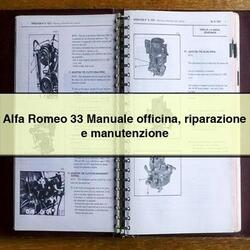
This workshop repair manual covers the Alfa Romeo 2.5 TD Engine, an internal combustion engine designed for repair and maintenance. The 2.5 TD is a Turbo Diesel engine, and this manual provides comprehensive instructions and procedures for fixing engine problems. It includes adjustments, repairs of various engine components and assemblies, and information for keeping the engine in order.
$16.99
This manual pertains to the Alfa Romeo 33, produced from 1982 to 1994. The Alfa Romeo 33 is recognized for its distinctive Alfa Romeo Boxer engine, available in various displacements from 1.2L to 1.7L, including diesel variants. It offered a range of body styles, including 3-door and 5-door hatchbacks, and an estate version. Known for its sporty handling and driver-focused characteristics, the 33 was a significant model in Alfa Romeo's compact car lineup, succeeding the Alfasud and competing with contemporary hatchbacks.
$16.99
This manual covers the Alfa Romeo 33 Nuova, a series of compact cars produced from 1983 to 1994. Known for its distinctive Italian styling and the unique flat-four boxer engine, the 33 offered a sporty driving experience in both 3-door and 5-door hatchback configurations. The "Nuova" designation signifies updated models introduced later in the 33's lifecycle, featuring revised aesthetics and improved mechanicals, including 16-valve engine options and larger displacements. Alfa Romeo's heritage of creating engaging automobiles is evident in the 33's design and engineering, making it a notable entry in the brand's history.
$16.99
This manual covers the Alfa Romeo 33 Nuova (Series 907), produced approximately from 1990 to 1994. Known for its distinctive Italian design and the engaging driving dynamics characteristic of Alfa Romeo, the 33 Nuova is powered by a horizontally opposed Boxer engine, commonly available in 1.3L, 1.5L, and 1.7L displacements, delivering approximately 75 to 105 horsepower. This front-wheel-drive vehicle, typically a 3-door or 5-door hatchback, offers a blend of practicality and sporty character, appealing to enthusiasts and those appreciating classic automotive engineering.
$16.99
The Alfa Romeo 33 'Nuova' (Series 905) represents a continuation of Alfa Romeo's legacy in producing compact, driver-focused vehicles, produced from 1990 to 1994. This generation is distinguished by its unique Italian styling, engaging driving dynamics, and the signature Alfa Romeo boxer engines, available in displacements ranging from 1.3L to 1.7L. Notable features include the availability of permanent All-Wheel Drive (AWD) on select models, enhancing its all-weather capability, and a range of fuel systems from carburetors to electronic fuel injection. The 33 'Nuova' offered a compelling blend of sportiness and practicality, competing in a segment that valued distinctive design and driving pleasure.
$16.99
The Alfa Romeo 33, produced from 1983 to 1989, is a compact vehicle celebrated for its distinctive Italian styling and engaging driving dynamics, inheriting Alfa Romeo's sporting heritage. Available in hatchback and sedan body styles, it featured innovative boxer engines and a choice of rear-wheel or front-wheel drive configurations. This model is recognized for its practical design and the unique handling characteristics that define the Alfa Romeo brand, making it a sought-after vehicle for enthusiasts.
$16.99
This manual provides comprehensive service and repair information for the Alfa Romeo 33, a compact car produced from the late 1970s through the early 1990s. Known for its distinctive Italian design and the unique character of its Boxer engines, the Alfa Romeo 33 offered a sporty driving experience that appealed to enthusiasts. This guide covers various body styles, including hatchback and estate variants, and details the maintenance and repair procedures for its diverse Boxer engine configurations, ranging from 1.2L to 1.8L. The Alfa Romeo 33 is recognized for its engineering quality and its place in the brand's heritage of driver-focused automobiles.
$16.99
This manual covers the Alfa Romeo 33, specifically the Type 907 chassis code, produced between 1983 and 1989. Known for its distinctive Pininfarina styling and spirited driving dynamics, the 33 was a compact family car that competed with models like the Volkswagen Golf and Ford Escort. It featured a transverse, naturally aspirated inline-four boxer engine, available in displacements ranging from 1.3L to 1.7L, with power outputs typically between 75 and 105 horsepower. The vehicle was offered in 3-door and 5-door hatchback body styles, with front-wheel drive as standard and an all-wheel-drive option, known as 'Permanent 4', available on certain variants. The Alfa Romeo 33 is recognized for its engaging handling and the characteristic character of its aluminum-alloy boxer engines.
$16.99
The Alfa Romeo 33, produced from 1977 to 1994 under the internal project code Tipo 105.33, is a compact family car renowned for its sporting heritage. Distinguishing features include its characteristic boxer engines, stylish Bertone design, and excellent handling, positioning it as a practical hatchback with a unique appeal. Across its generations, the 33 offered a range of flat-four engines, from 1.3L to 2.0L, paired with a standard 5-speed manual transaxle front-wheel-drive system. Its engineering quality and Italian flair made it a notable competitor in its segment against vehicles like the Volkswagen Golf and Ford Escort.
$16.99
This manual covers the 33, produced from 1983 to 1994, including all chassis codes (Typ 907) and engine variants, such as the boxer engines. The 33, a successor to the Alfasud, was recognized for its sporty driving characteristics and distinctive Italian design, often compared to contemporary compacts like the VW Golf and Ford Escort. This comprehensive guide provides factory-level repair and maintenance information, enabling owners and mechanics to effectively care for their vehicles.
$16.99
This manual pertains to the Alfa Romeo 33, produced between 1983 and 1994, encompassing chassis series 905 and 907. As a compact family car, the Alfa Romeo 33 was distinguished by its unique Italian styling, practical hatchback body, and sporty driving dynamics, largely attributed to its naturally aspirated boxer engines. These engines, available in 1.3L, 1.5L, and 1.7L displacements, offered a performance range of approximately 75 to 105 horsepower. The vehicle competed in a segment alongside notable contemporaries and is remembered for its distinctive character, a hallmark of Alfa Romeo's rich automotive heritage.

$16.99
The Alfa Romeo 33, produced from 1983 to 1994, is a compact automobile known for its distinctive boxer engines and engaging driving dynamics, continuing the brand's legacy of sporty vehicles. Available in 3-door and 5-door hatchback body styles, and later a sedan variant, the 33 offered a range of boxer engines, typically flat-four configurations with displacements from 1.3L to 1.7L, including Twin Spark variants in later models. While generally praised by the automotive press of its era for its character, the 33, like many vehicles of its time, can present challenges related to aging components and potential for rust.

$16.99
The Alfa Romeo 33, produced from 1977 to 1994, is a compact family car renowned for its distinctive Italian styling and engaging driving experience. This model, a successor to the Alfasud, features a lightweight Alfa Romeo Boxer engine, available in displacements of 1.3L, 1.5L, and 1.7L, delivering approximately 70-110 horsepower. Offered primarily as a 3-door and 5-door hatchback, with some estate and convertible variants, the 33 was praised for its sporty handling and was a competitor in its market segment. Its engineering quality and reliability are supported by a robust chassis and a focus on driver engagement, making it a unique offering in its class.

$16.99
The Alfa Romeo 33 and its Sport Wagon variant, produced from 1983 to 1994, represent a compelling chapter in the brand's history, offering compact practicality infused with distinctive Italian styling and engaging driving dynamics. These models were known for their unique boxer engines, providing a low center of gravity and characteristic Alfa Romeo handling. Competing in a segment with established European marques, the 33 and Sport Wagon stood out with their sporty character, offering a range of naturally aspirated boxer engines and, on some variants, permanent all-wheel drive. This manual covers models featuring boxer engines, including the AR01XXX series, and likely encompasses common engine codes such as AR305XX and AR301XX series.
