



Station Wagon

Station wagons represent a versatile class of passenger vehicles characterized by their extended roofline and integrated cargo area behind the rear seats. These vehicles are designed to offer the driving dynamics of a car with the enhanced utility and storage capacity typically found in SUVs or minivans. Common applications include family transportation, outdoor recreation, and light commercial use, where the ability to carry passengers and significant amounts of luggage or equipment is paramount. Their design prioritizes a balance of comfort, fuel efficiency, and practicality.
Manuals for station wagons provide comprehensive guidance for owners and technicians. These documents detail routine maintenance schedules,...
$16.99
This Service Repair Manual covers the Volkswagen Station Wagon-Bus, Type 2 (T1/T2a/T2b) models produced between 1968 and 1979. Known for its distinctive air-cooled flat-four engine and versatile body styles including Panel Van, Kombi, Microbus, and Westfalia Camper, this vehicle has been a symbol of freedom and utility. Its robust engineering and reliable performance have made it a beloved choice for various applications, from personal transport to commercial use. The manual details various engine configurations, from 1.5L to 2.0L displacements, all featuring an air-cooled system and typically a 4-speed manual transmission driving the rear wheels.

$16.99
This manual covers the Volkswagen Station Wagon Bus, T2 generation, produced from 1968 to 1979. Renowned for its robust engineering and versatile design, the Station Wagon Bus has been a trusted vehicle for a variety of uses, from personal transport to commercial applications. Its air-cooled Boxer engine, available in displacements from 1.5L to 2.0L, and its rear-wheel-drive platform with manual transmission, contribute to its unique driving characteristics and enduring appeal. The vehicle's construction features independent trailing arm front suspension and independent swing axle rear suspension, providing a stable and reliable ride.
$16.99
This workshop repair service manual covers the Volkswagen Type 2 (Bus/Station Wagon), specifically the T2 generation, often referred to as the Late Bay Window models, produced between 1968 and 1979. Known for its distinctive design and versatile utility, the Type 2 has become an iconic vehicle. This manual details its air-cooled flat-four (boxer) engine options, ranging from 1.6 to 2.0 liters, producing approximately 50-70 horsepower, and its rear-wheel-drive platform available with manual or automatic transmissions. The engineering quality and reliability of these vehicles have cemented their place in automotive history.

$16.99
This manual covers the Volkswagen Station Wagon Bus, T2 (Type 2) generation, produced from 1968 to 1979. Known for its robust engineering and versatile design, this vehicle has served a multitude of purposes, from a reliable people carrier to a practical workhorse. Its rear-engine, rear-wheel-drive configuration, coupled with an air-cooled flat-four engine and a range of body styles including panel vans, kombis, and pickup trucks, cemented its reputation for durability and unique character. The T2 generation offered various engine displacements, carbureted fuel systems, and transmission options, including 4-speed and 5-speed manuals, as well as an optional 3-speed automatic.
$16.99
This workshop service manual covers the Volkswagen Station Wagon, also known by its common nicknames such as Bus, Kombi, Microbus, or Camper, produced between 1968 and 1979. These vehicles, built on the Type 2 chassis (encompassing T1 and T2 generations), are renowned for their distinctive design, practical utility, and enduring legacy in automotive history. Engineered with a rear-mounted, air-cooled, horizontally-opposed four-cylinder engine, these vehicles offered a unique driving experience and became icons of freedom and adventure. Their robust construction and versatile configurations made them suitable for a wide range of uses, from daily transportation to long-distance travel and specialized camper conversions.
$16.99
This workshop service repair manual covers the Volkswagen Station Wagon, specifically the Type 2 (T2 generations), often referred to as the 'Bay Window'. This iconic vehicle, produced from the late 1960s through the late 1970s, is renowned for its rear-engine, air-cooled configuration, distinctive design, and exceptional versatility, making it suitable for passenger transport, cargo hauling, and camper conversions. Its robust engineering and mechanical simplicity have contributed to its enduring appeal and reputation for durability.
$16.99
This workshop repair service manual provides comprehensive coverage for the Volkswagen Type 2 (Bay Window) Station Wagon, produced from 1968 through 1979. Known for its versatile design and iconic status, this vehicle has been a staple for DIY enthusiasts, independent repair shops, and classic car owners alike. The Type 2 Station Wagon, a significant model in Volkswagen's history, is characterized by its rear-mounted, air-cooled boxer-four cylinder engine, available in various displacements, and its rear-wheel drive layout. Throughout its production years, key updates included the introduction of fuel injection on some variants, improved braking systems with front discs, and revised interior appointments, reflecting Volkswagen's commitment to evolving its popular transporter.
$16.99
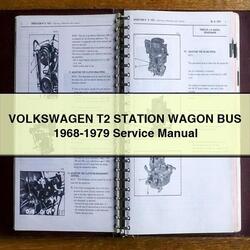
The Volkswagen Type 2 (T2) Station Wagon Bus, produced between 1968 and 1979, represents a significant era in automotive versatility and design. Known for its robust engineering and reliable performance, this iconic vehicle, often referred to as the "Bus" or "Kombi," offered a range of body styles including the Station Wagon, Panel Van, and Westfalia Camper. Powered by an air-cooled flat-four engine, typically ranging from 1.6L to 2.0L and producing between 47-66 horsepower, the T2 was designed for a variety of uses, from family transport to commercial utility and recreational travel. Its distinctive silhouette and practical interior, accommodating seating for up to nine passengers depending on configuration, cemented its status as a beloved and enduring vehicle.
$16.99
This manual covers the Volkswagen Type 2 Transporter, commonly known as the Bus, Kombi, or Transporter, specifically the T2 (Bay Window) generation produced between 1968 and 1979. This versatile vehicle, celebrated for its rear-engine, air-cooled simplicity and spacious interior, served families, small businesses, and campers. The T2 introduced the distinctive 'Bay Window' front, enhancing aerodynamics and driver visibility. Available in various body styles including Station Wagon, Panel Van, Kombi, Microbus, and Westfalia Campers, the Type 2 is recognized for its iconic cultural status and enduring appeal among enthusiasts.
$16.99
This manual covers the Mazda 626 Station Wagon, produced for the 1997 model year. As part of the fourth generation (GF) of the 626 lineage, this mid-size family station wagon was designed to offer practicality and a comfortable ride, often distinguished by a focus on engaging driving dynamics. It provided ample cargo space and versatile seating, making it a suitable choice for families and individuals seeking reliable transportation. The vehicle was equipped with an inline-4, DOHC, 16-valve engine, typically the 2.0L FS-DE, paired with either a 5-speed manual or a 4-speed automatic transmission. Safety features included standard driver and front passenger airbags, with Anti-lock Braking System (ABS) available on many trims.
$16.99
Welcome to the comprehensive guide for your 1997 Mazda 626 Station Wagon. This versatile vehicle, built on the GD platform, is renowned for its practical design, spacious interior, and signature "Jinba Ittai" philosophy, emphasizing driver engagement and a harmonious connection between car and driver. Whether equipped with the efficient 2.0L engine or the more powerful 2.5L V6, the 626 Station Wagon offers a reliable and enjoyable driving experience, making it a favored choice for families and those seeking a dependable utility vehicle. Its robust engineering and thoughtful features ensure a balance of performance, comfort, and value, reflecting a commitment to quality and driver satisfaction.
$16.99
The 1997 Mazda 626 Station Wagon, built on the GD Platform (second generation) and designated by chassis codes GF/GW, represents a mid-size family vehicle known for its reliable engines, comfortable ride, and versatile cargo space. Offered with either a 2.0L FE-DOHC inline-4 or a more powerful 2.5L KL-DE V6 engine, this model provided engaging driving dynamics for its class. Its engineering quality and reputation for innovative design contributed to its standing in a competitive market.
$16.99
The Mazda 626 Station Wagon, part of the GF/GW generation produced between 1997 and 2002, embodies Mazda's philosophy of "Jinba Ittai," or driver-focused dynamics, combined with practical utility. Built on the Mazda GF Platform, these vehicles are recognized for their reliability, comfortable ride, and engaging driving experience for their segment. With a choice of a 2.0L inline-four or a less common 2.5L V6 engine, and available with either a 5-speed manual or a 4-speed automatic transmission, the 626 Wagon offered a balanced blend of fuel efficiency and performance, making it a strong contender in the mid-size station wagon market. Its spacious interior and generous cargo capacity further cemented its appeal as a versatile vehicle for families and everyday use.
$16.99
The Mazda 626 Station Wagon, produced between 1997 and 2002, is a practical and reliable vehicle known for its engaging driving dynamics. This generation, designated GF/GW, offers a blend of utility and comfort, making it a versatile choice for families and individuals alike. With a focus on quality engineering, the 626 Station Wagon provided a dependable driving experience, characterized by its balanced chassis and efficient engine options, typically featuring 2.0L or 2.5L inline-four engines. Its design prioritized functionality and driver engagement, reflecting a commitment to creating enjoyable and trustworthy automobiles.
$16.99
The Mazda 626 Station Wagon, part of the GD/GV (Fifth Generation), was a practical and engaging mid-size family vehicle produced for the model years 1997 through 2002. Known for Mazda's characteristic driving dynamics, this wagon offered a more spirited driving experience compared to many of its competitors. It provided ample cargo space and comfortable seating for five, making it a versatile choice for daily commutes and longer journeys. Built with a focus on reliability and solid engineering, the 626 Station Wagon was a well-regarded option in its segment, competing with vehicles like the Honda Accord Wagon and Toyota Camry Wagon.
$16.99
This manual covers the 626 Station Wagon, specifically the GW chassis, produced between 1997 and 2002. This generation of the 626 is recognized for its reliability, comfortable ride, and practical cargo space, making it a strong contender in the compact to mid-size station wagon segment. It was designed for families and individuals seeking dependable transportation with ample utility. While this guide focuses on the Station Wagon, many procedures and specifications are applicable to the GF chassis Sedan and Hatchback variants of the same generation, offering broad support for owners of this well-regarded model.
$16.99
This manual covers the Station Wagon, produced for the model years 1997 through 2002. Known for its reliability, comfortable ride, and practical cargo space, this mid-size station wagon offered families and individuals dependable transportation. The Station Wagon, chassis code GW, is powered by a 2.0L DOHC inline-4 engine and was available with either a 5-speed manual or a 4-speed automatic transmission. Its engineering quality and fuel efficiency for its class made it a competitive option in the automotive market.
$16.99
This workshop service repair manual provides comprehensive information for the Mazda 626 Station Wagon, generation GF/GW, covering production years from 1997 to 2002. This reliable and practical mid-size station wagon, known for its comfortable ride and good handling, was equipped with either the 2.0L FS-DE or the 1.8L FP-DE engine, paired with a 5-speed manual or a 4-speed automatic transmission. Its design emphasized practicality with generous cargo space, making it a versatile choice for families and general use.
$16.99
The Mazda 626 Station Wagon, produced for the model years 1997 through 2002, is a mid-size family vehicle recognized for its reliability, practicality, and engaging driving dynamics. Built upon Mazda's philosophy of "Jinba Ittai," or horse and rider as one, this generation emphasizes driver connection and an intuitive layout. Featuring a spacious cargo area expandable by folding rear seats, comfortable ride quality, and durable powertrains, including the 2.0L FS-DE inline-four and the optional 2.5L KL-ZE V6, the 626 Station Wagon offered a compelling blend of utility and performance within its segment, competing with other popular wagons of its time.
$16.99
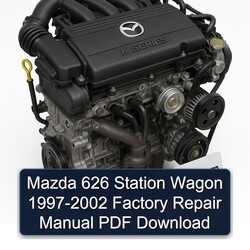
This workshop repair service manual covers the Mazda 626 Station Wagon, generation GF/GW, produced from 1997 through 2002. Known for its practicality and characteristic engaging driving dynamics, this mid-size station wagon was designed to offer versatility for families, commuters, and small business owners. Available with either a 1.8L or 2.0L inline 4-cylinder engine, it provided a reliable and efficient option within its segment. The vehicle's design emphasized a balance of cargo capacity, with rear folding seats enhancing its utility, and a focus on driver enjoyment, making it a capable and dependable choice for everyday use.
$16.99
This manual covers the Mazda 626 Station Wagon, specifically the GF/GW generation produced between 1997 and 2002. Known for its blend of practicality and driving dynamics, a hallmark of Mazda's Jinba Ittai philosophy, this mid-size station wagon offered significant cargo space and a comfortable ride. Engineered with a focus on reliability and driver engagement, the 626 Station Wagon competed effectively in its segment, often praised for its sharp styling and robust construction. It was designed to meet the needs of families and individuals seeking a versatile vehicle for daily use and longer journeys.
$16.99
The 1998 Mazda 626 Station Wagon, built on the GF chassis, was a practical and well-engineered vehicle designed for family use. Competing in the mid-size segment, it offered a blend of Mazda's characteristic driving dynamics, a comfortable ride, and ample cargo space. Known for its build quality and reliability, this model aimed to provide a dependable and enjoyable ownership experience. It was available with either a 2.0L FS-DE engine or a less common 2.5L GR-ZE V6, paired with a 5-speed manual or a 4-speed automatic transmission, and was primarily manufactured in Japan.
$16.99
The 1998 Mazda 626 Station Wagon, built on the GD/GV chassis and designated GF for this body style, represents Mazda's commitment to producing reliable and practical vehicles with a focus on enjoyable driving dynamics. This mid-size station wagon offered a comfortable ride, substantial cargo space, and the characteristic "Zoom-Zoom" feel that Mazda is known for. Designed to compete in a segment with established players like the Toyota Camry Wagon and Honda Accord Wagon, the 1998 Mazda 626 Station Wagon aimed to provide a compelling blend of utility, dependability, and engaging performance for its era.
$16.99
The Mazda 626 Station Wagon, produced around 1998, represents a practical and versatile choice in the mid-size family vehicle segment. Known for Mazda's commitment to driver engagement and reliable engineering, this model offers a spacious interior, flexible cargo configurations, and a comfortable ride. It was designed to compete with other popular station wagons of its era, providing a blend of everyday utility and enjoyable driving dynamics, embodying Mazda's philosophy of "Jinba Ittai" or the oneness of horse and rider.
$16.99
The Mazda 626 Station Wagon, produced in 1999, represents a practical and versatile mid-size vehicle built on the GF platform, shared with the Ford Telstar. Known for Mazda's signature engaging driving dynamics and a focus on driver-to-car harmony, this model offered a compelling blend of utility and performance for families and enthusiasts alike. Its design emphasized practicality and comfort, providing ample cargo space for everyday needs and road trips, while its robust engineering and generally good reliability made it a solid choice in its competitive segment, which included models like the Toyota Camry Wagon and Honda Accord Wagon.
$16.99
The Mazda 626 Station Wagon, produced in 1999 under the GF/GW chassis codes, represents a versatile mid-size vehicle known for its practicality and engaging driving dynamics. This generation of the 626 offered families a spacious cargo area, a comfortable ride, and reliable performance, often competing with other popular wagons of its era. Its engineering emphasized a balance of fuel efficiency and sporty handling, characteristic of Mazda's driver-focused philosophy.
$16.99
The 1999 Mazda 626 Station Wagon, part of the Fifth Generation (GF/GW) lineup, is a mid-size family vehicle renowned for its blend of practicality, reliability, and a subtly engaging driving experience. Featuring a robust 2.0L DOHC inline-four FS-DE engine producing approximately 130-135 horsepower, it offered a comfortable ride and versatile cargo space, positioning it as a strong competitor in its segment. This model was engineered with characteristic focus on driver enjoyment, making it a sensible and enjoyable choice for daily commuting and family transport.
$16.99
The 1999 Station Wagon, part of the GF/GW series, represents a practical and reliable choice in the compact to mid-size station wagon segment. Known for its spacious interior, comfortable ride, and efficient performance, this model was designed for families and individuals seeking versatile transportation. Offering ample cargo space, particularly with the rear seats folded, it was engineered with characteristic focus on driving dynamics and build quality, making it a competitive option against contemporaries like the Toyota Camry Wagon and Honda Accord Wagon.
$16.99
The 2000 Mazda 626 Station Wagon, built on the GF platform, represents a practical and engaging option in the mid-size family wagon segment. Known for its reliable FS-DE engine, capable of producing around 110-120 horsepower, and a well-regarded chassis that contributes to good handling dynamics, this vehicle offers a blend of utility and driving enjoyment. This generation, which saw a facelift for the 2000 model year, emphasized improved styling and interior comfort, making it a competitive choice against contemporaries like the Honda Accord Wagon and Toyota Camry Wagon. Its practical cargo space further solidified its appeal for families and individuals needing versatile transport.
$16.99
This manual covers the Mazda 626 Station Wagon, produced in 2000. As a mid-size station wagon, it was designed for families and individuals seeking utility and reliability, competing with models like the Toyota Camry Wagon and Honda Accord Wagon. The vehicle is known for Mazda's signature Jinba Ittai driving dynamics, offering a practical yet engaging experience. This generation, the GF, is recognized for its competent engineering and dependable powertrain, reflecting Mazda's focus on driver-centric vehicles.
$16.99
The Mazda 626 Station Wagon, produced for the 2000 model year under the GF/GW chassis code, represents the fifth generation of this reliable mid-size family vehicle. Known for its versatility, spacious cargo area, and flexible seating, it was engineered to offer a comfortable and practical motoring experience for families. Building on Mazda's philosophy of "Jinba Ittai," or the unity of horse and rider, this generation continues to emphasize responsive handling and a connected driving feel, setting it apart in its segment. Its robust engineering and durable construction contribute to its reputation for reliability, making it a sound choice for everyday use and longer journeys.
$16.99
This manual covers the Mazda 626 Station Wagon, produced for the 2001 model year. As part of the GF/GW generation, this mid-size wagon is recognized for its reliability, spacious interior, comfortable ride, and affordable maintenance. It was designed to cater to families and individuals seeking practical and dependable transportation, often competing with models like the Toyota Camry Wagon and Honda Accord Wagon. The Mazda 626 is known for its engaging driving dynamics and solid engineering, making it a capable vehicle for everyday use and longer journeys.
$16.99
The 2001 Mazda 626 Station Wagon, chassis code GF, represents a practical and engaging option within the compact to mid-size station wagon segment. Known for its reliability, spacious interior, and enjoyable driving dynamics for its class, this model offers a versatile solution for everyday needs and family transport. Its design emphasizes a balance of comfort and responsive handling, reflecting Mazda's commitment to driver engagement. This model was part of the fifth generation of the 626, produced until 2002, and was succeeded by the Mazda6.
$16.99
Welcome to the comprehensive service manual for the 2001 Station Wagon (chassis codes GF, GW). This vehicle, a practical and versatile offering, is known for its enjoyable driving dynamics and solid build quality. Designed to cater to families and individuals who value utility and reliability, the 2001 Station Wagon provides ample cargo space and a comfortable ride, distinguishing itself with a signature engineering approach.
$16.99
The Mazda 626 Station Wagon, produced in 2002 as part of the GF/GW generation, represents a blend of practical utility and reliable engineering. This model is equipped with a 2.0L Inline-4 engine featuring Multi-point Fuel Injection, delivering 118 horsepower and 126 lb-ft of torque. It offers versatility with both Automatic (4-speed) and Manual (5-speed) transmission options. The vehicle's dimensions, including a length of 4720mm, width of 1770mm, and height of 1470mm, with a curb weight of 1410kg, provide ample space for passengers and cargo. Its chassis incorporates MacPherson Struts at the front and a Multi-link suspension at the rear, complemented by Power Rack and Pinion steering and a robust braking system with ventilated discs at the front and discs at the rear, ensuring a balanced and controlled driving experience.
$16.99
This manual pertains to the 2002 Mazda 626 Station Wagon, a practical and reliable compact to mid-size vehicle known for its fuel efficiency and dependable everyday performance. Built on the GF platform, this model represents the final iteration of its generation, produced in Hofu, Japan. Powered by the robust 2.0-liter FS-DE DOHC engine, it offers a balance of power and economy, typically featuring a 4-speed automatic transmission or an available 5-speed manual. The Mazda 626 line was generally well-regarded for its value and handling, often appearing on 'best value' lists, making it a solid choice for family use.
$16.99
The 2002 Mazda 626 Station Wagon, built on the GF chassis, represents a practical and reliable choice in the compact to mid-size wagon segment. Known for its emphasis on driver-centric engineering and the emerging "Zoom-Zoom" driving dynamics, this model offered a comfortable ride, significant cargo versatility, and solid overall value. Powered by a 2.0L FS-DE DOHC inline 4-cylinder engine, it delivered efficient performance suitable for families and everyday transportation. The 626 Station Wagon was a continuation of Mazda's legacy of producing well-engineered and dependable vehicles, aiming to provide a satisfying ownership experience.
$16.99
The Mazda6 Station Wagon, produced for the 2014 and 2015 model years, represents Mazda's commitment to combining sophisticated design with engaging driving dynamics. Built on the global GJ platform and often featuring the PE-VPS 2.5L SKYACTIV-G engine, this model exemplifies Mazda's 'Kodo: Soul of Motion' design philosophy, offering sleek, athletic exterior styling and a spacious, well-appointed interior. Known for its exceptional driving pleasure, precise handling, and the efficiency and performance benefits of its SKYACTIV technology suite, the Mazda6 Station Wagon provides a practical yet enjoyable experience for families and individuals alike.
