



1.1

The Trabant 1.1 represents a specific model within the Trabant automotive lineage, distinguished by its unique engine and design characteristics. These vehicles, produced during a transitional period, offer insights into automotive engineering of their era and are often sought by collectors and enthusiasts for their historical significance and distinctive driving experience. Understanding the 1.1 model involves appreciating its place in automotive history and its specific technical attributes that set it apart from other Trabant variants.
Comprehensive documentation for the Trabant 1.1 is essential for its upkeep and operation. Manuals typically cover routine maintenance schedules, detailed repair procedures for various systems, and...

$16.99
This manual covers Claas Dominant, Constant, Markant, and Trabant agricultural machinery, primarily focusing on balers. Claas, a manufacturer with a rich heritage dating back to 1913, is renowned for its high-quality, reliable, and innovative agricultural equipment. These baler models, likely from the latter half of the 20th century, represent foundational technology in mechanized farming, built for efficiency and durability. Their robust engineering ensures long service life, and this manual provides the essential technical information to maintain and repair them, supporting their continued operation in professional agricultural settings.
$16.99
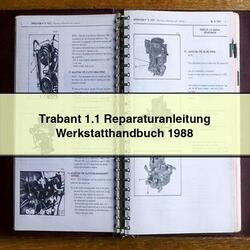
This manual pertains to the Trabant 1.1, a significant automotive development produced in the German Democratic Republic. Manufactured in 1988, this model represented a notable evolution from its predecessors, incorporating a four-stroke engine and updated design elements. Known for its Duroplast body panels and robust, straightforward engineering, the Trabant 1.1 offered a low cost of ownership historically and served as an important vehicle within Eastern Bloc markets. Its introduction marked a transition towards more modern automotive technology for the Trabant brand.
