



Saab 9 5

**Saab 9-5**
The Saab 9-5 is a mid-size luxury car that was produced by Swedish automaker Saab from 1997 to 2012. It was available in both sedan and wagon body styles, and was powered by a range of turbocharged four-cylinder and V6 engines. The 9-5 was known for its distinctive styling, comfortable interior, and impressive safety features. Some of its unique attributes included a "Night Panel" that dimmed all but the essential instruments for nighttime driving, and an adaptive cruise control system that used radar to maintain a safe distance from other vehicles. The 9-5 was also one of the first...
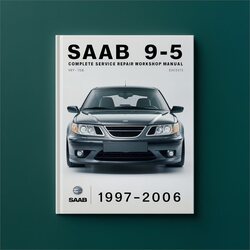
$16.99
The Saab 9-5, produced from 1997 through 2006, represents a distinctive entry in the premium executive sedan and wagon market, drawing on Saab's aviation heritage for its unique engineering and safety philosophy. Available as a 4-door sedan or a 5-door SportCombi, the 9-5 offered a range of turbocharged four-cylinder engines and a V6 option, all characterized by strong mid-range torque and a focus on driver engagement. Key features included Saab's renowned safety systems, such as active head restraints, and innovative driver aids like the 'Night Panel' feature. Its Scandinavian design, comfortable interior, and competitive positioning against established European luxury brands cemented its reputation for quality and reliability.
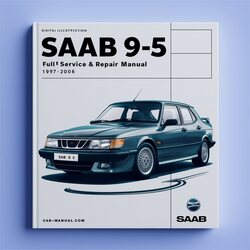
$16.99
The SAAB 9-5, produced from 1997 to 2006 under the YS3E chassis code, represents the zenith of Saab's executive sedan and wagon offerings. Building on a rich heritage of aerospace-influenced engineering, this model is distinguished by its unique Scandinavian design, a strong emphasis on driver and passenger safety, and innovative turbocharged performance, featuring Saab's proprietary Trionic engine management system and Direct Ignition. Notable features include the distinctive center console ignition placement, the 'Night Panel' driving mode, and aerodynamic styling, positioning it as a sophisticated alternative to its German and Japanese luxury competitors. The 9-5 was available with robust turbocharged engines, including 2.0L and 2.3L inline-four configurations, paired with either a 5-speed manual or a 4-speed automatic transmission, catering to a discerning clientele seeking both comfort and dynamic driving capabilities.
$16.99
This manual covers the 9-5, first generation (YS3E), produced from 1997 to 2006, available in Sedan and Sport Combi body styles and exclusively featuring petrol/gasoline engines ranging from 2.0L to 3.0L. Known for its Scandinavian design and focus on driver safety and comfort, the 9-5 offered both naturally aspirated and turbocharged variants, delivering performance and a distinctive driving experience. The vehicle's engineering quality is reflected in its robust structure, including safety cage, and its platform shared with the Opel Vectra B.
$16.99
This manual covers the SAAB 9-5 (YS3E) models produced between 1997 and 2006. SAAB, a brand with a rich heritage rooted in aircraft manufacturing, brought its dedication to safety and innovative engineering to its automotive offerings. The SAAB 9-5, available as a 4-door sedan or 5-door combi, featured a range of turbocharged inline-4 and V6 engines, delivering power outputs from 150 to 250 horsepower. Known for its distinctive Scandinavian design, advanced safety features such as SAAB Active Head Restraints (SAHR) and a reinforced safety cage, and comfortable, driver-focused interiors, the 9-5 was engineered for both performance and occupant protection.
$16.99
This manual covers the 1999 Saab 5-Sep, a vehicle designed for reliable everyday use. Engineered with a focus on quality and durability, the Saab 5-Sep offers a distinctive driving experience. This guide provides comprehensive information to help you understand and maintain your vehicle's exceptional performance and longevity.

$16.99
The Saab 9-5, produced between 1999 and 2009, represents a significant offering in its class, known for its distinctive Scandinavian design and robust engineering. This model was developed with a focus on driver comfort and safety, incorporating advanced features for its time. Its versatile nature made it suitable for a wide range of applications, from daily commuting to longer journeys, reflecting Saab's commitment to producing reliable and well-built vehicles.
$16.99
This comprehensive workshop service and repair manual covers the Saab 9-5, produced from 1999 to 2009. Known for its commitment to safety, turbocharged performance, and distinctive Scandinavian design, the Saab 9-5 offered a unique alternative in the executive car segment, competing with established European luxury brands. Key features such as Saab's patented Direct Ignition system and the innovative Night Panel function underscored its driver-centric engineering. This manual provides in-depth information for all gasoline engine variants, including the 2.0L, 2.3L Turbo (including Aero models), and 3.0L V6, as well as both manual and automatic transmissions, and optional all-wheel-drive systems.
$16.99
The 2000 Saab 9-3, a product of Sweden's automotive heritage, offers a distinctive blend of performance, safety, and Scandinavian design. Built on the GM2900 platform, this model is recognized for its turbocharged engine options, including the 2.0-liter B204L, delivering approximately 185 horsepower and 200 lb-ft of torque. Safety is a key aspect, with standard Anti-lock Braking System (ABS), driver and front passenger airbags, and pretensioning front seatbelts, complemented by available side airbags and traction control. The 9-3 was offered in 3-door and 5-door hatchback body styles, reflecting its practical yet sporty appeal, and is known for its robust construction and driver-focused engineering.
$16.99
The Saab 9-5, produced in 2000, represents a significant entry in the executive sedan and wagon market, built on a modified GM Epsilon platform. Known for its distinctive Scandinavian design, influenced by Saab's aviation heritage, the 9-5 offered a blend of safety, comfort, and turbocharged performance across its various engine options, including the 2.0L, 2.3L, and 3.0L turbocharged inline-four and V6 variants. This model emphasized driver-centric engineering, featuring advanced safety systems such as the Saab Active Headrestraint (SAHR) and a robust chassis, making it a reliable choice for both daily commuting and longer journeys.
$16.99
This manual covers the SAAB 9-3 and 9-5 models produced between 2000 and 2004. These vehicles, known for their Swedish engineering heritage and focus on driver safety and performance, offer a range of body styles including Sedan, Hatchback, Convertible for the 9-3, and Sedan and Sport Combi for the 9-5. The turbocharged engines, available in various displacements and power outputs, provide a blend of efficiency and spirited driving. Throughout their production, SAAB vehicles of this era were recognized for their robust construction and advanced safety features, making them a distinct choice in the automotive market.
$16.99
The Saab 9-5, specifically the YS3E first generation, represents a distinguished entry in the premium mid-size segment, produced between 2000 and 2009. Embodying Saab's unique Scandinavian design philosophy, this vehicle offered a compelling blend of safety, comfort, and performance, often highlighted by its signature ignition key placement and excellent visibility. With a heritage rooted in aerospace, Saab vehicles are renowned for their robust engineering and distinctive character. The 9-5, available as both a sedan and a versatile sportswagon, provided a comfortable and safe driving experience, powered by a range of turbocharged four-cylinder and V6 engines, with common options including 2.0L and 2.3L turbocharged units, and a 3.0L V6.
$16.99
The 2001 Saab 9-5 represents a premium mid-size sedan and wagon, distinguished by its pilot-seat inspired interior, turbocharged engine options, and distinctive Scandinavian styling. Building on Saab's aviation heritage, the 9-5 emphasized safety, driver-centric ergonomics, and a unique approach to automotive design, positioning it against established luxury marques. Notable features include turbocharged inline-4 engines, such as the 2.3L Turbocharged Inline-4 (B235R) producing up to 200 hp, and a focus on occupant protection with high safety ratings and features like Saab Active Head Restraints. The 9-5 was available with a 5-speed manual or a 4-speed automatic transmission featuring a Steptronic-style manual shifting mode, offering a blend of performance and practicality for daily driving and longer journeys.
$16.99
The 2001 Saab 9-5 (YS3E chassis) is a premium mid-size sedan and wagon celebrated for its unique Scandinavian design, turbocharged performance, and robust safety engineering. Building on Saab's aircraft heritage, this model offered a distinctive driver-centric experience, featuring turbocharged engines like the 2.3L B235R, advanced safety systems including airbags and active head restraints, and innovative features such as the 'Night Panel' dashboard. It competed in a segment dominated by German luxury brands, differentiating itself with a blend of spirited performance, practicality, and a focus on occupant protection, earning high safety ratings from organizations like NHTSA and IIHS.
$16.99
This manual covers the Saab 9-5, a mid-size executive car produced by the Swedish manufacturer Saab Automobile AB. The 2002 model year represents a significant point in the first generation of the 9-5, known for its distinctive Scandinavian design, focus on driver comfort, and robust safety features, including Saab's signature 'B' Pillar safety cage. Available with turbocharged engines, including the 2.0L B205 and 2.3L B235 variants, the 9-5 offered a blend of performance and efficiency, making it a popular choice for both daily commuting and longer journeys. Its engineering quality and reliability are hallmarks of the Saab brand.
$16.99
The 2003 Saab 9-5 represents the pinnacle of Saab's flagship model during its first generation facelift, offering a blend of distinctive Scandinavian design, turbocharged performance, and a strong emphasis on safety. Positioned as a premium mid-size European sedan and wagon, the 9-5 competed against established luxury brands with its unique features, including the innovative 'Night Panel' instrument display and the signature center console ignition key. Available with potent turbocharged four-cylinder engines, it delivered an engaging driving experience, complemented by a robust chassis and comfortable interior, making it a compelling choice for discerning drivers.
$16.99
The Saab 9-5, produced in 2003, represents a distinguished Swedish automobile known for its aviation-inspired design and emphasis on safety. This model features a range of turbocharged four-cylinder engines, including 2.0L and 2.3L variants, offering horsepower between 150 and 185 hp and torque from 205 Nm to 280 Nm. Available with a 5-speed manual or a 4-speed automatic transmission featuring Sport and Comfort modes, the 9-5 also boasts a robust chassis and a focus on driver comfort and security. Notable safety features include standard Anti-lock Braking System (ABS), traction control, and multiple airbags, contributing to its strong safety ratings.
$16.99
The Saab 9-5, produced in 2004, represents a sophisticated blend of Swedish engineering and driver-centric design. Available as a 4-door Sedan or a 5-door SportCombi, this model offered a range of turbocharged engines, including 2.0L, 2.3L, and a 3.0L V6, all designed to deliver a balance of performance and efficiency. Its robust chassis, known for excellent safety ratings, and a distinctive Scandinavian aesthetic made the 9-5 a compelling choice for those seeking a premium and reliable vehicle. Notable features include the Saab Active Head Restraints (SAHR) for enhanced whiplash protection and the advanced Trionic engine management system.
$16.99
Welcome to the owner's manual for the 2005, a premium mid-size sedan and wagon renowned for its driver-focused Scandinavian design, turbocharged performance, and emphasis on safety. Building on a heritage of aircraft engineering, vehicles, including this 9-5, offer a distinctive driving experience with features like the signature 'cockpit' interior and advanced safety systems such as Active Head Restraints. This model year represents a significant update to the first-generation 9-5, incorporating refreshed styling, an improved interior, and enhanced technology, all while maintaining a commitment to driver engagement and a unique brand philosophy.
$16.99
The Saab 9-5, produced in 2005, represents a significant iteration of this Swedish marque's executive sedan and sportcombi offerings. Known for its distinctive Scandinavian design, robust safety features, and turbocharged engine options, the 9-5 has historically appealed to drivers seeking a blend of comfort, performance, and unique engineering. This model, built in Trollhättan, Sweden, typically features a 4-cylinder turbocharged engine, available in 2.0L or 2.3L displacements, paired with either a 5-speed manual or a 4-speed automatic transmission. Its commitment to safety is underscored by high ratings from organizations like NHTSA and IIHS, often including standard Anti-lock Braking System (ABS) and Electronic Traction Control System (TCS), with Electronic Stability Program (ESP) often available.
$16.99
The 2006 represents a sophisticated executive car, available as both a sedan and a SportCombi. Embodying a philosophy of Scandinavian design, safety innovation, and driver-focused performance, this model is equipped with turbocharged engines, including the 2.3L B235E and the more potent 2.3L B235R found in the Aero trim. Known for its distinctive styling, robust safety features such as dual-stage airbags and Active Head Restraints, and a comfortable, driver-oriented interior, the 9-5 offers a unique blend of practicality and performance, making it a compelling choice in its segment.
$16.99
The 2006 Saab 9-3 represents a premium compact executive vehicle, available as a Sedan, Convertible, or SportCombi (Wagon). Built on the GM Epsilon Platform (YSA), this generation of the 9-3 is recognized for its Scandinavian design, focus on driver engagement, and unique features such as Saab's signature 'Night Panel' system. It offered turbocharged engines, including the 2.0t and a more powerful 2.8T V6 in Aero models, contributing to its reputation for robust performance and a strong safety record, as evidenced by consistent high ratings from organizations like NHTSA and IIHS.
$16.99
The 2006 Saab 9-5, chassis code YSS2, represents a significant offering in the automotive market, embodying Saab's unique heritage of aircraft-inspired engineering. Known for its distinctive styling and focus on driver engagement, this model continues the legacy of robust construction and reliable performance. The 9-5 was designed with a blend of comfort and sportiness, making it suitable for a variety of driving needs, from daily commuting to longer journeys. Its engineering quality is evident in its durable components and thoughtful design, aiming to provide a rewarding ownership experience.
$16.99
This manual covers the SAAB 9-5, Second Generation (YS3E), for the model years 2006 through 2010. SAAB vehicles are recognized for their unique design, robust engineering, and focus on driver safety, stemming from the brand's aviation heritage. This particular generation of the 9-5 offers a blend of comfort and performance, suitable for daily commuting and longer journeys. The manual provides comprehensive information for all trim levels, ensuring detailed coverage for the various petrol and diesel engine configurations offered during these production years.
$16.99
This manual provides comprehensive information for the Saab 9-5, covering model years 2006 through 2010, specifically the YS3E generation's post-facelift variants. Known for its Swedish engineering heritage and focus on safety, the Saab 9-5 offered a range of turbocharged petrol and diesel engines, available in both 4-door Sedan and 5-door SportCombi body styles. These vehicles were designed with a blend of comfort, performance, and distinctive styling, appealing to owners who value a unique driving experience. The model is recognized for its strong safety ratings and thoughtful design elements inherited from Saab's aircraft manufacturing background.
$16.99
This workshop service repair manual covers the Saab 9-5 for the model years 2006, 2007, 2008, 2009, and 2010. The Saab 9-5, a Swedish-engineered automobile, is known for its emphasis on safety, turbocharged performance, and distinctive Scandinavian design. Available in both Sedan and SportCombi body styles, this generation of the 9-5 offered a range of turbocharged four-cylinder and V6 engines, manual and automatic transmissions, and optional All-Wheel Drive. Its engineering quality and unique features made it a notable contender in its segment, appealing to drivers who valued a blend of comfort, performance, and distinctive styling.
$16.99
This manual covers the SAAB 9-5, Second Generation (YS3E), produced for the 2006 through 2010 model years. Available in Sedan and SportCombi body styles, the SAAB 9-5 is known for its Scandinavian design, driver-focused cockpit, and robust build quality. It offers a range of turbocharged petrol and diesel engines, including inline-four and V6 variants, paired with manual or automatic transmissions. The vehicle's engineering emphasizes comfort, safety, and a distinctive driving experience, making it a unique offering in its class.
$16.99
The 2007 Saab 9-5 represents the second generation, facelifted model, a premium mid-size sedan and wagon celebrated for its unique Scandinavian design and turbocharged performance. Building on Saab's aviation heritage, this vehicle offers distinctive features such as signature turbocharged engines, the innovative 'Night Panel' function, and the unique placement of the ignition key. It competed in a segment with established luxury brands, offering a compelling alternative known for its blend of comfort, safety, and spirited driving dynamics.
$16.99
The 2008 Saab 9-5 is an executive sedan built on the GM Epsilon platform, known for its unique styling, turbocharged engines, and driver-oriented cockpit, reflecting Saab's aeronautical heritage. This mid-size luxury vehicle competed with established European brands and offered a blend of performance and comfort, with available powertrains including turbocharged inline-4 and V6 engines. Key features that set the 9-5 apart included its distinctive Scandinavian design, advanced safety features, and a focus on driver engagement, making it a compelling choice in its segment.
$16.99
The 2009 Saab 9-5 represents the second generation of this Swedish sedan and sportcombi, a model known for its distinctive design, comfort, and robust engineering rooted in Saab's aviation heritage. This vehicle, built on a platform shared with the Opel Vectra C, offers a range of turbocharged gasoline engines, including 2.0L and 2.3L variants, and a potent 2.8L V6 Turbo for enhanced performance. With a focus on driver safety, featuring standard ABS, traction control, and advanced airbag systems, the 9-5 was designed to provide a secure and engaging driving experience, making it a compelling choice for those seeking a blend of practicality and unique Scandinavian style.
$16.99
The 2010 Saab 9-5, built on the GM Epsilon 2 platform, represents the final significant iteration of Saab's executive sedan, embodying the brand's distinctive Scandinavian design philosophy and a commitment to safety. Known for its aerodynamic styling and turbocharged engine performance, the 9-5 offered a unique alternative in the executive sedan market, competing with established European luxury brands. It featured a range of turbocharged inline-4 and V6 engines, providing a balance of power and efficiency, and was available with front-wheel drive, with all-wheel drive potentially offered on higher trims. The vehicle's engineering prioritized driver comfort and safety, incorporating features like advanced airbag systems and a robust body structure.
$16.99
The 2011 Saab 9-5 represents a premium mid-size sedan built on the Opel Epsilon 2 platform. It is distinguished by its unique Scandinavian design, a focus on driver engagement, and advanced safety features, including optional adaptive cruise control and forward collision alert. Notable design elements include aero-conscious styling and an aircraft-inspired cockpit. Performance is driven by turbocharged, direct-injection inline 4-cylinder engines, with options for 1.6L and 2.0L displacements, delivering robust power and torque. The vehicle also offers an available all-wheel-drive system.
