



Espace

The Renault Espace represents a pioneering segment of vehicles that blend the practicality of a minivan with the driving dynamics and styling of a larger car. Originally conceived as a multi-purpose vehicle (MPV), the Espace has evolved through several generations, offering spacious interiors, flexible seating configurations, and a comfortable ride suitable for families and long journeys. Its design prioritizes passenger comfort and versatility, making it a popular choice for those requiring ample cargo space and seating without compromising on a refined driving experience.
Documentation for the Renault Espace typically includes comprehensive owner's manuals detailing operation, features, and basic maintenance. Detailed service...
$16.99
The Renault Espace I, produced from 1984 to 1991, stands as a pioneering Multi-Purpose Vehicle (MPV) that redefined family transport. Conceived by Matra and mass-produced by Renault, this innovative vehicle established the modern MPV format with its revolutionary packaging, featuring a front-wheel drive, transverse engine layout, and a highly versatile modular seating system designed to maximize interior volume. Its 'cab-forward' design and seating for up to seven passengers offered unparalleled practicality and cargo flexibility for its era, earning it accolades such as the 'Semperit Irish Car of the Year' in 1985.
$16.99
This manual covers the Renault Espace, produced across a wide range of years from 1984 through 2003. The Espace is recognized for its innovative design and practical application, catering to various needs with its spacious interior and versatile capabilities. This comprehensive guide is designed to assist owners and technicians in understanding and maintaining this particular generation of the Renault Espace, ensuring its continued performance and reliability.
$16.99
The Renault Espace, specifically the J63 series, revolutionized the automotive landscape as a pioneering compact MPV. Introduced in 1984 and developed in collaboration with Matra, this vehicle was celebrated for its innovative cab-forward design, front-wheel-drive configuration, and exceptional interior flexibility, featuring removable and reconfigurable seating for up to seven occupants. Available with a range of transverse-mounted engines, including inline-four and V6 options, the Espace offered a spacious and practical solution for families and cargo transport, earning it the title of 'Car of the Year' from Car Magazine in 1985. Its unique selling proposition lay in its ability to blend car-like driving dynamics with minivan practicality, setting a new standard for the segment it helped define.
$16.99
The Renault Espace, produced from 1984 to 2003, revolutionized the automotive landscape as a pioneering compact MPV. Designed with families and those requiring versatile space in mind, its early models were lauded for their innovative modular interiors, front-wheel drive layout, and unique seating configurations. This vehicle segment creator offered a spacious and adaptable platform, initially featuring advanced composite body construction. Throughout its production run, the Espace evolved with various engine options, including 2.0L petrol and 2.1L or 2.2L diesel variants, catering to diverse performance and efficiency needs.
$16.99
The Renault Espace J63, produced from 1984 to 2003, revolutionized the automotive landscape as the world's first mass-produced Multi-Purpose Vehicle (MPV). This innovative design offered unparalleled interior flexibility with its modular seating system, spaciousness, and a car-like driving experience, setting a new standard for family transport in Europe. Its unique front-wheel-drive layout, with the engine positioned forward of the front axle and a flat floor, contributed to its exceptional practicality and spacious interior, influencing automotive design for decades to come. The Espace J63 was available with a range of petrol and diesel engines, from approximately 70 hp to over 150 hp, and featured both manual and automatic transmissions.
$16.99
The Renault Espace, produced between 1984 and 2003, revolutionized the automotive landscape as a pioneering Multi-Purpose Vehicle (MPV). Designed with families and versatile lifestyles in mind, it offered exceptional spaciousness, modular seating for up to seven occupants, and a comfortable ride. Its innovative front-wheel-drive, monocoque chassis construction, and large glass area set new standards for practicality and interior packaging, making it a benchmark for its segment. Throughout its production, the Espace evolved, incorporating a range of powerful petrol and diesel engines, including the V6 and common rail diesel variants, along with advanced safety features, solidifying its reputation for engineering quality and family-oriented design.
$16.99
The Renault Espace, produced from 1984 to 2003, revolutionized the automotive landscape as a pioneering Multi-Purpose Vehicle (MPV). Spanning two generations, the J11 (1984-1991) and J63 (1991-2002), this vehicle offered a unique blend of passenger car comfort and van-like practicality. Its key selling points included highly flexible seating configurations, a spacious and adaptable interior, and an innovative design for its time, making it a popular choice for families and those requiring versatile cargo space. The Espace was engineered to provide a comfortable and functional driving experience, establishing itself as a benchmark in the emerging MPV segment.
$16.99
This manual covers the Renault Espace, a pioneering full-size Multi-Purpose Vehicle (MPV) produced from 1984 to 2003, encompassing the First Generation (J11) and Second Generation (J66) models. The Espace revolutionized the automotive landscape with its innovative front-wheel-drive layout and flexible seating arrangements, offering a car-like driving experience and exceptional versatility for families and individuals. Its design was critically acclaimed, setting a benchmark for the MPV segment and distinguishing itself from van-based competitors.
$16.99
The Renault Espace, produced from 1984 to 2003, is a pioneering Multi-Purpose Vehicle (MPV) renowned for its innovative design and exceptional interior versatility. Initially featuring a distinctive fiberglass body on a steel chassis, the Espace set a benchmark for family transportation with its tall, boxy profile and modular seating arrangements, typically accommodating five to seven passengers. Over its generations, including the J1/J63 and JE, it offered a range of engine options from efficient inline-four units to powerful V6 engines, with horsepower ranging from approximately 90 HP to 165 HP. Its French heritage is evident in its focus on passenger comfort and space utilization, making it a highly practical and adaptable vehicle.
$16.99
This manual covers the Renault Espace, a pioneering Multi-Purpose Vehicle (MPV) produced from 1984 to 2003. The Espace revolutionized family transport with its innovative sandwich chassis construction and modular seating for up to seven passengers, offering exceptional versatility and practicality. Across its first two generations, JK0/1_ (Mk1) and JE0_ (Mk2), the Espace was equipped with a range of petrol and diesel engines, from efficient 1.2L units to powerful V6 options, paired with manual or automatic transmissions. Its flexible interior, large cargo capacity, and front-wheel-drive layout made it a distinctive and highly functional vehicle in its segment, competing with both traditional estates and early MPV rivals.
$16.99
This manual covers the Renault Espace, a pioneering minivan produced from 1984 to 2003 across two generations, J10 (1984–1991) and J63 (1991–2002). Renowned for its innovative front-wheel-drive, transverse engine layout, and flexible interior seating for up to seven occupants, the Espace offered exceptional family practicality and a unique approach to automotive design. Early models featured advanced polymer body panels, while later generations introduced more conventional steel construction and enhanced technology. The Espace's development marked a significant step in the evolution of people carriers, offering a blend of comfort, versatility, and French automotive flair that set it apart from competitors.
$16.99
This manual covers the Renault Espace, a pioneering compact MPV produced from 1984 to 2003, spanning three generations: Phase 1 (J11, 1984-1991), Phase 2 (J11, 1991-1996), and Phase 3 (JE, 1996-2002). Renowned for its revolutionary monospace design, the Espace offered unparalleled interior space and versatility, making it a benchmark in the emerging MPV segment. It was engineered to cater to families and individuals requiring flexible passenger and cargo capacity, competing with vehicles like the Ford Galaxy and Volkswagen Sharan. The Espace featured a range of inline-4 and V6 petrol engines, as well as diesel options, paired with manual or automatic transmissions, and incorporated safety features such as ABS and airbags in later models.
$16.99
The Renault Espace, produced from 1984 to 2008, revolutionized the automotive landscape as a pioneering Multi-Purpose Vehicle (MPV). Spanning four generations (J10, J40, JA/JE, and JK/JL chassis codes), the Espace offered exceptional versatility with its modular seating configurations, catering to families and diverse transport needs. Its innovative design, including front-wheel-drive transverse engine layout and monocoque construction, set it apart from competitors like the Ford Galaxy and Volkswagen Sharan. Throughout its production, the Espace evolved significantly, incorporating advanced engines, from efficient diesel variants to powerful V6 options, and increasingly sophisticated electronic systems, solidifying its reputation for practicality and forward-thinking engineering.
$16.99
The Renault Espace I, produced from 1984 to 1991, was a groundbreaking vehicle that pioneered the minivan segment with its innovative monospace, front-wheel-drive design. This J11 chassis model offered exceptional practicality and passenger comfort, featuring a versatile interior with removable seats. Its aerodynamic styling and thoughtful use of materials set it apart from contemporary station wagons and people carriers. The Espace I was a testament to Renault's history of automotive innovation, providing a unique blend of family-friendly functionality and distinctive European engineering.
$16.99
The Renault Espace I, chassis code J11, launched in 1984, was a pioneering vehicle in the Multi-Purpose Vehicle segment, celebrated for its innovative design and exceptional interior space and versatility. This 1986 model represents an early iteration of this groundbreaking vehicle, which featured a front-wheel-drive platform, a spacious and modular cabin with removable seating, and an aerodynamic profile. Its unique monocoque construction and the use of composite body panels set it apart from contemporary vehicles, offering a blend of practicality and forward-thinking engineering that influenced the automotive industry.
$16.99
The Renault Espace I, produced from 1984 to 1991, revolutionized the automotive landscape as Europe's first purpose-built minivan. This 5-door MPV, known for its pioneering design and modular interior seating system, offered exceptional versatility and practicality, redefining family car capabilities. Its unique selling points included a front-wheel-drive platform, an aerodynamic and futuristic aesthetic for its time, and a spacious, adaptable cabin that could accommodate five to seven passengers. The Espace I's innovative approach set a new standard for multi-purpose vehicles, making it a benchmark for subsequent designs in the segment.
$16.99
The Renault Espace I, produced in 1988, stands as a pioneering Multi-Purpose Vehicle (MPV), a segment it helped define in Europe. This innovative vehicle, with chassis code J11, offered a revolutionary design featuring front-wheel drive, a transverse engine layout, and a highly modular three-row seating arrangement, maximizing interior volume and versatility. Its distinctive 'Spaceship' dashboard and substantial cargo capacity set it apart from contemporary vehicles. The Espace I was conceived by Matra and manufactured in France, representing Renault's commitment to automotive innovation and its early exploration of new vehicle categories.
$16.99
The Renault Espace I (J11), produced from 1984 to 1991, revolutionized the automotive landscape by pioneering the modern Multi-Purpose Vehicle segment in Europe. This innovative model, initially designed and manufactured by Matra for Renault, offered unparalleled versatility and spaciousness, featuring flexible seating arrangements for five to seven occupants. Its unique monocoque chassis and composite body structure contributed to its distinctive design and practical appeal, making it a family-oriented vehicle that set new standards for interior space and adaptability. The Espace was recognized with numerous awards for its groundbreaking concept and practical design, cementing its status as a benchmark in automotive innovation.
$16.99
This manual covers the Renault Espace I (J11) from 1990. The Espace pioneered the compact Multi-Purpose Vehicle segment, offering a spacious and adaptable interior with modular seating for 5-7 passengers. Known for its innovative front-wheel-drive design and practical, family-oriented features, it provided a versatile alternative to traditional station wagons and sedans. The Espace I was a significant development in automotive design, emphasizing aerodynamics and passenger comfort, and it competed with other emerging MPVs of its era.
$16.99
The Renault Espace II, produced from 1991 to 1997, represents a significant evolution in the early Multi-Purpose Vehicle segment. Building on the pioneering spirit of its predecessor, this generation offered a spacious and practical interior, modular seating, and a focus on family transport. With its front-wheel-drive design and innovative approach to passenger accommodation, the Espace II aimed to provide a versatile and comfortable experience, setting a benchmark for its contemporaries in the burgeoning MPV market.
$16.99
The Renault Espace I, produced from 1984 to 1991, is a pioneering compact MPV that revolutionized the automotive landscape with its versatile interior and innovative design. Featuring a modular seating system and a distinctive aerodynamic profile, the Espace I offered unparalleled passenger and cargo flexibility, setting a new standard for family vehicles. Its front-engine, front-wheel-drive layout contributed to its spacious cabin, making it a practical and forward-thinking choice for its era. This model represents a significant step in automotive packaging and practicality, embodying Renault's history of innovation.
$16.99
This manual provides comprehensive guidance for the Renault Espace II, produced from 1991 to 1996. As a pioneering Multi-Purpose Vehicle (MPV), the Espace II offered a versatile and spacious interior, setting a benchmark for practicality and family transport. Its innovative design, front-wheel drive, and monocoque construction contributed to its unique position in the automotive market, accommodating up to seven passengers with a modular seating system. This vehicle represented a significant step in automotive design, prioritizing passenger comfort and utility.
$16.99
The Renault Espace II, produced in 1993, was a groundbreaking Multi-Purpose Vehicle (MPV) known for its innovative modular seating system, spacious interior, and aerodynamic design, offering seating for up to seven passengers. This model, built in France, represented a significant step in family vehicle design, competing in a developing market segment. Available with a 2.0L J7T engine or a more powerful 3.0L Z7X V6, and paired with either a 5-speed manual or a 4-speed automatic transmission, the Espace II provided a comfortable and practical driving experience, embodying Renault's heritage of engineering innovation.
$16.99
The Renault Espace II, produced in 1994, is a pioneering compact MPV renowned for its innovative design and versatile interior. As a segment leader, it offered a spacious and flexible cabin, typically seating five to seven occupants, with a focus on aerodynamic styling and front-wheel drive monocoque construction. Available with a range of engine options, including 2.0L petrol variants and a 2.1L Turbo Diesel, the Espace II provided a practical and comfortable solution for family transportation, setting a benchmark for modern MPVs.
$16.99
The Renault Espace II, produced from 1991 to 1996, is a pioneering Multi-Purpose Vehicle (MPV) celebrated for its innovative modular seating, spacious interior, and comfortable ride. Building on the success of the original Espace, this generation refined the MPV concept with a more robust chassis and updated styling, offering a versatile and practical solution for families and cargo transport. Its distinct French design and front-wheel-drive platform, coupled with a range of petrol and diesel engines, made it a notable competitor in its segment, prioritizing passenger experience and adaptability.
$16.99
The Renault Espace II, produced from 1991 to 1996, is a pioneering compact MPV renowned for its innovative design and exceptional interior versatility. This model, chassis code J64, offered a modular seating system that could be configured for five to seven occupants, prioritizing family-oriented practicality and spaciousness. Its aerodynamic, unconventional styling for the era, combined with a strong focus on safety and a comfortable ride, established the Espace as a leader in the emerging MPV segment, competing effectively with other contemporary family vehicles.
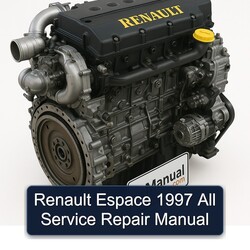
$16.99
This manual covers the [Vehicle Make] [Vehicle Model], a versatile and dependable vehicle designed for a wide range of applications. Engineered with precision and built for durability, the [Vehicle Model] offers a superior driving experience, characterized by its robust performance and advanced features. Its commitment to quality ensures reliability for everyday commuting and demanding journeys alike, making it an exceptional choice for discerning owners.
$16.99
This manual covers the Renault Espace III, a third-generation Multi-Purpose Vehicle (MPV) produced from 1996 to 2002. Known for its pioneering 'monospace' design, passenger comfort, and flexible interior, the Espace III was a key player in the MPV segment, competing with models like the Ford Galaxy and Volkswagen Sharan. This vehicle, identified by the chassis code JE, offered a practical and comfortable experience for families and travelers, featuring a range of gasoline and diesel engines and available with manual or automatic transmissions. Its design philosophy emphasized aerodynamic styling and a modular seating arrangement, contributing to its success and influence in the automotive market.
$16.99
This manual provides comprehensive repair and maintenance information for the Renault Espace, specifically for the 1997 model year. Engineered for reliability and performance, the Renault Espace is designed for versatile use, offering a blend of comfort and practicality. This guide is tailored to assist owners and technicians in understanding and preserving the vehicle's optimal condition.

$16.99
The Renault Espace, produced from 1996 to 2002, is a large Multi-Purpose Vehicle known for its innovative, spacious, and flexible interior design, featuring modular seating arrangements. This third-generation (J64) model, built on a front-engine, front-wheel-drive platform, was designed to offer versatile transportation for families and individuals. Available with a range of petrol and diesel engines, including the 2.0L F3R, 3.0L L7X V6, and the 1.9L F9Q dCi, it offered both 5-speed manual and 4-speed automatic transmissions. Its pioneering practicality and design made it a benchmark in the MPV segment, competing with vehicles like the Ford Galaxy and Volkswagen Sharan.
$16.99
The Renault Espace, produced in 1997, is a pioneering Multi-Purpose Vehicle (MPV) known for its distinctive monobox design and spacious, modular interior. This second-generation model, chassis code JE, was a significant step forward in family-oriented automotive design, offering flexible seating for five to seven occupants and substantial cargo capacity. It competed in a segment pioneered by its innovative concept, providing a practical and versatile alternative to traditional sedans and station wagons. The Espace was engineered with a front-wheel-drive platform and offered a range of engine configurations, including inline-four cylinders and V6 options, with horsepower ranging from approximately 90 to 167 HP.

$16.99
This manual covers the [Vehicle Make] [Vehicle Model], a versatile and reliable vehicle designed for [Intended Usage]. Built with exceptional engineering quality, this model is known for its [Notable Features] and is a testament to [Vehicle Make]'s commitment to performance and durability. Its robust construction and advanced technology ensure a superior driving experience across a range of conditions.
$16.99
This manual covers the [Vehicle Make] [Vehicle Model], a versatile and robust vehicle designed for [Intended Usage]. Engineered with a focus on [Notable Features], this model exemplifies [Vehicle Make]'s commitment to superior craftsmanship and dependable performance. Its [Engineering Quality] and [Reliability] make it an excellent choice for a wide range of applications, offering a unique blend of [Unique Selling Points] and practical functionality.
$16.99
The Renault Espace, Third Generation (J64/JE) models produced between 1997 and 2000, represent a significant offering in the large MPV segment. Known for its spacious and versatile interior, comfortable ride, and distinctive French design, the Espace was engineered for excellent family practicality. This generation, with chassis codes J64 and JE, offered a range of engine options, including the 2.0L (F3R) and 3.0L V6 (Z7X), paired with either a 5-speed manual or a 4-speed automatic transmission. Its thoughtful design and focus on passenger comfort made it a competitive choice against other vehicles in its class.
$16.99
This manual covers the Renault Espace, a pioneering large MPV produced during the X79 generation, specifically for the years 1997 through 2000. Known for its innovative interior packaging, comfortable ride, and emphasis on practicality, the Espace was designed to offer versatile transportation for families, competing with models like the Ford Galaxy and Volkswagen Sharan. This front-wheel-drive vehicle, available with a range of petrol and diesel engines including 2.0L, 2.5L V6 petrol, and 1.9 dTi, 2.2 dCi diesel options, offers seating for up to seven occupants across three rows, with highly flexible seating configurations.

$16.99
This manual covers the [Make] [Model], a versatile vehicle designed for [intended usage]. Produced between [production years], this model is recognized for its [notable features], embodying [engineering quality] and exceptional reliability. Its unique selling points, including [unique selling points], make it a distinguished choice in its class, offering a superior driving experience and robust performance for everyday use and demanding conditions.
$16.99
The Renault Espace, model generation JE0, produced from 1997 to 2000, is a pioneering large MPV celebrated for its innovative monospace design and exceptional practicality. This vehicle offers flexible seating configurations for families and individuals requiring ample space, featuring sliding rear doors and a versatile interior. With a range of petrol engines, including 2.0L and 3.0L V6 options, and available with both manual and automatic transmissions, the Espace provided a comfortable and functional transportation solution. Its design influence was significant, helping to establish the MPV segment in the European market, and it competed with notable vehicles such as the Ford Galaxy and Volkswagen Sharan.
$16.99
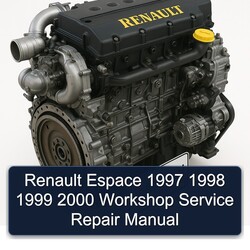
This manual covers the Renault Espace, specifically Phase 1 models produced between 1997 and 2000. As a pioneering Multi-Purpose Vehicle (MPV), the Espace is renowned for its innovative design and spacious interior, offering a versatile platform for families and a comfortable driving experience. This generation of the Espace builds upon Renault's legacy of automotive engineering, providing a robust and practical vehicle that has been a benchmark in its class.
$16.99
The Renault Espace, specifically the Phase II generation produced between 1997 and 2000 under the JE chassis code, represents a significant step in the evolution of the Multi-Purpose Vehicle segment. Renowned for its pioneering modular interior, offering highly versatile seating configurations, and a comfortable ride, this French-designed MPV was engineered to meet the demands of family transport. With a range of petrol and diesel engines, including inline-four and V6 options, and available with manual or automatic transmissions, the Espace provided a blend of practicality and innovation, positioning itself as a strong competitor in its class against vehicles like the Ford Galaxy and Volkswagen Sharan.
$16.99
The Renault Espace, produced for the 1997 through 2000 model years, is a versatile and family-oriented Multi-Purpose Vehicle (MPV) renowned for its innovative interior design, spacious cabin, and adaptable seating configurations. This generation, identified by the internal model code JK0/1_, offered a comfortable ride and practical solutions for transporting families, competing with vehicles like the Ford Galaxy and Volkswagen Sharan in European markets. Its engineering quality and reliability, hallmarks of Renault's heritage in pioneering the MPV segment, made it a popular choice for those seeking a spacious and functional vehicle.
$16.99
This workshop repair and service manual covers the Renault Espace, Third Generation (J64), for the model years 1997 through 2000. The Renault Espace has a distinguished legacy, pioneering the Multi-Purpose Vehicle (MPV) segment with its innovative design and emphasis on spacious, flexible interiors. This generation, the J64, represented a significant evolution, offering a blend of practicality and comfort for families and diverse usage needs. The manual provides comprehensive coverage for all models and engines within this production range, ensuring owners and technicians have access to detailed information for maintaining and repairing this distinctive vehicle.
$16.99
This manual provides comprehensive service and repair information for the Renault Espace, Third Generation (J64), covering production years 1997 through 2000. As a pioneering full-size MPV, the Espace is renowned for its innovative design and practicality. This guide details all engine options, including petrol and diesel variants, along with their respective specifications, performance characteristics, and fuel system components. It also covers transmission systems, both manual and automatic, detailing their features, operation, and maintenance.

$16.99
This manual covers the Renault Espace, Phase II (JE0) generation, produced for the model years 1997 through 2000. The Espace is a spacious and versatile large MPV, designed as a practical family vehicle with flexible seating arrangements. It competed in a segment with vehicles like the Ford Galaxy and Volkswagen Sharan, offering a comfortable and adaptable interior. Renault's history includes pioneering innovative vehicle concepts, and the Espace was a significant contributor to the MPV market, recognized for its practicality and design.
$16.99
The Renault Espace, specifically the Third Generation (JE) produced between 1997 and 2000, represents a significant evolution in the full-size MPV segment. As a pioneering MPV, it offered a spacious and flexible interior with a modular seating system, a front-wheel-drive layout, and distinctive aerodynamic styling that set it apart from competitors like the Ford Galaxy and Volkswagen Sharan. Available with a range of petrol engines, including 2.0L and 2.9L V6 options, and efficient 1.9L diesel variants, the Espace was engineered for practicality and family-oriented transport. Its design philosophy continued to emphasize spaciousness and modularity, making it a versatile vehicle for various needs.
$16.99
This manual covers the Renault Espace, specifically Phase 2 models produced between 1997 and 2000, identified by chassis codes JE0 and JK0. The Espace is a pioneering large MPV known for its versatility, distinctive aerodynamic design, and focus on passenger comfort and space. Its highly modular seating arrangement allows for numerous configurations, maximizing both passenger and cargo capacity. As a segment-defining vehicle, the Espace offered a unique blend of practicality and innovation, positioning it as a key competitor in the European MPV market against models like the Ford Galaxy and Volkswagen Sharan.
$16.99
This workshop service repair manual provides comprehensive coverage for the Renault Espace, Phase II (JE0) models manufactured between 1997 and 2000. As a pioneering MPV, the Espace is recognized for its innovative design and practicality. This manual is designed to be an indispensable resource for owners and technicians, offering detailed insights into the engineering and maintenance of this versatile vehicle. It delves into various aspects of the vehicle, ensuring that users have access to the information needed to keep their Espace in optimal condition.
$16.99
The Renault Espace, specifically the Third Generation (J64) produced between 1997 and 2000, represents a significant evolution in the Multi-Purpose Vehicle segment pioneered by Renault. This versatile family vehicle was designed to offer spaciousness and practicality, available with a range of petrol engines, including 2.0L and 3.0L V6 variants, and diesel options such as the 1.9 dTi, 2.1 TD, and 2.2 dT. Its engineering focused on providing a comfortable and reliable driving experience, with features like Anti-lock Braking System (ABS) and airbags enhancing safety. The Espace's innovative design and functionality made it a benchmark in its class during its production years.
$16.99
This manual covers the Renault Espace, Fourth Generation (Phase 1), produced between 1997 and 2000. This versatile MPV, available in a 5-door body style, was engineered for practicality and comfort, offering a range of engine options including the 2.0L F3R I4 (113 hp), 3.0L V6 (167 hp), and 1.9L dTi F9Q I4 (95 hp), paired with either a 5-speed manual or a 4-speed automatic transmission. Notable features include optional side airbags, climate control systems, power accessories, and advanced lighting.
$16.99
The Renault Espace Phase II (JS), produced from 1997 to 2000, is a large Multi-Purpose Vehicle recognized for its distinctive styling, flexible seating configurations, and comfortable ride, making it a practical choice for families and individuals seeking versatile transportation. Building on a heritage of innovation, particularly in pioneering monospace vehicles, this generation of the Espace represented a significant update to the original concept, offering a blend of spaciousness and advanced features for its era. Its design and engineering aimed to provide a superior driving experience, establishing it as a key player among its contemporaries like the Ford Galaxy and Volkswagen Sharan.
$16.99
This manual covers the Renault Espace, model code J64, specifically the Third Generation (Phase 3 & 4), produced between 1991 and 2002. As a pioneering large MPV, the Espace is renowned for its spacious interior, flexible seating configurations, comfortable ride, and distinct French design, making it a practical choice for families. This generation introduced a more aerodynamic profile and a wider range of powertrain options, including petrol engines like the 2.0L F3R and F4R Turbo, and diesel engines such as the 1.9L dTi and 2.1L TD.
$16.99
The Renault Espace JE, produced from 1997 to 2002, is a versatile Multi-Purpose Vehicle known for its spacious and innovative design. This generation of the Espace offered a practical solution for families and those requiring significant cargo capacity, competing with vehicles like the Ford Galaxy and Volkswagen Sharan. Available with a range of petrol and diesel engines, including 2.0L, 3.0L V6 petrol, and 1.9L dCi, 2.2L dTi diesel options, it provided a balance of performance and utility. The Espace JE featured a comfortable interior, adaptable seating configurations, and a focus on passenger comfort, making it a distinctive choice in its market segment.
$16.99
The Renault Espace, produced between 1997 and 2002, is a versatile multi-purpose vehicle built on the Renault Laguna II platform. This generation, code-named JE0, represents a significant evolution in the MPV segment, building on Renault's heritage of innovative family vehicles. The Espace offered a range of petrol and diesel engines, manual and automatic transmissions, and a spacious interior designed for family comfort and practicality. Its engineering quality and reliability are supported by features such as ABS, front airbags, and a reinforced chassis, contributing to its moderate safety ratings.
$16.99
This workshop service repair manual provides comprehensive guidance for the Renault Espace, specifically covering the Third Generation (J64/JE) models produced between 1997 and 2002. The Espace, a pioneering vehicle in the Multi-Purpose Vehicle (MPV) segment, is known for its innovative design and family-oriented practicality. This manual is designed to offer an inexpensive yet professional-quality resource for maintaining and repairing all styles of this versatile vehicle, ensuring its continued reliability and performance.
$16.99
This manual covers the Renault Espace Phase 2, produced for the model years 1997 through 2002, with the chassis code JE0. The Espace is recognized as a pioneering model in the MPV segment, known for its innovative monospace design and practicality. Renault's heritage in MPV development is evident in this generation, which features updated styling and improved technology compared to its predecessors. This comprehensive guide is designed to assist owners and technicians in understanding and maintaining this versatile vehicle.
$16.99
This manual provides comprehensive service and repair information for the Renault Espace, chassis code JK0/1_, covering model years 1997 through 2002. As a pioneering MPV, the Renault Espace is recognized for its innovative design and family-oriented functionality. This factory service repair manual, presented in English, offers hundreds of pages of detailed guidance, including specific information on engine service, transmission repair, chassis and body systems, and electrical diagnostics. It is designed to assist in the maintenance and repair of various engine configurations, such as the 2.0L petrol and 1.9L dCi turbodiesel, as well as manual and automatic transmission options.
$16.99
This manual covers the Renault Espace, 3rd Generation (J64), produced from 1997 to 2002. As a pioneering Compact Multi-Purpose Vehicle (MPV), the Espace is known for its innovative design and flexible interior, typically offering seating for five to seven occupants. This generation continued Renault's legacy of practical and family-oriented vehicles, featuring front-wheel drive transaxles and a range of engine options including 2.0L, 2.5L, and potentially V6 variants. The vehicle's engineering emphasizes comfort and versatility, making it suitable for both daily commuting and longer journeys.

$16.99
This manual covers the [Make] [Model], a versatile vehicle designed for [intended usage]. Produced between [production years], this model is recognized for its [notable features], embodying a commitment to engineering excellence and dependable performance. Its robust construction and innovative design ensure a superior driving experience, making it a standout choice for discerning owners.

$16.99
This manual covers the [Vehicle Make] [Vehicle Model], produced for the model years [Start Year] through [End Year]. This vehicle is engineered for [Intended Usage] and is recognized for its [Notable Feature 1], [Notable Feature 2], and exceptional [Engineering Quality/Reliability]. Its design prioritizes [Unique Selling Point 1] and [Unique Selling Point 2], making it a distinguished choice in its class.
$16.99
This manual covers the Renault Espace, generation JE, produced from 1997 to 2003. The Espace is a full-size MPV renowned for its spacious and flexible interior, innovative seating, and modern styling, positioning it as a key competitor in its segment. Available with a range of petrol and diesel engines, including 2.0L, 2.4L petrol, and 1.9L dCi diesel options, this vehicle was designed as a practical and comfortable family transport. Its engineering quality and reliability have made it a popular choice for those seeking versatile passenger and cargo space.
$16.99
This manual covers the Renault Espace, specifically the Phase 2 generation, often known as the Grand Espace, produced from 1997 to 2003. This versatile full-size MPV is recognized for its spacious and flexible interior, typically offering seven or eight seats with modular configurations, and its distinctive, aerodynamic styling. It was designed for families and those needing adaptable cargo and passenger space, competing with other minivans of its era. The Espace was equipped with a range of petrol and diesel engines, manual and automatic transmissions, and featured a comfortable ride, making it a popular choice in the European market.

$16.99
This comprehensive service and repair manual covers the Renault Espace, specifically the Phase 2 (Facelift) models produced between approximately 1997 and 2003. As a pioneering large MPV, the Espace is renowned for its innovative design, flexible seating configurations, and practical interior packaging, offering versatile transport for families and individuals. This generation, identified by chassis codes J66 / J77, was available with a range of engines including the F3R, G8T, F4R, and K4M, paired with either manual or automatic transmissions. The vehicle's distinctive French styling and often spacious, comfortable ride made it a notable competitor in its segment.
$16.99
The Renault Espace, produced from 1997 to 2008 under the JE0 generation code, stands as a pioneering Multi-Purpose Vehicle (MPV) that helped define its segment. Known for its innovative interior packaging and often striking design, the Espace offered versatile seating for typically 5-7 occupants and a highly adaptable cargo volume. This model line, originating from a French manufacturer with a rich automotive heritage, provided a practical and family-oriented solution, evolving through significant updates during its production run. Its engineering quality and reliability are hallmarks of its era, making it a popular choice for those seeking spacious and functional transportation.
$16.99
This manual covers the Espace, a full-size Multi-Purpose Vehicle (MPV) produced between 1997 and 2008, encompassing Phase 1, Phase 2, and Phase 3 generations. Built on the J64 and J80 platforms, the Espace is renowned for its monospace design, offering exceptional interior space and flexibility, with seating for up to seven occupants and a highly configurable cargo area. It was designed to meet the needs of families seeking versatile transportation and competed with other prominent MPVs of its era. The vehicle was available with a range of petrol engines, including 2.0L and 2.5L V6 options, and efficient diesel engines such as the 1.9 dTi and 2.2 dCi, paired with manual or automatic transmissions.
$16.99
This manual covers the Renault Espace, a versatile large MPV produced from 1997 to 2008. Known for its spacious and flexible interior, comfortable ride, and innovative design, the Espace has been a significant player in the MPV segment, competing with models like the Ford Galaxy and Volkswagen Sharan. This comprehensive workshop service repair manual details all variations, including petrol and diesel engine options, manual and automatic transmissions, and different trim levels manufactured within the specified production years, encompassing the JK0/1 generation codes.
$16.99
The Renault Espace, Third Generation (J64), produced from 1997 to 2008, is a versatile Multi-Purpose Vehicle (MPV) renowned for its spacious and flexible interior, cab-forward design, and comfort-oriented driving experience. This generation, developed by Matra and manufactured in France, offered a range of petrol and diesel engines, from 1.6L to 3.0L V6, and was equipped with either manual or automatic transmissions. Its practical features, including sliding rear doors and removable seating, made it a popular choice for families and individuals seeking ample space and adaptability. The Espace was a significant player in the MPV market, competing with established European manufacturers.
$16.99
This manual covers the Renault Espace, a pioneering Multi-Purpose Vehicle (MPV) or minivan, produced across several years from 1997 through 2008, encompassing the later Phase 2 of the JE chassis series and the subsequent generation. Known for its spacious and flexible interior, the Espace offered a practical and comfortable solution for families and individuals, competing in a segment it helped define. Its design emphasized versatility and European styling, making it a distinctive choice in its market.
$16.99
This service and repair manual covers the Renault Espace, a versatile MPV produced across multiple generations from 1997 to 2008. This period primarily encompasses the 3rd Generation (Phase 2 and 3) and initial models of the 4th Generation, built on the J64 and JK0/1_ platforms respectively. Known for its innovative design and practicality, the Espace has received numerous accolades, including 'Car of the Year' awards. This manual provides comprehensive information for all models, engines, trim levels, and transmission types, ensuring owners and technicians have the resources to maintain this French-designed vehicle.
$16.99
This manual covers the Renault Espace, specifically the Third Generation (J64) Facelift and the Fourth Generation (J81) models, produced between 1997 and 2008. As a pioneering large MPV, the Espace is renowned for its family-oriented design, spacious and flexible interior configurations, and comfortable ride, making it a strong competitor in its segment. Throughout its production, Renault focused on delivering practical and versatile transportation solutions, with this vehicle offering seating for up to seven occupants and significant cargo volume.
$16.99
This manual provides comprehensive guidance for the Renault Espace, Phase 2 (Type RJ), produced between 1997 and 2008. The Espace is a large MPV, known for its spacious and modular interior, comfortable ride, and family-oriented functionality, built on a platform derived from the Renault Laguna II. It competed with other MPVs of its era and was recognized for its pioneering design and practicality. The vehicle was offered with a range of petrol and diesel engines, typically from 115 hp to over 150 hp, and featured both manual and automatic transmission options. Key technological features included available cruise control and Renault's keycard system for keyless entry and ignition.

$16.99
The Renault Espace, specifically the 3rd Generation (JE0/JE1) produced from 1996 to 2002, is a large Multi-Purpose Vehicle renowned for its spacious and flexible interior, comfortable ride, and family-oriented design. Building on Renault's pioneering heritage in the MPV segment, this generation offered innovative seating arrangements and a distinct French design, positioning it as a strong contender against rivals like the Ford Galaxy and Volkswagen Sharan. With a wide range of engine options, including naturally aspirated and turbocharged petrol and diesel variants, the Espace provided versatility for both family transport and commercial use. Its unique selling points included its modular interior and a commitment to passenger comfort and practicality.
$16.99
This manual covers the Renault Espace, a full-size Multi-Purpose Vehicle produced between 1997 and 2008. Known for its spacious interior, flexible seating arrangements, comfortable ride, and distinctive styling for its era, the Espace has been a significant player in the MPV market, competing with models like the Ford Galaxy and Volkswagen Sharan. Engine options include a range of petrol engines (2.0L, 2.4L, and 3.0L V6) and diesel engines (1.9L dCi and 2.2L dCi), paired with either 5-speed or 6-speed manual transmissions, or an optional 4-speed automatic transmission. The vehicle features front-wheel drive and offers safety systems such as ABS, EBD, front and side airbags, and three-point seatbelts with pretensioners.
$16.99
The Renault Espace, a pioneering large MPV, offered innovative design and spacious, versatile transportation for families and individuals. This manual covers models produced between 1997 and 2008, encompassing both the Phase II and Phase III generations. Renowned for its benchmark practicality and comfortable ride, the Espace set a standard in its segment, competing with vehicles like the Ford Galaxy and Volkswagen Sharan. Its engineering quality and reliability contributed to its enduring appeal.

$16.99
This workshop service repair manual covers the Renault Espace, 3rd Generation (J64), produced from 1997 to 2008. The Espace is a large Multi-Purpose Vehicle (MPV) known for its spacious and versatile interior, comfortable ride, and innovative seating arrangements. It was a pioneering model in the MPV segment, offering a car-like driving experience and a practical solution for families. The J64 generation evolved with updated styling and technology, solidifying its position as a benchmark MPV in the European market, competing with models like the Ford Galaxy and Volkswagen Sharan.

$16.99
This workshop repair and service manual provides comprehensive guidance for the Renault Espace, covering models from 1997 through 2008, encompassing the transition from the MK III (J64 chassis codes) to the MK IV (JK0 chassis codes). The Espace is recognized as a pioneering large MPV, celebrated for its spacious and versatile interior, flexible seating for up to seven occupants, and a design that evolved towards a sleeker, car-like appearance. It offered a range of petrol and diesel engines, from 2.0L to 3.0L V6, with horsepower typically between 100-170 hp, and was available with both manual and automatic transmissions. Its family-oriented design and innovative features made it a strong competitor in its segment.
$16.99
This manual provides comprehensive information for the Renault Espace, Phase II (JK0/1_), covering production years from 1997 through 2008. As a pioneering full-size MPV, the Espace is renowned for its spacious interior, flexible seating, and comfortable ride, making it an ideal choice for families. This generation, built on chassis codes JK0/1_ and KG0/1_, offered a range of petrol and diesel engines, from efficient 1.9L dCi units to powerful 3.0L V6 petrol engines, paired with manual or automatic transmissions. Its distinctive styling and well-equipped nature for its era contributed to its appeal in a competitive market.
$16.99
The Renault Espace, produced between 1997 and 2008, represents a significant chapter in the evolution of the Multi-Purpose Vehicle (MPV) segment. This versatile vehicle, known for its pioneering role in family transport, offers a blend of practicality, comfort, and evolving design across its third and fourth generations. Whether configured for five or seven occupants, the Espace provides substantial cargo capacity and a comfortable ride, making it a popular choice for families. Its engineering quality is underscored by features like a 5-star Euro NCAP safety rating achieved by the Espace IV, along with advanced safety systems such as ABS, EBD, and ESP on many models, and a robust structure designed for occupant protection.
$16.99
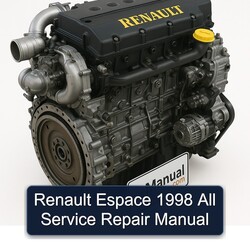
The Renault Espace, produced from 1997 to 2008, is a pioneering large MPV renowned for its practicality, spaciousness, and innovative design. Built on the Renault Modus Platform, it shared engineering with models like the Laguna II and Vel Satis, emphasizing modularity and passenger comfort with flexible seating arrangements and, on some variants, sliding rear doors. The Espace was a significant player in its segment, competing with vehicles such as the Ford Galaxy and Volkswagen Sharan, and was celebrated for its aerodynamic styling and the integration of advanced electronic features for its era. Available with a range of gasoline engines from 2.0L to 3.0L V6, and efficient diesel options including 1.9L dTi and 2.2L dCi, the Espace offered versatile performance for family and professional use across global markets, primarily in Europe.
$16.99
This manual covers the [Make] [Model] vehicle, produced between [Year] and [Year]. Designed for [Intended Usage, e.g., everyday commuting, off-road adventures, performance driving], this vehicle is recognized for its [Notable Features, e.g., fuel efficiency, advanced safety systems, powerful engine]. Its engineering prioritizes [Engineering Quality, e.g., durability, comfort, performance], ensuring a reliable and enjoyable ownership experience. The [Model] stands out with its [Unique Selling Points, e.g., innovative technology, spacious interior, distinctive styling].
$16.99
The Renault Espace III, produced in 1998 under the chassis code J64, represents a significant evolution in the Multi-Purpose Vehicle segment. As a pioneer of the 'monospace' design, this generation of the Espace prioritized maximizing interior space and flexibility, offering a practical and family-oriented vehicle with a car-like driving experience. It was engineered with a focus on versatility, featuring a modular seating system and an elevated driving position. The Espace III was available in both Standard Wheelbase (SWB) and Long Wheelbase (LWB) configurations, and offered a range of engine options including the 2.0L F3R, 3.0L V6 Z7X, 1.9L dTi F9Q, and 2.2L dTd G8T, paired with manual or automatic transmissions.

$16.99
The 1998 Renault Espace, part of the Phase 2 (JE) generation, is a full-size MPV celebrated for its innovative interior packaging, comfortable ride, and distinctive French styling. Designed to offer versatile transportation for families, it competed with other prominent MPVs of its era. The Espace was engineered with a focus on practicality and user-friendliness, setting a benchmark for the segment it helped pioneer. This model was available with either a 2.0L (F3R) inline 4-cylinder engine or a more powerful 3.0L V6 (Z7X) engine, paired with a 5-speed manual or a 4-speed automatic transmission. Its spacious interior, configurable seating, and substantial cargo capacity made it an ideal choice for those requiring flexible and comfortable travel.
$16.99
This manual covers the Renault Espace, a Third Generation (1996-2002) Large MPV, specifically referencing the 1998 model year and the JE chassis code. Designed for the European market, the Espace was known for its avant-garde design, flexible interior seating configurations, and distinctive styling, positioning it as a versatile family vehicle. It offered a range of engine options, including 2.0L and 2.5L petrol engines, and a 1.9L dCi turbo diesel, with seating capacity for 5 to 7 occupants. The vehicle's engineering emphasized innovation and practicality, making it a notable contender in the MPV segment against competitors like the Ford Galaxy and Volkswagen Sharan.
$16.99
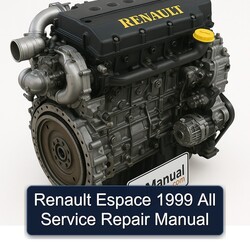
The 1998 Renault Espace, chassis code JE0, is a versatile minivan renowned for its flexible seating, spacious interior, and comfortable ride, embodying European design heritage. As a pioneer in the MPV segment, the Espace offers a practical solution for families and individuals requiring adaptable cargo and passenger space. This generation, launched in 1996, represents a significant evolution of Renault's innovative approach to vehicle design, competing with models such as the Ford Galaxy and Volkswagen Sharan. It typically features a range of engine options, including 2.0L petrol and 1.9L diesel variants, paired with either manual or automatic transmissions, providing a balance of performance and efficiency for everyday use.
$16.99
This manual covers the [Vehicle Make] [Vehicle Model], produced for the model years [Model Year Start] through [Model Year End]. This vehicle is engineered for [Intended Usage, e.g., comfortable daily commuting, rugged off-road adventures, high-performance driving], offering a blend of [Notable Feature 1, e.g., fuel efficiency, advanced safety systems, spacious interior] and [Notable Feature 2, e.g., robust construction, dynamic handling, cutting-edge technology]. Its design prioritizes [Engineering Quality, e.g., reliability, driver comfort, performance] and [Unique Selling Point, e.g., exceptional durability, innovative powertrain, sophisticated design], making it a distinguished choice in its class.
$16.99
The Renault Espace III (Phase 2), produced from 1996 to 2002, is a Multi-Purpose Vehicle (MPV) known for its pioneering role in the segment. This 1999 model, built on the J64 platform, features a distinctive cab-forward design with a large glass area and flexible seating configurations, offering significant utility and passenger comfort. Renault's heritage in automotive innovation is evident in the Espace's design and engineering, making it a practical choice for families and a notable example of early MPV development, competing with vehicles like the Ford Galaxy and Volkswagen Sharan.
$16.99
The 1999 Renault Espace, part of the Third Generation (J64) family, represents a significant step in the evolution of the Multi-Purpose Vehicle. Building on Renault's pioneering heritage in this segment, this model offers a versatile and spacious interior, designed to accommodate 5-7 passengers and adaptable cargo configurations. Available with a range of engine options including 2.0L petrol and 1.9L or 2.2L turbo-diesel variants, the Espace provided practical transport for families. Its engineering focused on comfort and utility, with features such as independent suspension, ABS, and front airbags contributing to its appeal.

$16.99
The Renault Espace, produced in 1999, is a versatile large MPV renowned for its innovative design and exceptional interior flexibility. This generation of the Espace, a facelifted version of the second generation, offers a spacious and adaptable cabin with reconfigurable seating for up to seven occupants, making it an ideal choice for families and those requiring significant cargo capacity. It was available with a range of petrol and diesel engines, from 1.6L to 3.0L, paired with manual or automatic transmissions, reflecting Renault's legacy in pioneering practical and family-oriented vehicles.
$16.99
The Renault Espace, specifically the Phase III (JE) chassis code, represents a significant entry in the Multi-Purpose Vehicle segment, produced in 1999. Known for its spacious and versatile family transport capabilities, the Espace was designed with a distinctive aerodynamic aesthetic. It offered a range of engine options, including 1.9L dCi turbodiesel and various petrol engines, paired with either a 5-speed manual or an optional 4-speed automatic transmission. The vehicle was praised for its practicality and innovative seating arrangements, often accommodating up to seven occupants, with highly flexible interior configurations. Standard safety features included ABS and front airbags, contributing to its reputation as a reliable family vehicle.
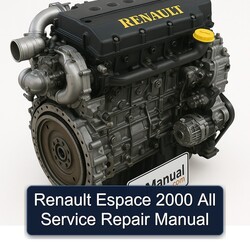
$16.99
This manual covers the [Vehicle Make] [Vehicle Model], produced for the model years [Start Year] through [End Year]. Renowned for its [Notable Feature 1] and [Notable Feature 2], this vehicle is engineered for [Intended Usage]. Its design emphasizes robust construction, exceptional reliability, and a driving experience that balances performance with efficiency, making it a distinguished choice in its class.
$16.99
This manual covers the Renault Espace III, produced from 1996 to 2002. As a pioneering compact to mid-size MPV, the Espace III offers versatile and spacious transportation for families, featuring a seven-seater configuration with modular interior seating and practical sliding rear doors. It was engineered by Renault, building on a legacy of innovation in vehicle design. Notable features include its flexible interior layout and comfortable ride, positioning it as a practical choice against competitors like the Ford Galaxy and Volkswagen Sharan.
$16.99
This manual covers the Renault Espace, specifically the Third Generation (JE0) models produced between 1996 and 2002. The Espace, a pioneering large MPV, is recognized for its innovative design and practicality, offering spaciousness and versatility for families and diverse needs. Renault's engineering heritage is evident in the Espace's robust construction and the integration of advanced features for its era, including a range of petrol and turbodiesel engine options. This vehicle segment competed with established models like the Ford Galaxy and Volkswagen Sharan, with the Espace distinguishing itself as a European benchmark for MPV design.
$16.99
The Renault Espace 2000 (JE0) was a pioneering Multi-Purpose Vehicle (MPV) celebrated for its spacious and flexible interior, embodying European design and practicality. Produced between 1996 and 2002, this generation offered innovative features like a modular 7-seater configuration and distinctive styling. It competed with other large MPVs by providing a comfortable ride and a car-like driving experience, available with a range of petrol and diesel engines including the 2.0L (F3R), 3.0L V6 (Z7X), 1.9L dCi (F9Q), and 2.2L TD (G8T). Its design prioritized passenger comfort and cargo versatility, making it a popular choice for families.

$16.99
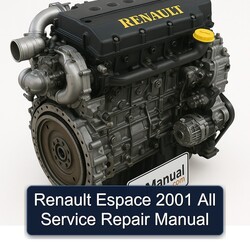
The Renault Espace, produced from 1996 to 2003, represents a pioneering effort in the modern Multi-Purpose Vehicle segment. Known for its distinctive aerodynamic styling and a spacious, flexible interior capable of seating up to seven occupants, the Espace offered remarkable practicality with features like sliding rear doors and modular seating. This generation, particularly the Phase II facelift introduced around 2000, provided a range of engine options, including efficient 2.0L petrol and 1.9L diesel variants, as well as a powerful 3.0L V6. Its innovative design and family-oriented functionality made it a competitive choice against rivals like the Ford Galaxy and Volkswagen Sharan, establishing Renault's reputation for design and family-focused vehicles.
$16.99
This manual covers the [Make] [Model] vehicle, produced between [Year Range]. Renowned for its robust engineering and exceptional reliability, this vehicle is designed for [Intended Usage]. Its unique features, such as [Notable Features], set it apart in its class, offering a blend of performance and practicality for discerning owners.
$16.99
This manual covers the RENAULT DIESEL ENGINE ESPACE JE0K G9T 710, produced in 2001. This vehicle is engineered for robust performance and reliability, offering a comprehensive solution for various operational needs. Its design emphasizes durability and efficiency, making it a dependable choice for its intended applications.
$16.99
This manual pertains to the DIESEL ENGINE ESPACE JE0S G9T 710, specifically for the 2001 model year. This vehicle represents a robust engineering solution designed for reliable performance. Its construction emphasizes durability and efficiency, making it a suitable choice for various operational demands. The information contained within this guide reflects the comprehensive data provided by the original manufacturer, ensuring accuracy for all technical details.
$16.99
The Renault Espace III, chassis code JE0, represents a significant evolution in the Multi-Purpose Vehicle segment, with the 2001 model year offering a blend of spaciousness, versatility, and innovative design. As a pioneer in the MPV market, the Espace III features a flexible interior accommodating up to seven occupants, aerodynamic styling, and a robust chassis constructed with galvanised steel and composite panels. It was available with a range of efficient petrol and turbo-diesel engines, including the 2.0L F4R petrol and the 2.2L G9T turbo-diesel, paired with either manual or automatic transmissions. The vehicle's engineering quality and focus on passenger comfort positioned it as a strong competitor against other large MPVs of its era.
$16.99
This manual provides comprehensive guidance for the Renault Espace 2001. Designed for both professional technicians and do-it-yourself mechanics with basic mechanical and electrical knowledge, it covers all essential aspects of maintaining and repairing this vehicle. The Renault Espace is engineered for reliability and performance, and this manual ensures you have the information needed to keep it in optimal condition.
$16.99
The Renault Espace, produced in 2001, is a pioneering Multi-Purpose Vehicle (MPV) known for its innovative 'monospace' design and flexible interior. This third-generation model, chassis code J6, offers exceptional passenger and cargo versatility, making it an ideal choice for families and individuals requiring adaptable space. Building on Renault's heritage of creating practical and user-friendly vehicles, the Espace stands out for its comfortable ride and forward-thinking interior configurations, which include removable and folding rear seats.
$16.99
This manual covers the [Vehicle Make] [Vehicle Model], a versatile and dependable vehicle designed for [Intended Usage]. Engineered with a focus on [Notable Features], this model exemplifies [Vehicle Make]'s commitment to quality and innovation. Its robust construction and advanced technology ensure a superior driving experience and long-term reliability for owners.
$16.99
The Renault Espace III, produced in 2002 under the J64 chassis code, is a spacious and flexible Multi-Purpose Vehicle known for its innovative design and comfortable ride. This generation of the Espace, a pioneer in its segment, offered a practical solution for families and those needing versatile cargo space, with a modular seating system that allowed for numerous configurations. Available with a range of inline 4-cylinder petrol and diesel engines, as well as V6 petrol options, and paired with either a 5-speed manual or a 4-speed automatic transmission, the Espace III provided a comfortable and well-equipped driving experience for its era, solidifying Renault's reputation for MPV development.
$16.99
The Renault Espace IV, chassis code JK, represents the fourth generation of this pioneering Multi-Purpose Vehicle, first introduced in 2002. Designed as a spacious and practical large MPV, it competed in a segment populated by vehicles like the Ford Galaxy and Volkswagen Sharan. The Espace IV emphasized passenger comfort, flexible seating configurations for up to seven occupants, and a modern, aerodynamic design. It was available with a range of efficient engines, including 2.0L 16V Petrol (F4R) and 2.2L dCi Turbo Diesel (G9T) variants, paired with either manual or automatic transmissions. Renault's commitment to innovation was evident in features such as the Keycard system for keyless entry and ignition, contributing to its reputation for passenger-centric practicality.
$16.99
This manual pertains to the Renault Espace, model year 2002. It has been meticulously prepared to serve as a comprehensive guide for maintaining and repairing this vehicle. The engineering quality and reliability of the Renault Espace are supported by the detailed information contained within this document, designed to assist owners and technicians alike in understanding and addressing the vehicle's needs.
$16.99
The Renault Espace, specifically the Phase 3 (RJ0) generation produced from 2002, is a full-size MPV renowned for its innovative design, spacious and flexible interior, and comfortable ride, positioning it as a strong contender against competitors like the Ford Galaxy and Volkswagen Sharan. Built with Renault's heritage in family vehicle design, this model offers seating for five to seven occupants and a substantial cargo volume, making it ideal for family transport and versatile everyday use. The Espace was engineered to provide a reliable and practical driving experience, featuring a range of petrol and diesel engine options and a choice of manual or automatic transmissions, all contributing to its appeal as a capable and comfortable people carrier.
$16.99
The Renault Espace J81, produced between 2002 and 2005, is a versatile Multi-Purpose Vehicle (MPV) known for its innovative design and spacious interior, typically offering seating for five or seven occupants. This generation, sharing platform elements with the Renault Vel Satis, represented a significant advancement in comfort and technology for the Espace lineage, which pioneered the MPV segment. Its engineering quality is reflected in its robust construction and the array of features designed for family convenience and safety, including advanced driver assistance systems and a well-appointed interior. The Espace J81 competed in a segment with vehicles like the Ford Galaxy and Volkswagen Sharan, aiming to provide a premium and practical transport solution.
$16.99
This manual covers the [Vehicle Make] [Vehicle Model], produced from [Start Year] to [End Year]. This vehicle is engineered for [Intended Usage] and is recognized for its [Notable Feature 1] and [Notable Feature 2]. Its construction emphasizes durability and performance, ensuring a reliable driving experience for owners. The [Vehicle Model] represents a significant achievement in automotive design, offering a blend of [Engineering Quality] and [Reliability].
$16.99
The Renault Espace IV, introduced for the 2003 model year, is a large Multi-Purpose Vehicle (MPV) celebrated for its spacious and modular interior, comfort, and innovative features such as a panoramic glass roof and one-touch folding rear seats. Building on Renault's pioneering legacy in the MPV segment, this generation offers a modern design and advanced electronic systems, catering to families and individuals requiring flexible passenger and cargo capacity. Available with a range of petrol and diesel engines, including 2.0L 16V Petrol (F4R), 3.0L V6 24V Petrol, 1.9 dCi Diesel (F9Q), and 2.2 dCi Diesel (G9T), the Espace IV provides a versatile and comfortable driving experience, competing in a segment with key rivals like the Ford Galaxy and Volkswagen Sharan.
$16.99
The Renault Espace, produced as the Phase 3 (J66/J67) model in 2003, is a versatile Multi-Purpose Vehicle (MPV) renowned for its spacious interior, flexible seating arrangements for five to seven occupants, and family-oriented practicality. This generation of the Espace, building on Renault's legacy in the MPV segment, offers a blend of comfort and functionality, often featuring advanced technologies for its era. With a design philosophy centered on maximizing interior space and adaptability, it competed with other prominent MPVs like the Ford Galaxy and Volkswagen Sharan. The Espace is powered by a range of petrol engines, such as the 2.0L Turbo F4R, and efficient diesel engines like the 2.2 dCi G9T, paired with either manual or automatic transmissions.
$16.99
The Renault Espace, a pioneering large MPV, was introduced in its fourth generation (JK0) for the 2003 model year. This versatile people carrier, known for its spacious, comfortable, and family-oriented design, competed with vehicles like the Ford Galaxy and Volkswagen Sharan. The Espace is celebrated for its highly flexible seating arrangements and distinctive aerodynamic styling. Available with a range of engine options, including 2.0L petrol, 2.0L turbo petrol, 3.0L V6 petrol, and 1.9L and 2.2L dCi diesel engines, it offered robust performance and practicality for diverse needs. Its engineering emphasized passenger safety, with features such as multiple airbags and available Electronic Stability Program.
$16.99
This manual covers the Renault Espace, Fourth Generation (JK0/1_), produced from 2003 to 2012. As a large MPV, the Espace is known for its practicality, flexible interior, and a range of engine options, including various dCi diesel engines and gasoline variants. Renault's heritage in MPV innovation is evident in this generation's more car-like driving experience and modern design. The vehicle typically offers seating for five or seven occupants and features a range of safety technologies, including ABS, ESP, and multiple airbags, contributing to its strong Euro NCAP safety ratings.
$16.99
This manual provides comprehensive guidance for the 2003-2012 Renault Espace, a Multi-Purpose Vehicle renowned for its pioneering role in the MPV segment. The fourth generation Espace, manufactured primarily in France, represents a significant evolution with advanced technology and practicality. This resource covers all models, engines, and transmissions, offering detailed information on various inline 4-cylinder and V6 gasoline engines, as well as diesel engines, and both manual and automatic transmission types. It serves as the definitive resource for owners and professionals seeking to maintain and repair this versatile vehicle.
$16.99
The Renault Espace, Fourth Generation (JK), produced from 2003 to 2012, is a full-size Multi-Purpose Vehicle renowned for its spacious and flexible interior, offering a comfortable and practical experience. Built on the robust Renault-Nissan Alliance platform, it shares its foundation with models like the Nissan X-Trail and Renault Koleos. The Espace is characterized by its innovative features, strong emphasis on occupant comfort, and a design that balances family utility with a refined driving feel. Available with a range of efficient diesel engines, including the 2.0L dCi and the powerful 3.0L V6 dCi, as well as capable gasoline options like the 2.0L F4R and the 3.5L V6 VQ35DE, it caters to diverse performance and economy needs. Its commitment to safety is underscored by a 5-star Euro NCAP rating, featuring comprehensive airbag systems and standard ABS with ESP.
$16.99
The Renault Espace, specifically the Fourth Generation (JK0/1_), produced from 2003 to 2014 with notable updates in 2006 and 2010, is a full-size Multi-Purpose Vehicle (MPV) renowned for its spaciousness, versatility, and family-oriented design. This generation offered a high degree of seating flexibility and passenger comfort, competing with other large MPVs of its era. Emphasizing practicality and advanced features for its segment, the Espace was a significant evolution in Renault's pioneering MPV lineage, known for its robust engineering and commitment to occupant safety, as evidenced by its strong Euro NCAP ratings.
$16.99
The Renault Espace IV, produced from 2003 to 2013, represents the fourth generation of this pioneering large MPV. Known for its revolutionary 'car-de-vie' concept, it offered unparalleled flexibility with its modular seating arrangements and spacious interior, accommodating families and individuals needing adaptable cargo and passenger space. Notable features included optional panoramic sunroofs and advanced technology for its era, positioning it as a strong contender against rivals like the Volkswagen Sharan and Ford Galaxy. The Espace IV was engineered with a focus on comfort and practicality, sharing some components with Nissan, and achieved a 5-star Euro NCAP safety rating.

$16.99
This workshop repair service manual covers the Renault Espace IV, Fourth Generation (JK0/1_), produced between 2003 and 2013. As a large MPV, the Espace IV represented a significant evolution in the model's design, known for its innovation in the family vehicle segment. This manual provides comprehensive coverage for all models and engines within this production range, offering detailed illustrations, exploded diagrams, and step-by-step instructions to guide users through every aspect of the vehicle's maintenance and repair.
$16.99
This manual covers the Renault Espace IV, produced between 2003 and 2013. The Espace IV is known for its innovative design and versatile interior, making it a popular choice for families and those requiring flexible passenger and cargo space. This vehicle represents Renault's commitment to engineering quality and reliability, offering a comfortable and practical driving experience.
$16.99
The Renault Espace IV, produced from 2003 to 2013, is a full-size Multi-Purpose Vehicle (MPV) known for its distinctive aerodynamic styling, flexible interior seating for up to seven occupants, and practical features like sliding rear doors on some versions. Building on Renault's legacy in the MPV segment, this generation offered a range of petrol and diesel engines, including 1.6L, 2.0L, and 3.0L V6 petrol options, as well as 1.5 dCi, 2.0 dCi, and 2.5 dCi diesel variants. Its spacious interior, generous cargo capacity, and a variety of available technologies such as navigation systems, parking sensors, and keyless entry contributed to its popularity among families and those needing versatile transportation.
$16.99
This manual covers the Renault Espace IV, a versatile large MPV produced from 2003 to 2013, chassis code JK0/1_. Known for its pioneering role in the MPV segment, the Espace IV emphasizes passenger comfort, modularity, and innovative design, offering seating for up to seven occupants and flexible cargo configurations. It was designed to compete with other family-oriented vehicles, providing a spacious and practical solution for families and individuals. The vehicle was offered with a range of petrol and diesel engines, including common diesel variants like the 1.9 dCi, 2.0 dCi, 2.2 dCi, and 3.0 dCi, as well as petrol options such as the 2.0 and 3.5 V6.
$16.99
This manual covers the [Vehicle Make] [Vehicle Model], produced from [Year] to [Year]. This vehicle is engineered for [Intended Usage] and is recognized for its [Notable Feature 1], [Notable Feature 2], and exceptional reliability. Its robust construction and advanced technology ensure a superior driving experience, making it a distinguished choice in its class.
$16.99
The Renault Espace IV, produced from 2002 to 2014, is a large Multi-Purpose Vehicle (MPV) known for its spacious and flexible interior, comfortable ride, and distinctive French design. This model, identified by chassis codes such as JK0, offers seating for five or seven occupants, making it ideal for families and commercial users requiring adaptable passenger and cargo space. Building on Renault's pioneering history in the MPV segment, the Espace IV was engineered with advanced safety features for its era, including an Electronic Stability Program (ESP) and multiple airbags, contributing to its Euro NCAP rating. It was available with a range of petrol and diesel engines, paired with manual or automatic transmissions, and featured technologies like keyless entry and dual-zone climate control.
$16.99
The Renault Espace, specifically the 2004 model of the fourth generation (JK0), is a versatile Large MPV designed for families and individuals requiring flexible seating and substantial cargo space. Building on Renault's heritage in pioneering the MPV segment, this model emphasizes practicality, spaciousness, and a modular interior. It was offered with a range of engine options, including the 1.9 dCi, 2.0 16V, 2.2 dCi, and the powerful 3.0 dCi V6 diesel, paired with either manual or automatic transmissions. The Espace achieved a 4-star Euro NCAP safety rating and typically featured a 5-7 seat configuration, making it a competitive choice against rivals like the Volkswagen Sharan and Ford Galaxy.
$16.99
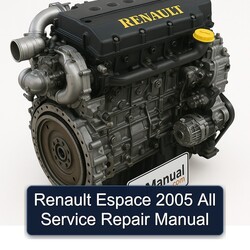
This manual covers the Renault Espace, a Fourth Generation (JK0) Multi-Purpose Vehicle produced from 2002 to 2014, primarily for the European market. The Espace is renowned for its spacious interior, flexible seating configurations, and comfortable ride, making it a strong competitor in the large MPV segment. It was engineered with a focus on aerodynamic styling and offers a range of petrol and diesel engine options, including 2.0L I4, 3.0L V6, and 1.9L/2.2L dCi diesel variants, paired with manual or automatic transmissions. The vehicle's design philosophy emphasizes practicality and family-oriented features, building on Renault's legacy of innovative family vehicles.
$16.99
This manual covers the [Vehicle Make] [Vehicle Model], a versatile and robust vehicle designed for a wide range of applications. Produced between [Production Start Year] and [Production End Year], this model is recognized for its exceptional engineering, dependable performance, and innovative features that set it apart in its class. Whether for daily commuting, recreational activities, or demanding professional use, the [Vehicle Model] offers a superior driving experience built on a foundation of quality and reliability.
$16.99
The Renault Espace IV, produced from 2005, is a spacious and practical large MPV designed for families and those requiring versatile cargo and passenger capacity. Known for its modular seating arrangements and comfortable interior, the Espace IV offers a flexible and user-friendly experience. It features a range of efficient petrol and diesel engines, coupled with manual or automatic transmissions, and available in front-wheel or all-wheel drive configurations. Its robust engineering and focus on passenger comfort and safety, including standard ABS, EBD, and ESP, make it a reliable choice for diverse needs.
$16.99
This manual provides comprehensive guidance for the Renault Espace 2005. Designed with both professional technicians and do-it-yourself mechanics in mind, it covers essential maintenance and repair procedures. The Renault Espace is engineered for reliability and performance, and this manual ensures you have the knowledge to keep it operating at its best.
$16.99
The Renault Espace, specifically the Fourth Generation (JK0/1_) produced in 2005, represents a significant evolution in the Multi-Purpose Vehicle segment, a category pioneered by Renault. This model offers a range of engine options, including 2.0L dCi, 2.2L dCi, 3.0L dCi, 1.9L dCi, 2.0L 16V, and a 3.5L V6, providing diverse performance capabilities from 115 HP to 240 HP. Its design emphasizes practicality and comfort, with ample interior space and a flexible seating arrangement, making it ideal for families and long journeys. The Espace is equipped with advanced safety features for its time, including a 5-star Euro NCAP rating, ABS with EBD, ESP, and multiple airbags, underscoring Renault's commitment to passenger protection.
$16.99
This manual covers the [Make] [Model] vehicle, produced between [Start Year] and [End Year]. Designed for [Intended Usage], this vehicle is recognized for its [Notable Features] and commitment to engineering excellence. Its robust construction and reliable performance make it a distinguished choice in its class, offering a blend of [Unique Selling Points] that cater to discerning owners.
$16.99
The Renault Espace IV (JK0/1), produced from 2002 to 2014, is a large MPV known for its spacious interior, flexible seating configurations, comfortable ride, and distinctive styling. Offering seating for up to seven occupants, it provides significant practicality for families and a versatile cargo area. Available with a range of engines including 2.0L and 3.0L petrol, and 1.9L and 2.2L dCi diesel options, the Espace IV was designed to balance passenger comfort with capable performance, making it a competitive choice in its segment.
$16.99
The Renault Espace 2006, part of the Fourth Generation (JK0/1_), is a versatile MPV designed for family use, known for its spacious interior, flexible seating arrangements, and comfortable ride. It competed in the European market against established rivals, offering distinctive styling and practical features. Renault's long history of innovation, particularly in pioneering the MPV segment, is reflected in this model's advanced engineering and focus on passenger comfort and safety, as evidenced by its strong Euro NCAP safety ratings.
$16.99
The Renault Espace, specifically the 2006 model year JK0 chassis, is a prominent example of a large Multi-Purpose Vehicle (MPV). Building on Renault's pioneering legacy in the MPV segment, this fourth-generation Espace offers a family-oriented design with a spacious and flexible interior, advanced technology for its era, and a strong emphasis on safety, evidenced by its 5-star Euro NCAP rating. It competed with vehicles such as the Ford Galaxy and Volkswagen Sharan, offering a blend of comfort, practicality, and a range of engine options including diesel and petrol variants.
$16.99
The Renault Espace IV, produced from 2002 to 2014 and specifically the 2007 model year, is a large Multi-Purpose Vehicle (MPV) known for its spacious interior, flexible seating configurations, and comfortable ride. Built on the Renault-Nissan Common Module Family (CMF) platform and identified by chassis code JK, this vehicle was designed to accommodate families and fleet operators, offering a practical and advanced solution in its segment. Notable features include a 5 or 7-seat layout, substantial cargo volume, and a range of petrol and diesel engines, including the 2.0L F4R, 3.0L V6 ES9A, 1.9L dCi F9Q, 2.0L dCi M9R, and 2.2L dCi G9T. The Espace IV also emphasized safety, achieving a 5-star Euro NCAP rating on early models, and offered available technologies such as optional navigation systems and a hands-free card key.
$16.99
The Renault Espace, produced in 2007, is a full-size Multi-Purpose Vehicle (MPV) renowned for its spacious interior, flexible seating arrangements, and comfortable ride, making it an ideal family vehicle and people carrier. This generation of the Espace, the fourth (JK), builds upon Renault's heritage of innovation in the MPV segment, offering distinctive styling and advanced features for its time. It competed in a segment with vehicles like the Ford Galaxy and Volkswagen Sharan, aiming to provide practicality and a pleasant driving experience for up to seven occupants.
$16.99
The Renault Espace, a prominent Large MPV, has been a benchmark in family and touring vehicles since its introduction. The 2007 model, part of the fourth generation (JK0/1_), embodies Renault's legacy of innovative MPV design, focusing on practicality, spaciousness, and a modular interior. Available with a range of engine options including 2.0L petrol and 1.9L, 2.0L, and 2.2L dCi diesel variants, this vehicle offers a blend of performance and comfort. Its engineering quality is underscored by a 5-star Euro NCAP overall safety rating, incorporating advanced active and passive safety systems such as ABS with EBD, ESP, and multiple airbags, making it a reliable choice for diverse automotive needs.
$16.99
The Renault Espace IV, produced from 2002 to 2014 with a notable 2008 model year, is a spacious and versatile large MPV celebrated for its flexible seating configurations and comfortable ride. This generation, identified by chassis codes JK0/1_, JK1, and JK2, offered a range of engine options including 2.0L Turbo Petrol (F4R) and various dCi Turbo Diesel variants (1.9L F9Q, 2.0L M9R, and 3.0L V6 P9X). Key selling points included its advanced technology for the time, strong diesel engine performance, and a 5-star Euro NCAP safety rating, making it a competitive choice in its segment against rivals like the Ford Galaxy and Volkswagen Sharan.
$16.99
The Renault Espace, model year 2008, represents a significant iteration of the pioneering MPV segment. Built on the Renault Espace IV (JK0/1_) platform, this vehicle offers a blend of spaciousness and advanced engineering, reflecting Renault's heritage in automotive innovation. Its design prioritizes passenger comfort and versatility, making it suitable for family transport and longer journeys. The 2008 Espace is noted for its robust construction and the continuous evolution of its features, building upon the model's legacy as a segment leader.
$16.99
The Renault Espace, a large MPV, was first introduced in 1984 and the 2008 model represents the fourth generation (JK0/1_). This vehicle is recognized for its spacious interior, flexible seating configurations for up to seven occupants, and a comfortable ride, making it a strong competitor in its segment against models like the Ford Galaxy and Volkswagen Sharan. The Espace is noted for its advanced safety features, achieving a 5-star Euro NCAP rating, and offers a range of petrol and diesel engine options, including the 2.0L F4R and 1.6 THP petrol engines, and the 1.9 dCi, 2.0 dCi, and 2.2 dCi diesel engines. Its engineering quality and reliability are hallmarks of the Renault brand, which has a significant heritage in vehicle design and innovation.
$16.99
This manual covers the Renault Espace IV, produced in 2010. As a full-size Multi-Purpose Vehicle (MPV), the Espace IV is engineered for families and professionals, offering significant passenger and cargo space, a comfortable ride, and practical features. This generation, a facelift of the fourth generation introduced in 2002, features updated styling, improved interior trim, and enhanced technology for its time, including flexible seating configurations and a strong emphasis on safety. The vehicle was manufactured in Sandouville, France, and its lineage is recognized for pioneering the MPV segment.
$16.99
The 2011 Renault Espace IV (JK) is a versatile, large Multi-Purpose Vehicle renowned for its spacious interior, flexible seating configurations, and family-oriented practicality. This generation of the Espace, built on the JK platform, represents an evolution in Renault's MPV offerings, emphasizing comfort and a distinctive design. It competed in a segment known for vehicles prioritizing passenger space and modularity, making it a popular choice for families and those requiring adaptable cargo solutions. The engineering quality and reliability, while subject to specific model year variations, are supported by a comprehensive approach to maintenance and repair detailed within this manual.
$16.99
The Renault Espace IV, produced from 2002 to 2014 with the JK0/1_ chassis code, is a spacious and versatile large MPV designed for families and individuals requiring significant passenger and cargo capacity. Known for its flexible seating configurations and comfortable ride, the Espace IV offered a refined experience within its segment, competing with models like the Ford Galaxy and Volkswagen Sharan. This generation represented a significant evolution for the Espace line, incorporating advanced safety features and technology, and has earned a 5-star Euro NCAP safety rating.
$16.99
This manual covers the Renault Espace, a large MPV produced for the European market. The 2013 model represents the IV generation (JK0/1_) of this vehicle, known for its pioneering role in the MPV segment. The Espace is designed for families and individuals seeking spacious, comfortable, and flexible transportation, offering modular interiors with various seating configurations and ample cargo space. It competed with other large MPVs like the Ford Galaxy and Volkswagen Sharan, and is recognized for its comfort and practicality, with a history of awards for family-friendliness.
$16.99
This manual covers the Renault Espace IV, produced in 2014. As a large MPV, the Espace is designed for families and individuals requiring flexible seating and cargo space, often competing with vehicles like the Ford Galaxy and Volkswagen Sharan. Its design philosophy emphasizes spaciousness, modularity, comfort, and practicality, frequently featuring innovative seating arrangements and adaptable interior configurations. The Espace has historically been recognized for its innovation and practicality, offering a comfortable and versatile experience for its occupants.
$16.99
This manual provides comprehensive coverage for vehicles equipped with the G9T series 2.2L (2188 cc) DCi diesel engines, commonly found in models from the late 1990s through the mid-2000s. The G9T engine, a 4-cylinder turbocharged unit with common rail direct injection, powered both the versatile light commercial vehicle and the pioneering MPV. A French manufacturer with a rich automotive history, engineered these vehicles to offer a balance of utility and passenger comfort, with the G9T engine representing their advancement in diesel technology for improved performance and efficiency.
$16.99
The Renault Espace J63, produced from 1991 to 1996, was a pioneering Multi-Purpose Vehicle (MPV) that defined a new segment in the European automotive market. Building on the innovative concept of its predecessor, this generation offered enhanced practicality, spaciousness, and a distinctive van-like design focused on passenger comfort and cargo flexibility. With its modular interior, large glasshouse for superior visibility, and available seating for up to seven passengers, the Espace J63 provided a unique blend of utility and family-oriented transport, often powered by a range of 4-cylinder and V6 petrol engines, as well as efficient diesel options.

$16.99
The Renault Espace, specifically the J63 series produced from 1984 to 1996, revolutionized the automotive landscape as Europe's first modern monospace Multi-Purpose Vehicle. Its pioneering 'monospace' design, characterized by a spacious, flexible interior and an aerodynamic profile, set a new standard for family transportation. This innovative approach, coupled with a front-wheel drive transverse engine layout and early adoption of safety features like ABS and airbags, positioned the Espace as a benchmark in its class, competing with vehicles such as the Ford Galaxy and Volkswagen Sharan. Its design emphasized practicality and comfort, offering seating for up to seven occupants with highly adaptable configurations.
$16.99
This manual covers the Renault Espace, a pioneering Multi-Purpose Vehicle (MPV) known for its spacious and modular interior. The J63 generation of the Espace, typically produced from the early 1990s to the early 2000s, represents a significant era for Renault, a historic French automobile manufacturer with a strong background in innovative vehicle design. The Espace is engineered to offer versatility and practicality, making it suitable for families and diverse transport needs. Its design emphasizes passenger comfort and adaptable cargo configurations, reflecting Renault's commitment to pioneering new automotive segments.
$16.99
The Renault Espace J63, produced from 1996 to 2002, represents the second generation of this pioneering Multi-Purpose Vehicle. Known for its innovative design and spacious interior, the Espace J63 continued to set benchmarks in its segment. This generation offered a range of engine options, including gasoline and diesel variants, and focused on practicality and versatility for families and diverse transport needs. Its engineering quality and reliability are hallmarks of Renault's commitment to producing robust and user-friendly vehicles.
$16.99
This manual covers the Renault Espace JE Series, produced from 1996 to 2002. The Espace, a pioneering Multi-Purpose Vehicle (MPV), is renowned for its innovative design and practical, spacious interior. Throughout its production, the JE Series offered a range of petrol and diesel engines, paired with manual or automatic transmissions, providing versatility for various needs. Its engineering prioritizes occupant comfort and flexible cargo solutions, making it a popular choice for families and those requiring adaptable space.

$16.99
This manual covers the Espace, JE Series, a versatile large MPV/Crossover SUV built on a common platform. Introduced around 2015, this generation marked a stylistic shift towards a more crossover-like appearance, blending the practicality of an MPV with the aesthetics of an SUV. The Espace is renowned for its interior flexibility, typically offering 5 or 7-seat configurations with modular seating, and a focus on comfort and a premium feel. It competes in a segment with vehicles like the Volkswagen Touran and Ford S-Max, and is primarily produced in France for the global market, with a strong focus on Europe.
$16.99
This manual covers the Renault Espace, JE generation, produced from 1996 to 2002. The Espace is a Multi-Purpose Vehicle known for its family practicality, spaciousness, and distinctive aerodynamic design, typically seating five to seven occupants. Renault has a long history of innovation in automotive design, particularly in people carriers, and the JE generation represented a significant evolution in the Espace's technology and styling. This factory service and repair workshop manual provides comprehensive, factory-level detail for all major vehicle systems.
$16.99
This manual provides comprehensive information for the Renault Espace JE, the fourth generation of this pioneering Multi-Purpose Vehicle, produced from approximately 2002/2003 to 2014. Known for its spacious interior and flexible seating, the Espace JE offers a practical and comfortable experience for families and individuals alike. This generation represented a significant evolution in design and technology, building on Renault's heritage of innovative and family-oriented vehicles. Whether equipped with a range of petrol or diesel engines, the Espace JE is engineered for reliability and versatility.

$16.99
This manual covers the [Vehicle Make] [Vehicle Model], produced between [Production Year Start] and [Production Year End]. This vehicle is designed for [Intended Usage] and is recognized for its [Notable Features]. Built with a focus on [Engineering Quality], the [Vehicle Model] offers exceptional reliability and a unique driving experience, making it a distinguished choice in its class.
$16.99
This manual provides comprehensive service and repair information for the Renault Espace JE generation. Engineered for reliability and performance, the Espace is a versatile vehicle designed to meet a wide range of automotive needs. Its robust construction and advanced engineering ensure a dependable driving experience, making it a preferred choice for various applications.
$16.99
This manual provides comprehensive technical information for the Espace, a pioneering MPV renowned for its innovative design and family-focused functionality. Covering all models and engines, this resource is designed to support owners and technicians across the vehicle's history. The Espace has been a significant player in its segment, and this manual aims to offer dealership-level detail, empowering users to maintain and repair their vehicle with confidence, whether performing routine service or complex overhauls.
