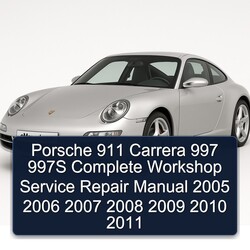
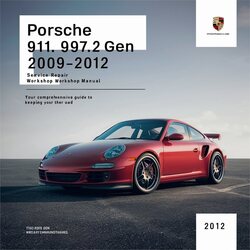
The Porsche 911 represents a distinct lineage of high-performance sports cars, renowned for their iconic rear-engine design and exceptional driving dynamics. This category encompasses a wide array of models, each evolving through generations while retaining core engineering principles. These vehicles are engineered for exhilarating performance, whether on the road or the track, offering a blend of everyday usability and track-ready capability. Their characteristic silhouette and sophisticated engineering have cemented their status as a benchmark in the sports car segment.
Documentation for the Porsche 911 category includes comprehensive owner's manuals detailing operation and features, alongside detailed workshop manuals for maintenance and repair....
The Porsche 911 represents a distinct lineage of high-performance sports cars, renowned for their iconic rear-engine design and exceptional driving dynamics. This category encompasses a wide array of models, each evolving through generations while retaining core engineering principles. These vehicles are engineered for exhilarating performance, whether on the road or the track, offering a blend of everyday usability and track-ready capability. Their characteristic silhouette and sophisticated engineering have cemented their status as a benchmark in the sports car segment.
Documentation for the Porsche 911 category includes comprehensive owner's manuals detailing operation and features, alongside detailed workshop manuals for maintenance and repair. Technical specification guides provide in-depth data on engine performance, chassis, and electrical systems. Troubleshooting resources are also available to assist owners and technicians in diagnosing and resolving potential issues, ensuring the continued optimal performance and longevity of these specialized vehicles.
This manual provides comprehensive workshop service and repair information for the 1989 Porsche 911 Carrera 2, part of the 964 generation. Known for its naturally aspirated 3.6-liter flat-six engine, 5-speed manual transaxle, and Bosch Motronic fuel injection, this iconic sports car represents a significant evolution in the 911 lineage. The 964 Carrera 2 is celebrated for its blend of performance, engineering quality, and a heritage rooted in the legendary Porsche 911 design. This resource is essential for owners and technicians seeking to maintain and repair this classic vehicle.
The Porsche 911 Carrera 4, chassis code 964, represents a significant evolution of the iconic 911 lineage, produced from 1989. This luxury sports car is renowned for its legendary rear-engine layout, exceptional handling, and durable engineering, offering a high-performance driving experience. As a Grand Tourer, it appeals to enthusiasts seeking a blend of performance, luxury, and timeless design, embodying Porsche's rich automotive heritage and commitment to innovation.
The 1989 Porsche 911, marking the introduction of the 964 generation, represents a significant evolution of the iconic sports car. This model featured a naturally aspirated, air-cooled 3.6-liter flat-six engine, producing approximately 250 horsepower and 310 Nm of torque. Available in rear-wheel-drive (Carrera 2) and all-wheel-drive (Carrera 4) configurations, the 964 offered a 5-speed manual transaxle or an optional Tiptronic automatic transmission. Its design incorporated aerodynamic improvements and a modernized suspension system, distinguishing it from its predecessors and competing with other high-performance vehicles of its era.
The 1989 Porsche 911, designated by its chassis code 964, represents a pivotal evolution in the iconic 911 lineage. This generation introduced significant advancements, including a more aerodynamic body with integrated bumpers, a modernized interior, and a robust 3.6L M64 Flat-6 engine. Key features such as coil springs replacing torsion bars, standard Anti-lock Braking System (ABS), and the availability of a Tiptronic transmission underscored Porsche's commitment to performance and driver engagement. The 964 was engineered to bridge classic air-cooled heritage with contemporary automotive technology, establishing itself as a highly capable sports car and a sought-after collector's item.
This workshop service repair manual provides comprehensive factory-level technical information for the 1989 Porsche 911, specifically the 964 generation Carrera. This high-performance sports car, powered by a 3.6-liter air-cooled flat-six engine and featuring the G50 5-speed manual transaxle, represents a significant evolution in the iconic 911 lineage. Known for its aerodynamically refined bodywork, integrated safety features like a driver's airbag and ABS, and advanced (for its time) Bosch Motronic engine management, the 1989 911 (964) is celebrated for its driving dynamics and engineering prowess, making it a sought-after model among enthusiasts and collectors.
The Porsche 911, specifically the 964 generation produced from 1989 to 1993, represents a significant evolution of the iconic sports car. Building upon the heritage of the 911, the 964 introduced substantial modernization, with approximately 85% of its parts being new. This generation featured integrated bumpers, improved aerodynamics, the adoption of coil springs, and a more powerful 3.6-liter air-cooled flat-six engine, offering horsepower ranging from 250 to 270 hp. Available in Coupe, Targa, and Cabriolet body styles, with rear-wheel-drive (Carrera 2) or all-wheel-drive (Carrera 4) configurations, the 964 was praised for its driving dynamics and engineering quality, making it a sought-after model for enthusiasts and collectors.
The Porsche 911, model code 964, represents a significant evolution of the iconic sports car, produced for the model years 1989 through 1993. Available in both rear-wheel-drive (Carrera 2) and all-wheel-drive (Carrera 4) configurations, these vehicles are powered by a 3.6-liter air-cooled flat-six engine, delivering impressive performance. The 964 generation is distinguished by its modern aerodynamic styling, updated interior, and technological advancements for its time, including the introduction of the all-wheel-drive system on the Carrera 4, marking Porsche's first production all-wheel-drive sports car. Engineered for enthusiasts and performance driving, the 911 Carrera 2 and 4 embody Porsche's commitment to driving dynamics and engineering excellence.
This manual covers the 911 (964) Carrera 2 and Carrera 4 models produced between 1989 and 1993. As a high-performance luxury sports car, the 964 generation represented a significant evolution of the iconic 911 lineage, introducing advancements such as all-wheel-drive (Carrera 4), the Tiptronic automatic transmission, and integrated aerodynamic bumpers. Powered by a naturally aspirated 3.6-liter air-cooled flat-six engine, these vehicles are celebrated for their exceptional driving dynamics and engineering quality, continuing the legacy in the automotive world.
The Porsche 911 Carrera, specifically the 964 generation produced from 1989 to 1994, represents a significant evolution of the iconic sports car. Available as the rear-wheel-drive Carrera 2 and the all-wheel-drive Carrera 4, these models are powered by a 3.6-liter naturally aspirated, air-cooled flat-six engine, delivering approximately 250 horsepower. Known for their exceptional driving dynamics, robust engineering, and the distinctive Porsche heritage, the 964 Carrera models are celebrated by enthusiasts and collectors for their blend of performance and classic design. This generation introduced integrated bumpers and significant aerodynamic improvements over its predecessors, solidifying its place as a luxury sports car benchmark.
The Porsche 911 Carrera 4 and Carrera 2, part of the 964 series produced from 1989 to 1993, represent a significant evolution of the iconic 911. This generation introduced modern technologies such as power steering, Anti-lock Braking System (ABS), and the option of a Tiptronic transmission, while the Carrera 4 model notably brought all-wheel drive to the 911 lineup. With its naturally aspirated 3.6-liter flat-six engine, the 964 offers approximately 250 horsepower and 229 lb-ft of torque, delivering a quintessential Porsche driving experience. Engineered in Germany, these vehicles are renowned for their robust build quality and performance heritage, making them highly sought after by enthusiasts.
This manual covers the Porsche 911 Carrera 4 and Carrera 2 models from the 964 generation, produced between 1989 and 1993. These vehicles represent a significant evolution of the iconic 911 lineage, featuring a 3.6-liter naturally aspirated flat-six engine and available all-wheel drive. Known for their advanced engineering, including power steering, ABS, and the Tiptronic transmission option, these Porsches are celebrated for their performance and driving dynamics. The 964 generation introduced 85% new parts compared to its predecessors, enhancing aerodynamics and overall refinement. This manual is an essential resource for owners and technicians alike, providing factory-level detail for comprehensive understanding and maintenance.
The Porsche 911 Carrera, chassis code 964, represents a significant evolution of the iconic 911 sports car, produced for the model years 1989 through 1993. This generation, available in both Rear-Wheel Drive (Carrera 2) and All-Wheel Drive (Carrera 4) variants, is celebrated for its renowned Porsche driving dynamics, the introduction of all-wheel drive, and its distinctive silhouette. Powered by a naturally aspirated, air-cooled flat-six engine, typically a 3.6-liter M64 series, it delivered approximately 250-260 horsepower. The 964 generation also brought notable aerodynamic improvements, an updated chassis, and the option of the Tiptronic automatic transmission, solidifying its reputation as a benchmark high-performance luxury sports car of its era.
This manual covers the Porsche 911 Carrera and Carrera 4 models, chassis code 964, produced between 1989 and 1993. The 964 generation represented a significant evolution for the iconic 911, introducing features such as Tiptronic automatic transmission and all-wheel drive on the Carrera 4 variant. Known for its blend of classic design and enhanced engineering, the 964 is powered by a naturally aspirated, air-cooled 3.6-liter flat-six M64 engine, offering performance figures that solidified its reputation as a capable and engaging sports car. This manual provides comprehensive coverage for owners and technicians seeking to maintain and restore these distinguished vehicles.
The Porsche 911 (964) represents a significant evolution of the iconic 911 sports car, produced from 1989 to 1993. This generation, characterized by its chassis code 964, introduced a more modern platform and technology while retaining the distinctive identity of its predecessors. Powered by a naturally aspirated 3.6-liter Flat-Six engine, the 964 offered performance enthusiasts a refined driving experience, with horsepower ranging from approximately 250 hp to 320 hp depending on the specific model, such as the Carrera 2, Carrera 4, or Carrera RS. Its engineering quality and reliability are hallmarks of the Porsche brand, making it a sought-after vehicle for collectors and performance enthusiasts.
The Porsche 911 (964 Generation), produced from 1989 to 1994, represents a significant evolution of the iconic 911 lineage. This luxury sports car, known for its air-cooled, horizontally opposed six-cylinder M64 engine, offered a blend of performance and modern amenities for its era. Innovations such as power steering, ABS, and the optional Tiptronic transmission distinguished it from its predecessors. The 964 generation, including variants like the Carrera 2 and Carrera 4, is highly regarded by enthusiasts and is increasingly collectible, marking the end of the air-cooled era before the 996 generation.
This workshop repair service manual covers the Porsche 964, also known as the 911 Carrera 4, produced between 1989 and 1994. This generation of the iconic 911 is celebrated for its all-wheel-drive system, air-cooled flat-six engine, and integrated aerodynamic design. The 964 represented a significant technological advancement for Porsche, offering enhanced performance and handling characteristics that continue to appeal to driving enthusiasts. Its robust engineering and distinctive styling solidify its place as a highly desirable vehicle.
The Porsche 964, produced from 1989 to 1994, represents a significant evolution in the iconic 911 lineage. This generation, specifically the Carrera 4 variant, introduced a standard all-wheel-drive system, a first for a naturally aspirated 911, enhancing traction and stability. Notable features include a new aerodynamic package with integrated bumpers and a retractable rear spoiler, along with a more modern and ergonomic interior. Powered by a 3.6-liter air-cooled flat-six engine, the 964 offered impressive performance for its era, competing with other high-performance sports cars. Its engineering quality and reliability are hallmarks of the Porsche brand, making it a desirable modern classic.
This comprehensive service repair workshop manual is designed for the Porsche 911 964 Carrera 2 and Carrera 4 models, covering production years from 1989 to 1994. Engineered with Porsche's renowned precision and performance, these vehicles represent a significant era in the 911 lineage, known for their distinctive design and driving dynamics. This manual provides the essential information needed to maintain the exceptional quality and reliability that owners expect from their Porsche.
The Porsche 911 964 Carrera 2 and Carrera 4, produced from 1989 to 1994, represent a significant evolution in the iconic 911 lineage. These models are celebrated for their blend of classic design and advanced engineering, offering a pure driving experience that has defined the brand for decades. Engineered for enthusiasts and discerning drivers alike, the 964 generation combines robust performance with the characteristic reliability and build quality expected from Porsche, making it a sought-after vehicle for both daily driving and spirited excursions.
The Porsche 911 (964 Generation), produced from 1989 to 1994, represents a significant evolution of the iconic 911 sports car. This generation introduced substantial modernization, including integrated aerodynamic bumpers, a retractable rear spoiler, and the first-ever all-wheel-drive system in a 911 with the Carrera 4. Powered by a naturally aspirated flat-six engine, available in 3.6-liter displacement, it offered impressive performance with models like the Carrera 2, Carrera 4, and the more potent Turbo variant. The 964 generation is celebrated for its blend of classic 911 driving characteristics with enhanced comfort and technology, solidifying Porsche's legacy in luxury sports car manufacturing.
This Workshop Service Repair Manual provides comprehensive coverage for the Porsche 911 Carrera 2, generation 964, produced between 1989 and 1994. The 964 represents a significant evolution of the iconic 911, introducing modern aerodynamic and chassis advancements while retaining the core driver-focused experience. This rear-wheel-drive sports car, powered by a 3.6-liter naturally aspirated flat-six engine, was engineered for performance and driver engagement, positioning it as a luxury sports car against notable competitors of its era. Its design philosophy emphasized a blend of classic 911 aesthetics with contemporary engineering, making it a celebrated model in Porsche's esteemed heritage.
This manual provides comprehensive service and repair information for the Porsche 911 Carrera 2, covering model years 1989 through 1994. Designed for all models, engines, trims, and transmission types, this workshop manual offers detailed guidance to ensure the optimal performance and longevity of your vehicle. The Porsche 911 Carrera 2 is renowned for its engineering quality and reliability, and this manual reflects the same commitment to excellence, providing you with the most accurate and complete resources available.
This manual provides comprehensive guidance for the Porsche 911 Carrera 2 (964 generation), covering production years 1989 through 1994. The 964 represents a significant evolution in the iconic 911 lineage, featuring 85% new parts over its predecessor and a blend of classic design with modern engineering. The Carrera 2 designation specifically identifies the rear-wheel-drive variant, powered by a naturally aspirated 3.6-liter flat-six engine. This vehicle is renowned for its engineering quality and continues the legacy of performance and driving pleasure associated with the Porsche brand.
This manual covers the Porsche 911 Carrera 2 (964) Coupe, produced from 1989 through 1994. The 964 generation represented a significant advancement for the iconic 911, introducing modern features such as power steering, ABS, and an improved aerodynamic design, while retaining the beloved rear-engine, air-cooled configuration. This model, powered by a 3.6-liter flat-six engine, is celebrated for its blend of performance, engineering quality, and the distinctive driving dynamics that define the Porsche marque.
This workshop service repair manual provides comprehensive information for the Porsche 911 Carrera 2, specifically the 964 generation, covering production years 1989 through 1994. The Porsche 911 Carrera 2 (964) is a rear-engine, rear-wheel-drive sports car renowned for its iconic design, robust engineering, and engaging driving experience. This model represents a significant evolution of the classic 911 lineage, incorporating modern technologies while retaining the brand's performance heritage. It features a 3.6L flat-six engine producing approximately 250 PS and is equipped with a 5-speed manual transaxle.
This manual covers the Porsche 911 Carrera 2, model generation 964, produced from 1989 to 1994. Known for its iconic rear-mounted, air-cooled 3.6L Flat-6 engine and renowned Porsche handling, the 964 generation represented a significant evolution of the classic 911. This model, available in Coupe, Targa, and Cabriolet body styles, offered a pure rear-wheel-drive driving experience, embodying Porsche's legacy of engineering excellence and performance in the luxury sports car segment.
The Porsche 911 Carrera 4, specifically the 964 generation produced from 1989 to 1994, represents a significant evolution of the iconic 911 sports car. This model is characterized by its rear-engine, all-wheel-drive configuration, a first for the 911 lineage, which enhances traction and stability. The 964 Carrera 4 features a naturally aspirated 3.6-liter flat-six engine delivering approximately 250 horsepower and 315 Nm of torque, paired with a 5-speed manual transaxle or an optional Tiptronic automatic. Its design philosophy blends classic 911 styling with modern aerodynamics and technology, positioning it as a high-performance luxury sports car that competed with other notable vehicles of its era.
This manual covers the Porsche 911 Carrera 4, model generation 964, produced between 1989 and 1994. The 964 generation marked a significant evolution for the iconic 911, introducing substantial engineering updates and representing a transition towards more modern performance and handling characteristics. The Carrera 4 variant, specifically, distinguished itself with the integration of a permanent all-wheel-drive system, featuring a viscous coupling center differential and a Torsen limited-slip rear differential, enhancing traction and stability. This model is celebrated for its blend of classic 911 aesthetics and refined engineering, making it a sought-after vehicle for enthusiasts and collectors.
This workshop repair service manual covers the Porsche 911 Carrera 4, chassis code 964, for the model years 1989 through 1994. This premium sports car is renowned for its legendary Porsche engineering, all-wheel drive system, and iconic silhouette, making it a highly sought-after vehicle among enthusiasts and collectors. The 964 generation represented a significant modernization of the original 911 concept, introducing advanced technology while retaining the core identity of this celebrated marque.
The Porsche 911 Carrera 4, generation 964, is an iconic coupe produced from 1989 to 1994. This model represents a significant evolution of the legendary 911, featuring over 85% new components, including its air-cooled 3.6-liter flat-six engine producing 250 horsepower. The Carrera 4 was the first production 911 to incorporate all-wheel drive, utilizing a viscous coupling system for enhanced traction and stability. Notable features include advanced aerodynamics with an integrated front spoiler and retractable rear spoiler, a distributorless ignition system, and the standard G50/03 5-speed manual transaxle. This generation is highly collectible, celebrated for its blend of classic 911 character with modern engineering and performance.
This manual covers the Porsche 911 Carrera 4 (Type 964) produced between 1989 and 1994. The 964 generation represented a significant evolution of the iconic 911, introducing an all-wheel-drive system to the production line for enhanced stability and traction. It features a naturally aspirated, air-cooled 3.6-liter flat-six engine, delivering 250 PS, paired with a 5-speed manual transaxle. The vehicle is celebrated for its blend of classic 911 design, advanced chassis dynamics for its era, and the engaging driving experience characteristic of Porsche's air-cooled performance cars.
The Porsche 911 Carrera 4, generation 964, produced from 1989 to 1994, represents a significant evolution of the iconic 911. This model introduced all-wheel drive to the 911 lineup, enhancing traction and stability, and featured a more integrated aerodynamic design with a retractable rear spoiler. Powered by a naturally aspirated 3.6-liter flat-six engine, the Carrera 4 delivered 250 PS and was equipped with a 5-speed manual transmission and a permanent all-wheel-drive system. Its engineering quality, reliability, and distinctive performance characteristics made it a standout sports car of its era, competing with other high-performance vehicles and earning praise for its driving dynamics.
The Porsche 911 Carrera 4, part of the 964 generation produced from 1989 to 1994, represents a significant evolution of the iconic 911. This model distinguished itself with the introduction of all-wheel drive, coil spring suspension, and improved aerodynamics, building on Porsche's legacy of performance and engineering excellence. Designed for driving enthusiasts, the Carrera 4 offered a blend of classic 911 aesthetics with enhanced traction and stability, making it a capable sports car for various conditions.
This manual covers the Porsche 911 Carrera 4, specifically the 964 generation, produced between 1989 and 1994. The 964 marked a significant evolution for the iconic 911, introducing a more modern chassis, improved aerodynamics, and the groundbreaking addition of all-wheel drive as standard for the Carrera 4 model. This generation, powered by a naturally aspirated 3.6-liter flat-six engine, offers approximately 250 PS and is renowned for its engaging driving dynamics and the continuation of Porsche's legendary engineering quality. The all-wheel-drive system enhances traction and stability, making it a capable performance vehicle for both spirited driving and daily use.
Welcome to the comprehensive guide for the Porsche 911 Carrera, chassis code 964, produced from 1989 to 1994. This generation of the iconic 911 represents a significant evolution, blending classic 911 driving dynamics with key technological advancements, including the introduction of optional Tiptronic transmission and all-wheel drive. The 964 Carrera is celebrated for its air/oil-cooled, horizontally-opposed 3.6-liter flat-6 engine, delivering 250 PS, and its distinctive styling with integrated bumpers and electric rear spoiler. This model is renowned among enthusiasts for its engineering quality and continues to be a highly sought-after sports car.
The Porsche 911, model generation 964, produced between 1989 and 1994, represents a significant evolution of the iconic sports car. This generation introduced key technological advancements such as standard ABS and power steering, alongside aerodynamic improvements and the option of all-wheel drive on Carrera 4 models. Known for its robust engineering and performance heritage, the 964 continues to be celebrated for its driving dynamics and the distinctive air-cooled, flat-six engine. This manual covers various configurations including the Carrera 2, Carrera 4, Carrera RS, and Turbo models.
This manual covers the Porsche 911, specifically the 964 chassis generation produced from 1989 to 1994. As a luxury sports car, the 911 (964) represents a significant evolution from its predecessors, featuring a rear-engine, air-cooled design with integrated oil-cooling circuits and a 3.6L flat-six engine. Known for its robust engineering, the 911 is celebrated for its exceptional driving dynamics, precise handling, and iconic silhouette, making it a highly collectible vehicle with a strong heritage in motorsport and automotive excellence.
The Porsche 911 (964 Generation), produced from 1989 to 1994, represents a significant evolution of the iconic 911 sports car. This generation introduced key advancements such as anti-lock brakes, power steering, and optional all-wheel drive, while retaining the signature air-cooled flat-six engine. Available in Carrera 2, Carrera 4, Targa, and Turbo variants, the 964 offered performance figures ranging from approximately 250 horsepower in the Carrera models to around 320 horsepower in the Turbo, all delivered through a 5-speed manual or optional Tiptronic transmission. Its robust engineering and status as the final air-cooled 911 have cemented its place as a highly collectible modern classic.
The Porsche 911, spanning the 964 and 993 generations, represents a significant chapter in the evolution of the iconic rear-engined sports car. Produced between 1989 and 1994, these models are celebrated for their potent flat-six engines, ranging from naturally aspirated to turbocharged variants, and their exceptional handling dynamics. The 964 generation introduced modernizations like coil springs and integrated bumpers, while the 993, the last of the air-cooled 911s, refined the design with an aluminum-intensive suspension and a more aerodynamic aesthetic. Both are lauded for their robust engineering, timeless styling, and track-capable performance, solidifying Porsche's reputation for automotive excellence.
This manual provides comprehensive information for the [Vehicle Make] [Vehicle Model], produced across a range of years. Renowned for its robust engineering and dependable performance, this vehicle is designed to meet the demands of both daily commuting and more adventurous journeys. Its unique blend of efficiency and capability makes it a distinguished choice in its class, reflecting a commitment to quality and driver satisfaction.
The Porsche 911, specifically the 964 generation produced from 1989 to 1994, represents a significant evolution of the iconic sports car. This generation, available in Carrera 2, Carrera 4, and Turbo variants, is celebrated for its blend of classic 911 aesthetics with modern engineering, including advanced aerodynamics and a more compliant suspension. Renowned for its exceptional driving dynamics, robust build quality, and the thrilling performance of its 3.6-liter M64 flat-six engine, the 964 continues to be highly regarded by enthusiasts and collectors. Its engineering excellence ensures a pure and engaging driving experience, solidifying its status as a benchmark in the luxury sports car segment.
This workshop service and repair manual covers the Porsche 911 models from the 964 and 993 generations, produced between 1989 and 1994. These vehicles represent a significant evolution in the iconic 911 lineage, with the 964 introducing modern features like power steering and ABS, and the 993 further refining the design with an aluminum chassis and updated powertrains. Known for their exceptional engineering quality, driving dynamics, and enduring reliability, these Porsches are a testament to the brand's commitment to performance and driver engagement, making them highly sought after by enthusiasts and collectors alike.
The Porsche 911, specifically the 964 generation produced from 1989 to 1994, represents a significant evolution of the legendary sports car. This era introduced substantial upgrades, including a modern coil-spring suspension, power steering, and the option of all-wheel drive, while retaining the iconic air-cooled flat-six engine. Available in Coupe, Targa, and Cabriolet body styles, and encompassing variants such as the Carrera 2, Carrera 4, Carrera RS, and Turbo models, the 964 is celebrated for its robust engineering, exceptional handling, and timeless design, making it a highly collectible and rewarding vehicle.
This manual covers the Porsche 911 models from the 964 and 993 generations, applicable to the years 1989 through 1994. These vehicles represent a significant era in the evolution of the iconic Porsche 911, known for their flat-six boxer engines, rear-wheel or all-wheel-drive configurations, and exceptional driving dynamics. The 964, introduced in 1989, brought significant updates including coil springs and power steering, while the 993, arriving in 1994, featured an all-aluminum engine and a more refined chassis, marking the end of the air-cooled 911 era. Both generations are celebrated for their engineering quality, performance, and enduring appeal as luxury sports cars.
The Porsche 911 (964) represents a significant evolution of the iconic sports car, produced from 1989 to 1994. This generation introduced substantial engineering advancements, including coil springs replacing torsion bars, power steering, and ABS, while retaining the distinctive silhouette and rear-engine layout that defines the 911. Known for its performance-oriented design, precision engineering, and motorsport heritage, the 964 served as a luxury sports car and grand tourer, competing with other high-performance vehicles of its era. Its blend of classic 911 appeal with modern amenities made it a sought-after model, embodying Porsche's commitment to driver engagement and sophisticated automotive design.
This workshop service repair manual provides comprehensive coverage for the 1990 Porsche 911 Carrera 2, part of the 964 generation. The 964 represented a significant modernization of the iconic 911, featuring smoother, more aerodynamic bodywork with integrated bumpers and offering the Tiptronic automatic transmission as an option. This model, powered by a 3.6-liter naturally aspirated flat-six engine producing 250 PS, competed against other high-performance sports cars of its era. The Carrera 2 designation signifies its rear-wheel-drive configuration, continuing the legendary Porsche 911 lineage known for its distinctive rear-engine layout and exceptional driving dynamics.
The Porsche 911 Carrera 4, chassis code 964, represents a significant evolution in the iconic 911 lineage, introduced in 1990. This model marked the return of all-wheel drive to the 911, enhancing stability and traction, a key feature for performance sports cars. Powered by a naturally aspirated 3.6-liter flat-six engine with Bosch Motronic fuel injection, and typically equipped with a 5-speed manual transmission, the 964 Carrera 4 offers a pure driving experience. Its coupe body style and approximate curb weight of 1450-1500 kg contribute to its dynamic capabilities, building on Porsche's heritage of engineering excellence.
This workshop service repair manual provides comprehensive information for the 1991 Porsche 911 Carrera 2, chassis code 964. As part of the iconic Porsche 911 lineage, the 964 generation represented a significant evolution, introducing integrated bumpers, improved aerodynamics, and a powerful 3.6-liter air-cooled flat-six engine. This model, known for its engineering quality and driving dynamics, features a standard G50 5-speed manual transaxle and Anti-lock Braking System (ABS). The manual covers all styles of the 1991 911 Carrera 2 and offers in-depth factory service and repair data for both enthusiasts and professional mechanics.
This manual covers the 1991 Porsche 911 Carrera 4, chassis code 964, equipped with the M64/01 engine. This model represents a significant evolution in the iconic 911 lineage, distinguished by its standard all-wheel-drive system, enhanced aerodynamics with an integrated rear spoiler, and the robust 3.6-liter air-cooled flat-six engine. The Carrera 4 was engineered to offer superior stability and traction, competing in the performance grand tourer segment of its era. Its blend of classic Porsche design and technological advancements makes it a highly regarded sports car, and this manual provides the essential technical documentation for maintaining its intrinsic value and performance.
The Porsche 911 Carrera 2, part of the 964 generation produced from 1991 to 1994, is a rear-engine, rear-wheel-drive sports car renowned for its blend of classic 911 heritage and advanced engineering for its time. This model features a 3.6-liter air-cooled flat-six engine producing 250 PS, paired with a G50 5-speed manual transaxle. Notable technological advancements include an integrated front spoiler, a retractable rear spoiler for improved aerodynamics, and a standard Anti-lock Braking System (ABS). The Carrera 2 offered a pure driving experience, building upon Porsche's legacy of performance and motorsport success, and is considered a highly desirable modern classic.
The Porsche 911 Carrera 2, part of the 964 generation, represents a significant evolution of the iconic 911 platform. Produced from 1991 to 1994, this rear-engine, rear-wheel-drive luxury sports car embodies Porsche's commitment to performance and engineering precision. Its design philosophy blended the classic 911 silhouette with modern aerodynamics and technology, making it a standout in its era. Powered by a naturally aspirated 3.6-liter flat-six engine producing approximately 247 horsepower, the 911 Carrera 2 offers exhilarating performance and a driving experience that has cemented its status among enthusiasts.
This manual covers the 1992 Porsche 911 Carrera 2, a rear-wheel-drive model from the 964 generation, produced between 1989 and 1994. This iconic vehicle, manufactured in Stuttgart, Germany, features a naturally aspirated, air-cooled 3.6-liter flat-six engine producing approximately 250 horsepower and 230 lb-ft of torque, paired with a 5-speed manual transaxle. Known for its engineering excellence and motorsport heritage, the 911 Carrera 2 of this era offers a pure driving experience, characterized by its aerodynamic body with integrated bumpers, advanced for its time with features like ABS. Available in Coupe, Targa, and Cabriolet body styles, it represents a significant modernization of the classic 911 lineage.
The 1992 Porsche 911 Carrera 4, part of the 964 generation, represents a significant evolution in the iconic 911 lineage. This model blended classic Porsche design with modern engineering, featuring a 3.6-liter flat-six engine producing 250 horsepower and an all-wheel-drive system for enhanced stability and performance. Positioned as a premium sports car, it competed with other high-performance vehicles of its era, offering a unique combination of everyday usability and track-ready capability. Key features include its distinctive aerodynamic body, anti-lock braking system, and the sophisticated all-wheel-drive drivetrain, making it a celebrated example of Porsche's commitment to driving dynamics and innovation.
The 1992 Porsche 911, identified by the chassis code 964, represents a significant evolution of the iconic sports car. This model, produced in Germany, offered a blend of performance and refinement, competing with other high-end European sports cars of its era. Key features included an advanced all-wheel-drive system on Carrera 4 models, a refined aerodynamic design, and a potent 3.6-liter flat-six engine. The 911's enduring legacy is built on its engineering excellence and driving dynamics, making the 1992 model a sought-after vehicle for enthusiasts.
This workshop service repair manual provides comprehensive information for the 1993 Porsche 911 Carrera 2, chassis code 964. As an evolution of the iconic 911 lineage, the 964 generation, produced from 1989 to 1994, represented a significant redesign with over 85% new or modified parts, including substantial chassis, engine, and aerodynamic enhancements. The Carrera 2 variant features a rear-wheel-drive configuration powered by a 3.6-liter air-cooled flat-six engine (Type 964, M64 family), delivering approximately 250 horsepower and 228 lb-ft of torque. This model is equipped with a 5-speed manual transaxle, often paired with a Limited Slip Differential, and includes standard safety features such as a driver's side airbag and 3-point inertia reel seatbelts.
The 1993 Porsche 911 Carrera 4, chassis code 993, represents a significant milestone in the evolution of the iconic 911. This model is renowned for its blend of performance, luxury, and all-wheel-drive capability, making it a distinguished sports car of its era. It features a naturally aspirated 3.6-liter flat-six engine producing 272 horsepower, paired with a 6-speed manual transmission and an advanced AWD system for enhanced traction and stability. The 993 generation is celebrated for its chassis improvements over previous models and is the last air-cooled 911, embodying Porsche's heritage of engineering excellence.
The 1993 Porsche 911 Carrera, chassis code 993, represents the final iteration of the iconic air-cooled 911 lineage. This rear-mounted, naturally aspirated flat-six sports car, powered by a 3.6-liter M64 engine producing 272 horsepower, offers a pure driving experience celebrated for its exceptional handling and direct feedback. As a modern classic, the 993 Carrera embodies Porsche's commitment to engineering excellence and performance, making it a highly sought-after vehicle for enthusiasts and collectors. Its design and mechanicals reflect a significant evolution from previous generations, incorporating advancements in suspension and aerodynamics while retaining the distinctive character of its air-cooled heritage.
The Porsche 911, chassis code 964, produced in 1993, represents a significant evolution of the iconic rear-engine sports car. This generation, known for its blend of classic 911 aesthetics with modern engineering, features a 3.6-liter flat-six engine and a robust G50 5-speed manual transaxle. The 964 is celebrated for its driver-focused design, enhanced handling capabilities thanks to its coil spring suspension and revised chassis, and its status as the final iteration of the air-cooled 911 lineage. Its engineering quality and performance make it a highly sought-after vehicle for enthusiasts and collectors alike.
The Porsche 911 (993 series), produced from 1993 to 1998, represents the final iteration of the air-cooled 911 lineage. This generation, encompassing variants such as the Carrera, Carrera 4, Targa, and the high-performance 993 Turbo, is celebrated for its exquisite engineering, refined driving dynamics, and the unique character of its naturally aspirated flat-six engines. As the pinnacle of air-cooled 911 development, the 993 bridges classic sports car heritage with advanced automotive technology, making it a highly desirable and collectible model. Its design philosophy emphasized a seamless integration of performance, comfort, and reliability, setting a benchmark for contemporary sports cars.
The Porsche 911 (993), produced from 1993 to 1998, represents a significant evolution in the iconic 911 lineage, widely regarded as the last air-cooled iteration. This luxury sports car is celebrated for its robust engineering, particularly its rear-mounted, air-cooled flat-six engine and advanced multi-link rear suspension, a first for the 911. Available with naturally aspirated or twin-turbocharged engines ranging from 3.6L to 3.8L, and offered in both rear-wheel and all-wheel-drive configurations, the 993 delivered exceptional driving dynamics and performance, competing with esteemed vehicles like the Ferrari 355 and Chevrolet Corvette. Its refined aerodynamic design and reputation for build quality have solidified its status as a highly sought-after model by enthusiasts and collectors.
This manual covers the Porsche 911, model code 993, produced between 1993 and 1998. Renowned as the final generation of the air-cooled Porsche 911, this vehicle represents a significant evolution in the iconic 911 silhouette, featuring smoother lines, integrated bumpers, and improved chassis dynamics. Powered by naturally aspirated flat-six engines ranging from 3.6 to 3.8 liters, and available with either a 6-speed manual or a 4-speed Tiptronic automatic transmission, the 993 offers an analog driving experience highly sought after by enthusiasts and collectors. Its engineering quality, reliability, and status as a modern classic solidify its position as a distinguished luxury sports car.
This manual covers the Porsche 911 Carrera (993 generation), produced from 1993 to 1998. The 993 Carrera represents the final iteration of the iconic air-cooled 911, renowned for its potent naturally aspirated, air-cooled flat-six engine and sophisticated multi-link suspension. It offers a blend of exhilarating performance, precise handling, and timeless design, making it a highly sought-after luxury sports car and a collectible modern classic. Its engineering quality and reliability are hallmarks of the Porsche brand, building upon decades of motorsport heritage and sports car development.
The Porsche 911 Carrera, chassis code 993, represents the final iteration of the air-cooled 911 lineage, produced between 1993 and 1998. This luxury sports car is celebrated for its iconic silhouette, rear-engine rear-wheel-drive layout, and the distinctive air-cooled flat-six engine, available in displacements of 3.6L and 3.8L, producing between 272 and 300 horsepower. Known for its exceptional driving dynamics, robust engineering, and the brand's motorsport heritage, the 993 offered performance figures such as 0-60 mph in approximately 4.5-5.5 seconds. Key features include a standard 6-speed manual transmission or the optional Tiptronic automatic, ABS, and driver and passenger front airbags, making it a benchmark in its class against competitors like the Ferrari 355 and Chevrolet Corvette C5.
The Porsche 911 Carrera (993) represents a pinnacle of German engineering, produced from 1993 to 1998. As a high-performance luxury sports car, it continues the iconic Porsche 911 lineage, known for its distinctive rear-engine layout and exceptional driving dynamics. The 993 generation is particularly significant as the final iteration of the air-cooled 911, featuring a naturally aspirated 3.6-liter flat-six engine that produced approximately 270-282 horsepower. Its design incorporated significant chassis and aerodynamic improvements, contributing to its near 50/50 weight distribution and renowned handling. This model is highly collectible and celebrated for its build quality and the end of an era in 911 history.
The Porsche 911 Carrera, specifically the 993 generation produced from 1993 to 1998, represents a pinnacle of air-cooled automotive engineering. This iconic model, known for its distinctive silhouette and exceptional driving dynamics, is powered by a naturally aspirated, air-cooled flat-six boxer engine, typically displacing 3.6 liters and producing around 270-300 horsepower. The 993 generation is celebrated as the final iteration of the air-cooled 911, embodying a commitment to performance, reliability, and a pure driving experience. Its robust construction, advanced (for its time) Bosch Motronic fuel injection, and available 6-speed manual transaxle contribute to its enduring appeal among enthusiasts and collectors.
This manual covers the Porsche 911 Carrera, chassis code 993, produced from 1993 to 1998. As the final generation of the air-cooled 911, the 993 represents a significant evolution, featuring a more modern chassis and body. Renowned for its engineering quality and reliability, the 993 offers exceptional driving dynamics and is considered a highly sought-after collector's item. This manual provides comprehensive information for owners and technicians alike, detailing the vehicle's unique features and performance capabilities.
The Porsche 911 Carrera (993) represents the final iteration of the air-cooled flat-six engine in the iconic 911 lineage, produced from 1993 to 1998. Celebrated for its exceptional handling, distinctive design, and renowned build quality, this luxury sports car offers a pure driving experience. Its naturally aspirated, air-cooled flat-six engine, available in displacements of 3.6L and 3.8L, delivers robust performance, ranging from 270 to 300 horsepower. The 993 generation is highly regarded by enthusiasts and collectors for its unique selling points, including its advanced chassis, powerful braking systems with ABS, and the overall engineering excellence that defines the brand.
The Porsche 911 (993) Carrera, produced from 1993 to 1998, represents the final iteration of the iconic air-cooled 911 lineage. Renowned for its exceptional driving dynamics, refined engineering, and the distinctive character of its rear-mounted, naturally aspirated flat-six engine, the 993 generation is celebrated for its blend of performance and mechanical purity. This model, featuring a 3.6-liter engine producing approximately 272 horsepower and available with either a 6-speed manual or 4-speed Tiptronic transmission, is a highly sought-after modern classic, embodying a significant evolution in Porsche's design and engineering philosophy.
The Porsche 911 Carrera 993, produced from 1993 to 1998, represents a pinnacle of automotive engineering, celebrated for its iconic design and robust performance. This model is renowned for its rear-engine configuration, air-cooled flat-six engine, and exceptional handling characteristics, making it a highly sought-after vehicle for both spirited driving and collection. Its enduring appeal is a testament to Porsche's commitment to quality, reliability, and a driving experience that connects the driver directly to the road.
This workshop service repair manual covers the Porsche 911 Carrera (model code 993) produced between 1993 and 1998. As the final air-cooled generation of the iconic 911, the 993 represents a significant evolution, featuring refined chassis dynamics and aerodynamic enhancements. This manual provides comprehensive, dealership-level information designed for owners and independent repair shops, enabling detailed understanding and maintenance of this celebrated vehicle. It covers a wide range of models, including the Carrera, Carrera 4, Carrera 4S, and the Turbo variant, each powered by a naturally aspirated or twin-turbocharged flat-six engine, paired with either a 6-speed manual transaxle or an optional Tiptronic automatic transmission.
The Porsche 911 Carrera 993, produced from 1993 to 1998, represents the final iteration of the iconic air-cooled 911 lineage. This generation is celebrated for its refined aerodynamics, enhanced driving dynamics, and the distinct character of its naturally aspirated, air-cooled flat-six engine, available in 3.6-liter displacements. Revered for its engineering purity and timeless design, the 993 Carrera embodies over three decades of Porsche's performance heritage, offering an engaging driving experience that continues to captivate enthusiasts and collectors alike, solidifying its status as a highly sought-after automotive classic.
The Porsche 911 Carrera, chassis code 993, produced from 1993 to 1998, represents a highly acclaimed generation of the iconic sports car, celebrated for its pure driving experience and the final iteration of the air-cooled engine. This model is renowned for its robust engineering, distinctive design, and significant performance capabilities, making it a cherished vehicle among enthusiasts and collectors. Its development marked a significant evolution for the 911 lineage, blending advanced technology of its time with the timeless appeal that defines the Porsche brand.
This manual provides comprehensive guidance for the Porsche 911 Carrera, generation 993, produced between 1993 and 1998. As a luxury sports car, the 911 Carrera represents a significant evolution in Porsche's iconic lineage, being the final air-cooled iteration. Known for its exceptional engineering, dynamic performance, and enduring design, this model continues to be highly sought after by enthusiasts and collectors. This workshop service manual is designed to cover the intricacies of this celebrated vehicle, ensuring its performance and longevity are maintained to the highest standards.
The Porsche 911 Carrera, specifically the 993 generation produced from 1993 to 1998, represents a significant milestone in automotive engineering, being the final iteration of the iconic air-cooled 911. This model is renowned for its exceptional driving dynamics, distinctive rear-engine layout, and the robust performance of its 3.6-liter flat-six engine, which produced between 270 and 282 horsepower. Available in rear-wheel-drive and all-wheel-drive configurations, including the wider-bodied Carrera 4S, the 993 Carrera offers a pure and engaging driving experience, making it a highly prized vehicle among enthusiasts and collectors. Its engineering quality and reliability are hallmarks of the Porsche brand, setting it apart in the high-performance sports car market.
The Porsche 911 Carrera, model code 993, represents the third generation of the iconic 911, produced from 1994 to 1998. This generation is highly sought after as the last air-cooled 911, celebrated for its refined design, enhanced aerodynamics, and the visceral driving experience characteristic of Porsche's performance-oriented sports cars. The 993 Carrera, including variants like the Carrera 4, Carrera S, and Carrera RS, is renowned for its engineering quality and the unique sound and feel of its naturally aspirated flat-six engines, offering exceptional handling and driver engagement.
The Porsche 911 Carrera, specifically the 993 generation produced from 1993 to 1998, stands as a celebrated icon in automotive history. This model represents the final evolution of the legendary air-cooled Porsche 911, renowned for its exceptional handling, distinctive aerodynamic design, and the powerful, characterful flat-six engine. The 993 Carrera offered a sophisticated driving experience, competing with other high-performance sports cars of its era through its robust engineering and timeless aesthetic, solidifying its place as a modern classic.
The Porsche 911 Carrera (993) represents a significant chapter in the iconic sports car's history, produced from 1993 to 1998. This generation is celebrated for its timeless design, featuring the last air-cooled flat-six engine, a rear-engine layout, and renowned driving dynamics. The 993 Carrera offers exhilarating performance and precise handling, making it a highly sought-after model for enthusiasts and collectors alike. Its engineering quality and reliability are hallmarks of the brand, cementing its status as a luxury sports car with enduring appeal.
The Porsche 911 Carrera (993) represents a significant chapter in the iconic model's history, produced from 1993 to 1998. This generation is celebrated as the final iteration of the air-cooled 911, embodying Porsche's engineering philosophy with its rear-engine, rear-wheel-drive layout and sophisticated chassis dynamics. Offering a choice of naturally aspirated flat-six engines, manual or Tiptronic transmissions, and advanced safety features like ABS, the 993 Carrera is a high-performance luxury sports car renowned for its driving engagement and timeless design, making it a highly sought-after vehicle among enthusiasts.
This manual covers the Porsche 911 Carrera, specifically the 993 generation, produced between 1993 and 1998. The 993 represents the final iteration of the iconic air-cooled 911, celebrated for its distinctive styling, engaging driving dynamics, and the continuation of Porsche's renowned engineering quality and reliability. This model is equipped with a naturally aspirated 3.6-liter Flat-6 engine, available in both manual and Tiptronic transmissions, offering a driving experience that blends classic sports car feel with contemporary performance. Its robust construction and motorsport heritage make it a highly sought-after vehicle for both enthusiasts and collectors.
The Porsche 911, specifically the 993 generation produced from 1993 to 1998, represents a significant chapter in the evolution of this iconic luxury sports car. Renowned for its rear-engine, rear-wheel-drive layout and the final air-cooled flat-six engine offered in the 911 series, the 993 is celebrated for its exceptional handling, refined aerodynamics, and Porsche's signature engineering excellence. This generation, manufactured in Germany, is a highly sought-after model, appreciated for its blend of performance, driver engagement, and timeless design, making it a cornerstone of automotive heritage.
The Porsche 911 (993) represents the final iteration of the iconic air-cooled 911 lineage, produced from 1993 to 1998. This luxury sports car is renowned for its robust construction, aerodynamic styling, and driver-focused ergonomics, embodying Porsche's legacy of performance engineering. Featuring a rear-engine, rear-wheel-drive configuration powered by a naturally aspirated air-cooled flat-six engine, the 993 offered displacements of 3.6 and 3.8 liters, delivering impressive horsepower and torque. Its design philosophy emphasized a blend of timeless aesthetics and advanced engineering for its era, making it a highly sought-after vehicle for both driving enjoyment and collection.
The Porsche 911 (993) represents the final generation of the iconic air-cooled 911, produced from 1993 to 1998. This premium sports car is renowned for its rear-mounted, air-cooled flat-six engine, delivering exceptional performance and handling. Available in naturally aspirated and twin-turbocharged variants, including the Carrera, Carrera 4, Turbo, and Targa models, the 993 embodies Porsche's commitment to engineering excellence, build quality, and driving purity. Its distinctive design and the culmination of classic 911 principles make it a highly sought-after vehicle.
The Porsche 911, specifically the 993 generation produced between 1993 and 1998, represents the pinnacle of the marque's air-cooled era. This iconic sports car is celebrated for its exceptional engineering, refined driving dynamics, and the distinctive, naturally aspirated air-cooled flat-six boxer engine, offering power outputs ranging from approximately 272 hp to 400 hp depending on the specific variant, including the Carrera, Carrera 4, Carrera S, Turbo, and Turbo S models. Its timeless design, combined with robust construction and a legacy of motorsport success, has cemented the 993's status as a highly desirable and collectible automobile, revered for its purity and connection to Porsche's heritage.
The 1994 Porsche 911 Carrera 2, part of the 993 generation, represents the final iteration of the iconic air-cooled 911. This model is celebrated for its refined design, exceptional handling dynamics, and the robust 3.6-liter air-cooled flat-six engine, delivering 272 PS. The 993 generation modernized the 911's silhouette with improved aerodynamics and integrated bumpers, while retaining the core driving experience that has defined the marque. It competed in the premium sports car segment, distinguished by its engineering excellence and the unique appeal of its air-cooled powertrain, making it a highly sought-after vehicle for enthusiasts and collectors.
The Porsche 911 Carrera 4, specifically the 993 generation from 1994, represents a pinnacle of air-cooled engineering and performance. This model, characterized by its refined aerodynamics and the advanced Porsche Traction Drive (PTD) all-wheel-drive system, offers enhanced stability and grip. Building on the legendary 911 lineage, the 993 Carrera 4 features a naturally aspirated 3.6-liter flat-six engine, delivering 272 PS and 330 Nm of torque, coupled with a 6-speed manual transaxle. Its robust construction, including a reinforced safety cage, and standard ABS further underscore its commitment to driver confidence and the marque's reputation for quality and reliability.
The 1994 Porsche 911 Carrera, part of the 993 generation, represents a significant evolution in the iconic 911 lineage. This model is celebrated for its refined design, a hallmark of Porsche's engineering prowess, and its status as the last 911 to feature an air-cooled engine. Known for its exceptional driving dynamics, precise handling, and the distinctive character of its naturally aspirated 3.6L Flat-6 engine, the 993 Carrera was designed for enthusiasts seeking a pure sports car experience. Its engineering quality and reliability have cemented its reputation as a highly desirable vehicle, appealing to both passionate drivers and collectors alike.
The 1994 Porsche 911 (993 generation) represents the final iteration of the air-cooled 911, a highly sought-after model for enthusiasts and collectors. This iconic sports car, produced in Zuffenhausen, Germany, is renowned for its exceptional engineering, performance, and the distinct character of its naturally aspirated, air-cooled flat-six engine. The 993 generation is celebrated for its refined styling, improved aerodynamics, and superior handling compared to its predecessors, embodying Porsche's rich heritage in automotive excellence and motorsports.
This workshop service repair manual covers the Porsche 911 (993 generation), produced from 1994 to 1998. As the final iteration of the air-cooled 911, the 993 represents a significant evolution, featuring a new bodyshell, improved aerodynamics, and an advanced multi-link rear suspension. This high-performance sports car, powered by a naturally aspirated or twin-turbocharged Flat-Six engine, offered refined driving dynamics and was a direct competitor to esteemed vehicles of its era. The manual encompasses all styles, including Carrera, Carrera 4, Turbo, Targa, and Cabriolet models, providing comprehensive information for maintaining and repairing this iconic vehicle.
The Porsche 911 Carrera, generation 993, produced from 1994 to 1998, stands as a celebrated icon of automotive engineering, representing the final evolution of the air-cooled 911 lineage. This model is distinguished by its aerodynamic design, robust naturally aspirated flat-six engine, and the driving purity synonymous with the marque. Renowned for its exceptional build quality and enduring performance, the 993 Carrera is a highly desirable vehicle for enthusiasts and collectors, embodying a significant chapter in sports car history.
The Porsche 911, specifically the 993 generation produced from 1994 to 1998, represents the pinnacle of the air-cooled 911 lineage. This iconic sports car is renowned for its exceptional engineering, exhilarating driving dynamics, and timeless design, embodying Porsche's commitment to performance and reliability. Featuring a naturally aspirated Flat-Six boxer engine with displacements ranging from 3.6L to 3.8L and producing approximately 272 to 300 horsepower, the 993 offers a pure driving experience. Its robust construction, advanced braking systems, and iconic silhouette solidify its status as a highly collectible and celebrated model in automotive history.
This manual covers the Porsche 911 (993 Generation), produced from 1994 to 1998. As the final iteration of the iconic air-cooled 911 lineage, the 993 represents a significant period in the model's history, evolving from the 964 with revised bodywork, improved aerodynamics, and an updated suspension. Renowned for its exceptional driving dynamics, unmistakable design, and the unique engineering of its rear-mounted, air-cooled flat-six engine, the 993 is a highly sought-after luxury sports car. This generation offered displacements of 3.6L and 3.8L, with power outputs ranging from 272 hp to 320 hp, paired with either a 6-speed manual or a 4-speed Tiptronic automatic transmission.
This manual covers the Porsche 911 (993 Generation), produced from 1994 to 1998, including the Carrera 2, Carrera 4, Carrera RS, and Turbo models. The 993 represents the final iteration of the air-cooled 911, a celebrated lineage known for its exceptional engineering, driving dynamics, and enduring build quality. This generation is particularly noted for its sculpted, aerodynamic bodywork and significant suspension revisions, offering a pure driving experience that has cemented its status as a modern classic and a highly sought-after collector's vehicle.
This manual covers the Porsche 911 Carrera (993 generation), produced in 1995. As the final iteration of the air-cooled 911, the 993 represents a significant evolution of Porsche's iconic sports car, known for its exceptional engineering, driving dynamics, and the unique charm of its air-cooled flat-six engine. This model, featuring the M64/20 or M64/21 engine, offers a blend of performance and classic automotive design, making it a highly regarded vehicle among enthusiasts and collectors.
The 1995 Porsche 911, designated by the 993 chassis code, represents the final iteration of the air-cooled engine lineage for the iconic 911 series. This model is celebrated for its exceptional engineering, robust build quality, and the pure driving experience it offers, making it a highly desirable vehicle for enthusiasts and collectors. As the last of its kind, the 993 generation embodies a significant chapter in automotive history, combining classic Porsche design with refined performance and handling characteristics.
The 1996 Porsche 911 Carrera (chassis code 993) is a celebrated sports car, representing the final evolution of the iconic air-cooled 911 lineage. Renowned for its distinctive aerodynamic design, exceptional handling, and the beloved naturally aspirated 3.6-liter flat-six engine producing 282 horsepower, this model offers a pure driving experience. As a premium sports coupe, it competed with other high-performance vehicles of its era, and its air-cooled engine and refined chassis are key selling points that continue to attract enthusiasts.
The 1996 Porsche 911, designated as the 993 generation, represents the final evolution of Porsche's iconic air-cooled flat-six engine. This model is celebrated for its exceptional engineering, robust build quality, and a driving experience that has cemented its status as a modern classic. With its distinctive aerodynamic design, including the signature 'tear-drop' mirrors, and a powerful 3.6-liter naturally aspirated engine producing 272 horsepower, the 993 offers a blend of performance and timeless appeal. It is a highly sought-after vehicle for enthusiasts and collectors alike, embodying the pinnacle of Porsche's air-cooled era.
The Porsche Boxster (chassis code 986) is a mid-engine, rear-wheel-drive roadster that was produced from 1996 to 2005. Representing Porsche's entry into the luxury sports car segment, it is renowned for its agile handling, classic Porsche styling, and a driver-centric cockpit. Throughout its production, the Boxster offered a range of flat-six engines, starting with a 2.5-liter and expanding to 2.7, 3.2, and 3.4-liter displacements, providing a compelling blend of performance and open-air driving enjoyment. It has been recognized for its excellent driving dynamics and was frequently featured on automotive best-of lists, solidifying its reputation as a capable and engaging sports car.
The Porsche 911 Carrera, chassis code 996, introduced in 1997, represents a pivotal evolution for the iconic sports car. This generation, powered by a naturally aspirated 3.4-liter flat-six engine producing 282 horsepower, seamlessly blends performance with luxury, positioning it as a formidable competitor in the high-performance GT segment. Its rear-engine, rear-wheel-drive layout, coupled with a balanced chassis, delivers the legendary handling and driving dynamics for which Porsche is renowned. The 996 Carrera continues the distinctive 911 silhouette, embodying a design language that balances heritage with modern aesthetics, making it a desirable vehicle for both professional technicians and discerning enthusiasts.
The 1997 Porsche 911, part of the iconic 993 generation, represents a significant achievement in automotive engineering, embodying the pinnacle of air-cooled 911 technology. This high-performance luxury sports car is celebrated for its legendary handling, robust build quality, and driver-focused cockpit, making it a highly desirable vehicle. Available in various configurations including Carrera, Carrera S, Carrera 4, Carrera 4S, and Turbo models, each powered by a potent air-cooled flat-six engine, the 993 is recognized for its timeless design and exceptional driving dynamics.
This manual covers the 911 Carrera, chassis code 996, produced from 1997 to 2000. Available in Coupe, Cabriolet, and Targa body styles, these vehicles represent a significant evolution in the 911 lineage, featuring a 3.4L Naturally Aspirated Flat-6 engine producing 300 PS. The engineering quality and driver engagement characteristic of the brand are evident in its performance, with a top speed of approximately 280 km/h and 0-100 km/h acceleration in around 5.2 seconds. This generation introduced water-cooling, a departure from its predecessors, and offered both a 6-speed manual transaxle and an optional 5-speed Tiptronic automatic.
The Porsche 911 Carrera (996 Generation), produced from 1997 to 2000, represents a pivotal evolution for the iconic 911 lineup, transitioning to a water-cooled engine and a redesigned chassis. This generation, known for its blend of performance and everyday usability, competed with other high-performance sports cars of its era. Engineered with Porsche's hallmark precision, the 996 offers a unique driving experience and continues to be a sought-after model for enthusiasts.
The Porsche 911 (996 generation), produced from 1997 to 2004, represents a pivotal era for this iconic sports car, marked by the significant transition to water-cooled engines and a contemporary design. This generation, encompassing variants such as the Carrera, Carrera 4, Carrera 4S, Turbo, GT2, and GT3, offered a range of powerful Flat-6 engines, from the 3.4L to the 3.6L, delivering performance figures from approximately 296 hp to 415 hp. Known for its engineering prowess and driver engagement, the 996 series competed in the premium sports car segment, offering a blend of advanced technology and exhilarating driving dynamics.
The Porsche 911 Carrera 996, produced from 1997 to 2004, represents a significant evolution in the iconic 911 lineage. Known for its blend of performance, handling, and distinctive design, this model offers an engaging driving experience. This workshop manual covers all models, engines, trims, and transmission types within the 996 generation, providing comprehensive information for maintaining and repairing these exceptional vehicles.
This manual covers the Porsche 911 Carrera (996 generation), produced from 1997 to 2004. The 996 marked a significant evolution for the iconic sports car, featuring a water-cooled engine and a modernized chassis. This model continued Porsche's heritage of high-performance rear-engine vehicles, offering a blend of driving dynamics and engineering prowess that appealed to enthusiasts worldwide. Its naturally aspirated flat-six engines, available in 3.4L and 3.6L displacements, delivered impressive power and torque, complemented by a choice of a 6-speed manual or a 5-speed Tiptronic transmission. The vehicle's design and engineering represented a pivotal step forward, balancing tradition with contemporary automotive technology.
This comprehensive service repair workshop manual covers the Porsche 911 Carrera models produced between 1997 and 2004. Renowned for its exceptional engineering and performance, the 911 Carrera represents a pinnacle of automotive design, offering a driving experience that is both exhilarating and precise. This manual is designed to provide in-depth information for owners and technicians alike, ensuring the continued reliability and optimal performance of these iconic vehicles.
This manual covers the Porsche 911, generation 996, produced from 1997 to 2004. The 996 marked a significant evolution for the iconic 911, introducing water-cooled engines and a revised chassis, and competed with other high-performance sports cars of its era. It featured progressive power delivery, strong mid-range torque, and advanced safety systems like ABS and PSM. The vehicle was manufactured in Stuttgart-Zuffenhausen, Germany, and offered in various engine configurations including Carrera, Carrera 4, Carrera 4S, and Turbo models, with both manual and Tiptronic transmission options.
This workshop service repair manual covers the Porsche 911 Carrera 4S and GT2 models from the 996 generation, produced between 1997 and 2005. These high-performance sports cars are renowned for their engineering excellence, driving dynamics, and motorsport heritage. The Carrera 4S features an all-wheel-drive system and wider bodywork, powered by a 3.6-liter naturally aspirated Flat-6 engine producing 320 PS. The GT2 variant, a rear-wheel-drive model, boasts a twin-turbocharged 3.6-liter Flat-6 engine with up to 450 PS, designed for enhanced track performance. Both models embody Porsche's commitment to luxury and precision.
The Porsche 911 (996 generation), produced from 1997 to 2005, marked a pivotal shift for the iconic sports car, introducing the first water-cooled engine and a significantly modernized platform. This generation, including models powered by M96 and M97 series engines and G96 series transmissions, competed with other high-performance vehicles of its era by offering a blend of advanced engineering and driving dynamics. Key features include the transition to a water-cooled flat-six engine, shared platform elements with the Boxster, and the availability of both manual and Tiptronic automatic transmissions, with all-wheel drive offered on select variants.
This manual covers the Porsche 911 Carrera, chassis code 996, produced from 1997 through 2005. As a significant evolution for the iconic 911, the 996 generation introduced a water-cooled engine, marking a departure from its air-cooled heritage. This model is renowned for its performance, dynamic handling, and the distinctive flat-six boxer engine, available in 3.4-liter and 3.6-liter configurations depending on the specific Carrera variant. Its engineering quality and reliability, hallmarks of the brand, are supported by a robust chassis and advanced (for its time) driver assistance systems like ABS and optional PSM.
This manual covers the Porsche 911 Carrera, chassis code 996, produced between 1997 and 2005. This generation marked a significant evolution for the iconic sports car, introducing water-cooled engines and a modernized design while retaining Porsche's renowned engineering quality and performance. The 996 Carrera offers a potent blend of everyday usability and exhilarating driving dynamics, embodying Porsche's legacy of precision and innovation. Its naturally aspirated flat-six engines, available in 3.4L and 3.6L displacements, deliver impressive horsepower and torque, paired with either a 6-speed manual or an optional 5-speed Tiptronic automatic transmission.
The Porsche 911 (996) generation, produced from 1997 to 2005, marked a significant evolution for the iconic sports car, most notably with the introduction of water-cooling. This pivotal model, competing with high-performance vehicles of its era, featured revised chassis dynamics and a modernized interior and exterior. Available with naturally aspirated flat-six engines ranging from 3.4L to 3.8L, and offering both manual and Tiptronic automatic transmissions, the 996 provided performance outputs from approximately 300 to 420 horsepower. Key features included Porsche Stability Management (PSM) and Anti-lock Braking System (ABS), with optional Porsche Ceramic Composite Brakes. Despite initial styling debates, the 996 laid crucial groundwork for future 911 generations, emphasizing engineering quality and driving dynamics.
This manual covers the Porsche 911 (996 Generation), produced from 1997 to 2005. As the first water-cooled 911, this generation represented a significant evolution for the iconic sports car, offering a range of flat-six engine configurations from 3.4 to 3.8 liters, with horsepower outputs varying from 300 hp to 450 hp in the Turbo models. Available in rear-wheel drive and all-wheel drive configurations, with both 6-speed manual and 5-speed Tiptronic automatic transmissions, the 996 series includes variants such as the Carrera, Carrera 4, Carrera 4S, Targa, Turbo, GT3, and GT2. Its engineering quality, reliability, and performance dynamics have cemented its place in automotive history, appealing to enthusiasts and owners who appreciate its blend of everyday usability and track-ready capability.
The Porsche 911, specifically the 996 generation produced from 1997 to 2005, represents a pivotal moment in the evolution of this legendary sports car. This generation introduced water-cooled engines and a new chassis design, offering a blend of performance, usability, and the hallmark engineering quality associated with Porsche. With engine variants ranging from 296 hp to 444 hp, the 996 competed with other high-performance vehicles of its era, praised for its driving dynamics and build quality.
The Porsche 911, model code 996, represents the first generation of the iconic sports car to feature a water-cooled engine, marking a significant evolution in its design and engineering. Produced from 1997 to 2005, this generation offers a range of variants including the Carrera, Carrera 4, Carrera 4S, Targa, Turbo, GT2, and GT3, each equipped with powerful flat-six engines. Known for its exceptional driving dynamics, precise handling, and the distinctive Porsche performance heritage, the 996 generation provides a compelling blend of advanced technology and motorsport DNA, making it a sought-after vehicle for performance enthusiasts.
The Porsche 911 (996 generation), produced from 1997 to 2005, represents a pivotal era for this iconic sports car. This generation introduced water-cooling and a significantly revised chassis, marking a departure from its air-cooled predecessors. Available in various configurations including Carrera, Carrera 4, Carrera 4S, Targa, Turbo, GT2, and GT3 models, the 996 offered a range of naturally aspirated flat-six engines, from 3.4L to 3.6L, delivering between 295 and 381 horsepower. Its rear-engine, rear-wheel or all-wheel-drive layout, coupled with advanced features like Porsche Stability Management (PSM) and optional ceramic brakes, cemented its reputation as a high-performance machine.
The Porsche 911 (996 generation), produced from 1997 to 2005, represents a significant evolution for this iconic luxury sports car. Known for its distinctive rear-engine layout and progressive design for its era, the 996 offered a blend of motorsport heritage and precision engineering. This generation introduced water-cooling to the 911 lineup, a departure from its predecessors, and featured a range of flat-six boxer engines, from 3.4L to 3.8L, delivering between 282 and 477 horsepower. Available with both rear-wheel drive and all-wheel drive, and equipped with either a 6-speed manual or a 5-speed Tiptronic automatic transmission, the 996 catered to discerning drivers seeking exceptional performance and handling.
The 1998 Porsche 911 Carrera, designated by the 996 chassis code, represents a pivotal moment in the 911's storied history. This generation introduced Porsche's first mass-produced water-cooled flat-six engine, a significant engineering evolution that balanced traditional driving dynamics with modern technology. Known for its robust performance and refined handling, the 996 Carrera was designed for discerning drivers seeking a blend of everyday usability and exhilarating sports car capability, competing with esteemed models of its era.
This manual covers the Porsche 911 (996) model, produced starting in 1998. As a significant evolution for the iconic 911 lineage, the 996 generation marked the transition to a water-cooled engine, featuring a rear-mounted, naturally aspirated 3.4-liter flat-six engine (M96.01) producing 298 horsepower. This model offered a rear-wheel-drive platform, with all-wheel drive available on Carrera 4 variants, and incorporated an active rear spoiler for enhanced aerodynamics. The 996 is recognized for its modern styling, advanced engineering, and a focus on driver engagement, continuing Porsche's legacy in the sports car segment.
The Porsche 911 996 series, produced from 1998 to 2000, represents a significant chapter in the evolution of the iconic sports car, notably introducing water-cooled engines and a contemporary design. This generation, competing with high-performance vehicles of its era, offered a refined blend of dynamic capability and everyday usability, building upon Porsche's renowned engineering and motorsport heritage. Key features include the innovative M96 flat-six engine, advanced chassis dynamics, and a distinct aesthetic that set it apart from its predecessors, making it a unique proposition in the sports car market.
This manual covers the Porsche 911 Carrera, chassis code 996, for the model years 1998 through 2002. The 996 generation marked a significant evolution for the iconic 911, introducing a water-cooled flat-six engine and a unibody construction, a departure from its air-cooled predecessors. This model, known for its performance enhancements and improved aerodynamic efficiency, was a consistent recipient of automotive accolades, including Car and Driver's '10Best' list. It offered both rear-wheel-drive (Carrera 2) and all-wheel-drive (Carrera 4) configurations, featuring a 3.4-liter engine producing 300 horsepower and 350 Nm of torque.
The Porsche 911 (996 Generation), produced between 1998 and 2004, represents a pivotal evolution in the iconic 911 lineage, notably introducing a water-cooled engine. This luxury sports car, available as a coupe, Targa, or convertible, is renowned for its exceptional driving dynamics, potent flat-six engine performance, and the premium quality synonymous with the marque. Designed for affluent individuals seeking high performance and prestige, the 996 generation offered a range of variants, including the Carrera, Carrera 4, Carrera 4S, Turbo, GT3, and GT2, each delivering a distinct driving experience powered by engines ranging from 3.4L to 3.6L, with the Turbo and GT3 models boasting significantly higher horsepower outputs. Its design philosophy blended the classic 911 silhouette with modern amenities, emphasizing handling and an engaging connection between driver and machine.
This manual covers the Porsche 911 Carrera 4, chassis code 996, from its first generation produced between 1997 and 2006. Specifically, this guide details model years 1998 through 2004. The 911 Carrera 4 is renowned for its exceptional engineering, offering a naturally aspirated 3.4-liter flat-six engine producing approximately 300 horsepower, coupled with Porsche's Traction Management all-wheel-drive system for enhanced stability and performance. This iconic sports car, manufactured in Zuffenhausen, Germany, is celebrated for its driving dynamics and continues the esteemed Porsche legacy.
This comprehensive workshop service and repair manual covers the Porsche 911 Carrera 4 for the production years 1998 through 2004. Engineered for performance and precision, the 911 Carrera 4 represents a pinnacle of automotive design, offering a unique blend of exhilarating driving dynamics and robust construction. This manual is designed to assist owners and technicians in understanding and maintaining this exceptional vehicle.
This manual covers the Porsche 911 Carrera 4, produced between the model years 1998 and 2004. The Porsche 911 is renowned for its exceptional engineering, performance capabilities, and enduring reliability, making it a benchmark in the sports car segment. This particular model embodies the marque's commitment to driving dynamics and sophisticated design, offering a unique blend of everyday usability and track-ready performance. Its robust construction and meticulous attention to detail ensure a rewarding ownership experience for enthusiasts and discerning drivers alike.
This manual covers the Porsche 911 Carrera, chassis code 996, produced from 1998 to 2004. This generation of the iconic sports car introduced a water-cooled flat-six engine, available in 3.4-liter (300 PS) and later 3.6-liter (320 PS) variants, paired with either a 6-speed manual or a 5-speed Tiptronic automatic transmission. Known for its dynamic handling and refined performance, the 911 Carrera (996) offered rear-wheel or all-wheel drive configurations, embodying Porsche's commitment to engineering excellence and driving pleasure.
This comprehensive service repair workshop manual covers the Porsche 911 Carrera (996 generation) produced between 1998 and 2004. The 996 represents a pivotal evolution for the iconic 911 lineage, transitioning to a water-cooled engine and featuring a significant redesign. Known for its performance, engineering quality, and driving dynamics, the 996 Carrera, powered by the M96 flat-six engine, offers a unique blend of everyday usability and sports car exhilaration. This manual is designed to provide detailed information essential for the maintenance and repair of this sophisticated German sports car.
This manual covers the Porsche 911, specifically the 996 generation Turbo and GT2 variants, produced between 1998 and 2005. Engineered as high-performance sports cars, these models represent a significant evolution in the iconic 911 lineage, featuring advanced technologies and exceptional driving dynamics. The Porsche 911 is celebrated for its unparalleled blend of raw power, precise handling, and robust build quality, making it a benchmark in its class and a highly sought-after vehicle for both performance enthusiasts and discerning drivers.
The Porsche 911 Turbo and GT2 models from the 996 generation, produced between 1998 and 2005, represent a significant evolution in the iconic 911 lineage. These performance-oriented variants, characterized by their powerful twin-turbocharged 3.6L flat-six engines, advanced all-wheel-drive (Turbo) or rear-wheel-drive (GT2) systems, and robust engineering, were designed for driving enthusiasts seeking exceptional speed and handling. The Turbo models offered up to 420 horsepower and 415 lb-ft of torque, while the GT2 variants delivered an impressive 483 horsepower and 471 lb-ft of torque, solidifying their status as benchmarks in the high-performance sports car market of their time.
The 1999 Porsche 911, identified by the internal chassis code 996, represents a pivotal evolution for the iconic sports car. This generation introduced water-cooled engines, specifically the M96 flat-six boxer, and a unibody construction, a significant departure from its air-cooled predecessors. Engineered for performance and driving dynamics, the 1999 911 was designed to compete with other high-performance vehicles of its era. It offered robust engineering quality and reliability, embodying Porsche's commitment to automotive excellence.
This manual covers the Porsche 911 Carrera, chassis code 996, for the model years 1999 and 2000. The 996 generation represented a significant evolution for the iconic 911, introducing water-cooling and a shared platform with the Boxster. This model, powered by a naturally aspirated 3.4-liter flat-six engine (M96.01, M96.02) producing 300 horsepower, competed in the premium sports car segment. Its engineering quality and performance capabilities have made it a sought-after vehicle for enthusiasts and collectors alike.
The Porsche 911 Carrera, generation code 996, represents a significant evolution in the iconic sports car's lineage, specifically covering the 1999 and 2000 model years. This generation marked a pivotal shift with the introduction of a water-cooled engine, a departure from its air-cooled predecessors, while retaining Porsche's renowned commitment to performance and engineering excellence. Designed as a luxury sports car and grand tourer, the 911 Carrera of this era offers a compelling blend of dynamic driving capabilities and sophisticated design, continuing the brand's legacy of creating engaging and high-performance vehicles.
The Porsche 911, specifically the 996 generation covering model years 1999 through 2004, represents a significant evolution of the iconic sports car. This rear-engine, rear-wheel-drive or all-wheel-drive vehicle is renowned for its exceptional handling, precise steering feedback, and a performance heritage rooted in motorsports. Available in various configurations including Carrera, Carrera 4, Carrera 4S, and Turbo, these models are powered by naturally aspirated flat-six engines, delivering a potent blend of power and dynamic capability, making them a benchmark in the luxury sports car segment.
This manual covers the Porsche 911 (996 generation) produced in the year 2000. Known for its naturally aspirated 3.4-liter flat-six engine producing 300 PS and its iconic Porsche driving dynamics, this luxury sports car represents a significant evolution for the marque, featuring a water-cooled engine and a new chassis. Variants covered include the Coupe and Carrera models, with the manual detailing the sophisticated engineering and performance characteristics that define the 911's enduring legacy.
This manual covers the Porsche 911, third generation (996), produced in 2001. This iconic sports car is celebrated for its engineering quality, precision handling, and the performance delivered by its naturally aspirated, flat-six boxer engines, available in 3.4-liter (Carrera) and 3.6-liter (Carrera 4S) configurations. The 996 generation marked a significant evolution for the 911, introducing water-cooling and offering both manual (5-speed and 6-speed) and Tiptronic automatic transmissions. Its design, build quality, and driver engagement place it among esteemed luxury grand tourers and sports cars of its era.
The Porsche 911 GT2 (996 generation), produced from 2001 to 2005, represents a pinnacle of rear-wheel-drive, twin-turbocharged performance. This track-focused variant of the iconic 911 is engineered for exhilarating driving dynamics, boasting a 3.6L Flat-6 engine with twin-turbocharging and intercooling, delivering approximately 480 horsepower and 530 lb-ft of torque. Its robust construction, advanced engine management, and focus on driver engagement position it as a highly sought-after sports car, celebrated for its raw power and exceptional handling capabilities, a true testament to Porsche's motorsport heritage.
The Porsche 911 GT2 (996 generation) represents the pinnacle of rear-wheel-drive performance for its era, produced from 2001 to 2005. This ultra-high-performance sports car is distinguished by its twin-turbocharged 3.6L Flat-Six engine, delivering approximately 480-500 horsepower, and a standard 6-speed manual transmission. Engineered for track-focused driving, it features advanced aerodynamics, a limited-slip differential, and a chassis designed for exceptional handling dynamics. The GT2 is a rare and highly sought-after model, celebrated for its raw power and engaging driving experience, building upon Porsche's rich motorsport heritage.
The Porsche 911, specifically the 2002 996 generation Carrera and Carrera 4 models, represents a significant evolution for the iconic sports car. This generation introduced water-cooled engines, marking a departure from its air-cooled predecessors, and was designed with a focus on aerodynamic efficiency and enhanced interior space. Known for its balanced handling, rear-engine, rear-wheel-drive or all-wheel-drive layout, and a potent 3.6-liter flat-six engine producing 315 horsepower, the 996 continues Porsche's legacy of engineering excellence and performance. Its inclusion on prestigious automotive lists highlights its enduring appeal as a luxury sports car and grand tourer.
Welcome to the essential guide for your 2003 Porsche 911 Carrera (996). This luxury sports car, renowned for its rear-engine dynamics and engineering excellence, offers an unparalleled driving experience. Representing the evolution of the iconic 911 silhouette, this generation features a naturally aspirated 3.6-liter flat-six engine producing 320 horsepower, paired with a standard six-speed manual transmission. Built with a commitment to performance and driving dynamics, the 911 Carrera is designed for those who appreciate automotive artistry and exhilarating road presence.
The 2003 Porsche 911, part of the 996 generation, represents a significant evolution of the iconic sports car, blending renowned Porsche driving dynamics with modern technology and comfort. This iteration of the 911, specifically the 996 Series (Facelift 2), offers a rear-engine, rear-wheel or all-wheel drive layout powered by a 3.6-liter flat-six engine, delivering impressive performance. Known for its exceptional handling, driver-focused cockpit, and premium interior, the 2003 911 was a compelling choice in the high-performance sports car market, competing with esteemed models of its time.
The 2003 Porsche 911, part of the 996 generation, represents a pivotal evolution of the iconic sports car, featuring a water-cooled engine and a sophisticated chassis. This model, built in Germany, combines Porsche's renowned engineering quality with a focus on driver engagement, offering a premium interior and exceptional handling dynamics. With its powerful flat-six engines, advanced suspension, and a legacy of motorsport success, the 911 is designed for performance enthusiasts seeking an unparalleled driving experience.
The 2003 Porsche 911, part of the 996 generation, represents a significant evolution in the iconic 911 lineage, transitioning to a water-cooled engine and incorporating advanced technologies. This model, known for its exceptional driving dynamics and performance, competes in the premium sports car segment. The 996 generation offered a blend of everyday usability and track-ready capability, making it a sought-after vehicle for enthusiasts. Its engineering quality and reliability are hallmarks of the Porsche brand, ensuring a rewarding ownership experience.
Welcome to the owner's manual for the 2004 sports car, chassis code 997. As a luxury sports car renowned for its exceptional handling and driver engagement, the sports car, specifically this 997.1 generation, embodies a long-standing heritage of engineering excellence. This model, powered by a naturally aspirated 3.6-liter flat-six engine producing 325 PS, offers a classic rear-engine layout and an evolutionary design that refines the iconic silhouette. It represents a significant step in the evolution of this legendary sports car, built with a commitment to quality and performance that has defined the brand since its inception.
This manual covers the Porsche 911, model year 2004, chassis code 996. Produced by Porsche AG in Germany, the 996 generation, which ran from 1997 to 2005, represented a significant evolution for the iconic sports car, transitioning to water-cooled engines. The 2004 model year features refinements and continues the legacy of exceptional engineering, reliability, and performance that defines the Porsche brand. This vehicle is renowned for its driving dynamics, precision handling, and the powerful Flat-6 boxer engine, offering an exhilarating experience for enthusiasts.
The Porsche 911 Carrera, chassis code 997, represents a significant chapter in the evolution of this iconic German sports car, with production spanning the years 2004 through 2008. This generation of the 911 is celebrated for its exceptional handling, driver engagement, and the distinctive performance delivered by its naturally aspirated Boxer-6 engines, ranging from 3.6 to 3.8 liters. Engineered for high-performance driving and built with Porsche's renowned quality, the 997 Carrera offers a compelling blend of everyday usability and track-ready capability, positioning it as a benchmark in the luxury sports car segment.
The Porsche 911 (997 generation) represents a significant evolution of the iconic German sports car, produced from 2004 to 2008. This model is celebrated for its rear-engine, rear-wheel-drive (or optional all-wheel-drive) performance, exceptional driving dynamics, and premium build quality, recapturing the essence of earlier 911s with a refined aesthetic and advanced technology. Powered by naturally aspirated flat-six boxer engines, with displacements of 3.6L (320 hp) and 3.8L (355 hp), the 997 offers exhilarating acceleration and handling. Its engineering excellence and motorsport heritage are evident in every aspect, making it a benchmark in the high-performance luxury sports car segment, competing with prestigious marques and earning widespread critical acclaim for its blend of performance and usability.
The Porsche 911 (997 Generation), produced from 2004 to 2009, represents the fourth iteration of Porsche's iconic sports car. This generation, including variants such as the Carrera, Carrera 4, Carrera 4S, Turbo, GT2, and GT3, continued the marque's legacy of exceptional driving dynamics and performance engineering. Renowned for its precision handling, powerful flat-six engines, and driver-focused design, the 997.1 offered a blend of luxury and raw sports car capability, solidifying its position as a benchmark in the high-performance automotive segment. Its engineering quality and reliability are hallmarks of the Porsche brand, delivering an engaging and exhilarating driving experience for enthusiasts.
The Porsche 911 (997 Generation), produced from 2004 to 2009, represents a pinnacle of luxury sports car engineering, building upon a rich motorsport heritage. This generation, encompassing variants such as the Carrera, Carrera 4, Carrera 4S, Turbo, GT2, and GT3, offers exceptional performance and driver engagement, powered by a range of flat-six engines from 3.6L to 3.8L, including potent twin-turbocharged options. Known for its refined handling, robust build quality, and iconic design, the 997 is celebrated for its blend of everyday usability and track-ready capability, making it a highly sought-after performance grand tourer.
The Porsche 911, specifically the 997 generation (Gen 1) produced between 2004 and 2009, represents a pinnacle of sports car engineering. This iconic model, available in numerous variants including Carrera 2, Carrera 4, Carrera S, Carrera 4S, Targa 4, Turbo, GT3, GT3 RS, and Cabriolet configurations, is celebrated for its legendary rear-engine layout, exceptional driving dynamics, and evolutionary design. Building on Porsche's rich heritage, the 997 generation offers a compelling blend of performance, luxury, and everyday usability, making it a highly sought-after vehicle for both spirited driving and grand touring.
This manual covers the Porsche 911, specifically the 997 generation (Generation 1), produced from 2004 to 2009. Renowned for its iconic design and exceptional engineering, the 911 (997) offers a blend of exhilarating performance and sophisticated comfort, making it a benchmark in the sports car segment. This generation marked a return to classic Porsche styling cues, coupled with significant advancements in technology and driving dynamics. The manual details various models, including Carrera 2, Carrera 4, Carrera S, Carrera 4S, GT2, GT3, GT3 RS, and their Cabriolet variants, each representing a pinnacle of automotive craftsmanship.
This workshop service repair manual covers the Porsche 911, generation 997 (Gen 1), produced between 2004 and 2009. This iconic sports car, known for its exceptional engineering and performance, was available in various configurations including Carrera 2, Carrera 4, Carrera S, Carrera 4S, Turbo, GT2, GT3, GT3 RS, and Cabriolet models. The 911 is celebrated for its rich heritage, motorsport success, and a design philosophy that blends classic proportions with modern advancements, making it a benchmark in the premium sports car segment.
The Porsche 911 997, produced from 2004 to 2009, represents a pinnacle of automotive engineering, renowned for its exceptional performance, precise handling, and iconic design. This generation of the 911 offers a driving experience that is both exhilarating and refined, making it a desirable vehicle for enthusiasts and discerning drivers alike. Its robust construction and meticulous attention to detail underscore Porsche's commitment to quality and reliability, ensuring a rewarding ownership experience.
This manual covers the Porsche 911, generation 997.1, produced from 2004 to 2009. It details various models including Carrera 2, Carrera 4, Carrera S, Targa 4, Turbo, GT2, GT3, and GT3 RS, in all their variations. The Porsche 911 is a luxury sports car renowned for its engineering excellence, performance, and motorsport heritage, characterized by its rear-engine, rear-wheel-drive (or all-wheel-drive) layout, exceptional driving dynamics, and premium build quality. This comprehensive factory service repair workshop manual is designed to provide in-depth technical information for maintaining and repairing these iconic vehicles.
The Porsche 911, specifically the First Generation (997) models produced between 2004 and 2008, represents a pinnacle of sports car engineering. This generation marked a return to classic 911 design cues while integrating advanced technology and performance. Available with a range of potent engines, from the 3.6L Carrera to the twin-turbocharged GT2, the 911 (997.1) is renowned for its exceptional driving dynamics, driver engagement, and the unparalleled heritage of the Porsche brand. Its focus on performance and driver connection solidifies its status as a high-performance sports car and a luxury grand tourer, celebrated for its build quality and enduring appeal.
This manual covers the Porsche 911 Carrera, specifically the 997.1 generation, produced for the model years 2004 through 2009. Known for its iconic design and exceptional driving dynamics, the 911 Carrera represents a pinnacle of sports car engineering, offering a naturally aspirated flat-six engine with displacements of 3.6L or 3.8L, producing approximately 320-345 horsepower. This generation features a water-cooled engine with DOHC and VarioCam Plus technology, available with a 6-speed manual transaxle or a 5-speed Tiptronic S automatic transmission. The vehicle is offered in Coupe, Cabriolet, and Targa body styles, emphasizing Porsche's commitment to performance, reliability, and driver engagement.
This comprehensive workshop service and repair manual covers the Porsche 911 Carrera models produced between the 2004 and 2009 model years. Renowned for its exceptional engineering, performance, and iconic design, the Porsche 911 Carrera represents a pinnacle of automotive excellence. This manual is designed to provide in-depth information on all aspects of the vehicle, ensuring its continued reliability and optimal performance for discerning owners and enthusiasts.
This comprehensive service repair workshop manual covers the Porsche 911 Carrera models produced between 2004 and 2009. Engineered for performance and precision, the Porsche 911 Carrera is renowned for its iconic design, dynamic handling, and robust engineering. This manual provides in-depth information to ensure the continued optimal performance and longevity of your vehicle, reflecting the high standards of quality and reliability associated with the Porsche brand.
This manual covers the Porsche 911 Carrera (997 generation) produced between 2004 and 2009. The 911 Carrera is a high-performance luxury sports car renowned for its exceptional handling dynamics, iconic design, and advanced engineering, featuring a rear-mounted, naturally aspirated flat-six boxer engine. This generation marked a return to classic 911 styling cues and offered significant advancements in technology and performance, making it a sought-after model for enthusiasts. The vehicle is equipped with a 6-speed manual or optional 5-speed Tiptronic S automatic transmission, and available all-wheel drive on Carrera 4 models.
The Porsche 911, specifically the 997 generation produced between 2004 and 2009, represents a pinnacle of luxury sports car engineering. Building on Porsche's rich motorsport heritage, this iconic model is renowned for its exceptional performance, dynamic driving capabilities, and distinctive flat-six engine. Available in various configurations, including Carrera and Carrera S models, the 997 generation offers a compelling blend of raw power, refined handling, and sophisticated design, making it a highly sought-after vehicle for enthusiasts and collectors alike. Its commitment to driving pleasure and enduring quality solidifies its position as a benchmark in the sports car segment.
The Porsche 911, specifically the 997 generation produced from 2004 to 2009, represents a significant evolution of the iconic sports car. Known for its rear-engine, rear-wheel-drive or all-wheel-drive configuration, naturally aspirated flat-six engines, and advanced chassis dynamics, the 997.1 offered a compelling blend of everyday usability and track-ready performance. Its design recaptured classic 911 aesthetics, including the return of round headlights, and was complemented by a premium interior and sophisticated technology. This model competed with high-performance vehicles from brands like Ferrari, Aston Martin, and Chevrolet, solidifying Porsche's reputation for engineering excellence and driving passion.
The 2005 Porsche 911, part of the first generation of the 997 series, represents a significant evolution in the iconic model's lineage. This generation marked a return to classic 911 design cues, including the distinctive round headlights, and introduced advancements such as Porsche Active Suspension Management (PASM) and a refined interior. Engineered for performance enthusiasts, the 997 blends exceptional handling, powerful naturally aspirated flat-six engines (3.6L or 3.8L), and the renowned build quality synonymous with the Porsche brand, positioning it as a benchmark in the premium sports car segment.
This manual covers the Porsche 911, generation 997, for the model years 2005-2006. Renowned for its rear-mounted, naturally aspirated flat-six engine, producing 325 hp in the Carrera and 355 hp in the Carrera S, the 997 generation represented a significant evolution of the iconic 911. It blended modern technology with classic Porsche design cues, offering exceptional driving dynamics, precise handling, and a powerful performance heritage rooted in motorsport. The 997 featured a 6-speed manual transaxle as standard, with an optional 5-speed Tiptronic S automatic. Safety systems included ABS and Porsche Stability Management (PSM), alongside comprehensive passive safety features like airbags and rollover protection.
This comprehensive workshop manual covers the Porsche Boxster, chassis code 987, for the model years 2005 through 2008. As a mid-engine two-seater sports car, the Boxster is renowned for its pure driving dynamics, balanced chassis, and driver-focused cockpit. This generation, featuring naturally aspirated flat-six engines ranging from 2.7 liters (245 hp) to 3.2 liters (280 hp), offers exceptional performance and handling, often earning accolades from automotive publications for its engaging driving experience. The vehicle's engineering quality and reliability are hallmarks of the Porsche brand, known for its motorsport heritage and iconic sports car designs.
This manual covers the [Vehicle Make] [Vehicle Model], a versatile and reliable vehicle designed for [Intended Usage]. Engineered with precision and built for durability, the [Vehicle Model] offers [Notable Features]. Its commitment to quality ensures a superior driving experience, making it an excellent choice for everyday transportation and demanding journeys alike.
The Porsche 911 (997.1 generation), produced from 2005 to 2008, embodies the iconic sports car lineage of Porsche. This generation marked a significant evolution, returning to classic design cues while incorporating advanced engineering for exceptional performance and handling. Known for its naturally aspirated flat-six Boxer engines, available in 3.6-liter (Carrera) and 3.8-liter (Carrera S) displacements, the 997.1 offered exhilarating driving dynamics, with the Carrera producing 325 horsepower and the Carrera S generating 355 horsepower. Its rear-wheel or all-wheel-drive configurations, coupled with a standard six-speed manual or optional five-speed Tiptronic S transmission, provided a pure and engaging driving experience, positioning it as a benchmark in its class against competitors like the Ferrari F430 and Aston Martin Vantage.
The 911 997 Replacement Parts Manual 2005-2010 covers the iconic 911, specifically the 997 generation produced from 2004 to 2012, with detailed parts information for model years 2005 through 2010. This manual focuses on providing comprehensive OEM replacement part information for a wide range of vehicle systems, including the engine and powertrain, chassis and suspension, electrical system, and body and interior. Engineered with renowned performance and reliability, the 911 997 is celebrated for its driving dynamics, featuring naturally aspirated flat-six engines ranging from 3.6L to 4.0L and available in rear-wheel or all-wheel drive configurations, paired with manual or automatic transmissions.
This document pertains to the model, produced for the years 2005 through 2010. As a luxury sports car, the 911 is renowned for its exceptional engineering, performance capabilities, and iconic design. This generation, in particular, marked a return to classic 911 styling cues and offered a range of powerful Flat-6 Boxer engines with displacements from 3.6L to 4.0L, delivering horsepower from approximately 320 to 435 hp. The vehicle's rich heritage in motorsports and commitment to driving dynamics make it a sought-after machine for enthusiasts and discerning drivers alike.
This comprehensive service and repair manual covers the Porsche 911 Carrera 997 and 997S models produced between 2005 and 2011. Engineered for performance and reliability, these vehicles represent a pinnacle of automotive engineering, offering an exceptional driving experience. This manual is designed to assist owners and technicians in understanding and maintaining the intricate systems of these distinguished sports cars.
The Porsche 911 Carrera, specifically the 997 generation produced from 2005 to 2011, represents a pinnacle in luxury sports car engineering. Available as the Carrera and Carrera S models, this iconic vehicle is renowned for its exceptional driving dynamics, precise handling, and powerful naturally aspirated flat-six engines, including the 3.6L M97.01 and the 3.8L M97.01S. With a legacy rooted in motorsport and a design that balances classic Porsche aesthetics with modern performance, the 911 Carrera offers an unparalleled driving experience for enthusiasts and discerning owners.
This workshop service repair manual covers the Porsche 911 Carrera and 911 Carrera S models from the 997 generation, specifically for the model years 2005 through 2011. The Porsche 911 is a high-performance luxury sports car renowned for its exceptional engineering, driving dynamics, and iconic design. This generation, the first generation of the 997, marked a return to classic Porsche styling cues and continued the brand's legacy of delivering an engaging and exhilarating driving experience, competing with other luxury sports cars of its era.
The Porsche 911 Carrera, model generation 997, produced between 2005 and 2011, represents a significant chapter in the evolution of this iconic luxury sports car. Building upon Porsche's enduring legacy of performance and driver engagement, the 997 Carrera and Carrera S models feature naturally aspirated flat-six engines ranging from 3.6L to 3.8L, delivering impressive horsepower and torque. With its distinctive design, refined interior, and meticulous engineering, the 997 embodies Porsche's commitment to automotive excellence, offering a compelling blend of exhilarating performance and everyday usability for discerning enthusiasts.
The Porsche 911 (997) generation, produced from 2005 to 2011, represents a significant evolution of the iconic sports car. Building on Porsche's rich heritage, the 997 Carrera distinguished itself with superior build quality, refined interiors, and a rear-engine platform adapted for exceptional performance and driving dynamics. It offered a range of powerful naturally aspirated flat-six engines, including 3.6L and 3.8L variants, paired with either a 6-speed manual or an optional Tiptronic S automatic transmission. This generation also introduced advanced technologies such as Direct Fuel Injection (DFI) and Porsche Doppelkupplung (PDK) in later models, further enhancing efficiency and performance. The 997 Carrera consistently received critical acclaim, earning numerous awards for its class-leading handling and engineering excellence.
The Porsche 911, specifically the 997 generation introduced in 2006, represents the pinnacle of the brand's iconic sports car lineage. Known for its distinctive rear-engine layout and a legacy forged in motorsport, this model embodies exceptional engineering, performance, and driving dynamics. The 997.1 chassis, powered by a naturally aspirated flat-six engine, offers a compelling blend of luxury and raw capability, making it a highly sought-after vehicle for performance enthusiasts. Its design philosophy emphasizes driver engagement and a connection to the road, solidifying its status as a benchmark in the luxury sports car segment.
Welcome to the comprehensive guide for your 2007 Porsche 911 Carrera. As a luxury sports car, the 997 generation embodies Porsche's legendary engineering, offering exceptional handling, powerful performance from its naturally aspirated flat-six engine, and an evolutionary design that maintains the iconic 911 silhouette. This model, produced from 2004 to 2012, is renowned for its driving dynamics and rich heritage, making it a benchmark in its segment. Whether equipped with the 6-speed manual transaxle or the 5-speed Tiptronic S automatic, the 911 Carrera delivers an unparalleled driving experience.
The 2007 Porsche 911, part of the 997 generation, stands as an icon of sports car engineering, renowned for its exceptional performance, sophisticated handling, and enduring design. This model, produced in Stuttgart, Germany, offers a range of variants including the Carrera, Carrera S, and Turbo, each powered by potent flat-six engines and paired with either a manual or automatic transmission. Its legacy is built on a foundation of motorsport heritage and a commitment to driver engagement, making it a highly sought-after vehicle for enthusiasts and collectors alike. The 997 generation, specifically, marked a return to classic 911 styling while incorporating advanced technology and improved aerodynamics.
The 2008 Porsche 911, part of the 997.1 generation, represents a pinnacle of German engineering in the high-performance sports car segment. Building on a rich heritage of motorsport and automotive innovation, this model offers exceptional driving dynamics and a premium ownership experience. Available in various engine configurations, including the 3.6L Carrera, 3.8L Carrera S, the track-focused 3.6L GT3, and the potent 3.6L Turbo, the 2008 911 delivers exhilarating performance across its range. Its design emphasizes aerodynamic efficiency and a driver-centric cockpit, making it a sought-after vehicle for enthusiasts and discerning drivers.
The 2009 Porsche 911, a high-performance luxury sports car, represents the second generation (997.2) facelift of the iconic 911 lineage. This model builds upon Porsche's rich heritage with an evolution of its signature silhouette, enhanced aerodynamics, improved interior ergonomics, and advanced technology integration. Available in various configurations including Carrera (2WD and AWD), Carrera S, Carrera 4, Carrera 4S, Targa 4, Turbo, and GT3, the 2009 911 is powered by naturally aspirated or twin-turbocharged flat-six engines, renowned for their performance and reliability. Its engineering quality and driving dynamics place it among the top contenders in its segment, offering an unparalleled driving experience.
This manual covers the Porsche 911, specifically the 997 (Generation 2) models produced between 2009 and 2012. This esteemed line of luxury sports cars, including the Carrera 2, Carrera 4, Carrera S, Carrera 4S, Targa 4S, Cabriolet variants, GT3, and Turbo, is renowned for its exceptional driving dynamics, evolutionary design, and superior build quality. The 997.2 generation represented significant advancements in efficiency and technology, building upon Porsche's rich heritage in automotive engineering and motorsport.
This manual covers the Porsche 911, specifically the 997 Generation 2 models produced between 2009 and 2012. This generation represents a significant evolution of the iconic 911, featuring updated direct-injection engines, the introduction of the advanced PDK transmission, and refined styling. The 997.2 lineup includes a range of variants such as the Carrera, Carrera S, Carrera 4, Carrera 4S, Cabriolet, GT3, and Turbo models, each embodying Porsche's renowned engineering prowess, exceptional performance, and enduring reliability. These vehicles are celebrated for their driver-focused design and unparalleled driving dynamics, making them highly sought after by enthusiasts and performance car aficionados.
The Porsche 911, specifically the 997.2 generation produced from 2009 to 2012, represents a pinnacle of sports car engineering, blending iconic design with significant technological advancements. This iteration of the legendary 911 features a range of powerful flat-six engines, including naturally aspirated and twin-turbocharged variants, paired with either a precise 6-speed manual transaxle or the advanced 7-speed PDK dual-clutch automatic transmission. Known for its exceptional driving dynamics, robust construction, and refined interior, the 997.2 generation offers a compelling driving experience for enthusiasts and collectors alike, embodying Porsche's commitment to performance and quality.
The Porsche 911, specifically the 997.2 generation covering model years 2009 through 2012, represents a pinnacle of automotive engineering, continuing the brand's storied legacy in high-performance sports cars. This iteration is celebrated for its refined design, featuring updated styling and the integration of advanced technologies such as direct fuel injection and the innovative PDK dual-clutch transmission. Engineered for exceptional driver engagement and unwavering reliability, the 997.2 911 offers a range of potent powertrain options, from the naturally aspirated Carrera and Carrera S models to the formidable Turbo variant, all upholding the brand's commitment to superior driving dynamics and build quality.
The Porsche 911 997.2 MK2, specifically the model updated with LED lighting, represents a pinnacle of sports car engineering for the 2009 through 2012 model years. This generation is renowned for its exceptional performance, precise handling, and enduring reliability, embodying the iconic Porsche driving experience. The comprehensive nature of this vehicle's design ensures that owners can expect a high level of engagement and satisfaction, whether on the road or the track. This manual covers all models, engines, trims, and transmission types, providing access to the full spectrum of this celebrated sports car.
The Porsche 911, specifically the 997 (Mark II) generation produced from 2009 to 2012, represents the pinnacle of this iconic sports car's lineage, offering a blend of evolutionary design, renowned driving dynamics, and advanced engineering. Known for its distinctive rear-engine layout, exceptional handling, and powerful naturally aspirated flat-six engines, the 997.2 models were equipped with Direct Fuel Injection (DFI) and offered the groundbreaking Porsche Doppelkupplung (PDK) dual-clutch transmission. Available in rear-wheel-drive and all-wheel-drive configurations, these vehicles were engineered to deliver an unparalleled driving experience, whether on the road or the track, cementing their status as a premium luxury GT and high-performance sports car.
This workshop service repair manual is designed for the Porsche 911, specifically the 997.2 Gen 2 models produced between 2009 and 2013, including those equipped with LED lighting. This comprehensive guide covers all models, engines, trim levels, and transmission types, offering detailed procedures for every aspect of servicing and repair. The Porsche 911 is renowned for its exceptional engineering, performance, and driving dynamics, and this manual ensures you can maintain that standard.
The Porsche 911 (997.2 generation), produced from 2009 to 2013, represents a pinnacle of sports car engineering, building upon Porsche's rich heritage. This iteration is distinguished by its naturally aspirated flat-six engines, featuring Direct Fuel Injection for enhanced performance and efficiency, available in 3.6-liter (345 hp) and 3.8-liter (385 hp) variants. Known for its sublime driving dynamics, robust build quality, and timeless design, the 997.2 offers a pure driving experience, available in rear-wheel drive and all-wheel drive configurations, paired with a precise 6-speed manual or the advanced 7-speed PDK dual-clutch transmission. Its status as a premium sports car is further solidified by consistent accolades from automotive publications recognizing its exceptional performance and handling.
The 2010 Porsche 911, a distinguished member of the 997 generation (Phase II), embodies the pinnacle of sports car engineering. Renowned for its iconic rear-engine layout and exceptional driving dynamics, this model continues Porsche's legacy of performance and precision. Featuring a naturally aspirated Flat-6 Boxer engine available in 3.6L and 3.8L displacements, it delivers exhilarating power, complemented by advanced transmission options including the 7-speed PDK dual-clutch automatic and a 6-speed manual. The 911 is designed for enthusiasts who demand uncompromising performance, sophisticated handling, and a connection to the road, making it a benchmark in the luxury sports car segment.
The 2011 Porsche 911, part of the 997 generation's second phase, stands as an icon of rear-engine sports car design and performance. Renowned for its exceptional handling, powerful naturally aspirated and turbocharged engines, and distinctive aesthetic, this vehicle embodies Porsche's commitment to engineering excellence and driving pleasure. The 911 has a rich heritage, consistently earning accolades from automotive press for its superior driving dynamics and engineering prowess, making it a benchmark in the sports car segment.
This manual covers the Porsche 911 Carrera (991) generation, specifically the Turbo and Turbo S models produced between 2011 and 2015. Renowned for its iconic design, exceptional performance, and meticulous German engineering, the 991 Carrera embodies Porsche's commitment to driving excellence. This vehicle represents a pinnacle of sports car technology, offering a dynamic driving experience powered by a flat-six twin-turbocharged engine and advanced chassis dynamics. Its heritage is built on decades of motorsport success and innovation, making the 911 a benchmark in its class.
This manual covers the Porsche 911 Carrera, specifically the 991 generation, for the model years 2011 through 2015. The Porsche 911 Carrera is renowned for its exceptional engineering, dynamic performance, and enduring reliability, making it a benchmark in the sports car segment. This comprehensive guide details the vehicle's design and capabilities, intended for enthusiasts and drivers who appreciate its unique blend of luxury and driving exhilaration.
This manual covers the Porsche 911, specifically the 991 Carrera models produced between 2011 and 2016. Engineered for performance and precision, the 911 represents a pinnacle of automotive design, offering an exhilarating driving experience. Its iconic silhouette and robust construction are hallmarks of Porsche's commitment to quality and innovation, making it a celebrated sports car for both track enthusiasts and discerning road drivers.
This comprehensive workshop service and repair manual is for the Porsche 911, specifically the 991 Carrera, Turbo, and Turbo S models produced between 2011 and 2016. Engineered for exceptional performance and reliability, these vehicles represent the pinnacle of automotive engineering, offering a driving experience that is both exhilarating and refined. This manual is designed to assist owners and technicians in understanding and maintaining the complex systems that define the Porsche 911's unique capabilities.
This comprehensive service repair workshop manual covers the Porsche 911 Carrera 991 models produced between 2011 and 2016. Engineered for performance and precision, the 911 Carrera represents a pinnacle of automotive design, offering exhilarating driving dynamics and renowned German engineering. This manual provides in-depth information to understand and maintain the sophisticated systems that define this iconic sports car, ensuring its continued reliability and exceptional performance.
The Porsche 911 (991 generation) represents a significant evolution of the iconic sports car, produced from 2011 to 2016. This generation, including variants such as the 991 Turbo, 991 Turbo Cabrio, 991 Turbo S, 991 Turbo S Cabrio, GT3, and GT3 RS, embodies Porsche's commitment to unparalleled performance, sophisticated engineering, and exceptional driving dynamics. Known for its legendary rear-engine layout, advanced all-wheel-drive systems on Turbo models, and high-revving engines in the GT3 variants, the 991 generation offers a sublime blend of everyday usability and track-ready capability, setting a high standard in the performance automotive market.
The Porsche 911, model generation 991.1, represents the pinnacle of luxury sports car engineering, first introduced for the 2012 model year. Building on a rich heritage dating back to 1963, this iteration of the iconic 911 platform features an evolutionary design with a longer wheelbase and wider track, incorporating advanced aerodynamics and increased use of lightweight materials for enhanced performance and rigidity. Renowned for its exceptional driving dynamics, engineering prowess, and a legacy of motorsport success, the 991.1 911 is a testament to Porsche's commitment to creating vehicles that deliver unparalleled performance and a captivating driving experience.
The Porsche Macan, produced for the 2015, 2016, and 2017 model years, is a compact luxury SUV that embodies Porsche's renowned performance and sophisticated engineering. Built on the Typ 95B platform, this Sports Activity Vehicle (SAV) offers sportscar-like handling, potent turbocharged V6 and inline-four engine options, and a premium interior with exceptional build quality. Its design language is consistent with Porsche's distinctive styling, making it a standout in its segment. The Macan is engineered to deliver an engaging driving experience, blending everyday usability with the dynamic capabilities expected from the Porsche brand.
This manual covers the Porsche 911, specifically the G-Series and early 964 models, produced between 1972 and 1983. Renowned as a luxury sports car, the 911 is celebrated for its iconic, timeless design, rear-engine layout, and exceptional driving dynamics. This era of the 911, including variants like the Carrera and the 930 Turbo, represents a significant period in the model's evolution, building on Ferdinand Porsche's principles of engineering excellence and motorsport heritage. The vehicle's enduring appeal lies in its direct connection to the road and its distinctive silhouette, making it a coveted machine for enthusiasts and collectors alike.
This manual covers the Porsche 911, specifically the 964 chassis produced from 1989 to 1994. This iconic sports car, powered by a 3.6L SOHC naturally aspirated, air-cooled flat-six engine, represented a significant evolution for the 911 line. Known for its integrated aerodynamic design, including a front bumper and automatic rear spoiler, and the introduction of the M64 engine, the 964 generation offered enhanced performance and handling. Its engineering excellence and motorsport heritage have cemented its status as a highly regarded classic, competing with vehicles like the Ferrari 348 and Chevrolet Corvette C4.
This manual covers the 911, specifically focusing on the G-Series models produced between 1974 and 1989, with relevant coverage for earlier pre-G models from 1972 and 1973, as well as specific years up to 1983. The 911 is renowned as a luxury sports car, embodying a blend of performance, engineering excellence, and a distinct rear-engine, flat-six design philosophy. These vehicles, manufactured in Stuttgart, Germany, are celebrated for their driving dynamics, build quality, and iconic, timeless design, making them highly sought-after automotive classics.
This manual covers the Porsche 930, also known as the 911 Turbo, produced from 1976 to 1984. This iconic vehicle is a high-performance sports car, celebrated for its groundbreaking turbocharged acceleration and distinctive design, including its wide body and signature whale tail spoiler. Engineered with a powerful air-cooled, turbocharged flat-six engine, available in 3.0L and 3.3L displacements, the 930 offered a raw and engaging driving experience that set a benchmark for its era. Its legacy is firmly rooted in Porsche's rich motorsport heritage, making it a significant and revered model in automotive history.
The Porsche 911 Carrera 4, model code 964, represents a significant evolution of the iconic 911, produced from 1989 to 1994. This high-performance sports car and luxury grand tourer is renowned for its robust chassis, driver-focused ergonomics, and the advanced viscous-coupling all-wheel-drive system that enhances traction and stability. Featuring a naturally aspirated 3.6-liter air-cooled flat-six engine producing 250 horsepower, the 964 Carrera 4 offers exceptional driving dynamics and builds upon Porsche's long heritage of motorsport and engineering excellence. Its design incorporates aerodynamic elements like cup spoilers and pop-up headlights, solidifying its status as a celebrated model in the 911 lineage.
The Porsche 911 Carrera 4, chassis code 964, represents the third generation of the iconic 911 sports car, produced from 1989 to 1994. This generation marked a significant evolution, introducing standard all-wheel drive for enhanced traction and stability, alongside a host of modernizations including a revised chassis, aerodynamic bodywork with integrated bumpers, and the Bosch Motronic engine management system. Powered by a naturally aspirated 3.6-liter flat-six engine, the 964 Carrera 4 offered a potent blend of performance and refined driving dynamics, distinguishing itself with its all-wheel-drive capability and a more comfortable, user-friendly interior compared to its predecessors. It was engineered to appeal to enthusiasts seeking a high-performance vehicle with superior all-weather usability.









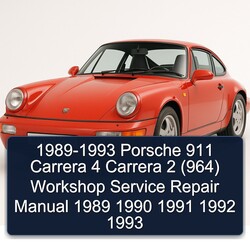







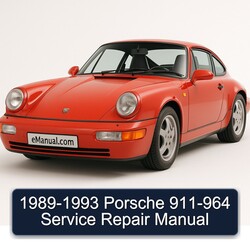
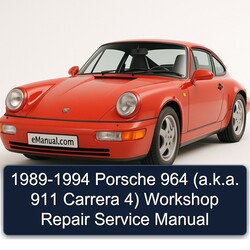
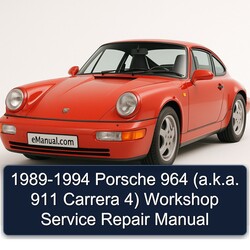
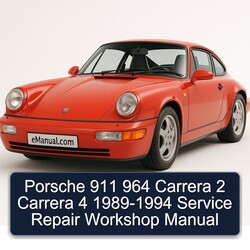




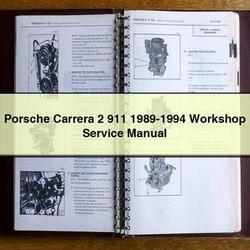
















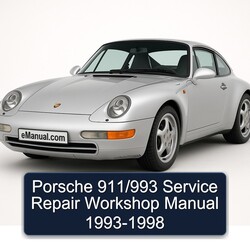
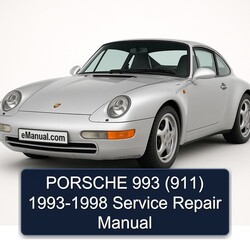

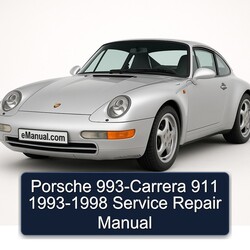






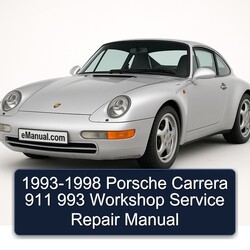














![1997-2005 Porsche 911 Carrera 996 [ Informative Diy ] Service Repair Workshop Manual PDF](https://image.emanual.com/images/p/268/438268-1997-2005-porsche-911-carrera-996-workshop-service-repair-manual-complete-and-informative-for-diy-repair.250x250.jpg)