



Galant

### Mitsubishi Galant
The Mitsubishi Galant is a mid-size sedan that was first introduced in 1969. It has undergone several generations of changes and updates over the years, with the latest model being released in 2003. The Galant is known for its sporty handling, comfortable interior, and reliable performance. It is a popular choice for drivers who want a car that is both practical and fun to drive.
Some of the unique attributes of the Mitsubishi Galant include its MIVEC (Mitsubishi Innovative Valve timing Electronic Control) engine, which provides excellent performance and fuel economy. The Galant also features a spacious interior with...
$16.99
This manual covers the Mitsubishi Galant, specifically models produced between 1988 and 1992. The Galant, belonging to the 6G generation, represents Mitsubishi's commitment to engineering quality and reliability, offering a compelling blend of performance and practicality. Known for its sporty driving characteristics, particularly in turbocharged variants from the Sirius/4G6 engine family, the Galant was available in sedan and coupe body styles. Depending on the market and trim level, it featured front-wheel drive or all-wheel drive, coupled with either a 5-speed manual or an automatic transmission. This generation of the Galant provided advanced features for its time, including electronic fuel injection, electronic ignition, and available Anti-lock Braking System (ABS).
$16.99
The Mitsubishi Galant VR-4, produced between 1988 and 1993, stands as a testament to performance engineering in its era. This model is distinguished by its advanced all-wheel-drive system, offering exceptional traction and handling, and its potent 4G63 turbocharged engine, a powerplant renowned for its durability and performance capabilities, sharing lineage with legendary rally cars. Designed as a performance sedan, the Galant VR-4 competed with esteemed models, emphasizing sporty driving dynamics and robust technology for its time, making it a notable choice for enthusiasts seeking a blend of power and all-weather capability.
$16.99
The Mitsubishi Galant VR-4, produced from 1987 to 1993, represented a significant advancement in performance sedan engineering. Building on Mitsubishi's growing reputation, this model was renowned for its potent 4G63T turbocharged engine and sophisticated all-wheel-drive system, technology that would later define its rally-bred siblings. Positioned as a flagship performance vehicle, the Galant VR-4 offered a compelling blend of power, advanced drivetrain features, and sporty handling, making it a distinctive choice in its segment and a precursor to Mitsubishi's performance heritage.
$16.99
The Mitsubishi Galant VR-4, produced between 1988 and 1993, is a performance-oriented sedan that established a significant presence in the sports sedan segment. Known for its potent turbocharged 2.0-liter 4G63T engine and sophisticated all-wheel-drive system, the Galant VR-4 offered exhilarating driving dynamics and handling capabilities. Its distinctive styling, often featuring aerodynamic enhancements, further underscored its performance credentials. This model is highly regarded by enthusiasts for its engineering prowess, which laid the groundwork for Mitsubishi's later motorsport successes, particularly with the Lancer Evolution.
$16.99
The 1989 Galant, available as a sedan or coupe with chassis code E3_A, offered a blend of sophisticated design and performance, competing in the compact to mid-size segment. It featured distinct styling, an advanced Multi-Link Suspension system, and powerful engine options, including the 1.8L SOHC 4G37 and the acclaimed 2.0L DOHC 4G63, which was also offered in a potent turbocharged variant (4G63T) for performance models. These vehicles were known for their engineering quality and offered a sporty driving experience, differentiating themselves with features like available all-wheel drive on select models.

$16.99
The 1989 Mitsubishi Galant represents the fifth generation of this mid-size sedan and hatchback, known for its stylish design and advanced engineering for its era. Competing in a segment with established rivals, the Galant distinguished itself with features like the 'Dynamic Four' all-wheel-drive system and potent engine options, including turbocharged variants and a V6. This generation offered a blend of comfort, performance, and value, with its distinctive interior and aerodynamic exterior setting it apart. Available in both 4-door sedan and 5-door hatchback body styles, and powered by a range of Inline-4 and V6 engines, the Galant provided a compelling package for a variety of drivers.

$16.99
The Mitsubishi Galant, specifically the 1989 model belonging to the E30 generation, represents a significant entry in the mid-size sedan market. Known for its aerodynamic design and advanced engineering, this vehicle often featured independent suspension and, on select models, innovative electronically controlled four-wheel steering. These attributes contributed to its reputation for solid performance and handling, positioning it as a technologically competitive option against contemporaries like the Honda Accord and Toyota Camry. The Galant's blend of style and engineering made it a notable choice for drivers seeking a reliable and forward-thinking automobile.

$16.99
The Mitsubishi Galant, chassis code E3X, represents a notable entry in the mid-size sedan segment from 1989. Known for its aerodynamic styling and often praised for its distinctive design cues, this generation of the Galant was engineered for a balance of sporty handling and everyday practicality. Available with a range of engines, including the potent 4G63 naturally aspirated and turbocharged variants, it offered performance capabilities that set it apart from competitors like the Honda Accord and Toyota Camry. Its engineering quality and reliability contributed to its reputation as a capable and engaging vehicle for its era, with advanced features for its time.

$16.99
This manual covers the Galant, E30 Series (Second Generation), produced for the model years 1989 through 1993. The Galant, a mid-size sedan, was designed with aerodynamic styling and a focus on providing a comfortable interior and dependable performance, targeting families and professionals. It was known for its balanced handling, often featuring independent rear suspension, and offered a choice between fuel-efficient four-cylinder engines, such as the 2.0L 4G63, and smooth V6 powerplants, like the 3.0L 6G72, delivering approximately 100-135 hp for the four-cylinder and 150-170 hp for the V6. The vehicle typically came equipped with a 5-speed manual or optional 4-speed automatic transmission and was front-wheel drive.
$16.99
The Mitsubishi Galant, specifically the 6th Generation (E3_A chassis code), produced between 1989 and 1993, represents a significant era in mid-size automotive engineering. Available in sedan, hardtop sedan, coupe, and wagon body styles, this generation offered a range of engine options, including the 1.8L 4G37, 2.0L 4G63, and 2.5L 6G71 V6, with power outputs varying accordingly. Known for its distinctive styling and competent handling, the Galant competed effectively in its market segment. The reputation for robust powertrains and technological integration is evident in features like available All-Wheel Drive and Anti-lock Braking Systems on select models, contributing to its appeal.

$16.99
This manual covers the Galant, specifically models produced between 1989 and 1993, belonging to the E30 generation. The Galant, built on the E platform, was a mid-size sedan recognized for its styling, comfortable ride, and available performance variants, often competing with other popular sedans of its era. It offered a range of engine options, from efficient four-cylinders to a more powerful V6, and was available in front-wheel drive or all-wheel drive configurations, providing versatility for various driving needs.
$16.99
This manual covers the Galant models produced between 1989 and 1993, encompassing the E3_A and E3_A Sedan generations. These vehicles, known for their comfortable ride, advanced styling for their era, and available All-Wheel Drive and Active-Electronic Control Suspension, offered a compelling alternative in the compact to mid-size sedan and coupe market. With engine options including the 2.0L 4G63 (SOHC and DOHC) and the 3.0L SOHC V6 6G71, the Galant provided a range of performance capabilities, including turbocharged variants and sophisticated AWD systems on models like the VR-4.
$16.99
The Mitsubishi Galant, spanning model years 1989 through 1993, represents a significant era for the marque, offering a range of 4-door sedan and 5-door hatchback body styles. This generation, identified by the E3_A/E3_4/E3_5/E3_9 codes, was known for its aerodynamic design and engaging driving dynamics, particularly with its available potent 4-cylinder and V6 engine options, including a turbocharged DOHC variant on performance models. This vehicle provided a compelling blend of sporty handling, practical utility, and advanced engineering for its time, positioning it as a competitive choice in the mid-size automotive segment.
$16.99
This manual covers the Galant, specifically the Eagle GTX trim, produced between 1989 and 1993. This generation, known by its chassis code E33A, represented a performance-oriented variant of the Galant lineup, often featuring a turbocharged 2.0-liter 4G63 engine and all-wheel drive. The Eagle GTX was engineered to offer a blend of sporty handling and reliable performance, making it a notable model for enthusiasts of Japanese performance sedans from this era. Its engineering quality and the reputation of its powertrain have cemented its place as a desirable vehicle for those seeking a classic driving experience.
$16.99
The Mitsubishi Galant, produced from 1987 to 1993, represents a significant entry in the mid-size sports sedan and coupe market. Known for its distinctive styling and performance-oriented variants, particularly the VR-4 model, the Galant offered advanced features for its time. These included available All-Wheel Drive (AWD) and Active Four-Wheel Steering (4WS), coupled with potent turbocharged engines, providing a compelling driving experience that set it apart from competitors. The engineering quality and reliability of the Galant, especially when maintained according to manufacturer specifications, contribute to its enduring appeal.
$16.99
The Mitsubishi Galant, produced for the model years 1989 through 1993, represents a significant era in mid-size sedan design and engineering. This generation, known internally as the E3_A, was lauded for its distinctive aerodynamic styling and offered a range of potent powertrains, including the acclaimed turbocharged 4G63T engine and sophisticated all-wheel-drive systems found in the performance-oriented VR-4 models. Its competitive positioning against other prominent sedans of the time, coupled with technological advancements such as optional four-wheel steering, cemented its reputation as a refined and capable vehicle.

$16.99
The Mitsubishi Galant, specifically the E30 Series produced globally from 1987 to 1993 and in North America from 1989 to 1993, represents a mid-size sedan known for its aerodynamic styling and comfortable interiors. Built on a foundation of reliable Japanese engineering, this model offered a balance of performance and practicality, competing with established names in its segment. Notable features contributing to its appeal included sophisticated independent suspension systems and, on select higher trims, advanced four-wheel steering, showcasing Mitsubishi's commitment to innovative automotive technology for its era.
$16.99
This manual covers the Mitsubishi Galant, produced from 1989 to 1993, across its E30/E40 series generations and various chassis codes including E31A through E49A. Known for its aerodynamic styling and driver-focused interior, the Galant offered a range of engine options from efficient 1.3L and 1.5L units to more powerful 2.0L naturally aspirated and turbocharged engines, as well as V6 variants. Notable features included optional All-Wheel Drive (AWD) on performance models like the Galant VR-4, which received acclaim for its handling and technology. This generation represented a significant engineering update for the Galant line, a nameplate with a long history of evolution in the mid-size sedan and coupe segment.
$16.99
The Mitsubishi Galant, produced between 1989 and 1993, represents a significant entry in the mid-size sedan market, known for its aerodynamic design and engaging driving dynamics. This generation, identified by chassis codes such as E31A through E39A, offered a range of sophisticated features for its time, including advanced engine technologies like multi-valve heads and electronic fuel injection, as well as optional all-wheel-drive systems and independent rear suspension. Competing with established models from Honda, Toyota, and Nissan, the Galant aimed to provide a blend of comfort, performance, and technological innovation, making it a noteworthy option for consumers seeking a well-engineered and dynamic vehicle.
$16.99
The Mitsubishi Galant, produced from 1989 to 1993, represents a significant era in mid-size sedan engineering, known for its sporty handling, distinctive styling, and a range of powertrain options, including powerful V6 and turbocharged variants. This generation, encompassing chassis codes E30 through E80, was lauded for its aerodynamic design and driver-focused cockpit, with the high-performance Galant VR-4 variant featuring advanced all-wheel-drive and turbocharged engines, earning accolades for its competitive performance against established rivals. Its reputation for engineering quality and reliability, coupled with its sporty driving dynamics, made it a notable entry in its segment across North America, Europe, and Australia.
$16.99
The Mitsubishi Galant, produced between 1989 and 1993, represents a significant entry in the mid-size sedan market. This generation, codenamed E3_A, offered a compelling blend of comfort, performance, and advanced engineering for its time. Standard front-wheel drive was complemented by an available all-wheel-drive system, particularly notable in the high-performance VR-4 models, which also featured turbocharged engines. The Galant was designed to compete effectively, often distinguished by its styling and available performance options. Its robust construction and a range of engine choices, from efficient 1.8L to powerful 2.0L turbocharged variants, provided a versatile option for consumers seeking a reliable and engaging driving experience.
$16.99
The Mitsubishi Galant, produced from 1989 to 1993, represents a significant era in mid-size sedan and coupe design, known for its blend of aerodynamic styling and practical functionality. This generation of the Galant offered a range of engine options, including robust naturally aspirated inline-fours and V6 engines, as well as the highly acclaimed turbocharged, all-wheel-drive VR-4 variant. The VR-4, in particular, was a performance benchmark, celebrated for its advanced technology, including its rally-inspired capabilities and sophisticated drivetrain, making it a standout in its competitive segment.
$16.99
This manual covers the Mitsubishi Galant, specifically the latter half of its E30 generation, for the production years 1989 through 1993. The Galant from this era is recognized for its distinctive aerodynamic styling and offered advanced features for its time, such as optional Electronically Controlled Suspension (ECS) and All-Wheel Steering (AWS) on select high-performance models like the VR-4. These mid-size sedans competed in a segment known for vehicles offering a blend of comfort, technology, and performance, with the Galant distinguishing itself through its engineering and innovative features.

$16.99
The Mitsubishi Galant, produced from 1989 to 1993, represents the E30 Series, also known as the 7th Generation Galant. This mid-size sedan was designed with aerodynamic styling and a focus on passenger comfort, offering a smooth and quiet ride that competed with established models like the Honda Accord and Toyota Camry. Notable features of this generation included optional four-wheel steering (4WS) and all-wheel drive (AWD) on select trims, enhancing its driving dynamics. Available with a range of engines, including efficient 2.0L and powerful 2.5L V6 options, and even a turbocharged 2.0L for performance variants, the Galant offered a compelling blend of technology, comfort, and performance for families and professionals seeking reliable transportation.
$16.99
Welcome to the service manual for the Galant, covering model years 1989 through 1993. This generation of the Galant, known for its aerodynamic styling and refined interior, competed effectively in the mid-size sedan and coupe market. It offered a range of capable engines, including the robust 4G63 and the potent turbocharged 4G63T, with performance-oriented models like the GSR and VR-4 featuring advanced all-wheel drive and four-wheel steering systems. The Galant was recognized for its engaging driving dynamics and technological innovations for its era, such as optional Anti-lock Braking Systems and electronic climate control, making it a notable entry in its competitive set.

$16.99
The Mitsubishi Galant, produced for the model years 1989 through 1993, represents a notable entry in the compact to mid-size sedan and wagon market. This generation, identified by chassis codes such as E31A through E39A and E33W through E38W, offered a blend of distinctive styling and advanced features for its time. Key selling points included the availability of an all-wheel-drive system on select trims, a potent V6 engine option, and innovative technologies like optional Electronically Controlled Suspension (ECS). These attributes positioned the Galant as a compelling choice against contemporaries like the Honda Accord and Toyota Camry, appealing to DIY mechanics, independent repair shops, and enthusiasts seeking a capable and stylish vehicle.

$16.99
The Mitsubishi Galant, specifically the E30 generation, represents a notable period in automotive design and engineering, produced between 1989 and 1993. Available in both sedan and coupe body styles, including performance-oriented GSi and GTi variants, this model showcased Mitsubishi's commitment to innovation. It featured a range of engine options, from efficient 1.8L and 2.0L units to the powerful 2.5L V6, with some performance models boasting turbocharged engines and advanced all-wheel-drive systems, a lineage that would influence future performance vehicles like the Lancer Evolution. The Galant of this era was engineered for a balance of comfort, reliability, and driving dynamics, making it a competitive offering in its segment.

$16.99
This manual covers the Galant, specifically the E30/E40 generation produced from 1989 to 1993. Known for its stylish, aerodynamic design and European-influenced aesthetics, the Galant offered a compelling alternative in the compact to mid-size sedan segment. This generation featured a range of engine options, including the robust 4G63 2.0L (SOHC and DOHC) and the performance-oriented 4G63T 2.0L turbocharged engine, powering models like the GSR. The vehicle was engineered for a balance of comfort and responsive handling, making it a versatile choice for daily commuting and spirited driving.

$16.99
This manual covers the Galant models produced between 1989 and 1993, belonging to the E30/E40 Series. Known for its stylish, aerodynamic design and advanced technology for its time, this mid-size sedan and coupe offered a more upscale and performance-oriented experience. Notable features included optional sophisticated suspension systems like Active-Electronic Control Suspension and the innovative 4-Wheel Steering (4WS) system, alongside powerful engine options such as the 2.0L 4G63 and the 3.0L 6G72 V6, with some variants offering All-Wheel Drive. These attributes positioned the Galant as a compelling alternative in its segment, praised for its refined handling and technological advancements.
$16.99
This workshop service repair manual covers all Galant E30 generation models produced between 1989 and 1993. The Galant E30, a significant evolution in the model's history, offered a range of engine options from efficient 1.8L SOHC to powerful 2.0L DOHC Turbo variants, available in both 4-door sedan and 5-door liftback body styles. Known for its aerodynamic design and evolving chassis technology, the E30 generation provided reliable transportation with available All-Wheel Drive and advanced features for its time, including optional Anti-lock Braking System and driver-side airbags on later models. This comprehensive guide is designed to assist DIY enthusiasts, independent mechanics, and restoration specialists in maintaining and repairing these vehicles.

$16.99
This manual provides comprehensive coverage for the Galant, produced between 1989 and 1993, across chassis codes E31A through E39A and engine codes 4G37, 4G61, 4G63, 4G63T, and 4G64. This generation of the Galant, part of a successful mid-size lineup, was recognized for its sleek design, comfortable ride, and, in performance variants like the GSR, sporty handling. Notable features distinguishing this model include the availability of advanced technologies for its era, such as an optional 4-Wheel Steering (4WS) system, enhancing maneuverability and stability. The vehicle offered a range of engine options, from the efficient 1.8L 4G37 to the potent 2.0L turbocharged 4G63T, catering to diverse driver needs.

$16.99
This manual covers the Galant, Eighth Generation (E30A/E31A/E32A/E33A/E34A/E35A/E38A/E39A) models produced between 1989 and 1993. The Galant of this era is recognized for its distinctive styling and engineering quality, offering a blend of performance and reliability that made it a notable entry in its segment. This manual provides in-depth information to assist owners and technicians in understanding and maintaining these vehicles.
$16.99
This manual covers the Galant models produced between 1989 and 1993. Known for its distinctive styling and comfortable ride, this mid-size sedan offered a sporty driving experience, often featuring inline-four engines ranging from 1.8L to 2.4L, and was primarily front-wheel drive. Highlights of this generation include available sporty performance variants and a focus on value, making it a competitive choice against other vehicles of its era.

$16.99
The Mitsubishi Galant, specifically the E3_A generation produced from 1989 to 1993, represented a significant advancement in Mitsubishi's mid-size sedan offerings. Known for its distinctive styling and innovative features, this generation competed effectively with contemporary rivals by providing a blend of comfort, performance, and advanced technology. Notable for its available All-Wheel Drive and Four-Wheel Steering systems on select trims, the Galant offered a compelling driving experience and a reputation for solid engineering and reliability. Engine options ranged from efficient 1.8L and 2.4L units to the potent turbocharged 2.0L 4G63T found in the performance-oriented VR-4 models, which served as the foundation for Mitsubishi's legendary rally cars.

$16.99
The Mitsubishi Galant, produced in 1990, is a mid-size sedan known for its blend of Japanese engineering reliability and stylish design for its era. Often competing in the affordable family car segment against models like the Honda Accord and Toyota Camry, the Galant offered a compelling value proposition. This generation, chassis code E33A for many gasoline models, featured sophisticated engineering, with options like the 2.0L DOHC MPI engine producing approximately 135-145 horsepower. Its aerodynamic styling and the availability of front-wheel or all-wheel drive on performance variants underscored Mitsubishi's commitment to dynamic automotive solutions.

$16.99
The 1990 Mitsubishi Galant, part of the Sixth Generation (E3_A/E3_X/E3_G) lineup, is a mid-size sedan and coupe known for its distinctive styling, often referred to as 'In-dash' or 'Vector.' Competing in a segment with vehicles like the Toyota Camry and Honda Accord, the Galant offered a range of capable engines, including a 2.0L four-cylinder (4G63) and a 2.5L V6 (6G71), with horsepower typically ranging from 105 to 165 hp, and a potent turbocharged 4G63 variant producing up to 210 hp. Notable features included independent front and rear suspension, front-wheel drive or optional all-wheel drive, and available anti-lock brakes (ABS). Mitsubishi's reputation for reliable engines was a key selling point during this era, and the Galant exemplified this with its robust powertrain options and aerodynamic design.

$16.99
This manual covers the Galant, specifically the E30 generation produced around 1990. Known for its aerodynamic styling and robust engineering, the Galant of this era offered a competitive package in the mid-size segment, with various body styles including sedans and coupes. Depending on the trim level and market, it was equipped with reliable 1.8L or 2.0L engines, featuring either carburetor or multi-point fuel injection systems, and was available with both manual and automatic transaxle options. The Galant's design prioritized a balance of comfort, performance, and practicality, reflecting a commitment to automotive innovation during this period.
$16.99
This manual covers the Galant, specifically the E3x Series chassis codes including E33A, E38A, E39A, E35A, and E37A, for the model years 1990 through 1996. The Galant is a mid-size sedan renowned for its sporty handling and advanced engineering, offering a range of engine variants from efficient 1.8L and 2.0L naturally aspirated options to the powerful 2.0L turbocharged 4G63 and the smooth 2.5L V6 6G71. Notable features include available All-Wheel Drive (AWD) and All-Wheel Steering (AWS) on performance-oriented VR-4 models, sophisticated suspension systems, and a strong reputation for reliability. This generation of the Galant was recognized for its competitive edge against other prominent sedans of its time.
$16.99
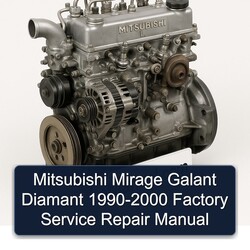
This manual provides comprehensive coverage for Mitsubishi Mirage, Galant, and Diamante models manufactured between 1990 and 2000. These vehicles represent a diverse range of automotive engineering, from the efficient and compact Mirage (platform codes A15_) to the versatile mid-size Galant (platforms E3_, E5_, E6_, E7_, E8_) and the premium Diamante (platforms J30, J31, J32, J33, J34). The Galant, in particular, offered performance variants like the VR-4, featuring advanced all-wheel-drive systems and turbocharged engines, while the Diamante served as Mitsubishi's flagship luxury sedan. Throughout their production years, these models were equipped with various engine families, including the 4G1 and 4G6 series for Mirage and Galant, and the 6G7 V6 engines for Galant and Diamante, offering a broad spectrum of performance and efficiency characteristics.

$16.99
The Mitsubishi Galant, produced from 1990 to 2000, represents the eighth generation of this mid-size sedan and wagon. Known for its distinctive styling and sporty handling, particularly in its All-Wheel Drive configurations, the Galant offered a compelling blend of performance and value in its segment. Available with a range of engines, including the 2.0L 4G63, 2.4L 4G64, and the potent 3.0L 6G72 V6, it provided options for various driving needs, from efficient commuting to spirited performance. This generation competed directly with established rivals like the Toyota Camry and Honda Accord, often distinguished by its available AWD and optional V6 power.

$16.99
The 1991 Mitsubishi Galant, built on the E3_A platform, represented a significant step in mid-size sedan design, blending European-inspired aesthetics with advanced engineering for its time. Competing in a segment with established players, the Galant distinguished itself with features such as optional all-wheel drive and potent V6 engine options, offering a compelling combination of performance and style. Its sophisticated multi-link suspension and aerodynamic bodywork contributed to a refined driving experience, making it a notable entry in the automotive market of the early 1990s. This generation of the Galant, produced from 1987 to 1993, was built with a heritage of engineering quality and reliability in mind.

$16.99
The Mitsubishi Galant, model year 1991, chassis code E3_A, is a mid-size sedan recognized for its distinctive aerodynamic styling and comfortable ride. As part of its fifth generation, this vehicle offered a compelling balance of performance and value, positioning itself against key competitors such as the Honda Accord and Toyota Camry. Buyers appreciated its available V6 engines and the overall engineering quality that characterized Mitsubishi’s automotive offerings during this period. This model represents a solid choice for those seeking a reliable and well-engineered sedan from the early 1990s.

$16.99
The 1991 Mitsubishi Galant, part of the Fifth Generation (E30 Series), is a mid-size sedan recognized for its aerodynamic styling and competent performance, offering a blend of comfort and advanced features for its era. Known for its competitive positioning against contemporary rivals, the Galant featured available V6 engines and optional all-wheel-drive systems, enhancing its appeal. This model, built primarily in Japan, represents a significant evolution in Mitsubishi's automotive offerings, focusing on engineering quality and a refined driving experience.
$16.99
This manual covers the Galant Hatchback, specifically the E30/E33A generation produced for the model years 1991 through 1995. Known for its comfortable ride and balanced handling, the Galant Hatchback offered a practical and value-oriented option within the compact/mid-size family car segment, competing with vehicles like the Honda Accord and Toyota Camry. Mitsubishi, a manufacturer with a robust history, engineered the Galant with a focus on reliability and accessible performance, often featuring front-wheel drive and efficient inline-4 engines, with some variants potentially offering V6 power.

$16.99
This manual covers the Mitsubishi Galant, model generation E30, produced around 1992. Known for its cost-effective repair solutions and comprehensive technical data, the Galant offered a range of engine options, including 2.0L and 2.5L V6 configurations, with performance variants like the VR-4 featuring turbocharged engines and all-wheel drive. Its mid-size sedan segment positioning placed it against competitors such as the Toyota Camry and Honda Accord, with notable features including available all-wheel drive and four-wheel steering on higher trims, and a Car and Driver 10Best recognition for the VR-4.

$16.99
The Mitsubishi Galant, a distinguished sedan from the 1992 model year, represents the sixth generation (E3x) of this esteemed vehicle. Known for its aerodynamic design and engineering quality, the Galant offered a range of potent engine options, including the 4G92, 4G93, 4G63 (both SOHC and DOHC variants), and the powerful 6A12 V6, delivering performance from approximately 113 to 237 horsepower. This generation also featured available all-wheel drive on performance-oriented models like the VR-4, further enhancing its driving dynamics. The Galant was designed to meet the prevailing safety standards of its era, incorporating features such as front ventilated disc brakes, and offering Anti-lock Braking System (ABS) on higher trims, alongside essential safety equipment like airbags and three-point seatbelts.

$16.99
Welcome to the comprehensive service manual for the 1992 Mitsubishi Galant. This vehicle, part of the E30 chassis series, offered a range of engine options including the 4G37, 4G63, 4G63T turbocharged, 4G64, and 6G71, paired with either a 5-speed manual or a 4-speed automatic transaxle, and available in Front-Wheel Drive or All-Wheel Drive configurations. Known for its aerodynamic styling and available advanced features, the Galant represented Mitsubishi's commitment to engineering quality and performance in its era. This manual is designed to provide detailed information for maintaining and repairing this robust vehicle.

$16.99
This manual covers the Galant, a mid-size sedan produced during the 1987-1993 model years, with specific focus on the 1993 model. Known for its aerodynamic styling and front-wheel drive platform, with optional all-wheel drive available on select variants, the Galant offered a range of engine options, including 4-cylinder and V6 configurations, delivering horsepower typically between 120-200 HP. This generation represented a significant redesign, incorporating advanced features for its time and competing with established models like the Toyota Camry and Honda Accord. The Galant was designed to appeal to family car buyers and performance-oriented drivers, emphasizing engineering quality and reliability.

$16.99
This manual covers the Galant, specifically models from the Eighth Generation (E10 Series), produced between 1992 and 1996, with the 1993 model year being a representative example. The Galant is a mid-size sedan recognized for its comfortable ride, refined engines, and stylish design, often competing with vehicles like the Honda Accord and Toyota Camry. Engineered with robust inline 4-cylinder engines, including the 4G63 known for its reliability, and offering options for both manual and automatic transmissions, the Galant was designed for dependable daily use. Its engineering quality and attention to detail in its class made it a notable entry in the automotive market of its time.

$16.99
The 1993 Mitsubishi Galant is a mid-size sedan that garnered acclaim, including a Car and Driver '10Best' award for its 1989 iteration, recognizing its superior blend of performance, comfort, and technology. This generation, known as the E30, featured aerodynamic styling and a well-appointed interior, with available advanced features like Dynamic Four all-wheel drive and Four-Wheel Steering on select trims, enhancing its handling and stability. The Galant offered a range of engine options, including 2.0L inline-four and V6, as well as a 3.0L V6, providing robust performance for its class. Its positioning as a slightly more upscale option within the competitive mid-size sedan market, rivaling vehicles like the Toyota Camry and Honda Accord, underscored its engineering quality and unique selling propositions.
$16.99
This manual covers the Galant Hatchback, specifically the E80/E90 generation produced from 1993 to 1996. Known for its distinctive styling and available performance-oriented powertrains, including V6 engines and viscous coupling all-wheel drive (VC-AWD), this model offered a compelling blend of practicality and sportiness within the mid-size segment. Chassis codes for this generation include E85A, E88A, E95A, and E98A. Whether equipped with the robust 4G63 engine or the more powerful V6 options, the Galant Hatchback represented a solid engineering effort.
$16.99
This manual covers the Galant, specifically the Eighth Generation (E80) platform. Known for its sporty handling and distinctive styling, this mid-size sedan offered available V6 engines, optional All-Wheel Drive, and a refined interior. The Galant competed in a segment dominated by established models, yet it carved out its niche with a focus on driving dynamics and engineering quality, with certain variants like the Galant VR-4 showcasing advanced performance technologies. This generation was recognized for its achievements, including being named to Automobile Magazine's All-Stars list.
$16.99
This manual covers the Galant, produced from 1993 to 1998, encompassing various platform iterations (E30/E50/E60/E70/E80 Series). Known for its aerodynamic styling and a range of powertrain options, including 4-cylinder and V6 engines, the Galant was positioned as a reliable mid-size sedan. It competed effectively in its segment, offering a balance of comfort and performance for families and commuters. Key features included available All-Wheel Drive on certain models and a focus on value and solid engineering, reflecting a heritage of innovation.
$16.99
This manual covers the Galant, Eighth Generation (E8_A, E5_A, E6_A, E7_A, E8_A) produced between 1993 and 1998. Known for its distinctive aerodynamic styling and a balance of comfort and sporty driving dynamics, the Galant offered diverse engine options, including efficient 4-cylinder and potent V6 engines, with some models featuring all-wheel drive. It competed in the mid-size sedan segment, often regarded as a sporty and well-equipped choice against competitors like the Toyota Camry and Honda Accord.

$16.99
Welcome to the comprehensive service and repair manual for the Galant, covering the 7th generation models produced from 1994 to 1998. This vehicle is recognized for its aerodynamic styling, comfortable interior, and a range of engine options, typically including efficient 4-cylinder and capable V6 powertrains. Engineered with a focus on reliability and everyday drivability, the Galant offered a balanced driving experience, making it a popular choice for both daily commuting and family transport. This manual provides detailed insights into its construction and operation, reflecting a commitment to quality automotive engineering during this era.

$16.99
The Mitsubishi Galant, produced from 1994 to 1998 under the E50/E60/E70/E80 generation codes and chassis codes E50, E64, E74, E88, was a notable entry in the mid-size sedan market. It offered a compelling combination of distinctive styling, engaging driving dynamics, and competitive value, with some models featuring the advantage of All-Wheel Drive. The Galant was available with various engine options, including efficient 4-cylinder units and more powerful V6 configurations, catering to a range of driver preferences. Its blend of comfort and sportiness positioned it as a strong contender against established rivals.
$16.99
The Mitsubishi Galant, specifically the 8th Generation models produced around 1996, represents a significant entry in the mid-size sedan and coupe market. Known for its comfortable ride, spacious interior, and distinctive styling, the Galant offered a compelling package that competed effectively with contemporaries like the Honda Accord and Toyota Camry. Key selling points for this era included the availability of a powerful V6 engine and an optional All-Wheel Drive system, enhancing its appeal for a broader range of drivers seeking both practicality and engaging performance. Mitsubishi's commitment to engineering quality and reliability underpinned the Galant's reputation as a dependable and well-built automobile.
$16.99
This manual covers the Galant Legnum, a station wagon (estate) produced from 1996 to 2002, built on the EC/EA platform derived from the Galant sedan. Known for its versatility, combining sedan-like driving dynamics with ample cargo space, the Legnum was often positioned as a sport wagon or premium family vehicle. It was distinguished by the availability of powerful engine options, including potent V6 and turbocharged variants, and advanced All-Wheel Drive systems on select models, setting it apart from some competitors. Primarily developed for the Japanese Domestic Market (JDM), the Legnum also found its way into Australia, New Zealand, parts of Asia, Europe, and North America through grey market imports, catering to individuals and families seeking a practical yet engaging driving experience.
$16.99
The Mitsubishi Galant and Legnum, produced between 1996 and 2002, represent a significant era for the brand, known for their sporty "Dynamic-Shape" design and capable chassis. These mid-size vehicles, offered in sedan (Galant) and wagon (Legnum) body styles, featured a range of engine options including efficient 4-cylinder units and more powerful V6 engines, with some models offering all-wheel drive for enhanced performance. Their distinctive attributes, such as the unique Legnum wagon variant and the sporty styling, set them apart from competitors like the Toyota Camry and Honda Accord.
$16.99
The Mitsubishi Galant, produced from 1996 through 2003, represents a notable entry in the mid-size sedan market. This generation, built on the 8th Generation platform (often referred to by chassis codes like E50, E70, E80, E90, or the 'DJ-1' platform), was designed to offer a compelling blend of distinctive styling, comfortable ride quality, and competitive performance. Available with efficient 2.4L four-cylinder engines or more potent 3.0L V6 options, and in some markets with all-wheel drive capabilities, the Galant appealed to a broad range of drivers. Its engineering quality and reliability were key selling points, positioning it as a strong contender against established rivals in its segment.
$16.99
The Mitsubishi Galant, produced for model years 1996 through 2003, represents a series of mid-size sedans and coupes known for their stylish design, particularly the earlier generation's aerodynamic profile. This vehicle offered a range of robust engine options, including the 2.0L 4G63, the 2.4L 4G64, and V6 variants like the 2.0L 6A12 and 3.0L 6G72, many of which were available with either front-wheel drive or all-wheel drive, often paired with the intelligent INVECS-II automatic transmission. Its distinctive selling points included a comfortable ride, good value, and the popular 4G63 engine, a favorite in the tuning community.
$16.99
The Mitsubishi Galant, produced between 1996 and 2003, offered a compelling blend of distinctive styling, available performance options including all-wheel drive, and a comfortable interior. This mid-size sedan competed effectively in its segment, often distinguished by its robust build quality and value proposition. Covering the E80, E90, and E150 platform codes, the Galant provided various engine options, including efficient four-cylinder and powerful V6 configurations, paired with both manual and automatic transmissions, catering to a range of driver preferences. Its design featured signature styling cues, and it was equipped with safety features such as airbags and Anti-lock Braking Systems (ABS), with higher trims offering optional traction control.
$16.99
This manual covers the Galant, specifically the 8th Generation (E30/E3_A chassis codes E33A, E35A, E38A, E39A) produced between 1996 and 2003. The Galant, a mid-size sedan, was recognized for its aerodynamic styling, comfortable interior, and a range of powertrain options including efficient 4-cylinder engines and a more potent 3.0L V6. Many models offered an advanced all-wheel-drive system, enhancing traction and handling. This generation competed with other popular sedans of its time, offering a balance of performance, comfort, and distinctive design.
$16.99
This manual covers the Galant, produced for the North American market between 1996 and 2003. Known for its distinctive styling and often offering a sporty driving experience, particularly in its VR-4 variant, the Galant was a competitive mid-size sedan. This generation featured a range of engine options, including efficient four-cylinder engines and powerful V6 and turbocharged variants, paired with either manual or automatic transmissions, with all-wheel drive available on performance models. The Galant was engineered to provide a balance of comfort, performance, and value, often standing out with its unique design cues and available advanced features for its time.
$16.99
The Mitsubishi Galant, produced from 1996 to 2003, was a mid-size sedan known for its distinctive styling, sporty appeal, and available All-Wheel Drive (AWD) system. Competing against segment stalwarts like the Honda Accord and Toyota Camry, the Galant offered a choice between efficient 4-cylinder and powerful V6 engines, including the well-regarded 4G63 and 6A13 variants. Its engineering quality and reliability were key selling points, with many models featuring advanced technologies for their time, such as optional traction control and robust suspension systems that contributed to its engaging driving dynamics.
$16.99
This manual covers the Galant, specifically the eighth generation (E50-E70-E80) produced for model years 1994 through 2003. This mid-size sedan was engineered with an emphasis on performance and design, featuring aerodynamic styling and available VR-4 performance models equipped with potent V6 engines and advanced all-wheel-drive systems. Known for generally good reliability when properly maintained, the Galant competed in a segment that included popular models like the Honda Accord and Toyota Camry, distinguishing itself with its sporty positioning and innovative features for its time.
$16.99
Welcome to the comprehensive service and repair manual for the Mitsubishi Galant, Eighth Generation, produced from 1996 to 2003. This model, known for its distinctive styling and engaging driving dynamics, offered a competitive package in the mid-size sedan market, with notable features including available all-wheel drive and turbocharged performance on its acclaimed VR-4 variants. Engineered with a focus on reliability and driver enjoyment, the Galant provided a comfortable ride and a good value proposition, making it a popular choice against contemporaries like the Honda Accord and Toyota Camry. This manual covers all trim levels, from the ES to the performance-oriented VR-4, across global markets.

$16.99
This workshop service repair manual covers the Mitsubishi Galant, Eighth Generation, for the model years 1996 through 2003. Known for its distinctive styling, comfortable ride, and available V6 engines, the Mitsubishi Galant offered good value in the mid-size sedan segment, competing with models like the Honda Accord and Toyota Camry. This generation was often praised for its refined driving experience and aerodynamic design, with powertrain options including the robust 4G63 2.0L engine and the powerful 6G72 3.0L V6.

$16.99
The 1997 Mitsubishi Galant represents a reliable and stylish option in the mid-size sedan segment, known for its aerodynamic design and a balance of performance and practicality. This generation of the Galant, part of the sixth generation produced from 1993 to 1998, offered a comfortable interior and efficient performance, making it a competitive choice against contemporaries like the Honda Accord and Toyota Camry. Available with robust engine options such as the 2.0L 4G63 and the 2.4L 4G64, the Galant was engineered for dependable daily use, appealing to families and commuters seeking value and durability.

$16.99
The Mitsubishi Galant, specifically the 1997 model year belonging to the E50/E60/E70/E80 generation, represents a mid-size sedan known for its sporty handling and distinctive styling. This generation of the Galant embraced a more aerodynamic, European-influenced design, competing with popular models of its era such as the Toyota Camry and Honda Accord. Available with efficient 4-cylinder or potent V6 engines, including the MIVEC variant, and offering options like all-wheel drive on select trims, the Galant provided a focus on driver engagement and advanced suspension designs for its time, reflecting Mitsubishi's broader engineering prowess and rally heritage.
$16.99
The Mitsubishi Galant, model year 1997, represents a compelling option in the mid-size sedan market, known for its distinctive styling and reliable performance. This generation, part of the eighth iteration of the Galant lineage, featured aerodynamic design elements and offered a choice between an efficient 2.4L four-cylinder engine and a more powerful 3.0L V6 engine. Available in various trim levels, including the sporty GS, the 1997 Galant provided a balanced blend of comfort, value, and engineering quality, making it a strong competitor against other popular vehicles of its era. Its commitment to durability and a comfortable driving experience underscored Mitsubishi's reputation for producing dependable automobiles.

$16.99
This manual provides comprehensive service and repair information for the 1997 Mitsubishi Galant. The Galant, a key model in Mitsubishi's history, is known for its blend of comfort, reliability, and often sporty performance, particularly in its eighth generation (1993-2003). This particular generation offered various engine options, including the 4G63 and 6A13, paired with manual or automatic transmissions and available All-Wheel Drive on select models. The vehicle's engineering quality and design contributed to its reputation, making it a popular choice for daily commuting and longer journeys.
$16.99
The Mitsubishi Galant, produced in 1997, represents a mid-size sedan known for its comfortable ride, reliable powertrain options, and sporty handling characteristics for its class. It featured distinctive styling, particularly in its ES and GTS trims, and offered competitive features such as optional anti-lock braking systems and driver and passenger airbags. The Galant was available with either a 2.0-liter inline 4-cylinder engine or a more powerful 3.0-liter V6 engine, paired with either a 5-speed manual or a 4-speed automatic transmission, providing a balanced blend of performance and efficiency.

$16.99
The Mitsubishi Galant, specifically the 1997 model year and its eighth-generation chassis codes (E39A, E5xA, E6xA, E7xA, E8xA), represents a significant entry in the mid-size sedan market. Known for its evolving design and technological advancements, this generation offered a blend of sporty aesthetics and practical performance. While specific engine options typically included variants of the 2.4L (4G64) and a 3.0L V6 (6G72), and transmission choices ranged from manual to automatic with potential for advanced features like Sportronic shifting, the Galant was engineered to provide a reliable and engaging driving experience. Its approximate dimensions, with a wheelbase of 104.3 inches, length of 184.1 inches, and width of 69.3 inches, positioned it comfortably within its class.

$16.99
This manual covers the Galant, a mid-size sedan produced for the 1997 model year. Known for its stylish, aerodynamic design and comfortable interior, the Galant offered a balance of sportiness and practicality. Powered by an inline 4-cylinder engine, typically a 2.0-liter 4G63 variant, it was available with either a 5-speed manual or a 4-speed automatic transmission. The vehicle was designed to compete in a crowded segment, emphasizing value and a refined driving experience for its era.

$16.99
Welcome to the comprehensive service and repair manual for the 1997 Mitsubishi Galant. This vehicle, a notable entry in the mid-size sedan market, was recognized for its distinctive styling and comfortable ride, often competing with established models from other manufacturers. Offering a choice of efficient 4-cylinder or powerful V6 engines, the Galant provided a blend of practicality and refinement for everyday use. Its engineering reflects a commitment to reliability and user experience, making it a capable and dependable automobile for a variety of driving needs.
$16.99
The 1997 Mitsubishi Galant represents the eighth generation of this mid-size sedan, known for its balance of comfort, performance, and advanced features for its era. Competing in a segment with established rivals, the Galant distinguished itself with available All-Wheel Drive (AWD) and engaging handling, particularly in V6 models. It offered a choice of a 2.4L 4-cylinder engine or a 3.0L V6, paired with either a 5-speed manual or an electronically controlled 4-speed automatic transmission featuring the INVECS-II system. This generation featured a more aerodynamic design and a focus on chassis dynamics, making it a distinctive option in the market.
$16.99
This manual covers the 1997 Mitsubishi Galant, an 8th generation mid-size sedan known for its aerodynamic design and capable performance, offering a cost-effective alternative to competitors like the Honda Accord and Toyota Camry. Available with a 2.4L 4-cylinder or a 3.0L V6 engine, and equipped with either a 5-speed manual or 4-speed automatic transmission, the Galant provides a blend of comfort and driving dynamics. This generation, built on a global platform, aimed to deliver reliability and value to owners.

$16.99
The 1997 Mitsubishi Galant represents a significant entry in the mid-size sedan market, building on Mitsubishi's legacy of automotive engineering. This generation of the Galant, known for its sleek styling and available all-wheel-drive system, offered a compelling blend of performance and practicality, often competing with established models like the Toyota Camry and Honda Accord. Notably, the high-performance VR-4 variant, equipped with a potent turbocharged engine and advanced drivetrain technology, provided a sporty driving experience that set it apart. The Galant's engineering quality and reliability made it a respected choice for discerning drivers seeking a well-rounded vehicle.

$16.99
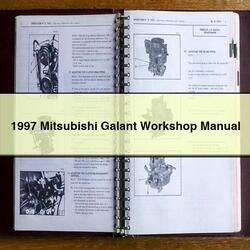
This manual covers the 1997 Mitsubishi Galant, a mid-size sedan recognized for its stylish, aerodynamic design and comfortable ride. Available with a range of engines, including 1.8L and 2.0L inline-four options and a potent 2.5L V6, the Galant offered a compelling blend of value and performance for its era. Some models featured all-wheel drive and a 5-speed manual transmission, further enhancing its appeal. This generation, built on the E3_A platform, represented a significant evolution in Mitsubishi's sedan offerings, known for its generally reliable mechanicals and well-appointed interiors, making it a competitive choice in the automotive market.
$16.99
This manual covers the Galant, an 8th generation mid-size sedan produced for the 1997 model year, built on the E platform. Known for its sleek, aerodynamic design with distinctive styling cues, the Galant offered a comfortable interior and a range of engine options, including inline-4 and V6 configurations, providing a balance of fuel economy and performance. It was engineered to compete in a segment with established players, aiming to deliver reliability and a refined driving experience for families and individuals.

$16.99
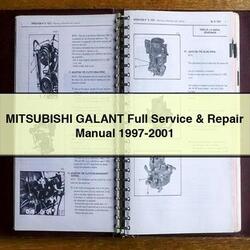
This workshop service repair manual provides comprehensive coverage for the Mitsubishi Galant, specifically the 8th Generation models designated E50/E60/E70/E80, produced between 1997 and 2001. Known for its sleek styling and advanced technology for its era, the Galant offered a competitive package in its segment, often featuring reliable 4-cylinder and V6 engine options, available in front-wheel drive and all-wheel drive configurations. This manual is designed to assist owners and professionals in understanding, maintaining, and repairing these vehicles, ensuring their longevity and optimal performance through detailed technical guidance.
$16.99
This manual covers the Galant models produced between 1997 and 2001, representing a significant facelift of the Eighth Generation. Known for its stylish design and comfortable ride, the Galant offered a range of powertrains, including efficient four-cylinder engines and powerful V6 options, with the high-performance VR-4 variant featuring a twin-turbo V6 and all-wheel drive. This vehicle was positioned as a competitive option in the mid-size sedan market, appealing to discerning owners seeking a blend of practicality and engaging driving dynamics.
$16.99
This manual covers the Galant, 8th Generation, produced for the model years 1997 through 2001. Known for its comfortable ride, spacious interior, and distinctive aerodynamic styling, the Galant was offered with a choice of a 2.4L 4-cylinder or a more powerful 3.0L V6 engine, paired with either a 4-speed automatic or a 5-speed manual transmission. This mid-size sedan, available in various trim levels including the sportier GTS, competed with established models like the Honda Accord and Toyota Camry, offering a blend of comfort and performance for daily driving and longer journeys.

$16.99
This manual pertains to the eighth generation of the Galant, produced between 1997 and 2001. Available in both Sedan and Station Wagon body styles, the Galant from this era is recognized for its contemporary styling and a range of engine options designed for global markets. This generation represented a significant evolution for the model, offering a blend of performance and practicality. The engineering quality and reliability inherent in vehicles are supported by the detailed information provided within this comprehensive guide, making it an invaluable resource for owners and technicians alike.

$16.99
The Mitsubishi Galant, produced between 1997 and 2001, represents the ninth generation of this mid-size sedan. Known for its stylish design, comfortable ride, and the availability of powerful V6 engines alongside efficient inline-4 options, the Galant aimed to provide a compelling alternative in a competitive segment. This generation featured a refined interior and a focus on driver comfort, making it a popular choice for families and individuals seeking a reliable and well-equipped vehicle. Its engineering quality and the unique selling point of its available drivetrain configurations contributed to its market presence.
$16.99
The Mitsubishi Galant, produced for the North American market between 1997 and 2001, represents a reliable and well-engineered mid-size sedan. Built upon the reputable Mitsubishi Eterna platform, these vehicles offered a balance of comfort and performance, typically equipped with V6 SOHC and DOHC engines ranging from 2.4L to 3.0L, producing approximately 140-200 horsepower. Known for its solid construction and straightforward mechanics, the Galant was a competitive offering in its class, often compared to models like the Honda Accord and Toyota Camry. Its design emphasized practicality for daily use, making it a popular choice for families and commuters seeking dependable transportation.
$16.99
This manual covers the Galant, Eighth Generation, produced for the model years 1997 through 2001. The Galant from this era is recognized for its distinctive styling and offered a range of powertrain options, including efficient four-cylinder engines and potent V6 variants, with some models featuring all-wheel-drive capabilities. Known for its blend of practicality, performance, and value, the Galant competed effectively in the mid-size sedan market. This generation was built on the 'Project Global' platform, reflecting a commitment to engineering quality and innovative design.

$16.99
This manual covers the Galant, 8th Generation, produced for the North American market between the model years 1997 and 2002. The Galant is a mid-size sedan known for its stylish design, comfortable ride, and value proposition, often competing with models like the Honda Accord and Toyota Camry. This generation, built on the E-Platform, typically featured a 2.4-liter inline-4 engine, known for its reliability when properly maintained, and was available with either a 4-speed automatic or a 5-speed manual transmission. Its engineering quality and reputation for reliability, particularly with diligent maintenance, made it a solid choice for everyday transportation and family use.
$16.99
The Mitsubishi Galant, specifically models from the E15A/E11A/E12A/E13A/E14A/E15A/E16A chassis codes produced for the North American market, represents a notable entry in the mid-size sedan segment. Known for its aerodynamic styling and a range of powertrain options, including efficient four-cylinder engines and more potent V6 units, the Galant offered a blend of practicality and performance. A key differentiator was its availability in both Front-Wheel Drive (FWD) and All-Wheel Drive (AWD) configurations, enhancing its appeal to a broader customer base. This generation of the Galant, often positioned as a family sedan with sporty GTZ variants, aimed to compete with established models from major manufacturers, emphasizing contemporary design and engineering quality for its time.
$16.99
The Galant, produced from 1997 to 2003, represents a significant entry in the mid-size sedan market, noted for its distinctive styling and a blend of comfort and performance. Available with robust 2.4L 4-cylinder and 3.0L V6 engines, and typically front-wheel drive, the Galant offered a compelling alternative to its competitors. Its engineering quality and reliability were key selling points, aiming to provide a well-rounded driving experience for daily use and longer journeys.
$16.99
The 1999 Mitsubishi Galant, built on the E30/E50/E60/E70/E80 platform and representing the E30 generation, offers a range of engine options including 2.0L SOHC, 2.4L SOHC, and a 2.0L V6 MIVEC, with horsepower varying from approximately 113 hp to 170 hp. This model is known for its distinctive styling and, in certain trims, its performance capabilities, with available All-Wheel Drive on models like the GT and VR-4. The Galant was primarily manufactured in Japan and featured both manual and automatic transmission options, along with safety features such as front airbags and available Anti-lock Braking System (ABS).
$16.99
This manual covers the 8th Generation Mitsubishi Galant, produced for the model years 1999 through 2003. The Galant, a long-standing model for Mitsubishi, has evolved through various generations, with this particular iteration known for its diverse engine options, including 4-cylinder and V6 configurations, and offered primarily as a 4-door sedan. This vehicle embodies Mitsubishi's commitment to engineering quality and reliability, providing a blend of performance and practicality for owners.

$16.99
This manual covers the Galant, produced for the model years 1999 through 2003, across chassis codes CJ2A, CK2A, CK4A, EK1A, EK2A, EK3A, EK4A, and EK5A. This sixth-generation Galant, based on the Lancer platform, showcases a sleeker, more aerodynamic design. It was offered with a range of engine options, including 2.0L, 2.4L, and 3.0L V6 configurations, paired with either a 5-speed manual or a 4-speed automatic transmission featuring Sportronic shifting on some models. The vehicle was equipped with features such as multi-point fuel injection, available Anti-lock Braking System (ABS), driver and passenger airbags, and a Multiplex/CAN communication system.

$16.99
This manual covers the Galant, produced for the 2001 model year and part of the 8th Generation (E50/E70/E80) platform. Known for its distinctive, aerodynamic design and comfortable ride, the Galant offered a range of engine options, including the 2.4L 4G64 inline-four and the 3.0L 6G72 V6, paired with either a 5-speed manual or a 4-speed INVECS-II automatic transmission. Some V6 models also featured All-Wheel Drive. The reputation for reliable engines and a focus on driving dynamics is reflected in this generation of the Galant, making it a capable sedan for daily use and a popular choice for DIY enthusiasts and professional technicians alike.
$16.99
This manual covers the Galant, produced for the 2001 model year, belonging to the 8th Generation which spanned from 1998 to 2003. This mid-size sedan is recognized for its distinctive styling, comfortable ride, and practical interior, positioning it competitively against contemporaries like the Honda Accord and Toyota Camry. Engineered with a 2.4-liter DOHC inline 4-cylinder engine (4G64) producing approximately 145 horsepower, the Galant offered a blend of reliable performance and fuel efficiency for everyday use. Its robust construction and thoughtful design contributed to its reputation for dependability, making it a practical choice for owners seeking a capable and stylish vehicle.
$16.99
The Mitsubishi Galant, specifically the 8th generation models produced between 2001 and 2003, represents a capable mid-size sedan known for its distinctive styling and a blend of performance and comfort. This generation offered a sportier profile compared to some rivals, with available powertrain options including a 2.4L inline-4 and a more powerful 3.0L V6 engine, both utilizing a timing belt. Built with a focus on value, the Galant aimed to provide a reliable and engaging driving experience for families and individuals. Its engineering quality is reflected in its solid platform and the various available features designed for everyday use.

$16.99
This manual covers the Galant, specifically the 8th Generation models produced between 2001 and 2006. The Galant of this period was a mid-size sedan known for its distinct styling, comfortable interior, and the availability of a potent 3.0L V6 engine, which offered a strong performance advantage in its segment. Engineering quality and reliability were key aspects of the Galant's appeal, making it a competitive choice against established rivals. Its aerodynamic design and well-appointed interior, along with features like optional automatic climate control and available premium audio systems, contributed to its market position.
$16.99
The Mitsubishi Galant, specifically the 8th generation chassis codes E13A, E15A, and E16A, represents a significant entry in the mid-size sedan segment for the 2004 through 2008 model years. Known for its bolder, aerodynamic design and a focus on enhanced interior comfort and refined driving dynamics, this generation offered a compelling alternative to competitors like the Toyota Camry and Honda Accord. Available with either a 2.4L 4G64 inline-four engine or a more powerful 3.0L 6G72 V6, and offered in various trim levels and engine configurations, the Galant was engineered with a commitment to quality and reliability, earning accolades such as an IIHS Top Safety Pick for its performance in crash tests.

$16.99
The Mitsubishi Galant, produced for the model years 2004 through 2008, represents a mid-size sedan known for its distinctive styling and reliable performance. This generation, built on the DJ/DE platform and assembled in Normal, Illinois for the North American market, featured a "cab-forward" design with a sweeping roofline. Available with a 2.4-liter inline-4 engine (4G69) or a more powerful 3.0-liter V6 (6G72), the Galant offered a comfortable and capable driving experience, competing in a segment alongside popular models like the Honda Accord and Toyota Camry. Its safety was recognized with 'Good' ratings from the IIHS in frontal offset and side impact tests, and standard features included ABS and Electronic Brake-force Distribution.
$16.99
The Mitsubishi Galant, ninth generation (E15A), produced from 2004 to 2009, is a mid-size sedan known for its sporty styling, comfortable interior, and available V6 engine. This model aimed to offer a compelling package with a good feature set for its price point, competing in a segment dominated by established rivals. Its engineering emphasized a balance of performance and value, making it a distinct choice for buyers seeking a well-equipped and engaging driving experience.
$16.99
The Galant, produced from 2004 to 2010 for the USA and Canada markets, is a mid-size sedan known for its comfortable ride and stylish design, particularly after its 2007 facelift. This generation, designated E15A/E16A, offered a choice between a 2.4L 4-cylinder engine and a potent 3.8L V6, providing a balance of efficiency and performance. Notable features include available premium audio systems and, on later models, electronic stability control, reflecting a commitment to driver comfort and safety. Manufactured in Normal, Illinois, the Galant aimed to compete in a crowded segment with models like the Toyota Camry and Honda Accord, distinguishing itself with its distinctive attributes and robust engine options.

$16.99
This workshop repair manual provides comprehensive coverage for the Galant and 380 models produced between 2004 and 2010, identified by chassis codes CJ, CY, and CZ. These vehicles, known for their evolving design and available powerful V6 engines, were manufactured globally and offered in various markets. This manual is designed to assist with all aspects of vehicle maintenance and repair, ensuring optimal performance and longevity.
$16.99
The Mitsubishi Galant, particularly the 9th Generation (CY/CZ) produced between 2004 and 2012, represents a significant offering in its segment, known for its engineering quality and reliability. This model, identified by chassis codes CY1A, CY3A, CY4A, CY5A, and CY6A, was designed to meet the needs of a diverse range of drivers, from daily commuters to those seeking a dependable sedan for various purposes. Its lineage showcases Mitsubishi's commitment to producing vehicles that balance performance with practicality.
$16.99
This manual provides comprehensive service and repair information for the Galant, covering models from 2005 onwards, particularly those based on the E15A chassis, representing the 8th generation. Known for its distinctive styling and available V6 engines, the Galant aimed to compete in the mid-size sedan market. This generation offered a comfortable ride and was equipped with features such as multi-point fuel injection, automatic transmissions, and available premium audio systems. The vehicle was offered with various engine options, including 4-cylinder and V6 configurations, and was generally assembled in North America.
$16.99
The Mitsubishi Galant, produced from 2003 to 2012, is a mid-size sedan known for its comfortable ride and available V6 engine, offering a compelling value proposition. Built on a platform shared with Dodge Stratus and Chrysler Sebring in later generations, the Galant was designed to compete with established players like the Toyota Camry and Honda Accord. It offered engine options including a 2.4L 4G69 with approximately 160 horsepower and a 3.0L 6G72 V6 delivering around 200 horsepower, paired with either a 5-speed manual or a 4-speed automatic transmission. The vehicle's design and engineering emphasized reliability and a smooth driving experience, making it a practical choice for daily commuting and family use.
$16.99
This manual covers the Galant, specifically focusing on the Ninth Generation models, with coverage beginning from the 2005 model year and extending to current production. The Galant, in its ninth iteration, was designed as a mid-size sedan offering a blend of comfort, reliability, and style, with various trim levels available to suit different driver preferences. Known for its balanced engineering and practical features, the Galant was positioned to compete with established models in its class, providing a comfortable and dependable option for everyday transportation.
$16.99
This manual covers the Galant, produced from 2005 onward. The Galant was positioned in the competitive mid-size sedan market, often distinguished by its distinctive styling and a sportier driving experience, particularly in its GTS and Ralliart trims. It offered a range of powertrains, including efficient 4-cylinder engines and potent V6 options, with available all-wheel drive enhancing its versatility. Known for its value and reliability, the Galant aimed to provide a compelling alternative to established segment leaders, balancing everyday practicality with engaging performance.
$16.99
This manual covers the Galant, a D-segment sedan produced from 2005 to the present. Known for its balance of comfort, performance, and value, the Galant competed with other mid-size sedans of its era. Key features include available V6 engines, optional all-wheel drive on certain models, and comfortable interiors. The company is recognized for its engineering and value, and the Galant's evolution, particularly around the 2005 model year, saw redesigns and updated powertrains featuring variable valve timing.
$16.99
The Mitsubishi Galant, produced from 2005 onwards, is a mid-size sedan recognized for its blend of comfort, performance, and value. This generation of the Galant, built on the DJ/DE chassis, featured updated styling and powertrain enhancements, competing in a segment alongside established models from major manufacturers. It typically offered robust engine options, including a 2.4L MIVEC four-cylinder and a 3.8L V6, paired with automatic transmissions, providing a practical and stylish choice for everyday transportation. The engineering quality and reliability of the Galant are supported by detailed maintenance and repair procedures outlined in this comprehensive factory service manual.

$16.99
Welcome to the comprehensive guide for the Galant, specifically the 2007 model year, part of the 9th Generation (E10) built on the PS platform. This mid-size sedan was engineered for reliability and offered a blend of comfort and performance, competing with established models like the Toyota Camry and Honda Accord. Available with either a 2.4L SOHC MIVEC Inline-4 engine producing approximately 160 hp or an optional 3.8L SOHC MIVEC V6 engine generating around 230 hp, the Galant provided capable performance for daily driving and longer journeys. Its robust safety features, including standard Anti-lock Braking System and available traction and stability control, contributed to its strong safety ratings, with 5-star frontal impact scores from NHTSA and a 'Good' rating in IIHS frontal offset tests.
$16.99
The Mitsubishi Galant, specifically the ninth generation (platform code E15A) produced from 2004 to 2012, is a mid-size sedan known for its stylish design, comfortable ride, and reliable powertrain options, often presenting a strong value proposition against competitors like the Toyota Camry and Honda Accord. Available with either a 2.4L MIVEC inline-four or a 3.8L MIVEC V6 engine, the Galant offers a balance of performance and efficiency. Key features include advanced safety systems, optional premium audio, and available navigation, contributing to its appeal as a practical and well-equipped vehicle.
$16.99
The Mitsubishi Galant, primarily covering the 8th Generation produced from 1994 to 2003, represents a mid-size sedan known for its blend of comfort, performance, and value. This model offered a range of versatile engines, including the robust 4G63, the smooth 6A13 V6, and the efficient 4D68 diesel, catering to diverse global markets. Variants included sedan and potentially coupe or hatchback body styles, with some performance-oriented models featuring advanced All-Wheel Control (AWC) system. The Galant's engineering quality and reliability were hallmarks, making it a competitive choice against contemporaries like the Honda Accord and Toyota Camry.
$16.99
The Mitsubishi Galant is a mid-size sedan recognized for its blend of sporty handling and available powerful engine options, often competing with models like the Honda Accord and Toyota Camry. Throughout its production history, which spans multiple generations from the 1960s to the late 2000s, the Galant has been characterized by distinctive styling and solid engineering. Key engine options covered by this manual include the robust 4G63 (available in naturally aspirated and turbocharged variants), the smooth 2.5L 6A13 V6, and the torquey 2.0L 4D68 turbocharged diesel. These powerplants, coupled with available all-wheel drive and transmissions ranging from manual to automatic, positioned the Galant as an engaging and reliable choice in its segment.

$16.99
This manual covers the Galant, a mid-size sedan celebrated for its engineering quality and reliability, particularly noted for its performance variants. Available across several generations, the Galant offered a range of potent engine options, including the durable 4G63, known for its performance potential, the smooth 6A13 V6, and the efficient 4D68 diesel. With a focus on providing dealership-level repair and maintenance information, this manual empowers owners and technicians alike to keep the vehicle in optimal condition, highlighting the model's robust construction and advanced features, including available All-Wheel Drive on performance models.
$16.99
This comprehensive service manual covers the Galant, a mid-size sedan with a rich history of evolution, known for its engineering quality and reliability. Spanning various production years, the Galant has been equipped with diverse engine options, including the performance-oriented 4G63, the smooth 6A13 V6, and the diesel 4D68. Notable features include available All-Wheel Drive (AWD) systems, advanced electronics, and comfortable interiors, making it a versatile vehicle for daily commuting and spirited driving. The manual details specific engine variants, transmission types (automatic and manual), chassis components, and electrical systems, providing essential information for understanding and maintaining this model.
$16.99
This manual pertains to the Mitsubishi Galant, chassis code CQ, produced during the eighth generation which typically ran from 1996 to 2003. The Galant CQ was a mid-size sedan known for its comfortable ride, spacious interior, and available V6 power, offering a competitive value proposition in its segment against rivals like the Toyota Camry and Honda Accord. It featured a more aerodynamic design than its predecessors and often included premium audio options, contributing to its appeal.
$16.99
This manual covers a range of vehicles, including the Galant, Laser, Eclipse, and Talon, spanning various generations and platform codes such as E50-E80 for the Galant and D30 for the Eclipse and Talon. These models, primarily manufactured in the United States, are known for their sporty designs and performance capabilities, particularly the turbocharged, all-wheel-drive variants of the Eclipse GSX and Talon TSi. The Galant offered a balance of comfort and handling, often sharing engine technology with its sportier siblings. Engine options ranged from naturally aspirated 4-cylinder engines to robust turbocharged 4-cylinder powerplants, with horsepower figures varying from approximately 130 HP to 210 HP.

$16.99
This manual provides comprehensive information for all models and engine variants of the Galant. Produced from 1969 to 2012, the Galant has evolved through multiple generations, historically positioned as a mid-size sedan known for its blend of sportiness and comfort, with various engine options and available all-wheel drive in certain iterations. Engineering focus on reliability and performance is evident throughout the Galant's development.
$16.99
This manual covers the Galant, specifically focusing on the Eighth Generation models produced between 1994 and 2003, with particular emphasis on the 1997 model year. Known for its sophisticated European-influenced design and refined driving dynamics, the Galant competed in the mid-size sedan segment, offering a blend of comfort and performance. This generation featured various engine options, including inline 4-cylinder and V6 configurations, available in front-wheel drive or all-wheel drive on select models like the performance-oriented VR-4. The vehicle was equipped with features such as power windows, power door locks, cruise control, and advanced braking systems like ABS, reflecting a commitment to technical advancement and quality engineering.
