The Mitsubishi 380 encompasses a range of passenger vehicles designed for everyday transportation and family use. These sedans are characterized by their comfortable interiors, reliable performance, and practical features, making them suitable for commuting, long-distance travel, and general personal mobility. The 380 model line represents a significant offering within Mitsubishi's automotive portfolio, providing a balance of efficiency and driving dynamics for a broad spectrum of car owners.
Documentation for the Mitsubishi 380 typically includes comprehensive owner's manuals detailing operation and basic maintenance, as well as detailed service and repair manuals for professional technicians. These resources cover essential information such as routine...
The Mitsubishi 380 encompasses a range of passenger vehicles designed for everyday transportation and family use. These sedans are characterized by their comfortable interiors, reliable performance, and practical features, making them suitable for commuting, long-distance travel, and general personal mobility. The 380 model line represents a significant offering within Mitsubishi's automotive portfolio, providing a balance of efficiency and driving dynamics for a broad spectrum of car owners.
Documentation for the Mitsubishi 380 typically includes comprehensive owner's manuals detailing operation and basic maintenance, as well as detailed service and repair manuals for professional technicians. These resources cover essential information such as routine service schedules, diagnostic procedures, component specifications, and troubleshooting guides to ensure optimal performance and longevity of the vehicle. Access to accurate technical documentation is crucial for maintaining the 380's safety and functionality.
The Mitsubishi Montero, introduced in 1983, is a rugged and versatile compact SUV renowned for its robust body-on-frame construction and capable four-wheel-drive system. Designed to excel in both on-road and off-road conditions, this vehicle embodies reliability and mechanical strength, making it a formidable competitor in its class. Its engineering prioritizes durability and utility, offering a blend of practical functionality and enduring performance that has cemented its reputation among enthusiasts and adventurers alike.
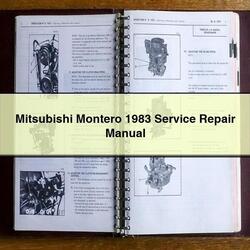
This manual provides comprehensive service and repair information for the 1983 Mitsubishi Montero. Designed for owners and technicians alike, it details all workshop procedures with step-by-step instructions and diagrams. The 1983 Mitsubishi Montero is engineered for reliability and performance, making it a capable vehicle for various applications. This guide ensures that you can maintain and repair your vehicle with confidence, preserving its intended quality and functionality.
This manual covers the [Vehicle Make] [Vehicle Model], produced from [Start Year] to [End Year]. This vehicle is engineered for [Intended Usage] and is recognized for its [Notable Feature 1] and [Notable Feature 2]. Its construction emphasizes robust engineering and reliable performance, making it a distinguished choice in its class.
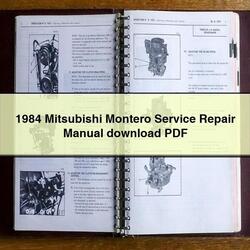
The Mitsubishi Montero, introduced in 1984 as part of the L040 Series, represents a significant entry into the compact SUV and off-road vehicle market. This rugged vehicle, known for its body-on-frame construction and capable off-road performance, was engineered with reliability and utility in mind. Early models featured a 2.6L SOHC Inline-4 engine, available with either multi-point fuel injection or a carburetor, and offered a choice between a 5-speed manual or 4-speed automatic transmission, coupled with either rear-wheel drive or a part-time 4WD system. Its practical interior and durable design made it a strong contender against contemporaries like the Jeep Cherokee and Toyota 4Runner, establishing the Montero's reputation for durability and its 'go-anywhere' image, further solidified by rally successes.
This manual covers the [Vehicle Make] [Vehicle Model], a versatile vehicle designed for [Intended Usage]. Produced between [Production Year Start] and [Production Year End], this model is recognized for its robust engineering, exceptional reliability, and innovative features such as [Notable Feature 1] and [Notable Feature 2]. Its commitment to quality ensures a dependable driving experience for everyday commutes and more demanding applications.
This manual covers the [Vehicle Make] [Vehicle Model], a versatile vehicle designed for [Intended Usage]. Produced between [Production Year Start] and [Production Year End], this model is recognized for its robust engineering, exceptional reliability, and distinctive features such as [Notable Feature 1] and [Notable Feature 2]. The [Vehicle Model] represents a commitment to quality and performance, offering a driving experience that balances capability with comfort.
This manual covers the [Vehicle Make] [Vehicle Model], produced from [Start Year] to [End Year]. This vehicle is recognized for its [Notable Feature 1], [Notable Feature 2], and its suitability for [Intended Usage]. Engineered for exceptional reliability and performance, the [Vehicle Model] represents a commitment to quality and driver satisfaction, offering a unique blend of [Unique Selling Point 1] and [Unique Selling Point 2].
This manual covers the [Vehicle Make] [Vehicle Model], a versatile and robust vehicle designed for [Intended Usage]. Produced between [Start Year] and [End Year], this model is recognized for its exceptional engineering, dependable performance, and innovative features such as [Notable Feature 1] and [Notable Feature 2]. Its commitment to quality and reliability ensures a superior driving experience for owners.
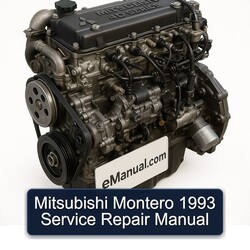
The Mitsubishi Montero, produced in 1993 and identified by chassis codes V20, V21, V23, V24, V25, V26, V40, V41, V43, V44, V45, and V46, is a robust vehicle known for its impressive off-road capabilities and enduring reliability. This model, part of the second generation of the Montero lineage, offers a blend of rugged construction and functional design, making it suitable for both daily driving and adventurous excursions. Available with various engine options, including the 2.4L (4G64), 3.0L V6 (6G72), and a 2.5L Turbo Diesel (4D56), and featuring both manual and automatic transmission choices, the Montero provides versatility to meet diverse owner needs. Its strong chassis, good ground clearance, and the availability of a part-time 4WD system with a low-range gear selector underscore its heritage as a capable all-terrain vehicle.
The Mitsubishi Triton L200, also known as the Mitsubishi L200 in many markets, represents the third generation (K60/K70 Series) of this capable pickup truck, produced from 1996 to 2004. This vehicle is recognized for its blend of utility, comfort, and reliability, often competing with other established players in the compact and mid-size pickup segment. Its engineering quality is evident in its robust ladder-frame chassis and the availability of versatile drivetrain options, including 4x2 and 4x4 systems, catering to both work and recreational needs. The Triton/L200 is designed for a wide range of applications, from daily commuting to demanding off-road excursions and heavy-duty tasks.
This manual covers the Triton/L200, specifically the Third Generation (K50, K60, K70 series) produced from 1996 to 2006. Known for its robust construction and versatility, this compact to mid-size pickup truck was designed for both work and recreational use. Available with a range of reliable petrol and diesel engines, including the 4G63, 4G64, 4D56, 4M40, and 6G72, and offered in various body styles such as Single Cab, Extended Cab, and Double Cab, the Triton/L200 has a strong reputation for durability. Its capable four-wheel-drive systems further enhance its utility, making it a popular choice globally.
The Mitsubishi L200 Triton, specifically the K70 Series produced in 1998, is a versatile compact pickup truck renowned for its robust chassis and reliable powertrain. Built on a platform shared with other models, this vehicle is a testament to a heritage in crafting durable trucks and 4x4 vehicles. It was designed for a wide range of users, from commercial operators to off-road enthusiasts and DIY mechanics, offering various body styles including Single Cab, Club Cab, and Double Cab configurations, along with 2WD and 4WD drivetrain options. Known for its platform durability and capability, especially in 4x4 variants, the L200 Triton competed effectively in its segment against rivals like the Toyota Hilux and Nissan Navara.
This manual covers the Mitsubishi L200 Triton, a robust and versatile body-on-frame pickup truck produced from 1996 to 2006. Known for its durability and off-road capability, the L200 Triton has been a popular choice for commercial applications and outdoor enthusiasts alike. This particular model year, 1998, features a distinctive 'jellybean' styling and offers a range of powertrain options, including a 2.4-liter petrol engine and a 2.5-liter diesel engine, paired with either a 5-speed manual or an optional 4-speed automatic transmission. Its reliable engineering and practical design have cemented its reputation as a capable workhorse in the compact pickup truck segment.
The Mitsubishi L200 Triton, produced in 1999, represents a robust and versatile vehicle designed for both work and adventure. Known for its durable construction and reliable performance, this model offers a compelling blend of utility and capability, making it a favored choice for those who demand a dependable partner for demanding tasks and off-road exploration. Its engineering prioritizes longevity and straightforward functionality, ensuring it can meet a wide range of user needs.
The Mitsubishi L200 Triton, particularly the K60T series from 2002, represents a robust and versatile mid-size pickup truck, globally recognized for its reliability and capability as both a workhorse and a recreational vehicle. Known for its durable chassis and strong powertrain options, including the efficient 4D56 2.5L turbo-diesel and the powerful 6G72 3.0L V6 gasoline engines, this model offered various body styles such as Single Cab, Club Cab, and Double Cab, along with 2WD and 4WD drivetrains. Its competitive strengths lie in its dependable performance, comfortable ride for its class, and adept off-road prowess, making it a respected contender in the pickup market.
This manual covers the Mitsubishi L200 Triton, specifically the Fourth Generation (KB4T/KB7T) models produced around 2002. Known for its durability, strong diesel engine options, and impressive off-road capability, the L200 Triton is a versatile mid-size pickup truck designed for both commercial use and adventurous driving. Its engineering quality and reliability have made it a popular choice globally, offering a robust platform with independent front suspension for enhanced on-road comfort.
This manual covers the Mitsubishi L200 Triton, a versatile and robust pickup truck designed for a wide range of applications, from demanding work environments to adventurous off-road excursions. Known for its durable construction and reliable performance, the L200 Triton has established itself as a capable and dependable vehicle. Its engineering prioritizes both utility and driver comfort, making it a popular choice for those who require a vehicle that can handle tough conditions while providing a comfortable driving experience.
The Mitsubishi Montero, produced for the 2003 model year, represents the third generation of this capable mid-size SUV. Built on a robust platform shared with the international Mitsubishi Pajero, the Montero is renowned for its body-on-frame construction and the sophisticated 'Super Select II' 4WD system, offering exceptional off-road performance alongside comfortable on-road handling. This vehicle was engineered to meet the demands of families and outdoor enthusiasts, providing utility and durability. Its 3.5L SOHC V6 engine delivers 197 horsepower and 224 lb-ft of torque, paired with either a 4-speed automatic or a less common 5-speed manual transmission, making it a versatile choice for various driving conditions and towing needs.
This manual covers the Mitsubishi Montero Sport, a rugged and capable SUV produced for the 2003 model year as part of its second generation (K90). Building on Mitsubishi's legacy of durable off-road vehicles, the Montero Sport offers a blend of utility and comfort, making it suitable for both daily driving and adventurous excursions. It typically features a part-time 4WD system, with engine options including a 3.0L V6 and a 3.5L V6, providing ample power for its intended applications.
This manual provides comprehensive service and repair information for the Galant 380, produced between 2004 and 2010. This mid-size sedan, known for its comfort and refined interior, was available with robust engine options including the 2.4L I4 (4G69) and the powerful 3.8L V6 (6G75), with MIVEC technology enhancing performance in some variants. The Galant 380 competed effectively in its segment, offering a blend of engineering quality and reliability, and this manual aims to support the maintenance and longevity of these vehicles.
The Mitsubishi Triton, also known by various market names including L200, Strada, and Mighty Max, is a robust mid-size pickup truck renowned for its durability and capability. Spanning multiple platform generations, including the KA/KB, K20/K30, K70, KB4, and MQ/MR, this vehicle has been engineered for both utility and recreational use. Its design emphasizes a strong body-on-frame construction, available four-wheel drive systems, and practical interiors, making it a reliable choice for demanding tasks and adventurous journeys. The Triton has consistently been recognized for its value and off-road prowess, solidifying its reputation as a dependable workhorse and versatile lifestyle vehicle across diverse global markets.
This manual covers the Mitsubishi Triton, produced between 2004 and 2013. Designed for robust performance and reliability, the Triton is a versatile vehicle engineered to meet a variety of demands, from daily commuting to more demanding tasks. Its construction emphasizes durability and efficient operation, making it a dependable choice for owners seeking a capable and long-lasting vehicle.
The Mitsubishi 380, produced in 2005, is a large family sedan known for its spacious interior, comfortable ride, and standard V6 engine. Developed and manufactured in Australia, this model represents a significant local engineering effort, building upon the legacy of its predecessors. It was designed to offer robust build quality and a compelling value proposition for families and fleet buyers, competing in a segment with established rivals. The 380 was available with various V6 engine options, including the 3.5-liter 6G72 and the more powerful 3.8-liter 6G75 MIVEC, paired with either a 4-speed automatic or, on some early models, a 5-speed manual transmission.
The Mitsubishi 380, produced from 2005 to 2008, is a large family sedan developed primarily for the Australian market, succeeding the Mitsubishi Magna. This vehicle is powered by a 3.8-liter V6 SOHC 24-valve engine (6G75), delivering approximately 228-241 horsepower and 243-251 lb-ft of torque, featuring Multi-Point Fuel Injection (MPI). It comes equipped with a 4-speed automatic transmission (INVECS-II) with electronic control and adaptive shift logic. Safety features include standard Anti-lock Braking System (ABS), available Electronic Brake-force Distribution (EBS), traction control, dual front airbags, and pre-tensioner seatbelts. The 380 offers a comfortable and spacious interior, with dimensions including a length of approximately 4880 mm and a wheelbase of 2750 mm, aiming for reliability and a solid driving experience.
The Mitsubishi 380, produced from 2005 to 2007, represents a significant chapter in Australian automotive manufacturing. This full-size sedan was engineered to compete with established local rivals, offering a spacious interior, a powerful 3.8-liter V6 engine, and a comfortable ride, all wrapped in distinctive styling. Its robust construction, incorporating the RISE body structure, and a focus on passenger safety, including multiple airbags and advanced braking systems, underscored Mitsubishi's commitment to quality and reliability. The 380 was primarily designed for the Australian market, aiming to provide a compelling blend of performance and practicality for families and daily commuting.
The Mitsubishi 380, produced from 2005 to 2007, represents a significant chapter in Mitsubishi's Australian automotive history. Developed exclusively for the Australian market and manufactured in South Australia, this model succeeded the Magna and Verada lines. Powered by a robust 3.8-liter V6 SOHC MIVEC engine (6G75), it delivered approximately 241 horsepower and 333 Nm of torque, paired with a 4-speed automatic transmission featuring INVECS-II adaptive logic. The 380 was designed with a focus on comfort, space, and safety, offering features such as ABS, EBD, and multiple airbags, contributing to its 4-star ANCAP safety rating. Its dimensions, including a length of approximately 4850 mm and a wheelbase of 2700 mm, provided a spacious interior and a substantial road presence.
This manual covers the [Vehicle Make] [Vehicle Model], a versatile and robust vehicle designed for [Intended Usage]. Engineered with a focus on [Notable Features], this model exemplifies [Vehicle Make]'s commitment to quality and reliability. Its [Engineering Quality] and [Unique Selling Points] make it an exceptional choice for discerning drivers seeking performance and durability.
This manual covers the [Vehicle Make] [Vehicle Model], a versatile vehicle designed for [Intended Usage]. Produced between [Production Year Start] and [Production Year End], this model is recognized for its robust engineering, exceptional reliability, and innovative features such as [Notable Feature 1] and [Notable Feature 2]. Its design prioritizes both performance and driver comfort, making it an ideal choice for a wide range of applications.
This manual covers the [Make] [Model] vehicle, produced between [Year] and [Year]. Designed for [Intended Usage], this vehicle is recognized for its [Notable Feature 1] and [Notable Feature 2]. Built with a commitment to engineering excellence, the [Model] offers exceptional reliability and performance, making it a distinguished choice in its class. Its innovative design and robust construction ensure a superior driving experience for owners.
Welcome to the comprehensive service manual for the Mitsubishi 380, covering model years 2005 through 2008 of the third generation (DB Series). This sedan, developed in Australia, features a robust 3.8-liter V6 SOHC engine, typically producing around 204-207 horsepower and 355-360 Nm of torque, paired with either a 5-speed automatic or a less common 5-speed manual transmission. Known for its comfortable ride and solid construction, the 380 offered a range of safety features including ABS, EBD, and airbags, aiming for high safety ratings. Its engineering reflects a commitment to reliability and driver comfort for everyday use.
This manual covers the 380, a mid-size sedan produced for the Australian market from 2005 to 2008. Built on an Australian-developed platform, the 380 was designed to compete with established local rivals. It is equipped with a robust 3.5-liter V6 engine and typically features a 4-speed automatic transmission with Sportronic mode, though manual transmission options were also available. The vehicle is recognized for its comfortable interior and refinement, having received domestic industry awards. The 380 is a testament to localized automotive engineering, offering a blend of performance and practicality.
The Mitsubishi 380, produced from 2005 to 2008, is a large family sedan known for its spacious interior, comfortable ride, and distinctive styling, particularly after its 2007 facelift. Built on a modified platform derived from the Mitsubishi Magna/Verada, this Australian-manufactured vehicle was powered by a robust 3.8L SOHC V6 engine, delivering approximately 175 kW and 343 Nm of torque. It offered a choice between a 6-speed manual transmission and a 4-speed automatic with adaptive shift logic and sport mode. Safety features included standard front airbags, with optional side and curtain airbags on higher trims, alongside front ventilated disc brakes and rear solid discs.
The Mitsubishi 380, produced from 2005 to 2008 as part of the DB Series, represents a significant chapter in Australian automotive development, based on the Japanese Mitsubishi Galant but re-engineered for the local market. Powered by a robust 3.8-liter 6G75 V6 engine, it offered approximately 180 kW of power and 343 Nm of torque, paired with either a 6-speed manual or a 4-speed automatic transmission featuring Sport Mode. This front-wheel-drive sedan was designed with a focus on passenger comfort and a balanced driving experience, incorporating features like ABS, EBD, and TCS, with optional side airbags contributing to its 4-star ANCAP safety rating. Its substantial dimensions, including a wheelbase of 2830 mm, provided a spacious interior for its intended use as a family sedan.
This manual covers the 380, a front-wheel-drive sedan produced for the North American market from 2005 to 2008. Built on the PS platform, derived from Australian-market models, the 380 is powered by a 3.8L V6 engine. Notable features include standard Anti-lock Braking System (ABS) and available Traction Control System (TCS), along with multiple airbag configurations depending on trim level. The vehicle offers a comfortable ride and a spacious interior, making it suitable for daily commuting and family transport.
The Mitsubishi 380, produced from 2005 to 2008, was a large family and mid-size executive sedan specifically developed for the Australian market. Built at Mitsubishi's Tonsley Park facility in South Australia, it succeeded the Magna and Verada models. The 380 was equipped with a 3.8-liter V6 SOHC engine (6G75), delivering approximately 175 kW of power and 343 Nm of torque, paired with either a 5-speed automatic or a less common 6-speed manual transmission. Its design emphasized comfort and handling, aiming to compete with established Australian sedans like the Holden Commodore and Ford Falcon. Safety was a key consideration, with most models achieving a 4-star ANCAP rating and featuring a range of active and passive safety systems.
The Mitsubishi 380, produced between 2005 and 2008, represents the first generation (DB) of this model. Engineered with a robust V6 SOHC 3.8-liter engine delivering 175 kW (235 hp) and 343 Nm of torque, it features electronic fuel injection and a 4-speed automatic transmission driving the front wheels. Its substantial dimensions, including a length of 4885 mm and a wheelbase of 2775 mm, contribute to a stable and comfortable ride, complemented by independent front and multi-link rear suspension. This vehicle was designed to offer a blend of performance and practicality for everyday use.
This manual covers the [Make] [Model], a versatile vehicle designed for [intended usage]. Produced between [production years], this model is recognized for its [notable features], embodying a commitment to engineering excellence and enduring reliability. Its design prioritizes [unique selling points], offering a superior driving experience for owners.
The Mitsubishi 380, produced for the Australian market from 2005 to 2008, represents Mitsubishi Australia's final large family sedan. Building upon the legacy of the Magna and Verada, this model was engineered with significant chassis development and offered a spacious interior, a comfortable ride, and a powerful 3.8-liter V6 engine. Designed to compete with established local and imported sedans, the 380 emphasized practicality and value, featuring strong safety systems for its era, including front and side airbags, and often Electronic Stability Program. Its production in Adelaide, South Australia, marked the end of local Mitsubishi manufacturing, making it a significant vehicle in Australian automotive history.
The Mitsubishi 380, produced from 2005 to 2008, is a full-size sedan engineered by Mitsubishi Motors Corporation. This model, manufactured in Adelaide, Australia, was based on a significantly revised Magna platform and featured a robust V6 engine displacing 3.8 liters, offering approximately 215-230 horsepower. Known for its comfort and refinement, the 380 also incorporated safety features such as Anti-lock Braking System, Electronic Stability Control, and multiple airbags, contributing to its strong ANCAP safety ratings. The vehicle was equipped with either an automatic or manual transmission, and its design focused on providing a solid and reliable driving experience for owners.
The Mitsubishi 380, produced for the 2005 through 2008 model years, represents a significant chapter in Australian automotive history as a locally designed and manufactured mid-size sedan. Building upon the legacy of the Magna and Verada, the 380 was engineered with a focus on a spacious interior, a comfortable ride, and the robust performance of its naturally aspirated 3.8-liter V6 engine. This front-wheel-drive sedan competed in a segment dominated by established players, offering a unique blend of Australian engineering and renowned reliability.
The Mitsubishi 380, produced for the 2005 through 2008 model years, represents the third generation (DB Series) of this Australian-developed mid-size sedan. Built at Mitsubishi Motors Australia's Tonsley Park plant, it was engineered to compete in a segment dominated by local and imported rivals, offering a spacious interior and a comfortable ride. Powered by a robust 3.8-liter 6G75 V6 engine, the 380 was available with either a 4-speed automatic or a 5-speed manual transmission, providing a blend of performance and practicality for everyday use and family transport.
The Mitsubishi 380, produced from 2005 to 2008 under the DB Series (chassis code DBA), was an Australian-developed sedan designed as a family and executive car. It featured a naturally aspirated 3.8-liter V6 engine (6G75) producing approximately 170 kW, paired with a 4-speed automatic transmission. Known for its comfortable ride, spacious interior, and distinctive styling, the 380 competed in a segment with established rivals. Its development from the Magna platform aimed to offer a practical and well-equipped vehicle for the Australian market.
The Mitsubishi 380, produced for the 2005 through 2008 model years, represents a significant Australian-manufactured large family sedan built on the PS Platform. It was engineered to offer a comfortable and reliable driving experience, competing with established rivals in its segment. Key distinguishing features include a spacious interior, a robust 3.8-liter 6G75 V6 SOHC engine, and a focus on safety for its era, incorporating standard ABS and EBD. The 380 was designed with a comfortable ride and a strong emphasis on providing value for owners.
The Mitsubishi 380, produced between 2005 and 2008 under the TP platform code, was an Australian-designed large family sedan. It was engineered to offer a comfortable and refined driving experience, distinguishing itself with a front-wheel-drive layout in a segment often dominated by rear-wheel-drive vehicles. Powered by a naturally aspirated 3.8-liter V6 petrol engine, the 380 aimed to provide a balance of performance and passenger comfort, competing with established rivals in the Australian market. Its design emphasized interior refinement and a smooth ride, making it a notable entry in its class.
This manual covers the [Vehicle Make] [Vehicle Model], a versatile and robust vehicle designed for [Intended Usage]. Engineered with a focus on [Notable Features], this model exemplifies [Vehicle Make]'s commitment to quality and reliability. Its advanced design and durable construction ensure a superior driving experience and dependable performance across a wide range of conditions.
The Mitsubishi 380, produced from 2005 to 2009, represents the fourth generation (DB) of this Australian-designed and manufactured mid-size sedan. Exclusively powered by a robust 3.8-liter V6 engine (6G75), the 380 was engineered for comfort, space, and reliable performance, succeeding the Mitsubishi Magna. Its design philosophy emphasized a balance of practicality and driving dynamics, making it a competitive offering in its segment. The vehicle's commitment to quality is reflected in its engineering and manufacturing, aiming to provide a dependable and enjoyable ownership experience for its intended users.
This manual covers the [Make] [Model], a versatile vehicle designed for [intended usage]. Produced between [production years], this model is recognized for its [notable features] and commitment to engineering excellence. Its design prioritizes reliability and a superior driving experience, making it a distinguished choice for discerning owners.
This manual covers the [Make] [Model] vehicle, produced for the [Year Range] model years. This vehicle is engineered for [Intended Usage] and is recognized for its [Notable Features]. Its design emphasizes [Engineering Quality] and [Reliability], offering [Unique Selling Points] to its owners.
This manual covers the [Vehicle Make] [Vehicle Model], a versatile vehicle designed for [Intended Usage]. Produced between [Production Year Start] and [Production Year End], this model is recognized for its robust engineering, exceptional reliability, and innovative features such as [Notable Feature 1] and [Notable Feature 2]. Its design prioritizes a balance of performance and efficiency, making it a dependable choice for a wide range of driving needs.
This manual covers the [Make] [Model] vehicle, produced from [Year] to [Year]. This model is recognized for its [Notable Feature 1] and [Notable Feature 2], making it a versatile choice for [Intended Usage]. Built with exceptional engineering and a commitment to reliability, the [Model] offers a unique blend of performance and practicality. Its design prioritizes [Unique Selling Point], ensuring a superior ownership experience.
This manual covers the [Vehicle Make] [Vehicle Model], a versatile vehicle designed for [Intended Usage]. Produced between [Production Year Start] and [Production Year End], this model is recognized for its [Notable Feature 1] and [Notable Feature 2]. The engineering behind the [Vehicle Model] emphasizes robust construction, ensuring exceptional reliability and performance for everyday driving and demanding conditions. Its unique blend of [Unique Selling Point 1] and [Unique Selling Point 2] makes it a distinguished choice in its class.
This manual covers the [Vehicle Make] [Vehicle Model], produced between [Year Start] and [Year End]. This vehicle is engineered for [Intended Usage] and is recognized for its [Notable Feature 1], [Notable Feature 2], and [Notable Feature 3]. Its design emphasizes robust construction, exceptional reliability, and a superior driving experience, making it a distinguished choice in its class.
This manual covers the [Make] [Model] vehicle, produced for the model years [Production Years]. Designed for [Intended Usage], this vehicle is recognized for its [Notable Features], embodying a commitment to engineering excellence, robust reliability, and distinctive performance. Its construction prioritizes user experience and durability, making it a trusted choice for [Intended Usage].
This manual covers the [Make] [Model], produced between [Year Start] and [Year End]. Renowned for its [Notable Feature 1] and [Notable Feature 2], this vehicle is engineered for [Intended Usage]. Its design prioritizes robust engineering, exceptional reliability, and a driving experience that sets it apart. The [Model] represents a significant achievement in automotive innovation, offering a blend of performance and practicality.
The Mitsubishi 380, produced from 2005 to 2009, represents a significant entry into the large family sedan segment, particularly in the Australian market. Developed by Mitsubishi Motors Australia, it distinguished itself from competitors like the Holden Commodore and Ford Falcon with its front-wheel-drive platform, a departure from the rear-wheel-drive norm in its class. Key features include distinctive styling, a comfortable ride, and a robust SOHC V6 petrol engine displacing 3.5 liters, delivering approximately 200-220 horsepower. This model offered a comfortable and spacious interior, with various safety features such as ABS, EBD, and airbags, contributing to its 4-star ANCAP safety rating on earlier models.
This manual covers the [Vehicle Make] [Vehicle Model], a versatile and dependable vehicle designed for a wide range of applications. Produced from [Production Year Start] to [Production Year End], this model is recognized for its robust engineering, exceptional reliability, and innovative features that enhance both performance and driver experience. Whether for daily commuting, family transport, or demanding work, the [Vehicle Model] delivers a superior combination of comfort, efficiency, and enduring quality.
This comprehensive service manual covers the Mitsubishi 380, produced for the model years 2005 through 2009. It encompasses all model variants and engine types, providing detailed information essential for understanding, maintaining, and repairing this vehicle. The manual is designed to be an authoritative resource, reflecting the engineering and quality inherent in the Mitsubishi 380.
The Mitsubishi 380 is a full-size sedan produced from 2005 to 2009, representing Mitsubishi's dedicated large car offering in the Australian and New Zealand markets. Based on the Mitsubishi PS platform, it was engineered to provide a spacious interior, a comfortable ride, and reliable performance, primarily powered by a 3.8-liter 6G75 SOHC V6 engine. Designed to compete with established local and international sedans, the 380 aimed to deliver a blend of refinement, safety, and practicality for families and individuals seeking a well-equipped vehicle. Its distinctive styling and robust construction underscored Mitsubishi's commitment to quality and engineering during its production run.
The Mitsubishi Triton, also known as the L200, is a robust mid-size pickup truck that has served a wide range of users, from tradespeople and fleet operators to off-road enthusiasts, since its introduction. This fourth generation, identified by the Project 'Triton' platform code and produced for model years 2005 through 2011, is celebrated for its durable construction, reliable powertrains, and capable off-road performance. Available in various cab configurations including Single, Club, and Double Cab, and equipped with a choice of gasoline engines (2.4L and 3.0L/3.5L V6) or the highly regarded 3.2L Di-D turbo diesel, the Triton offers versatility for both work and recreation. Its engineering emphasizes practicality and utility, making it a strong competitor in its segment.
This workshop service repair manual covers the Mitsubishi Triton, specifically focusing on the fourth generation (UA/UB/UC/UF/UG platforms) produced between 2005 and 2011. The Triton is a capable mid-size pickup truck, known globally for its durable chassis, reliable powertrains, and strong off-road performance. It has been a competitive player in markets like Australia and Southeast Asia, valued for its robustness and practical utility across various body styles including Single Cab, Club Cab, and Double Cab configurations. The vehicle offers a range of engine options, including efficient diesel variants like the 4D56 and 4M41, alongside petrol engines, paired with either 5-speed manual or 4-speed automatic transmissions and available in 2WD or 4WD drivetrains.
This workshop service repair manual covers the Mitsubishi Triton, also known as the Mitsubishi Strada, for the model years 2005 through 2014. This fourth-generation vehicle is a versatile mid-size pickup truck, offered in Single Cab, Club Cab, and Double Cab body styles, and available with rear-wheel drive or the robust Super Select 4-wheel drive system. It is powered by a range of engines, including 3.0L and 3.5L V6 gasoline engines and 2.5L 4-cylinder turbodiesel engines with direct injection. Known for its durability and off-road capability, the Triton has been a competitive offering in its segment, appealing to tradespeople, families, and recreational users.
This manual covers the Mitsubishi 380, a large family sedan produced in Australia for the 2006 model year. Developed as a successor to the Magna, the 380 (chassis code ZJ) features a powerful 6G75 3.8L V6 SOHC MIVEC engine paired with an INVECS-II 5-speed automatic transmission, driving the front wheels. Known for its spacious cabin, comfortable ride quality, and substantial boot capacity, the 380 was engineered with significant local input to meet the needs of families and general consumers. Available in various trim levels such as ES, VRX, GT, and GT-P, this vehicle represents a notable chapter in Australian automotive manufacturing.
The Mitsubishi Triton, produced for the 2006 model year, is a robust mid-size pickup truck designed for both utility and lifestyle applications. Known for its strong chassis, reliable powertrains, and impressive towing and payload capacities, the Triton is a capable vehicle for tradespeople, rural property owners, and off-road enthusiasts. It competes in a segment with vehicles like the Toyota Hilux and Ford Ranger, offering a blend of durability and practical performance. The Triton's engineering quality and proven reliability have made it a trusted choice globally, with a heritage rooted in Mitsubishi's long history of producing capable 4x4 vehicles.
This manual covers the Mitsubishi Triton L200, Fourth Generation, chassis codes KB4T and KB7T, produced for the model years 2006 through 2010. Known for its durability and robust construction, this body-on-frame pickup truck is a capable vehicle designed for commercial use, fleet operations, off-road adventures, and general utility. It is equipped with either a 2.5L 4D56 turbo-diesel engine or, less commonly, a 3.5L 6G74 V6 petrol engine, and is available in rear-wheel drive (2WD) or selectable four-wheel drive (4WD) configurations. The Triton L200 has a reputation for reliability and strong performance, making it a popular choice in various global markets.
The Mitsubishi 380, produced from 2005 to 2007, was a significant mid-size sedan engineered for the Australian market, offering a spacious interior and a comfortable ride powered by a robust 3.8-liter V6 engine. As Mitsubishi's final locally manufactured passenger vehicle in Australia, it represented a commitment to local tastes and driving conditions, aiming to compete with established Australian sedans. Its design emphasized practicality and a smooth driving experience, making it a notable entry in the Australian automotive landscape.
The Mitsubishi Triton, produced in 2007 as part of its Fourth Generation, stands as a robust and reliable mid-size pickup truck renowned for its durability and off-road capability. Available in various body styles including Single Cab, Double Cab, and Club Cab, and offering both 2WD and 4WD configurations, the Triton is engineered to meet the demands of commercial users, families, and outdoor enthusiasts alike. Its reputation for toughness is well-established, making it a competitive choice in its segment, often competing with other prominent pickup trucks.
The Mitsubishi 380, produced from 2005 to 2008, was a mid-size sedan designed for comfort and reliability, primarily marketed in Australia and New Zealand. Based on the Mitsubishi Diamante platform, this front-wheel-drive vehicle was powered by a 3.8L V6 SOHC MIVEC engine, delivering approximately 220-230 PS and 330-340 Nm of torque. It offered a spacious interior and a refined ride quality, competing in a segment with established local and international manufacturers. The 2008 model year represented the culmination of this model's development, featuring a distinctive design and a focus on practical family transportation.
The Mitsubishi L200 Series Triton Pickup Truck, produced for the 2012 through 2015 model years, represents a robust and capable mid-size utility vehicle. Known for its durable chassis, reliable 4D56 3.2L DI-D Common Rail Turbo Diesel engine, and advanced Super Select II 4WD system, the L200 Triton is engineered for both demanding commercial applications and adventurous off-road use. With a strong emphasis on payload and towing capacity, this pickup truck has established itself as a competitive option in its segment, offering a blend of utility, performance, and the enduring quality associated with Mitsubishi's lineage of pickup trucks.
This manual covers the [Make] [Model] vehicle, produced for the model years [Start Year] through [End Year]. Designed for [Intended Usage], this vehicle exemplifies [Engineering Quality] and [Reliability]. Its unique selling points, such as [Notable Feature 1] and [Notable Feature 2], contribute to a superior driving experience and robust performance.
This manual covers the [Vehicle Make] [Vehicle Model], a versatile and robust vehicle designed for [Intended Usage]. Engineered for exceptional reliability and performance, the [Vehicle Model] combines advanced technology with durable construction, making it a distinguished choice for discerning owners. Its commitment to quality ensures a dependable driving experience across a wide range of conditions.