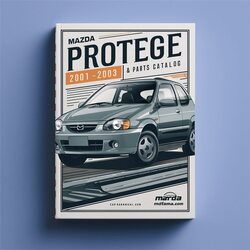
The Mazda Protege series encompasses a range of compact passenger vehicles designed for everyday transportation and commuting. These models are known for their fuel efficiency, agile handling, and practical interiors, making them a popular choice for individuals and small families. The Protege line has historically offered various body styles, including sedans and hatchbacks, catering to diverse user needs for versatility and economy in personal mobility.
Documentation for the Mazda Protege typically includes comprehensive owner's manuals detailing operation and basic maintenance, as well as more in-depth service and repair manuals. These resources provide essential information on diagnostic procedures, component replacement, electrical system...
The Mazda Protege series encompasses a range of compact passenger vehicles designed for everyday transportation and commuting. These models are known for their fuel efficiency, agile handling, and practical interiors, making them a popular choice for individuals and small families. The Protege line has historically offered various body styles, including sedans and hatchbacks, catering to diverse user needs for versatility and economy in personal mobility.
Documentation for the Mazda Protege typically includes comprehensive owner's manuals detailing operation and basic maintenance, as well as more in-depth service and repair manuals. These resources provide essential information on diagnostic procedures, component replacement, electrical system schematics, and recommended maintenance schedules. Technicians and owners can utilize these guides to ensure proper upkeep, troubleshoot common issues, and perform repairs, thereby extending the vehicle's lifespan and maintaining its performance.
The Mazda Protege, produced between 2000 and 2004, is a compact car recognized for its sporty styling, particularly in GT models, and its engaging driving dynamics, embodying Mazda's Jinba Ittai philosophy. Offering a balance of fuel efficiency and affordability, it competed effectively in its segment against rivals like the Honda Civic and Toyota Corolla. Available in sedan and hatchback body styles, the Protege provided reliable transportation and a connected feel for drivers, making it a popular choice for budget-conscious consumers and DIY enthusiasts alike.
This manual covers the Mazda Protege, produced between 2000 and 2004, chassis code BJ. Known for embodying Mazda's 'Zoom-Zoom' philosophy, the Protege offered a compelling blend of spirited performance and handling in the compact car segment. Available in sedan and hatchback body styles, with various trim levels including the performance-oriented Mazdaspeed Protege, it competed effectively against major rivals. The vehicle's engineering quality, reliability, and engaging driving dynamics contributed to its positive reception and owner satisfaction.
The Mazda Protege, manufactured during the 2000-2004 model years as part of its Third Generation (BJ), offered a compelling blend of sporty handling, reliable engineering, and practical design, positioning itself as a strong competitor in the compact car segment. Known for its driver-focused nature and available in various body styles, the Protege was equipped with a range of efficient yet capable engines, including the 1.6L Z5-DE, 1.8L FP-DE, and the more powerful 2.0L FS-DE, catering to diverse driver needs and preferences. Its accessible pricing and solid build quality contributed to its popularity, making it a favored choice for daily commuting and spirited driving alike.
This manual covers the Mazda Protegé for the production years 2000 through 2004. The Protegé, a compact sedan and hatchback, was known for its affordability, reliability, sporty handling, and practical interior, often competing with models like the Honda Civic and Toyota Corolla. Mazda's philosophy of 'Jinba Ittai' (horse and rider as one) influenced its design, emphasizing driving dynamics. This second-generation model (BJ chassis) offered various engine variants, including the 2.0L FS-DE and the turbocharged FS-DET found in the MP3 and Mazdaspeed trims, providing a range of performance options.
The Mazda Protege, part of the Third Generation (BJ) series produced from 2000 to 2004, represents a compact sedan and hatchback known for its reliability, fuel efficiency, and sporty handling, particularly in its 's' variants. This model, embodying Mazda's "Jinba Ittai" philosophy of driver connection, offered an affordable and engaging driving experience, earning a spot on Car and Driver's 10Best list in 2000. With its 2.0-liter FS-DE engine, available with either a 5-speed manual or 4-speed automatic transmission, the Protege provided a balanced blend of performance and practicality, making it a strong competitor in its segment.
The Mazda Protege 5, part of the first generation of the Protege line on the BJ platform, was produced for the North American market from 2000 to 2004. This compact wagon/hatchback offered a blend of practicality, distinctive styling, and sporty handling, earning a spot on Car and Driver magazine's '10Best' list in 2002. Powered by a 2.0L FS-DE inline 4-cylinder engine producing 130 horsepower and 135 lb-ft of torque, it was available with either a 5-speed manual or a 4-speed automatic transmission. Its appeal lay in its value proposition and driving dynamics, embodying Mazda's Jinba Ittai philosophy.
The Mazda Protege 5, produced from 2000 to 2004, is a compact wagon known for its distinctive styling, agile handling, and practical cargo space, offering an engaging driving experience. Built on the Mazda Familia/Protege (BJ) platform, this model competed in a segment that valued versatility and spirited performance. The Protege 5, specifically introduced for the 2002 model year, provided a stylish and functional alternative within the Protege family, featuring a 2.0L FS-DE engine that delivered approximately 130-135 horsepower.
Welcome to the comprehensive workshop repair service manual for the Mazda Protege, covering model years 2000 through 2004. This guide details all models and trims within this generation, including the versatile Protege5 hatchback and the performance-oriented Mazdaspeed Protege. Known for its engaging driving dynamics and sporty appeal, the Mazda Protege has been a competitive offering in the compact car segment, praised for its responsive handling and stylish design. This manual provides in-depth information on the vehicle's engineering, enabling owners and technicians to maintain its reliability and performance.
The Mazda Protege, covering model years 2000 through 2004, represents the third generation of this reliable compact car, built on the BJ platform. Known for its blend of value, fuel efficiency, and engaging driving dynamics, particularly in its sporty trims, the Protege offered a practical and enjoyable transportation solution. Available in both 4-door sedan and 5-door hatchback (Protege5) body styles, it featured efficient inline 4-cylinder engines, including the 1.6L Z5-DE and the more powerful 2.0L FS-DE, paired with either a 5-speed manual or a 4-speed automatic transmission. Its engineering emphasized dependability and a comfortable, spacious interior for its class, making it a strong competitor in the compact segment.
The Mazda Protege, third generation (BJ platform), produced from 2000 to 2004, represents a significant offering in the compact car segment. Known for its engaging driving dynamics, a hallmark of Mazda's "Zoom-Zoom" philosophy, this vehicle was available globally in sedan and hatchback variants. It was engineered with a focus on reliability and offered a blend of practicality and spirited performance, making it a popular choice for a wide range of drivers. Notable features included a choice of efficient engines, such as the 1.8L FP-DE and the more powerful 2.0L FS-DE, coupled with either a 5-speed manual or a 4-speed automatic transaxle.
This Service and Repair Manual covers the Mazda Protege, produced for the model years 2000 through 2004. Built on the global BJ platform, this compact car is known for its reliable engineering and sporty driving dynamics, offering a compelling value proposition within its segment. Available as a 4-door sedan or a 5-door hatchback, the Protege typically features a 1.8L FS-DE engine, delivering approximately 120-125 horsepower, and is offered with either a 5-speed manual or a 4-speed automatic transmission. Its design prioritizes fuel efficiency and a comfortable ride, making it a popular choice for daily commuting and general transportation.
This manual covers the Mazda Protege 5, a compact sport wagon produced for the model years 2000 through 2004. Known for its practical utility combined with Mazda's signature engaging driving dynamics, the Protege 5 (BJ platform, chassis code BJ5W) was designed to appeal to families and individuals seeking versatile transportation. It features a 2.0-liter inline 4-cylinder engine (FS-DE) producing approximately 130 horsepower, paired with either a 5-speed manual or a 4-speed automatic transaxle, and is equipped with front-wheel drive. The vehicle's design emphasizes a balance of sporty styling and everyday usability, making it a distinctive option in its segment.
The Protegé, produced from 2000 to 2004, is a compact car celebrated for its engaging driving dynamics and balanced performance, often praised for its sporty handling and responsive steering. Available across various trims including DX, ES, and LX, as well as wagon variants, the Protegé offered a compelling value proposition in its segment, competing with other popular compacts. It was equipped with a range of efficient inline-4 engines, from the 1.6L to the more powerful 1.8L and 2.0L with Variable Valve Timing, paired with either a 5-speed manual or a 4-speed automatic transmission. This generation, based on the BJ platform, reflects a commitment to driver-focused engineering, making it a well-regarded choice for those seeking an enjoyable and practical vehicle.
This digital service and repair manual covers the Mazda Protege models produced between 2000 and 2004, specifically referencing chassis codes like BJ. Known for its value and engaging driving dynamics, the Protege offered various engine options, including the 2.0L 4-cylinder (FS-DE), with horsepower ranging from approximately 100 to 170 HP for the Mazdaspeed variant. Throughout its production, Mazda focused on delivering reliable compact cars, and this generation was generally well-regarded for its performance and affordability, making it a popular choice for both everyday drivers and enthusiasts.
This manual covers the Mazda Protege, specifically the second generation (BJ), produced from 2000 to 2004. The Protege was designed as a value-oriented, driver-friendly compact car, competing with models like the Honda Civic and Toyota Corolla. It embodied Mazda's emerging 'Zoom-Zoom' philosophy, emphasizing responsive driving dynamics. Key features include a 2.0L FS-DE engine producing approximately 125-130 horsepower, available with either a 5-speed manual or a 4-speed automatic transmission. Chassis codes include BJ3P and BJ5P for sedan and hatchback variants.
The Mazda Protege, chassis code BJ, represents a popular compact car from the early 2000s, with the 2001 model year offering a blend of sporty handling and practicality. Available in sedan and hatchback body styles, it was designed to compete in a segment known for affordability and reliability. Engine options for this generation included the 1.6L DOHC (Z5-DE), the 1.8L DOHC (BP-Z3), and the more performance-oriented 2.0L DOHC (FS-DE), particularly in GT models, delivering up to 140 horsepower. The Protege line was recognized for its engaging driving dynamics, a hallmark of Mazda's engineering philosophy, making it a compelling choice for everyday transportation and spirited driving alike.
This factory service repair manual provides comprehensive information for the 2001 Mazda Protege 5, chassis code BJ. Known for its practicality and engaging driving dynamics, the Protege 5 is a versatile vehicle designed for everyday use. This manual reflects the dealer-level information, ensuring authenticity and accuracy for owners and technicians alike.
The 2001 Mazda Protege, part of the second generation (BJ), was a value-oriented compact car offered in sedan and 3-door or 5-door hatchback body styles. Known for its engaging driving dynamics, responsive chassis, and practical design, the Protege provided a compelling alternative in its segment. It featured front-engine, transverse-mounted powertrains, including a 1.6L SOHC and a more powerful 2.0L DOHC engine, both paired with either a 5-speed manual or a 4-speed automatic transaxle. The vehicle was recognized for its sharp handling and was a recipient of Car and Driver's 10Best list in earlier generations, continuing its reputation for good handling.
This manual covers the Mazda Protege, BJ Series, produced for the 2001 model year. The Protege is a compact car known for its sporty handling, good value, and reliable performance, making it a popular choice for budget-conscious buyers and younger drivers. Available in sedan and hatchback body styles, including the sport-oriented MP3 trim, this vehicle offers a comfortable ride and engaging driving experience within its segment. Notable features include available ABS on higher trims and a range of engine options, from the 1.8-liter FP-DE to the more powerful 2.0-liter FS-DE, which also powered the Mazdaspeed variant.
The Protege, chassis code BJ, represents a segment of compact and economy cars renowned for Mazda's commitment to driving dynamics and reliable engineering. Introduced as part of the third generation, this model is powered by a 2.0L FS-DE DOHC inline-4 engine, producing between 122-130 horsepower, and is available with either a 5-speed manual or a 4-speed automatic transmission. Known for its sporty handling and competitive pricing, the Protege aimed to provide an engaging driving experience within its class, often compared favorably to contemporaries like the Honda Civic and Toyota Corolla. Its design focuses on a balance of practicality and driver engagement, making it a solid choice for daily commuting and spirited driving alike.
The Mazda Protege, produced for the 2001 model year, represents the third generation (BJ platform) of Mazda's compact car. Known for its sharp handling, reliable engines, and sporty styling, the Protege offered a compelling alternative to competitors like the Honda Civic and Toyota Corolla. Available in sedan and hatchback body styles, and powered by a range of DOHC engines including 1.6L and 2.0L variants, with the latter also offered in a turbocharged Mazdaspeed version, the Protege appealed to a broad audience seeking value, performance, and engaging driving dynamics, embodying Mazda's "Zoom-Zoom" philosophy.
The 2001 Mazda Protege is a compact vehicle offered in Sedan and Hatchback body styles, representing the third generation of this model line. Known for its sporty handling, fuel efficiency, and value for money, the Protege was engineered with a focus on engaging driving dynamics, a core tenet of Mazda's brand heritage. It provided a practical and reliable option within its segment, competing effectively with other popular compact cars of its time through a combination of durable engineering and accessible performance, often featuring responsive chassis and efficient engine options.
The Mazda Protege, chassis code BJ, represents the second generation of Mazda's popular compact sedan and hatchback, produced from 1998 to 2003. Known for its reliable performance, engaging Jinba Ittai driving dynamics, and affordable pricing, the 2001 model year typically features the 2.0L FS-DE engine, delivering 126 horsepower. This model was designed to compete with established leaders in its segment, offering a blend of practicality and sporty handling that appealed to a wide range of drivers. The engineering quality and generally good reliability ratings from consumer reports underscore its reputation as a solid choice for everyday transportation.
This manual covers the Mazda Protegé, a compact car produced for the 2001 model year, available in Sedan and Hatchback body styles. Built on the BJ platform, the Protegé is recognized for its affordability, reliability, and practical design, making it a strong competitor in its segment. It features a 2.0L FS-DE DOHC I4 engine, producing 118-125 horsepower and 122-127 lb-ft of torque, paired with either a 5-speed manual or a 4-speed automatic transmission. The vehicle's engineering emphasizes a balance of driving dynamics and fuel economy, appealing to budget-conscious consumers and small families.
This manual covers the Mazda Protege, chassis code BJ, produced for the 2001 model year. As a compact car, the Protege is known for its driver-focused engineering and sporty handling, a hallmark of Mazda's brand heritage. It was available as a 4-door sedan and a 5-door hatchback, competing with models such as the Honda Civic and Toyota Corolla. The 2001 Protege typically features a 2.0L FS-DE inline 4-cylinder engine, producing between 118-130 horsepower, paired with either a 5-speed manual or a 4-speed automatic transmission. Notable safety features include standard frontal airbags and available Anti-lock Braking System (ABS).
The Protege, produced for the 2001-2002 model years, is a compact car celebrated for its driver-focused engineering and sporty handling, embodying Mazda's "Zoom-Zoom" philosophy. Available in various trims, including performance-oriented variants like the Mazdaspeed Protege, it offered a compelling blend of affordability, practicality, and engaging driving dynamics, positioning itself as a strong competitor in its segment. Its design emphasized a connection between driver and machine, often referred to as "Jinba Ittai." This generation, part of the BJ platform, was manufactured in Japan and offered a range of efficient engines, from a 1.6L I4 to a more potent 2.0L VVT engine in the Mazdaspeed model, paired with either a 5-speed manual or 4-speed automatic transmission.
The Mazda Protege 5, produced for the North American market from 2001 to 2003, represents the first generation of this compact wagon. Known for its distinctive styling, sporty handling, and practical versatility, the Protege 5 was engineered to offer a compelling alternative in its segment. It features a 2.0-liter FS-DE inline 4-cylinder engine, producing approximately 130 horsepower, paired with either a 5-speed manual or a 4-speed automatic transmission. Its design emphasizes Mazda's "Zoom-Zoom" philosophy, delivering an engaging driving experience alongside ample cargo space, making it suitable for families, young professionals, and driving enthusiasts alike.
The Mazda Protege 5, produced between 2001 and 2003, is a compact station wagon known for its practicality and engaging driving dynamics. As the wagon variant of the third generation Protege (chassis code BJ), it offered a sporty styling and a versatile cargo space, positioning it as a competitive option against rivals like the Honda Civic Wagon and Toyota Corolla Wagon. Powered by a 2.0-liter DOHC inline-4 engine (FS-DE) producing approximately 110-115 horsepower, the Protege 5 was available with either a 5-speed manual or a 4-speed automatic transmission. Its engineering quality and reliability contributed to generally positive consumer reports for its segment, making it a popular choice for DIY mechanics and automotive enthusiasts.
This manual covers the Mazda Protege models produced for the 2001, 2002, and 2003 model years. Known for its engaging driving dynamics and practicality, the Protege offers a sporty yet affordable compact car experience, competing with models like the Honda Civic and Toyota Corolla. This generation, based on the BJ chassis, typically features the FS-DE 2.0L DOHC engine, known for its reliability and fuel efficiency. The Protege is celebrated for its responsive handling and versatile design, available in sedan and hatchback (Protege5) configurations, embodying Mazda's commitment to driver enjoyment.
This manual covers the Mazda Protege5, a compact hatchback produced from 2001 to 2003, built on the BJ Series platform. Known for its sporty styling, versatile cargo space, and engaging driving dynamics, the Protege5 offered a compelling blend of practicality and performance in its segment. Its engineering quality and reliability are hallmarks of Mazda's commitment to driver enjoyment and dependable transportation, making it a popular choice for owners seeking an affordable and spirited vehicle.
This manual covers the Mazda Protege and Protege5 models produced between 2001 and 2003. These vehicles are known for their reliability, fuel efficiency, and sporty handling, reflecting Mazda's driver-focused philosophy. The Protege5 variant offers a practical and versatile compact hatchback design. Built on the BJ chassis, these cars were designed to compete in the compact car segment with models like the Honda Civic and Toyota Corolla, offering a compelling blend of performance and everyday usability.
The Protege 5, also known as the Familia, is a compact wagon produced for the 2001, 2002, and 2003 model years. This model, chassis code BJ, is powered by a 2.0L DOHC 16-valve FS-DE engine, paired with either a 4-speed automatic or a 5-speed manual transmission. It is recognized for its distinctive styling, practical cargo space, and a sporty driving experience characteristic of the brand's philosophy. Designed as a sport compact, it offered a blend of utility and engaging performance, making it a unique offering in its segment during its production run.
This manual covers the Mazda Protege 5, specifically for the 2001, 2002, and 2003 model years. Known for its practical yet sporty design, the Protege 5 is a 5-door compact hatchback wagon that offers versatile cargo space and engaging driving dynamics, embodying Mazda's 'Zoom-Zoom' philosophy. Equipped with the reliable FS-DE 2.0-liter inline-4 engine and available with either a 5-speed manual or a 4-speed automatic transmission, this vehicle was designed for everyday utility with a touch of spirited performance, making it a popular choice for DIY enthusiasts and those seeking a capable compact wagon.
The Mazda Protege 5, produced from 2001 to 2003, is a versatile 5-door hatchback wagon known for its sporty handling, practical cargo space, and reliable powertrain. Built on the BJ (G11P) platform, it features a 2.0L DOHC (FS-DE) engine, available with either a 4-speed automatic or a 5-speed manual transmission, and a front-wheel-drive system. This model was recognized on Car and Driver's Ten Best list in 2002, highlighting its appeal as a value-packed, engaging vehicle in the compact wagon segment.
The Mazda Protege, including the versatile Protege 5 hatchback, represents Mazda's commitment to engaging driving dynamics and practical compact car design. Produced from 2001 to 2003, these models are known for their sporty handling, often described as embodying Mazda's 'Zoom-Zoom' philosophy. The Protege 5, in particular, offered enhanced utility with its wagon body style, making it a compelling choice in the compact segment against competitors like the Honda Civic and Toyota Corolla. Powering these vehicles is typically a 2.0-liter DOHC four-cylinder engine, delivering a balance of performance and efficiency, paired with either a 5-speed manual or a 4-speed automatic transmission.
The Mazda Protege 5, produced for the 2001, 2002, and 2003 model years, is a compact wagon built on the BJ platform. This model is recognized for its blend of practicality, offering ample cargo space and versatility, with Mazda's signature sporty handling and engaging driving dynamics. Its distinctive styling and the brand's 'Zoom-Zoom' philosophy contribute to its appeal for families and individuals seeking a practical yet enjoyable vehicle.
The Mazda Protege 5, produced for the 2001, 2002, and 2003 model years, represents a practical and engaging compact wagon. Built on the Mazda BJ platform, this vehicle is known for its sporty styling, agile handling, and versatile cargo space, making it a compelling choice for those seeking a blend of utility and driving enjoyment. Under the hood, it typically features a 2.0L DOHC 16-valve inline-4 engine (FS-DE), delivering reliable performance for everyday driving. Its design emphasizes Mazda's commitment to creating vehicles with dynamic driving characteristics, often referred to as 'Zoom-Zoom'.
The Mazda Protege, produced for the 2001, 2002, and 2003 model years, represents the second generation (BJ) of this popular compact car. Known for embodying Mazda's 'Zoom-Zoom' driving dynamics, the Protege offers an engaging driving experience combined with practicality and fuel efficiency, making it a strong contender against rivals like the Honda Civic and Toyota Corolla. Available in sedan (BJ3P) and wagon (BJ5W) chassis configurations, and powered by reliable 1.5L (Z5-DE) or 2.0L (FS-DE) engines, the Protege provided excellent value for money, balancing features, performance, and a reputation for dependability.
The Protege, produced from 1998 to 2003 as part of the second generation (BJ), is a compact car recognized for its fuel efficiency, nimble handling, and overall value. Offered in both sedan and hatchback body styles, it provided a practical and engaging driving experience, embodying Mazda's Jinba-Ittai philosophy. With available engines including the 1.5L ZM and the more powerful 2.0L FS, the Protege competed effectively in its segment, often praised for its driving dynamics and appearing on Car and Driver's 10Best lists. Its engineering quality and reliability made it a popular choice for budget-conscious buyers seeking a dependable and enjoyable vehicle.
This manual covers the Mazda Protege and Protege5 models from the 2002 model year, representing the third generation (BJ platform). Known for their responsive handling, good value, and reliable powertrains, these compact cars were designed for young drivers and families seeking practical and fuel-efficient transportation. The Protege sedan offered a solid compact car experience, while the Protege5 variant provided a sportier feel with increased cargo versatility, making them competitive choices in their segment.
This manual covers the 2002 Mazda 323 Protege, a vehicle known for its reliable performance and engaging driving dynamics, reflecting Mazda's commitment to quality engineering. As part of the third generation of the Protege line, this model offers a blend of practical utility and spirited handling, making it a popular choice for both daily commuting and spirited driving. Its design emphasizes user-friendliness and accessibility, embodying the brand's 'Zoom-Zoom' philosophy.
The Mazda 323 Protege, part of the third generation (BJ chassis) produced from 1998 to 2003, is a compact car recognized for its reliable engines, engaging handling, and practical interior. This model offered efficient inline 4-cylinder engines, including 1.8L and 2.0L variants, paired with either a 5-speed manual or a 4-speed automatic transmission. Known for its value and sporty driving characteristics, the Protege competed with popular models like the Honda Civic and Toyota Corolla. Its design emphasized a balance of everyday usability and a responsive driving experience, making it a well-regarded choice in its segment.
This workshop service repair manual provides comprehensive coverage for the Mazda Protege 5, produced from 2002 onwards. Known for its distinctive styling, practicality, and engaging driving dynamics, the Protege 5 offered a unique blend of hatchback utility and wagon-like space, competing in a segment with vehicles like the Subaru Outback and Honda CR-V. This manual focuses on the ZM and FS engine variants, both 2.0L DOHC inline-four engines that were praised for their reliability and responsiveness. The Protege line itself was recognized for its quality, frequently appearing on automotive publication's best-of lists.
This manual covers the Mazda Protegé, a compact car produced from 2002 onwards, built on the versatile Mazda BJ platform. Known for its engaging driving dynamics, sporty styling, and practical interior, the Protegé competed effectively in the C-segment against rivals like the Honda Civic and Toyota Corolla. It was available in sedan and hatchback body styles, with performance enthusiasts appreciating the MazdaSpeed Protegé variant. The vehicle's engineering emphasizes Mazda's philosophy, offering responsive handling and reliable performance, often recognized by accolades such as Car and Driver's '10Best' list.
The Mazda Protege, part of the BJ second generation, represents Mazda's commitment to producing well-engineered and reliable compact vehicles. Available in 2002, this model is recognized for its good driving dynamics and value. With engine options including the 1.8-liter FP-DE and the optional 2.0-liter FS-DE, the Protege offers efficient performance, paired with either a 5-speed manual or a 4-speed automatic transmission, all delivered through a front-wheel-drive system. Its dimensions, including a wheelbase of 102.0 inches, contribute to its stable and engaging driving experience, making it a practical choice for daily use and a popular option for DIY enthusiasts.
The Mazda Protegé, produced from 2002 onwards, represents a significant offering in the compact car segment, embodying Mazda's driving philosophy and the Jinba Ittai principle of oneness between car and driver. Known for its engaging handling and reliable performance, the Protegé offered a compelling alternative to competitors like the Honda Civic and Toyota Corolla. Available with a range of gasoline engines, including 1.6L, 1.8L, and 2.0L displacements, and offered with either a 5-speed manual or 4-speed automatic transmission, it provided a balance of efficiency and spirited driving. The vehicle’s engineering quality is evident in its typical aluminum alloy engine construction and focus on responsive handling, contributing to its reputation for durability and driver enjoyment across various body styles, including sedans and hatchbacks.
This workshop repair manual covers the Mazda Protege, BJ Series, produced for the 2002 model year. The Protege is a compact/small family car known for its reliable engineering and sporty driving dynamics, often competing with models like the Honda Civic and Toyota Corolla. This particular generation, the second generation (BJ), received a facelift in 2002, introducing styling revisions and the performance-oriented Mazdaspeed Protege variant. The vehicle was available in various trim levels, including DX, LX, ES, MP3, and the Mazdaspeed Protege, and offered engine displacements of 1.6L and 2.0L, with the 2.0L engine producing approximately 125-130 horsepower, or around 170 horsepower in the turbocharged Mazdaspeed version.
The 2002 Mazda Protege 323, built on the BJ platform, represents a reliable and engaging option in its class, embodying Mazda's philosophy of Jinba Ittai, or "horse and rider as one." Available as a 3-door or 5-door hatchback, or a 4-door sedan, this model offered efficient 1.5L or 2.0L DOHC 4-cylinder engines, paired with either a 5-speed manual or a 4-speed automatic transmission. Known for its value and enjoyable driving dynamics, the Protege line has a strong lineage, with the 2002 model being part of the third generation. Safety features included standard frontal airbags and optional ABS and side airbags, contributing to its generally good safety ratings.
The Protege, produced from 2002 onwards and built on the BJ Series platform, is a compact family car renowned for its engaging driving dynamics and reliable performance. This generation of the Protege is recognized for its sporty handling, practical interior, and fuel efficiency, positioning it as a strong competitor in its segment against vehicles like the Honda Civic and Toyota Corolla. Notable variants include the high-performance Mazdaspeed Protege, featuring a turbocharged engine and sport-tuned suspension, embodying Mazda's Jinba-Ittai philosophy of harmonious driving.
This manual covers the Mazda Protegé, specifically third-generation (BJ platform) models from 2002 onwards. Known for its reliability, fuel efficiency, and engaging driving dynamics, the Protegé was a popular choice in the compact car segment, often competing with models like the Honda Civic and Toyota Corolla. This vehicle is equipped with a 2.0L FS-DE inline 4-cylinder engine, producing approximately 130-135 horsepower, and offered with either a 5-speed manual or a 4-speed automatic transmission. Its design prioritizes value for money and a sporty feel, making it suitable for young drivers and small families.
The Mazda Protegé, covering models from 2002 onwards and identified by chassis code BJ, represents a strong contender in the compact car segment. Known for its reputation for reliability and engaging driving dynamics, particularly in its sportier SP23 trims, the Protegé offers excellent value for budget-conscious buyers and small families. Available as both a 4-door sedan and a 5-door hatchback, it competes with established models like the Honda Civic and Toyota Corolla. Mazda's philosophy of "Zoom-Zoom" is evident in the Protegé's practical interior space and responsive handling, making it a well-rounded choice for everyday transportation.
The Mazda Protege, produced from 2002 onwards, represents a significant entry in the compact car segment, known for its practical design and emphasis on driver engagement, embodying Mazda's 'Jinba Ittai' philosophy. Available as a 4-door sedan and a 5-door hatchback (Protege5), this vehicle offered a balance of affordability and reliable performance, making it a popular choice for budget-conscious buyers and new car owners. With engine options typically including 1.6L and 2.0L inline 4-cylinder configurations, the Protege provided respectable fuel economy and a driving experience that set it apart from many competitors. Its engineering quality and a commitment to a dynamic driving feel contributed to its positive market reception and accolades, such as 'Best Buy' awards.
This manual covers the 2002 Mazda Protege5, a compact station wagon known for its sporty handling and practical versatility. Built on the BJ chassis, this model offers a balance of performance and utility, powered by a 2.0L DOHC inline 4-cylinder engine producing 130 horsepower and 135 lb-ft of torque. Designed for enthusiasts and owners seeking reliable transportation with a focus on driving dynamics, the Protege5 provided a compelling alternative in its segment.
This manual covers the Mazda Protege5, a compact wagon produced for the 2002 model year, built on the Mazda BJ Platform. Known for Mazda's 'Zoom-Zoom' philosophy, the Protege5 offers engaging driving dynamics and practical versatility. It features a 2.0L FS-DE engine, typically producing around 130-134 horsepower, paired with either a 5-speed manual or 4-speed automatic transmission. The vehicle is equipped with standard safety features such as front airbags and ABS, with optional side airbags and traction control. Its design emphasizes driver focus and value, making it a popular choice for DIY mechanics and owners seeking a reliable and enjoyable driving experience.
This manual covers the Mazda Protege, chassis code BJ, produced in 2002. Known for its reliability, affordability, and engaging driving dynamics, the Protege was a strong contender in the compact car segment, often compared to rivals like the Honda Civic and Toyota Corolla. Its design philosophy, rooted in Mazda's Jinba Ittai principle, emphasizes a harmonious connection between the driver and the vehicle, making it a practical choice for economy-minded buyers, first-time car owners, and driving enthusiasts alike. The 2.0L FS-DE engine, producing approximately 130 horsepower, offered a balanced blend of performance and efficiency, paired with either a 5-speed manual or a 4-speed automatic transmission.
The Mazda Protege 5, produced in 2002 under the BJ chassis code, represents a dynamic and practical compact wagon known for its engaging driving dynamics, embodying Mazda's "Zoom-Zoom" philosophy. This model is characterized by its distinctive styling, including a unique front grille, and offers a versatile cargo space that appeals to those seeking both utility and spirited performance. Equipped with a 2.0L DOHC FS-DE engine, it delivers approximately 130 horsepower and 135 lb-ft of torque, paired with either a 5-speed manual or a 4-speed automatic transmission. Its engineering prioritizes a balance of responsive handling, thanks to its MacPherson strut front and multi-link rear suspension, and everyday usability, making it a well-regarded choice for drivers who appreciate a blend of sportiness and practicality.
The Mazda Protege 5, produced for the 2002 model year, is a compact station wagon renowned for its agile handling and distinctive sport wagon styling. Built on Mazda's Familia platform, this vehicle offers a practical yet engaging driving experience, appealing to families and individuals seeking versatility and responsive performance. Its design, influenced by Mazda's European studio, sets it apart from competitors, while its 2.0-liter inline 4-cylinder engine provides a balanced blend of power and efficiency, making it a capable and enjoyable option for everyday use.
The 2002 Mazda Protege, belonging to the third generation (BJ) of this compact car line, is recognized for its blend of sporty handling, fuel efficiency, and overall value. Available as a sedan or a 5-door hatchback, it typically featured a 1.5L or 2.0L inline 4-cylinder engine. Known for its responsive driving dynamics, often encapsulated by a philosophy of engaging driving, the Protege was a competitive offering in its segment, aiming to provide an engaging driving experience alongside practical utility. Its engineering emphasized reliability and innovative design, making it a popular choice for drivers seeking an affordable yet enjoyable vehicle.
The Mazda Protege, produced for the 2002 model year, is a compact car celebrated for its engaging driving dynamics and value proposition. As part of the third generation, this model offered a blend of practicality and sporty handling, a hallmark of Mazda's engineering philosophy. Available in sedan and hatchback body styles across various trim levels including DX, LX, ES, MP3, and the performance-oriented Mazdaspeed, the Protege featured a 2.0L DOHC inline-4 engine, with the Mazdaspeed variant boasting a turbocharged version for enhanced performance. Its well-tuned chassis and responsive steering contributed to its reputation as a fun-to-drive vehicle, earning it a spot on Car and Driver's 10Best list for the ES trim in 2001.
The 2002 Mazda Protege is a compact car celebrated for its engaging driving dynamics, reliability, and value within its segment. Built on the BJ platform, this model typically features a naturally aspirated 2.0L FS-DE engine, producing around 130 horsepower, paired with either a 5-speed manual or a 4-speed automatic transmission, driving the front wheels. Known for its sporty chassis and responsive handling, the Protege offered a compelling alternative to competitors like the Honda Civic and Toyota Corolla. Its design emphasized driver engagement, reflecting Mazda's philosophy, while providing practical transportation for everyday use.
The 2002 Mazda Protege, part of the Third Generation (BJ) platform, represents Mazda's commitment to engineering reliable and engaging vehicles. Known for its sporty handling and practical design, the Protege offered a range of engine options, including 1.5L, 1.8L, and 2.0L variants, catering to various driving needs. Available in sedan and hatchback body styles, this generation received positive ratings for safety and dependability. Mazda's reputation for building fuel-efficient and well-built cars is evident in the Protege, making it a popular choice for both everyday commuting and spirited driving.
The Mazda Protege, part of the BJ (Second Generation) platform produced from 1999 to 2003, is a compact car known for its blend of practical design and engaging driving dynamics, embodying Mazda's "Zoom-Zoom" philosophy. Available with either the 1.5-liter ZM-DE engine producing approximately 103 horsepower or the 2.0-liter FS-DE engine offering 118-125 horsepower, this model offered an economical and reliable transportation solution for budget-conscious buyers and families. Its engineering quality, good initial quality ratings, and competitive pricing positioned it as a strong contender against rivals like the Honda Civic and Toyota Corolla, making it a popular choice in the compact car segment.
The Mazda Protegé, produced for the 2002 model year, was a significant contender in the compact automotive segment, recognized for its engaging driving dynamics and competitive value. Building on Mazda's heritage of creating driver-focused vehicles, the Protegé offered a blend of sporty handling, particularly in its available performance variants like the Mazdaspeed Protegé, and practical utility. It competed directly with established models from Honda, Toyota, and Ford, often distinguishing itself through its responsive chassis and spirited engine options, including 1.6L and 2.0L variants. This generation of the Protegé represented an evolution in styling and interior appointments, solidifying its reputation as a competent and enjoyable vehicle for everyday use.
The Mazda Protege 5, produced for the 2002 model year under the chassis code BJ5W, is a compact wagon celebrated for its blend of practicality and sporty aesthetics, aligning with Mazda's 'Zoom-Zoom' design philosophy. This versatile vehicle, part of the third-generation Protege lineup, offers a 5-door hatchback body style and is powered by a 2.0L FS-DE DOHC 16-valve inline-4 engine, producing approximately 130 horsepower. Its design emphasizes engaging driving dynamics, a hallmark of Mazda's 'Jinba Ittai' heritage, making it a compelling choice for enthusiasts seeking utility with spirited performance.
The 2002 Mazda Protege 5, built on the Mazda Familia BJ platform, is a compact wagon celebrated for its blend of practicality, sporty handling, and unique styling. This model, produced in Japan, offers versatile cargo space, characteristic roof rails, and a driving experience that embodies Mazda's Jinba Ittai philosophy. With its 2.0L FS-DE engine producing 130 horsepower and available with either a 5-speed manual or a 4-speed automatic transmission, the Protege 5 was designed for active individuals and small families seeking a capable and engaging vehicle. Its distinctive features, including a hatchback utility and sporty suspension tuning, set it apart in its segment.
The 2002 Mazda Protege, part of the second generation (BJ) of this compact vehicle, offered a compelling blend of sporty handling and practical design. Available as both a sedan and a hatchback, the Protege competed effectively in its segment by providing a value-oriented package that often outshone rivals in driving dynamics and overall refinement. With engine options including the 1.6L Z5-DE and the more powerful 2.0L FS-DE, it catered to a range of driver preferences, all built upon the robust Mazda Familia Platform. Its engineering quality and reliability were hallmarks of Mazda's commitment to driver enjoyment and dependable transportation.
This manual covers the Mazda Protege, a compact car produced during the BJ generation (1998-2003). Known for its sporty handling and reliable engineering, the Protege offered a compelling alternative to competitors like the Honda Civic and Toyota Corolla. Available with 1.5L (Z5-DE) or 2.0L (FS-DE) inline 4-cylinder engines, it provided efficient performance for daily driving and spirited excursions. The vehicle featured standard front airbags and available ABS on select trims, contributing to its safety profile.
The Protege, produced in 2002 as part of its second generation (BJ series), is a compact car recognized for its engaging driving dynamics, practical interior, and overall reliability within its segment. Offering a choice between a 1.6L (approx. 106 hp) and a 2.0L (approx. 130 hp) engine, both featuring electronic fuel injection, and available with a 5-speed manual or a 4-speed automatic transmission, the Protege provided an appealing blend of efficiency and spirited performance. Its design, available in sedan (BJ3P) and hatchback (BJ5P) body styles, emphasized a sporty yet functional aesthetic, making it a competitive choice against rivals like the Honda Civic and Toyota Corolla.
This manual covers the Mazda Protege, a model recognized for its value, reliability, and engaging driving dynamics, particularly during its third generation (BJ platform). Produced in 2002, the Protege offered a balance of affordability and sporty characteristics, making it a popular choice for both daily commuting and spirited driving. This guide delves into the engineering and features that defined this generation, reflecting Mazda's commitment to creating enjoyable and dependable vehicles.
The 2002 Mazda Protege 5 is a compact wagon celebrated for its distinctive styling, sporty driving dynamics, and practical utility. Positioned as a unique alternative to conventional sedans and SUVs, it offered a spirited performance with its 2.0-liter DOHC inline-4 engine, producing 130 horsepower and 135 lb-ft of torque, paired with either a 5-speed manual or a 4-speed automatic transmission. This model, part of the third generation of the Mazda Protege platform, was designed to appeal to those seeking an engaging driving experience combined with versatile cargo space, featuring a 60/40 split-folding rear seat that expanded its capacity from approximately 21.8 cubic feet to 50.7 cubic feet.
The 2002 Mazda Protege 5, built on the BJ chassis, is a compact wagon designed to blend sporty handling with practical utility. Known for its driver-focused interior and versatile cargo space, it offered a compelling alternative in its segment, often competing with vehicles like the Subaru Outback and Honda CR-V. This model, produced in Japan, embodies Mazda's Jinba-Ittai philosophy, emphasizing a connected driving experience. Its 2.0L FS-DE engine delivered 130 horsepower and 135 lb-ft of torque, paired with either a 5-speed manual or a 4-speed automatic transaxle, providing spirited performance for its class. The Protege 5 was recognized for its value and driving dynamics, earning a spot on Car and Driver's 10Best list in 2002.
This manual covers the Mazda Protege, chassis code BJ, produced in 2002. The Protege is a compact car known for its engaging driving dynamics, embodying Mazda's Jinba Ittai philosophy. Available in various trims including DX, LX, ES, SP20, and Mazdaspeed Protege, it offered a range of engine options, including the 2.0L FS-DE, YF-DE, and the 1.8L LF-DE in certain markets, paired with either a 5-speed manual or a 4-speed automatic transmission. Notable features included available ABS and traction control, front frontal airbags, and a generally well-regarded chassis for its class, making it a competitive option against vehicles like the Honda Civic and Toyota Corolla.
The 2002 Mazda Protege is a compact vehicle recognized for its sporty handling and value, competing in a segment known for its practicality and efficiency. Building on Mazda's heritage of driver-focused engineering, the Protege offers a compelling blend of performance and reliability for everyday use. This model year represents a key point in the Protege's evolution, known for its robust BJ platform and available in sedan and hatchback variants, often featuring efficient inline-4 engines and responsive transmissions.
The 2002 Mazda Protege is a compact car known for its engaging driving dynamics, reflecting Mazda's "Zoom-Zoom" design philosophy. This model, part of the second generation (BJ Chassis), was often positioned as a sporty and reliable alternative to competitors like the Honda Civic and Toyota Corolla. Engineered for responsiveness, the Protege typically featured a 1.5-liter inline 4-cylinder engine, delivering approximately 105 horsepower, paired with either a 5-speed manual or a 4-speed automatic transaxle. Its compact dimensions and emphasis on driver engagement made it a popular choice for those seeking an enjoyable and practical daily driver.
The 2002 Mazda Protege, built on the BJ platform, is a compact car renowned for its sporty handling, practicality, and excellent value. As an early 2000s commuter vehicle, it offered a compelling alternative to competitors like the Honda Civic and Toyota Corolla. Powered by a 122 cubic inch, 2.0L DOHC inline 4-cylinder engine (FS-DE), it produced between 118-122 horsepower and 125-127 lb-ft of torque, paired with either a 5-speed manual or an optional 4-speed automatic transmission. The Protege was assembled in Hofu, Yamaguchi, Japan, and is recognized for its reliable engineering and engaging driving dynamics.
The Mazda Protegé, specifically the 2002 model year from the Third Generation (BJ Series) produced between 1998 and 2003, represents a significant entry in the compact car segment. Known for embodying Mazda's Jinba Ittai philosophy, which emphasizes the unity of horse and rider for responsive handling, the Protegé offered a compelling blend of affordability, reliability, and engaging driving dynamics. Available in sedan and hatchback body styles, with trims ranging from the base DX to the performance-oriented Mazdaspeed Protegé featuring a turbocharged engine, this vehicle competed effectively against rivals like the Honda Civic and Toyota Corolla, often recognized for its value and solid engineering.
The Mazda Protege, produced in 2002, is a compact car celebrated for its reliability, fuel efficiency, and engaging driving dynamics, embodying Mazda's Jinba Ittai philosophy. This vehicle, chassis code BJ, offered a compelling alternative in its segment, often competing with models like the Honda Civic and Toyota Corolla. Known for its sporty handling, particularly in the SP2 trim, and its affordability, the Protege provided a well-rounded package for a wide range of drivers. Its engineering quality and consistent performance made it a popular choice, contributing to its strong reputation for dependability and driver satisfaction.
The Mazda Protege, produced for the 2002 model year under the BJ chassis code, represents a reliable and practical compact car. Available with either a 1.8L (FP-DE) or a 2.0L (FS-DE) DOHC inline-4 engine, it offered efficient performance and was recognized for its value and sporty handling, particularly in its higher trims. Embodying Mazda's 'Jinba Ittai' philosophy, the Protege aimed to provide a connected driving experience for budget-conscious buyers and first-time car owners. Its robust engineering and affordability made it a competitive option against contemporaries like the Honda Civic and Toyota Corolla.
This manual covers the Mazda Protege, chassis code BJ, produced in 2002. The Protege is part of Mazda's esteemed history of producing reliable and engaging compact vehicles, with certain variants recognized by Car and Driver on its '10Best' list for their value and driving dynamics. This generation, introduced in 1998, featured a significant redesign and improved performance. The vehicle was likely equipped with 1.6L or 2.0L inline-4 cylinder engines and was available with either a 5-speed manual or a 4-speed automatic transmission.
The Mazda Protegé, produced under the BJ platform code from 1998 to 2003, represents a significant offering in the compact sedan and hatchback segment. Known for embodying Mazda's Jinba Ittai philosophy, this vehicle prioritizes driving dynamics and driver engagement, making it a compelling choice against competitors like the Honda Civic and Toyota Corolla. Available with a range of engines, including the common 2.0L BP-Z3 DOHC, and transmission options such as a 5-speed manual or 4-speed automatic, the Protegé offers versatility for various driving needs. Its engineering quality and reliability have been recognized, with earlier generations earning accolades such as Car and Driver's 10Best awards, underscoring its enduring appeal.
The 2002 Mazda Protege, built on the BJ chassis, is a compact car celebrated for its engaging driving dynamics and reliable performance. Positioned as an affordable and practical option, it directly competed with segment leaders like the Honda Civic and Toyota Corolla. Available in sedan and hatchback body styles, the Protege offered a balanced blend of fuel efficiency and everyday usability, further enhanced by its sporty handling and solid build quality, reflecting Mazda's commitment to driver-centric engineering.
The Mazda Protege, produced during its third generation (BJ) from 1998 to 2003, represents a significant entry in the compact car segment. Known for its agile handling, good fuel economy, and affordable pricing, the Protege was engineered to offer an engaging driving experience, often competing directly with models like the Honda Civic and Toyota Corolla. Its appeal was further enhanced by available performance variants, such as the Mazdaspeed Protege, which capitalized on Mazda's reputation for sporty dynamics and reliable engineering. This model year continues that legacy, providing a blend of practicality and driving enjoyment.
The 2002 Mazda Protege, chassis code BJ, represents a compact car offering that balances practicality with engaging driving dynamics, a hallmark of Mazda's Jinba Ittai philosophy. Available in sedan and hatchback body styles, including the sport-oriented MP3 variant, the Protege was designed for budget-conscious consumers and commuters seeking reliability and fuel efficiency. Its robust engineering, often reflected in good reliability ratings and a surprisingly spirited performance for its segment, made it a competitive choice against rivals like the Honda Civic and Toyota Corolla.
The Protege, specifically the BJ generation models from 2002, represents a well-regarded compact car known for its sporty handling, reliable performance, and value. Equipped with the FS-DE 2.0L DOHC engine, producing approximately 130 horsepower, and available with either a 5-speed manual or a 4-speed automatic transmission, the Protege offered an engaging driving experience. Its engineering quality is reflected in its responsive chassis and thoughtfully designed interior, making it a popular choice for both daily commuting and spirited driving. Key features include available ABS, front and side airbags, and a generally good safety rating for its era, contributing to its appeal against competitors like the Honda Civic and Toyota Corolla.
This manual covers the Mazda Protege 5, a 5-door compact station wagon/hatchback produced for the 2002 and 2003 model years. As part of the Mazda Protege family, known for its sporty driving characteristics and value, the Protege 5 offered a unique blend of practicality and engaging performance, embodying Mazda's 'Zoom-Zoom' philosophy. Powered by a 2.0L DOHC 16-valve Inline-4 engine (FS-DE) producing approximately 130-135 horsepower, it was available with either a 5-speed manual or a 4-speed automatic transaxle. The vehicle features front ventilated disc brakes and rear solid disc brakes, with ABS available, and comes equipped with standard front airbags and 3-point seatbelts. Its compact dimensions and responsive handling made it a versatile choice for daily driving and light utility.
This manual covers the 2002 Mazda Protege 5, a compact wagon known for its versatile cargo space, sporty handling, and distinctive styling. Built on the BJ platform and manufactured in Japan, this model offers a reliable powertrain and was designed to compete in the compact wagon segment. Key features include a 2.0-liter inline 4-cylinder engine producing 130 horsepower, available with either a 5-speed manual or a 4-speed automatic transmission. The Protege 5 was recognized for its value and design, offering a practical yet engaging driving experience for its intended audience of DIY enthusiasts and owners seeking in-depth vehicle knowledge.
The Mazda Protege, produced in 2002, represents a compact and practical vehicle that garnered praise for its engaging handling and stylish design. As part of the third generation (BJ chassis), this model offered a balance of affordability and driving enjoyment, embodying Mazda's philosophy of Jinba Ittai, or "horse and rider as one." Available as both a sedan and a 5-door hatchback, the Protege was equipped with a reliable 2.0L FS-DE engine, delivering a blend of efficiency and spirited performance, making it a competitive choice in its segment. Its engineering quality and thoughtful design contributed to its reputation for dependable operation and a satisfying driving experience for owners.
This manual covers the 2002 Mazda Protege, a compact car known for its engaging driving experience and reliability, embodying Mazda's "Zoom-Zoom" philosophy. Built on the BJ platform, this generation (1998-2003) offered a balance of practicality and sportiness, competing with vehicles like the Honda Civic and Toyota Corolla. The Protege typically featured a 2.0L FS-DE inline-4 engine, producing approximately 130 horsepower, and was available with either a 5-speed manual or a 4-speed automatic transaxle. Notable features included standard front airbags, available ABS on select trims, and a well-regarded chassis that contributed to its positive handling characteristics.
This manual covers the 2002 Mazda Protege, a compact car known for its balanced driving dynamics and value. As part of the third generation (BJ platform), this model offered a blend of reliable engineering and practical design, making it a competitive choice in its segment against rivals like the Honda Civic and Toyota Corolla. The Protege was designed to provide an engaging driving experience while remaining a sensible option for everyday transportation.
The Mazda Protege, produced for the 2002-2003 model years, is a compact vehicle recognized for its engaging driving dynamics and practical design. Built on the global BJ platform, this generation of the Protege offered a balance of sporty appeal and everyday usability, competing effectively in its segment. Available in sedan and hatchback body styles, it featured fuel-efficient engines, including the 2.0L FS-DE and a turbocharged variant for the performance-oriented MazdaSpeed model. Key features included a comfortable interior for its class and a reputation for reliable performance, making it a popular choice for a wide range of drivers.
The Mazda Protege, produced for the 2002 and 2003 model years, represents the second generation (BJ Series) of Mazda's popular compact car. Known for its reliability, fuel efficiency, and sporty handling, particularly in its GS and GT trims, the Protege offered a compelling value proposition against competitors like the Honda Civic and Toyota Corolla. This vehicle was engineered with a focus on dependable performance, featuring available 1.8L and 2.0L DOHC inline-four engines, manual or automatic transmissions, and a well-balanced chassis designed for everyday driving and spirited excursions. Its distinctive styling and solid build quality contributed to its positive reception and good owner satisfaction ratings.
This manual covers the Mazda Protegé for the 2002 and 2003 model years, built on the BJ platform. The Protegé was recognized for its sporty handling, reliability, and overall value, often earning accolades from automotive publications. This compact car was available in various body styles, including sedan and hatchback, and featured a range of efficient four-cylinder engines, such as the 1.5L Z5-DE and the 2.0L FS-DE and FS-Z variants. Its engineering quality and solid reputation for dependability make it a well-regarded vehicle in its class.
This workshop repair and service manual covers the Mazda Protegé, Third Generation (BJ), for the 2002 and 2003 model years. Known for its engaging driving dynamics, the Protegé offered a compact car experience that often competed with models like the Honda Civic and Toyota Corolla. This generation, built on Mazda's BJ platform, was manufactured in Japan and is recognized for its sporty handling and value proposition within its segment. The vehicle is equipped with a 2.0L FS-DE inline 4-cylinder engine, producing 130 horsepower and 135 lb-ft of torque, paired with either a 5-speed manual or a 4-speed automatic transmission.
This manual covers the Mazda Protegé for the 2002 and 2003 model years, built on the robust BJ chassis. Known for embodying Mazda's 'Zoom-Zoom' philosophy, the Protegé offers a blend of practical transportation and engaging driving dynamics, often praised for its sporty handling, particularly in GT trims. Available with either a 1.8L FP-DE or a more powerful 2.0L FS-DE 'MZR' engine, these compact cars provided excellent value and reliability within their segment, competing with popular models like the Honda Civic and Toyota Corolla. The 2002 refresh brought updated styling and mechanical enhancements, solidifying the Protegé's reputation as a well-engineered and enjoyable vehicle.
The Mazda Protege, produced for the 2002 and 2003 model years, represents the second generation (BJ) of Mazda's popular compact car. Known for its sporty handling, attractive styling, and good value, the Protege offered a compelling alternative in the C-segment, often competing with models like the Honda Civic and Toyota Corolla. Available with either a 1.5L ZM-DE or a more powerful 2.0L FS-DE engine, and offering both manual and automatic transmissions, the Protege catered to a diverse range of drivers. Its engineering quality and reliability, combined with a focus on driving dynamics, made it a well-regarded vehicle for budget-conscious buyers and those seeking an engaging driving experience.
This workshop repair service manual covers the Protege models produced for the 2002 and 2003 model years, identified by the chassis code BJ. As part of a reputation for sporty driving dynamics and reliable engineering, the Protege offered practical and economical transportation, available in sedan and hatchback body styles. Notable for its class, it featured a 2.0L DOHC engine producing approximately 125-130 horsepower, paired with either a 5-speed manual or a 4-speed automatic transmission. The vehicle was designed with a focus on driver engagement and was manufactured in locations including Japan and the United States.
The Mazda Protege, produced for the 2002 and 2003 model years, represents the third generation (BJ) of this popular compact car. Known for its engaging driving dynamics and practical design, the Protege offered a compelling choice in its segment, often praised for its balance of features and affordability. Available with various engine options, including naturally aspirated and turbocharged variants, this generation provided a sporty driving experience for its class. The Protege line benefited from Mazda's heritage of producing reliable and driver-focused vehicles, making it a well-regarded option for everyday transportation.
This manual covers the Mazda Protege models produced between 2002 and 2003, built on the versatile BJ platform. Known for its sporty handling and value proposition, the Protege offered a range of engine options, including the 2.0L FS-DE, the 1.8L YD-DE, and the turbocharged 2.0L FP-DE found in Mazdaspeed variants. This generation embodies Mazda's Jinba-Ittai philosophy, aiming for a connected driving experience. The vehicle was available as a compact sedan or hatchback, competing in a segment with popular models like the Honda Civic and Toyota Corolla.
The Mazda Protege, produced for the 2002 and 2003 model years under the BJ chassis code, represents a capable compact car celebrated for its engaging driving dynamics and reliable performance. Built on the Mazda BJ platform, this vehicle offers a balance of economy-conscious design with a focus on driver connection, a hallmark of Mazda's "Jinba Ittai" philosophy. Available in sedan and 5-door hatchback (Protege5) body styles, and featuring both standard 5-speed manual and optional 4-speed automatic transmissions, the Protege typically housed a 2.0L FS-DE inline 4-cylinder engine, known for its efficiency and responsiveness, with a rarer 1.5L Z5-DE also available. Its design emphasized good handling and a comfortable ride, making it a popular choice for everyday transportation.
The Mazda Protege, produced from 2002 to 2006, is a compact car celebrated for its engaging driving dynamics, practical design, and overall value. Available in sedan and the versatile Protege 5 hatchback body styles, this generation, built on the Mazda BJ platform, offered a compelling alternative to competitors like the Honda Civic and Toyota Corolla. It was recognized for its sporty handling and, particularly in the Protege 5, its adaptable cargo space, making it a well-rounded choice for everyday use and light hauling. The model line featured reliable engine options, including the 1.5L ZJ-VE and the prevalent 2.0L FS-DE, providing a balance of efficiency and performance.
The 2003 Mazda Protege, built on the Mazda Familia/Protege platform and identified by chassis code BJ, is a compact car celebrated for its engaging driving dynamics, reliable performance, and overall value. Known for responsive handling and a comfortable ride, it offered efficient engines and a practical interior, making it a strong contender in its segment against competitors like the Honda Civic and Toyota Corolla. The Protege line, with a legacy of sporty yet practical vehicles, presented a compelling package for DIY enthusiasts and independent repair shops.
The 2003 Mazda Protege, chassis code BJ, represents a well-engineered compact car known for its engaging driving dynamics and stylish design, offering a sporty alternative in its segment. Available in sedan, hatchback (including MP3 and Mazdaspeed variants), and wagon body styles for the North American market, the Protege was powered by a 2.0L DOHC engine producing up to 130 horsepower, with a turbocharged option offering 170 horsepower in the Mazdaspeed model. This generation, produced from 1998 to 2003, emphasized driver engagement and value, earning favorable reviews for its handling and overall performance.
The 2003 Mazda Protege, built on the BJ chassis, represents a capable and enjoyable compact car, offered in both sedan and hatchback body styles. Known for its commitment to driving enjoyment and responsive performance, the Protege emphasizes driving enjoyment and responsive performance, setting it apart in its competitive segment. It was designed for young drivers, families, and budget-conscious consumers, offering a blend of reliability, affordable maintenance, and engaging handling dynamics. This generation of the Protege, which saw a facelift around 2001-2002, typically featured a 2.0-liter FS-DE inline 4-cylinder engine producing approximately 125-130 horsepower, paired with either a 5-speed manual or an optional 4-speed automatic transmission, driving the front wheels, with some variants offering All-Wheel Drive.
This manual covers the Mazda Protege, specifically the 2003 model year, built on the BJ chassis. The Protege is a compact car known for its engaging driving dynamics, reliable FS-DE 2.0L engine, and practical design, embodying Mazda's Jinba Ittai philosophy. It competed in a segment with vehicles like the Honda Civic and Toyota Corolla, offering a balance of value and performance, with variants including the sporty Mazdaspeed Protege and the versatile Protege 5 hatchback, which was recognized by Car and Driver.
The 2003 Mazda Protege, part of the BJ platform, is a compact car celebrated for its affordability, engaging driving dynamics, and practical interior. Known for reliable powertrains and decent fuel economy, it offered a compelling alternative to competitors like the Honda Civic and Toyota Corolla. The Protege, particularly its sportier 's' models, provided a blend of value and spirited performance, making it a popular choice for budget-conscious buyers and younger drivers. Mazda's engineering heritage, focused on driver enjoyment, is evident in the Protege's responsive handling and well-balanced chassis.
The 2003 Mazda Protege, part of the second generation (BJ chassis), was a notable entry in the compact car segment. Known for its sporty handling, reliability, and value, it appealed to a wide range of drivers. Offering a balance of performance and fuel efficiency, the Protege was equipped with either a 1.6L or a 2.0L DOHC 16-valve 4-cylinder engine, paired with a 5-speed manual or an optional 4-speed automatic transaxle. Its competitive spirit, often seen against rivals like the Honda Civic and Toyota Corolla, was further enhanced by available sport-oriented trims and features that provided an engaging driving experience.
The 2003 Mazda Protege 5 is a compact wagon celebrated for its sporty styling, engaging driving dynamics, and practical versatility, embodying Mazda's Jinba Ittai philosophy. This model, part of the second generation (BJ) Protege lineup, offers a unique blend of performance and utility, making it a distinctive choice in its segment. Powered by a naturally aspirated 2.0-liter FS-DE engine producing 130 horsepower, the Protege 5 delivers an enjoyable driving experience, further enhanced by its well-tuned suspension and available all-wheel drive on some configurations. Its practical cargo space and comfortable interior make it suitable for families and individuals who appreciate a dynamic yet functional vehicle.
This manual covers the Mazda Protege, specifically the third generation (BJ Series) produced from 1998 to 2003. Available as a Sedan and Hatchback, including the sporty MP3 and Mazdaspeed Protege variants, this compact car was designed to offer budget-conscious buyers a balance of features, performance, and affordability, known for its engaging driving dynamics and reliable operation when properly maintained. The Protege lineup, particularly its sportier iterations, earned recognition for its performance within its competitive segment.
The 2003 Mazda Protege, chassis code BJ, is a compact vehicle celebrated for its blend of engaging driving dynamics, practicality, and value. Available as both a sedan and a hatchback, it offered a choice between the efficient 1.6L Z5-DE engine and the more powerful 2.0L FS-DE engine, paired with either a 5-speed manual or a 4-speed automatic transmission. Known for its responsive steering and well-tuned suspension, the Protege competed effectively in its segment, offering a driver-focused experience that appealed to many. This generation of the Protege, part of the third model run, continued Mazda's tradition of building reliable and enjoyable-to-drive vehicles.
This comprehensive service manual covers the Mazda Protege models manufactured between 2003 and 2004. Designed to provide in-depth information, it details every aspect of the vehicle, from its fundamental components to its advanced systems. The Mazda Protege is recognized for its blend of practicality and engaging driving dynamics, making it a reliable choice for daily commuting and a versatile platform for various automotive needs.
The Mazda Protege, specifically the 2004 model year under the BJ chassis designation, represents a compact sedan and hatchback known for its engaging handling dynamics and reliable performance. Building on Mazda's philosophy of Jinba Ittai, or "horse and rider as one," this vehicle offers a balanced driving experience that made it a competitive offering against rivals such as the Honda Civic and Toyota Corolla. Available with either a 1.8-liter or a 2.0-liter DOHC engine, and paired with either a 5-speed manual or a 4-speed automatic transmission, the Protege provided practical transportation with an emphasis on driver connection. Its engineering quality and value proposition contributed to its positive reception in global markets.
This manual covers the Mazda Protege, model year 2004, chassis code BJ. The Protege is a compact car known for its engaging driving experience, embodying Mazda's 'Jinba-Ittai' philosophy of driver and machine unity. Available in sedan and hatchback body styles, it offered a balance of affordability, fuel efficiency, and responsive handling, making it a popular choice for everyday drivers and young professionals. Powered by a 2.0-liter inline 4-cylinder engine, it provided approximately 120-130 horsepower and was offered with either a 5-speed manual or a 4-speed automatic transaxle. Its engineering quality and reliability contributed to its strong market presence against competitors like the Honda Civic and Toyota Corolla.
The Mazda Protege, chassis code BJ, is a compact car produced for the 2004 model year, known for its engaging driving dynamics and distinctive styling. Praised for its sporty handling that often surpassed competitors, the Protege offered a strong balance of features, performance, and affordability, appealing to budget-conscious buyers and those who appreciate a more spirited driving experience. This generation, recognized for setting a precedent with an earlier award from Car and Driver, featured a reliable 2.0L DOHC 16-valve Inline-4 engine, delivering approximately 130 horsepower and 135 lb-ft of torque, and was available with either a 5-speed manual or a 4-speed automatic transmission.
This manual covers the Mazda Protege, specifically the BJ Series, third generation, produced in 2004. Known for its affordability, reliability, and engaging driving dynamics, particularly in the Mazdaspeed variant, the Protege offered a practical and enjoyable compact car experience. This generation was available in Sedan and Hatchback body styles, featuring engine options including the 1.6L Z6 and the more powerful 2.0L FS-DE, which was also offered in a turbocharged variant for the Mazdaspeed model. The vehicle was designed to compete with other popular compact cars, emphasizing value and a sporty feel, aligning with Mazda's "Zoom-Zoom" philosophy.
This manual provides comprehensive information for the Mazda Protege, a compact car produced for the 2004 model year, available in Sedan and Hatchback body styles. Known for its engaging driving dynamics, solid build quality, and practicality, the Protege offered a compelling balance of performance and economy within its market segment. This generation, built on the BJ chassis code, was praised for its value and reliability, making it a popular choice.
This factory service repair manual provides comprehensive information for the 2004 Mazda Protege. Known for its affordability, respectable fuel economy, and a reputation for reliability and good driving dynamics, the Protege was a popular compact car. This model, embodying Mazda's Jinba Ittai philosophy, offered a connection between driver and machine, making it a favored choice for budget-conscious consumers and those seeking dependable transportation.
This manual covers the Mazda Protege 5, chassis code BJ, produced for the 2004 model year. Known for its practicality, sporty handling, and cargo versatility, the Protege 5 was a compact wagon designed to appeal to a broad audience. Its engineering quality and reliability are hallmarks of Mazda's "Zoom-Zoom" philosophy, emphasizing an enjoyable driving experience. This vehicle is equipped with a 2.0-liter inline 4-cylinder engine, typically the FS-DE, producing approximately 130 horsepower and 135 lb-ft of torque, paired with either a 5-speed manual or a 4-speed automatic transaxle.
The Mazda Protege, produced around the 2004 model year, is a compact car recognized for its engaging driving dynamics and solid engineering. As part of the BJ series, this vehicle offered a compelling blend of performance, reliability, and affordability, often competing with segment leaders like the Honda Civic and Toyota Corolla. Its design emphasized Mazda's philosophy, providing a sporty and responsive driving experience. The Protege was generally well-regarded for its durability and consistent performance, making it a popular choice for drivers seeking a practical yet enjoyable vehicle.
The 2005 Mazda Protege, built on the third generation (BJ) chassis, was a compact car recognized for its sporty handling and overall value. Competing in a segment with established models, the Protege offered a refined ride, improved interior, and engaging driving dynamics, often considered a benchmark in its class. Available with a 2.0L DOHC engine producing around 130-140 horsepower, or a more potent 170 horsepower engine in the Mazdaspeed variant, it provided a balance of performance and fuel efficiency, with highway ratings reaching up to 35 MPG. Key features included available automatic climate control and a robust audio system, making it a well-rounded option for daily driving and spirited excursions.
The 2005 Mazda Protege, chassis code BJ, represents a refined iteration of Mazda's commitment to engaging driving dynamics, embodying the 'Jinba-Ittai' philosophy. As a compact car, it was designed to appeal to value-conscious consumers, commuters, and younger drivers, often competing with models like the Honda Civic and Toyota Corolla. Offered with a choice of a 2.0L FS-DE engine producing 130 hp or a less common 1.6L FP-DE engine, and available with either a 5-speed manual or a 4-speed automatic transmission, the Protege provided a balanced blend of performance and efficiency. Notable features included a focus on handling, with a suspension system designed for responsive road feel, and a comfortable interior with available premium audio and automatic climate control on higher trims. The vehicle also achieved strong safety ratings, including 5-star NHTSA front impact scores and a 'Good' IIHS front offset crash rating.
The Protege, chassis code BJ, is a compact car known for its engaging driving dynamics and value proposition. Produced in 2005, this model offers a balance of fuel efficiency and responsive handling, often praised for its sporty feel and reliability within its class. Available with various inline 4-cylinder engine options, including 1.6L and 2.0L displacements, and offered with both manual and automatic transmissions, the Protege caters to a wide range of drivers seeking an enjoyable and practical driving experience. Its engineering reflects Mazda's philosophy of Jinba Ittai, emphasizing the connection between driver and vehicle.
This manual covers the Mazda Protege, chassis code BJ, produced in 2005. Known for its sporty handling and reliable engines, the Protege was a strong contender in the compact car segment, competing with models like the Honda Civic and Toyota Corolla. This vehicle offers a compelling value proposition, particularly in its sportier trims, and is recognized for its driver-focused engineering.
This manual provides comprehensive coverage for the 2006 Mazda Protege, a compact vehicle known for its balanced performance and reliable engineering. Building on Mazda's heritage of producing engaging and dependable cars, the Protege offers a practical yet enjoyable driving experience. Its 2.0L FS-DE engine delivers approximately 130 horsepower, paired with either a 5-speed manual or an available 4-speed automatic transmission, making it suitable for daily commuting and general transportation needs. The vehicle's design, part of the third generation which was also known as the Mazda3 in many markets, emphasizes a blend of sporty aesthetics and everyday utility.
The 2006 Mazda Protege is a compact car known for its sporty handling, reliable performance, and practical interior. Offering a compelling blend of engaging driving dynamics and everyday usability, it was a strong contender in its segment, often favored by young professionals and small families. Available with either a 1.8-liter FP-DE engine or a more powerful 2.0-liter FS-DE engine with Variable Valve Timing, the Protege provided an enjoyable driving experience, embodying Mazda's "Zoom-Zoom" philosophy. Its attractive styling and solid engineering made it a popular choice, often compared favorably against key competitors like the Honda Civic and Toyota Corolla.
This manual covers the 2006 Mazda Protege, a compact car known for its reliability, engaging driving dynamics, and value for money. As part of the third generation (BJ) of the Protege line, which originated in 1998 and saw a facelift in 2001, this model continued Mazda's tradition of offering a practical and enjoyable driving experience. The 2006 Protege, often compared to competitors like the Honda Civic and Toyota Corolla, featured a 2.0-liter FS-DE engine producing approximately 130-140 horsepower, available with either a 5-speed manual or a 4-speed automatic transaxle. Its design, available in sedan and hatchback body styles, emphasized a balance of fuel economy and spirited performance, making it a popular choice in its segment.
This manual covers the 2006 Mazda Protege, a compact car known for its engaging driving dynamics and reliable performance. Built on the third generation (BJ chassis), this model continues Mazda's philosophy of Jinba Ittai, emphasizing a connected feel between the driver and the vehicle. The 2006 Protege offers a balance of features, sporty handling, and value, making it a competitive option in its segment. It is powered by a 2.0L DOHC inline 4-cylinder engine, typically producing around 130 horsepower, and is available with either a 5-speed manual or a 4-speed automatic transmission.
The Mazda Protegé, part of the Third Generation (BJ) chassis, represents a line of compact cars produced from 2002 onwards. Known for its blend of reliability, sporty handling, and value, the Protegé was designed to offer an engaging driving experience for individuals and families. Featuring a 2.0L FS-DE inline 4-cylinder engine, with a turbocharged FS-DET option available in performance-oriented Mazdaspeed variants, it provided a balance of efficiency and spirited performance. Its compact dimensions, combined with a focus on driving dynamics inherent in Mazda's "Jinba Ittai" philosophy, made it a competitive offering in its segment against rivals like the Honda Civic and Toyota Corolla.
This manual covers the Mazda Protege 323 BJ series, produced between 1998 and 2003. Known for Mazda's reputation for sporty driving dynamics and innovative engineering, the Protege line was an entry-level compact car celebrated for its affordability and handling. The BJ generation, a significant redesign, offered improved styling and safety across its 3-door hatchback, 5-door hatchback, and 4-door sedan body styles. This specialized wiring diagram manual provides essential technical information for this generation of Mazda vehicles.
The Mazda Protege 5, produced for the 2002-2003 model years, is a compact five-door hatchback celebrated for its sporty styling and practical versatility. As part of Mazda's long-standing Familia lineage, it offered engaging driving dynamics and a youthful design, often categorized as a 'hot hatch' or 'sport wagon'. This model aimed to provide a stylish and fun-to-drive alternative in the competitive compact segment, distinguishing itself with Mazda's signature driver-focused engineering and a reputation for reliability. It was equipped with either the FS-DE 2.0-liter or ZM-DE 1.5-liter engine, paired with a 5-speed manual or 4-speed automatic transmission, offering a balance of performance and efficiency for families and young professionals.