



Elise

The Lotus Elise Elise is a lightweight, high-performance sports car that has been in production since 1996. It is known for its exceptional handling and performance, thanks to its lightweight aluminum chassis and powerful engine. The Elise is also very efficient, thanks to its aerodynamic design and low weight.
The Elise is available in a variety of trims, including the base Elise, the Elise S, and the Elise Cup 250. The base Elise comes with a 1.6-liter four-cylinder engine that produces 134 horsepower. The Elise S gets a more powerful 1.8-liter four-cylinder engine that produces 192 horsepower. The Elise Cup 250...
$16.99
This comprehensive service manual covers the Lotus Elise, model year 1996. Engineered for performance and driver engagement, the Elise is renowned for its lightweight construction and agile handling. This manual provides in-depth information to ensure the continued reliability and optimal operation of your vehicle, reflecting Lotus's commitment to automotive excellence.
$16.99
The Elise, introduced in 1996 as the S1 (Type 111), embodies the brand's core philosophy of lightweight construction, performance, and unparalleled handling. This mid-engined, rear-wheel-drive sports car, weighing approximately 700 kg, features an innovative aluminum extruded chassis and composite body panels. Powered by a 1.8-liter Rover K-series inline-4 engine, it delivers a pure and engaging driving experience, distinguishing itself from contemporaries with its minimalist design and focus on driver connection. Its exceptional agility and road manners have earned it critical acclaim, establishing it as a benchmark for affordable, track-focused sports cars.

$16.99
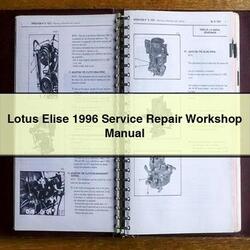
The Lotus Elise, produced from 1996 to 2001 as the Series 1, is an ultra-lightweight, performance-focused sports car renowned for its minimalist design, advanced extruded aluminum monocoque chassis, and exceptional handling. Developed as a spiritual successor to the Lotus Seven, it prioritizes a pure driving experience with a focus on ground effects and functional aerodynamics. Powered by a naturally aspirated 1.8-liter Rover K-Series engine producing 118 bhp, the Elise offers a kerb weight of just 720 kg, contributing to its agile performance and consistent praise from automotive publications for its outstanding handling characteristics.
$16.99
The Lotus Elise, introduced in 1996 and designated as Type 111, represents a return to the brand's core philosophy of performance through lightweight construction and exceptional handling. This mid-engine sports car, featuring a bonded aluminum chassis and composite body panels, offers a pure, engaging driving experience with direct feedback. Its design emphasizes minimalism and agility, making it a standout in the lightweight sports car segment.

$16.99
The Lotus Elise, produced for the 1996 and 1997 model years, represents a pure driving experience focused on lightweight construction and exceptional handling. Built with an extruded aluminum monocoque chassis and fiberglass composite body panels, this mid-engined sports car embodies Colin Chapman's philosophy of "Simplify, then add lightness." Its renowned handling dynamics and direct steering feel set it apart, offering a benchmark in driver engagement. Powered by a 1.8-liter inline-4 Rover K-Series engine, the Elise delivers a focused and exhilarating performance, making it a celebrated icon in the sports car segment.
$16.99
The Lotus Elise S1, produced between 1996 and 2000, is a lightweight, two-seater, mid-engined, rear-wheel-drive sports car renowned for its exceptional handling and pure driving engagement. Conceived as a spiritual successor to the Lotus Seven, the S1 embodies Colin Chapman's philosophy of 'Simplify, then Add Lightness.' Its unique selling proposition lies in its bonded aluminum chassis, composite body, and aerodynamic design, which contribute to its remarkable agility and track capability. This model represents a significant departure from previous Lotus offerings, focusing on delivering an unadulterated driving experience that has earned it widespread critical acclaim and a reputation as a benchmark in its class.
$16.99
This manual covers the LOTUS ELISE DIY M111 ELISE, produced between 1996 and 2000. This vehicle is engineered for performance and driving enjoyment, embodying Lotus's commitment to lightweight design and exceptional handling. It is intended for enthusiasts who appreciate a pure driving experience. The DIY M111 Elise represents a significant achievement in automotive engineering, offering a unique blend of agility and responsiveness.

$16.99
This manual covers the Lotus Elise, produced for the model years 1996 through 2000. The Elise, built on the Type 111 platform, represents Lotus's commitment to lightweight sports car design, offering an unparalleled driving experience through its advanced engineering and minimalist construction. Renowned for its exceptional handling and driver engagement, the Elise embodies the brand's heritage of producing pure, performance-oriented vehicles.
$16.99
The Lotus Elise MK1, produced from 1996 to 2000, is a lightweight sports car renowned for its minimalist design, race-car inspired handling, and pure driving experience. Built with an innovative aluminium bonded chassis and composite body panels, this mid-engine vehicle embodies the Lotus philosophy of 'lightweight and handling'. Its engineering prioritizes driver engagement, offering exceptional agility and steering feel that set a benchmark in its class. The Elise MK1, also identified by its S1 chassis code, represents a distinct era in automotive design, focusing on mechanical purity over electronic driver aids, and is often celebrated for its direct connection between driver and road.
$16.99
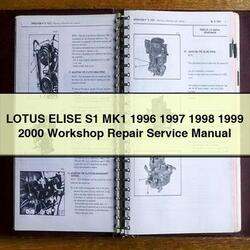
The Lotus Elise Series 1, produced from 1996 to 2000, is a lightweight, pure sports car renowned for its exceptional handling, driver engagement, minimalist design, and lightweight construction. This vehicle embodies Lotus's founding philosophy of prioritizing performance through engineering excellence and innovative materials, such as its bonded extruded aluminium chassis and composite body panels. Its design focuses on delivering an unadulterated driving experience, making it a distinctive choice in the sports car segment, often compared to contemporaries like the Porsche Boxster and Honda S2000.
$16.99
This manual covers the Lotus Elise S1, a lightweight sports car produced from 1996 to 2000. Renowned for its pure driving experience, minimalist design, and exceptional handling, the Elise S1 embodies Lotus's founding principles of lightweight construction and innovative engineering. Its bonded extruded aluminum chassis and fiberglass reinforced polymer body panels contribute to its remarkably low curb weight and agile performance. The vehicle is powered by a naturally aspirated 1.8-liter Rover K-Series engine, available in standard or Very High Performance Derivative (VHPD) configurations, paired with a 5-speed manual transmission.
$16.99
The Lotus Elise S1, produced from 1996 to 2000, is a celebrated lightweight, two-seater sports car, embodying the manufacturer's philosophy of "simplification, then add lightness." Known for its bonded extruded aluminum chassis and fiberglass composite body panels, the Elise S1 offers a pure driving experience with exceptional handling and driver feedback, often lauded by automotive press. Powered by a mid-mounted, inline 4-cylinder Rover K-Series engine, typically 1.8 liters, it delivers between 118 and 135 horsepower through a 5-speed manual transmission. Its minimalist design and focus on driver engagement set it apart from contemporaries like the Porsche Boxster and Honda S2000.

$16.99
This manual covers the Lotus Elise, Series 1, produced from 1996 to 2000, identified internally as Type 111. As a lightweight, two-seater, mid-engined sports car, the Elise embodies Lotus's philosophy of performance through lightness and exceptional handling, often compared to vehicles like the Porsche Boxster and Alfa Romeo GTV of its era. Its design prioritizes a pure driving experience, with engineering focused on agility and driver feedback. The Series 1 Elise is celebrated for its innovative aluminum chassis and its ability to deliver a visceral connection between the driver and the road, setting it apart in the sports car market.
$16.99
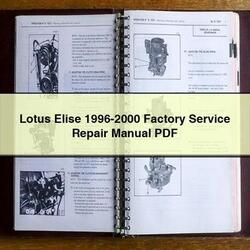
The Lotus Elise Series 1, produced from 1996 to 2000, is a celebrated lightweight, mid-engined sports car. It is distinguished by its exceptional handling, pure driving engagement, and minimalist design, embodying Lotus's core philosophy of "Simplify, then add lightness." This model offers a direct connection between driver and road, setting it apart in the sports car market of its era, which included competitors like the Porsche Boxster and Mazda MX-5. Its construction, featuring an extruded aluminum chassis inspired by aerospace engineering, provides remarkable rigidity and contributes to its agile performance.
$16.99
This manual covers the Lotus Elise Series 1, produced between 1996 and 2000. The Elise is a lightweight, mid-engined, rear-wheel-drive sports car renowned for its exceptional handling and driver engagement, embodying Lotus's core philosophy of 'Simplify, then add lightness.' Its construction features a bonded aluminum chassis, providing remarkable rigidity and a low curb weight of approximately 720 kg. The vehicle is powered by a 1.8-liter Rover K-Series engine, available in standard or VHPD (Very High Performance Derivative) configurations, delivering responsive performance in a compact, two-seater convertible package.
$16.99
This manual covers the Lotus Elise, specifically the S1 Elise (Type 111) models produced between 1996 and 2000. Renowned as a lightweight, high-performance sports car, the Elise embodies Colin Chapman's philosophy of 'Simplify, then add lightness.' Its construction features a bonded aluminum extruded section chassis and fiberglass composite body panels, contributing to exceptional rigidity and a low kerb weight of approximately 720 kg. This generation of Elise is celebrated for its direct steering, outstanding handling, and minimalist driving experience, placing it in spirit alongside contemporaries like the Porsche Boxster and Caterham 7.
$16.99
This manual covers the Elise, a lightweight sports car produced from 1996 to 2000, identified by chassis code Type 111. Engineered with a focus on pure driving experience, the vehicle was built in Hethel, England, emphasizing lightweight construction, advanced composite materials, and exceptional handling. Powered by naturally aspirated inline 4-cylinder Rover K-Series engines ranging from 1.8L to 2.0L, these cars typically delivered between 118 to 140 horsepower and were paired with a 5-speed manual transaxle. The Elise is celebrated for its minimalist design and a philosophy centered on driver engagement, often lauded by automotive journalists for its outstanding driving dynamics.
$16.99
This manual pertains to the Lotus Elise Series 1, produced from 1996 through 2000. The Elise is a celebrated lightweight sports car, embodying Lotus's philosophy of agile handling and driver engagement. Its construction features a revolutionary bonded aluminum monocoque chassis and a composite body, setting new benchmarks for vehicle design. This generation of the Elise, powered by a mid-mounted Rover K-Series 1.8L engine, was lauded by automotive press for its exceptional handling and pure driving experience, making it a significant model in Lotus's heritage.
$16.99
This comprehensive service repair manual covers the Lotus Elise, produced for the model years 1996 through 2000. It provides exhaustive detail for all models and engines, offering an in-depth resource for understanding and maintaining this performance-oriented vehicle. The manual is designed to be your primary source for all information related to the repair and upkeep of your Lotus Elise.
$16.99
This manual covers the Lotus Elise Series 1, produced from 1996 to 2000. The Elise, chassis code Type 111, embodies Lotus's renowned philosophy of lightweight construction and pure driving engagement, harkening back to the brand's heritage. It is powered by a Rover K-Series engine, typically the 1.8-liter VVC variant, paired with a 5-speed manual transmission. Known for its exceptional handling, responsive steering, and minimalist design, the Elise Series 1 was celebrated for delivering a raw and exhilarating driving experience, making it a favorite among driving enthusiasts and a benchmark for sports car dynamics.
$16.99
This manual covers the Lotus Elise Series 1 (S1), produced from 1996 to 2001. The Elise S1, identified by chassis code EL4X, is a lightweight sports car celebrated for its minimalist design, bonded extruded aluminum chassis, and fiberglass composite body panels. Inspired by the Lotus Seven, it prioritizes a pure, driver-focused experience with exceptional handling and feedback, placing it in a segment alongside vehicles like the Porsche Boxster and Honda S2000. Its 1.8-liter Rover K-Series engine, available in naturally aspirated and Variable Valve Control (VVC) variants, delivers between 118 to 145 horsepower, paired with a 5-speed manual transaxle.
$16.99
This comprehensive workshop service repair manual covers the Lotus Elise S1 models produced between 1996 and 2001. Engineered for performance and driver engagement, the Elise S1 is renowned for its lightweight construction and exceptional handling. This manual is designed to provide detailed information for maintaining and repairing all styles of this iconic vehicle, ensuring its legendary driving dynamics are preserved.
$16.99
The Lotus Elise Series 1, produced from 1996 to 2001, is a lightweight sports car celebrated for embodying Lotus's core philosophy of 'lightness and handling'. Featuring an innovative extruded aluminium monocoque chassis and GRP composite body panels, this roadster offers exceptional rigidity and a remarkably low curb weight, contributing to its renowned agility and direct steering feel. Powered by a 1.8-liter Rover K-Series engine, available in various states of tune, the Elise Series 1 delivers an uncompromised and immersive driving experience, making it a standout in its segment against competitors like the Porsche Boxster and Mazda MX-5 Miata.
$16.99
The Lotus Elise Series 1, produced from 1996 to 2001, represents a pinnacle of lightweight sports car engineering, embodying the Lotus philosophy of 'Simplify, then add lightness.' Powered by a 1.8L Rover K-Series inline-4 engine, this driver-focused vehicle is renowned for its exceptional handling, agile chassis, and minimalist design, offering an unparalleled pure driving experience. Its advanced aluminum chassis technology and a commitment to mass reduction set it apart from competitors like the Porsche Boxster and Toyota MR2, making it a celebrated icon in the automotive world for its dynamic prowess and driver engagement.
$16.99
This manual covers the Lotus Elise, specifically models produced between 1996 and 2001, identified by chassis code Type 111. Renowned for its adherence to Lotus's lightweight sports car philosophy, the Elise delivers exceptional handling and driver engagement. Its design emphasizes agility and pure performance, featuring a mid-mounted, naturally aspirated inline 4-cylinder engine, typically a 1.8L Rover K-series, producing around 118-135 horsepower. The vehicle is constructed around an innovative extruded aluminum chassis, contributing to its remarkable rigidity and low curb weight of approximately 700-720 kg.
$16.99
The Lotus Elise Series 1, produced from 1996 to 2001, represents a pinnacle of lightweight sports car design, embodying Colin Chapman's core principles of performance through lightness. Renowned for its exceptional handling, driver-focused minimalist interior, and the innovative Lotus bonded aluminum monocoque chassis, the Elise offers an unparalleled pure sports car experience. Its design philosophy prioritizes agility and driver feedback, making it a highly engaging vehicle for both road and track use, distinguishing it within its premium niche market segment.
$16.99
This manual covers the Lotus Elise Series 1, manufactured between 1996 and 2001. The Elise is renowned for its lightweight construction, exceptional handling, and driver-focused design, embodying Colin Chapman's philosophy of 'adding lightness'. Powered by a mid-mounted Rover K-Series engine, typically producing between 118 to 135 horsepower, this pure sports car offers an engaging driving experience. Its compact dimensions, including a wheelbase of 2300 mm and a curb weight of approximately 720 kg, contribute to its renowned agility and near 50/50 weight distribution. The Elise Series 1 is celebrated for its outstanding steering feel and chassis balance, earning widespread acclaim for its dynamic performance.

$16.99
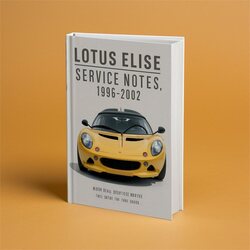
The Lotus Elise S1, produced from 1996 to 2001, is a lightweight sports car renowned for its pure driving experience and driver-focused design, embodying the heritage of lightweight construction and handling dynamics. Built with a bonded aluminium chassis and GRP body panels, this mid-engined, rear-wheel-drive vehicle typically features a Rover K-Series engine, known for its free-revving nature. Its minimalist approach, prioritizing driver engagement over electronic aids, positions it as a unique offering in the sports car segment, celebrated by automotive press for its exceptional handling and steering feedback.
$16.99
This workshop service repair manual provides comprehensive technical information for the Elise, covering models produced between 1996 and 2002, including Series 1 and early Series 2 variants. The Elise is renowned for its lightweight construction, exceptional handling, and pure driving experience, embodying the philosophy of performance through agility. This manual is designed for the convertible body style and details the vehicle's transverse, mid-engine layout, typically featuring the Rover K-Series engine with its characteristic Variable Valve Control on certain models. Its global market focus, with an emphasis on European and UK specifications, ensures broad applicability for enthusiasts and professionals alike.
$16.99
The Lotus Elise Series 1, produced from 1996 to 2002, is a celebrated lightweight sports car renowned for its pure driving experience, exceptional handling, and minimalist design. Built upon an innovative extruded aluminum monocoque chassis, this mid-engine, rear-wheel-drive vehicle embodies Lotus's core philosophy of performance through lightness. Powered by a 1.8-liter Rover K-Series engine, often featuring Lotus's Variable Valve Control (VVC) system, the Elise offers exhilarating performance with a focus on driver engagement and connection. Its compact dimensions and extremely low curb weight contribute to its agile and responsive character, making it a favorite among enthusiasts and track day participants.
$16.99
The Lotus Elise Series 1, produced from 1996 to 2003, represents a pure distillation of the Lotus philosophy, emphasizing lightweight construction, exceptional handling, and an unfiltered driving experience. This mid-engined sports car, built around a revolutionary extruded aluminum monocoque chassis with composite body panels, offers a unique blend of agility and driver feedback. Powered by a range of Rover K-Series engines, including variants with the innovative VVC (Variable Valve Control) system, the Elise S1 delivers exhilarating performance in a compact and iconic package, making it a celebrated icon in the sports car market.
$16.99
The Lotus Elise Series 1, produced from 1996 to 2003, is a lightweight, high-performance sports car celebrated for its exceptional handling and driver engagement. Embodying Lotus's 'Add lightness' philosophy, this minimalist design emphasizes driver feedback and agile performance, positioning it as a distinctive choice among enthusiasts and a benchmark for sports car dynamics. Its engineering quality and reliability are supported by a robust chassis and a focused approach to performance, making it a sought-after vehicle for those who prioritize a pure driving experience.
$16.99
The Lotus Elise Series 1, produced from 1996 to 2003, is a celebrated lightweight sports car renowned for its minimalist design and pure driving engagement. Built upon Lotus's philosophy of 'Simplify, then add lightness,' this mid-engined roadster features a revolutionary bonded aluminium chassis, providing exceptional rigidity and a remarkably low curb weight of approximately 700-750 kg. Powered by the Rover K-Series four-cylinder engine, typically 1.8 liters, it delivers a focused driving experience with agile handling and precise driver feedback, making it a favorite among driving enthusiasts and track day participants.
$16.99
This manual covers the Lotus Elise, Series 1 (S1), produced between 1996 and 2003. Renowned for its exceptional handling, lightweight construction, and pure driving experience, the Elise is a celebrated lightweight sports car that embodies Colin Chapman's philosophy of 'Add lightness'. This model, manufactured in Hethel, England, offers a unique connection to the road, distinguishing itself from contemporaries like the Porsche Boxster and Honda S2000. Its design prioritizes driver engagement and agility, making it a sought-after vehicle for enthusiasts.
$16.99
The Lotus Elise Series 1, produced from 1996 to 2001, is a celebrated driver-focused sports car distinguished by its lightweight aluminum chassis, composite body panels, and mid-engine, rear-wheel-drive configuration. This iconic vehicle, known by its chassis code Type 111, offers an exceptional power-to-weight ratio, sharp steering, and a pure motoring experience, often competing against other lightweight sports cars of its era. Its engineering prioritizes agility and driver connection, making it a sought-after model for enthusiasts.

$16.99
The Lotus Elise Series 1, produced from 1996 to 2003, represents a pinnacle of lightweight sports car engineering, embodying Colin Chapman's philosophy of performance through simplicity and reduced mass. This iconic vehicle, built in the United Kingdom, features an innovative extruded aluminum monocoque chassis, providing exceptional rigidity and a low curb weight of approximately 700-750 kg. Powered by a mid-mounted Rover K-Series 1.8L inline-four engine, available with or without Variable Valve Control (VVC), it delivered exhilarating performance, with 0-60 mph times around 5.5 to 6.5 seconds. The Elise Series 1 was designed for enthusiast drivers and track day participants, competing with other focused sports cars through its emphasis on driver feedback, aerodynamic efficiency, and a pure, uncompromised driving experience.
$16.99
This manual covers the Lotus Elise, Series 1 (S1) models produced between 1996 and 2003. The Elise is a lightweight, mid-engine, rear-wheel-drive sports car renowned for its minimalist design and pure driving experience, embodying Colin Chapman's philosophy of 'Simplify, then add lightness'. Its construction features an extruded aluminum monocoque chassis bonded to a composite GRP body, contributing to its exceptional handling, low weight, and communicative chassis. This two-seater convertible is celebrated for its direct steering feel and class-leading dynamics, making it a distinctive choice in the lightweight sports car segment.
$16.99
This workshop service manual covers the Lotus Elise models produced between 1996 and 2003. Engineered for performance and driving purity, the Elise is renowned for its lightweight construction and exceptional handling. This manual provides comprehensive information to understand and maintain these distinctive vehicles, ensuring their performance and longevity are preserved.

$16.99
The Lotus Elise Series 1 (Type 111), produced from 1996 to 2003, is a pure, lightweight sports car celebrated for its exceptional driving dynamics and driver engagement. Built on an innovative extruded aluminum chassis and featuring composite body panels, this vehicle embodies Lotus's core philosophy of 'Lightweight, Handling, Purity.' Its minimalist design, class-leading power-to-weight ratio, and direct steering feedback set it apart, offering an analog driving experience that has earned it widespread acclaim from automotive journalists and enthusiasts alike. The Elise Series 1 is positioned as an accessible performance vehicle, a spiritual successor to the Lotus Seven, and has been recognized for its outstanding value proposition in the sports car market.
$16.99
This manual covers the Lotus Elise, Series 1 (S1), produced from 1996 through 2003. As a lightweight sports car, the Elise embodies Lotus's philosophy of minimalism, light weight, and a pure driving experience, often described as a driver's car and a revival of the brand's sports car ethos. Its engineering quality and reliability are hallmarks of Lotus's heritage, focusing on performance handling and a direct connection between the driver and the road. The Series 1 Elise, also known by its chassis code Type 111, was manufactured in Hethel, UK, and is recognized for its exceptional handling dynamics, often praised by automotive journalists.

$16.99
The Lotus Elise, covering Series 1 and early Series 2 models produced from 1996 to 2003, represents a pinnacle of lightweight sports car engineering. Renowned for its minimalist design, mid-engine layout, and an extruded aluminum chassis, the Elise offers an unparalleled connection between driver and road. Its exceptional handling, communicative steering, and agile performance have cemented its status as a purist’s sports car, distinct from its contemporaries through its focus on driving dynamics and raw feedback. This vehicle’s design philosophy, rooted in Lotus's heritage of "lightweight" and "simplicity," makes it a unique proposition for driving enthusiasts.

$16.99
This manual covers the Lotus Elise Series 1 (S1), produced from 1996 to 2003. The Elise S1 is a lightweight, pure sports car renowned for its exceptional handling, minimalist design, and driver-focused experience, embodying Lotus's core philosophy of performance through lightness. Its innovative bonded aluminum chassis and composite body panels contribute to its remarkable agility and performance, making it a celebrated vehicle for enthusiasts and track-day participants alike.
$16.99
This manual covers the Elise Series 1 (Type 111) vehicles produced between 1996 and 2003. The Elise is celebrated as a lightweight sports car, embodying a philosophy of simplicity and minimal weight for exceptional driving dynamics. Its revolutionary GRP monocoque chassis, combined with the agile Rover K-Series engine, delivers a pure and engaging driving experience, prioritizing driver feedback and handling prowess. This model is renowned for its direct steering, neutral balance, and its status as a driver-focused machine, offering a unique proposition in the sports car market.
$16.99
The Lotus Elise, produced between 1996 and 2003, represents a pinnacle of lightweight sports car design, embodying Colin Chapman's philosophy of 'Add lightness.' This Series 1 model, identified by chassis codes like Type 111, is celebrated for its minimalist construction, featuring a bonded extruded aluminum chassis and composite body panels. Its mid-mounted, naturally aspirated inline-4 Rover K-Series engine, typically 1.8 liters, delivers exhilarating performance, further enhanced by its exceptional handling, direct steering feel, and communicative chassis. Designed for pure driver engagement and track capability, the Elise stands as a raw and focused alternative in the sports car market, prioritizing agility and connection with the road over creature comforts.
$16.99
The Lotus Elise Series 1, produced between 1996 and 2003, represents a pinnacle of lightweight sports car engineering, embodying Colin Chapman's philosophy of performance through simplicity. Renowned for its exceptional handling, responsive steering, and driver-focused experience, this vehicle utilizes an extruded aluminum monocoque chassis and composite body panels. Powered by a mid-mounted, naturally aspirated Rover K Series inline 4-cylinder engine, typically a 1.8L, it delivered spirited performance with variants ranging from 118 to 160 horsepower, all paired with a 5-speed manual transaxle. Its compact dimensions and near 50/50 weight distribution contribute to its agile dynamics, making it a celebrated machine for both road and track enthusiasts.
$16.99
The Lotus Elise Series 1, produced from 1996 to 2001, represents a pinnacle of lightweight sports car engineering, embodying Lotus's core philosophy of performance through minimal weight. Featuring a revolutionary bonded and extruded aluminum chassis and composite body panels, this driver-focused vehicle offers exceptional handling, precise steering, and an unparalleled connection to the road, making it a standout in its class. With its mid-engined, naturally aspirated 1.8-liter Rover K-Series engine, the Elise prioritizes agility and driver engagement over brute force, competing with other pure sports cars of its era through its dynamic prowess and innovative construction.
$16.99
The Lotus Elise Series 1, produced from 1996 to 2003, is a lightweight, mid-engined, two-seater sports car embodying Lotus's renowned 'less is more' philosophy. Built upon a signature bonded aluminum monocoque chassis with fiberglass reinforced plastic (GRP) body panels, this rear-wheel-drive vehicle is celebrated for its exceptional agility, precise handling, and pure driving experience. Powered by a 1.8-liter Rover K-Series engine, variants offered horsepower ranging from approximately 118 hp to 158 hp, all contributing to a car that prioritizes driver connection and dynamic performance. Its design draws inspiration from classic Lotus sports cars, offering a focused and engaging driving platform.
$16.99
The Lotus Elise Series 1, produced from 1996 to 2003, represents a return to the brand's core philosophy of lightweight construction and pure driving dynamics. This mid-engined, rear-wheel-drive sports car, built around a bonded extruded aluminum chassis and featuring a fiberglass body, offers an unparalleled connection to the road. Powered by a naturally aspirated 1.8-liter Rover K-Series engine, available in various states of tune from 118 to 160 horsepower, the Elise is celebrated for its exceptional handling, direct steering feel, and minimalist design. Its compact dimensions and low curb weight contribute to its agile performance, making it a benchmark for driver engagement and a purist's choice in the lightweight sports car segment.
$16.99
The Lotus Elise Series 1, produced from 1996 to 2005, embodies Lotus's core philosophy of performance through light weight. This mid-engined sports car, built upon an innovative extruded aluminum chassis bonded to a composite GRP body, offers exceptional handling, steering feel, and agility. Its design prioritizes a pure driving experience, making it a compelling alternative to contemporaries like the Porsche Boxster. The Elise is celebrated for its remarkable driving dynamics and a value proposition that brings exotic car performance to a more accessible level.

$16.99
The Lotus Elise, produced between 1996 and 2006, represents a pinnacle of lightweight sports car engineering. Renowned for its exceptional handling, direct steering feel, and driver-focused performance, the Elise embodies Lotus's philosophy of pure, unadulterated driving pleasure. Its innovative bonded extruded aluminum chassis provides remarkable rigidity and contributes to its incredibly low curb weight, making it a celebrated machine for both road and track. This model, particularly the Series 1 and early Series 2 variants, is a testament to British automotive craftsmanship, offering a unique and engaging experience that has garnered critical acclaim and numerous awards.
$16.99
This manual covers the Lotus Elise Series 1 (S1), a lightweight, high-performance sports car built on the Lotus Type 111 platform. Produced from 1996 to 2006, the Elise is renowned for its exceptional handling, driver feedback, and minimalist design, featuring a bonded extruded aluminum monocoque chassis and fiberglass reinforced polymer body panels. Early models were powered by a Rover K-Series 1.8L engine, with later versions in some markets utilizing a Toyota 2ZZ-GE 1.8L engine. Its extremely low weight and focus on dynamic purity set it apart in its segment, competing with vehicles like the Porsche Boxster and Mazda Miata.

$16.99
The Lotus Elise, specifically the 1997 Series 1 model, is a celebrated lightweight, mid-engined sports car engineered for an unparalleled driving experience. Renowned for its exceptional handling, direct steering feedback, and minimalist design, the Elise embodies Lotus's core philosophy of 'Lightweight Strength'. Its construction, featuring a bonded aluminum chassis and a fiberglass composite body, contributes to its remarkable agility and performance, positioning it as a unique offering in the sports car market. This vehicle is designed for enthusiasts who prioritize driver engagement and a pure connection to the road.
$16.99
The Lotus Elise 1997 represents a pinnacle of lightweight sports car engineering, embodying the Lotus philosophy of 'Lightweight, Grip, Power'. Introduced in 1996, this model, manufactured in Hethel, United Kingdom, is celebrated for its exceptional handling, direct steering, and pure driving dynamics. Powered by a mid-mounted, naturally aspirated 1.8L inline-4 cylinder engine, typically producing around 118-120 horsepower, the Elise prioritizes agility and driver engagement over raw power. Its construction features an extruded aluminum chassis with an integrated safety cell, contributing to a remarkably low curb weight of approximately 720 kg and excellent structural rigidity. This vehicle is designed for enthusiasts who appreciate a connected driving experience and a focus on performance through intelligent design.

$16.99
The Lotus Elise Series 1, a 1998 model year sports car, is celebrated for its minimalist design and exceptional driving dynamics, prioritizing a pure connection between driver and road. This lightweight vehicle, powered by a mid-mounted Rover K-Series engine and a 5-speed manual transmission, embodies Lotus's philosophy of performance through lightness and agile handling. Its construction features a bonded aluminum chassis and composite body panels, contributing to its remarkably low curb weight and distinctive silhouette, setting it apart from contemporaries like the Porsche Boxster and Mazda Miata.
$16.99
This manual provides comprehensive service and repair instructions for the Lotus Elise, model years 1998. It is designed to assist mechanics worldwide with detailed procedures, diagrams, illustrations, wiring schematics, and specifications. The Lotus Elise is engineered for performance and reliability, offering a unique driving experience for enthusiasts and those seeking a lightweight sports car.
$16.99
The Lotus Elise Series 1, produced from 1998 to 2001, represents a pure expression of lightweight sports car engineering, embodying Colin Chapman's philosophy of "Simplify, then add lightness." Designed for an uncompromised driving experience, this mid-engined, rear-wheel-drive vehicle features a bonded extruded aluminum chassis tub and composite body panels, contributing to its exceptionally low kerb weight of approximately 700-770 kg. Powered by naturally aspirated, inline-4 cylinder Rover K-Series engines, typically 1.8 liters, these cars offered horsepower ranging from 118 to over 190 hp in performance variants, delivering exhilarating acceleration and razor-sharp handling. Praised by automotive journalists for its exceptional handling and driver engagement, the Elise Series 1 was positioned as a high-performance vehicle, offering a distinct alternative to contemporaries like the Porsche Boxster and Mazda MX-5.

$16.99
This manual covers the Lotus Elise, Series 1 (S1) model produced in 1999. As a lightweight, mid-engine sports car, the Elise is renowned for its exceptional driving dynamics, agility, and pure driving experience, a philosophy deeply rooted in Lotus's heritage of performance and engineering innovation. Its construction features an extruded aluminum monocoque chassis and fiberglass composite body panels, contributing to its remarkable lightness and rigidity. Designed for enthusiasts, the Elise offers a direct connection to the road, making it a standout in its class.
$16.99
The Lotus Elise, specifically the Series 1 (Type 111) produced in 1999, represents a high-performance lightweight sports car renowned for its exceptional handling and pure driving experience. Built upon Colin Chapman's core philosophy of 'Add Lightness,' this mid-engine vehicle emphasizes minimalist design and driver engagement. With its aluminum chassis and compact 1.8-liter Rover K-Series engine, the Elise offers a unique proposition in the sports car market, often compared to competitors like the Porsche Boxster and Alfa Romeo GTV. Its design prioritizes agility and feedback, making it a celebrated model for enthusiasts seeking an unadulterated connection to the road.
$16.99
The Lotus Elise 111S, produced between 1999 and 2002, represents a pinnacle of lightweight sports car engineering, embodying the brand's core philosophy of 'Add lightness' and a pure driving experience. This Serie 1 model, powered by a 1.8L Rover K-Series VVC engine producing 156 bhp, is renowned for its revolutionary bonded and extruded aluminum chassis, offering exceptional rigidity and a curb weight of approximately 760 kg. Its minimalist design and performance-oriented nature positioned it against competitors like the Porsche Boxster and Honda S2000, earning consistent acclaim for its class-leading handling and driver feedback.
$16.99
This manual covers the Lotus Elise, a lightweight, track-focused sports car produced around the 2000 model year, representing early Series 2 production. Featuring Rover K-Series 1.8-liter engines, often with Variable Valve Control (VVC), this vehicle embodies Lotus's philosophy of 'Lightweight Strength' and a pure driving experience. Known for exceptional handling, responsive steering, and a low curb weight, the Elise offers a direct connection between driver and road, distinguishing itself through its minimalist design and commitment to performance dynamics.
$16.99
The Lotus Elise, a Series 1 model from 2000, represents the pinnacle of lightweight sports car engineering, embodying Lotus Cars' enduring philosophy of pure driving dynamics. This ultra-lightweight, driver-focused vehicle is renowned for its minimalist design, featuring an extruded aluminum chassis and composite body panels that contribute to exceptional lightness and rigidity. Its sublime handling, communicative steering, and agile performance have consistently earned praise from automotive journalists, setting a benchmark for driver engagement in its class.
$16.99
This manual covers the Lotus Elise, Series 1 (S1) models produced between 2000 and 2001. The Elise is a lightweight, high-performance sports car celebrated for its pure driving dynamics and exceptional handling, a philosophy deeply ingrained in Lotus's heritage. Its unique extruded aluminum monocoque chassis provides remarkable rigidity and contributes to its low curb weight, typically around 700-720 kg. Powered by a mid-mounted, transverse 1.8-liter Rover K-Series engine, available in standard or VVC variants, the Elise offers an engaging and responsive driving experience, often praised by automotive journalists for its purity and connection to the road.
$16.99
This manual covers the Lotus Elise for the 2000 and 2001 model years, specifically the Series 1 (S1) variants equipped with Rover K-Series engine options. The Elise is renowned for its lightweight construction, epitomizing Lotus's philosophy of performance through advanced engineering and minimal mass. Its design prioritizes driving purity, offering exceptional handling, precise steering, and direct driver feedback, making it a celebrated lightweight sports car and track-focused roadster. The vehicle features a signature extruded aluminum chassis and composite body panels, contributing to its remarkably low curb weight and agile performance characteristics.
$16.99
This workshop service repair manual covers the Lotus Elise 340R, produced for the model years 2000, 2001, and 2002. The Elise 340R is a track-focused, limited-production variant renowned for its extreme lightweight design, open cockpit, and minimalist, driver-centric approach. This unique vehicle emphasizes raw driving experience and often requires specialized knowledge for maintenance and repair due to its purpose-built construction.
$16.99
This manual covers the Lotus Elise S1 Sport, a lightweight sports car produced from 2000 to 2004. Renowned for its exceptional handling and pure driving experience, the Elise S1 features an extruded aluminum monocoque chassis and a mid-engine, rear-wheel-drive configuration. Its design philosophy emphasizes lightweight construction and minimal driver aids, offering a direct connection between the driver and the road. This model is celebrated for its agility and performance, often compared to contemporaries like the Porsche Boxster and Honda S2000, and is a testament to Lotus's heritage of performance engineering.
$16.99
The Lotus Elise S1, produced from 2000 to 2004, represents a pinnacle of lightweight sports car engineering, embodying Colin Chapman's philosophy of 'Add Lightness.' This iconic vehicle, manufactured in Hethel, United Kingdom, is celebrated for its minimalist design, advanced bonded aluminum chassis, and exceptional driving dynamics. Intended for performance enthusiasts and track-day use, the Elise S1 offers a pure, unadulterated driving experience, distinguishing itself through its exceptional handling, precise steering, and a focus on driver engagement over creature comforts. Its lightweight construction, typically around 720 kg, combined with a naturally aspirated 1.8-liter Rover K-Series engine, delivers exhilarating performance.
$16.99
The Lotus Elise Series 2 (S2), produced from 2001 onwards, is a lightweight sports car celebrated for its exceptional handling and pure driving experience, embodying Colin Chapman's philosophy of performance through agility. Its distinctive aluminum extruded bonded chassis and mid-mounted, transverse inline 4-cylinder engines, typically the Rover K-Series, deliver exhilarating performance, making it a favored choice for track-day enthusiasts. Known for its renowned steering feel and lightweight construction, the Elise offers a unique proposition in the sports car market, prioritizing driver engagement and dynamic capability.
$16.99
This manual covers the Elise Series 2 (S2) MK2, produced from 2001 onwards. The Elise is renowned for its lightweight construction and exceptional driving dynamics, embodying the philosophy of performance through simplicity and engineering excellence. This generation represents a significant evolution of the Elise platform, offering enhanced styling and engineering for an exhilarating driving experience.
$16.99
The Lotus Elise S2 Mk2, produced between 2001 and 2006, represents a pinnacle of lightweight sports car engineering, embodying Colin Chapman's philosophy of "Simplify, then add lightness." Built upon a bonded aluminum extruded chassis, this performance-oriented vehicle is renowned for its exceptional handling, direct driver feedback, and minimalist design. Powered by a 1.8-liter Rover K-Series engine, the Elise S2 delivers exhilarating performance with a focus on agility and driver engagement, making it a standout in its segment. Its construction prioritizes rigidity and a low curb weight, typically between 710-740 kg, contributing to its dynamic capabilities and celebrated driving experience.
$16.99
The Elise Series 2 (S2) Mk2, produced from 2001 onwards, is a celebrated lightweight sports car renowned for its exceptional handling, driver-focused experience, and minimalist design. Built upon a legacy of advanced engineering, this vehicle embodies the philosophy of performance through lightweight construction. Its mid-mounted, 1796 cc inline 4-cylinder Rover K-Series engine, typically producing between 135-160 horsepower, delivers exhilarating performance, further enhanced by its precise steering, responsive suspension, and robust AP Racing braking system. The Elise S2 Mk2 is designed for enthusiasts seeking a pure, engaging driving experience, often competing with vehicles like the Porsche Boxster and Honda S2000.
$16.99
The Lotus Elise Series 2 (MK2), model year 2001, is a celebrated two-seater sports car distinguished by its mid-engine, rear-wheel-drive configuration and a chassis code of EL2. This vehicle embodies Lotus's core philosophy of lightness, aerodynamic efficiency, and handling purity, offering an unparalleled driving experience. Renowned for its exceptional handling and driver engagement, the Elise S2 has earned consistent praise from automotive journalists and specialty publications for its benchmark performance and lightweight construction, often being featured in 'best sports car' lists.
$16.99
This manual covers the Lotus Elise Series 2 (S2) MK2, a lightweight, high-performance sports car, model year 2001. Renowned for its exceptional handling and driver engagement, the Elise embodies Lotus's philosophy of 'Lightweight, Go Further'. This generation, introduced in 2001, features a mid-mounted, naturally aspirated 1796cc Rover K-Series inline 4-cylinder engine producing 120 PS and 165 Nm of torque, coupled with a 5-speed manual transaxle. Its construction utilizes an extruded aluminum chassis and composite body panels, contributing to a curb weight of approximately 700-750 kg.
$16.99
The Lotus Elise Series 2 (S2) MK2, produced in 2001, represents a pinnacle of lightweight sports car engineering, embodying Lotus's core philosophy of performance through handling and minimalist design. Built upon an extruded aluminum chassis and composite body panels, this vehicle is renowned for its exceptional ride and handling balance, direct steering feel, and driver-focused experience. With its compact dimensions and emphasis on purity, the Elise S2 offers an engaging driving dynamic that sets it apart in its class, making it a sought-after machine for enthusiasts.
$16.99
The Lotus Elise S2, produced from 2001 onwards, is a celebrated lightweight sports car renowned for its minimalist design, exceptional handling, and driver-focused experience. Built upon an advanced aluminum monocoque chassis, the Elise S2 embodies Lotus's heritage of engineering purity, offering unparalleled agility and road feel. Its mid-engine, rear-wheel-drive configuration, powered by the Rover K Series engine, typically displacing 1.8 liters, delivers a potent yet responsive performance. This model is characterized by its focus on aerodynamic efficiency for stability and its direct connection to the road, making it a favored choice for both spirited road driving and track-focused enthusiasts.
$16.99
This comprehensive service manual provides detailed information for the 2001 Elise S2, covering all models and engines. Engineered for enthusiasts and performance drivers, the Elise S2 is renowned for its lightweight construction and exceptional handling. This manual reflects the quality and precision expected of a vehicle, offering insights into its unique design and capabilities for optimal performance and driving pleasure.
$16.99
The Lotus Elise Series 2 (S2), introduced in 2001, represents a pinnacle of lightweight, driver-focused sports car design. Building on Colin Chapman's legacy of simplicity and performance, this mid-engined, two-seater machine features an innovative aluminum extruded bonded monocoque chassis, contributing to its remarkable agility and handling. Powered by a 1.8L Rover K-Series engine, it offers an exhilarating driving experience, often compared to contemporaries like the Porsche Boxster and Honda S2000. The Elise S2 is celebrated for its minimalist construction and exceptional steering feel, making it a beloved choice for automotive enthusiasts and track day participants alike.
$16.99
The Lotus Elise Series 2 (S2), produced from 2001, is a celebrated lightweight, mid-engined sports car embodying Lotus's core philosophy of purity and agile handling. This rear-wheel-drive vehicle, identified by chassis code 111 and powered by a Rover K-Series engine, offers an uncompromised driving experience. Its design emphasizes a minimalist interior, an extruded aluminum chassis, and lightweight composite body panels, contributing to an excellent power-to-weight ratio and direct steering feedback. The Elise S2 is engineered for enthusiasts seeking a visceral connection to the road, distinguishing itself through its dynamic prowess and focused performance.
$16.99
The 2001 Lotus Elise Series 2 (S2) is a lightweight sports car embodying Colin Chapman's philosophy of \"Simplify, then add lightness.\" This mid-engine, rear-wheel-drive vehicle, powered by a 1.8-liter Rover K-Series engine, is renowned for its pure driving dynamics and exceptional handling, often praised by automotive journalists and considered a benchmark in its class against competitors like the Porsche Boxster and Honda S2000. Its design prioritizes driver feedback and agility, making it a celebrated performance car.
$16.99
The 2001 Lotus Elise, Series 2 (S2), is a pure sports car renowned for its exceptional driving dynamics and lightweight construction. Built with a focus on performance through lightness, this mid-engine, rear-wheel-drive vehicle features a 1.8-liter Rover K-Series engine, producing approximately 135 horsepower. Its minimalist design and advanced composite chassis underscore Lotus's commitment to driver engagement. The Elise Series 2 is a testament to the brand's heritage, originating from the United Kingdom, and offers a unique driving experience that appeals to enthusiasts and track-day participants alike, emphasizing handling and driver feedback above all else.
$16.99
The Lotus Elise Series 2, produced from 2001, represents a pure sports car experience, embodying the brand's heritage of lightweight construction and exceptional handling. This mid-engine, rear-wheel-drive vehicle is built upon an extruded aluminum chassis and features composite body panels, contributing to its remarkable power-to-weight ratio. Designed for driver engagement and track-capable performance, the Elise S2 offers a minimalist interior and a direct connection to the road, setting it apart in the performance car market. Its engineering quality and reliability are underscored by a focus on fundamental automotive principles, making it a celebrated model for enthusiasts seeking an unadulterated driving machine.
$16.99
This workshop manual provides comprehensive service and repair information for the Lotus Elise S2, produced in 2001. The Elise S2 is a lightweight, high-performance sports car celebrated for its exceptional handling and driver engagement, embodying Lotus's philosophy of minimalist design and dynamic purity. Engineered with an extruded aluminum chassis and powered by an inline 4-cylinder Rover K-Series engine, this vehicle offers a distinctive driving experience. This manual is an essential resource for owners and technicians dedicated to preserving the performance and integrity of this acclaimed sports car.
$16.99
The Lotus Elise, Series 1 (Type 111), produced between 1996 and 2001, represents the pinnacle of Lotus's 'Lightweight Sports' philosophy. This mid-engined, rear-wheel-drive vehicle, powered by a 1.8-liter inline-4 Rover K-Series engine, is celebrated for its exceptional agility, precise handling, and driver-focused experience. Its construction features a bonded extruded aluminum chassis and lightweight composite body panels, contributing to a curb weight of approximately 720 kg. The Elise is renowned for its minimalist design and engaging performance, making it a highly sought-after sports car for enthusiasts prioritizing pure driving dynamics.
$16.99
The Lotus Elise S2, produced from 2001 to 2003 under the Type 111 model code, represents a pinnacle of lightweight sports car engineering. Building on Lotus's renowned philosophy of performance through lightness and handling, this generation features an extruded aluminum chassis, a mid-engine layout for optimal weight distribution, and functional aerodynamics. Its minimalist, driver-centric interior is designed for pure driving engagement, positioning it as a benchmark for track-focused enthusiasts seeking an exceptional connection to the road, distinguishing it from competitors like the Porsche Boxster and Honda S2000.
$16.99
The Lotus Elise S2, produced for the 2001, 2002, and 2003 model years, is a lightweight, mid-engined sports car celebrated for its exceptional handling and direct driver feedback. Built upon a bonded aluminum chassis and featuring composite body panels, this Type 111 model embodies Lotus's philosophy of performance through lightness. It offers an unparalleled driving experience, distinguishing itself in the sports car market through its minimalist construction and focus on pure automotive engagement, competing with other driver-focused vehicles by prioritizing agility and responsiveness.
$16.99
This manual covers the Lotus Elise S2, produced for the model years 2001 through 2003. The Elise S2 embodies Lotus's renowned philosophy of lightweight construction, exceptional handling, and pure driving engagement. Engineered in the United Kingdom, this sports car features a mid-mounted, naturally aspirated 1.8-liter inline-4 engine, typically producing around 118 horsepower and 122 lb-ft of torque, paired with a 5-speed manual transaxle. Its design emphasizes agility and performance, utilizing an aluminum chassis and composite body panels, with dimensions of approximately 3795 mm in length, 1693 mm in width, and 1143 mm in height, and a curb weight around 700-725 kg.
$16.99
This manual covers the Lotus Elise S2, produced for the 2001, 2002, and 2003 model years. The Elise S2 is a lightweight sports car celebrated for its pure driving experience, minimalist design, and exceptional handling. Built upon a bonded extruded aluminum chassis with composite body panels, it features a mid-engine layout and near-perfect weight distribution, contributing to its renowned agility and driver engagement. The vehicle's philosophy emphasizes a connection between the driver and the road, making it a standout in its segment.
$16.99
This workshop repair service manual provides comprehensive guidance for the Lotus Elise S2 (Type 111) models produced between 2001 and 2003. Renowned for its exceptional handling, lightweight construction, and pure driving experience, the Elise S2 embodies Lotus's philosophy of performance through advanced engineering. Its innovative extruded aluminium chassis and fiberglass composite body panels contribute to its remarkable agility and responsive feel, making it a standout in the lightweight sports car segment. This manual covers all Elise S2 models and engine variants, offering detailed information to ensure optimal performance and longevity.
$16.99
The Lotus Elise, produced between 2001 and 2005, represents a pure, lightweight sports car renowned for its exceptional handling and driver engagement. This generation, encompassing early Series 2 models and the later Series 1, features a mid-engine, rear-wheel-drive layout powered by the Rover K-Series engine, typically a 1.8L inline-4. Its core philosophy, rooted in Lotus's heritage of "performance through lightness," is evident in its construction, utilizing an extruded aluminum chassis and composite body panels, resulting in a curb weight of approximately 700-800 kg. Key attributes include communicative steering, a focus on agility, and a minimalist approach to technology, positioning it against competitors like the Porsche Boxster and Alfa Romeo GTV.

$16.99
This workshop repair and service manual covers the Lotus Elise Series 2 (111) models produced between 2001 and 2009, including chassis codes 111, 111S, 111R, and SC. The Lotus Elise is renowned for its exceptional handling, lightweight construction utilizing a bonded aluminum chassis, and direct steering feedback, embodying the brand's heritage of performance-oriented sports cars. This vehicle is positioned as a pure sports car focused on driving dynamics and track capability, offering an unfiltered driving experience that competed against other lightweight sports cars and track-day focused vehicles.

$16.99
This manual covers the Lotus Elise Series 2 (S2) models produced between 2001 and 2014, specifically those equipped with the 1.8 L K-Series engine. The Elise S2 is renowned for its lightweight construction and exceptional handling, embodying Lotus's core philosophy of adding lightness for superior driver engagement. This sports car, designed to compete with vehicles like the Porsche Boxster and Honda S2000, offers a pure driving experience with minimal electronic aids. Its engineering prioritizes agility and feedback, making it a celebrated choice for performance enthusiasts.
$16.99
The Lotus Elise Series 2 (S2) is a lightweight sports car renowned for its driver-focused experience and exceptional handling, embodying Colin Chapman's principle of 'Simplify, then add lightness.' Produced from 2001 to 2014, this performance-oriented vehicle features an extruded aluminum alloy monocoque chassis and a 1.8-liter Rover K Series engine, delivering a pure and engaging driving dynamic. Its aerodynamic efficiency and focus on mechanical connection to the road have earned it consistent acclaim from automotive journalists, positioning it as a benchmark in its segment.
$16.99
The Lotus Elise Series 2, produced from 2001 to 2014, is a celebrated lightweight sports car renowned for its exceptional handling, direct driver feedback, and pure driving experience. Featuring an innovative aluminum extruded chassis with composite body panels and a mid-engine, rear-wheel-drive layout, the Elise offers a compelling blend of performance and agility. Powered by the Rover K-series 1.8L Inline-4 engine, available in naturally aspirated and Variable Valve Control (VVC) variants, this vehicle embodies Lotus's heritage of simplifying and adding lightness. Its design prioritizes driver engagement and track-day capability, setting it apart in its segment.
$16.99
This manual covers the Lotus Elise S2, produced from 2001 to 2014. The Elise S2 is renowned for its lightweight construction, exceptional handling, and driver-focused experience, embodying Lotus's philosophy of performance through lightness. Powered by the Rover K Series engine, typically a 1.8L inline 4-cylinder, this mid-engine sports car offers an engaging driving dynamic, making it a favorite among enthusiasts. Its design prioritizes agility and responsiveness, with an aluminum chassis and a focus on pure driving pleasure.
$16.99
The Lotus Elise S2, produced in 2002, represents the pinnacle of Lotus's renowned 'Lightweight Athlete' philosophy. As a sports car and lightweight sports car, it embodies a pure driving experience, characterized by exceptional handling, precise steering, and a focus on driver engagement. Built in Hethel, United Kingdom, this Series 2 model introduced a revised chassis and updated styling while retaining the core principles of its predecessor. Powered by a mid-mounted, rear-wheel-drive Rover K-Series 1.8-liter engine, typically producing between 135-160 horsepower, the Elise S2 offers exhilarating performance in a compact and lightweight package, weighing approximately 700-750 kg. Its design prioritizes agility and responsiveness, making it a celebrated example of automotive engineering.
$16.99
The Lotus Elise Series 2, produced for the model years 2002 through 2008, is a lightweight sports car celebrated for its exceptional handling, lightweight construction, and pure driving experience, embodying Colin Chapman's principle of 'Simplify, then add lightness.' This vehicle features a composite GRP body over an extruded aluminum chassis, delivering renowned precise steering and superb balance. Powered by a 1.8-liter Toyota 2ZZ-GE engine with VVTL-i technology, it offers impressive performance for its class, making it a favorite among enthusiasts and track day participants.
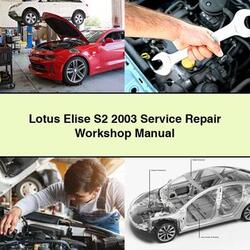
$16.99
The Lotus Elise Series 2 (S2), produced in 2003, is a celebrated lightweight sports car renowned for its exceptional handling, minimalist design, and pure driving engagement. Manufactured in the United Kingdom, this mid-engine, rear-wheel-drive vehicle embodies the Lotus philosophy of 'adding lightness' and provides an uncompromised connection between driver and road. Its naturally aspirated 1.8-liter inline-4 engine, producing approximately 135 bhp, is paired with a 5-speed manual transaxle, delivering a focused performance experience that set it apart from competitors like the Porsche Boxster and Honda S2000. The Elise S2 is recognized for its agile chassis, responsive steering, and a driving feel that prioritizes feedback and driver involvement above all else.
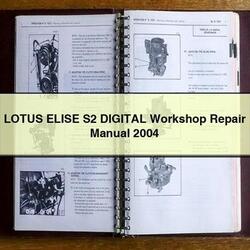
$16.99
The Lotus Elise Series 2 (S2), model code EL2, represents a pinnacle of lightweight sports car engineering, produced from 2001 to 2010. This 2004 model embodies Lotus's core philosophy of 'Add Lightness,' featuring an extruded aluminum monocoque chassis for exceptional rigidity and a low curb weight of approximately 720 kg. Designed for pure driving dynamics and driver engagement, the Elise S2 is renowned for its communicative steering, responsive handling, and exhilarating performance, making it a highly sought-after vehicle for track-focused road use and spirited driving. Its compact dimensions, with a length of 3785 mm and a width of 1719 mm, contribute to its agile character, while the Toyota-sourced 1.8-liter 1ZZ-FE engine, producing around 134 horsepower, provides spirited motivation.
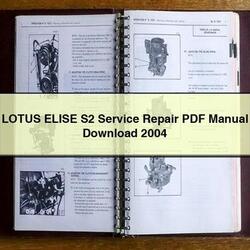
$16.99
This manual covers the Lotus Elise, model code Elise S2, produced in 2004. As a lightweight sports car, the Elise embodies Colin Chapman's principle of "Simplify, then add lightness," offering a driver-focused experience and exceptional handling. Powered by a 1.8-liter Rover K-Series VVC engine producing 160 bhp, it features a 5-speed manual transmission and a minimalist design, making it a standout in its segment. Its engineering quality and reliability are hallmarks of the brand, designed for pure driving engagement.
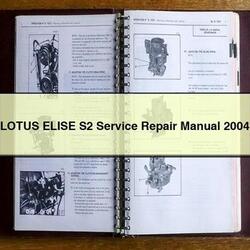
$16.99
This manual covers the Lotus Elise Series 2 (S2), a lightweight, high-performance sports car produced in 2004. Renowned for its exceptional handling and direct steering feel, the Elise is built upon an extruded aluminum chassis with composite body panels, embodying Lotus's heritage of engineering innovation and a focus on a pure driving experience. This model, with its mid-mounted 1.8-liter inline-4 engine, offers a compelling blend of agility and driver engagement, making it a standout in its segment.
$16.99
This manual covers the 2004 Lotus Elise, a lightweight sports car renowned for its exceptional handling and driver feedback. As a Series 2 iteration, it embodies Lotus's founding philosophy of lightweight construction and minimalist design to achieve superior performance. The Elise is engineered for enthusiasts, offering a pure driving experience that prioritizes connection to the road over outright power. Its compact dimensions, precise steering, and responsive chassis make it a highly capable machine for both spirited road driving and track use.
$16.99
The Lotus Elise S2, produced from 2001 to 2011, is a lightweight sports car renowned for its minimalist design and driver-focused dynamics. Built upon Colin Chapman's philosophy of 'Simplify, then add lightness,' this mid-engined, rear-wheel-drive roadster, chassis code Type 111, features an extruded aluminum monocoque and composite body panels. Powered by a 1.8-liter Rover K-Series VVC engine producing approximately 160 PS, the Elise S2 prioritizes agility, handling, and braking over outright acceleration, making it a celebrated track-focused machine. Its compact dimensions, near 50/50 weight distribution, and advanced suspension and steering systems contribute to its exceptional road feel and performance.
$16.99
This manual covers the Lotus Elise S, a lightweight sports car produced in 2004, chassis code Type 111. Renowned for its pure driving experience, lightweight construction, and advanced handling dynamics, the Elise S embodies Colin Chapman's philosophy of "Simplify, then add lightness." As a successor to the Elise S1, the Series 2 model incorporated styling and chassis improvements, maintaining its reputation as a proficient track day car and a competitor in its segment.
$16.99
The Elise, a Series 2 model produced in 2005, is a lightweight, mid-engine sports car celebrated for its exceptional handling and driver-focused experience. Built upon renowned bonded and extruded aluminum chassis, this vehicle embodies the philosophy of \"Lightweight; Simplify.\" Its compact dimensions, rear-wheel-drive layout, and direct steering contribute to its agile performance, making it a favored choice for driving enthusiasts. The 2005 Elise features a naturally aspirated 1.8-liter inline-4 engine, typically producing around 190 horsepower, paired with a 6-speed manual transmission.
$16.99
The Elise Mk1 (Series 1) is a two-door convertible sports car produced from 1996 to 2001. Engineered with a focus on minimalism, low weight, and exceptional chassis balance, it embodies a heritage of creating pure driving machines. This lightweight sports car, often compared to competitors like the Porsche Boxster and Honda S2000, distinguishes itself with a raw, track-focused driving experience and unparalleled driver engagement. Its design philosophy prioritizes driver feedback and dynamic handling, making it a favored choice for automotive enthusiasts and track day participants.
$16.99
The Lotus Elise Mk1 S1, produced from 1996 to 2001, represents a pure and lightweight sports car, renowned for its exceptional handling and driver engagement. This iconic vehicle is characterized by its bonded aluminum chassis, composite body panels, and a mid-engine layout, delivering an outstanding power-to-weight ratio and a direct steering feel. Positioned as an accessible yet thrilling roadster, the Elise Mk1 S1 competed with models such as the Porsche Boxster, BMW Z3, Honda S2000, and Alfa Romeo GTV, embodying Lotus's core philosophy of lightweight construction.
$16.99
This manual covers the Lotus Elise S1, produced from 1996 to 2001. The Elise S1 is a lightweight sports car, celebrated for its minimalist, driver-focused design and exceptional handling, embodying Lotus's core philosophy of "lightweight for performance." Its construction features an extruded aluminum monocoque chassis bonded to a composite body, contributing to its remarkably low curb weight of approximately 720 kg. Powered by the Rover K-Series 1.8L engine, available in naturally aspirated and supercharged variants, and paired with a Lotus PG1 5-speed manual transaxle, the Elise S1 offers a pure, engaging driving experience that set it apart from contemporaries like the Porsche Boxster and Caterham 7.
$16.99
The Lotus Elise S1, produced from 1996 to 2001, is a celebrated lightweight sports car renowned for its pure driving experience and exceptional handling. Its design philosophy, rooted in Lotus's heritage of 'Lightweight Strength,' emphasizes agility and driver feedback through innovative engineering, including a revolutionary bonded aluminum chassis and composite body shell. This model competed in a niche performance market, offering a minimalist, driver-focused cockpit and aerodynamic efficiency, making it a standout for enthusiasts prioritizing dynamic capability.
$16.99
This manual covers the Lotus Elise Series 1 (S1), a lightweight, high-performance sports car produced from 1996 to 2001. Built on the APX bonded aluminium chassis and manufactured in Hethel, UK, the Elise S1 embodies Colin Chapman's philosophy of 'Simplify, then add lightness.' It features a minimalist design, a mid-engine layout, and a focus on pure driving engagement, making it a celebrated choice for enthusiast drivers and track day participants. Notable technical aspects include its 1.8-liter Rover K-Series engine, available in standard or VVC variants, and a 5-speed manual transaxle. The vehicle's compact dimensions and low curb weight contribute to its exceptional agility and handling characteristics.
$16.99
The Lotus Elise Series 2 (S2), produced from 2001 to 2010, represents a pinnacle of lightweight sports car engineering. Renowned for its exceptional handling, pure driving experience, and lightweight construction, the Elise S2 embodies Colin Chapman's core philosophy of simplicity and performance. This mid-engined, rear-wheel-drive vehicle, typically powered by a 1.8-liter Rover K-Series engine, offers accessible performance and outstanding agility. Its design prioritizes driver engagement, making it a celebrated choice for enthusiasts seeking a direct connection to the road.
$16.99
This manual covers the Lotus Elise Series 2 (S2), a lightweight sports car renowned for its exceptional handling, minimalist design, and driver-focused experience. Introduced in 2001, the Elise S2 embodies Colin Chapman's philosophy of 'Simplify, then add lightness,' utilizing a bonded aluminum extruded chassis for remarkable rigidity and low weight. Powered by a naturally aspirated inline-4 engine, typically a 1.8L Rover K-Series, it delivers agile performance and direct feedback, making it a celebrated choice for track day enthusiasts and spirited driving. Its compact dimensions and performance-oriented engineering set it apart in the sports car segment.
$16.99
The Lotus Elise S2, produced from 2001 to 2011, represents a pinnacle of lightweight, mid-engine sports car design, embodying Colin Chapman's philosophy of 'Simplify, then add lightness.' Renowned for its exceptional handling, driver feedback, and pure driving experience, the Elise S2 features an aerodynamically efficient composite body and an extruded aluminum chassis. This model is celebrated for its direct steering, finely tuned suspension, and communicative chassis, making it a favorite among enthusiasts seeking an uncompromised connection to the road.

$16.99
The Lotus Elise Series 2 (S2), covering models from 2001 onwards with chassis code 111, represents a pure distillation of sports car engineering. This lightweight, rear-wheel-drive vehicle embodies Lotus's renowned philosophy of "Simplify, then add lightness," offering an unparalleled driving experience focused on agility and driver connection. Designed for spirited road use and track day enthusiasts, the Elise S2 distinguishes itself with its minimalist interior, exceptional handling derived from its advanced chassis and suspension, and a naturally aspirated 1.8-liter Rover K-Series engine. Its construction, featuring an aluminum extruded section chassis and composite body panels, contributes to its remarkably low curb weight and robust safety cell.
$16.99
This manual covers the Lotus Elise Series 2 (S2), a lightweight, high-performance sports car produced from 2001 to 2010. Renowned for its pure driving experience, minimal weight, and agile handling, the Elise S2 features an extruded aluminum monocoque chassis with GRP composite body panels. It is powered by a Rover K-Series 1.8L DOHC 16-valve VVC Inline-4 engine, producing 160 bhp and 121 lb-ft of torque. The vehicle's design philosophy emphasizes a direct connection between driver and machine, making it a popular choice for track days and spirited road driving.
$16.99
This manual covers the Lotus Elise S2, a lightweight sports car renowned for its exceptional handling and driver engagement, produced from 2001 to 2010. Built upon Lotus's heritage of \"Simplify, then add lightness,\" the Elise S2 features a bonded aluminum chassis and composite body panels, contributing to its remarkably low curb weight of approximately 710-775 kg. Powered by a naturally aspirated 1.8-liter inline 4-cylinder K Series engine, this two-seater vehicle offers a pure driving experience, making it a standout in its segment.
$16.99
The Lotus Elise Series 1, produced from 1996 to 2001, is a lightweight, mid-engined, rear-wheel-drive sports car celebrated for its minimalist design and pure driving experience. Built around a revolutionary extruded and bonded aluminum honeycomb chassis tub, it offers exceptional rigidity and a remarkably low curb weight, typically between 720-770 kg. Powered by a naturally aspirated 1.8-liter Rover K-Series inline-4 engine, available in standard or VVC variants producing up to 145 hp, the Elise Series 1 is renowned for its agile handling, precise steering, and direct driver feedback, making it a benchmark in the sports car segment.
$16.99
The Lotus Elise is a lightweight, high-performance sports car celebrated for its pure driving experience and engineering philosophy of "simplify, then add lightness." Produced across multiple generations, the Elise is characterized by its mid-mounted, naturally aspirated inline-4 cylinder engines, typically ranging from 1.8L to 2.3L, delivering power outputs from 118 hp to 257 hp. Its design prioritizes agility and driver engagement, placing it in competition with vehicles like the Porsche Boxster and Audi TT. The Elise's construction emphasizes lightweight materials and a focus on chassis integrity, reflecting Lotus's rich heritage in motorsport and innovative automotive design.
$16.99
The Lotus Elise is a celebrated lightweight, high-performance sports car engineered for a pure driving experience, embodying the Lotus philosophy of "simplify, then add lightness." Renowned for its exceptional handling dynamics and driver feedback, the Elise competes with other specialist sports cars, offering a unique blend of agility and responsiveness. This manual covers various generations of the Elise, from its inception to later iterations, highlighting its minimalist design and track-focused capabilities.
$16.99
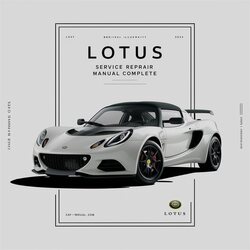
The Lotus Elise S1, produced from 1996 to 2001, is a celebrated lightweight sports car embodying Colin Chapman's philosophy of 'Simplify, then add lightness'. This iconic vehicle, built in the United Kingdom, features an innovative extruded aluminium bonded chassis and lightweight GRP composite body panels, contributing to its exceptional handling dynamics and a near 50/50 weight distribution. Powered by a naturally aspirated 1.8L Rover K-Series engine, the Elise S1 offers a pure driving experience focused on agility and driver feedback, making it a distinguished competitor in its segment.
$16.99
The Lotus Elise is a celebrated lightweight, high-performance sports car, renowned for its pure driving dynamics and driver feedback. Embodying Colin Chapman's philosophy of "Light is Right," the Elise prioritizes minimalist construction and exceptional handling over excessive electronic aids. Available across various generations with different chassis codes, it has historically competed with other purist sports cars, offering an engaging and visceral driving experience. Its design emphasizes a lightweight, extruded aluminum chassis and mid-mounted inline 4-cylinder engines, producing between 118 and 257 horsepower, paired predominantly with manual transmissions.

$16.99
The Lotus Elise, produced from 1996 to the present, is a lightweight sports car renowned for its minimalist design, exceptional handling, and pure driving experience. Built upon an aluminum extruded bonded chassis and composite body panels, the Elise prioritizes driver-centric ergonomics and direct feedback, offering a unique analog sensation that sets it apart from competitors. Across its various generations and chassis codes, the Elise has consistently embodied Lotus's founding philosophy of 'Lightweight and Handling', delivering an engaging and exhilarating performance that has earned widespread acclaim from automotive press.
$16.99
This comprehensive service and repair manual is designed for the Lotus Elise, a vehicle renowned for its exceptional engineering, lightweight construction, and exhilarating driving experience. Built for performance enthusiasts and those who appreciate precision automotive design, the Elise offers a pure, unfiltered connection to the road. Its innovative chassis and responsive handling make it a standout in the sports car segment, delivering unparalleled agility and driver engagement for track days and spirited road driving alike.
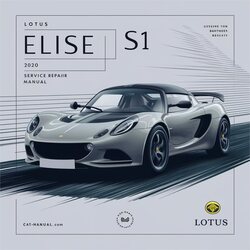
$16.99
The Lotus Elise S1, produced from 1996 to 2001, represents a pure expression of Lotus's philosophy of lightweight performance and exhilarating driving dynamics. Featuring the Rover K-Series 1.8L Inline-4 engine, this Series 1 model is renowned for its exceptional handling, precise steering, and minimalist design, offering an engaging experience for enthusiasts. Its construction utilizes a bonded and extruded aluminum chassis, known as the Lotus Monocage, contributing to its remarkably low curb weight and impressive agility. The Elise S1 was designed to deliver an unadulterated connection between driver and road, setting a benchmark for lightweight sports cars of its era.

$16.99
This manual covers the Victoria Van Wyck, a vehicle designed for discerning owners who value a blend of spirited performance and refined comfort. Engineered with meticulous attention to detail, the Victoria Van Wyck embodies a commitment to quality and reliability, offering a unique driving experience that sets it apart. Its design caters to those who appreciate sophisticated engineering and a vehicle capable of both exhilarating journeys and everyday practicality.
