



Ford 1600

The 1600 series tractors represent a specific line of agricultural machinery designed for a variety of farming tasks. These compact yet powerful machines are commonly utilized for light to medium-duty operations such as tilling, mowing, planting, and hauling in smaller fields, orchards, and vineyards. Key characteristics include their maneuverability, fuel efficiency, and versatility, making them an essential tool for both small-scale farmers and those requiring a secondary tractor for specialized jobs. The 1600 series is recognized for its reliable performance and straightforward operation.
Comprehensive documentation for the 1600 series tractors is readily available to ensure optimal use and maintenance. This includes...
$16.99
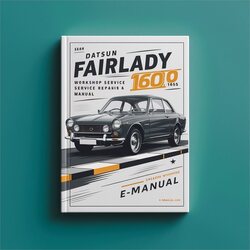
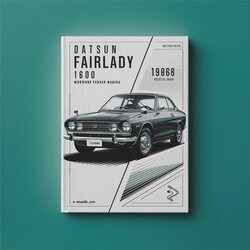
This manual covers the Datsun Fairlady, specifically the 1600 and 2000 sub-models produced between 1965 and 1970. These iconic Japanese roadsters, built on platforms CSP310, SPL310, and SPL311, are celebrated for their sporting heritage and engaging driving experience. Available in 2-seater Convertible and 2+2 Coupe body styles, they offered either a 1.6-liter R16 engine or a 2.0-liter R20 engine, both inline 4-cylinder OHV designs, paired with a 4-speed manual transmission. The Fairlady represents a significant chapter in Datsun's history of producing reliable and stylish vehicles.
$16.99
This manual covers the Datsun Sports 1600 and 2000 models produced in 1965, chassis code SP311. These classic 2-door convertible sports cars were powered by either the R16 inline 4-cylinder OHC engine (1595 cc) or the U20 inline 4-cylinder DOHC engine (1982 cc). Known for their stylish design and engaging driving dynamics, these vehicles competed with other popular sports cars of their era. The Datsun Sports line, evolving from earlier Fairlady models, is celebrated by enthusiasts for its attainability and classic appeal.
$16.99
This workshop service repair manual covers the Datsun Fairlady 1600 (chassis code SP310) and Fairlady 2000 (chassis code SR311) models from 1966. These iconic Japanese sports cars are celebrated for their sporty design and performance, with the Fairlady 1600 featuring a 1.6L R16 engine producing approximately 96 hp, and the Fairlady 2000 equipped with a 2.0L U20 engine delivering around 140 hp. Available as a 2-door convertible or 2+2 coupe, these vehicles represent a significant part of automotive history and are highly regarded by classic car enthusiasts.
$16.99
The 1966 Datsun Sports, available in 1600 and 2000 variants, is a two-seater convertible sports car celebrated for its European styling influences and engaging driving dynamics. As a direct descendant of the Datsun Fairlady series, this Japanese-manufactured vehicle established Datsun's reputation for producing reliable and sporty automobiles. With 1592 cc and 1982 cc inline-4 engines producing approximately 90-96 hp and 130-145 hp respectively, and typically equipped with a 4-speed manual transmission, the Datsun Sports offers an authentic driving experience. Its body-on-frame construction and lightweight design, with an approximate curb weight of 2,000-2,200 lbs, contribute to its agile performance and historical acclaim as a precursor to the iconic Z-car lineage.
$16.99
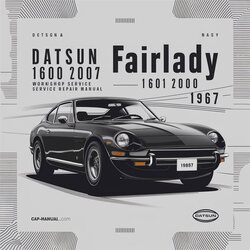
The 1967 Fairlady 1600 and 2000 represent a significant chapter in Japanese automotive history, offering classic sports car enthusiasts a blend of style, performance, and engineering. As a 2-seater roadster, these models, built in Japan, were powered by capable inline 4-cylinder SOHC engines, with the Fairlady 1600 utilizing the R16 engine and the Fairlady 2000 featuring the more powerful R20 engine. These vehicles are recognized for their role as predecessors to the iconic Z-car series, embodying a spirit of performance and driving pleasure that continues to resonate with owners and collectors today.
$16.99
The Datsun Sports, also known as the Fairlady, represents a significant chapter in Japanese automotive history, particularly the 1967 model year which falls within the first generation (SP310/SR311). These sporty roadsters, with chassis codes SP311 for the Sports 1600 and SR311 for the Sports 2000, were designed with a lightweight, agile chassis and distinctive styling inspired by European sports cars. They offered an engaging driving experience, powered by reliable inline-4 engines, including the 1.6-liter R16 and the more potent 2.0-liter R20. Produced in Japan by Nissan Motor Co., Ltd., the Datsun Sports was positioned as an accessible yet stylish sports car, competing with established European marques and appealing to enthusiasts seeking a fun and distinctive driving machine.
$16.99
The Datsun 1600 Estate, chassis code H510, is a versatile 2-door station wagon produced from 1968 to 1973. Part of the renowned Datsun 510 series, this model is recognized for its balanced engineering and practical design, offering a reliable option for everyday use and family transport. Powered by an R16 engine, typically featuring a 1600 cc inline 4-cylinder configuration, it delivers dependable performance. The 1968 model year introduced this generation, building on Datsun's reputation for quality and value.
$16.99
The Datsun 1600 Saloon, also known as the Bluebird 510 with chassis code H510, was produced in 1968 and is recognized for its blend of European styling and reliable Japanese engineering. This compact sedan was designed to offer a driver-focused experience with excellent road holding, appealing to those seeking an engaging yet economical vehicle. Its positioning in the market placed it against other compact sedans of the era, and it quickly gained a reputation for its sporty handling and overall value.
$16.99
This workshop service repair manual covers the Datsun Fairlady 1600 and 2000 models produced between 1965 and 1970. These vehicles, known for their sporty handling and stylish design, were a significant competitor to European roadsters of the era. The manual encompasses models with chassis codes SP311, SR311, and SP211, and engines R16 (1600 cc) and U20 (2.0 Liters). The Fairlady was available as a 2-seater Roadster and, in some markets, a 2+2 Coupe, typically equipped with a 4-speed manual transmission, with a 5-speed option on later 2000 models.
$16.99
This manual provides comprehensive service and repair information for the Datsun Sports 1600 2000, covering all models, engines, trims, and transmission types from 1968. Engineered for reliability and performance, the Datsun Sports 1600 2000 is a distinguished vehicle, and this guide ensures you have the resources to maintain its exceptional quality. This document is designed to be the definitive resource for understanding and working on your Datsun Sports 1600 2000.
$16.99
This manual covers the Datsun 1600 Estate, a 5-door station wagon produced by Nissan Motor Co., Ltd. from 1968 to 1973. Based on the renowned Datsun 510 platform, this vehicle was lauded for its sporty handling, reliability, and value, often compared to European counterparts. The 1600 Estate typically features a 1.6-liter inline-4 engine, estimated at around 95-100 horsepower, paired with a standard 4-speed manual transmission or an optional automatic. It was popular in markets such as North America, Australia, and Japan.
$16.99
The Datsun 1600 Saloon, chassis code P510, represents a significant entry in compact sedan history, produced between 1968 and 1973. This model, often recognized for its European-inspired styling and agile handling, competed effectively against contemporaries like the Toyota Corolla and Mazda Familia. Its engineering quality and reliability were hallmarks of the Datsun brand during this era, with notable features including the robust L16 inline 4-cylinder engine and, on certain variants, independent rear suspension. The 1600 Saloon's success was further bolstered by its strong performance in motorsport, particularly in SCCA Trans-Am racing, solidifying its reputation as a capable and desirable vehicle.
$16.99
This workshop service repair manual covers the Datsun Fairlady 1600 and 2000 models from the 1969 model year. These iconic Japanese sports cars, known for their stylish design and engaging driving experience, were produced by Datsun (Nissan) and represent a significant part of automotive history. The Fairlady line, including the CSP311 (Fairlady 1600) and SR311 (Fairlady 2000) chassis codes, offered a compelling blend of performance and affordability, with the 1600 models typically featuring an R16 OHV inline-4 engine and the 2000 models equipped with a more potent U20 SOHC inline-4 engine. These vehicles were designed as two-seater convertibles, often with an optional hardtop, and are cherished by enthusiasts for their classic appeal and mechanical simplicity.
$16.99
This manual covers the Datsun 1600 Estate, part of the First Generation 510 Series (Bluebird), produced in 1970. Renowned for its sophisticated chassis and sporty driving dynamics, the Datsun 510 family, including its wagon variants, is celebrated as a classic. The 1600 Estate, a 5-door wagon, typically features a 1.6 Liter Inline 4-Cylinder OHC R16 engine, producing approximately 96-100 PS. It was available with a 4-speed manual or an optional 3-speed automatic transmission. Datsun, Nissan's export brand, was known for reliable and affordable vehicles, and this model reflects that heritage.
$16.99
The 1970 Datsun 1600 Saloon, also widely recognized as the Datsun 510, is a compact sedan celebrated for its exceptional engineering, reliability, and sporty driving dynamics. Developed with influences from European automotive design, it featured an independent rear suspension, a significant advantage that contributed to its praised handling and performance. This model was a cornerstone of Datsun's reputation for producing affordable, well-built vehicles, earning accolades from automotive press for its value and often compared to more expensive European counterparts. Its success in the compact sedan market cemented Datsun's position as a major automotive manufacturer.
$16.99
The Datsun Fairlady 1600 and 2000, produced in 1970, represent iconic Japanese sports cars from the era. These vehicles, identified by chassis codes SP311 and SR311 respectively, were available as 2-seater convertibles and 2+2 coupes. The Fairlady line played a crucial role in building Datsun's reputation for accessible performance, serving as a precursor to later legendary models. Known for their inline 4-cylinder SOHC engines, the 1600 model featured an R16 engine with approximately 96 horsepower, while the 2000 model utilized an R20 engine producing around 135 horsepower. Both models typically came with a 4-speed manual transmission.
$16.99
This manual covers the 1970 Datsun Sports 1600 and 2000 models, chassis codes SP311 and SR311 respectively. These compact, two-seater sports cars were renowned for their lightweight, agile, and stylish European-influenced design, offering a pure driving enjoyment. Competing with iconic roadsters of the era, the Datsun Sports line represented a significant advancement in Japanese automotive engineering, building on the heritage of the Fairlady. The 1600 model featured a 1595cc inline-four engine producing approximately 96-105 horsepower, while the 2000 model boasted a 1982cc inline-four engine delivering around 135-145 horsepower. Both models typically utilized twin SU carburetors and a 4-speed manual transmission, with an optional automatic transmission available on the 2000.
$16.99
This manual covers the Datsun 1600 Estate, chassis code H510, produced in 1971. Known for its reputation as the 'BMW of Japan,' this model embodies Datsun's commitment to engineering quality and reliability, offering a blend of sporty handling and practical utility. Powered by the R16 engine, this vehicle was a significant player in its market segment, appreciated for its performance and value.
$16.99
This manual covers the 1971 Datsun 1600 Saloon, a model celebrated for its European-inspired design and sporty handling, earning it the moniker "poor man's BMW." As part of the successful Datsun 510 generation, this vehicle is equipped with a 1.6L inline-4 L-Series engine, typically producing around 96 horsepower, and offered with either a 4-speed manual or a 3-speed automatic transmission. Known for its reliability and value, the 1600 Saloon featured front disc brakes, a laminated safety glass windshield, and a cast iron engine block with an aluminum alloy head. Datsun, Nissan's export brand, had already established a reputation for producing dependable automobiles by this era, with the 510 generation produced from 1968 to 1973.
$16.99
This manual covers the Datsun 1600 Estate, a versatile Estate / Station Wagon produced in 1972. As part of the renowned Datsun 510 platform, this vehicle is celebrated for its excellent handling, sporty driving characteristics, and reliability, often drawing comparisons to European contemporaries. Built in Japan, the 1600 Estate is powered by an inline 4-cylinder engine, likely the G16, displacing 1595 cc and typically featuring a carburetor fuel system. It was commonly equipped with a 4-speed manual transmission, with a 3-speed automatic also available as an option. This model represents a significant entry in automotive history, offering practicality and engaging performance for its time.
$16.99
This manual covers the Datsun 1600 Saloon, produced in 1972. Known in export markets as the Datsun Bluebird 510, this vehicle is recognized for its robust engineering and European-inspired styling, often drawing comparisons to contemporary German sedans. It features a 1.6-liter inline 4-cylinder engine, typically the R16, producing approximately 96 horsepower and 94 lb-ft of torque, paired with a standard 4-speed manual transmission or an optional 3-speed automatic. The 1600 Saloon is celebrated for its excellent handling, reliability, and value, establishing it as a classic sport sedan of its era.
$16.99
The Datsun 1600 Estate, part of the iconic 510 (Bluebird) series produced until 1973, represents a significant chapter in automotive history. Known for its European-inspired styling and engaging handling, this rear-wheel-drive wagon was powered by a reliable 1.6-liter inline 4-cylinder R16 engine, typically featuring a carbureted fuel system and paired with a 4-speed manual transmission. Its practical estate body style, combined with Datsun's reputation for engineering quality and durability, made it a versatile vehicle for families and enthusiasts alike.
$16.99
This workshop repair service manual provides comprehensive guidance for the 1973 Datsun 1600 Saloon (chassis code H510) with the L16 engine. As part of the esteemed Datsun 510 family, known for its European-inspired handling and balance of performance, comfort, and affordability, this vehicle represents a significant era in Japanese automotive engineering. Datsun, a division of Nissan, built a reputation for reliable and accessible vehicles, and the 1600 Saloon exemplifies this heritage. This manual covers all models, engines, trims, and transmission types, offering professional-level repair and maintenance information.

$16.99
The 1600 Compact Tractor represents a continuation of a long-standing legacy in agricultural and utility machinery, building upon decades of innovation. Designed for versatility and reliability, this model is well-suited for a variety of tasks on smaller farms, properties, and for general-purpose work. Its robust engineering ensures dependable performance, making it a valuable asset for owners and operators seeking efficiency and durability in their compact tractor operations.
$16.99
This operator's manual pertains to the Ford New Holland 1600 Tractor, a model known for its role in agricultural and property maintenance tasks. Building on the robust heritage of Ford tractors, the 1600 series represents a line of compact utility machines designed for reliable performance. This manual provides essential guidance for owners and operators, ensuring the safe and efficient use of the tractor, thereby contributing to its longevity and optimal functionality.
