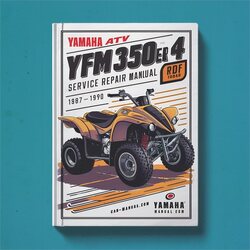
The Moto 4 Models category encompasses a range of four-wheeled all-terrain vehicles designed for recreational and utility purposes. These ATVs are characterized by their robust construction, powerful engines, and versatile suspension systems, making them suitable for navigating diverse terrains including trails, mud, and rough landscapes. Common applications include off-road exploration, hunting expeditions, farm work, and recreational trail riding, highlighting their importance in the powersports sector for both work and leisure activities.
Documentation for Moto 4 Models typically includes comprehensive owner's manuals detailing operation, safety guidelines, and basic maintenance. Technical service manuals provide in-depth repair procedures, diagnostic information, and detailed specifications for...
The Moto 4 Models category encompasses a range of four-wheeled all-terrain vehicles designed for recreational and utility purposes. These ATVs are characterized by their robust construction, powerful engines, and versatile suspension systems, making them suitable for navigating diverse terrains including trails, mud, and rough landscapes. Common applications include off-road exploration, hunting expeditions, farm work, and recreational trail riding, highlighting their importance in the powersports sector for both work and leisure activities.
Documentation for Moto 4 Models typically includes comprehensive owner's manuals detailing operation, safety guidelines, and basic maintenance. Technical service manuals provide in-depth repair procedures, diagnostic information, and detailed specifications for mechanics and technicians. Troubleshooting guides and parts catalogs are also essential resources, enabling users and professionals to effectively maintain, repair, and optimize the performance of these specialized vehicles.
The Yamaha Tri-Moto 175, model code YT175J, represents the first generation of this iconic three-wheeled all-terrain vehicle, produced between 1981 and 1985. Engineered for versatility and reliability, the Tri-Moto 175 features a robust steel cradle frame, telescopic front forks, and a swing arm with a mono-shock rear suspension, providing a stable and capable platform for various terrains. Its air-cooled, 2-stroke 171cc engine, coupled with a 5-speed constant mesh transmission and shaft drive, delivers dependable power for recreational use. The inclusion of essential lighting, including a headlight, taillight, and brakelight, enhances its practicality.
This manual covers the [Vehicle Make] [Vehicle Model], a versatile and robust vehicle designed for [Intended Usage]. Engineered for exceptional reliability and performance, this model is renowned for its [Notable Features]. Its construction prioritizes durability and driver comfort, making it an ideal choice for both everyday commuting and more demanding applications.
This manual covers the three-wheeled all-terrain vehicle produced from 1982 to 1983. Known for its pioneering role in the ATV market, with its air-cooled, two-stroke 171cc engine, offered a capable and engaging experience for recreational riders. Its design emphasized durability and straightforward operation, characteristic of commitment to quality engineering during the peak of the three-wheeler era. This model features an automatic transmission with a 5-speed manual clutch engagement, chain drive, and reverse gear, making it a versatile machine for its time.
The Yamaha Tri-Moto 175, produced between 1982 and 1983 under internal codes YT175J and YT175K, is a robust All-Terrain Vehicle (ATV) engineered for performance and reliability. Featuring a 171 cc two-stroke, air-cooled engine with a Mikuni VM28SC carburetor and a 6-speed constant mesh gearbox including reverse, this ATV is designed for versatile off-road capability. Its solid construction, including telescopic front forks and a swingarm rear suspension, along with front and rear drum brakes, ensures dependable operation in demanding conditions.
This manual covers the Tri-Moto 175, model code YT175, for the 1982 and 1983 model years. The Tri-Moto 175 was a notable three-wheeled all-terrain vehicle from a period when the company solidified its presence in the burgeoning ATV market. Known for its rugged design and reliable performance, this model was engineered to handle various off-road terrains, reflecting a commitment to quality and innovation in recreational vehicles. Its straightforward, yet capable, engineering made it a popular choice for enthusiasts and utility use alike.
The Yamaha Tri-Moto 175, model code YT175, represents a significant part of ATV history, produced in 1982 and 1983. As a pioneering three-wheeled all-terrain vehicle, it was engineered for robust off-road performance and reliability, building upon Yamaha's strong heritage in powersports. Known for its durable construction and capable handling, the Tri-Moto 175 was a popular choice for recreational riding and light utility tasks, establishing Yamaha's reputation for quality in the burgeoning ATV market. Its 2-stroke, air-cooled engine provided dependable power for navigating various terrains.
This manual covers the TRI-MOTO 175 YT175, produced from 1982 to 1983. This three-wheeled All-Terrain Vehicle (ATV) was a notable offering in its segment, known for its unique configuration designed for maneuverability and stability, making it suitable for recreational riding and light utility tasks. Building on an established reputation in powersports, the TRI-MOTO 175 YT175 was part of an innovative line that contributed significantly to early success in the ATV market, competing with other three-wheeled models of its era.
The Tri-Moto 200, produced from 1982 to 1985, is a three-wheel All-Terrain Vehicle (ATV) recognized for its ruggedness and user-friendly design, making it suitable for recreational riding and light utility tasks. This model, including variants like the YTM200N and YTM200K, features a reliable 196 cc air-cooled engine, shaft drive, and a 5-speed manual transmission with reverse. The heritage in powersports is evident in the Tri-Moto 200's construction, which established a foundation for future ATV innovations.
This manual covers the [Vehicle Make] [Vehicle Model], produced from [Year Start] to [Year End]. This vehicle is engineered for [Intended Usage] and is recognized for its [Notable Feature 1], [Notable Feature 2], and overall reliability. Its robust construction and advanced technology ensure a superior driving experience, making it a distinguished choice in its class.
This manual covers the YTM200K Tri-Moto 200, a first-generation model produced in 1983. Engineered with a reliable 196cc air-cooled, 4-stroke SOHC engine and a robust steel tube, double cradle frame, this versatile all-terrain vehicle is designed for a range of off-road applications. Key features include its shaft drive to the rear axle, independent double A-arm front suspension on certain variants, and a dependable CDI ignition system, all contributing to its reputation for durability and performance.
This manual covers the Yamaha Tri-Moto 200, model codes YTM200K, YTM200L, and YTM200N, produced between 1983 and 1985. As an All-Terrain Vehicle (ATV), the Tri-Moto was a foundational model in Yamaha's powersports legacy, known for its 3-wheel configuration, pull-start engine, and robust utility focus. It represented an entry-level to mid-range option in a competitive market, paving the way for future Yamaha ATV designs and contributing significantly to the growth of the industry during its manufacturing era.
This manual covers the three-wheeled all-terrain vehicle (ATV) produced between 1983 and 1985. Known for its compact size, agile handling, and reliable air-cooled engine, the vehicle was a significant player in the recreational ATV market. This chain-drive vehicle, equipped with a pull-start system, offered accessible performance for recreational use and was instrumental in establishing the manufacturer's reputation in the ATV segment.
The Yamaha Tri-Moto 200, produced between 1983 and 1985, represents the first generation of this robust three-wheeled all-terrain vehicle. Designed for recreational use and light utility, it features an air-cooled, 4-stroke, OHC 196cc engine paired with a 5-speed manual transmission and reverse. Its reliable engineering is evident in its durable construction, including telescopic front forks, a monoshock rear suspension, and dependable drum brakes. The Tri-Moto 200 is characterized by its straightforward operation and proven performance, making it a capable machine for its intended purpose.
Complete factory service repair manual for the Yamaha TRI-MOTO 200 (YTM200 K) three-wheel ATV 1983-1985. Covers the 196cc two-stroke engine with automatic oil injection, Mikuni carburetor, five-speed gearbox, front fork, rear suspension, brakes, and electrical systems. Includes wiring diagrams, engine rebuild specs, oil pump calibration, and exploded parts views for vintage three-wheel recreational ATV maintenance and restoration.
This manual covers the Yamaha YTM200 Tri-Moto 200, a first-generation 3-wheeler ATV manufactured for the 1983, 1984, and 1985 model years. Known for its robust engineering and reliable performance, the YTM200 is equipped with a 196 cc 4-stroke, air-cooled OHC engine, a 5-speed transmission with reverse, and shaft drive. Its design prioritizes durability and ease of operation, making it a capable machine for various recreational uses.
This manual covers the Yamaha YTM200 Tri-Moto, a first-generation three-wheeler produced between 1983 and 1985. Engineered for reliability and performance, the YTM200 features a robust 196 cc air-cooled, four-stroke engine with SOHC, paired with a 5-speed constant mesh transmission and shaft drive. Its chassis is equipped with a telescopic front fork and a swingarm with dual shock absorbers for a comfortable ride, while drum brakes provide stopping power. The YTM200 Tri-Moto is designed for versatile use, embodying Yamaha's commitment to quality and durable off-road capability.
The Yamaha YTM200 Tri-Moto, produced between 1983 and 1985, represents the first generation of a robust and reliable three-wheeled all-terrain vehicle. Engineered with a 196 cc air-cooled, 4-stroke SOHC engine, this model features a single-cylinder arrangement, a Mikuni VM26 carburetor, and CDI ignition, ensuring dependable performance. Its transmission is a constant mesh, 5-speed gearbox with a wet, multiple-disc clutch, and power is delivered via a shaft drive system. The Tri-Moto's design includes independent front suspension with MacPherson struts and a swing arm with a single shock absorber at the rear, complemented by dual hydraulic disc brakes at the front and a drum brake at the rear.
The Yamaha YFM200 Moto 4, also known as the Moto 4 200, is an All-Terrain Vehicle (ATV) that was produced between 1983 and 1986. This model represents Yamaha's robust entry into the recreational and utility ATV market, combining rugged design with reliable performance. Known for its air-cooled, 4-stroke, 196cc engine and automatic transmission with shaft drive, the YFM200 was engineered for dependable operation across various terrains. Yamaha's commitment to powersports excellence is evident in the Moto 4's construction, making it a capable and user-friendly option for its intended applications.
This manual covers the YFM200 Moto-4 and related models, including the YTM200 and YTM225 series, produced between 1983 and 1986. These All-Terrain Vehicles (ATVs) are known for their robust engineering and reliable performance, building on a strong legacy in ATV manufacturing. The Moto-4 series, in particular, represented an evolution towards more versatile and comfortable off-road machines, suitable for a range of recreational and utility purposes.
This manual covers the Moto 4 200 All-Terrain Vehicle (ATV) manufactured for the years 1983 through 1986. As a pioneer in the ATV market, a reputation for performance and reliability was established, and the Moto 4 series represented a balanced offering for recreational and utility use. The Moto 4 200, with its typical single-cylinder, 4-stroke engine, provided a capable and accessible option for riders of the era. Its engineering focused on dependable operation for trail riding and general off-road activities.
The Moto 4 200 is a versatile All-Terrain Vehicle (ATV) produced from 1983 to 1986. Building on a legacy of reliable and performance-oriented powersports vehicles, the Moto 4 line was an early and significant contributor to the recreational ATV market. Known for its utility and ease of use, this model features a single-cylinder, 4-stroke engine with an estimated displacement of 196cc, delivering dependable power for various terrains. Its robust engineering, including a 5-speed manual transmission with an automatic clutch and chain drive, ensures efficient operation for both recreational riding and light utility tasks.
This manual provides comprehensive guidance for the Moto 4 200 (YFM200) All-Terrain Vehicle (ATV) produced between 1983 and 1986. Known for its reliable single-cylinder, 2-stroke, air-cooled 196 cc engine and 5-speed transmission with automatic clutch, the Moto 4 was a popular choice for recreational trail riding and light utility tasks. Its robust engineering and straightforward design made it a capable machine in its era, and this factory service repair manual is an essential resource for owners and technicians alike.
This workshop service repair manual covers the Yamaha Moto 4 200 All-Terrain Vehicle (ATV) produced between 1983 and 1986. As part of Yamaha's popular recreational ATV line from the 1980s, the Moto 4 200 is recognized for its durability, reliability, and balanced performance, making it a well-regarded choice for trail riding and utility. This manual provides comprehensive coverage for all models, engines, trims, and transmission types within these production years, offering detailed information essential for maintaining this capable machine.
This manual covers the Tri-Moto, a series of three-wheeled all-terrain vehicles produced from 1983 to 1986. Available in models such as the YTM200E, YTM200ER, YTM225DX, and YTM225DR, these vehicles were designed for sport and recreational use. Key features include a reliable four-stroke, air-cooled engine, shaft drive for reduced maintenance, and electric start for convenience. The Tri-Moto line represented a significant contribution to the popular three-wheeled ATV market of the 1980s, offering a robust and dependable option for riders.
This manual covers the Tri-Moto series, including the YTM200E/ER (Yamahauler) from 1983-1985 and the YTM225DX and YTM225DR from 1983-1986. Known for their robust engineering, these three-wheeled recreational off-road vehicles offered shaft drive for reduced maintenance, electric start for convenience, and were popular competitors in the early 1980s ATV market. The Tri-Moto provided a stable and versatile platform for recreational use, building on extensive experience in powersports.
This manual covers the Yamaha Tri-Moto 200 and Tri-Moto 225 models from the 1983 through 1986 model years, representing the first generation of this versatile three-wheeled vehicle. Engineered with a robust steel tube frame and plastic bodywork, the Tri-Moto is designed for a variety of terrains and applications. Key features include a reliable air-cooled 4-stroke SOHC engine, available in 196cc (Tri-Moto 200) and 222cc (Tri-Moto 225) displacements, a smooth 5-speed transmission with an automatic clutch, and a durable shaft drive system. The front suspension utilizes telescopic forks, while the rear features a swingarm with a monoshock, providing capable handling.
This manual covers the Yamaha Tri-Moto 200 and Tri-Moto 225 models produced between 1983 and 1986. These first-generation ATVs are known for their robust engineering and reliable performance, featuring an air-cooled, 4-stroke, SOHC engine with a displacement of 196cc for the 200 model and 223cc for the 225 model. They are equipped with a semi-automatic 5-speed transmission, shaft drive, telescopic front forks, and a monoshock rear suspension. The vehicles utilize drum brakes on both the front and rear, and are fitted with specific tire sizes designed for off-road capability.
The Yamaha Tri-Moto 200 and Tri-Moto 225 models, produced from 1983 to 1986, represent Yamaha's pioneering entry into the three-wheeled ATV market. These versatile off-road vehicles are known for their ruggedness and utility, playing a significant role in popularizing the ATV segment. Engineered for reliable performance, the Tri-Moto line offers a stable platform for various terrains. The 200 models feature a 196 cc air-cooled engine, while the 225 models are powered by a 223 cc variant, both typically paired with a 5-speed manual transmission and an automatic clutch. Their design emphasizes straightforward operation and dependable function for recreational and utility purposes.
This manual covers the [Vehicle Make] [Vehicle Model], a versatile and robust vehicle designed for [Intended Usage]. Produced between [Production Year Start] and [Production Year End], this model is recognized for its exceptional engineering, dependable performance, and innovative features such as [Notable Feature 1] and [Notable Feature 2]. Its construction prioritizes durability and driver comfort, making it an ideal choice for both daily commuting and more demanding applications.
This manual covers the Yamaha YFM200 MOTO 4, produced for the model years 1983 through 1986. The YFM200 MOTO 4 is engineered for reliable performance and offers a robust platform for various riding conditions. This comprehensive guide is designed to provide all necessary information for maintaining and repairing this versatile vehicle, ensuring its optimal functionality and longevity.
This manual covers the [Vehicle Make] [Vehicle Model], produced from [Start Year] to [End Year]. This vehicle is designed for [Intended Usage] and is recognized for its [Notable Feature 1], [Notable Feature 2], and exceptional engineering quality. Built with reliability and performance in mind, the [Vehicle Model] offers a unique combination of [Unique Selling Point 1] and [Unique Selling Point 2], making it a distinguished choice in its class.
This manual provides comprehensive guidance for the Yamaha YFM200 Moto 4, covering production years 1983 through 1986. Engineered for reliability and performance, the YFM200 Moto 4 is designed for versatile use, offering a robust platform for various applications. This guide highlights the unique aspects of the vehicle's construction and operational capabilities, ensuring owners and technicians can fully understand and appreciate its engineering.
This manual covers the Yamaha YFM200 Moto-4, YTM200 Tri-Moto, and YTM225DX Tri-Moto, produced between 1983 and 1986. These first-generation all-terrain vehicles (ATVs) represent Yamaha's pioneering efforts in the ATV market, known for their robust engineering and reliability. The YFM200 Moto-4, a significant step into four-wheel ATV design, and the popular Tri-Moto models, established Yamaha's reputation for durable and capable recreational and utility vehicles during a key growth period for the industry.
This comprehensive service repair workshop manual provides extensive coverage for all repair, servicing, and troubleshooting procedures. It is designed to be a complete resource, offering detailed instructions and hundreds of pages filled with high-quality photographs and diagrams to guide users through every aspect of vehicle maintenance and repair.
This comprehensive workshop manual provides in-depth guidance for the maintenance, repair, and restoration of your vehicle. It is designed to equip you with the professional knowledge necessary to handle all diagnostic and repair procedures, offering access to the same detailed information relied upon by experienced technicians and mechanics. The manual's user-friendly format ensures that all repair processes are covered from start to finish, allowing for easy viewing and printing of complete procedures.
This manual covers the [Make] [Model] vehicle, produced between [Year] and [Year]. Designed for [Intended Usage], this vehicle is renowned for its [Notable Feature 1], [Notable Feature 2], and exceptional engineering. Its commitment to reliability and robust construction ensures a dependable driving experience, making it a standout choice in its class.
This manual covers the MOTO 4 All-Terrain Vehicle (ATV) models YTM200, YFM200, and YGM225, produced between 1983 and 1986. Known for its reliable air-cooled, 4-stroke engine and user-friendly semi-automatic transmission with reverse, the MOTO 4 was a significant player in the early ATV market. Its robust engineering, originating from Japan, and features like the centrifugal automatic clutch, contributed to its reputation for dependability and utility in its segment.
This factory service manual covers the Yamaha Moto-4 series, including the YTM200, YFM200, and YTM225 models produced between 1983 and 1986. These robust, air-cooled, four-stroke ATVs were designed for both recreational riding and utility tasks, featuring reliable single-cylinder engines, shaft drive, and various transmission options including manual with reverse and automatic with torque converter. The Moto-4 series offered a dependable and user-friendly experience, establishing Yamaha's presence in the growing ATV market of the mid-1980s.
This manual covers the [Make] [Model] vehicle, produced for the [Production Years] model years. This vehicle is engineered for [Intended Usage], offering a blend of [Notable Features] that contribute to its reputation for quality and reliability. Its design prioritizes [Unique Selling Points], making it a distinguished choice in its class.
The 1984 Moto-4 YFM200N/DXS/DXT/U is an all-terrain vehicle designed for a variety of uses, featuring a robust internal combustion engine with a displacement of approximately 200cc and a gasoline fuel system. This model is known for its reliable performance and engineering quality, characteristic of a commitment to producing dependable recreational vehicles. Its design, often including a shaft drive system, makes it suitable for navigating diverse terrains.
The 1984 Yamaha YFM200 Moto-4 is a robust all-terrain vehicle designed for recreational and utility use, powered by a 200cc air-cooled, 4-stroke engine. This model represents Yamaha's early contributions to the burgeoning ATV market, known for its reliable engineering and practical design. With its SOHC valve train and CDI ignition, the YFM200 offers dependable performance for navigating various terrains. Its automatic transmission and likely 2WD shaft drive system contribute to its user-friendly operation, making it a capable machine for its era.
This manual covers the Yamaha YFM200 Moto-4, a popular entry-level to mid-range All-Terrain Vehicle (ATV) produced from 1984 to 1988. Known for its reliable air-cooled, 4-stroke engine and user-friendly operation, the Moto-4 series was Yamaha's initial foray into the four-wheel ATV market. Key features include shaft drive for reduced maintenance and, on specific DX models, a reverse gear, which provided a significant advantage. The YFM200 competed effectively with other ATVs of its displacement, offering dependable performance for recreational use and light utility tasks, and is recognized for its durability and comfortable rider ergonomics for its class.
The MOTO-4 200, produced from 1985 to 1988, is an All-Terrain Vehicle (ATV) renowned for its robust engineering and reliability, contributing to early success in the powersports market. This model, identified by chassis code YFM200, offered a balance of recreational capability and utility, featuring a 4-stroke, air-cooled 196cc engine with an automatic transmission and shaft drive. Its design, including features like dual hydraulic disc front brakes and a rear drum brake, along with handlebar guards, provided a solid foundation for off-road adventures.
The Yamaha YFM 200 Moto 4, produced from 1985 to 1988, is a capable All-Terrain Vehicle (ATV) designed for recreational riding and utility tasks. This first-generation model is recognized for its dependable air-cooled, single-cylinder engine and its practical features, including a shaft drive system that minimizes maintenance compared to chain-driven alternatives, and a convenient reverse gear for enhanced maneuverability. Yamaha's strong heritage in ATV manufacturing is evident in the Moto 4's robust engineering, making it a reliable choice for various terrains and applications.
The YFM200 Moto 4, specifically the Shaft Reverse variant, represents a robust and practical option in the utility ATV market, produced between 1985 and 1988. Known for its reliable engineering, this model offers key advantages such as low-maintenance shaft drive and the enhanced maneuverability provided by its reverse gear. Designed for both recreational riders and utility users, the YFM200 was positioned as an accessible and dependable choice, embodying a legacy in producing durable and user-friendly all-terrain vehicles.
This manual covers the 1985-1988 Yamaha YFM225 Moto-4 and its variants, including the YFM225S Moto-4 and the YFM225T/U Moto-4 Shaft Reverse models. These versatile all-terrain vehicles are designed for a range of recreational and utility applications, offering robust engineering and reliable performance. This guide is essential for understanding the intricacies of your Yamaha YFM225.
This manual covers the Moto-4 All-Terrain Vehicle (ATV), including the YFM200, YFM200N-S, and YFM200DX variants produced from 1985 through 1989. The Moto-4 line represented early entry into the ATV market, offering capable and reliable machines for recreational and utility purposes. These ATVs are characterized by their air-cooled, SOHC engines, automatic transmissions, and 2WD drive systems, designed to provide a robust off-road experience. The commitment to quality and extensive history in ATV manufacturing ensure these vehicles are built for durability and performance.
This manual covers the Moto 4, specifically the 200 and 225 models produced between 1985 and 1989. The Moto 4 line represents early commitment to reliable and practical all-terrain vehicles, designed for utility and recreational use. Known for their robust engineering and dependable performance, these ATVs have become a popular choice for various off-road applications. This comprehensive service and repair manual provides detailed information to ensure these vehicles continue to operate at their best.
This manual covers the All-Terrain Vehicle (ATV) models 200 and 225, produced between 1985 and 1989. The Moto 4 series represented early success in the recreational ATV market, known for its reliable four-stroke engines, practical design, and capability for both utility and trail riding. These ATVs were instrumental in establishing presence in the evolving ATV landscape of the 1980s, offering a balance of performance and durability that appealed to a wide range of riders.
This manual covers the Moto 4 200 and 225 models produced between 1985 and 1989. The Moto 4 series was a significant entry into the sport-utility ATV market of the late 1980s, known for its legacy of reliability and performance in off-road vehicles. These ATVs, powered by air-cooled, 4-stroke engines with displacements around 196cc for the 200 and 223cc for the 225, feature carburetor fuel delivery and typically a 5-speed manual transmission with either shaft or chain drive. The robust chassis design and focus on essential off-road capabilities made the Moto 4 a popular choice for a variety of uses.
This manual covers the MOTO 4, available in 200 and 225cc variants, produced between 1985 and 1989. These ATVs are recognized for their utility, durability, and balance of performance, making them suitable for recreational and farm use. The legacy in powersports is built on producing reliable vehicles, and the MOTO 4 line reflects this commitment, offering a practical and capable off-road experience for its era.
The Moto 4 200, model code YFM200, was produced between 1985 and 1989. This versatile ATV was designed as an entry-level to mid-range recreational vehicle, competing with similar models from other major manufacturers. It features a reliable air-cooled, four-stroke, single-cylinder engine with approximately 195cc displacement, an automatic transmission, and a comfortable riding position. Known for its reputation for durability, the Moto 4 200 offered accessible utility and trail performance, often equipped with shaft or chain drive and a combination of mechanical drum brakes, making it a solid choice for its era.
This manual provides comprehensive service and repair information for the Moto 4 (YFM200) models produced between 1985 and 1989. Engineered for recreational and utility use, the Moto 4 line represents a commitment to durable and capable all-terrain vehicles. With its air-cooled, 4-stroke engine and reliable drivetrain, the YFM200 is recognized for its solid performance in its class. This documentation is essential for understanding the intricacies of this classic ATV.
This manual covers the Moto-4 (model code YFM200) All-Terrain Vehicle (ATV) from its first generation. Produced between 1985 and 1989, the Moto-4 is recognized for its reliability and practical design, representing a solid entry into the powersports market. Known for its robust engineering, this ATV was built to handle various terrains, offering a dependable experience for riders. The YFM200 exemplifies a commitment to quality in its early ATV offerings, providing a straightforward and capable machine for recreational use.
This manual covers the Moto-4 200 (YFM200) All-Terrain Vehicle (ATV) produced between 1985 and 1989. Known for reliable engineering and a practical utility design, the Moto-4 200 was well-suited for both recreational riding and light work. Its key selling points included its robust construction and suitability for a variety of terrains, making it a competent choice in the ATV market of its era. This factory repair manual provides comprehensive information for maintaining and repairing this capable machine.
Introducing the Moto-4 (YFM200), a significant model from the first generation of highly capable all-terrain vehicles. Produced from 1985 through 1989, the Moto-4 is recognized for its robust engineering and reliable performance, making it a popular choice for both utility and recreational riding. Its air-cooled, 4-stroke engine, coupled with a 5-speed semi-automatic transmission and shaft drive, delivers consistent power and dependable operation across various terrains. The Moto-4 embodies a commitment to quality and innovation in the powersports industry, offering a well-built machine designed for enduring use.
The Moto-4 200 (YFM200) is an All-Terrain Vehicle (ATV) produced from 1985 to 1989. Known for its reliability and utility, this model was a significant offering in the growing ATV market of the 1980s. Engineered by a globally recognized leader in powersports, the Moto-4 200 was designed for both recreational use and practical tasks, embodying a commitment to quality and performance. Its robust construction and dependable operation made it a popular choice for riders seeking a capable and enduring machine for various terrains and applications.
This manual covers the YFM200 Moto-4, a foundational All-Terrain Vehicle (ATV) produced from 1985 to 1989. Designed as a versatile recreational and utility vehicle, the YFM200 is powered by an air-cooled, 196 cc single-cylinder, four-stroke engine paired with an automatic transmission and 2WD drive system. Its robust engineering and balanced performance made it a competitive option in its class during its production era. This first-generation model, encompassing variants like the YFM200N-S and YFM200DX, established Yamaha's presence in the ATV market.
This manual covers the [Vehicle Make] [Vehicle Model], a versatile and robust vehicle designed for [Intended Usage]. Engineered for exceptional reliability and performance, the [Vehicle Model] offers a blend of innovative features and enduring quality, making it a distinguished choice for discerning drivers. Its design prioritizes [Notable Features], reflecting a commitment to advanced automotive technology and user satisfaction.
This manual covers the YFM200 Moto-4 All-Terrain Vehicle (ATV), including sub-models YFM200N, YFM200DXS, YFM200DXT, and YFM200U, produced between 1985 and 1989. Known for its reliable single-cylinder, 4-stroke engine and solid construction, the Moto-4 was designed as a capable recreational ATV, embodying a heritage in motorsports. Its engineering focused on providing dependable performance for trail riding and general utility, making it a popular choice in its segment during the 1980s ATV development era.
This manual covers the [Vehicle Make] [Vehicle Model], a versatile and robust vehicle designed for [Intended Usage]. Produced between [Production Year Start] and [Production Year End], this model is recognized for its exceptional engineering, [Notable Feature 1], and [Notable Feature 2]. Its reputation for reliability and performance makes it a distinguished choice for discerning owners.
This manual is your comprehensive guide to the 1986 Yamaha Moto-4 60, also known by its model alias 4-Zinger and model code YF60. As a pivotal model in Yamaha's early youth ATV lineup, the Moto-4 60 was engineered for durability and ease of use, making it a popular choice for introducing younger riders to the sport. Its reliable 2-stroke engine and user-friendly design set it apart in its market segment, offering a solid foundation for off-road adventures. This guide provides procedures to ensure your Moto-4 60 remains in optimal condition.
This manual covers the Moto-4 60 ATV, produced in 1986, also associated with the YF60 model. This all-terrain vehicle is powered by a four-stroke, 60cc internal combustion engine that runs on gasoline and features a carburetor fuel system. It is equipped with a chain drive and an automatic transmission, and can be started using either an electric starter or a kickstart. The Moto-4 60 is designed for various applications including repair, service, restoration, maintenance, rebuilding, and diagnosis, reflecting a commitment to engineering quality and reliability in its recreational vehicles.
This manual covers the YFM 225 Moto-4 all-terrain vehicle (ATV) produced from 1986 to 1988. The YFM 225 Moto-4 represents a commitment to reliable and capable powersports vehicles, offering a robust platform for recreational riding and utility tasks. Known for its solid engineering and user-friendly design, this ATV has earned a reputation for dependability. The Moto-4 line was instrumental in establishing a presence in the ATV market, emphasizing performance and durability for riders.
This manual covers the Moto 4 225, model code YFM225, for the production years 1986, 1987, and 1988. As a Sport ATV, the Moto 4 series was designed for recreational riding, offering a blend of reliability and capable off-road performance for its class and era. Building on extensive motorsport heritage, the YFM225 was engineered for ease of maintenance and durability, making it a popular choice for riders seeking a dependable off-road experience. Its 225cc air-cooled engine, 5-speed manual transmission with reverse, and shaft drive system contribute to its robust and user-friendly design, positioning it as a solid competitor in the ATV market of its time.
This manual covers the Moto 4 225 ATV, manufactured between 1986 and 1988. Renowned for its robust engineering and reliability, the Moto 4 225 is designed for versatile use, offering a dependable platform for various recreational and utility purposes. Its accessible design and straightforward operation have made it a popular choice for riders seeking a capable and enduring all-terrain vehicle.
The Moto-4 225 (YFM225), produced from 1986 to 1988, represents a significant model in ATV heritage. This first-generation model is recognized for its dependable air-cooled, 4-stroke engine, offering a balanced blend of power and usability for recreational and utility purposes. With its robust construction and the inherent reliability associated with engineering, the Moto-4 225 provided a capable platform for various terrains and tasks, establishing itself as a popular choice for riders seeking durability and straightforward operation in the evolving ATV market of its era.
This manual covers the Moto-4 225, an All-Terrain Vehicle (ATV) produced between 1986 and 1988. Designed as a versatile recreational machine, the Moto-4 225 features a durable air-cooled, overhead valve engine, a manual clutch with a multi-speed transmission, and a shaft-driven rear axle. Its independent front suspension and robust frame make it suitable for trail riding and light utility tasks. The reputation for engineering quality and reliability is evident in the Moto-4 225's straightforward design, prioritizing dependable performance for its intended users.
The Moto-4 225, model designation YFM225, represents a significant entry in the recreational and light utility ATV market of the mid-to-late 1980s. Produced for the 1986, 1987, and 1988 model years, this model is characterized by its reliable air-cooled, four-stroke, 223cc single-cylinder engine, coupled with a versatile 5-speed manual transmission and a low-maintenance shaft drive system. Its design prioritizes durability and accessible performance, making it a popular choice for trail riding and general use, competing effectively with other offerings of its era.
This workshop service repair manual covers the Moto-4 225 All-Terrain Vehicle (ATV) for the 1986, 1987, and 1988 model years. Engineered as a robust two-wheel-drive ATV, the Moto-4 225 is designed for reliable performance and serviceability. Its internal combustion engine, with a 225cc displacement, is fueled by gasoline, making it a capable machine for various terrains and applications.
This manual covers the Moto-4 60, also known by its model code YF60 and nickname 4-Zinger, produced between 1986 and 1988. This air-cooled, 2-stroke, single-cylinder ATV, featuring a 53 cc displacement and automatic CVT transmission, was designed for recreational use, offering a reliable and user-friendly experience. Its robust frame construction and essential safety features like drum brakes and lighting systems made it a capable option for its intended purpose.
This workshop service repair manual covers the Moto-4 60 (YF60) for the 1986, 1987, and 1988 model years. The Moto-4 60 is an entry-level, air-cooled 2-stroke ATV designed for young riders and recreational use. Key features include an automatic transmission for ease of operation and a low-maintenance shaft drive system. Its simple, reliable engineering made it a competitive option in the recreational ATV market of its era, offering durability and straightforward operation for its intended audience.
This manual covers the [Make] [Model], a versatile vehicle designed for [Intended Usage]. Produced between [Production Years], this model is recognized for its robust engineering, exceptional reliability, and innovative features such as [Notable Features]. It offers a compelling blend of performance and practicality, making it an ideal choice for a wide range of driving needs.
This manual covers the [Vehicle Make] [Vehicle Model], a versatile and robust vehicle designed for [Intended Usage]. Engineered for exceptional performance and durability, the [Vehicle Model] exemplifies [Engineering Quality] and [Reliability]. Its unique selling points, such as [Notable Features], make it a distinguished choice for discerning drivers. This guide is intended for owners and operators of the [Vehicle Model] produced between [Production Years].
This manual covers the YFM225 Moto 4 All-Terrain Vehicle (ATV), produced between 1986 and 1988. Known for its reliability and user-friendliness, the Moto 4 line represented a commitment to the utility ATV market. The YFM225, a significant model in this series, features a 4-stroke, air-cooled, SOHC engine with a displacement of 222 cc, an automatic transmission with a torque converter, and shaft drive. Its robust engineering and practical design made it a capable machine for various recreational and light-duty tasks.
This manual provides comprehensive repair and maintenance information for the 1986 through 1990 Yamaha YFM350 Moto-4 series. It covers various models within this range, detailing every aspect of service and repair. The Yamaha YFM350 Moto-4 is engineered for reliable performance, and this guide ensures you can maintain its capabilities through detailed procedures.
The Yamaha YFM225 Moto 4 is a 1987 all-terrain vehicle (ATV) designed as a versatile sport/utility model. Known for its reliable air-cooled, four-stroke engine and shaft drive for reduced maintenance, this ATV offered a comfortable riding position and was a popular choice for recreational riding and light work. Competing with other manufacturers' offerings of the era, the YFM225 Moto 4 was a significant model in Yamaha's development of four-wheeled ATVs, contributing to their growing presence in the market.
This manual covers the [Vehicle Make] [Vehicle Model], produced between [Production Year Start] and [Production Year End]. This vehicle is engineered for [Intended Usage] and is recognized for its [Notable Feature 1], [Notable Feature 2], and exceptional [Engineering Quality] and [Reliability]. Its unique design and performance characteristics make it a distinguished choice for discerning owners.
The Moto-4 350 (YFM350) is a versatile All-Terrain Vehicle (ATV) renowned for its robust engineering and reliable performance, making it a capable machine for both recreational riding and utility tasks. Produced between 1987 and 1989, this model offered a strong balance of power and agility, fitting into a competitive market segment with its durable construction and user-friendly design. Its 348cc, air-cooled, four-stroke engine, coupled with a 5-speed manual transmission and reverse, provided ample capability for various terrains and applications, cementing its reputation as a dependable powersports vehicle.
This manual covers the YFM 350 Moto-4 All-Terrain Vehicle (ATV) manufactured between 1987 and 1990. Renowned for its robust engineering and reliability, the YFM 350 Moto-4 is equipped with a 350cc engine and a fuel injection system, making it a capable machine for various off-road applications. This factory repair manual provides comprehensive guidance for maintaining and repairing this iconic ATV.
Introducing the YFM350ER Moto-4, a robust all-terrain vehicle from the first generation of this esteemed line, produced between 1987 and 1990. This model features a reliable air-cooled, 4-stroke, SOHC, 2-valve engine with a 348cc displacement, designed for both recreational trail riding and utility tasks. Known for its durable construction and established legacy in powersports, the YFM350ER Moto-4 offered a dependable and capable platform during a key growth period for the ATV industry, cementing its reputation for quality.
This manual covers the YFM350ER MOTO 4, an All-Terrain Vehicle (ATV) produced between 1987 and 1990. Designed for off-road riding and recreation, this Japanese-manufactured ATV is powered by an air-cooled, 4-stroke, 348cc gasoline engine, featuring a 5-speed forward transmission with an automatic clutch and shaft drive. Its robust construction includes independent double wishbone front suspension, a swingarm rear suspension, dual hydraulic disc front brakes, and a sealed drum rear brake, all contributing to its reliable performance and durability for various terrains.
This manual covers the [Vehicle Make] [Vehicle Model], a versatile and reliable vehicle designed for [Intended Usage]. Engineered for exceptional performance and durability, the [Vehicle Model] offers a blend of [Notable Feature 1] and [Notable Feature 2], making it a standout choice in its class. Its robust construction and advanced technology ensure a superior driving experience, whether for daily commuting or more demanding journeys.
This comprehensive service repair workshop manual provides in-depth guidance for all repair, servicing, and troubleshooting procedures. It is designed to be an indispensable resource for maintaining and restoring your vehicle to optimal condition.
This workshop and repair manual covers the Yamaha Moto 4 350 YFM450 ATV models produced between 1987 and 1990. Designed for comprehensive coverage, this manual provides in-depth guidance for all servicing and repair jobs, including routine maintenance. Its detailed instructions, accompanied by pictures and wiring diagrams, are intended to simplify every repair task, empowering owners to perform maintenance and repairs efficiently.
This manual covers the [Vehicle Make] [Vehicle Model], a versatile vehicle designed for [Intended Usage]. Produced between [Production Year Start] and [Production Year End], this model is recognized for its robust engineering, exceptional reliability, and innovative features such as [Notable Feature 1] and [Notable Feature 2]. Its design prioritizes a balance of performance, comfort, and durability, making it a dependable choice for various driving needs.
This manual set provides comprehensive coverage for the 1987-1990 Yamaha MOTO-4 350 YFM350ER. Designed for reliability and performance, the MOTO-4 350 YFM350ER is engineered to deliver exceptional off-road capability. This model represents a significant offering in Yamaha's ATV lineup, built to handle a variety of terrains and demanding uses.
This manual covers the YFM350 Moto 4 and YFM350ER Moto 4 All-Terrain Vehicles (ATVs) from the 1987 to 1990 model years. These robust ATVs are engineered for reliable performance and durability, offering a capable platform for various recreational and utility purposes. Their design emphasizes user-friendly operation and dependable power delivery, making them a popular choice for riders seeking adventure and utility in diverse terrains.
This manual covers the [Vehicle Make] [Vehicle Model], produced between [Year Range]. Designed for [Intended Usage], this vehicle is recognized for its robust engineering, exceptional reliability, and innovative features that enhance the driving experience. Its commitment to quality ensures a dependable performance for everyday commuting and more demanding journeys.
This comprehensive guide covers the YFM350ER Moto-4 All-Terrain Vehicle (ATV) manufactured between 1987 and 1990. Renowned for its robust engineering and reliable performance, the Moto-4 is designed for a variety of off-road applications. This manual provides detailed information to ensure your ATV operates at its peak efficiency and longevity.
This manual covers the Yamaha Moto 4 350 YFM350 ATV, produced between 1987 and 1991. This all-terrain vehicle is engineered for reliable performance and durability, making it suitable for a variety of recreational and utility purposes. Its robust design and user-friendly operation have established it as a dependable choice for riders.
This manual covers the Moto-4 (YFM100) model, specifically the first generation produced from 1987 to 1991. The Moto-4 is a practical and user-friendly All-Terrain Vehicle (ATV) designed for recreational riders and general utility tasks. Known for its reliable engine, compact size, and ease of operation, it offered a capable platform for light off-roading and farm use, competing with similar models from Honda, Suzuki, and Kawasaki during its production years. Its robust engineering ensures dependability for its intended applications.
This comprehensive service repair workshop manual is for the Yamaha Moto-4 350 YFM350 ATV, covering production years 1987 through 1991. It is designed to assist owners and technicians with all aspects of vehicle maintenance and repair. The manual provides detailed, step-by-step instructions and illustrations to ensure that all service and repair procedures are easy to follow, enabling users to perform tasks efficiently and effectively.
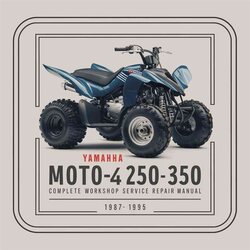
This manual covers the MOTO 4 series, including models 200, 225, 250, and 350, produced between 1987 and 1995. The MOTO 4 lineup was recognized for its robust construction and versatility, serving as dependable utility all-terrain vehicles for recreational and practical applications. These ATVs are characterized by their durable, air-cooled, 4-stroke, single-cylinder engines, typically featuring SOHC valve trains, and a reliable shaft drive system. With displacements ranging from approximately 175cc to 350cc, they offered a solid balance of power and usability, making them a popular choice in their market segment.
This manual provides comprehensive coverage for ATVs produced between 1987 and 1995. The Moto 4 line, known for its utility and recreational capabilities, featured various engine displacements, including 200cc, 225cc, 250cc, and 350cc variants. The heritage in powersports is reflected in the robust engineering of these models, designed for reliability and performance across a range of applications. This manual serves as an essential resource for owners and technicians looking to maintain and repair these iconic ATVs.
This workshop and repair manual provides comprehensive guidance for Yamaha Moto 4 ATVs, covering models 250 and 350 produced between 1987 and 1995. Yamaha has a strong legacy in ATV manufacturing, and the Moto 4 series was a significant contributor, known for its durability and reliable performance in both work and recreational applications. These ATVs are characterized by their air-cooled, single-cylinder, 4-stroke engines, manual transmissions with clutches, and robust chassis designed for versatility.
This manual covers the MOTO 4 series, including the 250 and 350 model designations, produced between 1987 and 1995. The MOTO 4 line represents a significant contribution to the recreational and utility all-terrain vehicle market, known for its reliability and engineering quality. These ATVs were designed for versatile use, offering a robust platform for various off-road activities. This comprehensive service manual provides the necessary documentation for owners and technicians to maintain and repair these iconic machines.
The MOTO 4, available in 250 and 350 variants, represents a significant era in All-Terrain Vehicle (ATV) development, produced from 1987 through 1995. These ATVs were engineered with a focus on torque-rich power delivery, making them highly capable for off-road traction and utility. The legacy in powersports is marked by innovation, and the MOTO 4 series exemplifies this with its robust construction and versatile performance, earning a reputation for durability and reliability within its class.
This manual covers the Moto 4 250 and 350 models produced between 1987 and 1995. Known for its ruggedness and reliability, the Moto 4 series has been a staple in utility all-terrain vehicles, offering dependable performance for various tasks. The legacy in powersports, particularly with its durable ATV offerings, is exemplified by the Moto 4 line, which features robust engineering and practical design for both work and recreational use.
This manual covers the Moto-4, a line of all-terrain vehicles produced from 1987 to 1995. Known for its reliability and capability, the Moto-4 series offered models with engine displacements ranging from 200cc to 350cc, catering to a variety of off-road needs. The legacy in ATV manufacturing is evident in the robust engineering and practical design of the Moto-4, making it a dependable choice for recreational riding and utility tasks.
This workshop service repair manual covers the Yamaha Moto-4 All-Terrain Vehicle (ATV) models 250 and 350, produced between 1987 and 1995. The Moto-4 was positioned as a reliable and capable utility ATV for recreational and light work applications, competing with similar models from other major manufacturers of the era. Its engineering focused on a robust chassis, dependable air-cooled four-stroke engines, and a user-friendly 5-speed manual transmission with an automatic clutch, making it a popular choice for riders seeking versatility and durability.
This manual covers the Moto 4 and Moto 4 All-Terrain Vehicles (ATVs) produced between 1987 and 1995. These ATVs are engineered for a balance of performance and durability, making them suitable for a variety of recreational and utility purposes. The commitment to quality is reflected in the robust design and reliable operation of these models, ensuring a dependable experience for riders.
This manual provides comprehensive service and repair information for the Yamaha Moto-4 YFM250, covering models produced between 1988 and 1989. As a robust 2WD all-terrain vehicle, the Moto-4 is engineered for a variety of terrains and applications, and this guide ensures you have the knowledge to maintain its performance and reliability. This factory service manual details all aspects of repair, enabling owners and technicians to keep their Yamaha ATV in optimal condition.
This manual covers the YFM 250 Moto-4 All-Terrain Vehicle (ATV) produced for the 1989, 1990, and 1991 model years. Known for engineering quality and reliability, the YFM 250 Moto-4 was a capable machine designed for both recreational trail riding and utility tasks. Its robust construction and user-friendly design, featuring a 5-speed transmission with an automatic clutch and shaft drive, made it a popular choice for riders seeking dependable performance in varied off-road conditions. The Moto-4 lineage represents a strong heritage in the powersports industry, offering a blend of durability and practical functionality.
The Yamaha Moto-4 250, produced from 1989 to 1991, is a robust utility ATV known for its reliable performance and practical design. This model, identified by the model code YFM250, represents Yamaha's commitment to producing durable and capable off-road vehicles for recreational and work purposes. Its engineering quality ensures dependable operation, making it a trusted companion for various terrains and tasks. The Moto-4 lineup has a strong legacy within Yamaha's ATV history, recognized for its solid construction and user-friendly operation, offering a blend of utility and enjoyment for riders.
This manual covers the MOTO-4 250 ATV/UTV models produced from 1989 to 1991. Known for its reliable four-stroke, single-cylinder engine and capable chassis, the MOTO-4 250 offered a solid platform for recreational riding and utility tasks during its era. The engineering heritage is evident in the robust construction and functional design of these machines, making them a popular choice for riders seeking dependable performance. This manual provides comprehensive information to ensure owners can maintain and operate their MOTO-4 250 effectively.
This workshop service repair manual provides comprehensive guidance for the Moto-4 250, covering models produced between 1989 and 1991. Engineered for reliability and performance, the Moto-4 250 is a versatile all-terrain vehicle designed for a range of recreational and utility applications. This manual is an essential resource for understanding the intricacies of this robust machine, ensuring its optimal operation and longevity.
This manual provides comprehensive coverage for the Yamaha Moto-4 250 All-Terrain Vehicle (ATV) manufactured between 1989 and 1991. Engineered for reliability and performance, the Moto-4 250 is designed for demanding off-road use. This service repair manual is an essential resource for understanding the intricacies of this capable ATV, detailing its construction and operational characteristics.
This manual covers the Moto-4 250 All-Terrain Vehicle (ATV) manufactured between 1989 and 1991. Engineered for reliability and performance, the Moto-4 250 represents a robust option for riders seeking dependable off-road capability. This comprehensive guide is designed to assist owners and technicians in understanding and maintaining this versatile machine.
This manual covers the Moto-4 250 All-Terrain Vehicle (ATV) produced between 1989 and 1991. Renowned for its robust engineering and reliable performance, the Moto-4 250 is a capable machine designed for a variety of off-road applications. This documentation provides comprehensive information to ensure optimal operation and longevity of your ATV.
This workshop service repair manual provides comprehensive guidance for the Moto-4 250 ATV, covering production years 1989 through 1991. Engineered for reliability and performance, the Moto-4 250 is designed for a variety of recreational and utility applications. This manual details all styles of this model, offering in-depth information to ensure optimal operation and longevity of your all-terrain vehicle.
The Moto-4 250 (YFM250) is a capable and reliable all-terrain vehicle (ATV) designed for both recreational riders and utility use. Produced through the late 1980s and early 1990s, this first-generation model is recognized for its robust, air-cooled, four-stroke engine and practical features like shaft drive and independent front suspension. Its design prioritizes durability and ease of operation, making it a dependable choice for various terrains and tasks, from farm work to trail riding. The Moto-4 250 offered a strong value proposition within its market segment, competing effectively with other mid-displacement ATVs of its era.
This manual covers the YFM250 Moto 4 all-terrain vehicle, produced between 1989 and 1991. The Moto 4 series represented a commitment to reliable and accessible ATVs, known for their straightforward engineering and utility. These vehicles were designed for recreational riding and light-duty work, building on an extensive legacy in ATV innovation. With a 4-stroke, air-cooled, SOHC engine displacing approximately 230cc, the YFM250 Moto 4 offered dependable performance characteristic of its generation.
This manual covers the YFM 250 Moto-4 All-Terrain Vehicle (ATV) produced between 1989 and 1991. Designed for recreational riding and off-road adventures, the YFM 250 Moto-4 is engineered for reliable performance. Its robust construction and 250cc engine, coupled with a 4x4 drive system, make it a capable machine for tackling various terrains. This workshop service repair manual provides comprehensive information to ensure the optimal functioning and longevity of your ATV.
This manual covers the [Vehicle Make] [Vehicle Model], produced for the model years [Start Year] through [End Year]. This vehicle is engineered for [Intended Usage] and is recognized for its [Notable Feature 1], [Notable Feature 2], and exceptional [Engineering Quality]. Its design prioritizes [Reliability] and offers a [Unique Selling Point] experience for owners.
This manual covers the [Vehicle Make] [Vehicle Model], a versatile vehicle designed for [Intended Usage]. Known for its robust engineering and reliable performance, the [Vehicle Model] offers a blend of [Notable Feature 1] and [Notable Feature 2], making it a distinguished choice in its class. Throughout its production years, from [Start Year] to [End Year], this vehicle has consistently demonstrated exceptional quality and a commitment to driver satisfaction.
This manual covers the Yamaha YFM250 Moto 4 All-Terrain Vehicle (ATV) produced between 1989 and 1991. Designed for versatility and reliability, this ATV is engineered to provide exceptional performance for various tasks and recreational activities. Its robust construction and thoughtful design ensure a dependable experience for riders.
This manual covers the YFM250 Moto 4 All-Terrain Vehicle (ATV) produced between 1989 and 1991. The Moto 4 series was a popular line of utility and recreational ATVs. The YFM250 Moto 4 is equipped with a four-stroke, SOHC engine of approximately 230 cc displacement, featuring a Mikuni VM series carburetor and a 5-speed manual transmission with an automatic clutch, driven by a shaft drive system. Its robust engineering and practical design make it suitable for a variety of off-road applications.
This manual covers the YFM250 Moto 4 All-Terrain Vehicle (ATV) produced from 1989 to 1991. Designed as a 2WD gasoline-powered vehicle with a 250cc class engine, the YFM250 Moto 4 is engineered for recreational and utility purposes, offering reliable performance for various terrains. Its robust construction and thoughtful design contribute to its reputation for durability and ease of operation, making it a capable choice for riders seeking adventure and practical application.
This comprehensive service repair workshop manual covers the Yamaha YFM250 Moto 4 All-Terrain Vehicle (ATV) manufactured between 1989 and 1991. Engineered for reliability and performance, the YFM250 Moto 4 is a capable four-stroke, 250cc, 2WD ATV designed for various recreational and utility purposes. This manual provides in-depth guidance to ensure optimal operation and longevity of your vehicle.
This manual provides comprehensive guidance for the YFM250 Moto 4 All-Terrain Vehicle (ATV), covering model years 1989 through 1991. Engineered for reliability and performance, the YFM250 Moto 4 is designed for a variety of recreational and utility purposes. This documentation reflects the quality and attention to detail inherent in manufacturing, offering insights into the vehicle's robust design and operational capabilities.
This workshop service repair manual is designed for the YFM350ER MOTO 4 All-Terrain Vehicle (ATV), covering production years 1987 through 1990. The MOTO 4 is engineered for reliable performance, offering a robust platform for various recreational activities. This manual provides comprehensive coverage to ensure your ATV operates at its peak efficiency and longevity, reflecting a commitment to quality and rider satisfaction.
This manual covers the Moto-4 250 All-Terrain Vehicle (ATV) for the 1990 and 1991 model years, including variations such as the YFM250, YFM250W, YFM250A, and YFM250B. Designed for a variety of terrains, the Moto-4 250 is engineered for reliable performance and durability. This factory service manual provides essential information for maintaining and repairing this capable ATV.
This manual covers the Yamaha Moto 4 350 YFM350, produced between 1990 and 1995. This model is recognized for its robust engineering and reliability, designed to provide dependable performance for a variety of recreational and utility applications. Its construction emphasizes durability and ease of operation, making it a capable machine for its intended use.
This document pertains to the Moto-4 350, an all-terrain vehicle (ATV) produced between 1990 and 1995. Engineered with a four-stroke, 350cc engine featuring a carburetor fuel system and a manual gearbox, this four-wheel drive model also includes a reverse gear. The Moto-4 350 is recognized for its robust construction and reliable performance, making it a capable option for various off-road applications.
This service and repair manual is designed for the Yamaha Moto-4 350 YFM350, covering production years from 1990 to 1995. It provides comprehensive guidance for all models within this range, ensuring owners and technicians have access to detailed information for maintaining and repairing this versatile all-terrain vehicle. The manual emphasizes ease of use and aims to empower users to perform their own servicing and repairs efficiently.
This comprehensive service repair workshop manual is designed for the Yamaha Moto-4 350 YFM350 ATV, covering production years 1990 through 1995. It provides detailed instructions for all service and repair procedures, enabling owners and technicians to perform maintenance and repairs efficiently. The manual's step-by-step guidance, accompanied by pictures, simplifies even complex tasks, ensuring a thorough understanding of the vehicle's servicing and repair requirements.
This manual covers the Yamaha Moto-4 350 YFM350, produced between 1990 and 1995. Engineered for reliable performance, this model offers a robust platform for various riding conditions. Its design emphasizes durability and user-friendly operation, making it a capable choice for recreational and utility purposes.
This manual covers the YFM 350 Moto-4 and YFM 350ER all-terrain vehicles produced between 1991 and 1995. Renowned for their robust engineering and reliable performance, these ATVs are designed for a variety of off-road applications, offering a dependable and capable riding experience. This comprehensive guide is tailored to assist owners and technicians in understanding and maintaining these vehicles to the highest standards.
This manual set covers the 1991-1995 Yamaha MOTO-4 350 YFM350ER. Engineered for reliability and performance, this ATV is designed for a wide range of operational needs. This comprehensive guide ensures owners and technicians have access to the detailed information required to maintain and operate the vehicle effectively, reflecting Yamaha's commitment to quality.
This manual covers the YAMAHA MOTO-4 350 YFM350ER models produced between 1991 and 1995. These vehicles are designed for versatile off-road use, offering robust engineering and reliable performance. Their construction prioritizes durability and ease of operation, making them suitable for a range of recreational activities and demanding terrains.
This manual covers the YAMAHA YFM 350 Moto-4 ATV, produced between the years 1991 and 1995. This model is known for its robust engineering and reliability, designed for versatile off-road performance. Its unique features are detailed within this guide, providing comprehensive information for owners and technicians alike.
This manual covers the Yamaha YFM350 Moto-4 models manufactured between 1991 and 1995. These versatile all-terrain vehicles are designed for a variety of uses, combining robust engineering with reliable performance. The YFM350 Moto-4 series offers a unique blend of power and handling, making it a capable machine for both recreational riding and demanding tasks.
This manual covers the [Make] [Model], a versatile vehicle designed for [Intended Usage]. Produced between [Production Years], this model is recognized for its robust engineering, exceptional reliability, and [Notable Features]. Its design prioritizes [Unique Selling Points], making it a distinguished choice in its class for discerning owners.
This manual covers the [Make] [Model], a versatile vehicle designed for [intended usage]. Produced between [production years], this model is recognized for its [notable features], embodying exceptional engineering quality and proven reliability. Its unique selling points contribute to a superior driving experience, making it a distinguished choice in its class.
The Yamaha YFM200 Moto-4, a 2004 model year all-terrain vehicle, is recognized for its practicality and simplicity, making it an accessible option for recreational riders and those engaging in light utility tasks. This entry-level to mid-range ATV offers a balance of capability and affordability, drawing on Yamaha's established heritage as a pioneer in the ATV industry. Known for its straightforward mechanics, the YFM200 is designed for ease of maintenance, providing a reliable platform for trail riding and off-road exploration. Its 195cc 4-stroke, air-cooled engine, coupled with an automatic CVT transmission, ensures a user-friendly experience.
This manual covers the [Make] [Model] vehicle, produced between [Year] and [Year]. This vehicle is engineered for [Intended Usage] and is recognized for its [Notable Feature 1], [Notable Feature 2], and overall [Engineering Quality] and [Reliability]. Its design prioritizes [Unique Selling Point] to provide an exceptional driving experience.
The Yamaha YFM200 Moto 4, a prominent model from the mid to late 1980s, is an all-terrain vehicle celebrated for its reliable four-stroke engine and user-friendly design. As part of the Moto 4 lineup, this 196cc, air-cooled OHC ATV offers a balanced blend of recreational capability and utility, making it suitable for trail riding and light farm work. Its 2WD rear-wheel drive system, coupled with an automatic transmission, ensures ease of operation for riders of varying experience levels. The YFM200 is recognized for its engineering quality and affordability, positioning it as a competitive and dependable choice in the entry-level to mid-range ATV market.
This manual covers the Yamaha YFM200 Moto-4 and YFM225 Moto-4 all-terrain vehicles, primarily produced during the mid-to-late 1980s. These ATVs, powered by air-cooled, single-cylinder engines of approximately 196cc and 222cc respectively, offered reliable performance for recreational and utility purposes. Known for their rugged steel frames and robust engineering, the Moto-4 series represented Yamaha's strong legacy in ATV manufacturing, providing durable and functional machines for their era.
The Yamaha YFM200 and YFM225 Moto-4 are versatile All-Terrain Vehicles (ATVs) designed for recreational and utility purposes. Produced primarily in the late 1980s and early 1990s, these models are characterized by their reliable air-cooled, four-stroke engines, with displacements of approximately 196cc for the YFM200 and 223cc for the YFM225. Key features include shaft-driven 2WD, an automatic transmission with reverse, and an electric start system with recoil backup. These ATVs competed in the entry-level to mid-range market, offering a blend of practicality and performance, and are known for their durable construction and ease of maintenance, reflecting an extensive legacy in ATV manufacturing.
This manual covers the [Vehicle Make] [Vehicle Model], produced for the [Production Years] model years. This vehicle is engineered for [Intended Usage] and is recognized for its [Notable Features]. Its design emphasizes [Engineering Quality] and [Reliability], offering a unique combination of [Unique Selling Points] for discerning owners.
The YFM200 Moto 4 is a robust all-terrain vehicle, primarily produced in the mid-to-late 1980s. Known for its reliable engineering and balanced performance, this model was a popular choice for both utility and recreational riding. The long-standing legacy in ATV manufacturing, characterized by dependable performance, underpins the design of the YFM200 Moto 4, making it a well-regarded machine within its class. This ATV typically features a single-cylinder, air-cooled engine, automatic transmission, and a focus on practical functionality for various terrains.
This manual covers the Moto-4 225 (YFM225) All-Terrain Vehicle (ATV) from the first generation, produced between 1986 and 1988. Known for its reliable 4-stroke, air-cooled engine and 5-speed manual transmission with reverse, the Moto-4 225 was designed for recreational riding and light utility tasks. The heritage in powersports is evident in the engineering quality and durability of this model, making it a popular choice for its era. The ATV features a shaft drive system and is equipped with disc brakes for effective stopping power.
This manual covers the [Make] [Model], produced between [Year Start] and [Year End]. This vehicle is engineered for [Intended Usage], offering a blend of performance, comfort, and advanced technology. Its design emphasizes robust construction and reliable operation, making it a distinguished choice for discerning owners. Key features include [Notable Feature 1], [Notable Feature 2], and [Notable Feature 3], all contributing to an exceptional driving experience.
This manual covers the YFM200 Moto 4 200 All-Terrain Vehicle (ATV), produced primarily in the mid-to-late 1980s. As part of early utility ATV offerings, the Moto-4 200 is recognized for its reliable performance and value in its class. This model features a durable steel frame, air-cooled four-stroke engine, automatic transmission with F-N-R selection, and hydraulic disc brakes. Its engineering emphasizes functional capability for a variety of terrains, contributing to an established reputation for quality and durability in the powersports industry.
This manual covers the YFM200 Moto 4, YTM200, and YTM225 series of All-Terrain Vehicles (ATVs) manufactured between 1983 and 1986. These models represent early contributions to the recreational ATV market, offering robust engineering and reliable performance for their intended utility and trail riding applications. Known for their durable air-cooled, 4-stroke engines and straightforward designs, these ATVs were positioned as capable alternatives in a competitive landscape.
The Yamaha YFM200 Moto-4, also known as the Moto-4 200, is an all-terrain vehicle designed for recreational use, trail riding, and casual farm applications. Introduced in the mid to late 1980s, this model represents Yamaha's commitment to providing reliable and accessible ATVs that competed effectively with offerings from Honda, Suzuki, and Kawasaki. Key features contributing to its appeal include a dependable air-cooled engine, a low-maintenance shaft drive system, independent front suspension for enhanced ride comfort, and an automatic transmission for ease of operation. These attributes made the Moto-4 200 a popular choice for hobbyists and riders seeking a capable and straightforward ATV experience.
The Yamaha YFM200 Moto-4, produced between 1986 and 1994, is a robust and reliable all-terrain vehicle designed for both recreational riding and utility tasks. Known for its dependable 4-stroke, SOHC, air-cooled engine and automatic Continuously Variable Transmission (CVT), the YFM200 offers a user-friendly experience. Its design emphasizes simplicity and ease of repair, making it a practical choice for farm work or trail exploration. This model represents a commitment to building durable and accessible ATVs, offering a strong value proposition in its segment against competitors like the Honda TRX250 and Suzuki LT-F250.
This manual covers the YFM350ER Moto 4 ATV, manufactured between 1987 and 1990. The YFM350ER Moto 4 is a versatile all-terrain vehicle designed for a range of recreational and utility purposes. It exemplifies robust construction and dependable performance, making it a trusted choice for riders.
This manual covers the [Vehicle Make] [Vehicle Model], a versatile and dependable vehicle designed for [Intended Usage, e.g., daily commuting, off-road adventures, family transport]. Known for its robust engineering and commitment to reliability, the [Vehicle Model] offers a [Notable Feature 1] and a [Notable Feature 2], making it a distinguished choice in its class. This vehicle represents a significant achievement in automotive design, prioritizing both performance and user experience.














![1985-1989 Yamaha ATV - YFM 200 MOTO-4 [improved] Service Repair Workshop Manual PDF](https://image.emanual.com/images/p/535/23535-yamaha-atv-1985-1989-yfm-200-moto-4-repair-manual-improved.250x250.jpg)