The TRW category encompasses specific models of motorcycles manufactured by Triumph. These vehicles are designed for a range of riding experiences, from urban commuting to spirited road riding, and are characterized by their robust construction and performance-oriented engineering. TRW models represent a significant segment within the Triumph lineup, offering a blend of classic styling and modern technology that appeals to discerning riders.
Documentation for TRW models includes comprehensive service manuals detailing routine maintenance, repair procedures, and diagnostic information. Owners and technicians can also find technical specifications, electrical diagrams, and troubleshooting guides to ensure optimal performance and longevity of these motorcycles. These...
The TRW category encompasses specific models of motorcycles manufactured by Triumph. These vehicles are designed for a range of riding experiences, from urban commuting to spirited road riding, and are characterized by their robust construction and performance-oriented engineering. TRW models represent a significant segment within the Triumph lineup, offering a blend of classic styling and modern technology that appeals to discerning riders.
Documentation for TRW models includes comprehensive service manuals detailing routine maintenance, repair procedures, and diagnostic information. Owners and technicians can also find technical specifications, electrical diagrams, and troubleshooting guides to ensure optimal performance and longevity of these motorcycles. These resources are essential for maintaining the integrity and functionality of TRW models.
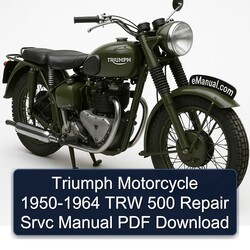
The Triumph TRW 500, produced between 1950 and 1964, represents a robust piece of British engineering, built upon the brand's renowned OHV Parallel-Twin engine design. This model, a civilian adaptation of a military motorcycle, offers a blend of performance and reliability characteristic of its era. With its 499cc engine, 4-speed gearbox, and chain drive, the TRW 500 was engineered for dependable operation, appealing to riders seeking a classic motorcycle experience.
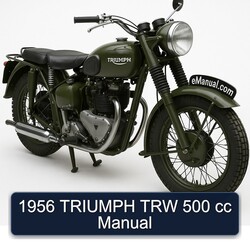
The Triumph TRW, a classic British motorcycle from 1956, represents a pinnacle of post-war engineering, likely produced for military applications. This robust 500cc parallel-twin motorcycle is celebrated for its character, sound, and reliable build, making it a distinguished model from its era. Designed for general riding and touring, the TRW offers good low-to-mid range torque and embodies the heritage of Triumph's renowned manufacturing at the Meriden Works.
This manual covers the Yamaha XJ600, produced in 1984. It is designed to provide comprehensive information for the upkeep and restoration of this model. The Yamaha XJ600 is recognized for its engineering and reliability, offering a unique riding experience.
The Yamaha XJ600, produced from 1984 to 1992, represents a versatile mid-size motorcycle known for its reliable air-cooled inline-four engine, comfortable riding posture, and distinctive styling. This model, including variants like the Seca II and Diversion, offered a blend of performance and practicality, making it a competitive choice in its segment. Yamaha's reputation for quality engineering and durability underpins the XJ600's appeal, ensuring a dependable riding experience for commuting and sport touring.
The 1988 Yamaha XJ600, often recognized as the Seca II, is a versatile sport-touring motorcycle engineered for reliability and balanced performance. Featuring a smooth, air-cooled inline-four cylinder engine and distinctive faired styling, this model offered a capable blend of comfort for longer rides and agility for everyday use. Its robust construction and Yamaha's renowned engineering quality ensure dependable operation, making it a practical choice for various riding demands. The XJ600's design prioritized a comfortable riding position and competent handling, solidifying its place as a well-regarded option in its segment.
This manual covers the Yamaha XJ600, model year 1990, chassis code 4HK. As a mid-size sport-touring motorcycle, the XJ600 is recognized for its versatile performance, featuring an air-cooled inline-four cylinder engine and a steel diamond frame. Yamaha, a manufacturer known for innovation, produced this model in Japan as part of a line of reliable four-cylinder motorcycles. The XJ600 was designed to offer a balanced riding experience, competing with models like the Honda CB-1 and Suzuki GS500E, and is a testament to the engineering quality and reliability characteristic of the brand.
The Yamaha XJ600, produced in 1991, is a sport-touring motorcycle renowned for its blend of accessible performance, comfortable ergonomics, and enduring reliability. Designed for versatility, it excels in both daily commuting and longer journeys, offering a smooth inline-four engine and a practical riding experience. Its robust engineering and straightforward design contribute to its reputation as a dependable machine, making it a favored choice for riders seeking a capable and enjoyable motorcycle.
This manual covers the professional quality parts catalog for a range of vehicles, featuring detailed parts lists and exploded diagrams. It is designed to provide comprehensive information for every component, including manufacturer part numbers. The catalog allows for enlarged views, ensuring clarity even for the smallest parts, making it an invaluable resource for identification and ordering.
This parts manual provides a comprehensive overview of the components that make up your vehicle. It is designed to assist with the identification, disassembly, repair, and reassembly of all parts. The manual includes detailed exploded diagrams and lists all corresponding part numbers, ensuring accuracy and efficiency during maintenance and repair processes.
This manual covers the Yamaha XJ600, a mid-size sport touring motorcycle produced in 1992. Known for its reliability and versatility, the XJ600 features a robust inline-four, air-cooled engine with dual overhead camshafts and a steel diamond frame designed for both performance and rider comfort. This model represents a refinement within Yamaha's successful XJ series, offering a balanced blend of accessible performance and enduring engineering quality.
This manual covers the Yamaha XJ600 and XJ600S models manufactured in 1992, featuring a 598cc inline-four engine known for its reliability and versatility. These motorcycles were designed as mid-size sport-touring machines, suitable for a range of riding conditions from commuting to spirited journeys. The XJ600 series is recognized for its robust engineering, ease of maintenance, and balanced performance, making it a practical choice for riders seeking an engaging yet dependable machine. Its durable components and straightforward design contribute to a long service life when properly cared for.
This manual covers the Yamaha XJ600 and XJ600S models from 1992. These motorcycles are known for their reliable performance and versatility, making them suitable for a wide range of riding conditions. The engineering quality inherent in the Yamaha brand ensures a durable and enjoyable ownership experience, with features designed to offer both rider comfort and responsive handling.
This manual provides comprehensive service and repair information for the 1992 Yamaha XJ600S Diversion, chassis code 4BR. The XJ600S Diversion, part of Yamaha's well-regarded XJ series, is known for its reliable inline-four, liquid-cooled 598cc engine and its versatile sporty-touring capabilities. This model features a DOHC valve train with four valves per cylinder, a 6-speed transmission, and a chain drive. Its robust engineering and performance make it a popular choice for riders seeking a dependable motorcycle.
The Yamaha XJ600S Seca II, produced in 1992, is a versatile sport-touring motorcycle renowned for its reliable Yamaha engineering. This model features a smooth, liquid-cooled 599cc inline-four engine, delivering ample power for both commuting and longer journeys. Its comfortable ergonomics, enhanced by a full fairing for improved aerodynamics and rider comfort, make it suitable for extended riding. The XJ600S Seca II is recognized for its capable handling and braking, solidifying its position as a dependable and well-rounded middleweight sportbike in its class.
The Yamaha XJ600S Diversion, produced from 1992 to 1997, represents a robust and versatile middleweight sport-touring motorcycle. Known for its inline 4-cylinder, 598cc engine, this model offers a balanced blend of performance and comfort, making it suitable for both daily commuting and longer journeys. Its design emphasizes reliability and user-friendliness, characteristic of Yamaha's engineering prowess. The XJ600S Diversion is recognized for its comfortable riding position and dependable operation, providing a solid platform for riders seeking practical yet engaging performance.
This workshop service repair manual covers the Yamaha Diversion Seca 2 XJ600S, also known as the Diversion XJ600S Seca II, produced between 1992 and 1999. The XJ600S was designed as a versatile middleweight sport-touring motorcycle, offering a blend of performance and comfort suitable for both daily commuting and longer journeys. It features a smooth air-cooled, 598 cc inline-four engine, a comfortable riding position, and a full fairing for enhanced wind protection. Known for its reliability and accessible performance, this model competed in a segment alongside other popular middleweight sport-touring and naked motorcycles of its era.
The Yamaha XJ600, also known as the Diversion in certain markets, represents a versatile middleweight motorcycle produced between 1992 and 1999. This model, identified by the 4BR generation code and VIN starting with '2DR', is powered by a reliable 599cc air-cooled inline-four engine, delivering smooth power delivery. Its steel diamond frame provides a stable ride, complemented by effective dual front disc brakes and a single rear disc brake for confident stopping. The comfortable riding position, particularly on the faired Diversion variant, makes it suitable for both commuting and longer journeys. The XJ600 series competed in a segment with other 600cc motorcycles, offering a balanced blend of performance, comfort, and dependability.
This manual covers the Yamaha XJ600 S and N models produced between 1992 and 1999. These motorcycles are known for their reliable performance and versatile capabilities, suitable for both commuting and recreational riding. Their engineering emphasizes a balance of power, handling, and durability, making them a popular choice for riders seeking a dependable machine.
This manual covers the Yamaha XJ600, produced between 1992 and 1999, known by its model designations Diversion and Seca II. This mid-size motorcycle features a robust air-cooled, inline-four cylinder engine and a steel diamond frame, offering a balanced blend of performance and practicality suitable for sport-touring. The Diversion variant typically includes a half-fairing for enhanced rider comfort, while the US-market Seca II model is distinguished by its aggressive styling and single-sided swingarm. Yamaha's engineering heritage is evident in the XJ600's reputation for reliability and its accessible power delivery, making it a versatile choice for riders.
This comprehensive service manual covers the [Make] [Model], produced between [Year] and [Year]. This vehicle is engineered for [Intended Usage] and is recognized for its [Notable Features], exceptional reliability, and robust build quality. Its design prioritizes [Unique Selling Points], ensuring a superior driving experience and long-term performance.
The Yamaha XJ600S Diversion, also known as the Seca II, is a mid-size motorcycle produced from 1992 to 1999. This model is celebrated for its reliable 598cc inline-four engine, comfortable ergonomics, and versatility, making it suitable for both commuting and touring. It offered a balanced blend of performance and practicality, positioning itself as a competitive option against similar models from other manufacturers. The XJ600S Diversion is recognized for its dependable engineering and value proposition within its market segment.
This manual covers the parts catalog for a professional quality vehicle, featuring a comprehensive parts list with exploded diagrams. It includes manufacturer part numbers and detailed illustrations for every component, allowing for enlarged views to identify even the smallest parts. The exploded diagrams are specifically designed to aid in the identification and selection of necessary components for maintenance and repair.
This manual provides detailed information regarding the parts and components of your vehicle. It is designed to be an essential resource for understanding the intricate assembly of your vehicle, facilitating efficient disassembly, repair, and reassembly processes. The manual includes comprehensive exploded parts diagrams, offering a clear visual representation of all components, and lists all corresponding part numbers for precise identification.
This manual covers the Yamaha XJ600 and XJ600S models from the 1994 production year. These motorcycles are engineered for reliable performance, offering a balance of agility and power suitable for a variety of riding conditions. Their design emphasizes rider comfort and control, making them a popular choice for both daily commuting and recreational touring. The Yamaha XJ600 series is recognized for its robust construction and dependable engine, ensuring a satisfying ownership experience.
The Yamaha XJ600S Seca II, produced in 1994, is a versatile middleweight sport-touring motorcycle known for its reliable, torquey inline-four engine and comfortable ergonomics. This model offers a balanced performance suitable for commuting and touring, building upon the legacy of its predecessors with revised styling and improved components. Its robust frame and effective braking system contribute to stable handling and rider confidence, making it a well-regarded machine within its segment. The XJ600S Seca II embodies Yamaha's commitment to engineering quality and longevity, providing an engaging riding experience for owners.
This manual covers the Yamaha XJ600N, a naked motorcycle produced around 1995. Known for its reliable 598cc air-cooled four-cylinder engine and robust build quality, the XJ600N was a popular choice in the middleweight naked sportbike segment. Its comfortable ergonomics and straightforward engineering made it suitable for commuting, general riding, and customization. The model's emphasis on practicality and ease of maintenance contributed to its enduring appeal.
This manual covers the Yamaha XJ600S (Seca II) motorcycle, produced in 1995. Designed as a middleweight sport-touring motorcycle, the XJ600S is recognized for its comfortable ergonomics, reliable inline-four engine, and accessible performance, making it suitable for commuting and touring. Yamaha's engineering heritage is evident in its robust construction and dependable operation. This model was positioned to compete with other popular bikes of its era, offering a blend of sportiness and practicality.
This manual covers the Yamaha XJ600 motorcycle, produced between 1995 and 1999, often identified by chassis code 4BR. As a middleweight naked sportbike, the XJ600 is known for its reliable inline-four engine, offering accessible performance suitable for everyday riding and light sport touring. Its design philosophy emphasizes practicality and dependability, making it a popular choice for owners and independent workshops. The engineering quality of this model is reflected in its robust construction and enduring appeal within its market segment, competing with other standard motorcycles of its era.
The Yamaha XJ600, also known by its model codes XJ600S Seca II and Diversion, is a mid-size sport-touring motorcycle produced for the XJ Series platform. These models, manufactured in Japan, were available from 1995 to 1999 and are recognized for their practicality, reliability, and user-friendly design. Featuring a 599 cc liquid-cooled, DOHC, inline-four engine, the XJ600 offers a balanced performance suitable for both commuting and touring. Its engineering emphasizes dependability and user-friendliness, making it a well-regarded option in its segment, often compared to competitors like the Honda CB500 and Kawasaki GPZ500.
This workshop service manual covers the Yamaha XJ600N, a naked standard motorcycle produced for the model years 1995 through 1999. Known for its reliability and accessible performance, the XJ600N features an air-cooled, 598cc inline-four engine with four Mikuni CV carburetors, delivering approximately 60-65 horsepower. Its design philosophy emphasizes ease of maintenance and dependable operation, making it a versatile choice for commuters and sport riders alike. The chassis codes for this model include 4BR, 4BB, and 4LX, with the 4BR engine code. This motorcycle is recognized for its durability and smooth inline-four power delivery, contributing to its positive market reputation.
This manual covers the Yamaha XJ600 and XJ600N models produced between 1995 and 1999. These motorcycles are known for their balanced performance, reliability, and versatile design, making them suitable for a range of riding experiences. The engineering quality inherent in the Yamaha brand ensures a durable and enjoyable ownership experience for riders.
This manual provides comprehensive information for your vehicle, designed to assist in understanding its components and repair procedures. It details all aspects of maintenance and repair, ensuring you can effectively manage your vehicle's upkeep. The focus is on clear, detailed instructions to facilitate a thorough understanding of your vehicle's operational mechanics and service requirements.
The Yamaha XJ600N Diversion, produced from 1995 to 1999, is a naked sportbike celebrated for its accessible performance and versatile nature, making it suitable for commuting, touring, and general riding. It features an air-cooled, 4-stroke, DOHC inline-four engine displacing 598 cc, known for its smooth power delivery and broad torque band. The motorcycle offers an upright riding position with comfortable ergonomics, including accessible handlebars and a supportive seat, appealing to a wide range of riders. Its classic streetfighter aesthetic, with exposed engine and frame components, defines its styling. The XJ600N Diversion competed effectively in its segment by balancing performance, reliability, and value, establishing itself as a dependable choice.
The XJ600N, produced from 1995 to 1999, is a mid-size naked sportbike renowned for its reliability, smooth inline-four power delivery, and comfortable ergonomics. This model, often recognized by chassis codes like 4BR, 4HX, and 5KM, offers a user-friendly riding experience suitable for both commuting and spirited riding. Engineering quality ensures dependable performance, making the XJ600N a practical and enjoyable motorcycle for enthusiasts seeking a capable machine with accessible maintenance. Its design prioritizes rider comfort and control, contributing to its reputation as a well-balanced and accessible motorcycle within its segment.
This manual covers the XJ600N, a naked motorcycle produced between 1995 and 1999. Known for its practical design and accessible performance, the XJ600N features a robust liquid-cooled, inline four-cylinder engine with a displacement of 599cc, delivering smooth and reliable power suitable for commuting, touring, and general riding. Its steel diamond frame and upright ergonomics contribute to a comfortable and controlled riding experience. The XJ600N was designed with an emphasis on practicality, durability, and value, making it a popular choice for riders seeking a versatile and dependable machine.
The Yamaha XJ600N, produced from 1995 to 1999, is a middleweight naked standard motorcycle renowned for its reliability, ease of maintenance, and predictable performance. This model, characterized by its air-cooled, inline-four cylinder engine and stripped-down aesthetic, offers a versatile riding experience suitable for commuting and general enjoyment. Built with a commitment to engineering quality, the XJ600N is a testament to accessible motorcycling, providing a user-friendly platform that has earned accolades for its dependability and approachable nature.
This manual covers a range of vehicles, focusing on their comprehensive parts catalog. It provides detailed information on every component, including manufacturer part numbers and clear exploded diagrams. The design allows for enlarged views, ensuring even the smallest parts are easily identifiable, making it an invaluable resource for understanding the vehicle's construction and for ordering replacement components.
This parts manual provides detailed illustrations and exploded diagrams for your vehicle. It is designed to offer a comprehensive view of all components, making it an invaluable resource for disassembly, repair, and reassembly processes. Each section lists specific part numbers, ensuring accuracy and efficiency when identifying and sourcing necessary parts for your vehicle.
This manual covers the Yamaha XJ600 and XJ600N models produced in 1996. These motorcycles were designed as versatile mid-size sport-touring machines, available in both standard faired and naked configurations. Known for their reliable air-cooled inline-four engines and stable steel diamond frames, the XJ600 series offered riders a balanced blend of performance, comfort, and affordability, making them a popular choice for commuting and general riding. The engineering emphasizes durability and user-friendliness, reflecting Yamaha's strong heritage in motorcycle manufacturing.
This manual covers a range of vehicles, providing comprehensive details for identification and service. It is designed to assist users in understanding the various components and systems that make up these automobiles. The focus is on detailed parts information, including manufacturer part numbers and clear diagrams that illustrate the assembly of each component.
This parts manual provides detailed exploded diagrams for your vehicle, offering a comprehensive visual guide to all components. It is an invaluable resource for understanding the intricate assembly of your vehicle, facilitating efficient disassembly, repair, and reassembly processes. Each section clearly lists all part numbers, ensuring accuracy and ease when sourcing replacements or identifying specific items for maintenance and restoration projects.
This manual covers the Yamaha XJ600S Diversion and XJ600N models from 1998. These middleweight motorcycles are known for their reliability and versatility, offering both faired (S) and naked (N) variants. Powered by a 599 cc four-stroke, liquid-cooled, inline four-cylinder engine, they deliver approximately 60 HP and 52 Nm of torque, making them suitable for a wide range of riding conditions. The XJ600 platform has a long-standing reputation for being a user-friendly and dependable choice in its class, often competing with models from Suzuki, Honda, and Kawasaki.
The Yamaha XJ600S Diversion and XJ600N (Naked) models, produced in 1999, represent a reliable and well-engineered mid-size sport-touring motorcycle. Known for its comfortable riding position and a balanced blend of performance and economy, this motorcycle is an excellent choice for daily commuting and light touring. Its robust inline-four engine, coupled with Yamaha's long-standing reputation for quality, ensures dependable operation. The XJ600 series has been a respected competitor in its segment, offering practical utility and enduring value.
The Yamaha XJ600 Diversion Seca II, also known as the XJ600S, represents a significant offering in the motorcycle market, engineered for reliability and performance. This model features a robust 4-stroke, DOHC, 4-valve, inline-four cylinder engine with a displacement of 598 cc, designed to deliver consistent power. Its construction includes a steel diamond frame, telescopic front forks, and a monoshock rear suspension, complemented by dual hydraulic disc brakes at the front and a single disc at the rear for effective stopping power. The Seca II generation embodies Yamaha's commitment to quality, providing a dependable riding experience for various applications.
This comprehensive service and repair manual covers the YAMAHA XJ600RL motorcycle, designed for riders seeking exceptional performance and reliability. This manual provides in-depth information for owners and technicians alike, ensuring that the motorcycle's advanced engineering and unique features can be maintained to the highest standards. Whether for routine upkeep or more complex repairs, this guide is an essential resource for preserving the integrity and performance of your XJ600RL.
The XJ600RL, also known as the Seca II or Diversion in European markets, is a middleweight sport-touring motorcycle produced from approximately 1991 to 2003. This versatile machine is powered by a liquid-cooled, inline-four cylinder engine, delivering smooth power output suitable for commuting, touring, and spirited riding. Its design features a full fairing for improved aerodynamics and rider protection, complemented by comfortable ergonomics for extended journeys. The reputation for engineering quality and reliability is evident in the XJ600RL's robust construction and dependable performance, making it a popular choice for riders seeking a practical and enjoyable motorcycle experience.