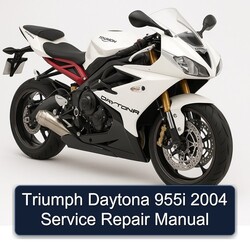
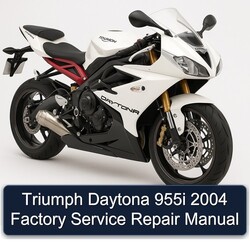
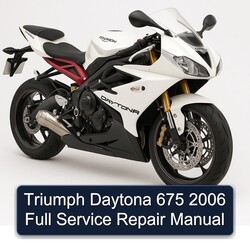
The Daytona category encompasses a range of high-performance sport motorcycles designed for speed, agility, and exhilarating riding experiences. These models are characterized by their aerodynamic fairings, powerful engines, and advanced suspension systems, making them ideal for track days, spirited road riding, and competitive racing. Their design prioritizes rider engagement and precise handling, offering a dynamic and responsive connection between the rider and the machine.
Documentation for Daytona models includes comprehensive service manuals detailing routine maintenance, engine overhauls, and electrical system diagnostics. Repair guides provide step-by-step instructions for component replacement and troubleshooting common issues. Technical specifications outline performance metrics, dimensions, and material...
The Daytona category encompasses a range of high-performance sport motorcycles designed for speed, agility, and exhilarating riding experiences. These models are characterized by their aerodynamic fairings, powerful engines, and advanced suspension systems, making them ideal for track days, spirited road riding, and competitive racing. Their design prioritizes rider engagement and precise handling, offering a dynamic and responsive connection between the rider and the machine.
Documentation for Daytona models includes comprehensive service manuals detailing routine maintenance, engine overhauls, and electrical system diagnostics. Repair guides provide step-by-step instructions for component replacement and troubleshooting common issues. Technical specifications outline performance metrics, dimensions, and material compositions. These resources are essential for owners seeking to maintain their motorcycles, as well as for trained technicians performing complex repairs and adjustments to ensure optimal performance and safety.
The Triumph T100R Daytona, produced between 1960 and 1973, represents a significant chapter in the history of classic British motorcycles. Known for its distinctive parallel-twin engine and performance-oriented design, the T100R catered to riders seeking a blend of style and capability. This iconic model, manufactured in Meriden, Coventry, England, evolved from earlier Triumph 500cc twins and holds an esteemed place among enthusiasts and restorers for its enduring appeal and contribution to motorcycle heritage.
This manual covers the Triumph T100T Daytona Super Sports motorcycle, produced from 1960 through 1973. As a performance-oriented classic British sportbike, the T100T Daytona Super Sports represents a significant evolution in Triumph's parallel-twin engine design, known for its speed and handling capabilities. This model is a testament to Triumph's rich heritage in motorcycle manufacturing, originating from Meriden, England. Its engineering quality and iconic design have made it a sought-after machine for enthusiasts and collectors alike.
Definitive service repair workshop manual for the Triumph T100T Daytona and Tiger 100 covering 1960 through 1973. Thorough coverage of the 500cc OHV parallel twin engine, Amal carburetors, Lucas ignition and electrical systems, gearbox, clutch, primary drive, suspension, brakes and complete wiring diagrams. Essential for Triumph restoration and maintenance. PDF download.
This manual covers the T100T Daytona Tiger 100 models manufactured between 1960 and 1973. The brand boasts a rich heritage in motorcycle production, and the Tiger name carries a distinguished lineage. The T100T represents a significant iteration of this line, celebrated for its performance and classic styling. This particular model is an air-cooled, 4-stroke, parallel-twin cylinder motorcycle, typically featuring a displacement of approximately 500cc and a robust dual-cradle steel frame for structural integrity. It is equipped with drum brakes front and rear, a 4-speed or 5-speed constant mesh gearbox, and a wet, multi-plate clutch, all contributing to its iconic status in British motorcycle history.
This manual covers the Triumph Daytona T100T, also known as the Daytona Tiger 100, produced from 1963 to 1974. As a classic British motorcycle renowned for its performance and sporty heritage, the T100T features a parallel-twin, four-stroke engine with an approximate displacement of 490cc. Its engineering quality is a hallmark of its era, offering a robust platform for riders and enthusiasts. The T100T represents a significant model within Triumph's esteemed lineage, known for its distinctive styling and capable performance in the 500cc class.
The Triumph Tiger Daytona Sports T100R is a distinguished motorcycle, produced across several model years including 1963 through 1974. Engineered for performance and reliability, this model represents a significant era in motorcycle development, offering riders a blend of classic design and robust engineering. Its reputation is built on a foundation of quality craftsmanship and enduring performance, making it a sought-after machine for enthusiasts and collectors alike.
The Triumph Tiger Daytona Sports T100T, produced between 1963 and 1974, represents a significant era in British motorcycle engineering. As a classic sport motorcycle, it was renowned for its iconic parallel-twin engine, sporty handling for its time, and stylish design, making it a popular choice for both road and racing use. This model embodies Triumph's rich heritage, known for delivering performance and a distinctive riding experience. Its engineering quality and reliability, characteristic of the brand, have cemented its status as a desirable machine for enthusiasts.
This workshop service repair manual covers the Triumph Tiger Daytona T100R, a distinguished model from the legendary British manufacturer, produced between 1963 and 1974. Powered by a parallel-twin, four-stroke engine, the T100R represents a significant era in motorcycle history, known for its performance-oriented lineage and character. This manual provides comprehensive guidance for mechanics and enthusiasts alike, ensuring the enduring quality and reliability of this classic motorcycle.
This manual covers the Triumph T100R Daytona, produced between 1967 and 1974. Known for its distinctive Unit Construction Parallel Twin engine, the T100R Daytona was a sporty motorcycle designed to compete with other performance bikes of its era. It is recognized for its agile handling, classic styling, and the heritage associated with the Triumph brand, which has a long history in motorcycle sports and culture.
This manual covers the Triumph T100R Daytona, produced between 1967 and 1974. Known for its iconic British styling and performance-focused design, the T100R Daytona was a popular choice for riders seeking a blend of power and handling in the late 1960s and early 1970s. As an evolution of Triumph's established parallel-twin engine platform, it offered a compelling alternative in the competitive sport motorcycle market of its time and remains a highly sought-after model among collectors and enthusiasts.
This workshop repair service manual covers the Triumph T100R Daytona models produced from 1967 through 1974. As a renowned British manufacturer, Triumph has a rich legacy, and the Daytona line has historically represented the brand's sportier offerings. The T100R Daytona is recognized as a capable and stylish motorcycle from its era, embodying classic British engineering. This manual provides comprehensive coverage for all models, engines, trim, and transmission types, empowering owners and mechanics with the knowledge to maintain and repair these iconic machines.
This workshop service repair manual covers Triumph Daytona T100R models produced between 1967 and 1974. The Daytona T100R, manufactured at Meriden Works in Coventry, England, is celebrated for its distinctive parallel-twin engine and sporting heritage. This iconic motorcycle represents a significant era in Triumph's history, known for its performance-oriented design and handling capabilities.
This manual covers the Triumph T100R Daytona, a parallel-twin, 4-stroke motorcycle produced between 1967 and 1974. Known for its spirited performance and handling, the T100R Daytona was part of Triumph's esteemed Bonneville family, often associated with the brand's racing heritage. Engineered in the United Kingdom, this model offered a balance of sportiness and everyday usability, powered by a 297cc engine. Its design and engineering reflect the quality and reliability characteristic of Triumph motorcycles from this era, making it a sought-after machine for enthusiasts and collectors.
The Triumph Daytona, a performance-oriented motorcycle from 1973, embodies the sporting spirit of British engineering. Known for its distinctive styling and powerful parallel-twin engine, this model competed in an era defined by its pursuit of speed and handling. The Daytona's lineage is steeped in racing heritage, reinforcing its reputation as a machine built for enthusiasts. Its robust construction and iconic design make it a notable entry in the history of performance motorcycles.
This manual covers the sportbikes produced between 1990 and 1992. These models represent a modern revival, featuring liquid-cooled, inline three-cylinder engines with DOHC valve trains. The series is known for its performance-oriented design, with the 750 model delivering approximately 98 horsepower and the 1000 model offering around 105 horsepower. These motorcycles are equipped with 6-speed transmissions, wet multi-plate clutches, and robust braking systems, including dual disc front brakes and a single rear disc. The engineering quality and reliability of these series bikes are supported by detailed specifications and maintenance procedures outlined within this comprehensive guide.
The Triumph Daytona 1000, produced from 1991 to 1993, is a notable sportbike from the British manufacturer's revival era. Featuring a 998cc inline-3 cylinder engine with DOHC and four valves per cylinder, it delivered approximately 105-110 bhp and 70-75 lb-ft of torque. This model, chassis code T300, was manufactured in Hinckley, UK, and represented a significant advancement in Triumph's performance offerings. It is equipped with a 6-speed sequential manual transmission, a wet multi-plate clutch, and chain drive, providing a dynamic riding experience. The Daytona 1000 is characterized by its liquid-cooled engine, dual front disc brakes, and single rear disc brake, ensuring capable stopping power.
Welcome to the comprehensive service and repair manual for the Triumph Daytona 1000, produced between 1991 and 1993. This high-performance sportbike, built on the versatile T300 platform, is renowned for its potent inline three-cylinder engine, advanced suspension for its era, and engaging handling characteristics. Designed to compete with the leading 1000cc sportbikes of the early 1990s, the Daytona 1000 represents a significant chapter in Triumph's modern history, offering a unique blend of British engineering and sporting prowess. Its robust construction and focus on rider feedback make it a sought-after machine for enthusiasts and collectors alike.
The Triumph 1000 Daytona, specifically the Daytona 1000 model, represents a significant offering from Triumph's revival period, produced between 1991 and 1993. This first-generation model, powered by an assumed T300A engine code, features a 998cc inline 3-cylinder, four-stroke, liquid-cooled, DOHC engine with fuel injection. Known for its robust engineering and performance capabilities, the Daytona 1000 embodies the spirit of British motorcycle manufacturing. Its design emphasizes a balance of power and handling, making it a notable machine for enthusiasts and riders seeking a blend of sport and touring.
The Triumph Daytona 1000, produced from 1991 to 1993, is a notable sportbike powered by a 998 cc liquid-cooled, DOHC, inline three-cylinder engine. This model embodies Triumph's revival in the competitive sportbike segment of the early 1990s, offering a distinct triple-cylinder character and performance. With its 6-speed transmission, wet multi-plate clutch, and chain drive, the Daytona 1000 was engineered for spirited riding. Key features include a robust braking system with dual front discs and a single rear disc, and a rider-focused cockpit with analog instrumentation.
The Triumph Daytona 1000, produced between 1991 and 1993, represents a significant chapter in the British manufacturer's sportbike heritage. This model, powered by a liquid-cooled, four-stroke, DOHC, inline four-cylinder engine displacing 998 cc, offered impressive performance for its time, delivering approximately 105-110 bhp and substantial torque. With its chain drive, 6-speed transmission, and wet multi-plate clutch, the Daytona 1000 was engineered for dynamic riding. Its chassis featured hydraulic disc brakes front and rear, a halogen headlight, and a comprehensive analog instrument cluster, all contributing to its sporting appeal.
The Triumph Daytona 1000, produced from 1991 to 1993, represents a significant chapter in the British manufacturer's sportbike heritage. Featuring a potent liquid-cooled, 16-valve DOHC V-four engine displacing 998 cc, this performance machine was engineered to compete with contemporary Japanese sportbikes. Its design incorporates a robust steel-tube frame, aerodynamic fairings, and adjustable suspension components, all contributing to its capable handling and strong power delivery of approximately 130-140 hp. The Daytona 1000 was aimed at enthusiasts seeking a powerful and stylish motorcycle, embodying Triumph's commitment to performance and innovation during this era.
The Triumph Daytona 750, produced for the model years 1991, 1992, and 1993, represents a significant offering in the performance sportbike segment. Characterized by its distinctive inline three-cylinder, four-stroke engine with a displacement of 748cc, this model embodies Triumph's resurgence in modern sportbike design, blending performance with classic British styling. Known for its spirited engine delivering approximately 98 horsepower and 75 Nm of torque, the Daytona 750 offered a compelling alternative to its Japanese competitors, praised for its unique character and handling. This motorcycle is engineered for riders seeking an engaging and dynamic riding experience.
The Triumph Daytona 750, produced between 1991 and 1993, is a distinguished sportbike powered by a 748cc liquid-cooled, inline three-cylinder engine. This model represents a significant part of Triumph's revitalized heritage from the Hinckley era, offering a compelling blend of British styling and performance. Known for its sporty handling, characterized by an aluminum twin-spar frame, and the unique character of its triple-cylinder motor, the Daytona 750 was engineered to provide an engaging riding experience for enthusiasts. Its design and engineering reflect the brand's commitment to quality and the pursuit of a distinctive motorcycle character.
Introducing the Triumph Daytona, a celebrated sportbike produced between 1991 and 1993. Powered by a potent 748cc inline 3-cylinder engine, this model represents a significant chapter in Triumph's modern era, offering a distinctive blend of performance and British engineering. Known for its spirited ride and iconic styling, the Daytona was designed to excel in spirited riding and performance-oriented use, embodying the brand's rich heritage and commitment to producing engaging motorcycles.
The Triumph Daytona 750, produced from 1991 to 1993, represents a significant chapter in the British manufacturer's sportbike evolution. Featuring a distinctive 749cc inline-triple engine, this model offered a unique blend of performance and character, competing in the early 1990s sportbike segment with its agile handling and aerodynamic design. Built in Hinckley, England, the Daytona 750 is a testament to Triumph's resurgence, known for its sporting heritage and the characteristic sound and power delivery of its triple powerplant.
The Triumph Daytona 750, produced from 1991 to 1993, is a notable motorcycle from the T300 series, powered by a liquid-cooled, DOHC, inline-three cylinder engine displacing approximately 749 cc. Known for its distinctive engine character and sporty handling, this model represents a significant part of Triumph's sporting heritage. Engineered in Hinckley, England, the Daytona 750 features a 6-speed transmission, wet multi-plate clutch, and final chain drive, contributing to its performance-oriented design. The motorcycle is equipped with dual front disc brakes and a single rear disc brake, and its early models often featured halogen headlights with LED turn signals and taillights, reflecting the technology of its era.
The Triumph Daytona 750, produced from 1991 to 1993, is a notable sportbike from the T300 Series, representing a significant era for the British manufacturer. Powered by a liquid-cooled, 12-valve, DOHC inline-triple engine with a displacement of 749 cc, this model was engineered for performance enthusiasts. Its distinctive character, stemming from Triumph's long heritage and the versatile three-cylinder platform, set it apart from contemporary Japanese competitors. The Daytona 750 offered a unique blend of power and handling, making it a sought-after machine for those appreciating its engineering quality and British provenance.
The Triumph Daytona 1000, produced between 1991 and 1993, represents a significant entry in Triumph's sportbike lineage. Powered by a liquid-cooled, 4-stroke, DOHC Inline-Four engine displacing approximately 997 cc, this model was engineered for performance. Its robust construction and advanced features for its era, including adjustable suspension and dual front disc brakes, positioned it as a capable machine for sport riding and touring. The Daytona 1000 embodies Triumph's commitment to engineering quality and its resurgence in the global motorcycle market during this period.
The Triumph Daytona 750 is a sportbike manufactured between 1991 and 1993, known for its distinctive inline-triple engine configuration that offered a unique character within its segment. As part of Triumph's revival during the early 1990s, this model was positioned as a performance-oriented machine, competing with Japanese sportbikes of the era by focusing on handling and the engaging power delivery characteristic of its three-cylinder powerplant. This era marked a significant period for the resurrected British motorcycle manufacturer, with the Daytona 750 representing their sporting middleweight offering.
This workshop service repair manual covers the Daytona 1000, produced from 1991 to 1993. As part of the T300 Series, the Daytona 1000 represented a significant entry into the 1000cc sportbike market, featuring a liquid-cooled, DOHC, 12-valve, Inline 4-cylinder engine with a displacement of 998 cc. Known for its potent performance, including approximately 130-135 bhp, and advanced features for its time such as electronic fuel injection and adjustable suspension, this motorcycle embodies a rich heritage. The Daytona 1000 was manufactured in Hinckley, England, and was designed to compete effectively in its segment, earning positive reviews for its engine and handling.
The Triumph Daytona 1000 MK I, produced between 1991 and 1993, represents a significant entry in the sportbike segment. Powered by a liquid-cooled, DOHC, inline-three-cylinder engine displacing 998 cc, this model delivered impressive performance, with horsepower figures ranging from 130-145 hp. Its design features an aerodynamic full fairing and aggressive rider ergonomics, complemented by a robust steel perimeter frame. Known for its distinctive triple engine character and comfortable riding position for its class, the Daytona 1000 was positioned to compete with other premier sportbikes of the era, offering a blend of British engineering and performance-oriented design.
The Triumph Daytona 750, produced from 1991 to 1994, is a sportbike renowned for its distinctive triple-cylinder engine, offering a unique power delivery and character that set it apart from its inline-four competitors. This British-engineered motorcycle, manufactured in Hinckley, UK, was positioned as a versatile machine suitable for both spirited riding and touring, praised in contemporary reviews for its handling and the engaging nature of its 748cc engine. Its aluminum beam perimeter frame and classic styling contribute to its enduring appeal among enthusiasts.
The Triumph Daytona 750, part of the T300 Series, represents a significant chapter in the British motorcycle manufacturer's revival. Produced for the model years 1991 through 1994, this sportbike is powered by a liquid-cooled, 749 cc, 3-cylinder, DOHC engine delivering approximately 90-98 horsepower and 55-60 lb-ft of torque, managed by a 6-speed transmission and triple carburetors. Known for its distinctive British styling and capable handling for its era, the Daytona 750 was engineered to compete with the performance sportbikes of its time, offering a unique character and a notable return to sportbike production for the legendary Triumph brand.
The Triumph Daytona 1200, produced between 1991 and 1999, represents a significant offering in the sport touring and superbike segment of its era. This motorcycle is powered by a liquid-cooled, 16-valve, DOHC inline-four engine displacing 1180 cc, delivering approximately 125-130 horsepower. Known for its combination of high-speed capability and long-distance comfort, the Daytona 1200 was engineered to compete with prominent models from Japanese manufacturers. Its design emphasizes a powerful engine and capable chassis, reflecting Triumph's rich heritage in performance motorcycling, making it a noteworthy machine for enthusiasts seeking a blend of sport and touring prowess.
The Triumph Daytona 1200, produced from 1991 to 1999, is a distinguished sport-touring motorcycle renowned for its potent liquid-cooled, DOHC, 16-valve, inline-four engine, delivering approximately 120-130 horsepower. This British-manufactured machine, part of Triumph's modern T300 series, offers a compelling blend of exhilarating performance and the comfort necessary for long-distance journeys, positioning it as a strong contender against other large-displacement sport-touring motorcycles of its era. Its engineering prioritizes a balanced riding experience, catering to riders who demand both spirited performance and touring capability.
The Triumph Daytona series, produced from 1991 to 1999, represents a significant chapter in British motorcycle engineering. These sportbikes, available in 750cc, 900cc, 1000cc, and 1200cc variants, were powered by robust inline-triple and inline-four engines, offering a blend of performance and handling. Known for their sporting heritage and distinctive styling, the Daytona models were designed for riders seeking exhilarating performance on both road and track. The commitment to quality is evident in the robust construction and advanced engineering for their time, making these motorcycles highly sought after by enthusiasts.
The Triumph Daytona 750, produced from 1991 to 1998, was a sport motorcycle designed for performance-oriented riders of its era. It distinguished itself with a unique 750cc three-cylinder engine, offering a characteristic power delivery and sound profile that set it apart from many inline-four competitors in the supersport segment. Built in the United Kingdom, this model reflects Triumph's rich heritage in motorcycle engineering, aiming to provide a compelling option for those seeking a blend of distinctive character and sporting capability.
The Triumph Daytona series, encompassing the 750, 900, 1000, and 1200 models produced between 1991 and 1999, represents a significant era in the revival of this iconic British motorcycle manufacturer. These sportbikes and sport-touring machines, built in Hinckley, England, featured a range of engine configurations, from versatile inline-triples to powerful inline-fours, designed to compete with leading global manufacturers. Known for their blend of performance and usability, the Daytona line offered a distinctive character, embodying Triumph's commitment to engineering quality and a spirited riding experience during its T300 series development.
The Triumph Daytona, produced between 1991 and 1999, represents a significant offering in the sportbike segment, known for its distinctive styling and performance-oriented chassis. Available in various displacements including 750, 900, 1000, and 1200cc variants, this line of motorcycles typically features a triple-cylinder engine configuration, delivering a unique blend of power and character. Designed to compete with contemporary sportbikes from major manufacturers, the Daytona models emphasize rider control and a dynamic riding experience, reflecting Triumph's rich heritage in motorcycle engineering and racing.
The Triumph Daytona motorcycle, encompassing the 750, 900, 1000, and 1200 model variants produced between 1991 and 1999, represents a significant chapter in the brand's heritage of performance-driven machines. These motorcycles are characterized by their potent inline-three and inline-four engine configurations, delivering a dynamic riding experience suitable for sport-touring and spirited riding. Known for their robust engineering and distinctive character, the Daytona models have earned a reputation for their engaging handling, facilitated by frame designs that prioritize rigidity and rider feedback, making them a notable presence in their segment.
This manual covers Triumph Daytona models from 1991 through 1999, encompassing various configurations of this renowned sportbike. Known for its British engineering heritage, the Daytona line from this period offered impressive performance, typically featuring liquid-cooled inline 3-cylinder or 4-cylinder engines with displacements ranging from 750cc to 1200cc. These motorcycles were designed for spirited riding and competitive performance, characterized by robust chassis, sport-tuned suspension, and effective braking systems, including optional ABS on later models. The Daytona's legacy is built on delivering a thrilling riding experience, making it a favorite among enthusiasts seeking a blend of power and agility.
This manual covers the motorcycles produced between 1991 and 1999, including the 750, 900, 1000, and 1200 models. These sportbikes are characterized by their powerful inline engines, with the 1200 notably featuring a large-displacement inline-four. Throughout their production, these models represented a commitment to performance and engineering in the competitive sportbike segment, offering advanced features for their time, such as aerodynamic fairings and sophisticated suspension systems.
This manual covers the Triumph Daytona motorcycle models 750, 900, 1000, and 1200, produced between 1991 and 1999. These motorcycles, built on the T300 series chassis, offered a range of engine configurations, including inline triples and fours, delivering impressive power and torque for their era. Known for their robust engineering and distinctive British character, the Daytona series represented a significant part of Triumph's revival. They were designed for sport-touring and performance riding, combining capable handling with strong engine performance, making them a notable presence in the sportbike market of the 1990s.
This manual covers the Triumph Daytona 900, a motorcycle produced from 1992 to 1996, featuring an 885cc Inline Triple engine. As part of the T300 platform, the Daytona 900 represented a significant advancement for Triumph, blending modern engineering with the brand's signature triple-cylinder character. Known for its performance and handling, this model is a key part of Triumph's heritage.
This manual covers the TRIUMPH 900 DAYTONA 885CC, manufactured for the model years 1992 through 1996. It is designed to provide comprehensive information for the maintenance and repair of this specific vehicle. The engineering quality and reliability of the TRIUMPH 900 DAYTONA are supported by detailed technical data, ensuring that owners and technicians have access to accurate specifications and procedures.
This manual covers the Triumph Daytona 900, specifically the 885cc models produced between 1992 and 1996. Known for its distinctive 900cc Triple engine, this sportbike offered a compelling blend of performance and usability, continuing Triumph's heritage in motorcycle design. Manufactured in Hinckley, United Kingdom, the Daytona 900 was praised for its unique engine character and comfortable riding position, making it a notable entry in the sportbike segment of its era.
The Triumph Daytona, produced between 1992 and 1999, represents a significant era for British sportbike engineering. These motorcycles are characterized by their robust construction, performance-oriented inline three-cylinder engines, and distinctive full sport fairing designs. Built with a heritage dating back to 1902, motorcycles from this period were pivotal in re-establishing the brand in the modern market, offering a blend of classic British character and contemporary sporting capability. The Daytona models are known for their reliable performance and engaging riding experience, appealing to enthusiasts seeking a potent and stylish machine.
The Triumph Daytona 900 Super 3, produced from 1993 to 1996, represents a significant chapter in British motorcycle engineering. This model, part of the T300 series, blended sportbike performance with grand touring capabilities, powered by a liquid-cooled, 885cc inline triple-cylinder engine. Known for its robust steel twin-spar frame, capable suspension, and powerful triple disc braking system, the Daytona 900 Super 3 offered a distinctive riding experience. Its heritage as part of Triumph's revival, coupled with its innovative triple-cylinder configuration, cemented its place in the market alongside contemporaries like the Honda CBR1000F and Yamaha FJ1200.
The Triumph Daytona 900 Super III, produced between 1993 and 1996, is a distinguished sport-touring motorcycle renowned for its potent 885cc liquid-cooled inline three-cylinder engine. This model offered a blend of performance and comfort, making it suitable for both spirited riding and longer journeys. The Super III variant typically featured enhanced suspension and styling, setting it apart as a premium offering within Triumph's lineup. Its robust construction and distinctive triple-cylinder character have cemented its place in motorcycle history.
This manual covers the Triumph Daytona 900, produced from 1993 to 1996, belonging to the T300 Series chassis codes. Renowned for its torquey triple engine and comfortable ergonomics for a sportbike, the Daytona 900 offered a capable all-rounder for spirited riding and sport touring, blending classic British character with modern performance. It was a significant model in Triumph's revival, competing with contemporary Japanese sportbikes.
The Triumph Daytona 1200, produced between 1993 and 1998, is a formidable sport-touring motorcycle renowned for its potent 1180cc liquid-cooled inline-four engine, delivering substantial mid-range torque and impressive horsepower. Engineered in England, this model offered a compelling blend of performance and comfort, making it a capable machine for both spirited riding and extended journeys. Its robust construction and emphasis on rider ergonomics positioned it as a strong contender in the high-performance motorcycle market of its era, competing with other iconic sport-touring machines.
The Triumph Daytona 1200, produced from 1993 to 1998, is a significant sportbike, originating from a UK factory. This model, featuring an 1180cc inline 3-cylinder DOHC engine, was a flagship sportbike for the brand during the 1990s, recognized for its robust performance and touring capabilities. Its engineering quality is reflected in its liquid-cooled system, electronic fuel injection, and a 6-speed sequential transmission driving the rear wheel via a chain. Known for its analog instrumentation and reliable, albeit sometimes requiring maintenance, components like the cam chain tensioner and electrical connectors, the Daytona 1200 offers a blend of sporty design and practical usability.
The Triumph Daytona 1200, produced between 1993 and 1998, is a powerful inline-four cylinder motorcycle designed for sport-touring. Featuring a 1180cc liquid-cooled engine, it delivers substantial performance with approximately 130-140 bhp. This model is part of Triumph's T300 series, known for its robust engineering and positioned as a capable machine for both spirited riding and longer journeys. Manufactured in Hinckley, England, the Daytona 1200 embodies the revival of the Triumph brand with its emphasis on power and comfortable ergonomics for its intended use.
Welcome to the comprehensive workshop service repair manual for the Daytona 1200 full-faired sportbike, covering production years 1993 through 1998. This motorcycle, powered by a 1180cc liquid-cooled inline four-cylinder engine, was designed for high-speed touring and sport riding, competing in a segment alongside models from Honda, Kawasaki, and Yamaha. Known for its robust performance and comfortable ergonomics for its class, the Daytona 1200 offers a potent combination of power and stability, underpinned by a steel perimeter frame and sophisticated suspension systems. Its engineering quality and reliability have made it a sought-after machine for enthusiasts seeking a capable sport-touring experience from the 1990s.
The Triumph Daytona 1200, produced between 1993 and 1998, represents a significant entry in the sport-touring motorcycle segment. Evolved from the Trophy 1200, this model features an inline 4-cylinder, 4-stroke engine with a displacement of 1180cc, delivering approximately 122 horsepower. Its design emphasizes aerodynamic performance and touring comfort, making it suitable for both long-distance journeys and spirited riding. Key technical specifications include a 6-speed transmission, a wet multi-plate clutch, and a final drive via an O-ring sealed chain. The Daytona 1200 was equipped with analog instrumentation, and some models offered optional ABS for enhanced safety.
This manual covers the Triumph Daytona 1200, a British-engineered sport motorcycle produced from 1993 to 1998. Powered by a 1180 cc liquid-cooled, inline-four engine, the Daytona 1200 offers substantial performance, characterized by its DOHC, 12-valve configuration and a 6-speed transmission. Known for its strong heritage and sporting prowess, this model represents a significant part of Triumph's modern era, built in Hinckley, England. Its design emphasizes rider engagement and power delivery, making it a capable machine for both spirited riding and longer journeys.
This manual covers the Triumph Daytona 1200, a powerful inline four-cylinder sport tourer produced between 1993 and 1998. Known for its robust construction and impressive performance, the Daytona 1200 features a liquid-cooled, 1180 cc engine, a 6-speed transmission, and a comfortable yet sporty riding position, making it suitable for both long-distance touring and spirited riding. Its engineering quality and reliability are hallmarks of British motorcycle manufacturing, offering a potent blend of power and practicality for its era.
This workshop service repair manual covers the Triumph Daytona 1200 models from 1993 through 1999. The Daytona 1200, a significant model in Triumph's sporting heritage, was engineered as a high-performance motorcycle, competing with other litre-class sportbikes of its era. It features an inline-four, liquid-cooled engine with a displacement of 1180 cc, producing an estimated 130-135 horsepower. The motorcycle is equipped with a 6-speed sequential manual transmission and a wet multi-plate clutch, reflecting its focus on performance and rider engagement.
The Triumph 900 Daytona Super III, model designation T509, represents a significant entry in the sportbike segment from the United Kingdom. Produced between 1994 and 1996, this motorcycle features an 885cc liquid-cooled, inline three-cylinder engine with 12 valves and DOHC, delivering approximately 98-100 hp. The Super III variant is distinguished by enhanced components, often including fully adjustable suspension from reputable manufacturers and upgraded braking systems. Built upon Triumph's rich heritage, the Daytona series embodies modern engineering for high-performance riding.
This manual covers the models produced between 1994 and 1996. As a performance sportbike, the Daytona was engineered to compete with leading motorcycles of its era, offering a distinctive triple-cylinder engine, aggressive styling, and race-inspired ergonomics. Its design prioritizes track day capability and spirited road riding, embodying a commitment to engineering quality and performance. The Daytona's aluminum alloy perimeter frame and advanced suspension systems contribute to its renowned handling characteristics, making it a significant model in a modern resurgence.
The Triumph Daytona Super 3 900, produced between 1994 and 1996, is a performance-oriented sport-touring motorcycle renowned for its distinctive inline 3-cylinder engine. This model, part of Triumph's T300 platform, offers a unique blend of power and comfortable ergonomics, positioning it as a capable machine for both spirited riding and longer journeys. Its engineering emphasizes the characteristic torque and sound of Triumph's triple engine, setting it apart from contemporary inline-four competitors.
The Triumph Daytona Super 3 900, produced from 1994 to 1996, is a performance sportbike renowned for its distinctive triple-cylinder engine and sport-oriented chassis. Featuring an 885 cc inline three-cylinder, four-stroke engine, this model delivered robust performance with approximately 97-105 bhp, making it a competitive offering in its class. Its aerodynamic fairing and comfortable riding position, combined with a strong mid-range torque, set it apart from other sportbikes of its era. Manufactured in Hinckley, England, the Daytona Super 3 900 represents a significant contribution to the modern sportbike market.
The Triumph Daytona Super 3, produced from 1994 to 1996, represents a significant entry in the sportbike category, known for its potent triple-cylinder engine and advanced chassis design. This model was engineered to deliver high performance, competing with contemporary sportbikes from other major manufacturers. Key features include its liquid-cooled, 885 cc inline three-cylinder engine, aerodynamic fairing, and a sophisticated suspension system, all contributing to its reputation for handling and power delivery on both road and track.
The Triumph Daytona Super 3, produced for the 1994, 1995, and 1996 model years, represents a significant achievement in the high-performance sportbike segment. As Triumph's flagship model of its era, it showcased a sophisticated liquid-cooled, 12-valve, DOHC inline three-cylinder engine displacing 885 cc, delivering approximately 98 horsepower. Known for its advanced chassis dynamics and distinctive triple-cylinder character, the Daytona Super 3 was engineered to compete with leading sportbikes of the time, offering a compelling blend of performance and handling. This model marked Triumph's strong re-entry into the competitive sportbike market, reflecting the brand's rich heritage and commitment to innovative engineering.
The Triumph Daytona Super 3, produced from 1994 to 1996, represents a significant chapter in British sportbike evolution. As part of the T300 platform, this model is distinguished by its characteristic inline three-cylinder engine, known for its strong torque delivery and unique character, setting it apart from contemporary inline-four competitors. Manufactured in Hinckley, England, the Daytona Super 3 offered a blend of performance and distinctive styling, catering to enthusiasts seeking a capable and engaging riding experience. Its engineering quality and reliability were hallmarks of Triumph's resurgence, making it a notable entry in the competitive sportbike market of its era.
The Triumph Daytona Super 3, part of the T300 series, represents a significant chapter in Triumph's sportbike heritage, produced between 1994 and 1996. Known for its British engineering and sporty performance, this model features an inline three-cylinder, 900cc engine with a DOHC, 12-valve configuration, delivering approximately 98 horsepower and 58 lb-ft of torque. Its transverse engine layout and 6-speed manual transmission, coupled with a wet, multi-plate clutch, are hallmarks of its design. The Daytona Super 3 was a key player in Triumph's revival, offering a compelling blend of power and handling for its era.
This manual covers the Triumph Daytona Super 3, produced between 1994 and 1996. As a T300 series model, it represents Triumph's commitment to engineering quality and performance, featuring a liquid-cooled, inline triple engine, likely 900cc or 1200cc, with a DOHC valve train. This sportbike is known for its distinctive engine sound and handling, making it a sought-after machine for motorcycle enthusiasts. The manual encompasses all engine and trim variants, providing comprehensive information for owners and technicians.
The Triumph Daytona Super III 900, produced between 1994 and 1996, is a sport-touring motorcycle renowned for its blend of performance and comfort. Powered by a liquid-cooled, DOHC, inline three-cylinder 885cc engine, this model offers a distinctive triple engine note and strong torque delivery, making it suitable for both spirited riding and long-distance touring. Its engineering emphasizes reliability and a capable chassis, often featuring upgraded suspension and braking components compared to earlier models. The Daytona Super III 900 was designed to compete with other prominent sport-touring machines of its era, offering a compelling package for riders seeking versatility and a premium riding experience.
This manual covers the Triumph Daytona Super III, a sportbike produced between 1994 and 1996. Featuring an 885cc liquid-cooled, DOHC, inline three-cylinder engine, the Daytona Super III is known for its performance heritage and the distinctive character of its triple engine. Built during the Hinckley Triumph era, this model represents a significant iteration in the Daytona lineage, offering a sport-oriented riding position and advanced engineering for its time, including a steel twin-spar frame and a powerful braking system.
This manual covers Triumph motorcycles from the 1995-2003 model years, including the Trophy Daytona, Trophy-Daytona Super 3, Trident, Sprint/Sport/Executive, Tiger, Speed Triple, Legend TT, Thunderbird/Sport, and Adventurer. These motorcycles are renowned for their distinctive triple-cylinder engines, offering a blend of performance and character that defined a significant era for the Triumph brand. Engineered with a focus on rider engagement and reliable performance, these models have earned a strong following among enthusiasts who appreciate their unique British heritage and dynamic riding experience.
The Triumph Daytona 955i, produced in 1997, is a supersport motorcycle renowned for its distinctive inline triple-cylinder engine and a design philosophy that balances performance with a degree of everyday usability. This British-engineered machine, manufactured in Hinckley, England, offers approximately 114-118 bhp and 70-74 lb-ft of torque, delivered through a 6-speed sequential gearbox and a hydraulically operated wet clutch. Its chassis features robust suspension components and powerful braking systems, including twin 320mm discs at the front and a single 220mm disc at the rear. The Daytona 955i was positioned to compete with leading Japanese supersport models of its time, offering a unique character and capable handling that appealed to performance-oriented riders.
The Triumph Daytona 955i, produced in 1997, is a high-performance sportbike renowned for its potent inline-three cylinder engine, distinctive styling, and agile handling. Positioned against formidable competitors like the Honda CBR900RR Fireblade and Yamaha YZF-R1, the Daytona 955i offered a unique character and a compelling alternative in the sportbike segment. Its engineering quality and reliability are hallmarks of Triumph's heritage, providing riders with an engaging and exhilarating experience.
This manual covers the Tiger, Daytona, and Speed Triple models produced between 1997 and 2000. These motorcycles, manufactured in Hinckley, United Kingdom, represent a significant period in the resurgence of the iconic British brand. Known for their distinctive triple-cylinder engines, the Tiger offered adventure touring versatility, the Daytona excelled as a sportbike with aerodynamic design, and the Speed Triple became a naked sportbike icon. These machines are characterized by their performance-oriented engineering and unique styling, continuing the brand's legacy.
The Triumph Daytona 955i, produced from 1997 to 2006, is a performance-oriented motorcycle celebrated for its distinctive triple-cylinder engine character, potent power delivery, and sharp handling. This supersport machine represented a significant step for Triumph in the modern sportbike arena, offering a unique alternative to its Japanese competitors. Its engineering quality, reliability, and unique styling have cemented its place as an enthusiast-favorite, appealing to riders seeking exhilarating performance and a rewarding riding experience.
This manual covers the Triumph Daytona 955i, a high-performance sportbike produced from 1997 to 2006. Known for its distinctive inline three-cylinder engine, the Daytona 955i offered a compelling blend of power and handling, setting it apart from its Japanese inline-four competitors. Its unique styling and the characteristic torque delivery of its triple engine made it a notable entry in the sportbike segment during its production run.
This manual covers the Triumph Daytona 955i, a sportbike produced from 1997 to 2006. Known for its distinctive triple-cylinder engine, which delivers approximately 130-140 bhp, and its advanced (for the era) electronics, the Daytona 955i offered a compelling performance package. Its engineering quality and reliability have made it a sought-after machine for enthusiasts. This model represents a significant evolution in Triumph's sportbike lineage, competing with other prominent supersport machines of its time.
The Triumph Daytona 955i, produced from 1997 to 2006, represents a significant entry in the supersport motorcycle segment. This model, often referred to by its chassis codes T509 and T595, is powered by a 955cc liquid-cooled, DOHC, 12-valve inline three-cylinder engine, known for its strong torque and tractability. Its design philosophy emphasizes a blend of performance and rider engagement, featuring an aluminum twin-spar frame, adjustable suspension, and triple disc brakes. The Daytona 955i was positioned as a distinctive alternative to its inline-four competitors, offering a unique character and a focus on agile handling and a rewarding riding experience.
Welcome to the comprehensive service manual for the Triumph Daytona 955i, covering model years 1997 through 2006. This supersport motorcycle is renowned for its distinctive inline triple-cylinder engine, delivering a potent blend of power and torque, complemented by an agile aluminum twin-spar frame and advanced suspension. As Triumph's entry into the modern supersport arena, the Daytona 955i featured pioneering fuel injection technology and a robust braking system, setting a benchmark for performance and rider engagement. Its engineering quality and reliability have made it a sought-after machine for enthusiasts seeking a thrilling riding experience.
This workshop service repair manual provides comprehensive coverage for the Triumph Daytona 955i models manufactured between 1997 and 2006. The Daytona 955i is a performance-oriented supersport motorcycle, celebrated for its distinctive British character and potent inline three-cylinder engine. Engineered for sporting dynamics, this model competed in a segment alongside other high-performance machines, offering a unique blend of power and handling. Its design philosophy prioritizes a thrilling riding experience, making it a sought-after motorcycle for enthusiasts.
The Triumph Daytona 955i, produced from 1997 to 2006, is a sportbike renowned for its performance and engineering. Powered by a liquid-cooled, 12-valve, DOHC, Inline 3-cylinder engine with a displacement of 955 cc, it typically produced between 130-147 horsepower and 95-100 Nm of torque. This model features electronic fuel injection with an Engine Management System and a 6-speed transmission with a wet, multi-plate clutch. Its robust aluminum twin-spar frame and advanced braking systems, including dual 320mm front discs and a single 255mm rear disc, contribute to its reputation for handling and stability. The Daytona 955i was a significant model in Triumph's sportbike lineage, generally well-received for its performance capabilities during its production years.
The Triumph Daytona 955i, available in Standard, SE, and ST variants, is a supersport motorcycle produced from 1997 to 2006. This British-engineered machine features a distinctive inline three-cylinder, 955 cc engine known for its robust torque delivery and characterful performance. Building on Triumph's rich heritage, the Daytona 955i offers a blend of sporty capability and comfort suitable for performance-oriented riders, sport touring, and track day enthusiasts. Its design philosophy emphasizes a potent triple-cylinder engine and a capable aluminum twin-spar frame with progressive linkage rear suspension, positioning it as a compelling alternative in the supersport market.
The Triumph Daytona 955i, produced from 1997 to 2006, stands as a significant sportbike in Triumph's lineage. Distinguished by its potent 955cc inline-three engine, it offered robust mid-range torque and a unique character compared to its inline-four competitors. This model represented a key evolution in Triumph's sportbike development, featuring a revised engine and chassis that contributed to its reputation for stability and performance. With its sharp, aerodynamic styling and distinctive triple exhaust on certain variants, the Daytona 955i was engineered to compete effectively in the demanding supersport segment, providing a compelling British alternative.
The Triumph Daytona 955i, produced from 1997 to 2006, is a high-performance supersport motorcycle renowned for its powerful inline triple-cylinder engine and agile handling. As an evolution of the T595 Daytona, the 955i featured an increased engine displacement of approximately 955cc, delivering an estimated 130-150 horsepower and 70-80 lb-ft of torque. This British-engineered sportbike emphasized sporty ergonomics and strong mid-range torque, competing with prominent models of its era. Its design philosophy focused on delivering an exhilarating riding experience, making it a capable machine for both spirited road riding and track day enthusiasts.
The Triumph Daytona 955i, produced in 1998, is a performance-oriented motorcycle celebrated for its distinctive inline three-cylinder engine, offering a potent blend of torque and power. Engineered with an aluminum alloy twin-spar frame, fully adjustable suspension, and powerful braking systems, it was designed to compete in the supersport segment. This model represents Triumph's commitment to delivering a capable and engaging riding experience, building on the brand's rich heritage in motorcycle manufacturing. Its design philosophy emphasizes a strong, torque-rich engine coupled with a stable and responsive chassis, making it a notable entry in the sportbike category of its time.
This manual covers the Triumph Daytona 955i, a performance motorcycle produced in 1998. Known for its distinctive triple-cylinder engine, offering a unique power delivery and sound, the Daytona 955i embodies stylish British design and agile handling, positioning it as a strong contender in the supersport segment. Its 955cc engine, liquid-cooled with DOHC and 12 valves, produces approximately 130-140 horsepower and 70-75 lb-ft of torque. The motorcycle features a 6-speed sequential transmission, a wet multi-plate clutch, and a robust aluminum twin-spar frame, contributing to its reputation for engineering quality and performance.
This manual covers the Triumph Daytona 955i, a sportbike produced starting in 1999. Known for its aggressive styling, strong mid-range torque, and sport-oriented handling, the Daytona 955i was engineered as a performance motorcycle. It features a liquid-cooled, 955 cc inline three-cylinder engine, a 6-speed transmission, and advanced suspension and braking systems for its era, positioning it as a capable machine for performance riding and track days.
The Triumph Daytona 955i, produced in 1999, is a performance-oriented supersport motorcycle renowned for its distinctive three-cylinder engine, which provides a unique torque curve, and its performance-focused chassis. Building on a long legacy of British motorcycle engineering and innovation, the Daytona lineage has consistently represented a commitment to sportbikes. This model, manufactured in Hinckley, England, offers a compelling blend of power and distinctive styling, positioning it as a notable contender within its segment.
This manual covers the Triumph Daytona 600 motorcycle, produced from 2002 onwards. As a supersport/sportbike, the Daytona 600 is known for its performance and handling, featuring a 599cc inline 4-cylinder engine with electronic fuel injection and a 6-speed transmission. Its engineering quality, originating from the United Kingdom, aims to deliver a dynamic riding experience, replacing models like the TT600 with improved characteristics. The motorcycle utilizes an aluminum beam frame, dual front disc brakes, and a single rear disc brake, with options for ABS on some models.
This manual covers the Triumph Daytona 955i sportbike motorcycle from the 2000 model year. Known for its distinctive in-line three-cylinder engine, the Daytona 955i offers a potent blend of performance and handling, designed for enthusiasts seeking a dynamic riding experience. Its engineering emphasizes a powerful torque delivery and agile chassis, making it a capable machine for both spirited road riding and track use. The model represents a significant step in Triumph's sportbike heritage, competing effectively within the supersport segment of its era.
The Triumph Daytona 955i, model year 2000, is a premium sportbike renowned for its distinctive in-line three-cylinder engine, delivering characteristic torque and performance. Built with an aluminum twin-spar frame and featuring fully adjustable front forks and a monoshock rear suspension, this motorcycle offers a balanced blend of rigidity and rider feedback. As a competitor in the sportbike segment, the Daytona 955i embodies Triumph's heritage of engineering quality and distinctive British character, making it a notable machine for discerning riders.
The Triumph Daytona 955i, produced in 2001, is a high-performance sportbike renowned for its torque-rich inline three-cylinder engine and a design philosophy that blends British character with refined styling. Featuring a 955 cc displacement, this model offers impressive power output, making it a capable machine for both spirited riding and longer journeys, a characteristic that set it apart from many competitors in the supersport category. Its engineering prioritizes a balance of performance and a relatively comfortable riding position for its class, reflecting Triumph's commitment to producing reliable and distinctive motorcycles.
The Triumph Daytona 955i, produced in 2001, is a supersport motorcycle renowned for its powerful liquid-cooled, 12-valve, DOHC, inline three-cylinder engine, displacing 955 cc. It features an aluminum twin-spar frame and a distinctive single-sided swingarm, contributing to its sharp handling characteristics. The motorcycle is equipped with robust multi-piston disc brakes and fully adjustable suspension, designed for performance-oriented riders and track day enthusiasts. Building on Triumph's rich heritage, the 2001 Daytona 955i represents an evolution of the T595 model, offering enhanced torque and power delivery through its fuel-injected triple engine.
This manual covers the Triumph Daytona 600, a performance sportbike produced from 2002 onwards. Known for its strong inline-four engine and agile handling, the Daytona 600 was Triumph's competitive entry into the supersport category. This model features a 599 cc liquid-cooled engine with electronic fuel injection and a 6-speed sequential gearbox, delivering approximately 110-115 bhp. Its design emphasizes a potent combination of power and rider-focused dynamics, making it a capable machine for both spirited riding and track use.
Welcome to the Workshop Service Repair Manual, designed for all 2002 onwards models. This motorcycle, a product of rich heritage dating back to 1902, represents a commitment to performance and engineering excellence in the competitive 600cc supersport class. Featuring an inline 4-cylinder, 4-stroke engine with a 599cc displacement, DOHC valvetrain, and electronic fuel injection, the Daytona 600 delivers approximately 118-120 bhp. Its aluminum twin-spar frame provides a rigid platform for spirited riding, complemented by powerful braking systems and a 6-speed transmission. This manual serves as an indispensable resource for owners and technicians seeking to maintain and repair this iconic sportbike.
This digital workshop repair manual covers Triumph Daytona 600 motorcycles from 2002 onwards. Known for its inline four-cylinder, liquid-cooled 599cc engine producing approximately 118 hp, the Daytona 600 is a supersport motorcycle built in Hinckley, United Kingdom. It features an aluminum twin-spar frame, a 6-speed sequential gearbox, and a wet, multi-plate clutch, designed for performance and agile handling. The model incorporates electronic fuel injection and offers optional ABS on some variants, reflecting a focus on rider engagement and capability within its segment.
The Triumph Daytona 600, produced from 2002 onwards, is a performance-oriented supersport motorcycle renowned for its potent inline-four cylinder engine and advanced chassis design. This model offers exceptional handling and agility, featuring sophisticated suspension and braking systems that cater to both spirited road riding and track day enthusiasts. Building on Triumph's rich heritage, the Daytona 600 represents a significant offering in the middleweight supersport segment, known for its distinctive British styling and engineering quality, making it a compelling choice for riders seeking a blend of power and precise control.
The Triumph Daytona 600, produced from 2002 onwards, represents a foray into the competitive 600cc supersport segment. Building on the heritage of British engineering, this model is characterized by its aluminium twin-spar frame, inline four-cylinder 16-valve DOHC engine, and a sophisticated liquid-cooled system. It features a 6-speed sequential gearbox, wet multi-plate clutch, and chain drive, designed for agile handling and spirited performance, with typical power output around 114 bhp. The Daytona 600 is recognized for its distinctive styling and provides a strong platform for enthusiasts seeking a blend of performance and iconic design.
The Triumph Daytona 600, manufactured in 2002, represents a significant entry in the 600cc supersport motorcycle segment. Building upon the TT600 platform, this British-engineered sportbike offers a compelling blend of performance and distinctive styling, characteristic of Triumph's rich heritage. Powered by an inline 4-cylinder, 4-stroke engine with a 599 cc displacement and electronic fuel injection, the Daytona 600 delivers approximately 118-120 bhp, making it suitable for spirited riding and track-day enthusiasts. Its robust construction and focus on rider engagement underscore Triumph's commitment to quality and engineering excellence.
This manual covers the Triumph Daytona 600, a sportbike produced starting in 2002. As the first generation of this model, it represents Triumph's entry into the competitive 600cc supersport class, designed with British engineering and performance in mind. The Daytona 600 is characterized by its aluminum twin-spar frame, liquid-cooled inline 4-cylinder engine, and advanced features for its time, including electronic fuel injection and a 6-speed transmission. Its design emphasizes handling and stability, with adjustable suspension and a powerful braking system.
This manual covers the 2002 Triumph Daytona 955i, a high-performance sportbike renowned for its agile handling and distinctive inline triple-cylinder engine. Produced in Hinckley, United Kingdom, this model competed with leading Japanese sportbikes and was praised for its potent power delivery, refined chassis, and sleek aerodynamic design. The Daytona 955i, with its 955 cc displacement and approximately 155 bhp, offered a premium riding experience for enthusiasts.
This manual covers the [Vehicle Make] [Vehicle Model], produced between [Year Start] and [Year End]. This vehicle is engineered for [Intended Usage] and is recognized for its [Notable Feature 1], [Notable Feature 2], and exceptional reliability. Its robust construction and advanced [Engineering Quality Aspect] ensure a superior driving experience and long-term performance.
This manual covers the [Vehicle Make] [Vehicle Model], a versatile and robust vehicle designed for [Intended Usage]. Built with exceptional engineering and a commitment to reliability, the [Vehicle Model] offers a superior driving experience. Its innovative features and durable construction ensure performance and longevity, making it an excellent choice for discerning owners.
This manual covers the [Make] [Model] series, produced from [Year] to [Year]. This vehicle is engineered for [Intended Usage], offering a blend of [Notable Feature 1] and [Notable Feature 2]. Renowned for its robust construction and dependable performance, the [Model] represents a significant achievement in automotive design, providing [Unique Selling Point].
The 2002 Triumph Daytona 955i is a high-performance sportbike engineered for discerning riders. Featuring a potent liquid-cooled, 12-valve, DOHC inline three-cylinder engine with a displacement of 955 cc, it delivers approximately 114.6 hp and 71.2 lb-ft of torque. Its robust aluminum twin-spar frame, coupled with USD front forks and a monoshock rear suspension, provides exceptional handling. This model, a successor to the T595 Daytona, represents an evolution of Triumph's signature triple engine, offering strong mid-range torque and a distinctive character that competed effectively against contemporary Japanese supersports.
The Triumph Daytona 955i is a 2002 sportbike motorcycle, a British-engineered machine known for its smooth inline-three-cylinder engine and balanced performance. Designed with a philosophy that emphasizes both power and rider comfort, it offers a compelling option within the superbike category, competing with models like the Yamaha R1 and Honda CBR954RR. Its lineage traces back to earlier Daytona models, representing a significant advancement in Triumph's sportbike development, manufactured in Hinckley, United Kingdom.
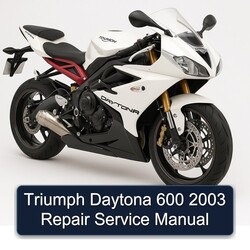
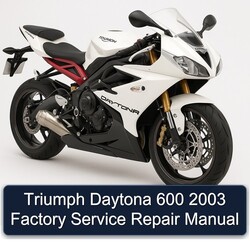
The Triumph Daytona 600 is a supersport motorcycle released in 2002, representing Triumph's entry into the competitive 600cc class. Known for its performance-oriented design and handling, this model features an inline 4-cylinder, 4-stroke engine with a displacement of 599 cc, producing approximately 110-115 bhp. Its aluminum twin-spar frame contributes to its rigidity and agility, while the liquid-cooled engine and electronic fuel injection ensure efficient operation. The Daytona 600 is equipped with a 6-speed transmission, a wet multi-plate clutch, and chain drive, embodying the engineering quality expected from Triumph's heritage in sportbike development.
The Triumph Daytona 600, introduced in 2002, represents Triumph Motorcycles' foray into the highly competitive 600cc supersport class. Building on Triumph's rich heritage dating back to 1902, this model features a potent 599cc inline four-cylinder engine, delivering approximately 110-115 bhp, coupled with a precise 6-speed sequential transmission and a hydraulically actuated wet, multi-plate clutch. Its engineering quality is evident in the advanced chassis, which includes adjustable 43mm upside-down front forks and a monoshock rear suspension, complemented by a robust braking system featuring dual 310mm front discs and a 220mm rear disc. The Daytona 600 is designed for performance-oriented riding, offering rider-focused ergonomics and an aerodynamic profile.
The Triumph Daytona 600, produced in 2002, is a supersport motorcycle renowned for its inline-four engine and chassis derived from larger Daytona models, embodying a strong British heritage. This model represents Triumph's competitive entry into the 600cc class, offering a blend of performance and distinctive styling. Built in Hinckley, England, the Daytona 600 features an aluminum twin-spar frame for rigidity and stability, and utilizes electronic fuel injection for its 599 cc liquid-cooled engine. While lacking advanced electronic rider aids, its engineering focuses on mechanical and electrical system reliability, making it a notable machine within its segment.
This manual covers the 2002 Daytona, a high-performance sportbike renowned for its distinctive three-cylinder engine, delivering a unique blend of torque and power. The Daytona line has a long heritage, and this particular model, powered by a 955 cc inline three-cylinder engine, represents a significant evolution in sportbike offerings. It was designed to compete with other premium sportbikes of its era, offering refined handling and a distinctive character. Manufactured in Hinckley, England, this motorcycle is a testament to engineering prowess and rich history.
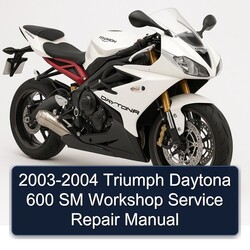
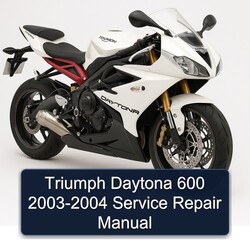
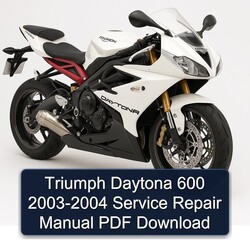
This manual covers the sportbike, produced from 2002 to 2004. As an entry into the competitive 600cc supersport motorcycle class, the model was engineered to offer a blend of performance and agility, designed to rival leading Japanese sportbikes of its era. Known for its inline 4-cylinder, 599cc engine, this model aimed to deliver an engaging riding experience for enthusiasts and competitive riders alike.
The Triumph Daytona 600, produced between 2002 and 2004, is a middleweight supersport motorcycle known for its sporty ergonomics, capable handling, and reliable performance. Developed as part of Triumph's supersport lineage, this model aimed to compete effectively in the highly contested 600cc class, offering an inline-four engine with approximately 110-115 hp. Its design emphasizes a balance of agility and power, making it a suitable choice for riders seeking a dynamic and engaging riding experience.
The Triumph Daytona 600, produced between 2002 and 2004, is a middleweight supersport motorcycle renowned for its distinctive styling and performance-oriented engineering. As a key player in its segment, it offered a compelling alternative to established Japanese competitors, embodying Triumph's rich heritage in crafting capable and engaging sportbikes. This model features a liquid-cooled, 599cc inline 4-cylinder engine, a 6-speed transmission, and advanced suspension and braking systems designed for spirited riding and track-day enjoyment. Its design emphasizes agility and rider feedback, making it a popular choice for enthusiasts seeking a blend of performance and British character.
Welcome to the comprehensive workshop service repair manual for the sportbike motorcycle, covering model years 2002, 2003, and 2004. This manual details the engineering and performance of a motorcycle that represented an entry into the competitive 600cc supersport class, building upon a rich heritage in performance motorcycle design. The motorcycle is characterized by its inline 4-cylinder, 599cc engine, capable of producing approximately 108-112 horsepower, and features a 6-speed transmission, liquid-cooling, and a robust chassis designed for agile handling and spirited riding.
The Triumph Daytona 600, produced for the 2002, 2003, and 2004 model years, is a British-engineered sportbike designed for enthusiasts seeking track-day capability and agile handling. As part of the esteemed Daytona lineage, this first-generation model emphasizes a blend of aerodynamic styling and potent engine performance. Featuring an inline four-cylinder, liquid-cooled engine with a displacement of 599 cc, it delivers approximately 110-120 horsepower, managed by an electronic fuel injection system and digital ignition. Its aluminum beam frame provides rigidity and a light weight, contributing to its responsive handling and rider feedback, positioning it against contemporary 600cc supersport motorcycles.
This workshop manual covers the Daytona 600, produced for the model years 2002, 2003, and 2004. As part of an esteemed sportbike lineage, the Daytona 600 is known for its performance-oriented design, powered by an inline 4-cylinder, 4-stroke engine. This manual is an essential resource for owners and technicians, providing comprehensive information to maintain and repair this capable motorcycle, ensuring its optimal performance and longevity.
The Triumph Daytona 600, a supersport motorcycle from the first generation, was produced between 2002 and 2004. Designed with a focus on agile handling and spirited performance, it features an inline four-cylinder, DOHC engine configuration, aiming to deliver a dynamic riding experience for enthusiasts and sport riders. Triumph Motorcycles, a British manufacturer with a rich heritage dating back to 1902, is known for its iconic models and a strong legacy in sport motorcycles, with the Daytona line representing a significant part of this history.
This manual covers the Triumph Daytona 600 Sport Motorcycle, produced for the 2002, 2003, and 2004 model years. The Daytona 600 represents Triumph's commitment to performance and engineering in the middleweight supersport segment, building on the brand's rich heritage in motorcycle design. Known for its inline 4-cylinder, 4-stroke engine and sporty handling, this motorcycle was designed for riders seeking an exhilarating experience.
This manual covers the Daytona 600, a supersport motorcycle produced for the 2002, 2003, and 2004 model years. Built in the United Kingdom, the Daytona 600 is known for its performance-oriented design and the rich heritage of motorcycle production. This model features an inline 4-cylinder, 599cc engine with electronic fuel injection, delivering an estimated 110-120 horsepower and 50-55 lb-ft of torque. It is equipped with a 6-speed manual sequential gearbox and a wet multi-plate clutch, supported by an aluminum twin-spar frame for rigidity.
The Triumph Daytona 600, produced between 2002 and 2004, is a performance sportbike renowned for its blend of power and handling. Featuring an inline 4-cylinder, 599 cc liquid-cooled engine, this model embodies a heritage of engineering excellence. Its sportbike styling, coupled with a performance-oriented engine and capable chassis, positioned it competitively within its class. The Daytona 600 offers an engaging riding experience, characteristic of a commitment to producing dynamic and reliable motorcycles.
The Triumph Daytona 600, produced between 2002 and 2004, represents an entry into the competitive 600cc supersport motorcycle segment. This model is characterized by its compact 600cc inline three-cylinder engine and a sleek, aerodynamic fairing design, complemented by an aluminum frame for enhanced rigidity and reduced weight. Engineered with early 2000s supersport technology, it aimed to provide a thrilling riding experience, competing with contemporaries like the Honda CBR600RR and Yamaha R6. Its development was part of strategic expansion, with manufacturing rooted in Hinckley, England, building upon a rich heritage.
The Triumph Daytona 600, produced from 2002 to 2004, is a supersport motorcycle renowned for its nimble handling and competitive performance within its class. Designed for performance-oriented riders and track day enthusiasts, this model embodies a heritage of crafting capable and engaging sportbikes. Its engineering focuses on delivering a responsive riding experience, featuring an inline 4-cylinder, 4-stroke engine with electronic fuel injection, producing approximately 110-120 HP and 60-65 Nm of torque. The Daytona 600 is built upon an aluminum twin-spar frame, complemented by a robust braking system with dual front discs and a rear disc, ensuring effective stopping power.
The Triumph Daytona 600 is a sportbike renowned for its engineering and performance, produced for the 2002, 2003, and 2004 model years. As part of Triumph's esteemed Daytona lineage, this middleweight supersport model was designed to offer a compelling package of speed and agility. Its typical inline 3-cylinder engine, approximately 599cc, delivers substantial power and torque, characteristic of its class. Built with an aluminum twin-spar frame and featuring a 6-speed sequential manual gearbox with a wet, multi-plate clutch, the Daytona 600 embodies the sporty spirit and build quality expected from Triumph.
This manual covers the Triumph Daytona 600, a supersport motorcycle produced for the 2002, 2003, and 2004 model years. As the first generation of this model, it represents Triumph's commitment to performance-oriented machines, featuring an inline four-cylinder, 599 cc engine known for its smooth power delivery and high-revving nature. The Daytona 600 boasts a lightweight aluminum twin-spar frame for agility and an aggressive, aerodynamic fairing design for reduced drag. It was positioned to compete with other middleweight sportbikes of its era, offering a sporty riding experience for performance enthusiasts and track day riders.
This workshop repair and service manual provides comprehensive guidance for the Triumph Daytona 600, covering models produced between 2002 and 2005. The Triumph Daytona 600 is a performance-oriented sportbike, known for its inline 4-cylinder, DOHC, 4-stroke engine and 6-speed transmission, designed for riders seeking a dynamic and engaging experience. This manual is an essential resource for owners and technicians, offering detailed information on all aspects of the motorcycle's mechanical and electrical systems, ensuring optimal performance and longevity.
The Triumph Daytona 600, produced between 2002 and 2005, represents Triumph's commitment to the sportbike segment, offering a 599cc inline 4-cylinder engine known for its performance. This model, a contender in the competitive 600cc supersport class, features a robust aluminium alloy twin-spar frame for rigidity and a powerful electronic fuel injection system. Its design emphasizes rider control and mechanical excellence, with hydraulic disc brakes front and rear and a 6-speed transmission, embodying Triumph's legacy in crafting performance-oriented motorcycles.
This manual covers the [Make] [Model], a versatile vehicle designed for [intended usage]. Produced between [production years], this model is recognized for its [notable features] and commitment to engineering excellence. Its design prioritizes reliability and performance, making it a dependable choice for [target audience].
This service repair manual provides comprehensive details for the 2002-2005 Triumph Daytona 600. It is designed to offer extensive information regarding technical data, diagrams, and a complete list of parts with accompanying pictures. This manual empowers owners to maintain and repair their motorcycle, ensuring its longevity and optimal performance.
The Triumph Daytona 955i, produced from 2002 to 2006, is a high-performance sportbike built upon the foundation of the Speed Triple engine. Known for its distinctive in-line three-cylinder, liquid-cooled, DOHC engine with 955cc displacement, this model offers a blend of aggressive styling and practical sport-touring ergonomics. It is recognized for its strong mid-range torque and smooth power delivery, making it a rider-friendly option within the 1000cc class. The Daytona 955i features an aluminum twin-spar frame, hydraulic disc brakes front and rear, and a 6-speed sequential manual transmission, embodying British engineering excellence.
This manual covers the Daytona 955i, produced between 2002 and 2006. The Daytona 955i is powered by a liquid-cooled, 12-valve, DOHC, Inline 3-cylinder engine with a displacement of 955cc. It is recognized for its distinctive styling, capable chassis, and the characterful torque delivered by its triple-cylinder engine, offering a blend of sport-touring and performance capabilities. Manufactured in Hinckley, United Kingdom, has a legacy of innovation and distinctive motorcycle design.
This manual covers the [Vehicle Make] [Vehicle Model], a versatile and robust vehicle designed for [Intended Usage]. Engineered for exceptional reliability and performance, the [Vehicle Model] incorporates advanced technology and superior craftsmanship. Its distinctive features, such as [Notable Feature 1] and [Notable Feature 2], contribute to its reputation for quality and driver satisfaction.
The Triumph Daytona 955i, produced from 2002 to 2006, is a high-performance sportbike renowned for its distinctive 955cc triple-cylinder engine, which delivers broad torque and a unique auditory character. This model stands out with its advanced chassis design, contributing to superior handling and an engaging riding experience. As a key competitor in the liter-class supersport segment, the Daytona 955i embodies Triumph's legacy of innovative engineering and British sporting heritage, offering a compelling blend of power, agility, and distinctive style.
This workshop service repair manual covers Triumph Daytona 955i and ST models produced between 2002 and 2006. The Daytona 955i is a full fairing sportbike, while the ST variant offers a sport-touring configuration. Both models are powered by Triumph's signature liquid-cooled, 12-valve, inline three-cylinder engine with a displacement of 955 cc, known for its distinctive torque delivery and smooth powerband. These motorcycles feature an aluminum twin-spar frame, providing rigidity and a lightweight performance characteristic of Triumph's engineering quality. The models were well-regarded for their performance and styling, competing effectively in their respective segments.
This manual is for the Daytona 600 motorcycle, produced in 2003. The Daytona 600 is a sportbike known for its engineering quality and reliability, representing a significant model within the sportbike lineage. It features an inline 4-cylinder engine with a displacement of 599cc, a 6-speed sequential gearbox, and a wet, multi-plate clutch. The motorcycle is equipped with dual front discs and a single rear disc braking system, supported by an aluminum twin-spar frame. This manual is specifically designed to provide comprehensive support for owners and technicians working with this model.
This manual provides comprehensive guidance for the Triumph Daytona 600 Motorcycle, specifically covering the 2003 model year. Engineered for performance and reliability, the Daytona 600 is designed for riders seeking an exceptional sportbike experience. Its advanced features and meticulous construction ensure a superior riding dynamic, making it a standout in its class.
The Triumph Daytona 600, a 2003 sportbike, represents Triumph's endeavor in the competitive middleweight supersport segment. Engineered with an inline four-cylinder, DOHC, 16-valve engine and a lightweight aluminum twin-spar frame, this motorcycle is designed for agile handling and responsive performance. It was intended for enthusiast riders seeking a capable machine for spirited road riding and track day use, emphasizing a balance of power and agility. Triumph's legacy of innovation and engineering quality underpins the Daytona 600's design, aiming to provide a compelling option within its class.
The 2003 Triumph Daytona 600 is a mid-range supersport motorcycle engineered in Hinckley, United Kingdom. This model aimed to provide a blend of accessible performance and distinctive styling within the competitive 600cc sportbike segment, featuring a liquid-cooled, 12-valve, inline three-cylinder engine with electronic fuel injection. Its design emphasized sporty handling and aggressive aesthetics, positioning it as an alternative to prominent Japanese rivals of the era. The Daytona 600 represents ongoing development in the supersport category, building upon a rich heritage dating back to 1902.
This manual covers the [Vehicle Make] [Vehicle Model], produced from [Production Year Start] to [Production Year End]. Designed for [Intended Usage, e.g., everyday commuting, off-road adventures, heavy-duty hauling], this vehicle exemplifies [Engineering Quality, e.g., robust construction, advanced technology, fuel efficiency]. Its unique selling points, such as [Notable Feature 1] and [Notable Feature 2], contribute to its reputation for reliability and performance.
This manual covers the [Vehicle Make] [Vehicle Model], a versatile vehicle designed for [Intended Usage]. Produced between [Production Year Start] and [Production Year End], this model is recognized for its robust engineering, exceptional reliability, and innovative features such as [Notable Feature 1] and [Notable Feature 2]. Its design prioritizes a balance of performance and efficiency, making it a dependable choice for a wide range of driving needs.
The Triumph Daytona 955i, produced in 2003, represents a distinctive offering in the supersport category. This British-engineered motorcycle is powered by a 955cc liquid-cooled, inline three-cylinder engine, known for its unique character and performance, delivering approximately 155 hp. Its design emphasizes Triumph's commitment to inline-triple engine technology and striking styling, making it a compelling choice for riders seeking a blend of performance and individuality. The Daytona 955i features a 6-speed transmission, a wet multi-plate clutch, and a chain final drive, complemented by a robust chassis with adjustable front forks and rear monoshock suspension, and hydraulic disc brakes, with an optional ABS system available.
The Triumph Daytona 955i, produced from 1999 to 2006, represents a significant entry in the high-performance sportbike segment, serving as a successor to the T595 Daytona. This model is characterized by its potent inline three-cylinder engine, an aluminum twin-spar frame, and advanced suspension and braking systems, including optional ABS. Engineered for exhilarating performance, the Daytona 955i was designed to compete with leading sportbikes of its era, offering a blend of power and handling that appealed to discerning riders. Its robust construction and focus on rider engagement underscore Triumph's commitment to producing capable and reliable motorcycles.
Welcome to the comprehensive guide for the 2003 Triumph Daytona 955i. This iconic sportbike, produced in Hinckley, United Kingdom, represents a significant evolution in Triumph's performance heritage. Featuring a potent 955cc liquid-cooled, 12-valve, DOHC inline three-cylinder engine, an aluminum twin-spar perimeter frame, and advanced adjustable suspension, the Daytona 955i was engineered for exhilarating performance. Its powerful triple disc brake system and dual halogen headlights contribute to its dynamic capabilities and rider confidence, positioning it as a strong contender in the superbike segment against rivals of its era.
This manual provides comprehensive guidance for the Triumph Daytona 600, model year 2003. Designed with meticulous attention to engineering quality and reliability, the Triumph Daytona 600 is a testament to advanced motorcycle design. This vehicle is intended for riders who appreciate performance and precision, offering a unique blend of sportiness and capability.
This manual covers the Triumph Daytona 600, a middleweight supersport motorcycle produced for the 2003-2004 model years. As part of Triumph's lineage, the Daytona 600 was engineered to compete in the performance-oriented supersport market, offering a blend of accessible performance and distinctive British styling. Powered by a 599cc liquid-cooled, inline-four engine derived from the 955i platform, it aimed to provide sporty handling and a comfortable riding posture for its class, distinguishing itself with a focus on design and ergonomics within a competitive segment.
The Triumph Daytona 600, produced in 2003, is a supersport motorcycle representing a modern 600cc offering designed to compete in the middleweight sportbike class. As a derivative of the Trident/Trophy platform, this first-generation model embodies Triumph's heritage as a British motorcycle manufacturer with a long history of performance-oriented machines. It features an inline 4-cylinder, 4-stroke, liquid-cooled engine with a displacement of 599 cc, delivering approximately 110-120 bhp. The Daytona 600 is equipped with a 6-speed transmission, wet multi-plate clutch, electronic fuel injection, and a robust aluminum twin-spar frame, all contributing to its agile handling and sporty performance, making it a competitive choice against contemporaries like the Yamaha R6 and Suzuki GSX-R600.
This manual covers the Triumph Daytona 600 motorcycle, produced for the 2003 and 2004 model years. The Daytona 600 is engineered for performance and rider engagement, offering a dynamic experience for enthusiasts. Its design emphasizes agility and responsiveness, making it a capable machine for both spirited riding and everyday use.
This workshop repair service manual covers the Triumph Daytona 600 motorcycle, produced between 2003 and 2004. As part of the first generation of this model, the Daytona 600 embodies Triumph's renowned British heritage in sportbike design. Known for engineering quality and reliability, this motorcycle is engineered for performance and rider engagement. The Daytona lineage is a significant part of Triumph's history, with this model representing a key offering in its sportbike segment.
This manual pertains to the motorcycle, produced between 2003 and 2004. As a supersport or sportbike, the motorcycle was designed for performance-oriented riding. It features an inline 4-cylinder, 4-stroke engine with a displacement of 599 cc, delivering approximately 120-125 PS. The motorcycle is equipped with a 6-speed sequential transmission, wet multi-plate clutch, and an O-ring sealed chain final drive. Its braking system includes dual 308 mm discs with 4-piston calipers at the front and a single 220 mm disc with a 2-piston caliper at the rear, complemented by inverted telescopic forks and a monoshock rear suspension. The motorcycle represents a brand's entry into the competitive 600cc supersport market, offering a blend of British engineering with a focus on agile handling and distinctive styling.
This comprehensive workshop service repair manual covers the Triumph Daytona 600 motorcycle, specifically for the 2003 and 2004 model years. Designed to assist owners and technicians, this manual provides detailed instructions for all servicing and repair procedures. Its thorough coverage ensures that every aspect of the motorcycle's maintenance and repair can be addressed with clarity and precision, empowering users to perform tasks efficiently.
This manual covers the Triumph Daytona 600, a middleweight supersport motorcycle produced for the 2003 and 2004 model years. Engineered by Triumph Motorcycles Ltd. in Hinckley, England, the Daytona 600 is characterized by its sportbike styling, performance-oriented inline 4-cylinder engine, and agile handling, positioning it as a competitor in its segment. Its design emphasizes a balance of power and maneuverability, making it suitable for spirited riding and track day enthusiasts.
This manual covers the sportbike, produced between 2003 and 2004. A British manufacturer with a rich heritage in performance motorcycles, engineered the sportbike to compete in the supersport segment. This model features an inline three-cylinder, four-stroke engine with a displacement of 599 cc, DOHC valve train, and electronic fuel injection. It is equipped with a 6-speed sequential manual transmission and a wet, multi-plate clutch, delivering power through a chain drive. The sportbike's braking system typically includes dual front discs and a single rear disc, supported by 120/70-ZR17 front and 180/55-ZR17 rear tires.
The Triumph Daytona 600, produced for the 2003 and 2004 model years, represents a significant entry in Triumph's sportbike heritage. This middleweight machine is characterized by its distinctive Triumph styling and the unique performance attributes of its inline-three cylinder engine, offering a nimble and engaging riding experience. As part of the first generation of the Daytona line within this specific timeframe, it was engineered to compete effectively in a competitive market segment, providing a blend of agile handling and spirited performance that appeals to sportbike enthusiasts.
This manual covers the Daytona 600 SM (Sportbike Model) produced for the 2003 and 2004 model years. As a key competitor in the supersport motorcycle segment, the Daytona 600 offers a 599 cc inline 4-cylinder engine, a 6-speed sequential manual gearbox, and advanced chassis components for exhilarating performance. Built with renowned engineering quality, this model represents a significant entry into the competitive 600cc class, known for its dynamic handling and power delivery.
The Triumph Daytona 600, produced for the 2003 and 2004 model years, is a middleweight supersport motorcycle engineered for performance and handling. Featuring a liquid-cooled, DOHC, inline four-cylinder engine with a displacement of 599 cc, this model embodies Triumph's commitment to sporty design and responsive power delivery. Its aluminum twin-spar frame provides a rigid and lightweight chassis, contributing to its agility on the road and track. The Daytona 600 is designed for sportbike enthusiasts and track day riders, offering a compelling blend of British heritage and modern sportbike dynamics.
This manual covers the sportbike motorcycle, produced between 2003 and 2004. Known for its sporty handling, responsive engine, and attractive styling, the motorcycle was a competitive entry into the middleweight supersport class. It features an inline 4-cylinder, 599 cc liquid-cooled engine, a 6-speed transmission, and a chain final drive, designed to appeal to performance-oriented riders and track day enthusiasts. The motorcycle's heritage is rooted in a long history of British engineering and innovation.
This manual covers the Triumph Daytona 600, produced for the 2003 and 2004 model years. As a 599 cc inline-four sportbike, the Daytona 600 represents Triumph's entry into the competitive 600cc supersport segment, offering an approximate 120-130 HP engine and a 6-speed manual transmission with a wet multi-plate clutch. Key technological features include an Anti-lock Braking System (ABS) and liquid cooling. The motorcycle is chain-driven and features a dry weight of approximately 184 kg.
The Triumph Daytona 600, produced between 2003 and 2004, is a sportbike motorcycle engineered for spirited riding and track-day performance. Building on Triumph's rich heritage, this model represented a significant entry into the competitive middleweight supersport segment. It features an inline four-cylinder, 599 cc engine, liquid cooling, and a 6-speed transmission, designed to deliver a compelling blend of power and agility. The Daytona 600 is recognized for its distinctive styling and handling characteristics, aiming to provide riders with an engaging and capable machine for both street and circuit use.
The Triumph Daytona 600, produced between 2003 and 2004, is a performance-oriented middleweight sportsbike that represented Triumph's entry into a highly competitive segment. This motorcycle is powered by an inline 4-cylinder, 4-stroke engine with a displacement of 599 cc, delivering approximately 110-120 horsepower. It features a 6-speed sequential transmission, wet multi-plate clutch, and chain drive. The Daytona 600 is equipped with advanced braking systems, including dual hydraulic disc front brakes and a single rear disc, complemented by a sophisticated suspension setup designed for agile handling. Its design prioritizes aerodynamic efficiency and rider ergonomics, making it suitable for both spirited road riding and track day enthusiasts.
The Triumph Daytona 600, produced between 2003 and 2004, is a celebrated middleweight sportbike from a renowned British manufacturer. Engineered for performance and agility, this model embodies the spirit of the supersport segment with its inline 4-cylinder, 16-valve, DOHC engine delivering approximately 115-120 hp. Its design features an aluminum twin-spar frame and a sophisticated braking system, including dual 308 mm front discs and a single 220 mm rear disc, contributing to its dynamic handling and rider confidence. This motorcycle represents Triumph's commitment to delivering exciting and capable sportbikes to enthusiasts.
The Triumph Daytona 600, produced between 2003 and 2004, represents a significant entry in the middleweight supersport motorcycle segment. As the first generation (X509) model, it aimed to blend accessible performance with agile handling and contemporary sportbike aesthetics, positioning itself against key competitors like the Yamaha R6 and Honda CBR600RR. This sportbike features a robust inline four-cylinder, 16-valve DOHC engine displacing 599cc, delivering approximately 110-115 horsepower. Its construction is anchored by a rigid and lightweight aluminum twin-spar frame, contributing to its dynamic capabilities. The Daytona 600 is equipped with a 6-speed transmission, a wet multi-plate clutch, and a final chain drive, all designed to provide an engaging riding experience.
The Triumph Daytona 600, produced between 2003 and 2004, is a sportbike renowned for its distinctive inline-triple engine and performance-oriented design. As Triumph's entry into the competitive 600cc supersport segment, it offers an engaging riding experience for performance-focused riders and track day enthusiasts. Building on Triumph's rich heritage of engineering excellence and sporting prowess, the Daytona 600 features a liquid-cooled, 599cc engine producing approximately 114 horsepower, paired with a 6-speed transmission and a lightweight aluminum twin-spar frame. Its robust chassis, advanced suspension, and powerful braking system contribute to its agile handling and dynamic capabilities, making it a notable machine in its class.
The Triumph Daytona 600, produced for the 2003 and 2004 model years, represents Triumph's foray into the highly competitive 600cc supersport motorcycle class. As part of the Daytona Series, this sportbike is powered by a liquid-cooled, 599cc inline 4-cylinder engine, delivering performance typical of its segment. Known for its British engineering heritage, the Daytona 600 features a 6-speed sequential manual gearbox, a wet multi-plate clutch, and an electronic fuel injection system. Its chassis is equipped with telescopic front forks and a monoshock rear suspension, complemented by dual front disc brakes and a single rear disc brake for effective stopping power. This model aimed to provide a strong contender against established Japanese manufacturers, offering a blend of performance and distinctive styling for discerning riders.
Introducing the Triumph Daytona 600, a sportbike motorcycle produced between 2003 and 2004. This model represented Triumph's foray into the middleweight supersport segment, aiming to compete with established Japanese marques. It features an inline three-cylinder engine, a 6-speed sequential gearbox, and a capable chassis designed for spirited riding. The Daytona 600 is recognized for its distinctive styling and the engineering quality characteristic of the manufacturer.
The Triumph Daytona 600, produced for the 2003 and 2004 model years, is a mid-size supersport motorcycle engineered for enthusiasts seeking exhilarating performance on both the road and the track. Featuring an inline-four cylinder engine with DOHC and 16 valves, it delivers approximately 114 horsepower. Its construction includes a lightweight aluminum twin-spar frame and a full fairing designed for aerodynamic efficiency and rider comfort. The Daytona 600 represents Triumph's commitment to competitive sportbike design, offering a blend of power, handling, and British engineering heritage.
The Triumph Daytona 600, produced between 2003 and 2004, is a supersport motorcycle known for its strong mid-range power delivery and agile handling, making it a capable machine for both road and track use. Built in England, this Type 118 platform motorcycle represents British engineering prowess, succeeding models like the TT600 and paving the way for future Daytona iterations. Its inline four-cylinder, 599 cc engine, coupled with a 6-speed transmission and a lightweight aluminum alloy twin-spar frame, contributes to its performance-oriented design.
The Triumph Daytona 600, produced between 2003 and 2004, represents Triumph's dedication to the supersport motorcycle segment. This sportbike is engineered with a liquid-cooled, inline three-cylinder, four-stroke engine displacing 599 cc, delivering approximately 115 horsepower. Known for its performance-oriented design, the Daytona 600 features a 6-speed transmission, a wet multi-plate clutch, and a robust braking system with dual front discs and a single rear disc. Triumph, a British manufacturer with a heritage spanning over a century, is recognized for its high-performance motorcycles, and the Daytona line embodies this commitment to sporting excellence.
This manual covers the Triumph Daytona 600, a supersport motorcycle produced for the 2003 and 2004 model years. Derived from the Daytona 955i platform, this model was Triumph's entry into the competitive 600cc supersport segment, featuring a lightweight, agile design and a characterful inline 3-cylinder engine. Known for its performance-oriented nature, the Daytona 600 offers a unique riding experience, distinguishing itself with its distinctive triple-cylinder configuration and handling characteristics, aiming to provide an engaging ride for sportbike enthusiasts.
The Triumph Daytona 600, produced between 2003 and 2004, is a British-engineered supersport motorcycle renowned for its distinctive styling and capable chassis. Designed to compete in the popular 600cc sportbike segment, it offered accessible performance for enthusiasts of its era. This model is characterized by its inline 4-cylinder, liquid-cooled engine, delivering approximately 114 horsepower, and features a 6-speed transmission and a responsive braking system. Manufactured in Hinckley, England, the Daytona 600 represents a significant entry in Triumph's long heritage of sporty motorcycle development.
The 2004 Triumph Daytona 600 is a middleweight supersport motorcycle known for its inline-four engine, sporty handling, and distinctive Triumph styling. Competing in a segment with iconic models like the Yamaha R6 and Kawasaki Ninja ZX-6R, this motorcycle offered a 599 cc liquid-cooled engine producing approximately 118 hp. Its chassis featured a 6-speed transmission, wet multi-plate clutch, and a robust braking system with twin 310 mm discs up front and a single 220 mm disc in the rear. The Daytona 600 represented a significant iteration in Triumph's long heritage of sportbike development, aiming to deliver a balanced performance package for enthusiasts.
This manual covers the [Vehicle Make] [Vehicle Model], produced between [Production Year Start] and [Production Year End]. Designed for [Intended Usage, e.g., daily commuting, off-road adventures, performance driving], this vehicle is recognized for its [Notable Feature 1], [Notable Feature 2], and [Notable Feature 3]. Its construction emphasizes [Engineering Quality, e.g., robust chassis, advanced aerodynamics] and a commitment to [Reliability, e.g., long-term durability, efficient operation], making it a distinguished choice in its class.
This manual covers the 2004 Triumph Daytona 955i, a supersport motorcycle renowned for its powerful liquid-cooled, 12-valve, DOHC, inline three-cylinder engine displacing 955 cc. The Daytona 955i is distinguished by its distinctive styling, strong mid-range torque, and advanced fuel injection system for its era. As a high-performance sportbike, it competed in a segment featuring models from major manufacturers, offering a unique blend of engineering and performance. Triumph, with a heritage dating back to 1902, produced this model in Hinckley, England, continuing the evolution of its acclaimed Daytona sportbike lineage.
The Triumph Daytona 955i, produced in 2004, is a high-performance sportbike renowned for its distinctive 955cc liquid-cooled, 12-valve, DOHC, inline three-cylinder engine, delivering approximately 149 HP and 72 lb-ft of torque. This model, manufactured in Hinckley, England, is celebrated for its agile handling, stability, and the characterful power delivery of its triple engine, positioning it as a strong contender against other sportbikes of its era. Its engineering emphasizes reliability and a unique riding experience, building upon Triumph's long heritage of innovative motorcycle design.
This manual covers the [Vehicle Make] [Vehicle Model], a versatile and robust vehicle designed for [Intended Usage]. Engineered with a focus on [Notable Features], this model exemplifies [Vehicle Make]'s commitment to quality and reliability. Its advanced design ensures a superior driving experience, making it an ideal choice for [Intended Usage].
This manual pertains to the Triumph Daytona 600, a sportbike produced in 2004. As Triumph's entry into the competitive 600cc supersport segment, the Daytona 600 featured an inline four-cylinder, 599cc liquid-cooled engine, a 6-speed transmission, and an aluminum twin-spar frame designed for agility and rider engagement. It competed against other prominent sportbikes of its era, offering a distinct British character. The Daytona 600 was later succeeded by other models in Triumph's lineup, representing a significant period in the brand's sportbike development.
This manual provides comprehensive guidance for the Triumph Daytona 600, model year 2004. It is designed to assist both professional technicians and do-it-yourself mechanics in understanding and performing maintenance and repair procedures. The Triumph Daytona 600 is engineered for performance and reliability, and this manual ensures you have the necessary information to keep it operating at its best.
The Triumph Daytona 600, produced in 2004, is a supersport motorcycle designed for performance riding. As a successor to the TT600, this model, based on the TT600 platform, features a liquid-cooled, 16-valve, DOHC, in-line four-cylinder engine with a 599 cc displacement. Key attributes include its electronic fuel injection system with dual throttle valves, an aerodynamic fairing, and a capable chassis equipped with modern suspension components. Its engineering quality and reliability are hallmarks of Triumph's commitment to the middleweight sportbike segment, where it competed with established Japanese rivals.
The Triumph Daytona 600, produced in 2004, is a supersport motorcycle designed for performance-oriented riders and track day enthusiasts. Featuring an aggressive, aerodynamic fairing and an aluminum twin-spar frame, it offers agile handling and a potent riding experience. Powered by a 599 cc liquid-cooled inline-four engine, the Daytona 600 was engineered to compete within its class, embodying Triumph's heritage of sporting tradition and performance. Its robust construction and focus on rider engagement make it a capable machine for both spirited road riding and track use.
The Triumph Daytona 675, produced from 2005 onwards, is a celebrated supersport motorcycle renowned for its exceptional agility, precise handling, and the distinctive character of its powerful three-cylinder engine. This British-engineered machine has earned acclaim for its sharp looks and performance, often positioned as a top contender in the competitive middleweight sportbike segment. Its unique selling proposition lies in the harmonious blend of dynamic handling capabilities and the engaging power delivery of its inline triple powerplant, making it a favorite among discerning riders.
The Triumph Daytona 675 is a celebrated middleweight supersport motorcycle, renowned for its distinctive 675cc inline three-cylinder engine, which delivers a potent blend of torque and a thrilling high-revving character. Since its introduction from 2005 onwards, the Daytona 675 has consistently earned acclaim for its exceptional handling, agile chassis, and premium suspension components, often setting benchmarks in its class. This British-engineered machine, manufactured in Hinckley, England, has been a favorite among performance enthusiasts and track day riders, distinguishing itself with a lightweight, rigid cast-aluminum frame and a focus on rider feedback and dynamic capability.
The Triumph Daytona 675, produced from 2005 onwards, is a highly acclaimed supersport motorcycle renowned for its distinctive inline three-cylinder engine, agile handling, and spirited performance. This British-engineered machine offers a compelling blend of power, precision, and rider engagement, establishing itself as a formidable competitor in its segment. Its lightweight construction, advanced suspension, and potent braking systems contribute to an exhilarating riding experience, making it a favored choice for both track days and spirited road riding.
The Triumph Daytona 675, first introduced in 2005, represents a significant achievement in middleweight supersport motorcycle engineering. This inline 3-cylinder, 675cc machine is renowned for its exceptional handling, potent engine performance, and dynamic styling, making it a favorite for both track enthusiasts and discerning road riders. Its design philosophy centers on delivering a pure and exhilarating riding experience, characterized by a strong emphasis on rider control, precise suspension, and a responsive power delivery. The commitment to quality is evident throughout the Daytona 675, from its robust chassis components to its meticulously engineered powertrain, ensuring reliability and exhilarating performance.
The Triumph Daytona 675, introduced from 2005 onwards, is a celebrated sport motorcycle renowned for its distinctive inline 3-cylinder, 4-stroke engine delivering exhilarating performance. With a heritage rooted in British engineering excellence, this model has consistently earned accolades from the motorcycle press for its exceptional handling, powerful engine character, and class-leading capabilities. Built to rigorous quality standards, the Daytona 675 offers a compelling blend of advanced technology and rider-focused design, making it a standout in the supersport segment.
This manual covers the Daytona 675, produced from 2005 onwards. Renowned for its exceptional handling, potent inline three-cylinder engine, and aggressive styling, the Daytona 675 has been widely praised by motorcycle press for its performance and agility. This model, with its 675 cc displacement and sophisticated fuel injection system, offers a thrilling riding experience, making it a popular choice for sportbike enthusiasts. Its engineering quality and reliability are hallmarks of commitment to performance and rider satisfaction, solidifying its reputation as a class-leading machine.
This manual covers the [Vehicle Make] [Vehicle Model], produced between [Production Year Start] and [Production Year End]. Designed for [Intended Usage, e.g., everyday commuting, off-road adventures, performance driving], this vehicle exemplifies [Engineering Quality, e.g., robust construction, advanced technology, fuel efficiency]. Its [Notable Features, e.g., innovative safety systems, powerful engine options, spacious interior] contribute to a driving experience that prioritizes both [Reliability, e.g., dependable performance, long-term durability] and [Unique Selling Points, e.g., exceptional handling, luxurious comfort, cutting-edge infotainment].
Welcome to the comprehensive service and repair manual for the 2005 Triumph Daytona 955i. This motorcycle is engineered for performance and rider engagement, embodying Triumph's commitment to quality and innovation. Designed for enthusiasts who demand precision and power, the Daytona 955i offers a thrilling riding experience through its advanced engineering and robust construction. Its distinctive styling and dynamic capabilities make it a standout in its class, built to deliver reliability and exhilaration on every journey.
The Triumph Daytona 955i, produced around 2005, is a sportbike motorcycle renowned for its distinctive triple-cylinder engine, offering a potent blend of performance and sophisticated styling. Building on Triumph's rich heritage, this model competed with other high-performance sportbikes of its era, characterized by its strong torque delivery and premium build quality. The Daytona 955i was engineered for riders seeking a capable machine for both spirited riding and longer journeys, embodying a unique British approach to motorcycle design.
This manual covers the [Vehicle Make] [Vehicle Model], a versatile and robust vehicle designed for [Intended Usage]. Engineered with a focus on [Notable Features], this model exemplifies [Vehicle Make]'s commitment to quality and reliability. Its advanced [Engineering Quality] and [Unique Selling Points] make it a distinguished choice for discerning owners.
The Triumph Daytona 675, introduced for the 2006 model year, is a celebrated supersport motorcycle renowned for its distinctive character and performance. Powered by a compact 675cc inline-triple engine, it offered a unique alternative in a highly competitive segment, praised for its flexible powerband and engaging sound. This model features a lightweight aluminum beam frame for agility, high-quality adjustable suspension, and powerful radial-mount front brake calipers, all contributing to its exceptional handling and rider feedback. Manufactured in Hinckley, United Kingdom, the Daytona 675 cemented Triumph's reputation for engineering excellence and innovation in the sport motorcycle category, earning widespread critical acclaim from major motorcycle publications.
This manual covers the Triumph Daytona 675 motorcycle, produced for the 2005 and 2006 model years. Known for its class-leading inline-triple engine, sharp handling, and distinctive styling, the Daytona 675 offers an excellent power-to-weight ratio, making it a compelling choice for enthusiast riders and track day participants. Building on Triumph's sportbike heritage, this model is manufactured in the United Kingdom and has received numerous accolades for its performance and design.
The Triumph Daytona 675, produced from 2005 onwards, is a celebrated British sport motorcycle renowned for its potent liquid-cooled, 12-valve, DOHC, inline 3-cylinder engine and exceptional handling. This model, originating from Triumph's historic manufacturing base in Hinckley, England, quickly established itself in the competitive supersport class with its unique character and performance. The Daytona 675 is engineered for riders who demand precision and power, offering a thrilling experience whether on the road or track. Its design emphasizes advanced engineering, ensuring reliability and a distinctive riding dynamic that has earned it widespread acclaim.
This workshop service repair manual covers the Triumph Daytona 675 Standard motorcycle, manufactured for the model years 2005, 2006, 2007, and 2008, with chassis codes from 560624 onwards. The Daytona 675 is a supersport motorcycle celebrated for its compact and potent 675cc triple-cylinder engine, sharp handling, aggressive styling, and a class-leading power-to-weight ratio for its generation. Triumph Motorcycles Ltd., with a heritage dating back to 1902, engineered this model to offer a distinct character and performance profile, making it a highly regarded option in the competitive 600cc supersport segment, often praised by journalists for its exceptional performance and handling.
The Triumph Daytona 675, produced from 2005 through 2008, stands as a testament to British engineering prowess in the sportbike category. This model, powered by a distinctive 675 cc inline 3-cylinder engine, is celebrated for its agile handling, exceptional performance, and a unique engine character that sets it apart. Engineered for both exhilarating track-day performance and engaging road riding, the Daytona 675 embodies Triumph's rich heritage in motorsport, offering a potent combination of cutting-edge technology and rider-focused design. Its lightweight construction and precise chassis dynamics contribute to an unparalleled riding experience, making it a favored choice for discerning motorcyclists.
The Triumph Daytona 675, produced from 2005 to 2008, is a celebrated sportbike renowned for its exceptional engineering and exhilarating performance. This first-generation model, internally designated Project 675, features a liquid-cooled, 12-valve, DOHC, inline three-cylinder engine displacing 675 cc, delivering approximately 123 horsepower. Its agile handling, sharp styling, and advanced features, including a sophisticated fuel injection system and optional ABS on select models, have earned it significant acclaim in the motorcycle press. Designed for riders seeking a potent combination of power and precision, the Daytona 675 embodies Triumph's legacy of producing high-quality, performance-oriented motorcycles.
The Triumph Daytona 675, produced for the 2005 through 2008 model years, is a highly regarded middleweight sportbike renowned for its nimble handling, potent 675cc three-cylinder engine, and track-day capability. This model features a distinctive inline-three configuration, a lightweight aluminum twin-spar frame, and premium Showa suspension components, contributing to its reputation for exceptional performance and dynamic ride quality. Its design and engineering reflect a long heritage in motorcycle manufacturing, offering a compelling alternative to its inline-four competitors.
This manual covers the Triumph Daytona 675, a supersport motorcycle produced for the 2005, 2006, 2007, and 2008 model years. Renowned for its distinctive inline-three cylinder engine, lightweight chassis, and sharp handling, the Daytona 675 offered a unique proposition in the middleweight sportbike segment, often praised for its performance and character. Its engineering quality and reliability are hallmarks of the Triumph brand, which boasts a long heritage in motorcycle innovation.
The Triumph Daytona 675, produced from 2006 onwards, is a celebrated supersport motorcycle renowned for its potent 675cc three-cylinder engine and exceptional handling characteristics. This performance-oriented machine, manufactured in the United Kingdom, offers a compelling blend of track-day capability and road usability, distinguishing itself within its competitive segment. Its distinctive styling and engineering quality have earned it significant critical acclaim, making it a desirable choice for riders seeking a thrilling and dynamic riding experience.
The Triumph Daytona 675, introduced in 2006, is a highly acclaimed supersport motorcycle renowned for its distinctive inline three-cylinder engine configuration and exceptional performance. This model, developed by Triumph Motorcycles Ltd., offers a unique blend of power and agility, making it a standout in its class. Its engineering quality is evident in its precise handling, responsive chassis, and the characteristic character of its 675 cc engine, which typically produces around 125-130 horsepower. The Daytona 675 is celebrated for its superior ride dynamics and engaging riding experience, appealing to both enthusiastic riders and those seeking a high-performance machine.
This manual provides comprehensive repair and service information for the Triumph Daytona 675, model year 2006. Designed to assist both professional technicians and experienced do-it-yourself mechanics, it covers essential maintenance and repair procedures. The Triumph Daytona 675 is recognized for its engineering quality and performance, and this guide ensures owners can effectively maintain their vehicle.
The 2006 Triumph Daytona 955i is a supersport motorcycle renowned for its torquey inline-three cylinder engine, delivering approximately 150-155 hp and a distinctive mid-range punch. This British-engineered sportbike features sleek aerodynamic styling and an aggressive riding posture, positioning it as a formidable competitor against other high-performance machines of its era. Its 955 cc displacement, liquid-cooled engine, coupled with a 6-speed manual transmission and chain drive, provides an exhilarating riding experience, making it a favored choice for enthusiasts seeking a blend of power, handling, and unique character.
The Triumph Daytona 955i, produced in 2006, is a performance-oriented supersport motorcycle renowned for its potent 955cc liquid-cooled inline-three engine, delivering approximately 155 horsepower. It features a signature rigid aluminum twin-spar frame, contributing to balanced handling, and aggressive, aerodynamic styling. This model, manufactured in Hinckley, England, represents a culmination of extensive heritage in performance motorcycle design, offering a compelling blend of power, handling, and distinctive British engineering for discerning riders.
The Triumph Daytona 675, introduced in 2006, is a premium middleweight supersport motorcycle renowned for its exceptional handling, potent 675cc inline-triple engine, and aggressive styling. This sportbike competed in a highly contested segment, offering a unique character and performance that garnered widespread critical acclaim. Its engineering emphasizes agility and rider connection, featuring a lightweight aluminum frame, advanced suspension, and a distinctive engine configuration that provides a unique torque curve and exhaust note, setting it apart from its inline-four competitors.






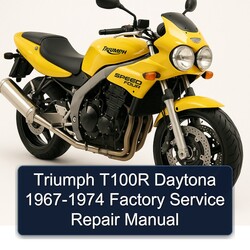
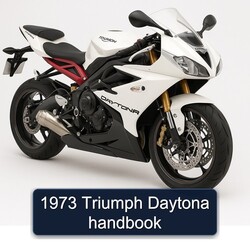
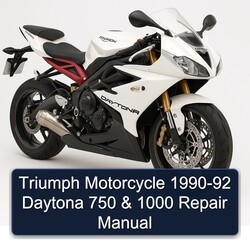
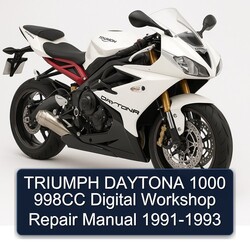




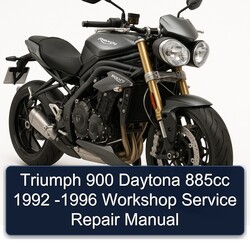
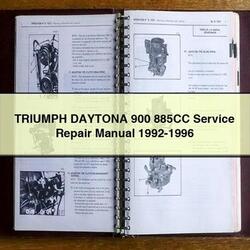
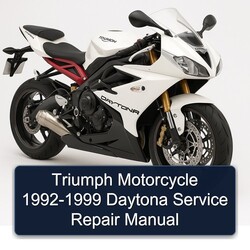
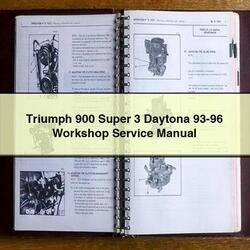
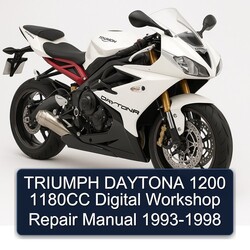
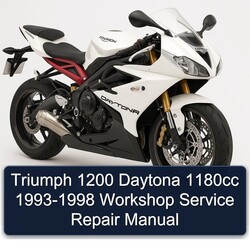
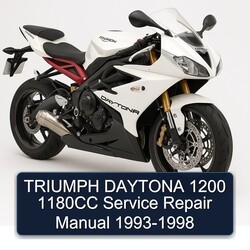
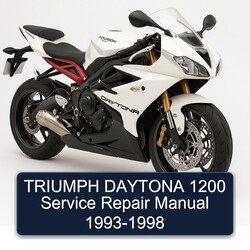

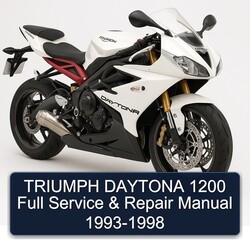
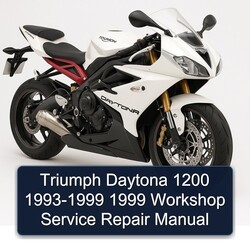
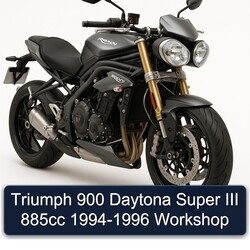
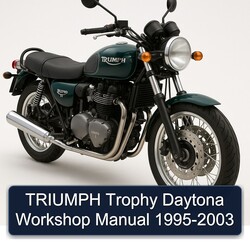

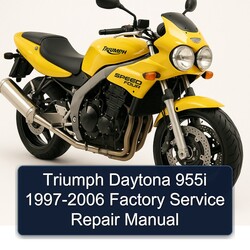
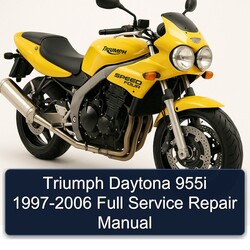
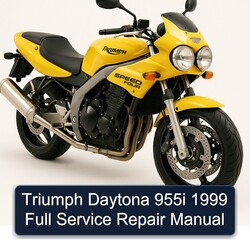
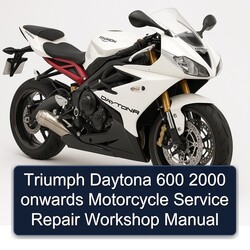
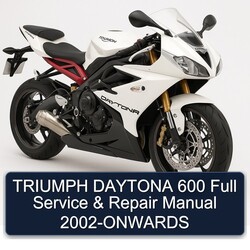
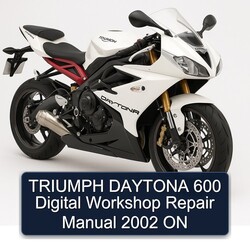
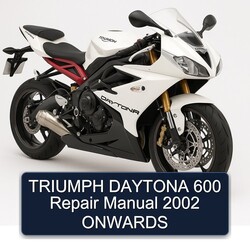
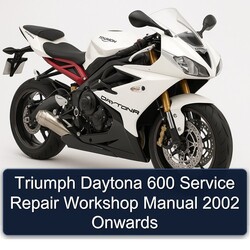
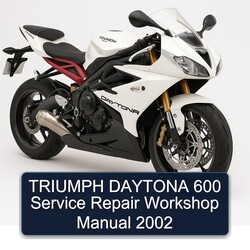
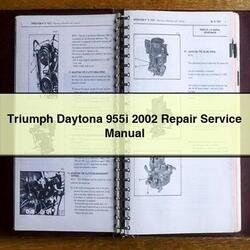
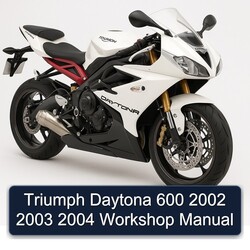
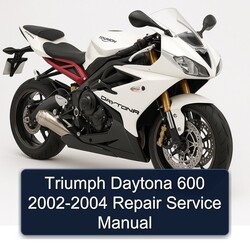
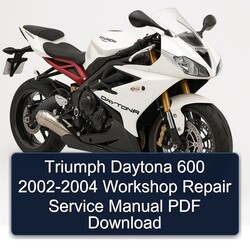
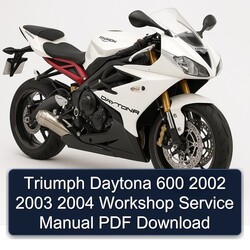
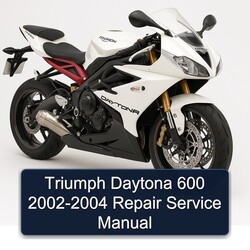
![2002-2005 Triumph Daytona 600 - Motorcylce [ Informative DIY ] Service Repair Workshop Manual PDF](https://image.emanual.com/images/p/970/380970-triumph-daytona-600-2002-2005-motorcylce-workshop-repair-and-service-manual-complete-and-informative-for-diy-repair.250x250.jpg)