The Keeway Speed category encompasses a range of motorcycle models designed for performance and agility. These vehicles are typically characterized by their sporty aesthetics, responsive handling, and powerful engines, making them suitable for both recreational riding and daily commuting. Their design prioritizes rider engagement and dynamic capability, appealing to those who seek an exhilarating two-wheeled experience.
Documentation for Keeway Speed models includes comprehensive owner's manuals detailing operation and basic maintenance, as well as detailed service and repair guides for technicians. These resources provide essential information on engine specifications, electrical systems, and chassis components, enabling effective troubleshooting and upkeep. Access to accurate...
The Keeway Speed category encompasses a range of motorcycle models designed for performance and agility. These vehicles are typically characterized by their sporty aesthetics, responsive handling, and powerful engines, making them suitable for both recreational riding and daily commuting. Their design prioritizes rider engagement and dynamic capability, appealing to those who seek an exhilarating two-wheeled experience.
Documentation for Keeway Speed models includes comprehensive owner's manuals detailing operation and basic maintenance, as well as detailed service and repair guides for technicians. These resources provide essential information on engine specifications, electrical systems, and chassis components, enabling effective troubleshooting and upkeep. Access to accurate technical data ensures that owners and service professionals can maintain the optimal performance and longevity of their Keeway Speed motorcycles.
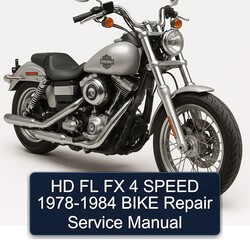
This workshop service and repair manual covers Harley-Davidson FL and FX series motorcycles from 1978 to 1984, featuring 1200cc to 1340cc Shovelhead OHV V-Twin engines and 4-speed transmissions. These iconic American machines are celebrated for their distinctive character, robust engineering, and the legendary V-twin sound, representing a significant era in the brand's rich heritage. The FL models, such as the Electra Glide, typically embody the touring aspect, while the FX models, like the Super Glide, offer a cruiser or custom platform, both sharing core mechanical components. This manual provides comprehensive technical data for these classic motorcycles, essential for their continued operation and preservation.
This manual covers the FL/FX 4-Speed motorcycles produced between 1978 and 1984. These iconic American machines are renowned for their robust Shovelhead V-twin engines, available in 74 cubic inch (1200cc) and 80 cubic inch (1340cc) displacements, and their distinctive styling. Engineered for durability and a classic riding experience, these models represent a significant era in heritage, offering a raw and authentic connection to the road that continues to be cherished by enthusiasts worldwide. Their enduring appeal lies in their mechanical simplicity, powerful performance, and the unique character that defines the legacy.
This workshop service and repair manual covers Harley-Davidson FL and FX Big Twin motorcycles from the production years 1978 through 1984. These models are powered by the iconic Shovelhead engine, available in 74 cubic inch (1200cc) and 80 cubic inch (1340cc) displacements, paired with a 4-speed constant mesh transmission. Renowned for their distinctive V-twin rumble and classic cruiser styling, the FL models typically represent touring variants, while the FX models encompass custom and Super Glide configurations. These motorcycles are celebrated for their robust engineering, American heritage, and the raw riding experience they provide, making them a staple among enthusiasts and collectors.
This manual provides comprehensive repair and service information for Harley-Davidson FL/FX Series motorcycles from the Shovelhead Era, specifically covering production years 1978-1984. These iconic American-made motorcycles feature a 45-degree V-Twin engine, available in 1200 cc and 1340 cc displacements, and are known for their robust engineering and distinctive riding experience. Models covered include FLH, FLHS, FXB, FXSB, FXE, FXEF, FXS, FXWG, and early FXST models. The manual details the engine mechanicals, fuel system, electrical system, drivetrain, chassis, and suspension, offering a complete resource for maintaining these classic machines.
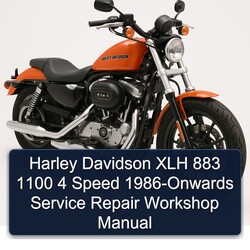
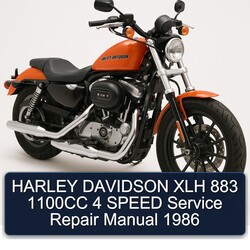
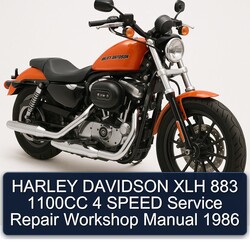
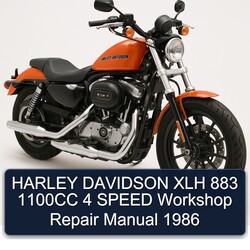
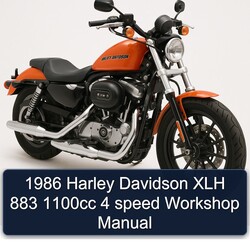
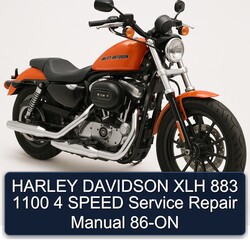
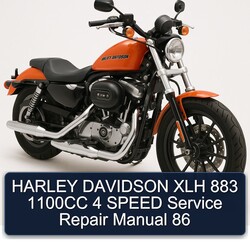
This service repair workshop manual covers Harley-Davidson XLH Sportster models, including the 883 and 1100 variants, from 1986 onwards. These motorcycles are characterized by their air-cooled V-Twin engines and 4-speed transmissions, embodying the iconic American cruiser heritage of Harley-Davidson. Known for their robust engineering and enduring appeal, the Sportster line offers a distinctive riding experience rooted in decades of V-twin development. This manual provides comprehensive information to ensure these machines continue to perform as intended, reflecting the brand's legacy of quality and reliability.
This manual covers the XLH 883 and XLH 1100 Sportster models from the Evolution Engine Era, beginning with the 1986 model year. These motorcycles are characterized by their air-cooled V-Twin engines and 4-speed manual transmissions, embodying the classic cruiser and custom motorcycle aesthetic. The Sportster line, with its rich heritage dating back to 1957, represents an enduring icon in American motorcycling. The introduction of the Evolution engine in 1986 brought significant improvements in reliability and performance, making these models a cornerstone of offerings for riders seeking a distinctive riding experience.
This digital workshop repair manual covers Harley-Davidson XLH 883 and XLH 1100 models equipped with the 4-speed transmission, with coverage extending from 1986 onwards. These iconic motorcycles are powered by air-cooled Evolution V-twin engines, available in 883cc and 1100cc displacements, and are renowned for their classic styling and performance. Known for their robust engineering and long-standing heritage within the Sportster lineage, these models offer a quintessential riding experience, emphasizing fundamental mechanics and rider engagement.
This manual provides comprehensive coverage for the 1986 XLH 883, a model featuring the air-cooled V-Twin engine and a 4-speed transmission. As a significant evolution for the Sportster line, the 1986 model introduced the new Evolution engine, marking a new era for the company. Known for its robust engineering and iconic American design, the XLH 883 was manufactured in York, Pennsylvania, and is celebrated for its blend of performance and classic styling, making it a sought-after motorcycle for enthusiasts and collectors alike.
This manual provides comprehensive service and repair information for the 1986 Harley-Davidson XLH 883, a classic American motorcycle powered by an air-cooled, 45-degree V-twin Evolution engine. Known for its distinctive styling and enduring appeal, the XLH 883 represents a significant chapter in Harley-Davidson's Sportster lineage. This particular model features an 883cc displacement and a 4-speed transmission, designed for riders who appreciate authentic V-twin performance and the freedom of the open road. Its robust engineering and iconic design have made it a sought-after machine for enthusiasts and collectors alike.
This manual covers the Harley-Davidson XLH 883 and XLH 1100 models from 1986. These motorcycles are powered by the air-cooled Evolution V-twin engine, available in 883cc and 1100cc displacements, featuring a 4-speed transmission and belt drive. Known for their iconic cruiser styling and reliable performance, these Sportster models represent a significant evolution in Harley-Davidson's engineering, offering a classic riding experience.
This manual covers the XLH 883 and XLH 1100 models from 1986. These motorcycles are powered by air-cooled, 45-degree V-twin engines, featuring 883cc or 1100cc displacement, paired with a 4-speed transmission. Known for their iconic styling and American V-twin heritage, the Sportster family, to which the XLH series belongs, has a long-standing reputation. This manual provides comprehensive coverage for all repairs, offering factory-level detail to assist owners and technicians.
This workshop service and repair manual covers the XLH Sportster models, specifically the XLH 883 and XLH 1100 variants from 1986. These motorcycles are powered by the air-cooled Evolution V-Twin engine, offering distinct performance characteristics for both displacements. Known for their classic styling and robust engineering, the XLH Sportster line represents a significant era in American motorcycle manufacturing, emphasizing a direct and engaging riding experience.
This manual covers the 1986 XLH 883 and XLH 1100 models, renowned for their iconic American V-twin styling and robust engineering. As part of the legendary Sportster lineage, these motorcycles are celebrated for their distinctive 'Ironhead' engine design and their enduring appeal to riders seeking a classic riding experience. The 883cc and 1100cc air-cooled, 45-degree V-twin engines, coupled with a 4-speed manual transmission and a wet clutch, form the core of these machines, offering a raw and engaging connection to the road.
This manual covers XLH Sportster models, specifically the XLH 883 and XLH 1100 variants, from 1986 onwards. These motorcycles are powered by the air-cooled Evolution V-twin engine, available in 883cc and 1100cc displacements, and feature a 4-speed transmission. Known for their classic American styling and distinctive V-twin performance, the Sportster line has a rich heritage dating back to 1957, with the Evolution engine offering improved reliability and power. This documentation provides in-depth information for maintaining and repairing these iconic machines.
The XLH883 and XLH1100 models, part of the iconic Sportster generation from 1986 onwards, represent a significant chapter in American motorcycle engineering. These motorcycles, powered by the air-cooled Evolution V-Twin engine, offer a classic riding experience characterized by their distinctive styling and robust performance. Known for their reliability and customizability, the XLH series has long been a favorite among riders seeking authentic V-twin power and a timeless aesthetic, making them a staple in the lineup.
This manual covers the Harley-Davidson XLH Sportster motorcycle, specifically models from 1986 through 1989. These iconic cruiser motorcycles are equipped with an air-cooled Evolution V-Twin engine, available in 883cc and 1100cc variants, and feature a 4-speed transmission. Known for their distinctive styling and reliable performance, the Sportster line has a rich heritage, offering a classic riding experience. This workshop manual is designed to provide comprehensive guidance for owners and technicians alike.
This manual covers the Triumph Speed Four TT600, a sportbike produced in 2000. As Triumph's entry into the competitive 600cc supersport segment, the TT600 is characterized by its liquid-cooled, 16-valve, DOHC, inline four-cylinder engine, producing approximately 110-120 bhp. It features an aluminum twin-spar frame for rigidity and light weight, a 6-speed sequential transmission, and a powerful braking system with dual front discs. The motorcycle was manufactured in Hinckley, England, and represents Triumph's effort to challenge established Japanese rivals in this performance-oriented market.
This manual covers the Triumph Speed 4 TT600 models produced between 2000 and 2005. Triumph, a manufacturer with a rich heritage dating back to 1902, is renowned for its innovative and performance-oriented motorcycles. The Speed 4, a naked sportbike variant, shares much of its engineering with the TT600 supersports model, offering a characterful inline three-cylinder engine known for its strong mid-range torque. This manual is designed for owners, mechanics, and technicians seeking to maintain and repair these British-engineered machines.
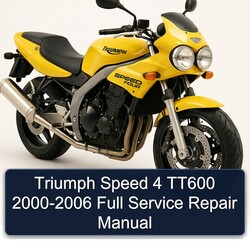
The Triumph Speed Four TT600, produced from 2000 to 2006, represents Triumph's foray into the competitive middleweight supersport motorcycle segment. Known for its distinctive British styling and characterful inline three-cylinder engine, this model was engineered to offer balanced power delivery and agile handling, making it suitable for both road riding and track day enthusiasts. It competed directly with established Japanese sportbikes of the era, providing an alternative for riders seeking a unique European sporting machine.
This manual covers the Triumph Speed Four, also known as the TT600, produced from 2000 to 2006. As a competitor in the supersport segment, the Speed Four features a 599 cc liquid-cooled, 12-valve, DOHC inline three-cylinder engine, delivering approximately 110-120 bhp. Its engineering is characterized by an aluminum beam frame for rigidity and lightness, complemented by adjustable front forks and a rear monoshock absorber. The braking system includes dual front disc brakes with multi-piston calipers and a single rear disc, providing effective stopping power. The Speed Four's design offers a unique character compared to its inline-four competitors, focusing on performance and rider engagement.
This manual covers the Triumph Speed Four TT600, a line of motorcycles produced between 2000 and 2006. These models represent Triumph's foray into the sportbike and naked sportbike segments, featuring an inline 3-cylinder, 4-stroke engine with a displacement of 599 cc for the TT600 and variants utilizing the 955i engine platform. Known for their British engineering, the Speed Four and TT600 offered competitive performance, with the TT600 notably incorporating advanced electronic throttle control for its era. These motorcycles are characterized by their aluminum twin-spar frames, robust braking systems, and a 6-speed sequential gearbox, designed for both spirited riding and everyday use.
This manual covers the Triumph Speed Four TT600, produced between 2000 and 2006. As a British-engineered motorcycle, the Speed Four TT600 represents Triumph's entry into the competitive 600cc supersport segment. The model is characterized by its inline 3-cylinder, liquid-cooled engine, typically displacing around 599cc, and a robust aluminum twin-spar frame. Known for its distinctive styling and heritage, this motorcycle is designed for spirited riding and performance.
This manual covers the Triumph Speed Four and TT600 models produced between 2000 and 2006. The TT600, introduced as Triumph's entry into the 600cc supersport class, featured a 599cc inline three-cylinder engine and an aluminum frame. The Speed Four, developed from the TT600 platform and launched in 2002, offered a slightly larger 650cc engine and revised styling for a more road-focused experience. Both models were manufactured in Hinckley, England, and are known for their British engineering and distinctive triple engines.
This manual covers the Triumph Speed Four and TT600 models produced between 2000 and 2006. These motorcycles are known for their distinctive inline three-cylinder engines, sporty chassis, and aggressive styling, offering a unique blend of performance and character. Evolving from the TT600 supersport, the Speed Four presents a more naked sportbike aesthetic. Triumph Motorcycles, with a heritage dating back to 1902, is renowned for its characteristic engine configurations and stylish motorcycles, manufactured in Hinckley, England.
The Triumph Speed Four TT600, produced from 2000 to 2006, represents a significant entry in the middleweight sportbike category, embodying Triumph's rich heritage of British motorcycle engineering. Known for its versatile performance and reliable inline triple engine, this model was designed to offer an engaging riding experience for both daily commutes and spirited rides. Its robust construction and thoughtful design, originating from Triumph's manufacturing base in Hinckley, United Kingdom, contribute to its reputation for durability and rider satisfaction.
This manual covers the Triumph Speed Four, also known as the TT600, produced between 2000 and 2006. As a middleweight supersport and naked sportbike, the Speed Four is recognized for its distinctive British styling, accessible performance, and solid value. Building on Triumph's rich heritage, this model offers a blend of agility and power, making it a capable machine for enthusiast riders and track day participants. Its engineering quality and reliability are supported by a legacy of innovation from its manufacturing base in Hinckley, United Kingdom.
This manual covers the Triumph Speed Four and TT600 models produced between 2000 and 2006. These motorcycles are known for their inline four-cylinder engines, aluminum alloy twin-spar frames, and are positioned as supersport and naked sportbikes, competing with other leading sportbikes of their era. The Speed Four and TT600 offer a blend of performance and distinctive British engineering, appealing to enthusiast riders seeking a capable machine for spirited riding and everyday use.
This manual covers the 2001 Triumph Speed Four TT600, a sportbike celebrated for its distinctive triple-cylinder engine character, agile handling, and the rich heritage of British motorcycle engineering. Evolving from Triumph's renowned Daytona and Speed Triple lineage, this model offers a compelling blend of performance and style, making it a favored choice for enthusiast riders. Its liquid-cooled, 955cc inline three-cylinder engine, featuring electronic fuel injection, delivers approximately 118 horsepower, providing strong mid-range torque and an engaging riding experience. The motorcycle's design emphasizes a sporty, naked or semi-faired aesthetic, embodying Triumph's commitment to both innovation and iconic design.
This manual provides comprehensive service and repair information for the 2002 Triumph Speed 4 TT600 motorcycle. As a middleweight sportbike, the Speed 4 TT600 was engineered by Triumph Motorcycles Ltd. in Hinckley, England, to offer accessible performance and sporty styling in a competitive market. It features a liquid-cooled, 599 cc in-line four-cylinder engine with DOHC and 16 valves, producing approximately 95-100 bhp. The motorcycle is built around an aluminum twin-spar frame, contributing to its rigidity and light weight, and is equipped with a 6-speed transmission, chain drive, and capable braking systems. This model was designed to compete with other popular 600cc sportbikes of its era, emphasizing a balance of power and handling for enthusiast riders.
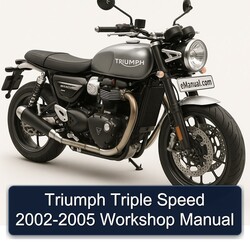
The Triumph Speed Triple, an iconic naked sportbike, represents a pinnacle of performance and distinctive styling from the United Kingdom. Produced across various iterations, this manual specifically covers models from the early third generation, spanning the years 2002 through 2005. Known for its characterful inline-triple engine, muscular design, and engaging riding experience, the Speed Triple has consistently earned praise from enthusiasts and critics alike, solidifying its reputation as a beloved performance motorcycle. Its engineering quality and reliability are hallmarks of Triumph's commitment to delivering exceptional riding machines.
The Triumph Speed Four, produced between 2002 and 2006, is a naked sportbike renowned for its distinctive triple-cylinder engine character and British styling. Sharing its T955i chassis code with other prominent Triumph models, the Speed Four emphasizes accessible performance and a comfortable riding experience within the roadster segment. Its design philosophy centers on delivering the unique, smooth power delivery characteristic of Triumph's inline triples, making it a compelling option for riders seeking a blend of sportiness and everyday usability.
The Triumph Speed Four, produced from 2002 to 2006, is a sport motorcycle characterized by its aggressive naked styling, twin headlight arrangement, and a potent liquid-cooled, 955cc inline three-cylinder engine. Built upon Triumph's renowned triple-cylinder platform, it offers a blend of accessible performance and distinctive British engineering, competing in the middleweight naked sportbike segment with its aluminum twin-spar frame and capable suspension. This model represents Triumph's commitment to delivering engaging riding experiences through well-engineered, reliable machinery.
The Triumph Speed Four, produced around 2003, is a naked sportbike known for its powerful inline-three cylinder engine and agile chassis. This model, internally coded T800 Speed Four, emphasizes performance and handling, making it a notable contender in the middleweight sportbike segment. Its design philosophy centers on delivering a dynamic riding experience, complemented by the distinctive character of Triumph's renowned three-cylinder configuration.
The Triumph Speed Four TT600, model year 2004, represents a significant entry in the middleweight sportbike segment. Manufactured in Hinckley, England, this motorcycle is powered by a 600cc, liquid-cooled, inline four-cylinder engine, delivering approximately 106-110 hp. It is known for its distinctive styling, agile handling, and a sporty yet accessible riding experience, making it a competitive option against its Japanese counterparts. The 2004 model year is a refinement of the TT600 platform, featuring an aluminum beam frame for rigidity and light weight, hydraulic disc brakes front and rear, and adjustable suspension components.
The Triumph Speed Four TT600, produced in 2005, represents a significant offering in the sportbike and naked sportbike segment. Building on Triumph's rich heritage, this model features a liquid-cooled, 12-valve, DOHC inline three-cylinder engine displacing approximately 600cc, known for its characteristic torque delivery. Its design incorporates an aluminum twin-spar frame for rigidity and light weight, complemented by fully adjustable front forks and a rear monoshock for tunable performance. The braking system utilizes radial-mount calipers for strong, progressive stopping power. This motorcycle was engineered for enthusiasts seeking a blend of performance and handling, competing with other major sportbike manufacturers of its era.
The 2006 Triumph Speed Four, model code TT600, is a middleweight sportbike known for its compact and nimble handling, powered by a responsive 599 cc inline 4-cylinder engine. As part of Triumph's rich British heritage, this motorcycle offers riders a sporty experience, building upon the legacy of previous Triumph sportbike models. It features a liquid-cooled engine with DOHC and electronic fuel injection, delivering approximately 95-105 bhp. The Speed Four is characterized by its dual front discs and single rear disc braking system, with optional ABS available on some models.
The Keeway Speed 150-125 is a motorbike designed for transportation. It features an internal combustion engine that runs on gasoline and utilizes a chain drive system. This model represents a commitment to reliable engineering, offering a robust platform for daily commuting and general use. Its design focuses on delivering dependable performance and a practical riding experience for its intended purpose.
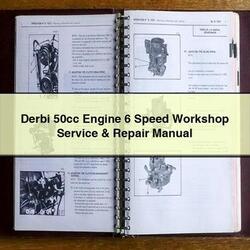
This comprehensive workshop service repair manual covers the Derbi 50cc 6 Speed Engine. Designed for optimal performance and reliability, this engine is engineered to meet the demands of various applications. Its robust construction and advanced features ensure durability and efficiency, making it a trusted choice for discerning users.
This manual covers the 50cc 6-speed scooter/moped, a versatile vehicle known for its sporty performance and engineering quality within the 50cc segment. A Spanish manufacturer with a rich heritage in motorsports, has produced a range of 50cc models, including the Senda and GPR series, which have consistently offered reliable performance and engaging riding experiences. These models, particularly those equipped with the 6-speed gearbox, are designed for urban commuting and recreational use, providing an accessible entry into motorcycling with a focus on agility and responsive handling. The production period for these configurations spans several years, reflecting a sustained commitment to this popular displacement class.
This workshop service and repair manual provides comprehensive guidance for 50cc models, renowned for their spirited performance and robust engineering in the small-displacement segment. Designed for a range of models typically produced from the late 1990s through the early 2010s, these vehicles are characterized by their 50cc engines, often featuring 6-speed transmissions, suitable for urban commuting and recreational use. The heritage in producing quality mopeds and scooters ensures a reliable and engaging riding experience, and this manual is tailored to help owners and technicians maintain that standard.
This manual covers the Derbi 50cc 6 Speed Engine, designed for performance and reliability. It provides comprehensive information for owners and technicians alike, ensuring optimal operation and longevity of this versatile engine. The engineering behind the Derbi 50cc 6 Speed Engine emphasizes durability and efficiency, making it a trusted choice for various applications.
This workshop service and repair manual provides comprehensive guidance for the Derbi 50cc Engine, featuring a 6-speed transmission. Designed for in-depth technical understanding and practical application, this manual serves as an essential resource for anyone needing to perform maintenance or repairs on this specific engine. Its detailed content aims to empower users with the knowledge to effectively service their vehicle, ensuring optimal performance and longevity.
This manual covers the XLH Sportster, specifically models from 1986 and onwards equipped with the 883cc and 1100cc Evolution engines and the 4-speed manual transmission. The XLH Sportster is renowned for its iconic air-cooled, 45-degree V-twin engine and its distinctive right-side drive 4-speed gearbox. This motorcycle has a rich heritage, representing a blend of classic American V-twin performance and a platform highly favored for customization and personal expression. Its engineering quality and reliability have cemented its status as a beloved model within the cruiser and performance motorcycle segments, appealing to riders who appreciate its raw power and timeless design.
This manual covers the XLH 883, an iconic American motorcycle powered by an air-cooled Evolution V-twin engine. Known for its distinctive styling and robust engineering, the XLH 883 represents a significant piece of heritage, offering a classic riding experience. With an 883cc displacement and a 4-speed transmission, this model is celebrated for its reliability and the unique character that has made the Sportster line a perennial favorite among riders. Its design prioritizes mechanical simplicity and rider engagement, making it a benchmark in its class.
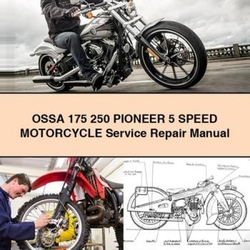
This manual covers the 175 Pioneer and 250 Pioneer motorcycles, renowned for their spirited performance and dual-purpose capabilities, embodying a legacy in off-road and versatile motorcycling. These models, produced during the 1970s, are celebrated for their agility and robust engineering, making them a staple for riders seeking adventure. This comprehensive guide is designed to assist owners and technicians in understanding and maintaining these iconic machines, ensuring their continued performance and reliability.
This manual covers the 175 Pioneer and 250 Pioneer models, produced from the mid-1960s to the early 1980s. The Pioneer was a versatile dual-sport motorcycle, celebrated for its lightweight construction and agile handling, making it suitable for both on-road commuting and off-road trail riding. Known for its Spanish heritage and innovative spirit, motorcycles were respected for their performance and competitive presence in trials and enduro events. These machines, powered by air-cooled two-stroke engines, offer a direct and engaging riding experience.
This manual covers the 175 250 Pioneer motorcycle. The manufacturer was known for innovative and performance-oriented motorcycles, with the Pioneer line often representing a versatile model suitable for various riding conditions. While specific production years are not detailed, these models likely originate from the 1960s or 1970s, a period when the brand gained recognition for its distinctive designs and competitive edge, particularly in off-road and trials disciplines.
This manual provides comprehensive guidance for the 175/250 Stiletto motorcycle, a model from the Spanish manufacturer known for its performance and distinctive style during the 1960s and 1970s. The Stiletto, typically featuring a two-stroke, single-cylinder engine available in 175cc and 250cc variants, was a popular offering. This service repair workshop manual is designed to cover the entire vehicle, from front to back, offering factory-level detail comparable to professional resources.
This manual covers the motorcycle series, produced from the late 1960s to the mid-1970s. , a Spanish manufacturer renowned for its lightweight and agile motorcycles, introduced the Stiletto to offer distinctive styling and responsive performance. Available in 175cc and 250cc variants, these two-stroke, air-cooled machines were celebrated for their handling and contributed to the brand's racing heritage. This factory service repair workshop manual provides comprehensive information for owners, mechanics, and restoration specialists.
This manual covers the 175 and 250 Stiletto motorcycle models. A Spanish manufacturer, was renowned for its innovative two-stroke engines and sporty performance, often excelling in trials and motocross. The Stiletto models, produced primarily in the late 1960s and early 1970s, represented the brand's entry into the lightweight street motorcycle segment, emphasizing agility and a spirited ride, competing with other European performance bikes of the era. These air-cooled, two-stroke machines, available in 175cc and 250cc displacements, typically featured a 5-speed transmission and a wet multi-plate clutch, designed for a strong mid-range torque delivery.
This manual covers the 250 Plonker, a 5-speed variant from a renowned Spanish motorcycle manufacturer known for its innovative off-road and trials machines. Produced likely between the mid-1960s and early 1980s, these motorcycles, often featuring distinctive frame designs and robust two-stroke single-cylinder engines, were built for agile handling and competitive performance. The brand heritage is rooted in engineering excellence, making this model a sought-after machine for enthusiasts and restorers.
This manual covers the OSSA 250 Plonker, a motorcycle from a Spanish manufacturer renowned for its performance and off-road capabilities, likely produced during the 1970s or early 1980s. Known for its innovative engineering, the 250 Plonker, typically featuring a 5-speed transmission and an air-cooled engine, was positioned as a mid-range performance machine. OSSA's heritage in trials and off-road riding suggests the Plonker model was built with durability and capability in mind.
This manual provides comprehensive service and repair information for the 250 Plonker. A Spanish manufacturer established in 1924, was renowned for its robust off-road and trials motorcycles. The 250 Plonker, a model from the brand's active production era spanning the mid-1950s to the early 1980s, likely features a 250cc single-cylinder, two-stroke engine paired with a 5-speed transmission. Known for its engineering quality and performance in competitive disciplines, the Plonker represents a significant piece of motorcycle history.
This manual pertains to the Five Speed (5 Speed) motorcycle, a model known for its engineering prowess and success in trials and motocross disciplines during its production period, which spanned from the late 1940s to the mid-1980s. Motorcycles are recognized for their innovative two-stroke engine designs, often featuring single-cylinder configurations and 5-speed constant mesh gearboxes. This particular series likely represents an advancement in their lineup, offering improved versatility and performance. The Five Speed represents a blend of classic design and functional performance, appealing to enthusiasts and riders who appreciate the brand's heritage.
This manual provides comprehensive service and repair information for five-speed motorcycle models. A Spanish manufacturer founded in 1924, was renowned for its innovative and performance-oriented motorcycles, particularly in competition disciplines. The development of five-speed transmissions marked a significant advancement, enhancing versatility and adaptability for riders. This resource covers a range of these models, likely from the 1970s and early 1980s, which were known for their distinctive two-stroke engines and competitive spirit, including variants like the Phantom, Explorer, and MAR.
This manual covers Five-Speed Models, renowned for their innovative engineering and competitive performance, particularly in off-road and trials applications. motorcycles, originating from Spain, were celebrated for their distinctive designs and capabilities. This guide is tailored for owners of these iconic machines, providing in-depth information to ensure their continued operation and enjoyment.
The Triumph Speed Four TT600, from the early 2000s, represents a significant entry in the supersport market. This motorcycle, powered by a 599 cc inline 4-cylinder liquid-cooled engine, delivers approximately 120-130 HP, featuring electronic fuel injection for efficient performance. Known for its sporty handling and design, the Speed Four TT600 (chassis code H630/H631) was engineered for riders seeking a blend of power and agility. Its robust construction and focus on rider engagement were key aspects of its appeal during its production period, which spanned roughly from 2000 to 2003.
The Triumph TT600, specifically the S4 Speed variant, represents Triumph's endeavor into the competitive 600cc supersport motorcycle segment. Produced between 1999 and 2003, this model was engineered with a focus on agile handling and spirited performance, featuring a lightweight aluminum frame and a potent inline-four engine. Its design competed directly with prominent Japanese sportbikes, aiming to offer a distinct European alternative characterized by its sporty styling and dynamic capabilities. The S4 Speed designation suggests a version tailored for enhanced performance or specific tuning, reflecting Triumph's commitment to engineering quality and rider engagement.
This document provides detailed specifications for the Speed Microfishes, a performance-oriented scooter designed for enthusiasts. Inferring from its designation, this model likely competes in the 125cc performance scooter segment, emphasizing speed and agile handling. While specific production years are not detailed, the Speed Microfishes represents a segment known for its blend of urban practicality and spirited performance, often featuring a robust internal combustion engine and automatic transmission.