



CBR Series

The Honda CBR Series, a legendary lineup of high-performance motorcycles, embodies the pinnacle of Japanese engineering and design. These machines are renowned for their thrilling riding experience, blending power, precision, and agility.
Honda's CBR Series features a range of models tailored to meet the diverse needs of riders, from sport enthusiasts seeking adrenaline-fueled rides to those who appreciate a sophisticated blend of performance and comfort. The CBR1000RR-R, the flagship model, showcases the series' technological prowess, with its screaming inline-four engine and aerodynamic bodywork that evoke racing pedigree. Down the displacement ladder, the CBR650R and CBR500R offer an accessible entry point into...
$16.99
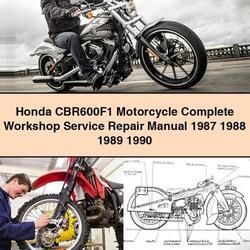
The Honda CBR600F1, also known as the Hurricane, represents the first generation of the highly acclaimed CBR600F series, produced from 1987 to 1990. This middleweight sportbike is powered by a liquid-cooled, 598 cc inline-four cylinder DOHC engine, delivering an estimated 80-85 HP and renowned for its smooth performance and exceptional reliability. Its design features a full sport fairing for improved aerodynamics and rider protection, complemented by a sport-oriented chassis and responsive suspension, including Honda's Pro-Link rear system, which together provide predictable handling and stability. The CBR600F1 was a benchmark in its class, praised for its balanced capabilities, making it suitable for both spirited riding and everyday use, embodying Honda's legacy of engineering excellence in motorcycle manufacturing.
$16.99
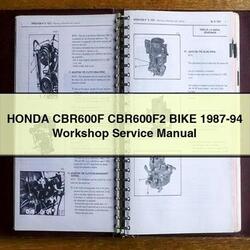
This manual covers the Honda CBR600F and CBR600F2 sportbikes produced between 1987 and 1994. These middleweight sportbikes are celebrated for their excellent balance of performance and everyday usability, featuring a smooth inline-four engine and confidence-inspiring handling. Honda's reputation for engineering quality and reliability underpins the design of these models, making them a popular choice for both spirited riding and general sportbike enjoyment.
$16.99
This manual covers the Honda CBR250RR, a high-performance sportbike produced from 1987 to 1996, often nicknamed the "Baby Blade" or "MC22 CBR250RR." Known for its compact, high-revving inline-four engine, race-inspired chassis, and distinctive styling, the CBR250RR was a leader in its class, competing with other Japanese sportbikes. Its engineering quality and reliability are hallmarks of Honda's sportbike legacy, offering advanced suspension and braking for its era. This generation, particularly the MC22, is celebrated for its sophisticated design and exhilarating performance.
$16.99
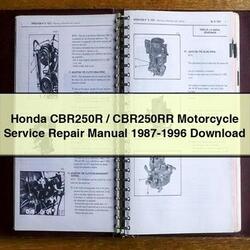
The Honda CBR250RR, produced between 1987 and 1996, is a lightweight sportbike celebrated for its compact, high-revving inline-four engine and exceptional handling. Known for its race-derived technology and agility, it competed effectively in its displacement class, offering a thrilling riding experience. This model, often identified by chassis codes such as MC17, MC19, and MC22, represents a significant achievement in sportbike engineering for its era, characterized by its advanced engine design and responsive suspension.
$16.99
This manual covers the Honda CBR250 series, including the CBR250 FOUR (MC14), CBR250R (MC17, MC19), and CBR250RR (MC22) models produced between 1987 and 1996. These motorcycles are characterized by their compact sportbike design, featuring liquid-cooled, 4-stroke, DOHC, inline-four-cylinder engines of approximately 249cc displacement. Known for their high-revving nature and smooth power delivery, these models represent a significant lineage in Honda's sportbike development, with the CBR250RR being particularly noted for its race-derived features and performance for its era.
$16.99
This manual covers the Honda CBR250 FOUR, CBR250R, and CBR250RR motorcycles produced between 1987 and 1996. These models are celebrated for their high-revving inline-four engines, sporty handling, and agile performance, making them popular in the lightweight sportbike segment. The CBR250RR, in particular, was noted for its advanced technology and aggressive styling, often earning it the moniker 'baby Fireblade.' Honda's engineering quality and reliability are hallmarks of this series, offering enthusiasts a refined and engaging riding experience.
$16.99
This manual covers the Honda CBR250 FOUR (MC14), CBR250R (MC17, MC19), and CBR250RR (MC22) models produced between 1987 and 1996. These motorcycles represent Honda's commitment to engineering excellence in the lightweight supersport category, offering a blend of performance, reliability, and advanced technology for their time. The CBR250 FOUR introduced a four-cylinder configuration, while subsequent CBR250R and CBR250RR models refined the design, with the MC22 generation being particularly recognized for its high-revving engine and sporty handling, making it a distinguished choice for enthusiasts.
$16.99
The Honda CBR250R/RR, encompassing model codes MC14 through MC22, represents a significant era in lightweight sportbike design, produced between 1987 and 1996. These motorcycles are characterized by their high-revving, DOHC, 16-valve inline-four engines, delivering spirited performance within their displacement class. Featuring a full fairing, aggressive sportbike ergonomics, and aerodynamic styling, the CBR250R/RR was engineered for enthusiasts seeking an affordable yet capable sportbike experience, popular in both Asian and European markets. Honda's heritage of engineering excellence and reliability underpins the design of these models, with the MC22 variant, in particular, being celebrated for its advanced technology and performance for its time.
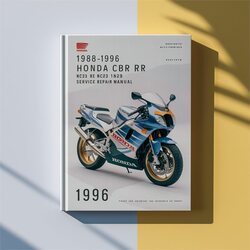
$16.99
This manual covers the CBR 400 RR, a sportbike produced from 1988 to 1996, encompassing the second generation chassis codes NC23 and NC29. Known for its Inline Four-Cylinder, DOHC, 16-valve engine producing approximately 59-60 PS, the CBR 400 RR is a refined machine built upon a strong sportbike heritage. It features a 399 cc displacement, a 6-speed manual transmission with a wet, multi-plate clutch, and a chain drive. The chassis is characterized by an aluminium twin-spar frame and hydraulic disc brakes front and rear, often with dual front discs. This model was primarily targeted at the Japanese Domestic Market and is recognized for its performance, handling, and distinctive styling.
$16.99
The 1990 Honda CBR600Fm is a significant model in the mid-weight sportbike category, representing Honda's commitment to performance and engineering excellence. Known for its balanced handling, reliable inline-four engine, and sporty aesthetics, this motorcycle offered a compelling package for riders seeking both spirited performance and everyday usability. Building on Honda's strong reputation, the CBR600Fm featured advanced technology for its time, including a liquid-cooled DOHC engine and a robust chassis, making it a competitive choice against other major manufacturers.
$16.99
The Honda CBR600F, M, produced in 1990 (chassis code PC25), is a notable entry in the mid-size supersport motorcycle segment. As part of the first generation (PC19/PC25), this model is recognized for its balanced performance, approachable handling, and a refined liquid-cooled, 4-stroke, DOHC, inline four-cylinder engine displacing 598 cc. It offered approximately 95-100 HP, making it a competitive offering against contemporaries like the Yamaha FZR600 and Kawasaki ZX600 Ninja. Known for its excellent reliability and durability, characteristic of Honda's engineering, the CBR600F represented a significant evolution in Honda's supersport lineage, praised by the motorcycle press for its overall package.
$16.99
The Honda CBR600Fm, a sportbike motorcycle produced in 1990, represents a significant entry in the middleweight sportbike segment. Known for its balanced performance and rider-friendliness, this model, chassis code PC25, features an inline-four cylinder, DOHC, 16-valve engine with a displacement of 598 cc. Its design, characteristic of late 1980s/early 1990s sportbikes, includes an aerodynamic fairing and a steel perimeter frame for enhanced rigidity. The CBR600F series has a strong heritage, building on Honda's reputation for engineering innovation and reliability in the motorcycle industry. This model was designed to compete with other prominent sportbikes of its era, offering a capable machine for both spirited riding and more comfortable journeys.
$16.99
This manual provides comprehensive technical information for the Honda CBR600F2, also known as the Hurricane, produced from 1991 to 1994. As a first-generation model with chassis code PC25 and engine code PC25E, the CBR600F2 is recognized for its blend of sporty performance and Honda's signature reliability, positioning it strongly within the supersport segment of its era. Its liquid-cooled, 598cc inline four-cylinder engine, coupled with a 6-speed transmission and advanced for its time suspension and braking systems, made it a popular choice for performance-oriented riders. This manual details its engineering, designed for a balance of speed and everyday usability, reflecting Honda's motorsports heritage.

$16.99
The Honda CBR600F2, produced from 1991 to 1994, is a sportbike motorcycle renowned for its balanced performance and Honda's signature reliability. This model was a significant player in the 600cc sportbike class, offering advanced engineering for its era with features such as a DOHC inline-four engine, an aluminum chassis, and effective disc brakes. Its design prioritized a blend of sporty capability and approachable handling, making it a versatile machine for various riding styles. The CBR600F2 represents a key evolution in Honda's esteemed CBR lineage, built upon a foundation of quality and innovation.
$16.99
The Honda CBR600F2, also known as the Hurricane in North America, is a sportbike motorcycle from the first generation of the CBR600F series, produced between 1991 and 1994. This model is recognized for its liquid-cooled, DOHC, 16-valve inline-four engine, producing approximately 95-100 horsepower, and its steel diamond frame with Pro-Link rear suspension and 41mm front forks. The CBR600F2 was lauded for its balanced handling and user-friendliness, representing a significant advancement in its class. Honda's heritage of engineering excellence and reliability underpins the design of this capable machine, making it a popular choice for enthusiasts seeking performance and a refined riding experience.
$16.99
The Honda CBR600F2 is a sportbike motorcycle produced from 1991 to 1994, representing a significant evolution in Honda's middleweight supersport line. Known for its sophisticated engineering and performance-oriented design, this model features an inline-four DOHC engine, a full fairing for aerodynamic efficiency, and advanced suspension technology for its era, including an optional Pro-Arm single-sided swingarm. The CBR600F2 was celebrated for its excellent balance of power, handling, and reliability, making it a popular choice for both spirited riding and daily use. Its development focused on delivering a potent and refined sportbike experience, solidifying Honda's reputation for engineering excellence in the performance motorcycle segment.
$16.99
The Honda CBR1000F, produced for the model years 1992 through 1995, represents a significant entry in the sport-touring motorcycle segment. This model was engineered to offer a compelling blend of high performance and long-distance comfort, competing effectively within its class. Its design emphasizes a stable chassis and balanced handling, making it suitable for both spirited riding and extended journeys. The CBR1000F is recognized for its robust inline-four engine and aerodynamic full fairing, contributing to its reputation for reliability and a distinctive riding character within Honda's motorcycle legacy.
$16.99
The Honda CBR1000F, also known as the Hurricane in North America, is a sport-touring motorcycle produced from 1992 to 1995. This model represents Honda's robust engineering and commitment to performance, offering a blend of power and comfort suitable for both spirited riding and longer journeys. Its liquid-cooled, 4-stroke, 998 cc inline-four engine, coupled with a 6-speed manual transmission, provides an engaging riding experience. The CBR1000F is recognized for its reliable construction and is a capable machine within the liter-class sport-touring segment of its era.
$16.99
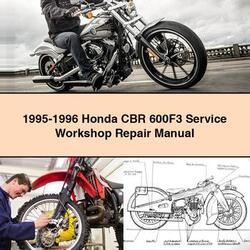
The 1995-1996 Honda CBR600F3 is a second-generation supersport motorcycle renowned for its smooth inline-four engine, balanced handling, and comfortable ergonomics, making it a versatile choice for both spirited street riding and occasional track use. This model, built upon Honda's strong heritage in sportbike manufacturing, features a liquid-cooled, 599 cc DOHC engine producing approximately 100-105 horsepower, paired with a precise 6-speed transmission and a robust steel diamond frame. Its engineering emphasizes reliability and performance, offering riders a responsive and engaging experience that established it as a benchmark in its class.
$16.99
The Honda CBR600F3, produced between 1995 and 1998, is a sportbike renowned for its balanced performance, reliable inline-four engine, and durable build quality. This model, chassis code PC31, offered a compelling blend of sport touring capability and track-day readiness, making it a popular choice for enthusiasts and daily riders alike. Its engineering prioritizes accessible maintenance and consistent performance, reflecting Honda's commitment to creating motorcycles that are both exhilarating to ride and practical to own. The CBR600F3 stands as a testament to the era's advancements in sportbike technology, offering a refined riding experience.
$16.99
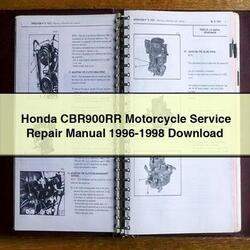
The Honda CBR600F3, also known as the Hurricane, represents the second generation of this iconic sportbike, produced from 1995 to 1998. This model is renowned for its liquid-cooled, 16-valve, DOHC inline four-cylinder engine, delivering approximately 105 horsepower, and its rigid aluminum twin-spar frame. Designed for performance-oriented riders and track day enthusiasts, the CBR600F3 offers a balanced blend of power, handling, and rider comfort, building upon Honda's esteemed sportbike heritage. Its full fairing enhances aerodynamics and rider protection, while the dual front disc brakes and Pro-Link rear suspension contribute to its stable and responsive ride.
$16.99
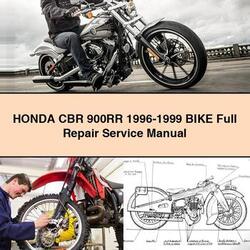
The Honda CBR900RR, also known as the Fireblade, is a high-performance sportbike produced from 1996 to 1998. This model, identified by the SC33 code, represented a significant evolution in the superbike segment, praised for its innovative approach of offering a larger displacement engine within a chassis size comparable to its 750cc competitors. Engineered for exceptional agility, power, and track-focused performance, the CBR900RR set new benchmarks for its class. Its design philosophy emphasized a lightweight yet potent package, making it a standout machine renowned for its engineering quality and exhilarating riding experience.
$16.99
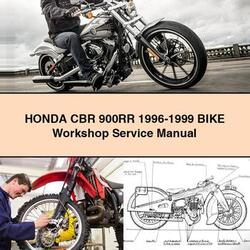
The Honda CBR900RR, also known as the Fireblade, represents a significant achievement in sportbike engineering from the first generation, produced between 1996 and 1999. This model, chassis code SC33, is celebrated for its potent inline-four, liquid-cooled engine, delivering approximately 122 horsepower and 94 Nm of torque, combined with a lightweight aluminum twin-spar frame. Its design focused on blending the agility of smaller displacement bikes with substantial power, offering a thrilling riding experience for enthusiasts. Honda's commitment to reliability and advanced chassis design for its era were key selling points, positioning it as a formidable competitor in the high-performance sportbike market.
$16.99
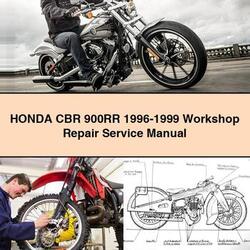
The Honda CBR900RR, first generation (SC33), produced from 1996 to 1999, represents a significant achievement in sportbike engineering. Featuring a potent 919cc inline-four, liquid-cooled engine, this model was lauded for its exceptional performance-to-weight ratio and agile handling, setting new benchmarks in its class. Its design prioritized a balance of power and rider control, making it a highly sought-after machine for both performance enthusiasts and discerning riders. The CBR900RR's innovative construction and robust build quality underscore Honda's commitment to delivering reliable and exhilarating riding experiences.
$16.99
This manual covers the Honda CBR900RR, specifically the First Generation (SC33) models produced from 1996 to 1999. Known for its revolutionary design that offered 1000cc performance in a lighter chassis, the CBR900RR established itself as a benchmark in the superbike category. Honda's reputation for engineering quality and reliability is evident in this performance motorcycle, which features a liquid-cooled, 4-stroke, 919 cc inline-four engine, a constant-mesh 6-speed manual transmission, and advanced chassis components for its era. Its groundbreaking performance and handling have earned it significant industry recognition.
$16.99
The Honda CBR1100XX Blackbird, produced from 1997 to 1998, represents a pinnacle of hyperbike and sport-touring motorcycle engineering. Renowned for its powerful 1137cc inline-four engine, capable of producing approximately 155 horsepower and a top speed officially rated at 177 mph, the Blackbird was designed to deliver exceptional performance and long-distance comfort. Its sleek, aerodynamic fairing, advanced fuel injection system, and stable chassis contribute to its reputation for reliability and exhilarating riding experience, making it a formidable machine for both high-speed touring and spirited performance riding.
$16.99
The 1999-2000 Honda CBR600F4, also known as the Hurricane, is a middleweight supersport motorcycle celebrated for its balanced performance, agility, and everyday usability. Building on Honda's rich heritage of engineering excellence, this model features an advanced chassis design for superior handling and a robust inline-four, liquid-cooled engine that delivers approximately 110-118 horsepower. Its design philosophy emphasizes a blend of sporty capabilities with practical application, making it a standout in its era. The CBR600F4 represented a significant evolutionary step, offering enhanced handling and performance compared to its predecessor.
$16.99
This manual covers the Honda CBR1100XX Blackbird motorcycle, produced for the 1999, 2000, 2001, and 2002 model years. Engineered for performance and reliability, the Blackbird is renowned for its exceptional speed, handling, and comfort, making it a premier choice for sport touring and high-performance riding. Its advanced design and robust construction ensure a superior riding experience.
$16.99
The Honda CBR1100XX Super Blackbird, produced from 1999 to 2002, stands as a pinnacle of hypersport motorcycle engineering, designed to deliver exceptional speed, stability, and long-distance comfort. This model is renowned for its powerful inline-four engine, sophisticated PGM-FI fuel injection system, and aerodynamic fairing featuring 'C' winglets for enhanced high-speed stability. Its advanced design, including the optional Combined Braking System (CBS) and a comfortable riding position for its class, made it a formidable competitor, blending blistering performance with refined touring capabilities, solidifying Honda's reputation for quality and innovation in the sportbike market.
$16.99
This manual covers the Honda CBR 600F4 and F4i models produced between 1999 and 2003. These motorcycles are powered by a 599cc straight-4 engine, renowned for their performance and engineering. Designed for riders seeking a balance of sport and everyday usability, the CBR 600F4 series embodies Honda's commitment to reliability and advanced technology, offering a dynamic riding experience.
$16.99
The Honda CBR900RR Fireblade, model code SC44, from the year 2000, represents a significant evolution in the iconic Fireblade lineage. This high-performance sportbike is engineered for experienced riders, offering a potent combination of a 933cc liquid-cooled inline-four engine, a lightweight aluminum twin-spar frame, and aggressive aerodynamic fairings. Its design emphasizes cutting-edge technology for its time, delivering exhilarating performance and precise handling, making it a competitive machine in the sportbike segment. The CBR900RR Fireblade is celebrated for its remarkable power-to-weight ratio and its ability to provide an exceptional riding experience on both road and track.
$16.99
The Honda CBR900RR Fireblade, specifically the SC44 model from 2000, stands as a significant entry in the high-performance sportbike segment. Renowned for its revolutionary lightweight design, potent inline-four engine, and sharp handling characteristics, it competed effectively against other premier sportbikes of its era. This motorcycle embodies Honda's commitment to engineering excellence, offering a thrilling riding experience through its 918.5 cc engine, advanced PGM-FI fuel injection, and robust aluminum twin-spar frame. Its legacy is built on delivering exceptional performance and agility, making it a sought-after machine for both enthusiasts and discerning riders.
$16.99
The 2000 Honda CBR929RR Fireblade represents a significant evolution in Honda's superbike lineage, introducing a larger 929cc displacement and an advanced fuel injection system. This high-performance sportbike, also known by its model code SC44, was designed with mass centralization and optimized weight distribution for agile handling, continuing Honda's legacy in the competitive superbike class alongside rivals like the Yamaha YZF-R1 and Suzuki GSX-R750. Praised by motorcycle press for its powerful engine, sharp handling, and technological advancements for its era, the CBR929RR was manufactured in Japan and produced between 1999 and 2001.
$16.99
This manual covers the 2000 Honda CBR929RR Fireblade, a flagship supersport motorcycle renowned for its engineering excellence and performance. Building on Honda's strong heritage in motorcycle manufacturing, the CBR929RR, identified by chassis code SC44 and engine code SC44E, represented a significant advancement in its class. With a powerful 929cc liquid-cooled V4 engine, advanced fuel injection, and a lightweight aluminum twin-spar frame, it offered an exhilarating riding experience for performance enthusiasts and track day riders. Its design prioritized agility, handling, and raw power, positioning it as a top contender against rivals like the Yamaha YZF-R1 and Suzuki GSX-R750.
$16.99
The Honda CBR900RR Fireblade, produced from 2000 to 2002, represents a significant evolution in the high-performance sportbike category. Known for its potent 918.5 cc inline-four engine, delivering approximately 120-123 HP, this motorcycle offers a remarkable blend of power and agility, characteristic of Honda's commitment to engineering excellence. Its lightweight aluminum twin-spar frame and advanced suspension systems contribute to its exceptional handling and stability, making it a favorite among enthusiast riders and track day participants. The CBR900RR Fireblade is celebrated for its sharp styling and the exhilarating riding experience it provides, solidifying its status as an iconic hyperbike.
$16.99
The Honda CBR929RR Fireblade, also known as the Fireblade, represents a significant evolution in Honda's high-performance sportbike lineage. Produced for the 2000, 2001, and 2002 model years, this second-generation (SC44) machine embodies Honda's commitment to engineering excellence and the pursuit of 'The Power of Dreams'. Featuring a liquid-cooled, 4-stroke, 16-valve inline-four engine with a displacement of 929 cc and a sophisticated Programmed Fuel Injection system, the CBR929RR delivered approximately 140 horsepower, positioning it as a formidable competitor in the supersport category. Its advanced hollow-molded aluminum twin-spar frame, coupled with Pro-Link rear suspension and adjustable front forks, ensures exceptional handling and stability, making it a top choice for discerning riders.

$16.99
The Honda CBR929RR Fireblade, produced for the 2000, 2001, and 2002 model years, represents a significant evolution in performance motorcycle engineering. Known for its potent 929 cc liquid-cooled, four-stroke engine with PGM-FI fuel injection, this model delivered impressive horsepower and torque, making it a formidable machine for sport riding. Its aluminum twin-spar frame, advanced suspension, and powerful dual front disc brakes with four-piston calipers contribute to its renowned handling and stopping capabilities. The CBR929RR Fireblade was celebrated for its blend of cutting-edge technology and rider-focused design, solidifying Honda's reputation for producing high-performance, reliable sportbikes.
$16.99
This manual covers the Honda CBR929RR Fireblade, produced between 2000 and 2002. Known for its 998cc liquid-cooled inline-four engine with PGM-FI fuel injection, this high-performance sportbike offered advanced chassis design for its era. It competed with other liter-class sportbikes and was praised by the motorcycle press for its blend of power, handling, and braking. The CBR929RR represented a significant evolution in Honda's sportbike lineage, building upon the legacy of the CBR900RR.
$16.99
This manual covers the Honda CBR 600F4i, a supersport motorcycle produced for the 2001, 2002, and 2003 model years. Known for its inline four-cylinder, 599 cc engine featuring DOHC and Programmed Fuel Injection (PGM-FI), the CBR 600F4i offers a blend of performance and handling, making it a benchmark in its class. Its aluminum twin-spar frame and advanced suspension contribute to its renowned stability and agility. Honda's legacy in motorcycle manufacturing ensures a high standard of engineering quality and reliability for this model, which competed with other leading sportbikes of its era.
$16.99
The Honda CBR600F4i, produced from 2001 to 2003, is a renowned supersport motorcycle celebrated for its exceptional engineering and performance. As an evolution of the popular CBR600F line, the F4i distinguished itself with the integration of Programmed Fuel Injection (PGM-FI), enhancing throttle response and efficiency. Its robust inline-four engine, coupled with a sophisticated monocoque aluminum frame and high-performance adjustable suspension, delivers exhilarating performance suitable for both spirited road riding and track day enthusiasts. The CBR600F4i embodies Honda's legacy of producing reliable and capable sportbikes, offering a compelling blend of power, handling, and rider engagement that placed it among its key competitors of the era.
$16.99
This manual covers the Honda CBR600F4i sportbike motorcycle, produced for the 2001, 2002, and 2003 model years. The CBR600F4i is renowned for its 16-valve DOHC inline-four engine, advanced fuel injection, and aerodynamic design, offering a compelling blend of track-ready performance and everyday usability. Built upon Honda's legacy of engineering excellence and reliability, this model stands as a versatile choice for performance-oriented riders, track day enthusiasts, and general motorcycle aficionados seeking a capable and dependable sportbike.
$16.99
This manual covers the Honda CBR600F4i, a distinguished sportbike produced from 2001 to 2006. Known for its high-revving, liquid-cooled, inline four-cylinder engine with Programmed Fuel Injection (PGM-FI), the F4i offers a potent blend of performance and advanced engineering. Its lightweight aluminum twin-spar frame, coupled with adjustable front forks and a rear shock absorber, provides exceptional handling and stability, making it a favorite in the supersport class. The F4i is celebrated for its sporty ergonomics, impressive braking performance, and Honda's renowned reliability and build quality, positioning it as a competitive and enjoyable machine for both spirited riding and daily use.
$16.99
The 2002 Honda CBR954RR Fireblade is a high-performance supersport motorcycle engineered for riders seeking exhilarating speed and precise handling. Building on Honda's legacy of producing reliable and powerful machines, this model distinguishes itself with its potent 954cc inline-four engine, advanced aerodynamic design, and sophisticated chassis. It represents a significant advancement from its predecessor, featuring increased displacement, revised fuel injection, and updated suspension for enhanced performance on both the street and the track. Its engineering quality is evident in its robust construction and focus on delivering an exceptional riding experience.
$16.99
This manual covers the Honda CBR954RR Fireblade, produced between 2002 and 2003. Known for its advanced aluminum twin-spar frame, powerful 954cc inline-four engine, and race-inspired aerodynamics, the Fireblade was a flagship supersport motorcycle of its era. It featured a lightweight, high-revving engine, dual front disc brakes with radial-mount calipers, and an advanced Pro-Link rear suspension system, all contributing to its renowned performance and handling capabilities.
$16.99
This manual covers the Honda CBR954RR Fireblade, a supersport motorcycle produced from 2002 to 2003. As part of Honda's esteemed CBR line, this model represents a significant advancement in performance and engineering, building upon its predecessors with a larger 954cc engine, enhanced chassis stiffness, and updated suspension. Renowned for its agility, power, and sophisticated design, the CBR954RR Fireblade was a top contender in the 1000cc supersport class, praised by automotive press for its handling and technology.
$16.99
This manual covers the CBR150R for the 2002 and 2003 model years. The CBR150R is a sportbike known for its blend of performance and handling, often appreciated for its sporty design and engaging riding experience. With a liquid-cooled engine and a manual transmission, this model represents a commitment to delivering dynamic motorcycles. Its engineering quality and reliability are characteristic of the brand, making it a popular choice for riders seeking spirited performance in a 150cc class.
$16.99
This manual covers the sportbike produced for the 2002 and 2003 model years. As part of an esteemed lineage, this motorcycle offers sporty styling and accessible performance, making it a popular choice for commuting and recreational riding. Known for a commitment to engineering quality and reliability, the sportbike is a representative of its segment, often competing with other 150cc sportbikes. Its design typically features a liquid-cooled, single-cylinder engine with DOHC and 4 valves, paired with a 6-speed manual transmission and a wet multi-plate clutch, providing an engaging riding experience.
$16.99
The Honda CBR954RR, also known as the Fireblade, represents a pinnacle of sportbike engineering from the 2002-2003 model years. Building upon the legacy of its predecessor, the CBR929RR, this SC50 model was designed with a strong emphasis on track-day performance and aggressive riding. It features a liquid-cooled, 4-stroke, 16-valve inline-four engine with a displacement of 954 cc, delivering approximately 154 horsepower and 102 Nm of torque. Known for Honda's renowned precision engineering and reliability, the CBR954RR boasts a lightweight aluminum mono-backbone frame, advanced PGM-FI fuel injection, and a sophisticated suspension system, all contributing to its exceptional handling and exhilarating performance.
$16.99
The Honda CBR954RR Fireblade, produced from 2002 to 2004, stands as a testament to Honda's engineering prowess in the sportbike category. This model, identified by chassis code SC50, features a potent 954cc DOHC inline four-cylinder engine, delivering exhilarating performance that positioned it among the top-tier liter-class superbikes of its era. Known for its sharp handling, advanced electronics for its time, and a powerful engine, the CBR954RR was designed for riders seeking peak performance and a thrilling riding experience. Its aluminum twin-spar frame and combined braking system underscore its focus on dynamic capability and rider confidence.
$16.99
The Honda CBR600RR, model code PC37, represents the first generation of this high-performance supersport motorcycle, produced for the 2003 and 2004 model years. Engineered for enthusiasts and competitive riding, it features a liquid-cooled, 599 cc inline-four cylinder engine with a DOHC, 16-valve configuration, delivering approximately 117 horsepower. Its advanced chassis design includes a hollow die-cast aluminum twin-tube frame, 43mm inverted telescopic front forks, and a Pro-Link rear suspension system, all contributing to its renowned handling and agility. The CBR600RR was highly acclaimed for its performance, often winning comparisons against key rivals like the Yamaha YZF-R6 and Suzuki GSX-R600, solidifying Honda's legacy in the supersport segment.
$16.99
The Honda CBR1000RR, model code SC57, represents a pinnacle of sportbike engineering for the 2003-2004 model years. As a flagship model in Honda's Superbike lineage, it embodies the brand's extensive heritage in racing and performance development. This motorcycle is characterized by its potent liquid-cooled, 998 cc inline-four engine, a sophisticated hollow die-cast aluminum twin-spar frame, and advanced suspension systems designed for precise handling and rider feedback. Its design prioritizes a balance of raw power, agility, and the renowned reliability that Honda is known for, making it a formidable machine for both the track and spirited street riding.
$16.99
The Honda CBR1000RR Fireblade, specifically the SC57 generation produced between 2003 and 2004, represents a pinnacle of superbike engineering. Building on the renowned Fireblade lineage, this model features a potent 998cc inline-four engine, an advanced aluminum twin-spar frame, and high-performance H.M.A.S. adjustable suspension. Its powerful radial-mount front braking system and sophisticated PGM-FI fuel injection contribute to its exceptional performance and handling, making it a formidable machine for both spirited riding and track use. The CBR1000RR is celebrated for its blend of raw power, precise control, and Honda's characteristic reliability.
$16.99
This manual covers the Honda CBR600RR, model code PC37, produced for the 2003 and 2004 model years. As a high-performance supersport motorcycle, the CBR600RR was engineered for track use and spirited street riding, directly competing with other leading 600cc sportbikes of its era. It represents a significant evolution in Honda's supersport lineage, featuring a technologically advanced, fuel-injected inline-four engine, a lightweight chassis, and an under-seat exhaust system. The 2003-2004 generation was lauded by the press for its exceptional handling, powerful engine, and overall track-ready performance, earning numerous accolades.
$16.99
This professional service repair manual covers the Honda CBR600RR sportbike, specifically the first generation (PC37) models produced in 2003 and 2004. Known for its race-derived chassis and powerful inline 4-cylinder engine, the CBR600RR has a long legacy of performance and handling excellence within the supersport motorcycle class. This model features a liquid-cooled 599 cc engine with Programmed Fuel Injection, a 6-speed transmission, and advanced suspension and braking systems, including radial-mount front brake calipers and a Unit Pro-Link rear suspension, all contributing to its reputation as a benchmark in its segment.
$16.99
This manual covers the Honda CBR1100XX Super Blackbird, also known as the Fireblade, produced between 2003 and 2006. This iconic hypersport touring motorcycle is powered by a 998 cc liquid-cooled, four-stroke, DOHC inline four-cylinder engine, delivering approximately 154 horsepower and 106 Nm of torque. Renowned for its blistering straight-line performance, exceptional stability, and refined long-distance comfort, the CBR1100XX was a benchmark in its class. Key features include its advanced PGM-FI fuel injection system with Dual Throttle Valves, a robust chassis, comfortable ergonomics for two-up riding, and Honda's signature build quality and reliability. It competed with other flagship sportbikes, offering a superior blend of speed and touring capability.
$16.99
The Honda CBR600RR, produced from 2003 to 2006, represents a significant evolution in Honda's supersport motorcycle lineage. Building on a heritage of reliable and high-performance sportbikes, this generation, identified by chassis codes PC37, was engineered with a focus on track capability and aggressive styling. It features a liquid-cooled, 599cc inline four-cylinder engine with Programmed Fuel Injection (PGM-FI) and a 6-speed close-ratio transmission, delivering an estimated 110-117 horsepower. Notable design elements include an under-seat exhaust and refined aerodynamics, contributing to its acclaimed handling and performance in the competitive 600cc supersport class.
$16.99
This workshop service repair manual covers the Honda CBR600RR, specifically the first generation models designated PC37 for European and Japanese markets and PC40 for North American markets, produced between 2003 and 2006. Building on Honda's esteemed legacy in sportbike engineering, the CBR600RR was developed with technology derived from MotoGP racing, setting new standards for performance and handling in the 600cc supersport class. Known for its liquid-cooled, 4-stroke, DOHC inline 4-cylinder engine displacing 599 cc, it delivers approximately 110-117 HP and features advanced Programmed Fuel Injection (PGM-FI) for optimal performance. Its sophisticated chassis includes a 43mm inverted telescopic front fork and a Pro-Link rear suspension system, complemented by powerful dual 310mm front disc brakes and a 220mm rear disc brake, with optional Combined ABS available.
$16.99
The Honda CBR600RR, specifically the first generation models produced from 2003 to 2006 (chassis codes PC37 / PC37A), represents a significant achievement in supersport motorcycle engineering. Designed for performance-oriented sportbike riders, this model embodies Honda's dedication to lightweight agility and powerful inline-four engine performance, closely aligning with World SuperSport racing efforts. Its advanced features, including Programmed Fuel Injection (PGM-FI) and a sophisticated chassis, established it as a benchmark in its class, competing directly with other premier 600cc supersports of the era. This generation builds upon Honda's rich heritage in sportbike development, offering a thrilling riding experience and exceptional handling.
$16.99
This workshop repair manual covers the 2004 Honda CBR1000RR (model code SC57), a flagship litre-class sportbike renowned for its advanced engineering and performance. Building on Honda's heritage of producing reliable sport motorcycles, this model represented a significant evolution in its lineage, offering a powerful inline 4-cylinder engine with a displacement of 998 cc, dual-stage fuel injection, and a 6-speed transmission. Its aluminum twin-spar frame and sophisticated suspension contribute to exceptional handling, making it a competitive choice in the superbike category.
$16.99
This manual covers the 2004-2005 Honda CBR1000RR Fireblade, a second-generation supersport motorcycle renowned for its exceptional performance, refined handling, and powerful 998cc inline-four engine. Engineered with Honda's philosophy of mass centralization, this liter-class sportbike is designed for performance-oriented riders and track day enthusiasts, offering a dynamic riding experience that rivals competitors like the Yamaha YZF-R1 and Suzuki GSX-R1000. The CBR1000RR Fireblade has earned consistent praise for its advanced chassis, agile dynamics, and potent powerplant, making it a benchmark in its segment.
$16.99
This manual covers the CBR1000RR Fireblade, model code SC57, from the 2nd Generation, produced for the 2004 and 2005 model years. Renowned for its performance, handling, and technological advancements, this supersport motorcycle is equipped with a powerful 998 cc liquid-cooled inline-four engine, an advanced chassis, and high-performance suspension and brakes. The CBR1000RR is recognized for its aggressive styling and engineering excellence, making it a standout in its class.
$16.99
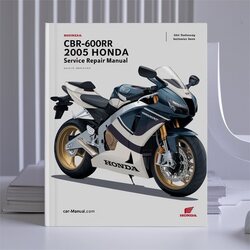
This manual covers the Honda CBR600RR, model year 2005, chassis code PC37. The CBR600RR is a celebrated supersport motorcycle, renowned for its lightweight chassis, high-revving 599 cc engine, advanced suspension, and sharp handling, making it a favorite among performance-oriented riders and track day enthusiasts. Building on Honda's legacy of engineering excellence and reliability, this model offers a potent combination of accessible power and dynamic capability, directly competing in the highly contested 600cc supersport segment with a strong racing heritage. Its design prioritizes rider control and feedback, delivering an exhilarating experience for those who appreciate precision engineering and exhilarating performance.
$16.99
The 2005 Honda CBR600RR is a highly acclaimed middleweight supersport motorcycle, renowned for its exceptional handling, potent inline-four engine, and advanced aerodynamic design. Building on Honda's rich motorsports heritage, this model offers a thrilling riding experience, making it a favorite among performance-oriented riders and track day enthusiasts. Its engineering emphasizes mass-centralization and agility, delivering razor-sharp responsiveness and stability, hallmarks of Honda's commitment to sportbike excellence.
$16.99
This manual covers the Honda CBR600RR, produced for the 2005-2006 model years. The CBR600RR is a supersport motorcycle renowned for its track-focused performance, featuring a high-revving 599 cc liquid-cooled inline four-cylinder engine that produces approximately 117 horsepower. Its design philosophy emphasizes advanced chassis dynamics and a powerful engine, making it a strong competitor in its segment. Honda's heritage of producing reliable and high-quality motorcycles is evident in this model, which offers a blend of performance and engineering excellence for discerning riders.
$16.99
The Honda CBR600RR, specifically the second-generation model produced for the 2005 and 2006 model years, represents a pinnacle of supersport motorcycle engineering. This bike is renowned for its potent 599cc liquid-cooled inline-four engine, delivering impressive horsepower and torque through a precise six-speed transmission. Its advanced chassis design, featuring a lightweight twin-spar aluminum frame and sophisticated USD front forks, provides exceptional handling characteristics, making it a favorite among enthusiast riders and track day participants. The aggressive, aerodynamic fairing design not only enhances its visual appeal but also contributes to stability at high speeds.
$16.99
This manual covers the 2007 Honda CBR125RW, an entry-level sportbike renowned for its sporty styling, manageable performance, and Honda's signature reliability. Designed for new riders and urban commuting, this model features a 125cc liquid-cooled, four-stroke engine with PGM-FI fuel injection for enhanced efficiency and performance. Its lightweight steel diamond frame, 6-speed transmission, and responsive disc brakes contribute to a stable and engaging riding experience, making it a popular choice in its class.
$16.99
The CBR600RR, produced for the 2007-2008 model years, represents a pinnacle of supersport motorcycle engineering. This generation, code-named PC40, is celebrated for its lightweight, hollow die-cast aluminum twin-spar frame and its powerful inline-four, liquid-cooled engine. Building on a rich racing heritage, the CBR600RR features advanced technologies such as PGM-FI with dual injectors per cylinder, an inverted telescopic front fork with comprehensive adjustability, and the Unit Pro-Link rear suspension. Its design prioritizes performance, handling, and a superior power-to-weight ratio, making it a standout in its class and a favorite among enthusiasts and competitors alike.
$16.99
The Honda CBR600RR, specifically the PC40 generation produced between 2007 and 2008, stands as a prominent sportbike motorcycle renowned for its exceptional performance, advanced handling, and technological innovation. This model is celebrated for its high-revving inline-four engine, a lightweight yet rigid twin-spar aluminum frame, and sophisticated adjustable suspension, all contributing to its reputation in the supersport segment. Building on Honda's heritage of engineering excellence and reliability, the CBR600RR incorporates features influenced by MotoGP technology, offering riders a machine designed for exhilarating performance and precise control, making it a top contender against its key competitors.
$16.99
This manual covers the Honda CBR600RR sportbike, specifically for the 2007 and 2008 model years. The CBR600RR is a highly acclaimed supersport motorcycle, renowned for its exceptional handling, advanced technology for its era, and track-day performance. Building on Honda's extensive heritage in motorcycle development, this generation, often referred to by its chassis code prefix PC40, features a completely redesigned chassis, engine, and styling, positioning it as a top contender in the competitive 600cc class.
$16.99
The Honda CBR600RR, specifically the PC40 generation produced between 2007 and 2008, represents a pinnacle of supersport motorcycle engineering. This model is renowned for its potent 999cc liquid-cooled inline four-cylinder engine, delivering approximately 125 horsepower, and its lightweight, hollow die-cast aluminum frame. Its design emphasizes aerodynamic efficiency and a balanced chassis, featuring advanced suspension and braking systems for exceptional track and road performance. Building on Honda's legacy of reliable sportbikes, the CBR600RR was a benchmark in its class, competing with other high-performance machines and earning significant editorial acclaim for its handling and technological advancements.
$16.99
This comprehensive manual is designed for the Honda CBR 1000 RR, model year 2008. The CBR 1000 RR is renowned for its exceptional engineering, delivering a thrilling riding experience combined with robust reliability. This sportbike is engineered for performance enthusiasts, offering cutting-edge technology and a dynamic design that sets it apart in its class.
$16.99
This manual covers the Honda CBR1000RR Fireblade motorcycles manufactured for the 2008 and 2009 model years, identified by chassis code SC59. As a premier supersport machine, the CBR1000RR Fireblade embodies Honda's commitment to high performance, advanced engineering, and rider-focused design. It features a potent 999.8 cc inline 4-cylinder engine, sophisticated PGM-FI fuel injection, and an advanced chassis designed for mass centralization and exceptional handling. Notable technological highlights include the optional Combined ABS (C-ABS) system, offering integrated braking and anti-lock functionality, making it a formidable competitor in the superbike segment for both road and track enthusiasts.
$16.99
This manual provides comprehensive information for the Honda CBR1000RR motorcycle, covering the 2008 and 2009 production model years. Engineered for performance and reliability, the CBR1000RR is renowned for its advanced technology and exhilarating riding experience, making it a premier choice for sportbike enthusiasts. This guide details its intricate systems, designed to deliver exceptional handling and power.
$16.99
The Honda CBR1000RR Fireblade (SC59) represents the third generation of Honda's flagship supersport motorcycle, produced for the 2008 through 2011 model years. This model is a high-performance supersport motorcycle, engineered with a focus on mass centralization for enhanced handling and agility. Key features include a compact and lightweight chassis, a powerful 999 cc liquid-cooled inline four-cylinder engine with advanced fuel injection, the Honda Electronic Steering Damper (HESD), and an optional Combined Anti-lock Braking System (C-ABS). Building on Honda's rich racing heritage, the CBR1000RR Fireblade was designed to compete at the highest level of sport riding, offering a blend of sophisticated technology and exhilarating performance.
$16.99
This workshop service repair manual covers the Honda CBR1000RR Fireblade, model generation SC59, for the years 2008 through 2011. Powered by a 999cc inline-four engine, this high-performance supersport motorcycle is engineered for exceptional performance and rider feedback, building on Honda's rich heritage in sportbike technology. The CBR1000RR Fireblade is recognized for its balance of power, handling, and overall usability, making it a standout in its segment.
$16.99
This manual covers the Honda CBR1000RR Fireblade for the model years 2008 through 2011. The CBR1000RR Fireblade is a supersport motorcycle renowned for its balanced performance, rider-friendly ergonomics, and advanced technology for its era. Building on Honda's rich heritage in sportbike production, this model offers a 999 cc liquid-cooled inline four-cylinder engine, a lightweight aluminum frame, and sophisticated suspension and braking systems, making it a capable machine for both performance riding and track enthusiasts.
$16.99
The Honda CBR1000RR Fireblade, model code SC59, produced between 2008 and 2014, represents a pinnacle of supersport motorcycle engineering. This model, a key player in the high-performance motorcycle segment, is renowned for its sophisticated inline-four engine, advanced chassis design focused on mass centralization, and exceptional handling characteristics. Built with Honda's commitment to reliability and performance, the Fireblade offers exhilarating power delivery and precise control, making it a favored choice for experienced riders and track day enthusiasts seeking a potent and capable machine. Its design emphasizes a balance of raw power and rider-friendly ergonomics, a hallmark of Honda's engineering prowess in the competitive supersport market.
$16.99
This manual covers the 2011 Honda CBR250R motorcycle. Engineered for performance and reliability, the CBR250R is designed to offer an engaging riding experience for both new and experienced riders. Its robust construction and efficient design ensure dependable operation across a variety of riding conditions. This model is recognized for its balance of power, handling, and fuel economy, making it a versatile choice for daily commuting and recreational riding.
$16.99
This workshop repair service manual provides comprehensive guidance for the Honda CBR600RR, a renowned supersport motorcycle celebrated for its performance and engineering. Known for its inline-four, 599cc engine and aluminum twin-spar frame, the CBR600RR has consistently set benchmarks in its class. This manual covers models from 2013 and 2014, detailing its advanced PGM-FI fuel injection system and optional C-ABS braking. The CBR600RR is engineered for performance-oriented riders and track day enthusiasts, offering exceptional handling and power.
$16.99
The Honda CBR600RR, including the CBR600RA variant, represents a pinnacle of sportbike engineering for the 2013, 2014, and 2015 model years. Renowned for its liquid-cooled, 16-valve, DOHC inline four-cylinder engine displacing 599 cc, this motorcycle delivers approximately 118 horsepower, making it a formidable machine for both track enthusiasts and discerning street riders. Its lightweight aluminum twin-spar frame, advanced suspension, and powerful braking systems, including optional Combined Anti-lock Braking System (C-ABS) on the CBR600RA, contribute to its exceptional handling and agility. Honda's long-standing reputation for reliability and performance is evident in the CBR600RR's refined design, which builds upon generations of sportbike development to offer a balanced and exhilarating riding experience.
$16.99
This manual covers the Honda CB500F, CB500FA, CB500X, CB500XA, CBR500R, and CBR500RA models from the 2013 to 2016 model years. These versatile motorcycles are powered by a 500cc class parallel-twin engine, known for its balance of performance, economy, and reliability, reflecting renowned engineering excellence. The platform offers distinct riding experiences, with the CBR500R as a sportbike, the CB500F as a naked sportbike, and the CB500X as an adventure-styled variant, all sharing a common core architecture. Features such as the PGM-FI fuel injection system, available Anti-Lock Braking System (ABS), and digital instrument clusters contribute to their user-friendly and technologically sound design.
$16.99
This manual covers the Honda CBR500R, CBR500RA, CB500F, CB500FA, CB500X, and CB500XA models produced between 2013 and 2016. These versatile motorcycles share a common 471cc parallel-twin engine platform, offering a balanced blend of performance and economy across their distinct variants: the sporty CBR500R, the naked CB500F, and the adventure-touring CB500X. Known for Honda's hallmark reliability and user-friendly design, these models cater to a wide range of riders, from beginners to experienced enthusiasts, seeking accessible performance and practical utility. The engine code prefix for these models is PC44, with specific codes like CBR500RA indicating ABS-equipped variants.
$16.99
This manual covers the Honda 500 Series motorcycles, including the CBR500R, CBR500RA, CB500F, CB500FA, CB500X, and CB500XA models produced between 2013 and 2016. These versatile motorcycles are powered by a shared 471cc parallel-twin engine, offering a balance of accessible power, smooth delivery, and fuel efficiency. The 500 Series platform successfully spawned three distinct models: the sport-oriented CBR500R, the naked CB500F, and the adventure-styled CB500X, catering to a wide range of rider preferences. Honda's engineering excellence and commitment to reliability are hallmarks of this generation, making them a popular choice for riders seeking an engaging and dependable machine.

$16.99
The Honda CBR500R, produced between 2013 and 2016, is a mid-size sportbike designed to offer accessible performance and sporty styling. Built by Honda Motor Company, this model, identified by the model code CBR500RA in its standard variant, features a liquid-cooled, 471 cc inline 2-cylinder engine with PGM-FI fuel injection, delivering approximately 47 hp and 31.7 lb-ft of torque. Its engineering prioritizes a balance of usability and performance, making it a user-friendly option in its segment. Notable features include LED lighting and an available Anti-lock Braking System (ABS) for enhanced safety.
$16.99
The Honda CBR500R and CBR500RA, produced from 2013 to 2016, represent Honda's commitment to engineering quality and reliability in the mid-size sportbike segment. These models are designed to bridge the gap between entry-level motorcycles and larger, more powerful sportbikes, offering accessible performance and sporty styling for both beginner and intermediate riders. With a liquid-cooled, 4-stroke, DOHC parallel-twin engine displacing 471 cc, and featuring PGM-FI fuel injection, the CBR500R series delivers approximately 47.0 hp and 31.7 lb-ft of torque. Its robust construction, manufactured in Kumamoto, Japan, and a reputation for dependability, makes it a strong contender for daily commuting, sport touring, and spirited riding.
$16.99
This manual covers the Honda CBR500R, CBR500RA (ABS), CB500F, CB500FA (ABS), CB500X, and CB500XA (ABS) models manufactured between 2013 and 2016. These motorcycles are powered by a liquid-cooled, 4-stroke, DOHC, parallel-twin engine with a displacement of 471 cc, delivering approximately 47.5 HP and 31.7 lb-ft of torque. Known for their balance of performance, economy, and versatility, the CB500 series is designed for a wide range of riders, from daily commuters to those embarking on longer journeys. Honda's reputation for reliability and quality engineering is evident in the robust construction and efficient PGM-FI fuel injection system.
$16.99
This manual covers the Honda CBR500R, CB500F, and CB500X models produced between 2013 and 2016. Honda is globally recognized for its engineering excellence, reliable performance, and innovative motorcycle designs. The CB500 series, including these variants, was developed to offer a versatile mid-size platform, effectively balancing performance, fuel efficiency, and user-friendliness. These models are designed for a wide range of riders, from commuters to those seeking enjoyable weekend rides, and are primarily manufactured in Thailand.
$16.99
This manual covers the Honda CB650F and CBR650F motorcycles, including their variants CB650FA (ABS) and CBR650FA (ABS), from the first generation produced between 2014 and 2018. These models are recognized for their capable 649cc inline-four engines, offering a blend of performance and accessibility. The CB650F provides a comfortable, naked sportbike experience, while the CBR650F offers a more faired, sporty aesthetic. Both models are built upon Honda's reputation for engineering quality and reliability, making them suitable for a wide range of riders and riding conditions.
$16.99
The Honda CBR650F and CBR650FA, produced from 2014 to 2016, represent Honda's commitment to delivering accessible four-cylinder performance in a mid-size sport-touring motorcycle. These models, chassis code RC83, are engineered to offer a refined riding experience, bridging the gap between entry-level machines and more aggressive supersports. They are characterized by their smooth inline-four engines, comfortable ergonomics suitable for both commuting and longer journeys, and Honda's renowned build quality and reliability. The CBR650F offers a standard configuration, while the CBR650FA includes the added safety of an Anti-lock Braking System (ABS), catering to a broad range of rider preferences and skill levels.
$16.99
The Honda CBR650F and CBR650FA, produced between 2014 and 2016, represent a mid-size sport-touring motorcycle designed for riders seeking a blend of sporty performance and everyday usability. These models, built with Honda's renowned engineering quality and reliability, feature a 649 cc inline-four cylinder engine delivering smooth, linear power. The design philosophy emphasizes a balance that makes them suitable for both commuting and longer journeys, offering a versatile riding experience. Notable features include a digital LCD instrument cluster, optional Anti-lock Braking System (ABS) on FA models, and the Honda Ignition Security System (H.I.S.S.) for enhanced security.
$16.99
This digital service repair manual covers the Honda CBR650F and CBR650FA models produced for the 2014, 2015, and 2016 model years. These mid-weight sport-touring motorcycles are powered by a 649cc liquid-cooled inline four-cylinder engine, featuring PGM-FI fuel injection and a smooth, accessible powerband. The CBR650F offers a balance of performance and everyday usability, with the CBR650FA variant including an Anti-lock Brake System (ABS) for enhanced safety. Chassis codes for these models are RC75 for the CBR650F and RC75A for the CBR650FA.
$16.99
This manual covers the Honda CBR300R and CBR300RA (ABS), as well as the CB300F and CB300FA (ABS) models produced for the 2015 and 2016 model years. These motorcycles are powered by a liquid-cooled, 286cc single-cylinder engine, known for its fuel efficiency and accessible performance, making them suitable for both commuting and recreational riding. Honda's reputation for engineering excellence and reliability is evident in these models, which offer a blend of sporty design and everyday usability, with the CBR variants featuring sportbike styling and the CB variants offering a more upright, naked aesthetic.
$16.99
This manual covers the Honda CBR300R, CBR300RA, CB300F, and CB300FA motorcycles produced between 2015 and 2017. These models represent Honda's commitment to delivering reliable and engaging entry-level to intermediate sportbike and naked bike experiences. Known for their single-cylinder engines providing strong low-end torque, lightweight chassis, and efficient fuel injection, these motorcycles are designed for accessible performance and everyday usability. Key features include aerodynamic styling on the CBR300R, a sporty naked design on the CB300F, and the option of Anti-lock Braking System (ABS) for enhanced safety. Honda's heritage of engineering excellence and reliability underpins these models, making them a popular choice for riders seeking a blend of performance, value, and dependability.
$16.99
This manual covers the Honda CBR300R and CB300F sportbikes, produced from 2015 to 2017. These motorcycles are designed for the entry-level to mid-range sportbike segment, offering a balance of performance, Honda's renowned reliability, and accessible styling. Key features include a fuel-efficient 286cc single-cylinder engine, nimble handling, and modern aesthetics. The CBR300R presents a full sportbike fairing, while the CB300F offers a naked sportbike configuration with comfortable ergonomics. Both models emphasize Honda's commitment to engineering excellence and durability, making them appealing choices for new riders and those seeking an agile motorcycle for various riding conditions.
$16.99
This manual covers the CBR300R, CBR300RA (ABS), CB300F, and CB300FA (ABS) models produced for the 2015, 2016, and 2017 model years. Globally recognized for its commitment to engineering excellence, producing reliable and accessible motorcycles. These models, particularly the CBR300R and CB300F, represent a dedication to the entry-level sport and naked bike segments, offering a blend of performance and user-friendliness. Their design emphasizes build quality and rider confidence, making them suitable for both new and experienced riders.
$16.99
This manual covers the sportbike motorcycles, produced from the mid-1980s to the early 1990s. These models are recognized for their approachable performance, sporty styling, and hallmark engineering precision. The CBR250 Four distinguished itself with a high-revving inline-four engine, while the CBR250R offered a parallel-twin configuration, both designed to provide an engaging riding experience for enthusiasts and commuters alike. Their compact displacement and balanced chassis made them popular choices in the quarter-liter sportbike segment, embodying a commitment to quality and reliability.
$16.99
The Honda CBR1000F, also known by its nickname Hurricane, is a distinguished sport-touring motorcycle produced approximately from 1987 to 2003. Renowned for its blend of performance, comfort, and Honda's characteristic reliability, it was engineered to offer a capable machine for both spirited riding and extended journeys. Powered by a robust liquid-cooled, 4-stroke, 16-valve inline-four engine with a displacement of 998 cc, the CBR1000F delivered impressive power and torque, making it a competitive choice in its segment. Its durable construction, comfortable riding position for its class, and capable handling cemented its reputation as a well-rounded and enduring motorcycle.
$16.99
The Honda CBR125R is an entry-level sportbike motorcycle, popular for its approachable performance, efficient operation, and Honda's renowned reliability. Designed for commuting and beginner riders, it offers a sporty aesthetic and agile handling. The CBR125R lineage is known for its accessible performance and fuel efficiency, making it a strong choice for urban environments and riders new to the sportbike category. Its engineering emphasizes ease of use and dependable operation, reflecting Honda's commitment to quality and rider satisfaction.
$16.99
This manual covers the Honda CBR954RR Fireblade, specifically the SC50 generation produced for the 2002 and 2003 model years. Renowned as a superbike, the CBR954RR is celebrated for its powerful 954 cc inline-four engine, aggressive styling, and track-focused performance, making it a formidable competitor in its class. Its engineering emphasizes a balance of power and agility, featuring an aluminium twin-spar frame and Pro-Arm single-sided swingarm for enhanced stability. Honda's legacy in sportbike development is evident in this model's lineage, building upon the revolutionary concept of the original Fireblade.
