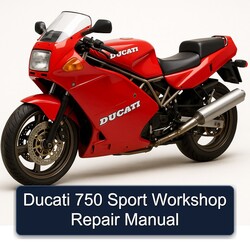
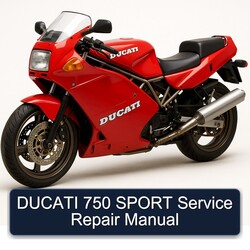
The 750 category encompasses a specific line of Ducati motorcycles known for their distinctive engine configurations and performance characteristics. These models are often favored by enthusiasts for their blend of classic design and sporting capability, suitable for both spirited riding on winding roads and occasional track day use. Key features typically include robust chassis designs, advanced braking systems, and engines tuned for a responsive power delivery, reflecting Ducati's heritage in performance motorcycle engineering.
Documentation for the 750 category includes comprehensive service manuals detailing routine maintenance schedules, diagnostic procedures, and step-by-step repair instructions for all major components. Technical specification sheets provide critical...
The 750 category encompasses a specific line of Ducati motorcycles known for their distinctive engine configurations and performance characteristics. These models are often favored by enthusiasts for their blend of classic design and sporting capability, suitable for both spirited riding on winding roads and occasional track day use. Key features typically include robust chassis designs, advanced braking systems, and engines tuned for a responsive power delivery, reflecting Ducati's heritage in performance motorcycle engineering.
Documentation for the 750 category includes comprehensive service manuals detailing routine maintenance schedules, diagnostic procedures, and step-by-step repair instructions for all major components. Technical specification sheets provide critical data on engine performance, dimensions, and electrical systems. Troubleshooting guides are also available to assist owners and technicians in identifying and resolving common issues, ensuring the continued optimal performance and longevity of these specialized Ducati models.
This manual covers the Ducati 750 Sport, produced between 1972 and 1974. The 750 Sport was a premium, performance-oriented motorcycle, representing a significant step for Ducati into the large-displacement market. It competed with other European performance bikes and is recognized as an icon of Italian motorcycle design and engineering, known for its Desmodromic valve system and distinctive L-twin engine.
This manual covers the 1974 Ducati 750 Sport, a motorcycle renowned for its performance and distinctive Desmodromic L-Twin engine. Featuring a 748 cc air-cooled V-twin configuration with 2 valves per cylinder, it delivers approximately 60 horsepower, paired with a 5-speed transmission and chain drive. Its robust engineering and iconic design make it a sought-after model for enthusiasts. The 750 Sport is equipped with dual front disc brakes and a rear drum brake, telescopic front forks, and dual rear shock absorbers for reliable handling.
This manual covers the Ducati 750 S, a sport motorcycle produced between 1972 and 1974. Manufactured in Bologna, Italy, the 750 S is renowned for its performance-oriented design and distinctive 90-degree V-twin engine, displacing 736 cc and producing approximately 60-65 horsepower. It represents Ducati's early efforts in the sportbike segment, building on the brand's heritage of powerful, performance-focused motorcycles. The 750 S is characterized by its dual front disc brakes, a 5-speed transmission, and a dry weight of around 205 kg, making it a significant machine in motorcycle history and a sought-after classic for enthusiasts.
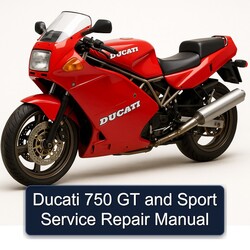
This manual covers the 750 GT and 750 Sport models from 1974. These motorcycles represent a pivotal era for Ducati, showcasing their pioneering 90-degree V-twin engine architecture. The 750 GT, introduced in 1971, was Ducati's first large-displacement V-twin, while the 1972 750 Sport offered a more performance-focused experience with its distinctive styling and rider ergonomics. Both models are celebrated for their classic Italian design, the characteristic sound and feel of their V-twin engines, and their significant role in establishing Ducati's reputation for performance and engineering. They competed with other European performance motorcycles of the time and remain highly sought after by collectors and enthusiasts for their historical significance and sporting heritage.
The Ducati 750 GT and 750 Sport, produced around 1974, represent a significant era for Italian performance motorcycles, renowned for their engineering and handling. These models marked Ducati's entry into larger displacement V-twin motorcycles, establishing the brand's legacy. The 750 GT offered a more touring-oriented experience, while the 750 Sport provided a sportier, more aggressive ride. Both are highly collectible and celebrated for their historical impact and V-twin engine architecture, which became a cornerstone of Ducati's racing success.
This manual covers the Ducati 750SS and 900SS models from 1975, renowned for their Desmodromic L-Twin engines and sporty performance. Ducati's legacy is built on engineering innovation and a passion for motorcycling, with these 'Super Sport' models representing a significant part of that heritage. The 750SS and 900SS, evolving from earlier models, offered riders a blend of power and handling, making them highly desirable for enthusiasts of vintage Italian motorcycles.
This manual covers the 750SS and 900SS models from the 1975 and 1976 production years. These motorcycles represent a significant part of heritage, known for their sporty performance derived from racing experience and the distinctive 90-degree V-twin Desmodromic engine. The 750SS features a 748 cc engine, while the 900SS boasts an 864 cc engine, both delivering robust power and handling characteristics that have earned them recognition among enthusiasts. With their steel trellis frames and hydraulic disc brakes, these models exemplify the engineering quality and riding dynamics that define legacy in the sport motorcycle segment.
This manual covers the Ducati 750 SS and 900 SS motorcycles produced in 1975 and 1976. These iconic Italian sportbikes are renowned for their air-cooled, 90-degree V-twin engines featuring Ducati's signature Desmodromic valve system, which allows for higher RPMs and precise valve control. With a focus on performance, handling, and distinctive styling, these models represent a significant era in Ducati's legacy of producing high-performance, air-cooled V-twin machines. They are highly collectible vintage motorcycles celebrated for their unique engine character, sound, and handling.
The Ducati 750 SS and 900 SS models, produced between 1975 and 1977, represent an iconic era for Italian sport motorcycles. These machines are renowned for their potent air-cooled, 90-degree V-twin engines, a hallmark of Ducati's performance heritage, and are characterized by their robust chromoly steel tube frames, designed for exceptional rigidity and handling. Evolving from earlier models, the SS variants were developed as street-legal homologation specials, drawing directly from Ducati's racing prowess. With displacements of 748cc for the 750 SS and 864cc for the 900 SS, these motorcycles delivered significant torque and horsepower, distinguishing them from contemporary rivals and solidifying Ducati's reputation for building characterful, high-performance machines.
This workshop service and repair manual provides comprehensive guidance for the 750SS and 900SS models manufactured between 1975 and 1977. These iconic Italian sportbikes, powered by 748cc and 864cc L-twin engines respectively, are celebrated for their performance and distinctive engineering. The manual covers the intricate details of their air-cooled engines, including the advanced Desmodromic valve actuation system, carburetors, and 5-speed transmissions. It also details the chassis, suspension, braking systems, and electrical components, offering essential information for owners and mechanics.
This workshop service repair manual covers the Ducati 750 SS and 900 SS motorcycles from the model years 1975, 1976, and 1977. These iconic Italian machines are celebrated for their powerful air-cooled V-twin engines featuring desmodromic valve actuation, a hallmark of Ducati engineering. Known for their distinctive sound, sharp handling, and engaging rider experience, the 750 SS and 900 SS established Ducati's reputation in the sportbike category, competing with contemporary European and Japanese models. Their design philosophy emphasized lightweight construction and performance, laying the groundwork for future Ducati sportbike generations.
The Ducati 750SS and 900SS, produced approximately between 1975 and 1982, represent a significant chapter in Ducati's history, marking its entry into the larger displacement sportbike segment. These iconic motorcycles are characterized by their air-cooled, 90-degree L-twin engines featuring desmodromic valve actuation, a hallmark of Ducati engineering. Known for their sporty chassis geometry, distinctive styling, and the unique performance envelope offered by their V-twin configuration, the 750SS and 900SS competed with other European and Japanese sportbikes of the era. Their engineering quality and reliability, combined with unique selling points like the desmodromic system and often Borrani wheels, cemented their status as desirable performance machines.
This manual covers the Ducati 750 SS and 900 SS models produced between 1975 and 1977. Ducati is renowned for its performance-oriented motorcycles and racing heritage, and these models represent a pivotal era for the brand, establishing their reputation for powerful L-twin engines and distinctive styling. The SS designation signifies a more performance-focused variant, characterized by their Desmodromic L-Twin air-cooled engines, typically featuring twin Dell'Orto carburetors and a 5-speed sequential manual transmission. These motorcycles are celebrated by enthusiasts for their significant torque delivery and classic aesthetics.
This factory service workshop repair manual covers the Ducati 750 Sport and 900 Super Sport models produced between 1975 and 1977. These motorcycles are recognized for their premium sportbike positioning, featuring a desmodromic L-twin engine configuration and distinctive Ducati styling. They competed with other European performance motorcycles of their era, offering significant sporting capabilities and a focus on rider engagement. The engineering quality and unique features of these models have made them highly regarded among enthusiasts and collectors, preserving their historical significance.
This manual covers the Ducati 750 GT / SS and 900 GT / SS models produced from 1975 to 1977. These iconic Italian sportbikes are powered by air-cooled, 90-degree Desmodromic V-twin engines, with displacements of 748 cc for the 750 models and approximately 864 cc for the 900 models. Known for their distinctive V-twin sound, legendary Desmodromic valve actuation, and classic Italian design, these motorcycles represent a significant era in performance motorcycling. The GT (Gran Turismo) variants offered a balance of performance and comfort for longer rides, while the SS (Super Sport) models were tuned for enhanced sport riding capabilities.
The Ducati 750 SS and 900 SS, produced between 1975 and 1977, represent a significant era in classic Italian performance motorcycles. These models are characterized by their iconic L-twin Desmodromic engine architecture, delivering a distinct blend of power and engineering. With their sportbike styling and performance-oriented chassis, the Square Case variants embody Ducati's renowned heritage of precision engineering and racing pedigree, making them highly sought after by enthusiasts and collectors.
This manual covers the Ducati 750 GT, 750 Sport, and 900 Super Sport models produced between 1975 and 1977. These motorcycles represent a significant era for Ducati, showcasing their engineering prowess with the distinctive Desmodromic L-Twin engine configuration. Known for their Italian craftsmanship and performance-oriented design, these models established Ducati's reputation in the high-performance motorcycle market, offering a blend of power, handling, and iconic styling that continues to be appreciated by enthusiasts.
This manual covers the Ducati 750 Sport and 900 Super Sport models produced between 1975 and 1977. These iconic Italian performance motorcycles are characterized by their L-twin engine configuration, desmodromic valve actuation, and distinctive styling, establishing Ducati's reputation for engineering excellence and rider engagement. Known for their spirited performance and handling, these models represent a significant era in sportbike development, competing with renowned machines of the period.
This manual covers the Ducati 750 SS and 900 SS models produced between 1975 and 1977. These iconic motorcycles are powered by air-cooled, Desmodromic L-twin engines, with displacements of approximately 748cc for the 750 SS and 864cc for the 900 SS. Known for their performance and handling, these bikes represent a significant era in Ducati's heritage, establishing the foundation for their sportbike legacy. The SS designation highlights their sport-oriented nature, featuring steel tube trellis frames for rigidity and dual front disc brakes for effective stopping power.
This manual covers the Ducati 750SS and 900SS models from 1976. These iconic Italian performance motorcycles are renowned for their distinctive L-twin engines, featuring desmodromic valve actuation, and their sporty handling characteristics. The 750SS, with its 748 cc displacement, and the 900SS, available in 860 cc and later 937 cc variants, established Ducati's reputation for engineering excellence and performance, competing against notable contemporaries like the Honda CB750 and Kawasaki Z1.
This manual covers the Ducati 750 SS and 900 SS Sport Special models from 1977. These Italian sportbikes are renowned for their powerful V-twin engines, featuring desmodromic valve actuation, and their exceptional handling characteristics, which set a benchmark in the motorcycle industry. Built with a steel trellis frame and iconic Italian design, these machines offered a distinctive riding experience and were a significant competitor in their era, known for race-derived technology and performance.
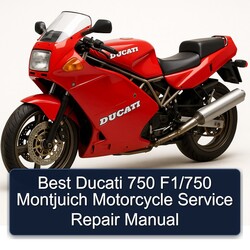
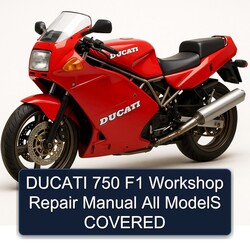
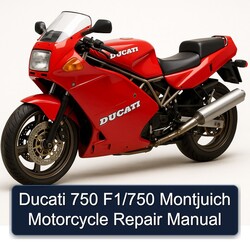
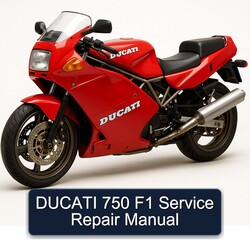
This manual covers the 750 F1 and 750 Montjuich models produced between 1985 and 1988. These motorcycles, powered by the Duroc 4-stroke V-twin engine, represent a significant part of sporting heritage from the mid-1980s. Known for their race-inspired design and performance capabilities for the era, these models featured steel trellis frames and were equipped with dual front disc brakes and a single rear disc brake. The 750 F1 series, including the higher-specification Montjuich variant, offered an engaging riding experience, competing in the sportbike segment with their Italian engineering and distinctive V-twin character.
This manual covers the Ducati 750 F1-Montjuich motorcycle, produced for the 1985 through 1988 model years. Renowned for its performance and distinctive styling, the 750 F1-Montjuich represents a significant era in Ducati's heritage. This machine is engineered for riders who appreciate Italian craftsmanship and a dynamic riding experience, offering a blend of spirited performance and classic design.
The Ducati 750 F1-Montjuich, produced between 1985 and 1988, represents a pinnacle of Italian sportbike engineering from its era. As a performance-oriented machine, it embodies Ducati's renowned V-twin engine architecture, celebrated for its distinctive sound, power delivery, and race-derived chassis. This model, named in honor of the Montjuïc circuit, offers exceptional handling and a pure riding experience, making it a highly sought-after machine for enthusiasts and collectors who appreciate its blend of performance, design, and iconic brand heritage.
This manual covers Ducati 750-900 Series motorcycles produced between 1985 and 1996, including the F1, Montjuich, Sport, and S.S. models. These air-cooled V-twin machines are renowned for their sporting heritage and distinctive Desmodromic valve actuation. This resource provides comprehensive information essential for the maintenance, repair, and restoration of these iconic Italian motorcycles, focusing on their mechanical and electrical systems.
The 1988 Ducati 750 F1 is a performance motorcycle that embodies Ducati's rich sporting heritage, a direct descendant of its successful racing machines. Featuring a potent air-cooled, 4-stroke, 90-degree L-twin engine with Desmodromic valve actuation, this Italian-engineered V-twin offered a compelling blend of power and precise handling. Its lightweight trellis frame and racing-inspired design positioned it as a specialist machine, appealing to riders seeking an authentic and exhilarating riding experience. The 750 F1 represents a significant chapter in Ducati's evolution of performance motorcycles.
This workshop service repair manual covers the Ducati 750 Sport, a sport motorcycle model produced from 1988 onwards. Renowned for its air-cooled V-twin engine, desmodromic valve actuation, and dry clutch, the 750 Sport embodies Ducati's heritage of performance-oriented engineering. This manual encompasses all 750 Sport engine configurations, providing comprehensive technical information essential for owners, independent mechanics, and enthusiasts. It serves as an indispensable tool for maintaining and repairing this iconic Italian motorcycle, ensuring its continued performance and reliability.
The Ducati 750 Sport, produced from 1988 onwards, is a distinguished motorcycle renowned for its performance-oriented design and the iconic Pantah-derived V-twin engine. This model embodies Ducati's heritage of engineering excellence, featuring a 748cc air-cooled L-twin engine with desmodromic valve actuation, a 5-speed sequential manual transmission, and a dry multi-plate clutch. Its chassis is complemented by quality suspension and robust braking systems, including dual front disc brakes and a single rear disc brake. The 750 Sport is celebrated for its engaging riding experience and distinctive styling, making it a sought-after machine for enthusiasts who appreciate its blend of performance and classic Italian engineering.
This manual covers the Ducati 750 Sport, a performance motorcycle produced from 1988 onward. Known for its iconic 750cc L-twin, air-cooled engine with desmodromic valve actuation, the 750 Sport embodies Ducati's legacy of engineering excellence and racing heritage. This model, often identified by its chassis or engine type, offers a sporty riding experience and distinctive Italian styling, building upon earlier Ducati V-twin designs. Its robust construction and focus on rider engagement make it a sought-after machine for enthusiasts and collectors alike.
The Ducati 750 Sport, produced from 1988 onwards, represents a significant entry in the lineage of Italian sportbikes. Characterized by its air-cooled, 90-degree L-twin Desmodromic engine, this model is celebrated for its performance-oriented design and engaging riding experience. The early series of the 750 Sport embodies the engineering prowess and sporting heritage of Ducati, offering a distinctive V-twin character that appeals to enthusiasts. Its robust construction and focus on rider connection make it a notable machine from its era.
This manual covers the Ducati 750 Sport, a distinguished sport motorcycle produced from 1988 onwards. Renowned for its Italian engineering and performance heritage, the 750 Sport features a 748cc, air-cooled, 90-degree V-twin engine with iconic desmodromic valve actuation. This model embodies the passion and sporting prowess characteristic of Ducati, offering a unique riding experience for enthusiasts and collectors. Its design emphasizes a sporty posture and dynamic handling, making it a classic Italian machine with a dedicated following.
This manual covers the Ducati 750 Sport, a classic Italian sportbike from the Pre-Pantah/Narrow-Case Era, manufactured in Bologna, Italy. Evolving from earlier 750cc models, this air-cooled, 90-degree V-twin motorcycle, featuring Ducati's signature desmodromic valve actuation, is celebrated for its distinctive engine note, handling, and styling. With a displacement of approximately 748 cc and a power output ranging from 62-70 hp, the 750 Sport offers a pure riding experience, devoid of modern electronic aids, focusing instead on mechanical feedback and rider control. Its steel trellis frame and dual front disc brakes contribute to its sporting pedigree, making it a highly regarded machine among Ducati enthusiasts.
The Ducati 750 Sport, produced from 1988 onward, is a celebrated Italian performance motorcycle renowned for its spirited V-twin engine and sharp handling. Designed with a focus on lightweight construction and sporty ergonomics, this model embodies Ducati's heritage of building high-caliber sportbikes. Its characteristic Desmodromic V-twin engine, typically around 748cc, delivers engaging power, making it a favored machine for enthusiasts seeking a classic riding experience. The 750 Sport is recognized for its distinct design philosophy, offering a blend of performance and style that has cemented its place in motorcycle history.
The Ducati 750 Sport, produced from 1988 onwards, represents a cornerstone of Italian performance motorcycle engineering, celebrated for its iconic V-twin engine and sporting heritage. This model embodies Ducati's commitment to innovative design and rider engagement, offering a unique blend of classic styling and dynamic capability. Renowned for its robust construction and the distinctive sound of its Desmodromic valve system, the 750 Sport is a favored machine among enthusiasts and collectors alike, representing a significant piece of motorcycle history.
This manual covers the 750 Sport, a performance-oriented motorcycle renowned for its distinctive styling and Italian sporting heritage. Produced from 1988 onwards, the 750 Sport features an air-cooled, 90-degree L-twin engine with Desmodromic valve actuation, delivering approximately 748cc of displacement and an estimated 62-65 horsepower. Its robust engineering is complemented by a 5-speed transmission, wet multi-plate clutch, and effective braking systems, including dual discs at the front and a single disc at the rear. This model is celebrated for its exceptional handling and engaging riding experience, embodying a commitment to performance and mechanical excellence.
The 750 Sport, produced around 1988, is a performance-oriented motorcycle renowned for its distinctive Italian styling and the characteristic Desmodue L-twin engine. Featuring a 748 cc displacement and a 90-degree V-twin configuration, this model is equipped with an iconic desmodromic valve system, ensuring precise valve control across the rev range. Its engineering quality is further highlighted by a rigid steel trellis frame, contributing to excellent handling dynamics, and typically high-quality braking components, providing superior stopping power. The 750 Sport was designed to compete with other sporting motorcycles of its era, often praised for its agile handling and braking capabilities over sheer power.
The Ducati 750 Sport, produced between 1988 and 1989, represents a significant offering in the Italian motorcycle manufacturer's lineage. This model embodies Ducati's dedication to high-performance engineering, characterized by its potent L-twin, 90-degree V-twin Desmodromic engine and a rigid steel trellis frame. Known for its spirited performance, sharp handling, and distinctive Italian styling, the 750 Sport was positioned as a sportier, more aggressive machine for enthusiasts. Its design philosophy emphasized lightweight construction and rider engagement, making it a notable competitor in the performance motorcycle market of its era.
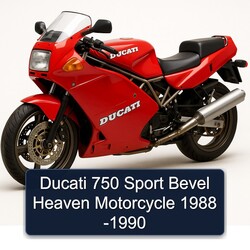
The Ducati 750 Sport Bevel Heaven, produced from 1988 to 1990, is an iconic Italian sportbike renowned for its performance-oriented engineering. This model features a 750cc L-twin engine with distinctive bevel gear-driven camshafts and desmodromic valve actuation, a hallmark of Ducati's engineering prowess. Its design emphasizes a premium riding experience, incorporating high-performance components like Marzocchi front forks and Brembo brakes, setting it apart in its era. This motorcycle represents a significant step in Ducati's sportbike lineage, appealing to enthusiasts and collectors who value its unique blend of power, handling, and classic Italian styling.
The Ducati 750 Sport, produced from 1988 to 1990, is an iconic Italian motorcycle renowned for its performance-oriented design and the distinctive L-twin engine. This model embodies Ducati's rich heritage in sportbike engineering, offering a blend of power, handling, and classic styling. Its air-cooled, 2-valve per cylinder Desmodromic L-twin engine, typically displacing around 748 cc, delivers approximately 65-70 horsepower, making it a capable machine for both spirited riding and everyday use. The 750 Sport is celebrated for its engaging riding experience, characteristic sound, and the engineering quality that has become synonymous with the Ducati brand.
The Ducati 750 Sport, produced for model years 1988, 1989, and 1990, is a distinguished sportbike and naked sportbike renowned for its Italian design and performance. Built upon a Pantah-based chassis and powered by the characteristic Desmodue V-twin engine family, this model embodies Ducati's commitment to engineering quality and the unique experience of its desmodromic valve actuation. The 750 Sport was a key player in the late 1980s performance motorcycle market, offering a compelling alternative to both European and Japanese competitors, and remains a sought-after machine for enthusiasts.
This manual covers the Ducati 750 Sport motorcycles produced between 1988 and 1990. Renowned for its air-cooled, 4-stroke, Desmodromic L-twin engine, typically around 748 cc, the 750 Sport embodies Italian performance engineering. These models are characterized by their sporty handling, dry clutch, and chain drive, offering a distinct riding experience that appeals to enthusiasts seeking a classic performance machine. Ducati's heritage of craftsmanship and its signature desmodromic valve system are central to the appeal of the 750 Sport, placing it within a lineage of iconic Italian motorcycles.
The Ducati 750 Sport, produced from 1988 to 1991, is a performance-oriented sport motorcycle embodying Ducati's heritage of L-twin engines and distinctive Italian styling. This model offered riders a more visceral and engaging experience, competing with other sportbikes of its era through its unique engineering philosophy and passionate appeal. Key features include the iconic Desmodromic valve actuation, a lightweight chassis, sporty ergonomics, and a 748 cc air-cooled, 90-degree L-twin engine known for its characteristic sound and performance.
This manual covers the Ducati 750 S.S. and 900 S.S. models produced between 1988 and 2007. These motorcycles are renowned for their Italian heritage, performance-oriented design, and the distinctive L-twin engine featuring Ducati's Desmodromic valve system. The 750 S.S. and 900 S.S. represent a lineage of sportbikes celebrated for their handling and rider experience. This comprehensive guide is designed to assist owners and technicians in maintaining and repairing these iconic machines, ensuring their continued performance and reliability.
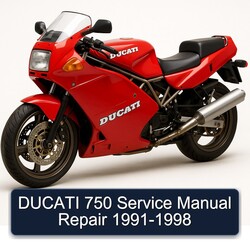
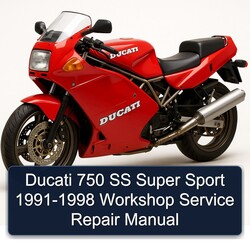
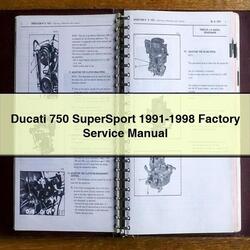
This factory service repair manual covers the Ducati 750 SuperSport and 900 SuperSport models produced between 1990 and 1998. These iconic sportbikes are renowned for their distinctive Desmodromic valve system, powerful V-twin engines, and agile handling, embodying Ducati's rich racing heritage and commitment to performance. Designed for enthusiasts and riders who appreciate a pure, engaging riding experience, the 750SS and 900SS represent a significant era in sportbike evolution, offering a blend of mechanical sophistication and raw sporting prowess that continues to captivate riders.
This manual covers the Ducati 750 SS SuperSport and 900 SS SuperSport models produced between 1990 and 1998. These first-generation SuperSport bikes are characterized by their air-cooled, Desmodromic L-twin engines, known for their distinctive character and performance. Embodying Ducati's Italian heritage and passion for sportbikes, these models emphasize lightweight construction, agile handling, and a raw, engaging riding experience. They represent a classic era of motorcycle engineering, designed for performance enthusiasts who appreciate mechanical feedback and a direct connection to the road.
This manual covers the Ducati 900 SuperSport and 750 SuperSport SS Series motorcycles produced between 1991 and 1996. These iconic Italian sportbikes are renowned for their powerful Desmodromic L-Twin engines, precise handling, and distinctive character. The SS series represents a significant evolution in Ducati's sport motorcycle lineage, offering a blend of performance and sporty design that has cemented its place in motorcycle history. Manufactured in Bologna, Italy, these air-cooled machines, featuring 2 valves per cylinder and a 5-speed manual transmission, deliver an engaging riding experience.
This manual covers the Ducati 750 SS, a sportbike model produced in 1991. Renowned for its Italian engineering and performance heritage, this motorcycle is characterized by its V-Twin engine, steel trellis frame, and desmodromic valve system, hallmarks of iconic design. The 750 SS offers a compelling blend of sporty aesthetics and engaging riding dynamics, appealing to enthusiasts who appreciate distinctive character and mechanical precision. Its design reflects deep roots in motorsport, translating a racing spirit into a road-going machine.
This manual covers the SuperSport 750SS and 900SS models produced between 1991 and 1996. These motorcycles are renowned for their distinctive Desmodromic L-twin engines, trellis frame construction, and spirited performance, embodying heritage of sporty Italian engineering. With a focus on delivering an engaging riding experience, these models represent a significant chapter in history, bridging the gap between earlier designs and the more advanced superbikes that followed.
The Ducati 750 SuperSport and 900 SuperSport models, produced between 1991 and 1996, represent a significant era for Italian sportbike engineering. These motorcycles are characterized by their L-twin engines with desmodromic valve actuation, a hallmark of Ducati's performance heritage. Known for their distinctive styling, trellis frame construction, and engaging riding dynamics, these SuperSports offered a compelling alternative in the sportbike market. They competed with other performance-oriented V-twin machines, distinguished by their unique character and engineering.
This workshop repair service manual covers the Ducati Supersport 750S.S. and 900S.S. models produced between 1991 and 1996. These Italian-manufactured sportbikes are powered by a Desmodromic L-twin engine, known for its performance and unique valve actuation. Renowned for their distinctive styling and engaging ride characteristics, these motorcycles represent Ducati's dedication to sporty road bikes. The Supersport line offers a blend of performance and rider involvement, appealing to enthusiasts who appreciate the brand's heritage and engineering.
The Ducati 750SS and 900SS models, produced between 1991 and 1996, represent a significant chapter in Ducati's heritage of performance motorcycles. These models are characterized by their air-cooled Desmodromic L-twin engines, offering a distinctive blend of power and character. Known for their trellis frame construction, dual front disc brakes, and classic Italian styling, the SS line provided a sport-touring experience that balanced performance with a degree of practicality. The 750SS features a 748 cc displacement, while the 900SS offers 904 cc, both delivering engaging power delivery and handling, making them celebrated for their raw V-twin character.
This manual covers the Ducati 750SS and 900SS Super Sport motorcycles produced between 1991 and 1996. These models represent the second generation of Ducati's air/oil-cooled V-twin platform, featuring the renowned Desmodue engine architecture. Known for their characteristic Italian performance, steel trellis frames, and distinctive V-twin character, these sportbikes were designed for riders seeking a blend of style and dynamic riding experience. The 750SS and 900SS models, powered by 748cc and 904cc engines respectively, offered engaging performance and handling that placed them within the competitive sportbike segment of their era.
This manual covers the Ducati 750 motorcycle models produced between 1991 and 1996. Renowned for its signature V-twin engine configuration featuring desmodromic valve actuation, the Ducati 750 represents a blend of Italian design and performance engineering. These motorcycles were positioned as premium sportbikes, competing with other high-performance machines of their era. The engineering quality and reliability are hallmarks of the Ducati brand, offering a distinctive riding experience characterized by spirited performance and sharp handling, often praised for their aesthetic appeal and rider ergonomics.
The Ducati 750 SS (Super Sport), produced between 1991 and 1996, represents a significant entry in the Italian manufacturer's lineage of performance sportbikes. Characterized by its distinctive L-twin engine, renowned for its unique character and sporting heritage, this model embodies classic Italian engineering. It offers riders an engaging experience, distinguishing itself from contemporary Japanese inline-fours through its V-twin power delivery and iconic styling. The 750 SS is celebrated for its enthusiast ownership appeal and its place as an icon within Ducati's sportbike evolution.
This manual covers the Ducati 750 Supersport (750 S.S.) and 900 Supersport (900 S.S.) models produced between 1991 and 1996. These iconic Italian sportbikes are renowned for their distinctive Desmodromic L-twin engines, celebrated for their character and performance, and are built around Ducati's signature rigid steel trellis frame, providing exceptional handling and rider feedback. Designed for spirited riding and enthusiasts who appreciate Italian engineering and sporting heritage, these motorcycles represent a significant era in Ducati's sportbike lineage, bridging the gap between earlier models and the more advanced machines that followed.
The Ducati 750SS and 900SS models, produced between 1991 and 1996, represent a significant chapter in Ducati's sporting heritage. These motorcycles are characterized by their iconic Desmodromic L-Twin engines, renowned for their distinctive power delivery and strong mid-range torque. Engineered with a focus on performance and handling, they feature a rigid trellis frame, high-performance hydraulic disc brakes, and a responsive chassis. The 750SS and 900SS were celebrated for their sporty styling and were considered well-regarded machines in their class, appealing to riders who appreciated their unique character and engineering.
The Ducati 750SS and 900SS Supersport models, produced between 1991 and 1998, represent a significant chapter in Ducati's heritage of performance sportbikes. These motorcycles, often designated as SS900, SS750, 900SS, or 750SS, are characterized by their iconic L-twin engines featuring desmodromic valve actuation, delivering characteristic torque and rider engagement. Rooted in a design philosophy focused on handling and a distinctive Italian sporting character, these machines offered a compelling alternative in the performance motorcycle market of the 1990s, bridging the gap between pure racing machines and accessible street usability.
This manual covers the 750, 750S, 750SS Sport, and SuperSport models produced between 1991 and 1998. Known for its air-cooled, 4-stroke, 750cc L-twin engine with Desmodromic valve actuation, the 750 series represents a significant era in performance motorcycle heritage. These models typically feature a 6-speed transmission, chain drive, dual front disc brakes, and a single rear disc brake, often equipped with quality suspension components and braking systems. Engineering focus on performance and distinctive engine character is evident throughout these models, making them sought after by enthusiasts.
This manual covers the Ducati 750 SS Super Sport motorcycles produced between 1991 and 1998. Known for its distinctive L-twin Desmodue engine, trellis frame, and renowned handling characteristics, the 750 SS Super Sport embodies Ducati's heritage of performance-oriented sportbikes. This model competed with other European and Japanese sportbikes of its era, often celebrated for its agile chassis and the unique character of its V-twin powertrain.
This manual covers the Ducati 750 SuperSport motorcycle, produced between 1991 and 1998. Renowned for its Italian heritage and performance-oriented design, the 750 SuperSport features a 748 cc air-cooled, 90-degree V-twin engine with Desmodromic valves, a trellis frame, and a 5-speed transmission. It represents a significant model in Ducati's history, bridging earlier designs with more modern sportbikes, and is celebrated for its engaging handling and distinctive engine character. This comprehensive guide is designed to assist owners and technicians in understanding and maintaining this iconic machine.
The Ducati 750 SuperSport, model code D750SS, represents a significant offering in Ducati's sportbike heritage, produced between 1991 and 1998. Known for its distinctive air-cooled, 2-valve Desmodromic L-twin engine and iconic steel trellis frame, this model embodies the performance and engineering prowess for which Ducati is globally recognized. With a displacement of 748 cc and a dry weight around 180-190 kg, the 750 SuperSport was designed to deliver an engaging riding experience, blending Italian styling with robust mechanicals. Its legacy is built on a foundation of racing pedigree and a commitment to unique V-twin technology, making it a sought-after machine for enthusiasts.
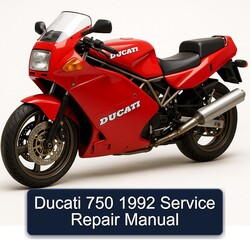
This manual covers the 1992 750 SS, a celebrated Italian motorcycle known for its L-twin engine, sporty performance, and engaging riding experience. As part of the iconic SuperSport lineage, the 1992 model embodies a blend of classic styling and functional engineering. The brand is renowned for its performance-oriented machines and racing heritage, and the 750 SS is a testament to this legacy, offering enthusiasts a unique connection to motorcycle history. Its air-cooled, 748 cc L-twin engine, paired with a 5-speed transmission and chain drive, delivers a distinctive character appreciated by riders.
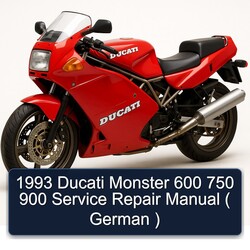
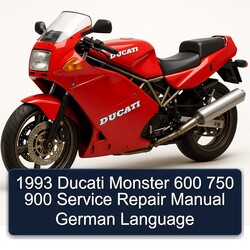
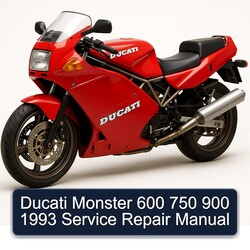
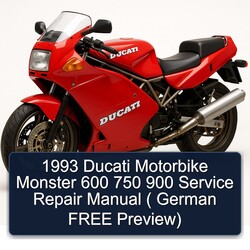
The 1993 Ducati Monster, available in 600, 750, and 900 variants, represents an iconic era in naked sportbike design. Characterized by its distinctive steel trellis frame, potent air-cooled L-twin engines, and minimalist aesthetic, the Monster series offered a raw and engaging riding experience. Ducati's heritage of performance and engineering excellence is evident in the model's agile handling and torquey power delivery, making it a sought-after machine for riders who appreciate both form and function. This manual covers the essential technical knowledge for these groundbreaking motorcycles.
This manual covers the Ducati Monster, specifically the 600, 750, and 900 model variants produced in 1993. The Ducati Monster is an iconic naked sportbike renowned for its minimalist design, exposed trellis frame, and potent L-twin Desmodromic engine. Representing Italian engineering prowess, this motorcycle category-defining machine offers a performance-oriented experience for enthusiasts. Its distinctive styling and lightweight chassis have cemented its status as a celebrated motorcycle design.
This manual covers the Ducati Monster, including the 600, 750, and 900 variants produced in 1993. The Ducati Monster series, originating in 1993, revolutionized the naked sportbike segment with its distinctive L-twin Desmodromic engines, steel trellis frames, and minimalist design. These early air-cooled models, manufactured in Bologna, Italy, offered a premium Italian performance and style alternative, competing with other European and Japanese naked bikes. Known for their unique character and rider engagement, the Monster series has become a design icon, significantly impacting Ducati's global brand image.
This manual covers the Ducati Monster, including the 600, 750, and 900 variants, with a production year of 1993. Known for its signature trellis frame, air-cooled L-twin desmodromic engine, and minimalist styling, the Monster series is a celebrated naked sportbike that offers a distinct Italian character and engaging riding experience. Its engineering quality is evident in its performance-oriented V-twin engine and balanced chassis, appealing to riders seeking a blend of style and exhilarating performance.
The Ducati Monster, introduced in 1993, revolutionized the sportbike landscape with its minimalist design, exposed trellis frame, and signature L-twin engine. This iconic motorcycle, originating from Bologna, Italy, is renowned for its rider-focused engineering and distinctive Italian style. The 1993 models, encompassing 600, 750, and 900cc engine variants, established a benchmark for naked bikes, emphasizing essential performance and a visceral riding experience. The unique desmodromic valve system, a hallmark of Ducati's performance heritage, contributes to the model's character and requires specific maintenance.
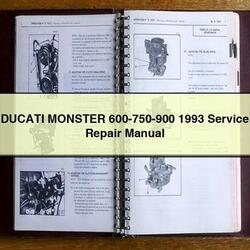
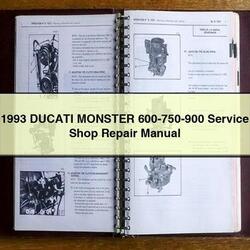
This comprehensive service manual is designed for owners and technicians seeking detailed information on vehicle maintenance and repair. It provides an in-depth guide to understanding and servicing your vehicle, ensuring its optimal performance and longevity. The manual's content is derived from official workshop data, offering the same level of detail and accuracy that professional mechanics rely on.
The 750 SS, a model from 1993, embodies the distinctive Italian engineering and performance that the brand is celebrated for. Featuring a characterful air-cooled, 90-degree V-twin engine, this sportbike was designed for enthusiast riders seeking an agile and engaging riding experience. Its heritage is rooted in the brand's racing legacy, with a focus on a responsive chassis, premium componentry, and the unique desmodromic valve system that defines its mechanical prowess. This model competed in an era where V-twin character and handling were paramount, offering a compelling alternative to other sportbikes of its time.
This manual covers the 750 SS, a performance-oriented sportbike from 1994, celebrated for its Italian engineering and distinctive Desmodromic L-twin engine. Known for its excellent handling characteristics and iconic styling, the 750 SS offered a unique V-twin experience in the competitive sportbike market of its era. This air-cooled model, featuring a 90-degree L-twin configuration with approximately 748cc displacement, was praised for its lightweight chassis and spirited performance, making it a notable machine for riders seeking a blend of style and dynamic capability.
The 750 SS, produced in 1995, is a distinguished sportbike celebrated for its potent V-twin engine character and spirited performance, a hallmark of Italian engineering. This model, part of the L-twin sportbike segment of the 1990s, competed with leading Japanese and European manufacturers, emphasizing a lightweight chassis and sporty handling. Its design philosophy focused on delivering an engaging riding experience, powered by a desmodromic 2-valve V-twin engine, typically around 748cc and air-cooled, producing an estimated 60-70 horsepower. The 750 SS featured a steel trellis frame, dual front disc brakes, and a monoshock rear suspension, embodying the performance and distinctive styling expected.
The 1996 750 SS is a distinguished sportbike, embodying a rich heritage of performance and engineering excellence. Powered by an air-cooled, 90° V-twin engine with Desmodromic valve actuation, this model offers a compelling blend of power and handling. Its steel trellis frame provides characteristic rigidity and agile responsiveness, making it a capable machine for spirited riding and spirited journeys. The 750 SS represents a significant chapter in the evolution of this type of motorcycle, offering enthusiasts a taste of Italian performance with its distinctive engine character and sporty aesthetics.
This manual covers the Ducati Monster 750 Dark, a 2000 model year motorcycle. Renowned for its iconic naked styling and the characteristic Italian L-twin engine, the Monster series, originating in 1993, represents a blend of performance and distinctive design. The 750 Dark variant, an entry-level offering, typically featured a more understated aesthetic while retaining the core engineering principles that define Ducati. This model is powered by an air-cooled, 748 cc L-twin engine, producing approximately 60 horsepower and 46 lb-ft of torque, coupled with a 5-speed manual transmission and a hydraulically actuated wet, multi-plate clutch. Its chassis features upside-down telescopic front forks and a monoshock rear suspension, with dual disc front brakes and a single disc rear brake for stopping power.
The 2000 Monster 750 DARK represents a significant entry in the Sport Naked Motorcycle segment, embodying heritage of performance, Italian design, and a minimalist aesthetic. Known for its air-cooled L-twin engine with Desmodromic valve actuation and a robust steel trellis frame, this model offers a distinctive riding experience. The DARK variant is characterized by its aggressive, all-black styling. This motorcycle is engineered for enthusiasts and riders who appreciate a blend of raw performance and iconic design, making it a notable machine within its competitive landscape.
The Monster 750, model code M750, from the 2000 model year, represents a significant entry in the naked sportbike segment, offering the distinctive style and performance associated with the Italian manufacturer. Known for its air-cooled, L-twin, Desmodromic engine and iconic trellis frame, the Monster 750 provided an accessible yet engaging riding experience. Its minimalist design and upright riding position contribute to its classic aesthetic and practical usability, making it a popular choice for riders seeking a blend of performance and iconic Italian engineering.
The Ducati Monster 750, a sport naked motorcycle from the 2000 model year, embodies Ducati's legacy of high-performance engineering and minimalist design. Renowned for its agile handling, exposed trellis frame, and air-cooled L-twin engine, the Monster 750 offers a pure riding experience. This model represents a key part of the iconic Monster lineage, which redefined the naked sportbike category with its distinctive aesthetic and focus on rider engagement. Its robust construction and sporty ride characteristics have made it a favored choice among motorcycle enthusiasts.
The Ducati Monster 750, produced in 2000, represents a significant entry in the naked bike segment, celebrated for its distinctive steel trellis frame and minimalist Italian styling. Building on the iconic Monster lineage, this model offers riders a blend of performance and classic aesthetics, making it a sought-after machine for enthusiasts. Its air-cooled, L-Twin engine, featuring Desmodromic valve actuation, delivers a characteristic power delivery, while its upright riding position ensures comfort for both spirited rides and daily use. The 750 variant provided an accessible entry into the Monster family, embodying Ducati's heritage of engineering excellence and a passion for performance.
The Ducati Monster 750, produced between 2000 and 2001, is a celebrated sport naked motorcycle embodying Ducati's renowned minimalist design and performance-oriented engineering. Characterized by its distinctive trellis frame and air-cooled, 2-valve per cylinder Desmodromic L-Twin engine, this model offers a raw, engaging riding experience. With a displacement of approximately 748 cc, it delivers around 62-65 HP, providing spirited performance that has made the Monster line an icon in the motorcycle world. Its Italian heritage is evident in its stylish aesthetics and dynamic handling, making it a favored choice for enthusiasts seeking character and performance.
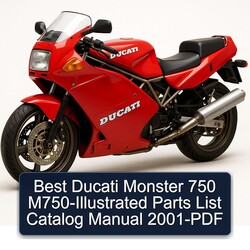
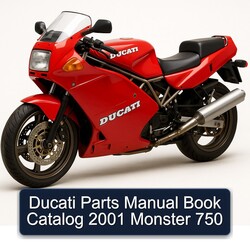
This manual covers the 2001 Ducati Monster 750 (M750). The Ducati Monster series is celebrated for its iconic naked sportbike design, blending performance with distinctive Italian styling. The M750, a key model in the Monster lineage, offers a compelling riding experience powered by its L-Twin engine. Its steel trellis frame is a hallmark of Ducati engineering, contributing to its agile handling and renowned road presence.
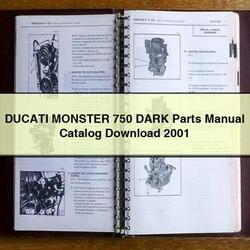
This document provides comprehensive parts catalog information for the 2001 Ducati Monster 750. Known for its iconic Italian design and spirited performance, the Monster 750 embodies Ducati's heritage of L-twin engines and the innovative Desmodromic valve system. This model, a key variant in the revolutionary Monster series, offers a blend of minimalist aesthetics and sporty handling, making it a popular choice for riders seeking an engaging and stylish motorcycle experience. Its air-cooled, 748 cc L-twin engine delivers approximately 63 HP, coupled with a 5-speed manual transmission and a dry clutch, characteristic of Ducati's performance-focused engineering.
Introducing the Supersport 750 i.e., a 2001 model that embodies Italian sporting heritage. This motorcycle, powered by a 748 cc air-cooled, 90-degree L-twin engine featuring Desmodromic valve actuation and electronic fuel injection, is designed for performance and rider engagement. Its steel trellis frame and focus on accessible sportbike dynamics place it within a segment known for its spirited riding experience. The Supersport 750 i.e. represents a blend of racing pedigree with a practical yet potent package for enthusiasts.
The Ducati Monster 750 Dark, produced between 1996 and 2001, is a naked sportbike known for its minimalist styling, iconic trellis frame, and accessible V-twin performance. As part of the celebrated Monster lineage, this second-generation model (DS750) embodies Ducati's Italian heritage and design philosophy, offering riders a unique blend of style and the characteristic L-twin engine experience. The 'Dark' variant often featured a distinct matte black finish, setting it apart with a subdued yet aggressive aesthetic, appealing to riders who appreciate both performance and distinctive looks.
The Ducati Monster 750 DARK, model code DS750M, represents the 2001 iteration of the second-generation Monster line, renowned for its minimalist design, iconic trellis frame, and the potent character of its air-cooled L-twin engine. This naked sportbike, with its 748 cc displacement, offers a focused riding experience, distinguished by the DARK variant's signature blacked-out aesthetic. Its Italian heritage is evident in its performance-oriented engineering and distinctive V-twin configuration, making it a celebrated machine among motorcycle enthusiasts and a significant entry in the naked motorcycle segment.
This manual pertains to the 2001 Monster 750 (M750), a mid-range naked sportbike celebrated for its iconic trellis frame, air-cooled L-twin engine, and minimalist, aggressive styling. With a displacement of 748 cc, this Italian-made motorcycle offers approximately 65 horsepower and a torque of 48 lb-ft, delivered through a 5-speed transmission and chain drive. Its design philosophy emphasizes raw performance and a distinctive aesthetic, placing it in competition with other V-twin naked bikes of its era. The Monster 750 is recognized for its engineering quality and has been a significant influence in motorcycle design.
The Ducati Monster 750, produced between 2001 and 2002, represents a significant entry in the naked sportbike segment, embodying Ducati's renowned engineering prowess and distinctive Italian styling. This model is characterized by its air-cooled, 2-valve per cylinder L-twin engine, a steel trellis frame, and a focus on rider engagement and performance. With a displacement of 748 cc and a 5-speed manual transmission, the Monster 750 offers a potent combination of torque and agility, making it a sought-after machine for enthusiasts who appreciate its raw character and handling dynamics. Its design philosophy emphasizes a minimalist aesthetic, highlighting the mechanical beauty of its V-twin powerplant and iconic frame.
The Ducati Monster 750, produced between 2001 and 2002, is an iconic naked motorcycle celebrated for its distinctive Italian styling and engaging V-twin performance. Building on the revolutionary design of the Monster series, the 750 model offered an accessible entry into Ducati's renowned lineup, featuring a robust trellis frame, an upright riding position, and the characteristic sound and feel of its air-cooled, 90° V-twin engine. This model distinguished itself in a competitive market by providing a unique blend of performance, handling, and unmistakable aesthetic appeal, making it a popular choice for riders seeking a spirited and stylish machine.
The Ducati Monster 750, produced between 2001 and 2002, is a naked sportbike renowned for its iconic air-cooled L-twin engine with desmodromic valve actuation. It features a distinctive trellis frame, minimalist styling, and agile handling characteristics, making it a standout in its segment. This Italian-designed machine offers a balance of performance and user-friendliness, embodying Ducati's philosophy of performance, passion, and distinctive design.
The Supersport 750S, produced for the 2001 and 2002 model years, is a performance-oriented sport-touring motorcycle that embodies signature engineering and design. Featuring a liquid-cooled, 748 cc L-Twin engine with desmodromic valve actuation, it delivers approximately 68-70 HP and is equipped with a 6-speed manual transmission and chain drive. Its construction highlights a steel trellis frame, providing a balance of rigidity and responsive handling, making it suitable for riders who appreciate both spirited riding and comfortable touring. This model represents a classic example of Italian motorcycle craftsmanship, known for its distinctive V-twin character and dynamic performance.
This manual covers the Ducati Supersport 750 and 750S models produced between 2001 and 2002. These motorcycles are characterized by their air-cooled, L-twin engines with desmodromic valve actuation, embodying Ducati's legacy of performance and distinctive Italian design. The Supersport line offers a blend of sportbike capabilities with a more accessible riding position, making it suitable for both spirited riding and longer journeys. The 750S variant specifically highlights Ducati's engineering prowess in creating a motorcycle that balances power, handling, and a unique riding experience.
This manual covers the Ducati 750 i.e. motorcycle, produced in 2002. Renowned for its V-twin engine, desmodromic valve actuation, and sporty Italian design, the 750 i.e. represents a significant model in Ducati's heritage. This particular model features a fuel-injected, air-cooled engine with an approximate displacement of 748 cc, delivering an estimated 60-70 HP and 60-70 Nm of torque. The motorcycle is equipped with a 6-speed sequential gearbox and a wet multi-plate clutch, along with front and rear hydraulic braking systems. Its engineering quality is reflected in its robust frame, suspension, and bodywork, all contributing to its performance and handling characteristics.
This document provides a comprehensive parts catalog for the 2002 Monster 750 i.e. The Monster series, known for its distinctive naked sportbike styling and performance-oriented V-twin engines, redefined the segment. The 750 i.e. model, powered by a 748 cc air-cooled V-twin engine with Desmodromic valves and fuel injection, embodies a commitment to engineering excellence and a thrilling riding experience. Its iconic steel Trellis frame, 6-speed transmission, and hydraulically actuated wet multi-plate clutch contribute to its legendary performance and handling characteristics.
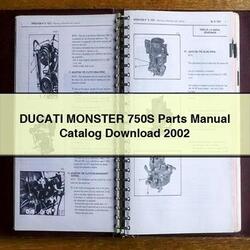
The 2002 Monster 750S is a distinguished naked sportbike renowned for its iconic steel trellis frame and potent L-twin engine. This model embodies a legacy of performance and distinctive Italian design, offering a minimalist yet muscular aesthetic. Its air-cooled, 748 cc V-twin engine, featuring desmodromic valve actuation, delivers robust performance characteristic of the brand, making it a sought-after machine for enthusiasts. The Monster 750S is celebrated for its engaging riding experience and the unique character derived from its engineering and visual appeal, positioning it as a notable entry in the naked sportbike segment of its era.
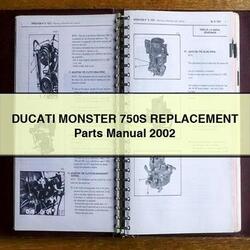
Welcome to the replacement parts manual for the 2002 Ducati Monster 750S. This iconic naked sportbike is celebrated for its distinctive minimalist design, featuring an exposed steel trellis frame and a characterful air-cooled 90-degree V-twin engine. The 'S' variant, in particular, signifies upgraded performance components, often including premium suspension such as rear shock absorbers, enhancing its already renowned handling and rider connection. With its 748cc Desmodromic engine and agile chassis, the Monster 750S offers an engaging and visceral riding experience, embodying Ducati's heritage of performance and Italian styling.
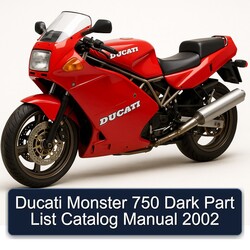
The Ducati Monster 750 Dark, a 2002 model year motorcycle, embodies Italian engineering prowess and the iconic minimalist design of the Monster lineage. Known for its distinctive trellis frame and air-cooled, Desmodromic V-twin engine, this model offers a blend of accessible performance and characteristic Ducati style. Its heritage lies in a line of naked sportbikes celebrated for their dynamic handling and rider-focused experience, making the Monster 750 Dark a compelling choice for enthusiasts seeking a blend of classic aesthetics and engaging performance.
This document provides comprehensive parts identification for the 2002 Monster 750 Dark, a standard/naked motorcycle celebrated for its distinctive L-twin engine and minimalist trellis frame design. As an accessible entry into ownership, the Monster 750 Dark embodies performance heritage and Italian character. Its stripped-down aesthetic highlights the mechanical beauty of its air-cooled, 748cc Desmodromic engine, which typically produces around 62-65 horsepower. Known for its agile handling and sporty appeal, the 2002 model represents a specific iteration within the highly regarded Monster lineage, offering a blend of style and performance.
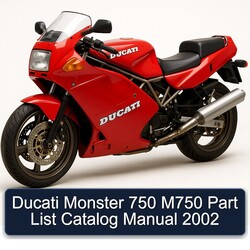
This manual pertains to the 2002 Monster 750, a distinguished sport naked motorcycle celebrated for its iconic trellis frame, powerful V-twin engine, and distinctive styling. Representing the second generation of the Monster series, this model offers accessible performance and a unique riding experience, making it a sought-after machine for enthusiasts. Its design emphasizes engineering quality and a pure, engaging connection between rider and machine, positioning it against notable contemporaries in the performance motorcycle market.
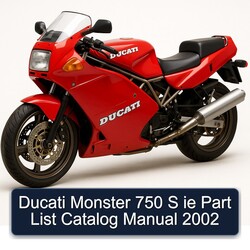
This manual covers the Monster 750 S ie, a performance naked sportbike from 2002, belonging to the Second Generation Monster series. Renowned for its distinctive minimalist design and agile handling, the Monster 750 S ie is powered by a 748 cc L-Twin engine featuring electronic fuel injection. Its engineering quality is characteristic of the brand's heritage, focusing on lightweight construction with a steel trellis frame and performance components. This model represents the brand's commitment to delivering exhilarating riding experiences through iconic Italian design and robust mechanicals, positioning it as a notable competitor in its market segment.
The Ducati 750 Sport, a distinguished model from 2002, embodies the pinnacle of Italian sport motorcycle engineering. Renowned for its distinctive L-twin engine character, robust trellis frame, and sharp handling dynamics, this machine offers an exhilarating riding experience. It represents a blend of iconic styling and performance, catering to discerning riders who appreciate the heritage and passion inherent in Ducati's V-twin lineage. This model is a testament to Ducati's commitment to delivering high-performance motorcycles focused on rider engagement and a unique, characterful driving feel.
The 2002 750 Sport, also designated as the 750 SS, represents a significant entry in the performance sportbike segment, embodying Italian V-twin heritage and distinctive styling. This model is celebrated for its performance-oriented riding experience, drawing upon a rich history of engineering excellence that began with its founding in 1926. Known for its characteristic L-twin engine with desmodromic valve actuation, the 750 Sport offers a unique blend of power, handling, and iconic design, positioning it as a desirable machine for discerning enthusiasts.
This manual covers the 750 / 750F1, a performance motorcycle produced in the mid-1980s. Known for its distinctive Italian styling and the innovative 90-degree V-twin Desmodromic engine, the 750F1 series represented a performance-oriented evolution of the V-twin platform. These models are celebrated for their handling characteristics and are a significant part of heritage, appealing to enthusiasts and classic motorcycle restorers. The 750cc engine, typically featuring twin Dell'Orto carburetors, is a key element of its performance, delivering approximately 70-75 HP.
This workshop service repair manual covers all models of the 750F1, produced primarily between 1982 and 1987. The 750F1 is renowned for its performance and sporting heritage, directly stemming from racing efforts and featuring a characteristic steel trellis frame and air-cooled, 90-degree V-twin engine with desmodromic valve actuation. This manual provides detailed, model-specific information essential for maintaining and repairing these classic machines, ensuring their continued performance and reliability.
The Ducati 750SS and 900SS Desmo models, produced in 1975, 1976, and 1977, represent a pivotal era in Ducati's sportbike heritage. These motorcycles are characterized by their iconic air-cooled, 90-degree L-twin engines featuring the revolutionary desmodromic valve actuation system, which ensures precise valve timing and exceptional high-RPM performance. Known for their robust steel tube frames, capable suspension, and effective disc braking systems, these bikes offered a pure, engaging riding experience that defined Ducati's reputation for Italian engineering, handling prowess, and distinctive performance, competing against contemporary European and Japanese sport motorcycles.
The Ducati 750 F1 series and 750 Montjuich, produced between 1984 and 1987, represent a significant chapter in Ducati's history, embodying the brand's transition into performance-oriented sportbikes. These Italian-crafted machines are celebrated for their iconic L-twin Desmodromic engines, renowned for their distinctive sound and potent performance, competing with other European and Japanese sportbikes of the era. Key features include a rigid steel trellis frame, powerful Brembo braking systems, and aggressive styling, with the F1 models serving as homologation specials directly linked to racing efforts. Their engineering quality and unique character have cemented their status as highly sought-after modern classics.
This workshop service repair manual provides comprehensive information for all models of the 750 F1, produced from approximately 1985 to 1988. As a testament to Italian engineering, the 750 F1 is an iconic performance motorcycle derived from the brand's racing heritage, featuring an air-cooled, 90-degree V-twin Desmodromic engine. Known for its distinctive handling and V-twin character, this model, which includes variants like the Montjuich, Laguna Seca, and Corse, offers a unique riding experience. With a dry weight around 170-180 kg and typically producing 63-70 hp, the 750 F1 embodies a spirit of performance and sportiness.
This manual covers the Ducati 750 F1, a high-performance sportbike produced primarily between 1987 and 1988. Evolving from the Pantah models, the F1 series represents Ducati's commitment to engineering excellence and racing heritage, characterized by its distinctive longitudinal 90-degree V-twin engine. Known for its lightweight chassis, potent 748 cc engine featuring desmodromic valve actuation, and premium suspension and braking components, the 750 F1 was a formidable competitor in its segment. Its striking Italian design and engaging riding dynamics make it a highly regarded classic motorcycle.
The 750 F1 Montjuich, produced between 1985 and 1988, is a performance-focused sportbike renowned for its racing heritage and the iconic Desmodromic L-twin engine. Developed from racing efforts, this model embodies a commitment to engineering excellence and lightweight construction, offering a potent V-twin performance characteristic of its era. The Montjuich variant, named after the Spanish circuit, represents a higher-specification iteration within the F1 range, making it a highly collectible modern classic appreciated for its distinctive design and dynamic capabilities.
This manual covers the 750 F1 Montjuich, a performance-oriented sportbike produced in the mid-1980s. Known for its air-cooled, 90-degree L-twin Desmodromic engine and derived from racing heritage, the 750 F1 Montjuich represents a significant piece of motorcycle history. Its design emphasizes raw performance and rider engagement, featuring a steel trellis frame, dry clutch, and dual Dell'Orto carburetors. This model is highly sought after by collectors and enthusiasts for its distinctive character and connection to racing legacy.
This workshop service repair manual provides comprehensive technical information for the Ducati 750 F1, covering all variants including the Laguna Seca, Montjuich, and America models from its first generation, produced approximately between 1985 and 1987. Known for its distinctive steel trellis frame and the performance of its air-cooled, 90-degree V-twin Desmodromic engine, the 750 F1 is a significant model in Ducati's heritage, offering a unique riding experience characterized by precise handling and a powerful engine. This Italian-crafted sportbike competed effectively in its era, celebrated for its engineering quality and spirited performance.
The Ducati 750 F1, produced between 1985 and 1987, represents an iconic era of Italian sportbike engineering. This model, encompassing all F1 variants such as the Laguna Seca, Montjuich, and Bologna, is celebrated for its high-performance 737cc air-cooled V-twin engine, delivering approximately 60-65 HP, and its race-inspired chassis. Embodying Ducati's rich racing heritage, the 750 F1 is characterized by its lightweight construction, agile handling, and distinctive design philosophy focused on rider feedback and performance. Its potent combination of power and handling made it a significant contender in the sportbike segment of its time.
This manual provides comprehensive service and repair information for the 750 F1, specifically including the 750 Montjuich variant. Produced in the mid to late 1980s, these motorcycles are celebrated for their sporting heritage, powered by an air-cooled, 90-degree V-twin engine featuring desmodromic valve actuation. Known for their performance and characteristic styling, models like the 750 Montjuich often incorporated higher-specification components, reflecting their racing-derived origins. This manual is designed to assist owners and mechanics in maintaining and repairing these classic machines, ensuring their continued performance and longevity.
The Ducati 750 GT and Sport models represent a significant era for the Italian manufacturer, showcasing the iconic Desmodromic L-Twin engine. Produced from approximately 1972 to 1978 in Bologna, Italy, these performance motorcycles were designed with a focus on lightweight construction, distinctive styling, and agile handling, establishing the L-twin as a potent platform. Their engineering quality and unique design philosophy have cemented their status as highly regarded collector's items and a cornerstone in Ducati's rich racing heritage.
This manual covers the Ducati 750 GT and 750 Sport models, produced from 1971 to 1974. These motorcycles are distinguished by their air-cooled, 90-degree V-twin engines featuring desmodromic valve actuation, a hallmark of Ducati engineering. Designed for sporting performance and exceptional handling, they represented a significant step for Ducati in the global motorcycle market, competing with other large-displacement twins of the era. The 750 GT offered a more road-oriented experience, while the 750 Sport emphasized a sportier riding posture and performance.
The Ducati Monster, a renowned naked sportbike, embodies iconic Italian design and minimalist aesthetics, first introduced in 1993. This workshop service repair manual covers the M600 and M750 models, featuring air-cooled, 90-degree V-twin engines with Desmodromic valves, ranging from 583 cc to 748 cc. Known for its distinctive style and performance, the Monster series has received numerous accolades for its groundbreaking design. This manual provides in-depth information for owners and technicians to understand and maintain these celebrated machines.
This manual provides comprehensive guidance for the Ducati Monster 600 and 750, iconic naked sportbikes renowned for their distinctive trellis frame and L-twin engine character. These models, representing accessible entry points into Ducati's celebrated Monster family, offer a minimalist, performance-oriented riding experience. The engineering quality and reliability of these machines are best maintained through meticulous adherence to the procedures detailed within this guide, ensuring the unique performance and character of your Ducati Monster are preserved.
This manual covers the Monster 600, 750, and 900 motorcycles, iconic naked sportbikes known for their distinctive minimalist styling and performance. Originating from Italy, these models, primarily produced in the 1990s and early 2000s, feature a Desmodromic L-Twin engine, a trellis frame, and a 5-speed gearbox. The Monster series has consistently been recognized for its handling and performance, establishing itself as a benchmark in its class. This comprehensive service repair manual provides detailed information to assist owners and technicians in maintaining these celebrated machines.
This manual covers the Ducati Monster 750, a motorcycle known for its minimalist design and rider engagement, embodying Ducati's legacy of performance and unique engineering. Introduced as an accessible entry into the celebrated Monster series, which revolutionized the naked sportbike segment, the Monster 750 features an air-cooled L-twin engine with a displacement of 748 cc, delivering approximately 60-65 HP. Its construction is characterized by Ducati's signature steel trellis frame and a 5-speed manual transmission with a wet multi-plate clutch. Primarily produced in the late 1990s, this model emphasizes the core motorcycle experience, making it a popular choice for enthusiasts and owners.
This document provides comprehensive parts information for the Ducati Monster 750 Metallic, a naked sportbike renowned for its distinctive styling, potent L-twin engine, and agile handling. Produced primarily between the late 1990s and early 2000s, this iconic Italian motorcycle is celebrated for its minimalist design, featuring an exposed trellis frame and user-friendly ergonomics that balance sporty performance with comfortable riding. The Monster 750 represents an accessible entry into the celebrated Monster family, appealing to enthusiasts and riders who appreciate a blend of performance, character, and Italian engineering heritage.
This manual covers the Ducati Monster 750, produced between 1996 and 2002. As a naked sportbike, the Monster 750 embodies Ducati's philosophy of accessible performance and distinctive Italian styling, characterized by its iconic trellis frame and minimalistic design. Powered by a desmodromic L-twin engine, it is renowned for its unique sound, agile handling, and engaging riding experience, offering a pure connection between rider and machine.
The Ducati Monster 750, a significant model within the iconic Monster lineage, embodies Ducati's philosophy of minimalist, performance-oriented design. Characterized by its distinctive trellis frame and air-cooled, 90-degree V-twin Desmodromic engine, this naked sportbike offers a potent blend of power and agile handling. The 748cc engine, typically featuring two valves per cylinder and fed by twin carburetors, delivers engaging performance and a unique character that has defined the Monster series since its inception in the 1990s. This model represents an accessible entry into the world of Ducati, celebrated for its blend of style, engineering prowess, and the unmistakable sound and feel of its V-twin powerplant.
The Ducati Monster 750, produced approximately between 1996 and 2002, is a celebrated naked sportbike renowned for its distinctive steel trellis frame and potent L-twin engine. This Italian-crafted machine, powered by a 748 cc air-cooled engine featuring desmodromic valve actuation and dual Dell'Orto carburetors, offers a raw and engaging riding experience. Its minimalist design and focus on performance have cemented its place as an iconic model in the motorcycle landscape, appealing to riders who value character and mechanical feedback.
This workshop service manual covers the Ducati Monster 750, a distinguished model in Ducati's naked sportbike heritage, likely produced in the late 1990s to early 2000s. Known for its minimalist design, exposed steel trellis frame, and iconic Italian styling, the Monster 750 is powered by an air-cooled, 2-valve per cylinder, Desmodromic L-twin engine. This motorcycle competed in the mid-size naked bike segment, offering accessible performance and a unique riding experience characterized by its characterful engine and agile handling.
The Ducati Monster 750 is a celebrated naked sportbike, produced in the mid-to-late 1990s. Known for its minimalist, performance-oriented design and iconic Italian styling, it represents an accessible entry into Ducati's renowned Monster lineage. Powered by an air-cooled, L-twin engine with Desmodromic valvetrain, the Monster 750 offers a raw, engaging riding experience, embodying Ducati's deep-rooted racing heritage and commitment to engineering excellence. Its steel trellis frame and agile handling make it a favorite among enthusiasts seeking a pure, mechanical connection to the road.
The Ducati Monster 750 is a naked sportbike renowned for its distinctive styling, agile handling, and characteristic L-twin engine. Produced primarily between 1996 and 2002, this model represents an accessible entry point into the iconic Monster lineage, offering a compelling balance of performance and Italian character. Its tubular steel trellis frame and air-cooled, 748 cc desmodromic engine deliver a unique riding experience. The Monster 750 competed against other naked sportbikes of its era, establishing itself as a motorcycle with a strong emphasis on engineering and rider engagement.
The Ducati Monster 750 represents a significant entry in the naked sportbike category, blending distinctive Italian design with the thrilling performance characteristic of the L-twin engine. Produced from the late 1990s into the early 2000s, this model is celebrated for its iconic trellis frame, comfortable yet sporty riding position, and the unique engineering of its desmodromic valvetrain. The Monster 750 offers an accessible gateway to Ducati ownership, delivering a potent combination of style, agility, and an engaging riding experience that has cemented its place in motorcycle history.
This manual covers the Ducati 750 Montjuich and 750F1 models, produced from the late 1970s to the mid-1980s. These Italian-engineered sportbikes are renowned for their V-twin engine technology, distinctive handling prowess, and performance-oriented design. The 750F1 series represented a significant advancement for Ducati, establishing its reputation in the sportbike market with models that offered a unique blend of power and agility, often featuring a trellis frame and dry clutch systems.
This manual provides comprehensive service and repair information for the Ducati 750 Montjuich and 750F1 Early Series motorcycles. These iconic Italian machines, produced from the late 1970s to the mid-1980s, are powered by air-cooled, 90° V-twin Desmodromic engines, renowned for their performance and distinctive engineering. The 750cc models, with their steel tubular trellis frames and racing heritage, represent a significant era in Ducati's sporting motorcycle development. This guide is designed to assist owners and technicians in maintaining these classic motorcycles, ensuring their continued performance and reliability.
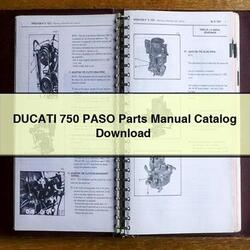
This manual covers the 750 Paso, a sport-touring motorcycle produced from 1986 to 1988. Designed by Massimo Tamburini, the 750 Paso features a 748 cc L-twin engine with Desmodromic valve actuation, producing approximately 73 horsepower. Known for its distinctive full fairing and influenced by the 750 F1 series, the 750 Paso offered a blend of Italian performance and design. This parts manual catalog is an essential resource for identifying and ordering genuine replacement parts for this classic motorcycle.
This manual covers the Ducati 750 Paso, a distinctive sportbike produced between 1986 and 1987. Featuring a unique, aerodynamic full fairing designed by Massimo Tamburini and powered by Ducati's signature L-twin engine with desmodromic valve actuation, the 750 Paso aimed to blend performance with touring comfort. It was engineered with a focus on handling, drawing from Ducati's renowned chassis dynamics, and offered a compelling alternative to contemporary Japanese and European sportbikes of its era.
This manual covers the Ducati 750 F1, including its Sport F1, Eleganza F1, and F1A variants, produced between 1985 and 1988. As a homologation special derived from racing machines, the 750 F1 is renowned for its sharp handling and potent 90-degree L-twin Desmodromic engine. This performance-oriented classic Italian sportbike represents a significant piece of Ducati's racing heritage, offering a unique blend of power and agility that continues to be celebrated by enthusiasts and collectors alike.
The Ducati 750 F1, produced in the mid-1980s, represents a performance-oriented sport motorcycle derived from Ducati's racing heritage. Featuring an air-cooled, 90-degree V-twin engine with Desmodromic valve actuation, this model embodies the brand's focus on performance, handling, and distinctive Italian styling. Its design philosophy emphasizes a connection to racing DNA, offering a potent V-twin experience with dual Dell'Orto carburetors and a 5-speed gearbox. The 750 F1 was a notable competitor in its era, known for its unique character and performance capabilities.
The Ducati 750 F1, produced in the mid-1980s, is a celebrated sportbike known for its high-performance Desmodromic L-twin engine and lightweight chassis. This Italian-engineered machine, manufactured in Bologna, offered a raw and engaging riding experience, competing with other premium European and Japanese motorcycles of its era. Its key features include a distinctive styling, sophisticated suspension, and powerful braking systems, making it a sought-after model for enthusiasts who appreciate Ducati's heritage of performance and character. The F1 series, with its various sub-models, represents a significant step in Ducati's evolution towards modern sportbikes.
The Ducati 750 F1, produced approximately between 1985 and 1988, stands as a testament to Italian performance engineering, marking Ducati's significant entry into the race-replica market of its era. Renowned for its distinctive air-cooled, L-twin desmodromic engine, lightweight chassis, and racing-inspired aesthetics, the 750 F1 series, encompassing variants such as the Sport F1, S-F1, 'Laguna Seca', 'Montjuich', and 'Copa', offered a potent blend of power and handling. This model competed against established sportbikes, carving out a niche with its unique engineering and exhilarating riding experience, embodying Ducati's rich heritage in motorsport and performance motorcycles.
This manual provides comprehensive service and repair information for the 750 F1, a performance sportbike produced from the mid-to-late 1980s. Renowned for its V-Twin Desmodromic engine, the 750 F1 represents a significant piece of heritage, celebrated by collectors and enthusiasts for its racing-inspired design and engineering. This model features a 750cc V-twin engine, a 5-speed transmission, and a steel trellis frame, embodying the commitment to performance and distinctive motorcycle technology of its era.
This manual covers the Ducati 750 F1, a performance sportbike produced approximately between 1985 and 1988. Known for its iconic Desmodromic L-twin, air-cooled engine and tubular steel trellis frame, the 750 F1 represents a significant part of Ducati's racing heritage. Available in variants such as the 750 F1 Sport and 750 F1 Laguna Seca, this model features a monoshock rear suspension and dual front disc brakes, embodying the engineering prowess of its Italian manufacturer.
The Ducati 750 Sport, also known as "Bevel Heaven," produced between 1988 and 1990, represents a significant era in Ducati's heritage, renowned for its high-performance motorcycles and distinctive V-twin engines. This model embodies Ducati's design philosophy focused on performance and handling, featuring a 72° V-twin, air-cooled engine with a 748cc displacement and a unique Desmodromic bevel gear-driven camshaft system. Its engineering quality and reliability are hallmarks of the brand, offering enthusiasts a pure riding experience characteristic of late 1980s Italian sportbikes.
The Ducati 750 Sport, produced from 1988 onwards, represents a significant entry in the sport motorcycle segment, embodying Ducati's renowned Italian sporting heritage and V-twin engine architecture. This model, known for its approximately 748cc air-cooled V-Twin engine featuring desmodromic valve actuation, typically delivered around 60-70 horsepower. Its design emphasizes performance and handling, characteristic of European sportbikes from its era, and was built in Bologna, Italy. The 750 Sport builds upon the legacy of earlier Ducati 750 models, offering a blend of mechanical prowess and a distinctive riding experience that appealed to Ducati enthusiasts.
The Ducati 750 Sport, with models covered from 1988 onwards, represents a distinct chapter in sportbike history, celebrated for its characteristic L-twin engine, Desmodromic valve system, and iconic Italian styling. This machine, known for its spirited performance and rider engagement, competed in a demanding market by offering a unique blend of engineering prowess and aesthetic appeal. Owners and enthusiasts of the 750 Sport appreciate its legacy and the distinctive riding experience it provides, making a comprehensive understanding of its mechanics essential for continued enjoyment and optimal performance.
The Ducati 750 Sport, produced in the early to mid-1970s, represents a significant milestone in the brand's legacy, embodying a blend of performance, handling, and distinctive Italian styling. Powered by an air-cooled, 90-degree V-twin engine, a hallmark of Ducati's engineering prowess, this sportbike competed with other performance motorcycles of its era. Its design philosophy emphasized a unique aesthetic and a passionate approach to engineering, solidifying Ducati's reputation for high-performance machines.
This manual covers the Ducati 750 Sport, a motorcycle renowned for its sporting heritage and distinctive V-twin Desmodromic engine, typically produced in the early to mid-1970s. Manufactured in Bologna, Italy, this model embodies Ducati's commitment to performance and engineering excellence. Its design features, such as the air-cooled V-twin engine and Desmodromic valve actuation, have made it a sought-after machine for enthusiasts. This comprehensive guide is designed to assist owners and technicians in understanding and maintaining this iconic motorcycle.
This manual covers the Ducati 750 Sport, a significant model in Ducati's history, recognized as a design icon and a performance-oriented motorcycle. Introduced in the early 1970s, the 750 Sport features an air-cooled, 90-degree V-twin Desmodromic engine with a displacement of 748 cc, producing approximately 60-65 HP. Its engineering is characterized by a steel tube trellis frame and a hydraulically actuated multi-plate dry clutch, with a 5-speed gearbox. This workshop and service manual provides authentic, dealership-level information, offering superior detail compared to aftermarket guides.
The Ducati 750 Sport, produced primarily in the early to mid-1970s, represents a significant chapter in Italian motorcycle engineering. Renowned for its performance-oriented design, this model features a distinctive air-cooled, 90-degree V-twin engine, a hallmark of heritage. Its robust tubular steel trellis frame, coupled with a sophisticated desmodromic valve actuation system, underscores the commitment to innovation and rider engagement. The 750 Sport is celebrated for its blend of power, handling, and iconic styling, making it a coveted machine for enthusiasts and a testament to racing legacy.
The Ducati 750 Sport is a distinguished motorcycle from the late 1970s to early 1980s, renowned for its distinctive Italian engineering and sporting heritage. Featuring a Desmodromic L-Twin engine, this model embodies Ducati's commitment to performance and a unique riding experience. Its design philosophy emphasized a sporting aesthetic and handling prowess, positioning it as a competitor to other performance motorcycles of its era. The 750 Sport is celebrated for its robust build and the characteristic sound and feel of its V-twin powertrain, making it a sought-after machine for enthusiasts.




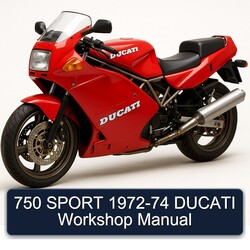
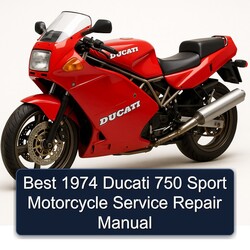
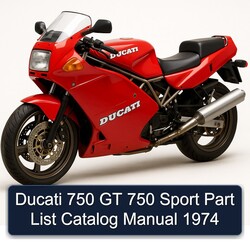


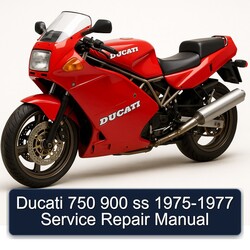

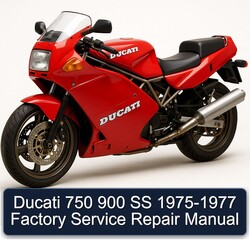
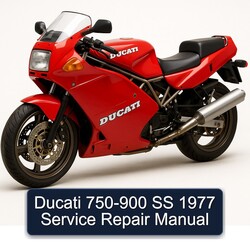
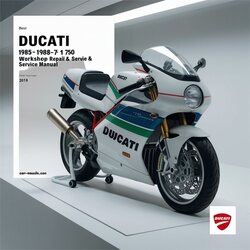
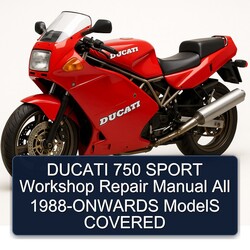

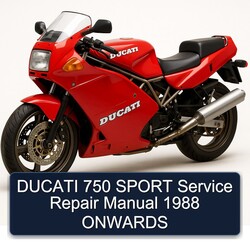

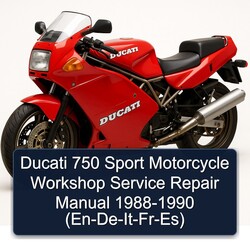

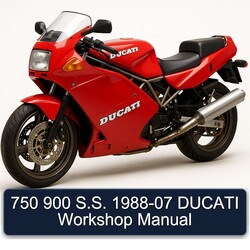
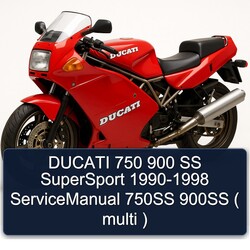
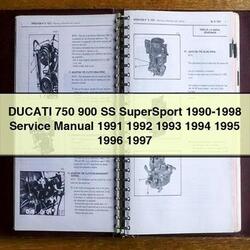
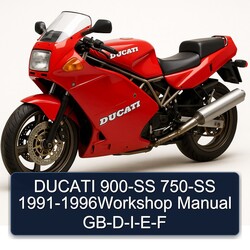
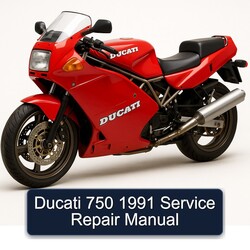
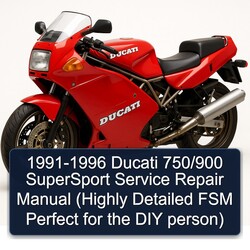
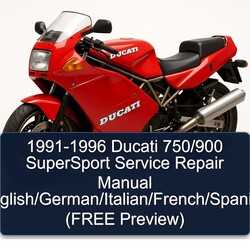
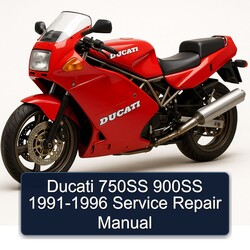
![1991-1996 Ducati 750 900s.s. Motorcycle - [ Informative DIY ] Service Repair Workshop Manual PDF](https://image.emanual.com/images/p/896/362896-ducati-750-900s-s-motorcycle-1991-1996-workshop-repair-and-service-manual-complete-and-informative-for-diy-repair.250x250.jpg)