



W Models

**Motorcycles Cagiva W Models W Models**
Cagiva's W-series motorcycles, introduced in the 1980s, quickly gained a reputation for their exceptional performance and distinctive style. The range encompassed various models, each developed with a particular focus on a specific riding discipline. The W12, with its 125cc single-cylinder engine, was a popular choice for urban commuting and off-road trails due to its agile handling and peppy acceleration. The larger W16 featured a 160cc engine and a more robust frame and suspension, making it suitable for longer journeys and light off-road excursions. The top-of-the-line W175, powered by a 175cc single-cylinder engine, offered a...
$16.99
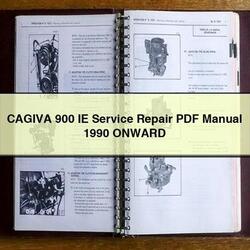
This manual covers the Cagiva 900 IE, a V-twin, four-stroke motorcycle produced from 1990 onward. Known for its Italian heritage and often utilizing Ducati-derived engine architectures, the 900 IE represents a blend of performance and style, featuring electronic fuel injection (IE) for enhanced efficiency and power delivery. This model is designed for riders who appreciate the engineering quality and distinctive character of Italian motorcycles, offering a capable machine for both spirited riding and longer journeys.
$16.99
The Cagiva W 12, produced in 1993, is an Italian motorcycle renowned for its robust engineering and suitability for adventure touring. This model embodies a legacy of performance-oriented motorcycles, offering a compelling blend of power and reliability for riders seeking versatile capability. Its design emphasizes durability and a focus on delivering an engaging riding experience across various terrains, making it a distinguished choice within its segment.
$16.99
This comprehensive service and repair manual provides detailed instructions and diagrams for a wide range of workshop procedures. It covers everything from routine maintenance tasks to in-depth engine rebuilding, offering access to the same diagnostic, service, repair, and maintenance information used by professional technicians and mechanics. This manual is written by the manufacturers and contains thousands of pages of diagrams and detailed information for specific vehicle repair.
$16.99
The Cagiva W12, produced from 1993 onward, is a dual-sport motorcycle known for its Italian heritage and versatile design. This model represents Cagiva's commitment to performance and distinctive styling, offering a capable platform for both on-road and off-road adventures. Engineered with a robust V-twin engine and a durable chassis, the W12 is built for reliability and a rewarding riding experience, positioning it as a compelling choice within its segment, comparable to other contemporary dual-sport offerings.
$16.99
The W12, produced in 1993, is a notable dual-sport motorcycle renowned for its robust construction and versatile performance, catering to adventure touring and off-road excursions. As a key model in its lineage, it embodies the heritage of sporty character and motorsport influence. Featuring a capable V-twin engine, extensive travel suspension, and a sturdy frame, the W12 was designed to offer riders a reliable and adaptable machine for diverse riding conditions, positioning it competitively against other dual-sport offerings of its era.
$16.99
This manual covers the 1993 Cagiva W12, an adventure touring motorcycle renowned for its versatility and Italian engineering. Designed for riders who seek capability both on and off the road, the W12 combines robust construction with performance-oriented features characteristic of Cagiva's W series. This model represents a significant iteration in Cagiva's history of producing capable dual-sport machines, built to handle diverse riding conditions.
$16.99
This manual covers the 1993 Cagiva W12, a dual-sport motorcycle designed for versatility in both on-road and off-road environments. As an Italian-manufactured machine, the W12 represents Cagiva's commitment to performance and distinctive design within the adventure touring segment. This factory service repair manual provides comprehensive guidance for owners and technicians alike, ensuring the continued reliability and optimal performance of this classic motorcycle.
$16.99
The Cagiva W12, a versatile dual-sport motorcycle produced in 1993, represents a blend of Italian engineering and practical design. Known for its adaptability to various terrains, this model typically features a liquid-cooled V-twin engine, likely in the 350cc to 650cc range, delivering an estimated 30-45 horsepower. Its robust construction and manual transmission, coupled with disc brakes for reliable stopping power, make it a capable machine for both on-road commuting and light off-road excursions. The W12 exemplifies the dual-sport segment's appeal, offering a balance of performance and utility for riders seeking adventure.
$16.99
The W12, produced in 1993, represents a robust dual-sport motorcycle known for its capability in diverse terrains. As part of the esteemed 'W' series, this Italian-engineered machine typically features a V-Twin, 4-stroke engine, likely around 900-1000cc, delivering estimated horsepower in the 70-80 HP range. Its design emphasizes ruggedness and off-road prowess, complemented by a chain drive final drive and a wet, multi-plate clutch. The W12's build quality and inherent reliability make it a favored choice for adventure riding and challenging conditions.
$16.99
The 1993 W12 is a dual-sport motorcycle, part of the W series designed for versatile on-road and off-road use. This Italian-manufactured motorcycle, known for its robust construction and distinctive styling, typically features a V-twin, four-stroke engine with approximately 772 cc displacement, liquid cooling, and an electric starter. While specific performance figures like horsepower and torque are detailed within this manual, the W12 was engineered to compete with other dual-sport models of its era, offering a blend of capability and Italian design flair.

$16.99
The 1993 W12 represents a versatile dual-sport motorcycle, blending utility with adventure. As an offering from the Italian manufacturer, known for its distinctive designs, the W12 was engineered for capability on various terrains. This model aimed to provide a balanced riding experience, suitable for both daily commuting and exploring off the beaten path. Its likely V-twin engine configuration, characteristic of the dual-sport line, and its presumed displacement in the 125cc to 350cc range, contribute to its unique performance profile.
$16.99
This manual covers the 1993 W12, a dual-sport/adventure touring motorcycle from the Italian manufacturer. Known for its distinctive styling and Italian character, the W12 represents an entry into the adventure touring segment. This vehicle is engineered with a V-twin, four-stroke engine, typically featuring a manual transmission and a wet multi-plate clutch, offering a robust platform for both on-road and off-road exploration.
$16.99
The 1993 W12 is a versatile motorcycle from the Italian manufacturer, known for its performance-oriented designs. This model represents a blend of engineering and reliability, offering owners a capable machine for various riding conditions. The W12 is part of the lineage of dual-sport or adventure touring motorcycles, built to provide a robust riding experience.
$16.99
The W12, produced in 1993, represents a notable entry in the adventure touring motorcycle segment. As an Italian-engineered machine, it was designed to offer a blend of on-road comfort and off-road capability, making it suitable for a variety of riding conditions. This model typically features a liquid-cooled, dual-cylinder V-twin engine, known for its robust performance and reliability in demanding environments. Its construction emphasizes durability and a design philosophy focused on delivering a capable and engaging riding experience for enthusiasts of dual-purpose motorcycles.
$16.99
The Cagiva W12, also known as the W12 Adventure, represents the first generation of Cagiva's flagship dual-sport motorcycle, produced from 1993 onwards in Italy. This robust machine, typically powered by a liquid-cooled, 4-stroke, V-twin engine of approximately 990cc, was engineered for adventure touring, offering a blend of on-road comfort and off-road capability. With an estimated horsepower around 65-70 HP and a 5-speed constant mesh gearbox, the W12 was designed for riders seeking a capable and enduring motorcycle. Its engineering quality and reliability, when properly maintained, have contributed to its reputation among enthusiasts.
$16.99
The Cagiva W12 is a dual-sport adventure motorcycle, produced from 1993 onwards, known for its versatility in both on-road and off-road riding. Drawing on Cagiva's Italian heritage and racing pedigree, the W12 typically features a V-twin motorcycle engine, likely in the 700cc to 1000cc range, coupled with a manual transmission and chain drive. Its robust construction and engineering are designed for reliability and performance, making it a capable machine for various riding conditions. The motorcycle's design emphasizes a balance of power and handling, characteristic of Cagiva's commitment to producing dynamic and engaging two-wheeled vehicles.
$16.99
The Cagiva W12, produced from 1993 onward, represents a significant offering in the dual-sport motorcycle segment, embodying the Italian manufacturer's heritage of robust and capable machines. Designed for riders seeking versatility, the W12 blends on-road comfort with off-road prowess, a testament to Cagiva's engineering focus on reliability and performance. Its twin-cylinder, four-stroke engine, coupled with a multi-speed gearbox and a likely wet, multi-plate clutch, provides the power and control necessary for diverse riding conditions. This model is built for riders who demand a dependable machine capable of tackling both daily commutes and adventurous trails.
$16.99
This manual covers the Cagiva W12 motorcycle, produced from 1993 onward. The W12 is an Italian-designed dual-purpose motorcycle known for its robust construction and versatility, bridging the gap between off-road capability and on-road usability. Its engineering emphasizes reliability and performance, making it a capable machine for various riding conditions. This document provides comprehensive information to ensure the longevity and optimal functioning of your W12.
$16.99
The Cagiva W12, produced from 1993 onward, represents a significant offering in the adventure touring motorcycle segment, originating from Italy. These machines are recognized for their distinctive styling, robust construction, and capability for both off-road excursions and long-distance touring. Engineered with a focus on reliability and performance, the W12 models typically feature a V-twin engine, a 6-speed manual transmission, and a chain drive, embodying the spirit of adventure riding. Their design often emphasizes a balance between on-road comfort and off-road prowess, making them versatile companions for diverse riding environments.
$16.99
The Cagiva W12, produced from 1993 onwards, represents a versatile adventure-style motorcycle designed for a range of riding conditions. This Italian-manufactured machine, powered by a liquid-cooled, four-stroke V-twin engine with an approximate displacement of 1242cc, offers a blend of performance and durability. Known for its robust construction and suitability for both on-road and off-road exploration, the W12 embodies the spirit of adventure riding. Its engineering prioritizes reliability, making it a capable companion for various journeys.

$16.99
This manual covers the Cagiva W12, an adventure/dual-sport motorcycle produced from 1993 onwards. Known for its robust engineering and off-road capability combined with on-road usability, the W12 represents a significant offering in the dual-purpose motorcycle segment. This guide provides comprehensive information for maintaining and repairing these iconic Italian machines, ensuring their continued performance and reliability.
$16.99
The Cagiva W12, produced from 1993 onwards, is a dual-purpose motorcycle engineered in Italy, designed to offer robust capability for both on-road touring and off-road adventures. Its legacy is rooted in Cagiva's history of producing diverse motorcycle models, with the W12 specifically embodying the versatility expected of an adventure touring machine. Built with a focus on reliability and durability, this model typically features a dual-cylinder, air-cooled, 4-stroke engine, often around 750cc to 900cc, paired with a sequential manual transmission and a wet, multi-plate clutch, providing a balanced blend of power and control for varied terrains.
$16.99
This manual covers the Cagiva W12, an adventure touring motorcycle produced from 1993 onwards. Known for its Italian engineering and robust V-twin engine, the W12 offers a capable platform for both on-road and off-road exploration. Its design typically features a liquid-cooled, four-stroke V-twin engine, often around 996 cc, delivering approximately 75-85 horsepower and 75-85 Nm of torque, managed through a 6-speed manual transmission and chain drive. Key components include dual front disc brakes and a rear disc brake, along with a telescopic front fork and a rear monoshock suspension system, all contributing to its versatile performance.
$16.99
The 1993 Cagiva W12 is a dual-sport motorcycle, representing a significant model in Cagiva's versatile adventure-touring lineup. Known for robust European engineering, this Italian-manufactured machine was designed for both long-distance travel and varied terrain. The W12 embodies the spirit of adventure, offering a blend of reliability and capability that has made Cagiva a respected name in the motorcycle industry. Its engineering quality is evident in its design, intended to provide a dependable and capable riding experience for enthusiasts and experienced riders alike.
$16.99
The 1993 Cagiva W12 represents a versatile dual-sport motorcycle, blending Italian design with robust engineering for both on-road touring and off-road capability. Featuring a liquid-cooled, V-twin, four-stroke engine with approximately 937 cc displacement, it delivers reliable performance with an estimated power output of 65-75 HP and a top speed around 180-190 km/h. Its design emphasizes a sturdy frame, adjustable suspension, and a substantial fuel tank capacity, making it suitable for a variety of riding conditions. The W12 embodies Cagiva's legacy of performance and innovation in the motorcycle market.

$16.99
The 1993 Cagiva W12 represents a significant offering in the dual-purpose motorcycle segment, blending on-road comfort with off-road capability. As an Italian-manufactured machine, it embodies a heritage of performance and design, built for riders seeking versatility. This workshop service repair manual provides in-depth information to ensure the longevity and optimal performance of your 1993 Cagiva W12, covering all mechanical and electrical aspects with a high degree of detail.
$16.99
The 1993 Cagiva W12 represents the first generation of this Italian dual-sport motorcycle, engineered for adventure touring with a blend of off-road capability and on-road performance. Known for its distinctive Italian styling and robust chassis, often incorporating V-twin engines derived from Ducati technology, the W12 was designed to compete with other prominent dual-sport models of its era. This model offers a powerful liquid-cooled V-twin engine, typically around 900cc, delivering an estimated 60-70 horsepower and 55-65 lb-ft of torque, paired with a manual transmission and chain drive. Its construction, featuring a steel trellis frame and dual disc front brakes, underscores its focus on reliable performance for diverse riding conditions.
$16.99
The 1993 Cagiva W12 is a capable dual-sport motorcycle, blending Italian engineering with a robust design for adventure touring and off-road exploration. This model, likely powered by a Ducati-sourced V-twin engine, offers a versatile riding experience, competing in a segment that prioritized durability and performance. Its air-cooled engine, coupled with a 5-speed manual transmission and chain drive, provides a reliable platform for diverse riding conditions. The W12 is recognized for its strong build and competence in its class, making it a distinctive choice for riders seeking a capable adventure machine.

$16.99
The Cagiva W12, a dual-sport motorcycle produced in 1993, represents a blend of Italian engineering and adventure-ready design. Known for its V-twin engine and versatile capabilities, the W12 was positioned to compete in the burgeoning dual-sport segment, offering a compelling option for riders seeking both off-road performance and on-road touring comfort. Cagiva, an Italian manufacturer with a reputation for performance-oriented and aesthetically striking motorcycles, engineered the W12 to provide robust capability, making it a notable entry in the adventure motorcycle market of its era.
$16.99
The 1993 Cagiva W12 is a dual-sport adventure touring motorcycle designed for riders seeking versatility on both paved roads and light off-road terrain. As part of Cagiva's W series, it embodies Italian engineering and design, offering a robust platform for touring and exploration. This model, likely featuring a substantial V-twin or parallel-twin engine in the 700-1000cc range, was built to provide ample torque for long-distance journeys and varied conditions. Its construction emphasizes reliability and performance, making it a capable machine for its intended segment, competing with other prominent adventure bikes of the early 1990s.
$16.99
The Cagiva W12, produced between 1993 and 1996, is a dual-sport adventure motorcycle embodying Italian engineering and design. Known for its versatile performance on various terrains, the W12 typically features a V-twin, 4-stroke engine, likely in the 600cc to 750cc displacement range, delivering an estimated 50-60 HP. Its robust construction and Italian heritage contribute to its appeal among riders seeking a capable and distinctive machine. This manual is specifically targeted at owners and mechanics who wish to maintain and repair this classic motorcycle.
$16.99
The Cagiva W12, produced from 1993 to 1996, is a robust dual-sport adventure motorcycle renowned for its versatility and Italian engineering. Featuring a V-twin, four-stroke engine with approximately 762cc displacement and a 5-speed sequential manual transmission, the W12 is designed to offer capable performance both on and off paved roads. Its durable construction, combined with a focus on rider experience, makes it a distinctive choice for adventure touring. This first-generation model embodies Cagiva's commitment to creating stylish and performance-oriented motorcycles, built for riders who demand reliability and capability in diverse riding conditions.
$16.99
This workshop service repair manual covers the Cagiva W12, First Generation, produced from 1993 to 1996. The W12 is a dual-sport motorcycle, a segment known for its versatility and capability across various terrains. Cagiva, an Italian manufacturer with a rich heritage in motorcycle production, designed the W12 as part of its adventure lineup, often featuring robust engineering and distinctive styling. This manual is intended for owners and technicians seeking in-depth knowledge to maintain and repair this specific model, ensuring its continued performance and reliability.
$16.99
The Cagiva W12, produced from 1993 to 1996, is a dual-sport motorcycle engineered for versatility, offering a robust platform for both on-road touring and light off-road adventures. Featuring an air-cooled, 4-stroke V-Twin engine with an approximate displacement of 983cc, it delivers approximately 70-75 horsepower and 70-75 Nm of torque. Its design philosophy emphasizes rugged capability, incorporating a 5-speed transmission, wet multi-plate clutch, and chain drive. The W12 is equipped with dual disc front brakes and a single disc rear brake for reliable stopping power. This Italian-manufactured machine combines practical engineering with a design intended for a wide range of riding conditions.
$16.99
The Cagiva W12, produced between 1993 and 1996, is a versatile dual-sport motorcycle designed for both on-road and off-road adventures. As an Italian-manufactured machine from a brand known for its sporty and off-road heritage, the W12 embodies a blend of distinctive styling and performance. Its robust construction and dual-purpose capability make it suitable for a wide range of riding conditions, reflecting Cagiva's legacy in producing engaging motorcycles.
$16.99
The Cagiva W12 is a dual-purpose adventure and touring motorcycle produced between 1993 and 1996. Designed for motorcyclists seeking versatility, it offers capabilities for both on-road and light off-road use, as well as comfortable long-distance travel. Notable features include a robust chassis and suspension system engineered for varied terrain, a comfortable riding position, and a powerful V-twin engine, often derived from Ducati technology, providing ample torque. The W12 was positioned as a more accessible option within Cagiva's adventure bike lineup, competing with contemporary models from other major manufacturers.
$16.99
This manual covers the Cagiva W12, a Dual-Sport / Adventure Touring motorcycle produced from 1993 to 1996. Known for its Italian heritage and versatile design, the W12 was engineered for both on-road comfort and off-road capability. This model embodies Cagiva's commitment to performance and style, offering riders a robust machine for a variety of riding experiences. Its construction emphasizes reliability and a unique blend of sport and touring features, making it a distinctive choice in its class.

$16.99
The Cagiva W12, produced from 1993 to 1996, is a dual-sport motorcycle designed for versatility, offering riders the capability for both on-road and off-road adventures. This Italian-engineered machine embodies Cagiva's heritage of blending performance, style, and functionality, with a focus on creating a capable adventure touring option. Notable features include its robust chassis, comfortable ergonomics for longer rides, and characteristic Italian design. The W12 aimed to provide a reliable and capable platform for riders seeking a motorcycle that could handle varied terrains and distances, positioning itself within the competitive dual-sport market of its era.
$16.99
The Cagiva W12, produced from 1993 to 1996, is a dual-sport motorcycle designed for both off-road capability and on-road comfort. Often categorized within the adventure touring segment, it competed with other prominent dual-sport models of its era. Characterized by its likely V-twin engine configuration, spoked wheels, and long-travel suspension, the W12 offered a blend of performance and versatility. Its Italian heritage, stemming from Cagiva's reputation for sporty motorcycles and racing involvement, contributes to its unique appeal. The W12 represents a model that balances robust off-road potential with the practicality needed for longer journeys.
$16.99
The Cagiva W12, produced between 1993 and 1996, represents a versatile dual-sport motorcycle designed for adventure touring and off-road capability. This Italian-engineered machine typically features a robust 900 cc V-twin, liquid-cooled engine, delivering approximately 65-70 horsepower and 70-75 Nm of torque, paired with a 5-speed manual transmission and chain drive. Its construction prioritizes reliability and performance, making it suitable for a wide range of riding conditions. The W12 embodies the spirit of exploration, offering a blend of on-road comfort and off-road prowess characteristic of Cagiva's heritage in performance and adventure motorcycles.
$16.99
The 1994 Cagiva W12 represents a significant entry in the dual-purpose motorcycle segment, embodying the Italian manufacturer's flair for performance and distinctive design. As a first-generation model, the W12 was engineered for versatility, capable of handling both on-road and off-road conditions. Its robust construction and likely V-twin engine, estimated to be in the 700cc to 1000cc range, provided a strong foundation for adventure riding. Cagiva's heritage, known for stylish and performance-oriented machines, is evident in the W12's design, making it a notable machine for riders seeking a blend of capability and aesthetic appeal from its production era.
$16.99
This manual covers the W16 600, a versatile dual-sport motorcycle produced around 1994. Known for its Italian heritage, motorcycles are recognized for their distinctive styling and performance-oriented engineering. The W16 600 was designed to offer a capable platform for both on-road touring and off-road adventures, embodying the spirit of exploration and performance typical of the brand's dual-sport offerings from that era.
$16.99
This manual covers the W16 600, produced from 1994 to 1996. As a dual-sport or adventure motorcycle, the W16 series represented capability in producing versatile machines suitable for both on-road and off-road excursions. Known for Italian engineering and distinctive styling, motorcycles of this era offered a blend of performance and aesthetic appeal, appealing to riders seeking a capable and visually striking machine. The W16 600, likely powered by a 600cc V-twin engine, provided a robust platform for adventure riding, embodying the spirit of exploration.
$16.99
The Cagiva W16 600 is an adventure touring and dual-sport motorcycle produced between 1994 and 1996. Known for its Italian heritage, this model embodies versatility, designed to handle a variety of terrains and riding conditions. Its engineering reflects a reputation for producing capable and stylish motorcycles, offering a robust platform for both on-road commuting and off-road exploration. The W16 series was a key offering in the lineup, aimed at riders seeking a durable and engaging machine for their adventures.
$16.99
The W16 600, also known as the W16, is a versatile dual-sport or adventure motorcycle produced between 1994 and 1996. Representing an entry into this segment, the W16 600 is recognized for its robust V-twin engine, likely around 600cc, and its capacity for both on-road comfort and off-road capability. Its design embodies European engineering heritage, offering a distinct alternative to competitors of the era such as the Honda Transalp and Yamaha Tenere. The model is characterized by its dual disc brakes for effective stopping power and a sturdy frame, aiming to provide a reliable and enjoyable riding experience for a variety of terrains.
$16.99
The Cagiva W16 600, produced between 1994 and 1996, is an Italian-engineered dual-sport motorcycle designed for versatility, offering capable performance both on and off paved roads. Known for its robust twin-cylinder engine, likely around 600cc, and a chassis featuring upside-down front forks and a monoshock rear suspension, this model embodies a heritage in creating performance-oriented and adventure-ready machines. Its design prioritizes a blend of power, reliability, and the ability to handle diverse terrains, making it a compelling choice for riders seeking an adventurous spirit in their two-wheeled experience.
$16.99
The Cagiva W16 600, produced between 1994 and 1996, is a dual-sport motorcycle engineered in Italy for riders seeking a versatile machine capable of handling both on-road touring and light off-road excursions. It embodies a philosophy of balancing comfort for extended journeys with practical capability across varied terrain. This model aimed to compete with established dual-sport offerings of its era, providing a robust and reliable platform for adventure. Its design emphasizes practicality and solid engineering, making it a suitable choice for riders who value a dependable motorcycle for diverse riding experiences.
$16.99
This manual covers the Cagiva W16 600, a dual-sport motorcycle produced between 1994 and 1996. Known for its Italian engineering and the robust performance characteristic of its likely Ducati-derived L-twin engine, the W16 600 was designed for versatility, offering a capable platform for both on-road touring and light off-road exploration. Its steel tube frame and ergonomic dual-sport riding position contribute to its reliability and rider comfort, making it a practical choice for adventure enthusiasts of its era.
$16.99
The Cagiva W16 600, produced between 1994 and 1996, is an adventure touring and dual-sport motorcycle renowned for its capable performance in varied terrains. As a niche offering from an Italian manufacturer, it competed with established adventure bikes of its era, providing riders with a blend of on-road comfort and off-road versatility. Its robust construction and single-cylinder engine were designed for reliability and a responsive riding experience, making it a distinctive choice for those seeking exploration and adventure.
$16.99
This manual covers the W16 600, an Italian-manufactured dual-sport motorcycle produced from 1994 to 1996. Known for its versatility and rugged design, the W16 600 features a single-cylinder, four-stroke 600cc engine with SOHC valve actuation, air cooling, and CDI ignition. It is equipped with a 5-speed constant mesh transmission, wet multi-plate clutch, and chain drive. The motorcycle utilizes a telescopic front fork and monoshock rear suspension, complemented by front and rear disc brakes for reliable stopping power. Its analog instrumentation provides essential riding information, reflecting the practical, no-nonsense engineering characteristic of offerings during this period.
$16.99
The W16 600, produced from 1994 to 2001, is a versatile dual-sport motorcycle engineered for a blend of on-road capability and light off-road adventure. As an Italian marque, the brand is recognized for its diverse motorcycle offerings, and the W16 600 series embodies this with its robust design and dual-purpose functionality. While specific performance figures and dimensions are not detailed here, this model is characteristic of its class, likely featuring a carbureted engine and a manual transmission with chain drive, designed to provide reliable performance for its intended use.
$16.99
The Cagiva W16 600, produced between 1994 and 2001, is an Italian-engineered motorcycle designed for versatile adventure touring and dual-sport riding. This model represents Cagiva's commitment to robust mechanicals and distinctive styling, offering riders a capable machine for both on-road and off-road excursions. Its single-cylinder 600cc engine and chain drive system are hallmarks of its era, built for durability and performance in a variety of conditions, reflecting a lineage of off-road prowess blended with long-distance touring capabilities.
$16.99
The Cagiva W12, a dual-sport motorcycle from 1995, represents Italian engineering with its robust V-twin engine and chain drive transmission. Designed for adventure touring, this model embodies a blend of performance and versatility. Its construction emphasizes durability and rider engagement, making it a capable machine for various terrains. The W12's heritage stems from Cagiva's legacy in producing performance-oriented motorcycles, positioning it as a noteworthy option for enthusiasts seeking a classic adventure experience.
$16.99
This manual pertains to the W16 600, a dual-sport adventure motorcycle produced in Italy during the mid-1990s. As part of the W series, known for its ruggedness and off-road capability, the W16 600 likely features a 600cc air-cooled V-twin engine, characteristic of the brand's heritage in performance motorcycles. Its design balances on-road usability with the demands of varied terrain, making it suitable for adventure touring and general riding.
$16.99
The W16 600, a dual-sport motorcycle produced in 1995, represents a blend of Italian design and versatile performance. Engineered for riders who seek adventure both on and off the paved road, this model offers a robust single-cylinder, four-stroke engine with a displacement of approximately 565 cc. Its liquid-cooled system and SOHC, 4-valve train contribute to its reliable operation, while the 5-speed manual transmission and chain drive ensure efficient power delivery. The W16 600 is characterized by its capable chassis, featuring adjustable suspension for varied terrain and powerful hydraulic disc brakes for confident stopping.
$16.99
This manual covers the 1995 Cagiva W16 600, an Italian-manufactured dual-sport motorcycle known for its 600cc engine. Designed for a balance of power and usability, this model represents Cagiva's offerings in the adventure touring segment of its era. The motorcycle features a likely single-cylinder, liquid-cooled engine with a fuel injection system, paired with a manual transmission and a wet multi-plate clutch. Its chassis includes telescopic front forks and a rear suspension system, along with front and rear disc brakes for stopping power.
$16.99
The 1995 W16 600 is a dual-sport/adventure touring motorcycle powered by an air-cooled, four-stroke, V-twin engine with an approximate displacement of 565cc. This Italian-designed machine, known for its distinctive styling and robust V-twin architecture, shares lineage with models such as the Elefant and Pantah. Estimated to produce around 45-50 horsepower, the W16 600 features a 5-speed constant mesh gearbox, a wet multi-plate clutch, and chain drive, offering reliable performance for adventure touring. Its engineering quality and unique European flair positioned it as a distinctive option in the mid-1990s motorcycle market.
$16.99
Welcome to the comprehensive service and repair manual for the 1995 W16 600. As an Italian manufacturer known for performance-oriented motorcycles, the W16 series was offered as a capable dual-sport option, blending on-road usability with off-road potential. This 600cc single-cylinder model, powered by a robust engine and featuring a 5-speed transmission, was designed for riders seeking versatility and adventure. Its engineering quality and reliability are supported by diligent maintenance and understanding of its systems, making it a rewarding machine for both commuting and exploring varied terrains.
$16.99
Introducing the W16 600, a dual-sport motorcycle from 1995, designed for adventure touring and versatile riding. This Italian-engineered machine offers a blend of robust performance and reliability, characteristic of its heritage. With an estimated 600cc displacement, likely a single-cylinder, four-stroke engine producing around 30-40 horsepower, it is built to handle a variety of terrains. Key features include a liquid-cooled engine, a likely 5-speed or 6-speed transmission with a wet multi-plate clutch, and a suspension system comprising telescopic front forks and a monoshock rear. The braking system features front and rear disc brakes, contributing to its active safety.
$16.99
The Cagiva W16 600, a dual-purpose motorcycle produced in 1995, represents a blend of Italian engineering and rugged capability. Designed for versatility, this model is suited for both on-road and off-road adventures. Its robust construction and focus on mechanical reliability are hallmarks of Cagiva's heritage in producing capable motorcycles. The W16 600 is characterized by its single-cylinder, four-stroke, air-cooled engine with a displacement of 600cc, typically producing between 40-50 horsepower, and features a 5-speed manual transmission with chain drive.
$16.99
The Cagiva W16 600, produced in 1995, is an Italian-engineered dual-sport motorcycle designed to offer versatile performance for both on-road and off-road adventures. Known for its robust construction and distinctive V-twin engine, this model embodies a legacy in creating capable and characterful machines. Its design emphasizes a blend of on-road comfort and off-road agility, making it a suitable choice for a wide range of riding conditions and user preferences.
$16.99
The 1995 Cagiva W16 600 is a versatile dual-sport motorcycle designed for both on-road commuting and off-road exploration. This first-generation model, powered by a liquid-cooled, single-cylinder four-stroke engine, offers a robust construction and is known for its off-road capability within its market segment, competing with models like the BMW F650 and Yamaha XTZ660 Ténéré. Its long-travel suspension and strong braking system, featuring dual front discs and a single rear disc, contribute to its adaptable performance across various terrains.
$16.99
The Cagiva W16 600, produced in 1995, is a versatile dual-sport motorcycle designed for both on-road and light off-road adventures. It features a robust liquid-cooled, four-stroke, single-cylinder engine with a displacement of approximately 562 cc, producing around 48-50 horsepower. Known for its comfortable riding position and durable construction, the W16 600 was positioned to compete with other middleweight adventure bikes of its era, offering a blend of performance and touring capability. Its Italian heritage and engineering contribute to its appeal for riders seeking a capable and reliable machine for diverse riding conditions.

$16.99
The Cagiva W16-600, produced in 1995, is an Italian dual-sport motorcycle designed for versatility, offering riders capability for both on-road touring and light off-road excursions. Known for its robust construction, capable suspension, and distinctive styling, this model competed with other adventure bikes of its era by providing a balanced blend of power and usability. The 600cc engine, likely a single-cylinder, air-cooled unit, delivers reliable performance for its intended adventurous applications, embodying the unique flair characteristic of its engineering.
$16.99
This manual pertains to the 1995 Cagiva W16-600 motorcycle, a model recognized for its Italian design and dual-sport capabilities. Powered by an air-cooled V-twin engine, likely around 597cc and producing an estimated 45-50 horsepower, the W16-600 offered a distinctive riding experience in the mid-1990s dual-sport market. Its construction emphasizes a blend of performance and utility, featuring long-travel suspension and a chain drive system, making it suitable for a variety of riding conditions.
$16.99
The Cagiva W12, produced in 1996, represents a notable entry in the adventure touring motorcycle segment. As part of Cagiva's 'W' series, this Italian-engineered machine was designed to offer versatility, capable of handling both paved roads and light off-road excursions. Known for its robust construction and distinctive styling, the W12 embodies the legacy of Cagiva, a manufacturer recognized for its diverse and often bold motorcycle designs. Its V-twin, four-stroke engine, typically around 900-1000cc, provides ample power for touring and exploration, making it a reliable companion for riders seeking adventure.
$16.99
This manual covers the Cagiva W16 600, a dual-sport motorcycle produced in 1996. As the first generation of the W16 series, this Italian-engineered machine was designed for versatility, offering capable performance both on and off-road. Its robust construction and stylish Italian design made it a notable entry in the dual-sport segment. The 600cc air-cooled V-twin engine, paired with a 5-speed transmission and chain drive, provides a reliable and engaging riding experience for a variety of terrains.
$16.99
The Cagiva 900 IE, a distinguished motorcycle from the early 1990s, embodies Italian engineering prowess, often featuring a robust V-Twin engine derived from Ducati. This model, produced from 1990 onwards, is recognized for its performance-oriented design, characterized by a trellis frame and an advanced (for its time) electronic fuel injection system. Its V-Twin, 4-stroke engine, typically displacing around 904 cc and air-cooled, delivered an estimated 70-80 horsepower, making it a potent machine for both spirited riding and touring. The 900 IE represented a significant technological step with its adoption of fuel injection, enhancing efficiency and performance.
$16.99
The W-16-600 T-4-600 Emi, produced likely between 1987 and 1991, is a capable dual-sport motorcycle renowned for its robust Italian engineering and versatile performance. Featuring an air-cooled, 4-stroke, single-cylinder 600cc engine, this model offers riders a blend of on-road agility and off-road prowess, making it suitable for both commuting and adventure touring. Its distinctive styling and tractable engine have positioned it as a compelling alternative in its segment, competing with models from other prominent European and Japanese manufacturers. The T-4 series represents a commitment to creating motorcycles that excel in diverse riding conditions, embodying a spirit of adventure and reliable functionality.
$16.99
The Cagiva W12, produced from 1993 onward, is a versatile dual-sport motorcycle designed by the Italian manufacturer to excel in both on-road and off-road environments. Historically, Cagiva has been recognized for its capable off-road and adventure-touring machines, and the W series exemplifies this heritage, offering a blend of comfort and performance. This particular model, often featuring a liquid-cooled V-twin engine typically around 900cc, was engineered to provide a robust and adaptable riding experience, making it a notable offering during its production era.
$16.99
The Cagiva W12, a versatile dual-purpose motorcycle produced from 1993 onwards, embodies the spirit of adventure. As an Italian manufacturer with a rich heritage in performance motorcycles, Cagiva designed the W12 for robust on-road touring and capable off-road excursions. Its V-twin engine, likely around 937cc, provides ample power for diverse riding conditions, positioning it as a competitor to other established dual-sport models of its era. The W12's engineering prioritizes durability and adaptability, making it suitable for both daily commuting and exploring less-traveled paths.
$16.99
The 1993 Cagiva W12 is a dual-sport motorcycle designed for adventure touring. This Italian-manufactured machine, known for its robust engineering and distinctive styling, features a liquid-cooled, four-stroke parallel-twin engine with a displacement of approximately 977 cc. Its robust chassis, capable suspension, and reliable braking system make it well-suited for both on-road and light off-road excursions. The W12 represents a blend of performance and practicality, embodying Cagiva's heritage of creating engaging and capable motorcycles for riders seeking versatile touring and exploration.
$16.99
This manual provides comprehensive workshop repair and service information for the W12, covering models from 1993 onwards. As an Italian dual-sport/adventure motorcycle, the W12 is known for its versatility. This guide is tailored for owners and independent workshops, offering a deep dive into all aspects of the machine, from routine maintenance and lubrication to detailed engine rebuilds and electrical system diagnostics. It emphasizes model and year specificity, ensuring accurate guidance for this distinctive model.
$16.99
This manual pertains to the W16 600, a dual-sport motorcycle likely from the first generation, produced primarily in the late 1980s and 1990s. Known for its versatility on various terrains, the W16 600 represents heritage as an Italian manufacturer of diverse motorcycle types. This comprehensive guide is designed to support owners and technicians in understanding and maintaining this robust machine, which features a 600cc engine and is built for a range of riding conditions.
$16.99
This workshop repair service manual provides comprehensive guidance for the W16 600. An Italian manufacturer renowned for its performance-oriented motorcycles, offers the W16 600, a versatile dual-sport or adventure touring model designed for varied terrain. This manual reflects the engineering quality and reliability expected from the brand, offering factory-level repair and maintenance information equivalent to that used by professional technicians. Its coverage spans all models, engines, trim levels, and transmission types, ensuring a complete resource for owners and mechanics alike.
$16.99
This manual pertains to the W16 600, a model recognized for its robust engineering and reliability, likely designed for adventure or dual-sport riding, reflecting a heritage in performance and off-road capabilities. This factory service repair manual provides comprehensive coverage intended to assist owners, enthusiasts, and mechanics in understanding and maintaining this vehicle. It details essential aspects of the W16 600, enabling informed decisions and facilitating effective upkeep.
$16.99
This manual covers the W16 600, a dual-sport motorcycle likely produced in the late 1980s or early 1990s. Known for its Italian engineering, this model typically features a 600cc V-twin engine, often derived from Ducati components, and is designed for versatile use on and off the road. While specific production years are not definitively stated, the information provided suggests a focus on the first generation of this model. The W16 600 represents a blend of performance and utility, characteristic of offerings during its active manufacturing period.
$16.99
The Cagiva W16 600 is a versatile dual-sport motorcycle, likely produced in the late 1980s and early 1990s. As an Italian-manufactured machine, it embodies a heritage of sport and adventure-oriented designs, making it suitable for a wide range of riding conditions. This model, powered by a 600cc engine, is engineered for robust performance both on and off-road. Its design prioritizes reliability and a capable riding experience, appealing to riders seeking a dependable machine for diverse adventures.
$16.99
The Cagiva W12 is a dual-sport motorcycle, produced primarily in the late 1980s and early 1990s, designed for adventure touring and exploration. It typically features a V-twin engine, known for its torque and versatility, making it suitable for both on-road and off-road conditions. This Italian-engineered machine competed with other prominent dual-sport models of its era, offering a blend of comfort and capability for riders seeking to traverse varied terrains. The W12 represents a legacy of producing performance-oriented motorcycles with a distinctive Italian flair, emphasizing ruggedness and touring prowess.
