



F Series

**BMW F Series Motorcycles**
The BMW F Series of motorcycles is a range of middleweight motorcycles produced by BMW Motorrad since 2006. The F Series is notable for its use of a parallel-twin engine, which is a departure from BMW's traditional boxer-twin engines used in its R Series motorcycles. The F Series bikes are also known for their agile handling, making them popular with both new and experienced riders.
The F Series is available in a variety of models, including the F 650 GS, F 700 GS, F 800 GS, and F 800 R. The F 650 GS is a dual-sport motorcycle...
$16.99
This manual covers the [Vehicle Make] [Vehicle Model], a versatile and dependable vehicle designed for a wide range of applications. Built with a commitment to engineering excellence, the [Vehicle Model] offers a blend of performance, comfort, and durability, making it an ideal choice for daily commuting, family transport, or adventurous journeys. Its innovative design and robust construction ensure a superior driving experience and long-term reliability.
$16.99
The BMW F650, produced from 1994 to 2000 under the E169 chassis code, is a versatile dual-sport motorcycle renowned for its robust single-cylinder engine, comfortable riding position, and capability for both on-road touring and light off-road adventures. This model, a significant entry for BMW into a more accessible market segment, offers a strong torque delivery and a 5-speed gearbox, making it a reliable companion for a variety of riding conditions. Its design emphasizes practicality and durability, contributing to its strong customer satisfaction and reputation as a dependable machine.
$16.99
The BMW F650, produced from 1994 to 2000, represents BMW's foray into the versatile dual-purpose motorcycle segment. Known for its robust single-cylinder, four-stroke engine, this model was engineered for both everyday commuting and adventurous touring. Its design emphasizes reliability and adaptability, making it a capable machine for a variety of riding conditions. The F650, with its comfortable ergonomics and practical features, has earned a reputation for being a dependable and user-friendly motorcycle.
$16.99
The BMW C1, produced from 2000 to 2004, represents a unique approach to urban mobility, blending the agility of a scooter with enhanced safety features. This innovative vehicle offers commuters a more protected and weather-resistant alternative to traditional two-wheeled transport, featuring an integrated safety cell with rollover protection and an enclosed cockpit. Available with 125cc and 200cc single-cylinder, four-stroke, liquid-cooled engines, the C1 was designed with rider safety and comfort as paramount concerns, incorporating a four-point seatbelt system and significant bodywork for weather protection. Its distinctive design made it a standout in the market, aiming to provide a secure and practical solution for daily commuting.
$16.99
The BMW C1, produced from 2000 to 2006, represents a unique approach to urban personal transport. Available in C1 125 and C1 200 variants, this compact scooter is distinguished by its integrated safety cage, offering a level of rider protection not typically found in its class. This innovative feature, which earned it design awards, positions the C1 as a distinctive alternative for commuters seeking enhanced safety alongside practicality and fuel efficiency. Engineered by BMW Motorrad, the C1 combines the agility of a scooter with a forward-thinking safety concept, aiming to bridge the gap between traditional two-wheeled vehicles and small cars.
$16.99
The BMW C1, produced from 2000 to 2004, represents a unique approach to urban mobility, blending the agility of a scooter with the safety of a small car. This pioneering model features an integrated safety cell with a roll cage, a partial enclosure offering weather protection, and a four-point seatbelt system, setting it apart from conventional two-wheeled vehicles. Powered by a liquid-cooled, 4-stroke single-cylinder engine, the 200cc variant delivers approximately 15-18 HP, making it suitable for agile urban maneuverability. Its innovative design and focus on rider safety established it as a distinctive option for city commuting.
$16.99
The BMW F650 GS, a 2000 model year motorcycle, entered the adventure touring market with a blend of on-road comfort and off-road capability. This model competed with other lightweight dual-sport bikes, distinguishing itself through BMW's renowned engineering quality and rider-focused design. Key features included a reliable single-cylinder engine, a robust chassis, and long-travel suspension, making it a versatile choice for commuting, touring, and light trail riding. Its design emphasized rider ergonomics and a durable build, reflecting BMW's heritage in producing dependable and capable motorcycles.
$16.99
The 2000 BMW F650 GS is a highly regarded single-cylinder adventure touring motorcycle known for its versatility and robust engineering. This model, part of BMW's F series, offers a balanced blend of on-road comfort and off-road capability, making it suitable for both daily commuting and extended touring. Its design emphasizes rider comfort with an upright riding position and features like spoked wheels and long-travel suspension contribute to its competence on varied terrain. The Rotax-engineered 652cc engine is recognized for its reliability and tractable power delivery, providing approximately 48 horsepower. This motorcycle competed in a segment that valued practicality and adaptability, establishing itself as a strong contender.
$16.99
The C1, produced from 2000 to 2003, represents a unique approach to urban mobility, blending scooter agility with enhanced safety features. Available in C1-125 and C1-200 variants, this maxi-scooter is distinguished by its integrated safety cell, offering a level of occupant protection rarely seen in two-wheeled vehicles, along with a partial enclosure providing weather protection. Its innovative design, including car-like steering and an optional airbag system, aimed to attract commuters seeking a safer and more comfortable alternative to traditional scooters and motorcycles, making it a notable innovation in its class.
$16.99
The BMW C1, produced between 2000 and 2003, represents a unique approach to urban mobility, offering a weather-protected and exceptionally safe riding experience. This innovative vehicle, available in 125cc and 200cc variants, features an integral safety cage and car-like controls, including a steering wheel and pedals, making it accessible to a broad range of riders. Its design prioritizes occupant protection with features such as a 4-point safety harness and rollover protection, setting it apart from conventional scooters and small motorcycles. The C1 was engineered to bridge the gap between scooters and cars, providing a comfortable and secure solution for city commuters.

$16.99
The BMW C1 125, produced between 2000 and 2003, represents a unique approach to urban mobility, blending the agility of a scooter with enhanced safety features. This model is distinguished by its integral safety cell, featuring a roll cage and a three-point seatbelt, offering a level of occupant protection uncommon in its class. Designed for European markets and potentially other regions, the C1 125 provided partial weather protection and practical under-seat storage, setting it apart from traditional motorcycles and scooters. Its innovative design aimed to address urban transportation challenges by prioritizing rider safety without compromising maneuverability.
$16.99
The BMW C1, produced between 2000 and 2003, represents a unique segment in personal urban transportation, offering a distinctive blend of scooter agility and car-like safety features. Available in C1 125 and C1 200 variants, this model is distinguished by its innovative safety cell, complete with a roll cage and a three-point seatbelt, providing unparalleled rider protection. Its advanced weather protection, integral windscreen, and car-like controls set it apart from traditional motorcycles and scooters, emphasizing a commitment to rider comfort and security. BMW's renowned engineering quality underpins the C1's design philosophy, aiming to deliver a premium and safe commuting experience.
$16.99
The BMW C1 200, produced from 2000 to 2003, represents a unique approach to urban personal mobility. Designed as a Personal Mobility Vehicle (PMV), it bridges the gap between traditional scooters and microcars by offering car-like safety features within a compact, motorcycle-inspired form factor. Its distinctive enclosed safety cell, featuring a roll cage and optional airbags, along with automotive-style steering and a four-point safety harness, provides a significantly enhanced level of protection for urban commuters. This innovative design, coupled with its efficient 198 cc liquid-cooled engine and automatic CVT transmission, makes the C1 200 a distinctive choice for those prioritizing safety and weather protection during daily travel.

$16.99
The BMW C1, produced between 2000 and 2003, represents a unique approach to urban mobility, blending the agility of a scooter with enhanced safety features. This first-generation model was engineered with a distinctive safety cell, offering car-like protection through a roll-over structure, a four-point safety harness, and the option of an airbag. Designed for urban commuters seeking a practical and secure alternative to traditional scooters and small cars, the C1's innovative concept provided partial weather protection and a stable, enclosed riding experience, setting it apart in its market segment.
$16.99
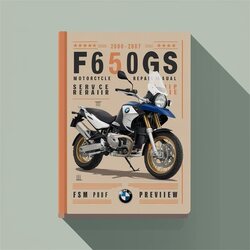
The F650GS, produced from 2000 to 2007, represents a capable single-cylinder, four-stroke dual-sport motorcycle known for its versatility and reliability. As an evolution of the earlier F650 series, it offers a robust platform designed for both on-road commuting and light off-road exploration. Its engineering provides a solid foundation for riders seeking an accessible yet durable machine. This model is distinguished by its efficient 652 cc engine, fuel injection system, and a range of chassis and electrical components designed for dependable performance.
$16.99
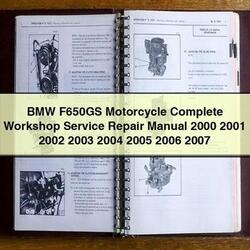
This workshop service repair manual provides comprehensive guidance for the F650GS, a versatile adventure touring and dual-sport motorcycle produced from 2000 to 2007. Known for its reliability, fuel efficiency, and suitability for both on-road touring and light off-road excursions, the F650GS features a 652 cc single-cylinder engine with electronic fuel injection, a 5-speed manual gearbox, and a steel tubular frame. Its design emphasizes practicality, offering features like standard handguards and an optional ABS system for enhanced safety. This manual is an essential resource for owners and technicians looking to maintain and repair this capable machine.
$16.99
The BMW F650GS, produced from 2000 to 2007, is a versatile single-cylinder motorcycle renowned for its robust engineering and reliability. Featuring a 652 cc engine with electronic fuel injection and a 5-speed gearbox, this model is designed for both on-road commuting and light off-road excursions. Its development from the F650 Funduro brought enhanced ergonomics and a more modern drivetrain, solidifying its reputation for adventure touring capabilities. With a steel tube frame for stability and optional ABS, the F650GS offers a dependable and capable riding experience.
$16.99
The BMW F650GS, produced between 2000 and 2007, is an adventure touring and dual-sport motorcycle renowned for its versatility and robust engineering. Featuring a liquid-cooled, single-cylinder Rotax engine with a displacement of 652 cc, it delivers approximately 50 horsepower and 46 lb-ft of torque, making it capable for both daily commuting and light off-road excursions. The F650GS is equipped with a 5-speed manual transmission, a wet multi-plate clutch, and a chain final drive, all contributing to its reliable performance. Its design prioritizes accessibility and ease of maintenance, making it a popular choice for riders seeking a dependable machine for diverse riding conditions.
$16.99
The BMW F 650 GS is a versatile mid-weight adventure touring motorcycle, produced from 2000 to 2008. It is renowned for its robust single-cylinder, four-stroke engine, offering a user-friendly and torquey power delivery. This model combines comfortable ergonomics suitable for longer journeys with capable suspension, making it adept for commuting, touring, and light off-road excursions. Its engineering quality, general durability, and the accessibility it brought to the adventure touring segment have solidified its reputation among riders.

$16.99
The BMW F650GS, produced from 2000 to 2008 and identified by chassis code E169, is a versatile single-cylinder adventure touring motorcycle. Designed for riders seeking capability across varied terrain, it excels in commuting, touring, and light off-road excursions. Known for its robust engineering and reliability, the F650GS offers a user-friendly experience, making it a popular choice in its segment. Its design philosophy emphasizes durability and adaptability, providing a dependable platform for diverse riding needs.
$16.99
This workshop service repair manual covers the F650GS, a versatile dual-sport motorcycle produced from 2000 to 2008. Known for its reliable single-cylinder, liquid-cooled Rotax engine, the F650GS offers a balance of performance and durability, making it suitable for both everyday commuting and adventurous journeys. This generation, often associated with the 'Funduro' or 'Dakar' variants, features electronic fuel injection and a 5-speed manual gearbox, with optional ABS available on certain models. Its robust engineering and practical design have made it a popular choice for riders seeking a dependable and capable machine.
$16.99
The BMW C1, produced from 2000 to 2003, represents a unique approach to urban mobility, blending the agility of a scooter with the safety of a small car. Featuring an integrated safety cell, optional driver's airbag, and a distinctive enclosed cockpit, the C1 offered unparalleled protection for its class. This innovative concept scooter, available in 125cc and 200cc engine variants, was engineered for practicality and safety in city environments, setting it apart from conventional two-wheeled vehicles.
$16.99
The BMW C1 200, produced in 2001, represents a unique approach to urban mobility, combining the agility of a scooter with enhanced safety features. Engineered by BMW Motorrad, this model is distinguished by its innovative safety cell, offering a protected cockpit with a roll-over structure and an integrated four-point seatbelt, a significant departure from conventional scooter designs. Powered by a reliable 198 cc single-cylinder, four-stroke liquid-cooled engine, the C1 200 prioritizes fuel efficiency and dependable performance for daily commuting. Its enclosed design provides weather protection, further enhancing rider comfort and safety, setting it apart from competitors in the compact scooter segment.
$16.99
The BMW C1 and C1 200, produced around 2001, represent a unique approach to urban personal mobility. These models offer an innovative enclosed cabin with a safety cage, windscreen, steering wheel, and seatbelt, combining the agility of a scooter with enhanced occupant protection and weather resistance. This design makes them a distinctive choice for commuters seeking a safer alternative to traditional scooters and motorcycles, providing a blend of convenience and security.
$16.99
The BMW C1 and C1 200, produced around the 2001 model year, represent a unique approach to urban mobility, blending the convenience of a scooter with advanced safety features. These models are distinguished by their innovative safety cell, complete with a roll-over structure and seat belts, offering a level of rider protection unparalleled in conventional scooters of their era. Engineered by a company renowned for quality and performance, the C1 series aimed to provide a secure and comfortable commuting experience, effectively creating its own niche in the market and offering a distinct alternative to both scooters and motorcycles.
$16.99
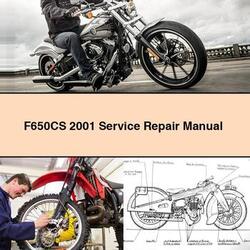
The BMW F650CS, model code K14, is a distinctive urban motorcycle produced from 2001 to 2005. Known for its modern classic styling and comfortable ergonomics, this German-engineered machine offers a practical and versatile riding experience, making it ideal for city commuting and light touring. It features a user-friendly, liquid-cooled, single-cylinder 652cc engine with electronic fuel injection, producing approximately 50 horsepower and 60 Nm of torque, paired with a 5-speed manual transmission and chain drive. The F650CS was manufactured in Italy by Aprilia for BMW Motorrad, a division with a rich heritage in motorcycle production.
$16.99
The BMW C1, first generation (Type R22), produced from 2001 to 2003, represents a unique approach to urban mobility. This compact, two-seater vehicle was engineered with BMW's renowned quality and a distinctive safety cage, offering a high level of occupant protection. Its innovative design and premium materials set it apart in the market, aiming to provide a stylish, safe, and practical solution for city driving, bridging the gap between traditional cars and scooters.
$16.99
The BMW F650CS Scarabé, produced between 2001 and 2003, is a lightweight, urban-oriented sportbike known for its stylish design and accessible performance. Featuring a liquid-cooled, four-stroke single-cylinder engine with electronic fuel injection, it delivers 50 horsepower and 45 lb-ft of torque, making it suitable for both commuting and spirited riding. Its engineering quality is evident in its robust construction and the inclusion of features like optional ABS, a 5-speed manual transmission with a chain final drive, and a 15-liter fuel tank. This model, with chassis code E169, was designed to offer a practical yet engaging riding experience within the BMW Motorrad lineup, competing with other popular naked bikes of its era.
$16.99
The F650CS, produced for the 2001, 2002, and 2003 model years, is a distinctive Naked Sportbike and Dual-Sport motorcycle designed for entry-level to mid-range riders. Known for its versatility, it bridges the gap between urban commuting and light off-road capability, embodying a commitment to engineering quality and reliability. Its unique selling points include a user-friendly riding experience and the robust build characteristic of its brand.

$16.99
The BMW F650 CS, produced from 2001 to 2005, is a distinctive single-cylinder motorcycle known for its urban-oriented design and unique features such as a single-sided swingarm and accessible seat height. This model, often referred to as the Classic Sport, was built with BMW's reputation for engineering quality and reliability, offering a practical yet stylish alternative in its segment. Its Rotax-engineered engine and thoughtfully designed chassis contributed to its appeal for riders seeking a blend of performance and everyday usability.
$16.99
The BMW F650CS, produced from 2001 to 2005, is a distinctive motorcycle known for its urban-focused design and practical features, most notably its unique 'frunk' storage compartment. This model, built on BMW's reputable engineering, offers a balance of performance and user-friendliness, powered by a reliable 652 cc liquid-cooled, single-cylinder engine. Its styling, often described as a sport-naked aesthetic for its era, positioned it as a stylish and accessible option within the motorcycle market, appealing to riders seeking versatility and the quality associated with the BMW brand.
$16.99
This manual covers the BMW F650CS motorcycle, produced from 2001 to 2005. The F650CS, also known by its chassis code E169, was designed as a modern, stylish, and user-friendly motorcycle, targeting urban commuters and light touring riders. It distinguished itself with a unique integrated storage compartment, accessible ergonomics, and a user-friendly single-cylinder engine developed by Rotax. BMW Motorrad's commitment to quality engineering is evident in the F650CS's reliable performance and practical design, offering a distinctive experience within the dual-sport segment.
$16.99
The BMW F650CS, also known as the Scarver, is a versatile motorcycle produced between 2001 and 2005. This first-generation model, chassis code E169, was engineered by BMW Motorrad in Berlin, Germany, as a practical and stylish urban motorcycle. It features a liquid-cooled, single-cylinder, four-stroke engine with a displacement of 652 cc, delivering approximately 48 hp and 46.5 lb-ft of torque. The F650CS is equipped with electronic fuel injection and a 5-speed constant mesh gearbox, with an optional ABS system available for enhanced safety. Its robust construction and thoughtful design make it a reliable choice for daily commuting and recreational riding.
$16.99
This manual covers the BMW F650CS, also known as the Scarver, produced between 2001 and 2005. This model, part of the E169 generation, is recognized for its unique, modern styling, integrated luggage options, and practical design, making it an ideal choice for urban commuters and beginner riders. It features a torquey, user-friendly single-cylinder engine, a comfortable riding position, and integrated storage, emphasizing versatility and ease of use. The F650CS is a lightweight naked/sportbike that offers a practical and stylish approach to motorcycling, building on the BMW Motorrad heritage of engineering excellence.
$16.99
The BMW F650CS, also known as the Scrambler (chassis code E169), is a single-cylinder, four-stroke motorcycle produced from 2001 to 2005. This model, part of BMW's 'F' series, was engineered as a modern interpretation of a classic single-cylinder design, effectively bridging the gap between commuter and lifestyle motorcycles. Praised for its unique style, comfortable riding position, and versatility, the F650CS offers a 652 cc liquid-cooled engine with Bosch Motronic fuel injection, producing approximately 50 hp and 44 lb-ft of torque. It features a 5-speed manual transmission, chain drive, and a robust braking system with optional ABS, making it a capable and enjoyable machine for various riding conditions.
$16.99
The F650CS, also known by its nickname "Scarab," is a single-cylinder, liquid-cooled motorcycle produced from 2001 to 2005. Designed with an emphasis on urban commuting and light touring, this model features a 652 cc engine with electronic fuel injection, a 5-speed transmission, and a steel tubular frame. It offers a blend of stylish design and practical performance, with features like optional dual-channel ABS, a halogen headlight, and a LED tail light contributing to its functionality and safety. Built in Austria by Aprilia for BMW, the F650CS was positioned as an accessible and road-oriented option within BMW's single-cylinder motorcycle lineup.
$16.99
This workshop repair service manual provides comprehensive coverage for the BMW F650CS Scarab motorcycle, produced between 2001 and 2006. Known for its distinctive styling, urban usability, and agile performance, the F650CS was designed to offer a unique blend of sportiness and practicality. Its engineering quality, reliability, and innovative features, such as the electronically controlled fuel injection and optional ABS, have made it a popular choice for riders seeking a versatile machine. This manual is an essential resource for maintaining and repairing this iconic BMW model.
$16.99
The BMW F650CS, also known as the 'Scarab', is a versatile naked sportbike and commuter motorcycle produced from 2001 to 2006. This model is recognized for its agile handling, comfortable ergonomics, and practical features, making it suitable for daily commuting and sport riding. Built with BMW's reputation for engineering quality and reliability, the F650CS features a robust single-cylinder, four-stroke engine with electronic fuel injection, delivering approximately 47-50 horsepower. Its design emphasizes user-friendliness and performance, complemented by safety features such as dual disc front brakes and an optional Anti-lock Braking System (ABS).
$16.99
The BMW C1, produced around 2002, represents a unique approach to urban mobility, merging scooter-like agility with car-inspired safety features. This innovative vehicle, available with 125cc and 200cc engine variants and identified by chassis codes C1-125 and C1-200, distinguished itself with an integrated safety cell, optional airbag, and a three-point seatbelt, offering a higher level of protection than conventional scooters. Its enclosed cockpit and car-like controls aimed to provide comfort and weather protection, making it a distinct choice in the premium scooter market.
$16.99
The BMW C1 200, produced in 2002, represents a unique approach to urban mobility, blending the agility of a scooter with enhanced safety and weather protection. This compact personal mobility vehicle is engineered with an innovative enclosed safety cell, featuring an integrated roll cage, setting it apart from traditional scooters and small motorcycles. Designed for city dwellers, it offers a weather-protected riding experience and a heightened level of occupant safety, reflecting BMW's heritage of quality and engineering.
$16.99
This document pertains to the C1 & C1 200, manufactured in 2002. These vehicles represent a unique segment of urban mobility, bridging the gap between scooters and small cars by offering an enclosed cabin, an integrated safety cell, and automotive-style steering. They were designed for urban commuters seeking enhanced safety and weather protection over traditional scooters, featuring a driver airbag and optional Anti-lock Braking System (ABS). The C1 and C1 200 models offered a distinctive approach to personal transport, emphasizing occupant safety and comfort in a compact package.
$16.99
The BMW C1, a unique urban mobility solution from 2003, represents a significant advancement in personal transportation. Engineered with a focus on safety and practicality, it features a distinctive rollover cage and seatbelt system, setting it apart in its class. This model offers an innovative approach to commuting, blending the agility of a scooter with enhanced protective elements. Its design prioritizes rider security without compromising the convenience expected for daily use.
$16.99
The BMW F650GS, produced from 2005 to 2007, is a versatile adventure touring motorcycle renowned for its reliability and dual-sport capabilities. Featuring a liquid-cooled, four-stroke, parallel-twin Rotax E650 engine with 652 cc displacement, this model offers approximately 48 hp and 60 Nm of torque, making it suitable for both on-road commuting and off-road exploration. Its robust engineering, characterized by a 5-speed manual transmission and a chain drive, ensures durable performance. The F650GS is recognized for its comfortable ergonomics, a 17.3-liter fuel capacity, and an optional ABS system, contributing to its positive owner satisfaction and reputation as a capable and dependable machine.
$16.99
This workshop service repair manual provides comprehensive information for the BMW F800S motorcycle, covering production years 2006 through 2009. The F800S is characterized by its liquid-cooled, four-stroke parallel-twin engine, offering a balance of performance and accessibility, making it suitable for sport touring and general riding. Its design philosophy emphasizes BMW's renowned engineering precision and rider-focused versatility. This model features a 798 cc engine, a 6-speed sequential gearbox, and an aluminum alloy twin-spar frame, contributing to its agile handling and reliable performance.
$16.99
The BMW F650GS is a versatile dual-sport motorcycle, produced for the 2007, 2008, and 2009 model years. This model is renowned for its blend of practicality and adventure capability, making it suitable for a wide range of riding conditions. Engineered with a commitment to quality and reliability, the F650GS offers a robust platform for daily commuting, long-distance touring, and exploring unpaved roads. Its design emphasizes rider comfort and manageable performance, establishing it as a capable and user-friendly option within its segment.

$16.99
The F650GS, produced between 2008 and 2011, is a versatile lightweight adventure touring motorcycle built around a reliable 652cc single-cylinder engine developed with Rotax. This model is celebrated for its adaptability, offering a comfortable riding experience suitable for daily commuting, extended touring, and light off-road excursions. Its design emphasizes a torquey power delivery, robust build quality, and dependable performance, making it a capable and accessible machine within the adventure segment.
$16.99
The BMW F650GS, produced from 2008 to 2012, is a versatile mid-size dual-sport motorcycle renowned for its blend of comfort, capability, and reliability. Featuring a robust 798cc parallel-twin engine derived from the F800 series, this model offers approximately 71 horsepower and 75 Nm of torque, making it well-suited for both daily commuting and extended adventure touring. Its practical design includes comfortable ergonomics for long distances, a 17-liter fuel tank, and optional ABS for enhanced safety. The F650GS was engineered to provide a stable and confidence-inspiring ride on various terrains, competing effectively in its segment with its German engineering and thoughtful features.
$16.99
The F650GS, produced from 2008 to 2012, is a lightweight adventure touring motorcycle renowned for its versatility, reliability, and user-friendly nature. Built on a robust chassis powered by a 652cc Rotax single-cylinder engine, this model excels in both daily commuting and light off-road excursions. Its engineering quality ensures durability and dependable performance, making it a favored choice for riders seeking a practical all-rounder. The F650GS offers a comfortable riding position with an adjustable seat height, a 17-liter fuel tank for extended range, and optional ABS for enhanced safety.
$16.99
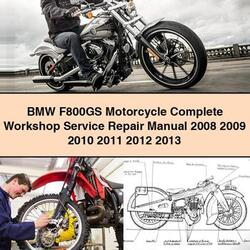
The BMW F800GS motorcycle, produced between 2008 and 2013, is a versatile Adventure Touring machine engineered for riders who demand capability across diverse terrains. Its parallel-twin engine delivers a balanced blend of torque and smooth power, complemented by long-travel suspension that enhances both comfort and off-road prowess. Often equipped with advanced features like optional Electronic Suspension Adjustment (ESA) and switchable ABS, the F800GS is designed for riders seeking a premium motorcycle suitable for long-distance touring, exploration, and daily commuting. Its robust construction and thoughtful design reflect BMW Motorrad's heritage of producing reliable and performance-oriented vehicles.
$16.99
This workshop service repair manual covers the F650GS, F800GS, F800S, and F800ST motorcycles produced for the 2009, 2010, and 2011 model years. These versatile motorcycles, part of the F800 Series platform, are known for their reliable parallel-twin engine, offering smooth power delivery and a focus on rider comfort and practicality, suitable for both on-road touring and light off-road excursions. Engineering quality is evident in the design philosophy of these mid-weight machines, which compete in the adventure and sport-touring segments.
$16.99
This manual covers the F650GS, F800GS, F800S, and F800ST models manufactured between 2009 and 2011. These motorcycles, built on the F800 Platform, are renowned for their versatility, handling, and the robust performance of their 798 cc parallel-twin engines. The F650GS offers accessible adventure touring capabilities, while the F800GS excels in off-road and long-distance exploration. The F800S and F800ST provide sporty on-road performance, catering to a range of riding preferences. Each model exemplifies a commitment to engineering quality and reliability, making them popular choices in the adventure and sport-touring segments.
$16.99
This manual covers the F650GS, F800GS, F800S, and F800ST models from the 2009, 2010, and 2011 model years, all built upon the F800 platform. These versatile motorcycles, powered by a shared 798cc parallel-twin engine, are known for their robust engineering and dynamic performance, catering to a range of riding experiences from commuting to adventure touring. The F800 series offers a blend of modern technology, including electronic fuel injection and optional ABS, with the reliability and build quality expected.
$16.99
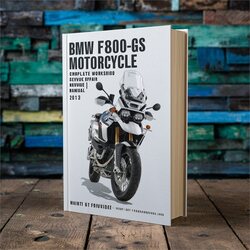
This manual covers the motorcycle, produced from 2009 to 2013. The is a sport-naked motorcycle renowned for its agile handling, responsive parallel-twin engine, and versatile performance, making it suitable for both spirited riding and everyday commuting. Its design emphasizes rider engagement and engineering quality, reflecting a commitment to producing reliable and capable machines. Key features include a liquid-cooled, 798 cc parallel-twin engine, a robust aluminum bridge frame, and optional ABS for enhanced safety.
$16.99
The 2013 BMW F800GS is an adventure touring motorcycle renowned for its blend of on-road comfort and off-road capability. Building on a legacy of producing durable and technologically advanced machines, this model, part of the F-series platform, offers a versatile riding experience. Its parallel-twin, four-stroke, liquid-cooled engine, with a displacement of 798 cc, delivers approximately 85 horsepower and 63 lb-ft of torque, making it suitable for diverse terrains and long-distance travel. Key features include a standard Anti-lock Braking System (ABS), a multi-function LCD display, and the option for Automatic Stability Control (ASC). The F800GS is engineered to empower riders seeking both adventure and practical utility.
$16.99
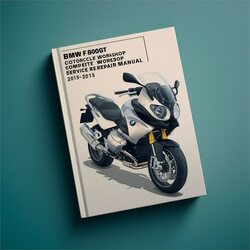
This manual covers the F800GT, a sport touring motorcycle produced between 2013 and 2015. Building on the established F800 parallel-twin platform, the F800GT was engineered for comfortable long-distance travel with an emphasis on sporty handling. Key features include its liquid-cooled, 798 cc parallel-twin engine producing approximately 80 hp and 86 Nm of torque, a 6-speed gearbox, and standard ABS. The motorcycle is equipped with a multi-function LCD display and a 15-liter fuel tank, designed for riders seeking versatility and performance on extended journeys.

$16.99
The BMW C1 represents a unique chapter in automotive design, embodying BMW's commitment to innovative engineering and performance. While specific production years and detailed market positioning are subject to the C1's nature as a concept or niche model, it is understood to be a vehicle built with the characteristic quality and reliability associated with the BMW brand. Its design likely aimed to blend sporty aesthetics with functional practicality, reflecting BMW's heritage of creating engaging driving machines. This manual provides comprehensive information for understanding and maintaining this distinctive vehicle.
$16.99
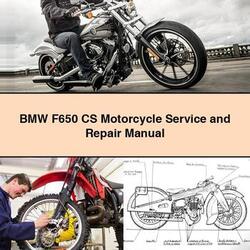
This manual covers the BMW F650 CS, a versatile Street/Sport Touring motorcycle produced approximately between 2000 and 2005. Known for BMW's reputation for engineering excellence and reliability, the F650 CS features a single-cylinder, four-stroke engine with electronic fuel injection, designed for urban usability and sporty styling. Its distinctive design and comfortable riding position have earned it positive owner reviews, highlighting its build quality and unique appeal within the F-series lineup.

$16.99
The BMW F650 CS, also known as the 'City Strada' (model code K14), is a distinctive motorcycle from the first generation of BMW's F-series. Produced between 2001 and 2005, this model was designed to appeal to urban riders with its unique, futuristic styling, including a prominent single-sided swingarm and a sporty riding posture. It aimed to offer a practical yet stylish blend of performance and everyday usability, competing in a segment that favored versatile single-cylinder or parallel-twin engines. Built in Italy by Aprilia for BMW, the F650 CS embodied BMW Motorrad's legacy of engineering quality with a focus on a unique design philosophy.
$16.99
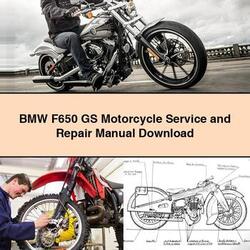
This manual covers the BMW F650 GS motorcycle, a versatile dual-sport model renowned for its robust engineering and reliability, fitting within BMW Motorrad's esteemed legacy. Historically, the F650 GS line has featured dependable Rotax-manufactured engines, suitable for diverse riding conditions. This comprehensive guide is designed for owners and technicians seeking to understand and maintain these capable machines, promoting self-sufficiency and cost-effective servicing.
$16.99
This manual covers the BMW F650GS, a versatile motorcycle known for its robust engineering and reliability, stemming from BMW Motorrad's extensive heritage in producing quality adventure bikes. Designed for a wide range of riding conditions, the F650GS, available in Standard and Dakar variants, offers a blend of accessibility and capability. Its single-cylinder, four-stroke engine, typically around 652cc and producing approximately 50 horsepower, provides a balanced performance suitable for both daily commuting and longer journeys. The motorcycle features a steel trellis frame, a 5-speed sequential manual gearbox, and a wet multi-plate clutch, all contributing to its enduring appeal among riders seeking a dependable and adaptable machine.
$16.99
This manual covers the BMW F650 GS, a single-cylinder, lightweight adventure touring and dual-sport motorcycle produced from 1994 to 2007. Known for its robust engineering, practicality, and versatility, the F650 GS is powered by a liquid-cooled, 652 cc Rotax engine featuring fuel injection and a 5-speed transmission. Its design philosophy emphasizes rider-friendly characteristics, making it suitable for commuting, touring, and light off-road exploration. The model is recognized for its durability and the longevity of its engine, offering a reliable option for riders seeking a capable all-around motorcycle.
$16.99
The F650CS (R13) Dakar, produced between 2001 and 2005, is a versatile single-cylinder, lightweight adventure/dual-sport motorcycle designed for commuters, touring riders, and light off-road enthusiasts. This model embodies renowned engineering quality and build durability, offering an accessible and robust platform. With its 652 cc liquid-cooled engine, electronic fuel injection, and a focus on practicality, the F650CS Dakar is recognized for its versatility, fuel economy, and comfortable riding position, making it a capable all-rounder.
$16.99
The F650CS, also known as the Scarver, is a versatile motorcycle produced from 2001 to 2005. Designed with urban commuting and practicality in mind, this model features a distinctive styling and integrated luggage storage. It is powered by a 652 cc single-cylinder, four-stroke engine delivering approximately 50 horsepower, and offers a 5-speed manual transmission with chain drive. The F650CS is recognized for its aluminum alloy frame, designed for stability, and optional ABS for enhanced braking control, reflecting a commitment to engineering quality and rider safety.
$16.99
The BMW F650CS, also known as the "Scarab," was a distinctive motorcycle produced from 2001 to 2006, designed for urban commuting and light dual-sport use. This model, chassis code E169, blended BMW's renowned engineering with a practical and stylish package, competing in a segment that valued versatility and approachable performance. Its Rotax-designed 652 cc single-cylinder engine, featuring electronic fuel injection, delivered approximately 50 horsepower, making it well-suited for navigating city streets and open roads alike. The F650CS offered a comfortable riding position, a 5-speed manual gearbox, and a chain drive system, embodying BMW's commitment to quality and rider experience in the mid-weight motorcycle category.
$16.99
This manual provides comprehensive information for the BMW F650CS, a versatile motorcycle designed for both sport touring and urban commuting. Produced between 2000 and 2005, the F650CS is recognized for its reliable single-cylinder, four-stroke engine, a liquid-cooled 652cc unit known for its efficiency and accessible power delivery. Its engineering quality, characteristic of BMW, is evident in its robust construction and user-friendly design, making it a popular choice for riders seeking a capable and enjoyable machine for a variety of riding conditions.
$16.99
The F650GS, a versatile motorcycle produced from approximately 1999 to 2007, represents a commitment to accessible adventure touring. Known for its balanced blend of agility, comfort, and dual-sport capability, the F650GS is designed for riders who enjoy both daily commuting and light off-road exploration. Its engineering emphasizes reliability and ease of use, making it a popular choice for both experienced riders and those new to the adventure motorcycle segment. The F650GS, often featuring a robust single-cylinder engine in its earlier iterations and later adopting a parallel-twin configuration, embodies renowned build quality and dedication to rider-centric design.
$16.99
The BMW F650GS motorcycle is a versatile dual-sport machine, renowned for its blend of adventure touring capability and everyday usability. Early single-cylinder variants, often powered by a 652cc engine, are celebrated for their engineering quality, reliability, and suitability for both long-distance travel and light off-road excursions. This model's robust construction and the legacy contribute to its reputation as a dependable and capable motorcycle, popular among riders seeking adventure and practicality.
$16.99
This manual provides comprehensive service and repair information for the motorcycle, chassis code R13. Known for its versatility as an adventure touring and dual-sport motorcycle, the F650GS offers a balanced blend of on-road comfort and off-road capability. This series of motorcycles is recognized for its robust engineering and rider-friendliness, making it a popular choice for a variety of riding conditions.

$16.99
The BMW F650 GS is a versatile mid-weight adventure touring motorcycle, celebrated for its robust engineering and adaptability to diverse riding conditions, from comfortable touring to capable off-road excursions. Building on a heritage of producing reliable and innovative machines, the F650 GS offers a blend of performance and durability, making it a favored choice for touring riders, daily commuters, and adventurous explorers. Its design prioritizes both on-road comfort and the ability to tackle unpaved paths, positioning it as a well-rounded and dependable partner for a wide range of riding experiences.

$16.99
This manual covers the F650GS, a versatile Adventure Touring and Dual-Sport motorcycle renowned for its reliability and robust engineering. Originally introduced in 1993, the F650GS platform, powered by a Rotax-built single-cylinder engine, has evolved to offer a blend of on-road comfort and off-road capability. Its liquid-cooled, DOHC engine, typically displacing 652 cc, delivers approximately 48-50 hp and 45.7 lb-ft of torque, making it suitable for a wide range of riding conditions. The F650GS is characterized by its durable construction, user-friendly design, and the availability of features like optional ABS, making it a popular choice for both experienced riders and those new to adventure touring.
$16.99
The F650GS is a distinguished motorcycle from a German manufacturer renowned for its engineering excellence and heritage in producing high-quality vehicles. As part of the F series lineup, the F650GS embodies adventure touring capabilities, featuring a single-cylinder, four-stroke engine with a fuel injection system and a manual transmission. This model is designed to cater to both do-it-yourself enthusiasts and experienced mechanics, offering a reliable and capable platform for various riding experiences.
$16.99
This manual provides comprehensive service and repair information for the F650GS, a versatile dual-sport adventure motorcycle renowned for its engineering quality and reliability. Building on a legacy of performance, the F650GS offers an accessible platform for both on-road touring and off-road exploration. This resource is designed to assist owners and technicians in maintaining the optimal performance and longevity of their F650GS, covering all aspects from routine maintenance to complex repairs.
$16.99
The BMW F650GS is a versatile dual-sport motorcycle renowned for its blend of adventure touring capabilities and everyday usability. This model is celebrated for its approachable ergonomics, robust construction, and a capable Rotax-designed single-cylinder engine that delivers tractable power suitable for both on-road and light off-road excursions. Evolving from earlier F650 models, the F650GS, and its subsequent rebranding as the G650GS, has consistently appealed to riders seeking a reliable and adaptable machine, making it a strong contender in the mid-weight dual-sport segment.
$16.99
The F650GS, a dual-sport and adventure motorcycle, has established itself as a versatile and reliable machine within its segment. Known for its approachable nature and robust engineering, particularly the Rotax-built single-cylinder engine, this model has been a popular choice for riders seeking a capable companion for both daily commuting and adventurous touring, including light off-road exploration. Its design prioritizes a balance of performance and accessibility, making it a favored option for those new to adventure riding or seeking a dependable, cost-effective motorcycle for a variety of uses.
$16.99
This manual covers the F-Models K7x series, including the F650GS, F800GS, F800R, F800S, and F800ST, with variants for the USA market. These motorcycles are known for their parallel-twin, four-stroke engines, typically displacing 798 cc, and are built upon a robust steel bridge frame. They offer a blend of performance and versatility, suitable for touring, commuting, and general riding. Key features include advanced electronic fuel injection, a six-speed sequential gearbox, and a reliable chain drive. Safety is enhanced by a dual front and single rear disc braking system, with ABS often available. The legacy of engineering excellence is evident in the F-series, providing owners with quality, reliability, and enjoyable riding experiences.
