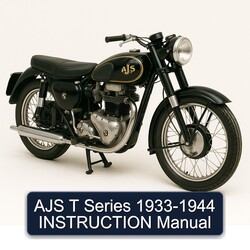
The T Series encompasses a range of motorcycle models manufactured by AJS. These machines are known for their classic styling and are often favored by enthusiasts for recreational riding and participation in vintage motorcycle events. The T Series models typically feature robust construction and a distinctive aesthetic that appeals to those who appreciate heritage in their two-wheeled transport. Their design prioritizes a balance of performance and historical authenticity.
Documentation for the T Series includes detailed service manuals, repair guides, and owner's handbooks. These resources provide essential information on routine maintenance, engine overhauls, electrical systems, and chassis adjustments. Technical specifications, parts catalogs,...
The T Series encompasses a range of motorcycle models manufactured by AJS. These machines are known for their classic styling and are often favored by enthusiasts for recreational riding and participation in vintage motorcycle events. The T Series models typically feature robust construction and a distinctive aesthetic that appeals to those who appreciate heritage in their two-wheeled transport. Their design prioritizes a balance of performance and historical authenticity.
Documentation for the T Series includes detailed service manuals, repair guides, and owner's handbooks. These resources provide essential information on routine maintenance, engine overhauls, electrical systems, and chassis adjustments. Technical specifications, parts catalogs, and troubleshooting charts are also available to assist owners and qualified technicians in maintaining the optimal performance and longevity of these motorcycles, ensuring they can be kept in excellent running order.
This manual covers the AJS 16MS and 18S models, produced in 1956. These motorcycles represent classic British engineering, featuring air-cooled, four-stroke, single-cylinder engines with displacements of approximately 348cc for the 16MS and 498cc for the 18S. They are equipped with a four-speed constant mesh gearbox, multi-plate wet clutch, and drum brakes for reliable stopping power. The robust steel tube frame and telescopic front forks, along with rear suspension, provide a solid foundation for these well-regarded machines, embodying the design philosophy of their era.
This manual provides comprehensive technical information for AJS and Matchless single-cylinder motorcycles manufactured between 1957 and 1966. These iconic British machines represent a significant era in motorcycle engineering, known for their robust construction and enduring performance. The range encompasses various single-cylinder models produced under both the AJS and Matchless brands, reflecting a period of continuous development and refinement. This documentation is essential for anyone seeking to understand, maintain, or restore these classic motorcycles, offering insights into their unique mechanical character and heritage.
This manual pertains to the AJS 16MS/18S/20 motorcycle models from 1954. These motorcycles are recognized for their robust engineering and enduring reliability, designed to offer a dependable riding experience. The AJS brand has a long-standing reputation for quality, and these models embody that commitment to excellence, making them a notable choice for enthusiasts and riders seeking a classic and capable machine.
This manual provides comprehensive information for the AJS Ein und Zweizylinder Modelle motorcycles produced in 1956. As a product of British motorcycle manufacturing from the mid-1950s, these models represent a significant era in automotive history, featuring both single-cylinder and twin-cylinder engine configurations. The engineering quality and reliability inherent in AJS machines of this period are supported by detailed technical data and repair procedures. This document serves as an essential guide for understanding and maintaining these classic motorcycles, highlighting their unique design and historical context.
This manual covers the AJS E3, E, ES, B, B1, B2, and B5 models from 1925. AJS motorcycles of this era were renowned in Britain for their engineering quality and performance, often built with a sporting heritage in mind. These machines, representative of AJS's mature development in the 1920s, offered robust construction and reliable operation, making them popular among enthusiasts.
This manual provides comprehensive guidance for the AJS T Series motorcycles produced between 1933 and 1934. These iconic British machines, known for their robust overhead valve engines and reliable performance, represented the pinnacle of AJS engineering during a transformative period in motorcycling. The T Series, encompassing models typically powered by 350cc or 500cc engines, offered a blend of sporting capability and everyday usability, earning a strong reputation among riders of the era. This documentation is tailored to assist owners and enthusiasts in understanding, maintaining, and preserving these classic motorcycles.
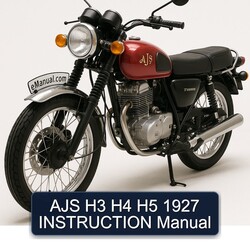
This manual provides comprehensive repair and instruction for the AJS H3, H4, and H5 models from 1927. AJS motorcycles of this era were renowned for their robust engineering and performance, establishing the marque as a significant name in early motorcycle sport and general use. These vehicles represent a key part of British motorcycle heritage, offering a classic riding experience. The engineering quality and reliability of these machines, while dating from the pre-war period, are supported by detailed maintenance and repair information designed to keep them in optimal condition.
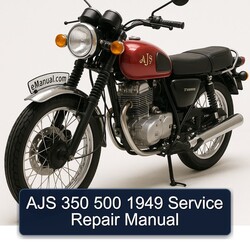
The AJS 350/500, produced in 1949, represents a significant piece of British motorcycle engineering from the post-war era. These robust machines, powered by air-cooled, single-cylinder OHV engines available in 350cc and 500cc variants, were built for reliability and performance during a time of industry revival. Known for their sturdy construction and dependable operation, AJS motorcycles of this period were a common sight, favored by riders for their versatility and the brand's heritage in competitive events. The engineering quality of these models, while reflecting the technology of their time, provided a solid foundation for countless journeys and continues to be appreciated by enthusiasts today.