



Ajs 18

The 18 category encompasses a specific model of motorbike, an iconic British marque known for its robust engineering and classic styling. These motorcycles are typically designed for road use, offering a blend of performance and reliability suitable for commuting, touring, and recreational riding. Key characteristics often include a distinctive engine configuration, durable frame construction, and a focus on rider comfort and control, reflecting the era of their design and production.
Documentation for the 18 model typically includes comprehensive workshop manuals detailing routine maintenance, engine overhauls, and electrical system diagnostics. Owners can also find user guides covering operation and basic care, while...
$16.99
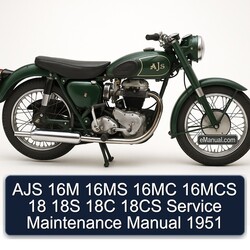
This manual pertains to the AJS 16M, 16MS, 16MC, 16MCS, 18, 18S, 18C, and 18CS models manufactured in 1951. These motorcycles, produced in England, were a significant part of the post-war British motorcycling landscape, known for their robust engineering, comfortable ride, and dependable performance for commuting and touring. The AJS 16 series offered accessible performance with its 347cc engine, while the 18 series provided a more potent experience with its 498cc engine. These machines competed effectively with other prominent British manufacturers of the era, embodying a blend of practicality and sporting capability that contributed to AJS's respected market position.
$16.99
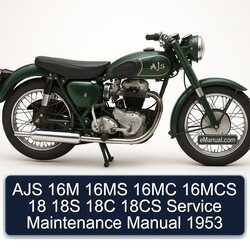
This manual covers the AJS 16M, 16MS, 16MC, 16MCS, 18, 18S, 18C, and 18CS models from 1953. These motorcycles are recognized for their robust British engineering and were designed for versatility, suitable for both everyday transport and sport riding. The 16 series features 350cc engines, while the 18 series offers 500cc powerplants, both utilizing air-cooled, four-stroke, single-cylinder designs with pushrod overhead valves. Notable for their era, these models competed with other prominent British marques and were appreciated for their reliability and solid build quality, reflecting the characteristic robustness of post-war British motorcycles.
$16.99
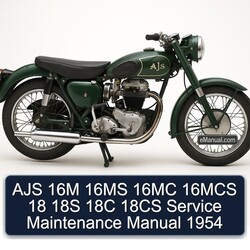
This manual covers the AJS 16M, 16MS, 16MC, 16MCS, 18, 18S, 18C, and 18CS models from 1954. These British middleweight motorcycles are powered by reliable 350cc and 500cc OHV vertical twin engines and are known for their robust construction, versatility for everyday use, and suitability for clubman racing. The AJS marque, founded in 1909, built a reputation for sporting and reliable machines, with these models representing mid-production refinements of their successful post-war designs. They competed with other prominent British motorcycles of the era and were praised for their strong engines, comfortable ride, and good handling.
$16.99
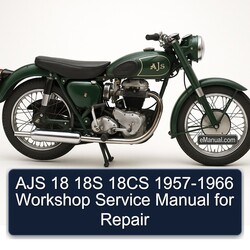
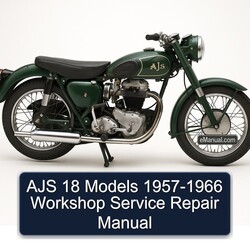
This workshop service manual covers the AJS 18, 18S, and 18CS models manufactured between 1957 and 1966. These motorcycles, originating from the United Kingdom, are part of the Associated Motorcycles (AMC) lineage, recognized for their robust engineering. While specific performance figures are detailed within, these machines typically featured single-cylinder, 4-stroke OHV engines, known for their reliability and straightforward design, making them suitable for general use and enthusiasts alike.
$16.99
This Workshop Service Repair Manual provides comprehensive guidance for 18 Models produced between 1957 and 1966. , a manufacturer with a rich heritage in British automotive engineering, produced these models with a focus on performance and reliability. The 18 Models designation signifies a specific series within 's product line during this era, often characterized by their robust construction and characteristic engineering of the period. This manual is designed to be an authoritative resource for understanding and maintaining these classic vehicles, ensuring their continued operation.
$16.99
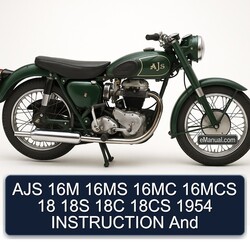
This manual covers a range of motorcycles, including the 16M, 16MS, 16MC, 16MCS, 18, 18S, 18C, and 18CS models, primarily from 1954, with applicability extended to similar generations. Motorcycles from this era were renowned for their robust engineering and reliable performance, representing the pinnacle of British motorcycle design for everyday use and touring. These models, available in approximately 350cc and 500cc variants, embody the quality and character associated with a respected name in post-war motorcycle manufacturing.
$16.99
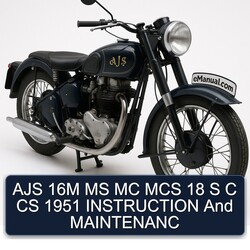
This manual covers the AJS 16M, 18S, and 18C motorcycles produced in 1951, along with potential variants identified by codes such as MS, MC, and MCS. These British-made single-cylinder, four-stroke OHV machines, likely featuring 350cc for the 16M and 500cc for the 18S/CS models, represent a robust post-war design. Known for their engineering quality and reliability, these models were popular for both road use and competition. The manual is designed to provide comprehensive information for owners and technicians, enabling effective maintenance and repair of these classic motorcycles.
$16.99
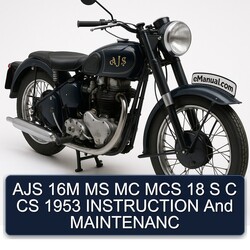
The AJS 16M MS MC MCS 18 S C CS motorcycle, produced in 1953, represents a significant offering in its class. Known for robust engineering and reliability, this model was designed to meet the demands of its intended use, providing a dependable and capable riding experience. Its design and construction reflect the quality standards of its era, making it a noteworthy vehicle for enthusiasts and riders alike.
